Table of Contents
Szechuan Sauce (15-Minute Homemade Recipe) – Bold, Sweet & Spicy
I still remember my first bite of Szechuan sauce in a tiny noodle shop in Manhattan’s Chinatown, the day after I moved to New York City from Paris. The heat hit my tongue first, followed by a deep savory sweetness that I couldn’t quite place. I had spent years perfecting French mother sauces at Le Cordon Bleu, but this was something entirely different — a sauce that wasn’t shy about its spices. Growing up in my mother’s Moroccan kitchen, I learned to balance bold flavors early on, and this Szechuan sauce recipe brings all that training together. With soy sauce, fresh ginger, and chili garlic sauce, this homemade Szechuan sauce is ready in just 15 minutes and works as a dip, marinade, or stir-fry sauce.
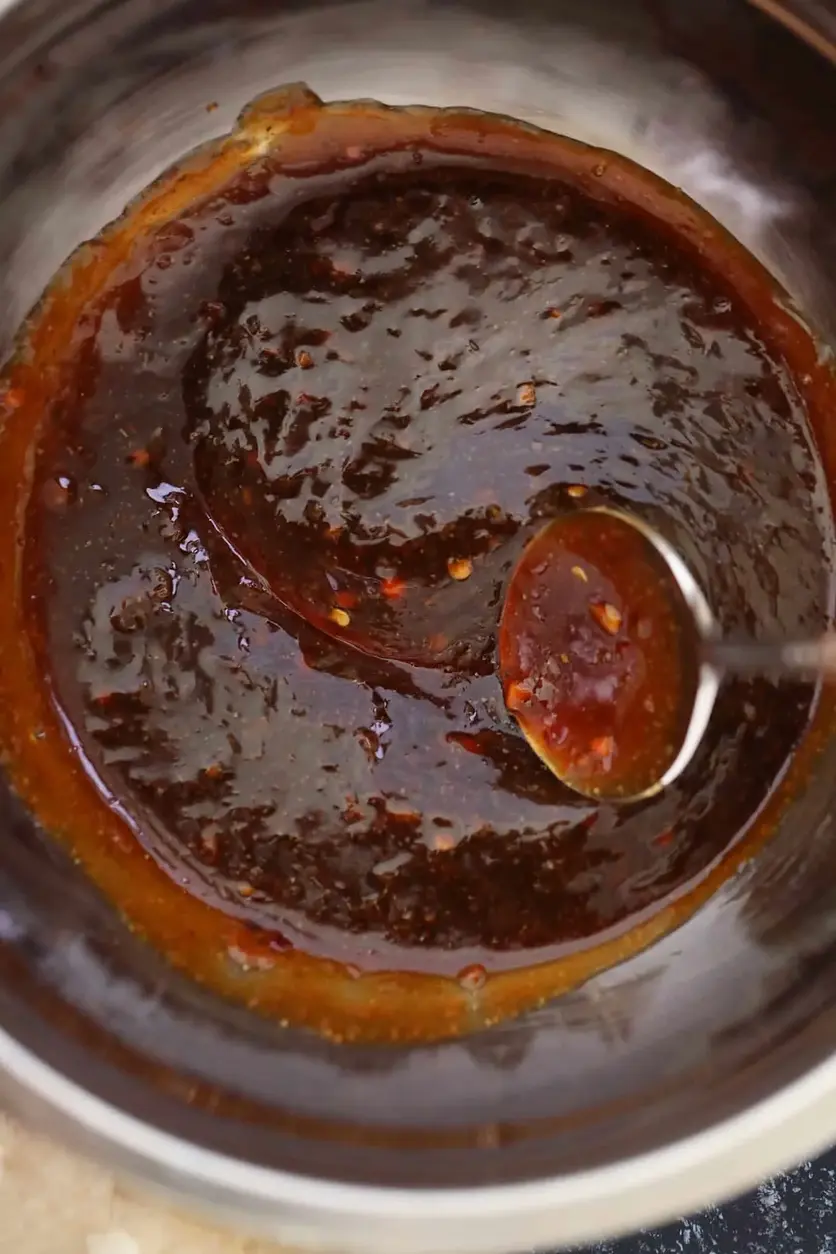
The aroma of this sauce as it simmers is intoxicating — the ginger and garlic mingle with vinegar and brown sugar, creating a fragrance that fills your kitchen with promise. The color deepens from a pale brown to a rich, glossy amber as the cornstarch thickens it. A single taste reveals layers: the saltiness of the soy sauce, the bright tang of rice vinegar, the warmth of crushed red pepper flakes, and that unmistakable kick from chili garlic sauce. My Paris-trained palate was trained to build sauces slowly, but this one comes together in minutes. The key is the cornstarch slurry — one simple technique I learned from a street vendor in Shanghai during a trip years ago.
Most Szechuan sauce recipes you’ll find online rely on doubanjiang or chili bean paste, but I’ve created a version that’s equally bold and accessible, using ingredients you can find at any US grocery store. My version features a 15-minute cooking method that yields the perfect consistency every time. One common mistake I see home cooks make is adding the cornstarch slurry directly into the hot liquid without dissolving it first in cold broth. 💡 mia’s Pro Tip: Always whisk your cornstarch with a cold liquid before adding it to the pan — this prevents lumps and gives you that silky, restaurant-quality finish.
Why This Szechuan Sauce Recipe Is the Best
The flavor secret behind this Szechuan sauce lies in balancing four key elements: salty soy sauce, sweet brown sugar, tangy vinegars, and spicy chili. Growing up in Morocco, my mother taught me that every sauce needs a counterpoint — something sharp to cut the richness, something sweet to round out the heat. I bring that same philosophy here. Unlike many recipes that rely on a single heat source, this one uses both chili garlic sauce and crushed red pepper flakes for complexity. The toasted garlic and ginger add depth that deepens as the sauce simmers, creating a flavor profile that’s bold but never one-dimensional.
From a chef’s perspective, texture is everything. The cornstarch slurry gives this sauce a glossy, clingy consistency that coats noodles and vegetables perfectly without being gummy or thin. In Paris, I learned that the best sauces have body — they should cling to a spoon for a few seconds before slowly dripping off. That’s exactly what this homemade Szechuan sauce achieves. The key is simmering the mixture until it just begins to bubble before adding the slurry, then stirring constantly until it reaches the perfect thickness. This technique ensures the sauce stays smooth and never separates, even after reheating.
This recipe is foolproof and fast — perfect for busy weeknights when you want authentic flavor without spending hours in the kitchen. With just ten ingredients and one pot, you can whip up this spicy Chinese sauce in 15 minutes flat. I’ve tested it for beginners and seasoned cooks alike, and the results are always consistent. Whether you’re making stir-fry, dipping dumplings, or marinating chicken, this Szechuan sauce adds instant depth. Plus, it keeps well in the fridge for up to two weeks, so you can make a batch on Sunday and use it all week.
Homemade Szechuan Sauce Ingredients
I buy most of these ingredients at my local farmers market in Brooklyn during summer, and at specialty Asian grocers in Chinatown during winter. The fresh ginger I get from a Korean-run stand on Smith Street — it’s always vibrant and fragrant. The chili garlic sauce I found at a little shop on Canal Street that also sells the best dried noodles. This is the kind of pantry-friendly ingredient list that makes this Szechuan sauce recipe a go-to in my New York kitchen.
Ingredients List
- 1/4 cup low-sodium soy sauce
- 2 tablespoons red wine vinegar
- 1 tablespoon fresh ginger (minced)
- 2 tablespoons brown sugar
- 1 tablespoon Asian chili garlic sauce (or chili sauce)
- 1 tablespoon rice vinegar
- 1/2 teaspoon crushed red pepper flakes
- 1/2 teaspoon garlic powder
- 1/2 cup chicken broth (veggie broth for vegetarian)
- 1 tablespoon cornstarch
Ingredient Spotlight
Fresh ginger is the backbone of this Szechuan sauce. It adds a warm, peppery zing that dried ginger simply can’t replicate. Look for ginger that’s firm and smooth-skinned — avoid any that is wrinkled or soft. You can find it in the produce section of any US grocery store. If you only have ground ginger, use 1/2 teaspoon, but the flavor will be milder and less complex.
Asian chili garlic sauce is my go-to for this recipe. It’s a thick, bright-red sauce made from crushed chilies, garlic, salt, and vinegar. Huy Fong Foods makes a popular version available in most supermarkets. For a milder sauce, use regular chili sauce or sambal oelek. For more heat, add an extra teaspoon of chili garlic sauce. I tested this with Sriracha once, and while it worked, the texture was thinner and less vibrant in color.
Low-sodium soy sauce is crucial because the chili garlic sauce and broth both contain salt already. Using regular soy sauce can make this Szechuan sauce overwhelmingly salty. If you only have regular soy sauce, cut it to 3 tablespoons and add water to make up the difference. For a gluten-free version, swap tamari or coconut aminos — both work beautifully.
| Original Ingredient | Best Substitution | Flavor / Texture Impact |
|---|---|---|
| Fresh ginger (minced) | 1/2 tsp ground ginger | Milder, less complex; use at end of cooking |
| Asian chili garlic sauce | 1 tbsp sambal oelek + 1/2 tsp minced garlic | Similar heat, slightly brighter acidity |
| Low-sodium soy sauce | Tamari or coconut aminos | Gluten-free; tamari is saltier, aminos sweeter |
| Red wine vinegar | Apple cider vinegar | Slightly fruitier, but works well |
| Chicken broth | Vegetable broth | Vegetarian; mild change in umami depth |
How to Make Szechuan Sauce — Step-by-Step
Don’t let the short ingredient list fool you — this homemade Szechuan sauce packs serious flavor. Follow these simple steps and you’ll have a restaurant-quality spicy Chinese sauce ready in no time.
Step 1: Prepare the Slurry
In a small bowl, combine 1/2 cup of cold chicken broth with 1 tablespoon of cornstarch. Whisk vigorously until the cornstarch is completely dissolved — you should see no white specks. This is your thickening agent and the secret to a glossy, smooth sauce.
💡 mia’s Pro Tip: Use cold broth, not warm. Warm liquid activates the cornstarch too early and creates lumps. I learned this trick at Le Cordon Bleu — it’s the same principle used for French velouté sauces.
Step 2: Simmer the Base
In a medium saucepan over medium heat, add the soy sauce, red wine vinegar, minced fresh ginger, brown sugar, chili garlic sauce, rice vinegar, crushed red pepper flakes, and garlic powder. Stir to combine and bring the mixture to a gentle boil. You’ll see small bubbles rising around the edges — this takes about 3-4 minutes.
⚠️ Common Mistake to Avoid: Boiling too vigorously. A gentle simmer is key — aggressive boiling can cause the sugar to burn and the flavors to become harsh. Keep the heat at medium-low after it starts bubbling.
Step 3: Thicken and Finish
Give your cornstarch slurry another quick whisk (it settles fast), then pour it into the simmering sauce while stirring constantly. Continue stirring for 3-5 minutes as the sauce thickens. It will go from a watery consistency to a glossy, syrupy texture that coats the back of a spoon. Remove from heat and let it cool for 5 minutes before using.
💡 mia’s Pro Tip: The sauce will continue to thicken as it cools. If you’re using it immediately, aim for a consistency slightly thinner than honey. For a thicker sauce — ideal for dipping — add an extra 1/2 teaspoon of cornstarch dissolved in 1 tablespoon of cold water.
| Step | Action | Duration | Key Visual Cue |
|---|---|---|---|
| 1 | Whisk cornstarch with cold broth | 1 min | No white specks left |
| 2 | Simmer base ingredients | 3-4 mins | Small bubbles at edges |
| 3 | Add slurry and stir until thick | 3-5 mins | Glossy, coats spoon |
Serving & Presentation
This Szechuan sauce is incredibly versatile — use it as a dipping sauce for dumplings, spring rolls, or crispy tofu. It also makes a fantastic marinade for chicken, beef, or tofu when used within 30 minutes. My favorite way to serve it is tossed with fresh noodles and sautéed vegetables for a quick weeknight dinner. When I’m feeling nostalgic for my Moroccan roots, I drizzle it over roasted cauliflower with tahini — the heat and tang cut through the creamy tahini beautifully.
For a beautiful presentation, spoon the sauce over a stir-fry and garnish with sliced green onions, toasted sesame seeds, and a drizzle of sesame oil. I like to serve it in a small dipping bowl next to dumplings or potstickers. In NYC, I’ve served this at dinner parties alongside steamed bao buns filled with pork belly — the guests always ask for the recipe. The sauce’s deep red color and glossy finish make any dish look restaurant-ready.
| Pairing Type | Suggestions | Why It Works |
|---|---|---|
| Side Dish | Steamed rice, sautéed broccoli, crispy tofu | Sauce absorbs into grains, adds heat to mild veggies |
| Sauce / Dip | Dumplings, spring rolls, tempura, grilled shrimp | Clingy texture coats each bite perfectly |
| Beverage | Cold beer (lager), iced green tea, sparkling water with lime | Crisp, cool drinks balance the heat |
| Garnish | Green onions, sesame seeds, cilantro, sliced chili | Adds freshness and visual appeal |
Make-Ahead, Storage & Reheating
I always make a double batch of this Szechuan sauce on Sunday evenings, so it’s ready to go for busy weeknights. Living in NYC means my schedule is packed, but having this sauce in the fridge means I can whip up a stir-fry or quick noodle dish in minutes. The flavors actually deepen after a day in the refrigerator, making it even more delicious the next day.
| Method | Container | Duration | Reheating Tip |
|---|---|---|---|
| Refrigerator | Airtight jar or glass container | Up to 2 weeks | Reheat gently in saucepan over low heat, adding 1 tbsp water if too thick |
| Freezer | Freezer-safe container or ice cube trays | Up to 3 months | Thaw overnight in fridge, then reheat slowly. May need extra cornstarch after thawing |
| Make-Ahead | Airtight container | Up to 5 days in advance | Best made 1 day before serving for flavor to meld. Reheat gently, then use as recipe directs |
When reheating, I find that adding a splash of water or broth helps restore the original consistency, since the sauce thickens as it sits. If you’re using it as a cold dip straight from the fridge, you might need to let it come to room temperature for about 15 minutes. Never microwave this sauce in a plastic container — use a small saucepan on the stovetop for even heating and to prevent scorching. I learned this the hard way during a busy weeknight when I melted a takeout container!
Variations & Easy Swaps
| Variation | Key Change |
 Tried This Recipe? Leave a Comment!Did you make this recipe? I’d love to hear how it turned out! Please leave a comment and a rating below. Your feedback helps other home cooks and supports cheerychop.com! For more delicious inspiration, follow me on Pinterest!  Hi, I’m Ema! Let’s make every bite unforgettable! ABOUT MELet's connect |
|---|