Table of Contents
Red Velvet Cinnamon Rolls
Introduction
Did you know that searches for “holiday baking” spike by over 200% in the final quarter of the year, with red velvet cinnamon rolls consistently ranking among the top 10 most sought-after recipes? It’s no wonder—this stunning fusion of a classic dessert and a beloved breakfast treat is a showstopper. Imagine a rich, cocoa-kissed, vibrant red dough, impossibly soft and swirled with a warm, aromatic cinnamon-sugar filling, all crowned with a luscious, tangy cream cheese frosting that melts on contact. This recipe isn’t just baking; it’s creating an experience, a centerpiece for your brunch table or a decadent gift that speaks volumes. Let’s dive into the art of making these irresistible red velvet cinnamon rolls that are guaranteed to earn you rave reviews.
Ingredients List
Gather your ingredients. Using high-quality components makes a noticeable difference in flavor and texture.
For the Red Velvet Dough:
- Warm Milk (110°F/43°C): 1 cup – activates the yeast. Substitution: Any plant-based milk like almond or oat works beautifully.
- Granulated Sugar: ½ cup – feeds the yeast and adds sweetness.
- Active Dry Yeast: 2 ¼ teaspoons (one standard packet) – the leavening agent for a fluffy, airy crumb.
- All-Purpose Flour: 4 to 4 ½ cups – provides structure. Sensory Tip: The dough should be tacky but not sticky, pulling away from the bowl cleanly.
- Unsweetened Cocoa Powder: 2 tablespoons – the secret behind the classic red velvet flavor, offering a subtle, earthy chocolate note.
- Salt: 1 teaspoon – balances all the sweetness.
- Egg: 1 large, at room temperature – enriches the dough and adds tenderness.
- Unsalted Butter: ¼ cup, melted and cooled – for incredible richness and a soft texture.
- Red Gel Food Coloring: 1-2 tablespoons – use gel for a vibrant, non-watery red hue without affecting consistency. Liquid coloring will require much more and can thin the dough.
- Pure Vanilla Extract: 2 teaspoons – the aromatic backbone.
For the Cinnamon Filling:
- Softened Unsalted Butter: ½ cup – acts as the glue for the cinnamon sugar.
- Light Brown Sugar: 1 cup, packed – its molasses content creates a deeper, caramel-like flavor and a gooey texture.
- Ground Cinnamon: 2 tablespoons – use fresh, high-quality cinnamon for the most potent, warm aroma.
For the Cream Cheese Frosting:
- Cream Cheese: 8 oz block, full-fat, softened to room temperature – the tangy star. Don’t use spreadable tubs.
- Unsalted Butter: ½ cup, softened – creates a smooth, spreadable consistency.
- Powdered Sugar: 3 cups, sifted – for sweetness and structure.
- Pure Vanilla Extract: 1 teaspoon – enhances the frosting’s flavor profile.
- Pinch of Salt: – cuts the sweetness and brightens the cream cheese flavor.
Timing
30 minutes
(Active hands-on work)
1 hour 30 minutes
(Mostly hands-off)
25 minutes
2 hours 25 minutes
While the total time is around 2.5 hours, over 60% of that is inactive rising time, perfect for doing other tasks. Compared to average cinnamon roll recipes, the addition of cocoa and food coloring doesn’t add any extra active time. The double-rise process is non-negotiable for achieving that signature cloud-like, tender texture.
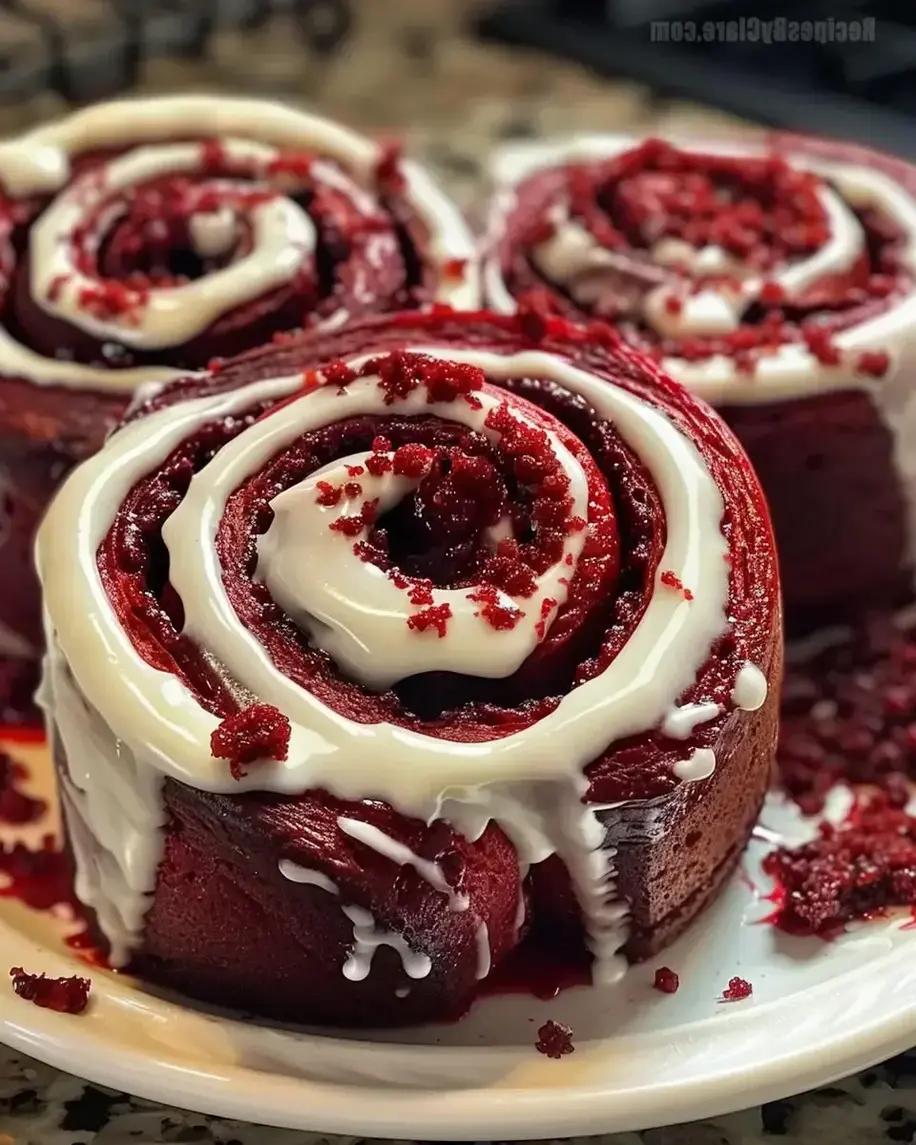
Freshly baked red velvet cinnamon rolls, warm and swirled, ready for their cream cheese crown.
Step-by-Step Instructions
Step 1: Prepare the Dough
In the bowl of a stand mixer fitted with the dough hook, combine the warm milk, sugar, and yeast. Let it sit for 5-7 minutes until it becomes frothy and fragrant—this “proofs” the yeast, ensuring it’s active. If it doesn’t foam, your yeast may be old or the liquid was too hot; start over. Add the egg, melted butter, vanilla, and red gel food coloring. Mix on low until just combined. In a separate bowl, whisk together 4 cups of flour, cocoa powder, and salt. With the mixer on low, gradually add the dry ingredients to the wet. Mix until a shaggy dough forms. If the dough is very sticky, add the remaining ½ cup of flour, one tablespoon at a time, until it clears the sides of the bowl but remains slightly tacky to the touch. Knead on medium speed for 5-7 minutes until smooth and elastic.
Step 2: First Rise
Shape the vibrant red dough into a ball. Lightly oil a large bowl, place the dough inside, and turn it to coat. Cover tightly with plastic wrap or a damp kitchen towel. Place it in a warm, draft-free spot (like an oven with just the light on) for about 1 hour, or until it has doubled in size. This slow fermentation develops flavor and texture.
Step 3: Roll and Fill
Punch down the risen dough to release air bubbles. Turn it out onto a lightly floured surface. Using a rolling pin, roll it into a large rectangle, roughly 18×12 inches. Spread the ½ cup of softened butter evenly over the entire surface, leaving a ½-inch border along one long edge. In a small bowl, mix the brown sugar and cinnamon. Sprinkle this mixture evenly over the buttered dough, pressing it down gently with your hands.
Step 4: Cut and Second Rise
Starting from the long edge opposite the clean border, tightly roll the dough into a log, pinching the clean edge to seal. Using a sharp serrated knife or unflavored dental floss, cut the log into 12 equal rolls (about 1.5 inches each). Place them cut-side up in a generously buttered 9×13 inch baking dish. Cover the dish and let the rolls rise again in a warm place for 30-45 minutes until puffy and nearly doubled. Meanwhile, preheat your oven to 350°F (175°C).
Step 5: Bake to Perfection
Bake the risen rolls for 22-27 minutes. They’re done when the tops are set and the internal temperature reads about 190°F (88°C) on an instant-read thermometer. The edges will be lightly golden, and your kitchen will smell incredible. Let them cool in the pan for 10-15 minutes before frosting—this prevents the frosting from melting into a puddle.
Step 6: Frost and Serve
While the rolls cool, make the frosting. In a clean mixer bowl with the paddle attachment, beat the softened cream cheese and butter on medium-high until completely smooth and lump-free, about 2 minutes. Reduce speed to low and gradually add the sifted powdered sugar. Once incorporated, add the vanilla and salt, then beat on high for 1-2 minutes until light and fluffy. Spread or pipe the frosting generously over the warm (not hot) rolls. Serve immediately for the ultimate gooey, melty experience.
Nutritional Information
Estimated per roll (1 of 12, including frosting):
- Calories: 480 kcal
- Total Fat: 22g
- Saturated Fat: 13g
- Carbohydrates: 67g
- Fiber: 1.5g
- Sugars: 42g
- Protein: 6g
- Sodium: 220mg
Healthier Alternatives
You can enjoy these rolls with a lighter touch without sacrificing decadence.
- Flour: Substitute half the all-purpose flour with white whole wheat flour for added fiber and nutrients.
- Sugar: In the dough, replace granulated sugar with coconut sugar or a monk fruit blend. For the filling, try a mix of coconut sugar and a touch of maple syrup for binding.
- Frosting: Use reduced-fat cream cheese and blend it with Greek yogurt (strained) and a smaller amount of powdered sugar or honey for sweetness. The tang remains delightful.
- Butter: In the filling, a thin layer of unsweetened applesauce mixed with cinnamon can replace half the butter for a less gooey but still flavorful option.
Serving Suggestions
- Brunch Centerpiece: Serve alongside crispy bacon, savory scrambled eggs, and fresh fruit salad to balance the sweetness.
- Holiday Breakfast: Pair with a pot of strong coffee, hot chocolate, or mulled cider. The red color makes them perfect for Christmas or Valentine’s Day.
- Dessert Upgrade: Serve warm with a scoop of vanilla bean ice cream and a drizzle of caramel sauce for an over-the-top dessert.
- Gifting: Package cooled, unfrosted rolls in a decorative tin with a container of frosting on the side. Include reheating instructions for a thoughtful, homemade gift.
Common Mistakes
- Killing the Yeast: Using milk that’s too hot (above 115°F) will kill the yeast, resulting in dense rolls. Use a thermometer.
- Over-flouring the Dough: Adding too much flour during kneading creates dry, tough rolls. The dough should be tacky, not
