Table of Contents
Classic Philly Cheesesteak with Caramelized Onions – A Flavorful Journey to Cheesesteak Perfection
I still remember my first bite of a true Philly cheesesteak—it was at a tiny corner shop in South Philadelphia during my early days as a cook in New York City. The owner, a salty old-school guy named Tony, saw me hovering and slid a sandwich across the counter. “Try it,” he grunted. That first taste—thin ribbons of salty beef, gooey melted provolone, and sweet caramelized onions on a soft hoagie roll—completely changed how I thought about American comfort food. Back in my mom’s kitchen in Morocco, we had our own slow-cooked lamb sandwiches with preserved lemons and cumin, but this was something else entirely. This Philly cheesesteak recipe became my obsession. I went home and practiced slicing ribeye paper-thin, caramelizing onions until they were jammy, and learning the perfect balance of meat and cheese. After years of tweaking, I’m sharing my version of a classic cheesesteak with onions—one that brings the soul of Philly straight to your table.
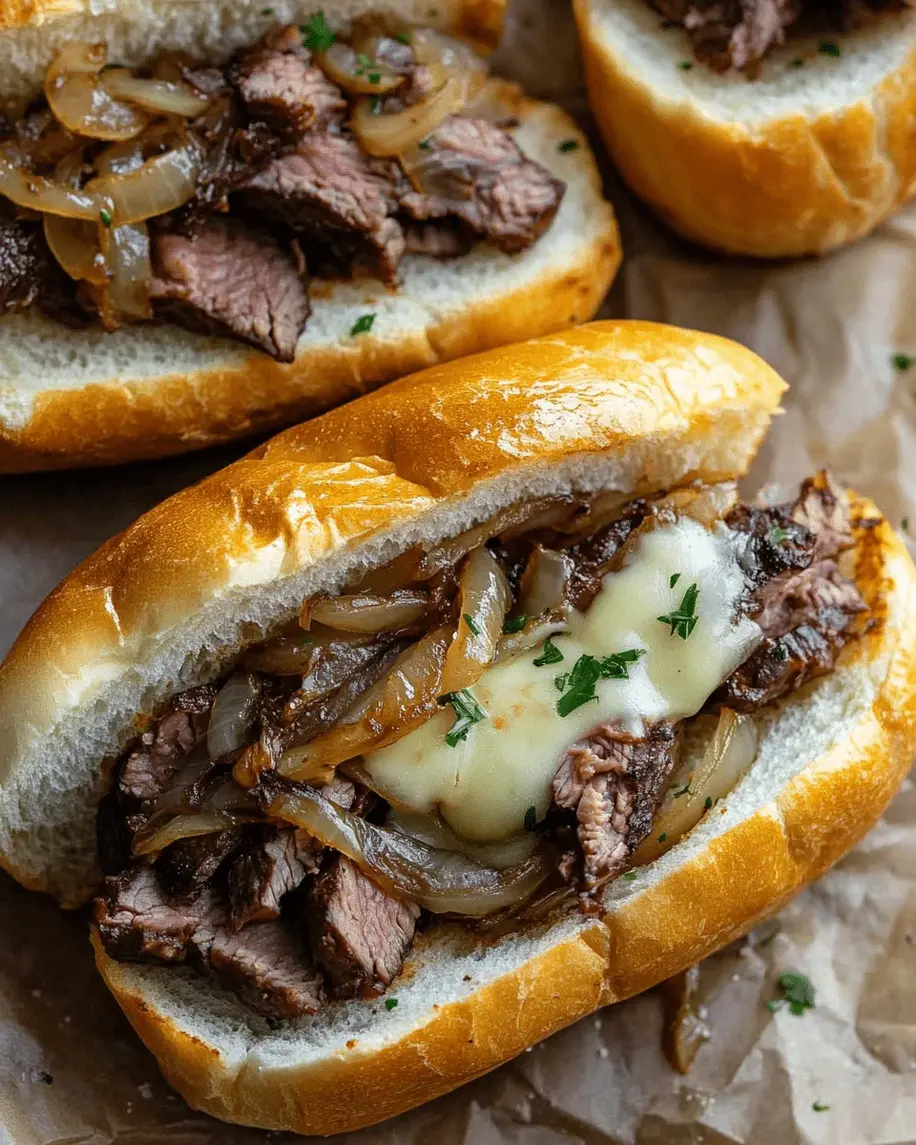
What makes this sandwich unforgettable is the harmony of textures and flavors. The beef, sliced so thin it almost melts against the tongue, gets seared in a screaming-hot cast iron pan until the edges are crisp but the center stays tender. The onions—those glorious yellow onions—cook low and slow until they turn into a silky, sweet jam, their natural sugars caramelized to a deep amber. A generous layer of provolone cheese blankets the meat, oozing into every nook and cranny. And the roll: you need a sturdy Italian hoagie that can hold up to all that juiciness without falling apart. When you take a bite, the crust gives way to a soft interior, and everything fuses together in one glorious mouthful. It’s the kind of sandwich that demands a napkin, a cold drink, and maybe a moment of silence.
I’ve made this best Philly cheesesteak for friends, for family, and even for a dinner party where I paired it with a Moroccan carrot salad—my roots showing through. The secret? It’s in the technique. First, I chill the ribeye slightly before slicing so I can get those whisper-thin cuts. Second, I never rush the caramelized onions—they need at least 20 minutes of patient stirring. And third, I use a trick from my French pastry days: a quick deglaze with a splash of beef broth to lift all the browned bits off the pan. That’s the flavor that takes this cheesesteak with caramelized onions from good to absolutely crave-worthy. If you’ve ever wondered how to make cheesesteak that rivals your favorite sandwich shop, this recipe is your answer.
Why This Philly Cheesesteak Recipe Is the Best
The Flavor Secret – Most recipes stop at just salt and pepper. Not mine. I add a whisper of garlic powder and a tiny pinch of smoked paprika before the meat hits the pan. That paprika nods to my Moroccan heritage, where spice blends are sacred. Combined with the deep sweetness of caramelized onions and the tangy richness of provolone, every bite has layers you’ll want to chase.
Perfected Texture – I insist on ribeye, and I slice it myself. Pre-shaved steak from the store is often too thick or unevenly cut. By partially freezing the ribeye and using a sharp knife (or a mandoline), you get pieces that cook in seconds and stay tender. The roll is toasted just enough to keep its crunch without becoming rock hard. This is textural harmony at its finest.
Foolproof & Fast – This classic cheesesteak with onions looks and tastes like it came from a pro kitchen, but I’ve broken it down into simple, repeatable steps. Even if you’ve never caramelized onions before, my visual cues (look for a “golden brown” color, not dark brown) will guide you. You’ll have dinner on the table in under 40 minutes.
Philly Cheesesteak Recipe Ingredients
I head to the Union Square Greenmarket on weekends, and the butchers there know me by name. For this Philly cheesesteak recipe, I always grab a thick-cut ribeye steak from a trusted source. The onions come from my local farm stand—they’re sweeter and more flavorful than supermarket ones. The bread? I find crusty Italian rolls at a small bakery on Arthur Avenue in the Bronx. But don’t worry—I’ve tested this with grocery-store ingredients, too. Here’s what you need:
Ingredients List
- 1 lb boneless ribeye steak (about 3/4 inch thick)
- 2 large yellow onions, thinly sliced
- 4 hoagie or Italian rolls (soft but sturdy)
- 8 slices provolone cheese (or 6 oz thinly sliced)
- 2 tablespoons unsalted butter
- 1 tablespoon olive oil
- 1/2 teaspoon kosher salt, divided
- 1/4 teaspoon black pepper
- 1/4 teaspoon garlic powder
- 1/8 teaspoon smoked paprika (optional)
- 1/4 cup beef broth (for deglazing)
- Optional: sautéed mushrooms, bell peppers, hot peppers (add your own twist)
Ingredient Spotlight
Ribeye – This is the gold standard for a reason. Its marbling keeps the meat juicy and flavorful. Look for bright red color with creamy white fat streaks. If you can’t find ribeye, sirloin steak (top sirloin) is a leaner substitute; slice it extra thin and cook a minute less to avoid toughness.
Yellow Onions – They caramelize beautifully due to their balanced sugar content. Avoid red or white onions for this—red onions turn mushy, white onions lack sweetness. Vidalia onions work if you’re in season and want extra sweet onions.
Provolone – I use sharp provolone for its creamy melt and tangy bite. If you want the classic Philly experience, you can substitute with Cheez Whiz or American cheese. Cheez Whiz melts into a silky sauce that coats each piece of beef; it’s less refined but undeniably delicious.
Hoagie Rolls – The bread must be soft on the inside with a firm crust. A good Italian loaf from the bakery section works. Avoid super soft brioche or fluffy hot dog buns—they’ll fall apart. Toast the rolls lightly in the pan with butter for maximum structural integrity.
| Original Ingredient | Best Substitution | Flavor / Texture Impact |
|---|---|---|
| Ribeye steak | Top sirloin or flank steak | Leaner, slightly less juicy; slice thinner and cook fast |
| Yellow onions | Vidalia or sweet onions | Sweeter caramelization, but take longer; adjust sugar addition |
| Provolone cheese | Cheez Whiz or white American | Cheez Whiz: creamier, more authentic Philly style; American: milder, smooth melt |
| Hoagie roll | French baguette or soft sub roll | Baguette: crunchier, holds up well; sub roll: softer, may need toasting extra |
How to Make Classic Philly Cheesesteak — Step-by-Step
Follow these steps and you’ll have a restaurant-quality cheesesteak at home. I’ve included my pro tips to guarantee success—even if you’re a beginner.
Step 1: Prepare the Beef
Place the ribeye in the freezer for 20 minutes (it should be firm but not fully frozen). Using a sharp chef’s knife, slice the steak as thinly as possible against the grain—aim for about 1/8-inch thick. Season the slices with 1/4 teaspoon salt, 1/4 teaspoon pepper, garlic powder, and smoked paprika. Toss to coat evenly.
💡 mia’s Pro Tip: Use a mandoline set to 1/8 inch for super even slices. If using a knife, chill the steak first—it’s a game changer for getting those deli-thin pieces.
Step 2: Caramelize the Onions
Heat 1 tablespoon butter and the olive oil in a large cast iron or nonstick skillet over medium heat. Add the sliced onions and remaining 1/4 teaspoon salt. Cook, stirring occasionally, for 15–20 minutes, lowering the heat to medium-low if they start to brown too quickly. The onions should become deep golden, soft, and sweet.
⚠️ Common Mistake to Avoid: Stirring too often. Let the onions sit in the pan for a minute at a time to develop color. Too much stirring prevents caramelization. Also, don’t crowd the pan—use a wide skillet so onions have space.
Step 3: Cook the Steak
Push the caramelized onions to one side of the skillet. Increase heat to high. Add the remaining 1 tablespoon butter to the empty side and let it melt. Add the seasoned beef slices in a single layer (work in batches if needed). Sear for 30–45 seconds per side, until browned but still pink in the center. Deglaze with beef broth, scraping up any browned bits, then toss with the onions. Turn off heat.
💡 mia’s Pro Tip: Don’t overcrowd the pan. If you add too much meat at once, it steams instead of sears. Cook in two batches for that perfect caramelized crust.
Step 4: Assemble the Sandwich
Split the hoagie rolls and toast them in a toaster or in the skillet (cut side down) for 1–2 minutes until golden. Place the toast on a work surface. Arrange the meat and onion mixture evenly over the bottom halves. Layer provolone slices on top of the hot meat so they begin to melt immediately. Optional: place the open sandwiches under the broiler for 30 seconds to fully melt the cheese.
⚠️ Common Mistake to Avoid: Skipping the toasting step. A untoasted roll gets soggy within minutes. Toast it until just crisp—it gives you that satisfying crunch.
Step 5: Serve and Enjoy
Close the sandwiches and press down gently. Cut in half diagonally. Serve immediately with napkins—this is a juicy, messy sandwich in the best way. Pair with crispy fries, a dill pickle spear, and a cold beer.
💡 mia’s Pro Tip: For extra indulgence, dip the sandwich in au jus (beef broth + Worcestershire). That’s how they do it in some Philly spots. Not traditional, but oh so good.
| Step | Action | Duration | Key Visual Cue |
|---|---|---|---|
| 1 | Freeze & slice ribeye | 20 min freeze, 5 min slice | Steak is firm, slices translucent thin |
| 2 | Caramelize onions | 15–20 min | Deep golden brown, jammy texture |
| 3 | Sear steak | 45 sec per side | Meat browns, reddish center remains |
| 4 | Assemble & melt cheese | 1–2 min (broil 30 sec) | Cheese is bubbly, bread toasted golden |
| 5 | Serve | Immediately | Cheese oozing, steam rising |
Serving & Presentation
When I serve this Philly cheesesteak recipe, I love to recreate the no-fuss vibe of a Philadelphia corner shop. I place the sandwiches on a wooden board lined with wax paper—it’s how Tony served his. Add a pile of thin-cut french fries dusted with a little paprika and sea salt. A side of pickled hot peppers (banana peppers or cherry peppers) cuts the richness beautifully. For a nod to my Moroccan upbringing, I sometimes serve a side of harissa-spiced yogurt sauce—sounds unconventional, but the tangy heat plays surprisingly well with the beef and caramelized onions.
For drinks, an ice-cold lager or a hoppy IPA balances the fatty, salty flavors. If you prefer red wine, a Zinfandel or a light-bodied Merlot works. For a non-alcoholic option, try a tart lemonade or iced tea. Garnish with fresh parsley or chives for a tiny bit of green. And don’t forget a stack of napkins—this is a two-hand sandwich.
| Pairing Type | Suggestions | Why It Works |
|---|---|---|
| Side Dish | Crispy fries, sweet potato fries, or a simple green salad | Fries add crunch; salad lightens the meal |
| Sauce / Dip | Ketchup, spicy mayo, or au jus | Enhances the beefy flavor; adds moisture |
| Beverage | Lager, IPA, Zinfandel, or lemonade | Beer cuts fat; wine complements beef; lemonade cleanses palate |
| Garnish | Fresh parsley, chives, pickled peppers | Adds freshness and a pop of acidity |
Make-Ahead, Storage & Reheating
I’m a meal-prepper at heart—I often make the caramelized onions and slice the beef the night before. That way, assembling dinner on a busy weeknight takes just 10 minutes. But what if you have leftovers? Here’s how to store and reheat without losing that fresh-off-the-griddle magic.
| Method | Container | Duration | Reheating Tip |
|---|---|---|---|
| Refrigerator | Airtight glass container (meat & onions separate from bread) | Up to 3 days | Reheat meat and onions in hot skillet; toast bread fresh; assemble |
| Freezer | Freezer-safe bag or container (meat & onions only) | Up to 2 months | Thaw overnight in fridge; reheat in skillet with a splash of broth |
| Make-Ahead | Pre-sliced beef + caramelized onions in fridge | 1 day in advance | Cook steak fresh; assemble on toasted rolls just before serving |
Don’t even think about microwaving a fully assembled cheesesteak—the bread turns into a sad, soggy mess. Instead, separate the components. Reheat the meat and onions in a hot skillet over medium-high heat for 2–3 minutes, adding a tablespoon of broth to restore moisture. Toast the roll separately, then pile everything together. It’ll be almost as good as the first time. I learned this trick from making sandwiches for my busy New York life—it works every time.
One more tip: if you plan to freeze, skip the cheese until after reheating. Cheese doesn’t freeze well in this context. Add fresh provolone when you reassemble.
Variations & Easy Swaps
| Variation | Key Change | Best For | Difficulty Impact |
|---|---|---|---|
| Mushroom Swiss | Add sautéed mushrooms, swap provolone for Swiss | Earthy flavor lovers | Easy |
| Gluten-Free / Dairy-Free | Use gluten-free hoagie roll, dairy-free cheese (e.g., Violife) | Dietary restrictions | Easy (cheese melt varies) |
| Spicy Southwest | Add jalapeños, pepper jack cheese, and a dollop of salsa verde | Heat seekers | Easy |
Mushroom Swiss Cheesesteak
Sauté 8 oz sliced cremini mushrooms in a tablespoon of butter until golden brown and all liquid evaporates. Add them alongside the caramelized onions. Instead of provolone, use Swiss cheese—its nutty, slightly sweet flavor complements the mushrooms beautifully. This variation reminds me of a French “bifteck haché” I once made in my Paris culinary school, but with an American twist.
Gluten-Free / Dairy-Free Version
Use a sturdy gluten-free hoagie or sub roll (Canyon Bakehouse or Udi’s work well). For the cheese, opt for a dairy-free provolone or mozzarella style from brands like Violife or Miyoko’s. Melt it under the broiler for 20 seconds to get it gooey. The filling itself is naturally free of major allergens, so this swap is straightforward—just watch the bread, as gluten-free rolls can crumble. Toast them a bit longer.
Spicy Southwest Cheesesteak
When I’m craving heat, I slice fresh jalapeños and sauté them with the onions for the last 5 minutes. Replace provolone with pepper jack cheese, which melts beautifully and brings a creamy spice. Serve with a side of salsa verde and a squeeze of lime. I first tried this combo while visiting a taqueria in Brooklyn—the fusion of Philly and Mexican flavors was genius.
What is the best cut of beef to use for a classic Philly cheesesteak?
For an authentic Philly cheesesteak, ribeye is the hands-down winner. Its high marbling ensures the meat stays juicy and tender even when sliced thin. You can use sirloin or flank steak in a pinch, but they’ll be leaner, so slice extra thin and cook very quickly to avoid toughness. I always ask my butcher for a 1-inch-thick ribeye and then partially freeze it at home for easier slicing.
How do you caramelize onions for a Philly cheesesteak without burning them?
Patience is the key. Start with thinly sliced yellow onions in a heavy pan over medium heat with butter and a pinch of salt. Let them cook for 15–20 minutes, stirring every minute or two. If they start browning too quickly, lower the heat. The sugars need time to develop that deep golden color without scorching. I also deglaze with a splash of beef broth at the end to lift all the flavor from the pan.
What type of cheese is traditionally used on a Philly cheesesteak?
Traditionally, provolone is the most popular choice—it melts smoothly and adds a slightly sharp flavor. Many classic Philadelphia shops also use Cheez Whiz, which gives that ultra-creamy, uniform coating. American cheese is another common alternative. My personal favorite is sharp provolone, but I love the nostalgia of Cheez Whiz too. Feel free to experiment: any cheese that melts well will work.
Can I make a Philly cheesesteak ahead of time and reheat it without it getting soggy?
Yes, but you need to store the components separately. The meat and onions can be refrigerated together in an airtight container for up to 3 days. Keep the bread and cheese separate. When you’re ready to eat, reheat the meat and onions in a hot skillet until sizzling, then pile onto freshly toasted rolls and add cheese. This method gives you that just-cooked texture without any sogginess.
What is the best bread for a Philly cheesesteak?
The ideal bread is a soft Italian hoagie roll with a firm crust. It should be sturdy enough to hold the juicy filling without falling apart, but light enough to not overwhelm the meat. Look for rolls that are about 8 inches long and slightly chewy. In New York, I buy my rolls from a local Italian bakery. If you can’t find a good hoagie roll, a crusty French baguette works—just slice it into sandwich-sized pieces.
How do I slice beef thinly for cheesesteak?
The easiest method is to freeze the beef for 20–30 minutes until it’s firm but not rock hard. Use a sharp chef’s knife and slice against the grain into pieces about 1/8-inch thick. A mandoline slicer set to a thin setting also works wonders. For even easier prep, ask your butcher to slice the steak for you—many will do it on request. Consistent thin slices cook quickly and evenly, which is key for a tender cheesesteak.
Can I use chicken instead of beef for a cheesesteak?
Absolutely—you’d be making a “chicken cheesesteak”, which is a popular variation. Use boneless, skinless chicken thighs for the best flavor and moisture. Slice them thin, season similarly, and cook in the same pan. The caramelized onions and provolone work beautifully with chicken. You might also try adding sautéed bell peppers for a Philly chicken pepperoni twist. Cooking time is about the same, just watch for doneness (165°F internal temp).
What are the best toppings for a Philly cheesesteak?
Classic toppings include caramelized onions, sautéed mushrooms, bell peppers, and hot or sweet peppers. Some people add ketchup or hot sauce. For a truly authentic Philadelphia experience, keep it simple—just onions and provolone (or Cheez Whiz). But feel free to customize. I sometimes add a handful of arugula for freshness or a drizzle of spicy aioli for extra kick. Remember: the meat and cheese are the stars, so don’t overload.
How do I prevent the steak from becoming tough?
The two main factors are cut and cooking time. Slice the steak very thin against the grain—this shortens the muscle fibers so they don’t contract and toughen. Cook it over high heat for only 30–45 seconds per side. Overcooking is the number one cause of tough cheesesteak meat. The residual heat will finish cooking it as you assemble the sandwich. Also, choose a well-marbled cut like ribeye for natural tenderness.
Is provolone or Cheez Whiz better for a Philly cheesesteak?
It’s a matter of personal preference—and regional loyalty. Provolone gives a sharper, more complex flavor and melts into beautiful, stretchy layers. Cheez Whiz creates a creamy, uniform sauce that clings to every piece of meat. In Philadelphia, both are considered authentic. I grew up loving provolone, but Cheez Whiz has its nostalgic charm. Try both and see which you prefer. You can even use a combination!
Share Your Version!
This classic Philly cheesesteak with caramelized onions is the kind of recipe that brings people together—whether it’s a casual weeknight dinner or a game-day spread. I’d love to hear how it turns out in your kitchen! Did you try a variation? Did the caramelized onions become a new obsession? Drop a comment below, leave a star rating, and share a photo on Instagram or Pinterest. Tag me @exorecipes so I can cheer on your creation. And if you have a question I haven’t answered here, ask away—I read every comment.
From my NYC kitchen to yours — I hope this recipe brings as much warmth to your table as it does to mine. — mia 🧡
Love This Recipe? Save It to Pinterest!
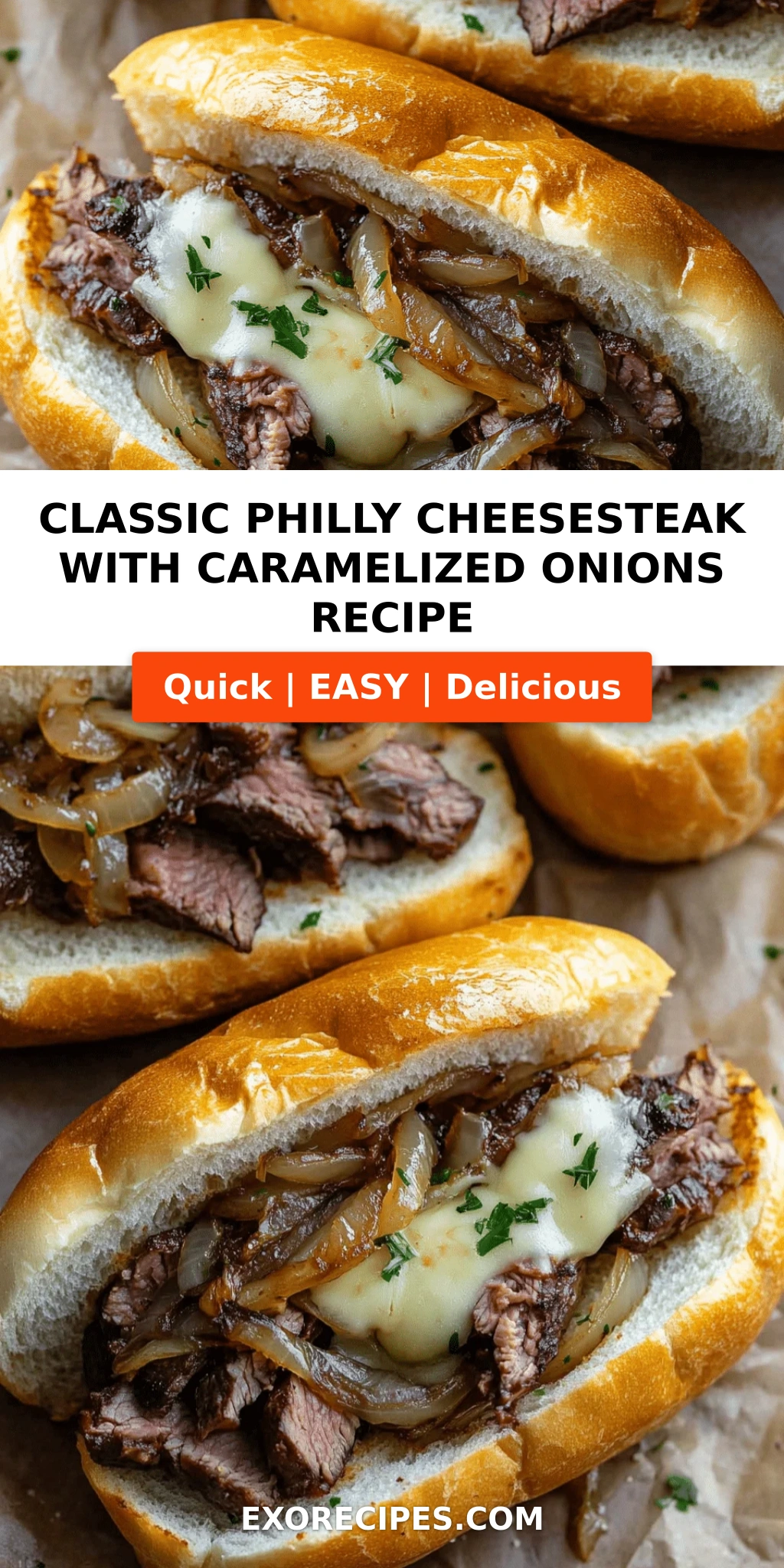
If you enjoyed this Classic Philly Cheesesteak with Caramelized Onions recipe, don’t let it get lost in your browser tabs! 😄 Pin it now so you can find it again anytime — and explore hundreds more tried-and-tested recipes waiting for you on my Pinterest boards.
👉 Follow mia on Pinterest @exorecipe
📌 Pin this recipe · 🔁 Re-pin your favorites · 💬 Tag me when you make it — I love seeing your creations!
Classic Philly Cheesesteak with Caramelized Onions: A Flavorful Journey to Cheesesteak Perfection
Instructions
Tried This Recipe? Leave a Comment!
Did you make this recipe? I’d love to hear how it turned out! Please leave a comment and a rating below. Your feedback helps other home cooks and supports cheerychop.com!
For more delicious inspiration, follow me on Pinterest!
