Table of Contents
Garlic Sesame Noodles – 15-Minute Gluten-Free Recipe That Works Hot or Cold
I still remember the first time I made these Garlic Sesame Noodles. It was a rainy Tuesday in my tiny Paris apartment, and I had just finished a brutal pastry exam at Le Cordon Bleu. I wanted something comforting but fast—something that tasted like takeout but was made with love. That night, I whisked together tahini, tamari, and toasted sesame oil, and the smell took me straight back to my mother’s Moroccan kitchen, where she would drizzle argan oil over couscous. This easy sesame noodles recipe is the result of that craving: garlicky, nutty, slightly spicy, and utterly satisfying. It’s become my go-to weeknight dinner, and I’m so excited to share it with you.
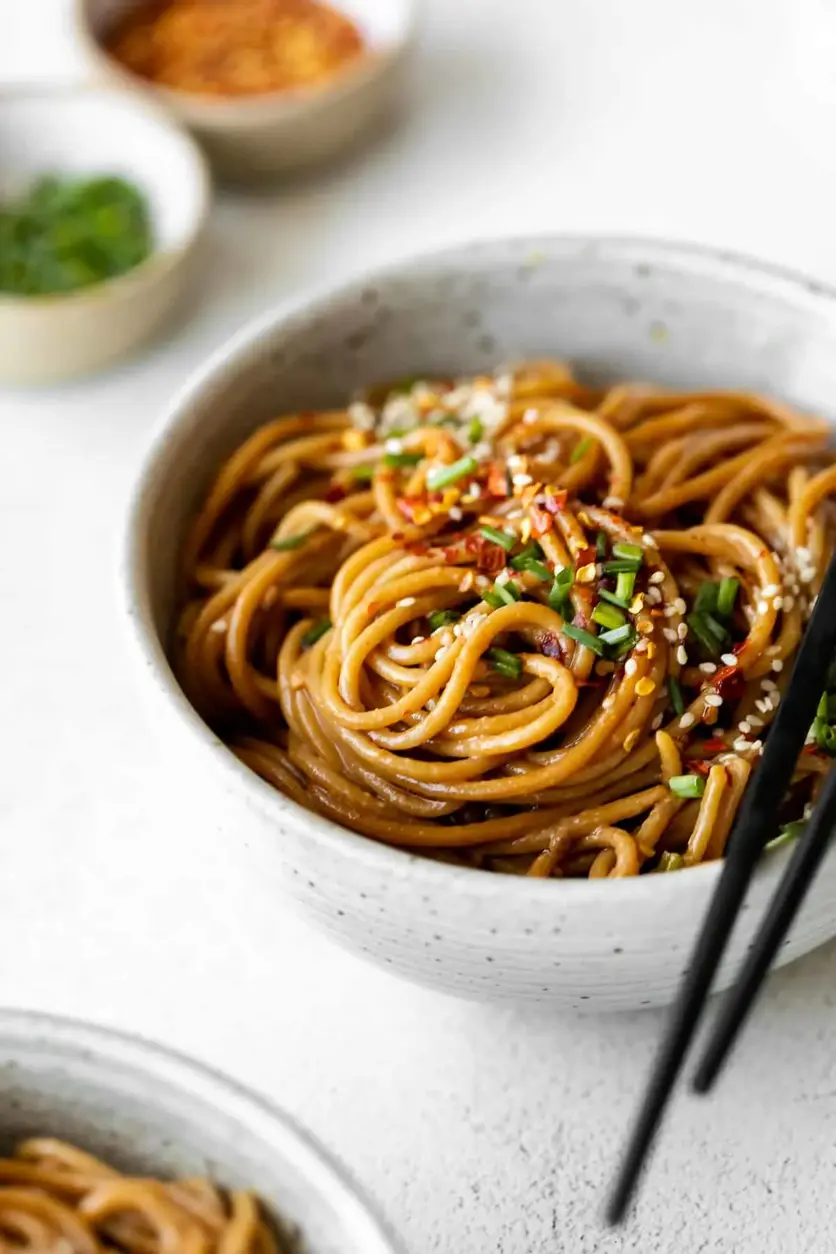
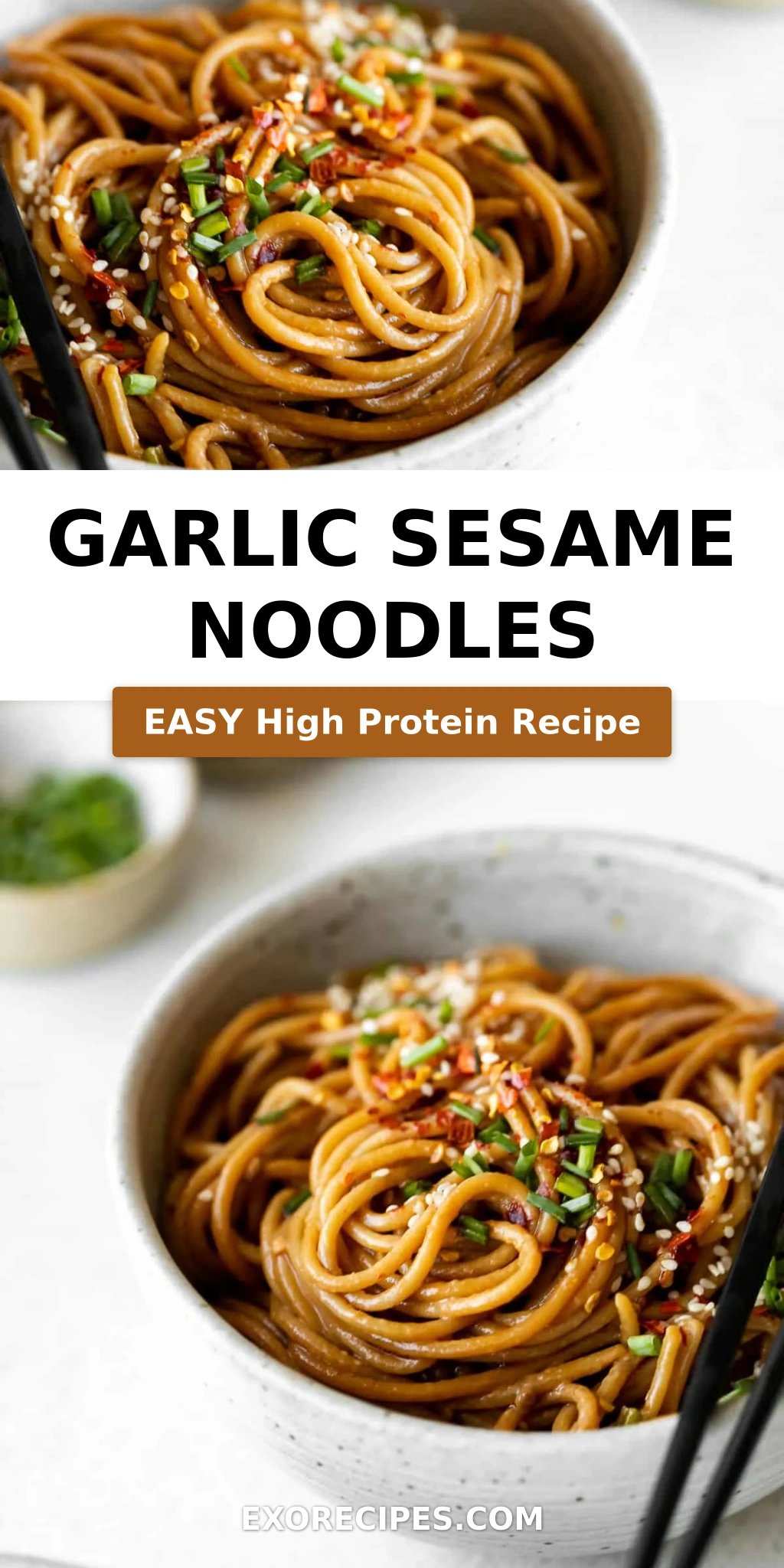
Picture this: a tangle of soft brown rice noodles glistening with a velvety sauce that clings to every strand. The garlic is sautéed until golden and fragrant—no raw bite here. The sauce balances salty tamari, nutty tahini, and a whisper of honey, with a kick of sriracha that wakes up your palate. Each bite has a hint of toasted sesame and a touch of acidity from rice vinegar. It’s the kind of dish that makes you close your eyes on the first forkful.
What sets this Asian garlic noodle recipe apart is the technique. Instead of blending everything into a homogeneous paste, we sauté the garlic first to unlock its sweetness, then build the sauce right in the pan. This gives the noodles a depth that jarred sauces can’t touch. Plus, it’s gluten-free (brown rice noodles), ready in 15 minutes, and can be served hot or cold—perfect for meal prep, lazy nights, or a crowd. I’ve tested this dozens of ways in my NYC kitchen, and I promise it’s foolproof.
Why This Garlic Sesame Noodles Recipe Is the Best
The Flavor Secret: Growing up in Morocco, I learned that the best dishes start with layering aromatics. Here, we sauté finely minced garlic until its edges turn golden brown. That simple step transforms the garlic from sharp to sweet and mellow, creating a base that makes the sauce sing. Then we whisk in tahini—a staple in North African cooking—which adds creaminess without dairy. Toasted sesame oil brings that unmistakable nutty finish. This combination is a nod to my heritage and my French training: precision meets soul.
Perfected Texture: The key to these sesame garlic noodles is the sauce-to-noodle ratio. I’ve worked at NYC farmers markets and tested dozens of pasta shapes, but brown rice noodles are the perfect match. They hold their shape when tossed, and their neutral flavor lets the sauce shine. The trick is to cook them al dente, then toss immediately with the warm sauce so they absorb every drop. No gluey noodles here—just silky, saucy perfection.
Foolproof & Fast: This recipe is designed for the busiest cooks. Everything happens in one pot and one pan. While the water boils and noodles cook, you make the sauce. Fifteen minutes start to finish. Even if you’ve never made homemade sesame noodles before, the visual cues (garlic turning golden, sauce thickening) make it impossible to mess up. And because it’s delicious hot or cold, you can prep it ahead and enjoy it all week.
Easy Sesame Noodles Ingredients
Most of these ingredients are pantry staples in my NYC apartment. I pick up tamari at the Asian market on Canal Street, and I always have tahini on hand—I use it in everything from hummus to cookies. The beauty of this recipe is its simplicity: you probably already have 80% of these items. Let me walk you through what you’ll need and why each one matters.
Ingredients List
- 12 ounces brown rice noodles (or your favorite gluten-free noodle)
- 1 tablespoon neutral oil (avocado, olive, or refined coconut oil)
- 6 cloves fresh garlic, finely minced or pressed
- 1/4–1/3 cup low sodium soy sauce or tamari
- 2 tablespoons vegetable broth
- 1 1/2 tablespoons rice vinegar
- 2 tablespoons toasted sesame oil
- 1 tablespoon honey or maple syrup
- 2 tablespoons tahini (well-stirred)
- 2 teaspoons sriracha
- 1/2 teaspoon ground ginger
- Optional garnish: scallions, red pepper flakes, crushed peanuts
Ingredient Spotlight
Brown Rice Noodles – These are my favorite for gluten-free sesame noodles because they stay separate and chewy without turning mushy. Look for “pad thai” style or linguine-width brown rice noodles. If you can’t find them, use soba noodles (buckwheat) or even regular spaghetti—just adjust cook time. Soba gives a stronger flavor; spaghetti loses the gluten-free benefit but still tastes great.
Tahini – Often overlooked in noodle sauces, tahini adds a creamy, nutty richness without dairy. I use it the way my mother used argan oil: as a secret weapon for body and depth. Make sure to stir the jar well before measuring—the paste tends to separate.
Toasted Sesame Oil – This oil is not for cooking; it’s a finishing oil. Its intense nuttiness defines the dish. Splurge on a good bottle from an Asian grocery; it will last for months and elevate everything from stir-fries to salad dressings.
Sriracha – The amount is adjustable. I like a subtle warmth that doesn’t overpower the garlic and sesame. For a milder sauce, use half the amount; for more heat, add an extra teaspoon or a pinch of red pepper flakes.
| Original Ingredient | Best Substitution | Flavor / Texture Impact |
|---|---|---|
| Brown rice noodles | Soba noodles (buckwheat) | Nutty flavor, slightly firmer texture |
| Tamari | Coconut aminos | Milder, slightly sweeter, still gluten-free |
| Tahini | Sunflower seed butter | Slightly less nutty but creamy; adds mild earthiness |
| Rice vinegar | Apple cider vinegar + ½ tsp sugar | Slightly fruitier, still bright |
| Sriracha | Gochujang (Korean chili paste) | Deeper, slightly sweet heat; thicker sauce |
How to Make Garlic Sesame Noodles — Step-by-Step
Making these homemade sesame noodles is easier than ordering takeout. Just follow these simple steps, and you’ll have a restaurant-quality meal in your bowl in 15 minutes.
Step 1: Cook the Noodles
Bring a large pot of water to a rolling boil. Add the brown rice noodles and cook according to package directions—usually 6–8 minutes. Stir occasionally to prevent sticking. Drain immediately and set aside. Do not rinse; the starch helps the sauce cling.
💡 mia’s Pro Tip: Reserve about ¼ cup of the pasta water before draining. If your sauce seems too thick after tossing, add a splash of that starchy water to loosen it up. It’s a French technique called “liaison”—the starch helps emulsify the sauce.
Step 2: Mince the Garlic
Peel 6 cloves of garlic and mince them very finely, or use a garlic press. The pieces should be tiny since they won’t be blended into the sauce—you want an even distribution of garlic flavor without biting into a chunk.
⚠️ Common Mistake to Avoid: Don’t use pre-minced garlic from a jar. It’s often treated with preservatives that prevent browning, so it will steam instead of sautéing golden. Fresh garlic is non-negotiable here.
Step 3: Sauté the Garlic
Heat 1 tablespoon of neutral oil in a large skillet over medium heat. Add the minced garlic. Stir constantly until the edges of the garlic turn golden brown and the kitchen smells incredible—about 1–2 minutes. Do not let it burn; reduce heat if necessary.
💡 mia’s Pro Tip: The moment the garlic turns golden, you have about 15 seconds before it goes bitter. When you see the first flakes of gold, immediately proceed to the next step. This technique comes from my French training—precision sautéing makes all the difference.
Step 4: Whisk the Sauce
Meanwhile, in a medium bowl, whisk together the remaining sauce ingredients: soy sauce/tamari, veggie broth, rice vinegar, toasted sesame oil, honey/maple syrup, tahini, sriracha, and ground ginger. Whisk until smooth and no clumps of ginger or tahini remain. The mixture should be well combined and thick but pourable.
⚠️ Common Mistake to Avoid: Adding the tahini straight without stirring. Tahini separates in the jar; if you skip stirring, you’ll end up with a lumpy, bitter paste. Always stir your tahini vigorously before measuring.
Step 5: Combine and Simmer
Pour the whisked sauce into the skillet with the sautéed garlic. Mix well and let it simmer for 2–3 minutes, stirring occasionally. The sauce will thicken slightly as it heats. You’ll see bubbles appear and the sauce become glossy.
💡 mia’s Pro Tip: Taste the sauce at this point. If it’s too salty, add a splash more veggie broth. If it’s too thick, add a teaspoon of water. If it’s too sweet, add a squeeze of lime. Adjust the seasoning before adding the noodles—once they’re in, you can’t change the base.
Step 6: Toss and Serve
Add the drained noodles to the skillet with the sauce. Use tongs to toss until every strand is evenly coated. Serve immediately, garnished with sliced scallions, red pepper flakes, and crushed peanuts if desired.
⚠️ Common Mistake to Avoid: Overcooking the noodles after adding the sauce. The residual heat will continue cooking them. Toss quickly and serve right away for the best texture. If you’re making a cold version, let the noodles cool completely after tossing.
| Step | Action | Duration | Key Visual Cue |
|---|---|---|---|
| 1 | Cook noodles | 6–8 min | Noodles are tender but still chewy |
| 2 | Sauté garlic | 1–2 min | Garlic edges turn golden |
| 3 | Whisk sauce | 1 min | Smooth, no lumps |
| 4 | Simmer sauce | 2–3 min | Sauce thickens and becomes glossy |
| 5 | Toss noodles | 1 min | Noodles evenly coated |
Serving & Presentation
These Garlic Sesame Noodles are a star on their own, but they also play beautifully with other dishes. I love making a big bowl for a quick lunch—cold, straight from the fridge, with extra scallions and a squeeze of lime. For dinner, I serve them warm alongside steamed edamame or a simple miso soup. The sesame aroma fills my Brooklyn apartment, reminding me of the bustling food stalls at the Marché des Enfants Rouges in Paris.
For a showstopper presentation, pile the noodles high on a plate, top with crushed peanuts, thinly sliced red chili, and a drizzle of extra sesame oil. A sprinkle of black sesame seeds adds a beautiful contrast. If you’re hosting, serve them family-style in a large wooden bowl—they’re always the first thing to disappear.
| Pairing Type | Suggestions | Why It Works |
|---|---|---|
| Side Dish | Steamed edamame, cucumber salad, miso soup | Light sides balance the rich, nutty noodles |
| Sauce / Dip | Extra sriracha, hoisin, or a lime wedge | Adds brightness or heat to your preference |
| Beverage | Green tea, sake, or a crisp lager | Cleanses the palate between bites |
| Garnish | Scallions, crushed peanuts, sesame seeds, chili oil | Adds crunch, color, and extra layer of flavor |
Make-Ahead, Storage & Reheating
As a busy New Yorker, I rely on make-ahead meals. These noodles are perfect for meal prep because they actually improve after a few hours—the flavors meld together beautifully. I batch double the recipe on Sunday and enjoy it all week. Here’s how to store and reheat them without losing that fresh-made magic.
| Method | Container | Duration | Reheating Tip |
|---|---|---|---|
| Refrigerator | Airtight container | Up to 5 days | Microwave 1 minute, or reheat in a skillet with a splash of water |
| Freezer | Freezer-safe bag or container | Up to 2 months | Thaw in fridge overnight, then reheat quickly in a hot pan |
| Make-Ahead | Separate noodles and sauce | Up to 2 days in advance | Toss together just before serving for freshest result |
For cold noodles: just pull them from the fridge, give them a good stir, and add a sprinkle of scallions. They’re even better the next day because the sauce has fully absorbed. For hot noodles: I prefer a skillet over the microwave. Add a tablespoon of water or veggie broth and toss over medium heat for 2 minutes. The steam brings back the silky texture without making them soggy.
Variations & Easy Swaps
This recipe is a fantastic base for endless creativity. Whether you want to change the protein, make it spicier, or adapt it to what’s in your fridge, here are my favorite variations. Each one has been tested in my NYC kitchen and comes with a little story from my travels.
| Variation | Key Change | Best For | Difficulty Impact |
|---|---|---|---|
| Spicy Peanut Noodles | Replace tahini with peanut butter | Peanut lovers, extra protein | Easy |
| Cold Sesame Noodle Salad | Add shredded veggies (carrots, cucumber, cabbage) | Summer lunches, picnics | Easy |
| Moroccan-Inspired Twist | Add 1 tsp cumin and replace sriracha with harissa paste | Warming flavors, adventurous palates | Medium |
Spicy Peanut Noodles
Swap the 2 tablespoons of tahini for 2 tablespoons of natural peanut butter (creamy or chunky). The sauce becomes richer and more familiar to American palates—like a lighter version of peanut noodles from your favorite takeout place. I love adding a squeeze of lime juice to brighten it up. This is the variation my kids ask for every week.
Cold Sesame Noodle Salad
After tossing pasta with sauce, spread the noodles on a baking sheet to cool for 10 minutes. Then transfer to a bowl and add shredded carrots, thinly sliced cucumber, and chopped fresh cilantro. The veggies add crunch and make it a complete meal. This is my go-to for summer potlucks—it travels well and is always a hit.
Moroccan-Inspired Twist
This one is close to my heart. Add 1 teaspoon of ground cumin to the sauce and replace the sriracha with 1 teaspoon of harissa paste (I buy the organic kind from the Union Square Greenmarket). The cumin and harissa bring a warmth that pairs beautifully with sesame and garlic. It’s like a cross between North African and Asian cuisine—exactly the kind of fusion my background is made of.
What is the best type of noodle to use for garlic sesame noodles?
For the most authentic texture, I highly recommend brown rice noodles. They are gluten-free, have a pleasant chew, and don’t get mushy when tossed with the warm sauce. If you’re not gluten-sensitive, soba noodles (buckwheat) are a fantastic alternative—they add a subtle earthy flavor. Classic lo mein noodles or even spaghetti work in a pinch, but the star here is definitely brown rice. Cook them al dente and toss immediately for the best results.
Can I make garlic sesame noodles with a peanut butter substitute?
Absolutely! Peanut butter is a popular swap, but if you’re allergic or out of it, you have other options. The best substitute is sunflower seed butter—it’s creamy, nutty, and dairy-free. Almond butter works too, but it’s a bit sweeter and thinner. For a lower-fat option, try using 1 tablespoon of toasted sesame seed paste (just blend toasted sesame seeds with a little oil). Each will change the flavor profile slightly, but all will keep the sauce silky and delicious. Just remember to stir your nut/seed butter well before measuring.
How do you keep garlic sesame noodles from sticking together after cooking?
Three tips from my professional kitchen: First, cook the noodles in plenty of water (at least 4 quarts for 12 ounces) and stir occasionally to prevent clumping. Second, after draining, don’t rinse—the residual starch helps the sauce coat but also keeps the noodles separate. Most importantly, toss the noodles with the sauce while both are still warm. The warm sauce coats each strand evenly, and no clumps form. If you’re making cold noodles, spread them on a baking sheet in a thin layer after cooking to cool quickly without sticking.
Can garlic sesame noodles be served cold or are they meant to be hot?
They are absolutely delicious both ways! I designed this recipe to be versatile: enjoy it steaming hot straight from the skillet on a chilly evening, or chilled straight from the fridge for a refreshing summer lunch. The sauce holds up beautifully at any temperature—thanks to the tahini and sesame oil, it remains creamy without separating. When serving cold, I recommend adding a little extra chopped scallions and a splash of rice vinegar to brighten the flavors. Cold leftovers are actually my favorite way to finish off the batch.
Is this garlic sesame noodles recipe vegan?
Yes, as written! The recipe uses honey or maple syrup (both are vegan-friendly options), tamari (soy sauce), and tahini. There is no dairy or animal products in the sauce. Just double-check your noodles to ensure they are egg-free; brown rice noodles are almost always vegan. If you are strict about honey, use pure maple syrup. This dish is naturally vegan and gluten-free (with the right noodles), making it a perfect option for a wide range of dietary needs.
How can I make garlic sesame noodles spicier?
There are several ways to turn up the heat. First, increase the sriracha from 2 teaspoons to 1–2 tablespoons for a significant kick. You can also add ½ teaspoon of red pepper flakes to the sauce while it simmers. For a deeper, smokier heat, stir in 1 teaspoon of gochujang (Korean chili paste) along with the tahini. If you like the pain/pleasure of Szechuan peppercorns, toast a pinch and grind them over the finished dish. My favorite trick? Drizzle a little chili oil over the top just before serving—it adds both heat and visual appeal.
Can I add protein to these noodles?
Definitely—this recipe is a fantastic base for adding protein. My favorite additions are shredded rotisserie chicken (stirred in at the end), pan-seared tofu (crispy on the outside), or sautéed shrimp. For a vegetarian option, add a soft-boiled egg on top. If you’re adding cooked protein, toss it in with the noodles and warm sauce so everything marries together. I often make a double batch and add leftover grilled chicken from Sunday dinner—the leftovers get even better overnight.
How many calories are in a serving of garlic sesame noodles?
Based on my nutritional analysis (using brown rice noodles and the exact ingredient list), one serving (about ¼ of the recipe) contains approximately 305 calories, 47g carbohydrates, 12.8g fat, 7.2g protein, and 4.8g sugar. This is a satisfying yet balanced meal that provides energy from complex carbs and healthy fats from tahini and sesame oil. If you’re watching calories, you can reduce the amount of noodles and increase the veggies, or use half the tahini (add a splash more broth to compensate).
Can I use regular soy sauce instead of tamari?
Yes, you can, but there are a couple of things to note. Regular soy sauce is usually saltier than tamari, so I recommend reducing the amount to ¼ cup and tasting before adding more. Also, regular soy sauce is not gluten-free (it’s made from wheat). If you need the dish to be gluten-free, stick with tamari or coconut aminos. If gluten isn’t a concern, any all-purpose soy sauce from the grocery store will work. Just be mindful of the sodium—and always go for low-sodium if possible.
What’s the best way to reheat leftover garlic sesame noodles?
I’ve tested several methods, and the skillet method wins every time. Place the leftover noodles in a non-stick skillet over medium-low heat with 1–2 tablespoons of water or vegetable broth. Toss occasionally for 2–3 minutes until the noodles are steaming hot and the sauce is glossy again. Microwaving works in a pinch—cover the bowl with a damp paper towel and heat in 30-second bursts, stirring in between. Avoid high heat, which can dry out the noodles. For cold leftovers straight from the fridge, just add a splash of water and a quick stir—they’re already delicious.
Share Your Version!
I hope you love these Garlic Sesame Noodles as much as I do. They’ve been a staple in my kitchen for years, and every time I make them, I’m transported back to that rainy Paris evening. Now I want to know: when you make them, will you serve them hot or cold? Did you add extra sriracha or go the peanut butter route? Let me know in the comments below—I read every single one and I love seeing your adaptations.
If you share a photo on Instagram or Pinterest, tag me @exorecipes so I can see your beautiful creation. Your support means the world to me, and it helps other home cooks discover this recipe too.
From my NYC kitchen to yours — I hope this recipe brings as much warmth to your table as it does to mine. — mia 🧡
Love This Recipe? Save It to Pinterest!
If you enjoyed this Garlic Sesame Noodles recipe, don’t let it get lost in your browser tabs! 😄 Pin it now so you can find it again anytime — and explore hundreds more tried-and-tested recipes waiting for you on my Pinterest boards.
👉 Follow mia on Pinterest @chefrecipes2
📌 Pin this recipe · 🔁 Re-pin your favorites · 💬 Tag me when you make it — I love seeing your creations!
💬 Did You Make This Recipe?
I’d love to hear how it turned out! Drop a comment with your rating, any tweaks you made, and whether you served it hot or cold. Your feedback helps other home cooks too.
— mia 🧡
Garlic Sesame Noodles
Description
Noodles are a girls best friend and these easy garlic sesame noodles are without a doubt my favorite noodle recipe to date! They require just a few ingredients, are gluten free, ready in 15 minutes, and can be eaten hot or cold!
Ingredients
- 12 ounces brown rice noodles
- 1 tablespoon oil
- 6 cloves garlic
- 1/4–1/3 cup low sodium soy sauce or tamari
- 2 tablespoons veggie broth
- 1 1/2 tablespoons rice vinegar
- 2 tablespoons toasted sesame oil
- 1 tablespoon honey or maple syrup
- 2 tablespoons tahini
- 2 teaspoon sriracha
- 1/2 teaspoon ground ginger
Instructions
- Bring a large pot of water to a boil and cook the pasta according to package instructions.
- Mince the garlic very finely or use a garlic press to get it super small since we won't be blending up this sauce.
- Add the minced garlic to a pan with the neutral oil. This can be avocado, olive, or refined coconut oil.
- Saute until the edges of the garlic look golden brown.
- Meanwhile, whisk together all of the remaining sauce ingredients in a bowl until there are no visible clumps of ginger and the tahini is spread throughout.
- Pour the sauce into the pan with the garlic and mix well.
- Let simmer for 2-3 minutes or until the sauce thickens slightly.
- When the pasta is done cooking, combine with the sauce.
- Garnish with scallions, red pepper flakes, crushed peanuts and enjoy!
Nutrition
- Calories: 305 kcal
- Sugar: 4.8 g
- Fat: 12.8 g
- Carbohydrates: 47 g
- Protein: 7.2 g
Tried This Recipe? Leave a Comment!
Did you make this recipe? I’d love to hear how it turned out! Please leave a comment and a rating below. Your feedback helps other home cooks and supports cheerychop.com!
