Table of Contents
French Antilles Coconut Flan (Flan Coco) – A Melt-in-Your-Mouth Tropical Treasure
I remember the first time I tasted a truly great flan coco. It was during a whirlwind trip to Martinique, a place where the air smells like salt and frangipani. I had just moved to New York City from Paris, and my palate was still reeling from culinary school. But this French Antilles Coconut Flan — it stopped me in my tracks. The silky custard, laced with coconut, was unlike any flan I’d had in France. It was lighter, more fragrant, and carried a whisper of the Caribbean sun. The caramel pooled like liquid gold around the edges. That dessert became an obsession, a perfect blend of French technique and tropical soul. Today, I’m sharing my version — a Flan Coco recipe that brings that island warmth to your American kitchen.
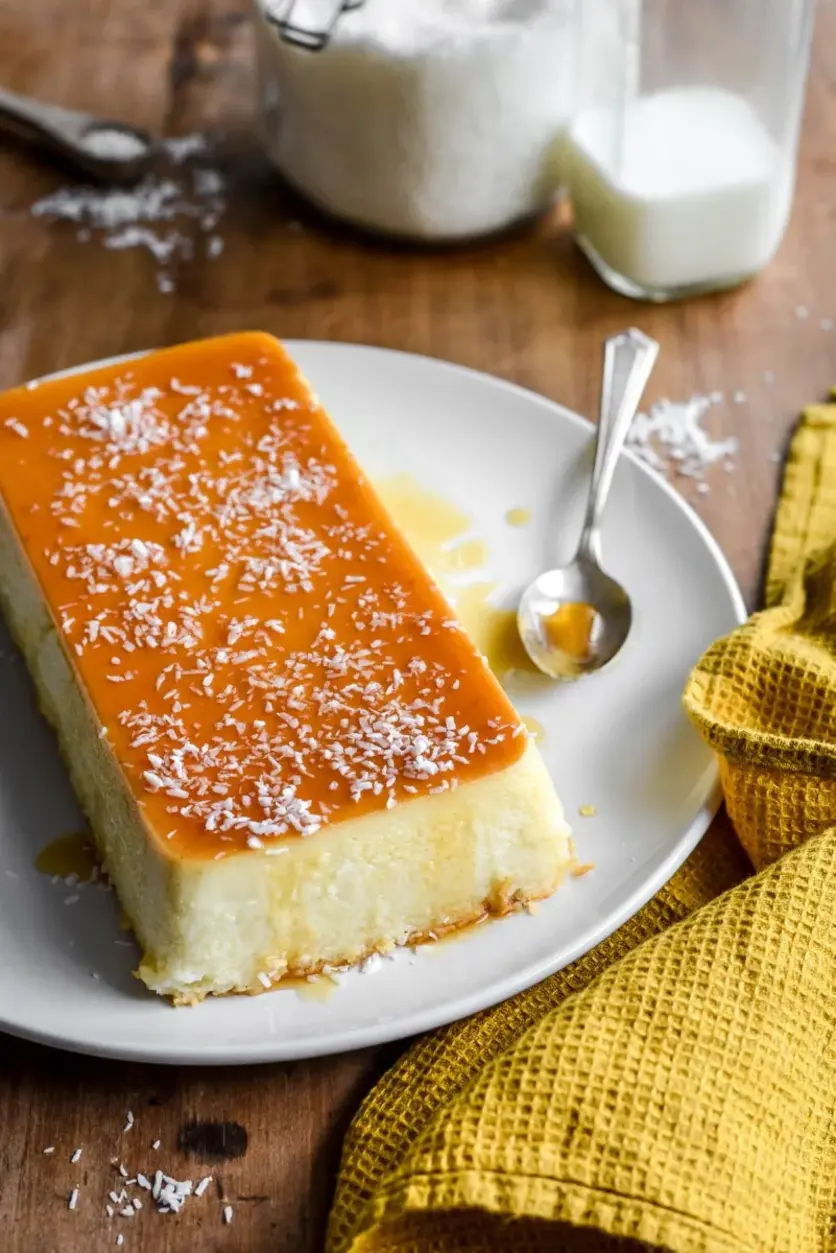
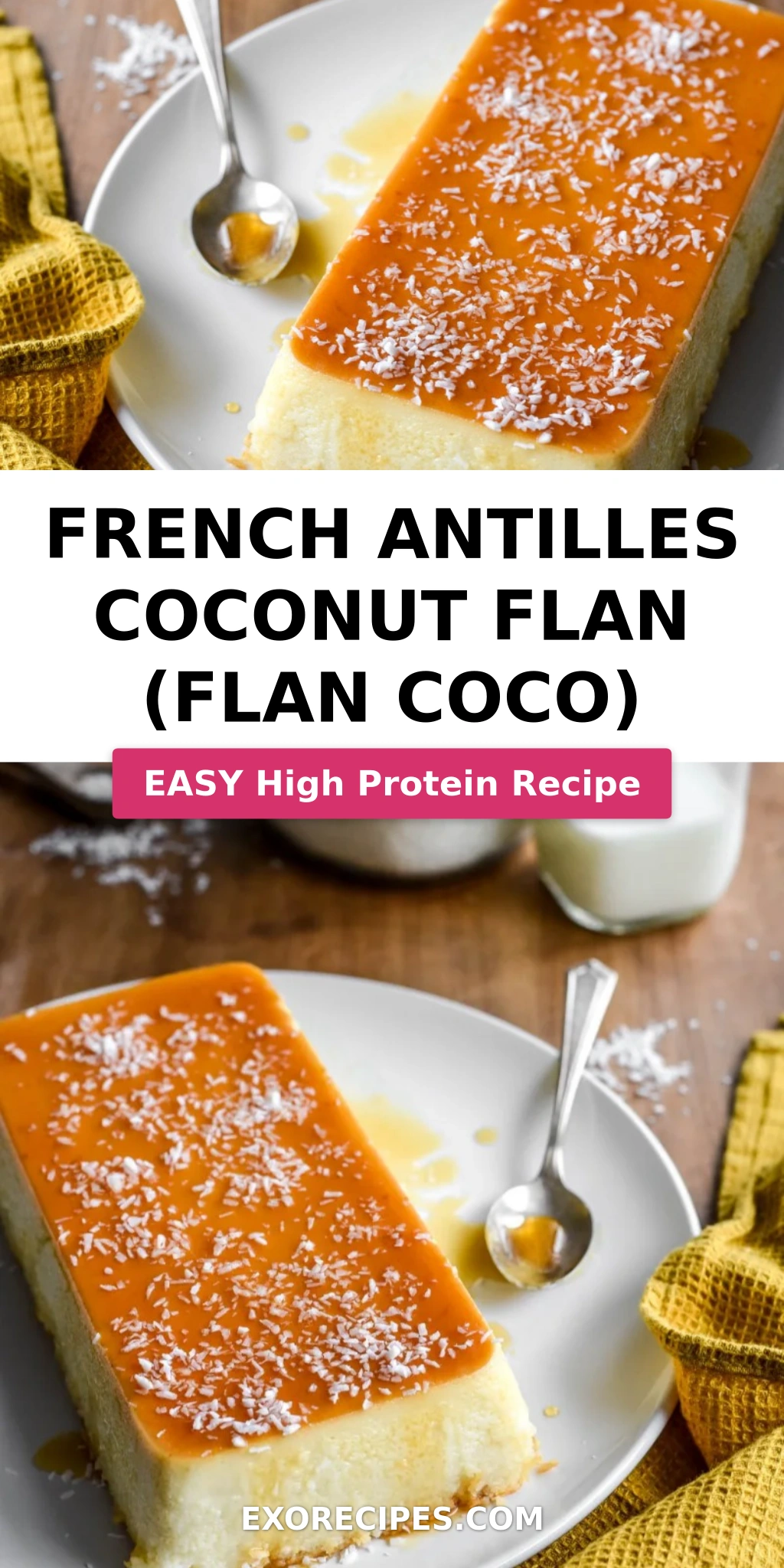
This isn’t your grandmother’s flan. The difference lies in the texture: a gentle, quivering custard that cuts like butter, with tiny specks of toasted coconut throughout. Each bite offers a sweet, milky richness from the condensed milk, balanced by the deep, nutty notes of the caramel. The aroma is pure comfort — vanilla, warm sugar, and that unmistakable tropical scent of coconut. When you unmold it onto a plate, the caramel cascades down the sides, creating a shimmering, amber pool. It’s a showstopper, yet it’s humble. It’s the kind of dessert that feels fancy enough for a dinner party but is simple enough for a weeknight treat. The secret, as I learned in Paris, is the water bath — a gentle, slow cooking that prevents curdling and ensures a custard as smooth as silk.
I’ve adapted this classic Caribbean coconut flan for the home cook, making it foolproof without sacrificing any of the flavor. My version uses sweetened condensed milk, which guarantees a creamy, stable custard every time. It’s a trick I learned from a patissier in the 7th arrondissement, who swore by it for his crème caramel. The key is to not overbake — we’re looking for a tender jiggle, not a firm set. And don’t be afraid of the caramel! I’ll guide you through it, so you get a perfect amber syrup without a bitter taste. This traditional French Caribbean dessert is more approachable than you think. Let’s make it together.
Why This French Antilles Coconut Flan Recipe Is the Best
The Flavor Secret: The magic of this French Antilles Coconut Flan lies in the perfect marriage of sweetened condensed milk and pure coconut milk. The condensed milk provides a silky richness that is the hallmark of a great crème caramel, while the coconut milk adds a floral, tropical undertone that makes this a genuine traditional French Caribbean dessert. I add a full cup of unsweetened shredded coconut, which toasts slightly during the long bake, infusing the custard with little bursts of texture and flavor. It’s a nod to my mother’s kitchen in Morocco, where coconut was always a star ingredient in sweet pastries, but executed with the precision I learned in Paris.
Perfected Texture: The texture of a coconut custard flan is everything. Not too firm, not too loose — it should tremble like a leaf in the wind. My method achieves this by using a precise ratio of eggs to liquid and a gentle water bath (bain-marie). The water bath insulates the custard, ensuring it cooks slowly and evenly, preventing the dreaded “scrambled egg” texture. I also insist on chilling the flan for at least three hours — overnight is even better. This allows the custard to set completely and the flavors to meld. A quick dip in warm water before unmolding loosens the caramel, making for a dramatic, beautiful presentation every time.
Foolproof & Fast: I know that making caramel from scratch can intimidate even experienced cooks. That’s why I’ve developed a “hands-off” caramel method: simply let the sugar melt on its own without stirring. You just shake the pan occasionally and watch for the color. It’s a technique from a pastry chef in Paris who told me, “Trust the sugar.” It works every time. This Flan Coco recipe is also forgiving — if you overbake it by a few minutes, the water bath will still keep it moist. And with just 15 minutes of active prep time, you can have this stunning dessert in the oven before you even start dinner.
French Antilles Coconut Flan Ingredients
I source my ingredients from a mix of places here in NYC. The coconut milk comes from the bodega on my corner in Brooklyn, the same one where the owner, José, always has the best ripe plantains. The eggs are from the Union Square Greenmarket — farm-fresh, with bright orange yolks that give the flan a beautiful golden hue. And the vanilla extract? That’s my secret weapon, brought back from a trip to Madagascar, though a good-quality Mexican or Tahitian vanilla works beautifully too. Growing up in Morocco, my mother always had a jar of home-candied citrus and a stash of vanilla beans from her travels. This French Antilles Coconut Flan is a tribute to that blend of global flavors.
Ingredients List
- 1 1/2 cup + 1 tbsp (400ml/14oz) sweetened condensed milk
- 1 1/4 cup (300ml /10.15 fl oz) coconut milk (can)
- 3 large eggs
- 1 tsp vanilla extract (or seeds of ½ vanilla bean)
- 1 cup (95g) unsweetened shredded coconut (plus extra for garnish)
- For the caramel:
- ½ cup (100g) sugar
Ingredient Spotlight
Sweetened Condensed Milk: This is the backbone of the custard, providing sweetness and a luscious, velvety texture. Look for a can that says “sweetened condensed milk” — do not confuse it with evaporated milk, which is unsweetened and thinner. I prefer the brand Eagle Brand for its consistency. If you want a slightly less sweet flan, you can use a 14-ounce can of unsweetened condensed milk (found in specialty stores) and add ½ cup of sugar, but the texture won’t be exactly the same.
Coconut Milk: Use full-fat coconut milk from a can, not the “light” version or the carton coconut milk for drinking. The fat is essential for that rich, creamy texture. Shake the can well before opening to ensure the cream and water are combined. A good brand like Chaokoh or Thai Kitchen will have a thick, creamy consistency. If all you have is cream of coconut (like Coco López), it’s much sweeter and thicker — you’ll need to dilute it with water and reduce the condensed milk slightly. I’ll cover that in the FAQ!
Unsweetened Shredded Coconut: This adds texture and concentrated coconut flavor. Make sure it’s unsweetened, or the flan will become cloyingly sweet. You can find it in the baking aisle or bulk bins at Whole Foods. I’ve also used desiccated coconut, which is finer — just use the same amount. For a more intense flavor, you can toast the shredded coconut in a dry pan for 2-3 minutes before adding it to the batter. This is a trick I picked up in Paris for a coconut financier.
| Original Ingredient | Best Substitution | Flavor / Texture Impact |
|---|---|---|
| Sweetened Condensed Milk | Unsweetened condensed milk + ½ cup sugar | Less sweet, slightly firmer texture |
| Coconut Milk (can) | Half cream of coconut + half water | Sweeter, thicker, more intense coconut |
| Unsweetened Shredded Coconut | Desiccated coconut or toasted coconut flakes | Finer texture if desiccated; nuttier if toasted |
| 3 Large Eggs | 5 large egg yolks | Richer, more custardy flavor; less set |
How to Make French Antilles Coconut Flan — Step-by-Step
I’ll walk you through each step, just as I would if you were standing next to me in my kitchen on the Upper West Side. The key is to be patient and trust the process — this French Antilles Coconut Flan is worth every minute.
Step 1: Make the Caramel
Place the ½ cup of sugar in a small, heavy-bottomed saucepan over medium heat. Do not stir! Just let it be. You can occasionally shake the pan gently to distribute the sugar. After a few minutes, you’ll see the sugar start to melt around the edges. Let it continue until it turns a deep amber color — like honey. This should take about 5-7 minutes. As soon as it reaches that rich amber hue, remove it from the heat immediately. Pour it evenly into your ungreased loaf pan, tilting the pan to cover the bottom. Set it aside to cool and harden — this takes about 10 minutes.
💡 mia’s Pro Tip: Caramel continues to cook after you remove it from the heat, so take it off the stove when it’s just a shade lighter than the color you want. I aim for a medium amber — dark enough for depth, but not so dark it turns bitter. If you see white crystals forming on the sides of the pan, don’t panic — just brush them down with a wet pastry brush.
Step 2: Mix the Flan Batter
In a large mixing bowl, whisk together the sweetened condensed milk, coconut milk, and eggs until smooth. Add the vanilla extract and the unsweetened shredded coconut. Whisk gently — you want to avoid incorporating too much air, which can create bubbles in the flan. The mixture will be a pale, creamy yellow with flecks of coconut. Pour it gently over the cooled caramel in the loaf pan. The caramel will crackle a little — that’s normal.
⚠️ Common Mistake to Avoid: Over-whisking the batter! This incorporates air and can create a foamy, porous texture instead of the silky, dense custard we want. Whisk just until combined, using a gentle hand. If you see bubbles on the surface, tap the pan on the counter a few times to release them.
Step 3: Water Bath and Bake
Preheat your oven to 350°F (180°C). Place the loaf pan into a larger baking dish — a 9×13 inch roasting pan works perfectly. Carefully pour hot water into the larger dish until it reaches about 1/4 up the sides of the loaf pan. The water should be hot, not boiling. This is the water bath. Bake for 50-55 minutes. The flan is done when the top is lightly golden and firm to the touch, but it still has a slight jiggle in the center when you gently shake the pan. It will continue to set as it cools. Remove the loaf pan from the water bath and place it on a wire rack to cool completely to room temperature.
💡 mia’s Pro Tip: The water bath is non-negotiable for a perfect texture. It creates a gentle, humid heat that prevents the eggs from curdling. Make sure the water level stays below the rim of the loaf pan — if it’s too high, the top of the flan can get watery. I also cover the loaf pan loosely with foil for the first 30 minutes to prevent a thick skin from forming on top.
Step 4: Chill and Unmold
Once the flan has cooled to room temperature, transfer it to the refrigerator and chill for at least 3 hours — but overnight is best. When you’re ready to serve, fill a large baking dish with about 2 inches of fairly warm water. Place the loaf pan in the warm water for 1-2 minutes. This loosens the caramel from the bottom of the pan. Run a thin knife around the edges of the pan to release the flan. Place a serving plate upside down over the pan. Holding both the plate and pan tightly together, invert quickly and decisively. Lift the pan off — the flan should slide out gracefully, surrounded by a pool of golden caramel. Sprinkle with extra shredded coconut before serving.
⚠️ Common Mistake to Avoid: Skipping the warm water bath before unmolding! The caramel hardens as it cools, forming a seal at the bottom of the pan. If you try to unmold it without loosening the caramel, the flan can stick or crack. A brief dip in warm water makes all the difference.
| Step | Action | Duration | Key Visual Cue |
|---|---|---|---|
| 1 | Make Caramel | 5-7 mins | Deep amber color, like honey |
| 2 | Mix Batter | 2-3 mins | Pale yellow, smooth, no lumps |
| 3 | Bake in Water Bath | 50-55 mins | Top golden, center jiggles |
| 4 | Chill & Unmold | 3 hrs + | Clean release, caramel pool |
Serving & Presentation
This traditional French Caribbean dessert is best served cold, straight from the fridge. I like to slice it with a warm, wet knife for picture-perfect slices. The contrast of the silky custard against the liquid caramel is stunning. For a touch of elegance, I top each slice with a generous sprinkle of toasted coconut flakes (just toast them in a dry skillet for 2 minutes until golden). A few edible flowers, like orchids or pansies, add a pop of color that reminds me of the tropical gardens in Martinique.
In my home in New York City, I often serve this after a spicy Moroccan tagine — the cool, creamy custard is the perfect palate cleanser. It’s also wonderful alongside a strong cup of black coffee or a tart, fruity cocktail. For a truly indulgent dessert, I sometimes serve it with a dollop of lightly sweetened whipped cream and a sprinkle of lime zest. The acidity cuts through the richness perfectly, a trick I learned from a pastry chef in Paris who always balanced his desserts with citrus.
| Pairing Type | Suggestions | Why It Works |
|---|---|---|
| Side Dish | Fresh mango salsa, passion fruit drizzle | Tropical fruits enhance the coconut flavor |
 Tried This Recipe? Leave a Comment!Did you make this recipe? I’d love to hear how it turned out! Please leave a comment and a rating below. Your feedback helps other home cooks and supports cheerychop.com! For more delicious inspiration, follow me on Pinterest!  Hi, I’m Ema! Let’s make every bite unforgettable! ABOUT MELet's connect |