Table of Contents
Easy Sesame Chicken – The Crispy Batter Secret That Beats Takeout
Growing up in Morocco, my mother taught me that the secret to any great dish lies in the batter. She would stand over a hot skillet of oil in our tiny kitchen in Marrakech, teaching me to listen for the exact sizzle that meant the coating was turning golden. That same intuition followed me to Paris, where I studied sauce work at Le Cordon Bleu, and later to New York City — where I became utterly obsessed with perfecting an easy sesame chicken recipe that could rival any Chinatown takeout window. After dozens of tests, I landed on a batter with a touch of baking powder that delivers an impossibly light, crispy crust that stays crunchy even after it’s tossed in the glossy sesame sauce. This is the best sesame chicken you’ll make at home, and I promise it’s simpler than it looks.
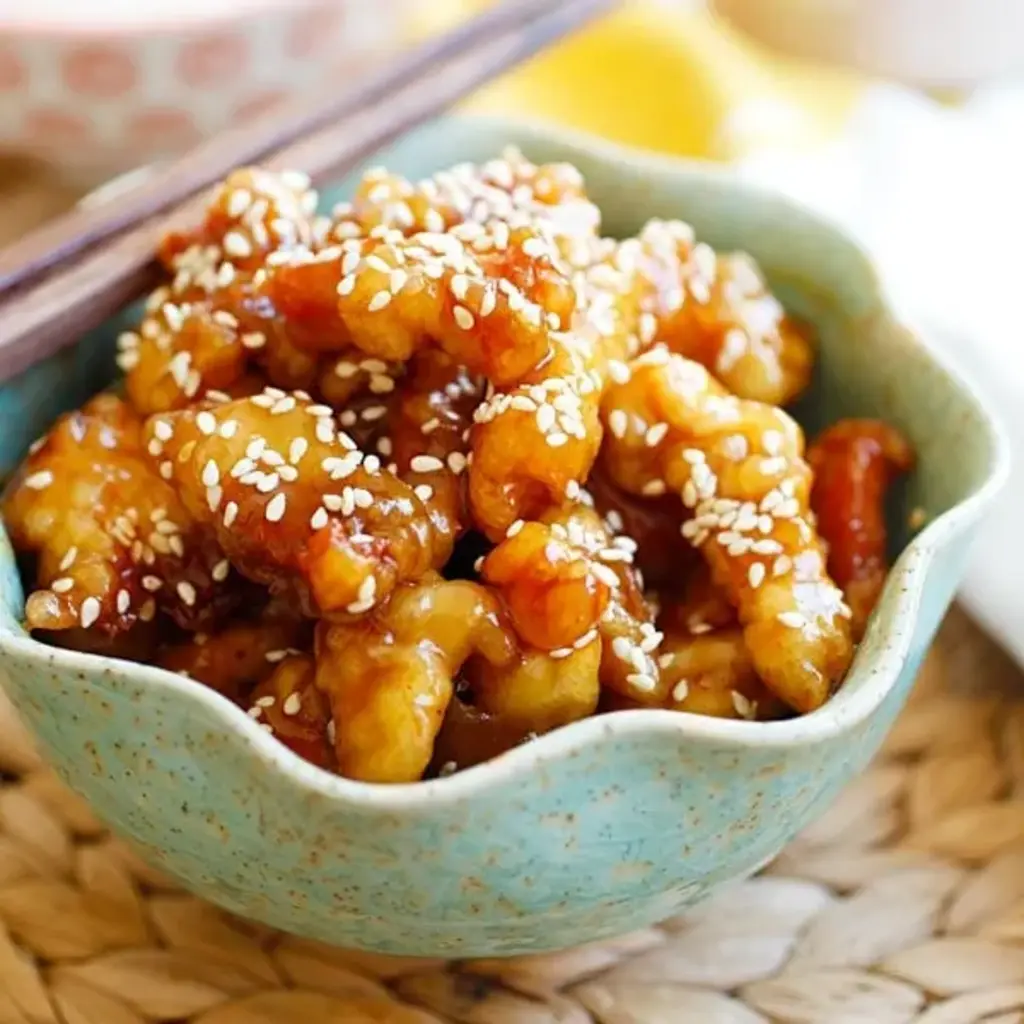
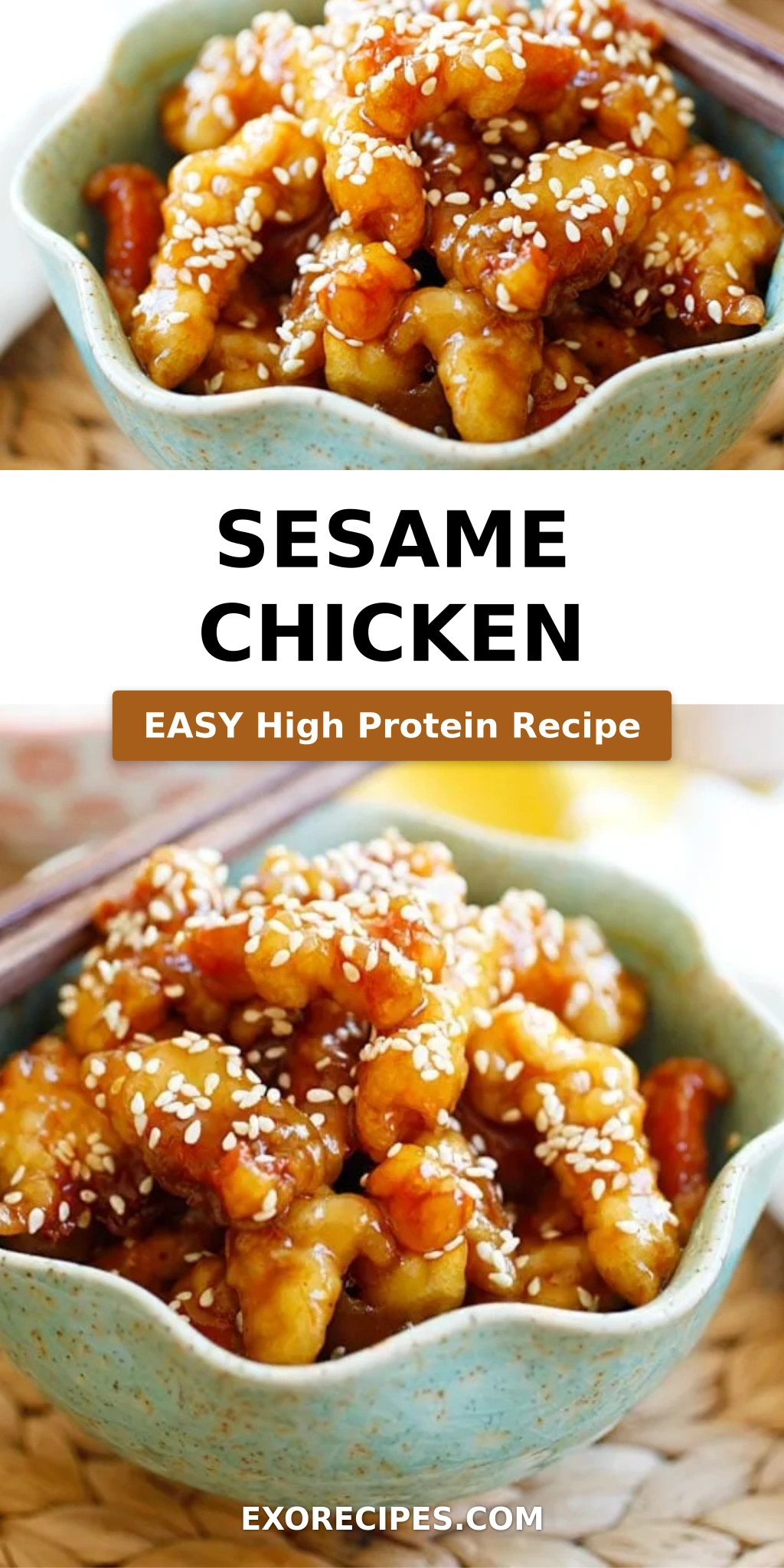
Imagine biting into a piece of chicken where the coating shatters ever so slightly before giving way to tender, juicy meat — then a rush of sweet, savory, and tangy sauce coats your tongue, with toasted white sesame seeds adding a nutty crunch in every bite. The sauce itself is a careful balance: soy sauce for depth, Chinese rice vinegar for brightness, and just enough sugar to create that signature glaze that clings to every strip. The aroma alone — garlic blooming in hot oil, sesame toasting, that unmistakable deep-fry smell — will have your family wandering into the kitchen asking what’s for dinner. It’s the kind of dish that feels like a celebration, yet comes together in under 30 minutes.
What sets my version apart is the technique I borrowed from Parisian fritter batter: a combination of all-purpose flour and cornstarch for structure, plus a pinch of baking powder that creates tiny air pockets as it fries, resulting in an ultralight crust that doesn’t soak up oil. I also double-fry the chicken in a specific way — a quick initial fry to set the coating, then a second flash fry for max crunch. One common mistake home cooks make is overcrowding the oil, which drops the temperature and yields greasy, soggy chicken. My tested method keeps the oil at a steady 350°F and works in batches, so every piece comes out golden and crisp. Ready to make the best sesame chicken of your life?
Why This Sesame Chicken Recipe Is the Best
The Flavor Secret. Most recipes rely on bottled sauce or a one-note sweet glaze. I build layers: soy sauce for umami, Chinese rice vinegar for acidity that cuts through the richness, and just the right amount of sugar to caramelize into that sticky, glossy finish. A whisper of garlic — not overpowering, just enough to perfume the oil — elevates the whole dish. This is a lesson I carried from Paris: a great sauce is never about dumping ingredients; it’s about balance.
Perfected Texture. The batter is where my French training meets my Moroccan roots. The combination of flour, cornstarch, and baking powder creates a coating that fries up shatteringly crisp, while the cold water and egg white keep it light. In Morocco, we used a similar technique for fried sardines — always with ice-cold water to inhibit gluten development. That same trick works beautifully here. The chicken stays juicy inside because the batter seals in moisture instantly upon hitting the hot oil.
Foolproof & Fast. I’ve designed this recipe so that even a beginner can nail it on the first try. The sauce comes together in one bowl, the batter in another, and the frying process is straightforward — no fancy equipment needed. I also share my exact timing and visual cues so you know exactly when the oil is ready, when the chicken is done, and when the sauce has thickened to the perfect coating consistency. From prep to plate in 30 minutes, this is the weeknight dinner win you’ve been waiting for.
Easy Sesame Chicken Ingredients
I source most of my ingredients from the Union Square Greenmarket in Manhattan and my local Asian market in Chinatown. The soy sauce I buy from a tiny shop on Canal Street that’s been run by the same family for four decades. My garlic comes from a farm upstate. And the sesame seeds? I toast them myself in a dry skillet — the same way my mother did in Morocco. Every ingredient in this easy sesame chicken recipe has a purpose, and I want you to feel confident finding and using each one.
Ingredients List
- 8 oz. (230g) boneless and skinless chicken breast (cut into strips)
- oil for deep-frying (vegetable, peanut, or canola)
- 2 tablespoons oil (for stir-frying)
- 1 clove garlic (minced)
- white sesame seeds (for garnishing)
- 1/2 cup all-purpose flour (sifted)
- 1/4 cup cornstarch
- 1/2 teaspoon baking powder
- 1 egg white
- 1/3 cup cold water
- 1 tablespoon oil (for batter)
- 1 pinch salt
- 2 tablespoons soy sauce
- 1 tablespoon Chinese rice vinegar (or apple cider vinegar)
- 4 tablespoons sugar
- 2 teaspoons cornstarch
- 1/3 cup water
Ingredient Spotlight
Chicken Breast: I use boneless, skinless chicken breast cut into strips about 1/2-inch thick for even cooking. Look for breasts that are plump and uniform in thickness. If they’re thicker on one end, butterfly them before cutting. A good substitute is chicken thigh — it’s more forgiving and stays juicier, though you’ll want to trim any excess fat.
Cornstarch: This is the backbone of the crispy coating. It absorbs moisture and creates that delicate, lacy crust when fried. I use it both in the batter and as a thickener in the sauce. Arrowroot powder works as a 1:1 substitute, though the crust will be slightly less crisp.
Chinese Rice Vinegar: This mild, slightly sweet vinegar adds brightness without overwhelming the dish. If you don’t have it, apple cider vinegar is my go-to substitute — it has a similar acidity and fruity note. Avoid distilled white vinegar, which is too harsh.
Soy Sauce: I use a regular all-purpose soy sauce (not light or dark). It provides the salty, umami foundation for the sauce. For a gluten-free version, swap in tamari or coconut aminos. Tamari will give a slightly richer flavor, while coconut aminos are milder and a touch sweeter.
Sesame Seeds: Toasted white sesame seeds are non-negotiable for that nutty finish. I toast mine in a dry skillet over medium heat for about 2 minutes, shaking frequently until they’re light golden and fragrant. Black sesame seeds make a beautiful alternative and add a slightly earthier flavor.
| Original Ingredient | Best Substitution | Flavor / Texture Impact |
|---|---|---|
| Chinese rice vinegar | Apple cider vinegar | Slightly fruitier, same acidity — excellent swap |
| All-purpose flour | Rice flour | Even crispier, gluten-free, slightly less tender |
| Soy sauce | Tamari or coconut aminos | Tamari is richer; coconut aminos are milder and sweeter |
| Chicken breast | Chicken thighs (boneless, skinless) | Juicier, more forgiving — trim excess fat |
How to Make Sesame Chicken — Step-by-Step
Trust me when I say this: if you can whisk a sauce and drop chicken into hot oil, you can nail this recipe. I’ve broken it down into clear, manageable steps with all my chef-tested cues so you know exactly what to look for at every stage.
Step 1: Make the Sauce
In a small bowl, whisk together 2 tablespoons soy sauce, 1 tablespoon Chinese rice vinegar, 4 tablespoons sugar, 2 teaspoons cornstarch, and 1/3 cup water until the cornstarch is fully dissolved and the sugar has begun to dissolve. Set aside. The sauce will look thin now, but it will thicken beautifully in the wok later.
💡 mia’s Pro Tip: Whisk the cornstarch into the cold water first before adding the other ingredients — this prevents lumps from forming. A smooth sauce is the secret to that glossy takeout-style finish.
Step 2: Prepare the Batter
In a medium bowl, combine 1/2 cup sifted all-purpose flour, 1/4 cup cornstarch, 1/2 teaspoon baking powder, and a pinch of salt. Add 1 egg white, 1/3 cup cold water, and 1 tablespoon oil. Whisk until smooth — a few small lumps are okay, but try to break up most of them. The batter should be the consistency of thin pancake batter. Add the chicken strips and stir to coat evenly.
⚠️ Common Mistake to Avoid: Don’t overmix the batter! Overworking develops gluten, which makes the coating tough and dense instead of light and crispy. Stir just until combined — about 10 to 15 strokes is enough.
Step 3: Heat the Oil
Pour 2 to 3 inches (5 to 7.5 cm) of oil into a wok or heavy-bottomed stockpot. Heat to 350°F (175°C). If you don’t have a thermometer, drop a tiny bit of batter into the oil — it should sizzle immediately and rise to the surface within seconds. The oil is ready when it shimmers but isn’t smoking.
💡 mia’s Pro Tip: Use a thermometer! I know it’s tempting to eyeball it, but maintaining a steady 350°F is the single most important factor for crispy, non-greasy chicken. I use my Thermapen every single time.
Step 4: Fry the Chicken
Working in batches to avoid overcrowding, gently drop the battered chicken strips into the hot oil. Use a spatula or chopstick to immediately separate any pieces that stick together. Fry for 3 to 4 minutes, until golden brown and cooked through. Remove with a slotted spoon or strainer and drain on a paper-towel-lined plate.
⚠️ Common Mistake to Avoid: Adding too many pieces at once drops the oil temperature, resulting in soggy, greasy chicken. Fry in batches of 5 to 6 strips at a time, and let the oil return to 350°F between batches.
Step 5: Stir-Fry the Sauce
Carefully discard the frying oil and wipe the wok clean. Heat 2 tablespoons of fresh oil in the wok or a large skillet over high heat. Add the minced garlic and stir-fry for about 15 seconds, until fragrant but not brown. Give the sauce a quick re-whisk (the cornstarch settles fast), then pour it into the wok. Stir continuously as the sauce bubbles and thickens — this takes about 30 to 45 seconds.
💡 mia’s Pro Tip: Once the sauce starts to thicken, immediately add the fried chicken. Don’t wait — the sauce can go from perfectly glossy to thick and gloppy in seconds. Move fast and keep the heat high.
Step 6: Toss and Serve
As soon as the sauce has thickened to a syrupy consistency (it should coat the back of a spoon), add all the fried chicken to the wok. Toss and stir continuously until every piece is evenly coated — about 30 seconds. Dish out immediately onto a serving plate, garnish generously with toasted white sesame seeds, and serve with steamed rice.
⚠️ Common Mistake to Avoid: Letting the coated chicken sit in the sauce too long before serving. The crispy crust will start to soften. Serve within 2 to 3 minutes of tossing for maximum crunch.
| Step | Action | Duration | Key Visual Cue |
|---|---|---|---|
| 1 | Make the sauce | 2 minutes | Cornstarch fully dissolved, no lumps |
| 2 | Prepare the batter | 3 minutes | Smooth, thin pancake-batter consistency |
| 3 | Heat oil to 350°F | 5 minutes | Oil shimmers, batter drop sizzles immediately |
| 4 | Fry chicken in batches | 3–4 min per batch | Golden brown, crispy exterior |
| 5 | Stir-fry garlic and sauce | 45–60 seconds | Sauce bubbles and thickens to syrupy |
| 6 | Toss chicken in sauce | 30 seconds | Evenly glazed, shiny coating |
Serving & Presentation
In my NYC apartment, I serve this sesame chicken family-style in a big white ceramic bowl, with a separate bowl of jasmine rice on the side so everyone can build their own plate. I love the contrast of the glossy, dark sauce against the bright white rice — it’s a visual trick I learned from a plating class in Paris, where contrast is everything. A final shower of toasted white sesame seeds and a few thin slices of scallion (green parts only) add color and freshness.
For a weeknight dinner, I pair it with a simple side of steamed broccoli or bok choy tossed in a little garlic and oyster sauce. On weekends, I go all out and serve it with egg rolls or pork dumplings from my local Chinatown spot. My mother would always serve fried dishes with a simple cucumber salad on the side — cool, crunchy, and vinegar-based to cut through the richness. I do the same here, and it never fails.
If you’re entertaining, portion the chicken onto individual plates over a small mound of rice, then drizzle any remaining sauce from the wok over the top. A sprinkle of furikake (Japanese rice seasoning) or toasted black sesame seeds adds a stunning finish that always gets compliments. From my table to yours — this is comfort food that feels special.
| Pairing Type | Suggestions | Why It Works |
|---|---|---|
| Side Dish | Steamed jasmine rice, garlic bok choy, cucumber salad | Rice soaks up the sauce; greens add freshness; salad cuts richness |
| Sauce / Dip | Extra sesame sauce, chili oil, soy-vinegar dip | Adds heat, tang, or extra glaze — customize to taste |
| Beverage | Jasmine iced tea, crisp lager, Sauvignon Blanc | Tea cleanses palate; beer complements richness; wine cuts sweetness |
| Garnish | Toasted white sesame, scallion slices, black sesame seeds, furikake | Adds crunch, color, and a nutty aroma |
Make-Ahead, Storage & Reheating
Living in New York means my schedule is always packed — between recipe testing, farmers market runs, and exploring new restaurants, I’ve learned to be strategic about meal prep. This sesame chicken recipe is one of my favorites for prepping ahead because the components keep beautifully. I’ll often make the sauce and batter a day in advance, then fry fresh when I’m ready to eat. Here’s exactly how to store and reheat every component for best results.
| Method | Container | Duration | Reheating Tip |
|---|---|---|---|
| Refrigerator | Airtight container (chicken & sauce separate) | Up to 3 days | Reheat chicken in a 375°F oven or air fryer for 5–7 min, then toss with reheated sauce |
| Freezer | Freezer-safe bag or container (sauce separate) | Up to 2 months | Thaw overnight in fridge. Reheat chicken in 400°F oven for 8–10 min; sauce in a skillet |
| Make-Ahead | Sauce in jar; batter in bowl (cover) | Sauce: 1 week; Batter: 1 day | Whisk sauce before using. Batter may thicken — add 1–2 tbsp cold water if needed |
The most important thing I’ve learned from years of testing: never store the chicken already tossed in the sauce. The crispy coating will turn soft and soggy within an hour. Instead, keep the fried chicken and sauce in separate containers, then reheat and combine just before serving. For the crispiest results, I swear by the air fryer — 375°F for 5 minutes brings the chicken back to life like it was just fried. If you don’t have an air fryer, a 375°F oven on a wire rack works beautifully too.
Variations & Easy Swaps
Over the years, I’ve adapted this recipe for friends with dietary restrictions, for different seasons, and simply for when I’m in the mood for something a little different. Each variation stays true to the soul of the dish — crispy, saucy, and deeply satisfying — while offering a fresh twist. Here are three of my favorite ways to change it up.
| Variation | Key Change | Best For | Difficulty Impact |
|---|---|---|---|
| Spicy Szechuan Sesame Chicken | Add 1 tbsp chili paste + 1 tsp Szechuan peppercorns to sauce | Heat lovers who want a numbing-spicy kick | Easy (add ingredients to sauce) |
| Gluten-Free Sesame Chicken | Swap flour for rice flour + use tamari instead of soy sauce | Gluten-free diets, celiac-friendly | Easy (simple swaps) |
| Air-Fryer Sesame Chicken | Skip deep-frying; spray battered chicken with oil and air-fry at 375°F | Lighter version, less oil, quicker cleanup | Medium (air-fryer timing varies) |
Spicy Szechuan Sesame Chicken
This variation is inspired by the bold, fiery flavors of Szechuan cuisine that I fell in love with during a trip to Flushing, Queens. Simply whisk 1 tablespoon of chili garlic paste (or Doubanjiang) and 1 teaspoon of crushed Szechuan peppercorns into the sauce before cooking. The result is a sesame chicken that hits you with heat, then a tingling numbness that keeps you reaching for another bite. It’s my go-to when I need a serious flavor kick after a long week.
Gluten-Free Sesame Chicken
For my gluten-free friends, I swap the all-purpose flour with an equal amount of white rice flour, which actually creates an even crispier crust — it’s a trick I learned from tempura masters in Paris. Replace the soy sauce with tamari (which is naturally gluten-free and has a richer, deeper flavor) or coconut aminos for a milder taste. The rest of the recipe stays the same, and the result is every bit as satisfying as the original. My neighbor, who has celiac, told me this is the best gluten-free Chinese dish she’s ever had.
Air-Fryer Sesame Chicken
When I want the crunch without the deep-frying, I turn to my air fryer. Prepare the batter exactly as written, then spray the air-fryer basket with oil. Place the battered chicken strips in a single layer (work in batches), spray the tops with oil, and air-fry at 375°F for 10 to 12 minutes, flipping halfway through. The coating won’t be quite as shatteringly crisp as deep-fried, but it’s remarkably close — and the cleanup is a breeze. I found this method during a summer when I couldn’t bear to heat up my apartment with a pot of oil, and it’s been in my rotation ever since.
Frequently Asked Questions
How do you make sesame chicken crispy without frying?
The best way to get crispy sesame chicken without deep-frying is to use an air fryer. Prepare the batter as written, spray the air-fryer basket with oil, and arrange the battered chicken strips in a single layer. Spray the tops lightly with oil and air-fry at 375°F for 10–12 minutes, flipping halfway. For an oven method, place the chicken on a wire rack over a baking sheet, spray with oil, and bake at 425°F for 12–15 minutes, turning once. The wire rack allows hot air to circulate, keeping the bottom crisp. Neither method will be quite as crunchy as deep-frying, but the air fryer comes impressively close.
What is a good substitute for soy sauce in sesame chicken?
The best substitute for soy sauce in this sesame chicken recipe is tamari, which is naturally gluten-free and has a very similar deep, savory umami flavor. Coconut aminos are another excellent option — they’re slightly sweeter and milder, so you may want to reduce the sugar in the sauce by about 1 tablespoon. If you’re in a pinch, you can mix 2 tablespoons of fish sauce with 2 tablespoons of water, though the flavor profile will shift toward a more Southeast Asian character. Avoid using light soy sauce or plain salted water — they lack the complexity needed for that authentic takeout taste.
Can I use chicken thighs instead of chicken breast for sesame chicken?
Absolutely — chicken thighs are a wonderful substitute for breast meat in this recipe. Boneless, skinless thighs are more forgiving to cook because they have a higher fat content, which means they stay juicy and tender even if you go a few seconds over on the fry time. Simply trim any excess fat and cut the thighs into 1/2-inch strips, just like you would the breast. The cooking time remains the same: 3 to 4 minutes per batch at 350°F. I actually prefer thighs when I’m making this for a crowd because they’re harder to overcook. One note: dark meat has a slightly richer flavor, which pairs beautifully with the sweet-savory sesame sauce.
How long does it take to cook sesame chicken on the stove?
From start to finish, this sesame chicken recipe takes about 30 minutes on the stove, with about 15 minutes of active cooking time. The breakdown: 5 minutes to make the sauce and batter, 5 minutes to heat the oil, about 10 minutes to fry the chicken in batches (3–4 minutes per batch), and 2 minutes to stir-fry the sauce and toss everything together. If you’re using a wok on high heat, the sauce will thicken in under a minute, so have everything ready before you start. The key to an efficient stove-top cooking session is mise en place — have all your ingredients measured and within arm’s reach. This recipe moves fast once you start frying.
Can I make sesame chicken ahead of time for a party?
Yes, but with one important rule: keep the fried chicken and sauce separate until just before serving. You can fry the chicken up to 4 hours in advance and keep it at room temperature on a wire rack (not on paper towels, which trap steam and soften the coating). Make the sauce ahead and refrigerate it in a jar for up to 1 week. When you’re ready to serve, reheat the chicken in a 375°F oven or air fryer for 5–7 minutes to re-crisp it, then quickly stir-fry the sauce in a wok and toss the hot chicken in. This method gives you restaurant-quality results without the last-minute chaos. I’ve done this for dinner parties and it works flawlessly every time.
Why is my sesame chicken not crispy?
The most common reason for soggy sesame chicken is oil temperature that’s too low. If the oil isn’t hot enough (at least 350°F), the batter absorbs oil instead of quickly forming a crisp crust. Use a thermometer — it’s the only reliable way. The second culprit is overcrowding the pan, which drops the oil temperature. Fry in small batches of 5–6 strips at a time. Third, avoid letting the cooked chicken sit in the sauce for more than 30 seconds before serving. The sauce is wet and will soften the coating over time. Finally, make sure your batter isn’t too thin — it should coat the chicken generously. If it’s runny, add a tablespoon more flour.
Can I freeze sesame chicken?
Yes, you can freeze sesame chicken, but with the same rule as make-ahead: freeze the fried chicken and sauce separately. Place the cooled, fried chicken in a single layer on a baking sheet and freeze for 1 hour until solid, then transfer to a freezer-safe bag or container. This prevents the pieces from freezing into a clump. The sauce can be frozen in a separate container or jar. Both will keep well for up to 2 months. To serve, thaw both in the refrigerator overnight. Reheat the chicken in a 400°F oven or air fryer for 8–10 minutes until hot and crispy, then reheat the sauce in a small skillet and toss together. The texture will be very close to freshly made.
What is the secret to the best sesame chicken sauce?
The secret to a standout sesame chicken sauce is balance and technique. You need four elements in harmony: saltiness from soy sauce, sweetness from sugar, acidity from rice vinegar, and a silky texture from cornstarch. The ratio I use — 2 tablespoons soy sauce, 4 tablespoons sugar, 1 tablespoon vinegar, and 2 teaspoons cornstarch to 1/3 cup water — creates a sauce that’s glossy, not gloppy; sweet but not cloying; and tangy enough to cut through the richness of the fried chicken. The technique matters too: always whisk the cornstarch into cold liquid first to prevent lumps, and never let the sauce boil for more than 30 seconds once it thickens, or it will become too thick.
How do I toast sesame seeds for sesame chicken?
Toasting sesame seeds is simple but requires attention — they go from golden to burnt in seconds. Place raw white sesame seeds in a dry skillet (no oil) over medium heat. Shake the pan frequently or stir with a wooden spoon. After about 2 minutes, the seeds will start to turn light golden and release a nutty aroma. Immediately transfer them to a cool plate or bowl — the hot pan will continue to toast them if left. I usually toast a double batch and keep the extra in a small jar in my pantry. They’re wonderful on salads, roasted vegetables, or any Asian-inspired dish. Never walk away from toasting sesame seeds; they burn faster than you’d think.
Can I use honey instead of sugar in sesame chicken?
Yes, you can substitute honey for the sugar in this sesame chicken recipe, but there are a few adjustments to make. Honey is sweeter than sugar, so use 3 tablespoons of honey instead of 4 tablespoons of sugar. Honey also contains moisture and natural acids, which can affect how the sauce thickens — you may need to add an extra 1/2 teaspoon of cornstarch to compensate. The flavor will be slightly floral and more complex than with plain sugar. If you’re using a strongly flavored honey (like buckwheat honey), it will be more noticeable in the final dish. For a neutral result, use a mild clover or orange blossom honey.
Share Your Version!
I truly love hearing how this recipe turns out in your kitchen. Did you try the Spicy Szechuan variation? Did you go the air-fryer route for a lighter take? Or maybe you added your own twist — a splash of hoisin, a handful of snap peas, a squeeze of lime? Whatever you did, I want to know! Leave a star rating and a comment below to let me and the whole exorecipes community know how it went. Your feedback helps other home cooks gain the confidence to try it themselves.
And if you snapped a photo of your beautiful sesame chicken (I know you did!), please share it on Instagram or Pinterest and tag @exorecipes. I feature my favorites in my stories every week, and there’s nothing that makes me happier than seeing my recipes come to life in kitchens around the world. One question for you: did the baking powder in the batter give you that extra crunch you were hoping for? Let me know in the comments — I read every single one.
From my NYC kitchen to yours — I hope this recipe brings as much warmth to your table as it does to mine. — mia 🧡
Love This Recipe? Save It to Pinterest!
If you enjoyed this Sesame Chicken recipe, don’t let it get lost in your browser tabs! 😄 Pin it now so you can find it again anytime — and explore hundreds more tried-and-tested recipes waiting for you on my Pinterest boards.
👉 Follow mia on Pinterest @exorecipe
📌 Pin this recipe · 🔁 Re-pin your favorites · 💬 Tag me when you make it — I love seeing your creations!
Sesame Chicken
Description
Easy, healthy and homemade Chinese Sesame Chicken recipe with sesame sauce. This is the BEST recipe you’ll find online and tastes just like takeout restaurants.
Ingredients
- 8 oz. (230g) boneless and skinless chicken breast (cut into strips)
- oil (for deep-frying)
- 2 tablespoons oil
- 1 clove garlic (minced)
- white sesame seeds (for garnishing)
- 1/2 cup all-purpose flour (sifted)
- 1/4 cup cornstarch
- 1/2 teaspoon baking powder
- 1 egg white
- 1/3 cup cold water
- 1 tablespoon oil
- 1 pinch salt
- 2 tablespoons soy sauce
- 1 tablespoon Chinese rice vinegar (or apple cider vinegar)
- 4 tablespoons sugar
- 2 teaspoons cornstarch
- 1/3 cup water
Instructions
- Mix all the ingredients in the Sauce until well combined. Set aside.
- Mix all the ingredients for the Frying Batter in a bowl until well combined. Stir a few times to ensure there are no lumps and the batter is smooth. Add the chicken to the batter and stir to coat it evenly.
- Heat 2 to 3 inches (5 to 7.5 cm) of oil in a wok or stockpot to 350°F (175°C) for deep-frying. Gently drop the chicken into the hot oil and immediately loosen them with a spatula to prevent the pieces from clumping together.
- Deep-fry the chicken until golden brown. Remove the chicken from the oil using a strainer or slotted spoon, allowing the excess oil to drain by placing the chicken on a dish lined with paper towels. Discard the oil.
- Heat 2 tablespoons of oil in a wok or skillet over high heat. Add the garlic and stir-fry until fragrant, then pour in the sauce.
- As soon as the sauce thickens, add the fried chicken to the wok or skillet. Stir continuously until the chicken is evenly coated with the sauce. Dish out, garnish with white sesame, and serve immediately with steamed rice.
Nutrition
- Calories: 306 kcal
- Sugar: 12 g
- Fat: 12 g
- Carbohydrates: 33 g
- Protein: 15 g
Tried This Recipe? Leave a Comment!
Did you make this recipe? I’d love to hear how it turned out! Please leave a comment and a rating below. Your feedback helps other home cooks and supports cheerychop.com!
For more delicious inspiration, follow me on Pinterest!
