Table of Contents
Easy Homemade Hoisin Sauce Recipe – A Pantry-Friendly Twist for Deep, Sweet-Savory Flavor
I still remember the first time I tasted real hoisin sauce — not the overly sweet, gloppy stuff from a jar, but a deeply savory, slightly funky, and perfectly balanced version that my French chef instructor in Paris used to glaze duck legs. He called it “Chinese barbecue sauce,” but I knew it was so much more: a velvety, dark elixir of soy, spice, and sweetness. This homemade hoisin sauce recipe is my take on that memory — an easy hoisin sauce that comes together in under 10 minutes with pantry staples. Growing up in Morocco, my mother would layer sweet and savory in her tagines with honey, cinnamon, and preserved lemons. That same principle of balancing bold flavors lives in this sauce, and it’s a trick I carried from my mother’s kitchen in Marrakech to my tiny NYC apartment. Whether you’re prepping stir-fry, glazing ribs, or looking for a hoisin sauce substitute that actually works, this one delivers every time.
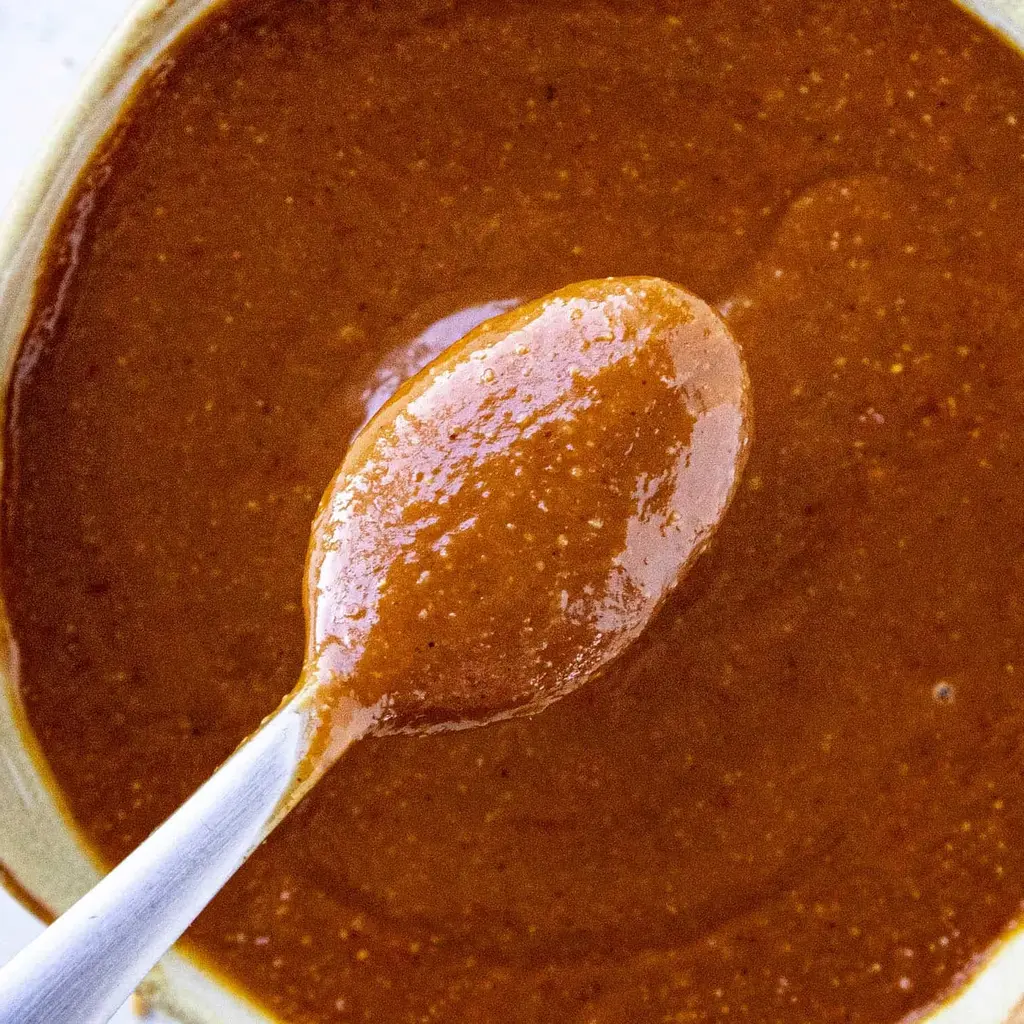
Imagine the aroma: garlic and five-spice powder blooming in a warm pot, mingling with the nutty richness of peanut butter and the tang of rice vinegar. The sauce starts thin and translucent, then as the cornstarch slurry hits, it transforms into a glossy, almost lacquer-like consistency — the kind that clings perfectly to a brush or a spoon. The color is a deep mahogany, and the taste? It’s savory first, then sweet, with a subtle heat from sriracha that you can adjust to your liking. It’s the kind of sauce that makes even simple steamed broccoli feel like a celebration. I love how it brings together my French training in balancing acidity and sweetness with the bold, warming spices I grew up with in Morocco — like a tiny taste of three culinary worlds in a single jar.
What makes this Chinese hoisin sauce recipe different from others you’ll find online is my use of peanut butter as the base. Most traditional recipes call for fermented bean paste, which can be hard to find in a standard US grocery store. Peanut butter is not only easier to source, it adds a velvety texture and a subtle nuttiness that makes the sauce incredibly moreish. Plus, because I’m always looking for short cuts without compromising flavor, I kept the ingredient list tight and the process foolproof. My secret trick? I temper the garlic in the warm sauce before adding the thickener to release its full aroma — a classic French technique for building layers of flavor. One common mistake people make is adding too much cornstarch too quickly, which creates lumps, but I’ll show you exactly how to avoid that. This is truly the how to make hoisin sauce guide you can turn to again and again, whether you’re in a rush or planning a feast.
Why This Homemade Hoisin Sauce Recipe Is the Best
The Flavor Secret: Every time I make this, I’m reminded of the lesson I learned in Paris: deep flavor comes from balanced layers. Here, the natural sweetness of honey plays against the saltiness of soy sauce, while the Chinese five-spice powder adds warmth without overwhelming. What makes this easy hoisin sauce stand out is the peanut butter — it adds a subtle richness that traditional versions often lack. It’s a trick I borrowed from Moroccan cuisine, where nuts are used to thicken and enrich savory sauces. This gives the sauce a body that clings beautifully to meats and veggies, making it perfect for glazing, dipping, or stir-frying.
Perfected Texture: In culinary school, we spent weeks mastering sauces — and I learned that texture matters as much as taste. This sauce starts thin but finishes with a luxurious, glossy consistency. The key is the cornstarch slurry: whisked with cold water until completely smooth before adding to the warm pot, it ensures a lump-free, silky finish. I also cook it just long enough to activate the slurry without losing the fresh garlic punch. This isn’t a sauce you need to simmer for hours — it’s ready in minutes, but it tastes like it simmered all day.
Foolproof & Fast: This really is the most approachable homemade hoisin sauce recipe out there. I’ve tested it with beginner cooks in my NYC cooking classes, and everyone gets perfect results on the first try. The ingredients are all pantry-friendly — you probably already have soy sauce, rice vinegar, and garlic. You don’t need any special equipment beyond a whisk and a small pot, and the whole process takes about 10 minutes. It’s the kind of recipe that makes you feel like a seasoned chef without any of the stress.
Homemade Hoisin Sauce Recipe Ingredients
When I make this sauce in my little NYC kitchen, I love using ingredients I find at the Union Square farmers market — fresh garlic from a local farm and honey from upstate New York. It reminds me of how my mother in Morocco would use the best local honey from the Atlas Mountains to sweeten her dishes. For the soy sauce and rice vinegar, I usually grab a bottle from the Asian market in Chinatown, where the selection is unmatched. Every ingredient here is chosen for its ability to create a complex, restaurant-quality sauce from simple cupboard staples. Let’s dive into what you’ll need.
Ingredients List
- 4 tablespoons soy sauce
- 2 tablespoons rice vinegar
- 2 tablespoons peanut butter (or try it with tahini or black bean sauce – peanut butter is more readily available and easier)
- 3 cloves garlic, minced (1 teaspoon garlic powder is a good alternative)
- 2 tablespoons honey (you can substitute brown sugar if you prefer)
- ½ teaspoon Chinese Five Spice Powder (use more as desired)
- 2 teaspoons Sriracha (or any Chinese hot sauce, red chili sauce, chili paste, or your favorite hot sauce)
- 1 teaspoon cornstarch
Ingredient Spotlight
Soy Sauce: This is the backbone of the sauce, providing deep umami and saltiness. I recommend a good-quality all-purpose soy sauce — look for one that lists only soybeans, wheat, salt, and water. For a gluten-free version, use tamari. The salt level can vary, so taste before adding extra. If you need a substitute, coconut aminos will work, but expect a slightly sweeter, less salty result.
Peanut Butter: This is my secret weapon! Traditional hoisin uses fermented bean paste, but peanut butter is a fantastic, accessible substitute. It adds creaminess, a subtle nutty flavor, and helps thicken the sauce. Use a smooth, unsweetened natural peanut butter for the best result. If you have a nut allergy, tahini (sesame seed paste) is an excellent alternative with a slightly different but equally delicious flavor profile.
Chinese Five-Spice Powder: This fragrant spice blend is the soul of the sauce. It typically includes star anise, cloves, cinnamon, Sichuan peppercorns, and fennel seeds. The warm, aromatic notes it adds are irreplaceable. Look for it in the spice aisle of any well-stocked grocery store. If you don’t have it, a mix of cinnamon, cloves, and a pinch of anise will mimic the flavor, but it won’t be exactly the same. Store it in a cool, dark place to keep it fresh.
Honey: I use honey for its floral sweetness and smooth texture. It balances the saltiness of the soy and the acidity of the rice vinegar beautifully. If you’re vegan or just out of honey, light brown sugar works perfectly — just dissolve it completely in the warm sauce. The sugar version will be slightly less viscous but just as tasty.
Rice Vinegar: This adds a mild, clean acidity that brightens the whole sauce. Don’t substitute with distilled white vinegar — it’s too harsh. Apple cider vinegar is the next best option, but use a teaspoon less as it’s more potent. The acidity is crucial for cutting through the richness of the peanut butter and honey, keeping the sauce balanced.
| Original Ingredient | Best Substitution | Flavor / Texture Impact |
|---|---|---|
| Soy Sauce | Tamari or Coconut Aminos | Tamari: identical flavor. Coconut aminos: sweeter, less salty. |
| Peanut Butter | Tahini or Black Bean Sauce | Tahini: nutty, slightly bitter. Black Bean: salty, more umami. |
| Chinese Five-Spice | Cinnamon + Cloves + Star Anise | Approximate but less complex; adjust to taste. |
| Honey | Light Brown Sugar | Slightly less floral, but texture remains similar. |
| Rice Vinegar | Apple Cider Vinegar (use 1 tsp less) | More assertive acidity; balances well but adjust amount. |
How to Make Homemade Hoisin Sauce — Step-by-Step
Making your own hoisin sauce at home is incredibly simple, and I promise you’ll never go back to the jarred stuff. Just follow these easy steps, and you’ll have a beautiful, glossy sauce ready to use in minutes.
Step 1: Combine the Base
Add all of the ingredients to a small pot, except for the cornstarch. That means your soy sauce, rice vinegar, peanut butter, minced garlic, honey, Chinese five-spice powder, and sriracha all go in together. Don’t worry if the peanut butter seems stiff — it will melt as the sauce warms.
💡 mia’s Pro Tip: Use a whisk from the start to break up the peanut butter and ensure a smooth base before heating.
Step 2: Warm Through
Place the pot over medium heat and warm everything through, stirring frequently, until the ingredients are fully combined and the sauce is smooth and fragrant. This should take about 2-3 minutes. You’ll see the peanut butter dissolve and the garlic release its aroma.
⚠️ Common Mistake to Avoid: Don’t let the sauce boil — medium heat is perfect. Boiling can make the garlic bitter and the honey too caramelized.
Step 3: Prepare the Slurry
In a small bowl, whisk the cornstarch with 2 tablespoons of cold water until the cornstarch is completely dissolved. This is your slurry, and it’s the key to getting a silky, lump-free thickness. Ensure there are no white specks of cornstarch visible.
💡 mia’s Pro Tip: Always use cold water for the slurry. Hot water will cause the cornstarch to clump before it even hits the pot.
Step 4: Thicken the Sauce
Pour the cornstarch and water mixture into the hoisin sauce pot and whisk until well combined. You’ll see the sauce start to thicken almost immediately. Keep whisking as you heat for another 1-2 minutes until it reaches your desired consistency — it should coat the back of a spoon.
⚠️ Common Mistake to Avoid: Don’t dump the slurry in all at once without stirring. Pour it in a steady stream while whisking vigorously to prevent lumps.
Step 5: Serve or Store
Once thickened, remove the pot from the heat. Use the sauce immediately as a glaze or dipping sauce, or let it cool completely before transferring to an airtight container for storage. That’s it! You’ve just made a restaurant-quality condiment from scratch.
💡 mia’s Pro Tip: The sauce will thicken a bit more as it cools. If you prefer a thinner sauce, add a tablespoon of water or rice vinegar after removing from heat.
| Step | Action | Duration | Key Visual Cue |
|---|---|---|---|
| 1 | Combine base ingredients | N/A | All ingredients in pot |
| 2 | Warm on medium heat | 2–3 mins | Peanut butter fully dissolved |
| 3 | Prepare cornstarch slurry | 30 secs | No lumps in bowl |
| 4 | Add slurry and thicken | 1–2 mins | Sauce coats the back of a spoon |
| 5 | Serve or cool to store | N/A | Glossy, lacquer-like finish |
Serving & Presentation
This sauce is incredibly versatile, just like the tagines my mother would make in Morocco — it can dress up anything from simple rice to a fancy roast. For a classic Chinese takeout experience at home, brush this homemade hoisin sauce over grilled chicken thighs or pork ribs during the last 10 minutes of cooking. The sugars in the honey will caramelize, creating a gorgeous sticky glaze. I love serving it with steamed jasmine rice and a side of garlic bok choy. The sauce also shines as a dipping sauce for spring rolls, dumplings, or even crispy tofu.
When I was training in Paris, my chef taught me that a sauce should be presented with intention. For a stunning visual, drizzle the hoisin over a white plate and drag a spoon through it to create a swoosh. Place your main protein or vegetables on top and garnish with toasted sesame seeds and thinly sliced green onions. A sprinkle of crushed red pepper flakes adds a pop of color and a hint of heat. This dish reminds me of the vibrant street food in New York City’s Chinatown — simple ingredients, elevated with care.
For a Moroccan twist, I sometimes add a pinch of ground cumin and a splash of orange juice to the sauce before serving — it echoes the sweet-savory balance of my mother’s cooking. Serve it with lamb meatballs or roasted eggplant for an unexpected but delicious fusion. The key is to let the sauce shine. Its deep, glossy appearance and complex flavor will make any dish feel special.
| Pairing Type | Suggestions | Why It Works |
|---|---|---|
| Side Dish | Steamed jasmine rice, garlic bok choy, stir-fried snap peas | Neutral backgrounds let the sauce’s complexity shine. |
| Sauce / Dip | Glaze for ribs, chicken, or tofu; dip for egg rolls, dumplings, or fresh spring rolls | Sticky sweetness and umami coat and enhance proteins. |
| Beverage | Green tea, crisp lager beer, or a light Riesling | Clean, refreshing drinks balance the rich, spicy sauce. |
 Tried This Recipe? Leave a Comment!Did you make this recipe? I’d love to hear how it turned out! Please leave a comment and a rating below. Your feedback helps other home cooks and supports cheerychop.com! For more delicious inspiration, follow me on Pinterest!  Hi, I’m Ema! Let’s make every bite unforgettable! ABOUT MELet's connect |