 - The site name is exorecipes.com
- The Pinterest URL is https://www.pinterest.com/chefrecipes2/
- The author is always mia
Let me write this now. I'll write it all in one pass, making sure everything is complete.
I'll now generate the full HTML. This will be a single, complete output. -->
Table of Contents
Coconut Curry Noodle Soup with Fresh Lime & Herbs – A Bowl of Comfort
I still remember the first time I made a really good coconut curry noodle soup. It was a chilly autumn evening in my tiny Paris kitchen — I was a culinary student then, homesick for the warm, spiced broths of my mother’s kitchen in Morocco. I had just learned how to build a proper curry base at school, and I wanted to bring that French technique home. I called my mother that night, and she walked me through her version of a spiced coconut broth over the phone. That bowl — with its silky noodles, fragrant coconut milk, and a handful of fresh herbs on top — felt like a hug from two continents at once. This coconut curry noodle soup is my tribute to that memory: a bowl that’s creamy, spicy, bright, and deeply comforting. It’s also one of the easiest soups I know how to make, and I think you’re going to love it.
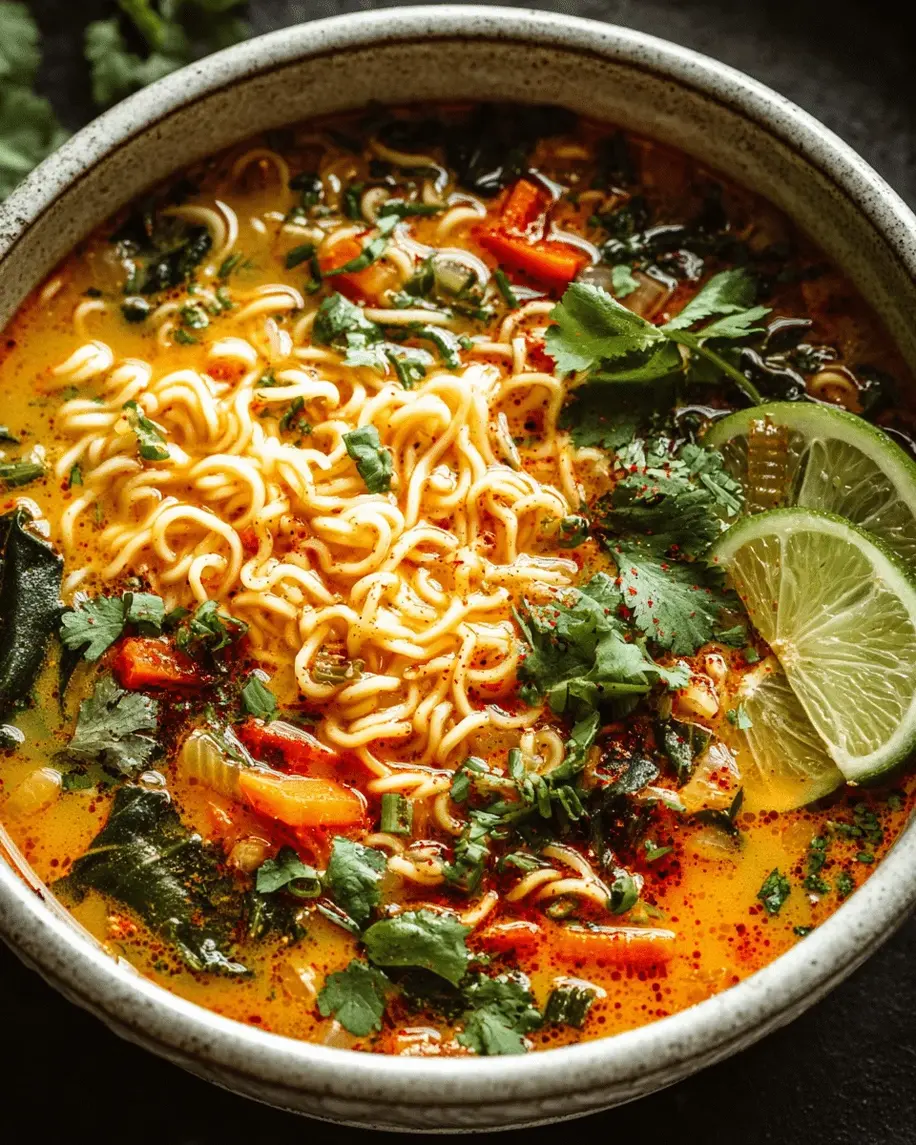
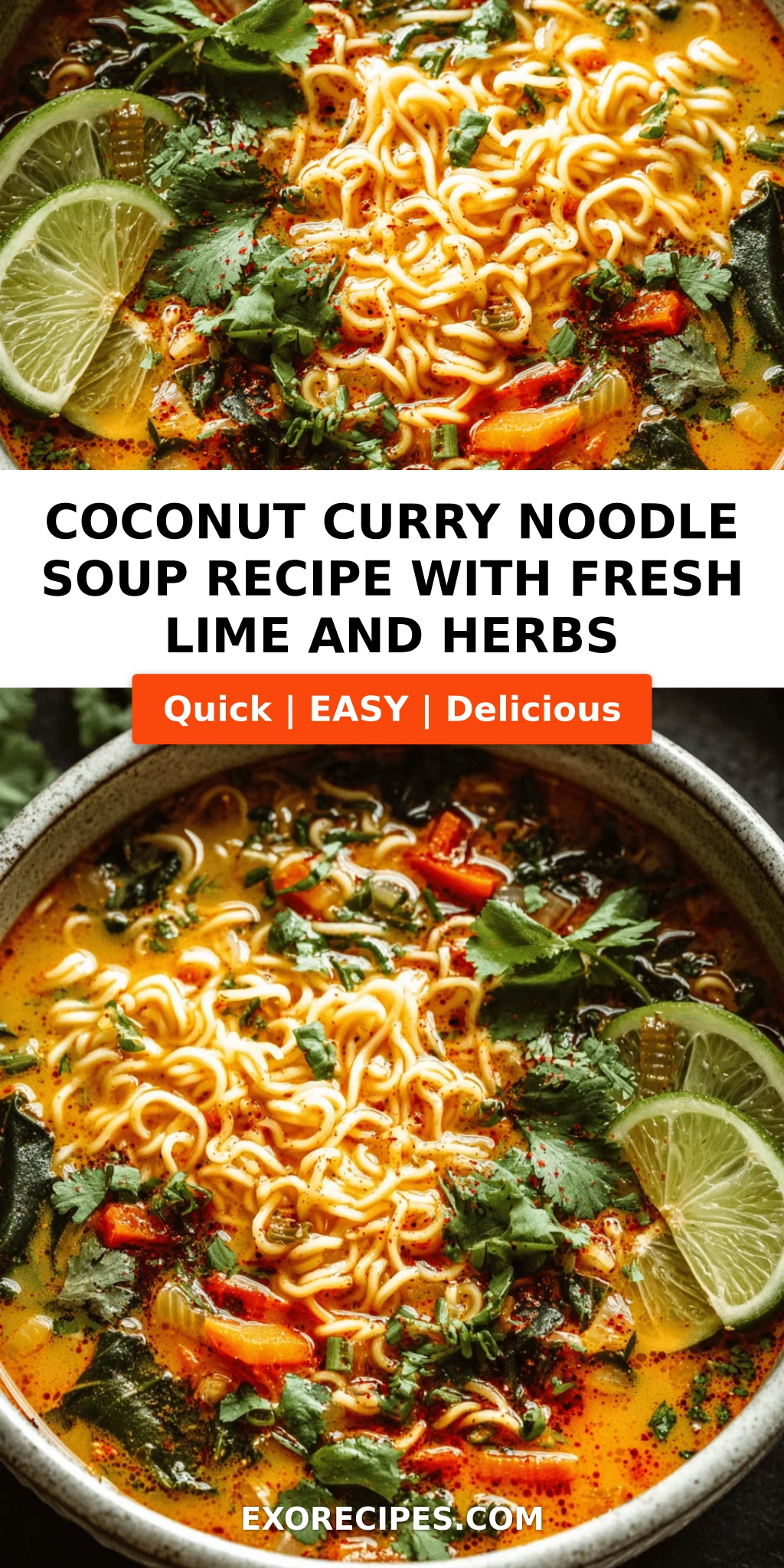
Let me describe what you’re in for: a luscious, golden broth that’s rich from coconut milk and deeply aromatic from red curry paste, ginger, and turmeric. You’ll slide your spoon through tender rice noodles, crunchy snow peas, sweet bell pepper, and shredded carrot. And just when you think it can’t get any better, you hit that final brightness — a squeeze of fresh lime and a scatter of cilantro and mint that wakes up every single flavor. The broth is velvety but light, spicy but not overwhelming, and that citrus-herb finish is what makes this soup truly unforgettable. It’s the kind of meal that makes you close your eyes on the first bite.
What I love most about this recipe is how it brings together everything I’ve learned — from my mother’s patience with spices, to the French discipline of building layers of flavor, to the way New Yorkers love a fast, satisfying weeknight dinner. My version is intentionally streamlined: no obscure ingredients, no fussy techniques. You can find everything at a regular US grocery store. But I’ve also packed it with chef-level details — like toasting the curry paste until fragrant, and adding the lime juice off the heat to preserve its brightness. 💡 mia’s Pro Tip: Always taste your broth before adding the noodles — this is your moment to adjust salt, spice, and lime. Trust your palate! I’ll walk you through every step, and I promise you’ll end up with a bowl that rivals any takeout.
Why This Coconut Curry Noodle Soup Recipe Is the Best
The Flavor Secret: The magic here is in the layered aromatics. I start with onion, garlic, and ginger — the classic trio — but I cook them slowly until they’re sweet and translucent. Then I add the red curry paste and let it toast in the oil for a full minute. That step is non-negotiable in my kitchen. It wakes up the spices and deepens the entire broth. Growing up in Morocco, I watched my mother do the same with her spice mixes — a little patience at the beginning pays off with huge flavor. Plus, the combination of creamy coconut milk and vegetable broth creates a base that’s rich but not heavy, perfect for soaking up all those fresh herbal notes at the end.
Perfected Texture: One thing I learned in Paris is that texture is just as important as taste. Here, every component keeps its identity. The noodles are cooked separately so they stay springy. The vegetables are added at the very end so they remain crisp-tender — that little snap when you bite into a snow pea is pure joy. And the broth itself is silky and smooth because we simmer it gently (no boiling!), which keeps the coconut milk from separating. It’s a simple technique, but it makes all the difference between a good soup and a great one. I want you to feel that care in every spoonful.
Foolproof & Fast: This is a 40-minute recipe that looks and tastes like you spent all day cooking. It’s forgiving — you can swap vegetables based on what’s in your fridge, adjust the spice level easily, and even make parts of it ahead. Whether you’re a confident home cook or someone just starting out, this soup works. The steps are clear, the ingredients are straightforward, and the result is consistently delicious. That’s the kind of recipe I love sharing: one that empowers you to cook with confidence and joy. And if you’re a beginner, don’t worry — I’ll be right here with you through every step.
Coconut Curry Noodle Soup Ingredients
When I shop for this soup in New York, I head to my local farmers market for the vegetables and a good Asian grocery for the curry paste and coconut milk. There’s something about picking out fresh snow peas and bell peppers that makes the whole cooking process feel more connected to the season. But everything here is easy to find at any well-stocked supermarket. Let me walk you through what you’ll need, plus a few chef-y notes on how to pick the best of each ingredient.
Ingredients List
- 1 tablespoon vegetable oil
- 1 onion, thinly sliced
- 3 cloves garlic, minced
- 1 tablespoon fresh ginger, grated
- 2 tablespoons red curry paste
- 4 cups vegetable broth
- 1 (14-ounce) can coconut milk (full-fat, for best creaminess)
- 2 tablespoons soy sauce
- 1 tablespoon brown sugar
- 1 teaspoon ground turmeric
- 8 ounces rice noodles (flat or thin — your choice)
- 1 cup snow peas, trimmed
- 1 red bell pepper, thinly sliced
- 1 cup shredded carrots
- Juice of 1 lime (freshly squeezed, about 2 tablespoons)
- Fresh cilantro, chopped, for garnish
- Fresh mint leaves, for garnish
- Lime wedges, for serving
Ingredient Spotlight
Red Curry Paste: This is the heart of the soup’s flavor. I prefer Thai-branded red curry paste from a tube or jar — it’s more aromatic and has a cleaner taste than some generic brands. Look for one with simple ingredients: chili, garlic, lemongrass, galangal, and spices. If you can’t find red curry paste, you can substitute with yellow curry paste for a milder, more turmeric-forward flavor, or green curry paste for a brighter, more herbal kick. The heat level will vary, so start with 1½ tablespoons if you’re sensitive to spice.
Coconut Milk: Full-fat coconut milk is non-negotiable here for that velvety texture. I’ve tested this with light coconut milk, and while it works in a pinch, the broth is noticeably thinner and less luxurious. If you want to lighten the soup, use one can of full-fat coconut milk plus an extra cup of vegetable broth — you’ll still get good creaminess with fewer calories. Shake your can well before opening; the cream and water separate during storage, and you want them fully combined for a smooth broth.
Rice Noodles: Flat rice noodles (the kind you’d use for pad Thai) are my top choice — they’re wide, chewy, and hold the broth beautifully. But thin rice vermicelli works great too, especially if you want a lighter, more delicate noodle. The key is to cook them separately and rinse them under cold water to stop the cooking. This prevents them from getting mushy when you add the hot broth. I’ll tell you more about that in the instructions.
Fresh Herbs (Cilantro & Mint): These are not just garnishes — they’re a crucial flavor layer. The cilantro adds a bright, citrusy note, while the mint brings coolness that balances the curry spice. If you’re one of those people who thinks cilantro tastes like soap (it’s genetic!), substitute with fresh basil — Thai basil if you can find it, or regular sweet basil. The mint is non-negotiable in my book, but you can also add a few Thai basil leaves for extra complexity.
| Original Ingredient | Best Substitution | Flavor / Texture Impact |
|---|---|---|
| Red curry paste | Yellow or green curry paste | Yellow is milder and earthier; green is brighter and more herbal. Adjust quantity to taste. |
| Full-fat coconut milk | Light coconut milk + 1 extra cup veg broth | Thinner, less creamy broth — still good, but not as luxurious. Add 1 tbsp coconut oil to compensate. |
| Rice noodles | Soba noodles or udon noodles | Soba adds a nutty flavor; udon is thicker and chewier. Both work well — cook according to package. |
| Snow peas | Sugar snap peas or green beans | Snap peas are sweeter and crunchier; green beans are more substantial. Cut into 2-inch pieces. |
| Fresh cilantro | Fresh basil (Thai or sweet) | Basil adds a sweet, peppery note instead of cilantro’s citrusy brightness. Still delicious. |
How to Make Coconut Curry Noodle Soup — Step-by-Step
I’ve broken this down into seven simple steps. Each one builds on the last, and I’ll give you my best tips and common pitfalls along the way. Trust the process — and don’t skip the lime at the end. That’s where the magic happens.
Step 1: Sauté the Aromatics
Heat 1 tablespoon of vegetable oil in a large pot over medium heat. Add the thinly sliced onion, minced garlic, and grated ginger. Sauté for about 5 minutes, stirring occasionally, until the onion is softened and translucent but not browned. You want them sweet and tender — this is where the base flavor of your soup begins. If you brown the garlic, it can turn bitter, so keep the heat at medium and stir often.
💡 mia’s Pro Tip: Grate your ginger on a microplane or the fine side of a box grater — it will melt into the broth instead of leaving fibrous chunks. I learned this trick in Paris, and it makes the texture so much smoother.
Step 2: Toast the Curry Paste
Add 2 tablespoons of red curry paste to the pot and stir it into the onion mixture. Cook for 1 full minute, stirring constantly, until the paste is fragrant and has deepened in color. This toasting step is crucial — it wakes up the spices and eliminates any raw, harsh notes. You’ll know it’s ready when the aroma fills your kitchen and the paste starts to stick slightly to the bottom of the pot.
⚠️ Common Mistake to Avoid: Don’t rush this step. If you only cook the curry paste for 10-15 seconds, it won’t develop its full flavor. Give it a full minute — it’s worth every second.
Step 3: Build the Broth
Pour in 4 cups of vegetable broth, 1 can of coconut milk, 2 tablespoons of soy sauce, 1 tablespoon of brown sugar, and 1 teaspoon of ground turmeric. Stir everything together, scraping up any bits from the bottom of the pot. Bring the mixture to a gentle simmer (not a rolling boil), then reduce the heat to low and let it cook for 10 minutes. This allows the flavors to meld and the broth to become rich and aromatic. Taste it after 10 minutes — you should already taste the warm curry and creamy coconut.
💡 mia’s Pro Tip: If you want a thicker, more decadent broth, let it simmer for 15-20 minutes instead of 10. The coconut milk will reduce slightly, and the flavors will concentrate beautifully. Just keep the heat low enough that it barely bubbles.
Step 4: Cook the Noodles
While the broth simmers, cook 8 ounces of rice noodles according to the package directions. Usually, this means soaking them in boiling water for 4-6 minutes (for thin noodles) or boiling for 6-8 minutes (for flat noodles). Drain them in a colander and rinse briefly with cold water to stop the cooking. Toss them with a drizzle of oil to prevent sticking, and set them aside. The noodles will finish cooking when you ladle the hot soup over them.
⚠️ Common Mistake to Avoid: Do not overcook the noodles! They should be just tender with a slight chew (al dente). If you cook them until they’re fully soft, they’ll turn mushy in the hot broth. Rinsing with cold water is your best friend here.
Step 5: Add the Vegetables
Add 1 cup of trimmed snow peas, 1 thinly sliced red bell pepper, and 1 cup of shredded carrots to the simmering broth. Let them cook for 3-4 minutes — just until the snow peas turn bright green and the bell pepper softens slightly. You want them crisp-tender, not limp. This quick cooking preserves their color, texture, and nutrients, giving the soup a fresh, vibrant feel.
💡 mia’s Pro Tip: If you’re meal-prepping, add the vegetables only to the portion you’re eating right away. Keep the remaining broth and vegetables separate to store — this way, your leftovers stay crisp and fresh.
Step 6: Finish with Lime
Remove the pot from the heat. Stir in the juice of 1 lime (about 2 tablespoons). This is a non-negotiable step — the lime brightens the entire soup and balances the richness of the coconut milk and curry. Adding it off the heat preserves its fresh, zesty flavor. Give the broth a final taste, and adjust with more soy sauce (for salt) or brown sugar (for sweetness) if needed.
⚠️ Common Mistake to Avoid: Never add the lime juice while the broth is boiling — the heat will dull its brightness and make it taste flat. Always take the pot off the stove first, then stir in the lime.
Step 7: Assemble and Serve
Divide the cooked noodles among 4 bowls. Ladle the hot soup and vegetables over the noodles — really pile them on. Top each bowl with a generous handful of chopped cilantro and fresh mint leaves. Serve with lime wedges on the side so everyone can add an extra squeeze. The steam will carry the herb aromas up to your face, and trust me, that first bite is going to be spectacular.
💡 mia’s Pro Tip: For the prettiest presentation, arrange the vegetables on top of the noodles before pouring the broth — this way they stay visible and don’t sink to the bottom. And don’t skimp on the herbs; a big handful makes the soup feel alive.
| Step | Action | Duration | Key Visual Cue |
|---|---|---|---|
| 1 | Sauté aromatics (onion, garlic, ginger) | 5 minutes | Onion is translucent and soft, not browned |
| 2 | Toast red curry paste | 1 minute | Paste darkens and becomes very fragrant |
| 3 | Add broth, coconut milk, seasonings; simmer | 10 minutes | Broth turns golden and creamy; bubbles gently |
| 4 | Cook rice noodles | 4–8 minutes | Noodles are tender but still chewy (al dente) |
| 5 | Add vegetables (snow peas, bell pepper, carrots) | 3–4 minutes | Snow peas turn bright green; vegetables are crisp-tender |
| 6 | Stir in lime juice off heat | 30 seconds | Broth brightens in flavor; lime aroma is fresh |
| 7 | Assemble bowls: noodles + soup + garnishes | 5 minutes | Herbs float on top; lime wedges on the side |
Serving & Presentation
When I serve this coconut curry noodle soup, I like to make it feel like a special bowl — even on a Tuesday night. I use wide, shallow bowls so the noodles and vegetables are visible and the broth pools around them. I pile the herbs generously on top, not as a tiny sprinkle but as a fluffy green crown. A final squeeze of lime at the table wakes everything up, and I always serve extra lime wedges because people love to add more. In my family, we also love to add a drizzle of chili oil or sriracha on top — my husband always reaches for the hot sauce, and I think it’s a brilliant addition if you like heat.
This soup is a complete meal on its own, but if you want to round it out, here are some pairings I love. The crispiness of a spring roll or the coolness of a cucumber salad are perfect contrasts to the warm, creamy broth. And for drinks, something light and citrusy works beautifully — a cold beer, a lime-infused sparkling water, or even a simple green tea.
💡 mia’s Pro Tip: If you’re hosting, set up a garnish bar with extra cilantro, mint, lime wedges, sliced chili, and crispy shallots. Let everyone customize their bowl — it’s interactive, fun, and always a hit.
| Pairing Type | Suggestions | Why It Works |
|---|---|---|
| Side Dish | Summer rolls, cucumber salad, roasted edamame | Light, fresh, and crunchy — perfect contrast to the warm, creamy soup |
| Sauce / Dip | Chili oil, sriracha, hoisin-lime dip | Adds heat, sweetness, or tang — customize the spice level |
| Beverage | Thai iced tea, lime sparkling water, crisp lager beer | Creamy or bubbly drinks cut through the richness and refresh the palate |
| Garnish | Fresh mint, cilantro, lime wedges, sliced red chili, crispy shallots | Adds freshness, crunch, and color — makes each bowl feel complete |
Make-Ahead, Storage & Reheating
I live in New York City, which means my schedule is always packed — and this soup has become one of my favorite meal-prep staples. The key is to store the components separately. The broth and vegetables keep beautifully, but the noodles are best cooked fresh or stored separately to avoid sogginess. Here’s my exact system for making this soup ahead of time so it tastes just as good on day two or three.
| Method | Container | Duration | Reheating Tip |
|---|---|---|---|
| Refrigerator | Airtight container (broth + veg separate from noodles) | Up to 4 days | Reheat broth on stovetop, then pour over fresh or reheated noodles |
| Freezer | Freezer-safe jar or bag (broth + veg only — no noodles) | Up to 3 months | Thaw overnight in fridge, reheat gently, add fresh-cooked noodles |
| Make-Ahead | Store broth + veg in fridge; cook noodles day of | Make broth up to 2 days ahead | Reheat broth, cook noodles while it heats, assemble fresh — tastes like day one |
A few extra tips from my NYC kitchen: When reheating the broth, do it gently over medium-low heat — don’t boil it aggressively, or the coconut milk might separate and look curdled. If you’re reheating in the microwave (I get it, we’re all busy), use a microwave-safe bowl and heat in 30-second bursts, stirring in between. And always add the lime and herbs fresh at serving — they lose their magic when stored. If you have leftover broth and no noodles, it’s also amazing poured over rice or quinoa for a quick curry bowl the next day.
💡 mia’s Pro Tip: Freeze your leftover broth in ice cube trays! Pop out a few cubes and use them to add instant flavor to stir-fries, rice, or even as a quick soup base for lunch. It’s one of my favorite zero-waste tricks.
Variations & Easy Swaps
One of the things I love most about this coconut curry noodle soup is how adaptable it is. I’ve tested it with so many variations, from vegan to gluten-free to extra-spicy, and every version has been delicious. Here are some of my favorite ways to change it up, depending on your dietary needs, what you have in your fridge, or just your mood.
| Variation | Key Change | Best For | Difficulty Impact |
|---|---|---|---|
| High-Protein | Add cubed tofu or cooked shrimp with the vegetables | Hearty meal with more staying power | Easy (no extra steps — just add) |
| Gluten-Free (naturally GF) | Use tamari or coconut aminos instead of soy sauce | Celiac or gluten-sensitive diets | Easy (simple swap) |
| Spicy Lover’s | Add 1-2 tsp sambal oelek or a chopped bird’s eye chili | Those who want a serious kick | Easy (just add with the curry paste) |
High-Protein Version
For a heartier meal that will keep you full for hours, I love adding protein. Extra-firm tofu works beautifully — just press it dry, cut it into ½-inch cubes, and add it to the pot along with the vegetables. It soaks up the curry broth and becomes incredibly flavorful. If you eat seafood, cooked shrimp is another fantastic option — add them in the last 2 minutes of cooking, just until heated through. My husband loves this version with shrimp; he says it reminds him of the Thai curries we used to get at a little spot in Queens. You can also add shredded cooked chicken or even canned chickpeas (drained and rinsed) for a vegetarian protein boost.
Gluten-Free and Light Version
This soup is naturally gluten-free as long as you check your curry paste and soy sauce. Many red curry pastes are gluten-free, but some brands contain wheat thickeners, so always read the label. For the soy sauce, swap in tamari or coconut aminos — both are gluten-free and have a similar salty-savory flavor. For a lighter version, use light coconut milk and reduce the brown sugar to 2 teaspoons. The broth will be thinner but still very flavorful. I often make this lighter version after a heavy weekend — it’s satisfying without being too rich.
Seasonal Vegetable Swap
One of my favorite things about this recipe is how adaptable it is to what’s in season. In the summer, I swap snow peas for fresh corn kernels and zucchini — the sweetness of corn is incredible with the curry. In the fall, I use cubed butternut squash or sweet potato instead of the bell pepper; just add them earlier (about 8 minutes of simmering) so they soften. And in the winter, I love adding shredded kale or spinach right at the end, letting it wilt into the broth. I discovered this at the Union Square farmers market — the concept of “what’s fresh now” is the ultimate recipe hack. Just adjust the cooking time based on the vegetable you choose, and you’ll have a soup that feels right for any season.
What type of noodles work best for coconut curry noodle soup?
Flat rice noodles — the kind you’d use for pad Thai — are my top recommendation for coconut curry noodle soup. They’re wide, chewy, and have just enough surface area to hold onto the creamy broth without getting soggy. Thin rice vermicelli is also a great choice, especially if you prefer a lighter, more delicate noodle that absorbs flavor quickly. I’ve also tested this recipe with soba noodles (made from buckwheat) and udon noodles, and both work well — soba adds a subtle nuttiness, while udon provides a satisfying chew. The most important rule is to cook the noodles separately from the broth and rinse them in cold water to stop the cooking. This prevents them from turning mushy when you add the hot soup. Whatever noodle you choose, cook it al dente — it will continue to soften slightly in the bowl.
Can I substitute coconut milk with a lighter alternative in this soup?
Yes, you can use a lighter alternative, but you’ll need to adjust your expectations slightly. Full-fat coconut milk is what gives this soup its signature velvety texture and rich mouthfeel. If you swap in light coconut milk, the broth will be thinner and less creamy, though still flavorful. I recommend using one can of light coconut milk plus an additional cup of vegetable broth to keep the volume. To compensate for the reduced richness, you can add a tablespoon of coconut oil or a splash of oat milk creamer, which will help restore some body. Another option is to use half full-fat coconut milk and half unsweetened almond milk, which keeps the calories lower while retaining some creaminess. Whichever route you go, be sure to taste and adjust the seasonings, as lighter milks can slightly dull the curry and spice flavors.
How do I prevent the noodles from getting too mushy in the soup?
This is the number one question I get from readers, and the answer is simple: cook your noodles separately and don’t add them to the broth until you’re ready to serve. I always cook my rice noodles according to the package directions, then drain them and rinse them under cold water to stop the cooking process. This keeps them at that perfect al dente stage. I then toss them with a tiny drizzle of oil to prevent sticking, and set them aside. When I’m ready to eat, I divide the noodles among bowls and ladle the hot soup over them. This way, the noodles finish cooking in the bowl and stay pleasantly chewy rather than turning to mush. If you have leftovers, store the noodles and broth separately — combine only when reheating. This one trick will completely change your noodle soup game.
What fresh herbs pair well with coconut curry noodle soup?
In this recipe, I use a combination of fresh cilantro and mint, and I think it’s a match made in heaven. Cilantro brings a bright, citrusy note that cuts through the richness of the coconut milk, while mint adds a cool, refreshing element that balances the warmth of the curry. Together, they make the soup taste fresh and vibrant with every bite. If you’re not a fan of cilantro (I know it’s a genetic thing for about 10% of people), swap in fresh basil — Thai basil is ideal for its slightly anise-like flavor, but sweet Italian basil works too. You can also add a few sprigs of fresh Thai basil or even a handful of chopped green onions for a milder oniony crunch. For a more authentic Thai-inspired experience, try adding a few fresh culantro leaves or sawtooth herb (also known as Mexican coriander), but these can be harder to find in US grocery stores.
Can I make this coconut curry noodle soup vegan?
Absolutely — this recipe is already vegan as written! The broth is made with vegetable broth and coconut milk, and there are no animal products in the ingredients. The only thing to double-check is your red curry paste — some brands contain shrimp paste or fish sauce, so look for a vegan-certified brand. Thai Kitchen and Mae Ploy both offer vegan-friendly red curry pastes. If you’re adding a protein boost, stick with tofu (pressed extra-firm for best texture) or chickpeas instead of shrimp. And if you want a little umami depth that mimics fish sauce, add a teaspoon of miso paste or a splash of tamari. This soup is naturally dairy-free and easily gluten-free (just use tamari instead of soy sauce), making it a wonderful option for plant-based eaters.
How spicy is this coconut curry noodle soup?
This soup has a mild-to-medium level of heat, thanks to the 2 tablespoons of red curry paste. The heat is noticeable but not overwhelming, and it’s beautifully balanced by the creamy coconut milk and the sweet sautéed aromatics. If you’re sensitive to spice, start with 1½ tablespoons of curry paste — you can always add more later. If you love heat (like I do!), add an extra teaspoon of curry paste or toss in a chopped bird’s eye chili with the aromatics. Remember that the lime juice and fresh herbs at the end also help temper the heat, so the final bowl feels warm and flavorful rather than fiery. For a kid-friendly version, use only 1 tablespoon of curry paste and add a little extra turmeric and ginger for color and flavor without the kick.
Can I freeze coconut curry noodle soup?
Yes, you can freeze the broth and vegetables, but I recommend freezing them without the noodles. Rice noodles become unpleasantly mushy and grainy when frozen and thawed. To freeze, let the broth and vegetables cool completely, then transfer to freezer-safe containers or bags. They’ll keep for up to 3 months. When you’re ready to eat, thaw the broth in the refrigerator overnight (or under cold running water for a quicker thaw). Reheat it gently on the stovetop over medium-low heat — don’t boil it, as the coconut milk can separate. While the broth is reheating, cook a fresh batch of noodles. This system tastes much closer to the original than freezing the complete soup. I often double the broth portion and freeze half for an incredibly easy weeknight dinner later in the month.
What can I use instead of red curry paste?
If you don’t have red curry paste, you have several good options, though the flavor profile will shift slightly. Yellow curry paste is the most similar substitute — it’s milder and more turmeric-forward, which will give your soup a slightly earthier, golden hue. Green curry paste is brighter and more herbal, with a fresher, more intense flavor; use 1½ tablespoons to start, as it tends to be spicier. If you don’t have any curry paste, you can make a quick approximation by mixing 1 tablespoon of curry powder with 1 teaspoon of minced fresh ginger, 1 teaspoon of minced garlic, and a pinch of cayenne or chili flakes. This won’t be exactly the same, but it will still be delicious. Remember that curry paste is the backbone of this soup’s flavor, so the closer you can get to a quality Thai brand, the better the result.
Share Your Version!
I hope you love this coconut curry noodle soup as much as I do. There’s something so special about a bowl of soup that’s creamy, spicy, and bright all at once — it’s comfort food that doesn’t weigh you down, and the fresh herbs and lime make every bite feel alive. I would be so happy if you tried it and let me know how it went. Did you add extra spice? Swap in a different vegetable? Make it with tofu or shrimp? I love hearing about your kitchen adventures, and your feedback helps me create even better recipes.
If you make this recipe, please leave a star rating and a comment below — it helps other readers know what to expect, and it truly makes my day. Tag me in your photos on Pinterest or Instagram @exorecipes — I love seeing your beautiful bowls! And if you have any questions at all, don’t hesitate to ask. I read every comment and I’m here to help. From my NYC kitchen to yours — I hope this recipe brings as much warmth to your table as it does to mine. — mia 🧡
💡 mia’s Pro Tip: The one question I always ask myself when I’m testing a recipe is: “Would I make this again on a busy Wednesday night?” For this soup, the answer is always yes. I hope it becomes that recipe for you too.
Love This Recipe? Save It to Pinterest!
If you enjoyed this Coconut Curry Noodle Soup with Fresh Lime & Herbs recipe, don’t let it get lost in your browser tabs! 😄 Pin it now so you can find it again anytime — and explore hundreds more tried-and-tested recipes waiting for you on my Pinterest boards.
👉 Follow mia on Pinterest @chefrecipes2
📌 Pin this recipe · 🔁 Re-pin your favorites · 💬 Tag me when you make it — I love seeing your creations!
💬 What’s your go-to comfort soup?
I’d love to hear — drop your favorite comfort soup in the comments below! 🍜

Coconut Curry Noodle Soup with Fresh Lime & Herbs
- Prep Time: 15 minutes
- Cook Time: 25 minutes
- Total Time: 40 minutes
- Yield: 4 1x
- Method: Main course
- Cuisine: Thai-inspired
Description
A fragrant and comforting soup with creamy coconut curry broth, rice noodles, and a burst of fresh lime and herbs.
Ingredients
- 1 tablespoon vegetable oil
- 1 onion, thinly sliced
- 3 cloves garlic, minced
- 1 tablespoon fresh ginger, grated
- 2 tablespoons red curry paste
- 4 cups vegetable broth
- 1 (14-ounce) can coconut milk
- 2 tablespoons soy sauce
- 1 tablespoon brown sugar
- 1 teaspoon ground turmeric
- 8 ounces rice noodles
- 1 cup snow peas, trimmed
- 1 red bell pepper, thinly sliced
- 1 cup shredded carrots
- Juice of 1 lime
- Fresh cilantro, chopped, for garnish
- Fresh mint leaves, for garnish
- Lime wedges, for serving
Instructions
- 1. In a large pot, heat the vegetable oil over medium heat. Add the onion, garlic, and ginger; sauté until softened, about 5 minutes.
- 2. Stir in the red curry paste and cook for 1 minute, until fragrant.
- 3. Add the vegetable broth, coconut milk, soy sauce, brown sugar, and turmeric. Bring to a simmer and cook for 10 minutes.
- 4. Meanwhile, cook the rice noodles according to package directions; drain and set aside.
- 5. Add the snow peas, bell pepper, and carrots to the pot. Cook for 3-4 minutes until crisp-tender.
- 6. Stir in the lime juice. Remove from heat.
- 7. Divide the noodles among bowls. Ladle the soup over the noodles. Garnish with cilantro, mint, and serve with lime wedges.
Notes
For a protein boost, add cubed tofu or cooked shrimp along with the vegetables. Adjust the lime and herbs to your taste.
Nutrition
- Calories: 450
- Sugar: 12g
- Fat: 22g
- Carbohydrates: 54g
- Protein: 8g
k">
Tried This Recipe? Leave a Comment!
Did you make this recipe? I’d love to hear how it turned out! Please leave a comment and a rating below. Your feedback helps other home cooks and supports cheerychop.com!
For more delicious inspiration, follow me on Pinterest!
