“`html
Table of Contents
Coconut Crisp Shrimp with Springy Rice: A Crunchy, Zesty Escape for Your Weeknight Table
I still remember the first time I made this coconut shrimp recipe for my neighbors here in New York City. It was a humid Tuesday evening in August, and I was craving something that reminded me of the coastal markets near Casablanca where my mother would buy tiny, sweet shrimp and fry them in a whisper of oil until they turned coral and curled. She’d pile them onto a mound of rice that had been simmered with a scrap of butter and a squeeze of citrus — nothing fancy, just pure, honest flavor. That memory, paired with my classical French training in Paris (where I learned the art of the perfect crust), became the spark for this crunchy shrimp weeknight meal. This isn’t just another weeknight dinner; it’s a little escape, a bowl of golden, crisp coconut shrimp perched on springy rice with a zesty lime lift that cuts through the richness like a bright chorus.
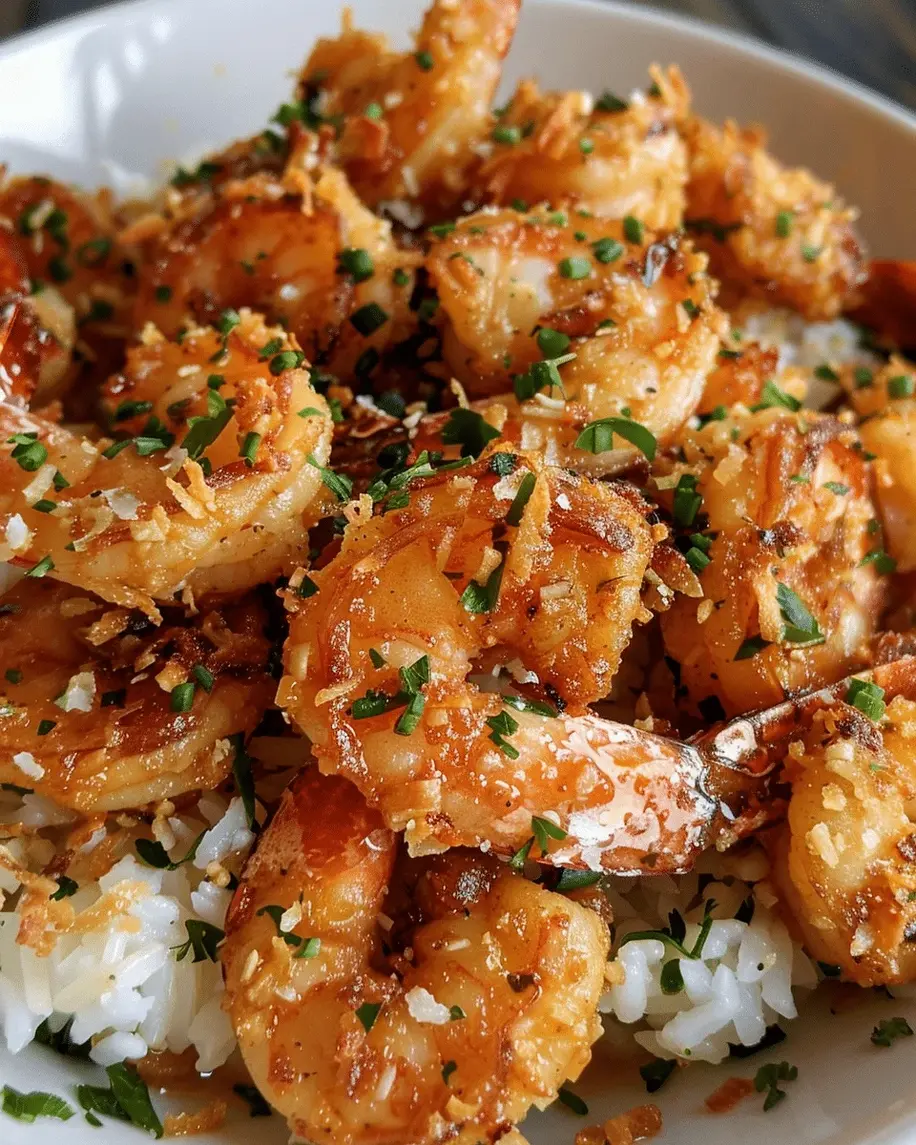
Picture this: each shrimp wears a jacket of toasted coconut and panko that shatters when you bite into it, giving way to tender, briny-sweet meat. The rice — my “springy rice” — is no afterthought; it’s jasmine grains cooked to separate, fluffy perfection, then kissed with butter and a shower of fresh lime zest that makes every forkful feel alive. A drizzle of sweet chili-lime sauce ties it all together, adding a sticky, tangy heat that keeps you coming back for one more bite. The aromas alone — toasted coconut, sizzling shrimp, bright citrus — will draw everyone to the table before you even call them. This easy shrimp dinner is my go-to when I need something that feels special but comes together in about 35 minutes, start to finish.
After years testing this coconut shrimp rice bowl in my own kitchen (and at a few pop-ups in Brooklyn), I’ve dialed in every detail to make it foolproof for home cooks. The secret? A two-step breading station that locks in moisture while building a crust that stays crunchy even after it sits — no sad, soggy shrimp here. I’ll walk you through the technique, share the one mistake that can ruin your coating (it’s a classic French kitchen error), and give you my favorite substitution for the rice so you can make this your own. Whether you’re a seasoned cook or just starting out, this recipe meets you where you are and delivers a restaurant-quality meal without the fuss. Let’s get cooking.
Why This Coconut Shrimp Recipe Is the Best
The flavor secret here is balance, and that’s something I learned not in Paris but in my mother’s tiny kitchen in Morocco. She taught me that coconut isn’t just about sweetness — it’s a carrier for warmth, a way to add richness without heaviness. By pairing the coconut with panko (a trick from my French pastry days for getting an extra-crisp crust), and finishing the rice with lime zest and butter, you get a dish that’s bright, rich, and deeply satisfying. The sweet chili-lime sauce ties everything together with a sticky, tangy heat that makes each bite pop. This isn’t just another coconut shrimp recipe; it’s a carefully orchestrated medley of textures and flavors that work in harmony.
Perfected texture comes down to one technique: the triple-dredge. Flour, egg, then coconut-panko — but the real trick is pressing the coating onto the shrimp gently but firmly, then letting them rest for five minutes before frying. This allows the breading to adhere, so it doesn’t fall off in the oil. I also toast the shredded coconut in a dry pan for two minutes before breading, which deepens its flavor and helps it stay crunchy rather than turning chewy or burning. The result is a crust that’s shatteringly crisp, with every golden flake intact. No gumminess, no sogginess — just pure, audible crunch with every bite.
Foolproof and fast: this easy shrimp dinner comes together in 35 minutes from start to finish, and it’s designed for weeknights when you don’t have an hour to spare. The rice cooks in 20 minutes with almost no hands-on time, and the shrimp fry up in batches in under 8 minutes total. Even if you’ve never breaded shrimp before, the step-by-step instructions below will guide you to a perfect golden crust every time. I’ve tested this recipe with home cooks of every skill level, and the feedback is always the same: “I can’t believe I made this.” That’s the kind of cooking I love — approachable, confidence-building, and absolutely delicious.
Coconut Shrimp Recipe Ingredients
When it comes to this coconut shrimp recipe, the ingredients are simple, but each one plays a starring role. I pick up my jasmine rice from a little Asian market on Mott Street in Chinatown — the brand with the green bag, if you know, you know. The shredded unsweetened coconut I find at Whole Foods or any well-stocked grocery store, and I always buy a bag of large shrimp from the freezer section at Costco or my local fishmonger when they’re on sale. Here’s exactly what you’ll need for this crispy shrimp with rice dish.
Ingredients List
- 1 lb large shrimp, peeled and deveined
- 1 cup shredded unsweetened coconut
- 1/2 cup panko breadcrumbs
- 1/2 cup all-purpose flour
- 2 large eggs, beaten
- 1/2 tsp salt
- 1/4 tsp black pepper
- 1/2 tsp garlic powder
- Vegetable oil for frying
- For the springy rice: 1 cup jasmine rice, 1 1/2 cups water, 1 tbsp butter, zest of 1 lime
- For the dipping sauce: 1/4 cup sweet chili sauce, 2 tbsp fresh lime juice, 1 tsp soy sauce
Ingredient Spotlight
Shredded Unsweetened Coconut: This is the backbone of your crust. Make sure it’s unsweetened — sweetened coconut will burn before it turns golden and will make your coating clumpy. Toast it in a dry skillet over medium heat for about 2 minutes until it’s fragrant and lightly browned. This step deepens the flavor and helps the coconut stay crispy rather than chewy. If you can’t find shredded unsweetened coconut, you can substitute with finely chopped unsweetened coconut chips, but pulse them in a food processor first so they’re closer to a breadcrumb texture.
Large Shrimp (21–25 count): Look for shrimp that are peeled and deveined to save time. Fresh or frozen both work — just thaw frozen shrimp in a bowl of cold water for 10 minutes, then pat them very dry with paper towels. The drier the shrimp, the better the breading will stick. If you can only find smaller shrimp, adjust the frying time down by about 30 seconds per side. For a more sustainable option, look for wild-caught shrimp from the Gulf of Mexico or US farmed shrimp.
Jasmine Rice: This long-grain rice is naturally fragrant and cooks up fluffy and separate — perfect for the “springy” texture we’re after. Don’t use short-grain or sushi rice here, as they’ll be too sticky and clumpy. If you can’t find jasmine rice, basmati is an excellent substitute — it has a similar fragrance and cooks up just as light. Increase the water to 1 3/4 cups if using basmati, and rinse it well to remove excess starch for the best texture.
| Original Ingredient | Best Substitution | Flavor / Texture Impact |
|---|---|---|
| Shredded unsweetened coconut | Finely chopped unsweetened coconut chips (pulsed in food processor) | Slightly coarser texture; still crispy if toasted first |
| Panko breadcrumbs | Regular breadcrumbs or crushed cornflakes (unsweetened) | Less crunchy; cornflakes give a slightly sweeter, lighter crust |
| Jasmine rice | Basmati rice or long-grain white rice | Basmati is similar but slightly drier; long-grain is less fragrant |
| Sweet chili sauce | 1/4 cup honey + 1 tbsp rice vinegar + 1 tsp red pepper flakes | Sweeter, less complex; add a pinch of garlic powder |
| Lime zest + juice | Lemon zest + juice (or yuzu juice for a more floral note) | Lemon is less aromatic; yuzu adds a lovely floral acidity |
How to Make Coconut Crisp Shrimp — Step-by-Step
Making this crunchy shrimp weeknight meal is easier than you think. I’ll walk you through each step with the same guidance I’d give a friend standing next to me in my NYC kitchen. Here’s how to bring it all together.
Step 1: Cook the Springy Rice
Rinse 1 cup of jasmine rice under cold water until the water runs clear — this removes excess starch and prevents gummy rice. Combine the rinsed rice and 1 1/2 cups water in a small saucepan. Bring to a boil over high heat, then reduce the heat to low, cover tightly, and simmer for 15 minutes. Remove from heat and let it stand, still covered, for 5 minutes. Fluff with a fork, then stir in 1 tablespoon of butter and the zest of 1 lime. The rice should be light, separate, and fragrant — that’s the “springy” texture we’re after.
💡 mia’s Pro Tip: Don’t peek! Lifting the lid while the rice simmers lets steam escape and can make the rice unevenly cooked. Trust the timer and keep that lid on.
Step 2: Prepare the Breading Station
While the rice cooks, pat the shrimp dry with paper towels — this is crucial for the breading to stick. Set up three shallow bowls: in the first, whisk together 1/2 cup all-purpose flour, 1/2 tsp salt, 1/4 tsp black pepper, and 1/2 tsp garlic powder. In the second, beat 2 large eggs until smooth. In the third, combine 1 cup shredded unsweetened coconut (toasted if you have time) with 1/2 cup panko breadcrumbs. Arrange them in assembly-line order: flour, egg, coconut-panko.
⚠️ Common Mistake to Avoid: Don’t skip patting the shrimp dry. If they’re wet, the flour will turn into paste and the breading won’t adhere — it’ll slide right off in the oil. Use two sheets of paper towels and press firmly.
Step 3: Dredge the Shrimp
Working one shrimp at a time, dredge in the flour mixture, shaking off any excess. Then dip into the beaten egg, letting the excess drip off. Finally, coat in the coconut-panko mixture, pressing gently so the coating adheres on all sides. Place the breaded shrimp on a plate or baking sheet in a single layer. Repeat with all the shrimp. Let them rest for 5 minutes before frying — this helps the coating set and prevents it from falling off in the oil.
💡 mia’s Pro Tip: Use one hand for the dry ingredients and the other for the wet ingredients to keep your fingertips from getting clumpy with breading. It’s a classic French kitchen trick that makes the whole process neater and faster.
Step 4: Fry the Shrimp
In a large skillet, heat about 1/2 inch of vegetable oil over medium-high heat until it shimmers — about 350°F if you have a thermometer. Fry the shrimp in batches (don’t overcrowd the pan) for 2-3 minutes per side, until golden brown and crispy. Transfer to a paper towel-lined plate to drain. The shrimp should be cooked through and the coating a deep golden color.
⚠️ Common Mistake to Avoid: Frying too many shrimp at once will drop the oil temperature and make them greasy instead of crispy. Fry in batches of 5-6 shrimp at a time, and let the oil come back up to temperature between batches.
Step 5: Make the Dipping Sauce
In a small bowl, stir together 1/4 cup sweet chili sauce, 2 tablespoons fresh lime juice, and 1 teaspoon soy sauce. Taste and adjust — if you want more heat, add a pinch of red pepper flakes. If you prefer it sweeter, add a teaspoon of honey. Set aside.
💡 mia’s Pro Tip: Make the sauce first so the flavors have time to meld while you cook. You can also double the sauce recipe if you like extra for dipping — it’s that good.
Step 6: Assemble and Serve
Divide the springy rice among 4 plates or bowls. Arrange the crispy shrimp on top or alongside. Drizzle with the sweet chili-lime sauce, and garnish with extra lime wedges, a sprinkle of fresh cilantro, and a pinch of red pepper flakes if you like heat. Serve immediately while the shrimp are still crunchy.
| Step | Action | Duration | Key Visual Cue |
|---|---|---|---|
| 1 | Cook springy rice | 20 minutes | Rice is fluffy, separate, and fragrant |
| 2 | Prepare breading station | 5 minutes | Three bowls: flour, egg, coconut-panko |
| 3 | Dredge shrimp | 8 minutes | Even coating, no bare spots |
| 4 | Fry shrimp | 6–8 minutes total | Deep golden brown, crispy exterior |
| 5 | Make sauce | 2 minutes | Smooth, well-combined |
| 6 | Assemble and serve | 2 minutes | Plated, drizzled, garnished |
Serving & Presentation
I love serving this coconut shrimp rice bowl family-style on a big platter, with the rice mounded in the center and the shrimp arranged around it like a crown. Drizzle the sauce over the top or serve it on the side for dipping. A sprinkle of fresh cilantro, a few lime wedges, and a pinch of red pepper flakes add color and a fresh finish. It’s the kind of presentation that looks impressive but takes almost no extra effort — perfect for a weeknight when you want to wow your family without spending hours in the kitchen.
In my NYC apartment, I often pair this with a simple cucumber salad dressed with rice vinegar and sesame oil, or a handful of fresh greens with a light vinaigrette. The acidity cuts through the richness of the fried shrimp and complements the lime in the rice. For a more substantial meal, serve with steamed edamame or a bowl of miso soup on the side. When I’m feeling nostalgic for my mother’s table in Morocco, I’ll add a small dish of harissa on the side for an extra layer of warmth — it’s not traditional to this dish, but the spicy-sweet combo is incredible.
For drinks, a crisp white wine like Sauvignon Blanc or a light lager works beautifully. If you’re in the mood for something non-alcoholic, try a sparkling water with a squeeze of lime and a splash of elderflower syrup — it’s refreshing and echoes the citrus notes in the dish. This is weeknight cooking that feels like a celebration, and I hope you’ll make it your own.
| Pairing Type | Suggestions | Why It Works |
|---|---|---|
| Side Dish | Cucumber salad with rice vinegar; steamed edamame; simple greens with vinaigrette | Acidity and crunch balance the richness of fried shrimp |
| Sauce / Dip | Extra sweet chili-lime sauce; soy sauce with sesame oil; harissa (for heat) | Adds brightness, heat, or umami to complement the coconut |
| Beverage | Sauvignon Blanc; light lager; lime sparkling water with elderflower | Crisp, acidic drinks cut through the richness and refresh the palate |
| Garnish | Fresh cilantro; lime wedges; red pepper flakes; toasted sesame seeds | Adds color, freshness, and a final layer of texture |
Make-Ahead, Storage & Reheating
This easy shrimp dinner is best enjoyed fresh, but I know how life gets — especially here in NYC where takeout is tempting. I’ve tested several storage and reheating methods so you can enjoy leftovers that actually taste good. Here’s my tried-and-true system for making this recipe work for your busy schedule.
| Method | Container | Duration | Reheating Tip |
|---|---|---|---|
| Refrigerator | Airtight container (shrimp separate from rice) | Up to 2 days | Reheat shrimp in a 400°F oven or air fryer at 375°F for 4-5 minutes until crispy. Steam rice in microwave with a damp paper towel. |
| Freezer | Freezer-safe bag or container (breaded uncooked shrimp only) | Up to 2 months | Freeze breaded shrimp in a single layer on a baking sheet, then transfer to a bag. Fry from frozen, adding 1-2 minutes to cooking time. |
| Make-Ahead | Covered plate in the fridge | Up to 4 hours in advance | Bread the shrimp and refrigerate (uncovered) for up to 4 hours before frying. This helps the coating set and gives a crunchier result. |
The most important rule for storing this crunchy shrimp weeknight meal: keep the shrimp and rice separate. If they sit together, the steam from the rice will soften the crispy coating. I store them in separate containers and reheat each component separately for the best texture. The sauce keeps beautifully in a small jar in the fridge for up to a week — I actually make extra sauce on purpose because it’s amazing on everything from grilled chicken to roasted vegetables.
For reheating, skip the microwave for the shrimp — it will make them soggy every time. Instead, use a 400°F oven for 5-6 minutes, or an air fryer at 375°F for 3-4 minutes. The rice can be reheated in the microwave with a damp paper towel over the bowl for about 60 seconds, then fluff with a fork. If you’re meal-prepping for the week, I recommend breading the shrimp and storing them uncooked in the fridge, then frying fresh each night. It’s only 8 minutes of active work and the results are so much better than reheated leftovers.
Variations & Easy Swaps
One of the things I love most about this coconut shrimp recipe is how adaptable it is. Whether you’re cooking for dietary restrictions or just want to switch things up with the seasons, here are my favorite variations. Each one has been tested in my kitchen so you can swap with confidence.
| Variation | Key Change | Best For | Difficulty Impact |
|---|---|---|---|
| Moroccan Spiced Shrimp | Add 1 tsp Ras el Hanout + 1/2 tsp cumin to the flour mixture | Aromatic, warm-spiced twist; pairs beautifully with the lime rice | Easy (just add spices) |
| Gluten-Free Version | Use gluten-free panko + 1/4 cup rice flour + 1/4 cup almond flour | Dietary restriction; still very crispy | Easy (swap ingredients) |
| Spicy Mango Twist | Substitute dipping sauce: 1/4 cup mango purée + 1 tbsp lime + 1 tsp sriracha | Fruity, spicy, summer-ready | Easy (just blend sauce) |
Moroccan Spiced Shrimp
This variation is a nod to my roots. Add 1 teaspoon of Ras el Hanout (a North African spice blend with cinnamon, cumin, coriander, and ginger) and 1/2 teaspoon of ground cumin to the flour mixture. The warm, floral spices complement the coconut beautifully and add a layer of complexity that makes the dish feel entirely new. I love serving this version with a dollop of yogurt mixed with a pinch of salt and a drizzle of olive oil on the side — it’s a little taste of my mother’s table in Morocco, right here in my NYC kitchen.
Gluten-Free Version
To make this gluten-free, swap the all-purpose flour for a blend of 1/4 cup rice flour and 1/4 cup almond flour, and use gluten-free panko breadcrumbs. The rice flour helps the coating adhere, while the almond flour adds a subtle nuttiness that pairs beautifully with the coconut. The texture is slightly more delicate than the original, but still wonderfully crispy. Make sure to check your sweet chili sauce for gluten — most brands are gluten-free, but it’s always worth reading the label. This version has been a hit with my gluten-free friends, and they tell me it’s one of the best gluten-free crispy shrimp recipes they’ve tried.
Spicy Mango Twist
When summer hits and mangoes are at their peak at the Union Square Greenmarket, I love swapping the dipping sauce for a spicy mango version. Purée 1/4 cup of ripe mango with 1 tablespoon of lime juice and 1 teaspoon of sriracha (or more, if you like heat). The sweetness of the mango echoes the coconut, while the lime and sriracha bring the zesty kick. It’s a bright, sunny variation that feels perfect for warm-weather entertaining. If fresh mango isn’t available, frozen mango purée (thawed) works beautifully — just make sure it’s unsweetened so the sauce isn’t cloying.
What is the best way to get the coconut coating to stay crispy on the shrimp without burning?
The key to a crispy, non-burnt coconut coating is a two-part approach. First, toast the shredded coconut in a dry skillet over medium heat for about 2 minutes before breading — this deepens the flavor and removes excess moisture, so it browns evenly rather than burning in the oil. Second, use a blend of coconut and panko breadcrumbs (the panko acts as a buffer and adds extra crunch). Fry at a steady 350°F (medium-high heat) and cook the shrimp for only 2-3 minutes per side. If the oil is too hot, the coconut will burn before the shrimp cooks through; if it’s too cool, the coating will absorb oil and turn greasy. Use a thermometer if you have one, or test the oil by dropping a pinch of breading in — it should sizzle immediately and float to the surface.
Can I use frozen shrimp for this coconut crisp shrimp recipe, or does it need to be fresh?
Absolutely, frozen shrimp work wonderfully for this coconut shrimp recipe. In fact, most “fresh” shrimp at grocery stores have been previously frozen anyway. The most important step is to thaw them properly: place the frozen shrimp in a bowl of cold water for about 10-15 minutes, then drain and pat them very dry with paper towels. Excess moisture is the enemy of a crispy coating, so take an extra 30 seconds to blot them thoroughly. Once thawed and dried, the recipe proceeds exactly as written. I often buy a large bag of frozen wild-caught shrimp from Costco or my local fishmonger and keep them in the freezer for quick weeknight meals like this one.
What can I substitute for the springy rice if I don’t have it on hand?
If you don’t have jasmine rice, the best substitute is basmati rice — it has a similar fragrance and cooks up light, fluffy, and separate. Use 1 cup of basmati with 1 3/4 cups of water (basmati needs slightly more water than jasmine) and follow the same cooking method. Long-grain white rice also works, though it’s less aromatic. For a completely different but delicious option, try cooked quinoa or cauliflower rice for a lower-carb version. Quinoa adds a nutty flavor that pairs well with the coconut, while cauliflower rice keeps things light. If using cauliflower rice, sauté it in a pan with a little butter and lime zest for 3-4 minutes until tender — it won’t be “springy” in the same way, but it’s a tasty alternative.
How do I keep the coconut shrimp from getting soggy while I finish cooking the rice?
This is one of the most common questions I get, and the solution is simple: cook the rice first, then fry the shrimp while the rice rests. In this recipe, the rice cooks in about 20 minutes and then rests off the heat for 5 minutes (covered) before fluffing. During that 5-minute rest, you can bread and fry the shrimp. The shrimp take only 6-8 minutes total to fry, so they’ll be done right when the rice is ready to serve. If you need to hold the fried shrimp for a few minutes before serving, place them on a wire rack set over a baking sheet in a 200°F oven — this keeps them crispy without steaming. Never stack them on a plate or cover them with foil, as that traps steam and softens the coating.
Can I bake the coconut shrimp instead of frying them?
Yes, you can bake the coconut shrimp for a lighter version. Preheat your oven to 425°F and line a baking sheet with parchment paper or a wire rack. Arrange the breaded shrimp in a single layer and spray or brush them lightly with vegetable oil. Bake for 10-12 minutes, flipping halfway through, until golden brown and cooked through. The texture will be less shatteringly crispy than fried shrimp, but still very good — the panko and coconut will toast nicely in the oven. For extra crunch, use the wire rack so air circulates around the shrimp. I recommend this method for anyone looking to reduce oil, but for the full “crunchy shrimp weeknight meal” experience, pan-frying gives the best texture.
How do I know when the oil is at the right temperature for frying?
The ideal frying temperature for this coconut shrimp recipe is 350°F. If you have a deep-fry or instant-read thermometer, that’s the most reliable method. Without a thermometer, you can test the oil by dropping a pinch of the coconut-panko mixture into the pan — it should sizzle immediately and float to the surface, turning golden within about 30 seconds. Another visual cue: the oil should shimmer and look wavy, but it should not be smoking. If the oil starts to smoke, it’s too hot — remove the pan from the heat briefly and let it cool down. Maintaining a steady temperature is key: fry in small batches (5-6 shrimp at a time) and let the oil come back up to temperature between batches.
Can I make this coconut shrimp recipe dairy-free?
Yes, this recipe is naturally dairy-free with one small adjustment. The only dairy ingredient is the butter in the rice, which can easily be swapped for a plant-based butter or coconut oil. Use 1 tablespoon of vegan butter or refined coconut oil in place of the butter, and the rice will still be rich and flavorful. The shrimp breading and dipping sauce contain no dairy. If you’re serving someone with a dairy allergy, just double-check that your panko breadcrumbs are dairy-free (most brands are, but some specialty varieties may contain milk solids). This is one of the reasons I love this easy shrimp dinner — it accommodates so many dietary needs with minimal changes.
What type of sweet chili sauce do you recommend for the dipping sauce?
I recommend Mae Ploy or Thai Kitchen brand sweet chili sauce — both are widely available in US grocery stores (you’ll find them in the Asian foods aisle or the international section). They have the perfect balance of sweetness, mild heat, and tanginess. If you can’t find sweet chili sauce, you can make a quick substitute: combine 1/4 cup honey, 1 tablespoon rice vinegar, 1 teaspoon red pepper flakes, and a pinch of garlic powder. Simmer for 2 minutes, then let cool. It won’t be identical, but it will give you a similar sweet-spicy profile. Avoid using regular chili sauce or sriracha alone — they’re too hot and lack the sweetness that makes this sauce so addictive.
How can I make the coconut shrimp spicier?
There are several easy ways to dial up the heat in this coconut shrimp recipe. Add 1/2 teaspoon of cayenne pepper or red pepper flakes to the flour mixture for a kick that’s baked into the coating. You can also add a minced bird’s eye chili or serrano pepper to the dipping sauce — just stir it in along with the lime juice and soy sauce. For a more subtle heat that builds as you eat, serve the shrimp with a side of sriracha or sambal oelek for dipping. My personal favorite is to add a teaspoon of harissa (the North African chili paste) to the dipping sauce — it adds heat along with a smoky, aromatic depth that pays homage to my Moroccan roots.
Can I use desiccated coconut instead of shredded coconut for the breading?
You can, but the texture will be different. Desiccated coconut is finer and drier than shredded coconut, so it will create a more uniform, less textured coating. If that’s what you have on hand, use it directly without toasting (since it’s already quite dry). The result will still be delicious and crispy, just with a finer crumb. For the best texture in this crispy shrimp with rice dish, I recommend sticking with shredded unsweetened coconut because the larger flakes create more crunch and a more interesting mouthfeel. If you only have sweetened shredded coconut, rinse it in a fine-mesh strainer and pat it dry before using — otherwise it will burn too quickly in the oil.
Share Your Version!
Now it’s your turn to bring this crunchy shrimp weeknight meal to life. I genuinely love hearing how this recipe turns out in your kitchen — whether you follow it to the letter or put your own spin on it. Did you try the Moroccan spice version? Did you make it gluten-free? Did your kids help with the breading station? (My 8-year-old nephew calls it the “shrimp spa” because of the three bowls — and honestly, he’s not wrong.) Drop a star rating and a comment below to let me and the whole exorecipes community know how it went.
If you share a photo on Instagram or Pinterest, tag @exorecipes so I can see your creation — I feature my favorites in my stories every month. And here’s a question I’d love for you to answer: what one ingredient would you add to make this coconut shrimp recipe your own? A sprinkle of curry powder? A drizzle of honey? A handful of toasted cashews on top? I read every single comment, and your ideas often inspire my next recipe. From my NYC kitchen to yours — I hope this recipe brings as much warmth to your table as it does to mine. — mia 🧡
💬 Loved this recipe? Tell me in the comments!
Your star rating and feedback help other home cooks find and love this dish too. Plus, I read every single comment and reply to as many as I can!
Tap the stars above to leave your rating 👆
Love This Recipe? Save It to Pinterest!
If you enjoyed this Coconut Crisp Shrimp with Springy Rice recipe, don’t let it get lost in your browser tabs! 😄 Pin it now so you can find it again anytime — and explore hundreds more tried-and-tested recipes waiting for you on my Pinterest boards.
👉 Follow mia on Pinterest @exorecipe
📌 Pin this recipe · 🔁 Re-pin your favorites · 💬 Tag me when you make it — I love seeing your creations!
“`
Print
Coconut Crisp Shrimp with Springy Rice: A Crunchy, Zesty Escape for Your Weeknight Table
- Prep Time: 15 minutes
- Cook Time: 20 minutes
- Total Time: 35 minutes
- Yield: 4 servings 1x
- Method: Main Course
- Cuisine: Asian-inspired
Description
Crispy coconut shrimp served over light, springy rice with a zesty kick — a quick weeknight escape.
Ingredients
- 1 lb large shrimp, peeled and deveined
- 1 cup shredded unsweetened coconut
- 1/2 cup panko breadcrumbs
- 1/2 cup all-purpose flour
- 2 large eggs, beaten
- 1/2 tsp salt
- 1/4 tsp black pepper
- 1/2 tsp garlic powder
- Vegetable oil for frying
- For the springy rice:
- 1 cup jasmine rice
- 1 1/2 cups water
- 1 tbsp butter
- Zest of 1 lime
- For the dipping sauce:
- 1/4 cup sweet chili sauce
- 2 tbsp fresh lime juice
- 1 tsp soy sauce
Instructions
- Rinse the jasmine rice under cold water until the water runs clear. Combine rice and water in a saucepan, bring to a boil, then reduce heat to low, cover, and simmer for 15 minutes. Remove from heat, let stand covered for 5 minutes, then fluff with a fork and stir in butter and lime zest.
- While rice cooks, pat shrimp dry with paper towels. In a shallow bowl, mix flour, salt, pepper, and garlic powder. Place beaten eggs in a second shallow bowl. In a third bowl, combine shredded coconut and panko.
- Dredge each shrimp first in the flour mixture, shaking off excess, then dip in egg, then coat with coconut-panko mixture, pressing gently to adhere.
- In a large skillet, heat about 1/2 inch of oil over medium-high heat until shimmering. Fry shrimp in batches for 2-3 minutes per side until golden brown and crispy. Drain on paper towels.
- For the sauce, stir together sweet chili sauce, lime juice, and soy sauce in a small bowl.
- Serve the crispy shrimp over the springy rice, drizzled with the sauce.
Notes
For extra crunch, toast the shredded coconut in a dry pan for 2 minutes before breading. Adjust lime zest to taste.
Nutrition
- Calories: 410 kcal
- Sugar: 5 g
- Fat: 18 g
- Carbohydrates: 38 g
- Protein: 24 g
Tried This Recipe? Leave a Comment!
Did you make this recipe? I’d love to hear how it turned out! Please leave a comment and a rating below. Your feedback helps other home cooks and supports cheerychop.com!
For more delicious inspiration, follow me on Pinterest!
