Table of Contents
Classic Crab Cakes Recipe – Maryland-Style Pan-Fried to Golden Perfection
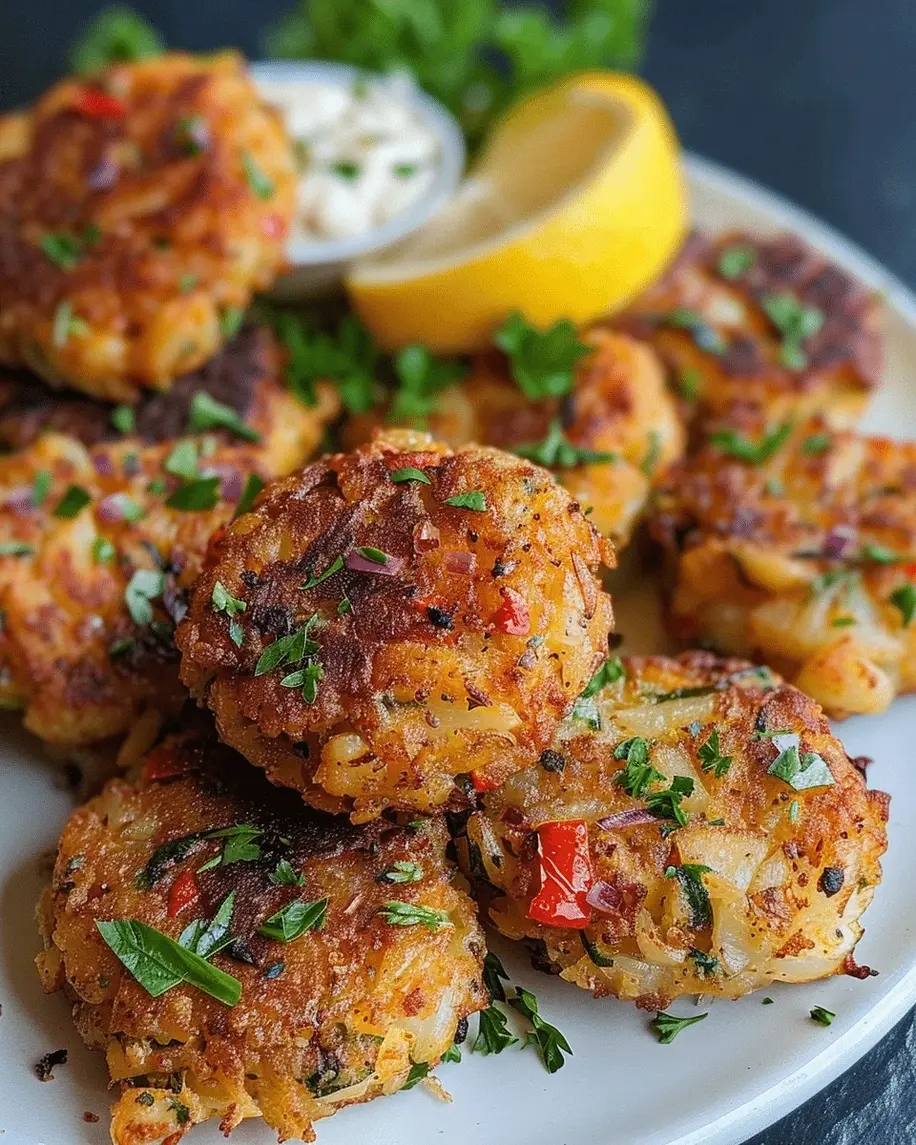
Walking through the fish market in Chelsea early on a Saturday morning, I can still hear my mother’s voice from our kitchen in Casablanca — “The secret to a good crab cake is letting the crab speak for itself.” These classic crab cakes are my tribute to that wisdom, reimagined through my French training and my years cooking in New York City. Made with generous lumps of sweet crab meat and just enough binder to hold them together, this best crab cakes recipe delivers a crispy golden crust and a tender, flaky center every single time.
The first bite hits you with that unmistakable briny sweetness of lump crab meat — delicate, buttery, and absolutely fresh. Then comes the gentle warmth of Old Bay seasoning, a whisper of Dijon mustard, and the subtle herbace of fresh parsley. The exterior is shatteringly crisp from the butter-and-oil pan-fry, while the interior stays moist and almost custard-like thanks to a light hand with the binder. One of the techniques I learned in Paris — resting the patties before cooking — makes all the difference here. It firms up the structure so the cakes hold their shape without becoming dense.
What sets these homemade crab cakes apart from so many versions is what’s not in them: no heavy fillers, no bell peppers overwhelming the crab, no deep-frying that masks the flavor. I use a light binder of panko, egg, and a touch of mayo — just enough to bring the meat together. The key technique is a thorough but gentle mixing hand, followed by a 30-minute chill in the fridge. One common mistake I see home cooks make is skipping that rest, which leads to crab cakes that fall apart in the pan. In this post, I’ll walk you through every detail so you can make Maryland-style crab cakes that rival any restaurant in the city.
Why This Classic Crab Cakes Recipe Is the Best
The Flavor Secret. Growing up in Morocco, I learned that the best seafood dishes let the main ingredient shine. For these classic crab cakes, that means premium lump crab meat and a minimalist seasoning approach. Old Bay brings the Maryland soul, Dijon mustard adds a gentle tang, and Worcestershire sauce deepens the savory notes. There’s no garlic, no onion, no heavy spice blends to compete with the crab. My French training taught me that when you start with excellent ingredients, the simplest preparations are often the most elegant.
Perfected Texture. The contrast between a golden, crispy crust and a tender, moist interior is what makes these homemade crab cakes unforgettable. The panko breadcrumbs create a light, airy crunch that stays crisp even after resting. The mayonnaise and egg provide just enough richness to bind the cakes without making them heavy. And that 30-minute chill in the fridge? It’s not optional — it allows the starches in the breadcrumbs to hydrate and the proteins in the egg to set, creating a structure that holds together beautifully during cooking.
Foolproof & Fast. Despite their elegant presentation, these best crab cakes recipe are surprisingly straightforward. With only 15 minutes of active prep and 8 minutes of cooking, you can have restaurant-quality crab cakes on the table in under an hour. The technique is simple enough for a weeknight dinner yet refined enough for a dinner party. And because I’ve tested this recipe dozens of times — tweaking the binder ratio, the cooking temperature, and the resting time — I can promise you consistent results every time.
Classic Crab Cakes Ingredients
I pick up my lump crab meat from the seafood counter at Citarella in the West Village, where they get fresh shipments from the Chesapeake Bay. The smell of the market always takes me back to the fish souk in Casablanca, where my mother would squeeze and sniff every lemon before choosing the perfect one. Here’s everything you’ll need for this Maryland crab cakes recipe.
Ingredients List
- 1 lb lump crab meat, picked over for shells
- 1/2 cup panko breadcrumbs
- 1/4 cup mayonnaise
- 1 large egg, lightly beaten
- 1 tablespoon Dijon mustard
- 1 tablespoon Worcestershire sauce
- 1 teaspoon Old Bay seasoning
- 1/2 teaspoon salt
- 1/4 teaspoon black pepper
- 2 tablespoons chopped fresh parsley
- 2 tablespoons unsalted butter
- 2 tablespoons vegetable oil
- Lemon wedges for serving
Ingredient Spotlight
Lump Crab Meat. This is the heart of the recipe. Lump crab meat consists of large, intact pieces from the body of the crab, offering the best texture and sweetness. Look for it fresh or pasteurized in the refrigerated seafood section. Avoid canned crab meat, which is often shredded and packed with brine — it will make your cakes mushy and overly salty. At the market, I gently squeeze the container to check for any ammonia smell, which indicates the meat is past its prime.
Panko Breadcrumbs. Unlike traditional breadcrumbs, panko is light, flaky, and creates a much airier texture. I use panko in both the binder and for a light dusting on the outside of the cakes. If you can’t find panko, you can substitute with crushed saltine crackers or plain dried breadcrumbs, but the texture will be slightly denser. I’ve also used almond flour in a gluten-free version with good results.
Old Bay Seasoning. This iconic Maryland spice blend is non-negotiable in a classic crab cakes recipe. It brings celery salt, paprika, mustard, and a dozen other spices in perfect balance. If you don’t have Old Bay, you can make a quick substitute with celery salt, paprika, dry mustard, and a pinch of cayenne. But honestly, I encourage you to buy the real thing — it lasts for months and is the soul of Chesapeake Bay cooking.
Mayonnaise. I use full-fat Duke’s or Hellmann’s for richness and stability. The mayo acts as an emulsifier, binding the crab meat without making the cakes greasy. Low-fat or vegan mayonnaise will work in a pinch, but the texture will be less tender. My Paris-trained palate insists on the real thing here.
| Original Ingredient | Best Substitution | Flavor / Texture Impact |
|---|---|---|
| Lump crab meat | Canned fancy crab meat | Slightly less sweet; texture more shredded but still good |
| Panko breadcrumbs | Crushed saltine crackers | Denser, more traditional texture; still delicious |
| Old Bay seasoning | Celery salt + paprika + dry mustard + cayenne | Close approximation but lacks depth of the blend |
| Mayonnaise | Greek yogurt + 1 tsp olive oil | Tangier, slightly less rich; works in a pinch |
How to Make Classic Crab Cakes — Step-by-Step
These Maryland crab cakes come together in four simple steps. The key is to be gentle with the crab meat and patient with the chilling time. Here’s exactly how to do it.
Step 1: Mix the Binder
In a large bowl, whisk together the mayonnaise, lightly beaten egg, Dijon mustard, Worcestershire sauce, Old Bay seasoning, salt, pepper, and chopped parsley until smooth. Add the panko breadcrumbs and stir to combine. Let the mixture sit for 2 minutes so the panko can absorb some of the moisture — this helps the cakes hold together better.
💡 mia’s Pro Tip: Use a fork to mix the binder rather than a whisk or spoon. A fork gives you better control and prevents over-mixing once you add the crab.
Step 2: Fold in the Crab
Add the lump crab meat to the binder mixture. Using a rubber spatula or your hands, gently fold the ingredients together until just combined. You want to keep the crab lumps as intact as possible — large pieces of crab make for the best texture. Stop folding as soon as there are no dry patches of binder remaining.
⚠️ Common Mistake to Avoid: Over-mixing the crab meat. This breaks the lumps into shreds and makes the cakes dense and pasty. Fold only 8–10 times, max.
Step 3: Form and Chill
Divide the mixture into 8 equal portions and shape each into a patty about 1/2 inch thick. Place the patties on a baking sheet lined with parchment paper. Cover loosely with plastic wrap and refrigerate for at least 30 minutes — this step is crucial for helping the cakes hold their shape during cooking.
💡 mia’s Pro Tip: To form perfectly even patties, use a 1/3-cup measuring cup to portion the mixture, then gently flatten each portion with your palm. The uniform size ensures even cooking.
Step 4: Pan-Fry to Golden
In a large skillet over medium heat, melt the butter and vegetable oil together until the butter is foamy but not browning. Carefully add the crab cakes in a single layer — work in batches if necessary to avoid overcrowding. Cook for 3–4 minutes per side, until deep golden brown and crispy. Transfer to a paper towel-lined plate to drain briefly before serving.
⚠️ Common Mistake to Avoid: Cooking over high heat. Medium heat is essential — too high and the outside burns before the inside warms through; too low and the cakes absorb oil and become greasy.
| Step | Action | Duration | Key Visual Cue |
|---|---|---|---|
| 1 | Mix binder (wet + panko) | 3 minutes | Smooth, thick paste |
| 2 | Fold in crab meat | 2 minutes | Lumps intact, no dry spots |
| 3 | Form patties & chill | 30 minutes (inactive) | Firm, holds shape when pressed |
| 4 | Pan-fry | 6–8 minutes total | Deep golden brown, crispy edges |
Serving & Presentation
I love serving these homemade crab cakes on a bed of arugula dressed lightly with lemon juice and olive oil — the peppery greens are the perfect counterpoint to the rich, buttery crab. A generous dollop of tartar sauce on the side and a lemon wedge for squeezing over the top complete the picture. In the summer, I’ll add a side of sweet corn salad or a simple tomato-and-cucumber salad, the kind my mother would make with mint from our garden.
For a more elevated presentation — the way I’d plate this at a dinner party in my Brooklyn brownstone — I serve two crab cakes per person on a pool of rémoulade sauce, garnished with micro greens and a sprinkle of Old Bay. The contrast of the bright white crab, the golden crust, and the pale pink sauce is stunning. And if you’re feeling nostalgic for a Maryland crab house experience, serve them on a sheet of butcher paper with extra lemon wedges, hot sauce, and cold beers.
One of my favorite ways to enjoy leftover crab cakes is on a soft brioche bun with lettuce, tomato, and a smear of rémoulade — it’s the ultimate crab cake sandwich. My Paris-trained chef brain calls it a “crab cake brioche,” but my NYC heart knows it’s just a really good crab roll.
| Pairing Type | Suggestions | Why It Works |
|---|---|---|
| Side Dish | Arugula salad, sweet corn salad, roasted asparagus | Fresh, bright flavors cut the richness |
| Sauce / Dip | Tartar sauce, rémoulade, lemon aioli, cocktail sauce | Creamy, tangy sauces complement sweet crab |
| Beverage | Crisp white wine (Sauvignon Blanc), cold lager, sparkling water with lemon | Acidity and bubbles cut through the butter |
| Garnish | Lemon wedges, fresh parsley, micro greens, extra Old Bay | Brightens presentation and adds freshness |
Make-Ahead, Storage & Reheating
In my busy NYC life, I often prepare the crab cake mixture the night before and form the patties just before cooking. The make-ahead magic of this classic crab cakes recipe is that the flavors actually meld and deepen overnight. Here’s my tried-and-tested system for storing and reheating so every bite tastes as fresh as the first.
| Method | Container | Duration | Reheating Tip |
|---|---|---|---|
| Refrigerator | Airtight container, layered with parchment | Up to 3 days | Reheat in a 350°F oven for 8–10 minutes, flipping halfway |
| Freezer | Flash-freeze on tray, then transfer to freezer bag | Up to 3 months | Cook from frozen, adding 2–3 minutes per side |
| Make-Ahead | Covered bowl in fridge (mixture) or tray with patties | Up to 24 hours in advance | Form patties just before cooking for best texture |
The most important thing for reheating is to avoid the microwave at all costs — it will turn your beautiful crispy crab cakes into a sad, soggy mess. Instead, reheat them in a 350°F oven on a wire rack set over a baking sheet. This allows hot air to circulate around the cakes, reviving that golden crust while gently warming the center. If you’re in a hurry, a non-stick skillet over medium heat with a tiny splash of oil works beautifully too.
I often double this best crab cakes recipe and freeze half the uncooked patties. On a busy weeknight, I can pull out exactly as many as I need and cook them straight from the freezer — just add a couple of extra minutes per side. It’s one of those small kitchen hacks that makes weeknight cooking feel like a breeze.
Variations & Easy Swaps
While I adore the classic preparation, I love experimenting in the kitchen — it’s the French-trained chef in me. Here are some of my favorite variations on this homemade crab cakes recipe, each tested multiple times in my NYC kitchen.
| Variation | Key Change | Best For | Difficulty Impact |
|---|---|---|---|
| Gluten-Free Crab Cakes | Sub panko with almond flour or gluten-free breadcrumbs | Gluten-free diets | Easy — same technique |
| Spicy Cajun Crab Cakes | Add 1 tsp Cajun seasoning + 1/2 tsp cayenne | Heat lovers | Easy — just add spices |
| Lemon-Herb Crab Cakes | Add 1 tbsp lemon zest + 2 tbsp fresh dill | Spring/summer entertaining | Easy — fresh herbs only |
Gluten-Free Crab Cakes
For a gluten-free version that doesn’t compromise on texture, substitute the panko breadcrumbs with fine almond flour or a good-quality gluten-free breadcrumb blend. I like using almond flour — it adds a subtle nuttiness that pairs beautifully with the sweet crab. The rest of the recipe remains exactly the same, including the all-important 30-minute chill. The almond flour version will be slightly more delicate, so handle the patties with extra care when flipping.
Spicy Cajun Crab Cakes
This variation is inspired by the bold flavors of New Orleans, a city I visit whenever I need a break from New York winters. Simply add 1 teaspoon of Cajun seasoning and 1/2 teaspoon of cayenne pepper to the binder mixture. The heat builds gradually, letting the crab sweetness come through first. I love serving these with a cool buttermilk ranch dip and pickled okra on the side — the tangy, spicy, creamy combination is pure magic.
Lemon-Herb Crab Cakes
When spring hits the farmers market in Union Square, I make this version. Add 1 tablespoon of finely grated lemon zest and 2 tablespoons of chopped fresh dill to the binder. The lemon zest brightens the entire dish, and the dill adds a fresh, almost anise-like note that elevates the crab without overpowering it. Serve these with a simple yogurt-dill sauce and a side of steamed asparagus for the perfect spring dinner.
What is the best binder to use for crab cakes so they don’t fall apart?
The best binder for crab cakes is a combination of panko breadcrumbs, mayonnaise, and egg. The panko provides structure and absorbs moisture, the mayonnaise acts as an emulsifier that holds everything together, and the egg adds protein that sets during cooking. In this classic crab cakes recipe, I use 1/2 cup panko, 1/4 cup mayo, and 1 large egg for 1 pound of crab meat. The crucial step that most people miss is refrigerating the formed patties for at least 30 minutes — this allows the starches in the breadcrumbs to hydrate and the proteins in the egg to firm up, creating a stable structure that holds together beautifully in the pan.
Can I use canned crab meat instead of fresh for classic crab cakes?
Yes, you can use canned crab meat, but there are important differences. Canned crab is typically cooked and processed, so it has a softer texture and a slightly more muted flavor compared to fresh or pasteurized lump crab meat. If you go with canned, look for “fancy” or “lump” crab meat packed in water (not brine), and drain it thoroughly before using. Gently squeeze the meat in a clean kitchen towel to remove excess moisture — too much liquid will make your crab cakes fall apart. The best crab cakes recipe really shines with fresh or pasteurized lump crab meat, but canned works in a pinch for a more budget-friendly weeknight dinner.
What is the best way to cook crab cakes – pan-fry, bake, or broil?
Pan-frying is hands-down the best method for classic crab cakes. It gives you that deep golden-brown crust with a tender, moist interior — something you simply can’t achieve with baking or broiling alone. The combination of butter and oil in a hot skillet creates the perfect environment for a crispy exterior. Bake at 375°F for 12–15 minutes for a lighter version, but you’ll miss that signature crunch. Broiling can work if you brush the cakes with melted butter first, but watch them carefully — they can go from golden to burnt in seconds. For the best texture, pan-fry is the way to go.
How do you keep crab cakes from tasting too fishy?
The key to preventing a fishy taste in crab cakes starts with using the freshest crab meat possible. Fresh lump crab meat should smell sweet and briny — like the ocean — not fishy or ammonia-like. If you’re using pasteurized crab meat, rinse it gently with cold water and pat it dry before using. The ingredients in this Maryland crab cakes recipe also help balance any strong flavors: Old Bay seasoning adds warmth, Dijon mustard cuts through richness, lemon juice brightens everything, and fresh parsley adds a clean, herbaceous note. Serve with fresh lemon wedges, and you’ll have bright, sweet crab cakes every time.
How do I know when crab cakes are cooked through?
Crab cakes are cooked through when they reach an internal temperature of 145°F, but the easiest way to tell is by visual cues. The exterior should be deep golden brown and crispy — this takes about 3–4 minutes per side over medium heat. The center should be hot and just barely firm to the touch. Because the crab meat in this homemade crab cakes recipe is already cooked (if using pasteurized or canned), you’re really just heating it through and developing that crust. If you’re unsure, insert an instant-read thermometer into the center of a cake — 145°F is your target.
Can I make crab cakes ahead of time for a party?
Absolutely — crab cakes are one of the best make-ahead appetizers for entertaining. You can prepare the mixture up to 24 hours in advance and store it covered in the refrigerator. Form the patties just before cooking for the best texture. Alternatively, you can form the patties, place them on a parchment-lined baking sheet, cover tightly with plastic wrap, and refrigerate for up to 8 hours before cooking. If you want to cook them fully in advance, pan-fry them, let them cool completely on a wire rack, then reheat on a baking sheet in a 350°F oven for 8–10 minutes. They’ll taste almost as good as fresh.
What is the difference between Maryland crab cakes and other crab cakes?
Maryland crab cakes are distinguished by their emphasis on the crab meat itself. They use a minimal amount of filler — just enough binder to hold the cakes together — and rely on simple seasonings like Old Bay, Worcestershire sauce, and Dijon mustard. In contrast, many other regional styles add bell peppers, onions, garlic, or heavy spice blends that can mask the delicate flavor of the crab. A true Maryland crab cake is also traditionally pan-fried in butter, giving it a rich, golden crust. This best crab cakes recipe stays true to that Maryland tradition, letting the sweet, briny lump crab meat take center stage.
How do I keep my crab cakes from falling apart when flipping?
The single most important step to prevent crab cakes from falling apart is the 30-minute refrigeration before cooking. This firms up the binder so the cakes hold their shape. Additionally, use a thin, wide spatula to flip the cakes gently. I prefer a fish spatula — its slotted design and thin edge slide under the cake cleanly. Cook the cakes undisturbed for the full 3–4 minutes on the first side, so a sturdy crust forms before you attempt to flip. If the cake resists when you try to flip it, it’s not ready — give it another 30 seconds and try again.
Can I bake crab cakes instead of frying them?
Yes, you can bake these classic crab cakes for a lighter option. Preheat your oven to 375°F and line a baking sheet with parchment paper. Lightly brush the tops of the crab cakes with melted butter or olive oil to help them brown. Bake for 12–15 minutes, flipping halfway through, until golden and heated through. While baked crab cakes are still delicious, you won’t get the same deep, crispy crust that pan-frying provides. For a hybrid approach, pan-sear the cakes for 2 minutes per side to develop the crust, then transfer the skillet to a 375°F oven for 6–8 minutes to finish cooking through.
What type of crab meat is best for crab cakes?
Lump crab meat is the gold standard for classic crab cakes. It consists of large, intact pieces from the body of the crab, offering the best texture and sweetness. Jumbo lump crab meat is even larger and more impressive but significantly more expensive. For a more budget-friendly option, a mix of lump and backfin crab meat works well — the lump provides texture while the backfin adds body. Avoid shredded or claw meat for this recipe, as it tends to be darker, stronger in flavor, and less delicate. In this homemade crab cakes recipe, I recommend spending a little more for high-quality lump meat — it makes all the difference.
Share Your Version!
I’d love to see how your classic crab cakes turn out! Leave a star rating and a comment below to let me know which variation you tried — the spicy Cajun version is always a hit with my dinner party guests, but I have a soft spot for the lemon-herb version on a warm spring evening. Did you pan-fry them the traditional way, or did you try the baked version? Did you discover a new favorite sauce pairing?
Tag me in your photos on Instagram or Pinterest @exorecipes — I absolutely love seeing your creations. And if you have a question about any step in this best crab cakes recipe, drop it in the comments and I’ll answer personally. From my NYC kitchen to yours — I hope this recipe brings as much warmth to your table as it does to mine. — mia 🧡
Love This Recipe? Save It to Pinterest!
If you enjoyed this Classic Crab Cakes Recipe, don’t let it get lost in your browser tabs! 😄 Pin it now so you can find it again anytime — and explore hundreds more tried-and-tested recipes waiting for you on my Pinterest boards.
👉 Follow mia on Pinterest @exorecipe
📌 Pin this recipe · 🔁 Re-pin your favorites · 💬 Tag me when you make it — I love seeing your creations!

Classic Crab Cakes Recipe
- Prep Time: 15 minutes
- Cook Time: 8 minutes
- Total Time: 53 minutes
- Yield: 4 servings (2 cakes per serving) 1x
- Method: Main Course
- Cuisine: American
Description
These classic Maryland-style crab cakes are made with lump crab meat, a light binder, and simple seasonings, then pan-fried to golden perfection. Serve with tartar sauce or lemon wedges.
Ingredients
- 1 lb lump crab meat, picked over for shells
- 1/2 cup panko breadcrumbs
- 1/4 cup mayonnaise
- 1 large egg, lightly beaten
- 1 tablespoon Dijon mustard
- 1 tablespoon Worcestershire sauce
- 1 teaspoon Old Bay seasoning
- 1/2 teaspoon salt
- 1/4 teaspoon black pepper
- 2 tablespoons chopped fresh parsley
- 2 tablespoons unsalted butter
- 2 tablespoons vegetable oil
- Lemon wedges for serving
Instructions
- In a large bowl, combine the crab meat, panko, mayonnaise, egg, mustard, Worcestershire sauce, Old Bay, salt, pepper, and parsley. Gently mix until just combined, being careful not to break up the crab too much.
- Form the mixture into 8 patties (about 1/2 inch thick). Place on a baking sheet lined with parchment paper and refrigerate for at least 30 minutes to help them hold together.
- In a large skillet over medium heat, melt the butter and oil together. Once hot, carefully add the crab cakes (in batches if needed). Cook for 3–4 minutes per side, until golden brown and crispy.
- Transfer to a paper towel-lined plate to drain. Serve immediately with lemon wedges and tartar sauce if desired.
Nutrition
- Calories: 320 kcal
- Sugar: 1 g
- Fat: 20 g
- Carbohydrates: 12 g
- Protein: 24 g

k">
Tried This Recipe? Leave a Comment!
Did you make this recipe? I’d love to hear how it turned out! Please leave a comment and a rating below. Your feedback helps other home cooks and supports cheerychop.com!
For more delicious inspiration, follow me on Pinterest!
