Table of Contents
Classic Lasagna with Fresh Mint & French Technique – The Ultimate Homemade Comfort
I still remember the first time I tasted a truly perfect classic lasagna. It was during my culinary training in Paris, in a tiny trattoria near the Place de la Bastille. The layers were impossibly tender, the ragu rich and silky, and there was a subtle herbaceous note I couldn’t place. Years later, in my own New York kitchen, I realized it was fresh mint — a touch I now always add to my classic lasagna recipe. That bright, almost peppery freshness cuts through the richness of the cheese and meat, making every bite feel balanced. This homemade lasagna is the best I’ve ever made, and I can’t wait to share it with you.
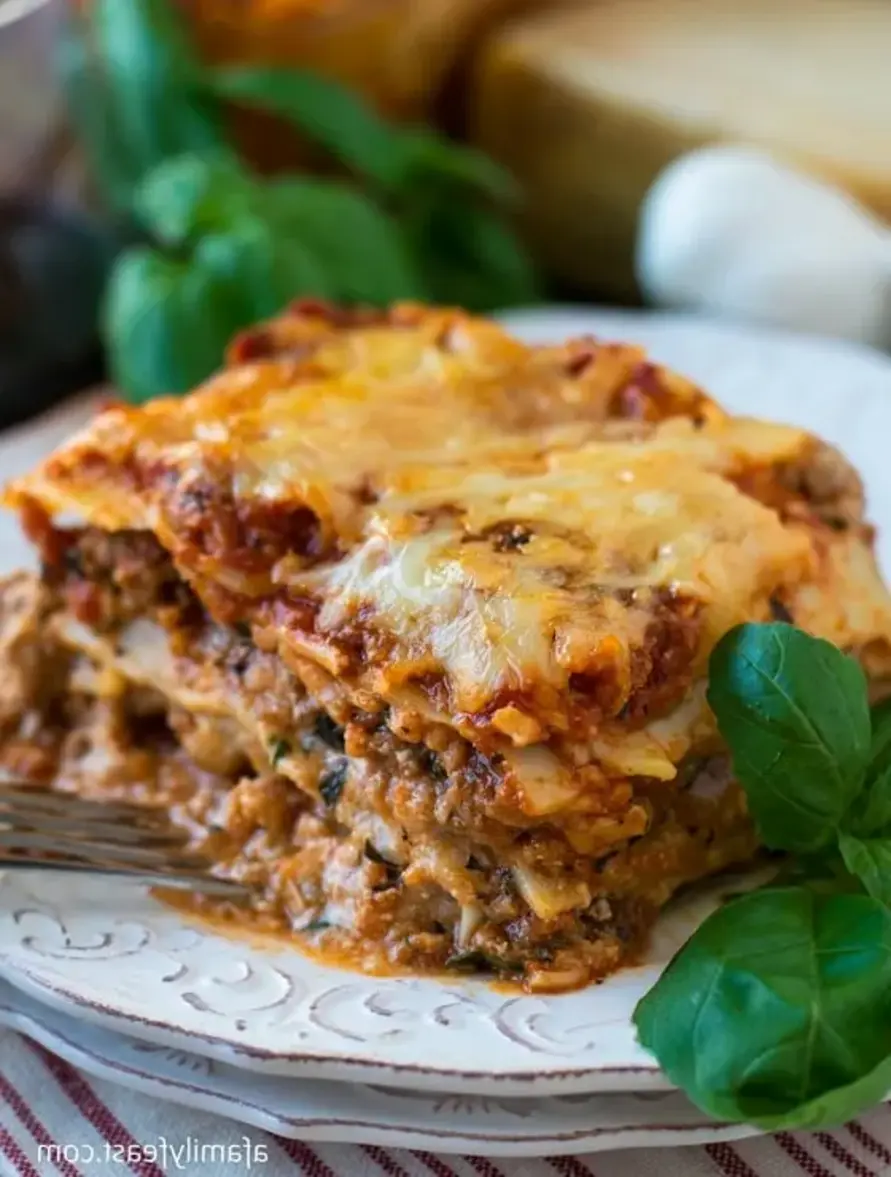
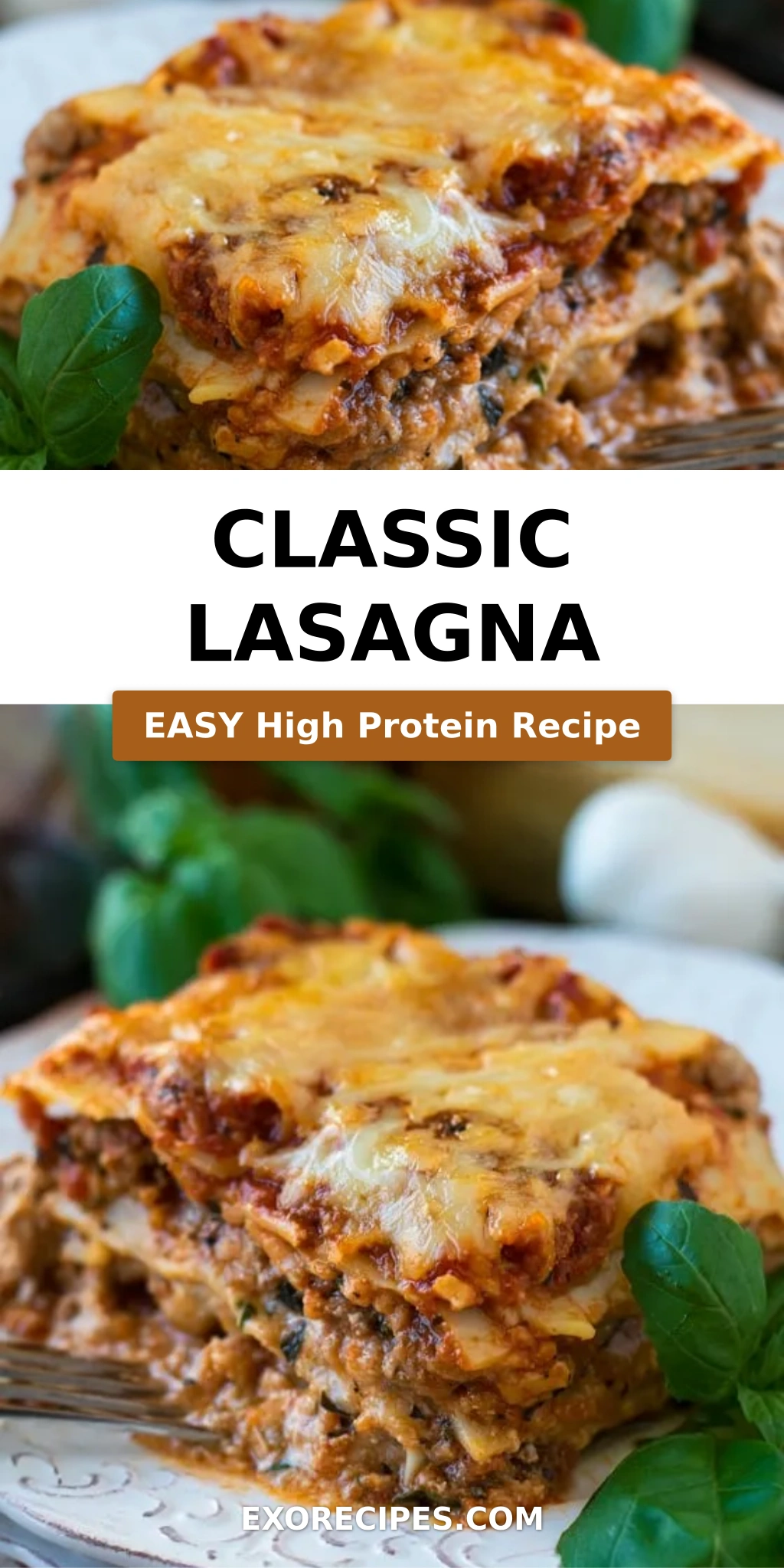
Imagine pulling a bubbling 9×13 baking dish from the oven — the tomato sauce is deeply caramelized around the edges, the mozzarella is blistered in golden spots, and the aroma of oregano, basil, and garlic fills every corner of your kitchen. Each slice reveals perfect layers: tender noodles, creamy ricotta, savory meat sauce, and ribbons of melted mozzarella. The fresh mint adds a surprising lift that keeps you coming back for forkful after forkful. It’s the kind of traditional lasagna that tastes like Sunday dinner, even on a busy weeknight.
What sets my version apart is a French technique I learned at Le Cordon Bleu: draining the ricotta to remove excess moisture. This simple step ensures your lasagna never turns watery. Combined with a slow-simmered meat sauce and a careful layering order, this easy lasagna recipe delivers foolproof results every time. Whether you’re a seasoned cook or making best lasagna for the first time, my pro tips will guide you through. Let’s make the ultimate classic lasagna together.
Why This Classic Lasagna Recipe Is the Best
The Flavor Secret: Most lasagna recipes rely solely on oregano and basil. My sauce gets an extra layer from fresh mint — a trick I picked up from my mother’s Moroccan kitchen, where mint brightens rich tagines. Here it does the same for the ragu, adding a clean, refreshing note. Combined with a mix of lean ground beef and Italian sausage, and a long, slow simmer, the sauce becomes deeply savory and aromatic.
Perfected Texture: Soggy lasagna is the enemy of a good meal. By draining the ricotta overnight and undercooking the noodles slightly (they finish cooking in the oven), every layer stays distinct. The fresh mozzarella slices add pockets of creamy melt, while the shredded mozzarella and Parmesan create a golden, bubbly crust that’s irresistible.
Foolproof & Fast: Despite the impressive results, this is genuinely an easy lasagna recipe. No complicated techniques — just good prep. I’ve tested it countless times for my NYC cooking classes, and even first-timers nail it. The covered baking method (with parchment under foil) traps steam for even cooking, then the uncovered finish gives you that picture-perfect top.
Classic Lasagna Ingredients
I source my ingredients from the Union Square Greenmarket and my local Italian deli in Brooklyn. For the canned tomatoes, I always use Cento San Marzano — their sweet, low-acid flavor is a game-changer. The fresh mozzarella? Look for the hand-packed balls in water, not the pre-shredded stuff. And if you can find fresh mint at a farmers market, grab it — the flavor is so much brighter than dried.
Ingredients List
- 2 pounds whole milk ricotta cheese
- 1 pound box dry lasagna noodles (16 noodles needed)
- 2 tablespoons extra virgin olive oil
- 1 cup chopped onions
- 1 tablespoon chopped garlic
- 1 pound lean ground beef (90/10)
- 1 pound ground Italian sausage (hot or sweet)
- 1 (28-ounce) can crushed tomatoes (Cento recommended)
- 2 tablespoons tomato paste
- 1 teaspoon kosher salt
- ¼ teaspoon freshly ground black pepper
- 1 teaspoon dry oregano
- 2 tablespoons dry basil (or 4 tablespoons fresh chopped)
- Pinch red pepper flakes
- 2 teaspoons chopped fresh mint
- 1 cup shredded mozzarella
- 2 eggs, beaten
- 1 cup grated Parmesan cheese
- ½ cup chopped fresh Italian flat-leaf parsley
- 2½ cups tomato sauce (use your favorite or see recipe link)
- 8 ounces fresh mozzarella, sliced into 12 slices
- 3 cups shredded mozzarella
- ½ cup grated Parmesan cheese
Ingredient Spotlight
Ricotta: Draining removes excess whey that would otherwise turn your lasagna watery. Look for whole-milk ricotta — part-skim can lack creaminess. If you can’t find fresh, Polly-O is a solid supermarket choice.
Lasagna Noodles: I prefer dried boxed noodles for their sturdy texture. No-boil noodles can be used, but you’ll need to add a little extra sauce to the layers. Barilla or De Cecco work perfectly.
Fresh Mozzarella: Sliced fresh mozzarella creates those gorgeous milky pockets. Use buffalo mozzarella for extra richness, or low-moisture part-skim if you want a firmer texture. Never use pre-shredded — it contains anti-caking agents that prevent melting.
Italian Sausage: Sweet or hot? I love hot for a little kick, but sweet is more classic. If you can’t find ground sausage, buy links and remove the casings.
| Original Ingredient | Best Substitution | Flavor / Texture Impact |
|---|---|---|
| Whole milk ricotta | Part-skim ricotta (drain thoroughly) | Slightly less creamy; still works |
| Italian sausage | Extra lean ground beef + 1 tsp fennel seed | Less fat, but fennel mimics sausage flavor |
| Fresh mozzarella | Low-moisture mozzarella, shredded | More uniform melt, less moisture |
| Fresh mint | Dried mint (use 1 tsp) | Less bright, but still adds freshness |
How to Make Classic Lasagna – Step-by-Step
Follow these steps, and you’ll have a lasagna that rivals any Italian grandmother’s. I’ve broken it down into manageable stages, with my chef-tested tips to ensure success.
Step 1: Drain the Ricotta
Line a fine-mesh strainer with cheesecloth and place over a bowl. Spoon the ricotta into the cloth, fold the excess over the top, and set a heavy object (like a can of tomatoes) on top. Let it drain for at least 30 minutes, or up to overnight in the fridge. This removes excess liquid that would otherwise make your lasagna watery.
💡 mia’s Pro Tip: Don’t skip this step! Even if you’re short on time, 15 minutes of draining makes a noticeable difference. The ricotta will be thicker and creamier.
Step 2: Cook Lasagna Noodles
Bring a large pot of salted water to a boil. Cook the noodles according to package directions, but reduce the cooking time by about 2 minutes — they should be al dente, with a slight bite. Drain, rinse with cool water to stop cooking, and lay them flat on parchment paper to prevent sticking. Keep them moist with a damp towel while you prepare the other components.
⚠️ Common Mistake to Avoid: Overcooking the noodles leads to mushy lasagna. They will continue to soften in the oven, so undercooking is key. Aim for the texture of a firm pasta.
Step 3: Make the Meat Sauce
Heat olive oil in a large skillet over medium-high heat. Add onions and cook until translucent, about 2 minutes. Add garlic and cook 1 more minute. Add ground beef and Italian sausage, breaking up with a spoon, and cook until no longer pink. If there’s excess fat (more than 2-3 tablespoons), drain it off. Stir in crushed tomatoes, tomato paste, salt, black pepper, oregano, basil, red pepper flakes, and fresh mint. Reduce heat to medium and simmer, stirring occasionally, for 10 minutes. Set aside.
💡 mia’s Pro Tip: For deeper flavor, let the sauce simmer for 20 minutes instead of 10. The mint should be added at the very end of simmering to preserve its bright taste — so fold it in off the heat.
Step 4: Mix the Cheese Filling
In a medium bowl, combine the drained ricotta, 1 cup shredded mozzarella, beaten eggs, 1 cup grated Parmesan, 1 teaspoon salt, ¼ teaspoon pepper, and the chopped parsley. Mix until well combined. The mixture should be thick and spreadable.
⚠️ Common Mistake to Avoid: Don’t overmix — just combine until uniform. Overmixing can make the ricotta grainy. Also, make sure the eggs are fully incorporated to help bind the filling.
Step 5: Assemble the Lasagna
Preheat your oven to 375°F with the rack in the center. In a 9x13x3-inch glass baking dish, spread 1 cup of tomato sauce on the bottom. Lay 4 noodles side by side, overlapping slightly. Spread one-third of the ricotta mixture over the noodles, top with one-third of the meat sauce, and arrange half of the fresh mozzarella slices on top (they won’t cover completely, just dot evenly). Repeat layers: 4 noodles, one-third ricotta, one-third meat sauce, remaining fresh mozzarella. Top with 4 more noodles, the remaining ricotta, remaining meat sauce, and 1½ cups shredded mozzarella. Finish with the last 4 noodles, 1½ cups tomato sauce, 1½ cups shredded mozzarella, and ½ cup grated Parmesan.
💡 mia’s Pro Tip: Press down gently after each layer to eliminate air pockets. The final layer of noodles should be completely covered with sauce and cheese to prevent drying out.
Step 6: Bake
Place a piece of parchment paper directly over the lasagna (this protects the cheese from sticking to the foil). Seal tightly with aluminum foil. Place a wire rack on a foil-lined sheet pan, then set the baking dish on the rack — this circulates heat evenly and catches any drips. Bake for 1 hour covered. Remove the foil and parchment, and bake uncovered for another 30 minutes, until the top is golden and bubbly.
⚠️ Common Mistake to Avoid: Don’t skip the rack-and-sheet-pan setup! Without it, the bottom can burn while the top finishes. The parchment also prevents the cheese from sticking to the foil.
Step 7: Rest & Cut
Let the lasagna rest for 15–30 minutes on a cooling rack. This is essential for the layers to set — cutting too early will result in a soupy mess. Use a sharp knife to cut a 3×4 grid, yielding 12 generous pieces.
💡 mia’s Pro Tip: Use a long, thin spatula to lift out each piece. For clean edges, wipe the knife between cuts with a damp paper towel.
| Step | Action | Duration | Key Visual Cue |
|---|---|---|---|
| 1 | Drain ricotta | 30 min – overnight | Thick, no standing liquid |
| 2 | Cook noodles | 7–8 min | Al dente, slightly firm |
| 3 | Cook meat sauce | 15–20 min | Thick, no pink meat |
| 4 | Mix cheese filling | 5 min | Smooth, uniform |
| 5 | Assemble | 15–20 min | Even layers, no gaps |
| 6 | Bake covered | 60 min | Steam visible, slight bubbling |
| 7 | Bake uncovered | 30 min | Golden top, bubbling cheese |
| 8 | Rest & cut | 15–30 min | Firm, holds shape when sliced |
Serving & Presentation
I love serving this lasagna straight from the baking dish on a trivet at the table — it’s rustic and inviting. Use a wide spatula to lift out each portion, and garnish with a sprinkle of fresh parsley and a few extra mint leaves. The contrast of red sauce, white cheese, and green herbs is gorgeous. For a truly special meal, pair it with a crisp Caesar salad and some garlic bread to soak up any extra sauce.
If you’re hosting a dinner party, let the lasagna rest the full 30 minutes — it will cut like a dream and hold its structure. I like to serve it in shallow bowls with a drizzle of good olive oil and a crack of black pepper. Leftover slices are even better the next day, so make extra!
| Pairing Type | Suggestions | Why It Works |
|---|---|---|
| Side Dish | Caesar salad, roasted broccoli, or sautéed spinach | Bright acidity and crunch contrast rich lasagna |
| Sauce / Dip | Extra warmed tomato sauce on the side | Adds moisture and extra tomato flavor |
| Beverage | Chianti Classico, Barbera, or a dry rosé | Red wines cut through cheese and meat |
| Garnish | Fresh parsley, mint leaves, shaved Parmesan | Adds color, freshness, and a finishing touch |
Make-Ahead, Storage & Reheating
As a busy NYC food blogger, I live by make-ahead meals. This lasagna is perfect for prepping on Sunday for the week ahead. You can assemble it completely and refrigerate overnight, or freeze it for up to three months. The flavors actually deepen with time!
| Method | Container | Duration | Reheating Tip |
|---|---|---|---|
| Refrigerator | Covered baking dish | Up to 4 days | Cover with foil, reheat at 350°F for 20-25 min |
| Freezer | Foil pan, double-wrapped in plastic and foil | Up to 3 months | Thaw in fridge overnight, then bake covered at 375°F for 45 min, uncover for 15 min |
| Make-Ahead | Assembled unbaked, tightly covered | Refrigerate up to 24 hours before baking | Add 10-15 minutes to covered baking time if starting cold |
For individual portions, I like to cut the cooled lasagna into squares, wrap each in foil, and freeze. Then I pop one in the oven at 375°F for about 25 minutes straight from the freezer — perfect for those nights when I’m craving comfort but short on time. Always let the lasagna come to room temperature for about 20 minutes before reheating to ensure even warming.
Variations & Easy Swaps
| Variation | Key Change | Best For | Difficulty Impact |
|---|---|---|---|
| Vegetarian Mushroom | Replace meat with 1 lb sautéed mushrooms (cremini + shiitake) | Meatless Mondays, vegetarian guests | Easy (same method) |
| Gluten-Free | Use gluten-free lasagna noodles (Barilla or Ronzoni) | GF diets, celiac guests | Easy (may need extra sauce) |
| Spicy Sausage & Pepper | Use hot Italian sausage + sautéed bell peppers and onions | Heat lovers, extra flavor | Easy (add 10 min prep) |
Vegetarian Mushroom Lasagna
For a meatless version that’s just as satisfying, substitute the ground beef and sausage with 1 pound of mixed mushrooms — cremini and shiitake are my favorites. Sauté them with garlic and a splash of balsamic vinegar to boost umami. The mushrooms mimic the texture of meat and soak up the tomato sauce beautifully. Finish with a sprinkle of smoked paprika for depth.
Gluten-Free Lasagna
Gluten-free lasagna noodles have come a long way. I use Barilla’s gluten-free oven-ready lasagna, which doesn’t require boiling. Just add a little extra tomato sauce to the layers (about ¼ cup more per layer) to ensure they soften properly. The result is indistinguishable from traditional lasagna, and my gluten-sensitive friends always ask for seconds.
Spicy Sausage & Pepper Lasagna
When I’m craving a kick, I use hot Italian sausage and add sautéed bell peppers and onions to the meat sauce. Slice the peppers into strips and cook them with the onions until soft and slightly charred. The sweetness of the peppers balances the heat of the sausage, and the extra veggies make the sauce heartier. This version is a hit at my NYC Super Bowl parties.
How do you prevent the lasagna noodles from becoming too soggy?
The key to firm, not soggy, noodles is threefold. First, cook the lasagna noodles about 2 minutes less than the package directs — they should be al dente with a visible white core when you bite one. Second, drain your ricotta thoroughly to remove excess moisture that would otherwise seep into the noodles during baking. Third, use a parchment paper layer under the foil when baking; this prevents condensation from dripping onto the top and making the surface soggy. Let the lasagna rest after baking — those 15-30 minutes allow the layers to set and excess steam to escape. If you follow these steps, you’ll get perfect, al dente noodles every time.
What is the best cheese to use for a classic lasagna?
For an authentic, classic lasagna, you really need three types of cheese. Whole milk ricotta is the foundation — it provides a creamy, slightly grainy texture that’s essential. Fresh mozzarella (the kind packed in water) adds those wonderful milky pockets throughout the layers; it melts into soft, stretchy strands. Finally, a good aged Parmesan or Parmigiano-Reggiano brings salty, nutty depth and helps create that golden-brown crust on top. I use a combination of shredded mozzarella (low-moisture) and sliced fresh mozzarella for varied textures. Avoid pre-shredded cheeses — they contain anti-caking agents that prevent smooth melting.
Should you boil lasagna noodles before baking?
For this classic lasagna recipe, yes, I recommend boiling the noodles before baking. While no-boil lasagna noodles exist and can work in a pinch, traditional dried lasagna noodles need a quick boil to achieve the right texture. Boiling them for 7-8 minutes — about 2 minutes less than the package directions — ensures they are just al dente. They’ll finish cooking in the oven, absorbing sauce without turning mushy. If you’re using no-boil noodles, you’ll need to increase the liquid in the recipe slightly (about ½ cup extra tomato sauce mixed into the layers) and expect a slightly different, more tender texture. But for the best results with the most authentic bite, I always boil.
How long should you let classic lasagna rest before serving?
Let your classic lasagna rest for at least 15 minutes, and up to 30 minutes after it comes out of the oven. This is not optional — it’s the most important step for clean, beautiful slices. During baking, the cheeses and sauce are bubbly and loose; if you cut into it immediately, everything will ooze out and the layers will collapse. As it rests, the starches in the pasta and the cheeses firm up, allowing the lasagna to hold its shape when sliced. I always set a timer for 20 minutes. The lasagna stays warm and the flavors meld even more. If you’re serving a crowd, the full 30-minute rest is ideal.
Can I use ground turkey instead of beef in lasagna?
Absolutely! Ground turkey (93/7 lean) is a great substitute for the ground beef in this classic lasagna recipe. Because turkey is leaner, you may want to add a tablespoon of olive oil to the pan when sautéing to prevent dryness. The flavor will be lighter, so be generous with the herbs — add an extra teaspoon of dried basil and oregano. The Italian sausage can remain as is, or you can use turkey sausage for an even lighter dish. Turkey absorbs flavors well, so the long simmer helps it become rich and savory. Just don’t skip the draining step if there’s any liquid after browning.
Why does my lasagna turn out watery?
Watery lasagna is usually caused by excess moisture from two sources: the ricotta and the vegetables. Draining the ricotta for at least 30 minutes removes the whey — this is my French culinary school trick that makes a huge difference. If you use fresh mozzarella, pat it dry with paper towels before slicing. Also, ensure your meat sauce is simmered until thickened; a runny sauce will release liquid during baking. Finally, don’t skip the resting time — it allows the lasagna to set and any remaining steam to escape. If you’re adding vegetables like spinach or mushrooms, sauté them first to remove their water.
Can I make lasagna without eggs?
Yes, you can make this lasagna without eggs. The eggs in the ricotta mixture act as a binder to help the filling hold together, but they aren’t strictly necessary. Simply omit the two eggs and add an extra ¼ cup of shredded mozzarella or a tablespoon of cornstarch mixed with a little milk to help thicken the filling. The texture will be slightly more crumbly but still delicious. Alternatively, you can use a vegan egg replacer like flax eggs (1 tablespoon ground flaxseed + 3 tablespoons water per egg). The rest of the recipe is naturally egg-free. I’ve made it this way for friends with allergies and it works beautifully.
How do I make lasagna for two people?
To scale this classic lasagna recipe down for two, the easiest method is to halve all ingredients and use an 8×8-inch baking dish. You’ll need about 8 noodles (you can break them to fit). The layering order stays the same. For baking, reduce the covered time to 45 minutes and the uncovered time to 20 minutes. Another option is to make the full recipe, bake it, and freeze individual portions — that way you have lasagna ready for future meals. If you’re using a smaller pan, keep an eye on doneness; the edges may cook faster. Let it rest 15 minutes before cutting into 4 portions (2 servings each of 2 pieces).
What is the difference between traditional lasagna and Bolognese lasagna?
Traditional lasagna, like my classic recipe here, typically uses a meat sauce (often a mix of ground beef and sausage), ricotta cheese, mozzarella, and Parmesan. Bolognese lasagna (Lasagna alla Bolognese) specifically uses a Bolognese sauce — a slow-cooked meat sauce made with beef, pancetta, carrots, celery, onion, tomato paste, and wine, with no sausage. It also traditionally uses béchamel sauce instead of ricotta, and Parmigiano-Reggiano layered throughout, often without mozzarella. The result is richer, creamier, and more refined. My version is more of an American-Italian classic, but both are wonderful. Feel free to swap the ricotta and tomato sauce for béchamel if you want to try the Bolognese style.
Can I freeze lasagna after baking?
Absolutely! Baked lasagna freezes beautifully. Let it cool completely, then cut it into individual portions or leave it whole. Wrap tightly in plastic wrap, then in a layer of aluminum foil to prevent freezer burn. Label with the date and freeze for up to 3 months. To reheat, thaw overnight in the refrigerator. Place a portion on a foil-lined baking sheet, cover loosely with foil, and reheat at 350°F for about 25 minutes (or 45 minutes for a whole dish). Remove the foil for the last 5 minutes to crisp the top. The flavor actually improves after freezing as the ingredients have more time to meld. Just be aware that the noodles may be slightly softer after thawing.
Share Your Version!
I hope you love this classic lasagna as much as I do! It’s the perfect dish for family dinners, holiday feasts, or just a cozy Sunday. If you try it, please leave a star rating ⭐ below — your feedback helps other readers know exactly what to expect. And I’d love to see your creation! Snap a photo of your homemade lasagna and tag me on Instagram or Pinterest @exorecipe. Tell me, what twist did you add? Did you go for the spicy sausage, or keep it traditional with fresh mint? Drop a comment and let’s chat about all things lasagna.
From my NYC kitchen to yours — I hope this recipe brings as much warmth to your table as it does to mine. — mia 🧡
Love This Recipe? Save It to Pinterest!
If you enjoyed this Classic Lasagna recipe, don’t let it get lost in your browser tabs! 😄 Pin it now so you can find it again anytime — and explore hundreds more tried-and-tested recipes waiting for you on my Pinterest boards.
👉 Follow mia on Pinterest @exorecipe
📌 Pin this recipe · 🔁 Re-pin your favorites · 💬 Tag me when you make it — I love seeing your creations!
Classic Lasagna
Description
Rather than using the mix ground beef and sausage listed in this recipe, you can use whatever kind of meat your family enjoys – just plan for about two pounds total.
Ingredients
- 2 pounds whole milk ricotta cheese
- 1 pound box of dry lasagna noodles (you will need 16 noodles. A one pound box contains 20 noodles so you will have four extra. Usually a few get broken so this usually works out)
- 2 tablespoons extra virgin olive oil
- 1 cup chopped onions
- 1 tablespoon chopped garlic
- 1 pound lean ground beef (90/10)
- 1 pound ground Italian sausage meat (hot or sweet your choice)
- 1 28-ounce canned crushed tomatoes (we use Cento)
- 2 tablespoons tomato paste
- 1 teaspoon kosher salt
- ¼ teaspoon freshly ground black pepper
- 1 teaspoon dry oregano
- 2 tablespoons dry basil or 4 tablespoons chopped fresh basil
- Pinch red pepper flakes
- 2 teaspoons chopped fresh mint
- Ricotta cheese that was strained in the first step
- 1 cup shredded mozzarella
- 2 eggs beaten
- 1 cup grated Parmesan cheese
- 1 teaspoon kosher salt
- ¼ teaspoon freshly ground black pepper
- ½ cup chopped fresh Italian flat leaf parsley
- 2 ½ cups tomato sauce (see recipe here)
- 8 ounces fresh mozzarella sliced into 12 slices
- 3 cups shredded mozzarella
- ½ cup grated Parmesan cheese
Instructions
- Line a strainer with cheese cloth and place over a bowl. Place the ricotta in cheesecloth lined strainer and cover the top with more cheesecloth. Then place a heavy object over the top to press the ricotta. This process will remove some of the liquid from the ricotta cheese.
- Cook lasagna noodles according to box directions but keep them slightly undercooked (cook approximately 7-8 minutes). They should still have a good bite to them. Rinse and cool. Keep moist while you prepare the rest of the dish.
- In a large skillet, heat the olive oil and cook the onions for about two minutes over medium high heat. Add the garlic and cook one more minute. Add the meat, stir and cook until there is no pink. Depending on the fat content of the meat you are using, you may need to drain off some liquid. There should only be a few tablespoons of liquid after cooking the meat. Add crushed tomatoes, tomato paste, 1 teaspoon salt, ¼ teaspoon pepper, oregano, basil, red pepper flakes and mint. Reduce to medium and simmer ten minutes, stirring occasionally. Set aside.
- In a medium bowl, mix drained ricotta, 1 cup shredded mozzarella, beaten eggs, 1 cup Parmesan cheese, 1 teaspoon salt, ¼ teaspoon pepper and the chopped parsley. Mix to combine and set aside.
- Preheat oven to 375 degrees and put oven rack in center of oven.
- In a 9X13X3 glass baking dish, ladle in one cup of tomato sauce into the bottom and lay four lasagna noodles overlapping slightly. Add one third of these cheese mixture, one third of the meat mixture and half of the sliced fresh mozzarella. (The sliced mozzarella will not cover the whole pan, just spread as evenly as possible). Repeat with four more noodles, one third of cheese mixture, one third of meat mixture and the other half of sliced fresh mozzarella. Cover with four more noodles and top with remaining cheese mixture, remaining meat mixture and 1 ½ cups shredded mozzarella cheese. Finish with four more noodles, 1 ½ cups tomato sauce, 1 ½ cups shredded mozzarella and ½ cup grated Parmesan cheese.
- Lay a piece of parchment paper over top and then cover tightly with foil. Cover a sheet pan with foil and place a rack in foiled pan. Now place the covered lasagna on the rack and place in the oven. The rack is to circulate heat and the lower pan will catch any drips.
- Bake for one hour covered. Remove foil and parchment and cook uncovered for 30 more minutes. Let rest 15-30 minutes before cutting.
- Cut 3X4 for 12 pieces.
Tried This Recipe? Leave a Comment!
Did you make this recipe? I’d love to hear how it turned out! Please leave a comment and a rating below. Your feedback helps other home cooks and supports cheerychop.com!
For more delicious inspiration, follow me on Pinterest!
