“`html
Table of Contents
Citrus and Herb Oven-Baked Catfish: A Light, Flavorful Southern Classic — Bright, Fresh & Ready in 28 Minutes
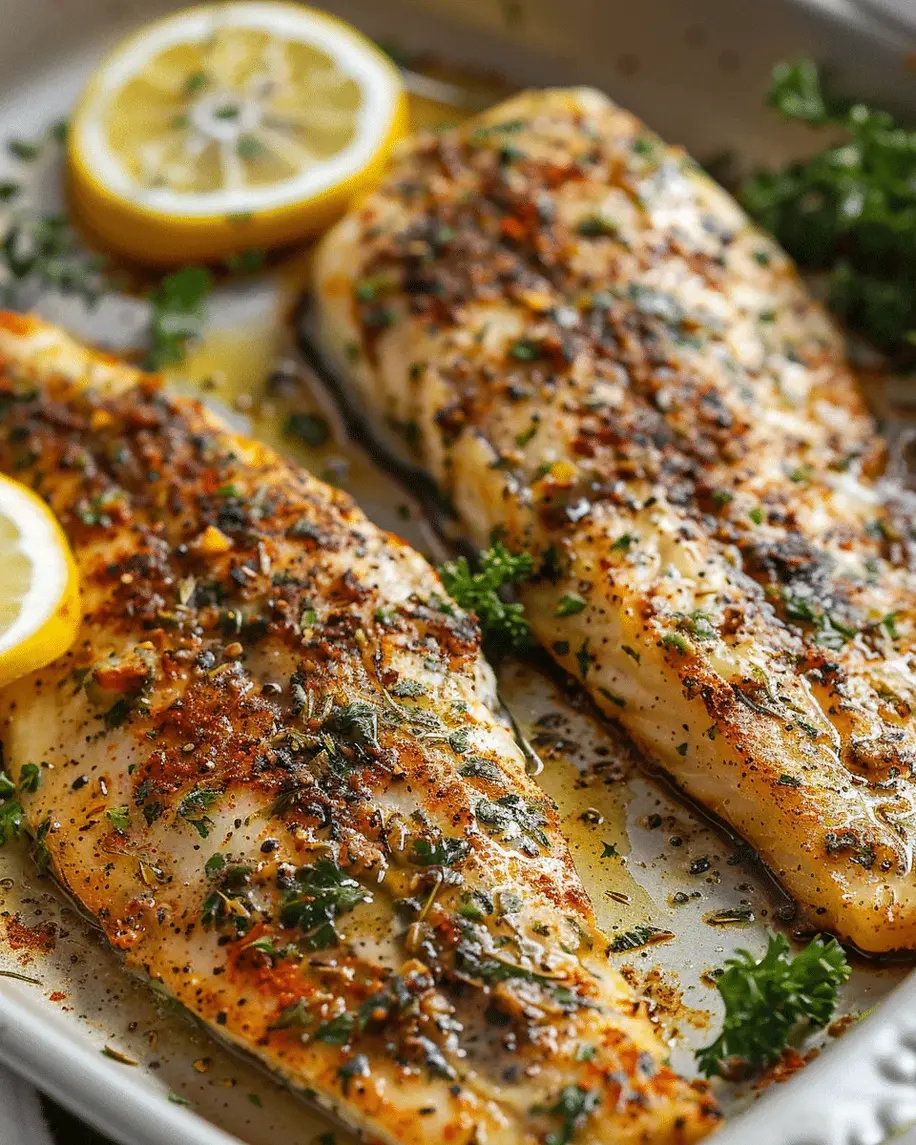
Growing up in Morocco, my mother would coat whole fish with preserved lemons, fresh herbs, and a whisper of saffron before sending it to the oven. Those aromas — bright, savory, and deeply comforting — are the ones I chase in my kitchen every single day. Now, living in New York City and trained at Le Cordon Bleu in Paris, I’ve taken that North African soul and married it with French technique and a Southern American staple: catfish. This baked catfish recipe is the result — a light, flavorful dish that brings the best of three worlds to your dinner table in under half an hour. Every fillet comes out tender, flaky, and kissed with citrus and herbs, with no heavy frying or complicated steps.
Imagine pulling a baking dish from the oven and seeing catfish fillets glistening with olive oil, their edges tinged golden, and a bright medley of lemon, lime, and orange zest clinging to every surface. The aroma hits you first — garlic and thyme, then a burst of citrus that cuts through the richness of the fish. The first bite is pure tenderness: the flesh flakes apart at the touch of a fork, releasing juices that taste like sunshine and garden herbs. A light sprinkle of panko breadcrumbs adds just enough crunch on top, while the bottom stays moist and delicate. This is the kind of meal that feels both nourishing and elegant, perfect for a busy weeknight or a relaxed Sunday supper.
What sets this baked catfish recipe apart is the way I layer the citrus. Most recipes use lemon alone, but I combine lemon, lime, and orange zest for a complex brightness that doesn’t overwhelm the fish. I learned this trick from a Provençal fish preparation I studied in Paris — using multiple citruses creates a more rounded, mellow acidity. Plus, I bake at 400°F, which is the sweet spot for catfish: high enough to cook through quickly, but gentle enough to keep the flesh moist. 💡 mia’s Pro Tip: Don’t skip the resting time after seasoning — letting the fillets sit with the citrus-herb mixture for just 5 minutes before baking makes a world of difference. Also, watch out for the common mistake of overbaking; catfish is lean and can dry out fast, so I’ll show you exactly how to tell when it’s perfectly done.
Why This Baked Catfish Recipe Is the Best
The Flavor Secret: The unique angle of this citrus herb catfish recipe is the triple-citrus approach — lemon, lime, and orange zest work together to create a layered brightness that feels fresh and sophisticated, not sharp. I learned this technique during my pastry training in Paris, where we used multiple citrus zests to build complexity in desserts. Here, it does the same for savory fish, lifting the natural sweetness of the catfish without masking it. The herbs — parsley, thyme, and rosemary — add an earthy backbone that balances the fruitiness. This is not your average Southern catfish recipe; it’s lighter, brighter, and more nuanced, yet still deeply satisfying.
Perfected Texture: As a professional cook, I’ve baked hundreds of fish fillets, and I know that texture is everything. The key to this oven baked catfish is the combination of a hot oven (400°F) and a brief marinade. The olive oil in the citrus-herb mixture coats the fillets, preventing them from sticking and helping them cook evenly. The optional panko breadcrumbs on top create a delicate crust that contrasts with the tender flesh underneath. I’ve tested this recipe at different temperatures and times, and 15-18 minutes at 400°F is the Goldilocks zone — any shorter and the fish is underdone, any longer and it starts to dry. The visual cue is simple: the fish should be opaque throughout and flake easily with a fork.
Foolproof & Fast: This catfish dinner idea is designed for real life. You don’t need any special equipment, exotic ingredients, or advanced skills. The entire dish comes together in 28 minutes, and most of that is hands-off oven time. I’ve made this for my friends in NYC after long workdays, and even for my mother when she visits — she always says it reminds her of her own cooking, but lighter. The ingredient list is short and easy to find at any US grocery store. Whether you’re a beginner or a seasoned cook, this recipe delivers consistent results every time. Plus, it’s naturally gluten-free if you skip the breadcrumbs, and easily adaptable to whatever herbs you have on hand.
Baked Catfish Recipe Ingredients
I love how simple yet intentional this ingredient list is. On weekends, I walk to the Union Square Greenmarket in NYC and pick up fresh catfish from the fishmonger, then grab herbs from the farm stands. The citrus I always have at home — it’s the one thing that can instantly brighten any dish. Every ingredient here plays a specific role, and I’ve tested each substitution so you can adapt based on what you have.
Ingredients List
- 4 catfish fillets (about 6 oz each)
- 3 tablespoons olive oil
- 2 tablespoons fresh lemon juice
- 1 tablespoon fresh lime juice
- 2 teaspoons orange zest
- 1 teaspoon lemon zest
- 1/2 teaspoon lime zest
- 3 cloves garlic, minced
- 2 tablespoons chopped fresh parsley
- 1 tablespoon chopped fresh thyme
- 1 teaspoon chopped fresh rosemary
- 1/2 teaspoon salt
- 1/4 teaspoon black pepper
- 1/4 cup panko breadcrumbs (optional, for topping)
Ingredient Spotlight
Catfish Fillets: Catfish is the star of this Southern catfish recipe. It has a mild, slightly sweet flavor and a firm but tender texture that holds up well to baking. Look for fillets that are uniform in thickness (about 1-inch thick at the thickest part) so they cook evenly. In US grocery stores, catfish is usually sold pre-filleted and frozen or fresh. If using frozen, thaw completely in the refrigerator overnight. The best substitute is tilapia or haddock, which have a similar flaky texture, though the flavor will be milder.
Citrus Zest (Orange, Lemon, Lime): This is the heart of the citrus herb catfish flavor. The oils in the zest contain intense citrus aroma that doesn’t add liquid, so the fish stays moist. When zesting, only take the colored part of the peel, not the white pith, which is bitter. I recommend using a Microplane for the finest zest — it dissolves into the herb mixture beautifully. If you only have one type of citrus, lemon is the most essential, but the orange adds a subtle sweetness that rounds out the acidity.
Fresh Herbs (Parsley, Thyme, Rosemary): Fresh herbs are non-negotiable here. Parsley brings a clean, grassy note; thyme adds an earthy, slightly floral warmth; and rosemary contributes a piney, aromatic depth. I buy these at my local NYC bodega or grow them on my windowsill. Dried herbs can be used in a pinch, but use half the amount and expect a less vibrant result. The best substitution is to use 1 tablespoon each of dried parsley and thyme, and 1/2 teaspoon dried rosemary, but the texture and brightness will be different.
Panko Breadcrumbs (Optional): These are my secret for adding a light crunch without deep-frying. Panko is a Japanese-style breadcrumb that stays crispier than regular breadcrumbs. I sprinkle them on just before baking, and they toast to a beautiful golden brown. For a gluten-free version, use gluten-free panko or omit them entirely — the fish will still be delicious, just without the crunch. You can also substitute with crushed pork rinds for a keto-friendly option.
| Original Ingredient | Best Substitution | Flavor / Texture Impact |
|---|---|---|
| Catfish fillets | Tilapia or haddock | Milder flavor, similar flaky texture |
| Fresh lemon juice | White wine vinegar or lime juice | More acidic, less bright; reduce by half |
| Fresh parsley | Fresh cilantro or chives | Cilantro adds a brighter, more herbal note; chives are milder |
| Panko breadcrumbs | Gluten-free panko or omit | Without topping, fish is softer; GF panko works identically |
How to Make Citrus Herb Catfish — Step-by-Step
Trust me, this is one of the easiest oven baked catfish recipes you’ll ever make. I’ll walk you through each step with the exact cues I use in my own NYC kitchen. No guesswork, just perfect catfish every time.
Step 1: Preheat and Prepare the Dish
Preheat your oven to 400°F (200°C). Lightly grease a 9×13-inch baking dish with olive oil or line it with parchment paper. If using parchment, make sure it’s tucked snugly into the corners so the fish sits flat. This step ensures the fillets won’t stick and makes cleanup a breeze.
💡 mia’s Pro Tip: For even easier cleanup, use a rimmed baking sheet lined with foil and lightly oiled — the fish will cook just as well and the foil lifts right out.
Step 2: Make the Citrus-Herb Mixture
In a small bowl, whisk together 3 tablespoons olive oil, 2 tablespoons lemon juice, 1 tablespoon lime juice, 2 teaspoons orange zest, 1 teaspoon lemon zest, 1/2 teaspoon lime zest, 3 minced garlic cloves, 2 tablespoons parsley, 1 tablespoon thyme, 1 teaspoon rosemary, 1/2 teaspoon salt, and 1/4 teaspoon pepper. Take a moment to smell it — that’s the aroma of a bright, sunny meal coming together.
⚠️ Common Mistake to Avoid: Don’t use bottled citrus juice — it lacks the brightness and complexity of fresh-squeezed. And always zest your citrus before juicing; it’s much easier that way.
Step 3: Coat the Catfish Fillets
Place the 4 catfish fillets in the prepared baking dish in a single layer, spacing them about 1/2 inch apart. Pour the citrus-herb mixture evenly over the fillets, then use your hands or tongs to turn each fillet and coat both sides. Let them sit for 5 minutes at room temperature — this short rest allows the flavors to start penetrating the fish.
💡 mia’s Pro Tip: For even more flavor, make a small slit in the thickest part of each fillet before coating — the citrus-herb mixture will seep in and season the fish from the inside out.
Step 4: Add the Topping (Optional)
If using panko breadcrumbs, sprinkle them evenly over the top of each fillet — about 1 tablespoon per fillet. Don’t press them in; let them sit loosely on top so they toast to a light, airy crunch. If you’re skipping the breadcrumbs, the fish will still be beautiful and flavorful, just without the crust.
⚠️ Common Mistake to Avoid: Don’t add the breadcrumbs too early or they’ll absorb moisture and become soggy. Always add them right before the fish goes into the oven.
Step 5: Bake to Perfection
Bake for 15-18 minutes, until the fish is opaque throughout and flakes easily when tested with a fork at the thickest part. The panko should be golden brown and the edges of the fillets should look lightly caramelized. Every oven is slightly different, so start checking at 15 minutes.
💡 mia’s Pro Tip: If your fillets are thinner (less than 1 inch), start checking at 12 minutes. Thicker fillets (over 1 inch) may need up to 20 minutes. The internal temperature should reach 145°F for perfectly cooked catfish.
Step 6: Serve and Garnish
Remove the dish from the oven and let it rest for 2 minutes. This allows the juices to redistribute. Serve immediately, garnished with additional fresh parsley or a squeeze of lemon if desired. The fillets are delicate, so use a wide spatula to transfer them to plates.
⚠️ Common Mistake to Avoid: Don’t let the fish sit in the baking dish for more than 5 minutes after baking — residual heat will continue to cook it, and the bottom can become waterlogged. Transfer to plates promptly.
| Step | Action | Duration | Key Visual Cue |
|---|---|---|---|
| 1 | Preheat oven and grease dish | 5 minutes | Oven reaches 400°F; dish is lightly oiled |
| 2 | Whisk citrus-herb mixture | 3 minutes | Zest is evenly distributed; herbs are vibrant green |
| 3 | Coat fillets and rest | 5 minutes rest | Fillets are evenly coated; mixture pools slightly |
| 4 | Sprinkle panko (optional) | 1 minute | Even, loose layer of breadcrumbs on top |
| 5 | Bake | 15–18 minutes | Fish is opaque; flakes with fork; panko golden |
| 6 | Rest and serve | 2 minutes rest | Juices settle; fish holds together when lifted |
Serving & Presentation
This citrus herb catfish is beautiful on its own, but the way you plate it can elevate the entire meal. I like to serve each fillet on a warm plate, with the panko crust facing up so it stays crispy. A generous squeeze of fresh lemon or lime over the top right before serving brightens everything. For a Southern touch, I sometimes add a small pat of compound butter — think lemon-Parisian herb butter — that melts into the fish as it’s served. The contrast of the warm, flaky fish against the cool butter is absolutely lovely.
At my table in NYC, I pair this catfish dinner idea with sides that complement its lightness. A simple arugula salad with shaved fennel and a lemon vinaigrette echoes the citrus notes. For something heartier, creamy stone-ground grits or roasted baby potatoes are classic Southern pairings that soak up the herb-infused juices. My mother would serve this with a side of couscous and a spoonful of chermoula — and honestly, that’s still one of my favorite combinations. The bright, herbaceous catfish works beautifully with grains, greens, or roasted vegetables.
| Pairing Type | Suggestions | Why It Works |
|---|---|---|
| Side Dish | Creamy grits, roasted potatoes, or lemon-herb couscous | Neutral or creamy bases balance the bright citrus and flaky fish |
| Sauce / Dip | Tartar sauce, chermoula, or lemon-dill yogurt | Herby, tangy sauces enhance the citrus-herb profile |
| Beverage | Sauvignon Blanc, dry rosé, or iced green tea with mint | High acidity and herbal notes mirror the dish’s freshness |
| Garnish | Fresh parsley, lemon wedges, orange slices, or microgreens | Adds visual appeal and a final burst of freshness |
Make-Ahead, Storage & Reheating
Living in NYC means my schedule is always full, so I’m a big believer in meal prep that actually works. This baked catfish recipe is best enjoyed fresh from the oven, but with a few smart techniques, you can absolutely make it ahead or store leftovers without losing quality. Here’s exactly how I do it in my own kitchen.
| Method | Container | Duration | Reheating Tip |
|---|---|---|---|
| Refrigerator | Airtight container in single layer | Up to 3 days | Reheat in a 300°F oven for 8-10 minutes to restore flakiness |
| Freezer | Wrap each fillet in plastic wrap then foil | Up to 2 months | Thaw overnight in fridge, then reheat in oven at 325°F for 12 minutes |
| Make-Ahead | Prepare the citrus-herb mixture and store separately | Up to 2 days in advance | Coat fillets just before baking; add breadcrumbs right before oven |
When reheating leftovers, the oven is always better than the microwave. Microwaving catfish can make it rubbery and dry, plus the breadcrumbs will turn soggy. I pop the fillets on a parchment-lined baking sheet, cover loosely with foil to prevent over-browning, and warm them at 300°F for about 8-10 minutes. The low, gentle heat brings back the flaky texture without drying. If the fillets look a little dry after refrigeration, brush them with a teaspoon of olive oil or a squeeze of lemon before reheating — that little bit of moisture makes a big difference.
For make-ahead meal prep, I recommend preparing the citrus-herb mixture and storing it in a jar in the fridge for up to 2 days. When you’re ready to cook, simply pour it over the fillets and bake. You can also portion the catfish fillets into individual containers with the raw marinade, then bake fresh each night. This is my go-to strategy for busy NYC weeks: I prep the mixture Sunday, buy fresh fish Monday, and have a 28-minute dinner on the table Tuesday through Thursday.
Variations & Easy Swaps
| Variation | Key Change | Best For | Difficulty Impact |
|---|---|---|---|
| Moroccan Chermoula Catfish | Add 1 tsp cumin, 1/2 tsp paprika, 1/4 tsp cayenne, and fresh cilantro | Those who love warm, North African spices | Easy — no extra steps, just add to the herb mixture |
| Gluten-Free / Paleo | Omit panko or use almond flour + nutritional yeast | Gluten-sensitive or paleo lifestyles | Easy — simple swap, same cooking time |
| Spicy Cajun Catfish | Add 1 tsp Cajun seasoning, reduce lemon to 1 tbsp, add hot sauce | A bolder, Southern-style kick | Easy — just mix in spices, no extra time |
Moroccan Chermoula Catfish
This variation is close to my heart because it tastes like my childhood. Chermoula is a North African herb-and-spice paste that’s traditionally used with fish. To make it, add 1 teaspoon ground cumin, 1/2 teaspoon sweet paprika, 1/4 teaspoon cayenne pepper, and swap the parsley for fresh cilantro (or use half and half). The cumin and paprika bring a warm, earthy depth that pairs beautifully with the citrus, while the cayenne adds a gentle heat. I sometimes add a pinch of saffron threads soaked in a tablespoon of warm water for a truly luxurious version. The cooking time and method remain the same, but the flavor profile shifts to something deeply aromatic and exotic.
Gluten-Free / Paleo Option
Making this recipe gluten-free or paleo-friendly couldn’t be easier. Simply omit the panko breadcrumbs — the fish will still be delicious and moist, just without the crunchy topping. For a paleo-friendly crunch, mix 1/4 cup almond flour with 1 tablespoon nutritional yeast, 1/4 teaspoon garlic powder, and a pinch of salt, then sprinkle it over the fillets just before baking. The almond flour toasts to a light golden color and adds a nutty flavor that complements the citrus and herbs. I’ve tested this swap many times for friends with dietary restrictions, and they always say it’s just as satisfying as the original. The cooking time stays at 15-18 minutes, so no adjustments needed.
Spicy Cajun Catfish
This is my nod to the Southern roots of this dish, with a bold, spicy twist that I discovered at a crawfish boil in Brooklyn. To make it, add 1-2 teaspoons of your favorite Cajun seasoning (I use Tony Chachere’s or make my own with paprika, garlic powder, onion powder, cayenne, oregano, and thyme) to the citrus-herb mixture. Reduce the lemon juice to 1 tablespoon to keep the spice profile forward, and add a dash of hot sauce (Tabasco or Crystal) to the mixture. The result is a catfish that’s bright from the citrus but punchy from the Cajun spices, with a gentle heat that lingers. Serve it with coleslaw and cornbread for a true Southern feast.
How do you keep oven-baked catfish from turning out dry or bland?
The number one secret to moist, flavorful baked catfish is a combination of a quick marinade and the right oven temperature. In this recipe, the olive oil in the citrus-herb mixture coats each fillet, creating a barrier that locks in moisture during baking. The citrus juices gently tenderize the fish without breaking it down, while the garlic and herbs infuse every bite with flavor. I also recommend letting the fillets rest with the marinade for 5 minutes before baking — this short step allows the seasoning to penetrate the surface. Baking at 400°F is crucial: it’s hot enough to cook the fish through quickly (which prevents drying) but gentle enough to keep the flesh tender. Always check for doneness at the minimum time (15 minutes) and use the fork test — if the fish flakes easily and is opaque throughout, it’s done. Overbaking is the most common cause of dry catfish, so err on the side of under rather than over.
What is the best citrus and herb combination for seasoning catfish fillets?
Through years of testing in my NYC kitchen, I’ve found that a combination of lemon, lime, and orange zest creates the most balanced and bright flavor for catfish. The lemon provides classic acidity, the lime adds a slightly sharper, more floral note, and the orange brings a gentle sweetness that rounds everything out. For herbs, I recommend a trio of parsley, thyme, and rosemary. Parsley is fresh and clean, thyme is earthy with a hint of mint, and rosemary adds a piney, aromatic depth. If you want to keep it simpler, lemon zest and parsley alone will still yield a delicious result, but the full combination is what makes this citrus herb catfish truly special. For dried herbs, use half the amount and crumble them between your palms before adding to release their oils. Avoid dried rosemary if possible — it can be woody and overpowering; fresh is much better here.
Can you use frozen catfish fillets for this oven-baked recipe?
Absolutely! Frozen catfish fillets work perfectly for this baked catfish recipe, but proper thawing is essential for the best texture and flavor. The safest and most effective method is to transfer the fillets from the freezer to the refrigerator and let them thaw overnight (about 8-12 hours). If you’re short on time, place the sealed bag of fillets in a bowl of cold water for 30-45 minutes, changing the water every 15 minutes. Never use warm or hot water, as this can partially cook the outer edges and lead to uneven cooking. Once thawed, pat the fillets very dry with paper towels before adding the citrus-herb mixture — excess moisture will dilute the flavor and prevent the coating from adhering. Frozen catfish tends to release a bit more water during baking, so you may want to bake for 1-2 minutes longer. The same doneness cues apply: opaque flesh and easy flaking with a fork.
How long should you bake catfish at 400°F for a light, flaky texture?
For perfectly light and flaky catfish, bake at 400°F for 15 to 18 minutes. This timing is based on standard fillets that are about 1 inch thick at the thickest part. I recommend starting to check at the 15-minute mark — insert a fork into the thickest part of the fillet and gently twist. The fish should flake apart easily and look opaque all the way through, with no translucent or raw-looking areas. If the fillets are thinner (about 1/2 inch), reduce the time to 12-14 minutes. For thicker fillets (about 1.5 inches), you may need 20-22 minutes. The internal temperature should reach 145°F for safe consumption, but I rely more on the visual and texture cues, which are more reliable for home cooks. Remember that the fish will continue to cook slightly from residual heat after you remove it from the oven, so it’s better to take it out just a minute early than to leave it in too long.
What sides go well with oven-baked catfish?
This Southern catfish recipe pairs beautifully with a wide range of sides. For a classic Southern meal, serve with creamy stone-ground grits, collard greens, or buttermilk cornbread. For a lighter option, a simple arugula salad with shaved fennel and a lemon vinaigrette echoes the citrus notes in the fish. Roasted vegetables like asparagus, green beans, or cherry tomatoes work wonderfully — just toss them in olive oil, salt, and pepper, and roast alongside the catfish during the last 15 minutes. Rice pilaf or lemon-herb couscous are great choices that soak up the herb-infused juices from the fish. For a low-carb option, try cauliflower rice or a bed of sautéed spinach. I also love serving this catfish dinner idea with a side of tartar sauce or a dollop of herbed yogurt for extra richness.
Can I use other types of fish for this recipe?
Yes, this citrus herb catfish recipe is very adaptable to other firm, mild white fish. Tilapia is the closest substitute — it has a similar flaky texture and mild flavor, though it’s slightly thinner, so reduce the baking time to 10-14 minutes. Haddock and cod are excellent choices as well; they’re a bit more substantial and hold their shape beautifully, with a slightly sweeter flavor. For haddock or cod, bake at 400°F for 16-20 minutes depending on thickness. Red snapper is another wonderful option with a delicate, slightly nutty flavor that pairs well with citrus. Avoid oily fish like salmon or mackerel, as their strong flavors can clash with the bright citrus and herb profile. Whatever fish you choose, the key is to adjust the baking time based on thickness and to always use the fork test for doneness.
Is this recipe healthy? What are the nutrition facts?
This oven baked catfish is absolutely a healthy choice for weeknight dinners. Catfish is a lean source of high-quality protein, and baking with olive oil keeps the fat content moderate and heart-healthy. The citrus and herbs add flavor without any added sugar or heavy sauces. Per serving, this recipe contains approximately 280 calories, 28 grams of protein, 16 grams of fat (mostly from heart-healthy olive oil), 6 grams of carbohydrates, and only 2 grams of sugar. It’s naturally low in carbs and can be made gluten-free by omitting the panko breadcrumbs. The recipe is also rich in vitamin C from the citrus zest and juice, and the herbs provide antioxidants and anti-inflammatory compounds. For a balanced meal, pair it with a green vegetable and a whole grain or starchy side. This catfish dinner idea fits easily into Mediterranean, low-carb, or balanced eating patterns.
Can I grill this catfish instead of baking it?
Yes, you can absolutely grill this citrus herb catfish, and it’s a fantastic option for summer cooking. To grill, preheat your grill to medium-high heat (about 400-450°F) and lightly oil the grates to prevent sticking. Follow the same marinade steps, but do not add the panko breadcrumbs — they won’t stick on the grill and will burn. Grill the fillets for about 4-5 minutes per side, depending on thickness, until the fish is opaque and flakes easily with a fork. Use a fish basket or a well-oiled grill mat to prevent the delicate fillets from falling through the grates. The smoky char from the grill adds a wonderful layer of flavor that complements the citrus and herbs. If you want to add the breadcrumb texture, you can toast the panko separately in a skillet with a little olive oil and sprinkle it over the grilled fish before serving. This grilled version is a staple at my summer gatherings in NYC parks.
What’s the best way to zest citrus for this recipe?
The best tool for zesting citrus is a Microplane grater, which produces fine, fluffy zest that blends seamlessly into the herb mixture. Before you start, wash and thoroughly dry the fruit to remove any wax or residue. Hold the Microplane at a 45-degree angle and grate the colored part of the peel only, using light pressure. Stop when you see the white pith underneath — the pith is bitter and can make your dish taste unpleasant. If you don’t have a Microplane, a box grater’s fine side works well, or you can use a vegetable peeler to remove strips of zest and then finely mince them with a chef’s knife. Always zest the fruit before juicing it, as the fruit is easier to handle when whole. For this recipe, I recommend zesting the orange, lemon, and lime in that order — the orange gives the most zest, so it’s a good one to practice on first. Freshly grated zest has a much brighter aroma and flavor than pre-zested or dried zest, so I always do it fresh.
How do I know when catfish is fully cooked without a thermometer?
Even without a thermometer, you can confidently tell when catfish is perfectly cooked using three simple visual and tactile cues. First, look at the color: the flesh should be completely opaque (white or off-white) all the way through, with no translucent or grayish areas. Second, use the fork test: insert a fork into the thickest part of the fillet at a 45-degree angle and gently twist. If the fish flakes apart easily and separates into clean segments, it’s done. If it resists flaking or looks shiny and wet, it needs more time. Third, check the texture: the fillet should feel firm to the touch but still springy, not hard or rubbery. The edges of the fillet will also start to brown slightly and may look lightly caramelized. For this baked catfish recipe, I recommend starting to check at 15 minutes and then every 2 minutes after that until the fish passes all three tests. Remember that catfish continues to cook from residual heat for 1-2 minutes after you remove it from the oven, so it’s better to take it out just a moment early than to overcook it.
Share Your Version!
I truly believe that the best recipes are the ones we make our own, and I’d love to see how this baked catfish recipe turns out in your kitchen. Did you try the Moroccan chermoula version? Did you add extra heat with Cajun spices? Or did you keep it classic with the triple citrus and panko crunch? Drop a star rating and a comment below — your feedback helps me create better recipes and helps other readers know what to expect. If you share a photo on Instagram or Pinterest, tag me @exorecipes so I can see your beautiful creation. I personally read every comment and love hearing about your twists and substitutions.
From my NYC kitchen to yours — I hope this recipe brings as much warmth to your table as it does to mine. — mia 🧡
Love This Recipe? Save It to Pinterest!
If you enjoyed this Citrus and Herb Oven-Baked Catfish recipe, don’t let it get lost in your browser tabs! 😄 Pin it now so you can find it again anytime — and explore hundreds more tried-and-tested recipes waiting for you on my Pinterest boards.
👉 Follow mia on Pinterest @exorecipe
📌 Pin this recipe · 🔁 Re-pin your favorites · 💬 Tag me when you make it — I love seeing your creations!
⭐ Loved this recipe? Share the love!
Tap the stars to rate, leave a comment with your twist, and tag a friend who needs a quick weeknight dinner idea. Every share helps someone discover a new favorite meal!
💬 Comment below · 📌 Pin for later · 📸 Tag @exorecipes on Instagram
“`
Print
Citrus and Herb Oven-Baked Catfish: A Light, Flavorful Southern Classic
- Prep Time: 10 minutes
- Cook Time: 18 minutes
- Total Time: 28 minutes
- Yield: 4 servings 1x
- Method: Main Course
- Cuisine: Southern
Description
A light and flavorful Southern classic featuring fresh catfish fillets baked with a bright citrus and herb crust, perfect for a healthy weeknight dinner.
Ingredients
- 4 catfish fillets (about 6 oz each)
- 3 tablespoons olive oil
- 2 tablespoons fresh lemon juice
- 1 tablespoon fresh lime juice
- 2 teaspoons orange zest
- 1 teaspoon lemon zest
- 1/2 teaspoon lime zest
- 3 cloves garlic, minced
- 2 tablespoons chopped fresh parsley
- 1 tablespoon chopped fresh thyme
- 1 teaspoon chopped fresh rosemary
- 1/2 teaspoon salt
- 1/4 teaspoon black pepper
- 1/4 cup panko breadcrumbs (optional, for topping)
Instructions
- Preheat the oven to 400°F (200°C). Lightly grease a baking dish or line with parchment paper.
- In a small bowl, whisk together olive oil, lemon juice, lime juice, orange zest, lemon zest, lime zest, garlic, parsley, thyme, rosemary, salt, and pepper.
- Place catfish fillets in the prepared baking dish. Pour the citrus-herb mixture over the fillets, turning to coat evenly.
- If using, sprinkle panko breadcrumbs over the top for a light crunch.
- Bake for 15-18 minutes, or until fish flakes easily with a fork and is opaque throughout.
- Serve immediately, garnished with additional fresh herbs if desired.
Notes
For best results, do not overbake the catfish. Cooking time may vary depending on fillet thickness. If you prefer a gluten-free option, omit the panko breadcrumbs or use gluten-free breadcrumbs.
Nutrition
- Calories: 280 kcal
- Sugar: 2 g
- Fat: 16 g
- Carbohydrates: 6 g
- Protein: 28 g
Tried This Recipe? Leave a Comment!
Did you make this recipe? I’d love to hear how it turned out! Please leave a comment and a rating below. Your feedback helps other home cooks and supports cheerychop.com!
