“`html
Table of Contents
Chili Pineapple Sauce with a Chef’s Secret for Perfect Thickness – Sweet, Spicy & Irresistible
I still remember the first time I tasted something that balanced sweet pineapple with real chili heat — I was a young cook in Paris, working the garde manger station at a tiny bistro near the 11th arrondissement. The chef de cuisine had spent a holiday in Vietnam and came back obsessed with the sweet-spicy-sour sauces he’d eaten there. He challenged me to create one using pineapple, and this chili pineapple sauce recipe is what emerged from that experiment — refined over years in my own NYC kitchen. The secret to its perfect thickness? A French technique I learned at culinary school: the cornstarch slurry must be whisked in off the heat, then returned to a gentle simmer. That single trick transforms a thin, breakable sauce into a glossy, restaurant-quality glaze that clings to every bite.
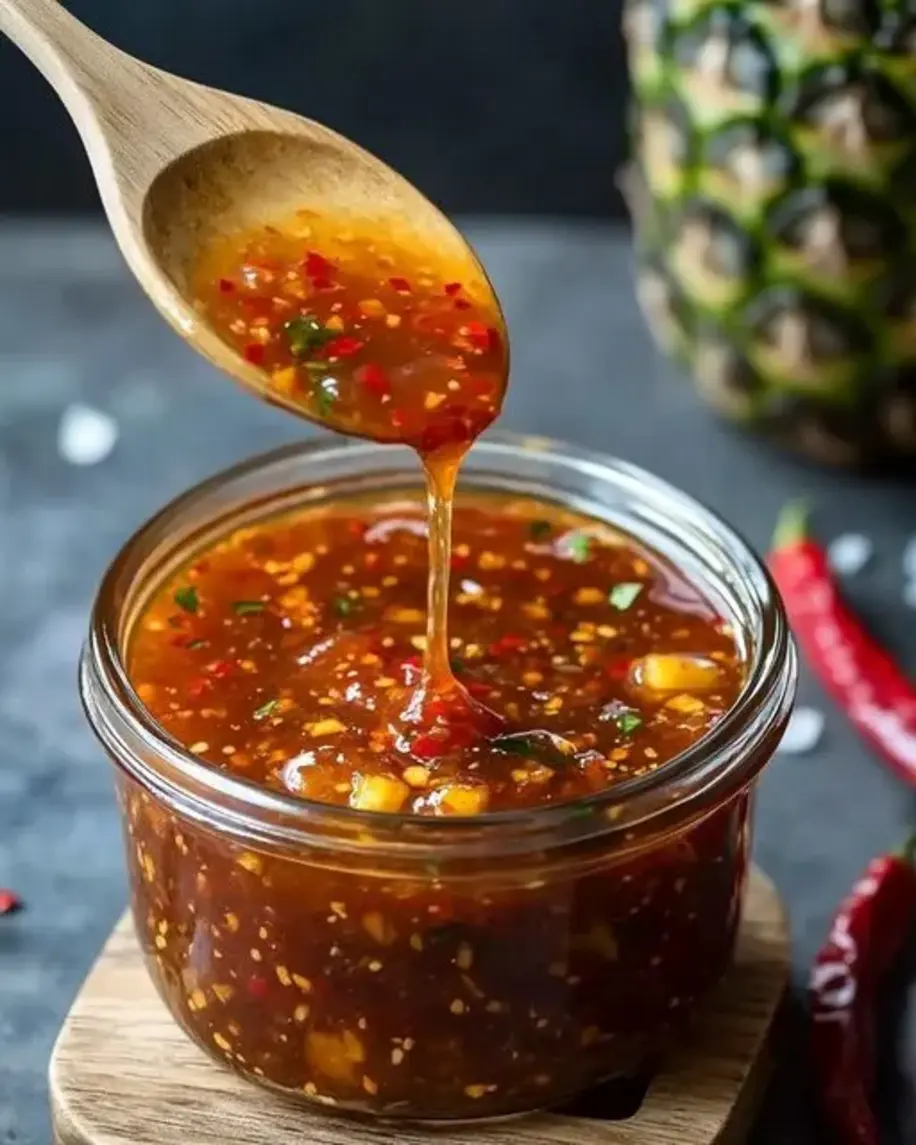
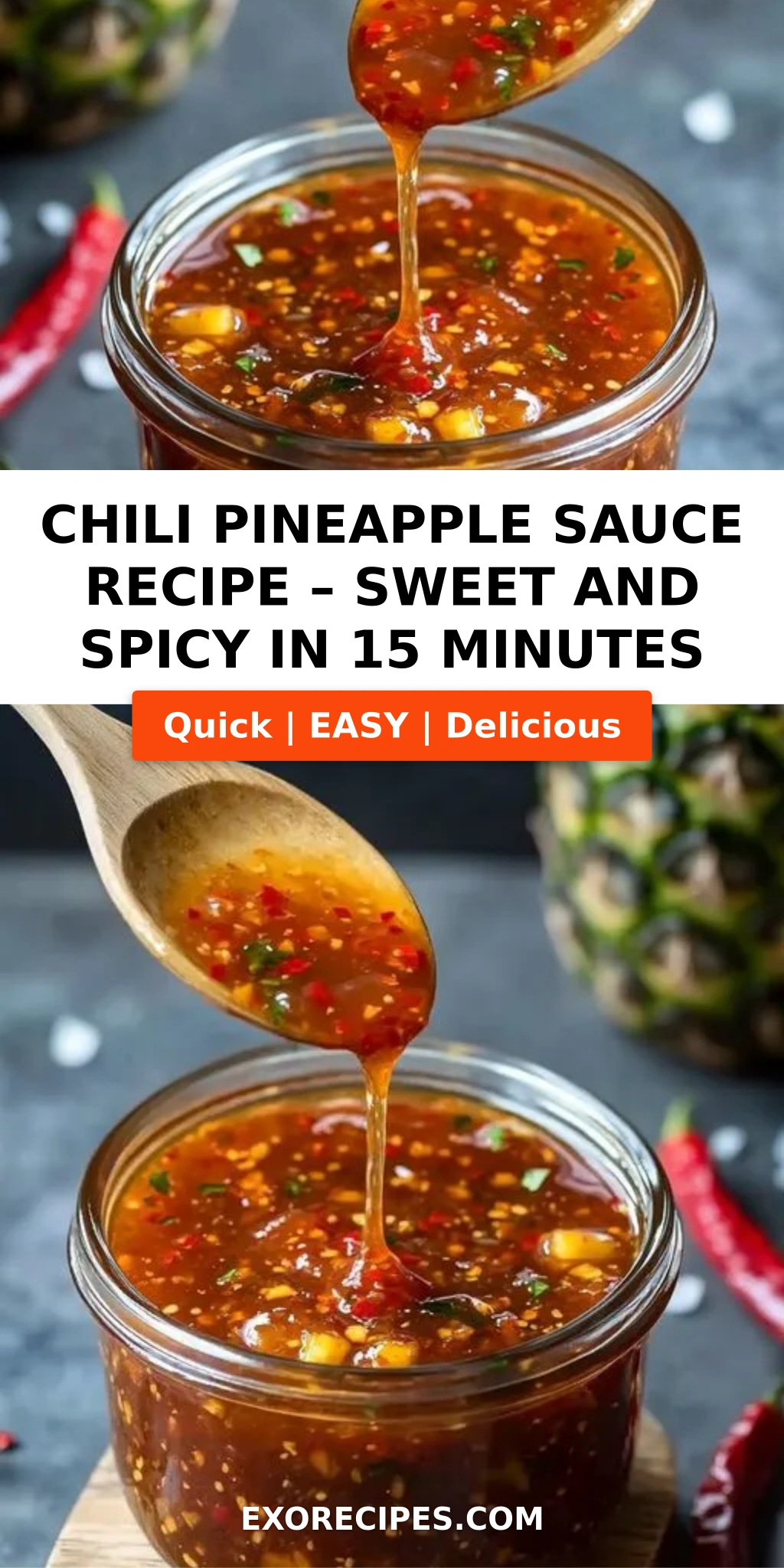
Imagine the aroma: fresh pineapple and ginger simmering together, with rice vinegar cutting through the sweetness like a bright note of citrus. The sauce is a deep golden-orange, almost translucent, with tiny flecks of chili and garlic suspended throughout. One spoonful gives you a rush of tropical fruit up front, followed by a warm, building heat that lingers just long enough to make you reach for another taste. The texture is silky and coat-the-spoon thick — not gloopy, but lush and luxurious. I love using it as a dipping sauce for crispy spring rolls or as a glaze for roasted chicken thighs. It brings the kind of sticky, caramelized finish that makes everyone ask, “What’s in this?”
What makes my homemade chili pineapple sauce different from the bottled versions at the store is the depth of flavor — and the control. I use real pineapple chunks alongside the juice, which gives the sauce texture and a more authentic fruit flavor. The sriracha adds heat without overwhelming the pineapple, and the ginger and garlic are fresh, not powdered. In this post, I’ll show you exactly how to nail the thickness every time, share my favorite substitution for pineapple when you’re in a pinch, and point out the one common mistake that can make your sauce turn watery. Whether you’re making this sweet and spicy sauce for game-day dipping or a weeknight stir-fry, you’re going to love how fast and foolproof this recipe is.
Why This Chili Pineapple Sauce Recipe Is the Best
The flavor secret behind this chili pineapple sauce recipe is a layering technique I picked up in Paris: you bloom the garlic and ginger in the saucepan for just 30 seconds before adding the pineapple juice. This releases their essential oils and creates a fragrant base that carries through the entire sauce. Most home recipes skip this step and end up with a flat-tasting sauce. I never skip it — it’s the difference between a sauce that tastes “cooked” and one that tastes vibrant and fresh. The brown sugar adds a molasses-like depth that balances the acidity of the rice vinegar, while the pineapple itself provides both sweetness and a subtle tang that keeps every bite interesting.
Perfected texture is where my French culinary training really shines. The cornstarch slurry technique — whisking the cornstarch with cold water before adding it to the simmering sauce — ensures a smooth, lump-free result every time. But here’s the pro-level detail: I always whisk the slurry in slowly while the sauce is at a gentle simmer, not a rolling boil. A rapid boil can break down the cornstarch molecules and cause the sauce to thin out again as it cools. By keeping the heat low and steady, the sauce thickens evenly and stays glossy even after refrigeration. It’s a small technical point, but it makes all the difference when you’re using this as a glaze for grilled meats or a dipping sauce for dumplings.
And this recipe is genuinely foolproof for beginners. You don’t need any special equipment — just a saucepan, a whisk, and a cutting board. The total active time is under 15 minutes, and the ingredients are all easy to find at any US grocery store. I’ve tested this with canned pineapple, fresh pineapple, and even frozen pineapple chunks, and it works beautifully every time. Whether you’re a seasoned cook or someone who’s never made a sauce from scratch, this recipe is designed to succeed. Plus, it’s naturally vegan, gluten-free (use tamari instead of soy sauce), and contains zero grams of fat — so it fits into almost any eating style.
Chili Pineapple Sauce Recipe Ingredients
I buy most of my ingredients for this homemade chili pineapple sauce at the Union Square Greenmarket in Manhattan — the pineapple from a small farm in Costa Rica, the ginger from a Hudson Valley vendor, and the garlic from a local organic grower. The rice vinegar and sriracha I pick up at a Japanese market on St. Marks Place. There’s something about using really fresh ginger and garlic that makes this sauce sing, but I’ve also made it with pantry staples and it’s still delicious. Here’s everything you’ll need:
Ingredients List
- 1 cup pineapple juice (unsweetened, from a carton or fresh)
- 1/2 cup pineapple chunks (crushed or finely diced, fresh or canned in juice)
- 1/4 cup rice vinegar
- 1/4 cup brown sugar (light or dark — dark gives more depth)
- 2 tablespoons soy sauce (or tamari for gluten-free)
- 1 tablespoon sriracha or chili garlic sauce (adjust to taste — start with less if you’re sensitive to heat)
- 1 teaspoon minced garlic (about 2 medium cloves)
- 1 teaspoon grated fresh ginger (use a microplane for the best texture)
- 1 tablespoon cornstarch mixed with 2 tablespoons water (this is your slurry)
Ingredient Spotlight
Pineapple Juice and Chunks: The juice forms the backbone of this pineapple hot sauce, providing sweetness and acidity. I recommend using unsweetened pineapple juice so you can control the sugar level yourself. The chunks add texture and visual appeal — if you want a completely smooth sauce, blend them before cooking. In a pinch, canned pineapple in its own juice works perfectly; just drain the chunks and reserve a little of the juice to use as part of the 1 cup measurement.
Rice Vinegar: This gives the sauce its mild, clean acidity that doesn’t overpower the pineapple. It’s much gentler than white vinegar or apple cider vinegar. If you don’t have rice vinegar, you can substitute an equal amount of apple cider vinegar mixed with a pinch of sugar — but the flavor will be slightly sharper. I always keep a bottle of seasoned rice vinegar in my pantry for this exact reason.
Sriracha or Chili Garlic Sauce: This is where the heat comes from. Sriracha adds a moderate, balanced spiciness with a hint of garlic. Chili garlic sauce is chunkier and more intense. I use either depending on my mood — sriracha for a smoother sauce, chili garlic for more texture and a fiercer kick. Start with 1 tablespoon and taste before adding more. You can always increase the heat, but you can’t take it out.
Fresh Ginger: This is non-negotiable in my book. Dried ginger powder won’t give you the same bright, peppery warmth. I grate it on a microplane so it melts into the sauce without leaving fibrous bits. When I was growing up in Morocco, my mother used fresh ginger in almost every tagine — it’s a flavor I associate with comfort and depth. In this sauce, it bridges the pineapple and chili beautifully.
| Original Ingredient | Best Substitution | Flavor / Texture Impact |
|---|---|---|
| Pineapple juice + chunks | Mango nectar + diced mango | Sweeter, less acidic, equally tropical |
| Rice vinegar | Apple cider vinegar + pinch of sugar | Slightly sharper, still balanced |
| Soy sauce | Tamari or coconut aminos | Tamari is closest; coconut aminos are sweeter |
| Sriracha | Gochujang (Korean chili paste) or red pepper flakes | Gochujang adds depth; flakes add heat without texture |
| Fresh ginger | 1/2 tsp dried ginger powder | Less bright, more earthy; reduce to 1/2 tsp |
How to Make Chili Pineapple Sauce — Step-by-Step
Making this chili pineapple sauce recipe from scratch is incredibly straightforward, but a few small techniques make the difference between a good sauce and a great one. I’ll walk you through each step with the exact visual cues and timing you need to nail it on your first try.
Step 1: Combine the Base
In a medium saucepan (2 to 3 quarts is ideal), combine 1 cup pineapple juice, 1/2 cup pineapple chunks, 1/4 cup rice vinegar, 1/4 cup brown sugar, 2 tablespoons soy sauce, 1 tablespoon sriracha, 1 teaspoon minced garlic, and 1 teaspoon grated fresh ginger. Stir everything together with a wooden spoon or a whisk until the brown sugar begins to dissolve.
💡 mia’s Pro Tip: Use a saucepan with a heavy bottom — it distributes heat more evenly and prevents the sugar from scorching before the liquid comes up to temperature. I use my 2.5-quart All-Clad for this recipe every time.
Step 2: Simmer to Meld Flavors
Place the saucepan over medium heat and bring the mixture to a gentle simmer. You’ll see small bubbles breaking the surface — not a full rolling boil. Stir occasionally to keep the sugar from sticking to the bottom. Once it’s simmering, reduce the heat to low and let it cook for 5 minutes. This allows the garlic and ginger to infuse the liquid and the pineapple chunks to soften slightly.
⚠️ Common Mistake to Avoid: Don’t walk away during this step! If the sauce comes to a rolling boil, the sugar can caramelize too quickly and give the sauce a slightly bitter edge. Keep the heat at a low, steady simmer.
Step 3: Prepare the Cornstarch Slurry
While the sauce is simmering, make your slurry. In a small bowl, whisk together 1 tablespoon cornstarch and 2 tablespoons cold water until completely smooth. There should be no lumps at all — think of it as creating a milky, opaque liquid. The cold water is important because hot water can cause the cornstarch to clump before it dissolves.
💡 mia’s Pro Tip: I always mix my slurry in a small glass measuring cup — the spout makes it easy to pour the slurry into the sauce in a thin, steady stream, which prevents clumps from forming.
Step 4: Thicken the Sauce
Whisk the cornstarch slurry one more time (it settles quickly), then slowly pour it into the simmering sauce while whisking continuously. Keep whisking for about 30 seconds to make sure the slurry is fully incorporated. The sauce will begin to thicken almost immediately — you’ll see it go from a thin, watery consistency to a glossy, nappe-like texture that coats the back of a spoon.
⚠️ Common Mistake to Avoid: Pouring the slurry in all at once can create gelatinous clumps that are impossible to whisk out. Always pour in a thin stream while whisking. If you see lumps forming, whisk faster and harder — you might be able to break them up before they set.
Step 5: Cook to Perfection
Let the sauce cook for another 2 to 3 minutes after adding the slurry, still at a low simmer. Stir occasionally. The sauce should be thick enough to coat a spoon and leave a clear trail when you drag your finger across the back. If it’s not thick enough after 3 minutes, mix another teaspoon of cornstarch with a tablespoon of water and repeat the process.
💡 mia’s Pro Tip: The sauce will thicken further as it cools, so don’t wait until it’s as thick as ketchup on the stove. Aim for a consistency slightly thinner than your target — by the time it reaches room temperature, it will be perfect.
Step 6: Cool and Store
Remove the saucepan from the heat and let the sauce cool for 10 to 15 minutes at room temperature. It will continue to thicken as it cools. Use it immediately as a glaze or dipping sauce, or transfer it to an airtight container and refrigerate for up to a week. If you’re using it as a glaze, brush it onto grilled chicken, shrimp, or tofu during the last 2 to 3 minutes of cooking for a beautiful caramelized finish.
⚠️ Common Mistake to Avoid: Don’t refrigerate the sauce while it’s still hot — condensation will form inside the container and water down your beautiful thick sauce. Let it cool completely to room temperature first, then cover and chill.
| Step | Action | Duration | Key Visual Cue |
|---|---|---|---|
| 1 | Combine ingredients in saucepan | 2 minutes | Sugar begins to dissolve, liquid turns golden |
| 2 | Simmer to meld flavors | 5 minutes | Small bubbles on surface, pineapple chunks soften |
| 3 | Prepare cornstarch slurry | 1 minute | Smooth, milky liquid with no lumps |
| 4 | Whisk in slurry | 30 seconds | Sauce turns glossy and begins to thicken |
| 5 | Cook to perfect thickness | 2-3 minutes | Coats spoon, leaves clear trail when you drag a finger |
| 6 | Cool and store | 10-15 minutes | Sauce thickens further as it cools |
Serving & Presentation
This dipping sauce with pineapple is incredibly versatile, and I love finding new ways to use it. My favorite way to serve it is as a dipping sauce for crispy vegetable spring rolls — the sweetness of the pineapple plays off the savory filling, and the heat keeps every bite exciting. I also love brushing it onto grilled chicken thighs during the last few minutes of cooking, which creates a sticky, caramelized glaze that looks beautiful on the plate. Garnish with a sprinkle of toasted sesame seeds and sliced green onions for a pop of color and texture.
For a more elevated presentation, I sometimes serve this sauce in a small dipping bowl alongside a platter of grilled shrimp skewers, with lime wedges and fresh cilantro. The acidity of the lime brightens the sauce even further, and the cilantro adds a herbal note that complements the ginger and garlic. This is a dish I often make for summer gatherings in Brooklyn — it’s impressive, but so easy to put together. The sauce can be made a day ahead, which makes entertaining stress-free.
Inspired by my time in Paris, I also love using this sauce as a finishing drizzle over seared duck breast or roasted pork tenderloin. The French taught me that a great sauce should never be an afterthought — it should be the star of the plate. This chili pineapple sauce recipe holds its own alongside any protein. For a vegetarian option, drizzle it over crispy tofu or roasted cauliflower steaks. The combination of sweet, spicy, and savory is universally appealing, and the glossy texture makes every dish look restaurant-worthy.
| Pairing Type | Suggestions | Why It Works |
|---|---|---|
| Side Dish | Steamed jasmine rice, stir-fried bok choy, coconut corn | Neutral sides let the sauce shine; coconut adds tropical harmony |
| Sauce / Dip | Spring rolls, dumplings, chicken satay, grilled shrimp | Sweet-spicy contrast with savory, crispy, or charred foods |
| Beverage | Lao IPA, cold lager, or a ginger-lemon spritzer | Bitterness and carbonation cut through the sweetness |
| Garnish | Toasted sesame seeds, sliced green onions, fresh cilantro, lime wedges | Adds texture, color, and freshness to balance richness |
Make-Ahead, Storage & Reheating
Living in NYC, I’m all about cooking smarter, not harder. I almost always make this sweet and spicy sauce on a Sunday afternoon and keep it in the fridge for the week ahead. It’s one of those recipes that actually gets better after a day or two as the flavors continue to meld. Here’s exactly how to store it and bring it back to life when you’re ready to use it.
| Method | Container | Duration | Reheating Tip |
|---|---|---|---|
| Refrigerator | Airtight glass jar or container | Up to 7 days | Warm in a small saucepan over medium-low heat, stirring occasionally. Add a splash of water or pineapple juice if too thick. |
| Freezer | Freezer-safe jar or silicone ice cube tray | Up to 3 months | Thaw overnight in the fridge, then whisk while reheating. The texture may be slightly thinner after freezing — whisk in a fresh slurry if needed. |
| Make-Ahead | Airtight container | Up to 3 days in advance | Perfect for parties — make it, cool it, and refrigerate. Reheat gently or serve at room temperature as a dip. |
When reheating, I always warm the sauce gently over medium-low heat rather than in the microwave, which can make the texture uneven. If the sauce has thickened too much in the fridge, I whisk in a tablespoon of water or pineapple juice to loosen it. One thing I’ve learned from countless meal-prep sessions: this sauce separates slightly when frozen, but a good whisk after thawing brings it right back together. The cornstarch can lose some thickening power after freezing, so if you want the same glossy thickness, you may need to whisk in a small fresh slurry at the end of reheating.
Variations & Easy Swaps
Over the years, I’ve developed a few favorite variations of this chili pineapple sauce recipe that cater to different tastes and dietary needs. Whether you want something smokier, fruitier, or completely different, these twists are all tested and loved in my kitchen.
| Variation | Key Change | Best For | Difficulty Impact |
|---|---|---|---|
| Smoky Chipotle Pineapple | Replace sriracha with 1-2 minced chipotle peppers in adobo | Grilled meats, tacos, burrito bowls | Easy (same technique, smoky depth) |
| Mango-Pineapple Fusion | Use 1/2 cup mango chunks and 1/2 cup pineapple chunks | Summer dipping, seafood, vegan bowls | Easy (fruit swap only) |
| Extra Tangy with Lime | Add 2 tablespoons fresh lime juice + 1 tsp lime zest at the end | Fish tacos, ceviche, light salads | Easy (no change to technique) |
Smoky Chipotle Pineapple Variation
This is my personal favorite for taco nights. Replace the sriracha with 1 to 2 minced chipotle peppers in adobo sauce (start with one and taste). The smokiness from the dried chipotle adds a whole new dimension that pairs incredibly well with the sweet pineapple. I learned this technique from a Mexican cook I worked with in Paris — he used chipotle in everything, and I’ve been hooked ever since. This version is amazing brushed onto grilled chicken or pork chops during the last few minutes of cooking, and it’s also fantastic as a dipping sauce for sweet potato fries. The adobo sauce adds a subtle tang that brightens the whole sauce.
Mango-Pineapple Fusion Variation
For an even more tropical version, replace half of the pineapple chunks with diced mango (fresh or frozen, thawed). Mango adds a floral sweetness and a slightly creamier texture that makes the sauce feel even more luxurious. This variation is perfect for summer entertaining — I serve it with grilled shrimp skewers and watch it disappear. The mango-pineapple combination also works beautifully as a glaze for grilled tofu or tempeh. If you’re using frozen mango, thaw it completely and drain any excess liquid before adding it to the saucepan. This is a great way to use up leftover mango from your fruit bowl.
Extra Tangy with Lime Variation
When I want a sauce that cuts through rich, fatty foods like fried fish or crispy pork belly, I add 2 tablespoons of fresh lime juice and 1 teaspoon of lime zest at the very end of cooking — after removing the sauce from the heat. The lime adds a bright, citrusy note that lifts the entire sauce and makes it feel fresher and more vibrant. This version is inspired by the ceviche I ate at a tiny Peruvian spot in Queens — the combination of citrus and heat is incredibly addictive. I also love this version drizzled over grilled shrimp or fish tacos. The lime zest adds a fragrant oil that can’t be replicated with juice alone, so don’t skip it.
What is Chili Pineapple Sauce typically used for?
Chili pineapple sauce is incredibly versatile and can be used in many ways. It’s most commonly used as a dipping sauce for appetizers like spring rolls, dumplings, chicken satay, or crispy tofu. It also works beautifully as a glaze for grilled or roasted proteins — brush it onto chicken thighs, pork tenderloin, shrimp, or salmon during the last 2 to 3 minutes of cooking for a sticky, caramelized finish. You can also stir it into a stir-fry along with vegetables and protein for a quick, flavorful sauce. I even love using it as a drizzle over grain bowls or roasted vegetables for an extra burst of sweet-spicy flavor. Its balance of sweetness and heat makes it a fantastic all-purpose condiment.
How do you make Chili Pineapple Sauce from scratch?
Making chili pineapple sauce from scratch is surprisingly easy and takes only about 15 minutes. Start by combining 1 cup pineapple juice, 1/2 cup pineapple chunks, 1/4 cup rice vinegar, 1/4 cup brown sugar, 2 tablespoons soy sauce, 1 tablespoon sriracha, 1 teaspoon minced garlic, and 1 teaspoon grated fresh ginger in a saucepan. Bring this mixture to a gentle simmer over medium heat, then reduce the heat to low and let it cook for 5 minutes to meld the flavors. In a small bowl, whisk 1 tablespoon cornstarch with 2 tablespoons cold water to make a slurry. Slowly pour the slurry into the simmering sauce while whisking continuously, then cook for another 2 to 3 minutes until the sauce thickens to your desired consistency. Remove from heat and let it cool before using or storing. That’s all there is to it!
What can I substitute for pineapple in Chili Pineapple Sauce?
If you don’t have pineapple, the best substitute is mango — use mango nectar in place of the pineapple juice and diced fresh or frozen mango in place of the pineapple chunks. Mango has a similar tropical sweetness and acidity, though it’s slightly less tangy and more floral. Papaya nectar with diced papaya is another excellent option, especially for a more exotic flavor. If you’re in a pinch and just need the sweetness, you can use 1 cup apple juice plus 1/4 cup apple cider vinegar (to add the missing acidity) and 1/2 cup finely diced apple — but the flavor will be much more subtle and less tropical. Keep in mind that the texture and sweetness level will vary with each substitution, so taste and adjust the sugar and vinegar as needed.
How long does homemade Chili Pineapple Sauce last in the fridge?
Homemade chili pineapple sauce will keep well in the refrigerator for up to 7 days when stored in an airtight container. I recommend using a glass jar with a tight-fitting lid — mason jars work perfectly. The sauce may thicken slightly as it sits, which is normal. Just give it a stir or whisk before using, and if it’s too thick, add a splash of water or pineapple juice to loosen it. You can also freeze this sauce for up to 3 months in a freezer-safe container or silicone ice cube tray. Thaw it overnight in the refrigerator and whisk well before using. The texture after freezing may be slightly thinner, but the flavor remains excellent. I often freeze it in 1/4 cup portions so I can defrost exactly what I need.
Can I make Chili Pineapple Sauce less spicy?
Absolutely — this recipe is very easy to adjust to your heat preference. Start by using only 1 teaspoon of sriracha instead of the full tablespoon. You can also use a mild chili sauce or even ketchup-based chili sauce if you want just a whisper of heat without any real spice. Another option is to use sweet chili sauce instead of sriracha, which will add sweetness and a very mild warmth. If you’re serving this to a crowd with different heat tolerances, I recommend making the sauce with just 1 teaspoon of sriracha and serving extra hot sauce on the side so everyone can adjust their own portion. The pineapple, ginger, and garlic will still give you plenty of flavor even without the heat.
Is Chili Pineapple Sauce gluten-free?
Yes, this chili pineapple sauce can easily be made gluten-free. The only ingredient that contains gluten is the soy sauce, so simply swap it for tamari (which is gluten-free and has a very similar flavor) or coconut aminos (which is slightly sweeter but also gluten-free). All the other ingredients — pineapple juice, pineapple chunks, rice vinegar, brown sugar, sriracha, garlic, ginger, and cornstarch — are naturally gluten-free. Always check the label on your sriracha to be sure, as some brands may use wheat-derived ingredients. This sauce is naturally vegan as well, making it a great option for many different dietary needs. I’ve tested this with tamari many times and the flavor is virtually identical to the original.
Can I use canned pineapple for this recipe?
Yes, canned pineapple works beautifully in this chili pineapple sauce recipe. Use canned pineapple chunks packed in their own juice (not syrup, which is too sweet). Drain the chunks well and use the juice from the can as part of your 1 cup of pineapple juice — top it off with additional pineapple juice from a carton if needed. Canned pineapple is actually more consistent in sweetness and texture than fresh, which can vary depending on ripeness. I’ve made this sauce countless times with canned pineapple and the results are always excellent. Just be sure to drain the chunks well so you don’t add too much liquid to the sauce. If you want a smoother texture, you can pulse the drained chunks in a food processor before adding them.
What can I use instead of cornstarch to thicken the sauce?
If you don’t have cornstarch, there are several good alternatives for thickening this chili pineapple sauce. Arrowroot powder is my first choice — use the same amount (1 tablespoon mixed with 2 tablespoons cold water) and follow the same technique. Arrowroot creates an even glossier sauce than cornstarch and freezes better without breaking down. Potato starch is another excellent option, also used in the same proportion. Tapioca starch (or tapioca flour) works well too, though it may make the sauce slightly more translucent and can give a very subtle chewy texture if overheated. For a grain-free option, you can reduce the sauce longer over low heat to concentrate it naturally — but this will take another 10 to 15 minutes and won’t give you the same glossy thickness. Whichever thickener you choose, always mix it with cold water first to prevent lumps.
Can I use this sauce as a marinade?
Absolutely — this chili pineapple sauce makes an excellent marinade for chicken, pork, shrimp, tofu, or even firm fish like salmon. The pineapple contains natural enzymes (bromelain) that help tenderize meat, making it a fantastic ingredient in marinades. However, because of these enzymes, you shouldn’t marinate for longer than 2 to 4 hours — especially for delicate proteins like shrimp or fish — or the texture can become mushy. For chicken or pork, 2 to 4 hours is plenty of time to infuse flavor without compromising texture. If you want to use this as both a marinade and a sauce, reserve some of the un-marinated sauce separately for serving. Never use the marinade that has been in contact with raw meat as a finishing sauce without boiling it first for at least 3 minutes.
Can I make this sauce without refined sugar?
Yes, you can easily make this chili pineapple sauce without refined sugar. The brown sugar can be replaced with an equal amount of coconut sugar, which has a lower glycemic index and a similar molasses-like depth. You can also use maple syrup or honey — use 3 tablespoons instead of 1/4 cup since these liquid sweeteners are slightly sweeter than brown sugar. If you’re using a liquid sweetener, reduce the pineapple juice by 1 tablespoon to keep the consistency right. For a completely sugar-free version, you can use a monk fruit sweetener or erythritol-based brown sugar substitute — but note that these won’t caramelize in the same way, so the sauce may be slightly thinner and less glossy. The pineapple itself provides plenty of natural sweetness, so you can also try reducing the added sweetener to just 2 tablespoons and tasting before adding more.
Share Your Version!
I absolutely love hearing how this chili pineapple sauce recipe turns out in your kitchen. Did you try the smoky chipotle variation? Or maybe you added extra lime for tang? Leave a star rating and a comment below — I read every single one and I always learn something new from your creative twists. Tag me in your photos on Instagram or Pinterest with @exorecipes so I can see your beautiful creations. I’d especially love to know: what did you serve this sauce with? I’m always on the lookout for new pairing ideas, and your suggestions might just end up in my next blog post!
From my NYC kitchen to yours — I hope this recipe brings as much warmth to your table as it does to mine. — mia 🧡
Love This Recipe? Save It to Pinterest!
If you enjoyed this Chili Pineapple Sauce recipe, don’t let it get lost in your browser tabs! 😄 Pin it now so you can find it again anytime — and explore hundreds more tried-and-tested recipes waiting for you on my Pinterest boards.
👉 Follow mia on Pinterest @exorecipe
📌 Pin this recipe · 🔁 Re-pin your favorites · 💬 Tag me when you make it — I love seeing your creations!
“`
Print
Chili Pineapple Sauce
- Prep Time: 5 minutes
- Cook Time: 10 minutes
- Total Time: 15 minutes
- Yield: 8 1x
- Method: Condiment
- Cuisine: Asian-inspired
Description
This sweet and spicy chili pineapple sauce is perfect for dipping, glazing, or as a stir-fry sauce. It balances the tropical sweetness of pineapple with the heat of chili peppers.
Ingredients
- 1 cup pineapple juice
- 1/2 cup pineapple chunks (crushed or finely diced)
- 1/4 cup rice vinegar
- 1/4 cup brown sugar
- 2 tablespoons soy sauce
- 1 tablespoon sriracha or chili garlic sauce (adjust to taste)
- 1 teaspoon minced garlic
- 1 teaspoon grated fresh ginger
- 1 tablespoon cornstarch mixed with 2 tablespoons water (slurry)
Instructions
- In a medium saucepan, combine pineapple juice, pineapple chunks, rice vinegar, brown sugar, soy sauce, sriracha, garlic, and ginger.
- Bring the mixture to a simmer over medium heat, stirring occasionally.
- Reduce heat to low and let it cook for 5 minutes to meld flavors.
- Whisk the cornstarch slurry into the sauce, stirring continuously.
- Cook for another 2-3 minutes until the sauce thickens to your desired consistency.
- Remove from heat and let cool slightly. Use immediately or store in an airtight container in the refrigerator.
Notes
Adjust the heat by adding more or less sriracha. For a smoother sauce, blend the pineapple chunks before cooking. This sauce keeps well for up to a week in the fridge.
Nutrition
- Calories: 65
- Sugar: 12g
- Fat: 0g
- Carbohydrates: 15g
- Protein: 0g
Tried This Recipe? Leave a Comment!
Did you make this recipe? I’d love to hear how it turned out! Please leave a comment and a rating below. Your feedback helps other home cooks and supports cheerychop.com!
