Table of Contents
Chicken Lo Mein Stir-Fry with Fresh Ginger: A Flavor-Packed Weeknight Classic – Your New Go-To Weeknight Dinner
Let me take you back to my mother’s kitchen in Morocco for a moment. I can still see her hands — quick, confident, always moving — as she layered spices into a tagine that would perfume our entire home. That same instinct — building flavor in layers, trusting your senses, cooking with intention — is exactly what drives my Chicken Lo Mein Stir-Fry with Fresh Ginger. This easy chicken lo mein recipe is the weeknight hero you didn’t know you needed: it comes together in 35 minutes flat, uses humble ingredients you can find at any NYC bodega or supermarket, and delivers that deep, punchy, fresh ginger kick that makes you close your eyes and say “wow.”
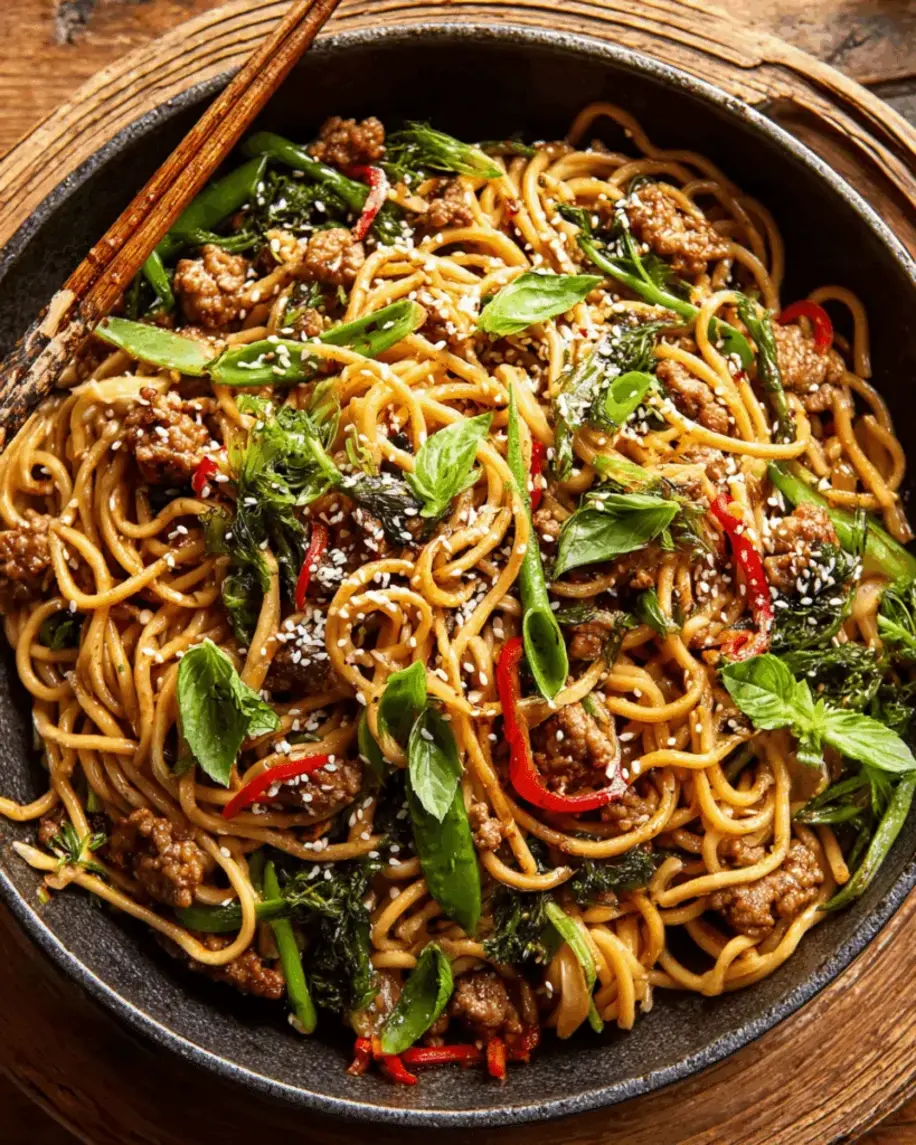
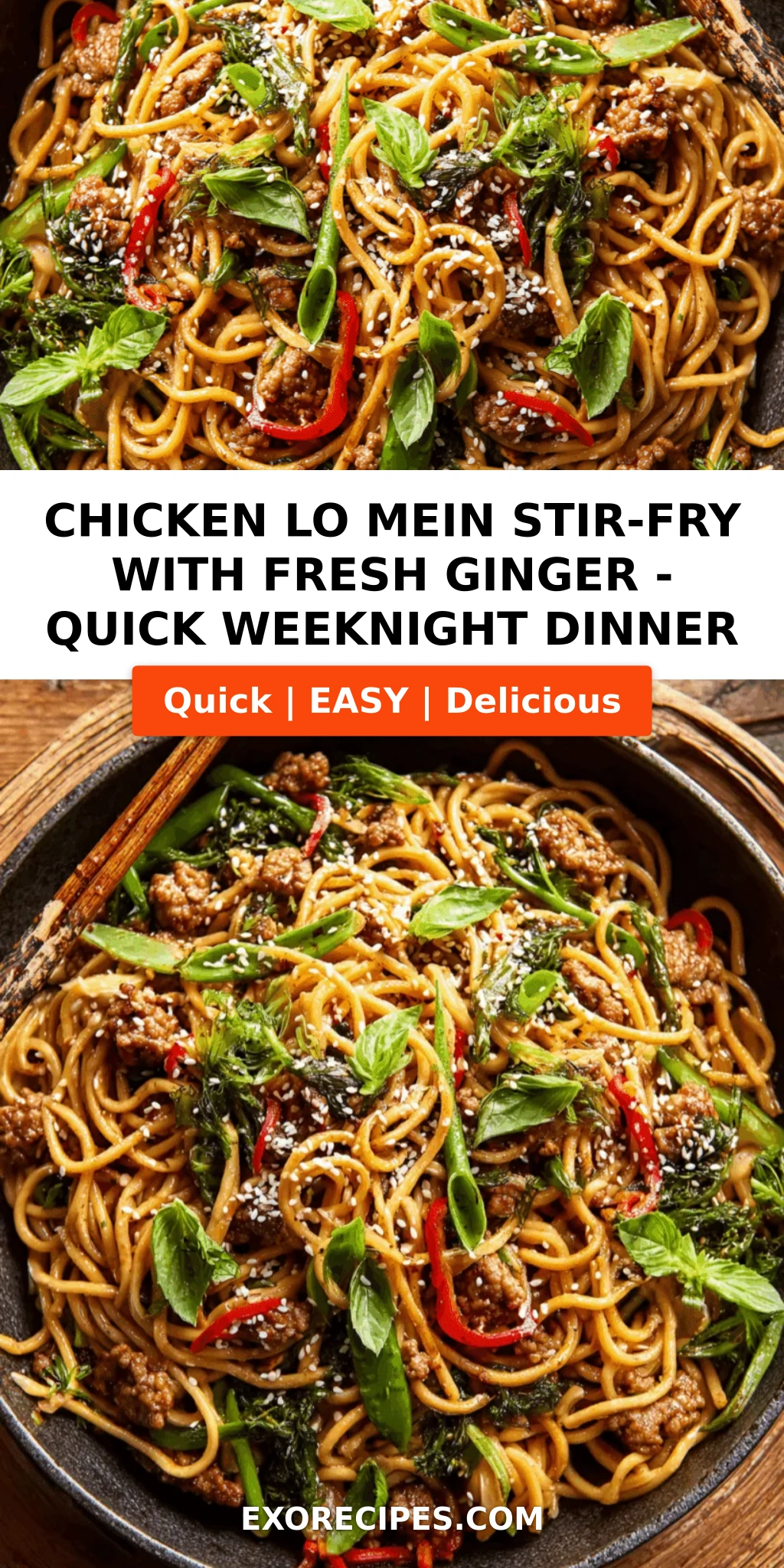
What I love most about this fresh ginger stir-fry is the way the aromatics hit the hot oil first — that sizzle, that fragrance — it’s the kind of cooking that wakes up your whole kitchen. The golden seared chicken, the tender-crisp cabbage and bell pepper, the silky lo mein noodles all tangled up in a glossy, savory-sweet sauce with just a whisper of heat from red pepper flakes. Every bite has texture, warmth, and that unmistakable brightness that only freshly minced ginger can bring. It’s comfort food, yes, but comfort food with backbone — a dish that feels both familiar and exciting, like your favorite neighborhood Chinese takeout spot but made your way, with love and intention.
I trained in Paris — learned to make mother sauces, to respect butter and technique, to plate with precision. But my soul belongs to home cooking: the kind where you taste as you go, where you adjust the soy sauce by instinct, where a dish like this becomes part of your weekly rotation. My version of this weeknight chicken dinner is built on one crucial technique — cooking the noodles just shy of al dente so they stay springy when tossed in the wok — and one bold flavor choice: double the fresh ginger you think you need. In this post, I’ll share my tested pro tips for avoiding mushy noodles, the best vegetable swaps from my local NYC farmers market, and the one mistake I see home cooks make every time. Let’s get cooking.
Why This Chicken Lo Mein Stir-Fry Recipe Is the Best
The Flavor Secret: Most lo mein recipes are timid with ginger — they add a teaspoon and call it a day. Not this one. I call for a full 2 tablespoons of fresh, minced ginger because that’s what it takes to actually taste it. That sharp, citrusy, slightly peppery heat is the backbone of this whole dish. It’s the same instinct I learned from my mother — if an ingredient matters, let it lead. Between the ginger, the garlic, the oyster sauce, and a touch of brown sugar, every strand of noodle carries a layered, balanced flavor that keeps you coming back for another bite.
Perfected Texture: Texture is everything in stir-fry. After years of testing at my tiny NYC kitchen stove (and yes, in my Paris training, we obsessed over doneness), I’ve learned that the key to great homemade lo mein is undercooking the noodles by a full minute before stir-frying. That way, when they hit the hot wok with the sauce and vegetables, they absorb just enough liquid without turning to mush. The chicken stays tender because we sear it in a single layer — not overcrowded, not steamed. The vegetables keep their crunch. Every element has its moment.
Foolproof & Fast: This is genuinely a 35-minute recipe from start to finish, and it works for absolute beginners. You don’t need a wok — a large skillet works beautifully. You don’t need specialty ingredients beyond what you can find at a regular grocery store. And because everything moves quickly, you’ll feel like a pro chef orchestrating a dinner service in your own kitchen. The sauce is whisked in one bowl, the noodles boil while you prep, and the entire stir-fry happens in under 10 minutes of active cooking. This is the kind of recipe that makes you wonder why you ever ordered takeout.
Chicken Lo Mein Stir-Fry Ingredients
I buy my lo mein noodles from the dried noodle aisle at my local NYC grocery store — they’re inexpensive, they keep forever in the pantry, and they cook up perfectly chewy in just a few minutes. The ginger I source from the farmers market when I can, or the produce section of any supermarket. In Morocco, we used fresh ginger in everything from stews to teas, so I’ve got a sharp eye for a good knob: smooth skin, firm to the touch, no wrinkling. Here’s everything you’ll need.
Ingredients List
- 8 oz lo mein egg noodles
- 2 tablespoons vegetable oil, divided
- 1 lb boneless skinless chicken breasts, thinly sliced
- Salt and pepper to taste
- 2 tablespoons fresh ginger, minced
- 3 cloves garlic, minced
- 1 red bell pepper, thinly sliced
- 2 cups shredded green cabbage
- 3 green onions, sliced
- For the sauce:
- 1/4 cup low-sodium soy sauce
- 2 tablespoons oyster sauce
- 1 tablespoon rice vinegar
- 1 tablespoon brown sugar
- 1 teaspoon sesame oil
- 1/2 teaspoon red pepper flakes (optional)
Ingredient Spotlight
Fresh Ginger: This is non-negotiable for my easy chicken lo mein recipe. Fresh ginger brings a bright, peppery zing with subtle citrus notes that ground ginger simply cannot replicate. When shopping, look for firm, smooth-skinned knobs with a strong fragrance — that peel should be thin and easy to scrape with a fingernail. Store it in the freezer and grate it straight from frozen for the easiest prep. Substitution: In a pinch, use 1 teaspoon of ground ginger, but know you’ll lose that fresh heat and juicy texture.
Lo Mein Egg Noodles: These wheat flour noodles are the soul of this dish. They’re slightly thicker than spaghetti and have a satisfying chew that holds up to the sauce. In the US grocery store, you’ll find them in the international aisle, often near soy sauce or in the refrigerated section. Cook them just under al dente — about 1 minute less than the package directs — so they finish cooking in the wok. Substitution: Spaghetti or linguine work in a pinch; cook them very al dente and rinse with cold water to stop cooking.
Oyster Sauce: This thick, dark, savory sauce adds a subtle briny sweetness and deep umami that soy sauce alone can’t provide. It’s what gives restaurant-style lo mein that glossy, rich finish. Look for it in the Asian condiment section; a bottle lasts for months in the fridge. Substitution: Hoisin sauce plus a splash of fish sauce, or simply use an extra tablespoon of soy sauce with a pinch of sugar — but the flavor won’t be quite as complex.
Chicken Breasts: Boneless skinless chicken breasts work perfectly here because they cook quickly and slice neatly into thin strips. For the juiciest results, slice the chicken against the grain into even pieces, and season generously with salt and pepper before searing. Substitution: Boneless thighs for a richer flavor, or shrimp for a quicker-cooking protein. For a vegetarian version, extra-firm tofu or king oyster mushrooms are excellent.
| Original Ingredient | Best Substitution | Flavor / Texture Impact |
|---|---|---|
| Fresh Ginger (2 tbsp) | 1 tsp ground ginger + 1 tsp fresh lemon zest | Milder, less bright; loses fresh pungent kick |
| Lo Mein Egg Noodles | Cooked spaghetti or linguine (al dente) | Slightly less chew; still good in a pinch |
| Oyster Sauce | Hoisin sauce + 1 tsp fish sauce | Sweeter, less briny; still savory |
| Chicken Breast | Extra-firm tofu or shrimp | Tofu is softer; shrimp is quicker-cooking |
How to Make Chicken Lo Mein Stir-Fry — Step-by-Step
This method is designed to move quickly and efficiently, so I recommend prepping all your ingredients before you turn on the stove — just like we did in Paris. Here’s how to build your fresh ginger stir-fry step by step.
Step 1: Cook the Noodles
Bring a large pot of salted water to a rolling boil. Add the lo mein egg noodles and cook according to package directions, but remove them 1 minute before the recommended time — they should be just shy of al dente, with a slight resistance in the center. Drain immediately and rinse briefly with cool water to stop the cooking. Toss with a few drops of sesame oil to prevent sticking, and set aside. This step is the foundation of perfect texture.
💡 mia’s Pro Tip: Rinsing the noodles after draining removes excess starch and stops the cooking process cold. That extra minute of firmness means they’ll absorb the sauce without turning into a sticky clump when stir-fried.
Step 2: Prepare the Sauce
In a small bowl or a liquid measuring cup, whisk together 1/4 cup low-sodium soy sauce, 2 tablespoons oyster sauce, 1 tablespoon rice vinegar, 1 tablespoon brown sugar, 1 teaspoon sesame oil, and 1/2 teaspoon red pepper flakes if you like heat. Whisk until the sugar dissolves and the sauce looks glossy and uniform. Set this near your stove — you’ll need it in a flash.
⚠️ Common Mistake to Avoid: Don’t skip the rice vinegar. That tablespoon of acidity cuts through the richness of the oil and oyster sauce, keeping the whole dish bright and balanced. Without it, the sauce can taste flat and one-dimensional.
Step 3: Sear the Chicken
Heat 1 tablespoon of vegetable oil in a large wok or a heavy-bottomed skillet over high heat — you want it shimmering but not smoking. Season the thinly sliced chicken breasts with salt and pepper, then add them to the pan in a single layer. Let them cook undisturbed for 4-5 minutes until golden brown on one side, then flip and cook for another 4-5 minutes until cooked through and slightly charred at the edges. Remove the chicken to a clean plate and set aside.
💡 mia’s Pro Tip: Don’t crowd the pan! If your wok or skillet isn’t large enough, cook the chicken in two batches. Overcrowding lowers the pan temperature and causes the chicken to steam rather than sear — and we want those golden-brown edges for maximum flavor.
Step 4: Sauté the Aromatics
Add the remaining 1 tablespoon of vegetable oil to the same wok over high heat. Add the 2 tablespoons of minced fresh ginger and 3 cloves of minced garlic, and stir-fry vigorously for about 30 seconds — just until they become fragrant and the kitchen smells incredible. Do not let them brown or burn, as that turns them bitter.
⚠️ Common Mistake to Avoid: Adding ginger and garlic to cold oil or too low heat. The oil must be hot so the aromatics sizzle immediately. If they just sit in warm oil, they’ll steam and lose that punchy, vibrant flavor that defines this dish.
Step 5: Stir-Fry the Vegetables
Add the thinly sliced red bell pepper and 2 cups of shredded green cabbage to the wok. Toss them continuously with a spatula or tongs for 2-3 minutes, until the cabbage softens slightly but still has a pleasant crunch, and the bell pepper brightens in color. The high heat should leave them slightly charred in spots, which adds wonderful flavor.
💡 mia’s Pro Tip: Keep the vegetables moving. In a hot wok, even 10 seconds of stillness can lead to burning. Use a pair of tongs to lift and flip everything constantly — that’s the stir-fry rhythm that builds even cooking and those beautiful sear marks.
Step 6: Combine and Toss
Return the cooked chicken and the reserved noodles to the wok. Pour the prepared sauce over everything, and toss vigorously with tongs for 1-2 minutes, making sure every strand of noodle and every piece of chicken is coated in that glossy, savory sauce. The noodles should absorb some of the liquid and become tender but still bouncy. Taste and adjust seasoning with a pinch more soy sauce or a drizzle of sesame oil if needed.
⚠️ Common Mistake to Avoid: Adding the sauce too early or cooking too long after combining. Once the sauce hits the noodles, it should only cook for 1-2 minutes. Any longer and the noodles will absorb too much liquid and become mushy, and the sauce can reduce into a sticky paste.
Step 7: Garnish and Serve
Transfer the completed Chicken Lo Mein Stir-Fry to a large serving platter or divide directly among individual bowls. Sprinkle generously with fresh sliced green onions for color and a mild oniony bite. Serve immediately, while the noodles are still hot and the vegetables have that perfect tender-crisp texture. This dish waits for no one!
💡 mia’s Pro Tip: For an extra layer of flavor and crunch, garnish with toasted sesame seeds, a drizzle of chili oil, or even a handful of crushed peanuts. These small finishes add texture and visual appeal that make this easy chicken lo mein recipe feel restaurant-worthy.
| Step | Action | Duration | Key Visual Cue |
|---|---|---|---|
| 1 | Cook noodles | ~4-5 min | Just shy of al dente — slight white core |
| 2 | Prepare sauce | 2 min | Sugar dissolved, sauce glossy |
| 3 | Sear chicken | 4-5 min per side | Golden-brown crust, cooked through |
| 4 | Sauté aromatics | 30 seconds | Fragrant, not browned |
| 5 | Stir-fry vegetables | 2-3 min | Cabbage softened, bell pepper bright |
| 6 | Combine and toss | 1-2 min | Sauce coats noodles evenly |
| 7 | Garnish and serve | 1 min | Green onions scattered, steaming hot |
Serving & Presentation
I love serving this homemade lo mein in deep, wide bowls — the kind that let the noodles tumble and cascade a little. A generous pile of the stir-fry, mounded in the center, with the green onions scattered on top like confetti. For an extra touch, I often add a small handful of fresh cilantro leaves and a wedge of lime on the side; that squeeze of citrus right before eating brightens everything in a way that reminds me of the fresh herb salads my mother would serve alongside rich tagines.
In my NYC kitchen, this dish is a full meal on its own — hearty, balanced, satisfying. But if you want to round it out, here are my favorite pairings. A simple cucumber salad with rice vinegar and sesame oil adds a cool, crisp contrast. Spring rolls (fresh or fried) make a fun starter. And for drinks, a cold Sapporo beer or a glass of lightly sparkling green tea with honey is perfection. This is the kind of meal that makes a regular Tuesday night feel like a celebration.
| Pairing Type | Suggestions | Why It Works |
|---|---|---|
| Side Dish | Cucumber sesame salad, edamame, steamed bok choy | Cool, crisp, and refreshing contrast to warm savory noodles |
| Sauce / Dip | Chili oil, extra soy sauce, sriracha mayo | Adds heat and customization at the table |
| Beverage | Cold lager beer, jasmine iced tea, sparkling water with lime | Clean, crisp drinks cut through the rich sauce |
| Garnish | Green onions, toasted sesame seeds, cilantro, lime wedges | Adds freshness, color, and a pop of brightness |
Make-Ahead, Storage & Reheating
Let me be real with you — this Chicken Lo Mein Stir-Fry is absolutely best the day it’s made, when the noodles are springy and the vegetables still have their crunch. But I know life in New York City doesn’t always allow for a fresh-cooked dinner every night. In my house, I often prep the sauce and slice the chicken and vegetables the night before, so all I have to do come 7pm is cook. Leftovers store well too, as long as you follow a few key steps to keep the noodles from turning into a sad, sticky lump.
| Method | Container | Duration | Reheating Tip |
|---|---|---|---|
| Refrigerator | Airtight container, pressed flat | Up to 3 days | Reheat in a hot wok with 1 tsp water or oil, tossing frequently |
| Freezer | Freezer-safe ziplock bag, remove excess air | Up to 2 months | Thaw overnight in fridge, then stir-fry over high heat until hot |
| Make-Ahead | Store sauce and prepped ingredients separately | Up to 1 day in advance | Cook noodles fresh; toss everything together at the end |
The trick to reheating leftover lo mein without turning it into paste is to add a tiny splash of water or a drizzle of oil to your pan and reheat over high heat, tossing constantly. This re-steams the noodles and revives the sauce without making them gummy. I also like to add a handful of fresh bean sprouts or a sprinkle of extra green onions after reheating to bring back some texture and freshness. And whatever you do, avoid the microwave — it makes the noodles rubbery and the vegetables sad.
Variations & Easy Swaps
One of the things I love most about cooking is how a single recipe can become a dozen different meals depending on what’s in your fridge or what you’re craving. This Chicken Lo Mein Stir-Fry is endlessly adaptable. Here are my favorite variations, tested in my own NYC kitchen.
| Variation | Key Change | Best For | Difficulty Impact |
|---|---|---|---|
| Vegetarian Version | Replace chicken with extra-firm tofu or mushrooms | Meat-free Monday or plant-based dinner | Same — just swap the protein |
| Gluten-Free Version | Use rice noodles or gluten-free spaghetti + tamari instead of soy sauce | Gluten-sensitive or Celiac-friendly meal | Easy — just swap noodles and soy sauce |
| Spicy Szechuan Twist | Add 1 tbsp Szechuan peppercorns and 1 tsp chili crisp to the sauce | Heat-seekers and spice lovers | Same — just add ingredients to the sauce |
Vegetarian Version
For a hearty meat-free version, swap the chicken for 8 oz of extra-firm tofu, pressed and cubed, or a mix of king oyster mushrooms and shiitakes. Sear the tofu or mushrooms in the hot oil until golden and crispy on the edges before proceeding with the aromatics. The mushrooms bring an earthy, umami depth that’s incredibly satisfying. Growing up in Morocco, we often made vegetable tagines with similar mushrooms — the key is to let them brown well for maximum flavor.
Gluten-Free Version
This adaptation is simpler than you might think. Swap the lo mein egg noodles for your favorite rice noodles or a good-quality gluten-free spaghetti — cook them just al dente and rinse well. Replace the low-sodium soy sauce with tamari or coconut aminos (both are gluten-free), and double-check that your oyster sauce is labeled gluten-free, or substitute with a gluten-free hoisin sauce. The texture will be slightly different — rice noodles are more delicate — but the flavor is still fully there, bright and savory.
Spicy Szechuan Twist
If you love heat as much as I do, this version is a game-changer. Add 1 tablespoon of Szechuan peppercorns to the oil just before the aromatics, and stir-fry for 20 seconds until fragrant. Then add 1 teaspoon of chili crisp or chili oil to the sauce. The Szechuan peppercorns bring that unique numbing, tingling heat that’s completely addictive. I discovered this combination during my travels and it’s become a favorite way to wake up this easy chicken lo mein recipe — especially on chilly NYC nights when I need something truly warming.
What type of noodles are best for chicken lo mein stir-fry?
For an authentic Chicken Lo Mein Stir-Fry, lo mein egg noodles are the gold standard. These wheat-based noodles have a slightly chewy, springy texture that holds up beautifully to the sauce and high-heat stir-frying. You’ll find them in the international aisle of most US grocery stores, often near the soy sauce, or in the refrigerated section of Asian markets. If you can’t find them, dried spaghetti or linguine cooked very al dente makes a solid backup — just cook them 1-2 minutes less than the package directs so they don’t turn mushy when tossed in the wok. Rice noodles work for a gluten-free option, but they’re more delicate and can break apart with vigorous tossing, so handle them gently.
Can I substitute fresh ginger with ground ginger in this recipe?
You can, but I’ll be honest — the result won’t be the same. Fresh ginger brings a bright, citrusy, slightly peppery heat that’s essential to this fresh ginger stir-fry. Ground ginger is more earthy and musty, with a much milder kick and none of the juicy texture. If you’re in a pinch, use 1 teaspoon of ground ginger plus 1 teaspoon of fresh lemon zest to mimic some of that brightness. But for the full experience — that punchy, aromatic flavor that makes this dish special — I really recommend using fresh ginger. You can even freeze a whole knob and grate it straight from frozen; it peels and grates more easily that way.
How do I prevent the noodles from getting mushy when stir-frying?
This is the most common question I get, and the answer is simple: cook your noodles 1 minute less than the package directs, rinse them with cold water immediately after draining, and toss them with a few drops of sesame oil to prevent sticking. That extra firmness — what chefs call “just shy of al dente” — means the noodles will continue cooking in the wok and absorb the sauce without turning soft and pasty. Another key tip: don’t let the noodles sit in the sauce for more than a minute or two. Once everything is combined, serve immediately. Overcooking in the sauce is the fastest path to mush.
What vegetables go well with chicken lo mein and fresh ginger?
This recipe uses red bell pepper and shredded green cabbage, which are classic choices that add sweetness, crunch, and color. But you can absolutely mix it up based on what’s in season or what you have on hand. Snap peas, snow peas, broccoli florets, shredded carrots, bok choy, and bean sprouts all work beautifully. From my experience at NYC farmers markets, I love adding julienned carrots in spring and snap peas in summer. The key is to cut vegetables into similar-sized pieces so they cook evenly, and to add heartier vegetables like broccoli a minute before the softer ones like bell pepper. Mushrooms and water chestnuts also add wonderful texture.
Can I make chicken lo mein stir-fry ahead of time for meal prep?
Absolutely, with one important caveat: store the components separately for the best results. I often prep the sauce, slice the chicken and vegetables, and even cook the noodles a day in advance — just toss the noodles with a little oil after draining and keep them in a sealed bag in the fridge. When you’re ready to eat, the actual stir-fry takes less than 10 minutes. Fully assembled leftovers keep in the fridge for up to 3 days, but the noodles will soften over time. Reheat them in a hot wok or skillet with a splash of water or oil to revive the texture. I don’t recommend freezing the fully assembled dish, as the noodles become very soft when thawed.
Is oyster sauce necessary for chicken lo mein? What can I use instead?
Oyster sauce is what gives lo mein that deep, savory umami and glossy finish — it’s a key ingredient in this easy chicken lo mein recipe, but it’s not strictly necessary if you don’t have it. The best substitute is hoisin sauce mixed with a splash of fish sauce (or even Worcestershire sauce) to mimic that briny-sweet complexity. You can also simply use an extra tablespoon of soy sauce plus a teaspoon of brown sugar, though the flavor will be less layered. For a vegetarian version, look for mushroom-based oyster sauce or use dark soy sauce mixed with a mushroom bouillon cube dissolved in a little hot water. The texture will be slightly thinner, so you might want to add a cornstarch slurry to thicken.
What is the best way to reheat leftover chicken lo mein stir-fry?
The best way to reheat lo mein is in a hot wok or large skillet over high heat. Add a tiny splash of water (about 1 tablespoon) or a drizzle of vegetable oil to the pan, then add the leftovers and toss constantly for 1-2 minutes until heated through. The steam from the water helps rehydrate the noodles without making them greasy, and the high heat restores some of that fresh-cooked texture. I also like to add a handful of fresh bean sprouts or sliced green onions after reheating to bring back some crunch and brightness. Avoid the microwave at all costs — it makes the noodles rubbery and the vegetables limp. If you must use it, cover the bowl with a damp paper towel and microwave in 30-second bursts, stirring between each.
Can I use other proteins instead of chicken in this stir-fry?
Yes, this recipe is very flexible. Shrimp is a fantastic option — they cook even faster than chicken, about 2-3 minutes per side, and pair beautifully with the fresh ginger. Sliced beef sirloin or flank steak also works wonderfully; just cook it quickly over high heat until browned but still slightly pink inside. For a vegetarian version, extra-firm tofu (pressed and cubed) or seared king oyster mushrooms are my top choices. The key is to cut whatever protein you use into even, bite-sized pieces and to cook it in a single layer over high heat so it browns properly rather than steaming. Adjust the cooking time based on the protein — shrimp and thinly sliced beef cook faster than chicken.
How do I get that restaurant-style ‘wok hei’ flavor at home?
Wok hei — that smoky, charred flavor you get from restaurant woks — is hard to replicate perfectly at home because it requires intense heat (a commercial wok burner reaches 100,000+ BTUs). But you can get close. First, use a large heavy-bottomed skillet or wok and preheat it over your stove’s highest heat for a full 2-3 minutes before adding oil. The oil should shimmer before you add anything. Second, don’t overcrowd the pan — cook in batches if needed. Third, use a high smoke-point oil like vegetable or peanut oil. And finally, add a tiny splash of Shaoxing wine or dry sherry at the very end of cooking; it creates a burst of steam that mimics some of that restaurant-style complexity. It’s not exactly wok hei, but it’s delicious in its own right.
Can I make this chicken lo mein recipe gluten-free?
Yes, this homemade lo mein can easily be adapted for a gluten-free diet. The two main swaps are the noodles and the soy sauce. Use rice noodles, soba noodles (make sure they’re 100% buckwheat), or a good gluten-free spaghetti in place of the lo mein egg noodles. Replace the low-sodium soy sauce with tamari or coconut aminos, both of which are gluten-free. Check your oyster sauce label too — some brands contain wheat; you can use a gluten-free hoisin sauce or a mushroom-based stir-fry sauce instead. All other ingredients in this recipe — fresh ginger, garlic, vegetables, chicken, oils, vinegar, and brown sugar — are naturally gluten-free. The flavor will be slightly different but still absolutely delicious.
Share Your Version!
I truly believe the best recipes are the ones we make our own. Maybe you added extra ginger, threw in some snap peas from your farmers market, or swapped in shrimp for chicken — I want to hear about it! This Chicken Lo Mein Stir-Fry with Fresh Ginger is designed to be a canvas for your creativity, and every time you make it, you’ll find new ways to make it sing.
Leave a star rating and a comment below to let me know how it turned out — I read every single one and I love learning what worked in your kitchen. Snap a photo of your creation and tag @exorecipes on Instagram or Pinterest. Did the fresh ginger make as big a difference as I promised? Did you try one of the variations? I can’t wait to see your beautiful bowls of noodles. From my NYC kitchen to yours — I hope this recipe brings as much warmth to your table as it does to mine. — mia 🧡
Did you make this recipe?
I’d love to hear how it turned out — tag @exorecipes on Instagram or leave a comment below!
⭐ ⭐ ⭐ ⭐ ⭐ — your rating means the world to me.
Love This Recipe? Save It to Pinterest!
If you enjoyed this Chicken Lo Mein Stir-Fry with Fresh Ginger recipe, don’t let it get lost in your browser tabs! 😄 Pin it now so you can find it again anytime — and explore hundreds more tried-and-tested recipes waiting for you on my Pinterest boards.
👉 Follow mia on Pinterest @exorecipe
📌 Pin this recipe · 🔁 Re-pin your favorites · 💬 Tag me when you make it — I love seeing your creations!
Chicken Lo Mein Stir-Fry with Fresh Ginger: A Flavor-Packed Weeknight Classic
- Prep Time: 15 minutes
- Cook Time: 20 minutes
- Total Time: 35 minutes
- Yield: 4 servings 1x
- Method: Main Course
- Cuisine: Chinese-American
Description
A quick and flavorful chicken lo mein stir-fry with fresh ginger, perfect for a busy weeknight dinner.
Ingredients
- 8 oz lo mein egg noodles
- 2 tablespoons vegetable oil
- 1 lb boneless skinless chicken breasts, thinly sliced
- Salt and pepper to taste
- 2 tablespoons fresh ginger, minced
- 3 cloves garlic, minced
- 1 red bell pepper, thinly sliced
- 2 cups shredded green cabbage
- 3 green onions, sliced
- For the sauce:
- 1/4 cup low-sodium soy sauce
- 2 tablespoons oyster sauce
- 1 tablespoon rice vinegar
- 1 tablespoon brown sugar
- 1 teaspoon sesame oil
- 1/2 teaspoon red pepper flakes (optional)
Instructions
- Cook lo mein noodles according to package directions. Drain and set aside.
- In a small bowl, whisk together soy sauce, oyster sauce, rice vinegar, brown sugar, sesame oil, and red pepper flakes. Set aside.
- Heat 1 tablespoon vegetable oil in a large wok or skillet over high heat. Season chicken with salt and pepper. Add chicken in a single layer and cook until golden and cooked through, about 4-5 minutes per side. Remove chicken from wok and set aside.
- Add remaining 1 tablespoon oil to wok. Add ginger and garlic and stir-fry for 30 seconds until fragrant.
- Add bell pepper and cabbage. Stir-fry for 2-3 minutes until slightly tender.
- Return chicken and noodles to wok. Pour sauce over everything and toss to combine. Cook for 1-2 minutes until heated through and sauce coats noodles.
- Garnish with green onions and serve immediately.
Notes
For a vegetarian version, substitute chicken with extra-firm tofu or mushrooms. You can add other vegetables like snap peas or carrots.
Nutrition
- Calories: 450
- Sugar: 8g
- Fat: 12g
- Carbohydrates: 48g
- Protein: 38g
Tried This Recipe? Leave a Comment!
Did you make this recipe? I’d love to hear how it turned out! Please leave a comment and a rating below. Your feedback helps other home cooks and supports cheerychop.com!
