Table of Contents
Takeout-Style Chicken Lo Mein at Home – A Chef’s Quick & Easy Takeout at Home
I remember standing in my mother’s tiny kitchen in Marrakech, watching her stir a pot of noodles for a Friday family lunch. She’d throw in whatever vegetables were at the souk, a little soy sauce we kept for special occasions, and the most incredible fragrance would fill our home. That feeling of turning simple pantry ingredients into a comforting, flavor-packed dish is exactly what this chicken lo mein recipe is about. Growing up, I never thought I’d call New York City home, but now, when I crave that quick, savory hit of takeout lo mein, I head straight to my own stove. Takeout-Style Chicken Lo Mein at Home is my answer to the classic Chinese-American dish we all love – and it’s better than delivery, every single time.
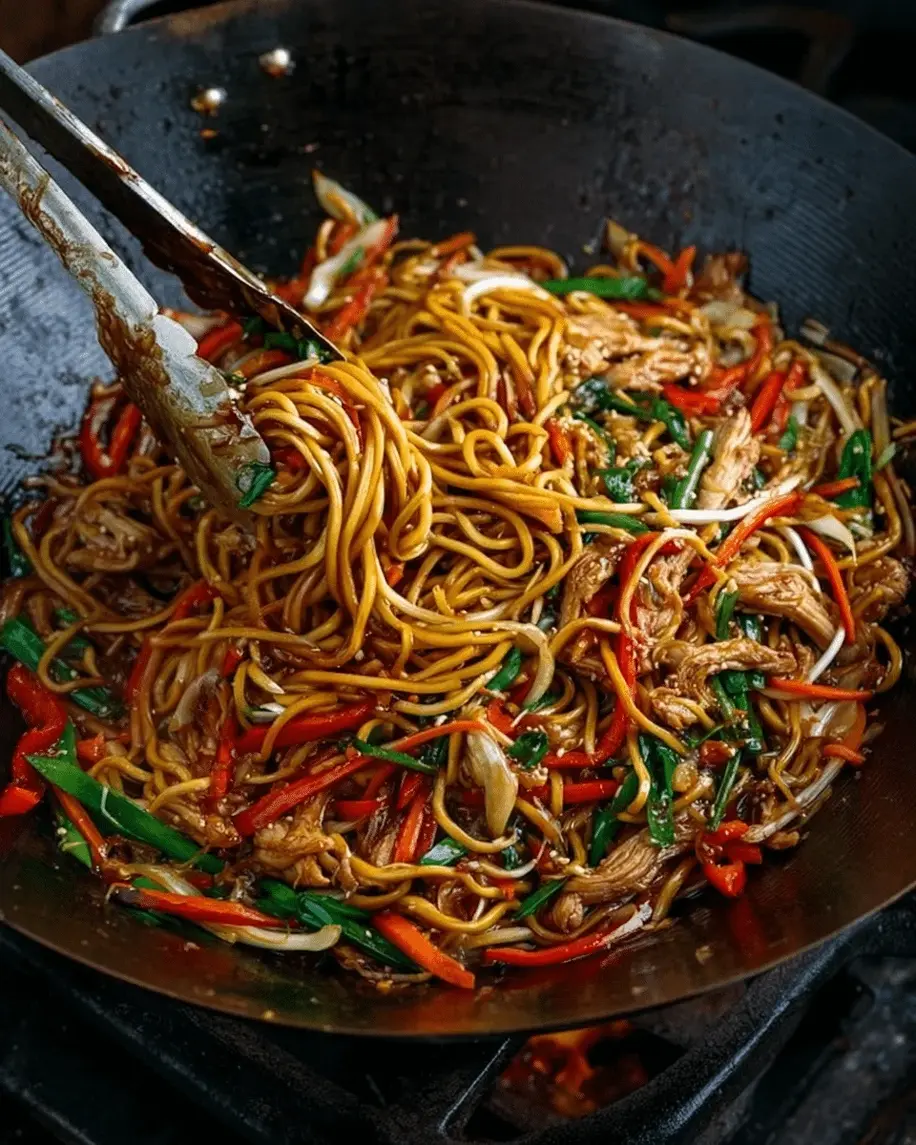
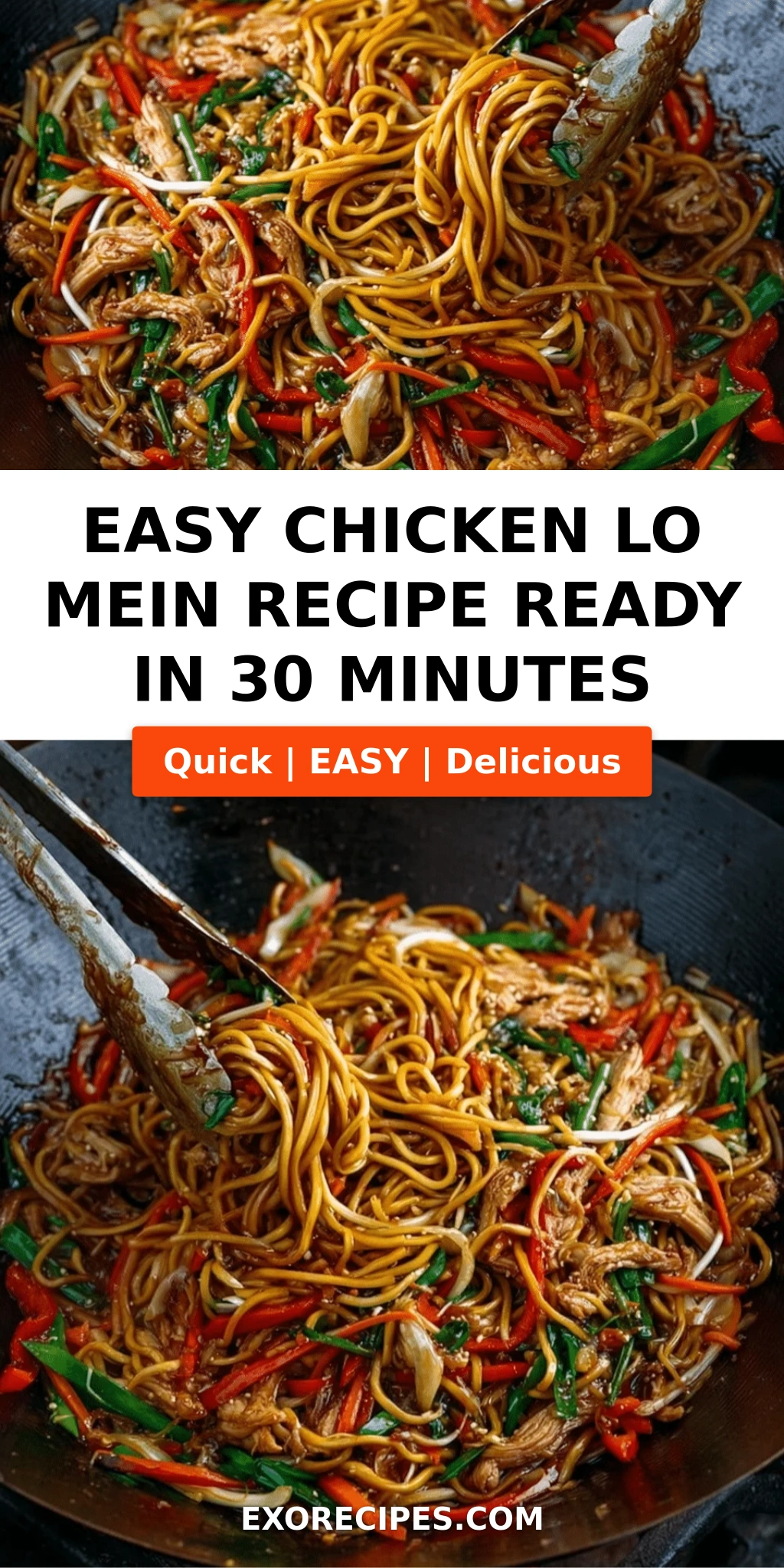
Picture this: golden-browned chicken slices, tender yet with a slight caramelized edge, mingling with silky lo mein noodles that have soaked up a glossy, umami-rich sauce. The vegetables – red bell pepper, shredded carrots, and crisp snow peas – add pops of color and a satisfying crunch that contrasts beautifully with the soft noodles. Every bite carries a whisper of sesame, the warmth of ginger and garlic, and a deep savoriness from oyster sauce and soy. It’s the kind of dish that makes you close your eyes for a second – that perfect takeout taste, but with the knowledge it came from your own hands. I’ve fine-tuned the sauce-to-noodle ratio over years in my tiny NYC kitchen, and believe me, this is the sweet spot.
What sets this homemade lo mein apart from many recipes is my secret weapon: the quick velvet marinade for the chicken (soy + sesame oil + a little time) and my French-trained approach to stir-frying – high heat, quick moves, and precise timing. I’m a trained chef from Paris, but this recipe is pure weeknight comfort. I’ll share with you the exact trick to keep the chicken tender without any cornstarch slurry on the meat, how to avoid soggy noodles, and the one common mistake that makes lo mein clumpy. Whether you’re a busy parent, a college student, or just someone who loves takeout but wants it fresher, this chicken lo mein recipe is designed for you. From my NYC kitchen to yours – let’s cook.
Why This Chicken Lo Mein Recipe Is the Best
The Flavor Secret: I grew up with bold, layered Moroccan flavors – cumin, coriander, saffron – and then trained in French kitchens where sauces are everything. For this chicken lo mein, I’ve blended those worlds into one killer sauce. The combination of soy sauce, oyster sauce, and hoisin creates a deep, almost caramelized umami, while a pinch of white pepper adds that signature takeout warmth you can’t get from black pepper. It’s not just salty; it’s balanced, glossy, and clings to every noodle like a hug.
Perfected Texture: The biggest complaint about homemade lo mein? Soggy, clumpy noodles. My trick: undercook the noodles by a minute, rinse them under cold water to remove excess starch, and toss them in a touch of sesame oil before they hit the wok. This keeps them springy and separate, exactly like you get from your favorite Chinese takeout joint. Plus, the chicken is velvety tender because we marinate it simply – no long soaking, just 10 minutes with soy and sesame. That’s the chef’s shortcut.
Foolproof & Fast: I know firsthand how hectic life can get in New York. This recipe comes together in 30 minutes flat – perfect for a weeknight dinner after a long day. Every ingredient is easy to find in any US grocery store (hello, spaghetti as a backup for lo mein noodles!). I’ve tested it with friends who never stir-fry, and they nailed it on the first try. The key is to prep everything before you turn on the heat – then the cooking is a breeze. If you follow my step-by-step, you’ll have a restaurant-quality meal on the table without the wait or the delivery fee.
Chicken Lo Mein Recipe Ingredients
I love shopping for these ingredients at my local farmers market in Union Square – the carrots are always so sweet, and the snow peas are snappy. When I lived in Paris, I learned to appreciate fresh, seasonal produce, and that philosophy carries into this recipe. Each ingredient plays a vital role, so let me walk you through what you’ll need.
Ingredients List
- 8 oz lo mein noodles or spaghetti
- 2 boneless skinless chicken breasts, thinly sliced
- 3 tablespoons soy sauce, divided
- 1 tablespoon sesame oil
- 2 tablespoons vegetable oil, divided
- 2 cloves garlic, minced
- 1 teaspoon fresh ginger, grated
- 1 red bell pepper, thinly sliced
- 1 cup shredded carrots
- 1 cup snow peas
- 4 green onions, sliced
- 1/4 cup soy sauce
- 2 tablespoons oyster sauce
- 1 tablespoon hoisin sauce
- 1 teaspoon sugar
- 1/2 teaspoon white pepper
- 1/2 cup chicken broth
- 1 tablespoon cornstarch mixed with 2 tablespoons water
Sauce:
Ingredient Spotlight
Lo Mein Noodles: Fresh lo mein noodles are wonderful, but they can be hard to find outside of Asian markets. Dried lo mein noodles work perfectly, and plain spaghetti is a fantastic substitute in a pinch – the texture is quite similar. Just be sure to cook them al dente. Substitution tip: For a gluten-free version, use rice noodles – though they’re more delicate, so don’t over-stir.
Oyster Sauce: This is the backbone of that classic takeout flavor. It adds a rich, briny sweetness that can’t be replicated. If you’re vegetarian, look for mushroom-based oyster sauce (often labeled “vegetarian stir-fry sauce”). Tested substitution: Vegan hoisin + a splash of mushroom broth works, but the result is less complex.
White Pepper: This is a game-changer. Unlike black pepper, white pepper has a subtle, earthy heat that’s traditional in Chinese cooking. It doesn’t leave speckles, so the sauce stays glossy. You can substitute with a small pinch of black pepper, but the flavor will be different. I buy mine at any spice aisle – it’s worth the investment.
| Original Ingredient | Best Substitution | Flavor / Texture Impact |
|---|---|---|
| Lo mein noodles | Spaghetti (dried) | Very similar – slightly less chewy but works beautifully |
| Oyster sauce | Vegetarian oyster sauce (mushroom-based) | Slightly less briny, still savory |
| Hoisin sauce | Plum sauce + a dash of soy | Sweeter, less complex – add extra garlic |
| White pepper | Black pepper (use 1/4 tsp) | More pungent, visible specks in sauce |
| Chicken breast | Thigh meat or firm tofu (for vegetarian) | Thigh is juicier; tofu becomes crispy if pressed first |
How to Make Takeout-Style Chicken Lo Mein — Step-by-Step
This chicken lo mein recipe comes together in a flash once you’ve prepped everything. I promise, even if it’s your first stir-fry, you’ll feel like a pro. Let’s get cooking!
Step 1: Cook the Noodles
Bring a large pot of salted water to a boil. Add the lo mein noodles (or spaghetti) and cook according to package directions until al dente, about 1 minute less than box says. Drain and rinse under cold water to stop cooking and remove excess starch. Toss with 1 teaspoon of vegetable oil to prevent sticking. Set aside.
💡 mia’s Pro Tip: Don’t overcook the noodles! They will finish cooking in the wok. Overcooked noodles turn mushy.
Step 2: Marinate the Chicken
In a medium bowl, combine the sliced chicken with 1 tablespoon soy sauce and 1 tablespoon sesame oil. Toss well to coat. Let it sit at room temperature for 10 minutes while you prep the vegetables. This simple marinade is all you need for tender, flavorful chicken – no cornstarch or baking soda required.
⚠️ Common Mistake to Avoid: Don’t marinate longer than 30 minutes. The soy sauce can start to make the chicken tough. Short and sweet is best!
Step 3: Make the Sauce
In a small bowl, whisk together all sauce ingredients: 1/4 cup soy sauce, oyster sauce, hoisin sauce, sugar, white pepper, chicken broth, and the cornstarch slurry (cornstarch mixed with water). Set aside. The cornstarch slurry is crucial – it thickens the sauce and gives that glossy takeout finish.
💡 mia’s Pro Tip: Whisk the sauce again just before pouring it into the wok, because the cornstarch settles quickly.
Step 4: Stir-Fry the Chicken
Heat 1 tablespoon vegetable oil in a wok or large skillet over high heat until shimmering. Add the chicken in a single layer (work in batches if needed). Cook without moving for 1 minute, then stir-fry until golden and cooked through, about 3-4 minutes total. Remove chicken to a plate and set aside.
⚠️ Common Mistake to Avoid: Crowding the pan! If you add too much chicken at once, it will steam instead of sear. Cook in two batches for that golden crust.
Step 5: Stir-Fry Aromatics and Vegetables
Add remaining 1 tablespoon vegetable oil to the wok. Add minced garlic and grated ginger. Stir-fry for 30 seconds until fragrant. Add bell pepper, carrots, and snow peas. Stir-fry for 2 minutes until crisp-tender – they should still have a bite.
💡 mia’s Pro Tip: Keep the vegetables moving constantly. High heat and quick tossing is the key to that bright, crisp texture.
Step 6: Combine and Toss
Return the cooked chicken to the wok. Add the drained noodles. Pour the sauce over everything. Toss well using tongs or two spatulas, making sure every noodle and piece of chicken gets coated. Cook for 1-2 minutes until the sauce thickens and clings to the noodles. Garnish with sliced green onions and serve immediately.
⚠️ Common Mistake to Avoid: Don’t let the noodles sit in the sauce too long before serving – they’ll absorb all the liquid and become soggy. Serve right away!
| Step | Action | Duration | Key Visual Cue |
|---|---|---|---|
| 1 | Cook noodles | 8-10 min | Al dente – slightly firm to bite |
| 2 | Marinate chicken | 10 min (passive) | Evenly coated, shiny |
| 3 | Make sauce | 2 min | Smooth, no lumps |
| 4 | Cook chicken | 3-4 min | Golden brown on edges |
| 5 | Stir-fry veggies | 2 min | Bright, crisp-tender |
| 6 | Combine and serve | 2 min | Sauce thickens, glossy noodles |
Serving & Presentation
I like to serve this chicken lo mein in big shallow bowls, just like the takeout containers we all know and love, but with a little more style. Heap the noodles high, let the vegetables peek through, and scatter sliced green onions on top for a pop of green. A sprinkle of sesame seeds adds a lovely nutty finish and makes it look restaurant-worthy. In my NYC home, I often serve it with a side of quick pickled cucumbers (that’s a taste of my Moroccan mother’s tangy salads) or a simple bowl of edamame for extra protein.
For a true takeout-style experience, don’t forget the chopsticks – and maybe a little bottle of sriracha or chili oil on the table for those who like heat. When I have guests, I sometimes serve this as part of a bigger spread with vegetable spring rolls or a light miso soup. The beauty of this homemade lo mein is that it’s a complete meal on its own, but it pairs beautifully with almost any Asian-inspired side. From my Parisian bistro days, I learned that presentation matters – a simple garnish of cilantro or a wedge of lime can brighten the whole plate.
| Pairing Type | Suggestions | Why It Works |
|---|---|---|
| Side Dish | Quick pickled cucumbers, edamame, vegetable spring rolls | Adds acidity and crunch to balance rich noodles |
| Sauce / Dip | Sriracha, chili oil, extra soy sauce with sesame | Allows customizable heat and extra umami |
| Beverage | Green tea, cold sake, jasmine iced tea | Cuts through the savory sauce with refreshing notes |
| Garnish | Sliced green onions, sesame seeds, fresh cilantro, lime wedges | Adds freshness, color, and a finishing touch |
Make-Ahead, Storage & Reheating
I know how busy life gets – sometimes you want to prep ahead or have leftovers for the next day. This chicken lo mein is actually wonderful as a make-ahead meal. I often prep the sauce and slice the vegetables the night before, then the stir-fry comes together in 10 minutes when I get home from work. Here’s my tested advice for storing and reheating so it tastes almost as fresh as day one.
| Method | Container | Duration | Reheating Tip |
|---|---|---|---|
| Refrigerator | Airtight container | Up to 3 days | Stir-fry in a very hot wok or large pan with a splash of water or broth to loosen the sauce. |
| Freezer | Freezer-safe bag or container | Up to 1 month | Thaw overnight in fridge, then reheat in a hot wok – the noodles may be slightly softer, but still delicious. |
| Make-Ahead | Prep ingredients separately | Up to 1 day in advance | Cook noodles, marinate chicken, chop veggies, mix sauce – store separately, then stir-fry fresh. |
My favorite reheating trick: if you have a carbon steel wok, get it screaming hot, add a tablespoon of oil, then toss in the leftovers. The high heat revives the noodles and gives them a slight char that’s absolutely addictive. If the sauce seems thick, add a tablespoon of chicken broth or water while tossing. For a fast lunch, I sometimes microwave individual portions for 1 minute, then finish in a hot pan for that fresh-cooked texture. Avoid the microwave alone – it makes noodles rubbery.
Variations & Easy Swaps
| Variation | Key Change | Best For | Difficulty Impact |
|---|---|---|---|
| Vegetarian Tofu Lo Mein | Replace chicken with extra firm tofu, use veggie broth | Plant-based dinner | Easy – press tofu well for crispiness |
| Spicy Szechuan Lo Mein | Add 1 tbsp chili bean paste (doubanjiang) to sauce | Heat lovers | Easy – just stir in extra paste |
| Gluten-Free Lo Mein | Use rice noodles, tamari instead of soy, verify oyster sauce GF | Gluten sensitivity | Easy – just swap noodles and sauce |
Vegetarian Tofu Lo Mein
My mother never used tofu when I was growing up, but after training in Paris, I learned to appreciate its versatility. For this variation, press a block of extra firm tofu for 30 minutes to remove moisture, then cube and pan-fry until golden and crispy. Follow the same stir-fry steps, but use vegetable broth in the sauce and replace oyster sauce with a vegetarian mushroom-based one. The result is hearty, protein-packed, and satisfies that lo mein craving without any meat. I love adding broccoli in this version – it’s a match made in takeout heaven.
Spicy Szechuan Lo Mein
Sometimes I miss the fiery kick of the street food in Marrakech, and this variation brings that heat. Simply stir in 1 tablespoon of chili bean paste (doubanjiang) or sambal oelek into the sauce. You can also add a handful of dried red chilies while stir-frying the aromatics. The numbing heat of Szechuan peppercorns (a small pinch) takes it to another level – just be careful, a little goes a long way! This is my go-to when I need a bold, spicy dinner that wakes up my taste buds after a long day in the city.
Gluten-Free Lo Mein
Living in NYC, I have friends with gluten sensitivities, so I’ve tested this a handful of times. Swap the lo mein noodles for wide rice noodles or even gluten-free spaghetti (brown rice pasta works well). Use tamari instead of soy sauce (it’s naturally gluten-free) and double-check that your oyster sauce is certified GF (many brands are, but Kikkoman’s GF oyster sauce is reliable). The texture is slightly more delicate, so be gentle when tossing. The flavor holds up beautifully – you won’t miss the gluten at all.
What type of noodles are best for making chicken lo mein at home?
For the most authentic takeout-style chicken lo mein, fresh lo mein noodles are ideal – they have a wonderful chewy, springy texture that holds up to stir-frying. You can find them in the refrigerated section of most Asian markets or well-stocked grocery stores. If you can’t find fresh, dried lo mein noodles work beautifully; just cook them al dente. My favorite backup is plain dried spaghetti – it’s the shape and density that matter, and spaghetti’s wheat gluten gives a very similar bite. Egg noodles are also a good option, though they’re a bit softer. Stay away from very thin pasta like angel hair – it will turn mushy. The key is to undercook the noodles by about a minute so they finish cooking in the wok.
How do I keep the chicken tender and not dry when making lo mein?
The two most important tricks are the marinade and the cooking technique. First, I toss the sliced chicken with a little soy sauce and sesame oil – this adds flavor and a touch of oil that helps prevent drying. I let it sit for at least 10 minutes but no longer than 30. Second, cook the chicken over very high heat in a hot wok or skillet, and don’t overcrowd the pan. High heat sears the outside quickly, locking in moisture, while fast cooking (3-4 minutes) keeps the inside juicy. If you cook in batches, the chicken will have a golden crust instead of steaming. For extra tenderness, you can add a teaspoon of cornstarch to the marinade (this is called velvetting), but my simplified version works perfectly for a weeknight meal.
Can I substitute oyster sauce or hoisin sauce in chicken lo mein?
Yes, you can, but the flavor will shift slightly. For oyster sauce, the best substitute is a vegetarian mushroom-based oyster sauce (often called “stir-fry sauce” in health food stores). If you don’t have that, you can mix 1 part hoisin with 1 part soy sauce and a dash of fish sauce – it won’t be identical but will still be delicious. Hoisin sauce can be replaced with plum sauce or a mix of 1 tablespoon molasses and 1 tablespoon soy sauce. However, both sauces bring a distinct sweetness and depth that are hard to fully replicate. I recommend keeping oyster sauce in your pantry if you make Asian stir-fries often – it’s a game-changer. If you’re out, the recipe will still be tasty, just a little less complex.
What vegetables are traditionally used in takeout-style chicken lo mein?
Classic takeout chicken lo mein typically includes a mix of crunchy vegetables that add color and texture. The most common are: shredded carrots (for sweetness), snow peas (for that crisp pop), and red bell pepper (for a slightly sweet, juicy crunch). Some restaurants also add thinly sliced cabbage, bean sprouts, or mushrooms. Green onions are almost always used as a garnish. In my recipe, I stick with these core vegetables because they cook quickly and maintain a nice bite. You can easily add broccoli florets (blanch them first for 30 seconds) or bok choy – just keep the total volume about the same to maintain the noodle-to-veggie balance. The veggies should never overwhelm the noodles.
Can I use spaghetti instead of lo mein noodles?
Absolutely! I do it all the time when I don’t have lo mein noodles on hand. Spaghetti is actually a brilliant substitute because its shape and chewiness are very similar to dried lo mein noodles. The key is to cook it al dente – about 1 minute less than the package directions – and rinse it under cold water to stop the cooking and remove surface starch. Then toss it with a little oil to prevent sticking. Spaghetti won’t have exactly the same subtle wheat flavor as lo mein, but once it’s coated in the savory sauce, you likely won’t notice the difference. It’s a lifesaver for an impromptu takeout-style dinner without a trip to the Asian market.
How do I avoid making lo mein too salty?
The main culprits for a salty lo mein are soy sauce and oyster sauce, which are both high in sodium. To keep it balanced, I use low-sodium soy sauce – this is a simple swap that reduces the saltiness without sacrificing flavor. Also, make sure you’re not adding extra salt to the cooking water for the noodles; just a pinch is enough. Another tip: taste the sauce before you pour it into the wok. If it seems too salty, add a splash of water or chicken broth to dilute it. Finally, the vegetables and noodles themselves dilute the sauce, so a slightly concentrated sauce is okay. Remember, the cornstarch slurry thickens the sauce, so it coats the noodles rather than being a pool of salty liquid. You can also add a teaspoon of sugar or a drizzle of honey to balance the salt with sweetness.
Can I make this chicken lo mein ahead of time for meal prep?
Yes, but for best results, I recommend prepping the ingredients separately rather than cooking the whole dish in advance. Here’s my meal prep strategy: cook the noodles, toss with a little oil, and store in the fridge. Slice the chicken and marinate it in a sealed bag with soy and sesame oil. Chop all the vegetables and store them together. Whisk the sauce and keep it in a jar. When you’re ready to eat, just stir-fry the chicken and veggies, then add the noodles and sauce – the whole process takes about 5-7 minutes. If you cook the full dish ahead, the noodles will absorb the sauce and become soft. Leftovers are still tasty, but the texture is best when freshly made. For packed lunches, reheat in a hot pan with a splash of water to revive the sauce.
What can I use instead of chicken broth in the sauce?
If you don’t have chicken broth, you have several good options. Vegetable broth works perfectly – it keeps the sauce savory and won’t overpower the other flavors. Water is fine in a pinch, though it will make the sauce slightly less rich. For extra umami, try a splash of mushroom broth or a pinch of mushroom powder dissolved in water. You can also use the water you cooked the noodles in – it’s starchy, which helps thicken the sauce slightly. Just make sure not to use all the noodle water if it’s very salty from the cooking salt. A tablespoon of soy sauce added to water can also boost flavor. The broth’s role is primarily as a liquid base for the sauce, so any mild, savory liquid will work.
How do I get that glossy restaurant-looking sauce?
The glossy, luscious finish on takeout lo mein comes from two things: the cornstarch slurry and the high-heat stir-frying. The cornstarch (mixed with water) acts as a thickener, and when it hits the hot wok, it creates a shiny coating. The key is to make sure the sauce is bubbling before you add the noodles – that heat activates the cornstarch. Also, don’t skip the white pepper; it doesn’t affect gloss, but it’s part of the visual. For extra shine, some chefs add a teaspoon of oil at the final toss – I sometimes add a drizzle of toasted sesame oil at the end for both gloss and aroma. Finally, serve immediately; as the dish cools, the sauce will continue to thicken. If it gets too thick, a splash of hot water or broth will bring back the glossy coating.
Can I add other proteins like shrimp or beef instead of chicken?
Definitely! This lo mein base is incredibly versatile. For shrimp, peel and devein the shrimp, then marinate briefly with soy and sesame (just 5 minutes). Cook shrimp over high heat for 2-3 minutes per side – they cook quickly, so watch them. For beef, use flank steak or sirloin, sliced thinly against the grain. Marinate with soy, sesame, and a teaspoon of cornstarch for extra tenderness. Cook beef over high heat for about 2 minutes per side for medium-rare, or longer if you prefer well-done. Both proteins work beautifully with the same vegetables and sauce. Just adjust the cooking times accordingly, and remember not to overcrowd the pan. You can also use a mix of chicken and shrimp for a surf-and-turf lo mein that feels extra special.
Love This Recipe? Save It to Pinterest!
If you enjoyed this Takeout-Style Chicken Lo Mein at Home recipe, don’t let it get lost in your browser tabs! 😄 Pin it now so you can find it again anytime — and explore hundreds more tried-and-tested recipes waiting for you on my Pinterest boards.
👉 Follow mia on Pinterest @exorecipe
📌 Pin this recipe · 🔁 Re-pin your favorites · 💬 Tag me when you make it — I love seeing your creations!
Takeout-Style Chicken Lo Mein at Home
- Prep Time: 15 minutes
- Cook Time: 15 minutes
- Total Time: 30 minutes
- Yield: 4 1x
- Method: Main Course
- Cuisine: Chinese
Description
Skip the takeout and make this quick and easy chicken lo mein at home. Tender chicken, fresh vegetables, and noodles tossed in a savory sauce – it’s better than delivery!
Ingredients
- 8 oz lo mein noodles or spaghetti
- 2 boneless skinless chicken breasts, thinly sliced
- 3 tablespoons soy sauce, divided
- 1 tablespoon sesame oil
- 2 tablespoons vegetable oil, divided
- 2 cloves garlic, minced
- 1 teaspoon fresh ginger, grated
- 1 red bell pepper, thinly sliced
- 1 cup shredded carrots
- 1 cup snow peas
- 4 green onions, sliced
- Sauce:
- 1/4 cup soy sauce
- 2 tablespoons oyster sauce
- 1 tablespoon hoisin sauce
- 1 teaspoon sugar
- 1/2 teaspoon white pepper
- 1/2 cup chicken broth
- 1 tablespoon cornstarch mixed with 2 tablespoons water
Instructions
- Cook lo mein noodles according to package directions. Drain and set aside.
- In a bowl, toss sliced chicken with 1 tablespoon soy sauce and sesame oil. Set aside.
- In a small bowl, whisk together all sauce ingredients: 1/4 cup soy sauce, oyster sauce, hoisin sauce, sugar, white pepper, chicken broth, and cornstarch slurry. Set aside.
- Heat 1 tablespoon vegetable oil in a wok or large skillet over high heat. Add chicken and cook until golden and cooked through, about 3-4 minutes. Remove and set aside.
- Add remaining 1 tablespoon vegetable oil to the wok. Add garlic and ginger, stir for 30 seconds.
- Add bell pepper, carrots, and snow peas. Stir-fry for 2 minutes until crisp-tender.
- Return chicken to the wok. Add cooked noodles and pour sauce over everything. Toss well to coat and cook for 1-2 minutes until sauce thickens.
- Garnish with sliced green onions. Serve hot.
Notes
For a vegetarian version, substitute chicken with extra firm tofu or mushrooms and use vegetable broth. You can also add other vegetables like broccoli or bok choy.
Nutrition
- Calories: 485 kcal
- Sugar: 8 g
- Fat: 18 g
- Carbohydrates: 48 g
- Protein: 32 g
k">
Tried This Recipe? Leave a Comment!
Did you make this recipe? I’d love to hear how it turned out! Please leave a comment and a rating below. Your feedback helps other home cooks and supports cheerychop.com!
For more delicious inspiration, follow me on Pinterest!
