Table of Contents
Chicken Chow Mein with the Best Chow Mein Sauce – A One-Pan Wonder Better Than Takeout
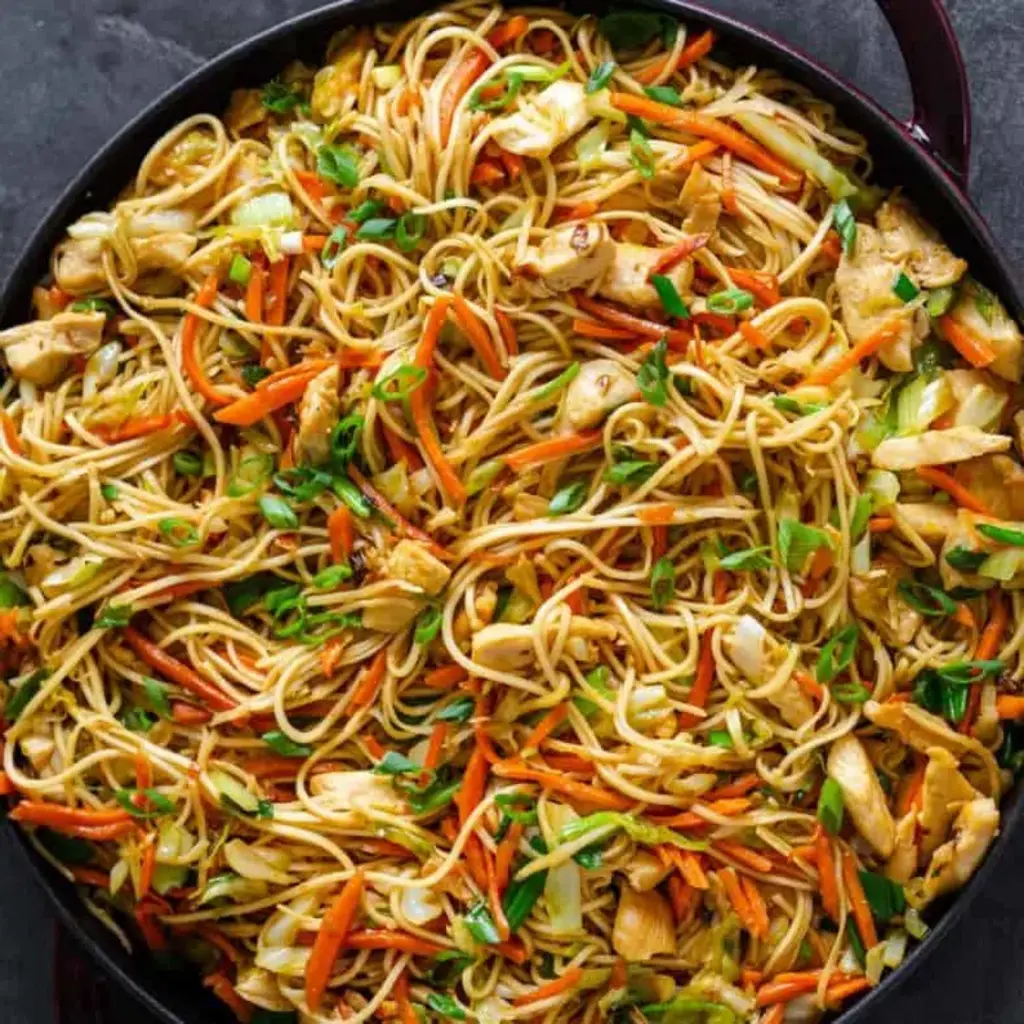
Growing up in Morocco, my mother’s kitchen was filled with the aromas of cumin, cinnamon, and slow-simmered tagines. But when I moved to New York City and trained at a French culinary school in Paris, I discovered a new love – the bold, saucy stir-fries of Chinese-American takeout. This Chicken Chow Mein Recipe is my love letter to that craving: tender chicken, crisp vegetables, and the most incredible Best Chow Mein Sauce you’ll ever taste. It’s a one-pan dinner that comes together in 30 minutes, and I promise you’ll never order takeout again.
Picture this: golden-brown chicken strips, glossy with a savory-sweet sauce that clings to every strand of chow mein noodles. The cabbage softens just enough to release a hint of sweetness, while the carrots add a pop of color and crunch. A whisper of sesame oil ties it all together, bringing a nutty richness that reminds me of the spice markets in Marrakech – but with a distinctly New York energy. Every bite is a balance of umami, slight sweetness, and that irresistible wok-hei aroma you only get from high heat.
As a professional cook who’s spent years perfecting sauce work in Paris, I can tell you the secret to this dish is the sauce – not too thick, not too thin, with just the right amount of oyster sauce, soy, and a touch of sugar. I’ll share my 💡 mia’s Pro Tip for avoiding soggy noodles and the one mistake most home cooks make. This Easy Chicken Chow Mein is foolproof, fast, and delivers restaurant-quality results every single time.
Why This Chicken Chow Mein Recipe Is the Best
The Flavor Secret: The Homemade Chow Mein sauce uses a blend of oyster sauce (for deep umami), low-sodium soy sauce (to control salt), and a touch of granulated sugar (to balance). The light sesame oil is key – it’s not toasted, so it adds a subtle nuttiness without overpowering. This is a technique I learned in Paris: balance every component on the palate. No single flavor dominates; they all sing together.
Perfected Texture: The biggest complaint about homemade stir-fry is soggy noodles. My method? Cook the noodles al dente, rinse with cold water to stop cooking, and toss them back into the pan only after the sauce has been poured. This keeps them springy, not mushy. Plus, I sear the chicken in batches to get that golden crust – a trick from my French training that adds depth.
Foolproof & Fast: You’ll have dinner on the table in 30 minutes, using just one pan. No complicated steps, no weird ingredients. Whether you’re a busy parent, a college student, or just someone who loves good food without the fuss, this Chicken Chow Mein Recipe will become your go-to.
Best Chow Mein Sauce Ingredients
I pick up most of these at my local Asian market in Chinatown, NYC. The fresh cabbage and carrots come from the Union Square Greenmarket (summer weekends are the best!). The oyster sauce – I always buy Lee Kum Kee, the same brand my mother used in Morocco for her own stir-fries. It’s a small connection that makes this dish feel like home.
Ingredients List
- 1 lb chicken breast (boneless, skinless)
- 3 Tbsp oil (vegetable or canola)
- 12 oz chow mein noodles (uncooked)
- 2 cups cabbage (shredded)
- 1 large carrot (julienned)
- 1/2 batch green onions (sliced, for garnish)
- 2 garlic cloves (pressed or minced)
- 4 Tbsp oyster sauce (or to taste)
- 3 Tbsp low sodium soy sauce
- 3 Tbsp light sesame oil (not toasted)
- 1/2 cup chicken broth
- 1 Tbsp corn starch
- 1 Tbsp granulated sugar
Ingredient Spotlight
Oyster Sauce: This is the heart of the sauce. It provides that deep, savory umami that makes chow mein so addictive. Look for a brand that lists oyster extract as a main ingredient. In a pinch, you can use hoisin sauce mixed with a splash of fish sauce, but the flavor will be slightly sweeter and less briny.
Light Sesame Oil: Do not substitute with dark toasted sesame oil – it’s too strong and will overpower the dish. Light sesame oil (sometimes labeled “pure” or “untoasted”) has a mild, nutty flavor. If you can’t find it, use a neutral oil like avocado and add a few drops of toasted sesame oil at the end.
Chow Mein Noodles: Fresh or dried? Both work. Fresh noodles (found in the refrigerated section) cook faster and have a chewier texture. Dried noodles are more stable. I often use the refrigerated ones from Twin Marquis – a NYC Chinatown staple.
| Original Ingredient | Best Substitution | Flavor / Texture Impact |
|---|---|---|
| Oyster Sauce | Hoisin + fish sauce | Sweeter, less briny; still delicious |
| Light Sesame Oil | Neutral oil + drop toasted sesame | Milder nuttiness; adjust to taste |
| Chicken Breast | Chicken thigh or pork loin | Thighs juicier; pork adds different richness |
| Chow Mein Noodles | Lo mein noodles or spaghetti | Lo mein thicker; spaghetti less chewy |
How to Make Chicken Chow Mein — Step-by-Step
Follow these steps, and you’ll have a perfect Homemade Chow Mein that rivals any takeout. I’ll guide you through each stage with chef-level tips.
Step 1: Make the Sauce
In a small bowl, whisk together 4 Tbsp oyster sauce, 3 Tbsp low sodium soy sauce, 3 Tbsp light sesame oil, 1 Tbsp granulated sugar, 1/2 cup chicken broth, and 1 Tbsp corn starch. Make sure the cornstarch is fully dissolved – no lumps. Set aside.
💡 mia’s Pro Tip: Whisk the cornstarch into the cold broth first before adding the other liquids. This prevents clumps and ensures a silky sauce every time.
Step 2: Cook the Noodles
Cook 12 oz chow mein noodles according to package instructions – usually 3-4 minutes in boiling water. Drain, rinse with cold running water to stop cooking, and toss with a teaspoon of oil to prevent sticking. Set aside.
⚠️ Common Mistake to Avoid: Overcooking the noodles. They will continue to cook in the wok, so aim for al dente. Rinsing with cold water is non-negotiable – it removes excess starch that makes them gluey.
Step 3: Sear the Chicken
Heat a large wok or heavy-bottomed pan over medium-high heat. Add 3 Tbsp oil. Cut 1 lb chicken breast into bite-sized strips and cook in a single layer (don’t overcrowd – work in two batches if needed). Sear until golden brown on all sides, about 3-4 minutes. Remove chicken and set aside.
💡 mia’s Pro Tip: Pat the chicken dry with paper towels before cooking. Wet chicken steams instead of searing, and you’ll lose that beautiful golden crust.
Step 4: Sauté Vegetables
In the same pan, add 2 cups shredded cabbage, 1 julienned carrot, and 2 pressed garlic cloves. Sauté for 2-3 minutes until cabbage is slightly translucent and carrots begin to soften. The garlic should be fragrant but not burnt.
⚠️ Common Mistake to Avoid: Adding garlic too early – it burns and turns bitter. Add it right after the cabbage starts to wilt.
Step 5: Combine and Simmer
Return the chicken and noodles to the pan. Pour the prepared sauce over everything. Toss and stir-fry for 2 minutes, allowing the sauce to thicken and coat every strand. The noodles should be glossy and the chicken heated through.
💡 mia’s Pro Tip: Turn off the heat as soon as the sauce thickens – about 30 seconds after bubbling. Overcooking makes the noodles release starch and turn gummy.
Step 6: Garnish and Serve
Transfer to a serving platter. Sprinkle with sliced green onions (use both white and green parts for color and mild onion flavor). Serve piping hot straight from the pan.
⚠️ Common Mistake to Avoid: Skipping the green onions? Don’t – they add a fresh crunch that cuts through the richness.
| Step | Action | Duration | Key Visual Cue |
|---|---|---|---|
| 1 | Make sauce | 2 mins | Cornstarch fully dissolved |
| 2 | Cook noodles | 4 mins | Al dente, no white center |
| 3 | Sear chicken | 3-4 mins | Golden brown crust |
| 4 | Sauté veggies | 2-3 mins | Cabbage translucent |
| 5 | Combine & simmer | 2 mins | Sauce thickens, noodles glossy |
| 6 | Garnish & serve | 1 min | Green onions bright green |
Serving & Presentation
I love serving this Easy Chicken Chow Mein in a large shallow bowl, family-style, so everyone can help themselves. The noodles should be piled high, with the chicken and vegetables visible on top. A final drizzle of extra sauce (if you made a double batch) and a generous sprinkle of green onions makes it look like it came from a Chinatown restaurant.
Pair it with a simple cucumber salad (a quick pickle with rice vinegar, sugar, and chili flakes – my Parisian chef’s twist) or steamed dumplings from the freezer aisle. For drinks, an ice-cold Tsingtao beer or a crisp Sauvignon Blanc works beautifully. My New York dinner parties often end with this dish and a round of fortune cookies – it’s comfort food with a touch of elegance.
| Pairing Type | Suggestions | Why It Works |
|---|---|---|
| Side Dish | Cucumber salad, egg drop soup, spring rolls | Light, refreshing sides balance the savory noodles |
| Sauce / Dip | Chili oil, soy vinegar dip, duck sauce | Adds heat or tang as desired |
| Beverage | Tsingtao beer, Sauvignon Blanc, jasmine iced tea | Crisp, acidic drinks cut through the oiliness |
| Garnish | Green onions, sesame seeds, crispy fried shallots | Adds texture and visual appeal |
Make-Ahead, Storage & Reheating
As a busy NYC home cook, I often make double batches on Sunday and enjoy leftovers for lunch. The trick is to store the noodles and sauce separately if you can. But if you’ve already combined them, follow these guidelines to keep your Homemade Chow Mein tasting fresh.
| Method | Container | Duration | Reheating Tip |
|---|---|---|---|
| Refrigerator | Airtight container | Up to 3 days | Reheat in a hot wok with a splash of water; microwave not recommended |
| Freezer | Freezer-safe bag (flat) | Up to 1 month | Thaw overnight; reheat in pan – add a little broth to refresh sauce |
| Make-Ahead | Store sauce + noodles separately | Prep 1-2 days before | Blanch noodles, rinse, oil; refrigerate. Cook chicken & veggies fresh, then combine. |
If you’re reheating the fully assembled dish, the best method is to toss it in a hot non-stick pan with a teaspoon of water or chicken broth. Cover for 30 seconds to steam, then uncover and stir-fry until hot. This revives the sauce and keeps the noodles from drying out. Avoid the microwave – it makes the noodles rubbery and the chicken tough.
Variations & Easy Swaps
| Variation | Key Change | Best For | Difficulty Impact |
|---|---|---|---|
| Spicy Sichuan Chow Mein | Add 1 Tbsp chili bean paste (doubanjiang) + Sichuan peppercorns | Heat lovers, Chinese food enthusiasts | Easy (add with sauce) |
| Gluten-Free / Soy-Free | Use tamari (gluten-free soy) + rice noodles + oyster sauce from gluten-free brand | Dietary restrictions, Celiac | Easy (swap ingredients) |
| Vegetarian / Vegan | Replace chicken with extra firm tofu or mushrooms + use vegetarian oyster sauce | Plant-based eaters | Medium (tofu pressing & searing) |
Spicy Sichuan Chow Mein
For a fiery twist that reminds me of the street food I tried in Chengdu during a cooking trip, stir in 1 Tbsp of chili bean paste and a pinch of ground Sichuan peppercorns (the numbing kind) along with the sauce. The heat is balanced by the sweetness of the oyster sauce, and the “mala” sensation is addictive. Serve with extra chili oil on the side – I always keep a jar from my NYC Chinatown haunts.
Gluten-Free / Soy-Free Chow Mein
This is my go-to when friends with celiac disease come over. Swap the soy sauce for tamari (gluten-free and wheat-free), use gluten-free oyster sauce (available at Whole Foods), and replace chow mein noodles with rice noodles or gluten-free ramen. The texture will be slightly different – rice noodles are more delicate – so reduce cooking time by a minute. The flavor is still spot-on.
Vegetarian / Vegan Twist
Replace the chicken with 8 oz of extra-firm tofu (pressed and cut into strips) or a medley of mushrooms (shiitake, oyster, cremini). Sear them until golden before adding vegetables. Use vegetarian oyster sauce (often made from mushrooms) or just double the soy and add a dash of liquid smoke. This version is so satisfying that even carnivores won’t miss the meat.
What is the best chow mein sauce recipe for chicken chow mein?
The best chow mein sauce for chicken chow mein balances savory, sweet, and nutty flavors. My go-to recipe uses 4 tablespoons of oyster sauce for deep umami, 3 tablespoons low sodium soy sauce for saltiness, 3 tablespoons light sesame oil for a mild nutty note, 1 tablespoon granulated sugar for a touch of sweetness, 1/2 cup chicken broth to thin it out, and 1 tablespoon cornstarch as a thickener. Whisk everything together until the cornstarch dissolves, then pour it over the stir-fry at the end. This sauce clings perfectly to the noodles and chicken without being gloppy. You can adjust the sweetness or saltiness to your taste, but this ratio has been tested in my NYC kitchen dozens of times.
How do you keep chicken chow mein from getting soggy?
The key to non-soggy chicken chow mein is a three-step process: First, cook your noodles al dente (they will continue cooking in the pan). Second, rinse them immediately with cold water after draining to stop the cooking and remove surface starch. Third, toss them with a teaspoon of oil to keep them separate. When you add the noodles to the wok at the very end, stir-fry for only 1-2 minutes – just long enough to heat through and coat with sauce. Overcooking is the #1 cause of soggy noodles. Also, make sure your pan is very hot (a proper wok or cast-iron skillet works best) so the sauce thickens quickly and doesn’t steam the noodles. Follow my step-by-step instructions above for perfect texture.
Can I substitute oyster sauce in chow mein sauce?
Yes, you can substitute oyster sauce in a pinch, but the flavor will change slightly. The best substitute is hoisin sauce mixed with a splash of fish sauce – use 3 tablespoons hoisin + 1 tablespoon fish sauce for a similar depth. Hoisin adds sweetness and a hint of five-spice, while fish sauce brings the briny umami. Another option is mushroom sauce (vegetarian “oyster” sauce) made from mushrooms – it’s widely available and works well for vegan versions. If you have neither, you can simply double the soy sauce and add a teaspoon of sugar and a splash of Worcestershire sauce (though it won’t be as authentic). For this recipe, I highly recommend using the real thing – it’s the backbone of the sauce.
What type of noodles are best for chicken chow mein?
The best noodles for chicken chow mein are fresh chow mein noodles – they’re slightly thick, chewy, and hold up well to stir-frying. You’ll find them in the refrigerated section of Asian grocery stores or well-stocked supermarkets (look for Twin Marquis or a similar brand). If fresh aren’t available, dried chow mein noodles (sometimes labeled “lo mein stir-fry noodles”) work well – just cook them a minute less than the package suggests. Avoid using thin spaghetti or angel hair pasta – they’re too delicate and will turn mushy. Also avoid rice noodles for this specific dish (they’re better for pho or pad Thai). For an authentic takeout-style result, fresh chow mein noodles are your best bet.
Can I use chicken thighs instead of chicken breast?
Absolutely – chicken thighs are actually wonderful in this dish because they’re juicier and more forgiving. Boneless, skinless thighs will stay tender even if you cook them a minute or two longer. Just cut them into bite-sized strips and sear exactly as you would chicken breast. The only difference is that thighs may render a bit more fat, so you can reduce the cooking oil by a tablespoon. Dark meat also has a richer flavor that pairs beautifully with the savory sauce. Many of my NYC friends prefer thighs for meal prep because they reheat better. Go for it!
How do I make this chicken chow mein gluten-free?
Making this chicken chow mein gluten-free is simple with a few swaps. First, use tamari or a certified gluten-free soy sauce instead of regular soy sauce. Second, choose a gluten-free oyster sauce (many brands like Lee Kum Kee offer a GF version, or use mushroom-based vegetarian oyster sauce). Third, swap the chow mein noodles for gluten-free rice noodles, sweet potato noodles (dangmyeon), or gluten-free ramen noodles. Finally, check your chicken broth for any gluten additives – most are fine, but it’s worth reading the label. The flavor will be slightly different but still delicious. I’ve tested this version for friends with celiac disease and they gave it two thumbs up!
Can I add other vegetables to chicken chow mein?
Yes, this Chicken Chow Mein Recipe is very customizable. Classic additions include bean sprouts (add them in the last minute for crunch), sliced bell peppers, snap peas, broccoli florets, or even bok choy. Keep the total vegetable volume around 2-3 cups so the dish doesn’t become watery. If using broccoli, blanch it first for 1 minute because it takes longer to cook than cabbage. Remember that vegetables release moisture, so after adding them, increase the heat to high to evaporate excess liquid before adding sauce. I love adding a handful of snow peas when I find them at the Union Square Greenmarket in spring – they add a lovely sweetness and crunch.
Can I make chicken chow mein ahead of time for meal prep?
Absolutely – this dish is great for meal prep with a few adjustments. The best strategy is to cook the sauce, noodles, chicken, and vegetables separately, then combine only what you’ll eat immediately. Store the components in separate containers in the fridge for up to 3 days. When you’re ready to eat, quickly stir-fry the chicken and vegetables together, add the noodles, and toss with the sauce. This prevents the noodles from absorbing too much sauce and becoming soggy. If you’ve already assembled the whole dish, portion it into individual containers and reheat in a hot pan with a splash of water (avoid the microwave for best texture). I often make a double batch on Sunday and enjoy it for quick lunches throughout the week.
Is this chicken chow mein recipe spicy?
As written, this Chicken Chow Mein Recipe is not spicy – it’s savory-sweet with a mild nuttiness from the sesame oil. However, it’s very easy to add heat. For a mild kick, stir in 1-2 teaspoons of sriracha or chili garlic sauce along with the sauce. For medium heat, add 1 tablespoon of chili bean paste (doubanjiang). For intense heat (my personal preference), add both chili bean paste and a drizzle of chili oil at the end, plus a pinch of Sichuan peppercorns for that tingly numbing sensation. I always serve extra chili oil on the table so everyone can adjust to their own tolerance. My Moroccan roots love spice – so if you see me eating this, there’s usually a generous swirl of chili oil on top!
What can I serve with chicken chow mein?
Chicken chow mein is a complete meal on its own, but it pairs beautifully with other Chinese-American favorites. For a classic takeout spread, serve it alongside egg rolls (baked or fried), crab rangoon, or simple steamed dumplings. A light cucumber salad with rice vinegar and sesame seeds makes a refreshing contrast. For soup lovers, egg drop soup or hot and sour soup are perfect starters. As for drinks, Tsingtao beer is the classic choice – light and crisp to cut through the richness. A Sauvignon Blanc or unoaked Chardonnay also works well. And of course, don’t forget fortune cookies for dessert! That’s how I always finish my NYC dinner parties.
Share Your Version!
Now it’s your turn! I truly believe the best recipes are the ones that get shared and tweaked. Did you try this Chicken Chow Mein Recipe? Did you double the garlic, add extra heat, or use a different noodle? I’d love to hear about it. Please leave a star rating below and share your experience in the comments – especially if you discovered a new favorite substitute or technique.
And if you take a photo of your beautiful Homemade Chow Mein, tag me on Pinterest @exorecipe when you post it. I love seeing your creations and often share reader variations on my own feed. What’s one thing you’d like to learn next? Let me know and I might just create a recipe for it. From my NYC kitchen to yours — I hope this recipe brings as much warmth to your table as it does to mine. — mia 🧡
Love This Recipe? Save It to Pinterest!
If you enjoyed this Chicken Chow Mein with the Best Chow Mein Sauce recipe, don’t let it get lost in your browser tabs! 😄 Pin it now so you can find it again anytime — and explore hundreds more tried-and-tested recipes waiting for you on my Pinterest boards.
👉 Follow mia on Pinterest @exorecipe
📌 Pin this recipe · 🔁 Re-pin your favorites · 💬 Tag me when you make it — I love seeing your creations!
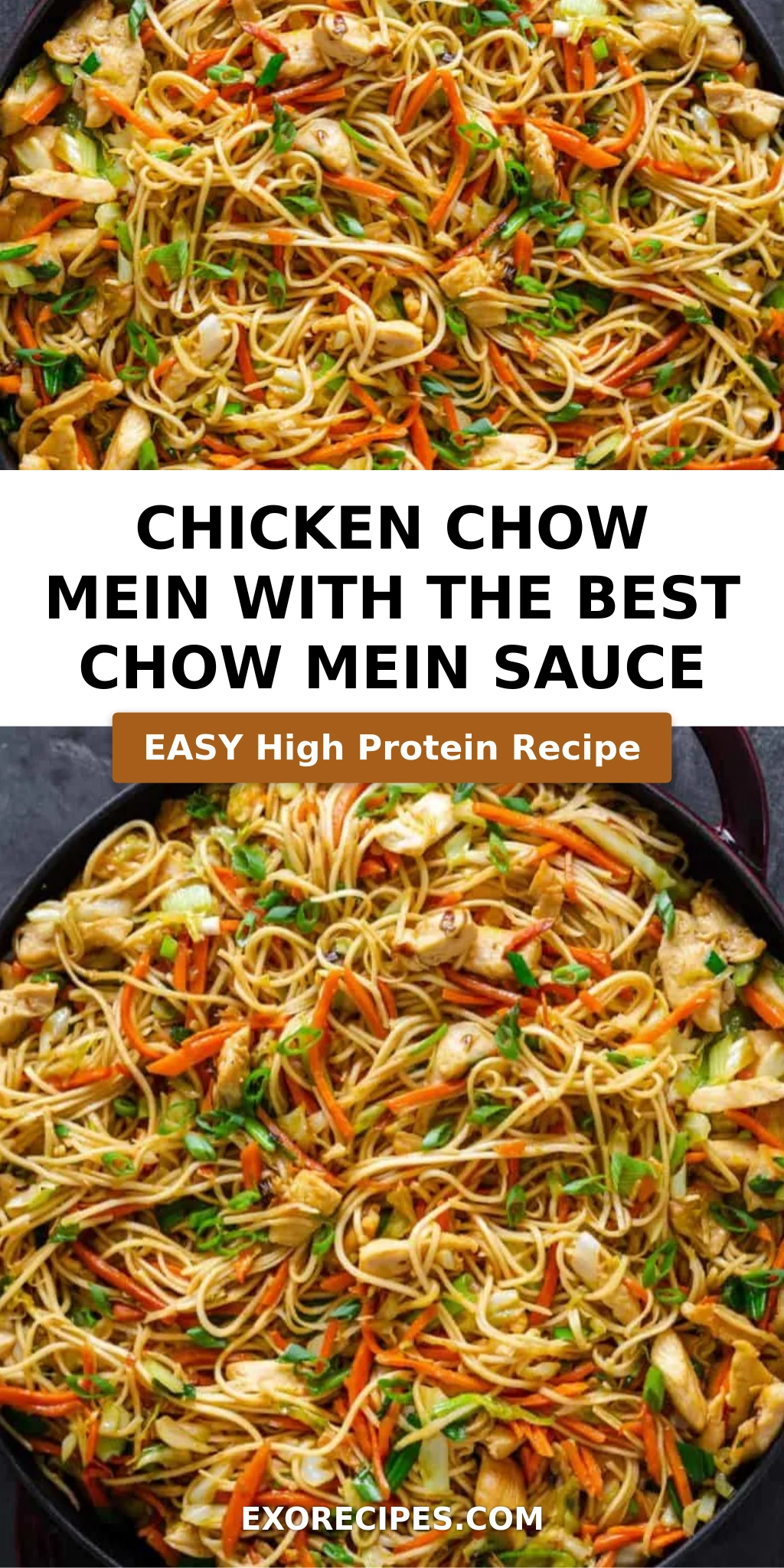
Chicken Chow Mein with the Best Chow Mein Sauce
Description
Chicken chow mein is so much better than takeout! It is filled with chicken, veggies, classic chow mein noodles and the best homemade chow mein sauce. You will love this one pan dinner!
Ingredients
- 1 lb chicken breast (boneless, skinless)
- 3 Tbsp oil
- 12 oz chow mein noodles ((uncooked noodles))
- 2 cups cabbage
- 1 large carrot (julienned)
- 1/2 batch green onions
- 2 garlic cloves
- 4 Tbsp oyster sauce (or added to taste*)
- 3 Tbsp low sodium soy sauce
- 3 Tbsp light sesame oil ((not toasted))
- 1/2 cup chicken broth
- 1 Tbsp corn starch
- 1 Tbsp granulated sugar
Instructions
- In a small mixing bowl, use a whisk to combine oyster sauce, granulated sugar, sesame oil, soy sauce, chicken broth and cornstarch. Set aside.
- Cook your noodles according to package instructions then drain, rinse with cold water and set aside.
- Heat a large wok or pan with olive oil over medium-heat. Cut your chicken breasts into bite-sized strips and cook them in the oil until golden brown. Remove strips and set aside.
- Add carrots, cabbage and pressed garlic and saute for a few minutes until veggies are slightly softened and the cabbage is a bit translucent.
- Add chicken and noodles back into the pan. Pour sauce over the top and continue cooking all the ingredients together for another 2 minutes.
- Garnish your chow mein with chopped green onions and serve the noodles straight from the pan and piping hot!
Nutrition
- Calories: 340 kcal
- Sugar: 3 g
- Fat: 13 g
- Carbohydrates: 36 g
- Protein: 19 g
Tried This Recipe? Leave a Comment!
Did you make this recipe? I’d love to hear how it turned out! Please leave a comment and a rating below. Your feedback helps other home cooks and supports cheerychop.com!
For more delicious inspiration, follow me on Pinterest!
