“`html
Table of Contents
Beef Lo Mein with Vegetables: A Flavorful Homemade Stir-Fry You’ll Love – Better Than Takeout in 35 Minutes
I still remember the first time I made a really good beef lo mein at home. It was a rainy Tuesday in my little NYC apartment, and I was craving the smoky, savoury noodles from the Chinese takeout spot down the block. But instead of ordering, I decided to channel everything I learned during my Paris culinary training—about sauce work, about high-heat cooking, about building layers of flavour—and create my own homemade beef lo mein. That night, with the smell of ginger and garlic filling my kitchen and the satisfying sizzle of flank steak hitting a hot wok, I knew I had something special. This beef lo mein recipe is the result of that evening and hundreds of tests since: a quick, 35-minute stir-fry that delivers tender beef, crisp vegetables, and noodles coated in a deeply flavorful sauce. No takeout container required.
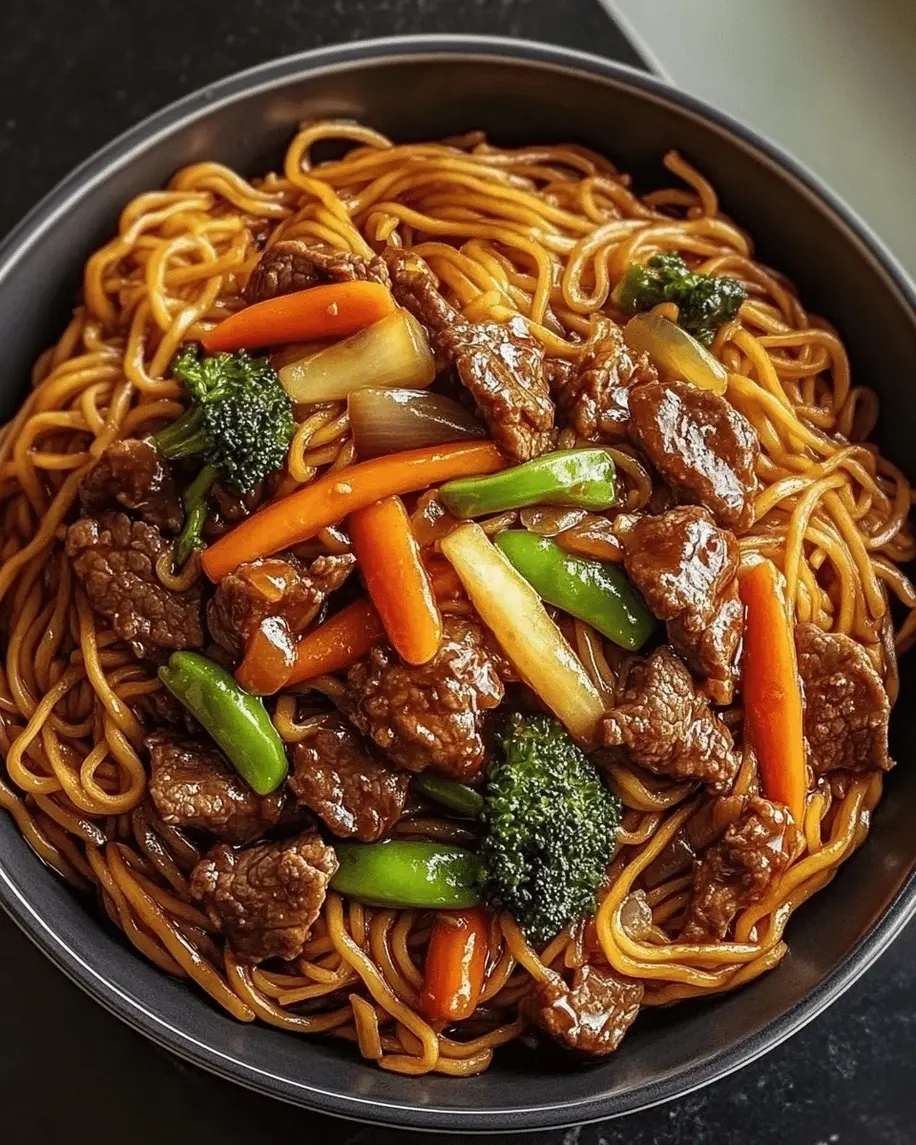
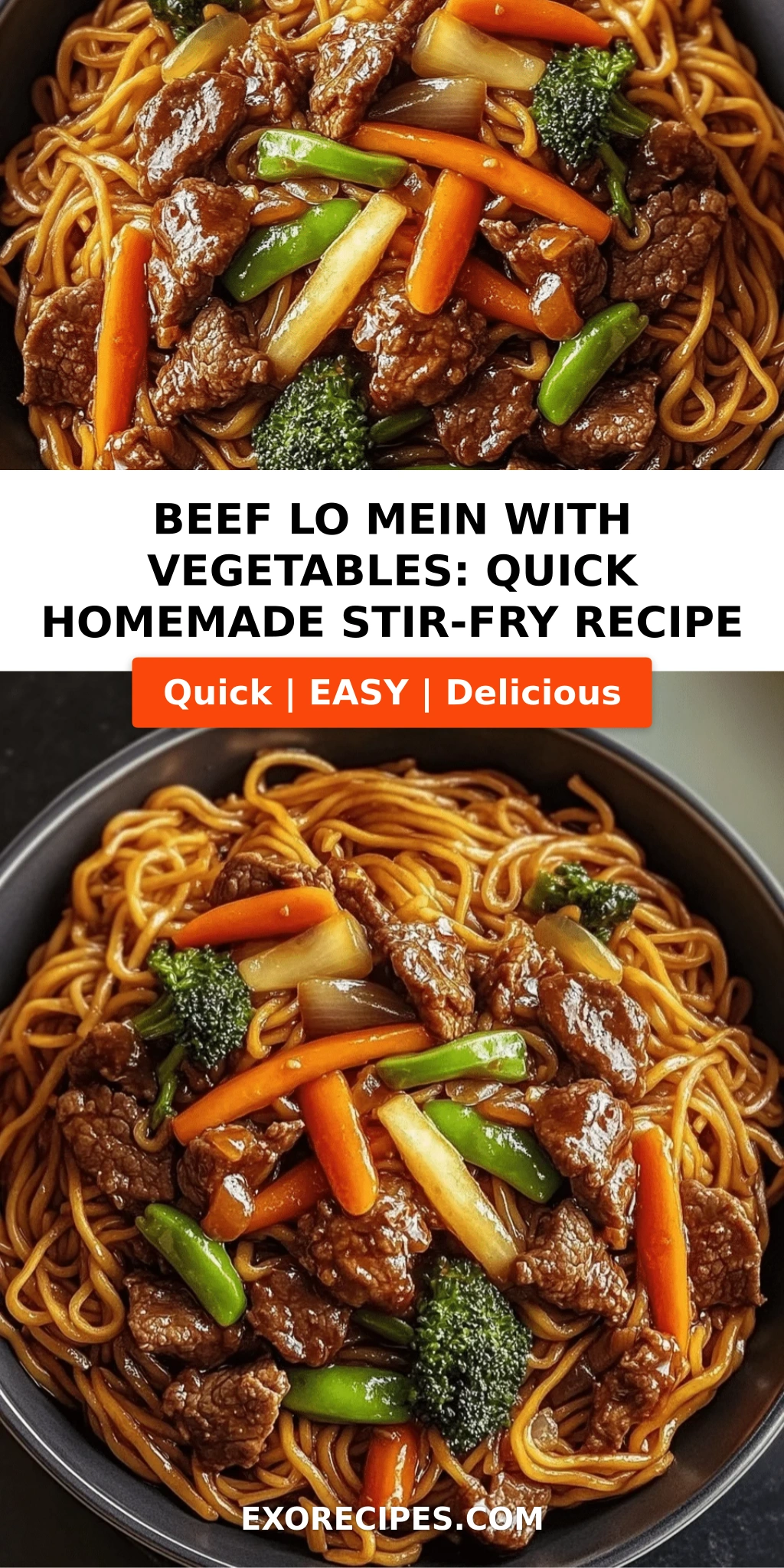
Let me paint you a picture: thick, chewy lo mein noodles glistening with a glossy, umami-rich sauce that clings to every strand. Strips of flank steak, seared until caramelized on the outside and still tender inside. Bell peppers in bright red and yellow, softened just enough to release their sweetness, and broccoli florets that keep a pleasant crunch. A whisper of sesame oil and white pepper lifts everything, while fresh ginger and garlic provide that aromatic punch you recognize from your favourite noodle shop. The texture is what gets me every time—the noodles are bouncy, the beef is juicy, and the vegetables add a fresh contrast. It’s the kind of dish that makes you close your eyes on the first bite.
What sets this homemade beef lo mein apart from the rest? It’s the sauce. I spent weeks in my Paris training learning how to balance savoury, sweet, and acidic elements in a single pan, and that technique is the backbone of this recipe. A combination of soy sauce, dark soy sauce, hoisin, brown sugar, rice vinegar, and a touch of sesame oil creates a sauce that is bold but not heavy, sweet but not cloying. The secret? A teaspoon of cornstarch whisked in at the end gives it that signature gloss and body—no gloopiness, just perfect coating. My Paris chef always said, “A great sauce makes the dish,” and he was right. 💡 mia’s Pro Tip: Slice your beef against the grain and marinate it briefly in soy sauce—this guarantees tenderness and depth in every bite. Let me show you how to bring this easy lo mein recipe to life.
Why This Beef Lo Mein Recipe Is the Best
The Flavor Secret – This isn’t just another stir-fry. The sauce is built like a French gastrique: soy sauce for salt, brown sugar for sweetness, rice vinegar for acidity, and hoisin for depth. I learned this balancing act at Le Cordon Bleu in Paris, and it transforms a simple weeknight dinner into something that tastes like it came from a wok master. The dark soy sauce adds colour and a subtle molasses note, while a pinch of white pepper—my Moroccan mother’s influence—adds a gentle warmth you won’t get from black pepper.
Perfected Texture – The biggest challenge with homemade beef lo mein is getting the beef right. My technique comes straight from my Paris training: sear the meat in a single layer over high heat and let it cook undisturbed for a full minute before tossing. This creates a deep, caramelized crust while keeping the inside tender. The vegetables are stir-fried just until crisp-tender—still bright, still with a bite. And the noodles? Rinsed under cold water after cooking to stop the cooking and remove excess starch, so they stay springy and don’t clump.
Foolproof & Fast
I’ve tested this vegetable lo mein stir fry for busy weeknights, for meal prep, and for when friends drop by unexpectedly. The entire process—from slicing the beef to tossing the noodles in sauce—takes 35 minutes. Even if you’ve never stir-fried before, the step-by-step instructions with visual cues will guide you to a perfect result. My New York City schedule doesn’t allow for complicated dinners, and this recipe proves you don’t need them. As I always say, good technique beats long cooking times every time.
Beef Lo Mein Recipe Ingredients
When I shop for this Chinese beef noodle stir fry, I head straight to my local NYC farmers market for the freshest bell peppers and broccoli, then stop by the Asian grocery on Mott Street for lo mein noodles and hoisin sauce. There’s something about choosing ingredients with intention—a practice I learned from my mother in Morocco, who would hand-select every vegetable for her tagines. Here’s everything you’ll need for this homemade beef lo mein.
Ingredients List
- 8 ounces lo mein noodles or spaghetti
- 1 pound flank steak, thinly sliced against the grain
- 3 tablespoons soy sauce, divided
- 2 tablespoons vegetable oil, divided
- 1 red bell pepper, thinly sliced
- 1 yellow bell pepper, thinly sliced
- 2 cups broccoli florets
- 3 cloves garlic, minced
- 1 tablespoon fresh ginger, grated
- 3 green onions, sliced
- For the Sauce:
- 1/4 cup soy sauce
- 2 tablespoons dark soy sauce (or regular soy sauce)
- 2 tablespoons hoisin sauce
- 1 tablespoon brown sugar
- 1 tablespoon rice vinegar
- 1 teaspoon sesame oil
- 1 teaspoon cornstarch
- 1/4 teaspoon white pepper (or black pepper)
Ingredient Spotlight
Flank Steak – This cut is lean, flavourful, and affordable. When sliced thinly against the grain, it stays tender even with quick, high-heat cooking. Look for a piece with even thickness and a deep red colour. If flank steak isn’t available, sirloin or skirt steak work beautifully—just be sure to slice against the grain. 💡 mia’s Pro Tip: Pop the steak in the freezer for 15 minutes before slicing; it firms up just enough to make thin, even slices a breeze.
Lo Mein Noodles – Fresh lo mein noodles have a wonderful chew that stands up to the sauce. I find them in the refrigerated section of most supermarkets or Asian grocery stores. If you can’t find them, dried spaghetti or chow mein noodles are excellent substitutes. The key is to cook them al dente and rinse under cold water to stop the cooking and remove excess starch—this prevents clumping and ensures they grab onto the sauce.
Dark Soy Sauce – This ingredient is my secret weapon. Dark soy sauce is aged longer and has a thicker consistency, deeper colour, and a hint of molasses sweetness. It gives the noodles that gorgeous, takeout-style mahogany sheen. If you don’t have it, use regular soy sauce mixed with a pinch of brown sugar for colour and depth.
Hoisin Sauce – Hoisin adds a sweet, salty, and slightly spicy complexity that rounds out the sauce. It’s made from fermented soybean paste and is widely available in US grocery stores. For a quick substitute, mix equal parts soy sauce and honey with a dash of garlic powder.
| Original Ingredient | Best Substitution | Flavor / Texture Impact |
|---|---|---|
| Flank Steak | Sirloin or Skirt Steak | Slightly more tender; skirt steak may need a few extra seconds of cooking. |
| Lo Mein Noodles | Spaghetti or Chow Mein Noodles | Spaghetti is slightly less chewy; chow mein noodles are lighter and crisp up more. |
| Dark Soy Sauce | Regular Soy Sauce + pinch of brown sugar | Lighter colour; slightly less depth but still delicious. |
| Hoisin Sauce | Soy Sauce + honey + garlic powder | Similar sweetness; slightly thinner consistency. |
| Rice Vinegar | Apple Cider Vinegar or White Wine Vinegar | Slightly fruitier; use a tiny bit less to maintain balance. |
How to Make Beef Lo Mein — Step-by-Step
Trust me, this easy lo mein recipe comes together faster than you think. With your ingredients prepped and your wok or skillet hot, you’ll have dinner on the table in about 15 minutes of active cooking. Let’s go step by step.
Step 1: Cook the Noodles
Bring a large pot of salted water to a rolling boil. Add the lo mein noodles and cook according to package directions, usually 3–5 minutes for fresh noodles or 8–10 minutes for dried. Drain immediately, then rinse under cold running water for about 30 seconds, tossing gently with your hands. This stops the cooking, washes away excess starch, and keeps the noodles from turning mushy. Set them aside in a colander. 💡 mia’s Pro Tip: Toss the rinsed noodles with a few drops of sesame oil after draining—this prevents sticking and adds a subtle layer of flavour.
Step 2: Marinate the Beef
Place the thinly sliced flank steak in a small bowl and add 1 tablespoon of soy sauce. Toss well to coat every piece. Let it sit at room temperature for 10 minutes while you prepare the sauce and chop vegetables. This short marinade does two things: it seasons the beef all the way through, and the salt helps tenderize the meat by drawing out a little moisture, which then gets reabsorbed with flavour. ⚠️ Common Mistake to Avoid: Don’t skip the marinating step or rush it—without that 10 minutes, the beef will taste bland and may turn tough during cooking.
Step 3: Make the Sauce
In a medium bowl, whisk together the 1/4 cup soy sauce, dark soy sauce, hoisin sauce, brown sugar, rice vinegar, sesame oil, cornstarch, and white pepper. Whisk until the sugar and cornstarch are fully dissolved—no lumps allowed. The cornstarch is what gives the sauce that beautiful, glossy finish that clings to the noodles and vegetables. Set the bowl near your stovetop so you can add it quickly later. 💡 mia’s Pro Tip: Taste the sauce before cooking. It should be savoury-sweet with a hint of tang. Adjust with a pinch more brown sugar if you like it sweeter, or a splash more vinegar if you want more acidity.
Step 4: Sear the Beef
Heat 1 tablespoon of vegetable oil in a large wok or heavy-bottomed skillet over high heat until it shimmers and just begins to smoke. Add the marinated beef in a single layer—don’t overcrowd; work in batches if needed. Let it cook undisturbed for 1 full minute to develop a deep, caramelized crust. Then stir-fry for another 1–2 minutes until the beef is browned on the outside but still slightly pink inside. Transfer the beef to a clean plate. ⚠️ Common Mistake to Avoid: Crowding the pan causes the beef to steam instead of sear. If your wok isn’t big enough, cook the beef in two batches. The crust is where the flavour lives.
Step 5: Stir-Fry Vegetables
Add the remaining 1 tablespoon of vegetable oil to the same wok. Toss in the sliced bell peppers, broccoli florets, minced garlic, and grated ginger. Stir-fry over high heat for 2–3 minutes, keeping the vegetables moving constantly. You want the broccoli to turn bright green and the peppers to soften slightly but still hold their shape—crisp-tender is the goal. The garlic and ginger should become fragrant but not burnt. 💡 mia’s Pro Tip: If your garlic is browning too quickly, reduce the heat slightly and add a splash of water to the pan. This cools the surface and prevents bitterness.
Step 6: Combine and Toss
Return the cooked beef and the drained noodles to the wok with the vegetables. Pour the prepared sauce evenly over everything. Toss quickly and continuously with tongs or a spatula for 1–2 minutes, until the sauce thickens and coats every strand of noodle, every piece of beef, and every vegetable. The cornstarch in the sauce will activate in the heat, creating a glossy, clingy consistency. Once the sauce is bubbling and evenly distributed, remove the wok from the heat. ⚠️ Common Mistake to Avoid: Tossing timidly. Be bold—use a confident folding motion to ensure every ingredient gets coated. If the sauce seems too thick, add a tablespoon of water and toss again.
Step 7: Garnish and Serve
Transfer the beef lo mein to a large serving platter or divide among individual bowls. Scatter the sliced green onions over the top for a fresh, sharp finish. Serve immediately while the noodles are hot and the vegetables still have their crunch. This Chinese beef noodle stir fry waits for no one. 💡 mia’s Pro Tip: For an extra touch, sprinkle a few toasted sesame seeds over the top just before serving. It adds a nutty aroma and a beautiful visual contrast.
| Step | Action | Duration | Key Visual Cue |
|---|---|---|---|
| 1 | Cook & rinse noodles | 5–10 mins | Noodles are al dente; water runs clear when rinsing. |
| 2 | Marinate beef | 10 mins | Beef is evenly coated in soy sauce. |
| 3 | Whisk sauce | 2 mins | Sugar & cornstarch fully dissolved; sauce is smooth. |
| 4 | Sear beef | 2–3 mins | Deep brown crust on both sides; center still slightly pink. |
| 5 | Stir-fry vegetables | 2–3 mins | Broccoli is bright green; peppers are softened but not limp. |
| 6 | Combine & toss with sauce | 1–2 mins | Sauce thickens and glazes noodles; everything is evenly coated. |
| 7 | Garnish & serve | 1 min | Green onions scattered on top; steam rising from the dish. |
Serving & Presentation
When I serve this homemade beef lo mein, I like to bring the whole wok to the table—it feels communal and generous, the way my mother used to serve her tagines in Morocco. Pile the noodles onto a large, shallow platter or divide among wide bowls so every portion gets an equal share of beef, vegetables, and sauce. The green onions on top add a fresh, sharp contrast, and if you have toasted sesame seeds, a light sprinkle over everything adds a nutty finish and a beautiful visual texture.
In New York, I love pairing this vegetable lo mein stir fry with a simple cucumber salad—thinly sliced cucumbers dressed with rice vinegar, a pinch of sugar, and a drizzle of sesame oil. The cool, crisp cucumbers balance the warm, savoury noodles perfectly. For a heartier meal, serve it alongside steamed dumplings or egg rolls. And for a drink? A cold Sapporo or a crisp Riesling cuts through the richness of the sauce beautifully.
| Pairing Type | Suggestions | Why It Works |
|---|---|---|
| Side Dish | Cucumber salad, steamed dumplings, egg rolls | Cool, crisp sides balance the warm, savoury noodles; dumplings add protein variety. |
| Sauce / Dip | Chili oil, soy sauce with sliced chilies, hoisin sauce | Adds heat and extra layers of umami for those who like more punch. |
| Beverage | Sapporo beer, Riesling (off-dry), green tea | Crisp, cold drinks cut through the richness; green tea cleanses the palate. |
| Garnish | Sliced green onions, toasted sesame seeds, fresh cilantro leaves | Adds freshness, colour, and textural contrast. |
Make-Ahead, Storage & Reheating
Between recipe development for exorecipes.com and exploring NYC’s latest food pop-ups, my schedule is full—so I rely on make-ahead meals like this one. The good news? This beef lo mein recipe reheats beautifully if you follow a few simple rules. I often cook a double batch on Sunday, portion it out, and enjoy it for lunch or dinner throughout the week. Here’s exactly how to store and reheat it so every serving tastes as good as the first.
| Method | Container | Duration | Reheating Tip |
|---|---|---|---|
| Refrigerator | Airtight container | 3–4 days | Reheat in a hot wok or skillet with 1 tsp water to revive the sauce. |
| Freezer | Freezer-safe container or bag | Up to 2 months | Thaw overnight in fridge; reheat in a skillet over medium-high heat. |
| Make-Ahead | Separate components | 2 days in advance | Prep vegetables, slice beef, and whisk sauce; store separately. Cook fresh when ready. |
The best way to reheat leftover beef lo mein without making it soggy is to use a hot wok or skillet. Add a tiny splash of water or chicken broth to the pan, then add the noodles and toss over high heat for 1–2 minutes. The liquid creates steam that rehydrates the sauce without making the noodles mushy. Avoid the microwave—it heats unevenly and can turn the noodles rubbery and the vegetables limp. 💡 mia’s Pro Tip: If you’re meal-prepping, store the sauce separately from the noodles and vegetables. When you’re ready to eat, toss everything together in a hot pan with a splash of water—it will taste freshly made.
Variations & Easy Swaps
One of the things I love most about this easy lo mein recipe is how adaptable it is. Over the years, I’ve tested countless variations—some inspired by my Moroccan roots, others by what I find at the Union Square farmers market. Here are my favourite ways to make this dish your own.
| Variation | Key Change | Best For | Difficulty Impact |
|---|---|---|---|
| Spicy Szechuan Lo Mein | Add 1 tbsp chili bean paste and 1 tsp Szechuan peppercorns | Lovers of bold, numbing-spicy flavours | Easy (add with sauce) |
| Gluten-Free Lo Mein | Use gluten-free spaghetti or rice noodles; tamari instead of soy sauce | Gluten-sensitive diets | Easy (simple swap) |
| Mushroom & Snow Pea Lo Mein | Replace bell peppers with shiitake mushrooms and snow peas | A springtime twist with earthy, sweet notes | Easy (direct swap) |
Spicy Szechuan Lo Mein
For those who love heat, this variation is a game-changer. When I was training in Paris, one of my classmates was from Chengdu, and she taught me the magic of Szechuan peppercorns—they create a unique tingling sensation that wakes up your whole palate. Simply stir 1 tablespoon of chili bean paste into the sauce and toss in 1 teaspoon of Szechuan peppercorns (lightly crushed) along with the garlic and ginger. The result is a deeply aromatic, spicy-savoury noodle dish that’s incredibly satisfying. 💡 mia’s Pro Tip: Toast the Szechuan peppercorns in a dry pan for 30 seconds before crushing to release their full floral aroma.
Gluten-Free Lo Mein
I have several friends in NYC who follow a gluten-free diet, and I wanted them to enjoy this recipe too. The swap is simple: replace lo mein noodles with gluten-free spaghetti or wide rice noodles, and substitute the soy sauce with tamari (which is naturally gluten-free). The texture changes slightly—rice noodles are more delicate and a bit chewier—but the sauce clings just as beautifully. For best results, cook the rice noodles according to package directions and rinse them well to remove excess starch. All other ingredients remain the same, and the flavour is just as bold.
Mushroom & Snow Pea Lo Mein
In spring, when the farmers market in Union Square is bursting with fresh snow peas and earthy shiitake mushrooms, I love this seasonal twist. Replace the bell peppers with 1 cup of sliced shiitake mushrooms and 1 cup of snow peas. The mushrooms add an umami depth that complements the beef, while the snow peas bring a sweet, grassy crunch. Sauté the mushrooms first for 2 minutes before adding the other vegetables—this allows them to brown and develop their full flavour. It’s a beautiful, lighter version of the classic that still feels indulgent.
Share Your Version!
I hope this beef lo mein recipe becomes a staple in your kitchen the way it has in mine. There’s something so rewarding about pulling together a homemade stir-fry that tastes more vibrant and personal than any takeout—and knowing exactly what went into it. If you make this vegetable lo mein stir fry, I’d love to hear how it turns out. Did you try one of the variations? Did you add your own twist? Leave a star rating and a comment below to tell me about your experience. Your feedback helps me create better recipes for the exorecipes.com community, and I read every single comment.
And if you’re the type who loves sharing food photos (I know I am!), snap a picture of your homemade beef lo mein and share it on Instagram or Pinterest. Tag me @exorecipes so I can see your creation and feature it in my stories. I’d love to know: what vegetable combination did you choose, and did the sauce turn out glossy and perfect? Let’s keep the conversation going—from my NYC kitchen to yours, I’m here for all your noodle adventures. 💬
From my NYC kitchen to yours — I hope this recipe brings as much warmth to your table as it does to mine. — mia 🧡
What vegetables go best in beef lo mein for the most authentic flavor?
For an authentic Chinese beef noodle stir fry, the classic vegetable combination includes broccoli florets, bell peppers (red and yellow for sweetness and colour), and sometimes snap peas or carrots. Broccoli adds a hearty texture and mild bitterness that balances the savoury sauce, while bell peppers bring a natural sweetness and a satisfying crunch. Snow peas are another fantastic option—they cook in seconds and add a fresh, grassy note. If you want to stay true to traditional lo mein, stick with vegetables that can handle high heat without turning mushy. Mushrooms, especially shiitake, are also a wonderful addition for extra umami depth. The key is to cut everything into uniform, bite-sized pieces so they cook evenly in the short stir-fry time.
Can I substitute the type of noodles used in beef lo mein with something else?
Absolutely. While fresh lo mein noodles are traditional and have a wonderful chewy texture, you can easily substitute other noodles you already have in your pantry. Spaghetti works surprisingly well—it has a similar shape and bite, especially if you cook it al dente and rinse it with cold water to stop the cooking. Chow mein noodles are another excellent option; they are thinner and slightly crispier, which gives the dish a different but delicious texture. For a gluten-free version, rice noodles or gluten-free spaghetti are great choices. Just be sure to adjust cooking times according to the package instructions, and always rinse the noodles after cooking to remove excess starch—this prevents clumping and helps the sauce coat each strand evenly.
How do I prevent the beef from becoming tough when stir-frying lo mein?
The number one secret to tender beef in any stir-fry is slicing it against the grain. Look at the raw flank steak and identify the direction of the muscle fibres—slice perpendicular to those lines. This breaks up the long fibres so the meat stays tender when cooked quickly over high heat. A second essential step is a short soy sauce marinade: 10 minutes with 1 tablespoon of soy sauce seasons the beef and helps break down proteins slightly. Finally, cook the beef in a single layer in a very hot wok or skillet, and let it sear undisturbed for 1 minute before tossing. Overcrowding the pan or moving the beef too soon will cause it to steam rather than sear, leading to toughness. 💡 mia’s Pro Tip: Freezing the steak for 15 minutes before slicing makes it much easier to cut thin, even pieces against the grain.
What is the best way to reheat leftover beef lo mein without making it soggy?
The best method for reheating beef lo mein is to use a hot wok or a heavy skillet on the stovetop. Add a tiny splash of water or chicken broth—about 1 to 2 teaspoons—to the cold pan, then add the leftover noodles and vegetables. Toss everything over medium-high to high heat for 1 to 2 minutes, until the sauce loosens, the noodles are hot, and the liquid has mostly evaporated. The steam from the added liquid rehydrates the sauce without making the noodles waterlogged. Avoid the microwave at all costs: it heats unevenly, turns the noodles rubbery, and can make the vegetables limp and unappealing. If you’re reheating from frozen, thaw the lo mein overnight in the refrigerator first, then follow the stovetop method for best results.
Can I make beef lo mein ahead of time for meal prep?
Yes, this homemade beef lo mein is a great candidate for meal prep, with one caveat: store the components separately for the best texture. Cook the noodles, slice the beef, chop the vegetables, and whisk the sauce—then keep each in its own airtight container in the refrigerator for up to 2 days. When you’re ready to eat, quickly stir-fry everything together in a hot wok with a splash of water. This takes just 5 minutes and results in a freshly cooked taste and texture. If you’ve already combined everything, you can still store the completed dish for 3–4 days in the fridge, but the vegetables will soften over time. Reheat using the stovetop method with a splash of water to revive the sauce.
What type of beef is best for a beef lo mein recipe?
Flank steak is my go-to choice for a Chinese beef noodle stir fry because it’s lean, flavourful, and readily available in most US grocery stores. It slices beautifully into thin strips and stays tender when cooked quickly over high heat. Sirloin steak is another excellent option—it’s slightly more tender and equally flavourful. Skirt steak works well too, though it has a looser grain and may require slightly less cooking time. The most important factor is not the specific cut but how you slice it: always cut against the grain into thin, even pieces. This ensures the beef stays tender rather than chewy. If you’re on a budget, a well-trimmed round steak can work, but marinate it for at least 20 minutes to help tenderize it.
Can I use frozen vegetables in this vegetable lo mein stir fry?
Yes, but with a small adjustment. Frozen vegetables often contain more moisture than fresh, which can make your lo mein watery and prevent the sauce from clinging properly. If using frozen broccoli florets or bell pepper strips, thaw them first and pat them very dry with a clean kitchen towel or paper towels. Then stir-fry them over high heat for an extra minute to allow any remaining moisture to evaporate before adding the noodles and sauce. I recommend using fresh vegetables when you can—they offer better texture and flavour—but in a pinch, frozen works fine. 💡 mia’s Pro Tip: For the best results with frozen vegetables, spread them on a baking sheet and let them sit at room temperature for 15 minutes, then blot dry before adding to the wok.
What makes the sauce for beef lo mein taste like takeout?
The secret to that authentic takeout flavour lies in the combination of dark soy sauce and hoisin sauce. Dark soy sauce is aged longer than regular soy sauce, giving it a deeper colour, slightly thicker consistency, and a subtle molasses sweetness that creates the signature mahogany hue you see in restaurant lo mein. Hoisin sauce adds a sweet-savoury complexity with hints of garlic, fermented soybean, and warm spices. Together, they create the umami-rich base that makes the sauce taste so satisfying. A touch of brown sugar balances the salt, while rice vinegar adds a gentle acidity that lifts the whole dish. And don’t skip the cornstarch—it gives the sauce that glossy, clingy texture that coats every noodle perfectly. 💡 mia’s Pro Tip: Whisk your sauce ingredients together before you start cooking so it’s ready to pour in one go—this ensures even distribution and prevents scrambling for ingredients mid-stir-fry.
Share Your Version!
I hope this beef lo mein recipe becomes a staple in your kitchen the way it has in mine. There’s something so rewarding about pulling together a homemade stir-fry that tastes more vibrant and personal than any takeout—and knowing exactly what went into it. If you make this vegetable lo mein stir fry, I’d love to hear how it turns out. Did you try one of the variations? Did you add your own twist? Leave a star rating and a comment below to tell me about your experience. Your feedback helps me create better recipes for the exorecipes.com community, and I read every single comment.
And if you’re the type who loves sharing food photos (I know I am!), snap a picture of your homemade beef lo mein and share it on Instagram or Pinterest. Tag me @exorecipes so I can see your creation and feature it in my stories. I’d love to know: what vegetable combination did you choose, and did the sauce turn out glossy and perfect? Let’s keep the conversation going—from my NYC kitchen to yours, I’m here for all your noodle adventures. 💬
From my NYC kitchen to yours — I hope this recipe brings as much warmth to your table as it does to mine. — mia 🧡
Love This Recipe? Save It to Pinterest!
If you enjoyed this Beef Lo Mein with Vegetables recipe, don’t let it get lost in your browser tabs! 😄 Pin it now so you can find it again anytime — and explore hundreds more tried-and-tested recipes waiting for you on my Pinterest boards.
👉 Follow mia on Pinterest @exorecipe
📌 Pin this recipe · 🔁 Re-pin your favorites · 💬 Tag me when you make it — I love seeing your creations!
💬 I’d love to hear from you! Leave a comment below and let me know how your homemade beef lo mein turned out. Did you add any of your own twists? 🧡
“`
Print
Beef Lo Mein with Vegetables: A Flavorful Homemade Stir-Fry Youll Love
- Prep Time: 20 minutes
- Cook Time: 15 minutes
- Total Time: 35 minutes
- Yield: 4 1x
- Method: Main Course
- Cuisine: Chinese
Description
This homemade Beef Lo Mein with Vegetables is a quick and delicious stir-fry that rivals any takeout. Tender beef, crisp vegetables, and savory noodles are tossed in a rich, flavorful sauce. Perfect for a weeknight dinner!
Ingredients
- 8 ounces lo mein noodles or spaghetti
- 1 pound flank steak, thinly sliced against the grain
- 3 tablespoons soy sauce, divided
- 2 tablespoons vegetable oil, divided
- 1 red bell pepper, thinly sliced
- 1 yellow bell pepper, thinly sliced
- 2 cups broccoli florets
- 3 cloves garlic, minced
- 1 tablespoon fresh ginger, grated
- 3 green onions, sliced
- For the Sauce:
- 1/4 cup soy sauce
- 2 tablespoons dark soy sauce (or regular soy sauce)
- 2 tablespoons hoisin sauce
- 1 tablespoon brown sugar
- 1 tablespoon rice vinegar
- 1 teaspoon sesame oil
- 1 teaspoon cornstarch
- 1/4 teaspoon white pepper (or black pepper)
Instructions
- Cook the lo mein noodles according to package directions. Drain, rinse with cold water, and set aside.
- In a small bowl, toss the sliced beef with 1 tablespoon soy sauce. Set aside to marinate for 10 minutes.
- In a separate bowl, whisk together all sauce ingredients (1/4 cup soy sauce, dark soy sauce, hoisin sauce, brown sugar, rice vinegar, sesame oil, cornstarch, and white pepper). Set aside.
- Heat 1 tablespoon vegetable oil in a large wok or skillet over high heat. Add the beef in a single layer and cook undisturbed for 1 minute, then stir-fry for another 1-2 minutes until browned but not fully cooked. Transfer beef to a plate.
- Add the remaining 1 tablespoon vegetable oil to the wok. Add bell peppers, broccoli, garlic, and ginger. Stir-fry for 2-3 minutes until vegetables are crisp-tender.
- Add the cooked noodles and beef back to the wok. Pour the sauce over everything and toss quickly to combine. Cook for 1-2 minutes until the sauce thickens and coats the noodles and vegetables.
- Remove from heat. Garnish with sliced green onions. Serve immediately.
Notes
For best results, use flank steak or sirloin sliced very thin against the grain. If you don’t have lo mein noodles, spaghetti or chow mein noodles work well. Adjust vegetables to your preference—snow peas, carrots, or mushrooms are great additions.
Nutrition
- Calories: 450 kcal
- Sugar: 8 g
- Fat: 18 g
- Carbohydrates: 45 g
- Protein: 28 g
k">
Tried This Recipe? Leave a Comment!
Did you make this recipe? I’d love to hear how it turned out! Please leave a comment and a rating below. Your feedback helps other home cooks and supports cheerychop.com!
For more delicious inspiration, follow me on Pinterest!
