Table of Contents
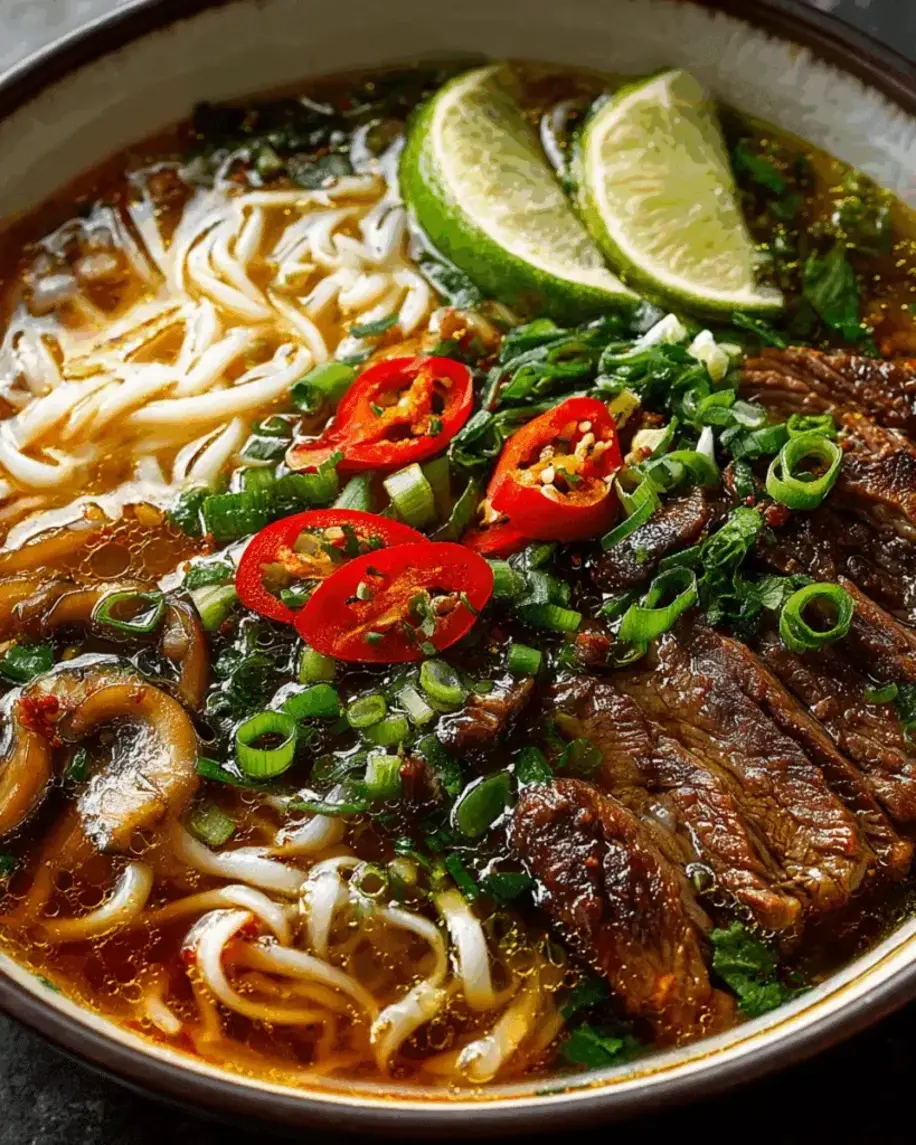
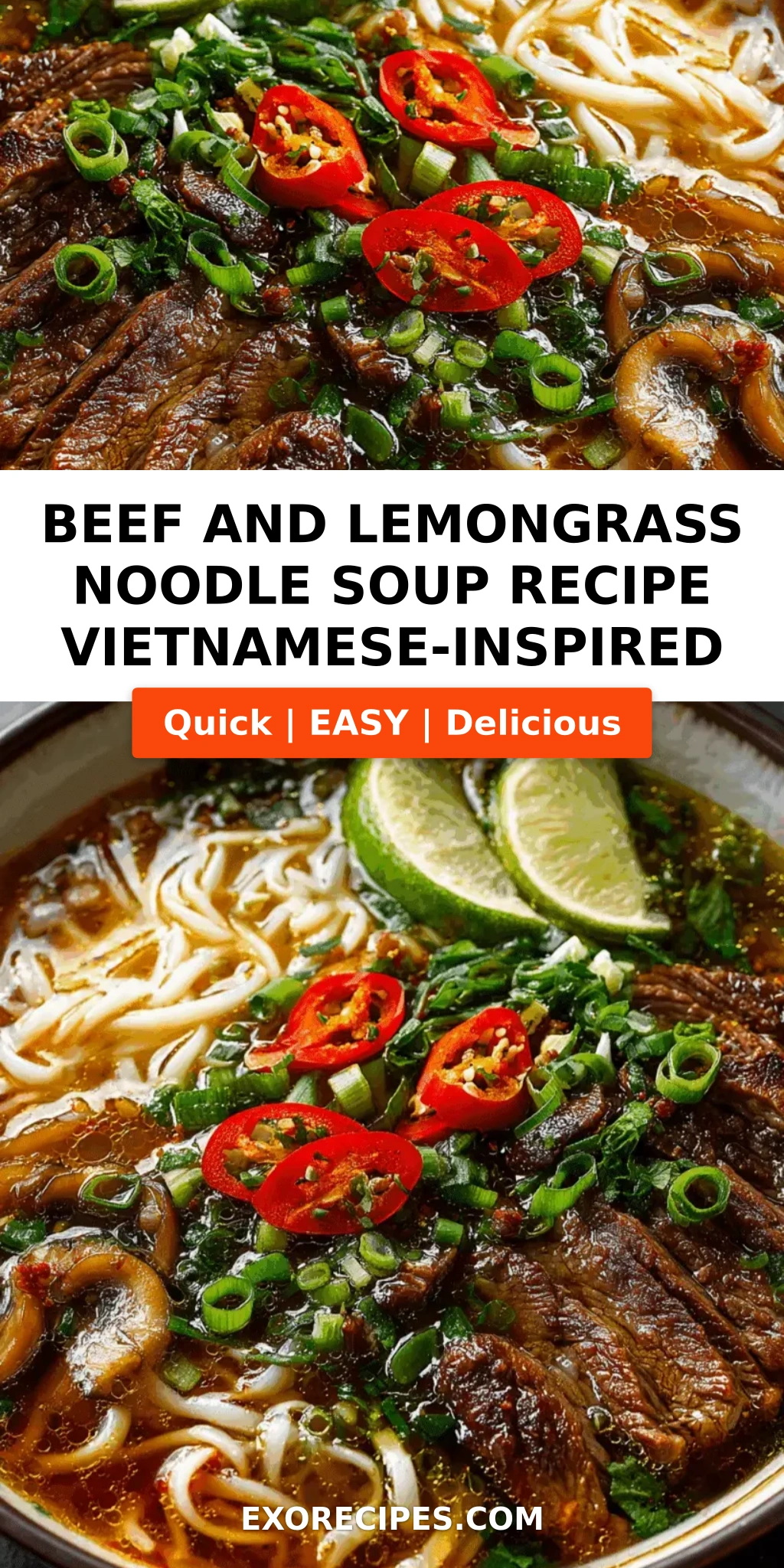
Beef and Lemongrass Noodle Soup with Mushrooms – A Soul-Warming Vietnamese-Inspired Bowl
I still remember the first time I tasted a bowl of Vietnamese phở that truly stopped me in my tracks. It was at a tiny spot in Manhattan’s Chinatown, and the broth — fragrant with star anise, ginger, and lemongrass — wrapped around me like a warm blanket on a freezing January afternoon. That bowl inspired what I now call my Beef and Lemongrass Noodle Soup with Mushrooms, a Vietnamese-inspired soup that I’ve made my own by layering in deep umami from mushrooms and a technique I picked up during my French culinary training in Paris. This soul-warming noodle bowl is the kind of meal that heals a long week, chases away the cold, and makes your kitchen smell absolutely incredible. I’ve tested this Vietnamese beef noodle soup recipe dozens of times to get every detail just right — from the way the lemongrass infuses the broth to the silky texture of the mushrooms — and I cannot wait for you to try it.
What makes this lemongrass beef soup so special is the balance it strikes between bright, herbaceous notes and deep, savory richness. The lemongrass brings a citrusy lift that cuts through the hearty beef broth, while a mix of shiitake, oyster, and cremini mushrooms adds an earthy, almost meaty depth that makes every spoonful exciting. Tender slices of beef chuck, chewy rice noodles, and a shower of fresh herbs and bean sprouts complete the bowl. The aroma that fills your kitchen as the broth simmers — lemongrass, ginger, garlic, and a hint of chili — is nothing short of intoxicating. I always tell my readers that this Vietnamese soup with mushrooms is the kind of dish you’ll want to make on a Sunday afternoon and savor all week long.
After years of cooking professionally in New York City — and growing up in a Moroccan kitchen where slow-simmered broths and bold spices were part of everyday life — I’ve learned that the best soups come from layering flavors with intention. My version of this soul-warming noodle bowl uses a French technique called double-straining the broth, which gives it a crystal-clear finish without sacrificing any of the flavor. I also want to share my favorite trick for getting the most out of lemongrass: bruising it first to release the essential oils, then simmering it just long enough so it infuses without turning bitter. One common mistake I see home cooks make is overcrowding the pan when searing the beef — that leads to steaming instead of browning, which means you lose that deep, caramelized flavor. I’ll walk you through every step so your broth turns out rich, aromatic, and absolutely unforgettable.
Why This Beef and Lemongrass Noodle Soup Recipe Is the Best
The Flavor Secret. This isn’t just another Vietnamese beef noodle soup recipe — it’s one where I’ve intentionally doubled down on umami by using three types of mushrooms and a technique called “dry-roasting” the lemongrass and ginger before adding the broth. I learned this trick during my time at culinary school in Paris, where we dry-roasted leeks and herbs to intensify their flavor before building a stock. It works like magic here: the aromatics become sweet, smoky, and deeply fragrant, and that character carries through the entire broth. Combined with the beefy richness of chuck and the clean finish of fish sauce, every sip is layered and complex.
Perfected Texture. I am particular about texture — maybe it’s the French training, maybe it’s just the way I cook. In this lemongrass beef soup, I sear the beef in batches so each piece develops a deep brown crust, then slice it thinly against the grain after resting. The mushrooms are sautéed until golden before the broth goes in, so they stay tender and meaty rather than turning soggy. And the noodles? I cook them separately and add them to each bowl right before serving, which means they stay firm and chewy rather than turning into a mushy tangle. It’s a small extra step that makes a huge difference.
Foolproof & Fast. Despite how impressive this Vietnamese soup with mushrooms tastes, it’s surprisingly straightforward. I’ve streamlined the steps so even a beginner can make a restaurant-quality bowl at home. The active cooking time is only about 30 minutes; the rest is hands-off simmering. I’ve also included my tested substitutions for hard-to-find ingredients, so you can adapt this soul-warming noodle bowl to whatever you have in your pantry. Whether you’re cooking for your family on a chilly weeknight or meal-prepping for the days ahead, this recipe delivers warmth, flavor, and comfort every single time.
Beef and Lemongrass Noodle Soup Ingredients
When I shop for these ingredients, I head straight to the Union Square Greenmarket in NYC for the freshest mushrooms and herbs, then stop by my local Asian market on Hester Street for lemongrass, fish sauce, and rice noodles. The combination of farmer’s market produce and specialty pantry staples is what makes this Vietnamese beef noodle soup recipe taste so vibrant. Below is everything you’ll need, with notes on what to look for at a regular US grocery store.
Ingredients List
- 1.5 lbs beef chuck or sirloin, thinly sliced against the grain
- 4 stalks fresh lemongrass, tough outer layers removed, bruised and chopped into 2-inch pieces
- 8 oz mixed fresh mushrooms (shiitake, oyster, and cremini), stemmed and sliced
- 8 cups low-sodium beef broth (homemade or store-bought)
- 2 tbsp fish sauce (use a high-quality brand like Red Boat or Three Crabs)
- 1 tbsp soy sauce (or tamari for gluten-free)
- 1 tbsp brown sugar (or coconut sugar)
- 3 cloves garlic, minced
- 1 large shallot, thinly sliced
- 2-inch piece fresh ginger, unpeeled but scrubbed, sliced into rounds
- 8 oz flat rice noodles (bahn pho) or thin rice vermicelli
- 2 tbsp vegetable oil (or avocado oil), divided
- 1 tsp red pepper flakes or 1 fresh Thai chili, thinly sliced (optional, for heat)
- Kosher salt and freshly ground black pepper, to taste
For garnish (as much or as little as you like): fresh cilantro sprigs, Thai basil leaves, mint leaves, bean sprouts, lime wedges, and extra sliced chili.
Ingredient Spotlight
Lemongrass is the backbone of this lemongrass beef soup. When shopping at a regular US grocery store, look for firm, pale green stalks that feel heavy for their size — avoid any that are dry, woody, or have brown spots. To get the most flavor, bruise the stalks with the flat side of your chef’s knife before chopping; this releases the aromatic oils. If you can’t find fresh lemongrass, use 3 tablespoons of lemongrass paste (sold in tubes in the produce section) — add it with the garlic and shallot. The flavor will be slightly milder but still lovely.
Mushrooms are what make this Vietnamese soup with mushrooms truly special. Shiitake adds an intense umami punch, oyster mushrooms bring a delicate, almost buttery texture, and cremini gives earthy depth. At a standard grocery store, you can substitute all three with 8 oz of baby bella mushrooms and 4 dried shiitake mushrooms (rehydrated in hot water for 20 minutes, then sliced). The dried shiitake add an extra layer of savory flavor that really elevates the broth. Don’t throw away the soaking liquid — strain it and add it to the pot!
Beef chuck is my top choice for this Vietnamese beef noodle soup recipe because it has enough marbling to stay tender during simmering, and it slices beautifully after resting. If you prefer a leaner cut, sirloin or flank steak work well — just be careful not to overcook them. For the most tender results, I recommend slicing the beef partially frozen (about 30 minutes in the freezer firms it up perfectly) so you get thin, even slices. And always slice against the grain — that’s the single most important tip for tender beef in any soup.
Rice noodles (bahn pho or vermicelli) are the traditional choice for a soul-warming noodle bowl. They’re naturally gluten-free and have a wonderful chewy texture that holds up well in hot broth. At most US grocery stores, you’ll find them in the international aisle or near the Asian ingredients. I recommend the flat, fettuccine-style pho noodles for this recipe because they soak up the broth without getting too soft. Whatever shape you choose, cook them according to package directions just before serving — and never rinse them after draining; the starch helps the broth cling to the noodles.
| Original Ingredient | Best Substitution | Flavor / Texture Impact |
|---|---|---|
| Fresh lemongrass | 3 tbsp lemongrass paste (tube) | Slightly milder citrus notes; still very good |
| Mixed fresh mushrooms | 8 oz baby bella + 4 dried shiitake (rehydrated) | Deeper umami; texture slightly firmer |
| Beef chuck | Sirloin or flank steak | Leaner; cook 2–3 minutes less for tenderness |
| Fish sauce | 2 tbsp soy sauce + 1 tsp lime juice | Less funk and depth; brighter acidity |
| Rice noodles | Soba noodles (100% buckwheat) or ramen noodles | Different chew; soba adds earthy, nutty notes |
How to Make Beef and Lemongrass Noodle Soup — Step-by-Step
This Vietnamese beef noodle soup recipe comes together in a series of simple, intentional steps. I’ll guide you through each one with the exact timings and visual cues I use in my own NYC kitchen. Let’s make some magic.
Step 1: Prep the Aromatics
Remove the tough outer layers of the lemongrass stalks until you reach the tender, pale interior. Using the flat side of a chef’s knife or a rolling pin, firmly bruise each stalk along its entire length — this cracks the fibers and releases the essential oils. Cut the bruised stalks into 2-inch pieces. Peel the ginger and slice it into ¼-inch rounds (no need to chop finely; we’ll strain these out later). Mince the garlic and slice the shallot. Have everything ready before you start cooking — this lemongrass beef soup moves fast once the pan is hot.
💡 mia’s Pro Tip: Bruise the lemongrass on a cutting board with a heavy skillet if you don’t have a rolling pin. The goal is to see the fibers separate slightly and smell the citrusy aroma immediately. That’s how you know you’ve done it right.
Step 2: Sear the Beef
Pat the sliced beef dry with paper towels (moisture is the enemy of browning). Season generously with salt and pepper. Heat 1 tablespoon of vegetable oil in a large Dutch oven or heavy-bottomed pot over medium-high heat until it shimmers. Working in batches — do not crowd the pan — sear the beef slices for 1–2 minutes per side until deeply browned. Transfer the browned beef to a plate and set aside. Repeat with the remaining beef, adding more oil if needed. This step builds the foundational flavor for your soul-warming noodle bowl.
⚠️ Common Mistake to Avoid: Crowding the pan. If you add all the beef at once, the temperature drops and the meat steams instead of searing. You’ll end up with gray, dry beef instead of golden-brown, juicy pieces. Sear in 3–4 batches — it’s worth the extra few minutes.
Step 3: Sauté Mushrooms and Aromatics
Reduce the heat to medium and add the remaining 1 tablespoon of oil to the pot. Add the sliced mushrooms and cook, stirring occasionally, for 5–6 minutes until they release their liquid and begin to brown. Add the lemongrass pieces, ginger rounds, garlic, and shallot. Cook for another 2 minutes until fragrant. The kitchen should smell incredible at this point — citrusy, earthy, and warm. If using red pepper flakes or fresh chili, add it now to bloom the heat in the oil.
💡 mia’s Pro Tip: Let the mushrooms brown undisturbed for the first 2 minutes before stirring. This gives them a golden crust that adds a layer of roasted, nutty flavor to the Vietnamese soup with mushrooms. If you stir too often, they’ll steam instead of brown.
Step 4: Build the Broth
Pour in the beef broth, scraping the bottom of the pot with a wooden spoon to release any browned bits (that’s pure flavor). Add the fish sauce, soy sauce, and brown sugar. Stir well to combine. Return the seared beef to the pot, along with any juices that accumulated on the plate. Bring the broth to a gentle boil, then immediately reduce the heat to low so it’s at a steady, gentle simmer — small bubbles rising lazily to the surface, not a rolling boil. A vigorous boil can make the beef tough and the broth cloudy.
⚠️ Common Mistake to Avoid: Boiling the broth too aggressively. A hard boil emulsifies the fat and turns the broth murky. For a clear, clean Vietnamese beef noodle soup, keep the heat low enough that the surface just trembles. Patience here pays off beautifully.
Step 5: Simmer and Strain
Cover the pot and let the lemongrass beef soup simmer gently for 25–30 minutes. After 25 minutes, remove the beef slices with a slotted spoon and set them aside (they’ve flavored the broth and are now ready to be served). Continue simmering the broth with the aromatics for another 10–15 minutes to deepen the flavor. Place a fine-mesh strainer over a large bowl or clean pot and strain the broth, pressing on the solids to extract every last drop of liquid. Discard the solids. Return the strained broth to the pot and taste — adjust with salt, pepper, or a splash of fish sauce.
💡 mia’s Pro Tip: This double-straining technique — first through a colander to remove large solids, then through a fine-mesh sieve lined with cheesecloth — is the French method I use to achieve a crystal-clear broth. It takes two extra minutes and makes your soul-warming noodle bowl look and taste restaurant-quality.
Step 6: Prepare the Noodles
While the broth simmers, cook the rice noodles according to the package directions — typically 4–6 minutes in boiling water. Drain well in a colander and rinse briefly with cool water to stop the cooking. Toss with a few drops of sesame oil or vegetable oil to prevent sticking. Keep the noodles at room temperature until ready to serve. Do not add them to the broth pot or they’ll absorb too much liquid and turn mushy.
⚠️ Common Mistake to Avoid: Overcooking the noodles. Rice noodles go from perfectly tender to gluey in about 30 seconds. Set a timer and test one noodle at the shortest recommended cooking time. They should be chewy with a slight bite — al dente, as we say in French cooking.
Step 7: Assemble the Bowls
Divide the cooked noodles among serving bowls. Arrange the reserved seared beef slices on top. Ladle the hot strained broth over the beef and noodles — the heat from the broth will gently warm the beef through without overcooking it. Pile on the garnishes: a handful of bean sprouts, a few sprigs of cilantro, Thai basil, and mint. Tuck a lime wedge on the side and add extra sliced chili if you like heat. Serve immediately and watch everyone’s faces light up with that first soul-warming noodle bowl slurp.
💡 mia’s Pro Tip: For the most dramatic presentation, pour the hot broth from a kettle or spouted cup directly over the beef and noodles at the table. It’s a showstopper, and the flash of steam releases all the lemongrass and mushroom aromas in one beautiful moment. My dinner guests in NYC always love this touch.
| Step | Action | Duration | Key Visual Cue |
|---|---|---|---|
| 1 | Prep aromatics | 5 mins | Lemongrass fibers separate; citrus aroma released |
| 2 | Sear beef in batches | 6–8 mins total | Deep golden-brown crust on both sides |
| 3 | Sauté mushrooms & aromatics | 7–8 mins | Mushrooms golden; garlic and shallot softened |
| 4 | Build the broth | 2 mins | Broth changes from clear to golden-amber |
| 5 | Simmer and strain | 35–40 mins | Broth deepens in color; clear when strained |
| 6 | Prepare noodles | 4–6 mins | Noodles are tender but chewy; white and translucent |
| 7 | Assemble bowls | 3 mins | Steam rises; herbs brighten the bowl |
Serving & Presentation
This Beef and Lemongrass Noodle Soup with Mushrooms is a meal in itself, but the way you present it can elevate the whole experience. I like to serve it in wide, shallow bowls that show off the beautiful amber broth and the colorful garnishes. Arrange the beef slices in a neat fan over the noodles, then pile the herbs and bean sprouts on one side so each person can mix them in as they eat. A lime wedge on the rim of the bowl adds a pop of yellow and invites that final squeeze of brightness. In my NYC kitchen, I often set up a small “garnish bar” with extra herbs, sliced chili, hoisin sauce, and sriracha so everyone can customize their soul-warming noodle bowl exactly the way they like it.
For a complete meal, I love pairing this Vietnamese soup with mushrooms with a simple cucumber salad dressed with rice vinegar, sesame oil, and a pinch of sugar — the cool crunch is a perfect contrast to the warm, aromatic broth. A side of crispy spring rolls or Vietnamese-style summer rolls also works beautifully. And if you’re in the mood for something to sip alongside, try a cold glass of Vietnamese iced coffee (cà phê sữa đá) or a crisp lager like Saigon Beer. My mother would probably say a glass of mint tea is the way to go — and honestly, she’s not wrong. It’s a lovely nod to the Moroccan tea tradition I grew up with, and the mint cuts through the richness of the broth beautifully.
| Pairing Type | Suggestions | Why It Works |
|---|---|---|
| Side Dish | Cucumber salad, spring rolls, summer rolls | Cool, crisp textures balance the warm broth |
| Sauce / Dip | Hoisin sauce, sriracha, chili garlic crisp | Adds sweetness, heat, and crunch |
| Beverage | Vietnamese iced coffee, Saigon Beer, mint tea | Coffee’s richness, beer’s crispness, tea’s cleansing effect |
| Garnish | Cilantro, Thai basil, mint, bean sprouts, lime, chili | Freshness, color, and customizable heat |
Make-Ahead, Storage & Reheating
As a busy mom and cook in New York City, I rely on make-ahead meals that don’t sacrifice flavor. This Vietnamese beef noodle soup recipe is one of my favorites for meal prep because the broth actually gets better after a day in the fridge — the flavors meld and deepen beautifully. My trick is to store the broth, beef, noodles, and garnishes separately and assemble each bowl fresh. Here’s exactly how I do it.
| Method | Container | Duration | Reheating Tip |
|---|---|---|---|
| Refrigerator | Airtight container (broth, beef, noodles separate) | Up to 4 days | Reheat broth in a pot until steaming; pour over room-temp noodles and beef |
| Freezer | Freezer-safe jar or bag (broth only, no noodles) | Up to 3 months | Thaw overnight in fridge; reheat gently; cook fresh noodles |
| Make-Ahead | Broth made 2 days ahead; beef cooked and sliced day-of | Up to 2 days in advance | Store broth covered in fridge; reheat, then assemble with fresh noodles and garnishes |
When reheating, I gently warm the broth in a saucepan over medium-low heat until it’s piping hot but not boiling. If the broth has thickened slightly, I add a splash of water or extra beef broth to loosen it. I never microwave the noodles — they turn rubbery. Instead, I pour the hot broth directly over the noodles in the bowl, which warms them perfectly in about 30 seconds. The beef can be added cold or at room temperature; the hot broth will bring it back to life. This method keeps every component tasting fresh, not reheated. If I’m packing this lemongrass beef soup for lunch, I use a wide-mouth thermos for the broth and a separate container for the noodles, beef, and garnishes — then assemble at the office. Trust me, the envy of your coworkers is guaranteed.
Variations & Easy Swaps
| Variation | Key Change | Best For | Difficulty Impact |
|---|---|---|---|
| Vegetarian Lemongrass “Beef” Soup | Replace beef with king oyster mushrooms or tofu; use vegetable broth | Vegetarian & vegan diners | Easy — same technique |
| Spicy Thai-Inspired Twist | Add 1 tbsp Thai red curry paste, 1 can coconut milk, and 2 kaffir lime leaves | Creamy, spicy, and aromatic lovers | Easy — just add to broth |
| Quick Weeknight Version | Use pre-sliced stir-fry beef, jarred lemongrass paste, and 2 tsp mushroom powder for depth | Busy weeknights | Very easy — 30 mins total |
Vegetarian Lemongrass “Beef” Soup
For a meatless version of this Vietnamese soup with mushrooms, substitute the beef chuck with 1 lb of king oyster mushrooms (sliced into thick strips) or 14 oz of extra-firm tofu (pressed, cubed, and pan-seared until golden). Use a high-quality vegetable broth or mushroom broth as the base. Add 1 teaspoon of mushroom powder (or an extra 4 dried shiitake mushrooms) to maintain that deep umami character. The texture of king oyster mushrooms is remarkably similar to beef when seared properly — they get chewy and satisfying. Finish the broth with the same fish sauce (or use a vegan fish sauce made from soy sauce and seaweed) and proceed exactly as written. I tested this version for a dinner party with both vegetarians and meat-eaters, and everyone went back for seconds. My French training taught me that a great stock is about layering, not just the protein — and this vegetarian version proves it beautifully.
Gluten-Free / Dairy-Free Version
This soul-warming noodle bowl is naturally gluten-free and dairy-free as written, so you’re already in a great place. Just make sure your soy sauce is labeled gluten-free (tamari is a perfect swap, and I actually prefer its cleaner, less salty flavor). Rice noodles are naturally gluten-free, and all the other ingredients — lemongrass, mushrooms, fish sauce, fresh herbs — are naturally free of gluten and dairy. If you’re serving someone with celiac disease, double-check that your beef broth doesn’t contain any wheat-based ingredients (some store-bought broths do). I recommend Pacific Foods or Swanson’s gluten-free beef broth. This is one of those rare recipes where being gluten-free doesn’t require a single compromise — the broth is already rich, the noodles are inherently chewy and satisfying, and every garnish is a fresh, whole ingredient. It’s a win for everyone at the table.
Spicy Thai-Inspired Twist
When I’m craving something with a little more heat and a touch of creaminess, I turn this Vietnamese beef noodle soup recipe into a Thai-inspired bowl by adding 1 tablespoon of Thai red curry paste and a 14-oz can of full-fat coconut milk to the broth. I also simmer 2 fresh or frozen kaffir lime leaves along with the lemongrass for an extra layer of citrusy perfume. The coconut milk mellows the heat from the curry paste while adding a luxurious, silky texture that coats the noodles and beef beautifully. The resulting broth is richer, slightly thicker, and absolutely luscious. I first made this version after a trip to a Thai grocery store in Queens, where I picked up a bag of fresh kaffir lime leaves and felt inspired to merge two of my favorite Southeast Asian soup traditions. It’s not strictly traditional, but it’s deeply satisfying — and sometimes that’s what matters most in a soul-warming noodle bowl.
What is the best cut of beef to use for beef and lemongrass noodle soup?
The best cut of beef for this Beef and Lemongrass Noodle Soup is beef chuck — it has enough marbling to stay tender during simmering and develops a deep, beefy flavor that infuses the broth beautifully. I also love sirloin or flank steak for a leaner option; just be careful not to overcook them. For the most tender results, slice the beef partially frozen (about 30 minutes in the freezer firms it up perfectly) so you get thin, even slices, and always slice against the grain. If you’re using a cut like chuck, sear it whole first, then slice it after resting — this locks in the juices and gives you beautifully textured pieces in every bowl.
Can I substitute dried mushrooms for fresh mushrooms in this Vietnamese-inspired noodle soup?
Absolutely — dried mushrooms work wonderfully in this Vietnamese soup with mushrooms, and they actually bring an even deeper umami flavor than fresh ones. For the best results, use about 1 ounce of dried shiitake mushrooms (rehydrated in 2 cups of hot water for 20 minutes) in place of the fresh mixed mushrooms. Strain the soaking liquid through a fine-mesh sieve or coffee filter and add it directly to the broth — that liquid is liquid gold and will intensify the savory depth of your lemongrass beef soup. The texture of rehydrated shiitake is firmer and chewier than fresh, which I personally love, but if you prefer a softer texture, simmer them in the broth for an extra 10 minutes.
How do you prepare lemongrass for beef and lemongrass noodle soup to get the most flavor?
To get the most flavor from lemongrass in your Beef and Lemongrass Noodle Soup, start by removing the tough outer layers until you reach the tender, pale inner stalk. Then, using the flat side of a chef’s knife or a rolling pin, firmly bruise the stalk along its entire length — you want to crack the fibers and release the essential oils without shredding the stalk apart. Cut the bruised lemongrass into 2-inch pieces and add them to the pot early in the cooking process. I also recommend dry-roasting the bruised lemongrass in the pot for 1–2 minutes before adding liquid; this caramelizes the natural sugars and intensifies the citrusy, floral notes. Fresh lemongrass is ideal, but lemongrass paste (3 tablespoons) works well in a pinch.
What type of noodles work best for a soul-warming beef and lemongrass noodle soup?
Flat rice noodles (bahn pho) are the classic and best choice for a soul-warming noodle bowl like this one. They have a wonderful chewy texture that holds up well in hot broth and absorbs just enough liquid without turning mushy. I recommend the fettuccine-style pho noodles, about ¼-inch wide — they’re sturdy enough to support the beef and mushrooms while still being tender and silky. Thin rice vermicelli is also a great option if you prefer a lighter noodle. For a gluten-free alternative, 100% buckwheat soba noodles work surprisingly well, adding an earthy, nutty flavor that complements the lemongrass and mushrooms. Whatever noodle you choose, cook them separately and add them to the bowl just before serving — never let them sit in the broth or they’ll lose their texture.
Can I make this beef and lemongrass noodle soup in a slow cooker or Instant Pot?
Yes, you can adapt this Vietnamese beef noodle soup recipe for both a slow cooker and an Instant Pot, and I’ve tested both methods in my own kitchen. For a slow cooker, sear the beef and sauté the mushrooms and aromatics on the stovetop first (this step is non-negotiable for deep flavor), then transfer everything to the slow cooker with the broth, fish sauce, soy sauce, and sugar. Cook on low for 6–8 hours, then strain and serve with freshly cooked noodles. For the Instant Pot, use the sauté function for the searing and sautéing steps, then pressure cook on high for 15 minutes with a natural release. Both methods deliver a rich, aromatic broth — just be sure to cook the noodles separately and add them at the end for the best texture.
How can I make the broth more flavorful without adding more salt?
To deepen the flavor of your lemongrass beef soup without adding extra salt, focus on browning and layering. First, make sure you sear the beef in batches until it’s deeply caramelized — those browned bits on the bottom of the pot are pure flavor. Second, roast the lemongrass and ginger in the pot for 1–2 minutes before adding the broth; this brings out their natural sweetness and complexity. Third, add 2–3 dried shiitake mushrooms to the broth as it simmers — they release glutamates that boost umami naturally. Finally, finish with a squeeze of fresh lime juice and a handful of fresh herbs just before serving. The acidity and freshness trick your palate into perceiving more flavor intensity without any extra sodium. This is a technique I learned in Paris: sometimes the best seasoning isn’t salt — it’s contrast on the plate.
Is this Vietnamese soup with mushrooms spicy? How can I control the heat?
This Vietnamese soup with mushrooms is not inherently spicy — the base recipe uses red pepper flakes as an optional ingredient, and the heat level is very mild if you include them. The dominant flavors are the citrusy lemongrass, the savory beef and mushrooms, and the aromatic ginger and garlic. To control the heat, I recommend serving chili (fresh sliced Thai chili, sriracha, or chili garlic crisp) on the side so each person can add their own. If you’re cooking for a crowd, leave the chili out entirely and let everyone customize their bowl. For those who love heat, adding a teaspoon of chili crisp or a drizzle of sriracha right before serving brings a lovely warmth that complements the broth without overwhelming it. My father-in-law from Morocco always adds a whole spoonful of harissa to his bowl — and honestly, it’s fantastic.
What can I use instead of fish sauce in this lemongrass beef soup?
If you need a substitute for fish sauce in this lemongrass beef soup, the best option is a combination of 2 tablespoons of soy sauce (or tamari for gluten-free) and 1 teaspoon of fresh lime juice. This swap mimics the salty-sour balance of fish sauce, though it won’t have the same funky depth. For a closer approximation, add 1 teaspoon of miso paste dissolved in a tablespoon of warm water along with the soy sauce and lime juice — the miso adds fermented umami that brings you closer to the original flavor. Another option is to use coconut aminos, which are sweeter and milder but still work. I always tell my readers to use the best-quality fish sauce they can find (Red Boat is my go-to), because it makes a real difference in the final bowl — but these swaps will still give you a delicious, soul-warming noodle bowl.
Can I add other vegetables to this Vietnamese beef noodle soup recipe?
Absolutely — this Vietnamese beef noodle soup recipe is very adaptable, and adding vegetables is a wonderful way to boost nutrition and color. I love adding bok choy or baby spinach in the last 2 minutes of simmering the broth — they wilt beautifully and add a fresh green element. Thinly sliced bell peppers (red or yellow) add sweetness and crunch, while julienned carrots or daikon radish can be added raw as a garnish for a crisp, refreshing bite. Snow peas or sugar snap peas trimmed and added to the broth for the final minute of cooking bring a lovely snap and natural sweetness. Just be careful not to overcrowd the bowl — you want the beef, mushrooms, and noodles to remain the stars. I recommend adding no more than one or two extra vegetables so the broth’s flavor stays clear and focused.
How do I store and reheat leftover beef and lemongrass noodle soup?
The best way to store leftover Beef and Lemongrass Noodle Soup is to separate the components: transfer the broth to one container, the beef to another, and the noodles to a third. Store them all in the refrigerator for up to 4 days. The noodles should be tossed with a few drops of oil to prevent sticking. When reheating, gently warm the broth in a saucepan over medium-low heat until steaming hot. Place the room-temperature noodles and beef in a serving bowl, then pour the hot broth over them — the heat will warm everything perfectly without overcooking. If the broth has thickened, add a splash of water or extra beef broth. I do not recommend freezing the assembled soup, but the broth alone freezes beautifully for up to 3 months in an airtight container. Thaw overnight in the fridge, reheat, and cook fresh noodles for the best result every time.
Share Your Version!
I absolutely love hearing how this Beef and Lemongrass Noodle Soup with Mushrooms turns out in your kitchen. Did you add extra chili? Swap in a different mushroom? Serve it to a crowd on a snowy night? Leave a star rating and a comment below — your feedback helps me and every other home cook who comes here looking for a soul-warming noodle bowl. And if you share a photo on Instagram or Pinterest, please tag me @exorecipes so I can see your beautiful creation. I read every single comment and I reply to as many as I can — your questions and stories truly make my day. One thing I’d love to know: what’s the one ingredient you can’t imagine this Vietnamese beef noodle soup recipe without? For me, it’s always the lemongrass — but I’m curious what you’d say.
From my NYC kitchen to yours — I hope this recipe brings as much warmth to your table as it does to mine. — mia 🧡
Love This Recipe? Save It to Pinterest!
If you enjoyed this Beef and Lemongrass Noodle Soup with Mushrooms recipe, don’t let it get lost in your browser tabs! 😄 Pin it now so you can find it again anytime — and explore hundreds more tried-and-tested recipes waiting for you on my Pinterest boards.
👉 Follow mia on Pinterest @exorecipe
📌 Pin this recipe · 🔁 Re-pin your favorites · 💬 Tag me when you make it — I love seeing your creations!
🌟 Made this Beef and Lemongrass Noodle Soup? I’d Love to Hear From You!
Drop a ⭐ star rating below, leave a comment with your favorite swap, or tag a photo on Instagram @exorecipes. Every time you share, a home cook somewhere learns something new — and that’s what this kitchen is all about. 🧡
👇 Scroll down to rate and comment — I read every single one, and I can’t wait to see what you made!
Beef and Lemongrass Noodle Soup with Mushrooms A Soul-Warming Vietnamese-Inspired Bowl
Instructions
Tried This Recipe? Leave a Comment!
Did you make this recipe? I’d love to hear how it turned out! Please leave a comment and a rating below. Your feedback helps other home cooks and supports cheerychop.com!
For more delicious inspiration, follow me on Pinterest!
