Table of Contents
Beef Chow Mein with Peppers & Onions: Bold Weeknight Flavor – A 30-Minute Stir-Fry That Never Disappoints
Growing up in Morocco, my mother’s kitchen was a symphony of spices and patient simmering. But my weeknight dinners here in New York City call for something entirely different: speed without sacrifice. That’s why I turn to this Beef Chow Mein with Peppers & Onions. It’s a bold, 30-minute stir-fry that delivers restaurant-quality depth with pantry staples. The secret? A quick velveting technique I picked up during my Paris culinary training — it keeps the flank steak impossibly tender. Whether you’re a seasoned cook or a weeknight warrior, this Beef Chow Mein will become your go‑to.
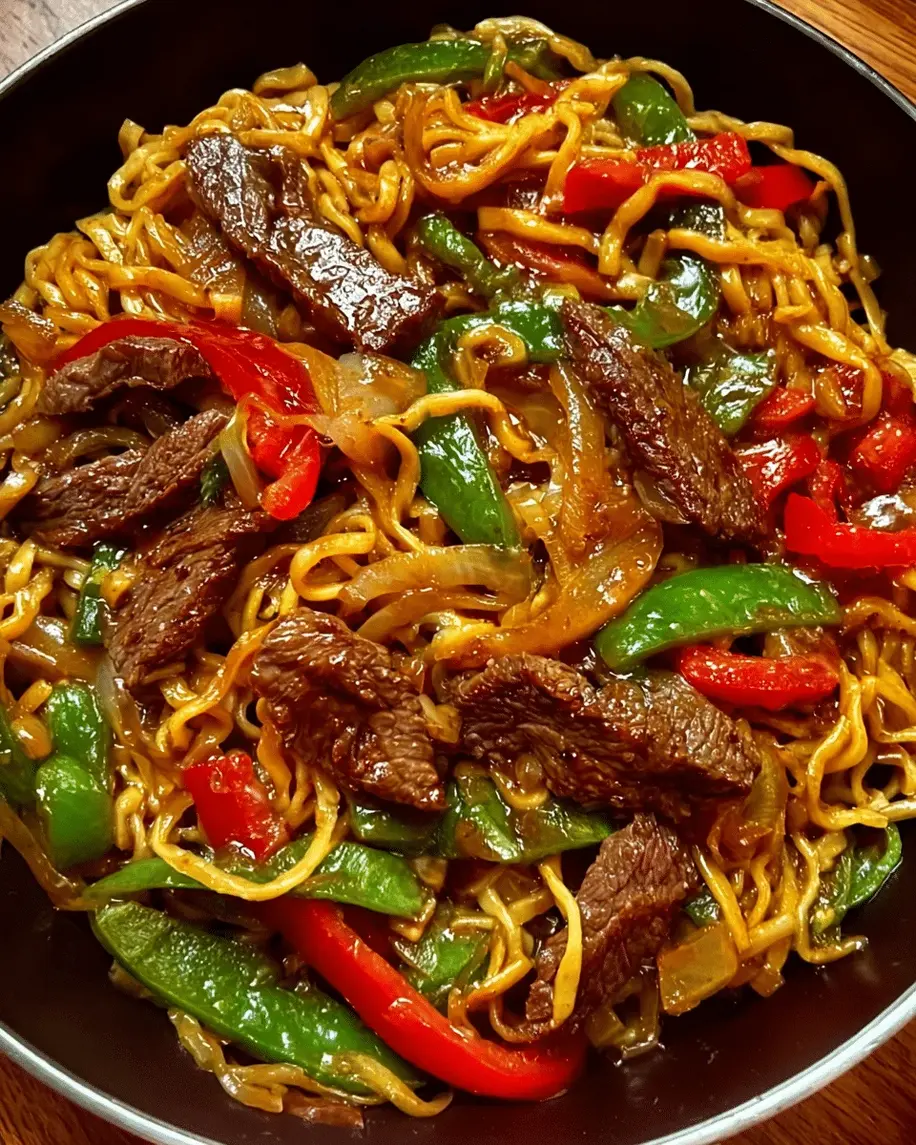
Picture this: chewy chow mein noodles glistening with a savory-sweet sauce, strips of seared beef nestled against crisp-tender bell peppers and sweet onion slivers. The aroma of garlic and ginger hits you first, followed by a whisper of sesame oil. Each bite is a balance of umami, a hint of hoisin sweetness, and just enough heat from a pinch of red pepper flakes. The colors alone — crimson and green peppers against golden noodles — make this dish a showstopper on any dinner table.
I’ve tested this recipe countless times in my tiny NYC kitchen, and I’ve streamlined it so even a busy parent can pull it off on a Tuesday. My version uses a hot wok (or skillet), a quick marinate, and a sauce that comes together in one bowl. In this post, I’ll share the one common mistake that turns stir-fry soggy — and the pro tip that guarantees silky, restaurant‑quality beef every time. Trust me, once you try this Beef Chow Mein, you’ll never order takeout again.
Why This Beef Chow Mein with Peppers & Onions Recipe Is the Best
The Flavor Secret: My blend of low‑sodium soy sauce, hoisin, and oyster sauce creates a layered umami punch that’s neither too salty nor too sweet. I add just a teaspoon of sesame oil at the end — a trick from my Paris days — to give the dish that unmistakable “wok hei” aroma without a wok. The red pepper flakes are optional, but they cut through the richness beautifully.
Perfected Texture: The key is the velveting step: a quick cornstarch-and-soy marinade that coats the beef. This, combined with a screaming‑hot pan, gives you caramelized edges and a tender center. The noodles are cooked al dente then tossed with a little oil to stay separate — no clumping, no mush.
Foolproof & Fast: This recipe is designed for confidence. You prep the sauce while the beef marinates, and you can even chop the veggies ahead of time. Total active cooking is about 15 minutes, and the ingredients are all available at any American grocery store. Even a first‑time stir‑fry cook will feel like a pro.
Beef Chow Mein Ingredients
I buy my flank steak from the farmers market near Union Square, and the fresh bell peppers from a stall run by a third-generation grower. The noodles I grab from an Asian grocery on Canal Street — but dried chow mein noodles are now common in most supermarkets. Let’s go through the lineup.
Ingredients List
- 8 oz dried chow mein noodles
- 1 lb flank steak, thinly sliced across the grain
- 2 tbsp soy sauce (for marinade)
- 1 tbsp cornstarch
- 1 tbsp vegetable oil (for marinade)
- 1 red bell pepper, thinly sliced
- 1 green bell pepper, thinly sliced
- 1 yellow onion, thinly sliced
- 3 cloves garlic, minced
- 1 tsp grated ginger
- ¼ cup low‑sodium soy sauce
- 2 tbsp hoisin sauce
- 1 tbsp oyster sauce
- 1 tsp sesame oil
- ½ tsp red pepper flakes (optional)
- 2 green onions, sliced (for garnish)
- 1 tbsp sesame seeds (for garnish)
Ingredient Spotlight
Flank steak is my top pick for stir‑fry because it’s lean yet stays tender when sliced thinly and velveted. Look for bright red meat with even grain. Substitution: sirloin or ribeye work, but trim excess fat. For a plant‑based twist, use extra‑firm tofu (pressed and sliced) — skip the beef marinade and toss in a bit more cornstarch for crispiness.
Chow mein noodles are wheat‑based egg noodles with a chewy bite. In the US, you’ll find them dried in the Asian foods aisle or fresh in the refrigerated section. If unavailable, spaghettini or linguine cooked a minute less than al dente make a decent stand‑in. Just toss them with a little oil to prevent sticking.
Hoisin sauce adds a sweet‑savory complexity that’s crucial. It’s made from fermented soybean paste, spices, and sugar. If you don’t have it, substitute with equal parts barbecue sauce and molasses, plus a dash of soy sauce. Expect a slightly smokier, less complex result.
Bell peppers and onion provide the crunch and sweetness that balance the savory beef. Choose firm, glossy peppers. Red ones are sweeter; green are more vegetal. Yellow onion is classic, but a sweet Vidalia or red onion also work — just adjust sweetness accordingly.
Sesame oil (toasted) is a finishing touch, not a cooking oil. It’s intensely fragrant and should be added off‑heat. Skip it for a milder flavor, or swap with a drizzle of chili oil for extra heat.
| Original Ingredient | Best Substitution | Flavor / Texture Impact |
|---|---|---|
| Flank steak | Skirt steak or sirloin | Similar tenderness when sliced thin; skirt may be slightly chewier. |
| Chow mein noodles | Spaghettini or linguine | Less chew; still pleasant. Toss with oil to mimic noodle texture. |
| Hoisin sauce | BBQ sauce + molasses + soy | Less complex but still sweet-savory. Add a pinch of five-spice. |
| Oyster sauce | Soy sauce + a pinch of sugar | Loses the briny depth; use mushroom stir‑fry sauce for umami. |
| Sesame oil | Chili oil or omit | Chili oil adds heat; omitting reduces nutty fragrance. |
How to Make Beef Chow Mein with Peppers & Onions — Step-by-Step
Gather everything before you start — stir‑frying is fast, so have your sliced ingredients, sauce, and noodles ready. Let’s dive in.
Step 1: Cook the Noodles
Bring a large pot of water to a boil. Add the dried chow mein noodles and cook according to package directions until al dente (usually 6–8 minutes). Drain, rinse with cold water to stop cooking, then toss with a teaspoon of vegetable oil to prevent sticking. Set aside.
💡 mia’s Pro Tip: Rinsing the noodles removes excess starch and keeps them from turning gluey in the wok. Don’t skip this step!
Step 2: Marinate the Beef
In a bowl, toss the thinly sliced flank steak with 2 tbsp soy sauce and 1 tbsp cornstarch until evenly coated. Let it sit for 10 minutes. This simple velvet ensures the beef stays moist and tender.
⚠️ Common Mistake to Avoid: Don’t skip the marinating time — even 5 minutes makes a difference. If you rush, the cornstarch won’t fully adhere and the beef can become tough.
Step 3: Prepare the Sauce
In a small bowl, whisk together ¼ cup low‑sodium soy sauce, hoisin sauce, oyster sauce, sesame oil, and red pepper flakes if using. Set aside. The sauce will be used at the very end.
💡 mia’s Pro Tip: Taste your sauce — if you like it sweeter, add an extra teaspoon of hoisin; for more salt, a dash of fish sauce works wonders.
Step 4: Sear the Beef
Heat a wok or large skillet over high heat until smoking. Add 1 tbsp vegetable oil and swirl to coat. Add the marinated beef in a single layer. Let it sear undisturbed for 1 minute, then stir‑fry until browned and just cooked through, about 2 minutes total. Transfer to a plate.
⚠️ Common Mistake to Avoid: Overcrowding the pan! If you add too much beef at once, it will steam instead of sear. Cook in batches if needed.
Step 5: Stir-Fry Veggies
Add a little more oil to the wok if dry. Toss in the sliced bell peppers and onion. Stir‑fry for 2–3 minutes until crisp‑tender, then add the garlic and ginger and cook for 30 seconds until fragrant.
💡 mia’s Pro Tip: Keep the veggies moving — a constant toss prevents burning and ensures even cooking. The garlic and ginger go in last so they don’t scorch.
Step 6: Combine and Toss
Return the beef to the wok, along with the drained noodles. Pour the sauce over everything and toss for 1–2 minutes until heated through and well coated. The sauce should cling to the noodles and meat.
⚠️ Common Mistake to Avoid: Don’t let the noodles sit in the pan too long — they can become soft and sticky. Just toss until hot, then serve immediately.
Step 7: Garnish and Serve
Transfer to a serving platter. Sprinkle with sliced green onions and sesame seeds. Serve immediately while piping hot.
💡 mia’s Pro Tip: For an extra burst of freshness, add a handful of bean sprouts or chopped cilantro just before serving.
| Step | Action | Duration | Key Visual Cue |
|---|---|---|---|
| 1 | Cook noodles | 8 min | Noodles are tender but still firm (al dente) |
| 2 | Marinate beef | 10 min | Cornstarch mixture is thick and clings to meat |
| 3 | Prepare sauce | 2 min | Sauce is smooth and well combined |
| 4 | Sear beef | 3 min | Beef is browned on edges, no pink inside |
| 5 | Stir‑fry veggies | 3 min | Peppers and onion are bright and slightly softened |
| 6 | Combine and toss | 2 min | Sauce glazes noodles and meat evenly |
| 7 | Garnish and serve | 1 min | Green onions and sesame seeds scattered on top |
Serving & Presentation
I love serving this Beef Chow Mein in a large, shallow bowl — the vibrant colors of the peppers against the golden noodles look absolutely stunning. For a family dinner, I pile it high on a platter and let everyone help themselves. During the colder months, I pair it with a simple bowl of hot and sour soup (straight from my favorite Chinatown spot). In summer, a crisp cucumber salad with rice vinegar cuts the richness perfectly.
A sprinkle of sesame seeds and a few whole green onions create a beautiful finishing touch. If you’re feeling fancy, drizzle a tiny bit of chili oil in a swirl pattern on top. My mother would approve of that bit of theater — she always said food should please the eye before the palate.
| Pairing Type | Suggestions | Why It Works |
|---|---|---|
| Side Dish | Steamed bok choy, spring rolls, hot & sour soup | Light sides balance the hearty noodles; soup adds warmth. |
| Sauce / Dip | Extra hoisin‑soy sauce, chili oil | Let diners customize heat and sweetness. |
| Beverage | Cold lager, jasmine iced tea, dry Riesling | Beer cuts richness; tea cleanses; wine’s acidity complements. |
| Garnish | Sesame seeds, sliced green onions, fresh cilantro | Adds freshness, crunch, and visual appeal. |
Make-Ahead, Storage & Reheating
Between my cooking demo schedule and chasing after two kids, I’m a huge fan of prep‑ahead meals. For this Beef Chow Mein, you can do most of the work earlier in the day: slice the beef, chop the veggies, and mix the sauce. Then the actual stir‑fry takes only 10 minutes when you’re ready to eat.
| Method | Container | Duration | Reheating Tip |
|---|---|---|---|
| Refrigerator | Airtight container | 3 days | Reheat in a hot wok or skillet with a splash of water to revive the sauce. |
| Freezer | Freezer‑safe zip‑top bag | 2 months | Thaw overnight in fridge, then stir‑fry quickly. Noodles may soften slightly. |
| Make‑Ahead | Prep all ingredients, store separately | 1 day in advance | Cook noodles just before serving for best texture. |
To reheat, avoid the microwave — it makes the noodles mushy. Instead, toss leftovers in a hot pan with a teaspoon of oil and a tablespoon of water. This steams them back to life while the oil keeps them from sticking. The beef will stay nicely tender.
Variations & Easy Swaps
This recipe is wonderfully adaptable. Here are three of my favorite twists — each one takes the base in a delicious new direction.
| Variation | Key Change | Best For | Difficulty Impact |
|---|---|---|---|
| Chicken Chow Mein | Substitute chicken breast for flank steak | Lighter protein, quick prep | Same difficulty |
| Vegetarian Mushroom Chow Mein | Use shiitake mushrooms + extra veg | Meatless Monday, umami bomb | Easy |
| Spicy Szechuan Beef Chow Mein | Add Szechuan peppercorns + chili paste | Heat lovers, bold flavor | Medium (need to source Szechuan ingredients) |
Chicken Chow Mein
Use boneless, skinless chicken thighs for the juiciest result. Slice them thin and marinate exactly as you would the beef. The cooking time is the same — just ensure the chicken reaches 165°F. This version is my kids’ favorite; they love the mild sweetness of the hoisin. I sometimes add broccoli florets for extra green.
Vegetarian Mushroom Chow Mein
Swap the beef for a mix of shiitake and cremini mushrooms, sliced thickly. Omit the oyster sauce or use a vegan mushroom stir‑fry sauce. The mushrooms release their own umami-rich liquid, so you may need less soy. This version is a nod to my Parisian training — a classic duxelles technique in a wok.
Spicy Szechuan Beef Chow Mein
To dial up the heat, add 1 teaspoon of Szechuan peppercorns (crushed) and 1 tablespoon of chili bean paste (doubanjiang) to the sauce. Omit the red pepper flakes. The numbing‑heat sensation is addictive. I discovered this version at a food stall in Flushing, Queens — a perfect example of NYC’s vibrant culinary melting pot.
What is the best cut of beef to use for chow mein with peppers and onions?
For stir‑fry, you want a cut that’s tender, flavorful, and cooks quickly. Flank steak is my top choice because it’s lean, slices beautifully across the grain, and responds well to velveting. Skirt steak or sirloin also work — just trim any silver skin. Avoid tougher cuts like chuck or brisket unless you’re willing to braise first. When you slice the beef very thin (about ¼ inch), it cooks in under two minutes, staying juicy and tender.
Can I use a different type of noodle if I don’t have chow mein noodles?
Absolutely! The recipe is forgiving. If you can’t find dried chow mein noodles, use fresh egg noodles (lo mein noodles) — just skip the boiling step and blanch them for 30 seconds. Italian pasta like spaghettini or linguine is a surprisingly good substitute; cook it al dente and toss with a little oil. Rice noodles also work but have a different texture — they’re softer and less chewy. The key is to not overcook any noodle, because the final toss in the wok will finish them.
How do you keep the beef tender when stir-frying chow mein?
The secret is a technique called velveting. You toss the sliced beef with soy sauce and cornstarch, then let it marinate for at least 10 minutes. The cornstarch forms a protective coating that seals in moisture and prevents the meat from drying out. Additionally, use high heat: a screaming‑hot wok ensures the beef sears quickly rather than steaming. Avoid moving the meat too much in the first minute — let it develop a browned crust, then stir‑fry briefly until just cooked through. Overcooking is the enemy of tenderness.
What is the secret to getting that bold, restaurant-style flavor in beef chow mein?
Three things: the sauce, the heat, and the finishing oil. My sauce combines soy sauce, hoisin, and oyster sauce — that trio delivers deep umami, sweetness, and savory notes. High heat (a wok or large skillet on the hottest burner) creates the ‘wok hei’ or breath of the wok, a smoky char that’s hard to replicate at home but achievable with a very hot pan. Finally, a drizzle of toasted sesame oil at the end adds an unmistakable nutty aroma that signals authentic Chinese takeout flavor. Also, don’t skip the ginger and garlic — they’re the backbone.
Can I make beef chow mein gluten‑free?
Yes, easily. Use tamari instead of soy sauce (both the marinade and the sauce), and choose gluten‑free hoisin and oyster sauces — many Asian grocery brands now offer GF versions. For the noodles, substitute rice noodles or gluten‑free spaghetti. The rest of the ingredients (beef, veggies, sesame oil) are naturally gluten‑free. Just be careful with any premade sauces to check labels for wheat starch or malt vinegar.
What vegetables work well in beef chow mein besides peppers and onions?
This recipe is a great canvas for whatever is in your fridge. Broccoli florets (blanched first), snap peas, shredded carrots, baby bok choy, or mung bean sprouts are all excellent. If you add mushrooms, shiitakes bring the most earthy depth. The key is to cut everything into similar‑sized pieces so they cook evenly. I like to roast broccoli or blanch it before stir‑frying to keep it crisp-tender and vibrant green.
How can I make this beef chow mein spicier?
Easily. Add more red pepper flakes (up to 1½ teaspoons) to the sauce, or stir in a tablespoon of chili garlic sauce (like Sambal Oelek) when you add the garlic and ginger. For a Szechuan kick, throw in a teaspoon of crushed Szechuan peppercorns and a drizzle of chili oil at the end. I love heat, so I sometimes add a fresh chopped Thai bird chili along with the bell peppers — it brings bright, floral spice that complements the savory sauce.
What is the difference between chow mein and lo mein?
Great question! The main difference is the noodle shape and cooking method. Chow mein uses thinner, crispy‑chewy noodles (dried or fresh) that are stir‑fried after being parboiled — they get a slight caramelized crust. Lo mein uses thicker, softer fresh egg noodles that are boiled and then tossed with sauce, never fried. For this recipe, we’re making a classic chow mein: the noodles are pan‑fried in the wok with the sauce, giving them a slightly chewy, golden finish. That’s why you see them a bit browned in the final dish.
Can I prepare the noodles ahead of time for beef chow mein?
Yes, and I often do! Cook the noodles up to a day in advance, drain, rinse with cold water, and toss with a teaspoon of vegetable oil. Store them in an airtight container in the fridge. When you’re ready to stir‑fry, just let them sit at room temperature for 10 minutes so they don’t cool down your wok. I don’t recommend cooking them more than 24 hours ahead — they tend to lose their springy texture. But for same‑day meal prep, it’s a lifesaver.
Why is the sauce so important in beef chow mein?
The sauce is the soul of the dish! It ties together the beef, noodles, and vegetables into one cohesive, flavorful experience. An unbalanced sauce — too salty or too sweet — can ruin an otherwise perfect stir‑fry. My recipe uses a trio of soy, hoisin, and oyster sauce because each brings something unique: soy provides salt and umami, hoisin adds sweetness and depth, oyster sauce gives a rich, briny note. The sesame oil and red pepper flakes are the final accents. When the sauce is right, every component is perfectly coated and harmonious.
Share Your Version!
I hope this Beef Chow Mein with Peppers & Onions becomes a staple in your weeknight rotation as it has in mine. It’s the kind of dish that rewards you with bold, comforting flavor in the time it takes to watch a single sitcom episode — and that’s magic in my book.
If you make it, I’d love to hear how it turned out! Leave a star rating and a comment below, or tag a photo on Instagram or Pinterest with @exorecipes. Did you try one of the variations? Add extra spice? Swap in a different protein? Let me know — your creative twists inspire me just as much as the recipes I share with you.
From my NYC kitchen to yours — I hope this recipe brings as much warmth to your table as it does to mine. — mia 🧡
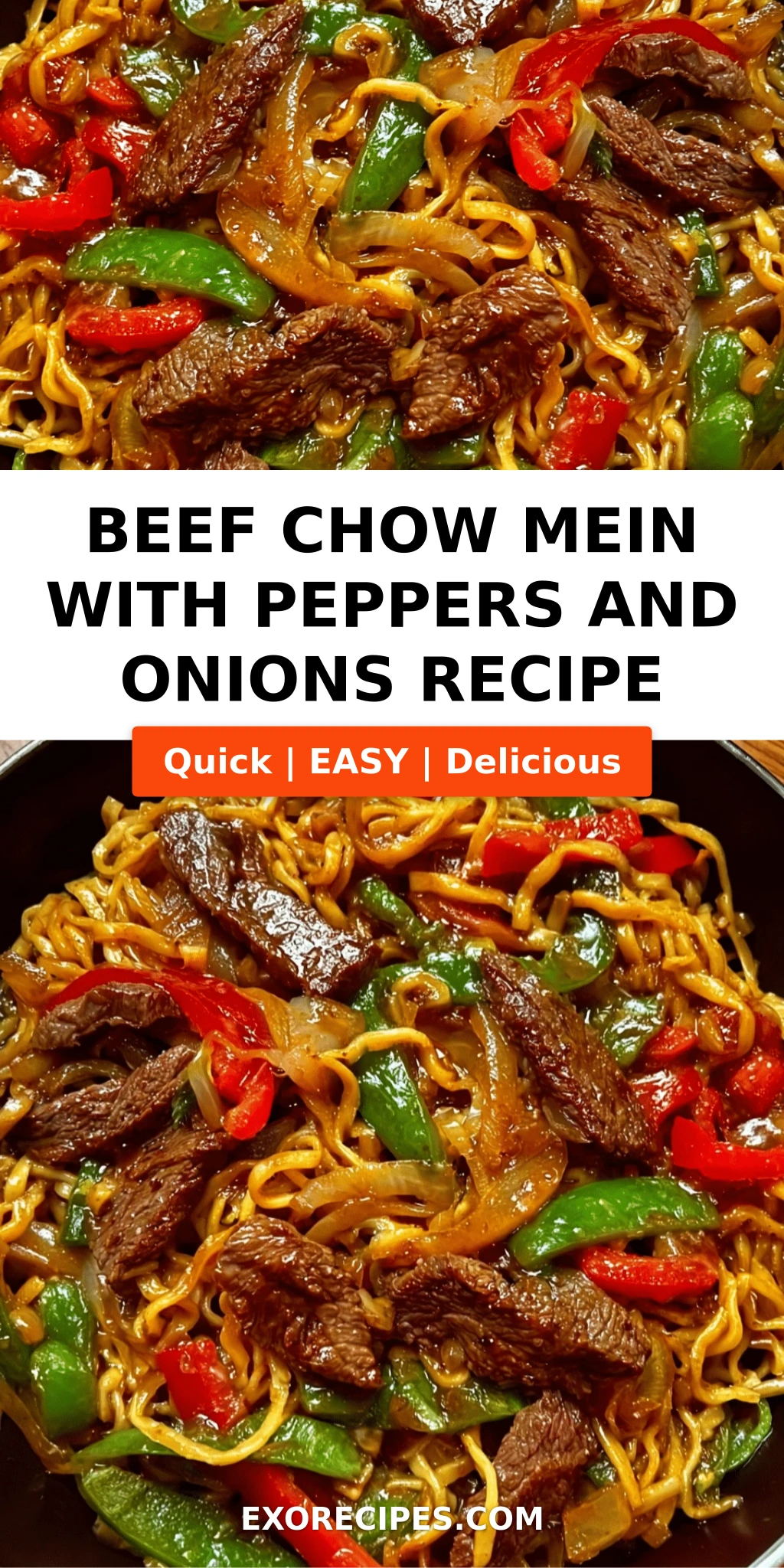
Love This Recipe? Save It to Pinterest!
If you enjoyed this Beef Chow Mein with Peppers & Onions recipe, don’t let it get lost in your browser tabs! 😄 Pin it now so you can find it again anytime — and explore hundreds more tried-and-tested recipes waiting for you on my Pinterest boards.
👉 Follow mia on Pinterest @exorecipe
📌 Pin this recipe · 🔁 Re-pin your favorites · 💬 Tag me when you make it — I love seeing your creations!
💬 What’s your go‑to weeknight stir‑fry trick?
I’d love to hear your favorite twist on this Beef Chow Mein — or any technique you swear by for quick dinners. Drop your thoughts in the comments below! 👇
Beef Chow Mein with Peppers & Onions: Bold Weeknight Flavor
- Prep Time: 15 minutes
- Cook Time: 15 minutes
- Total Time: 30 minutes
- Yield: 4 servings 1x
- Method: Main Course
- Cuisine: Chinese
Description
A quick and flavorful beef chow mein stir-fry with colorful bell peppers and onions, perfect for a bold weeknight dinner.
Ingredients
- 8 oz dried chow mein noodles
- 1 lb flank steak, thinly sliced
- 2 tbsp soy sauce
- 1 tbsp cornstarch
- 1 tbsp vegetable oil
- 1 red bell pepper, thinly sliced
- 1 green bell pepper, thinly sliced
- 1 yellow onion, thinly sliced
- 3 cloves garlic, minced
- 1 tsp grated ginger
- 1/4 cup low-sodium soy sauce
- 2 tbsp hoisin sauce
- 1 tbsp oyster sauce
- 1 tsp sesame oil
- 1/2 tsp red pepper flakes (optional)
- 2 green onions, sliced
- 1 tbsp sesame seeds
Instructions
- Cook the chow mein noodles according to package directions until al dente. Drain and rinse with cold water, then toss with a little vegetable oil to prevent sticking. Set aside.
- In a bowl, toss the sliced flank steak with 2 tbsp soy sauce and 1 tbsp cornstarch until evenly coated. Let marinate for 10 minutes.
- In a small bowl, whisk together the 1/4 cup low-sodium soy sauce, hoisin sauce, oyster sauce, sesame oil, and red pepper flakes (if using). Set aside.
- Heat a wok or large skillet over high heat. Add 1 tbsp vegetable oil. When shimmering, add the marinated beef in a single layer. Sear undisturbed for 1 minute, then stir-fry until browned and just cooked through, about 2 minutes. Transfer beef to a plate.
- Add a little more oil if needed. Add the bell peppers and onion, stir-fry for 2-3 minutes until crisp-tender. Add the garlic and ginger, stir for 30 seconds until fragrant.
- Return the beef to the wok, along with the drained noodles. Pour the sauce over the top and toss everything together for 1-2 minutes until heated through and well coated.
- Garnish with sliced green onions and sesame seeds before serving.
Notes
For extra heat, add more red pepper flakes or a drizzle of chili oil at the end. To make it gluten-free, use tamari instead of soy sauce and ensure hoisin and oyster sauces are gluten-free.
Nutrition
- Calories: 485
- Sugar: 8g
- Fat: 18g
- Carbohydrates: 42g
- Protein: 34g
Tried This Recipe? Leave a Comment!
Did you make this recipe? I’d love to hear how it turned out! Please leave a comment and a rating below. Your feedback helps other home cooks and supports cheerychop.com!
For more delicious inspiration, follow me on Pinterest!
