“`html
Table of Contents
Baked Orzo and Meatballs Recipe – Creamy One-Pan Comfort with a Moroccan-French Twist
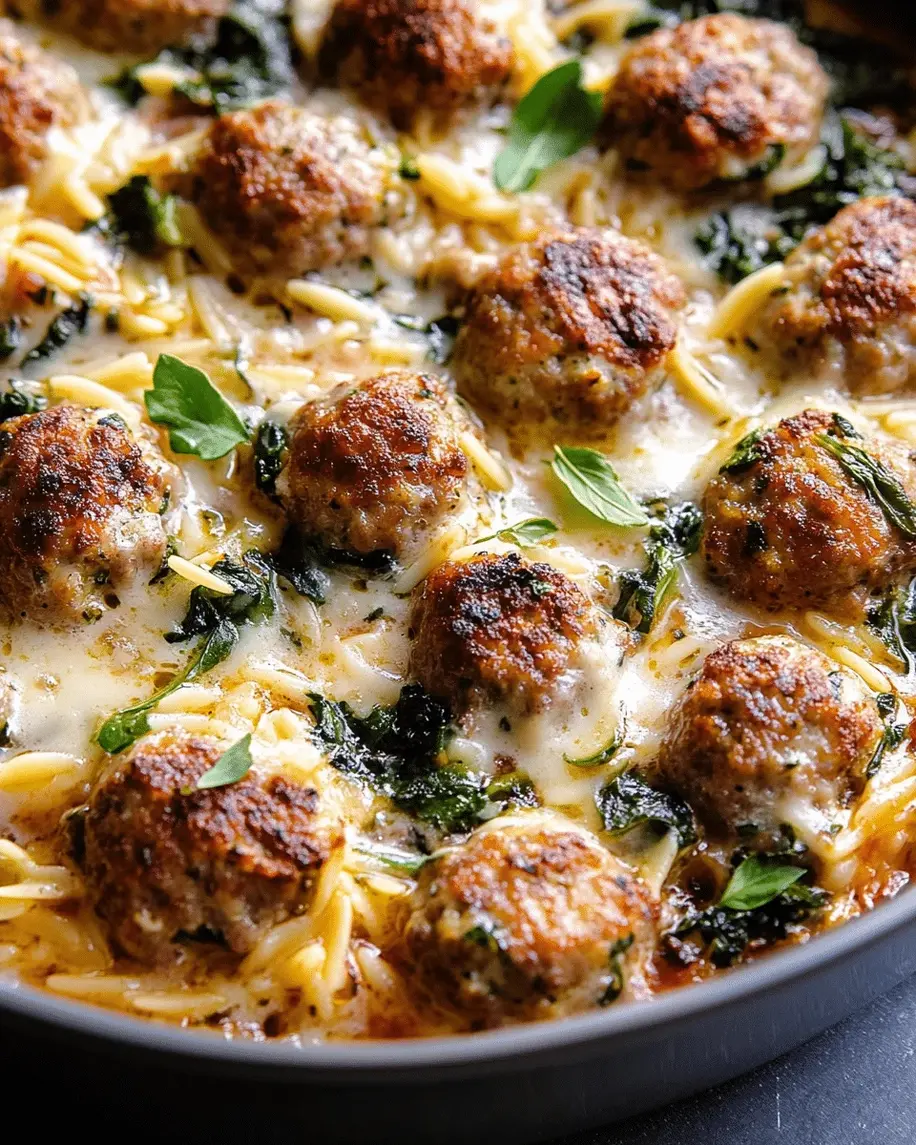
I still remember the first time I made baked orzo and meatballs for a dinner party in my tiny NYC walk-up kitchen. The scent of garlic sizzling in olive oil, the warmth of cumin and coriander drifting through the air — it instantly transported me back to my mother’s kitchen in Morocco, where she’d coax deep flavor from simple ingredients with patience and love. This baked orzo recipe is my love letter to those evenings: a creamy, tomatoey, one-pan wonder that feels both rustic and elegant. The orso with meatballs comes out tender, the sauce clings to every pearl-like piece of pasta, and a blanket of melted mozzarella pulls everything together into golden, bubbling perfection. It’s comfort food, yes — but comfort food with a chef’s soul.
What makes this baked orzo and meatballs recipe truly special is the way the orzo absorbs the broth as it bakes, plumping up into ridiculously creamy little bursts of flavor without a drop of heavy cream. The meatballs, seasoned with a whisper of Moroccan spices and a French touch of fresh herbes de Provence, brown beautifully on the stovetop before nestling into the orzo to finish cooking in the oven. The result is a dish that’s deeply savory, lightly sweet from the tomatoes, and fragrant with garlic and fresh basil. Every spoonful brings a contrast of textures: the tender meatball, the velvety orzo, the gooey cheese pull. It’s the kind of meal that quiets a room — everyone too busy eating to talk.
I’ve tested this meatball casserole a dozen times to get it just right — not too saucy, not too dry, with meatballs that stay juicy and orzo that never turns mushy. My secret? A French technique of toasting the orzo briefly in butter before adding liquid, plus a Moroccan-inspired pinch of cinnamon and cumin in the meatballs that adds warmth without overwhelming. In this post, I’ll walk you through every step, share my best pro tips from years in professional kitchens, and point out the one mistake most home cooks make that turns baked orzo into a gluey mess. From my NYC kitchen to yours — let’s make something beautiful together.
Why This Baked Orzo and Meatballs Recipe Is the Best
The Flavor Secret — Most baked orzo recipes play it safe with just garlic and oregano. I take it further. My meatballs are seasoned with ground cumin, a hint of cinnamon, and a pinch of cayenne — a nod to the Moroccan spice blends I grew up with. Then I finish the dish with a splash of good-quality balsamic vinegar stirred into the sauce just before baking. That tiny hit of acidity brightens the entire casserole and makes the tomato flavor sing. It’s a trick I picked up at culinary school in Paris, and it works every time.
Perfected Texture — The orzo-to-broth ratio is everything. Too much liquid and you get soup; too little and the pasta stays crunchy. After multiple tests, I landed on the exact proportions that yield tender, creamy orzo that holds its shape. The technique of toasting the orzo in butter before adding liquid creates a nutty depth and helps each grain stay separate. And by covering the dish for the first half of baking, then removing the lid to let the top brown, you get that irresistible contrast between creamy pasta and a golden, slightly crispy cheese crust.
Foolproof & Fast — This easy baked orzo recipe comes together in one skillet (for browning the meatballs) and one baking dish — minimal cleanup, maximum reward. It’s forgiving enough for a busy weeknight yet impressive enough for company. I’ve taught it to beginner cooks in my NYC workshops, and everyone walks away feeling like a pro. The full hands-on time is about 20 minutes; the oven does the rest. Even if you’ve never made a meatball casserole before, you can nail this on your first try.
Baked Orzo and Meatballs Ingredients
I love buying ingredients for this dish at the Union Square Greenmarket in NYC — especially the fresh herbs and farm-fresh eggs. The quality of your ingredients really shines here, so I encourage you to seek out the best you can find. For the orzo, I prefer De Cecco or Barilla — they hold their shape beautifully during baking. And for the meatballs, I use a blend of ground beef and ground pork for the juiciest, most flavorful result.
Ingredients List
- 1 lb (450 g) ground beef (80/20 blend)
- 8 oz (225 g) ground pork (optional, but adds richness)
- ½ cup (50 g) plain breadcrumbs (panko or homemade)
- 1 large egg, lightly beaten
- 3 cloves garlic, minced (divided)
- ¼ cup (25 g) freshly grated Parmesan cheese
- 1 tsp ground cumin
- ½ tsp ground cinnamon
- ¼ tsp cayenne pepper (optional, for heat)
- 2 tsp kosher salt, divided
- 1 tsp black pepper, divided
- 3 tbsp olive oil, divided
- 1 medium yellow onion, finely chopped
- 1½ cups (300 g) dried orzo pasta
- 2 tbsp unsalted butter
- 1 can (15 oz / 425 g) crushed tomatoes
- 2 cups (480 ml) low-sodium chicken or beef broth
- 1 tbsp balsamic vinegar
- 1 tsp dried oregano
- ½ cup (15 g) fresh basil leaves, chopped (plus more for garnish)
- 1½ cups (170 g) shredded mozzarella cheese
- ¼ cup (25 g) grated Parmesan cheese (for topping)
Ingredient Spotlight
Orzo — This tiny, rice-shaped pasta is the heart of the dish. It releases starch as it bakes, creating a creamy sauce naturally. Look for orzo made from 100% semolina — it holds its shape better than blends. Avoid “orzo” that is actually rice-shaped rice (risoni can sometimes be a wheat-pasta blend). Tested substitution: use ditalini or stelline in a pinch — adjust liquid slightly as shapes vary.
Ground Meat Blend — The combination of beef and pork gives the meatballs a tender, juicy texture that all-beef meatballs can lack. If using only beef, choose 80/20 and add an extra tablespoon of olive oil to the mix. For a leaner option, ground chicken or turkey works — but add a splash of milk to the breadcrumb mixture to keep them moist.
Crushed Tomatoes — I prefer San Marzano crushed tomatoes for their sweet, low-acid flavor. They create a sauce that coats the orzo without being watery. If you only have whole peeled tomatoes, crush them by hand before adding. Avoid tomato puree — it’s too thick and can make the dish taste pasty.
Fresh Mozzarella — Low-moisture, whole-milk mozzarella melts the best. Fresh mozzarella balls (the kind packed in water) release too much liquid and can make the casserole watery. I buy blocks of whole-milk mozzarella from the deli counter and shred it myself. Pre-shredded cheese contains anti-caking agents that prevent smooth melting.
| Original Ingredient | Best Substitution | Flavor / Texture Impact |
|---|---|---|
| Ground beef + pork | Ground turkey + 1 tbsp olive oil | Leaner, slightly drier; add extra moisture |
| Orzo pasta | Ditalini or stelline | Similar texture; adjust liquid by 2–3 tbsp |
| San Marzano crushed tomatoes | Petite diced tomatoes, blended smooth | Slightly brighter, less sweet; add pinch sugar |
| Low-moisture mozzarella | Provolone or fontina | Nutty, melts well; slightly sharper flavor |
How to Make Baked Orzo and Meatballs — Step-by-Step
This easy baked orzo recipe comes together in a few simple stages. I’ll guide you through each one with visual cues so you know exactly what to look for.
Step 1: Make the Meatballs
In a large mixing bowl, combine the ground beef, ground pork, breadcrumbs, beaten egg, 1 minced garlic clove, grated Parmesan, cumin, cinnamon, cayenne (if using), 1 teaspoon salt, and ½ teaspoon black pepper. Mix gently with your hands until just combined — overmixing makes meatballs tough. Form into 18 uniform balls, about 1½ inches in diameter. Place them on a parchment-lined baking sheet.
💡 mia’s Pro Tip: Lightly wet your hands with cold water before rolling — the mixture won’t stick, and the meatballs come out perfectly smooth.
Step 2: Brown the Meatballs
Heat 2 tablespoons olive oil in a large, heavy-bottomed skillet over medium-high heat. Working in two batches so you don’t crowd the pan, sear the meatballs for 2–3 minutes per side, until deeply browned all over. They don’t need to be cooked through — they’ll finish in the oven. Transfer the browned meatballs to a plate. Pour off all but about 1 tablespoon of the rendered fat from the skillet (leave the browned bits — that’s flavor).
⚠️ Common Mistake to Avoid: Crowding the pan. If you add too many meatballs at once, they steam instead of sear, and you lose that deep, caramelized crust that adds so much flavor to the final dish.
Step 3: Toast the Orzo and Build the Sauce
Reduce the heat to medium. Add the remaining 1 tablespoon olive oil and 2 tablespoons butter to the same skillet. Once the butter foams, add the chopped onion and cook, stirring, until softened and translucent — about 4 minutes. Add the remaining 2 minced garlic cloves and cook for 30 seconds until fragrant. Add the dried orzo and stir constantly for 2 minutes, until the pasta turns golden and smells nutty. This toasting step locks in texture and prevents the orzo from turning mushy during baking.
💡 mia’s Pro Tip: Watch the orzo carefully — it can go from toasted to burnt very quickly. The color should be a warm golden brown, and you’ll smell a toasty, popcorn-like aroma.
Step 4: Combine and Transfer
Pour in the crushed tomatoes, chicken broth, balsamic vinegar, dried oregano, and the remaining 1 teaspoon salt and ½ teaspoon black pepper. Stir to combine, scraping up the browned bits from the bottom of the skillet. Bring the mixture to a simmer, then remove from heat. Stir in the chopped fresh basil. Pour the entire orzo mixture into a 9×13-inch baking dish (or a 3-quart casserole dish). Nestle the browned meatballs into the orzo, pressing them down gently so they’re partially submerged.
⚠️ Common Mistake to Avoid: Skipping the scrape! Those browned bits (called “fond” in French cooking) are packed with concentrated flavor. Deglazing the pan with the liquid ensures every bit of that flavor ends up in your dish.
Step 5: Top with Cheese and Bake
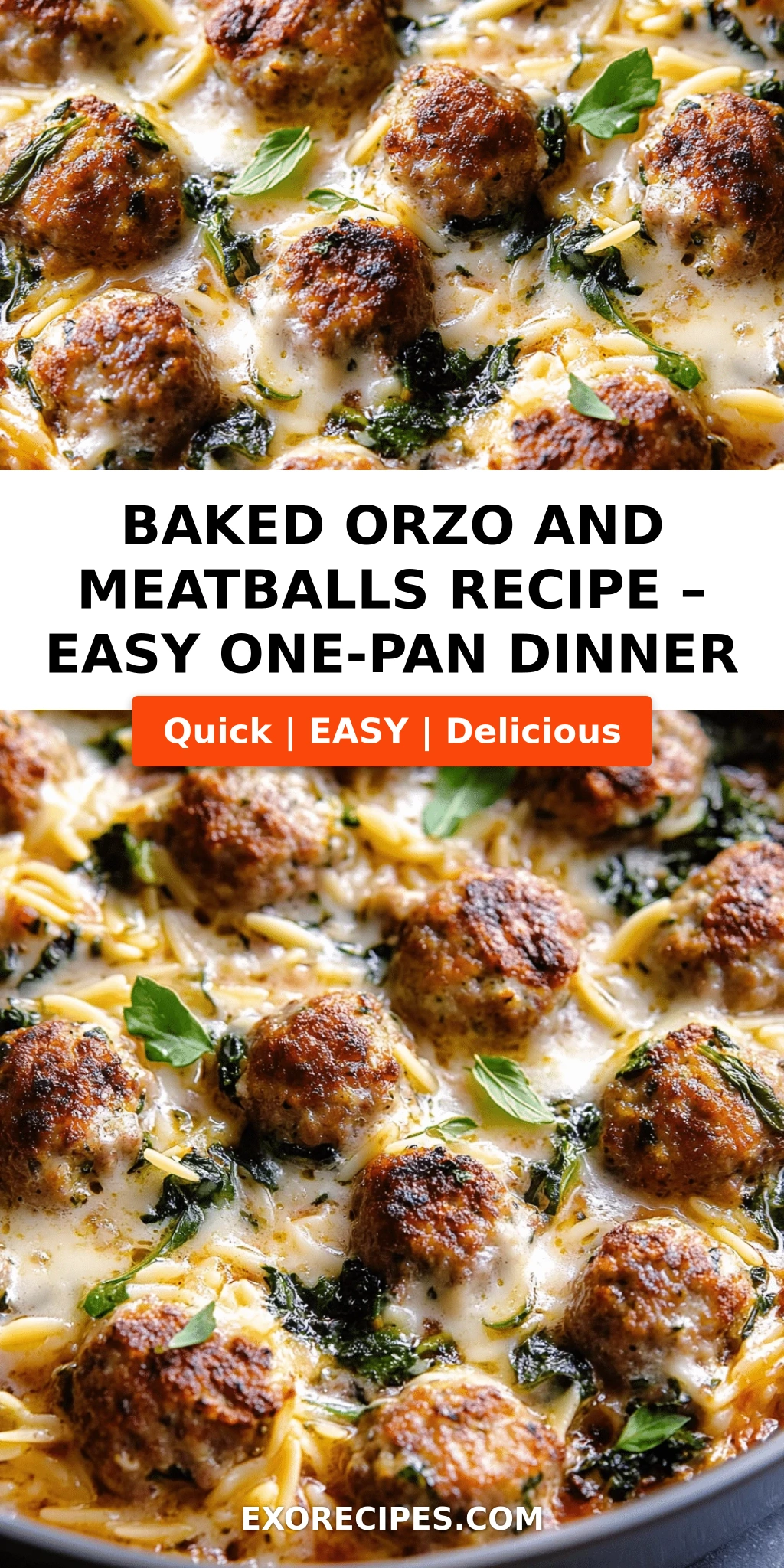
Sprinkle the shredded mozzarella and grated Parmesan evenly over the top of the casserole. Cover the dish tightly with foil. Bake at 375°F (190°C) for 25 minutes. Then remove the foil and bake for another 15–20 minutes, until the cheese is melted, bubbly, and golden brown in spots, and the orzo is tender and has absorbed most of the liquid. The internal temperature of the meatballs should reach 165°F (74°C).
💡 mia’s Pro Tip: For an extra-crispy cheese crust, switch the oven to broil for the last 2–3 minutes. Watch it closely — cheese goes from golden to burnt very fast under the broiler.
Step 6: Rest and Serve
Let the baked orzo and meatballs rest for 10 minutes at room temperature before serving. This allows the juices to redistribute and the casserole to set, making it easier to scoop clean portions. Garnish with fresh basil leaves and an extra grating of Parmesan. Serve warm.
⚠️ Common Mistake to Avoid: Serving straight from the oven. The casserole will be very loose and runny right out of the oven. That 10-minute rest is crucial for the orzo to absorb the final bits of liquid and for the structure to set.
| Step | Action | Duration | Key Visual Cue |
|---|---|---|---|
| 1 | Form meatballs | 10 mins | Uniform 1.5-inch balls, smooth surface |
| 2 | Brown meatballs | 6–8 mins total | Deep mahogany crust on all sides |
| 3 | Toast orzo + build sauce | 8 mins | Orzo turns golden brown, smells nutty |
| 4 | Combine + transfer to baking dish | 3 mins | Meatballs partially submerged in saucy orzo |
| 5 | Bake (covered + uncovered) | 40–45 mins total | Cheese golden and bubbly, orzo tender |
| 6 | Rest + serve | 10 mins rest | Casserole sets, juices settle |
Serving & Presentation
I love serving this meatball casserole family-style, straight from the baking dish — it just feels more welcoming that way. Scoop generous portions onto warm plates, making sure each serving gets a few meatballs and a good amount of the creamy orzo. A shower of fresh basil ribbons and a crack of black pepper right at the table adds a beautiful finishing touch. For a pop of color, I sometimes add a few cherry tomatoes halved and scattered over the top before baking — they roast into sweet little bursts of flavor.
This dish is substantial enough to stand on its own, but I love pairing it with a simple arugula salad dressed with lemon juice and olive oil — the peppery greens cut through the richness of the casserole beautifully. A side of crusty garlic bread is never a bad idea either, especially for sopping up the saucy bits at the bottom of the dish. When I’m feeling nostalgic for my Paris days, I’ll pour a glass of Côtes du Rhône or a light Chianti — the acidity in the wine dances perfectly with the tomato-balsamic sauce.
For a Moroccan-inspired twist that my mother would approve of, serve this baked orzo and meatballs with a small bowl of harissa on the side for anyone who wants extra heat, and a sprinkle of fresh cilantro alongside the basil. The combination of cool herbs, spicy harissa, and creamy orzo is absolutely magic. For larger gatherings, I’ll double the recipe and bake it in a 10×15-inch dish — it feeds a crowd with ease and tastes even better the next day.
| Pairing Type | Suggestions | Why It Works |
|---|---|---|
| Side Dish | Arugula salad with lemon vinaigrette, roasted broccoli, garlic bread | Bright acidity cuts richness; greens add freshness |
| Sauce / Dip | Harissa, yogurt sauce with mint, extra balsamic drizzle | Adds heat or cooling contrast; layers flavor |
| Beverage | Côtes du Rhône, Chianti, light red or dry rosé | Acidity in wine mirrors tomato-balsamic sauce |
| Garnish | Fresh basil ribbons, extra Parmesan, black pepper, cilantro | Adds color, aroma, and a layer of fresh flavor |
Make-Ahead, Storage & Reheating
This baked orzo and meatballs recipe is a dream for meal prep. On busy weeks in my NYC kitchen, I often assemble the entire casserole (without the cheese topping) the night before, refrigerate it overnight, then add the cheese and bake it fresh when I get home from work. The flavors meld together beautifully during that overnight rest, and it saves me a solid 20 minutes on a weeknight. Just note that if you’re baking straight from the fridge, you’ll need to add about 10 extra minutes of covered baking time to compensate for the cold start.
| Method | Container | Duration | Reheating Tip |
|---|---|---|---|
| Refrigerator | Airtight container or covered baking dish | Up to 4 days | Reheat in 350°F oven, covered, 15–20 mins. Add splash broth if dry |
| Freezer | Freezer-safe dish, tightly wrapped in foil + plastic wrap | Up to 3 months | Thaw overnight in fridge. Bake at 350°F, covered, 25–30 mins |
| Make-Ahead | Assemble in baking dish, cover, refrigerate | Up to 24 hours before baking | Add cheese just before baking. Add 10 mins covered time |
When reheating individual portions, I prefer the oven over the microwave — it keeps the orzo creamy and the cheese melty without turning the pasta mushy. Microwave works in a pinch (cover with a damp paper towel and heat in 30-second bursts), but the texture won’t be quite as good. If your baked orzo seems a little dry after refrigeration, stir in a tablespoon or two of chicken broth or water before reheating. The orzo will absorb the liquid as it warms up and return to that lovely, creamy consistency.
One thing I never do is freeze the casserole with the cheese already on top — mozzarella can become grainy and watery after freezing and thawing. Instead, freeze the orzo-meatball base without cheese, then thaw, transfer to a baking dish, top with fresh mozzarella and Parmesan, and bake as directed. The result is indistinguishable from freshly made.
Variations & Easy Swaps
| Variation | Key Change | Best For | Difficulty Impact |
|---|---|---|---|
| Moroccan Spiced | Add 1 tsp ras el hanout + ½ tsp turmeric to sauce | Adventurous eaters, North African flavor lovers | Easy (no extra steps) |
| Gluten-Free | Use gluten-free orzo + GF breadcrumbs | Gluten-sensitive guests | Easy (swap ingredients) |
| Spring Vegetable | Add 1 cup asparagus + 1 cup peas in last 10 mins baking | Seasonal eating, extra veggies | Easy (add ingredients) |
Moroccan Spiced Version
This variation is closest to my heart — it reminds me of the tagines my mother would make on cold winter evenings in Fes. Add 1 tablespoon of ras el hanout (a fragrant Moroccan spice blend) and ½ teaspoon of ground turmeric to the tomato sauce when you add the broth. The warm, floral notes of the ras el hanout — think cinnamon, coriander, cardamom, and clove — weave through the dish without overpowering the meatballs. I also like to swap the basil for fresh cilantro and add a handful of golden raisins to the orzo for little pops of sweetness. The raisins plump up during baking and play beautifully against the savory meatballs and creamy pasta. This version is spectacular served with a dollop of labneh or Greek yogurt on the side.
Gluten-Free / Dairy-Free Version
Making this meatball casserole gluten-free and dairy-free is simpler than you’d think. Use a high-quality gluten-free orzo — I’ve tested this with both Jovial and Barilla gluten-free orzo, and both hold up well. For the breadcrumbs, use gluten-free panko or crushed pork rinds for a keto-friendly option. Replace the mozzarella with a dairy-free shredded alternative (Miyoko’s or Violate work best for melting) and use nutritional yeast in place of Parmesan. The balsamic vinegar and spices do so much heavy lifting that even without the dairy, the dish is incredibly flavorful. My non-dairy friends in NYC rave about this version, and I honestly love it too.
Spring Vegetable Version
Come spring, I love heading to the Union Square Greenmarket and loading up on the first asparagus and sweet peas of the season. For this variation, add 1 cup of trimmed, 1-inch asparagus pieces and 1 cup of frozen peas (thawed) to the casserole during the last 10 minutes of baking — just remove the foil, scatter the vegetables on top, and return to the oven uncovered. The asparagus stays crisp-tender and the peas turn sweet and bright. I also like to swap half the crushed tomatoes for fresh cherry tomatoes halved — they roast into jammy, concentrated bursts that taste like summer. This version is lighter, brighter, and absolutely gorgeous on the plate. A squeeze of fresh lemon juice over the top just before serving wakes up all the flavors.
Can I use frozen meatballs for baked orzo and meatballs?
Absolutely, frozen meatballs work perfectly in this easy baked orzo recipe. I recommend using high-quality frozen meatballs — look for ones made with real beef or pork and minimal fillers. There’s no need to thaw them first; simply add them directly to the sauce before baking. Keep in mind that frozen meatballs may release a bit more liquid than fresh, so you might want to reduce the broth by 2–3 tablespoons to compensate. Also, because the meatballs start from frozen, you’ll need to add about 10 minutes to the covered baking time. If you’re using pre-cooked frozen meatballs, you can skip the browning step entirely — just nestle them into the orzo mixture and bake. The result won’t have the same deep seared flavor as homemade, but it’s a fantastic shortcut for busy weeknights.
What is the best type of orzo to use for a baked orzo casserole?
The best orzo for a baked orzo casserole is one made from 100% semolina flour — it has the structure to hold up during long baking without turning mushy. I’ve tested many brands, and my top picks are De Cecco and Barilla for their reliable texture and ability to absorb liquid evenly. Avoid “orzo” that is actually rice-shaped rice (sometimes labeled “risoni”) as it can behave very differently in the oven. For a gluten-free option, Jovial and Barilla both make excellent gluten-free orzo made from brown rice and corn flour — they hold their shape beautifully and have a pleasant al dente texture. When shopping at a US grocery store, check the ingredient list: you want “100% semolina” or “100% durum wheat.” The shape is small and rice-like, but it’s 100% pasta, which means it releases starch as it cooks to create that naturally creamy sauce.
How long do I need to bake orzo and meatballs for a tender texture?
For perfectly tender orzo and juicy meatballs, bake this meatball casserole at 375°F for a total of 40–45 minutes. The first 25 minutes should be covered tightly with foil — this allows the orzo to absorb the liquid and cook through evenly without drying out. Then remove the foil and bake for another 15–20 minutes, which lets the cheese bubble and brown and the excess moisture evaporate. The orzo should be tender but still hold its shape — not mushy or blown out — and the meatballs should reach an internal temperature of 165°F. If your orzo still seems a bit firm at the end, cover the dish again and bake for an additional 5–10 minutes. Every oven runs slightly differently, so start checking at the 35-minute mark. The most important visual cue is that the orzo has absorbed most of the liquid and the top is golden and bubbly.
Can I substitute ground turkey or chicken for the meatballs in this recipe?
Yes, ground turkey or chicken works beautifully in this baked orzo recipe with meatballs. Because poultry is leaner than beef and pork, you’ll need to add a bit of moisture to keep the meatballs tender. I recommend mixing in 2 tablespoons of whole milk or plain yogurt to the breadcrumb-egg mixture before combining with the meat. You might also want to add an extra tablespoon of olive oil to the pan when browning, as poultry meatballs are more prone to sticking. Cook them to an internal temperature of 165°F. The flavor will be milder than beef-pork meatballs, so consider bumping up the spices — add an extra ½ teaspoon of cumin and a pinch more salt. The overall dish will be lighter but still incredibly satisfying. I often make this version in the summer when I want something hearty but not too heavy.
Can I make baked orzo and meatballs in a slow cooker or Instant Pot?
While this recipe is designed for the oven, you can adapt it for a slow cooker with a few adjustments. For a slow cooker, brown the meatballs first, then add them to the slow cooker with the sautéed aromatics, orzo, and liquid (reduce the broth by ¼ cup since there’s less evaporation). Cook on low for 2–3 hours, checking frequently — orzo can go from tender to mushy quickly. I don’t recommend the Instant Pot for this dish because the orzo tends to overcook under pressure and the cheese topping won’t brown. If you’re short on time, the oven method is still your best bet for texture and flavor. The slow cooker version is good for meal prep when you want a hands-off approach, but the oven gives you that irreplaceable golden cheese crust and perfectly creamy orzo.
How do I prevent the orzo from becoming mushy in a baked casserole?
The number one trick for preventing mushy orzo is to toast the pasta in butter or oil before adding any liquid. This step, which I learned in Paris, seals the outer layer of the orzo and helps it retain its shape during baking. The second critical factor is the liquid ratio — I use exactly 2 cups of broth plus 1 can of crushed tomatoes for 1½ cups of dried orzo. Any more liquid and the orzo will turn soft. Third, always cover the dish for the first part of baking to ensure even cooking without drying out the top. Finally, resist the urge to stir the casserole once it’s in the oven — stirring breaks the starches and can turn everything gloppy. Follow these steps and your baked orzo will be tender, separate, and perfectly creamy every time.
What can I serve with baked orzo and meatballs for a complete meal?
This baked orzo and meatballs recipe is a complete meal in itself, but I love pairing it with sides that add freshness and contrast. My go-to is a simple arugula salad with lemon vinaigrette — the peppery greens and bright acidity cut through the rich, creamy casserole. Roasted green vegetables like broccoli, broccolini, or asparagus also work wonderfully; their slight char adds a complementary flavor. For a starchier side, garlic bread or crusty ciabatta is perfect for sopping up the saucy bits. If you want to go all out, start with a light antipasto platter of olives, cured meats, and marinated artichokes. And for beverages, a medium-bodied red like Chianti or a dry rosé pairs beautifully with the tomato-balsamic sauce. The dish is hearty enough that you don’t need much else — just something green and something crunchy.
Can I add vegetables to the baked orzo and meatballs?
Absolutely — adding vegetables is a great way to make this meatball casserole even more nutritious and colorful. Vegetables that work well include zucchini (diced and added to the sauce), spinach (stirred in just before baking), bell peppers (sautéed with the onions), and mushrooms (sliced and browned with the meatballs). For root vegetables like carrots or butternut squash, dice them small and sauté them with the onion so they soften properly. If you’re adding quick-cooking vegetables like peas or asparagus, scatter them on top during the last 10 minutes of baking. I recommend not exceeding 1½ cups of total vegetable additions, as too many can throw off the liquid balance. My personal favorite combination is sautéed zucchini and roasted red peppers — they add sweetness and a beautiful pop of color. No need to adjust the cooking time for most vegetables, just make sure they’re cut into small, even pieces.
How do I store and reheat leftover baked orzo and meatballs?
Storing leftover baked orzo and meatballs is straightforward, and the leftovers actually taste even better the next day once the flavors have melded. Let the casserole cool completely at room temperature (no more than 2 hours for food safety), then transfer it to an airtight container or cover the baking dish tightly with foil or plastic wrap. Refrigerate for up to 4 days. For reheating, the oven is the best method — place the leftovers in a 350°F oven, covered with foil, for 15–20 minutes, or until heated through. If the orzo seems a little dry, sprinkle a tablespoon or two of chicken broth or water over the top before covering. The microwave works in a pinch: use a microwave-safe plate, cover with a damp paper towel, and heat in 30-second bursts, stirring gently between each. To freeze, transfer the cooled casserole to a freezer-safe container and freeze for up to 3 months. Thaw overnight in the fridge before reheating.
What makes this baked orzo recipe different from other Italian baked pasta dishes?
What sets this baked orzo recipe apart is the unique fusion of techniques and flavors from mia’s Moroccan heritage and French culinary training. Most Italian baked pasta dishes rely heavily on ricotta or béchamel for creaminess, but here the creaminess comes naturally from the starch released by the orzo as it bakes — a lighter, more elegant approach. The meatballs are seasoned with cumin and cinnamon, which adds a warm, aromatic depth that you don’t find in traditional Italian-American recipes. And the balsamic vinegar stirred into the sauce just before baking is a classic French trick that brightens the entire dish. The result is a baked orzo and meatballs recipe that feels familiar yet excitingly different — it’s comfort food with a sophisticated edge. The one-pan method also means less cleanup and more time enjoying your meal, which is always a win in my book.
Love This Recipe? Save It to Pinterest!
If you enjoyed this Baked Orzo and Meatballs recipe, don’t let it get lost in your browser tabs! 😄 Pin it now so you can find it again anytime — and explore hundreds more tried-and-tested recipes waiting for you on my Pinterest boards.
👉 Follow mia on Pinterest @exorecipe
📌 Pin this recipe · 🔁 Re-pin your favorites · 💬 Tag me when you make it — I love seeing your creations!
Share Your Version!
I absolutely love hearing from you — it’s the best part of what I do. If you make this baked orzo and meatballs recipe, please leave a star rating and a comment below telling me how it turned out. Did you try the Moroccan spiced variation? Did you use frozen meatballs on a busy weeknight? Tag me in your photos on Instagram or Pinterest @exorecipe — I want to see your beautiful creations and share them with our community.
One question I get asked a lot: did you serve yours with harissa on the side, or did you go the classic route with garlic bread? Drop your answer in the comments — I’m genuinely curious which version you’re drawn to. Your feedback helps me create recipes that truly serve you, and every comment makes my little NYC kitchen feel a little less lonely and a lot more connected.
From my NYC kitchen to yours — I hope this recipe brings as much warmth to your table as it does to mine. — mia 🧡
“`
Print
Baked Orzo and Meatballs Recipe
Instructions
Tried This Recipe? Leave a Comment!
Did you make this recipe? I’d love to hear how it turned out! Please leave a comment and a rating below. Your feedback helps other home cooks and supports cheerychop.com!
For more delicious inspiration, follow me on Pinterest!
