Table of Contents
Baked Fish with Homemade Romesco Sauce: A Flavorful Twist on Classic Seafood – Smoky, Nutty & Effortlessly Elegant
I still remember the first time I tasted a real romesco sauce. I was standing in my mother’s kitchen in Morocco, and she had just pulled a tray of grilled sardines from the coals. She drizzled them with a rough, brick-red sauce — smoky, nutty, and bright with vinegar — and told me it was a gift from our neighbors across the Mediterranean. That moment stayed with me. Years later, when I was training in Paris, I learned how a classic French sauce builds flavor in layers, and I realized romesco was doing the same thing with half the fuss. This baked fish with romesco sauce is the dish I make when I want to feel connected to all three of my culinary homes. It brings the warmth of Morocco, the precision of French technique, and the ease of weeknight cooking together in one unforgettable meal.
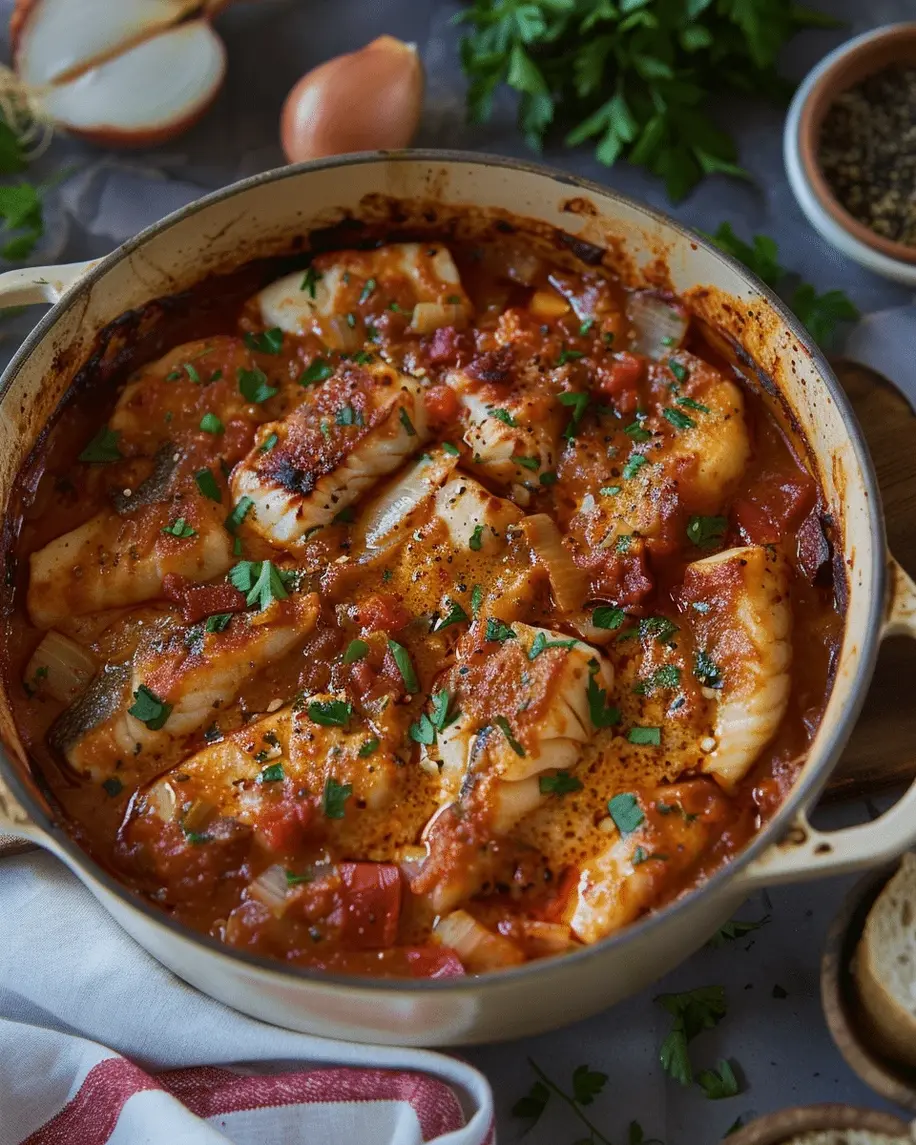
Imagine a perfectly baked fillet of white fish — tender, flaky, and moist — topped with a generous spoonful of homemade romesco sauce. The sauce is rich with roasted red peppers, toasted almonds, and a whisper of smoked paprika, all finished with good olive oil and a hit of sherry vinegar. The aromas that fill your kitchen as it bakes are intoxicating: garlic softening in oil, peppers caramelizing, and the fish releasing its delicate sweetness. Each bite brings a creamy, nutty depth balanced by a bright, slightly tangy finish. It’s the kind of dish that feels special enough for company but comes together quickly enough for a Tuesday dinner — and that is exactly how I like to cook.
I’ve tested every detail of this recipe to make sure it works perfectly in a home kitchen. The technique I developed uses a quick pan-to-oven method that guarantees moist, evenly cooked fish every time — no dry fillets here. I also included my favorite trick for building romesco flavor in half the time: using jarred roasted red peppers as a shortcut without sacrificing depth. Plus, I’ll walk you through the one common mistake most people make when baking fish with a sauce, so you can avoid it completely. From my NYC kitchen to yours — this healthy baked fish recipe is about to become your new go-to easy seafood dinner recipe.
Why This Baked Fish with Romesco Sauce Recipe Is the Best
The Flavor Secret — This homemade romesco sauce is the star. I toast almonds until golden, bloom smoked paprika in olive oil, and blend everything with roasted red peppers and a splash of sherry vinegar. It’s a technique I learned in Paris — building flavor in stages — but the soul of the sauce comes straight from the Mediterranean. The result is a sauce that’s smoky, nutty, and deeply savory, yet bright enough to let the fish shine. No other romesco sauce for fish delivers this much depth with so little effort.
Perfected Texture — I use a two-zone baking method that keeps the fish moist and flaky while the sauce concentrates beautifully. The fillets are seasoned, seared briefly in a hot pan, then transferred to the oven with the sauce spooned over the top. That quick sear locks in moisture, and the oven finishes the job gently. The fish comes out fork-tender every single time, with the romesco clinging to every bite. It’s the kind of texture I demand after years of cooking fish in professional kitchens — and this technique delivers it reliably at home.
Foolproof & Fast — This recipe is designed for real life. The romesco sauce comes together in under 10 minutes in a blender, and the fish bakes in about 15 minutes. You can prep the sauce up to three days ahead, which makes this an ideal easy seafood dinner recipe for busy weeknights. Even if you’ve never baked fish before, the visual cues I share — like exactly when the sauce is thick enough and how to tell the fish is perfectly cooked — make it virtually impossible to mess up. I’ve taught this recipe to friends who were sure they couldn’t cook seafood, and now they make it weekly.
Baked Fish with Romesco Sauce Ingredients
One of my favorite things about living in New York City is the access to incredible ingredients. I pick up fresh fish at the Chelsea Market fishmongers, grab jarred roasted red peppers from the Italian grocery on Bleecker Street, and source smoked paprika from a little spice shop in Brooklyn that reminds me of the souks back home. Every ingredient in this baked fish with romesco sauce is simple to find and full of flavor — here’s what you’ll need.
Ingredients List
- 4 white fish fillets (cod, halibut, sea bass, or hake), about 6 oz each — skin-on or skinless, your choice
- 1 teaspoon kosher salt, plus more for seasoning
- ½ teaspoon freshly ground black pepper
- 2 tablespoons olive oil, divided
- 1 cup roasted red peppers (from a jar, drained, or roasted fresh)
- ⅓ cup raw almonds, toasted
- 2 cloves garlic, roughly chopped
- 1 tablespoon tomato paste
- 2 teaspoons smoked paprika (sweet, not hot)
- 2 tablespoons sherry vinegar (or red wine vinegar)
- ¼ cup extra-virgin olive oil, plus more for drizzling
- ½ teaspoon red pepper flakes (optional, for heat)
- 2 tablespoons chopped fresh parsley, for garnish
- Lemon wedges, for serving
Ingredient Spotlight
Fish Fillets — For this healthy baked fish recipe, choose a firm white fish that holds its shape during baking. Cod and halibut are my top picks because they’re meaty, flaky, and mild enough to let the romesco shine. At the fish counter, look for fillets that are bright, smell clean, and feel firm to the touch. If you’re near a Whole Foods or a local fish market, ask for wild-caught Pacific cod or Atlantic hake — both are sustainable and cook beautifully.
Roasted Red Peppers — Jarred roasted red peppers are a time-saving gem. I always keep a jar in my pantry for quick romesco, but if you have a few extra minutes, roasting your own bell peppers over a gas flame or under the broiler adds a deeper, smokier flavor. Either way, be sure to drain them well so the sauce isn’t watery. The peppers provide the rich, sweet backbone of the homemade romesco sauce.
Almonds — Toasted almonds give romesco its signature nutty body and creamy texture. Toast them in a dry skillet over medium heat for about 3–4 minutes, shaking frequently, until they’re golden and fragrant. Sliced almonds work too, but whole or blanched almonds toast more evenly. If you need a nut-free option, see the substitutions table below — sunflower seeds are a fantastic alternative in this romesco sauce for fish.
Smoked Paprika — This is the spice that gives romesco its soul. Sweet smoked paprika (pimentón dulce) adds warmth and a subtle smoky aroma without overpowering the fish. I bring mine back from Spain when I visit, but the brand at most US grocery stores works beautifully. Just make sure it’s fresh — paprika loses its vibrancy after about six months. A fresh jar makes all the difference in this easy seafood dinner recipe.
| Original Ingredient | Best Substitution | Flavor / Texture Impact |
|---|---|---|
| Cod or halibut fillet | Hake, haddock, or sea bass | Similar flaky texture; hake is slightly sweeter, haddock is firmer |
| Roasted red peppers (jarred) | Fresh-roasted bell peppers (red) | Deeper smoky flavor; requires extra roasting time |
| Raw almonds, toasted | Sunflower seeds or pine nuts | Sunflower seeds: milder, nut-free; pine nuts: richer, more buttery |
| Sherry vinegar | Red wine vinegar or apple cider vinegar | Slightly less complex; apple cider adds fruity note |
| Smoked paprika | Regular sweet paprika + drop of liquid smoke | Similar depth; use liquid smoke sparingly (⅛ tsp) |
How to Make Baked Fish with Romesco Sauce — Step-by-Step
Trust me when I say this is one of the easiest yet most rewarding baked fish with romesco sauce recipes you’ll ever make. I’ve broken it down into clear steps with visual cues so you can cook with confidence, whether it’s your first time or your fiftieth.
Step 1: Make the Romesco Sauce
In a dry skillet over medium heat, toast the almonds for 3–4 minutes, shaking frequently, until golden and fragrant. Transfer to a plate to cool slightly. In a blender or food processor, combine the roasted red peppers (drained), toasted almonds, garlic, tomato paste, smoked paprika, sherry vinegar, and red pepper flakes if using. Pulse until roughly chopped, then with the motor running, stream in ¼ cup extra-virgin olive oil. Blend until smooth but still with a little texture — you want a thick, spreadable sauce, not a purée. Taste and season with salt and pepper. Set aside.
💡 mia’s Pro Tip: For the best homemade romesco sauce, let the sauce rest for 10 minutes after blending. The flavors meld and deepen beautifully as it sits. If it’s too thick, stir in a tablespoon of water or lemon juice to loosen it.
Step 2: Preheat and Prep the Fish
Preheat your oven to 400°F (200°C). Pat the fish fillets dry with paper towels — this is crucial for a good sear. Season both sides generously with kosher salt and freshly ground black pepper. Drizzle 1 tablespoon of olive oil over the fillets and rub it in gently.
⚠️ Common Mistake to Avoid: Skipping the pat-dry step is the number one reason fish turns out watery instead of flaky. Moisture is the enemy of a good sear — take the extra 10 seconds to dry those fillets thoroughly.
Step 3: Sear the Fish
Heat 1 tablespoon olive oil in an oven-safe skillet (cast iron or stainless steel) over medium-high heat until shimmering. Place the fillets in the pan, skin-side down if using skin-on fillets, and cook without moving them for 3 minutes — until the bottom is golden and releases easily from the pan. Flip and cook for 1 minute on the second side. This quick sear locks in moisture and adds a beautiful golden crust.
💡 mia’s Pro Tip: Use a fish spatula for flipping — it’s thin and flexible, so it slides under the fillet without breaking it. If you don’t have one, a thin metal spatula works too. Don’t rush the sear; the fish will tell you when it’s ready by releasing easily.
Step 4: Bake with Romesco
Spoon the romesco sauce for fish generously over each fillet, spreading it to cover the top. Transfer the skillet to the preheated oven and bake for 12–15 minutes, depending on the thickness of your fillets. The fish is done when it flakes easily with a fork and the internal temperature reaches 135°F (57°C) at the thickest part. The sauce should be bubbling gently around the edges.
⚠️ Common Mistake to Avoid: Overbaking is the most common error. Fish continues to cook from residual heat after you take it out of the oven. Pull it out when it’s just barely opaque in the center — it will finish cooking on the plate. I always set a timer for 12 minutes and check from there.
Step 5: Rest and Serve
Remove the skillet from the oven and let the fish rest for 3 minutes. This allows the juices to redistribute and the sauce to settle. Garnish with chopped fresh parsley and serve with lemon wedges on the side. A final drizzle of good extra-virgin olive oil just before serving adds a beautiful finish.
💡 mia’s Pro Tip: For the best presentation, serve the fish on a warm platter with extra romesco sauce on the side. I like to spoon a little sauce onto the plate first, place the fish on top, and then add another dollop — it looks restaurant-worthy and ensures every bite has enough sauce.
| Step | Action | Duration | Key Visual Cue |
|---|---|---|---|
| 1 | Make romesco sauce | 10 mins | Sauce is thick, smooth, and deep brick-red |
| 2 | Preheat and prep fish | 5 mins | Fillets are dry and evenly seasoned |
| 3 | Sear fish | 4 mins total | Golden crust forms; fish releases from pan |
| 4 | Bake with romesco | 12–15 mins | Fish flakes easily; sauce bubbles at edges |
| 5 | Rest and serve | 3 mins | Juices reabsorb; sauce sets slightly |
Serving & Presentation
The way you serve this baked fish with romesco sauce can take it from simple weeknight dinner to dinner-party centerpiece in seconds. I love to plate each fillet on a warm white plate, spoon a generous slick of romesco sauce underneath, and then place the fish on top with a final dollop of sauce right in the center. A scattering of fresh parsley and a lemon wedge on the side adds color and brightness. It’s a plating trick I picked up in Paris — the sauce underneath keeps the fish moist and makes every bite perfectly coated.
For sides, I lean into Mediterranean flavors that complement the smoky, nutty romesco. A bright lemony arugula salad with shaved Parmesan cuts through the richness beautifully. Or go with something starchier: roasted baby potatoes with rosemary, or a simple saffron rice pilaf that soaks up every drop of sauce. When I’m feeling nostalgic for Morocco, I serve it with warm crusty bread and a bowl of olives on the side — it’s the kind of meal that makes everyone at the table slow down and savor.
| Pairing Type | Suggestions | Why It Works |
|---|---|---|
| Side Dish | Lemony arugula salad, roasted baby potatoes, saffron rice pilaf | Bright greens cut richness; starches absorb the bold romesco sauce |
| Sauce / Dip | Extra romesco on the side, lemon-garlic aioli, harissa yogurt | Adds layers of heat, creaminess, or tang to each bite |
| Beverage | Crisp Albariño, dry rosé, sparkling water with lemon and mint | High-acid wines cut through the smoky sauce; citrus notes echo the lemon |
| Garnish | Fresh parsley, lemon wedges, toasted almond slivers, flaky sea salt | Adds freshness, crunch, and visual appeal |
Make-Ahead, Storage & Reheating
As a busy NYC food blogger, I rely on make-ahead strategies to keep weeknight cooking stress-free. The homemade romesco sauce is your best friend here — it actually gets better after a day in the fridge as the flavors meld. I often double the sauce batch and keep it on hand for pasta, roasted vegetables, or sandwiches. The fish itself is best enjoyed fresh, but with the right storage and reheating method, leftovers stay delicious.
| Method | Container | Duration | Reheating Tip |
|---|---|---|---|
| Refrigerator | Airtight container with sauce on top | Up to 3 days | Reheat gently in a 300°F oven, covered, for 10 minutes |
| Freezer | Freezer-safe container (sauce only) | Up to 3 months | Thaw overnight in fridge; reheat on stovetop with a splash of water |
| Make-Ahead | Sauce stored separately | Up to 3 days in advance | Spoon sauce over fish just before baking; add 2 minutes to bake time |
When reheating leftover fish, low and slow is the key. I place the fillets in a baking dish with a splash of water or lemon juice, cover tightly with foil, and reheat at 300°F for about 10 minutes. The gentle steam keeps the fish moist and the sauce from drying out. Avoid the microwave — it will overcook the fish and make the sauce separate. Trust me, the extra few minutes in the oven are worth it for flaky, tender leftovers that taste almost as good as the first time.
Variations & Easy Swaps
One of the things I love most about this baked fish with romesco sauce recipe is how versatile it is. Whether you’re cooking for a crowd, feeding kids, or working with what’s in your pantry, there’s a variation that will work beautifully. Here are my favorite ways to switch it up — each one tested in my NYC kitchen.
| Variation | Key Change | Best For | Difficulty Impact |
|---|---|---|---|
| Spicy Moroccan Romesco | Add harissa + cumin to sauce | Heat lovers, North African flavor fans | Easy |
| Grilled Fish Version | Grill fish instead of baking | Summer cookouts, smoky char flavor | Easy–Medium |
| Sheet Pan Meal | Add vegetables to the pan | One-pan dinner, minimal cleanup | Easy |
Spicy Moroccan Romesco Variation
This is the version I make when I’m craving the flavors of my childhood. Add 1 tablespoon of harissa paste and ½ teaspoon of ground cumin to the romesco sauce before blending. The harissa brings a warm, smoky heat that pairs beautifully with the almonds and roasted peppers, while cumin adds an earthy note that whispers of Moroccan souks. If you can’t find harissa, substitute 1 teaspoon of cayenne and ½ teaspoon of caraway seeds. This variation is incredible with grilled fish or even roasted cauliflower for a vegetarian option.
Gluten-Free & Dairy-Free Variation
This recipe is naturally gluten-free and dairy-free as written, so no substitutions are needed for those dietary needs. However, if you’re serving it with a side like couscous or bread, simply choose gluten-free alternatives like quinoa, rice, or gluten-free crusty bread. For a dairy-free garnish, skip any cheese-based sides and double down on the fresh herbs, lemon, and olives. The healthy baked fish recipe is already so full of flavor from the romesco that you won’t miss a thing — I’ve served it to dairy-free friends who raved about the creamy, satisfying sauce.
Sheet Pan Vegetable Meal
For the ultimate one-pan easy seafood dinner recipe, add vegetables to the baking sheet alongside the fish. Toss asparagus spears, cherry tomatoes, and thinly sliced red onion with olive oil, salt, and pepper. Arrange them around the fish fillets before spooning on the romesco sauce. The vegetables roast in the same time as the fish, absorbing the smoky sauce drippings as they cook. I love this method on busy weeknights when I want dinner on the table with minimal cleanup — it’s a trick I picked up from the farmers market in Union Square, where I grab whatever’s seasonal and build the meal around it.
What type of fish is best for baking with romesco sauce?
Firm, mild white fish work best for this baked fish with romesco sauce because they hold their shape during baking and let the bold romesco flavor shine. Cod and halibut are my top picks — they’re meaty, flaky, and widely available at US grocery stores. Hake and haddock are excellent alternatives with a slightly sweeter, more delicate texture. Sea bass is another great option if you’re looking for a buttery, upscale choice. Avoid thin, delicate fillets like sole or flounder, as they can overcook quickly and fall apart under the sauce. When selecting fish at the market, look for bright, firm fillets with a clean scent — that’s the best indicator of freshness for any healthy baked fish recipe.
Can I make the romesco sauce ahead of time for baked fish?
Absolutely — in fact, I recommend it. This homemade romesco sauce tastes even better after a day in the refrigerator because the flavors have time to meld and deepen. You can make the sauce up to three days ahead and store it in an airtight container in the fridge. When you’re ready to cook, simply let the sauce come to room temperature for about 20 minutes while you prep the fish, or warm it gently on the stovetop with a splash of water if it has thickened. This make-ahead strategy is perfect for busy weeknights — it transforms this easy seafood dinner recipe into a virtually effortless meal that comes together in under 20 minutes.
How do I prevent the fish from drying out when baking it with romesco sauce?
The two most important steps to prevent dry fish are searing and proper timing. First, sear the fillets in a hot pan for about 3 minutes on the first side before transferring to the oven. That quick seal locks moisture inside and creates a flavorful crust. Second, don’t overbake — fish continues to cook from residual heat after it leaves the oven, so pull it out when it’s just barely opaque in the center (internal temperature of 135°F). The romesco sauce itself also helps keep the fish moist during baking by acting as a protective layer. For the best results in this baked fish with romesco sauce, use a timer and check the fish at the 12-minute mark.
What can I substitute for almonds in homemade romesco sauce?
If you need a nut-free option or simply don’t have almonds on hand, sunflower seeds are my favorite substitute in homemade romesco sauce. They toast beautifully and provide a similar creamy, nutty body when blended. Use the same amount — ⅓ cup — and toast them in a dry skillet for about 2–3 minutes until fragrant. Pine nuts are another excellent option; they’re richer and more buttery than almonds and are traditional in some Spanish romesco variations. For a seed-based alternative, hulled pumpkin seeds (pepitas) work well too, though they’ll add a slightly green tint to the sauce. Whichever substitute you choose, the romesco sauce for fish will still be deliciously thick and flavorful.
Can I use frozen fish fillets for this recipe?
Yes, frozen fish fillets work perfectly in this healthy baked fish recipe, and I often use them during busy weeks when a trip to the fish market isn’t possible. The key is to thaw them completely and pat them very dry before cooking. Thaw frozen fillets overnight in the refrigerator, or place them in a sealed bag and submerge in cold water for about 30 minutes. Once thawed, press the fillets gently with paper towels to remove as much moisture as possible — frozen fish naturally releases more water than fresh. After that, follow the recipe exactly as written. The searing step is especially important with previously frozen fish to ensure you get a good golden crust and lock in moisture.
Is this baked fish with romesco sauce recipe spicy?
This baked fish with romesco sauce recipe is not inherently spicy — it’s warm and smoky from the smoked paprika, but not hot. The heat level is very mild, making it family-friendly and approachable for all palates. If you want to add heat, I include optional red pepper flakes in the ingredients list, and you can adjust the amount to your preference. For a spicier version, add ½ teaspoon of cayenne pepper or a tablespoon of harissa paste to the romesco sauce before blending — this is how I make it when I’m craving the bold, warming flavors of my Moroccan childhood. The base recipe, however, is designed to be gentle and crowd-pleasing, with the smoky paprika providing depth rather than heat.
What should I serve with this baked fish and romesco sauce?
This easy seafood dinner recipe pairs beautifully with a wide range of sides. I love serving it with a bright lemony arugula salad with shaved Parmesan — the peppery greens and acidity cut through the rich, nutty romesco. For something heartier, roasted baby potatoes with rosemary or a simple saffron rice pilaf are excellent choices that soak up the sauce. If you want to keep it light, steamed green beans or roasted asparagus work wonderfully. When I’m feeling nostalgic, I serve it with warm crusty bread and a bowl of olives on the side, Moroccan-style. The sauce is so versatile that even a simple side of couscous or quinoa would be delicious — any neutral starch or vegetable that can catch the sauce is a perfect match.
Can I grill the fish instead of baking it with romesco sauce?
Absolutely — grilling is a fantastic alternative for this romesco sauce for fish. The smoky char from the grill complements the smoky paprika in the sauce beautifully. To grill, preheat your grill to medium-high (about 400°F) and oil the grates well. Season and lightly oil the fish fillets, then grill for 4–5 minutes per side, depending on thickness, until the fish flakes easily. For the sauce, you can either spoon it over the fish during the last 2 minutes of grilling (if using a sturdy fish like swordfish or salmon) or serve it as a condiment on the side after grilling. I often grill extra vegetables — like zucchini, bell peppers, and scallions — alongside the fish for a complete meal that tastes like summer.
How long does homemade romesco sauce last in the refrigerator?
Properly stored, homemade romesco sauce will keep in the refrigerator for up to 5 days in an airtight container. I recommend storing it in a glass jar with a tight-fitting lid, with a thin layer of olive oil poured over the top to prevent oxidation and keep the color vibrant. The sauce may thicken slightly as it chills — simply stir in a tablespoon of warm water or lemon juice to bring it back to the perfect consistency. You can also freeze romesco sauce for up to 3 months; thaw it overnight in the refrigerator and whisk well before using. One of my favorite meal-prep tricks is to double the sauce batch so I have it ready for pasta, roasted vegetables, or sandwiches later in the week.
Can I make this baked fish recipe with salmon or other fatty fish?
Yes, salmon works beautifully with this homemade romesco sauce, though the flavor profile shifts slightly — the rich, oily salmon stands up to the bold sauce in a different but equally delicious way. I recommend using wild-caught salmon for the best texture and flavor. The baking time may need to increase by 2–3 minutes for thicker salmon fillets. Other fatty fish like arctic char, trout, or even swordfish are excellent alternatives. For swordfish, which is very firm, I recommend grilling rather than baking for the best texture. The key with any fatty fish is to watch the internal temperature — salmon is best at 125°F for medium, while swordfish should reach 135°F. The romesco sauce for fish is incredibly versatile and pairs well with both white and oily fish.
Share Your Version!
Now it’s your turn to bring this baked fish with romesco sauce to life in your own kitchen. I’d love to hear how it turns out — did you try the classic version, or did you add your own twist? Maybe you went spicy with harissa, or swapped the almonds for sunflower seeds. Whatever you did, drop a comment below and let me know! Your star rating and review help other home cooks find this recipe and give it a try themselves.
And if you snap a photo — and I hope you do — tag me on Instagram or Pinterest @exorecipes. I absolutely love seeing your creations, and I feature my favorites on my stories every week. If there’s one question I want you to ask yourself after making this dish: Does the romesco sauce now have a permanent spot in your weekly dinner rotation? Because I have a feeling it will. From my NYC kitchen to yours — I hope this recipe brings as much warmth to your table as it does to mine. — mia 🧡
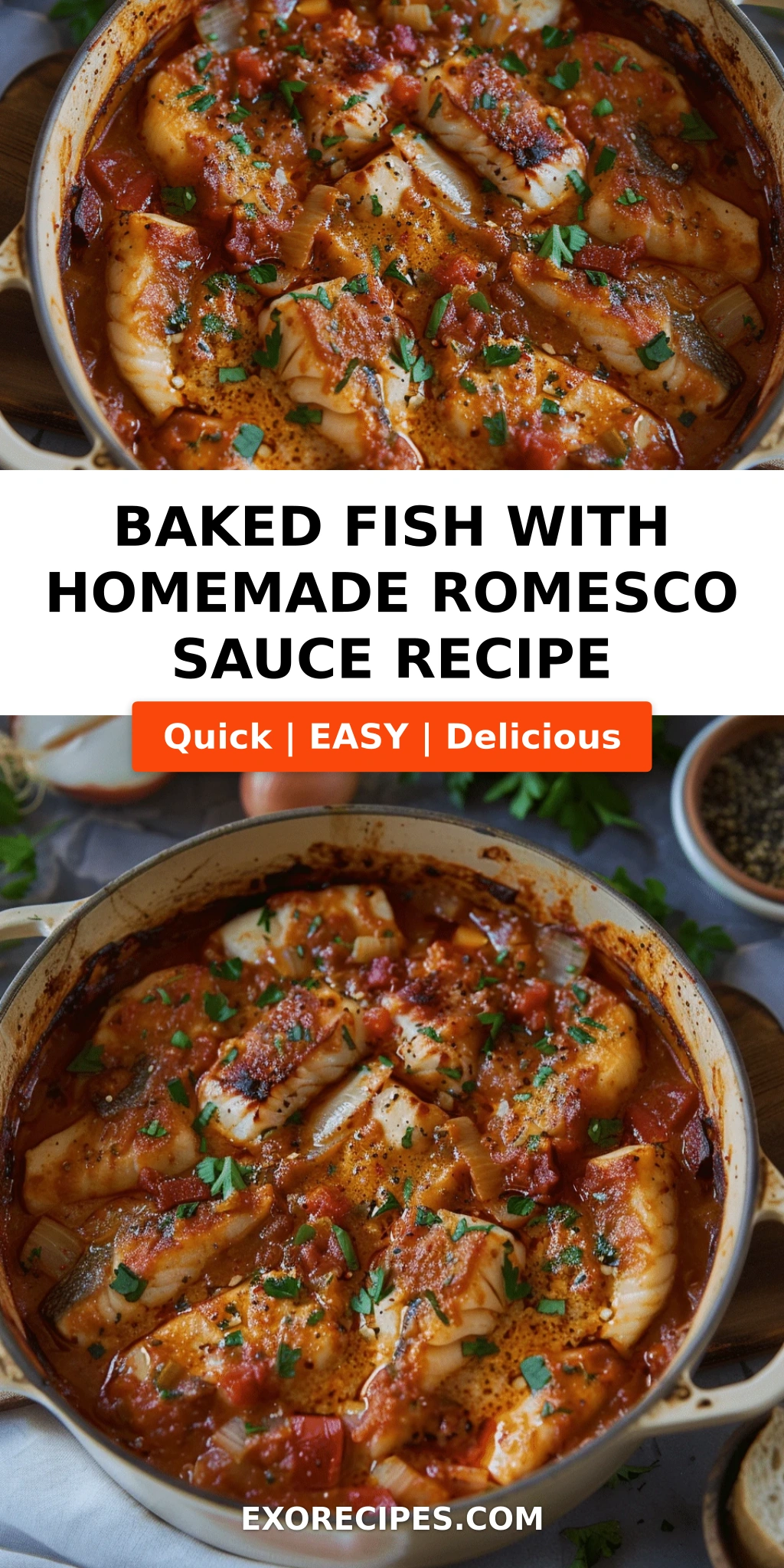
Love This Recipe? Save It to Pinterest!
If you enjoyed this Baked Fish with Romesco Sauce recipe, don’t let it get lost in your browser tabs! 😄 Pin it now so you can find it again anytime — and explore hundreds more tried-and-tested recipes waiting for you on my Pinterest boards.
👉 Follow mia on Pinterest @exorecipe
📌 Pin this recipe · 🔁 Re-pin your favorites · 💬 Tag me when you make it — I love seeing your creations!
⭐️ Loved this recipe? Let me know! ⭐️
Tap the stars below to leave a rating, and share your thoughts in the comments — your feedback helps me create more recipes you’ll love!
★★★★★
Tag @exorecipes on Instagram or Pinterest — I can’t wait to see your beautiful fish dinner! 🐟🧡
Baked Fish with Homemade Romesco Sauce: A Flavorful Twist on Classic Seafood
Instructions
Tried This Recipe? Leave a Comment!
Did you make this recipe? I’d love to hear how it turned out! Please leave a comment and a rating below. Your feedback helps other home cooks and supports cheerychop.com!
For more delicious inspiration, follow me on Pinterest!
