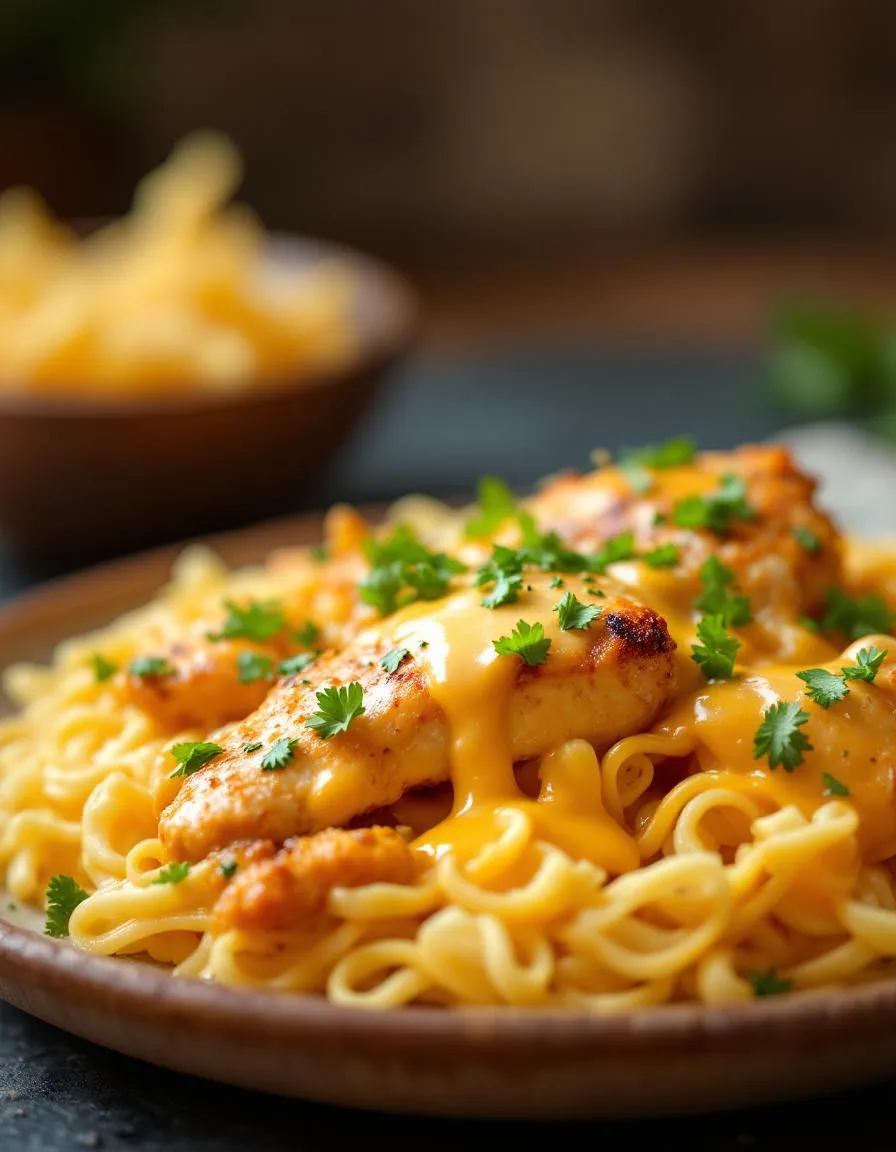
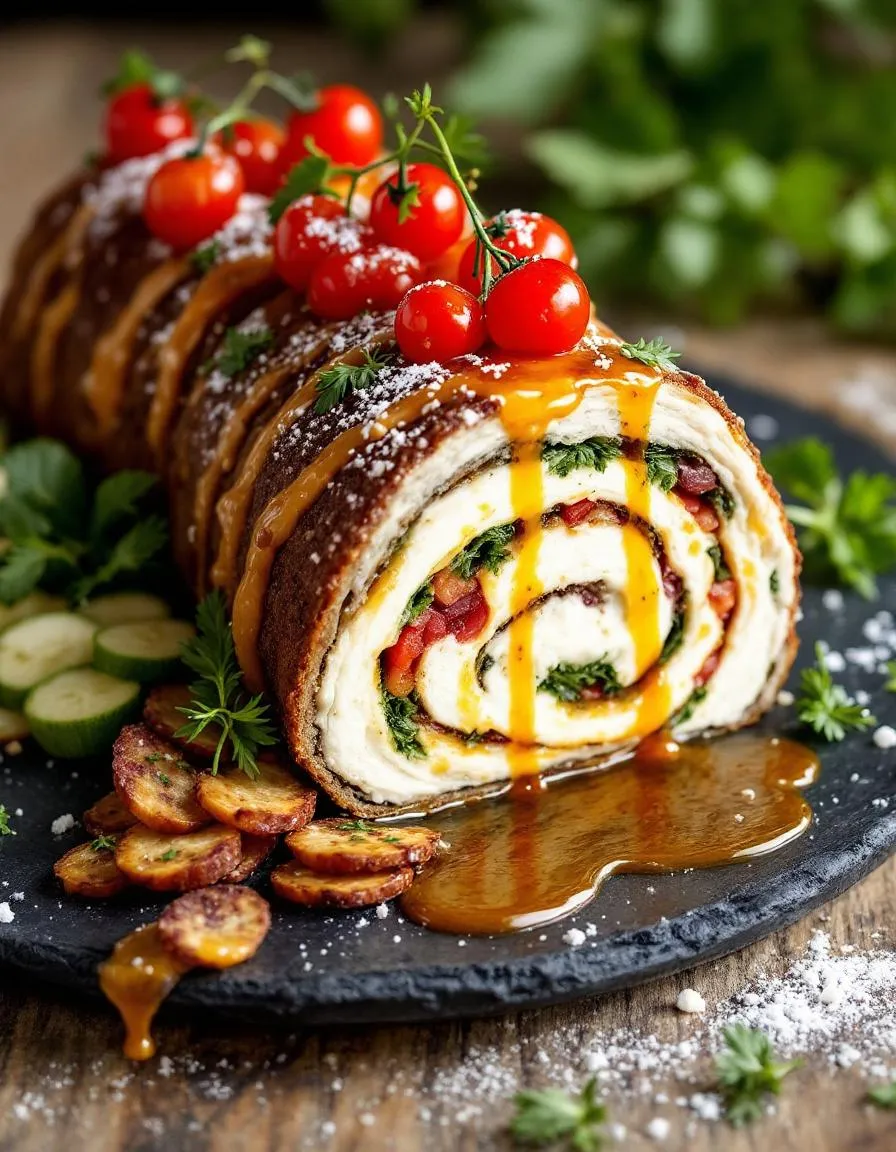
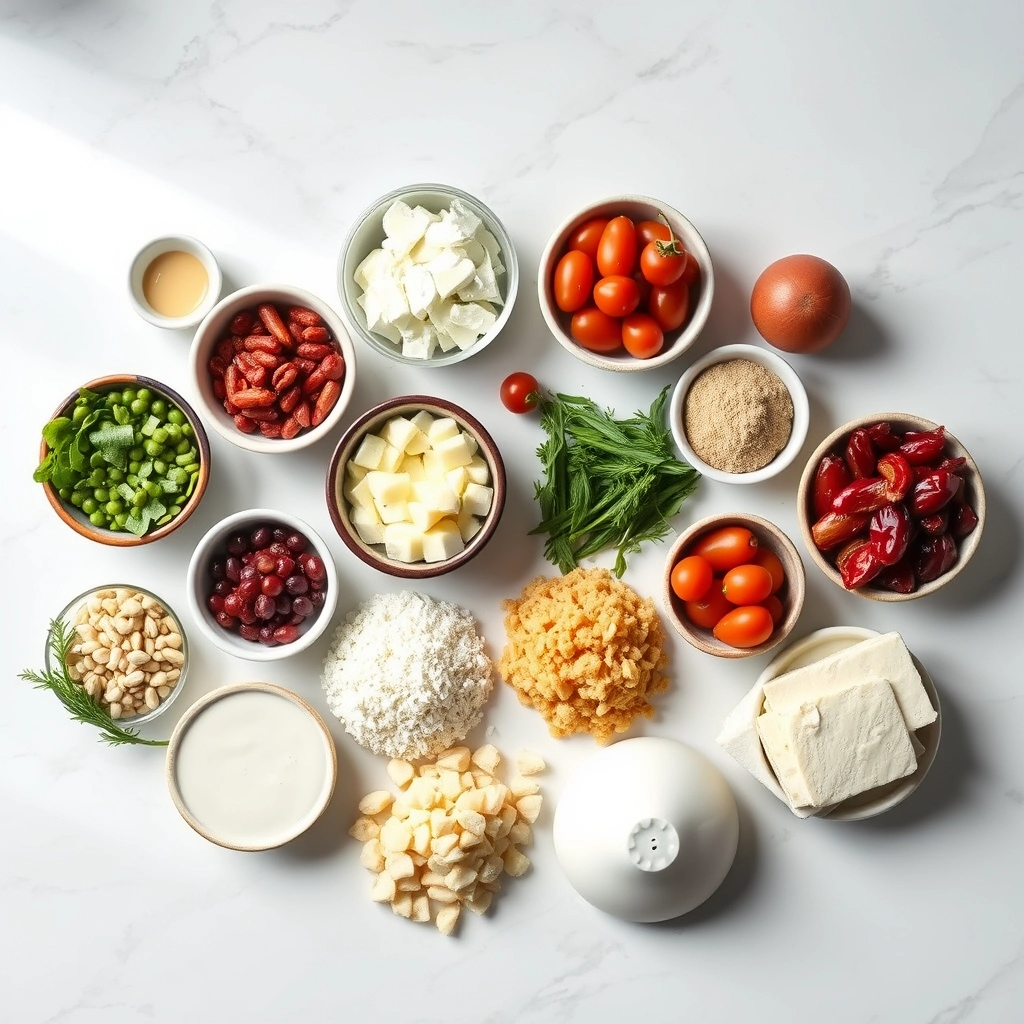
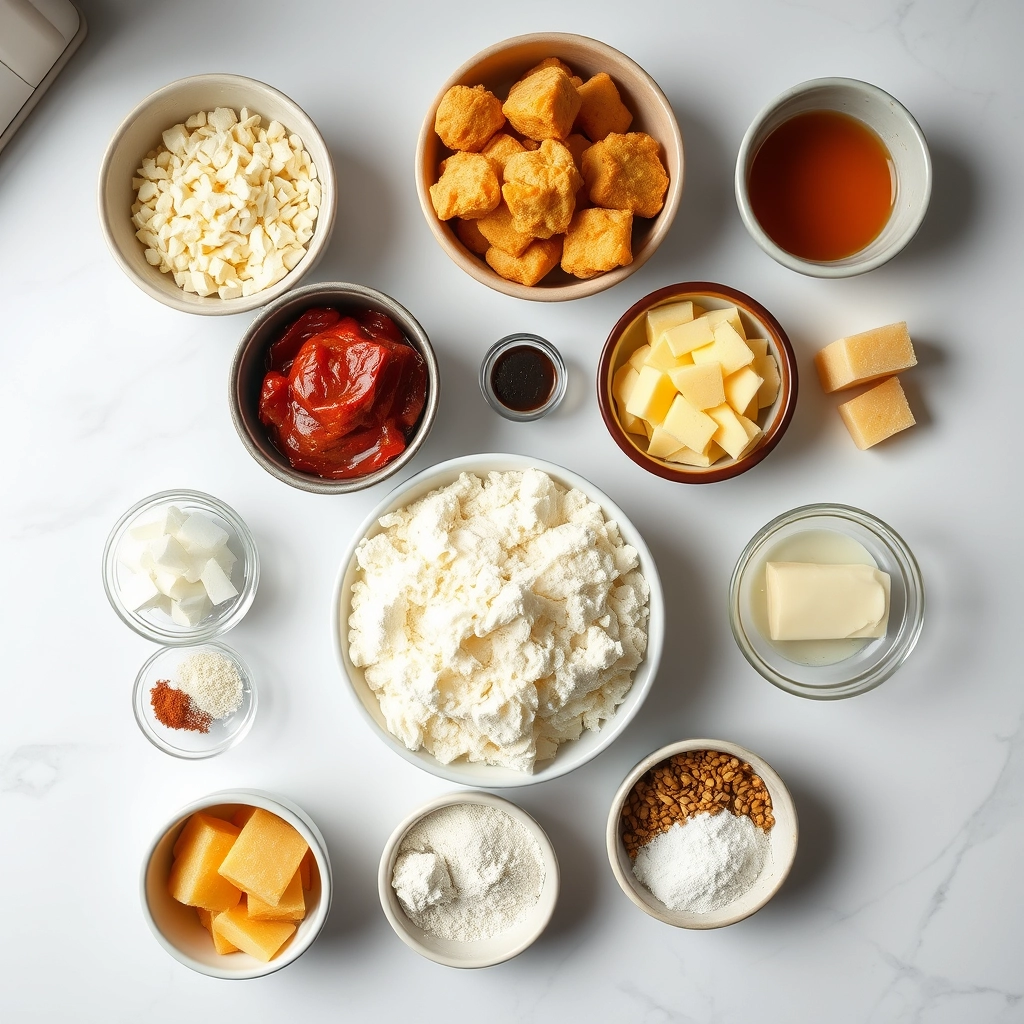
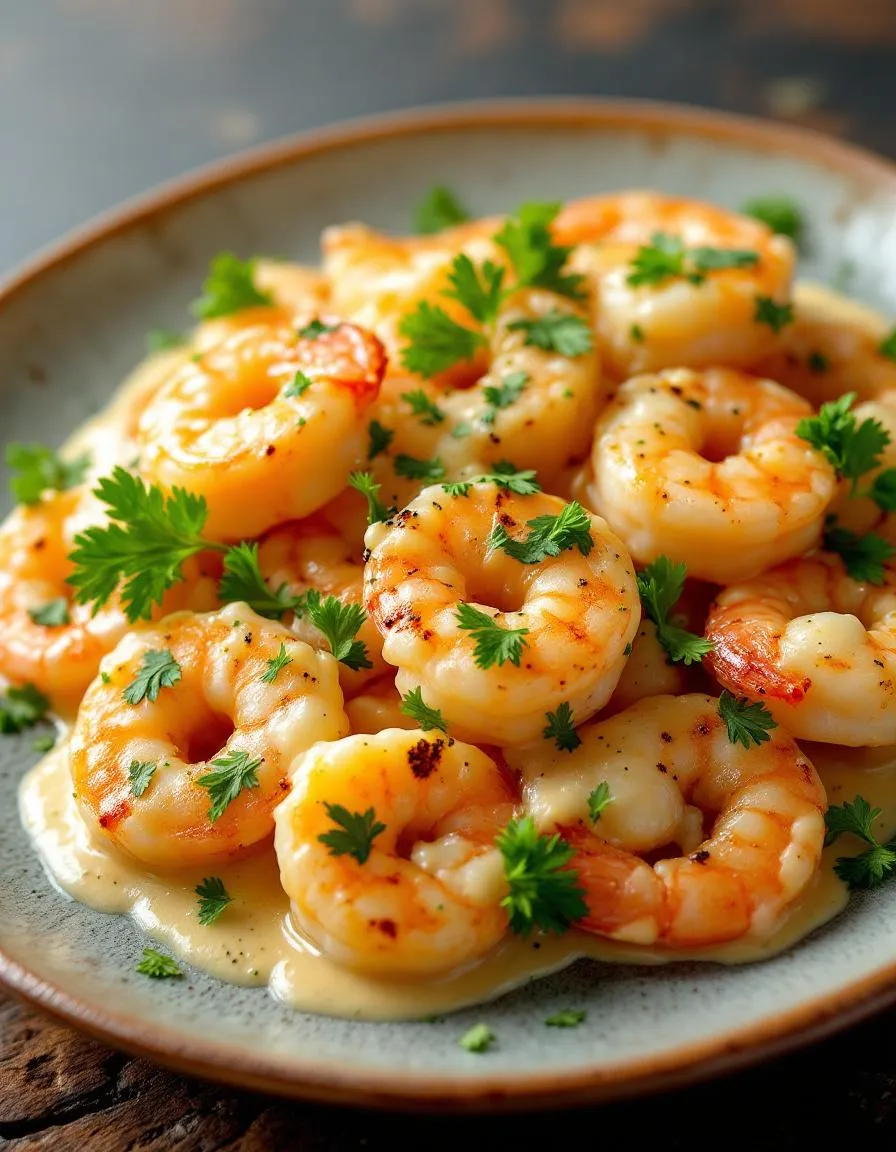
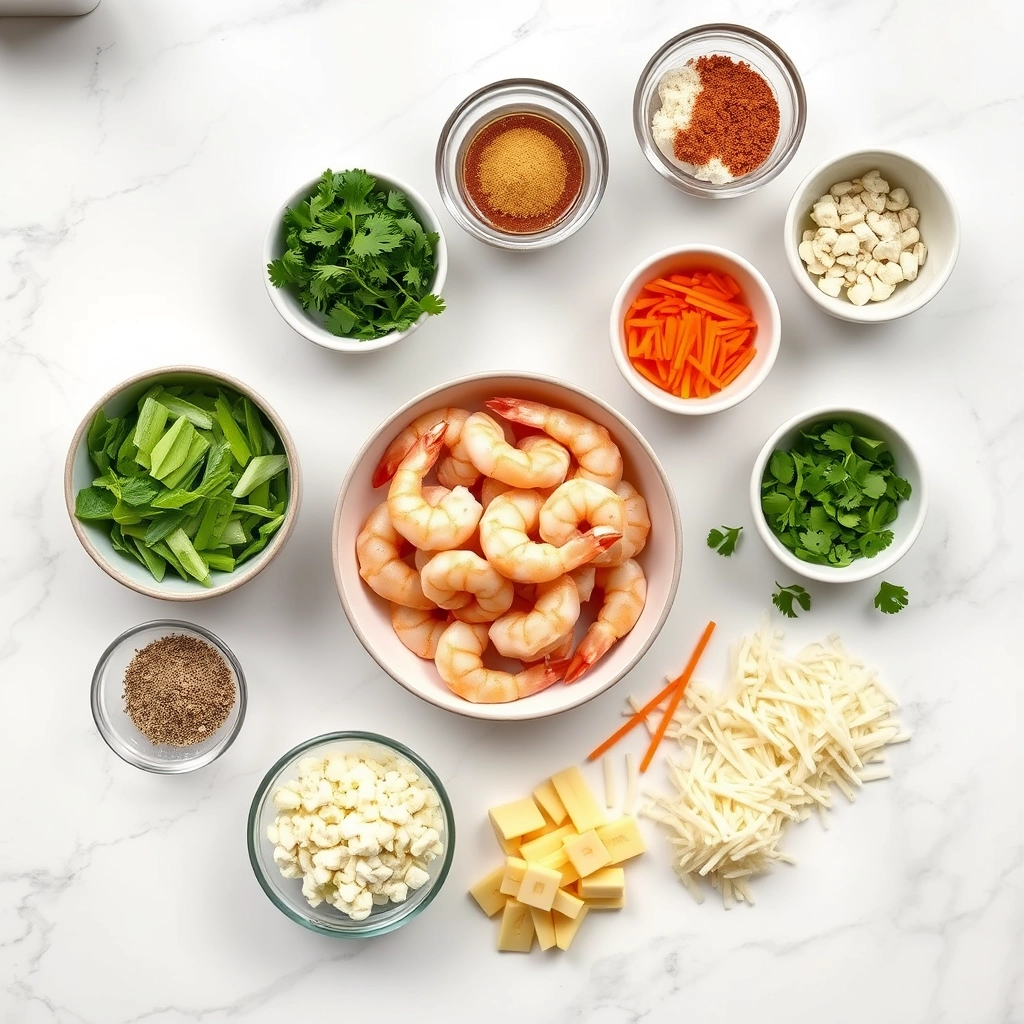
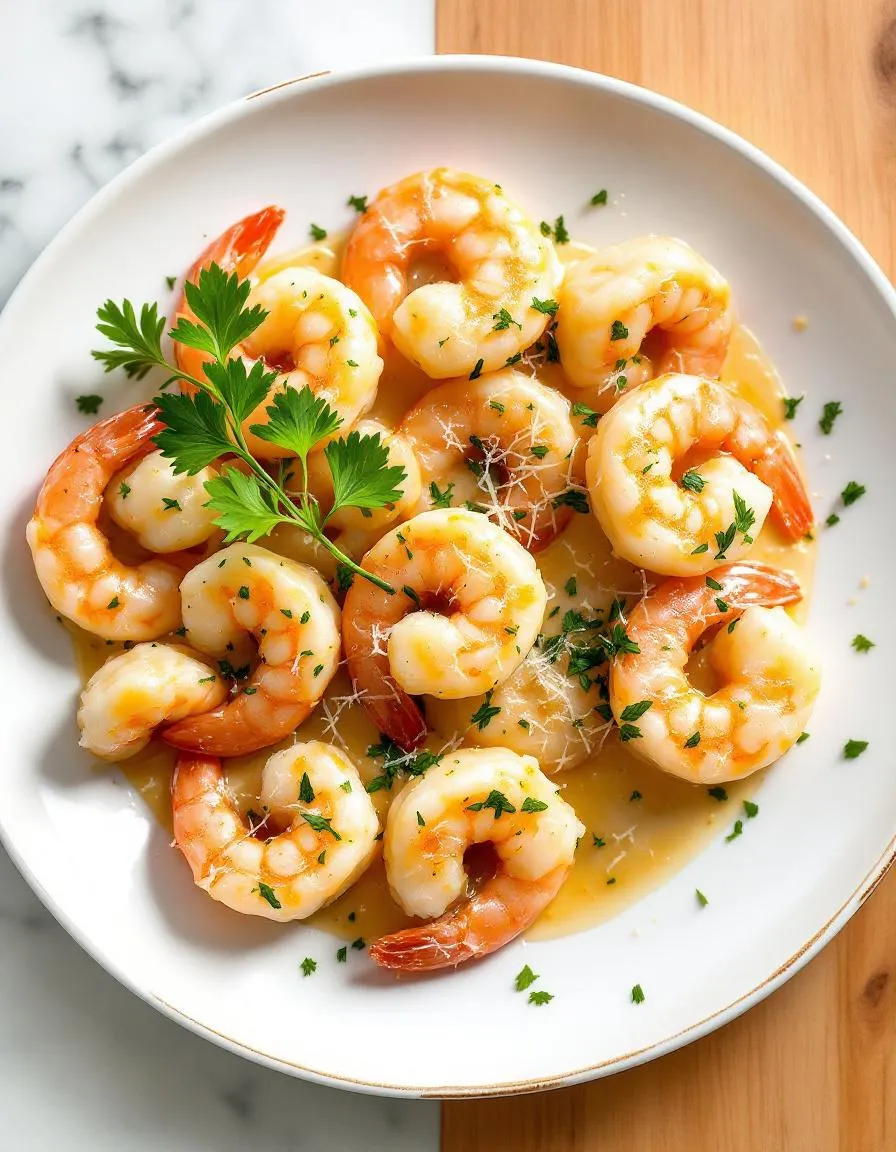
If you’re craving a meal that’s both comforting and effortless, you’re in the right place. Crockpot Cheesy Chicken Delight is the kind of dish that feels like a warm hug after a long day. Whether you’re juggling a busy schedule or simply want to treat your family to something delicious, this recipe delivers flavor without the fuss. Plus, it’s perfect for those nights when you’d rather spend time with loved ones than slave over the stove.
Crockpot Cheesy Chicken Delight is a creamy, savory dish that combines tender chicken, melted cheese, and a hint of spices—all cooked low and slow for maximum flavor. What makes it special? First, it’s incredibly versatile. You can serve it over rice, pasta, or even scoop it up with crusty bread. Second, it’s a crowd-pleaser. Kids adore the cheesy goodness, while adults appreciate the rich, satisfying taste. Best of all, it aligns perfectly with the brekcakes.com philosophy: uncomplicated recipes that bring joy to everyday cooking. If you love easy yet impressive meals, you’ll also adore my Creamy Garlic Parmesan Pasta or Slow Cooker Beef Stew.
Why I Love This Recipe
This dish holds a special place in my heart because it’s the recipe I turn to when life gets hectic. Whether I’m hosting friends or just need a cozy dinner after a rainy day, Crockpot Cheesy Chicken Delight never disappoints. It reminds me of Sunday dinners with my family, where the slow cooker did all the work while we laughed and shared stories. That’s the beauty of this recipe—it’s not just food, it’s a memory maker.
Health and Nutrition
Why it’s good for your body
Crockpot Cheesy Chicken Delight packs a nutritious punch while keeping flavors rich and satisfying. First, the lean chicken breast provides high-quality protein, which helps build and repair muscles. Additionally, the slow-cooking process locks in moisture, so you get tender meat without excess fat. Moreover, the dish includes a blend of cheeses, offering calcium for strong bones and a creamy texture without overwhelming heaviness.
Beyond protein and dairy benefits, Crockpot Cheesy Chicken Delight incorporates vegetables like spinach or broccoli for added fiber and vitamins. These ingredients support digestion and immune health while blending seamlessly into the cheesy goodness. Furthermore, the slow cooker method preserves nutrients better than high-heat cooking, so you maximize every bite. Finally, the balanced macros in this dish make it a smart choice for sustained energy, whether you’re fueling a busy day or winding down after work.
How it fits in a healthy lifestyle
Crockpot Cheesy Chicken Delight fits effortlessly into balanced eating plans. If you’re watching carbs, simply pair it with cauliflower rice or zucchini noodles for a low-carb twist. For those prioritizing protein, the chicken and cheese combo delivers a hearty dose to keep you full longer. Plus, the recipe adapts easily to gluten-free needs—just ensure your broth and seasoning blends are certified gluten-free.
This dish also aligns with meal prep strategies, saving time without sacrificing nutrition. Whip up a batch ahead of busy weeks, and you’ll have a wholesome option ready when cravings strike. For more gluten-free meal ideas, check out our gluten-free dinner roundup. And if you love slow cooker efficiency, explore our easy crockpot meals for more weeknight inspiration. Crockpot Cheesy Chicken Delight proves that comfort food can be both nourishing and convenient.
Start by gathering all your ingredients for Crockpot Cheesy Chicken Delight to streamline the process. First, layer boneless chicken breasts at the bottom of your crockpot, then season them generously with salt, pepper, and garlic powder. Next, whisk together cream of chicken soup, sour cream, and a splash of milk until smooth before pouring it over the chicken. Cover the mixture with shredded cheddar cheese, then sprinkle crispy bacon bits on top for extra flavor. Set your crockpot to low and let it cook for 4-6 hours, or until the chicken shreds easily with a fork. Meanwhile, prepare a side of steamed broccoli or buttered noodles to serve alongside. For a time-saving hack, use pre-shredded cheese and pre-cooked bacon to cut down on prep work. Stir the mixture once halfway through cooking to ensure even heat distribution. Finally, garnish with fresh chopped parsley before serving for a vibrant finish.
Mistakes I’ve made and learned from
When I first made Crockpot Cheesy Chicken Delight, I accidentally overcooked the chicken, leaving it dry and tough. Now, I always set a timer and check the chicken at the 4-hour mark to avoid this. Another mistake was using low-fat sour cream, which made the sauce too thin. Full-fat sour cream gives the dish the creamy texture it deserves. If you’re new to crockpot cooking, my guide on crockpot basics covers these pitfalls in detail. Also, don’t skip the fresh garnish—it seemed optional until I realized how much brightness it adds. For more tips on balancing flavors, check out my cheesy comfort food roundup. Trust me, these small tweaks make all the difference!
Crockpot Cheesy Chicken Delight feels like a warm hug from your grandma’s kitchen, but its roots stretch further than you might think. While slow-cooked chicken dishes appear worldwide, this creamy, cheesy version leans into American comfort food traditions. Families in the Midwest often tweak it with local cheddar, while Southern cooks might add a dash of hot sauce for kick. Meanwhile, in Mexico, a similar dish called pollo con queso swaps the Crockpot for a stovetop and layers in smoky poblano peppers.
In my own family, Crockpot Cheesy Chicken Delight became a snowy-day staple after my aunt discovered it at a church potluck. She’d toss in frozen corn for sweetness, proving how adaptable this recipe truly is. Across Europe, you’ll find variations like France’s poulet à la crème, where white wine lifts the richness. No matter the version, the magic lies in how the slow cooker melds flavors while keeping the chicken tender.
ays-cooking">How it fits in today’s cooking
Today, Crockpot Cheesy Chicken Delight thrives as a busy-cook lifesaver. Meal preppers love it for its freezer-friendly nature, while parents rely on it for picky-eater wins. During holidays, some families layer it over mashed potatoes for a festive twist—proof that comfort food never goes out of style. Modern twists, like swapping in Greek yogurt for sour cream, keep it fresh for health-conscious crowds.
It also pairs perfectly with easy sides. Try it with garlic parmesan roasted carrots for a veggie boost, or spoon it over 3-ingredient cheddar bay biscuits for ultimate coziness. Whether you’re feeding a crowd or craving a solo comfort meal, this dish fits right into today’s fast-paced kitchens without sacrificing flavor.
Taste and Texture
What makes it delicious
Crockpot Cheesy Chicken Delight wraps you in comfort with its rich, savory flavors and melt-in-your-mouth texture. The tender chicken soaks up a creamy, velvety sauce, while the gooey cheese adds a luscious, stretchy quality with every bite. A hint of garlic and onion infuses the dish with warmth, and the subtle tang of sour cream balances the richness. Meanwhile, the slow-cooked chicken stays juicy, practically falling apart under your fork. Whether you scoop it over rice or pile it onto a toasted bun, Crockpot Cheesy Chicken Delight delivers a satisfying, hearty meal that smells as irresistible as it tastes.
r">Boosting the flavor
For an extra kick, stir in diced jalapeños or a sprinkle of smoked paprika to deepen the flavor profile of Crockpot Cheesy Chicken Delight. Alternatively, top it with crispy bacon bits or fresh green onions for a contrasting crunch. If you love bold flavors, try swapping the cheddar for pepper jack cheese or adding a splash of hot sauce. Pair it with a side of garlic herb roasted potatoes for a complete meal, or drizzle it with a creamy homemade ranch dressing to elevate every bite. Small tweaks make this dish endlessly customizable while keeping its cozy charm.
Tips for Success
Best practices for results
Always use fresh, high-quality cheese for the best flavor in your Crockpot Cheesy Chicken Delight. Additionally, layer the ingredients evenly so the chicken cooks uniformly and absorbs all the cheesy goodness. For extra tenderness, sear the chicken briefly before adding it to the slow cooker. Finally, resist the urge to lift the lid too often, as this slows cooking and reduces heat retention.
>Mistakes to avoid
Overcrowding the Crockpot can lead to uneven cooking, so leave some space between the chicken pieces. If you notice excess liquid, thicken the sauce with a cornstarch slurry instead of draining it. Also, avoid using pre-shredded cheese, as it often contains anti-caking agents that affect meltability. For more slow cooker tricks, check out our guide on slow cooker hacks. And if you’re unsure about cheese choices, our cheese pairing guide will help you pick the perfect match.
Serving and Pairing Suggestions
How to serve this dish
Serve Crockpot Cheesy Chicken Delight straight from the slow cooker for a cozy family dinner, or transfer it to a rustic ceramic dish for a more polished look. For a vibrant touch, sprinkle fresh chopped parsley or chives on top just before serving. Meanwhile, consider pairing it with warm, crusty bread or fluffy dinner rolls to soak up every bit of the creamy sauce. This dish shines at potlucks, weeknight meals, or even holiday gatherings where comfort food takes center stage.
What goes well with it
For a balanced meal, pair Crockpot Cheesy Chicken Delight with a crisp garden salad or roasted vegetables. The freshness of the greens cuts through the richness of the dish, while roasted veggies add a satisfying crunch. If you love hearty sides, try serving it with our Garlic Herb Mashed Potatoes for ultimate comfort. To elevate the experience, a chilled glass of white wine or sparkling water with lemon complements the creamy flavors perfectly. For dessert, our Classic Apple Crisp offers a sweet contrast to the savory main course.
How long does it take to cook Crockpot Cheesy Chicken Delight?
Crockpot Cheesy Chicken Delight typically takes 4-6 hours on low or 2-3 hours on high in a slow cooker. The exact time depends on your Crockpot model and chicken thickness. Always check that the internal temperature reaches 165°F for food safety.
What cheese works best for Crockpot Cheesy Chicken Delight?
Cheddar cheese melts perfectly for Crockpot Cheesy Chicken Delight, but Monterey Jack or Colby work well too. For extra creaminess, mix in cream cheese or Velveeta. Avoid hard cheeses like Parmesan as they don’t melt as smoothly in slow cookers.
rank-math-faq-item">
Can I make Crockpot Cheesy Chicken Delight with frozen chicken?
Yes, but add 1-2 extra hours to the cooking time. For best results with Crockpot Cheesy Chicken Delight, thaw chicken first to ensure even cooking. Frozen chicken may release more liquid, so you might need to thicken the sauce at the end.
What sides go well with Crockpot Cheesy Chicken Delight?
Crockpot Cheesy Chicken Delight pairs perfectly with steamed rice, roasted potatoes, or buttered noodles. For veggies, try garlic green beans or a crisp garden salad. The creamy sauce also makes it great for stuffing into tortillas or serving over toasted bread.
Best Festive Holiday Antipasto Cream Cheese Log
Introduction
There’s something truly special about holiday gatherings, isn’t there? Whether you’re hosting a cozy family dinner or a festive party with friends, the right appetizer can set the tone for the entire evening. That’s why I’m so excited to share my Festive Holiday Antipasto Cream Cheese Log with you. Not only does it bring vibrant flavors to the table, but it also adds a touch of elegance with minimal effort. Plus, it’s the kind of dish that sparks conversations and leaves everyone reaching for seconds.
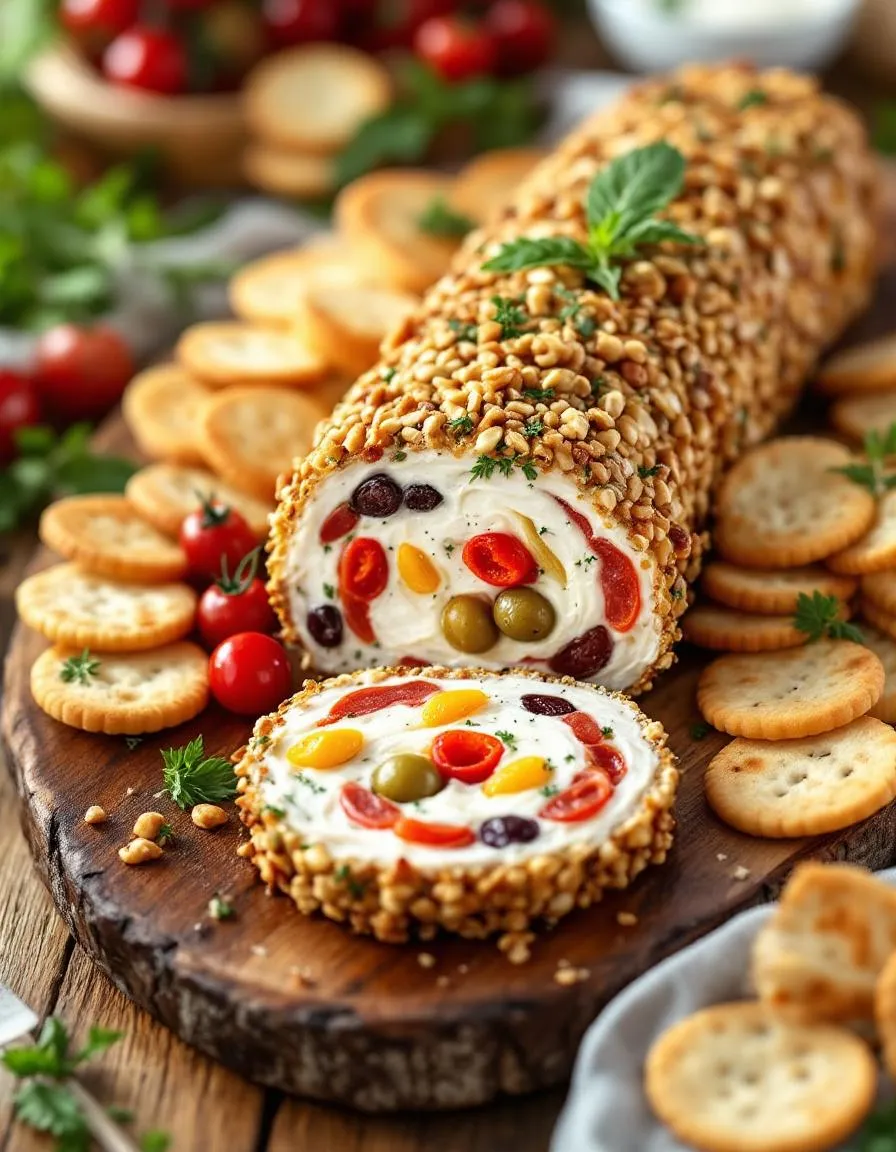
The Festive Holiday Antipasto Cream Cheese Log is a showstopping appetizer that combines creamy cheese with bold antipasto flavors like roasted peppers, olives, and savory meats. It’s perfect for holiday spreads because it’s easy to prepare ahead of time, letting you focus on enjoying the moment with your guests. What makes it even better? It’s incredibly versatile. You can customize it with your favorite ingredients, making it a hit whether you’re serving it alongside a holiday charcuterie board or as a standalone centerpiece. At brekcakes.com, we celebrate recipes that blend simplicity with indulgence, and this dish does exactly that. It’s a reflection of my belief that cooking should be joyful, not stressful—especially during the busy holiday season. If you’re looking for more inspiration, check out my easy holiday appetizers for more crowd-pleasing ideas.
Why I Love This Recipe
This Festive Holiday Antipasto Cream Cheese Log holds a special place in my heart because it reminds me of my grandmother’s holiday parties. She always had a way of making even the simplest dishes feel luxurious, and this recipe captures that same spirit. Every time I prepare it, I’m transported back to those warm, laughter-filled evenings. It’s more than just an appetizer—it’s a little edible piece of nostalgia that brings people together. I hope it becomes a cherished part of your holiday traditions too.
Health and Nutrition
Why it’s good for your body
The Festive Holiday Antipasto Cream Cheese Log packs a flavorful punch while offering surprising health perks. First, cream cheese provides a solid dose of calcium and protein, which support strong bones and muscle repair. Additionally, the mix of olives, sun-dried tomatoes, and roasted red peppers delivers antioxidants that help combat inflammation. These ingredients also contribute fiber, aiding digestion and keeping you satisfied longer.
Moreover, the Festive Holiday Antipasto Cream Cheese Log includes heart-healthy fats from olive oil and nuts, which promote good cholesterol levels. Since it’s rich in savory flavors, you’ll likely eat smaller portions, making it a smart choice for mindful indulgence. The dish also contains vitamin C from the peppers and tomatoes, boosting immunity during colder months.
Finally, the Festive Holiday Antipasto Cream Cheese Log works as a versatile appetizer that pairs well with whole-grain crackers or fresh veggies. By combining protein, healthy fats, and fiber, it helps stabilize blood sugar levels. Whether you serve it at gatherings or enjoy it as a snack, this dish brings both taste and nutrition to the table.
How it fits in a healthy lifestyle
The Festive Holiday Antipasto Cream Cheese Log fits effortlessly into balanced eating habits. For gluten-free diets, simply pair it with veggie sticks or gluten-free crackers. Its protein and healthy fats make it a satisfying option for those focusing on portion control or low-carb goals. Plus, the dish’s vibrant ingredients align with Mediterranean-inspired eating, known for supporting heart health.
If you’re meal prepping, the Festive Holiday Antipasto Cream Cheese Log stores well for quick snacks throughout the week. For more high-protein ideas, check out our guide to protein-packed breakfasts. And if you love balancing indulgence with nutrition, explore our tips for healthy holiday eating. Whether you’re hosting or simply craving a flavorful bite, this dish proves that tasty and nutritious can go hand in hand.
A creamy, savory cheese log packed with antipasto flavors, perfect for holiday gatherings.
Ingredients
Scale
For the Crust:
16 oz cream cheese, softened
1/2 cup chopped roasted red peppers
1/2 cup chopped marinated artichoke hearts
1/4 cup chopped green olives
1/4 cup chopped pepperoni
1 tsp Italian seasoning
1/2 cup chopped walnuts (for coating)
Crackers or sliced baguette (for serving)
Instructions
1. Prepare the Crust:
In a large bowl, mix softened cream cheese until smooth.
Add roasted red peppers, artichoke hearts, green olives, pepperoni, and Italian seasoning. Mix until well combined.
Shape the mixture into a log on a sheet of plastic wrap. Roll tightly and refrigerate for at least 1 hour.
Unwrap the chilled log and roll it in chopped walnuts to coat evenly.
Serve with crackers or sliced baguette.
Notes
You can customize the seasonings to taste.
s-dish">How to Prepare This Dish
Steps and time-saving tips
Start by softening the cream cheese at room temperature for about 30 minutes to make blending easier. Meanwhile, finely chop your favorite antipasto ingredients like roasted red peppers, olives, and artichokes. In a large bowl, mix the cream cheese with a hand mixer until smooth, then fold in the chopped antipasto and a pinch of black pepper. For extra flavor, stir in a tablespoon of Italian seasoning and a drizzle of olive oil. Lay a large sheet of plastic wrap on your counter and scoop the mixture onto it. Shape the cream cheese blend into a log, then wrap it tightly and chill for at least two hours. Before serving, roll the log in chopped nuts or fresh herbs for a festive touch. If you’re short on time, use pre-chopped antipasto from the deli section or skip the chilling step for a softer spread. Either way, this Festive Holiday Antipasto Cream Cheese Log comes together with minimal effort and maximum flavor.
Mistakes I’ve made and learned from
I once rushed the softening step and ended up with lumpy cream cheese that refused to blend smoothly. Now I plan ahead or zap it in the microwave for 10-second intervals if I’m in a pinch. Another time, I overmixed the antipasto ingredients, turning the log into a mushy mess. Lesson learned: gently fold them in just until combined. For more tips on avoiding texture disasters, check out my guide on fixing lumpy cheesecake batter. Also, don’t skip the plastic wrap—it’s the easiest way to shape the log without sticking. If you love make-ahead appetizers, my holiday charcuterie board tips will help you pair this log with other crowd-pleasers.
n-and-variations">Cultural Connection and Variations
Where this recipe comes from
The Festive Holiday Antipasto Cream Cheese Log has roots in Italian-American celebrations, blending Old World flavors with festive American flair. Traditionally, antipasto platters feature cured meats, cheeses, and pickled veggies, but this creamy twist turns it into a shareable centerpiece. Families often serve it during Christmas or New Year’s gatherings, where it pairs perfectly with crusty bread or crackers. Some versions even add sun-dried tomatoes or roasted peppers for extra color and zest.
In Italy, you might find a simpler version with just cream cheese and prosciutto, but the Festive Holiday Antipasto Cream Cheese Log embraces abundance. Southern U.S. cooks sometimes mix in pecans or hot pepper jelly for a sweet-spicy kick. Meanwhile, Midwestern potlucks might swap the log for bite-sized balls rolled in herbs. No matter the variation, it always brings people together. My grandma used to say its secret ingredient was nostalgia—every bite reminds you of laughter and crowded kitchens.
How it fits in today’s cooking
Today, the Festive Holiday Antipasto Cream Cheese Log stays popular because it’s easy yet impressive. Busy hosts love that they can make it ahead, freeing up time for other dishes like easy holiday appetizers. Modern twists include vegan cream cheese or gluten-free crackers, making it inclusive for all diets. Food bloggers even repurpose it as a filling for stuffed mushrooms or a topping for baked potatoes.
Beyond holidays, this r
ecipe fits into everyday entertaining. Pair it with a charcuterie board or serve it alongside quick party drinks for game nights. Its versatility keeps it relevant—whether you’re honoring tradition or experimenting with new flavors. After all, good food adapts, and this log does it deliciously.
Taste and Texture
What makes it delicious
The Festive Holiday Antipasto Cream Cheese Log delivers a rich, savory experience with every bite. Creamy, tangy cream cheese blends perfectly with briny olives, salty cured meats, and sun-dried tomatoes for a burst of umami flavor. Meanwhile, fresh herbs like basil and oregano add a fragrant, earthy note that lingers on the palate. The texture is luxuriously smooth yet studded with satisfying bits of crunch from toasted nuts or crisp peppers. Whether spread on a cracker or enjoyed alone, the Festive Holiday Antipasto Cream Cheese Log balances bold, festive flavors with a melt-in-your-mouth creaminess that keeps you coming back for more.
Boosting the flavor
Elevate your Festive Holiday Antipasto Cream Cheese Log by stirring in a spoonful of roasted garlic or a drizzle of spicy honey for a sweet-heat kick. For a smoky twist, fold in crumbled bacon or swap sun-dried tomatoes for fire-roasted peppers. Pair it with crusty bread or crisp crostini to contrast the creamy texture. If you love bold flavors, try adding a sprinkle of everything bagel seasoning or a dash of smoked paprika. For more inspiration, explore our guide to holiday appetizers or discover how to balance flavors with our cheese pairing tips. A little creativity transforms this already delicious log into a showstopping centerpiece.
Always soften the cream cheese to room temperature before mixing to ensure a smooth, lump-free texture for your Festive Holiday Antipasto Cream Cheese Log. Meanwhile, finely chop all antipasto ingredients so they distribute evenly throughout the log. For the best flavor, refrigerate the log for at least two hours before serving to let the flavors meld. Additionally, use plastic wrap to shape the log tightly, preventing cracks or uneven edges. Finally, garnish with fresh herbs right before serving for a vibrant presentation.
Mistakes to avoid
Avoid overmixing the cream cheese, as this can make the Festive Holiday Antipasto Cream Cheese Log too soft and difficult to shape. Instead, gently fold in the antipasto ingredients just until combined. Another common mistake is skipping the chilling step, which helps the log hold its shape. For more tips on perfecting cheese-based appetizers, check out our guide on easy cheese appetizers. Also, if your log cracks while shaping, simply smooth it with a butter knife dipped in warm water. For extra help with presentation, explore our holiday food presentation ideas to impress your guests.
g-suggestions">Serving and Pairing Suggestions
How to serve this dish
For a stunning presentation, arrange the Festive Holiday Antipasto Cream Cheese Log on a rustic wooden board or a festive platter. Surround it with colorful crackers, sliced baguette, or crisp veggies for dipping. Meanwhile, garnish with fresh herbs like rosemary or thyme to add a touch of elegance. This dish shines at holiday gatherings, but it also makes a delightful addition to brunch spreads or cocktail parties. To impress guests, slice the log into rounds and fan them out for easy serving. Finally, pair it with small skewers or spreaders for a fuss-free experience.
What goes well with it
Elevate your spread by pairing the Festive Holiday Antipasto Cream Cheese Log with a crisp white wine or a sparkling rosé. The acidity cuts through the richness, creating a perfect balance. Alternatively, serve it alongside our Garlic Herb Focaccia for a hearty, flavorful combo. For a lighter option, try fresh cucumber slices or our Roasted Red Pepper Hummus, which adds a vibrant contrast. Each pairing enhances the creamy, savory notes of the dish while keeping the menu diverse and exciting.
math-faq-block">
What ingredients are in a Festive Holiday Antipasto Cream Cheese Log?
A Festive Holiday Antipasto Cream Cheese Log typically includes cream cheese, chopped antipasto ingredients like roasted red peppers, olives, and artichokes, plus herbs and spices. You can customize it with prosciutto, sun-dried tomatoes, or pepperoni for extra flavor. This easy appetizer combines creamy and savory elements for a crowd-pleasing holiday dish.
How far in advance can I make a Festive Holiday Antipasto Cream Cheese Log?
You can prepare a Festive Holiday Antipasto Cream Cheese Log up to 2 days ahead—just wrap it tightly in plastic wrap and refrigerate. The flavors actually improve as they meld, making it a perfect make-ahead appetizer. Let it sit at room temperature for 20 minutes before serving for the best texture.
What crackers pair best with a Festive Holiday Antipasto Cream Cheese Log?
Buttery crackers like Ritz or water crackers work well with the rich flavors of a Festive Holiday Antipasto Cream Cheese Log. For a rustic touch, try sliced baguette or multigrain crackers. Avoid overly seasoned crackers that might compete with the log’s savory antipasto flavors.
rank-math-faq-item">
Can I freeze a Festive Holiday Antipasto Cream Cheese Log?
Freezing isn’t recommended for a Festive Holiday Antipasto Cream Cheese Log, as the cream cheese texture may become grainy when thawed. Instead, refrigerate it for short-term storage. For best results, enjoy your cream cheese log within 3-4 days of preparation.
Best Southern-Style Honey Butter Cornbread Poppers
Introduction
There’s something undeniably comforting about Southern-style cooking, and today, I want to share a recipe that embodies that cozy, nostalgic feeling. Whether you’re hosting a game-day gathering or simply craving a sweet-and-savory treat, these Southern-Style Honey Butter Cornbread Poppers will steal the show. Moreover, they’re bite-sized, easy to make, and packed with flavor—perfect for sharing (or not).
Southern-Style Honey Butter Cornbread Poppers are a delightful twist on classic cornbread, combining the rich, buttery texture of traditional Southern recipes with a touch of golden honey. These mini delights bake up fluffy yet slightly crisp, making them irresistible straight from the oven. What sets them apart is their versatility—they pair just as well with a hearty bowl of chili as they do with a drizzle of extra honey for dessert. On my blog, I celebrate recipes that bring people together, and this one fits right in. For more crowd-pleasing ideas, check out my Southern comfort food collection or explore easy party appetizers for your next get-together.
Why I Love This Recipe
Southern-Style Honey Butter Cornbread Poppers remind me of lazy Sunday afternoons at my grandma’s house, where the scent of freshly baked cornbread filled the air. She taught me that food isn’t just about nourishment—it’s about creating memories. Every time I make these poppers, I’m transported back to her kitchen, where laughter and stories flowed as freely as the honey butter. That’s why this recipe holds a special place in my heart, and I hope it becomes a favorite in your home too.
Health and Nutrition
Why it’s good for your body
Southern-Style Honey Butter Cornbread Poppers pack a surprising nutritional punch. First, cornmeal delivers fiber, which supports digestion and keeps you feeling full longer. Additionally, honey provides natural sweetness without refined sugar, offering antioxidants that combat inflammation. Meanwhile, butter adds healthy fats that help your body absorb fat-soluble vitamins.
These poppers also bring a dose of energy-boosting carbs, making them a great pre-workout snack. Furthermore, the combination of cornmeal and honey creates a balanced flavor while keeping the glycemic index lower than traditional desserts. Southern-Style Honey Butter Cornbread Poppers even contain small amounts of iron and B vitamins, which help maintain energy levels and brain function.
Finally, the recipe’s simplicity means you avoid processed additives. Instead, Southern-Style Honey Butter Cornbread Poppers rely on wholesome ingredients that nourish your body. Whether you enjoy them as a side or a snack, they deliver comfort without compromising nutrition.
How it fits in a healthy lifestyle
Southern-Style Honey Butter Cornbread Poppers fit seamlessly into a balanced diet. For gluten-free eaters, using certified gluten-free cornmeal ensures this treat stays celiac-friendly. If you’re mindful of heart health, pairing them with a lean protein like grilled chicken creates a well-rounded meal.
These poppers also work well for meal prepping. Bake a batch ahead and store them for quick, portion-controlled snacks. For more gluten-free inspiration, check out our Gluten-Free Baking Guide. If you’re exploring heart-smart recipes, our Heart-Healthy Meal Ideas offer great complementary dishes.
Moderation is key, but Southern-Style Honey Butter Cornbread Poppers prove that indulgence and nutrition can go hand in hand. Enjoy them mindfully, and they’ll become a guilt-free staple in your routine.
Bite-sized cornbread muffins infused with honey butter for a sweet and savory Southern treat.
Ingredients
Scale
For the Crust:
1 cup yellow cornmeal
1 cup all-purpose flour
1/4 cup granulated sugar
1 tbsp baking powder
1/2 tsp salt
1 cup buttermilk
1/4 cup melted butter
1 large egg
2 tbsp honey
1/4 cup softened butter (for honey butter topping)
Instructions
1. Prepare the Crust:
Preheat oven to 375°F (190°C) and grease a mini muffin tin.
In a large bowl, whisk together cornmeal, flour, sugar, baking powder, and salt.
In another bowl, mix buttermilk, melted butter, egg, and honey until well combined.
Pour wet ingredients into dry ingredients and stir until just combined (do not overmix).
Fill each muffin cup 3/4 full with batter and bake for 12-15 minutes until golden.
While baking, mix softened butter with 1 tbsp honey for the topping.
Brush warm poppers with honey butter mixture before serving.
Notes
You can customize the seasonings to taste.
How to Prepare This Dish
Steps and time-saving tips
Start by preheating your oven to 375°F and greasing a mini muffin tin to ensure your Southern-Style Honey Butter Cornbread Poppers pop out easily later. In a large bowl, whisk together the cornmeal, flour, baking powder, and salt until evenly combined. Next, mix the buttermilk, melted butter, egg, and honey in a separate bowl, then pour the wet ingredients into the dry ones. Stir gently until just combined—overmixing will make the batter dense. For extra flavor, fold in a handful of shredded cheddar cheese or diced jalapeños if you like a kick. Spoon the batter into the muffin tin, filling each cup about three-quarters full. Bake for 12-15 minutes until golden and a toothpick comes out clean. While they cool slightly, melt extra butter and honey together for a glossy drizzle. Brush it over the warm poppers for that irresistible Southern-Style Honey Butter Cornbread Poppers finish. To save time, prep the dry and wet ingredients the night before and combine them just before baking.
and-learned-from">Mistakes I’ve made and learned from
My first batch of Southern-Style Honey Butter Cornbread Poppers turned out dry because I overbaked them—now I set a timer for 12 minutes and check early. Another time, I skipped greasing the tin, and half the poppers stuck. Lesson learned: never rush the prep! If your batter seems too thick, add a splash of buttermilk; I’ve found the perfect consistency makes all the difference. For more baking tips, check out my guide on avoiding dry cornbread. Also, if you love honey butter flavors, try my honey butter glaze ideas for other desserts. Trust me, a little patience and attention to detail pay off with these poppers!
Cultural Connection and Variations
Where this recipe comes from
Southern-Style Honey Butter Cornbread Poppers carry the soul of Southern comfort food, where cornbread reigns as a staple. Generations of home cooks in the American South have perfected this dish, often serving it alongside hearty meals like chili or fried chicken. However, these bite-sized poppers add a playful twist by blending sweet honey butter with the earthy warmth of cornmeal. Some families even bake them in cast-iron skillets for extra crispiness, while others prefer muffin tins for a softer texture.
Beyond the South, varia
tions pop up worldwide. In Mexico, cooks might add jalapeños or queso fresco for a spicy kick. Meanwhile, in Brazil, a similar treat called pamonha wraps cornmeal in banana leaves for a steamed, savory-sweet bite. Even within the U.S., some regions swap honey for molasses or drizzle the poppers with hot sauce. Southern-Style Honey Butter Cornbread Poppers, though, stay true to their roots—simple, satisfying, and just a little indulgent.
How it fits in today’s cooking
Today, Southern-Style Honey Butter Cornbread Poppers bridge tradition and modern convenience. Busy cooks love them as a quick side dish, while food bloggers spotlight them for holiday spreads or game-day snacks. Many even adapt the recipe with gluten-free flour or dairy-free butter, proving its versatility. For a cozy brunch, pair them with Southern-Style Breakfast Casserole, or serve them as appetizers alongside Smoky BBQ Pulled Pork Sliders.
Seasonal twists keep the dish fresh year-round. In fall, bakers might add cinnamon, while summer picnics call for fresh herbs like thyme. No matter how you tweak it, Southern-Style Honey Butter Cornbread Poppers remain a crowd-pleaser—proof that some flavors never go out of style.
>Taste and Texture
What makes it delicious
Southern-Style Honey Butter Cornbread Poppers deliver a mouthwatering mix of sweet, savory, and buttery goodness. Each bite starts with a crisp golden crust that gives way to a tender, slightly crumbly interior. The honey butter glaze adds a sticky-sweet richness, while the cornmeal base keeps things earthy and wholesome. Warm aromas of toasted corn and melted butter fill the air, making these poppers irresistible. Whether you enjoy them fresh from the oven or at room temperature, Southern-Style Honey Butter Cornbread Poppers offer a comforting, melt-in-your-mouth experience that’s hard to resist.
Boosting the flavor
For an extra flavor kick, try drizzling these poppers with a spicy honey glaze or sprinkling them with smoked sea salt. If you love a touch of heat, a dash of cayenne pepper in the batter balances the sweetness perfectly. Pair them with a tangy jalapeño ranch dip or a cool chipotle cream for a bold contrast. You can also fold in shredded cheddar cheese or crispy bacon bits for a savory twist. Experimenting with these simple tweaks keeps every batch exciting.
Tips for Success
Best practices for results
Always preheat your oven to 375°F before baking Southern-Style Honey Butter Cornbread Poppers for even cooking. Meanwhile, generously grease your mini muffin tin to prevent sticking and ensure easy removal. For the best texture, mix the batter just until combined—overmixing can make the poppers dense. Additionally, brush the warm poppers with honey butter right after baking so they absorb the flavor perfectly. Finally, let them cool slightly before serving to avoid crumbling.
Mistakes to avoid
Avoid using cold ingredients, especially the buttermilk and eggs, as they can disrupt the batter’s consistency. Instead, bring them to room temperature for a smoother blend. Also, don’t overfill the muffin tin—stick to two-thirds full to prevent overflowing. If you’re new to baking cornbread, check out our cornbread baking guide for more detailed tips. Lastly, skip the substitution of regular butter for honey butter—it’s key for authentic Southern-Style Honey Butter Cornbread Poppers. For extra help, our perfect cornbread troubleshooting post covers common fixes.
Serving and Pairing Suggestions
How to serve this dish
Southern-Style Honey Butter Cornbread Poppers shine when served warm straight from the oven. For a rustic touch, arrange them in a woven basket lined with a checkered cloth. Alternatively, place them on a wooden board with small ramekins of extra honey butter for dipping. These golden bites make perfect party appetizers, especially during game days or holiday gatherings. To elevate the presentation, sprinkle fresh thyme leaves or a dusting of powdered sugar over the top just before serving.
h-it">What goes well with it
Pair Southern-Style Honey Butter Cornbread Poppers with a chilled glass of sweet tea for a classic Southern combo. The refreshing drink balances the rich, buttery notes perfectly. For heartier meals, serve them alongside a bowl of smoky chili or a crisp apple pecan salad. If you love dipping sauces, try them with our tangy buttermilk ranch or spicy jalapeño aioli for extra flavor. Either option adds a creamy contrast that highlights the cornbread’s sweetness.
What makes Southern-Style Honey Butter Cornbread Poppers different from regular cornbread?
Southern-Style Honey Butter Cornbread Poppers are bite-sized, sweeter, and richer than traditional cornbread. They’re infused with honey butter for a moist, decadent texture and often baked in mini-muffin tins for a fun, poppable twist on the classic Southern side.
rank-math-faq-item">
Can I make Southern-Style Honey Butter Cornbread Poppers ahead of time?
Yes! These poppers stay fresh for up to 2 days stored in an airtight container. For best results, reheat them in the oven or air fryer to restore their crispy edges and drizzle with extra honey butter before serving.
What’s the secret to getting moist Southern-Style Honey Butter Cornbread Poppers?
The key is using buttermilk and extra honey butter in the batter. Avoid overmixing, and bake just until golden—overbaking dries them out. Southern-Style Honey Butter Cornbread Poppers should be tender with a slightly crisp exterior.
Can I freeze Southern-Style Honey Butter Cornbread Poppers?
Absolutely. Let them cool completely, then freeze in a single layer before transferring to a freezer bag. Thaw at room temperature and warm in the oven for 5 minutes. Southern-Style Honey Butter Cornbread Poppers taste nearly fresh-baked this way!
>
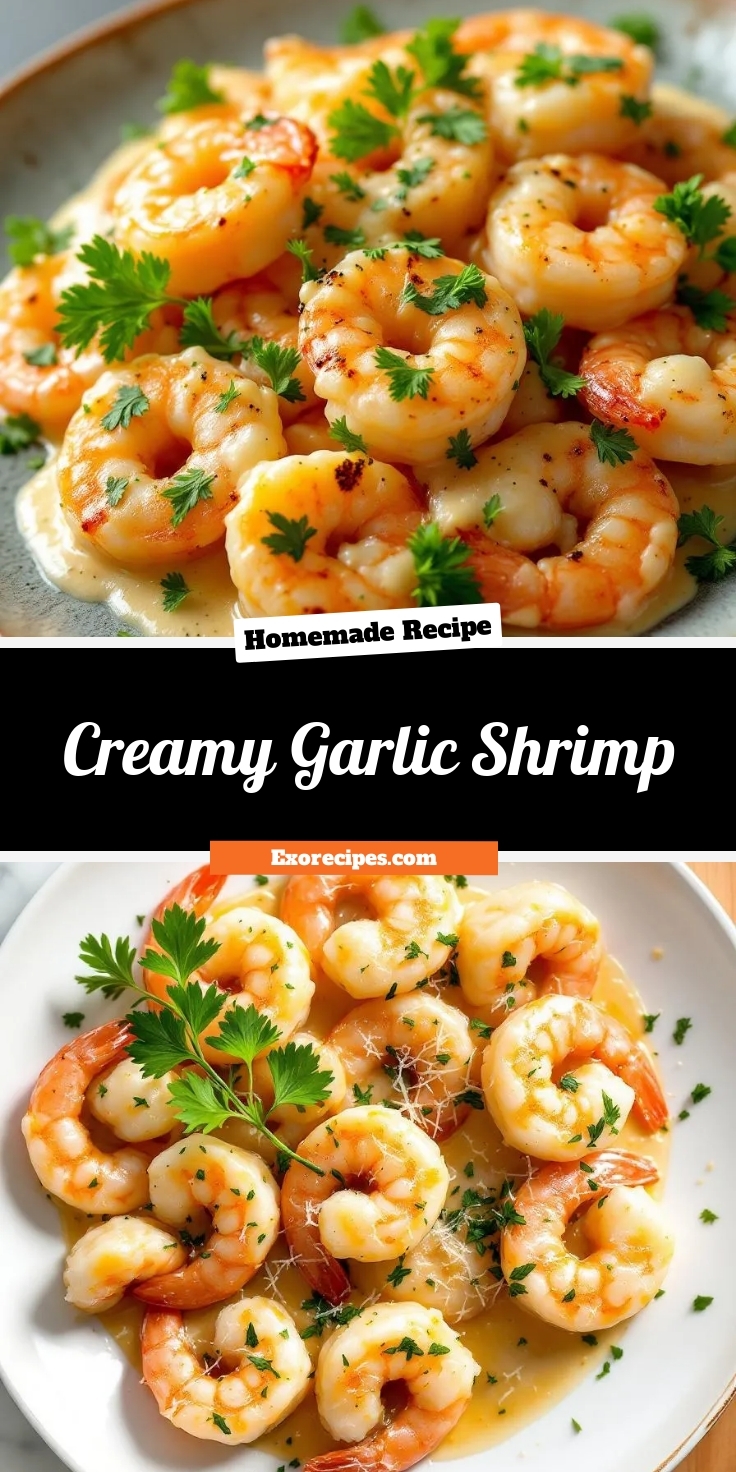
Best Creamy Garlic Shrimp – Easy 20-Minute Recipe
Introduction
There’s something undeniably comforting about a dish that feels like a warm hug, and that’s exactly what Creamy Garlic Shrimp delivers. Whether you’re cooking for a special occasion or just craving a cozy weeknight meal, this recipe brings together rich flavors and effortless elegance. Plus, it’s ready in under 30 minutes, making it perfect for busy days when you still want something unforgettable. Trust me, once you try it, Creamy Garlic Shrimp will earn a permanent spot in your dinner rotation.
Creamy Garlic Shrimp is a decadent yet approachable dish that combines plump, juicy shrimp with a velvety garlic-infused sauce. The magic lies in its simplicity—fresh ingredients like garlic, butter, and cream come together to create a luxurious texture and depth of flavor. What makes this recipe stand out is its versatility. You can serve it over pasta, rice, or even crusty bread to soak up every last drop of sauce. For those who love seafood but want a break from heavy restaurant dishes, this homemade version strikes the perfect balance between indulgence and lightness. If you’re looking for more quick and flavorful meals, check out my 15-minute meals collection. And if you’re new to cooking shrimp, my guide on how to cook shrimp perfectly every time will help you master the basics.
Why I Love This Recipe
Creamy Garlic Shrimp holds a special place in my heart because it reminds me of family dinners where everyone gathered around the table, laughing and savoring each bite. The first time I made it, my husband declared it his new favorite, and now it’s our go-to celebration meal. There’s something incredibly satisfying about watching loved ones light up when they taste that first forkful of tender shrimp and creamy sauce. It’s more than just a recipe—it’s a little moment of joy I get to share with the people I care about most.
Health and Nutrition
Why it’s good for your body
Creamy Garlic Shrimp packs a powerful nutritional punch while delighting your taste buds. First, shrimp delivers lean protein, which helps build muscle and keeps you full longer. Additionally, garlic offers immune-boosting properties, making this dish a flavorful way to support your health. The creamy sauce, when made with wholesome ingredients like Greek yogurt or light cream, adds richness without excessive calories.
Moreover, shrimp provides essential nutrients like selenium and vitamin B12, which promote energy and brain function. Since garlic contains antioxidants, Creamy Garlic Shrimp also helps combat inflammation. Pair it with a side of vegetables or whole grains, and you create a balanced meal that fuels your body efficiently.
Finally, this dish adapts easily to dietary preferences. For instance, you can tweak the sauce to be dairy-free or lower in fat. Whether you enjoy it as a weeknight dinner or a special occasion meal, Creamy Garlic Shrimp proves that healthy eating doesn’t have to sacrifice flavor.
How it fits in a healthy lifestyle
Creamy Garlic Shrimp fits seamlessly into a balanced diet, especially if you prioritize protein-rich meals. Its high protein content supports muscle recovery, making it a great post-workout option. If you follow a gluten-free lifestyle, this dish naturally meets your needs, especially when served over cauliflower rice or quinoa.
For heart-healthy eating, opt for olive oil instead of butter and use light cream. This keeps the dish satisfying without excessive saturated fat. If you’re looking for more high-protein meal ideas, check out our high-protein dinner recipes. You can also pair Creamy Garlic Shrimp with a crisp salad for extra fiber, as suggested in our balanced meal prep guide.
Ultimately, this dish works for busy weeknights or meal prep. It’s quick to prepare, versatile, and aligns with various health goals, proving that nutritious meals can be both simple and delicious.
A rich and flavorful dish featuring succulent shrimp in a creamy garlic sauce.
Ingredients
Scale
For the Crust:
1 lb large shrimp, peeled and deveined
3 cloves garlic, minced
1 cup heavy cream
2 tbsp butter
1 tbsp olive oil
1/2 tsp paprika
Salt and pepper to taste
1/4 cup grated Parmesan cheese
1 tbsp fresh parsley, chopped
Instructions
1. Prepare the Crust:
Heat olive oil and butter in a large skillet over medium heat.
Add minced garlic and sauté until fragrant, about 1 minute.
Add shrimp, paprika, salt, and pepper. Cook until shrimp turn pink, about 2-3 minutes per side.
Pour in heavy cream and bring to a gentle simmer. Stir in Parmesan cheese until melted.
Garnish with fresh parsley and serve hot over pasta or rice.
Notes
You can customize the seasonings to taste.
How to Prepare This Dish
Steps and time-saving tips
Start by patting the shrimp dry with paper towels to ensure they sear properly instead of steaming. Heat olive oil in a large skillet over medium-high heat, then add the shrimp in a single layer. Cook them for just 1-2 minutes per side until they turn pink—overcooking makes them rubbery. Remove the shrimp and set them aside. In the same skillet, melt butter and sauté minced garlic until fragrant, about 30 seconds. Whisk in heavy cream, chicken broth, and a pinch of red pepper flakes for a subtle kick. Let the sauce simmer until it thickens slightly, then stir in grated Parmesan until smooth. Return the shrimp to the skillet and toss them in the creamy garlic sauce. Finish with a squeeze of lemon juice and fresh parsley for brightness. If you’re short on time, use pre-peeled shrimp and minced garlic from a jar. Serve immediately over pasta or crusty bread to soak up every drop of that luscious sauce.
and-learned-from">Mistakes I’ve made and learned from
I once rushed the sauce and added the Parmesan before letting the cream reduce, which left it grainy instead of velvety. Now I patiently simmer the liquid first, just like I do with my perfect Alfredo sauce, ensuring a silky texture every time. Another blunder? Crowding the shrimp in the pan. They released too much moisture and boiled instead of searing. I learned to cook them in batches, just as I do when making crispy skillet chicken. Trust me, taking that extra minute makes all the difference. Lastly, skipping the lemon zest seemed harmless, but the dish lacked depth. A quick microplane grating brightens the entire plate—don’t skip it!
Cultural Connection and Variations
Where this recipe comes from
Creamy Garlic Shrimp carries a rich history, blending coastal traditions with modern comfort food. Originally, Mediterranean cooks paired fresh shrimp with garlic and olive oil, creating simple yet flavorful dishes. Over time, creamy sauces entered the mix, turning it into the indulgent meal we love today. In Italy, cooks might add white wine and parsley, while French versions often feature heavy cream and herbs de Provence. Meanwhile, in the American South, you’ll find Creamy Garlic Shrimp served over grits or alongside spicy Cajun flavors.
My family’s twis
t includes a splash of lemon juice and a pinch of red pepper flakes for brightness and heat. Some cultures, like those in Southeast Asia, swap dairy for coconut milk, infusing the dish with tropical vibes. No matter the variation, Creamy Garlic Shrimp always brings people together—whether at a seaside taverna or a cozy weeknight dinner table.
How it fits in today’s cooking
Today, Creamy Garlic Shrimp remains a go-to for busy cooks and special occasions alike. Its quick prep time makes it perfect for weeknights, yet its rich flavor feels festive enough for holidays. Many modern cooks lighten it up with Greek yogurt instead of cream or serve it over zucchini noodles for a low-carb twist. Others pair it with crusty bread or garlic parmesan pasta for a hearty meal.
Seasonally, it shines in summer with fresh herbs or in winter as a comforting indulgence. Some even repurpose leftovers into next-day shrimp tacos, proving its versatility. Whether you stick to tradition or experiment, Creamy Garlic Shrimp adapts effortlessly to today’s kitchens—and cravings.
>Taste and Texture
What makes it delicious
Creamy Garlic Shrimp delivers a luxurious bite with its velvety sauce and tender, juicy shrimp. The garlic infuses every bite with a warm, fragrant punch, while the cream mellows it into a rich, smooth finish. Fresh herbs like parsley add a bright, grassy note that cuts through the decadence, and a squeeze of lemon brings just enough zing to keep it lively. Each forkful of Creamy Garlic Shrimp coats your palate in comfort, making it impossible to resist another bite. The shrimp themselves stay plump and succulent, contrasting perfectly with the silky sauce.
Boosting the flavor
For an extra layer of depth, try stirring in a pinch of smoked paprika or a splash of white wine while simmering the sauce. Crushed red pepper flakes also add a subtle heat that pairs wonderfully with the garlic. If you love bold flavors, top your Creamy Garlic Shrimp with crispy bacon bits or a sprinkle of grated Parmesan. Serve it over garlic herb pasta for a hearty meal, or pair it with a light lemon herb salad to balance the richness. A little creativity goes a long way in making this dish unforgettable.
Tips for Success
Best practices for results
Pat the shrimp dry before cooking to prevent excess moisture in your Creamy Garlic Shrimp. Meanwhile, mince the garlic finely so it distributes evenly without burning. For the creamiest texture, stir in the heavy cream off the heat to avoid curdling. Finally, garnish with fresh parsley right before serving to keep the flavors bright.
Mistakes to avoid
Overcooking the shrimp makes them rubbery, so remove them from the pan as soon as they turn pink. Additionally, avoid crowding the skillet, or the shrimp will steam instead of sear. For perfectly cooked proteins every time, check out our guide on how to cook shrimp. Also, resist the urge to skip deglazing the pan with broth, as this step builds depth in your Creamy Garlic Shrimp. Learn more about balancing flavors in our sauce thickening tips.
Serving and Pairing Suggestions
How to serve this dish
For a stunning presentation, plate your Creamy Garlic Shrimp over a bed of fluffy jasmine rice or al dente pasta to soak up the rich sauce. Alternatively, serve it in a shallow bowl with crusty bread on the side for dipping. Garnish with fresh parsley or a sprinkle of red pepper flakes to add color and a hint of spice. This dish shines at dinner parties, but it also makes a quick yet impressive weeknight meal. For holidays, pair it with a crisp salad or roasted vegetables to balance the richness.
h-it">What goes well with it
A chilled glass of Sauvignon Blanc or Pinot Grigio cuts through the creaminess of the shrimp, while a citrusy mocktail works beautifully for non-alcoholic options. For sides, try our Garlic Parmesan Roasted Asparagus to echo the garlic notes or a light Lemon Herb Quinoa Salad for a refreshing contrast. Finally, a simple aioli or extra lemon wedges on the side lets guests customize each bite.
What goes well with creamy garlic shrimp?
Creamy garlic shrimp pairs perfectly with pasta, rice, or crusty bread to soak up the delicious sauce. For a lighter option, serve it over a bed of zucchini noodles or alongside a fresh green salad. The rich flavors of creamy garlic shrimp also complement roasted vegetables like asparagus or broccoli.
rank-math-faq-item">
How do you thicken creamy garlic shrimp sauce?
To thicken creamy garlic shrimp sauce, simmer it uncovered for a few extra minutes to reduce. You can also mix 1 teaspoon of cornstarch with 1 tablespoon of cold water and stir it into the sauce. For a richer texture, add a splash of heavy cream or grated Parmesan cheese to your creamy garlic shrimp.
Can I use frozen shrimp for creamy garlic shrimp?
Yes, frozen shrimp works great for creamy garlic shrimp—just thaw it completely and pat dry before cooking. For best results, use raw frozen shrimp rather than pre-cooked to avoid rubbery texture. Fresh shrimp also works beautifully if you want to splurge on this creamy garlic shrimp recipe.
How long does creamy garlic shrimp last in the fridge?
Creamy garlic shrimp keeps well for 3-4 days when stored in an airtight container in the refrigerator. Reheat gently on the stove with a splash of milk or broth to refresh the sauce. For food safety, never leave creamy garlic shrimp at room temperature for more than 2 hours.
>
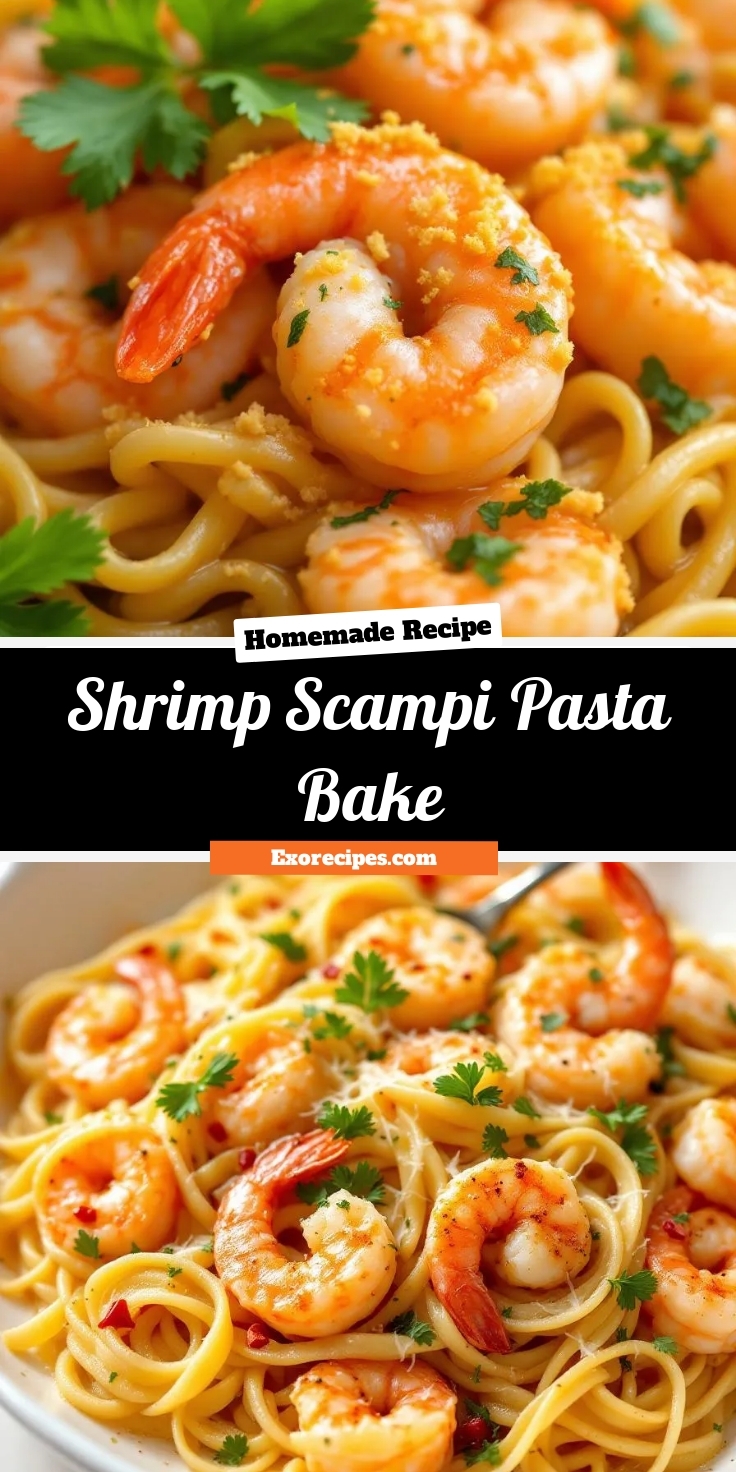
Best Shrimp Scampi Pasta Bake Recipe
Introduction
If you’re craving a dish that feels both comforting and elegant, you’re in the right place. Shrimp Scampi Pasta Bake combines the bright, garlicky flavors of classic scampi with the cozy satisfaction of a baked pasta dish. Whether you’re cooking for a weeknight dinner or a special gathering, this recipe delivers restaurant-quality taste with minimal fuss. Plus, it’s a fantastic way to impress guests without spending hours in the kitchen.
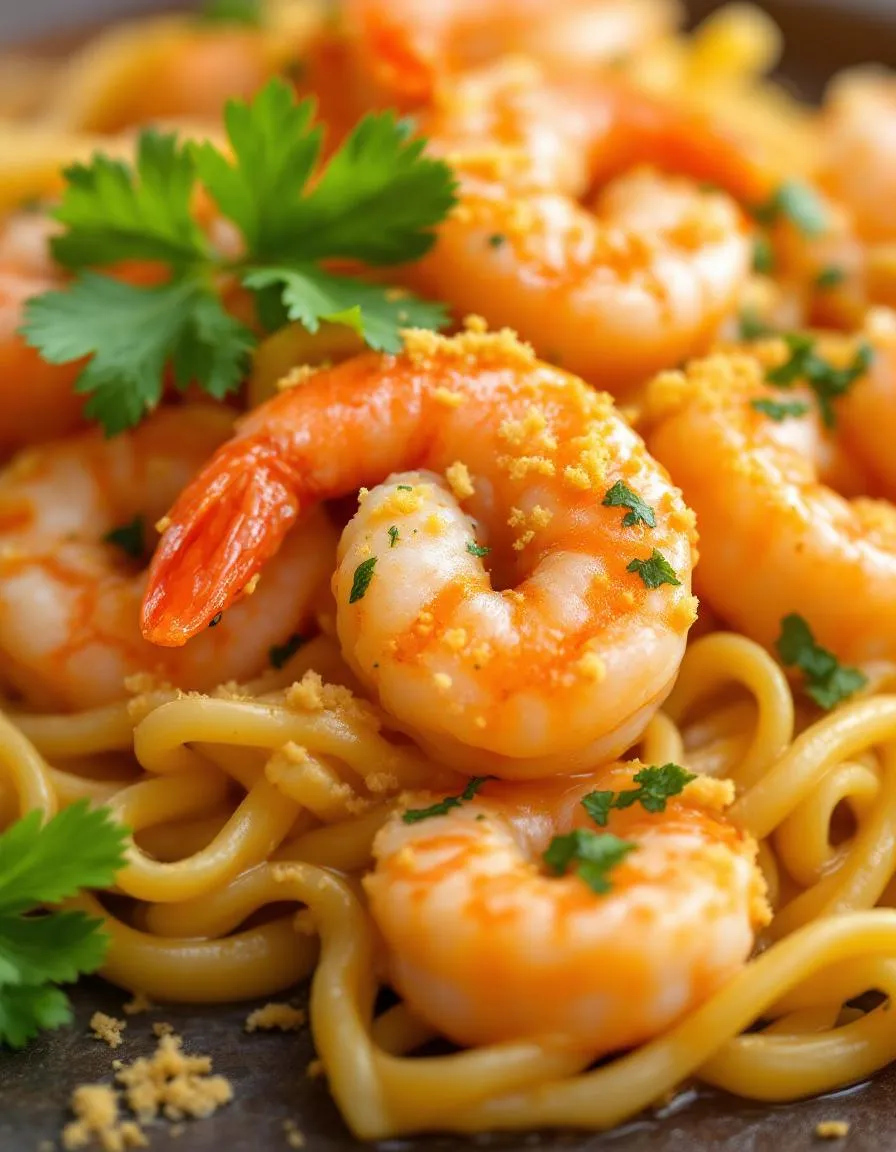
Shrimp Scampi Pasta Bake is a modern twist on two beloved classics. Traditionally, shrimp scampi features succulent shrimp sautéed in garlic, butter, and white wine, while pasta bake dishes offer hearty, oven-baked comfort. By merging these concepts, we create a dish that’s rich in flavor yet simple to prepare. The shrimp stays tender, the pasta absorbs the savory sauce, and a golden breadcrumb topping adds the perfect crunch. This recipe fits brekcakes.com’s mission perfectly—approachable, flavorful, and designed to make home cooking feel joyful. If you love easy yet impressive meals, you’ll also adore our Creamy Garlic Parmesan Pasta or our Lemon Butter Shrimp for more seafood inspiration.
Why I Love This Recipe
Shrimp Scampi Pasta Bake holds a special place in my heart because it reminds me of family dinners where everyone gathered around the table, laughing and sharing stories. The first time I made it, my dad—who usually prefers steak—asked for seconds. That’s when I knew this recipe was a keeper. It’s the kind of dish that feels celebratory yet effortless, and I love how it brings people together. Every time I pull it out of the oven, the aroma fills the kitchen, and I’m transported back to those warm, happy moments.
Health and Nutrition
Why it’s good for your body
Shrimp Scampi Pasta Bake packs a nutritious punch while delivering bold flavors. First, shrimp provides lean protein, which helps build and repair muscles. Additionally, it contains omega-3 fatty acids, which support heart health and reduce inflammation. Meanwhile, garlic and olive oil add antioxidants that boost immunity and fight free radicals.
Because this dish includes whole wheat pasta, it offers more fiber than traditional versions. Fiber keeps digestion smooth and helps maintain steady energy levels. Furthermore, the tomatoes and herbs contribute vitamins like C and K, which promote skin health and bone strength. Even better, Shrimp Scampi Pasta Bake balances indulgence with nourishment, making it a smart choice for satisfying cravings without guilt.
Finally, the dish avoids heavy cream, relying instead on lighter ingredients like lemon juice and broth. As a result, it stays lower in saturated fat while still tasting rich. Whether you need a post-workout meal or a comforting dinner, Shrimp Scampi Pasta Bake fuels your body with high-quality nutrients.
How it fits in a healthy lifestyle
Shrimp Scampi Pasta Bake fits seamlessly into balanced eating habits. For gluten-free diets, simply swap regular pasta for a gluten-free alternative—the flavors still shine. If you’re focusing on heart health, the omega-3s from shrimp and monounsaturated fats from olive oil make this dish a great option. Plus, the high protein content keeps you full longer, reducing unnecessary snacking.
Pairing this bake with a side of roasted vegetables or a crisp salad boosts its nutritional profile even further. For more high-protein meal ideas, check out our healthy dinner recipes. And if you love seafood but want variety, our seafood meal prep guide offers easy ways to incorporate it into your weekly routine. With simple tweaks and smart pairings, Shrimp Scampi Pasta Bake becomes a versatile staple for any health-conscious kitchen.
A delicious twist on classic shrimp scampi, baked with pasta for a comforting meal.
Ingredients
Scale
For the Crust:
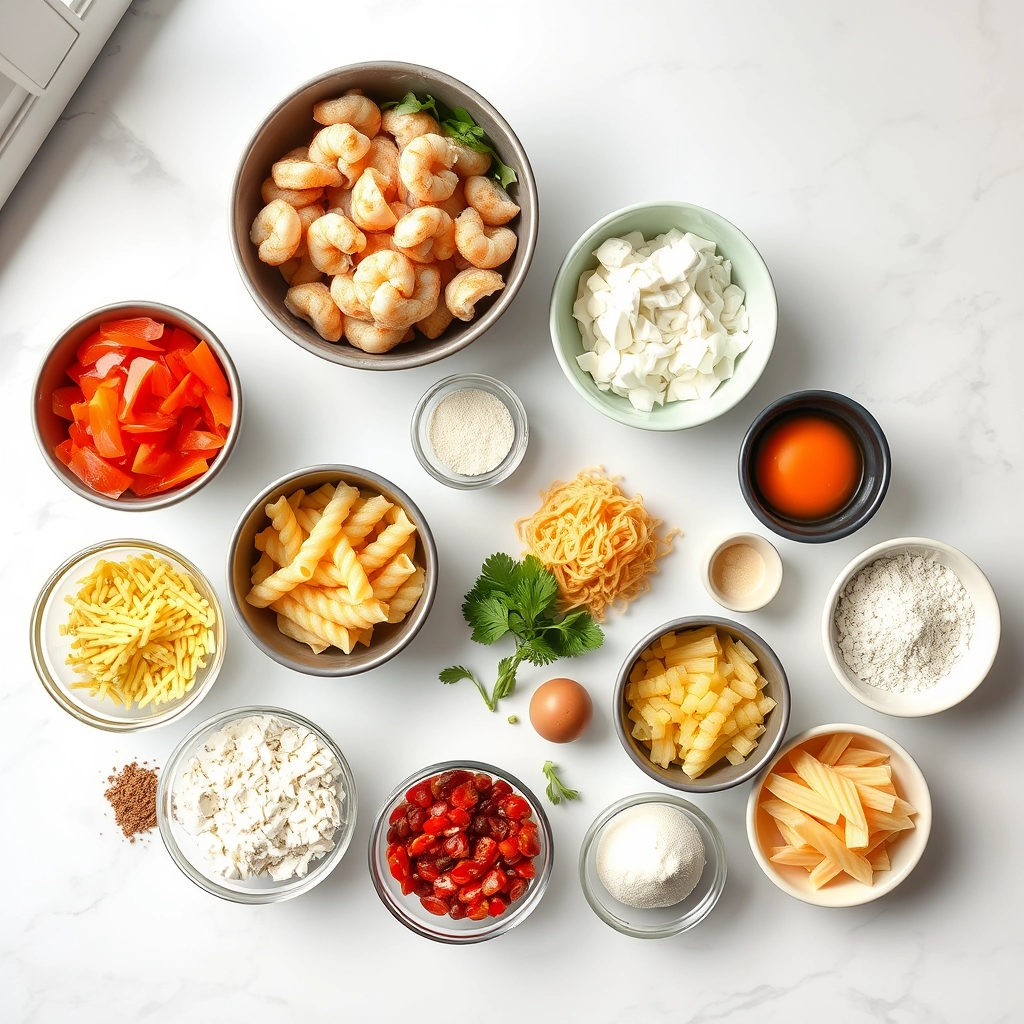
1 lb large shrimp, peeled and deveined
8 oz linguine pasta
4 tbsp unsalted butter
4 cloves garlic, minced
1/4 cup white wine
1/4 cup chicken broth
1/4 cup fresh lemon juice
1/2 tsp red pepper flakes
1/2 cup grated Parmesan cheese
1/4 cup breadcrumbs
2 tbsp chopped fresh parsley
Salt and black pepper to taste
Instructions
1. Prepare the Crust:
Preheat oven to 375°F (190°C). Cook pasta according to package instructions until al dente. Drain and set aside.
In a large skillet, melt butter over medium heat. Add garlic and red pepper flakes, sauté for 1 minute until fragrant.
Add shrimp and cook for 2-3 minutes until pink. Remove shrimp and set aside.
Deglaze the skillet with white wine, chicken broth, and lemon juice. Simmer for 2-3 minutes until slightly reduced.
Combine cooked pasta, shrimp, and sauce in a baking dish. Sprinkle with Parmesan cheese and breadcrumbs.
Bake for 15-20 minutes until top is golden and bubbly. Garnish with fresh parsley before serving.
Notes
You can customize the seasonings to taste.
“`html
s-dish">How to Prepare This Dish
Steps and time-saving tips
Start by preheating your oven to 375°F so it’s ready when you need it. While it heats, cook the pasta al dente—this ensures it won’t turn mushy during baking. Meanwhile, melt butter in a large skillet and sauté minced garlic until fragrant, then toss in the shrimp. Cook them just until pink, about 2 minutes per side, to avoid rubbery texture. Remove the shrimp and set them aside. In the same skillet, whisk together white wine, lemon juice, and a pinch of red pepper flakes for a bright, zesty sauce. Stir in heavy cream and Parmesan until smooth, then fold the cooked pasta and shrimp back in. Transfer everything to a baking dish, top with breadcrumbs and extra cheese, then bake for 15 minutes until golden. For a time-saving hack, use pre-cooked shrimp and skip the sauté step—just warm them in the sauce before baking. Let the dish rest 5 minutes before serving so the flavors meld beautifully.
Mistakes I’ve made and learned from
Early on, I overcooked the shrimp by leaving them in the skillet too long, which made them tough. Now I pull them off the heat as soon as they curl into a “C” shape. Another blunder? Skipping the pasta’s resting time after baking—it seemed like an extra step, but slicing in too early caused a runny sauce. Letting it sit firms everything up perfectly. If you’re new to seafood dishes, my guide on cooking perfect shrimp breaks down timing and techniques. Also, don’t skimp on the sauce thickness; if yours looks thin, simmer it longer or add a slurry like I learned from this sauce consistency tutorial. Trust me, these small tweaks make all the difference.
Shrimp Scampi Pasta Bake carries the heart of Italian-American cuisine, blending the simplicity of coastal Italy with the bold flavors of stateside cooking. Traditionally, scampi refers to langoustines in Italy, but in the U.S., we swap them for shrimp, creating a richer, more accessible dish. Families in Sicily might toss shrimp with garlic, white wine, and lemon, but the baked version adds a comforting twist—layering pasta with buttery breadcrumbs for a crispy finish.
Meanwhile, in the American South, cooks often add a dash of Cajun spice or swap linguine for penne, turning Shrimp Scampi Pasta Bake into a weeknight staple. My grandmother, for instance, sneaked in grated Parmesan and a splash of cream, making it extra indulgent. Across the globe, variations pop up—like in Greece, where feta and oregano might join the party, or in Asia, where chili oil and cilantro kick up the heat.
No matter the version,
Shrimp Scampi Pasta Bake always feels like a celebration. Whether it’s a seaside feast in Naples or a potluck in New Jersey, this dish bridges cultures with every cheesy, garlicky bite.
How it fits in today’s cooking
Today, Shrimp Scampi Pasta Bake shines as a versatile crowd-pleaser. Busy home cooks love it for meal prep, while foodies dress it up with artisan cheeses or gluten-free pasta. During holidays, it’s a star at Easter brunches or Christmas Eve spreads, especially when paired with a crisp summer salad for balance.
Modern twists keep it fresh—think air-fried shrimp or vegan butter alternatives. Some even repurpose leftovers into a next-day breakfast bake, proving its adaptability. Whether you’re craving nostalgia or a quick dinner fix, Shrimp Scampi Pasta Bake fits seamlessly into today’s kitchens, one delicious layer at a time.
>Taste and Texture
What makes it delicious
Shrimp Scampi Pasta Bake delivers a mouthwatering blend of rich, buttery garlic sauce and tender, juicy shrimp. The pasta soaks up the fragrant garlic and white wine flavors, creating a savory, slightly tangy bite. Meanwhile, the breadcrumb topping adds a golden, crispy contrast to the creamy, cheesy layers beneath. Every forkful offers a satisfying mix of textures—from the al dente pasta to the plump, succulent shrimp. The fresh parsley and lemon zest brighten the dish, balancing the richness with a hint of zesty freshness. Shrimp Scampi Pasta Bake is a comforting yet elegant meal that keeps you coming back for more.
Boosting the flavor
For an extra flavor kick, try tossing in a handful of sun-dried tomatoes or roasted cherry tomatoes—their sweet, tangy depth pairs perfectly with the garlicky sauce. A sprinkle of red pepper flakes adds a subtle heat, while a drizzle of homemade garlic aioli on top brings creamy richness. If you love herbs, fresh basil or thyme can elevate the aroma. For a crunchier finish, swap regular breadcrumbs for Parmesan-panko crust. These small tweaks make Shrimp Scampi Pasta Bake even more irresistible.
Tips for Success
Best practices for results
Pat the shrimp dry before cooking to ensure they sear properly in your Shrimp Scampi Pasta Bake. Meanwhile, always cook the pasta al dente since it will continue softening in the oven. For the best flavor, use fresh garlic and lemon juice instead of powdered substitutes. Additionally, toss the breadcrumbs with melted butter before topping the dish for a golden, crispy finish. Finally, let the bake rest for 5 minutes after pulling it out so the sauce thickens slightly.
Mistakes to avoid
Avoid overcooking the shrimp before baking, as they can turn rubbery in the oven. Instead, sauté them just until pink and opaque. Many cooks also forget to reserve pasta water, which helps adjust the sauce consistency later. For more sauce tips, check out our guide to perfecting pasta sauce consistency. Another common mistake is skipping the broiler step, which gives the Shrimp Scampi Pasta Bake its signature crispy top. If you’re unsure about broiling safely, our broiling basics article covers key techniques.
Serving and Pairing Suggestions
How to serve this dish
For a stunning presentation, transfer your Shrimp Scampi Pasta Bake to a large ceramic platter or individual pasta bowls. Sprinkle fresh parsley or microgreens on top to add a pop of color. Meanwhile, a squeeze of lemon zest brightens the flavors and makes the dish Instagram-worthy. Serve it family-style for casual gatherings or plate it elegantly for dinner parties. Since Shrimp Scampi Pasta Bake is rich and comforting, it works beautifully for holiday feasts or cozy weeknight meals. For extra flair, garnish with a few whole shrimp and a drizzle of garlic-infused olive oil.
h-it">What goes well with it
A crisp white wine like Sauvignon Blanc or Pinot Grigio balances the buttery richness of Shrimp Scampi Pasta Bake. Alternatively, try a light citrusy beer for a refreshing contrast. For sides, a simple garden salad with lemon vinaigrette cuts through the dish’s decadence. If you want something heartier, roasted asparagus or garlic bread completes the meal. Finally, end on a sweet note with a lemon tart, which echoes the citrus notes in the pasta bake.
What’s the best pasta to use for Shrimp Scampi Pasta Bake?
Linguine or fettuccine works best for Shrimp Scampi Pasta Bake because their flat surfaces hold the creamy garlic sauce well. Avoid thin pasta like angel hair, as it can become mushy when baked. For a twist, try penne or rigatoni to trap the sauce inside the tubes.
rank-math-faq-item">
Can I make Shrimp Scampi Pasta Bake ahead of time?
Yes! Assemble the Shrimp Scampi Pasta Bake up to a day in advance and refrigerate it until ready to bake. Add 5–10 minutes to the cooking time if baking straight from the fridge. For best results, top with breadcrumbs just before baking to keep them crispy.
How do I prevent the shrimp from overcooking in a pasta bake?
To avoid rubbery shrimp in your Shrimp Scampi Pasta Bake, par-cook them separately for 1–2 minutes before adding to the dish. Alternatively, use raw shrimp and bake just until they turn pink (about 5–7 minutes). The residual heat will finish cooking them perfectly.
What can I substitute for white wine in Shrimp Scampi Pasta Bake?
For alcohol-free Shrimp Scampi Pasta Bake, use chicken broth with a splash of lemon juice or white wine vinegar. Vegetable broth also works, or try ¼ cup of apple juice for subtle sweetness. The key is balancing acidity to mimic wine’s flavor profile.