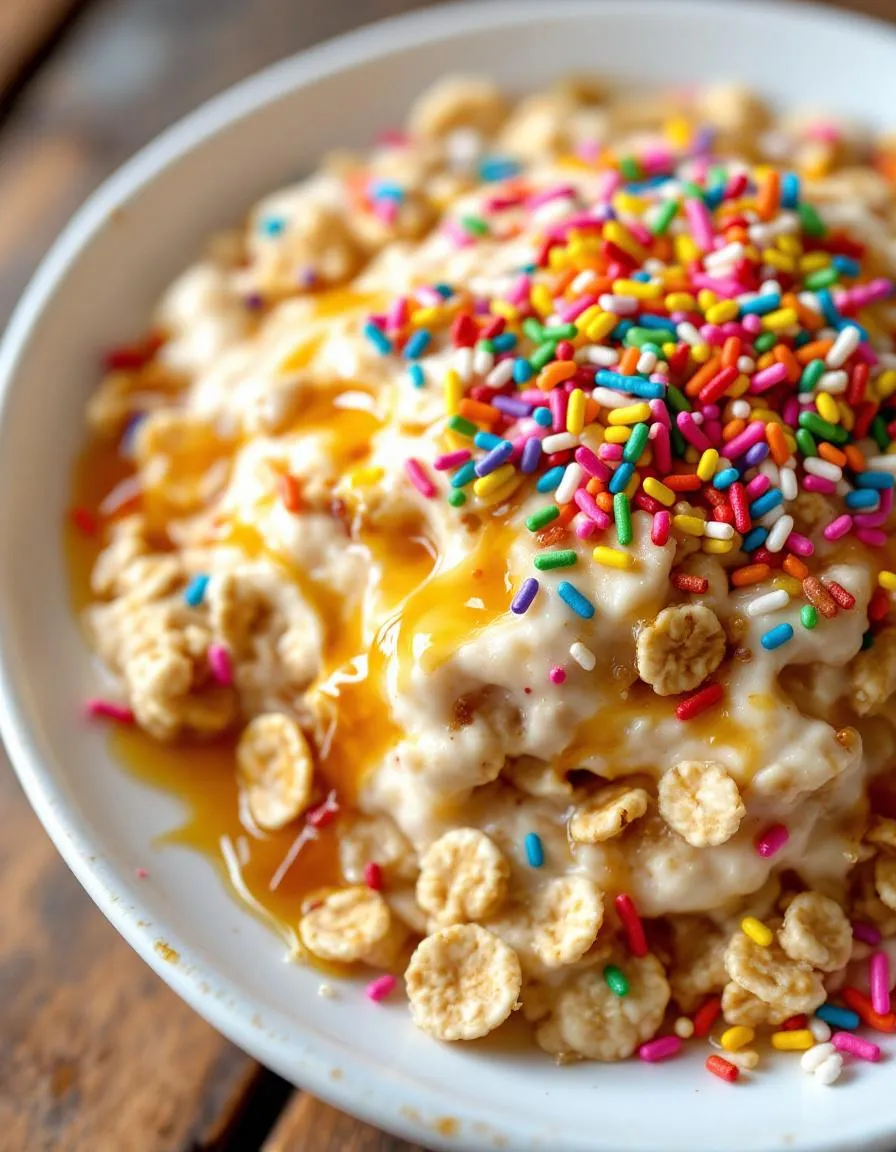
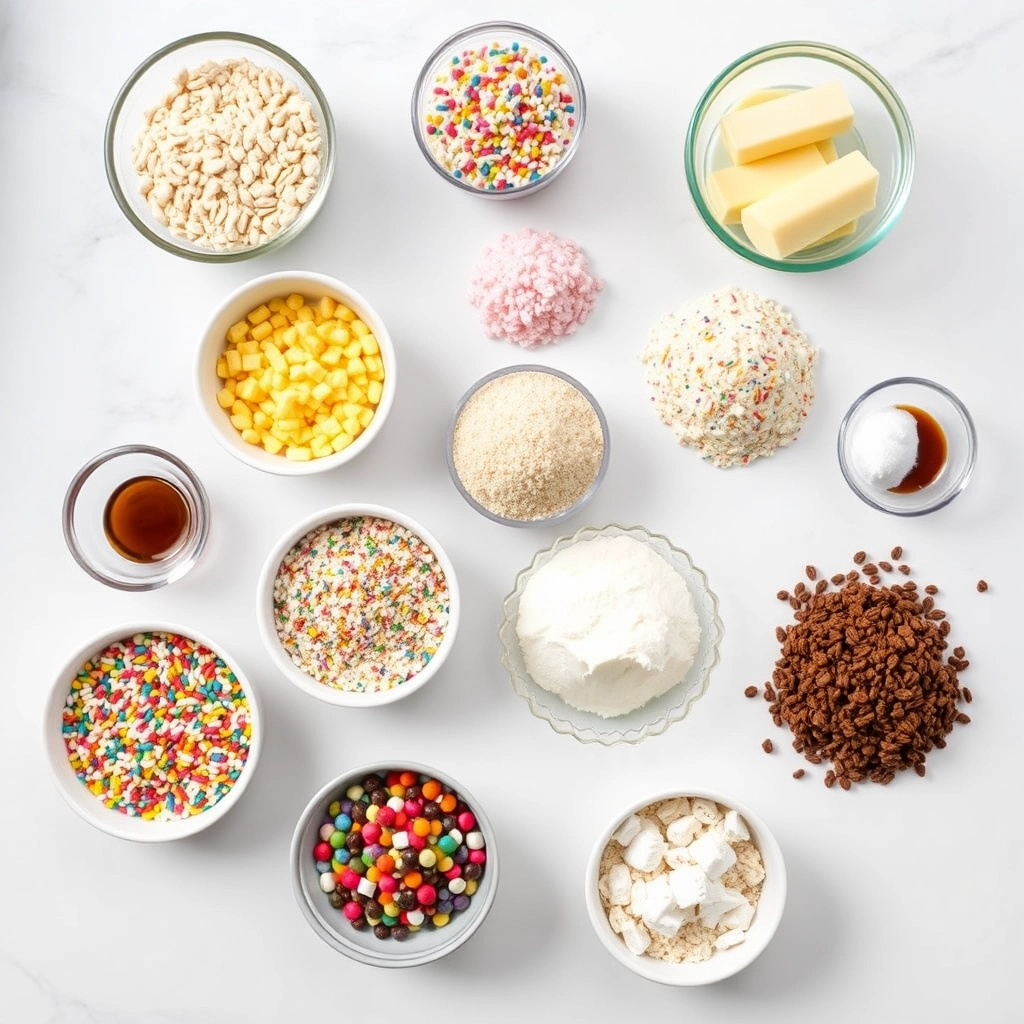
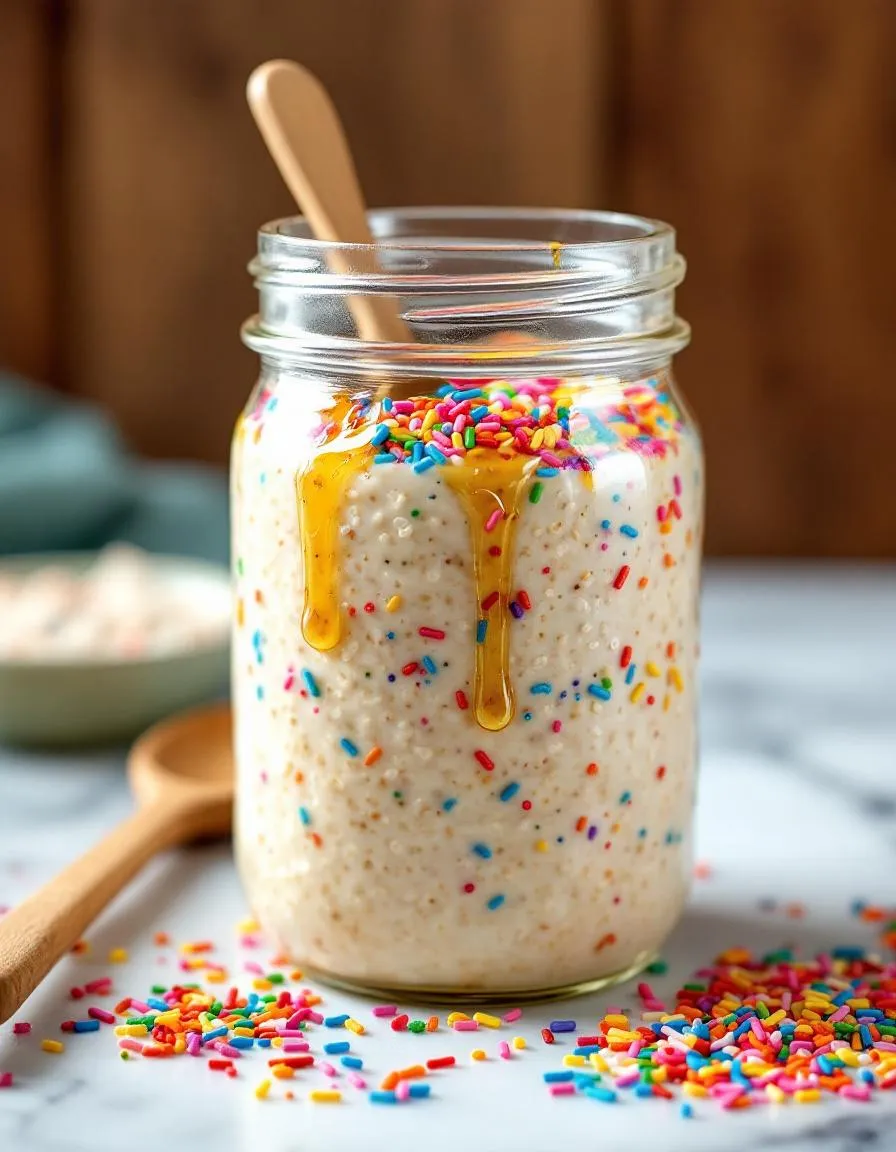
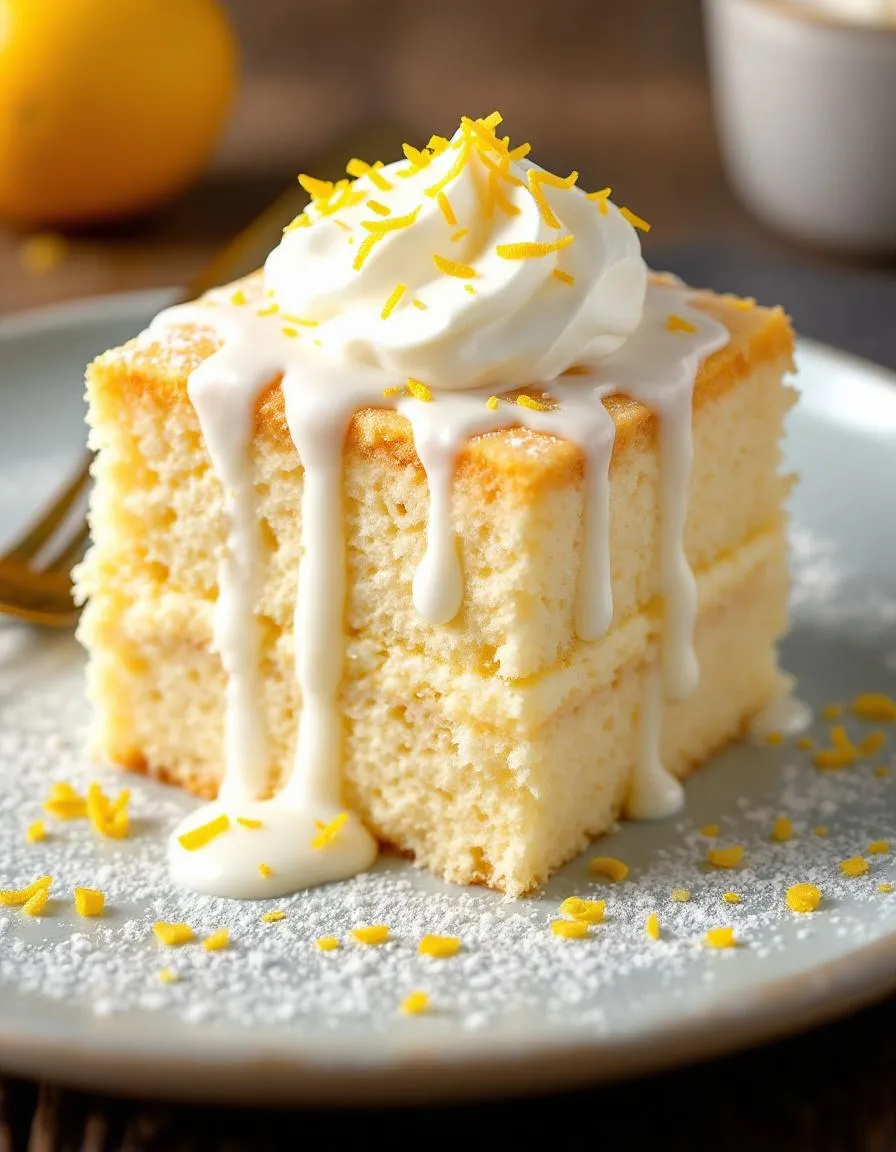
Who says birthday cake is just for celebrations? With Funfetti Birthday Cake Overnight Oats, you can wake up to the joy of dessert-for-breakfast magic every single day. Imagine creamy oats bursting with vanilla sweetness and colorful sprinkles, all while giving you the energy to tackle your morning. Whether you’re a busy parent, a meal-prep enthusiast, or just someone who loves a little whimsy in their routine, this recipe turns ordinary mornings into something special. Best of all, it takes just minutes to prepare the night before, so you can savor the fun without the fuss.
Funfetti Birthday Cake Overnight Oats combines the nostalgic charm of childhood birthdays with the practicality of a make-ahead breakfast. At its core, it’s a creamy blend of rolled oats, milk (or a dairy-free alternative), and a touch of vanilla, infused with rainbow sprinkles for that signature Funfetti flair. Unlike traditional overnight oats, this version feels indulgent yet remains balanced, thanks to customizable sweetness and protein-packed ingredients like Greek yogurt or chia seeds. It’s perfect for anyone craving a treat-like breakfast that won’t leave them crashing by mid-morning. Plus, it aligns perfectly with our blog’s mission to deliver easy, joyful recipes that fit real life—no fancy techniques or hard-to-find ingredients required.
If you love playful twists on classic dishes, you’ll adore our Healthy Dessert-Inspired Breakfasts roundup. And for more overnight oat inspiration, check out our Creative Overnight Oats Variations. Whether you’re new to overnight oats or a seasoned pro, this recipe delivers nostalgia, convenience, and a burst of color in every bite.
Why I Love This Recipe
Funfetti Birthday Cake Overnight Oats holds a special place in my heart because it reminds me of baking with my niece on her birthdays. She’d always beg for sprinkles in everything, and this recipe captures that same childlike excitement in a grown-up, nutritious way. I also love how versatile it is—sometimes I swap in almond extract for extra depth, or top it with fresh berries for a tangy contrast. Most importantly, it never fails to make me smile first thing in the morning, proving that a little joy goes a long way in starting the day right.
Health and Nutrition
Why it’s good for your body
Funfetti Birthday Cake Overnight Oats pack a nutritious punch while satisfying your sweet tooth. First, oats deliver a hearty dose of fiber, which keeps you full and supports digestion. Additionally, they provide slow-release energy, so you stay fueled all morning. Meanwhile, the sprinkles add a fun twist without overwhelming the dish with sugar.
Moreover, Funfetti Birthday Cake Overnight Oats include protein-rich ingredients like yogurt or milk, helping to maintain muscle health. The combination of complex carbs and protein balances blood sugar levels, preventing mid-morning crashes. Furthermore, you can customize the recipe with chia seeds or flaxseeds for an extra boost of omega-3s.
Finally, this dish offers vitamins and minerals from ingredients like vanilla and almond extract. These natural flavors enhance the taste while avoiding artificial additives. Whether you enjoy it as a post-workout meal or a quick breakfast, Funfetti Birthday Cake Overnight Oats make healthy eating deliciously simple.
How it fits in a healthy lifestyle
Funfetti Birthday Cake Overnight Oats fit seamlessly into a balanced diet. For those managing gluten sensitivities, simply use certified gluten-free oats. If you’re aiming for a heart-healthy option, swap in almond milk and top with fresh berries for antioxidants.
This recipe also supports meal prep efficiency. Since you prepare it the night before, you save time in the morning. For more high-protein breakfast ideas, check out our protein-packed breakfasts guide. Plus, if you love creative twists on classic flavors, explore our healthy dessert swaps for more inspiration.
Whether you’re fueling a busy day or treating yourself to something special, Funfetti Birthday Cake Overnight Oats keep nutrition fun and effortless.
A festive and easy breakfast that tastes like birthday cake but is packed with wholesome ingredients.
Ingredients
Scale
For the Crust:
1/2 cup rolled oats
1/2 cup milk (dairy or plant-based)
1/4 cup Greek yogurt
1 tbsp honey or maple syrup
1/2 tsp vanilla extract
1 tbsp rainbow sprinkles
1 tsp chia seeds (optional)
Instructions
1. Prepare the Crust:
In a mason jar or bowl, combine oats, milk, yogurt, honey, and vanilla extract.
Stir well until fully mixed. Fold in sprinkles and chia seeds if using.
Cover and refrigerate overnight (or at least 4 hours). Stir before serving and top with extra sprinkles if desired.
Notes
You can customize the seasonings to taste.
s-dish">How to Prepare This Dish
Steps and time-saving tips
Start by grabbing a large mixing bowl and whisking together the rolled oats, chia seeds, and a pinch of salt. Next, pour in the milk and vanilla extract, then stir until everything blends smoothly. For extra creaminess, swap regular milk for almond or oat milk—it makes a difference. Now, gently fold in the rainbow sprinkles, but don’t overmix or the colors will bleed. Cover the bowl and let it chill in the fridge overnight, or for at least 4 hours if you’re short on time. Meanwhile, prep the toppings: slice fresh strawberries or grab a dollop of whipped cream for the morning. When ready to serve, give the Funfetti Birthday Cake Overnight Oats a quick stir and layer them into jars or bowls. Drizzle with honey or maple syrup, then add a handful of extra sprinkles for that festive touch. If you’re in a rush, skip the toppings and enjoy it straight from the fridge—it’s still delicious.
Mistakes I’ve made and learned from
I’ve definitely learned a few lessons the hard way with Funfetti Birthday Cake Overnight Oats. The first time, I used too much liquid, and the oats turned out soupy. Now, I measure the milk precisely and adjust if needed after stirring. Another mistake? Adding the sprinkles too early—they lost their vibrant color by morning. Now, I mix them in right before serving for maximum fun. If you’ve struggled with texture, check out my guide on perfecting overnight oats consistency. And if you’re new to meal prepping, my beginner’s meal prep tips will save you time and stress. Trust me, a little patience goes a long way with this recipe!
n-and-variations">Cultural Connection and Variations
Where this recipe comes from
Funfetti Birthday Cake Overnight Oats bring the joy of celebration to your breakfast table. Inspired by classic birthday cake flavors, this dish twists a nostalgic dessert into a wholesome morning meal. Originally, funfetti cakes gained popularity in the 1980s thanks to their colorful sprinkles and playful vibe. Now, this overnight oats version captures that same whimsy while fitting into modern, health-conscious routines.
Around the world, cultures adapt similar concepts. In Denmark, they might top oats with rye crumbs for texture, while in Japan, matcha powder could replace vanilla for a earthy twist. Some families, like mine, add a dollop of yogurt for creaminess or swap almond extract for vanilla to deepen the flavor. No matter the variation, Funfetti Birthday Cake Overnight Oats keep that festive spirit alive—no oven required.
How it fits in today’s cooking
Today, this recipe thrives as a quick, nutritious option for busy mornings. It fits perfectly into meal-prep routines, offering a grab-and-go solution without sacrificing flavor. Many cooks tweak it seasonally, like adding pumpkin spice in fall or fresh berries in summer. For those craving more indulgence, a drizzle of healthy chocolate sauce turns it into dessert-for-breakfast magic.
Funfetti Birthday Cake
Overnight Oats also bridge generations. Kids love the sprinkles, while adults appreciate the protein-packed oats. It’s a staple for birthdays, but why wait? Pair it with a vegan smoothie bowl for a balanced start any day. Whether you’re nostalgic or just need a cheerful bite, this recipe keeps the party going—one spoonful at a time.
Taste and Texture
What makes it delicious
Funfetti Birthday Cake Overnight Oats deliver a nostalgic, party-ready treat that feels like dessert for breakfast. The creamy, velvety oats soak up the sweet vanilla and almond flavors, while the rainbow sprinkles add a playful crunch in every bite. Meanwhile, the subtle tang of yogurt balances the richness, creating a perfectly harmonious bite. As you take a spoonful, the aroma of cake batter wafts up, making it impossible to resist. Funfetti Birthday Cake Overnight Oats aren’t just filling—they’re a celebration in a jar.
Boosting the flavor
For an extra burst of sweetness, drizzle a touch of vanilla glaze over your Funfetti Birthday Cake Overnight Oats. Alternatively, fold in diced strawberries or a swirl of whipped cream frosting for a fruity or indulgent twist. A pinch of cinnamon or nutmeg can deepen the warmth, while toasted coconut flakes add a nutty contrast. With these tweaks, you’ll keep every spoonful exciting.
Always use rolled oats for the best texture in your Funfetti Birthday Cake Overnight Oats, as quick oats can turn mushy. Meanwhile, stir the sprinkles in last to keep them vibrant and prevent bleeding. For maximum flavor, let the mixture chill for at least 6 hours, though overnight works even better. Additionally, taste the oats before serving and adjust the sweetness with a drizzle of honey if needed.
Mistakes to avoid
Avoid overmixing the ingredients, as this can make the oats gluey instead of creamy. Instead, gently fold everything together until just combined. Also, don’t skip the yogurt or milk substitute, since the liquid is essential for softening the oats properly. For more tips on perfecting overnight oats, check out our guide on overnight oats basics. Finally, if your Funfetti Birthday Cake Overnight Oats taste bland, you might need a pinch of salt to balance the flavors—learn more about seasoning desserts in our sweet and savory balance post.
g-suggestions">Serving and Pairing Suggestions
How to serve this dish
Turn Funfetti Birthday Cake Overnight Oats into a celebration-worthy treat by layering it in a clear mason jar or a colorful bowl. Top it with extra rainbow sprinkles, a dollop of whipped cream, or fresh berries for a pop of color. Meanwhile, this dish shines at birthday brunches, holiday mornings, or as a sweet surprise in lunchboxes. For a fun twist, serve it in mini dessert cups with a candle on top—because every day deserves a little party.
What goes well with it
Pair Funfetti Birthday Cake Overnight Oats with a creamy vanilla latte or a cold glass of almond milk for a cozy breakfast combo. If you love balancing sweetness, try it with tangy Greek yogurt or a side of our berry chia jam for a fruity contrast. For a heartier spread, add our fluffy buttermilk pancakes to turn breakfast into a festive feast. Each pairing enhances the playful flavors while keeping the meal light and satisfying.
math-faq-block">
What ingredients do I need for Funfetti Birthday Cake Overnight Oats?
You’ll need rolled oats, milk (or a dairy-free alternative), vanilla extract, maple syrup, rainbow sprinkles, and a pinch of salt. For extra flavor, add a dollop of Greek yogurt or a splash of almond extract to mimic the classic Funfetti Birthday Cake Overnight Oats taste.
Can I make Funfetti Birthday Cake Overnight Oats vegan?
Absolutely! Swap regular milk for almond, oat, or coconut milk, and use maple syrup or agave instead of honey. Just ensure your rainbow sprinkles are vegan-friendly—many brands now offer plant-based options perfect for Funfetti Birthday Cake Overnight Oats.
How long do Funfetti Birthday Cake Overnight Oats need to soak?
For the best texture, let your Funfetti Birthday Cake Overnight Oats soak for at least 4–6 hours, or ideally overnight. This allows the oats to soften and absorb the flavors, creating a creamy, cake-like consistency by morning.
ank-math-faq-item">
Can I add protein powder to Funfetti Birthday Cake Overnight Oats?
Yes! Stir in a scoop of vanilla or unflavored protein powder when mixing the ingredients. This boosts the protein content while keeping the festive Funfetti Birthday Cake Overnight Oats flavor intact. Add a splash of extra milk if the mixture thickens too much.
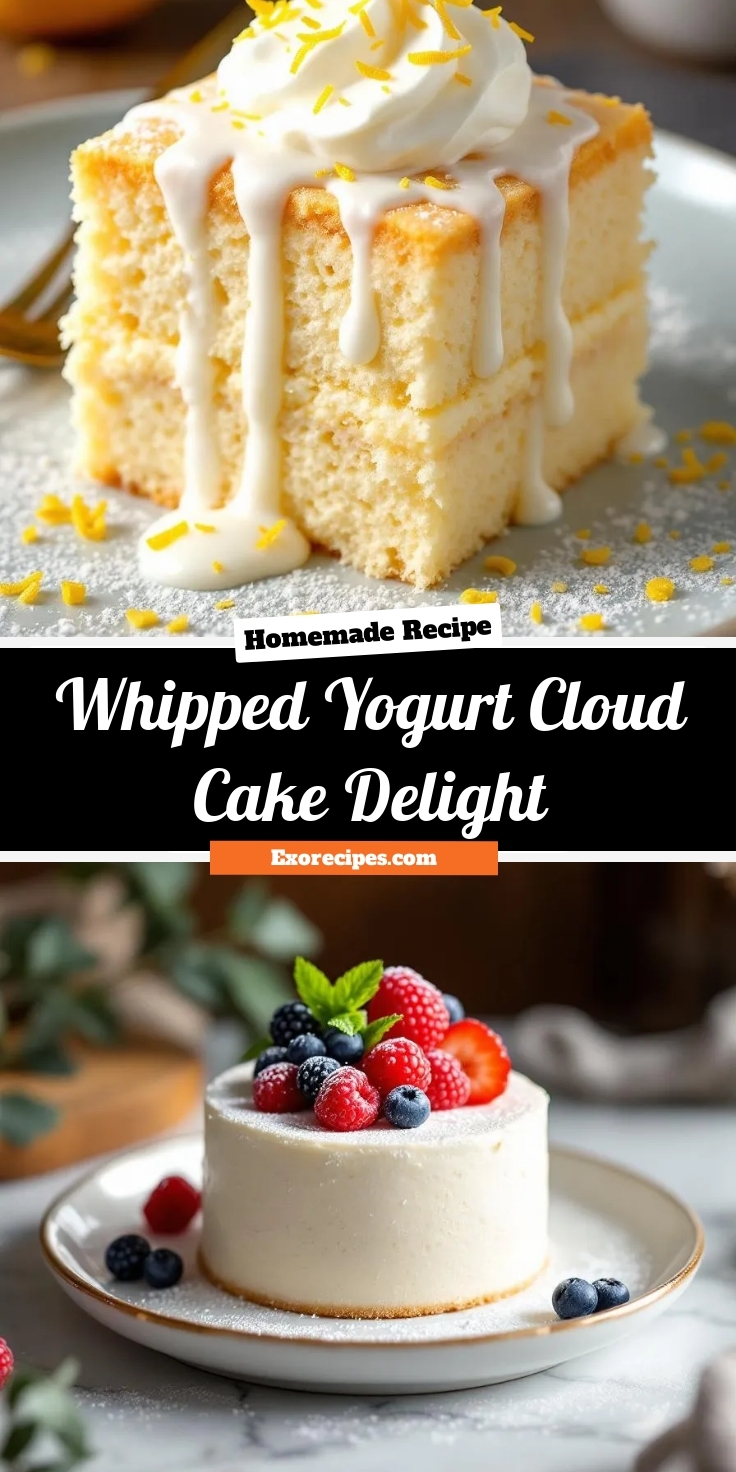
Best Whipped Yogurt Cloud Cake – Light and Fluffy
Introduction
Imagine biting into a dessert so light and airy it feels like a sweet cloud melting on your tongue. That’s exactly what you’ll experience with this Whipped Yogurt Cloud Cake Delight. Whether you’re celebrating a special occasion or simply treating yourself after a long day, this recipe brings joy to every bite. Plus, it’s surprisingly easy to make, even if you’re not a baking pro. Let’s dive into why this dreamy dessert deserves a spot in your recipe collection.
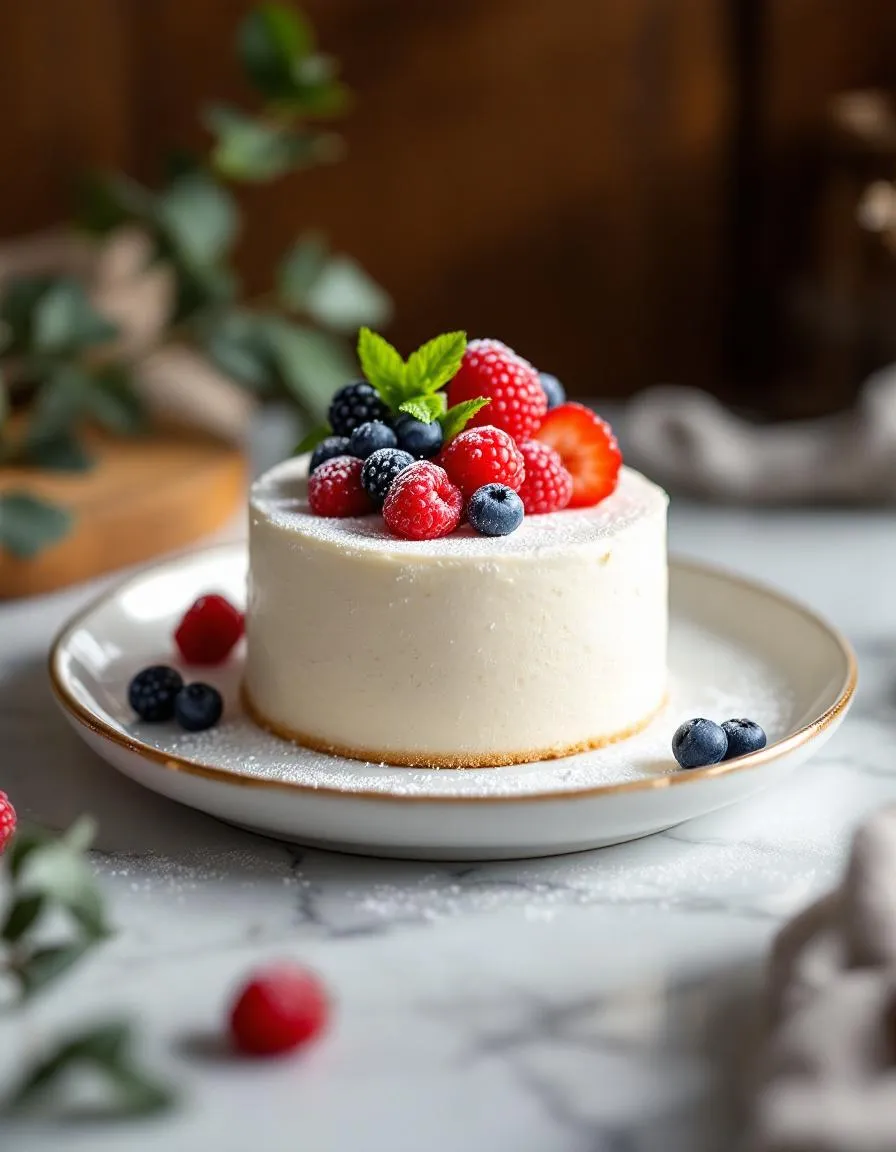
Whipped Yogurt Cloud Cake Delight is a modern twist on classic sponge cakes, combining the tangy richness of yogurt with the ethereal texture of whipped cream. Unlike dense, heavy desserts, this cake feels indulgent yet refreshing, making it perfect for warm weather or anytime you crave something light. The secret lies in folding whipped yogurt into the batter, creating a melt-in-your-mouth crumb that pairs beautifully with fresh berries or a drizzle of honey. For those who love effortless elegance, this recipe strikes the ideal balance between simplicity and sophistication.
Here at Exo Recipes, we specialize in dishes that wow without the stress, and this cake fits right in. If you’re a fan of no-fuss desserts, you’ll adore our Easy No-Bake Cheesecake, which shares the same fuss-free spirit. Meanwhile, if you’re exploring more yogurt-based treats, our Greek Yogurt Panna Cotta offers another creamy, dreamy option. Whipped Yogurt Cloud Cake Delight isn’t just a dessert—it’s a little moment of happiness waiting to happen.
Why I Love This Recipe
This Whipped Yogurt Cloud Cake Delight holds a special place in my heart because it reminds me of summer picnics with my family. My grandmother used to make a similar version, and the first bite always transports me back to those sunny afternoons. What I love most is how versatile it is—you can dress it up with citrus zest for a zingy kick or keep it classic with vanilla. No matter how you serve it, this cake never fails to bring smiles to the table. That’s the magic of a dessert that feels both nostalgic and brand new.
Health and Nutrition
Why it’s good for your body
Whipped Yogurt Cloud Cake Delight packs a nutritious punch while satisfying your sweet tooth. First, Greek yogurt delivers a hefty dose of protein, which helps keep you full and supports muscle repair. Additionally, the light, airy texture means you enjoy a decadent dessert without excessive calories. Moreover, the natural probiotics in yogurt promote gut health, aiding digestion and immunity.
Unlike traditional cakes, Whipped Yogurt Cloud Cake Delight skips heavy creams and butter. Instead, it relies on wholesome ingredients like fresh fruit and honey for sweetness. As a result, you get a dessert rich in vitamins and antioxidants. Furthermore, the yogurt base provides calcium and vitamin D, which strengthen bones and boost overall wellness.
Whether you crave a post-workout treat or a guilt-free indulgence, Whipped Yogurt Cloud Cake Delight fits the bill. Finally, its balanced macronutrients make it a smarter choice than sugar-laden alternatives. Next time you need a pick-me-up, reach for this creamy, nutrient-packed delight.
How it fits in a healthy lifestyle
Whipped Yogurt Cloud Cake Delight effortlessly aligns with balanced eating habits. For gluten-free diets, it offers a fluffy alternative to traditional flour-based desserts. If you focus on heart health, the yogurt’s probiotics and minimal saturated fat support cardiovascular wellness. Even better, it pairs perfectly with fresh berries for an extra fiber boost.
Busy lifestyles demand quick, nutritious options, and this dessert delivers. Prep it ahead for a grab-and-go snack that fuels your day without derailing your goals. For more protein-packed ideas, explore our high-protein desserts collection. Craving lighter treats? Check out our guilt-free sweets for more inspiration. Whipped Yogurt Cloud Cake Delight proves that healthy eating can still feel indulgent.
A light and airy yogurt-based cake with a fluffy texture and delicate sweetness.
Ingredients
Scale
For the Crust:
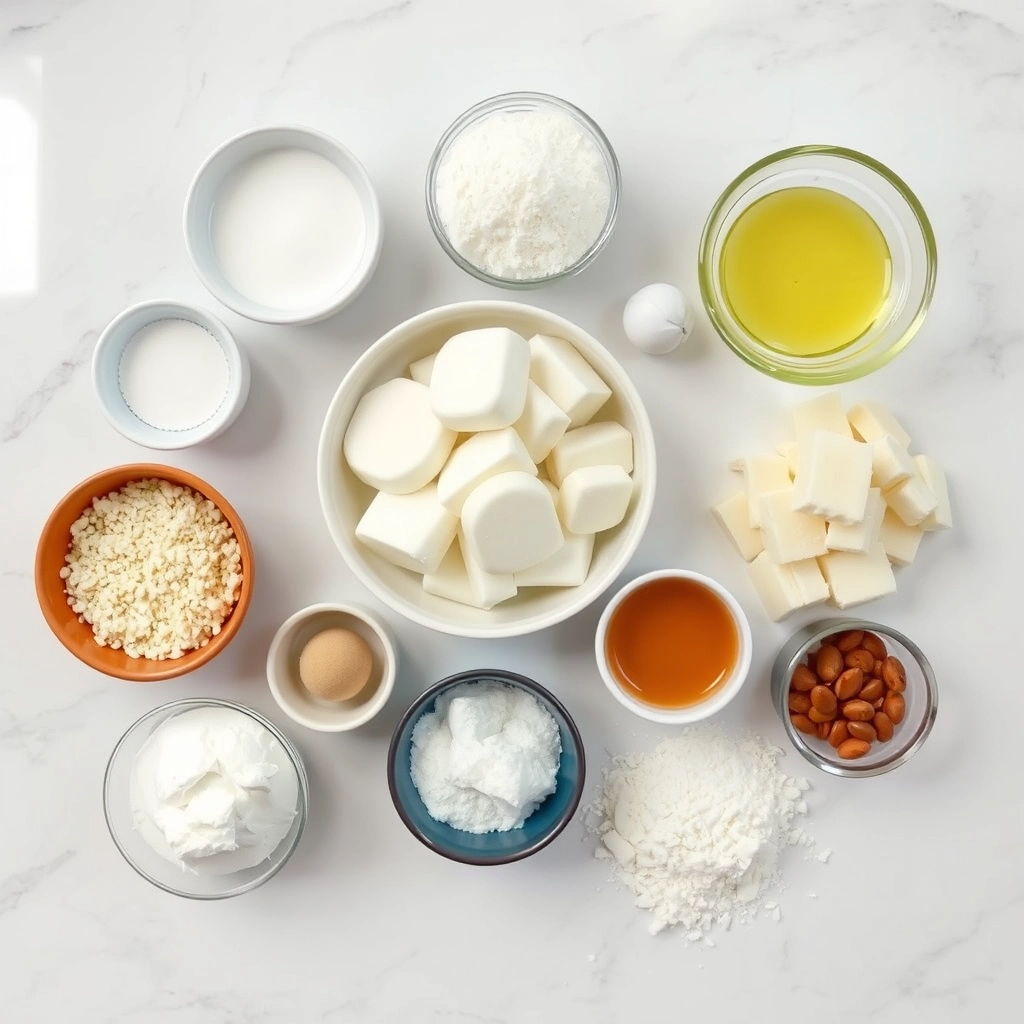
2 cups Greek yogurt
4 large eggs
1 cup granulated sugar
1 1/2 cups all-purpose flour
1 tsp vanilla extract
1 tsp baking powder
1/4 tsp salt
1 tbsp lemon zest
Instructions
1. Prepare the Crust:
Preheat oven to 350°F (175°C) and grease a 9-inch cake pan.
In a large bowl, whisk together yogurt, eggs, sugar, and vanilla until smooth.
Sift in flour, baking powder, and salt. Gently fold until just combined.
Stir in lemon zest.
Pour batter into prepared pan and bake for 30 minutes or until a toothpick comes out clean.
Let cool completely before serving.
Notes
You can customize the seasonings to taste.
s-dish">How to Prepare This Dish
Steps and time-saving tips
Start by preheating your oven to 350°F and lightly greasing a 9-inch springform pan. Meanwhile, whisk together the dry ingredients—flour, sugar, and baking powder—in a large bowl. In another bowl, beat the yogurt, eggs, and vanilla until smooth. Gradually fold the wet mixture into the dry ingredients, but avoid overmixing to keep the Whipped Yogurt Cloud Cake Delight light and airy. Pour the batter into the pan and bake for 25-30 minutes, or until a toothpick comes out clean. While the cake cools, whip the heavy cream with a touch of honey until soft peaks form. Once the cake is completely cool, spread the whipped cream evenly over the top. For a time-saving twist, chill the mixing bowl and beaters beforehand to speed up whipping. Finally, drizzle with a berry compote or fresh fruit for a vibrant finish. If you’re short on time, store-bought whipped topping works in a pinch, though homemade adds a richer texture.
Mistakes I’ve made and learned from
Early on, I rushed the cooling process and ended up with a melted, soggy topping—patience is key for the Whipped Yogurt Cloud Cake Delight to set properly. Now, I pop the cake in the fridge for at least 30 minutes before adding the whipped layer. Another blunder? Overmixing the batter, which made the cake dense instead of cloud-like. A gentle hand makes all the difference, as I learned from my common baking mistakes deep dive. For those new to whipping cream, check out my whipping cream perfection guide to avoid under- or over-beating. Trust me, these small tweaks turn a good dessert into a showstopper.
n-and-variations">Cultural Connection and Variations
Where this recipe comes from
Whipped Yogurt Cloud Cake Delight whispers of Mediterranean roots, where yogurt-based desserts have long been a staple. Picture sun-drenched Greek villages where thick, tangy yogurt meets honey and nuts, or Turkish kitchens where it’s layered with rosewater and pistachios. Yet, this version takes a lighter, airier turn—almost like a cross between a classic cheesecake and a fluffy mousse. Some say it borrows from the French gâteau au yaourt, a humble yogurt cake families bake for casual gatherings. Others argue it’s a modern twist on Middle Eastern muhalabia, a milk pudding often crowned with yogurt.
In my own kitchen, Whipped Yogurt Cloud Cake Delight became a summer ritual. My aunt would fold in lemon zest and top it with macerated berries, turning it into a refreshing finale for backyard barbecues. Meanwhile, friends from India shared their version, swapping dairy yogurt for coconut yogurt and adding cardamom for a fragrant spin. Whether served chilled in Japan with matcha dust or baked as a warm dessert in Eastern Europe, this dish wears many delicious hats.
How it fits in today’s cooking
Today, Whipped Yogurt Cloud Cake Delight thrives as a versatile star. Health-conscious cooks love its protein-rich base, while dessert lovers appreciate how easily it adapts—try layering it with granola for a parfait-inspired breakfast or serving it as a light alternative to heavy holiday pies. Social media has fueled its comeback, with food bloggers showcasing vegan versions or adding edible flowers for Instagram-worthy flair.
It’s also a go-t
o for busy weeknights. Parents whip it up as a quick, kid-friendly treat, and meal preppers stash individual portions in jars. For those craving nostalgia, it’s a comforting bite—much like the coffee cake your grandma used to make, but with a modern, airy twist. Whether you’re celebrating or simply savoring a quiet moment, this dessert fits right in.
Taste and Texture
What makes it delicious
Whipped Yogurt Cloud Cake Delight melts in your mouth like a dream, offering a lusciously creamy yet airy texture that feels both indulgent and light. The tangy sweetness of Greek yogurt balances the delicate vanilla-infused sponge, while a hint of citrus zest brightens every bite. As you savor it, the subtle floral aroma of honey drizzle mingles with the fresh scent of whipped cream, making each forkful irresistible. Whipped Yogurt Cloud Cake Delight delivers a perfect harmony of flavors—smooth, refreshing, and just rich enough to satisfy without overwhelming.
Boosting the flavor
For an extra burst of flavor, try swirling in a spoonful of homemade berry compote before serving—the tartness complements the yogurt beautifully. Alternatively, a sprinkle of toasted almond slivers adds a satisfying crunch. If you love warm spices, a dash of cinnamon or cardamom elevates the cake’s aroma. For a decadent twist, drizzle with salted caramel sauce, which contrasts wonderfully with the yogurt’s brightness. Experiment with these easy tweaks to make Whipped Yogurt Cloud Cake Delight your own.
Always use full-fat yogurt for the Whipped Yogurt Cloud Cake Delight to ensure a rich, creamy texture. Meanwhile, whip the egg whites to stiff peaks before folding them in gently—this keeps the cake light and airy. Additionally, preheat your oven thoroughly so the batter rises evenly. For best results, let the cake cool completely before slicing, as it helps the structure set properly.
Mistakes to avoid
Avoid overmixing the batter once you add the dry ingredients, as this can make the Whipped Yogurt Cloud Cake Delight dense instead of fluffy. Instead, use a spatula and fold just until combined. Also, don’t skip greasing the pan properly—try lining it with parchment paper to prevent sticking, like we recommend in our perfect pan prep guide. Finally, resist opening the oven door too early; wait until the last 5 minutes to check doneness, following our baking timing tips for foolproof results.
g-suggestions">Serving and Pairing Suggestions
How to serve this dish
Elevate your Whipped Yogurt Cloud Cake Delight by serving it on a chic cake stand or minimalist ceramic plate for a touch of elegance. For a festive twist, top each slice with fresh berries, edible flowers, or a light dusting of powdered sugar. Meanwhile, this airy dessert shines at brunch gatherings, afternoon tea parties, or even as a refreshing finale to summer dinners. If you’re hosting a special occasion, layer it with seasonal fruits or drizzle it with honey for extra flair.
What goes well with it
Pair your Whipped Yogurt Cloud Cake Delight with a crisp sparkling lemonade or a warm cup of vanilla chai for a delightful contrast of flavors. Alternatively, serve it alongside a scoop of our honey lavender ice cream to enhance its creamy texture. For a heartier combo, try it with a slice of our almond croissant bread pudding, which balances the cake’s lightness with rich, comforting notes.
math-faq-block">
What is Whipped Yogurt Cloud Cake Delight made of?
Whipped Yogurt Cloud Cake Delight combines fluffy whipped yogurt, light sponge cake, and airy meringue for a delicate dessert. Key ingredients include Greek yogurt, egg whites, sugar, and vanilla extract, creating a melt-in-your-mouth texture. This treat is perfect for those who love a less sweet but indulgent dessert.
How do you store Whipped Yogurt Cloud Cake Delight?
Store Whipped Yogurt Cloud Cake Delight in an airtight container in the refrigerator for up to 3 days. Avoid freezing, as the texture may become grainy. For best results, serve chilled to maintain its cloud-like lightness.
Can I make Whipped Yogurt Cloud Cake Delight dairy-free?
Yes! Substitute Greek yogurt with coconut or almond yogurt for a dairy-free version of Whipped Yogurt Cloud Cake Delight. Ensure your plant-based yogurt is thick and strained to mimic the original texture. The result will still be light and delicious.
ank-math-faq-item">
Is Whipped Yogurt Cloud Cake Delight gluten-free?
Whipped Yogurt Cloud Cake Delight can be gluten-free if you use gluten-free flour or almond flour for the sponge base. Always check labels for cross-contamination if serving to those with celiac disease. The yogurt and meringue layers are naturally gluten-free.
Easy Pumpkin Spice Protein Balls – Fall Snack Recipe
Introduction
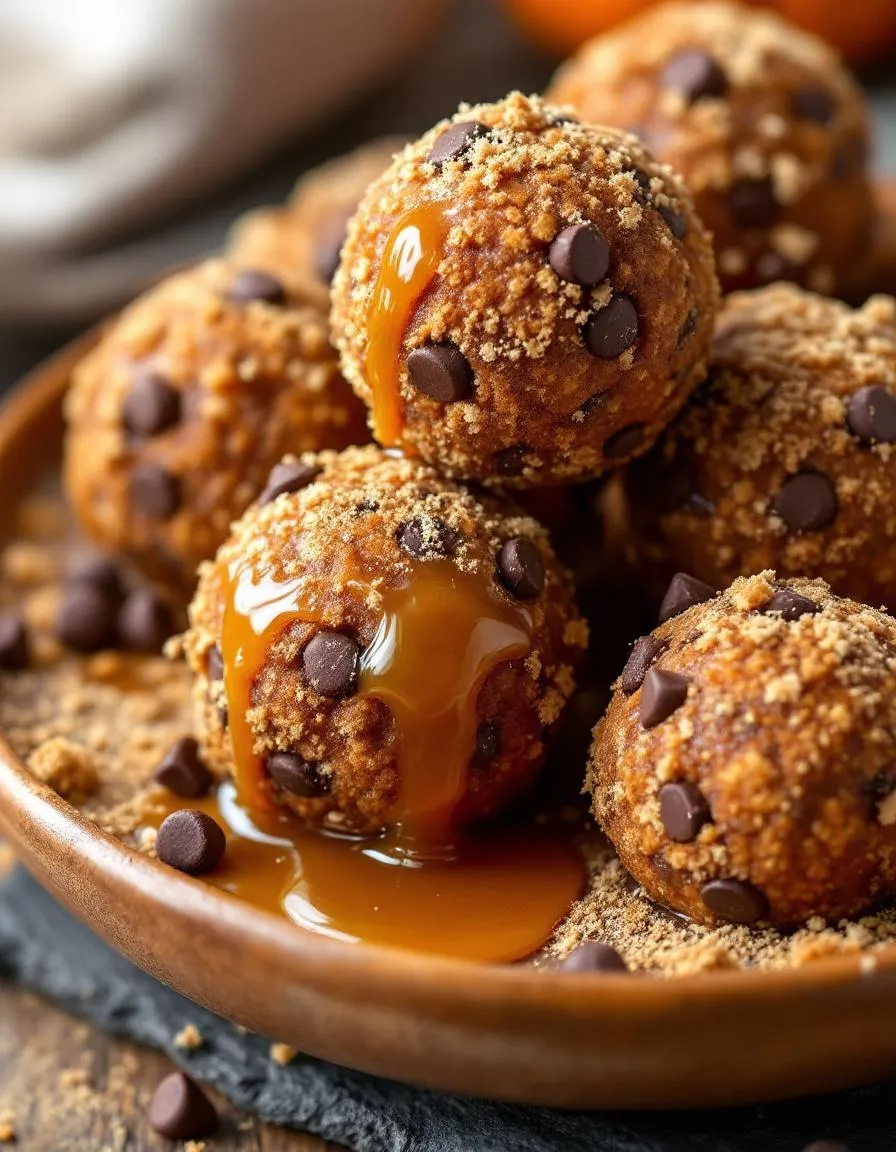
Fall brings cozy sweaters, crisp air, and the irresistible aroma of pumpkin spice. If you love seasonal flavors but want a healthier twist, these Pumpkin Spice Protein Balls – Easy Fall Snack Recipe are your perfect match. They combine the warmth of autumn spices with the convenience of a protein-packed bite, making them ideal for busy mornings, post-workout fuel, or even a guilt-free dessert. Best of all, they come together in minutes with no baking required. Whether you’re a pumpkin enthusiast or just craving a nutritious snack, these little bites will quickly become your fall favorite.
Pumpkin Spice Protein Balls – Easy Fall Snack Recipe is more than just a tasty treat. It’s a versatile, nutrient-dense option that fits seamlessly into your routine. Packed with wholesome ingredients like oats, nut butter, and real pumpkin puree, these protein balls deliver fiber, protein, and healthy fats to keep you energized. Unlike store-bought snacks loaded with sugar, this recipe lets you control the ingredients, ensuring a clean, satisfying bite every time. Plus, the warm spices like cinnamon and nutmeg evoke that classic fall comfort we all crave.
This recipe aligns perfectly with our blog’s mission to share simple, nourishing, and delicious ideas for everyday life. If you’re looking for more easy snack inspiration, check out our No-Bake Energy Bites or explore our Healthy Fall Desserts collection. Whether you’re meal prepping for the week or need a quick pick-me-up, these pumpkin spice protein balls deliver flavor and nutrition without compromise.
Why I Love This Recipe
I first made these Pumpkin Spice Protein Balls – Easy Fall Snack Recipe during a hectic week when I needed something fast and filling. Not only did they satisfy my pumpkin spice craving, but they also became my go-to snack for hikes and afternoon slumps. What I adore most is how effortlessly they come together—no fancy equipment or hard-to-find ingredients. Every bite reminds me of fall mornings with a cup of coffee, and I love knowing I’m fueling my body with real food. It’s a recipe that feels indulgent yet wholesome, and that’s exactly what I aim for in my kitchen.
Health and Nutrition
Why it’s good for your body
Pumpkin Spice Protein Balls – Easy Fall Snack Recipe packs a nutritious punch while satisfying your seasonal cravings. First, pumpkin puree delivers a hefty dose of vitamin A, which supports vision and immune health. Additionally, the natural sweetness from dates and maple syrup means you can skip refined sugars without sacrificing flavor. Moreover, these protein balls include nut butter or seeds, providing healthy fats and plant-based protein to keep you full longer.
Furthermore, Pumpkin Spice Protein Balls – Easy Fall Snack Recipe contains warming spices like cinnamon and nutmeg, which may help regulate blood sugar levels. These ingredients also offer anti-inflammatory benefits, making them a smart choice for overall wellness. Meanwhile, rolled oats add fiber to support digestion and steady energy release. Whether you need a post-workout boost or an afternoon pick-me-up, this snack fuels your body with wholesome ingredients.
Finally, Pumpkin Spice Protein Balls – Easy Fall Snack Recipe is versatile enough to fit various dietary needs. For instance, you can easily adapt it to be gluten-free or vegan. With each bite, you get a balanced mix of macros and micronutrients, proving that healthy eating doesn’t have to be boring.
How it fits in a healthy lifestyle
Pumpkin Spice Protein Balls – Easy Fall Snack Recipe effortlessly complements a balanced diet. If you’re aiming for high-protein snacks, these balls deliver with ingredients like nut butter and protein powder. They’re also perfect for meal prep, so you always have a grab-and-go option when hunger strikes. For gluten-free eaters, simply ensure your oats are certified gluten-free, and you’re set.
This recipe aligns with heart-healthy goals too, thanks to ingredients like flaxseeds or chia seeds, which offer omega-3s. If you’re exploring more wholesome snacks, check out our guide to healthy snack ideas for inspiration. Plus, Pumpkin Spice Protein Balls – Easy Fall Snack Recipe fits into active lifestyles, whether you’re hiking or juggling a busy workday. For more tips on balancing nutrition with convenience, our meal prep tips can help streamline your routine. With minimal effort, this snack keeps you energized and on track.
A healthy and delicious fall snack packed with protein and pumpkin spice flavor.
Ingredients
Scale
For the Crust:
1 cup rolled oats
1/2 cup pumpkin puree
1/2 cup almond butter
1/4 cup honey
1 scoop vanilla protein powder
1 tsp pumpkin pie spice
1/2 tsp cinnamon
1/4 cup mini chocolate chips
Instructions
1. Prepare the Crust:
In a large bowl, mix together oats, pumpkin puree, almond butter, and honey until well combined.
Add protein powder, pumpkin pie spice, and cinnamon. Mix until fully incorporated.
Fold in mini chocolate chips.
Roll mixture into 1-inch balls and place on a parchment-lined tray.
Refrigerate for at least 30 minutes before serving.
Notes
You can customize the seasonings to taste.
How to Prepare This Dish
Steps and time-saving tips
Start by gathering all your ingredients for Pumpkin Spice Protein Balls – Easy Fall Snack Recipe so everything is within reach. Combine the rolled oats, protein powder, pumpkin puree, and pumpkin spice in a large mixing bowl. Stir them together until the mixture looks evenly blended. If the dough feels too dry, add a splash of almond milk to help it stick. Meanwhile, if it’s too sticky, sprinkle in a bit more oats or protein powder. Roll the mixture into small, bite-sized balls using your hands, then place them on a parchment-lined tray. For faster shaping, lightly wet your palms to prevent sticking. Pop the tray into the fridge for at least 30 minutes to firm up the Pumpkin Spice Protein Balls. If you’re in a hurry, the freezer cuts chilling time in half. Once set, drizzle them with melted dark chocolate or dust with cinnamon for extra flair. Store leftovers in an airtight container for up to a week, making them the perfect grab-and-go snack.
and-learned-from">Mistakes I’ve made and learned from
When I first tried making Pumpkin Spice Protein Balls – Easy Fall Snack Recipe, I skipped chilling them, and they turned into a crumbly mess. Now I never rush this step—patience pays off! Another time, I overmeasured the pumpkin puree, which made the dough too wet. Fixing it was easy: I balanced it with extra oats, a trick I picked up from my No-Bake Energy Bites recipe. If you’re new to protein ball recipes, check out my guide to protein-packed snacks for more foolproof tips. Trust me, learning these small adjustments saves time and frustration later.
Cultural Connection and Variations
Where this recipe comes from
Pumpkin Spice Protein Balls – Easy Fall Snack Recipe captures the cozy essence of autumn, blending tradition with modern nutrition. While pumpkin spice traces its roots to early American settlers who mixed cinnamon, nutmeg, and cloves into pies, today’s versions like these protein balls reinvent the flavor for busy lifestyles. In Mexico, similar snacks might include piloncillo or cayenne for warmth, while Middle Eastern adaptations could feature cardamom or dates for sweetness. Families often tweak the recipe too—some swap almond butter for peanut butter or add chia seeds for extra crunch.
My grandmother always s
tirred pumpkin puree into oatmeal cookies, but I love how Pumpkin Spice Protein Balls – Easy Fall Snack Recipe keeps the nostalgia while cutting the bake time. Across the U.S., you’ll find regional twists too. In the South, a dash of bourbon might sneak in, while West Coast versions often go vegan with coconut oil. No matter where you enjoy them, these little bites tie us to harvest traditions and the simple joy of seasonal flavors.
How it fits in today’s cooking
Pumpkin Spice Protein Balls – Easy Fall Snack Recipe fits perfectly into today’s fast-paced world where health and convenience collide. Meal preppers stash them in lunchboxes, gym bags, or even meal prep containers for quick energy boosts. Meanwhile, food bloggers spotlight them as guilt-free alternatives to sugar-loaded desserts, proving that indulgence and nutrition can coexist.
Modern cooks also weave these protein balls into holiday spreads, pairing them with other fall desserts for balanced gatherings. Whether you’re fueling a hike or hosting a book club, this recipe adapts effortlessly. Its staying power lies in that balance—wholesome enough for daily snacks yet festive enough to star on a seasonal charcuterie board. After all, who can resist a treat that tastes like autumn in every bite?
>Taste and Texture
What makes it delicious
Pumpkin Spice Protein Balls – Easy Fall Snack Recipe delivers a cozy, irresistible treat that feels like autumn in every bite. The rich, earthy sweetness of pumpkin puree blends perfectly with warm spices like cinnamon and nutmeg, creating a fragrant aroma that fills the room. Meanwhile, creamy almond butter and chewy oats give these protein balls a satisfyingly dense yet tender texture. A hint of maple syrup adds a subtle caramel-like depth, while vanilla extract brightens the flavor. Every bite of Pumpkin Spice Protein Balls – Easy Fall Snack Recipe melts slightly on the tongue, leaving behind a comforting, spiced finish that keeps you reaching for more.
Boosting the flavor
For an extra flavor boost, try rolling your Pumpkin Spice Protein Balls in crushed pecans or toasted coconut flakes—they add a delightful crunch. Alternatively, a drizzle of dark chocolate ganache elevates them into a decadent dessert. If you love bold spices, a pinch of cardamom or clove amplifies the warmth. For a nut-free version, swap almond butter with sunflower seed butter, which adds a slightly nutty yet mild taste. Experiment with these tweaks to make each batch uniquely delicious!
Tips for Success
Best practices for results
Always chill the dough for at least 30 minutes before rolling your Pumpkin Spice Protein Balls – Easy Fall Snack Recipe. This step prevents stickiness and makes shaping effortless. Meanwhile, use parchment paper when storing them to maintain the perfect texture. For extra flavor, toast the oats lightly before mixing them into the dough. Finally, if the mixture feels too dry, add a teaspoon of almond milk to bind everything smoothly.
Mistakes to avoid
One common error is overpacking the dough, which makes the Pumpkin Spice Protein Balls – Easy Fall Snack Recipe dense instead of tender. Instead, gently roll them without pressing too hard. Another mistake is skipping the spice balance—too much cinnamon can overpower the other flavors. For more tips on perfecting spice blends, check out our Guide to Fall Spices. Also, avoid using old nut butter, as it can dry out the mixture. If you need a fresh batch, try our Homemade Almond Butter for the best results.
Serving and Pairing Suggestions
How to serve this dish
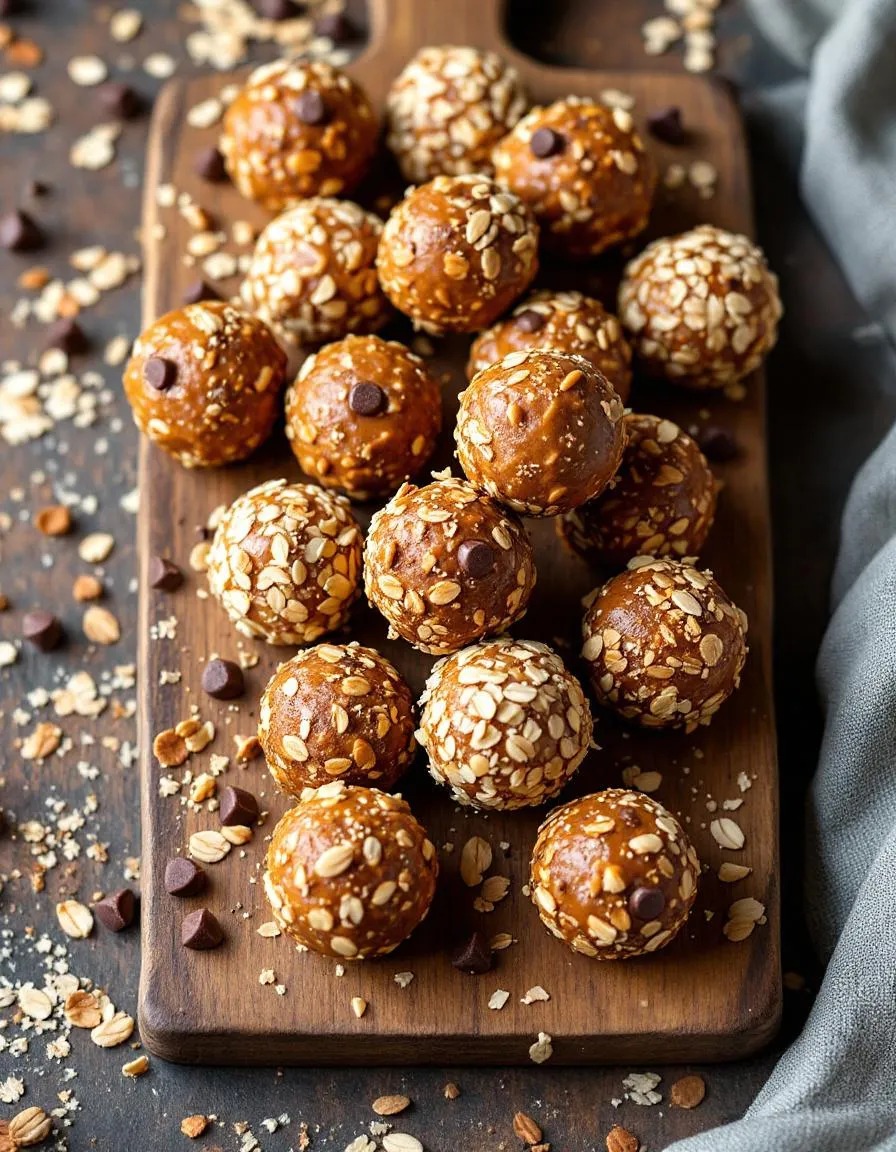
Serve Pumpkin Spice Protein Balls – Easy Fall Snack Recipe on a rustic wooden board or a festive platter for a cozy autumn vibe. Meanwhile, sprinkle them with a dusting of cinnamon or drizzle melted white chocolate for an elegant touch. These protein balls shine at holiday gatherings, but they also make a perfect grab-and-go snack for busy weekdays. For a fun twist, arrange them in mini muffin liners or stack them in a glass jar as a charming edible gift.
h-it">What goes well with it
Pair Pumpkin Spice Protein Balls – Easy Fall Snack Recipe with a steaming cup of chai tea for a warming flavor combination. The spices in both complement each other beautifully. Alternatively, try them alongside a creamy pumpkin smoothie for a double dose of fall goodness. If you love seasonal treats, you might also enjoy our Healthy Pumpkin Muffins or a slice of Gluten-Free Apple Cake for a delightful dessert spread.
Are pumpkin spice protein balls healthy?
Yes, Pumpkin Spice Protein Balls – Easy Fall Snack Recipe are a nutritious option packed with protein, fiber, and healthy fats. They use natural ingredients like oats, nut butter, and pumpkin puree, making them a great alternative to processed snacks. These protein balls provide sustained energy without added sugars or artificial ingredients.
ank-math-faq-item">
How long do pumpkin spice protein balls last?
Pumpkin Spice Protein Balls – Easy Fall Snack Recipe stay fresh for up to 2 weeks when stored in an airtight container in the fridge. For longer storage, you can freeze them for up to 3 months. Just thaw them at room temperature for 10-15 minutes before enjoying.
Can I make pumpkin spice protein balls without protein powder?
Absolutely! If you prefer Pumpkin Spice Protein Balls – Easy Fall Snack Recipe without protein powder, simply substitute it with extra oats or almond flour. The balls will still hold together well and maintain their delicious pumpkin spice flavor, though they’ll have slightly less protein per serving.
What’s the best protein powder for pumpkin spice protein balls?
For Pumpkin Spice Protein Balls – Easy Fall Snack Recipe, vanilla or unflavored whey or plant-based protein powders work best as they complement the pumpkin spice flavors. Avoid strongly flavored proteins that might overpower the warm fall spices. Collagen peptides also blend well in this recipe.
div>
Best Irresistible Pumpkin Hand Pies Recipe
Introduction
There’s something magical about the smell of warm pumpkin spice wafting through the kitchen, especially when it leads to a batch of flaky, golden-brown hand pies. Whether you’re craving a cozy fall treat or need a portable dessert for your next gathering, this Irresistible Pumpkin Hand Pies Recipe delivers every time. Imagine biting into a buttery crust filled with velvety pumpkin filling—pure comfort in every bite. Trust me, once you try these, you’ll understand why they disappear so fast.
Irresistible Pumpkin Hand Pies Recipe combines the nostalgic flavors of classic pumpkin pie with the convenience of a handheld dessert. Perfect for autumn gatherings, holiday parties, or even a quiet afternoon with coffee, these pies strike the ideal balance between sweet and spiced. The recipe uses simple ingredients like canned pumpkin puree, warm cinnamon, and nutmeg, but the results taste anything but basic. Moreover, the flaky, homemade crust elevates them far beyond store-bought alternatives. If you love easy yet impressive desserts, you’ll appreciate how this recipe fits seamlessly into your baking routine.
At Exorecipes, we celebrate recipes that bring joy without complexity, and these hand pies embody that philosophy. They’re a fantastic way to use seasonal ingredients, much like our Perfect Apple Crisp, or to pair with other fall favorites like our Spiced Chai Latte. Whether you’re a seasoned baker or a beginner, this recipe guides you every step of the way, ensuring delicious results every time.
Why I Love This Recipe
These hand pies hold a special place in my heart because they remind me of baking with my grandmother during crisp autumn weekends. She taught me how to roll out dough just right and to never skimp on the spices. Now, whenever I make this Irresistible Pumpkin Hand Pies Recipe, I feel that same warmth and connection. Plus, seeing friends and family light up after their first bite? That’s the real magic.
Health and Nutrition
Why it’s good for your body
Irresistible Pumpkin Hand Pies Recipe packs a nutritious punch while satisfying your sweet cravings. First, pumpkin puree delivers a hefty dose of vitamin A, which supports vision and immune health. Additionally, the warm spices like cinnamon and nutmeg not only enhance flavor but also offer anti-inflammatory benefits. Moreover, these hand pies provide fiber from the pumpkin and whole-wheat crust, aiding digestion and keeping you full longer.
Furthermore, Irresistible Pumpkin Hand Pies Recipe balances indulgence with wholesome ingredients. Unlike many desserts, it avoids excessive refined sugar by relying on natural sweetness from the pumpkin and a touch of maple syrup. Meanwhile, the buttery crust adds healthy fats, which help your body absorb fat-soluble vitamins. Finally, because these hand pies are portion-controlled, you can enjoy them without overdoing it.
On top of that, pumpkin contains antioxidants like beta-carotene, which fights oxidative stress. Whether you enjoy Irresistible Pumpkin Hand Pies Recipe as a snack or dessert, you’re treating your body to nutrients that support overall wellness. With every bite, you get flavor and nourishment in one delicious package.
How it fits in a healthy lifestyle
Irresistible Pumpkin Hand Pies Recipe fits seamlessly into a balanced diet. For those mindful of gluten, simply swap the crust for a gluten-free alternative without sacrificing taste. The recipe also works well for meal prep, so you can enjoy a wholesome treat without last-minute temptations.
If you’re focused on heart health, the moderate sugar content and fiber-rich pumpkin make these hand pies a smarter choice than traditional pastries. Pair them with a protein source like Greek yogurt or nuts for a satisfying snack. For more ideas on balancing treats with nutrition, explore our guide to healthy dessert swaps. Whether you’re indulging occasionally or incorporating them into your routine, these hand pies prove that delicious and nutritious can go hand in hand.
Delicious, flaky hand pies filled with spiced pumpkin puree, perfect for fall treats.
Ingredients
Scale
For the Crust:
2 cups all-purpose flour
1/2 teaspoon salt
1/2 cup unsalted butter, cold and cubed
1/4 cup ice water
1 cup pumpkin puree
1/4 cup brown sugar
1 teaspoon pumpkin pie spice
1 egg, beaten (for egg wash)
1 tablespoon granulated sugar (for sprinkling)
Instructions
1. Prepare the Crust:
In a large bowl, whisk together flour and salt. Cut in cold butter until mixture resembles coarse crumbs.
Gradually add ice water, 1 tablespoon at a time, until dough comes together. Form into a disk, wrap in plastic, and chill for 30 minutes.
In a separate bowl, mix pumpkin puree, brown sugar, and pumpkin pie spice until well combined.
Roll out the dough to 1/8-inch thickness and cut into circles. Spoon pumpkin filling onto half of each circle, leaving a border.
Fold dough over filling, crimp edges with a fork, and brush with egg wash. Sprinkle with granulated sugar.
Bake at 375°F (190°C) for 20-25 minutes or until golden brown. Cool slightly before serving.
Notes
You can customize the seasonings to taste.
How to Prepare This Dish
Steps and time-saving tips
Start by preheating your oven to 375°F so it’s ready when you finish assembling the Irresistible Pumpkin Hand Pies Recipe. Meanwhile, whisk together the pumpkin puree, brown sugar, and warm spices in a bowl until smooth. For a shortcut, use store-bought pie dough, but if you prefer homemade, roll it out to ⅛-inch thickness before cutting circles with a biscuit cutter. Spoon a generous tablespoon of filling onto each dough round, then fold and crimp the edges with a fork to seal. Brush the tops with egg wash for a golden finish, and if you’re short on time, skip chilling the dough—just bake immediately for slightly flakier results. Bake for 18-20 minutes until the crust turns golden and the filling bubbles slightly. Let them cool on a wire rack before serving, or drizzle with a simple powdered sugar glaze for extra sweetness. To save effort later, double the batch and freeze unbaked pies for a quick dessert anytime.
Mistakes I’ve made and learned from
My first attempt at the Irresistible Pumpkin Hand Pies Recipe ended with leaking filling because I overstuffed them. Now, I stick to one tablespoon per pie and leave a half-inch border—no more mess! Another time, I rushed the dough and skipped chilling it properly, which made the crust tough. Lesson learned: patience pays off. If your filling seems too runny, thicken it with a teaspoon of cornstarch, a trick I picked up from my pumpkin pie filling guide. And if the edges don’t seal well, dab them with water before crimping. Trust me, these small adjustments make all the difference between a messy kitchen and perfect hand pies every time.
The Irresistible Pumpkin Hand Pies Recipe whispers of cozy autumn traditions, blending the warmth of pumpkin spice with the convenience of handheld treats. These little pies likely trace their roots to early American settlers, who transformed European pastry techniques with local ingredients like pumpkin, a staple in Native American cuisine. Over time, families tweaked the recipe, some adding a dash of nutmeg or swapping crusts for flakier versions.
Meanwhile, across the globe, cultures put their own spin on similar treats. In Jamaica, spicy pumpkin-filled patties pack a kick, while in Portugal, sweet pumpkin empanadas shine during festivals. Even within the U.S., Southern bakers might lace their Irresistible Pumpkin Hand Pies Recipe with bourbon, while Midwest versions keep it simple with cinnamon and brown sugar. No matter the variation, the heart of this dish remains—a portable celebration of harvest season.
ays-cooking">How it fits in today’s cooking
Today, the Irresistible Pumpkin Hand Pies Recipe bridges nostalgia and modern convenience. Busy home cooks love them for grab-and-go breakfasts, while food bloggers spotlight them as festive alternatives to pie. They’ve even become stars at fall gatherings, pairing perfectly with creative hot chocolate setups or Halloween dessert spreads.
Health-conscious bakers also adapt the recipe, using whole-wheat crusts or coconut sugar. Yet whether you stick to tradition or experiment, these hand pies keep pumpkin season magic alive—one buttery, spiced bite at a time.
Taste and Texture
What makes it delicious
Irresistible Pumpkin Hand Pies Recipe delivers a cozy, spiced sweetness in every bite. The flaky, buttery crust crumbles just right, while the creamy pumpkin filling melts smoothly on your tongue. Warm notes of cinnamon, nutmeg, and ginger mingle with rich brown sugar, creating a fragrant aroma that fills the kitchen. Each hand pie feels tender yet sturdy, with a golden-brown exterior that gives way to a velvety center. Whether served warm or at room temperature, Irresistible Pumpkin Hand Pies Recipe balances sweetness and spice for a treat that’s downright addictive.
r">Boosting the flavor
Elevate your Irresistible Pumpkin Hand Pies Recipe with a drizzle of homemade caramel sauce for extra richness. Alternatively, fold in a handful of chopped pecans for a nutty crunch. If you love bold spices, try doubling the ginger or adding a pinch of cardamom. For a festive twist, pair these hand pies with a scoop of vanilla bean ice cream—the cool creaminess contrasts perfectly with the warm pumpkin filling. Small tweaks like these can transform an already delicious treat into something unforgettable.
Tips for Success
Best practices for results
Always chill the dough for at least 30 minutes before rolling it out to prevent sticking and ensure flaky layers in your Irresistible Pumpkin Hand Pies Recipe. Meanwhile, use parchment paper when baking to guarantee even browning and an easy release. For the best texture, avoid overfilling the pies—stick to one heaping tablespoon of pumpkin filling per hand pie. Additionally, brush the tops with an egg wash for a golden, glossy finish that makes them irresistible.
>Mistakes to avoid
One common error is skipping the dough chilling step, which leads to tough pastry instead of tender, flaky layers. Instead, plan ahead and let the dough rest as directed. Another mistake is overbaking the pies, which dries out the filling. For perfect results, pull them from the oven as soon as the edges turn golden. If you need help troubleshooting dough issues, check out our guide to perfect pie crust. Also, if your filling seems too runny, thicken it with a bit of cornstarch—our pumpkin pie filling tips explain how to adjust consistency easily.
Serving and Pairing Suggestions
How to serve this dish
Serve your Irresistible Pumpkin Hand Pies warm for the best flavor and texture. Meanwhile, arrange them on a rustic wooden board or a vintage platter to enhance their cozy, homemade appeal. For special occasions like Thanksgiving or fall gatherings, dust them lightly with powdered sugar or drizzle with caramel for an elegant touch. Additionally, pair them with a scoop of vanilla ice cream to turn them into a decadent dessert. Whether you’re hosting brunch or a casual afternoon tea, these hand pies always steal the show.
What goes well with it
Pair your Irresistible Pumpkin Hand Pies with a spiced chai latte for a comforting autumnal treat. The warm spices in both the drink and the pies create a harmonious flavor experience. Alternatively, serve them alongside a creamy scoop of our Homemade Whipped Cream for a lighter, airy contrast. If you’re planning a full fall spread, try adding our Spiced Apple Cider to the menu—its crisp sweetness balances the rich pumpkin filling perfectly.
How do you keep pumpkin hand pies from getting soggy?
To prevent your Irresistible Pumpkin Hand Pies from getting soggy, brush the crust with an egg wash before baking. This creates a barrier and helps the pastry stay crisp. Also, avoid overfilling the pies with pumpkin mixture, as excess moisture can seep into the dough.
Can you freeze pumpkin hand pies after baking?
Yes! These Irresistible Pumpkin Hand Pies freeze beautifully after baking. Let them cool completely, then store in an airtight container with parchment paper between layers. Reheat in a 350°F oven for 10 minutes to restore their flaky texture.
ank-math-faq-item">
What’s the best crust for pumpkin hand pies?
A buttery, flaky pie crust works best for Irresistible Pumpkin Hand Pies. You can use store-bought dough for convenience or make homemade pastry with cold butter for maximum flavor. The crust should be sturdy enough to hold the pumpkin filling without tearing.
How long do pumpkin hand pies last at room temperature?
Freshly baked Irresistible Pumpkin Hand Pies stay good for 2-3 days at room temperature when stored in an airtight container. For longer storage, refrigerate for up to 5 days or freeze as mentioned above. The crust may soften slightly over time.
Ultimate Decadent Cheesecake Brownies Recipe
Introduction
There’s something magical about biting into a rich, fudgy brownie swirled with creamy cheesecake—it’s pure indulgence in every bite. If you’ve ever craved a dessert that combines the best of both worlds, this Decadent Cheesecake Brownies Recipe is your answer. Whether you’re treating yourself after a long day or impressing guests at a gathering, these brownies deliver joy with minimal effort. Trust me, once you try them, you’ll understand why they’re a crowd favorite.
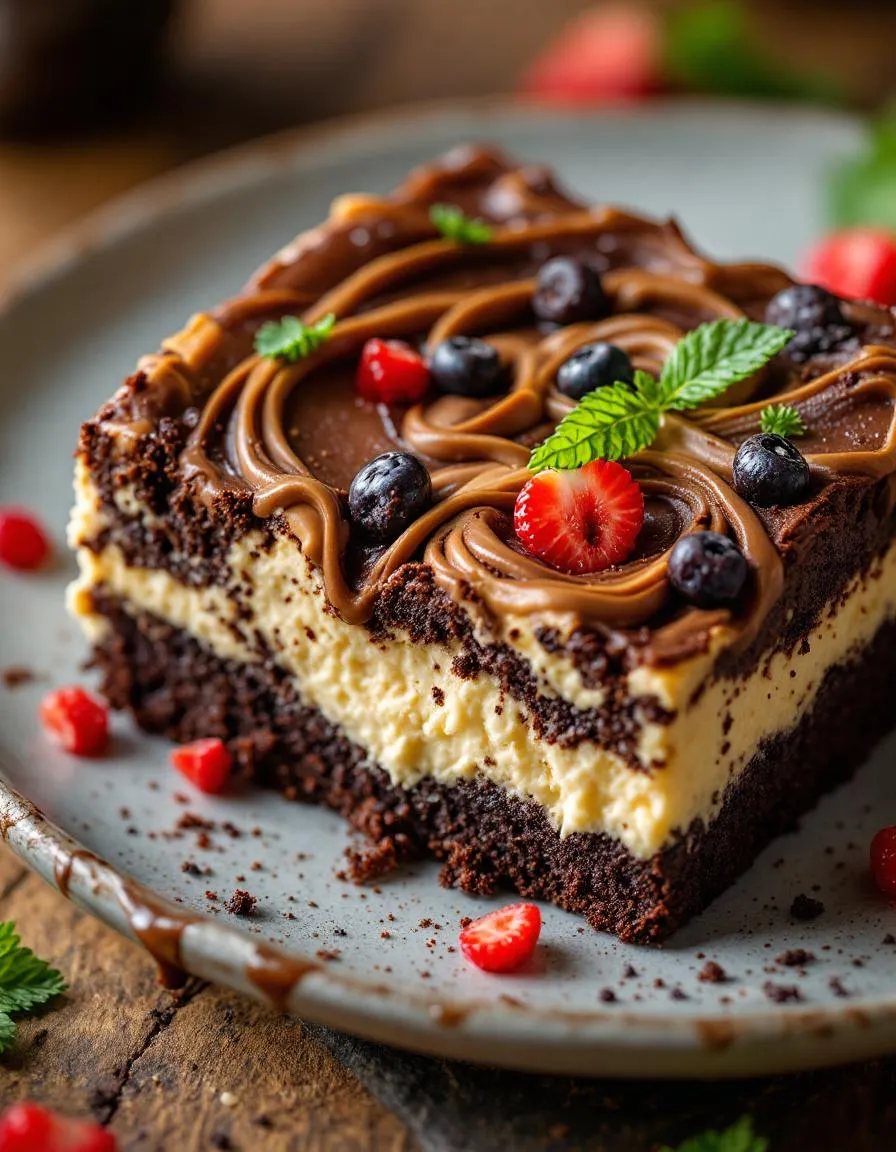
The Decadent Cheesecake Brownies Recipe blends a dense chocolate brownie base with a tangy, velvety cheesecake layer, creating a dessert that’s as visually stunning as it is delicious. Unlike ordinary brownies, this recipe elevates the classic treat with a luxurious twist, making it perfect for special occasions or everyday cravings. What sets it apart is the balance of textures and flavors—the fudgy brownie contrasts beautifully with the smooth cheesecake, while a hint of vanilla ties everything together. For those who love baking, this recipe offers a fun yet straightforward process, and the results always feel rewarding. If you’re looking for more dessert inspiration, check out our Classic Chocolate Chip Cookies or Vanilla Bean Cheesecake for equally irresistible options. Fitting seamlessly into our blog’s tone of approachable yet elevated recipes, these brownies prove that decadence doesn’t have to be complicated.
Why I Love This Recipe
I’ll never forget the first time I made these Decadent Cheesecake Brownies—they disappeared within minutes at a family potluck, and the requests for the recipe haven’t stopped since. There’s a nostalgic comfort in the chocolatey base, but the cheesecake swirl adds a touch of elegance that makes them feel special. Baking them reminds me of lazy Sunday afternoons spent experimenting in the kitchen, and now, they’ve become my go-to for birthdays, holidays, or just because. Every time I pull a pan out of the oven, that marbled top never fails to make me smile.
Health and Nutrition
Why it’s good for your body
Decadent Cheesecake Brownies Recipe delivers more than just irresistible flavor. First, the rich cocoa in the brownie base packs antioxidants, which help combat oxidative stress. Additionally, the cream cheese swirl adds a dose of protein and calcium, supporting muscle health and strong bones. While this treat is indulgent, it also offers a satisfying balance of textures and nutrients.
Moreover, dark chocolate, a key ingredient in Decadent Cheesecake Brownies Recipe, contains flavonoids linked to heart health. These compounds may improve blood flow and lower blood pressure over time. Meanwhile, the eggs in the recipe provide choline, a nutrient vital for brain function. Together, these elements make every bite both delicious and nourishing.
Finally, enjoying Decadent Cheesecake Brownies Recipe in moderation can boost your mood. The combination of carbs and fats triggers serotonin release, promoting relaxation. Of course, mindful portions let you savor the dessert without overdoing it. After all, treats like this belong in a well-rounded diet.
How it fits in a healthy lifestyle
Decadent Cheesecake Brownies Recipe fits seamlessly into balanced eating when enjoyed thoughtfully. Pair a small square with a protein-rich snack like Greek yogurt to stabilize blood sugar. For gluten-free diets, simply swap regular flour for almond or oat flour—our gluten-free baking guide makes it easy.
If you focus on heart-healthy choices, dark chocolate and moderate portions align with those goals. Craving something sweet after dinner? A single serving satisfies without derailing progress. For more tips on mindful indulgence, explore our healthy dessert swaps. Remember, balance is key, and this recipe delivers joy and flavor in every bite.
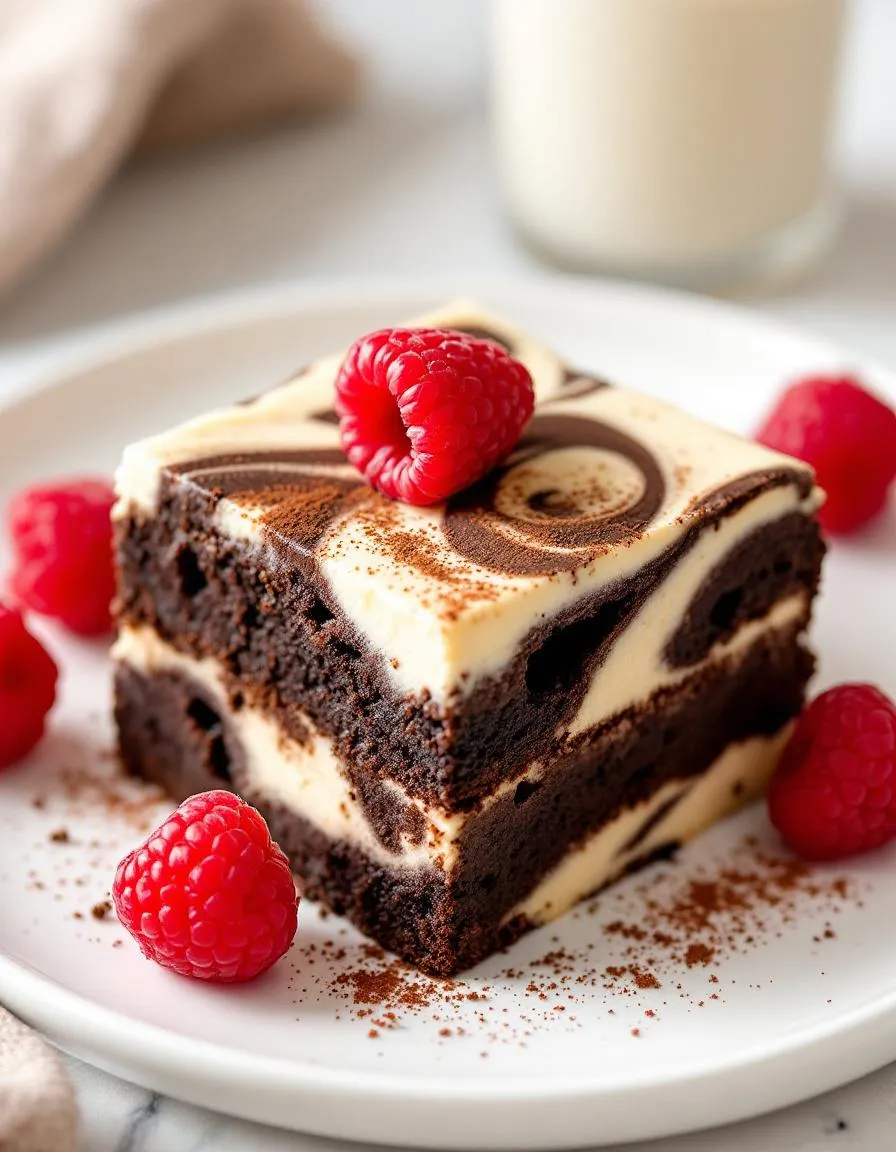
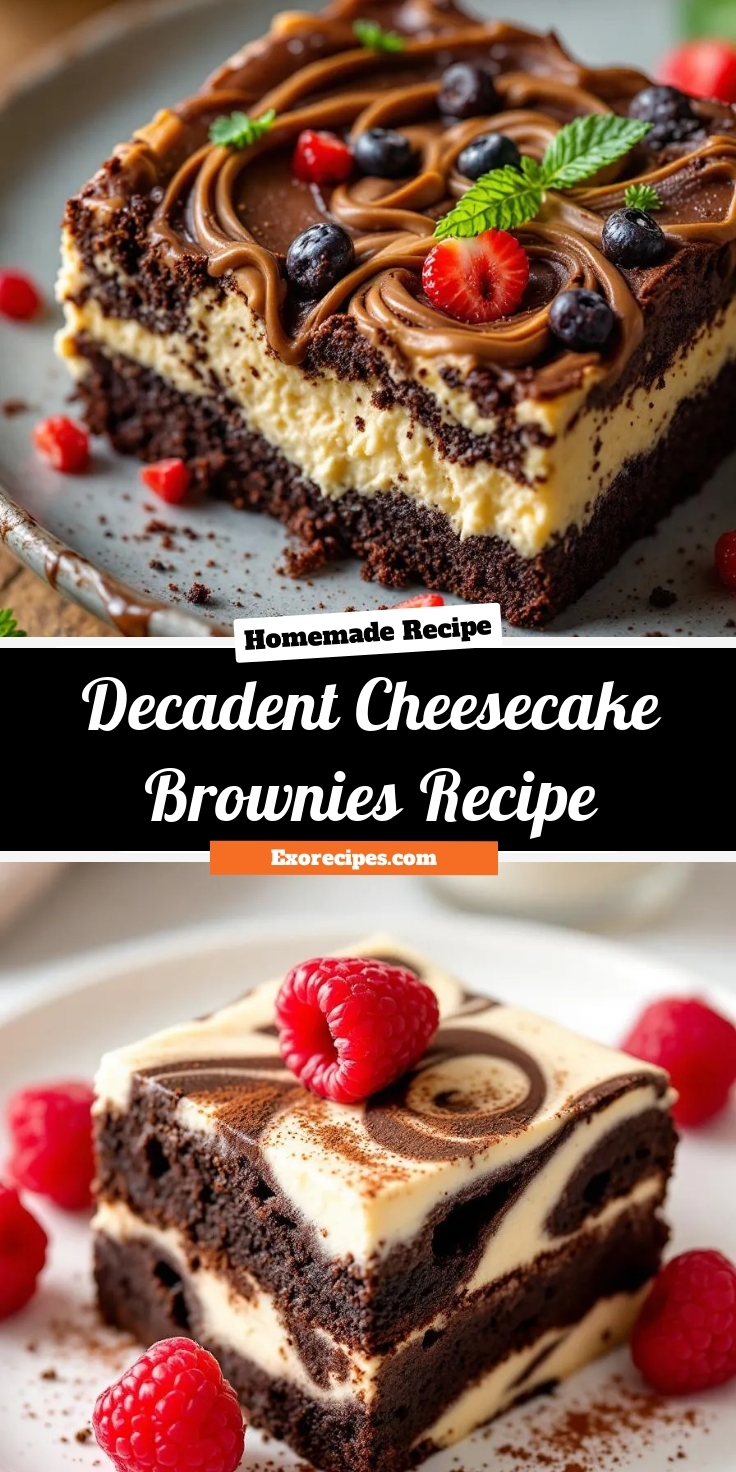
Rich chocolate brownies swirled with creamy cheesecake for an irresistible dessert.
Ingredients
Scale
For the Crust:
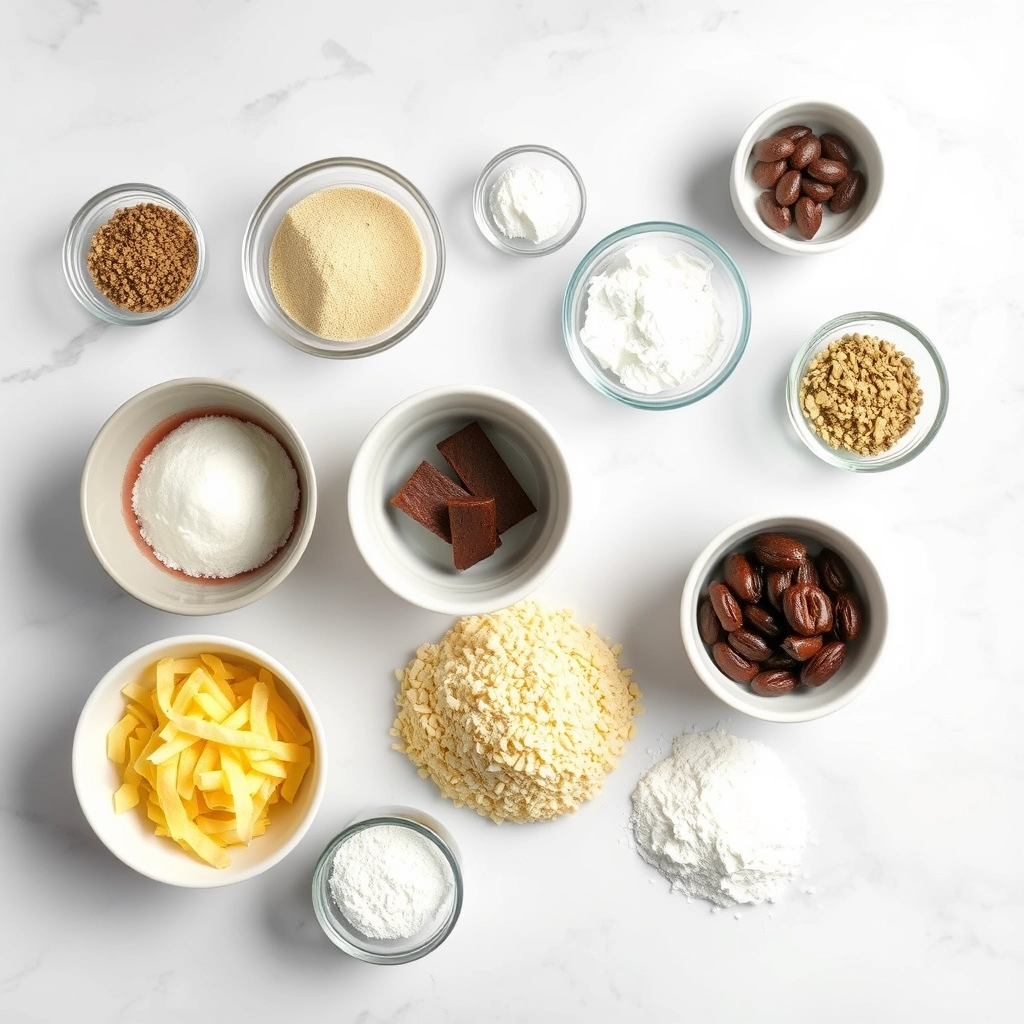
1/2 cup unsalted butter
1 cup granulated sugar
2 large eggs
1 tsp vanilla extract
1/3 cup cocoa powder
1/2 cup all-purpose flour
1/4 tsp salt
8 oz cream cheese, softened
1/4 cup granulated sugar
1 large egg
1/2 tsp vanilla extract
Instructions
1. Prepare the Crust:
Preheat oven to 350°F (175°C). Grease an 8-inch square baking pan.
Melt butter in a saucepan. Remove from heat and stir in sugar, eggs, and vanilla. Mix in cocoa, flour, and salt until just combined.
In a separate bowl, beat cream cheese, sugar, egg, and vanilla until smooth.
Spread brownie batter into prepared pan. Drop spoonfuls of cheesecake mixture over the top. Swirl with a knife.
Bake for 25-30 minutes until edges pull away from pan. Cool completely before cutting.
Notes
You can customize the seasonings to taste.
“`html
How to Prepare This Dish
Steps and time-saving tips
Start by preheating your oven to 350°F and lining an 8×8-inch baking pan with parchment paper for easy removal later. In a large bowl, whisk together melted butter, sugar, and vanilla until smooth. Next, beat in the eggs one at a time, ensuring each is fully incorporated before adding the next. Gradually fold in the flour, cocoa powder, and salt until just combined—overmixing can make the brownies dense. Meanwhile, prepare the cheesecake layer by blending cream cheese, sugar, egg, and vanilla until creamy. Pour half the brownie batter into the pan, then dollop the cheesecake mixture on top. Use a knife to swirl the layers gently for that signature marbled look. Bake for 30-35 minutes until the edges pull away from the pan but the center stays slightly soft. Let the Decadent Cheesecake Brownies Recipe cool completely before slicing—this prevents crumbling. For clean cuts, chill them for an hour first or wipe your knife between slices.
and-learned-from">Mistakes I’ve made and learned from
I once rushed the cooling process and ended up with gooey, uneven slices—patience is key here! Another time, I overbaked the brownies, losing that fudgy texture. Now I rely on the toothpick test: a few moist crumbs mean they’re done. If you struggle with cracking cheesecake layers, try my cheesecake troubleshooting guide for smoother results. Also, don’t skip the parchment paper like I did once—stubbornly scraping the pan taught me that lesson. For more dessert hacks, check out my common baking mistakes post. Trust me, these small tweaks make all the difference in nailing the Decadent Cheesecake Brownies Recipe every time.
“`
n-and-variations">Cultural Connection and Variations
Where this recipe comes from
The Decadent Cheesecake Brownies Recipe blends two beloved desserts into one irresistible treat. While brownies trace their roots to late 19th-century America, cheesecake has a far older history, dating back to ancient Greece. When bakers combined these two classics, they created something magical. Today, this hybrid dessert appears in bakeries worldwide, each region adding its own twist.
In Europe, for instance, bakers often use quark instead of cream cheese for a lighter texture. Meanwhile, in Latin America, you might find dulce de leche swirled into the batter. My family’s version of the Decadent Cheesecake Brownies Recipe includes a hint of orange zest, a nod to my grandmother’s love for citrus flavors. Whether served at celebrations or as an everyday indulgence, this dessert adapts beautifully to local tastes.
How it fits in today’s cooking
The Decadent Cheesecake Brownies Recipe remains a staple in modern kitchens because it delivers both nostalgia and versatility. Busy home cooks appreciate how easily it fits into meal prep, while food bloggers showcase creative riffs like matcha swirls or gluten-free versions. During holidays, it often stars on dessert tables alongside classics like red velvet cake or chocolate chip cookies.
Today’s bakers a
lso tweak the recipe for dietary needs, swapping in plant-based cream cheese or coconut sugar. Yet no matter how you customize it, the Decadent Cheesecake Brownies Recipe always feels like a celebration. Whether you bake it for a party or a quiet night in, this dessert bridges generations and cultures with every rich, creamy bite.
Taste and Texture
What makes it delicious
Decadent Cheesecake Brownies Recipe delivers a symphony of rich, indulgent flavors and textures. The fudgy brownie base melts in your mouth, while the creamy cheesecake swirl adds a tangy contrast that balances the sweetness. Every bite offers a velvety smoothness with just the right amount of density, thanks to the high-quality cocoa and butter. The aroma alone—warm chocolate mingling with vanilla and a hint of caramelized sugar—will make your kitchen smell like a bakery. Plus, the slight crackle of the brownie’s top crust gives way to a luxuriously soft center, making Decadent Cheesecake Brownies Recipe impossible to resist.
Boosting the flavor
Elevate your Decadent Cheesecake Brownies Recipe with a few easy tweaks. For a deeper chocolate flavor, swap regular cocoa powder with Dutch-process cocoa, which adds a smoother, less acidic taste. Top warm brownies with a drizzle of salted caramel or a dusting of powdered sugar for extra flair. If you love texture, sprinkle crushed toasted pecans or walnuts over the cheesecake swirl before baking. For a fruity twist, swirl in a spoonful of homemade raspberry sauce to brighten the richness. Small changes can make these brownies even more unforgettable.
Always use room-temperature cream cheese for a smooth, lump-free cheesecake swirl in your Decadent Cheesecake Brownies Recipe. Meanwhile, line your baking pan with parchment paper to ensure easy removal and clean cuts later. For the richest flavor, opt for high-quality dark chocolate in the brownie batter. Additionally, avoid overmixing the batter once you add the flour to keep the texture fudgy rather than dense. Finally, let the brownies cool completely before slicing so the layers set properly.
Mistakes to avoid
One common mistake is underbaking the brownies, which leaves them too gooey. To prevent this, insert a toothpick near the edge—it should come out with moist crumbs, not wet batter. Another error is swirling the cheesecake layer too aggressively, which can muddy the layers. Instead, use gentle figure-eight motions for a marbled effect. For more baking precision, check out our guide on how to test brownie doneness. Also, if your cheesecake swirl sinks, your brownie batter might be too thin. Learn how to adjust consistency with our brownie batter troubleshooting tips.
g-suggestions">Serving and Pairing Suggestions
How to serve this dish
Make your Decadent Cheesecake Brownies Recipe shine by serving them warm with a dusting of powdered sugar or a drizzle of caramel sauce. For special occasions, top each square with fresh raspberries or a dollop of whipped cream to add color and elegance. Meanwhile, arrange them on a tiered dessert stand for parties, or pack them in a festive box as a thoughtful homemade gift. Whether you’re hosting a holiday gathering or just craving a sweet treat, these brownies always impress.
What goes well with it
Pair your Decadent Cheesecake Brownies Recipe with a cold glass of milk for a classic combo that balances richness with simplicity. Alternatively, try them alongside a scoop of vanilla bean ice cream for an indulgent dessert experience. If you love coffee, a bold espresso or creamy latte enhances the chocolatey depth. For more dessert inspiration, check out our Homemade Chocolate Truffles or Vanilla Chai Latte to complete your sweet spread.
math-faq-block">
What makes cheesecake brownies so decadent?
Decadent Cheesecake Brownies Recipe combines rich fudgy brownies with a creamy cheesecake swirl, creating a perfect balance of textures and flavors. The contrast between the dense chocolate base and the tangy cheesecake layer elevates this dessert to a luxurious treat.
Can I use boxed brownie mix for Decadent Cheesecake Brownies?
Yes, you can save time by using a high-quality boxed brownie mix as the base for your Decadent Cheesecake Brownies Recipe. Just prepare the mix according to package directions, then add the homemade cheesecake swirl layer for that special touch.
How do you get perfect swirls in cheesecake brownies?
For picture-perfect swirls in your Decadent Cheesecake Brownies Recipe, dollop the cheesecake mixture evenly over the brownie batter, then use a knife or toothpick to gently swirl through both layers. Avoid overmixing – just 3-4 passes creates beautiful marbling.
ank-math-faq-item">
Should cheesecake brownies be refrigerated?
Absolutely! Because of the cheesecake component in Decadent Cheesecake Brownies Recipe, they must be refrigerated after cooling. Store them in an airtight container in the fridge for up to 5 days – they actually taste even better the next day as flavors meld.