Best Buttery Cinnamon Cake – Irresistible Homemade Recipe
Introduction
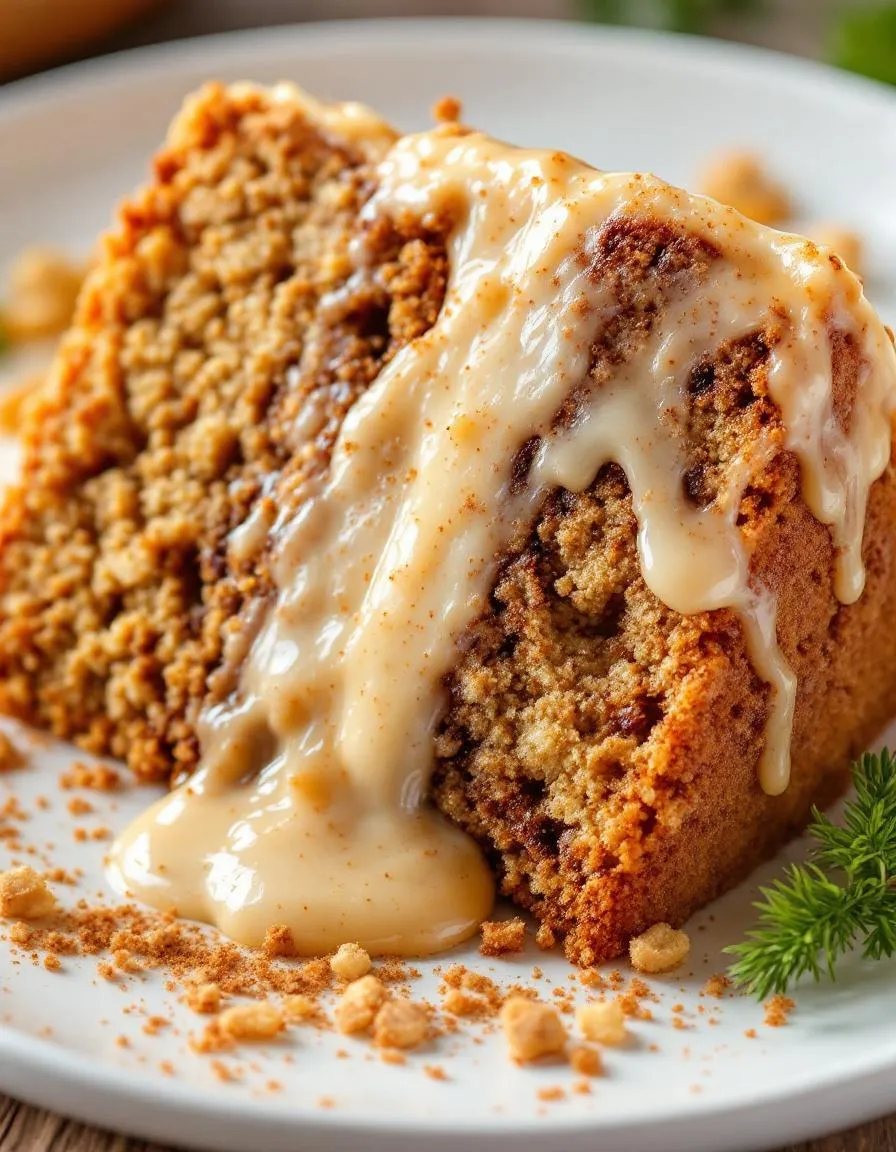
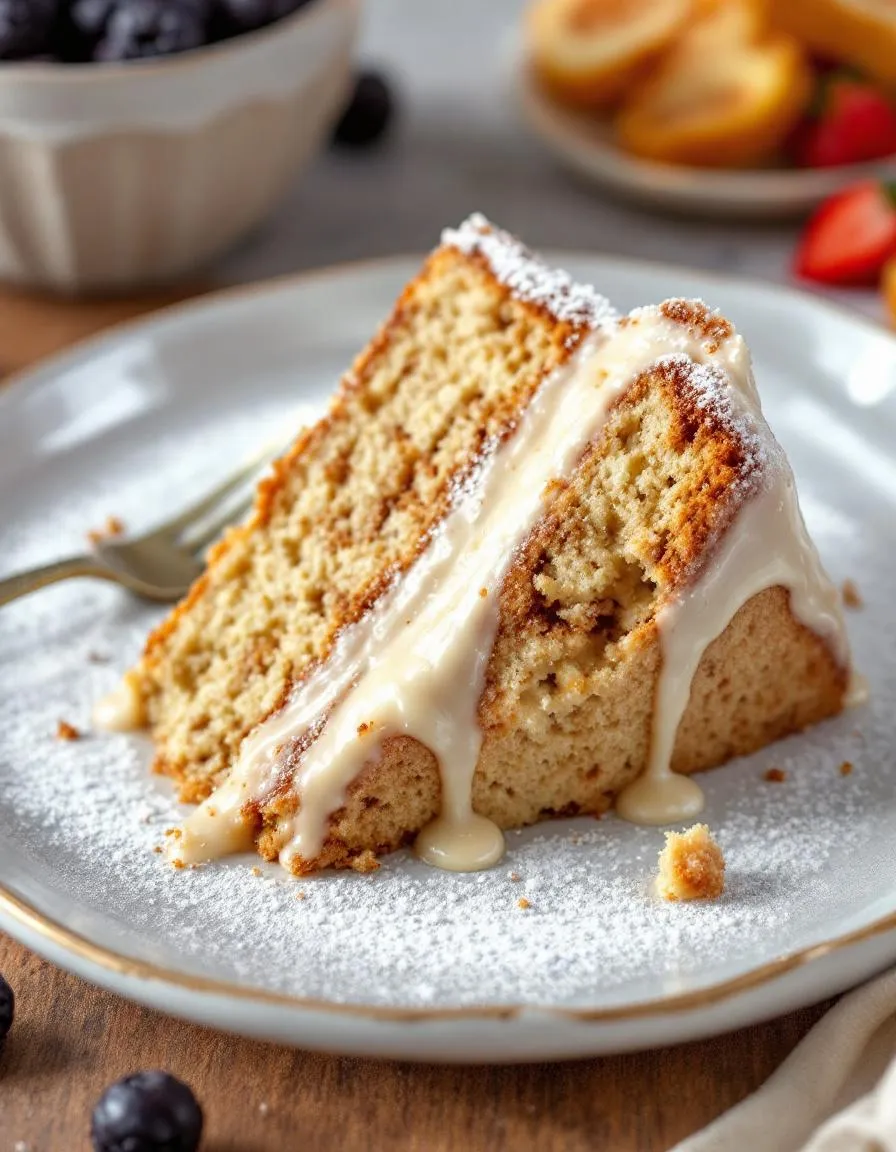
There’s something magical about the warm, comforting aroma of cinnamon and butter wafting through your kitchen. Whether you’re craving a cozy treat for yourself or planning to impress guests, this Irresistible Buttery Cinnamon Cake Recipe delivers pure indulgence in every bite. Imagine tender, moist cake layers swirled with a rich cinnamon-sugar ribbon—each slice melts in your mouth, leaving you utterly satisfied. Trust me, once you try it, this cake will become your go-to dessert for every occasion.
The Irresistible Buttery Cinnamon Cake Recipe isn’t just another dessert; it’s a celebration of simple, high-quality ingredients transforming into something extraordinary. Unlike overly complicated cakes, this recipe keeps things approachable while delivering bakery-level results. The buttery base creates a delicate crumb, while the cinnamon swirl adds a bold, spiced contrast that elevates the flavor. Plus, it pairs perfectly with a cup of coffee or a scoop of vanilla ice cream, making it versatile for breakfast, brunch, or dessert. If you love easy yet impressive recipes, you’ll adore our Decadent Chocolate Croissants or Homemade Apple Pie—both share the same foolproof, crowd-pleasing spirit.
What makes this recipe stand out is its balance of simplicity and decadence. You don’t need fancy techniques or hard-to-find ingredients, yet the final product feels luxurious. The cinnamon-sugar layer not only adds flavor but also creates a beautiful marbled effect when sliced. Whether you’re a beginner or a seasoned baker, this cake fits seamlessly into your repertoire. It’s the kind of dessert that sparks joy, whether you’re baking it for a holiday gathering or just treating yourself on a lazy Sunday afternoon.
Why I Love This Recipe
This Irresistible Buttery Cinnamon Cake Recipe holds a special place in my heart because it reminds me of my grandmother’s kitchen. She used to bake a similar version every fall, and the scent alone would bring our whole family together. Now, whenever I make it, I feel that same warmth and connection. The recipe is forgiving enough for experimentation—sometimes I add a dash of nutmeg or drizzle it with caramel—but it’s always delicious. More than just a dessert, it’s a little piece of nostalgia I love sharing with others.
Health and Nutrition
Why it’s good for your body
The Irresistible Buttery Cinnamon Cake Recipe isn’t just a treat for your taste buds—it also offers several health perks. First, cinnamon, a star ingredient, packs powerful antioxidants that fight inflammation and may help regulate blood sugar. Additionally, the recipe uses butter, which provides healthy fats to support brain function and energy levels. While moderation is key, this cake delivers a satisfying balance of flavor and nourishment.
Moreover, the Irresistible Buttery Cinnamon Cake Recipe includes eggs, a fantastic source of protein and essential vitamins like B12. These nutrients help maintain muscle health and boost energy. Furthermore, the warm spices in the cake, such as cinnamon, may even aid digestion and improve circulation. Even better, the recipe’s simple ingredients mean fewer processed additives, making it a smarter choice than store-bought desserts.
Finally, enjoying the Irresistible Buttery Cinnamon Cake Recipe in moderation can uplift your mood and satisfy cravings without derailing your wellness goals. The combination of wholesome ingredients and indulgent flavor makes it a guilt-free pleasure. Whether you serve it as a dessert or a sweet snack, this cake brings both comfort and nutrition to your table.
How it fits in a healthy lifestyle
The Irresistible Buttery Cinnamon Cake Recipe fits seamlessly into a balanced diet when enjoyed mindfully. Pair a small slice with a protein-rich snack, like Greek yogurt, to keep energy levels steady. For those watching sugar intake, reducing the sweetener slightly still delivers the same cozy cinnamon flavor without excess sugar.
If you’re exploring gluten-free options, consider swapping all-purpose flour for a blend like almond or oat flour. Many of our readers love adapting recipes, and our gluten-free baking guide offers easy tweaks. For heart-healthy choices, opt for grass-fed butter or a plant-based alternative to maintain richness while prioritizing cardiovascular wellness.
Planning ahead helps too. Bake the Irresistible Buttery Cinnamon Cake Recipe for special occasions or portion it into single servings to avoid overindulgence. For more ideas on balancing treats with nutrition, check out our healthy dessert swaps. With a little creativity, this cake becomes a delightful part of your wellness journey.
A moist and flavorful cake with a rich buttery taste and warm cinnamon swirls.
Ingredients
Scale
For the Crust:
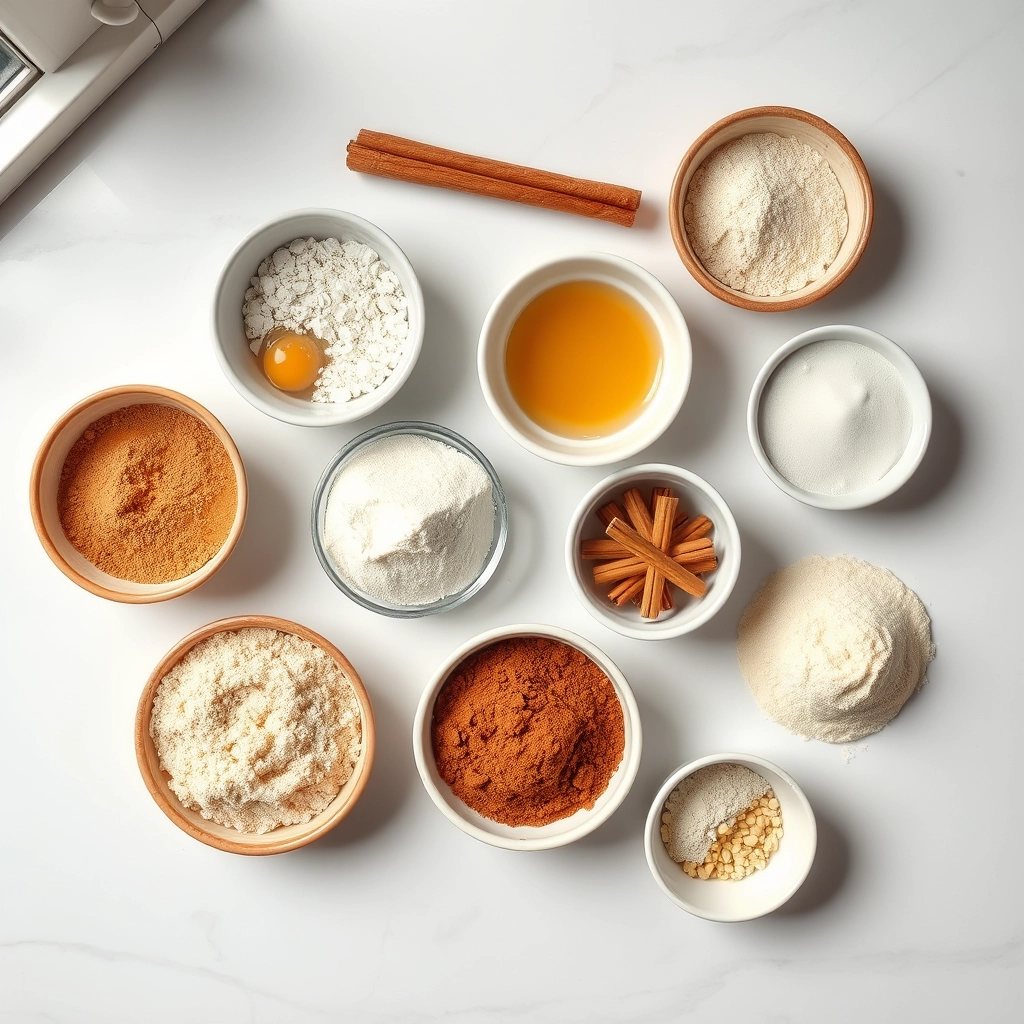
2 cups all-purpose flour
1 1/2 cups granulated sugar
1/2 cup unsalted butter, softened
1 cup milk
2 large eggs
2 tsp baking powder
1 tsp vanilla extract
1/2 tsp salt
2 tbsp ground cinnamon
1/4 cup brown sugar
Instructions
1. Prepare the Crust:
Preheat oven to 350°F (175°C). Grease a 9-inch round cake pan.
In a large bowl, cream together butter and granulated sugar until light and fluffy.
Add eggs one at a time, mixing well after each addition. Stir in vanilla extract.
In a separate bowl, whisk together flour, baking powder, and salt.
Alternately add the flour mixture and milk to the butter mixture, beginning and ending with the flour.
In a small bowl, mix cinnamon and brown sugar for the swirl.
Pour half the batter into the prepared pan. Sprinkle half the cinnamon-sugar mixture over the batter. Repeat with remaining batter and cinnamon-sugar.
Bake for 30-35 minutes or until a toothpick inserted in the center comes out clean.
Let cool in the pan for 10 minutes before transferring to a wire rack.
Notes
You can customize the seasonings to taste.
s-dish">How to Prepare This Dish
Steps and time-saving tips
Start by preheating your oven to 350°F and greasing a 9-inch cake pan. Meanwhile, whisk together the flour, baking powder, and salt in a large bowl. In another bowl, cream the butter and sugar until light and fluffy, then beat in the eggs one at a time. Gradually mix in the dry ingredients, alternating with milk, until the batter is smooth. Stir in a generous amount of cinnamon for that warm, cozy flavor. Pour the batter into the pan and bake for 30-35 minutes, or until a toothpick comes out clean. While the cake cools, prepare a simple glaze by mixing powdered sugar with a splash of milk and vanilla. Drizzle it over the top for an extra touch of sweetness. For a time-saving tip, measure all your ingredients before starting—this keeps the process smooth and avoids mid-recipe scrambles. If you’re short on time, use a hand mixer to speed up creaming the butter and sugar. Let the cake cool slightly before slicing to ensure clean cuts and perfect layers.
Mistakes I’ve made and learned from
I once rushed the creaming process for this Irresistible Buttery Cinnamon Cake Recipe, and the texture turned out dense instead of light. Now I take my time to beat the butter and sugar until it’s pale and fluffy—it makes all the difference. Another lesson? Overmixing the batter. I used to stir vigorously, which led to a tough cake. Now I gently fold in the dry ingredients just until combined. If you’ve struggled with dry cakes, check out my guide on moist cake secrets for foolproof tips. Also, don’t skip the glaze—it adds moisture and ties the flavors together. For more troubleshooting, my post on common baking fixes covers how to salvage underbaked or overmixed batters. Trust me, even small adjustments can turn a good cake into an irresistible one.
n-and-variations">Cultural Connection and Variations
Where this recipe comes from
The Irresistible Buttery Cinnamon Cake Recipe carries the cozy warmth of home kitchens across generations. Originally inspired by European spice cakes, this dessert evolved as cinnamon became a global favorite, weaving its way into family traditions. In Sweden, for example, bakers might add cardamom for a floral twist, while in Mexico, a dash of cayenne pepper brings subtle heat. Meanwhile, my grandma always doubled the butter, claiming it made the cake “sing.”
Seasonally, the Irresistible Buttery Cinnamon Cake Recipe shines in fall and winter, when cinnamon’s aroma feels like a hug. Yet, some cultures enjoy it year-round—like in the Middle East, where bakers often drizzle it with syrup or top it with nuts. Whether served at holidays or as a simple weekend treat, this cake bridges cultures through shared love of spice and sweetness.
How it fits in today’s cooking
Today, the Irresistible Buttery Cinnamon Cake Recipe stays relevant as both comfort food and a versatile crowd-pleaser. Busy bakers adapt it with shortcuts like pre-mixed spices, while health-conscious versions swap in almond flour or coconut sugar. It’s a star at holiday gatherings, yet simple enough for Sunday brunch alongside coffee.
Modern twists keep it f
resh, too. Some add espresso powder for depth, while others layer it with fruit compote. No matter how you tweak it, this cake’s timeless appeal lies in its buttery richness and cinnamon’s nostalgic kick. After all, few desserts feel as universally comforting—or as easy to make your own.
Taste and Texture
What makes it delicious
The Irresistible Buttery Cinnamon Cake Recipe delivers a warm, comforting experience with every bite. Imagine a tender, moist crumb that melts in your mouth, infused with rich buttery notes and a sweet, spicy cinnamon swirl. The aroma alone is heavenly—fragrant cinnamon mingling with caramelized sugar and toasted butter. Meanwhile, the texture strikes the perfect balance between fluffy and dense, thanks to the careful blend of high-quality ingredients like real butter and fresh cinnamon. Whether served warm or at room temperature, the Irresistible Buttery Cinnamon Cake Recipe leaves a lingering sweetness with just the right hint of warmth.
Boosting the flavor
For an extra flavor kick, try drizzling a simple vanilla glaze over the cake while it’s still warm. Alternatively, fold in a handful of toasted walnuts or pecans for a crunchy contrast to the soft crumb. If you love deeper spice notes, a pinch of nutmeg or cardamom pairs beautifully with the cinnamon. For more inspiration, check out our guide to perfect spice blends or explore creative ways to use brown butter magic in baking. Small tweaks can elevate this already irresistible cake to new heights.
First, always use room-temperature butter for your Irresistible Buttery Cinnamon Cake Recipe to ensure a smooth, even batter. Meanwhile, measure your flour correctly by spooning it into the cup and leveling it off—this prevents a dry texture. Additionally, mix the cinnamon and sugar thoroughly before sprinkling it over the batter for the perfect swirl. Finally, check for doneness a few minutes early since oven temperatures vary, and let the cake cool slightly before slicing.
Mistakes to avoid
Avoid overmixing the batter, as this can make your Irresistible Buttery Cinnamon Cake Recipe dense instead of tender. Instead, gently fold ingredients until just combined. Another common mistake is skipping the parchment paper, which helps with easy removal and even baking. For more baking essentials, check out our guide on must-have baking tools. Also, don’t forget to properly preheat your oven—an inconsistent temperature can lead to uneven results. Learn more about oven temperature tips to avoid this issue.
g-suggestions">Serving and Pairing Suggestions
How to serve this dish
Slice the Irresistible Buttery Cinnamon Cake Recipe while it’s still warm to highlight its melt-in-your-mouth texture. For a stunning presentation, dust the top with powdered sugar or drizzle with a simple vanilla glaze. Meanwhile, arrange each piece on a vintage cake stand for brunch gatherings or holiday parties. To elevate the experience, serve it alongside a scoop of vanilla ice cream that slowly melts into the cake’s buttery layers. Whether you’re hosting a cozy afternoon tea or celebrating a special occasion, this cake always steals the show.
What goes well with it
Pair the Irresistible Buttery Cinnamon Cake Recipe with a steaming cup of spiced chai latte for a comforting flavor combination. The warm spices in the drink mirror the cake’s cinnamon notes perfectly. Alternatively, try it with our creamy Homemade Vanilla Whipped Cream for an extra indulgent treat. For a refreshing contrast, serve it with a side of fresh berries or our tangy Lemon Curd, which balances the cake’s richness beautifully.
math-faq-block">
What makes this Irresistible Buttery Cinnamon Cake Recipe so moist?
The secret to the moist texture in this Irresistible Buttery Cinnamon Cake Recipe is the perfect balance of butter, sour cream, and a touch of oil. These ingredients create a tender crumb while the cinnamon-sugar swirl locks in moisture during baking.
Can I make Irresistible Buttery Cinnamon Cake Recipe without a mixer?
Absolutely! This Irresistible Buttery Cinnamon Cake Recipe works well with hand mixing—just ensure your butter is properly softened. Use a sturdy whisk or wooden spoon to cream the butter and sugar, then fold in dry ingredients gently to avoid overmixing.
How do I prevent the cinnamon sugar from sinking in my cake?
For perfect layers in your Irresistible Buttery Cinnamon Cake Recipe, dust the cinnamon-sugar mixture over only half the batter first, then swirl lightly with a knife. The cake’s thick batter and proper layering technique will keep the swirl suspended.
ank-math-faq-item">
What’s the best way to store leftover buttery cinnamon cake?
Keep your Irresistible Buttery Cinnamon Cake Recipe fresh by storing it in an airtight container at room temperature for 3 days. For longer storage, wrap slices tightly in plastic and freeze for up to 3 months—thaw at room temperature when ready to enjoy.
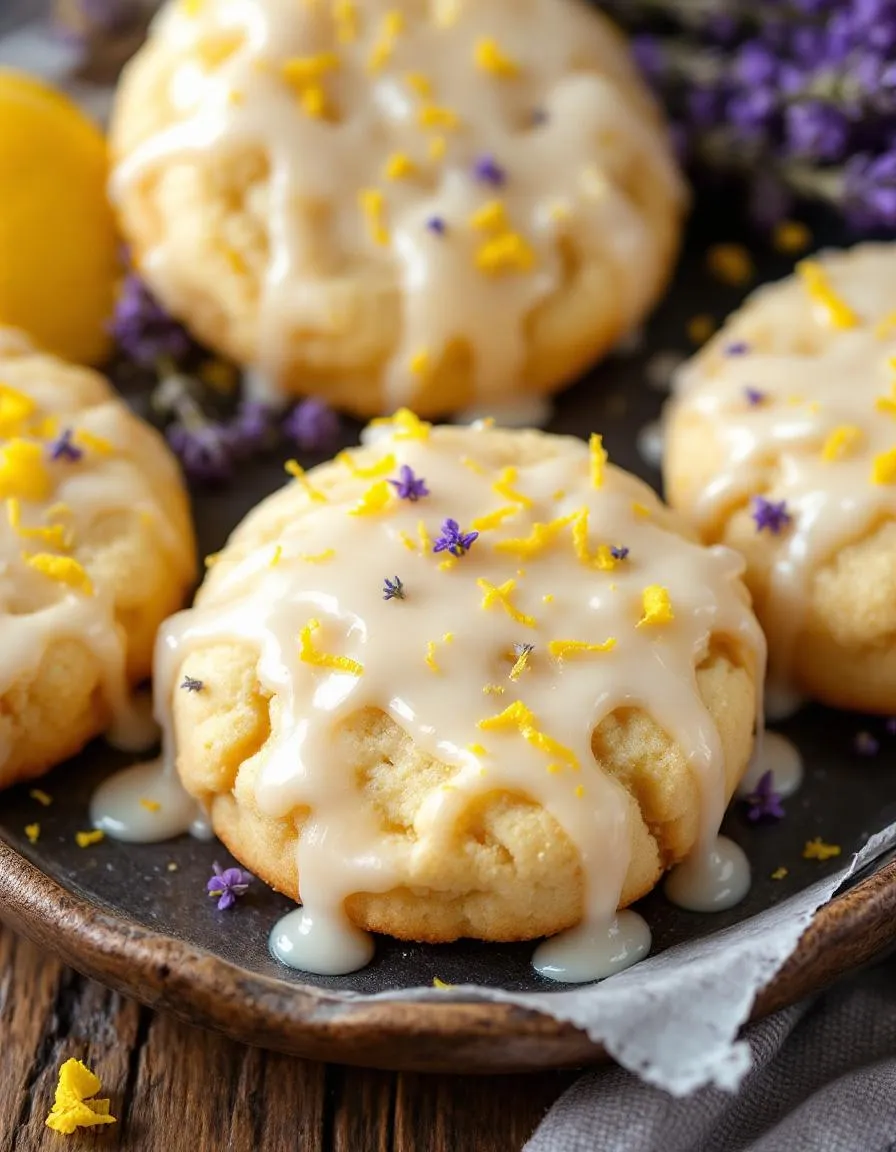
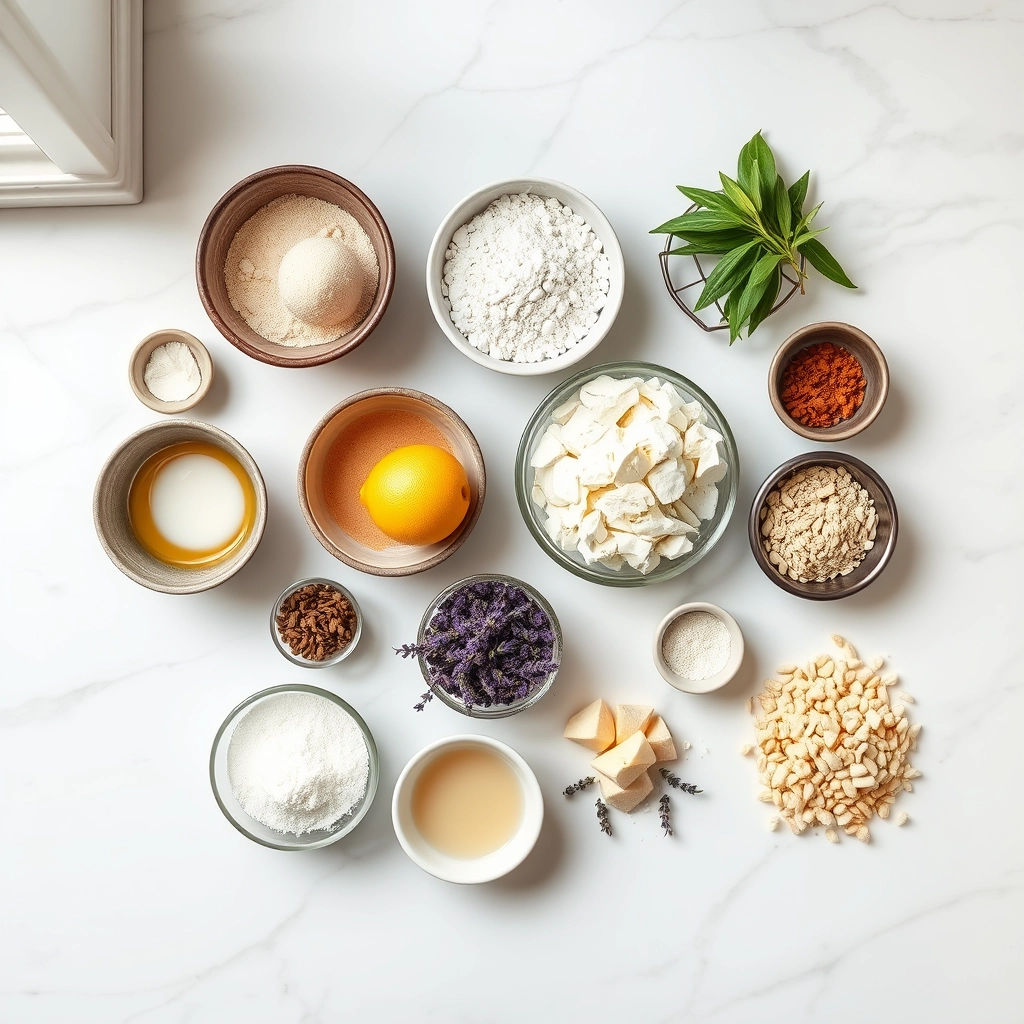
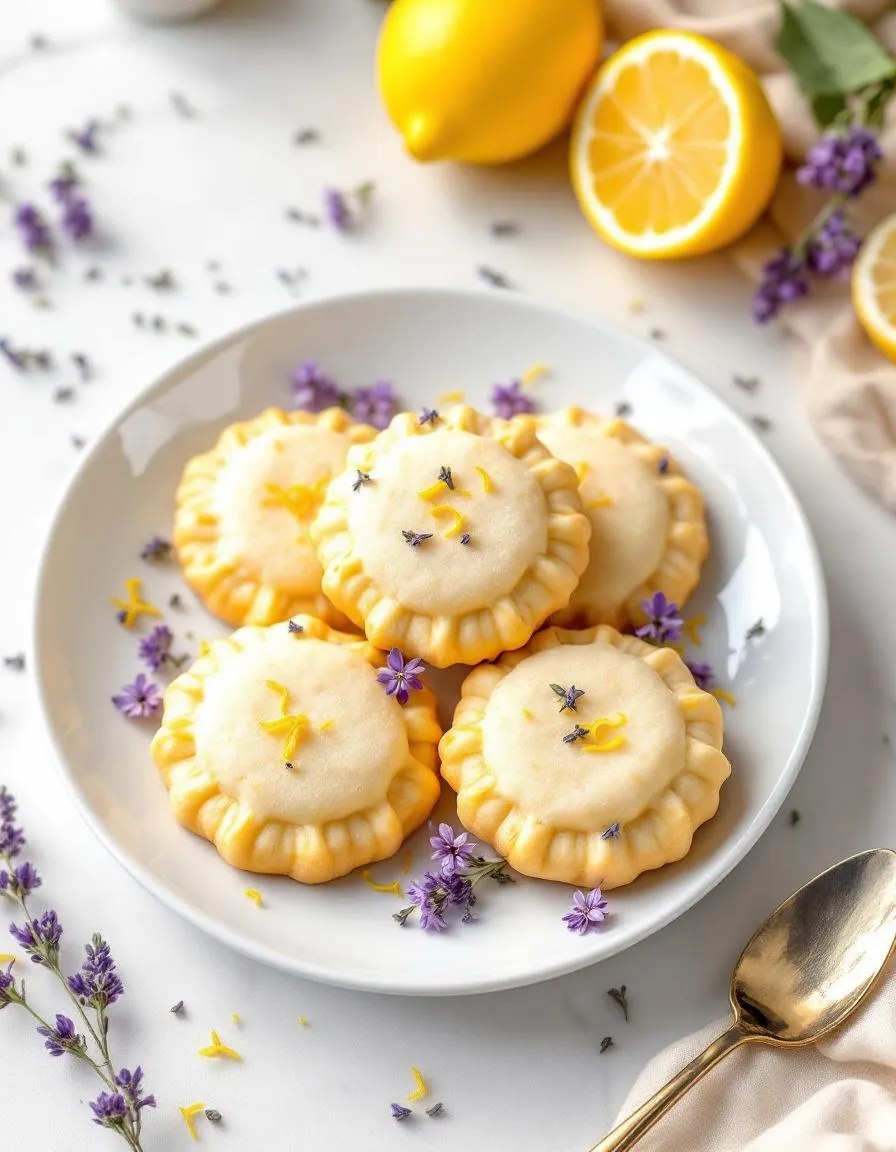
Best Tangy Lemon Lavender Cookies Delight Recipe
Introduction
There’s something magical about the first bite of a cookie that balances bright citrus with floral sweetness. If you’ve ever craved a treat that feels both refreshing and indulgent, you’ll adore these Tangy Lemon Lavender Cookies Delight. They’re the perfect harmony of zesty lemon and soothing lavender, creating a flavor that lingers like a sunny afternoon. Whether you’re baking for a special occasion or simply treating yourself, these cookies promise to elevate your day with every crumbly, fragrant bite.
Tangy Lemon Lavender Cookies Delight isn’t just another cookie recipe—it’s a little masterpiece of contrasts. The sharp tang of lemon zest cuts through the delicate floral notes of lavender, while a buttery shortbread base ties it all together. What makes these cookies stand out is their versatility. They pair beautifully with tea, make elegant gifts, or even serve as a sophisticated dessert at brunch. Plus, they fit right into our blog’s mission of sharing unique, approachable recipes that inspire creativity in the kitchen. If you love experimenting with flavors, you’ll appreciate how this recipe takes familiar ingredients and transforms them into something extraordinary. For more inspiration, check out our guide to baking with herbs or explore our collection of citrus desserts to discover new favorites.
Why I Love This Recipe
These cookies hold a special place in my heart because they remind me of lazy summer days in my grandmother’s garden. She grew lavender by the fence, and the scent would drift through the kitchen window while we baked together. The first time I tried adding lemon to her shortbread recipe, it felt like a revelation—the flavors just clicked. Now, every time I make Tangy Lemon Lavender Cookies Delight, I’m transported back to those moments of warmth and discovery. It’s a recipe that feels like both a tribute and an adventure, and I hope it becomes just as meaningful for you.
Health and Nutrition
Why it’s good for your body
Tangy Lemon Lavender Cookies Delight packs a flavorful punch while offering surprising health perks. First, the lemon zest delivers a burst of vitamin C, which boosts immunity and supports glowing skin. Additionally, lavender adds a calming touch, helping to reduce stress and promote relaxation. Meanwhile, the cookies’ whole-grain or almond flour base provides fiber, keeping digestion smooth and energy levels steady.
Moreover, Tangy Lemon Lavender Cookies Delight skips excessive refined sugars, relying instead on natural sweetness like honey or maple syrup. This choice helps balance blood sugar levels, making them a smarter treat. The recipe also incorporates healthy fats, such as coconut oil or butter, which nourish the brain and keep you satisfied longer. Finally, the aromatic lavender not only enhances flavor but also offers mild anti-inflammatory benefits.
Whether you enjoy them with tea or as an afternoon pick-me-up, Tangy Lemon Lavender Cookies Delight satisfies cravings without guilt. Their bright citrus notes and herbal undertones make them a refreshing alternative to heavy desserts. Best of all, they prove that wholesome ingredients can create irresistible flavors.
How it fits in a healthy lifestyle
Tangy Lemon Lavender Cookies Delight fits seamlessly into a balanced diet. For gluten-free eaters, swapping traditional flour for almond or oat flour keeps them celiac-friendly. If you follow a heart-healthy approach, the recipe’s minimal processed sugars and wholesome fats align perfectly with your goals. Even better, the cookies pair wonderfully with a cup of herbal tea for a mindful snack moment.
Including treats like Tangy Lemon Lavender Cookies Delight in moderation helps maintain a sustainable healthy lifestyle. They’re ideal for portion-controlled indulgence, whether packed in lunchboxes or enjoyed post-workout. For more gluten-free baking inspiration, explore our gluten-free dessert recipes. If you’re curious about other stress-relieving foods, check out our guide to calming ingredients for baking. With smart choices, you can savor every bite while staying on track.
A delightful blend of tangy lemon and floral lavender in a soft, chewy cookie.
Ingredients
Scale
For the Crust:
1 cup all-purpose flour
1/2 cup granulated sugar
1/4 cup unsalted butter, softened
1 large egg
1 tbsp lemon zest
1 tbsp fresh lemon juice
1 tsp dried culinary lavender
1/2 tsp baking powder
1/4 tsp salt
Instructions
1. Prepare the Crust:
Preheat oven to 350°F (175°C) and line a baking sheet with parchment paper.
In a bowl, cream together butter and sugar until light and fluffy.
Beat in the egg, lemon zest, and lemon juice until well combined.
In a separate bowl, whisk together flour, baking powder, salt, and lavender.
Gradually mix the dry ingredients into the wet ingredients until a dough forms.
Drop tablespoon-sized portions of dough onto the prepared baking sheet, spacing them 2 inches apart.
Bake for 10-12 minutes or until edges are lightly golden.
Let cookies cool on the baking sheet for 5 minutes before transferring to a wire rack.
Notes
You can customize the seasonings to taste.
How to Prepare This Dish
Steps and time-saving tips
Start by preheating your oven to 350°F and lining a baking sheet with parchment paper for easy cleanup. In a large bowl, whisk together the flour, baking powder, and a pinch of salt until well combined. Next, cream the softened butter and sugar in a separate bowl until light and fluffy, then mix in the egg and vanilla extract for richness. Gradually fold the dry ingredients into the wet mixture, but avoid overmixing to keep the Tangy Lemon Lavender Cookies Delight tender. Gently stir in the lemon zest and culinary lavender for that bright, floral flavor. Scoop tablespoon-sized portions of dough onto the baking sheet, spacing them about two inches apart. Bake for 10-12 minutes until the edges turn golden, then let them cool slightly before transferring to a wire rack. For an extra tangy finish, drizzle the cookies with a simple lemon glaze while they’re still warm. If you’re short on time, chill the dough for 15 minutes beforehand to prevent spreading and ensure thicker, chewier cookies.
and-learned-from">Mistakes I’ve made and learned from
When I first made Tangy Lemon Lavender Cookies Delight, I used too much lavender, and the floral notes overpowered the lemon. Now, I measure the lavender carefully—a little goes a long way! Another mishap? Skipping the parchment paper, which led to stubbornly stuck cookies. Trust me, it’s worth the extra step. If your dough feels too sticky, check out my cookie dough consistency guide for troubleshooting tips. And if you’re new to baking with lavender, my cooking with lavender post breaks down how to balance flavors like a pro. Learning these tricks saved my batches, and they’ll save yours too!
Cultural Connection and Variations
Where this recipe comes from
Tangy Lemon Lavender Cookies Delight traces its roots to the sunny hills of Provence, where lavender fields stretch for miles and citrus trees thrive. Locals there have long paired these two flavors in desserts, creating delicate treats that capture the essence of summer. Over time, bakers adapted the recipe, adding a tangy lemon glaze to balance lavender’s floral notes. Today, you’ll find variations from French patisseries to American farmhouse kitchens, each with its own twist.
In some regions, cooks
swap lavender for rosemary or thyme, offering an earthier take on Tangy Lemon Lavender Cookies Delight. Others fold in poppy seeds for crunch or drizzle honey instead of glaze. My grandmother, for instance, always added a pinch of cardamom, claiming it “woke up” the flavors. Meanwhile, modern vegan versions use aquafaba or coconut oil, proving this treat evolves with the times. Whether served at tea parties or packed in picnic baskets, these cookies carry a little piece of Provencal sunshine wherever they go.
How it fits in today’s cooking
Tangy Lemon Lavender Cookies Delight still shines in contemporary kitchens, especially during spring and summer when fresh herbs and citrus peak. Many home cooks now feature them at bridal showers or garden parties, pairing them with floral teas or sparkling lemonade. Others bake them year-round as a comforting pick-me-up, much like these Classic Vanilla Cupcakes that never go out of style.
Health-conscious bakers tweak the recipe too, using almond flour or reducing sugar without sacrificing flavor. Some even crumble the cookies over yogurt parfaits for a gourmet breakfast twist. And just as Easy Chocolate Chip Cookies became a staple, Tangy Lemon Lavender Cookies Delight earns its spot as a versatile, crowd-pleasing treat. Whether you stick to tradition or experiment, these cookies remind us that simple ingredients can create something extraordinary.
>Taste and Texture
What makes it delicious
Tangy Lemon Lavender Cookies Delight bursts with bright, zesty lemon and delicate floral notes that dance on your tongue. The cookies strike a perfect balance between crisp edges and a soft, chewy center, making each bite irresistibly satisfying. Fresh lemon zest adds a vibrant tang, while culinary lavender lends a subtle, fragrant sweetness that lingers pleasantly. Meanwhile, a buttery base ties everything together, creating a melt-in-your-mouth texture. Whether you savor them warm or at room temperature, Tangy Lemon Lavender Cookies Delight delivers a refreshing yet comforting treat that awakens the senses.
Boosting the flavor
For an extra flavor boost, try drizzling Tangy Lemon Lavender Cookies Delight with a light honey glaze to enhance the floral undertones. Alternatively, a sprinkle of finely chopped pistachios adds a nutty crunch that contrasts beautifully with the soft texture. If you love citrus, fold in a teaspoon of lemon extract for a more intense tang. Pair these cookies with a cup of Earl Grey tea to highlight the lavender’s aromatic depth. Small tweaks like these elevate the experience while keeping the recipe approachable and fun.
Tips for Success
Best practices for results
Always chill the dough for at least 30 minutes before baking to prevent spreading and ensure perfect texture in your Tangy Lemon Lavender Cookies Delight. Meanwhile, use fresh lemon zest for the brightest flavor, and measure lavender carefully—too much can overpower the cookies. For even baking, rotate the sheet halfway through, and let the cookies cool completely on the pan so they firm up properly. Finally, store them in an airtight container to keep them crisp and fragrant for days.
Mistakes to avoid
One common error is overmixing the dough, which makes the cookies tough instead of tender. Instead, mix just until the ingredients combine for the best texture in your Tangy Lemon Lavender Cookies Delight. Another mistake is skipping the parchment paper, which can lead to sticking or uneven browning. For more baking tips, check out our guide on perfect cookie texture. Also, avoid substituting dried lavender for culinary lavender—the flavor intensity differs. Learn more about baking with herbs to nail the balance every time.
Serving and Pairing Suggestions
How to serve this dish
Elevate your presentation by arranging Tangy Lemon Lavender Cookies Delight on a vintage cake stand or a rustic wooden board for a charming touch. Meanwhile, garnish each cookie with a sprinkle of edible lavender buds or a light dusting of powdered sugar to highlight their delicate flavor. These cookies shine at afternoon tea parties, bridal showers, or even as a sweet finale to a spring brunch. For a cozy vibe, serve them warm with a side of whipped cream or a dollop of lemon curd to amplify their tangy notes.
h-it">What goes well with it
Pair Tangy Lemon Lavender Cookies Delight with a floral Earl Grey tea to enhance their lavender undertones, creating a harmonious blend of flavors. Alternatively, try them alongside a glass of chilled Prosecco for a refreshing contrast that balances the cookies’ zest. If you’re hosting a dessert spread, consider adding our Honey Fig Ricotta Tart for a complementary mix of textures, or our Vanilla Bean Panna Cotta to round out the menu with creamy sophistication.
What makes Tangy Lemon Lavender Cookies Delight unique?
Tangy Lemon Lavender Cookies Delight stands out with its perfect balance of zesty lemon and floral lavender flavors. The cookies have a soft, chewy texture with a subtle tanginess, making them a refreshing twist on traditional lemon cookies. The lavender adds an elegant touch that elevates the treat.
ank-math-faq-item">
Can I use dried lavender instead of fresh in Tangy Lemon Lavender Cookies Delight?
Yes, dried lavender works perfectly for Tangy Lemon Lavender Cookies Delight. Use culinary-grade dried lavender and reduce the quantity by half compared to fresh, as the flavor is more concentrated. This ensures the floral notes don’t overpower the tangy lemon.
How do I store Tangy Lemon Lavender Cookies Delight to keep them fresh?
Store Tangy Lemon Lavender Cookies Delight in an airtight container at room temperature for up to 5 days. For longer freshness, freeze the cookies in a sealed bag for up to 3 months. The lavender aroma will remain vibrant if stored properly.
Can I make Tangy Lemon Lavender Cookies Delight gluten-free?
Absolutely! Substitute all-purpose flour with a 1:1 gluten-free baking blend for Tangy Lemon Lavender Cookies Delight. Ensure your blend contains xanthan gum for proper texture. The lemon and lavender flavors will shine just as brightly in the gluten-free version.
div>
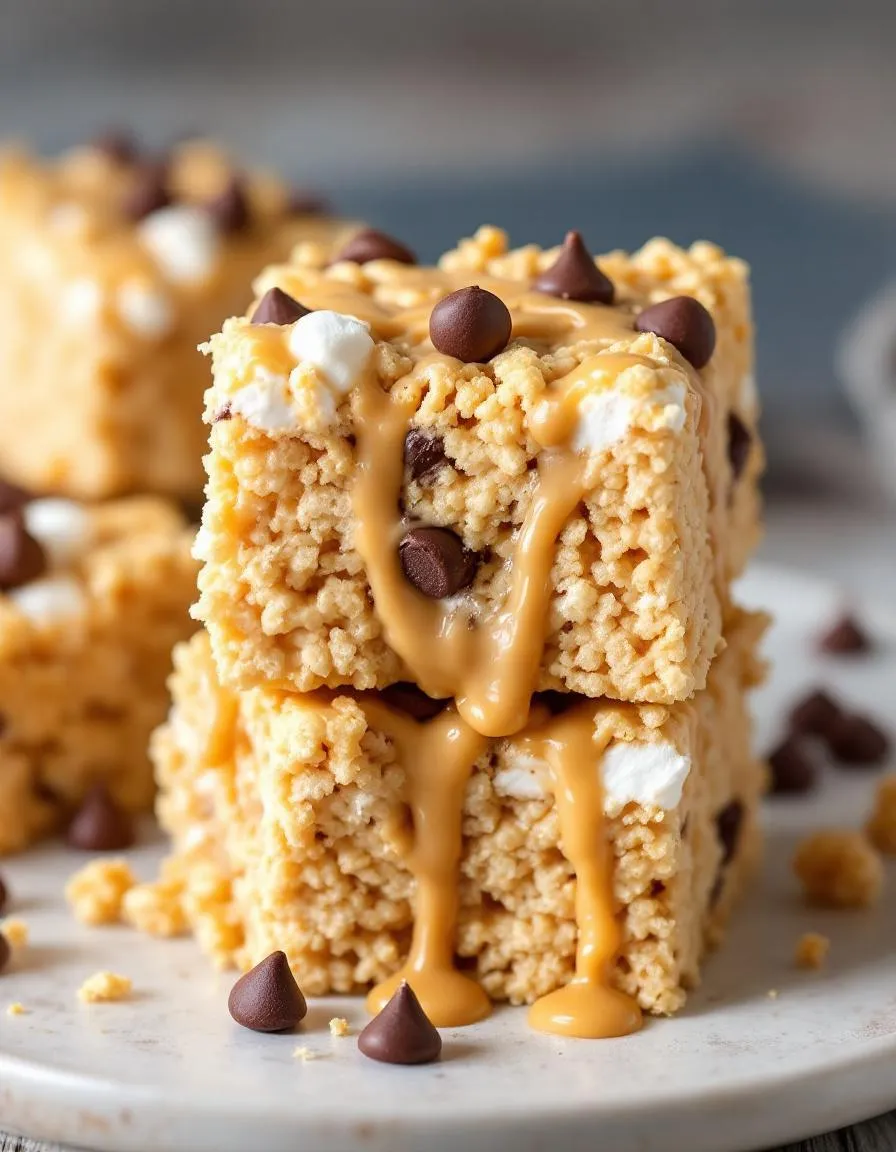
Best Fluffernutter Rice Krispie Treats – Sweet & Salty Delight
Introduction
Remember the joy of biting into a gooey, marshmallow-packed treat as a kid? Now imagine that nostalgia combined with the irresistible sweet and salty magic of peanut butter and marshmallow fluff. That’s exactly what you get with Fluffernutter Rice Krispie Treats – Irresistible Sweet & Salty Delight. Whether you’re craving a quick dessert, need a crowd-pleasing snack, or simply want to indulge in a childhood favorite with a twist, this recipe delivers. Best of all, it comes together in minutes with just a handful of ingredients, making it perfect for busy days or last-minute cravings.
Fluffernutter Rice Krispie Treats – Irresistible Sweet & Salty Delight takes the classic Rice Krispie treat to new heights by blending creamy peanut butter and marshmallow fluff into the mix. The result? A chewy, crispy, and delightfully sticky treat with layers of flavor that balance sweetness and saltiness perfectly. This recipe matters because it’s more than just a dessert—it’s a nostalgic experience with a modern twist. It fits our blog’s tone by offering easy, fun, and family-friendly recipes that anyone can master. Plus, it’s versatile enough for parties, lunchboxes, or a late-night snack. If you love no-bake desserts, you’ll also adore our Easy No-Bake Cookies or our Homemade Peanut Butter Cups for more sweet and salty inspiration.
Why I Love This Recipe
Fluffernutter Rice Krispie Treats – Irresistible Sweet & Salty Delight holds a special place in my heart because it reminds me of after-school snacks with my siblings. We’d slather peanut butter and marshmallow fluff on everything, but when we discovered this recipe, it became an instant favorite. The combination of textures and flavors feels like a hug in every bite. Even now, whipping up a batch brings back those carefree moments, and sharing them with my own kids keeps the tradition alive. It’s the kind of recipe that never gets old—simple, satisfying, and packed with love.
Health and Nutrition
Why it’s good for your body
Fluffernutter Rice Krispie Treats – Irresistible Sweet & Salty Delight pack more nutritional benefits than you might expect. First, peanut butter delivers plant-based protein and healthy fats, which help keep you full and energized. Meanwhile, marshmallow fluff adds a light sweetness without the heaviness of butter or oil. Together, these ingredients create a satisfying treat that balances indulgence with better-for-you qualities.
Additionally, Rice Krispies provide whole grain goodness, offering a small boost of fiber. While Fluffernutter Rice Krispie Treats – Irresistible Sweet & Salty Delight are undeniably a dessert, they avoid excessive saturated fats found in many alternatives. Plus, the salty-sweet combo satisfies cravings faster, so you’re less likely to overindulge. For a fun snack, they’re surprisingly light on guilt.
Finally, the recipe skips artificial additives common in store-bought treats. When you make Fluffernutter Rice Krispie Treats – Irresistible Sweet & Salty Delight at home, you control the ingredients. This means no hidden preservatives or unnecessary sugars. Whether as an occasional dessert or a lunchbox surprise, they’re a smarter choice than processed sweets.
How it fits in a healthy lifestyle
Enjoying Fluffernutter Rice Krispie Treats – Irresistible Sweet & Salty Delight fits perfectly into a balanced diet when eaten mindfully. Pair a small square with protein-rich snacks like Greek yogurt or nuts to stabilize blood sugar. Since they’re naturally gluten-free, they’re a great option for those avoiding wheat. For more gluten-free ideas, explore our gluten-free desserts roundup.
Moderation is key, but these treats can even support active lifestyles. The carbs from Rice Krispies offer quick energy before a workout, while peanut butter provides sustained fuel. If you’re meal prepping, try pairing them with our healthy snack recipes for variety. Life’s about balance, and Fluffernutter Rice Krispie Treats – Irresistible Sweet & Salty Delight make that balance delicious.
A delicious twist on classic Rice Krispie treats with the irresistible combination of peanut butter and marshmallow fluff.
Ingredients
Scale
For the Crust:
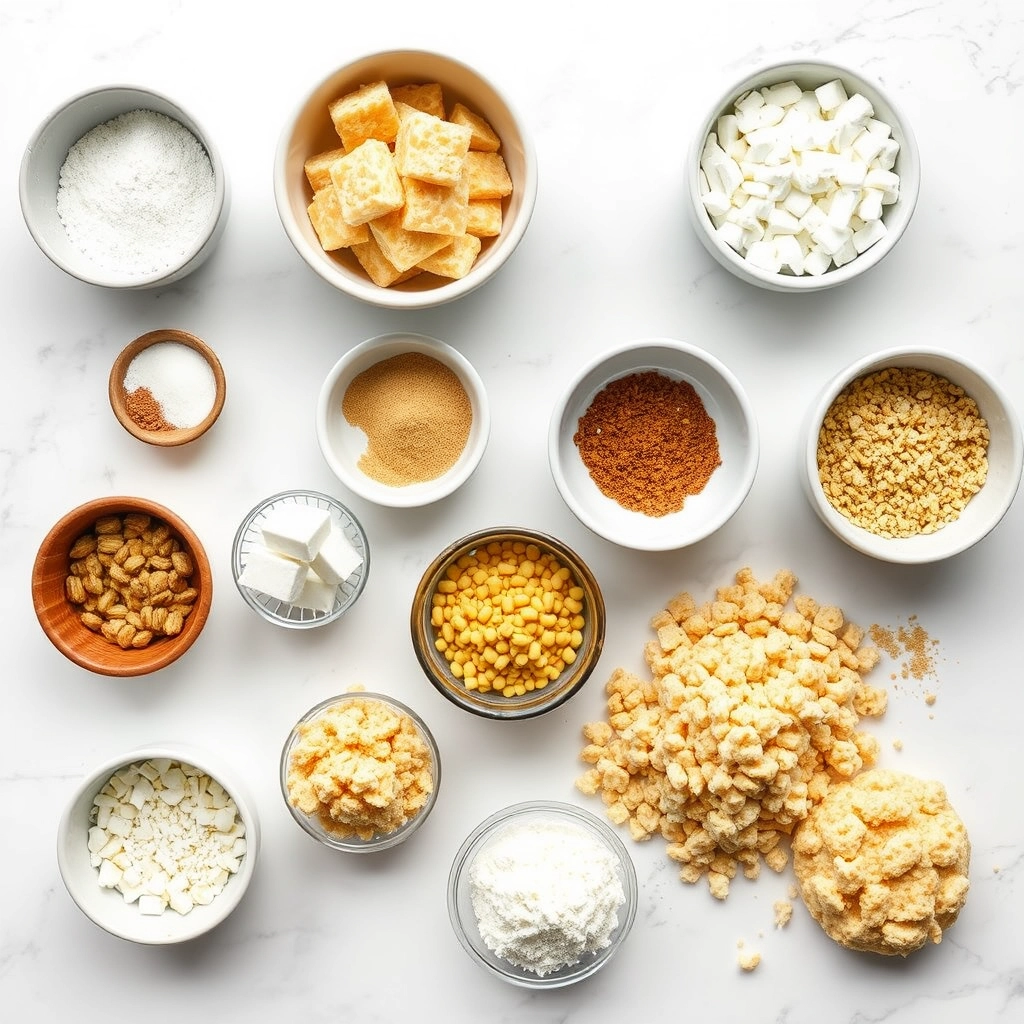
3 tablespoons unsalted butter
1 (10 oz) bag mini marshmallows
1/2 cup creamy peanut butter
1/2 cup marshmallow fluff
6 cups Rice Krispies cereal
1/4 teaspoon sea salt
1/2 cup mini chocolate chips (optional)
Instructions
1. Prepare the Crust:
Grease a 9×13-inch baking dish and set aside.
In a large pot, melt the butter over low heat. Add the mini marshmallows and stir until completely melted.
Remove from heat and stir in the peanut butter and marshmallow fluff until smooth.
Fold in the Rice Krispies cereal and sea salt until evenly coated.
Press the mixture firmly into the prepared baking dish. Sprinkle with mini chocolate chips if desired.
Let cool completely before cutting into squares.
Notes
You can customize the seasonings to taste.
How to Prepare This Dish
Steps and time-saving tips
First, gather all your ingredients for Fluffernutter Rice Krispie Treats – Irresistible Sweet & Salty Delight so everything is within reach. Lightly grease a baking dish with butter or cooking spray to prevent sticking later. Melt the butter in a large pot over low heat, then stir in the marshmallows until they turn smooth and creamy. Remove the pot from heat immediately to avoid overcooking. Quickly fold in the peanut butter, ensuring it blends evenly for that rich, nutty flavor. Next, add the Rice Krispies cereal and gently mix until every piece is coated. Press the mixture firmly into the prepared dish using a spatula or your hands—just grease them lightly to avoid mess. For an extra layer of indulgence, drizzle melted chocolate over the top and sprinkle with a pinch of sea salt. Let the treats cool completely before cutting into squares. To speed up the process, pop them in the fridge for 20 minutes. Trust me, the wait is worth it for that perfect chewy texture.
Mistakes I’ve made and learned from
Early on, I rushed the marshmallow melting step and ended up with a grainy texture. Now, I melt them slowly over low heat while stirring constantly for a silky consistency. Another blunder? Skipping the peanut butter mix-in step too fast, which left uneven pockets of flavor. Take your time to fold it in thoroughly. If you’re new to no-bake desserts, my guide to no-bake desserts has handy tricks to avoid common pitfalls. Also, don’t skimp on the chilling time—I once cut the treats too soon, and they fell apart. For more foolproof tips, check out my Rice Krispie Treats troubleshooting post. Learning these lessons the hard way means you won’t have to!
Fluffernutter Rice Krispie Treats – Irresistible Sweet & Salty Delight might sound like a modern twist, but its roots dig deep into American comfort food traditions. The classic Fluffernutter sandwich, a staple in New England since the early 1900s, inspired this playful upgrade. Marshmallow fluff and peanut butter, the dynamic duo of childhood lunches, found a crunchy new home in Rice Krispie treats. Meanwhile, families across the South often add a sprinkle of sea salt or a drizzle of caramel, turning it into a sweet-and-salty masterpiece.
Around the world, similar treats take on local flavors. In Japan, for example, cooks might swap peanut butter for red bean paste, while in Australia, Vegemite adds a bold twist. Even within the U.S., regional variations pop up. Some Midwest bakers mix in mini chocolate chips, and on the West Coast, almond butter often stands in for peanut butter. No matter where you go, Fluffernutter Rice Krispie Treats – Irresistible Sweet & Salty Delight adapts while keeping its nostalgic charm.
ays-cooking">How it fits in today’s cooking
Today, this treat bridges generations. Busy parents love it for after-school snacks, while food bloggers reinvent it with gourmet touches like dark chocolate or Himalayan salt. It’s also a star at bake sales and holiday gatherings, especially when paired with festive sprinkles or shaped into seasonal themes. For a healthier spin, some opt for brown rice cereal or natural nut butter, proving how versatile the recipe remains.
Modern cooks also weave it into meal prep routines, pairing it with easy breakfast ideas for a sweet start to the day. Others serve it as a playful dessert alongside classic comfort foods, blending nostalgia with creativity. Whether you stick to the original or experiment with new twists, Fluffernutter Rice Krispie Treats – Irresistible Sweet & Salty Delight keeps winning hearts—one sticky bite at a time.
Taste and Texture
What makes it delicious
Fluffernutter Rice Krispie Treats – Irresistible Sweet & Salty Delight delivers a mouthwatering balance of flavors and textures that make every bite unforgettable. The creamy peanut butter melts into the marshmallow fluff, creating a rich, velvety sweetness with a subtle nutty depth. Meanwhile, the crispy Rice Krispies add a satisfying crunch that contrasts perfectly with the chewy, gooey center. A hint of salt enhances the overall profile, making each bite a harmonious blend of sweet and savory. The aroma alone—warm vanilla from the marshmallows and toasted peanuts—will have you reaching for seconds before you finish your first piece. Fluffernutter Rice Krispie Treats – Irresistible Sweet & Salty Delight is pure comfort in every square, with a texture that’s soft yet substantial, and a flavor that lingers delightfully.
r">Boosting the flavor
For an extra flavor kick, try drizzling melted dark chocolate over the top—it adds a bittersweet contrast that elevates the peanut butter and marshmallow duo. Alternatively, sprinkle crushed pretzels on top before the treats set for an added salty crunch. If you love bold flavors, swap the regular peanut butter for a honey-roasted variety to introduce a caramelized sweetness. For a fun twist, serve them warm with a scoop of salted caramel ice cream, letting the cold creaminess melt into the chewy bars. Small tweaks can transform these treats into an even more irresistible dessert.
Tips for Success
Best practices for results
Always use fresh marshmallows for the best texture in your Fluffernutter Rice Krispie Treats – Irresistible Sweet & Salty Delight. Additionally, lightly grease your hands with butter before pressing the mixture into the pan to prevent sticking. For even layers, spread the peanut butter while the marshmallow base is still warm so it melts slightly. Finally, chill the treats for at least 30 minutes before cutting to ensure clean, neat squares.
>Mistakes to avoid
Avoid overheating the marshmallows, as this can make your Fluffernutter Rice Krispie Treats – Irresistible Sweet & Salty Delight too hard. Instead, melt them slowly over low heat while stirring constantly. Another common mistake is skipping the parchment paper lining, which can cause the treats to stick and break. For more troubleshooting tips, check out our guide on fixing sticky Rice Krispie treats. Also, if your peanut butter layer feels too thick, try warming it slightly or using our perfect peanut butter swirl technique for even distribution.
Serving and Pairing Suggestions
How to serve this dish
Fluffernutter Rice Krispie Treats – Irresistible Sweet & Salty Delight shine when you serve them with flair. For a fun twist, cut them into bite-sized squares and stack them on a tiered dessert stand. Alternatively, drizzle melted chocolate over the top and sprinkle crushed peanuts for extra texture. These treats make a perfect addition to holiday parties, especially when arranged on a festive platter with seasonal sprinkles. Meanwhile, for casual gatherings, serve them alongside other finger foods so guests can enjoy the sweet and salty contrast. No matter the occasion, these treats always steal the show.
What goes well with it
Pair Fluffernutter Rice Krispie Treats – Irresistible Sweet & Salty Delight with a cold glass of milk for a classic combo that balances the richness. If you prefer something bolder, try a creamy salted caramel milkshake to enhance the salty notes. For a lighter option, serve them with fresh berries or a scoop of vanilla ice cream. If you love variety, these treats also pair wonderfully with our chocolate peanut butter cups, creating a dreamy dessert spread. Each pairing brings out the best in these irresistible treats.
What makes Fluffernutter Rice Krispie Treats different from regular ones?
Fluffernutter Rice Krispie Treats – Irresistible Sweet & Salty Delight combines the classic crunch of Rice Krispies with creamy peanut butter and marshmallow fluff for a richer, more indulgent flavor. The addition of salty peanut butter balances the sweetness, creating a perfect contrast that regular treats lack.
Can I use homemade marshmallow fluff for Fluffernutter Rice Krispie Treats?
Yes! Homemade marshmallow fluff works great for Fluffernutter Rice Krispie Treats – Irresistible Sweet & Salty Delight, but ensure it has a similar consistency to store-bought fluff. If it’s too thick, gently warm it to make mixing easier.
ank-math-faq-item">
How do I store Fluffernutter Rice Krispie Treats to keep them fresh?
Store Fluffernutter Rice Krispie Treats – Irresistible Sweet & Salty Delight in an airtight container at room temperature for up to 3 days. For longer freshness, refrigerate them, but let them sit at room temperature before serving for the best texture.
Can I add chocolate to Fluffernutter Rice Krispie Treats?
Absolutely! Drizzling melted chocolate or adding chocolate chips enhances Fluffernutter Rice Krispie Treats – Irresistible Sweet & Salty Delight. The chocolate pairs perfectly with the peanut butter and marshmallow flavors for an extra decadent twist.
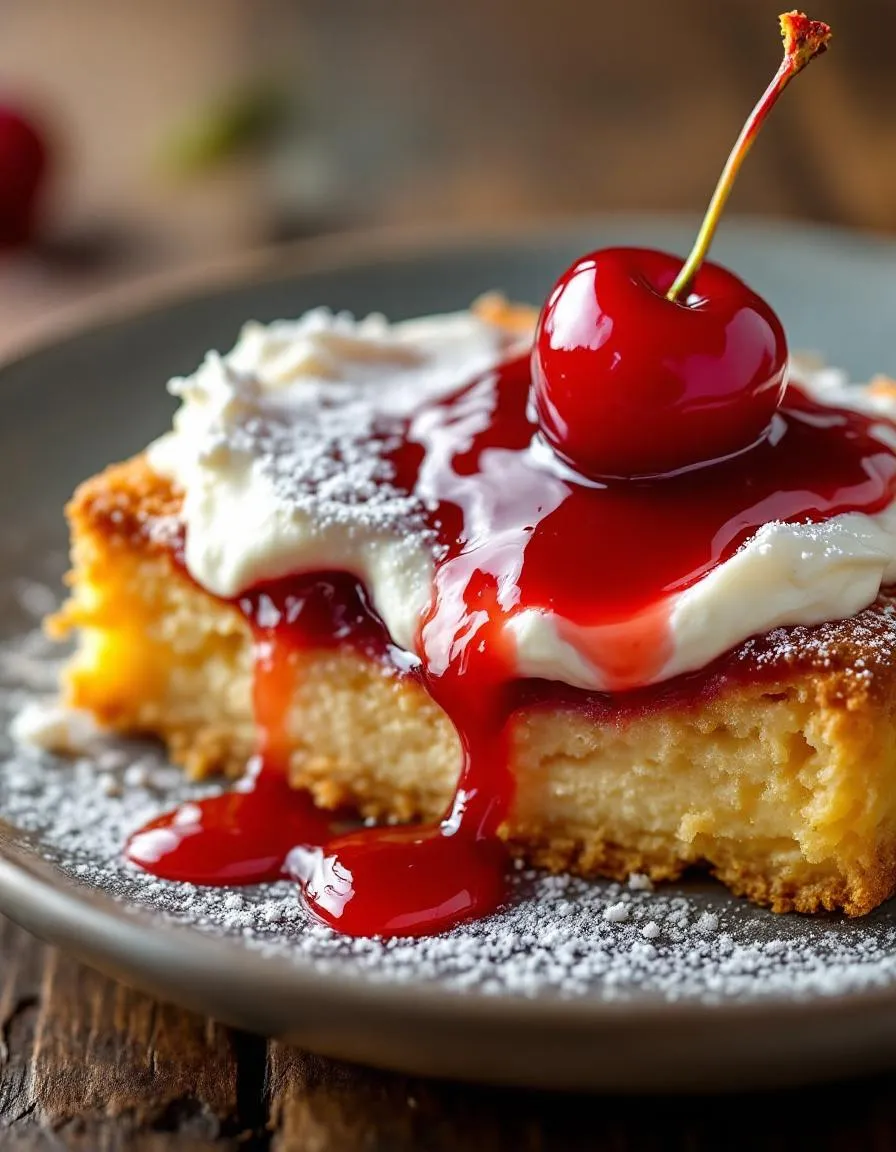
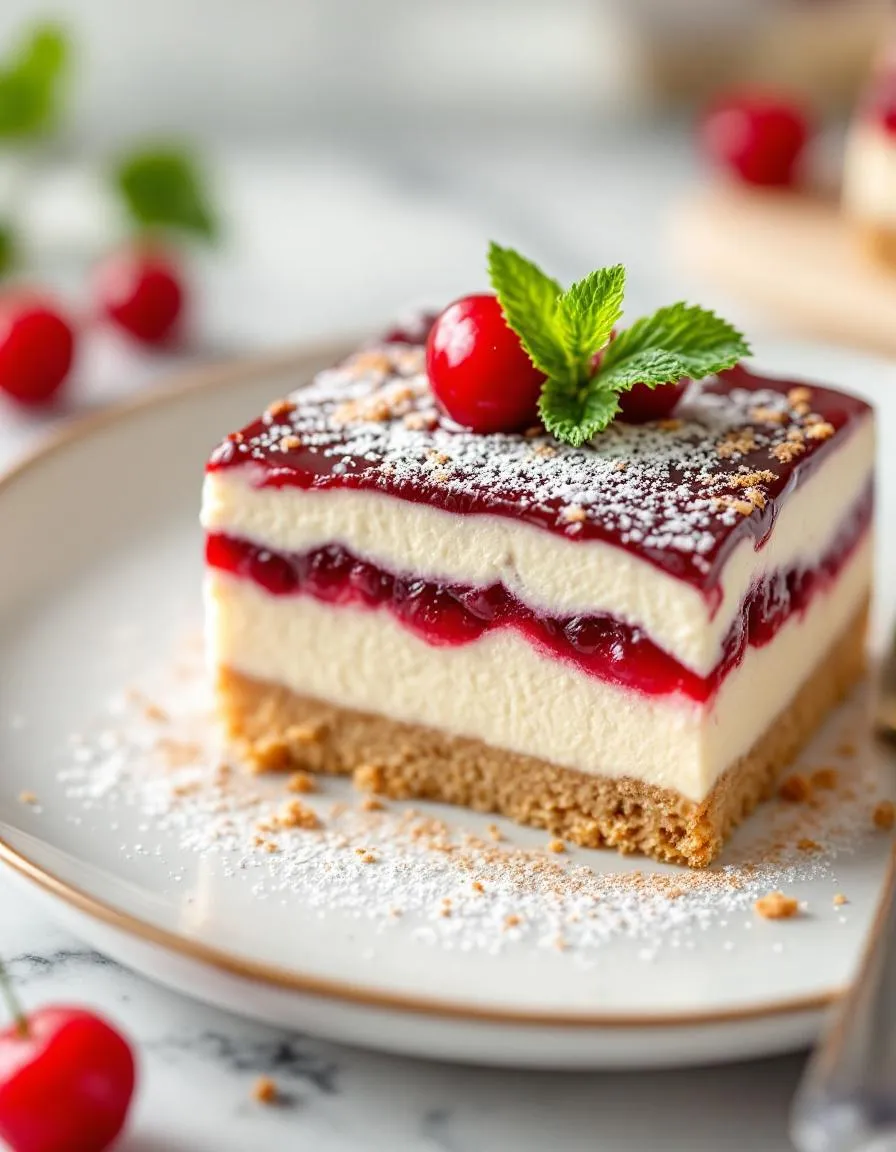
Best Cherry Delight Dessert – Easy & Irresistible Recipe
Introduction
There’s something magical about a dessert that brings people together, and Irresistible Cherry Delight Dessert does just that. Whether you’re hosting a summer barbecue or craving a sweet treat after dinner, this recipe delivers layers of creamy, fruity goodness that will have everyone asking for seconds. Plus, it’s surprisingly easy to make, even if you’re not a baking pro. Trust me, once you try it, you’ll understand why this dessert has become a staple in so many homes.
Irresistible Cherry Delight Dessert is a no-bake layered dessert featuring a buttery graham cracker crust, a velvety cream cheese filling, and a luscious cherry topping. What makes it special? First, it balances sweet and tangy flavors perfectly, making it a crowd-pleaser for all ages. Second, it requires minimal effort but delivers maximum impact, which is why busy home cooks and seasoned bakers alike adore it. If you love easy yet impressive desserts, this one belongs in your recipe rotation. After all, who can resist that vibrant cherry layer against the smooth creaminess underneath?
This recipe fits perfectly with our blog’s mission to share approachable, delicious dishes that anyone can master. Whether you’re a fan of classic no-bake desserts like our Strawberry Pretzel Salad or prefer something with a twist like our Chocolate Peanut Butter Lush, Irresistible Cherry Delight Dessert offers the same effortless charm. It’s nostalgic yet fresh, simple yet unforgettable—exactly the kind of recipe we love to celebrate.
Why I Love This Recipe
Irresistible Cherry Delight Dessert holds a special place in my heart because it reminds me of family gatherings at my grandma’s house. She used to make it for every holiday, and the moment I took my first bite, I knew it was something I’d crave forever. Now, whenever I whip it up, the smell of graham crackers and cherries instantly transports me back to those cozy kitchen moments. Best of all, it’s a dessert that never fails to make people smile—and that’s the real magic of cooking.
Health and Nutrition
Why it’s good for your body
Irresistible Cherry Delight Dessert packs a nutritious punch while satisfying your sweet tooth. First, cherries deliver powerful antioxidants like anthocyanins, which fight inflammation and support heart health. Additionally, this dessert often includes Greek yogurt or almond flour, adding protein and healthy fats to keep you full longer. Because Irresistible Cherry Delight Dessert uses natural sweeteners like honey or maple syrup, it avoids the blood sugar spikes of refined sugar. Moreover, the fiber from cherries aids digestion and promotes gut health. Whether you enjoy it as a post-workout treat or an afternoon pick-me-up, Irresistible Cherry Delight Dessert fuels your body with wholesome ingredients. Finally, the vitamins C and K in cherries boost immunity and bone strength, making every bite as beneficial as it is delicious.
How it fits in a healthy lifestyle
Irresistible Cherry Delight Dessert fits seamlessly into a balanced diet. For gluten-free eaters, swapping traditional flour for almond or oat flour keeps it celiac-friendly without sacrificing flavor. If you follow a heart-healthy plan, the unsaturated fats from nuts and yogurt align perfectly with your goals. Even better, you can pair it with a nutritious snack for a satisfying yet guilt-free indulgence. Busy lifestyles also benefit from its make-ahead convenience, so you always have a wholesome dessert ready. For those tracking macros, the protein-rich ingredients help meet daily targets. Craving more healthy dessert ideas? Check out our guide to balanced desserts for inspiration. With mindful portions and smart pairings, Irresistible Cherry Delight Dessert becomes a staple in your wellness routine.
A luscious and creamy dessert with a crunchy crust and sweet cherry topping.
Ingredients
Scale
For the Crust:
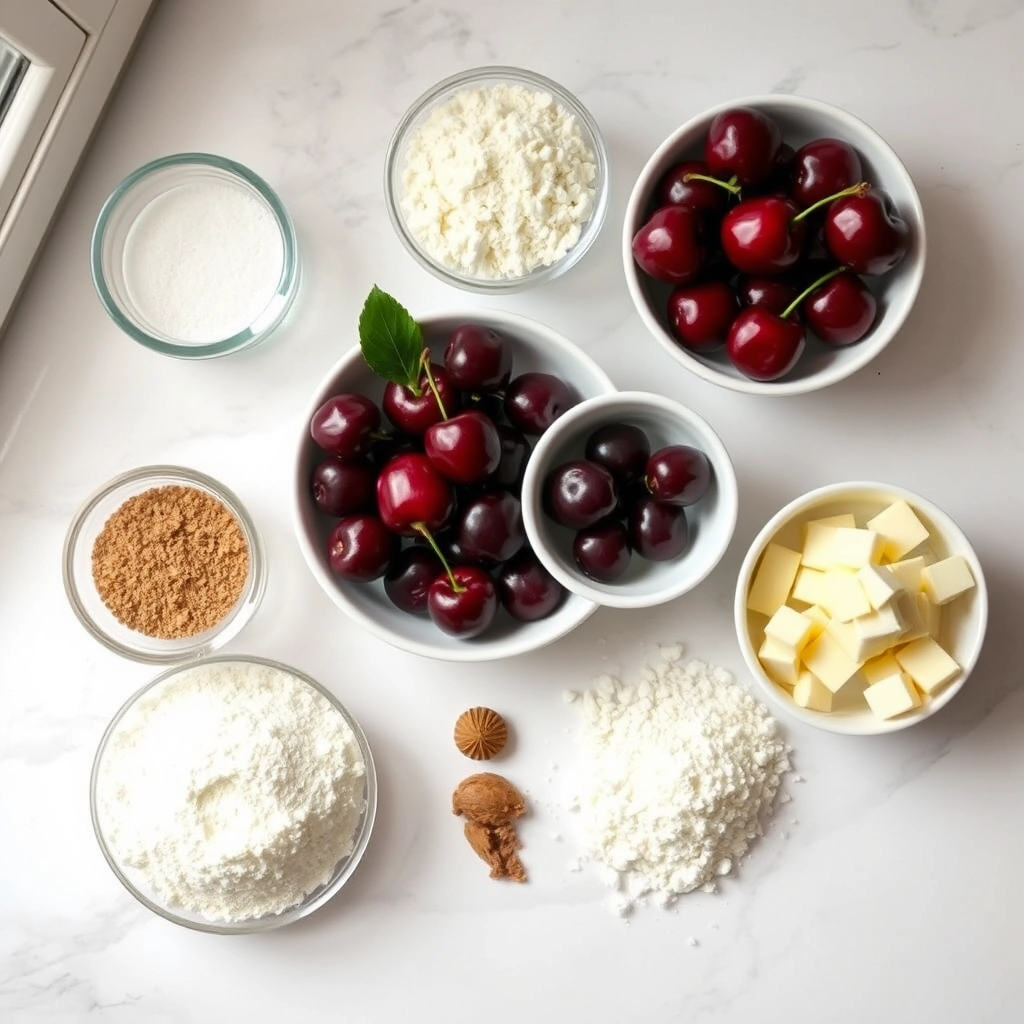
1 1/2 cups graham cracker crumbs
1/2 cup melted butter
1/4 cup granulated sugar
8 oz cream cheese, softened
1 cup powdered sugar
1 tsp vanilla extract
1 cup heavy whipping cream
1 can cherry pie filling
Instructions
1. Prepare the Crust:
Mix graham cracker crumbs, melted butter, and granulated sugar in a bowl. Press firmly into the bottom of a 9×9 inch dish to form the crust.
In a separate bowl, beat the cream cheese, powdered sugar, and vanilla extract until smooth.
In another bowl, whip the heavy cream until stiff peaks form. Fold into the cream cheese mixture.
Spread the cream cheese mixture over the crust. Chill in the refrigerator for at least 2 hours.
Top with cherry pie filling before serving.
Notes
You can customize the seasonings to taste.
How to Prepare This Dish
Steps and time-saving tips
Start by gathering all your ingredients for the Irresistible Cherry Delight Dessert so everything is within reach. First, mix the graham cracker crumbs with melted butter and press the mixture firmly into a 9×13-inch pan to create the crust. Chill it for 10 minutes while you prepare the creamy layer. Meanwhile, whisk the cream cheese until smooth, then gradually add powdered sugar and vanilla for sweetness. Fold in whipped topping gently to keep the filling light and fluffy. Spread this over the chilled crust evenly. Next, spoon cherry pie filling on top, letting the vibrant red cherries cascade beautifully. Finally, chill the Irresistible Cherry Delight Dessert for at least 4 hours, though overnight works even better. For a time-saving hack, use store-bought whipped topping instead of making it from scratch. If you’re in a rush, pop the dessert in the freezer for 1-2 hours to speed up setting. Just remember to let it soften slightly before serving.
and-learned-from">Mistakes I’ve made and learned from
I’ve definitely learned a few lessons the hard way with this Irresistible Cherry Delight Dessert. Once, I rushed the chilling step and ended up with a soupy mess—patience is key here! Now, I always plan ahead and let it set overnight. Another time, I overmixed the cream cheese layer, which made it dense instead of airy. A light hand when folding in the whipped topping makes all the difference. If you’re new to no-bake desserts, check out my guide to avoiding common baking mistakes for more tips. Also, if your crust crumbles too easily, try pressing it down with a flat-bottomed glass for extra firmness. For more dessert inspiration, explore my collection of easy dessert recipes to find your next crowd-pleaser.
Cultural Connection and Variations
Where this recipe comes from
Irresistible Cherry Delight Dessert traces its roots to mid-century American potlucks, where home cooks combined pantry staples like canned cherries, cream cheese, and graham crackers into a no-bake treat. Families often passed down their own versions, tweaking the layers or adding a splash of almond extract for extra depth. Meanwhile, in the South, some versions swap the cherries for peaches or strawberries, turning it into a seasonal summer staple.
Interestingly, similar
desserts pop up worldwide. In Australia, they layer crushed biscuits with custard and fruit, while in the UK, a trifle-inspired version might include sponge cake and whipped cream. My grandmother’s Irresistible Cherry Delight Dessert always had a secret ingredient: a pinch of cinnamon in the crust. Whether you stick to the classic or experiment, this dessert carries the warmth of shared gatherings and creative twists.
How it fits in today’s cooking
Today, Irresistible Cherry Delight Dessert thrives as a nostalgic yet adaptable favorite. Busy cooks love it for its no-bake ease, while food bloggers give it modern spins—like using coconut yogurt for a dairy-free twist. It’s a star at holiday potlucks, but also fits perfectly into weeknight dinners when you crave something sweet without the fuss. For more effortless desserts, check out our easy no-bake treats collection.
Seasonal variations keep it fresh year-round. In winter, cranberry sauce replaces cherries for a festive touch, while spring might call for fresh berries. Some even repurpose it as a breakfast parfait with granola. If you’re exploring other crowd-pleasing recipes, our classic comfort desserts roundup offers more inspiration. No matter how you serve it, this dessert bridges tradition and modern convenience.
>Taste and Texture
What makes it delicious
Irresistible Cherry Delight Dessert bursts with juicy, tangy cherries nestled in a velvety cream cheese filling. Each bite delivers a luscious contrast between the smooth, rich base and the bright, fruity pop of cherries. The buttery graham cracker crust adds a satisfying crunch, while a hint of vanilla enhances the dessert’s warm, fragrant aroma. Whether chilled or slightly softened, Irresistible Cherry Delight Dessert melts effortlessly on the tongue, leaving behind a sweet-tart finish that keeps you reaching for another spoonful.
Boosting the flavor
Elevate your Irresistible Cherry Delight Dessert by swapping canned cherries for fresh or frozen ones simmered with a touch of cinnamon. For extra decadence, drizzle homemade chocolate ganache over the top or sprinkle toasted almond slivers for nutty depth. If you love contrasting textures, try layering it with a whipped cream variation flavored with almond extract. A pinch of citrus zest can also brighten the flavors, making every bite even more memorable.
Tips for Success
Best practices for results
Always chill the cream cheese filling for at least 30 minutes before assembling your Irresistible Cherry Delight Dessert to ensure it holds its shape. Meanwhile, press the crust firmly into the pan so it doesn’t crumble when sliced. For the best texture, use fresh cherries or high-quality canned ones if fresh aren’t available. Additionally, let the dessert set in the fridge for at least 4 hours before serving so the layers stay perfectly intact.
Mistakes to avoid
Avoid overmixing the crust dough, as this can make it tough instead of delightfully crumbly. Instead, pulse the ingredients just until combined. Also, don’t skip the parchment paper lining—it prevents sticking and makes cleanup effortless. If your filling seems too runny, check out our guide to fixing runny desserts for quick solutions. Finally, remember that using room-temperature cream cheese ensures a smooth filling, unlike cold cheese which can leave lumps. For more crust tips, explore our perfect dessert crusts tutorial.
Serving and Pairing Suggestions
How to serve this dish
Make your Irresistible Cherry Delight Dessert shine by serving it in elegant glass trifle bowls or on vintage cake stands. For a festive touch, top each portion with a dollop of whipped cream and fresh mint leaves. Meanwhile, if you’re hosting a summer gathering, layer it in mason jars for a portable treat. This dessert also steals the show at holiday dinners, especially when garnished with edible gold flakes or chocolate shavings. No matter the occasion, the vibrant colors of Irresistible Cherry Delight Dessert always impress.
h-it">What goes well with it
Pair Irresistible Cherry Delight Dessert with a warm cup of vanilla chai latte to balance its sweetness with spicy notes. Alternatively, serve it alongside a scoop of creamy coconut ice cream for a refreshing contrast. For a sophisticated twist, offer a glass of sparkling rosé, which highlights the tartness of the cherries. Each pairing enhances the rich flavors of this dessert without overpowering them.
What are the main ingredients in Irresistible Cherry Delight Dessert?
Irresistible Cherry Delight Dessert typically includes cream cheese, whipped topping, cherry pie filling, graham cracker crust, and powdered sugar. Some variations add vanilla extract or almond flavoring for extra depth. This no-bake dessert gets its name from the irresistible combination of creamy layers and sweet cherries.
ank-math-faq-item">
Can I make Irresistible Cherry Delight ahead of time?
Yes! Irresistible Cherry Delight Dessert actually tastes better when made ahead because the flavors meld together. Prepare it up to 24 hours in advance and keep refrigerated until serving. The graham cracker crust may soften slightly, but this adds to the dessert’s delightful texture.
How do you prevent the cherry topping from sinking into the cream layer?
To keep the cherry topping perfectly layered in your Irresistible Cherry Delight Dessert, make sure the cream cheese mixture is thoroughly chilled before adding the cherries. Spread the cherry pie filling gently over the firm cream layer using the back of a spoon. Refrigerate immediately after assembly to help set the layers.
Can I use fresh cherries instead of pie filling for Cherry Delight?
While you can use fresh cherries, pie filling works best for Irresistible Cherry Delight Dessert because of its thick, syrupy consistency. If using fresh cherries, cook them down with sugar and cornstarch to create a similar texture. The dessert’s signature look comes from the glossy cherry topping that holds its shape when sliced.
div>
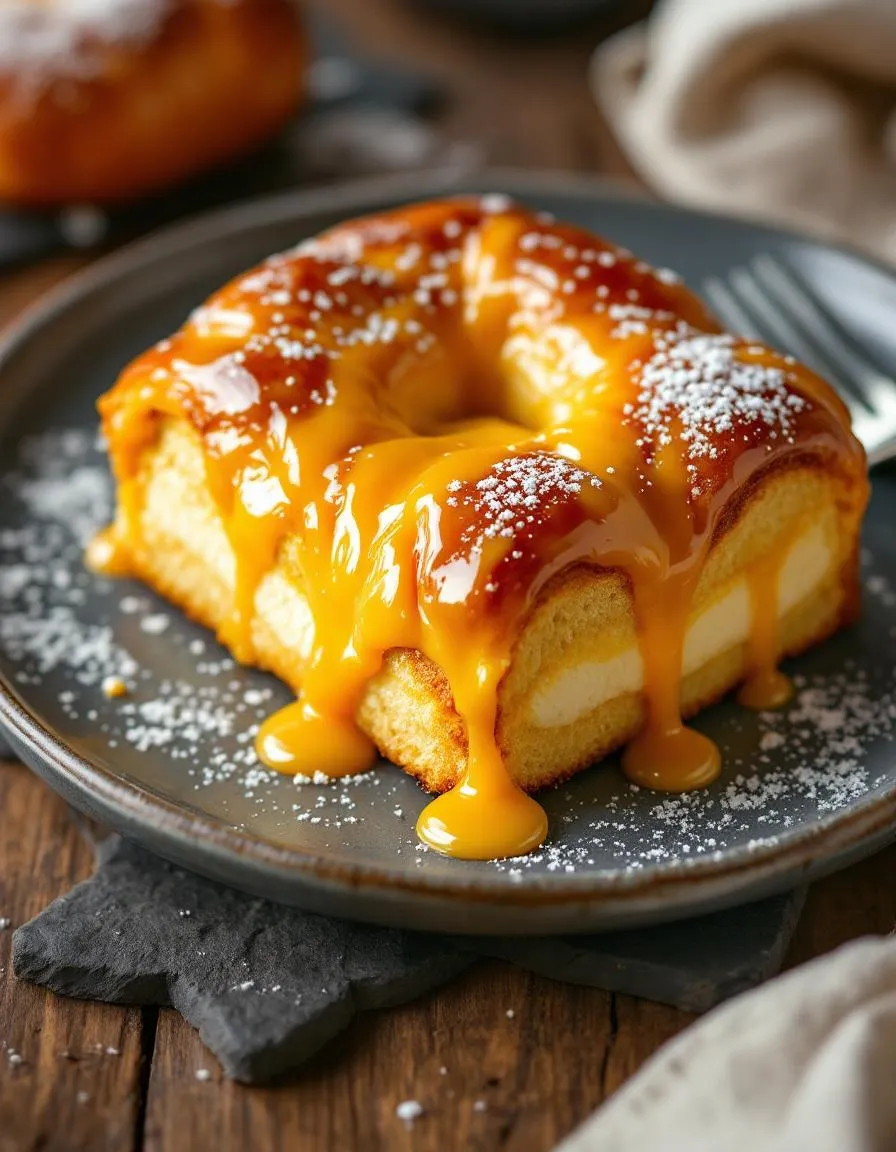
Best King’s Hawaiian Cheesecake Danish Recipe
Introduction
Imagine biting into a warm, flaky pastry that melts in your mouth, revealing a creamy cheesecake filling with just the right touch of sweetness. Now picture that same treat with the irresistible buttery flavor of King’s Hawaiian rolls. That’s exactly what you get with this Irresistible King’s Hawaiian Cheesecake Danish—a dessert so delicious, it’ll have everyone asking for seconds. Whether you’re hosting brunch or craving a cozy weekend treat, this recipe delivers comfort and indulgence in every bite.
The Irresistible King’s Hawaiian Cheesecake Danish combines the soft, slightly sweet texture of King’s Hawaiian rolls with a rich, velvety cheesecake filling. Unlike traditional danishes, this version shortcuts the process without sacrificing flavor, making it perfect for busy bakers who still want to impress. The recipe fits seamlessly into our blog’s focus on easy yet decadent desserts, like our Quick Cinnamon Roll-Ups or Berry Cream Cheese Pastries. What sets it apart is its versatility—serve it for breakfast, dessert, or even as a sweet snack with coffee. Plus, the familiar taste of King’s Hawaiian rolls adds a nostalgic twist that elevates the whole experience.
Why I Love This Recipe
This Irresistible King’s Hawaiian Cheesecake Danish holds a special place in my heart because it reminds me of lazy Sunday mornings with my family. My mom used to whip up similar treats when we had leftover rolls, and the smell of warm pastry and cream cheese filling would fill the whole house. Now, whenever I make this recipe, it brings back those cozy memories while creating new ones with my own kids. It’s the kind of dessert that feels like a hug—simple, comforting, and always worth sharing.
Health and Nutrition
Why it’s good for your body
Irresistible King’s Hawaiian Cheesecake Danish delivers more than just incredible flavor—it also offers surprising health perks. First, the creamy cheesecake filling provides a good source of calcium and protein, which support strong bones and muscle repair. Additionally, the Hawaiian sweet roll base adds a touch of whole grain goodness, offering fiber to aid digestion.
Moreover, this indulgent treat contains less sugar than many traditional desserts, making it a smarter choice for those watching their intake. The balance of carbs, fats, and proteins in Irresistible King’s Hawaiian Cheesecake Danish helps stabilize energy levels, so you avoid the dreaded sugar crash. Plus, the richness of the cheesecake satisfies cravings quickly, preventing overeating.
Finally, the recipe incorporates real ingredients like cream cheese and butter, avoiding artificial additives. Whether you enjoy it for breakfast or dessert, Irresistible King’s Hawaiian Cheesecake Danish brings both nutrition and joy to your table.
How it fits in a healthy lifestyle
Irresistible King’s Hawaiian Cheesecake Danish fits perfectly into a balanced diet when enjoyed mindfully. Pair it with a protein-packed smoothie or fresh fruit to create a satisfying meal that keeps you full longer. For those following a flexible approach to eating, this treat works well as an occasional indulgence that doesn’t derail progress.
If you’re exploring heart-healthy options, consider pairing it with our nutrient-dense breakfast ideas to balance your day. Alternatively, if you’re meal prepping for the week, check out our easy meal prep strategies to incorporate treats like this without guilt. With moderation and smart pairings, Irresistible King’s Hawaiian Cheesecake Danish can be part of a vibrant, healthy lifestyle.
A delightful fusion of sweet King’s Hawaiian rolls and creamy cheesecake filling, baked to golden perfection.
Ingredients
Scale
For the Crust:
1 package King’s Hawaiian Sweet Rolls (12 count)
8 oz cream cheese, softened
1/4 cup granulated sugar
1 tsp vanilla extract
1 egg yolk
1/4 cup powdered sugar
1 tbsp milk
1 tbsp melted butter
1/4 tsp cinnamon (optional)
Instructions
1. Prepare the Crust:
Preheat oven to 350°F (175°C). Line a baking sheet with parchment paper.
Slice the King’s Hawaiian rolls in half horizontally, keeping them connected. Place the bottom half on the baking sheet.
In a bowl, mix cream cheese, granulated sugar, vanilla, and egg yolk until smooth. Spread evenly over the bottom half of the rolls.
Place the top half of the rolls over the cream cheese layer. Brush with melted butter and sprinkle with cinnamon if desired.
Bake for 20-25 minutes until golden brown. Let cool slightly.
Whisk powdered sugar and milk to make a glaze. Drizzle over the warm Danish before serving.
Notes
You can customize the seasonings to taste.
“`html
="how-to-prepare-this-dish">How to Prepare This Dish
Steps and time-saving tips
Start by preheating your oven to 350°F and lining a baking sheet with parchment paper. Next, carefully slice the King’s Hawaiian rolls in half horizontally, keeping them connected so they form a single sheet. Place the bottom half on the baking sheet. In a mixing bowl, whisk together the cream cheese, sugar, and vanilla until smooth. Then, spread this creamy filling evenly over the bottom layer of rolls. Gently press the top half of the rolls onto the filling. Meanwhile, melt the butter and mix it with brown sugar and cinnamon for a rich, gooey topping. Drizzle this mixture over the top, making sure it seeps into the crevices. Bake for 15-18 minutes until golden and bubbly. For a time-saving tip, prep the filling the night before and refrigerate it. Also, let the Danish cool slightly before slicing to keep the layers intact. Finally, dust with powdered sugar or add a cream cheese glaze for extra flair.
Mistakes I’ve made and learned from
When I first made Irresistible King’s Hawaiian Cheesecake Danish, I overmixed the cream cheese filling, which made it too runny. Now, I know to whisk just until combined for the perfect texture. Another mistake? Skipping the parchment paper—trust me, cleaning caramelized sugar off a baking sheet is no fun. If your filling ever turns out lumpy, check out my guide to fixing lumpy cheesecake filling. Also, I once baked the Danish too long, drying out the rolls. A kitchen timer is your best friend here. For more troubleshooting tips, my common baking mistakes post covers how to salvage overbaked treats. Learn from my blunders so yours turns out flawless every time.
The Irresistible King’s Hawaiian Cheesecake Danish blends the sweetness of Hawaiian rolls with the creamy richness of cheesecake, creating a treat that feels both nostalgic and fresh. While the recipe itself is a modern twist, it draws inspiration from Danish pastries, which have roots in European baking traditions. However, the use of King’s Hawaiian rolls gives it a distinctly American flair, merging buttery, pillowy dough with a luscious filling.
Across different region
s, bakers put their own spin on similar pastries. In Scandinavia, for example, they might use cardamom or almond paste in their danishes. Meanwhile, in Hawaii, local bakers often incorporate tropical flavors like coconut or pineapple. The Irresistible King’s Hawaiian Cheesecake Danish stands out because it combines convenience with indulgence—perfect for busy home cooks who still crave something special.
In my family, this recipe became a weekend brunch staple because it’s so easy to customize. Some relatives add lemon zest for brightness, while others drizzle caramel on top. No matter the variation, the result always feels like a celebration.
How it fits in today’s cooking
Today, the Irresistible King’s Hawaiian Cheesecake Danish fits perfectly into our fast-paced lives. Whether you’re hosting a holiday brunch or need a quick dessert for potlucks, this recipe delivers. Modern cooks love it because they can prep it ahead, bake it fresh, and even freeze leftovers—though there’s rarely any left!
Many bakers also adapt
it for different occasions. For example, some swap the cheesecake filling for a chocolate-hazelnut spread for a decadent twist. Others pair it with seasonal fruits, like berries in summer or spiced apples in fall. If you’re looking for more easy brunch ideas, check out this cinnamon roll bites recipe—it’s another crowd-pleaser that pairs well with danishes.
Ultimately, this dish stays relevant because it’s versatile, comforting, and just a little bit indulgent. Whether you’re baking for a special event or a cozy morning at home, the Irresistible King’s Hawaiian Cheesecake Danish never disappoints.
Taste and Texture
What makes it delicious
The Irresistible King’s Hawaiian Cheesecake Danish delivers a symphony of flavors and textures in every bite. First, the golden, buttery layers of King’s Hawaiian bread crisp beautifully in the oven, offering a delicate crunch that gives way to a soft, pillowy interior. Meanwhile, the rich cheesecake filling melts luxuriously on your tongue, balancing tangy cream cheese with just the right touch of sweetness. A hint of vanilla and a whisper of citrus zest brighten the flavor, while the glaze adds a glossy, sugary finish that ties everything together. The aroma alone—warm, caramelized, and faintly tropical—will have you reaching for seconds. Whether enjoyed fresh from the oven or at room temperature, the Irresistible King’s Hawaiian Cheesecake Danish is pure indulgence.
r">Boosting the flavor
Elevate your Irresistible King’s Hawaiian Cheesecake Danish with a few easy tweaks. For a fruity twist, swirl in a spoonful of homemade berry compote before baking—the tartness pairs perfectly with the creamy filling. Alternatively, sprinkle cinnamon sugar over the top for a warm, spiced crunch. If you love contrasting textures, drizzle melted chocolate or caramel sauce just before serving. For more inspiration, explore our guide to easy dessert sauces that transform simple treats into showstoppers. A pinch of sea salt or a dusting of powdered sugar can also make all the difference.
Tips for Success
Best practices for results
Always let the cream cheese soften at room temperature before mixing it into the filling for your Irresistible King’s Hawaiian Cheesecake Danish. This ensures a smooth, lump-free texture. Meanwhile, lightly flour your work surface to prevent the dough from sticking while rolling it out. For even baking, space the danishes at least two inches apart on the tray. Additionally, brush the tops with melted butter right after baking to enhance their golden finish and irresistible flavor.
>Mistakes to avoid
Avoid overfilling the danishes, as too much cheesecake mixture can leak during baking. Instead, use a measured tablespoon for consistent portions. Similarly, don’t skip chilling the dough before shaping—this step keeps the layers flaky. If your filling turns runny, check out our guide to fixing runny cheesecake filling for quick solutions. Finally, resist opening the oven too often, as temperature fluctuations can cause uneven rising. For more troubleshooting, explore our common danish mistakes article to perfect your technique.
Serving and Pairing Suggestions
How to serve this dish
Serve Irresistible King’s Hawaiian Cheesecake Danish warm for a gooey, melt-in-your-mouth experience or at room temperature for a firmer texture. For a stunning presentation, dust the top with powdered sugar or drizzle with honey. Meanwhile, fresh berries or a dollop of whipped cream add a pop of color and freshness. These danishes shine at brunch gatherings, holiday breakfasts, or as a sweet afternoon treat. Finally, arrange them on a tiered stand for a bakery-worthy display that will impress your guests.
What goes well with it
Pair Irresistible King’s Hawaiian Cheesecake Danish with a creamy latte or a cup of spiced chai for a cozy morning combo. The rich flavors of the danish balance perfectly with the bold notes of coffee. For a refreshing contrast, try it alongside our Berry Burst Smoothie, which adds a tangy twist. Alternatively, serve it with a scoop of vanilla ice cream for an indulgent dessert. If you love pairing sweets with savory bites, our Savory Bacon Muffins create a delightful sweet-and-salty brunch spread.
How do you make Irresistible King’s Hawaiian Cheesecake Danish?
To make Irresistible King’s Hawaiian Cheesecake Danish, start by slicing King’s Hawaiian rolls in half and layering them with a creamy cheesecake filling. Bake until golden, then drizzle with icing for a sweet finish. This easy recipe transforms simple ingredients into a decadent treat.
Can you use any bread for Irresistible King’s Hawaiian Cheesecake Danish?
While you can experiment with other breads, King’s Hawaiian rolls are ideal for Irresistible King’s Hawaiian Cheesecake Danish because of their soft, sweet texture. The rolls absorb the cheesecake filling perfectly and create a balanced flavor profile.
ank-math-faq-item">
What’s the best cheesecake filling for Irresistible King’s Hawaiian Cheesecake Danish?
A classic cream cheese-based filling works best for Irresistible King’s Hawaiian Cheesecake Danish. Mix cream cheese, sugar, vanilla, and a touch of lemon zest for a rich, tangy contrast to the sweet rolls. For extra flavor, add a sprinkle of cinnamon.
Can you prepare Irresistible King’s Hawaiian Cheesecake Danish ahead of time?
Yes! Assemble Irresistible King’s Hawaiian Cheesecake Danish the night before and refrigerate. Bake fresh in the morning for a warm, gooey treat. The flavors meld beautifully overnight, making it even more delicious.