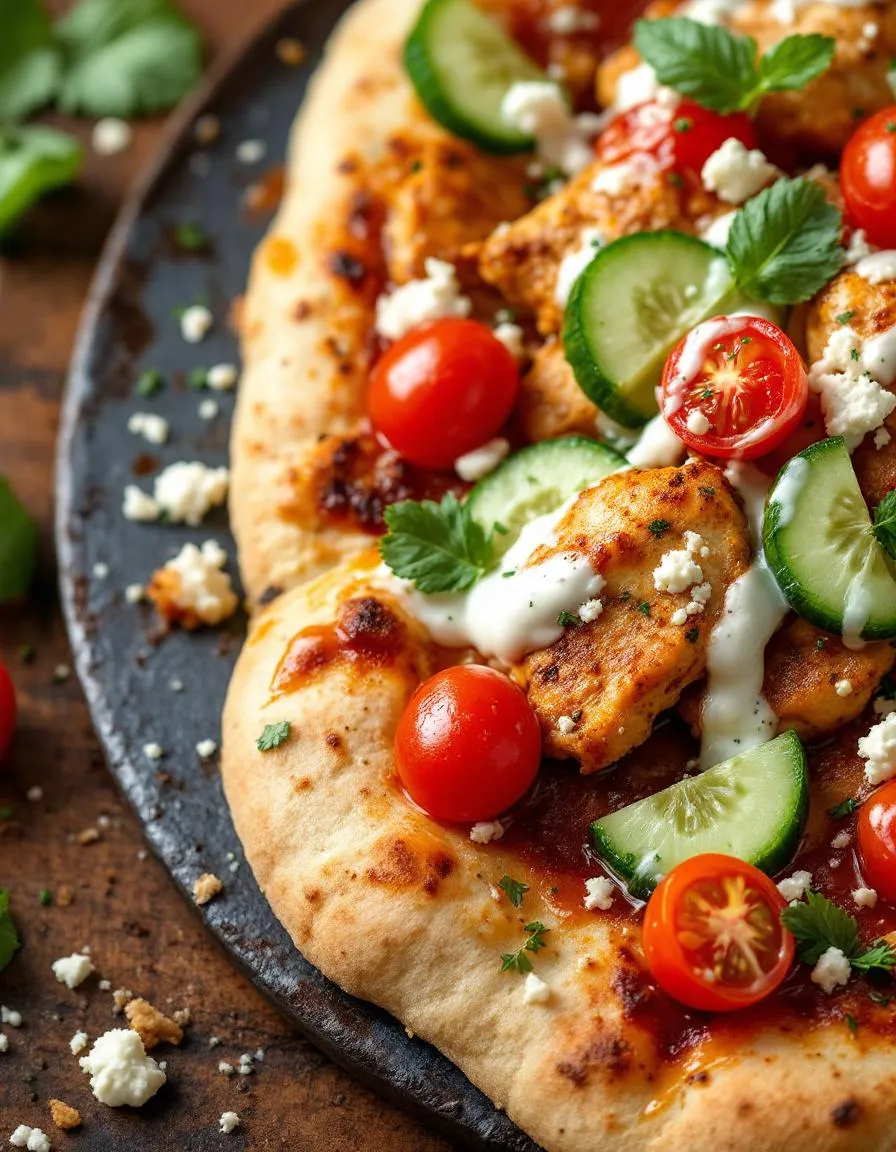
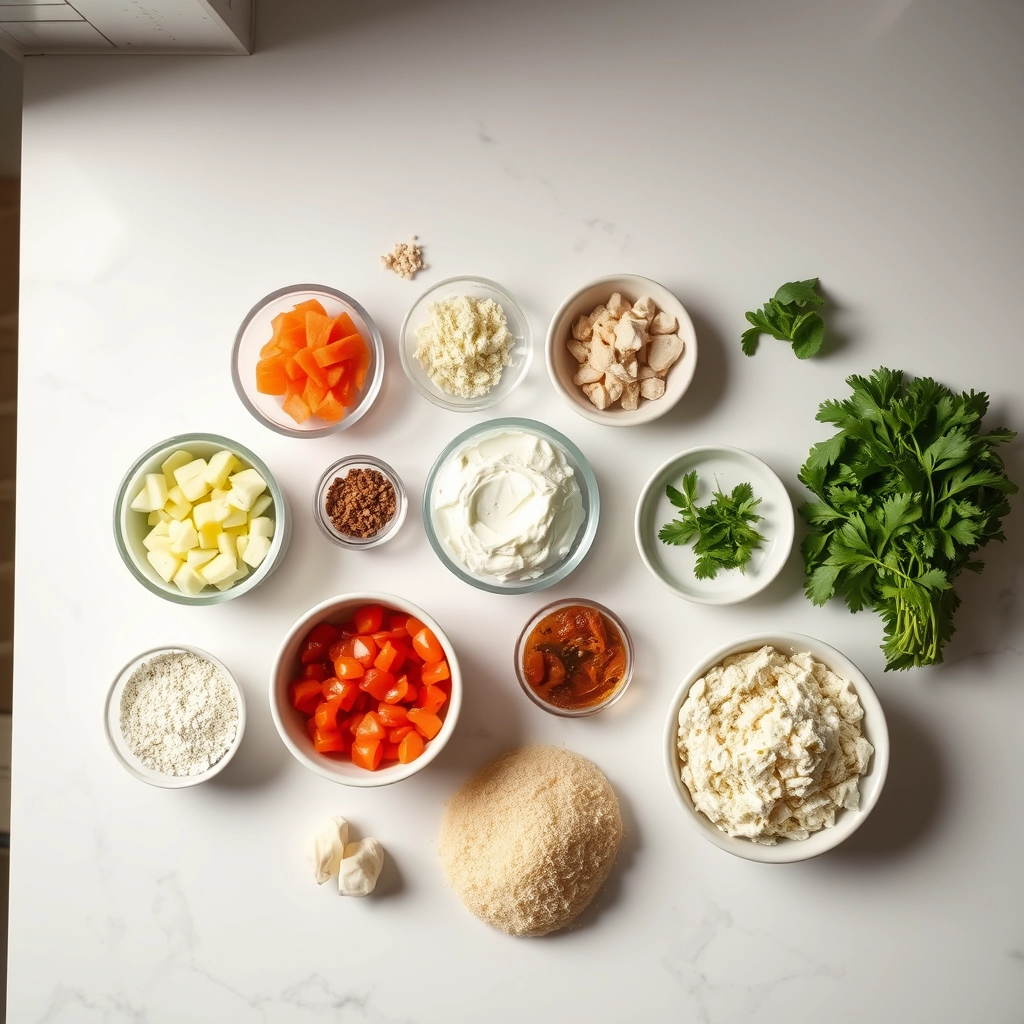
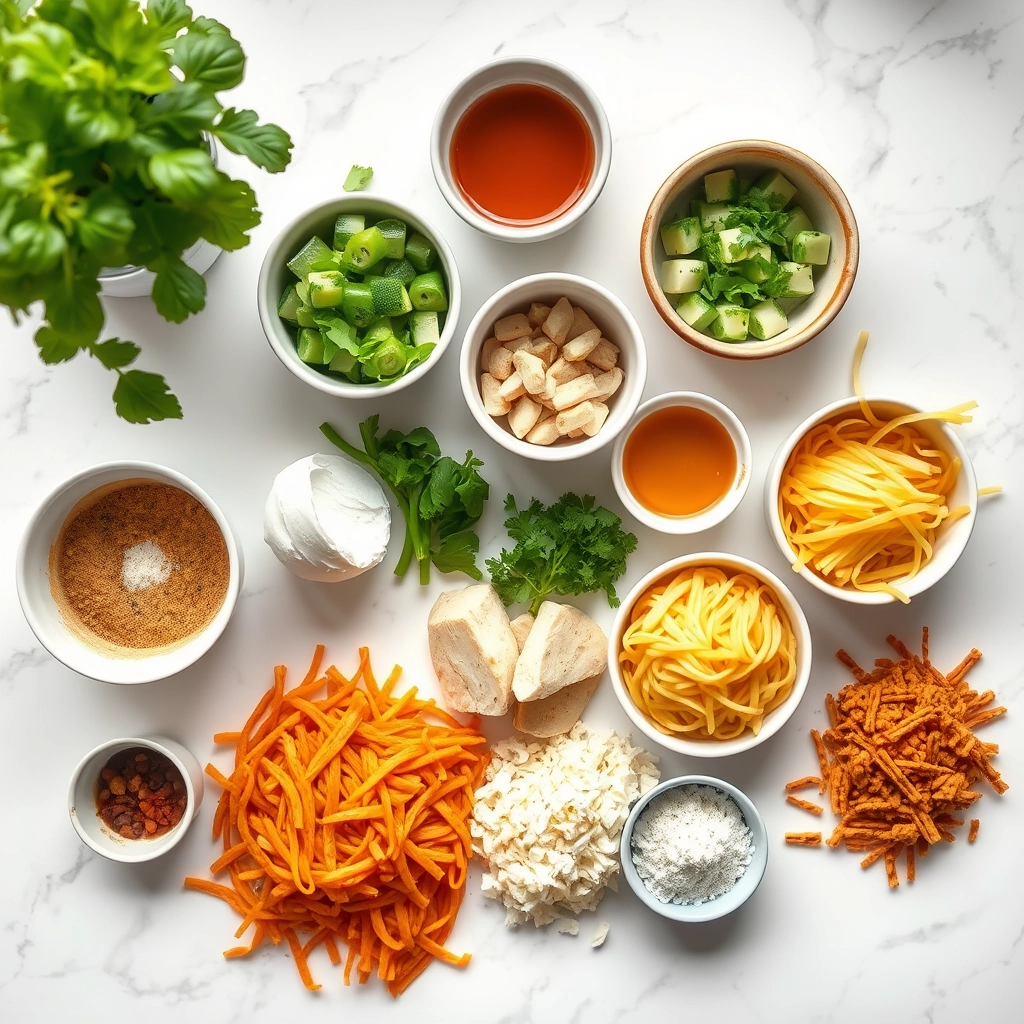
Craving a meal that’s both comforting and bursting with fresh flavors? Look no further than this Tzatziki Chicken Naan Pizza Delight, a dish that effortlessly combines creamy, tangy, and savory notes for a truly unforgettable experience. Whether you’re whipping up a quick weeknight dinner or impressing guests at your next gathering, this recipe delivers big flavors with minimal effort. Plus, it’s a fantastic way to reinvent leftover chicken into something extraordinary. Let’s dive into why this dish deserves a spot in your regular rotation.
The Tzatziki Chicken Naan Pizza Delight is a modern twist on two classics: Mediterranean tzatziki sauce and the ever-popular naan pizza. Instead of traditional tomato sauce, we slather fluffy naan bread with cool, garlicky tzatziki, then top it with tender chicken, crisp veggies, and a sprinkle of feta cheese. The result? A light yet satisfying meal that’s perfect for warm evenings or anytime you want a break from heavy comfort food. What makes this recipe stand out is its versatility. You can easily customize it with your favorite toppings, like roasted red peppers or Kalamata olives, making it a hit for picky eaters and adventurous foodies alike.
This dish also aligns perfectly with our blog’s mission to share approachable, globally inspired recipes that don’t skimp on flavor. If you love easy meals with a gourmet touch, you’ll adore how this Tzatziki Chicken Naan Pizza Delight comes together in under 30 minutes. For more Mediterranean-inspired ideas, check out our Greek Salad or Grilled Chicken Skewers. Both pair wonderfully with this pizza for a full feast.
Why I Love This Recipe
This Tzatziki Chicken Naan Pizza Delight holds a special place in my heart because it reminds me of summer dinners on my patio with friends. The bright flavors of the tzatziki and the crunch of fresh veggies always feel like a celebration, even on a casual weeknight. Plus, it’s one of those rare recipes that everyone in my family agrees on—no small feat with differing tastes. Every time I make it, I’m reminded how good food doesn’t have to be complicated to be memorable.
Health and Nutrition
Why it’s good for your body
Tzatziki Chicken Naan Pizza Delight packs a nutritious punch while satisfying your taste buds. First, the lean chicken breast delivers high-quality protein to support muscle repair and keep you full longer. Meanwhile, the creamy tzatziki sauce offers probiotics from yogurt, which promote gut health and digestion. Additionally, the fresh cucumbers and garlic in the tzatziki provide antioxidants and anti-inflammatory benefits.
Moreover, the naan base adds a satisfying crunch without excessive calories, especially if you opt for whole-grain versions. The combination of fiber from the veggies and protein from the chicken ensures balanced energy levels. Furthermore, Tzatziki Chicken Naan Pizza Delight includes healthy fats from olive oil, which support heart health and nutrient absorption.
Finally, this dish is versatile enough to fit various dietary preferences. Whether you’re looking for a protein-rich meal or a lighter dinner option, Tzatziki Chicken Naan Pizza Delight delivers. Its fresh ingredients and balanced macros make it a smart choice for anyone prioritizing both flavor and nutrition.
How it fits in a healthy lifestyle
Tzatziki Chicken Naan Pizza Delight effortlessly fits into a balanced diet. If you’re aiming for high-protein meals, the chicken and yogurt-based tzatziki provide a solid foundation. For those watching carbs, you can easily swap regular naan for a low-carb or gluten-free alternative. The dish also aligns with Mediterranean diet principles, emphasizing lean proteins, healthy fats, and fresh vegetables.
Busy weeknights call for quick, wholesome meals, and this recipe delivers. Pair it with a simple side salad for added fiber, or enjoy it solo for a satisfying yet light dinner. If you’re meal prepping, Tzatziki Chicken Naan Pizza Delight stores well, making it a convenient option for healthy eating on the go. For more gluten-free meal ideas, check out our gluten-free dinner options.
Whether you’re fueling up post-workout or need a family-friendly dinner, this dish adapts to your needs. Explore our balanced diet tips to discover more ways to incorporate nutritious meals into your routine. With its mix of protein, veggies, and wholesome ingredients, Tzatziki Chicken Naan Pizza Delight makes healthy eating deliciously simple.
A delicious fusion of Mediterranean flavors on a naan bread base, topped with tender chicken, creamy tzatziki, and fresh vegetables.
Ingredients
Scale
For the Crust:
2 pieces naan bread
1 cup cooked chicken, shredded
1/2 cup tzatziki sauce
1/2 cup cherry tomatoes, halved
1/4 cup red onion, thinly sliced
1/2 cup cucumber, diced
1/2 cup feta cheese, crumbled
1 tbsp olive oil
1 tsp dried oregano
Salt and pepper to taste
Instructions
1. Prepare the Crust:
Preheat oven to 375°F (190°C).
Brush naan bread with olive oil and sprinkle with dried oregano, salt, and pepper.
Spread tzatziki sauce evenly over the naan bread.
Top with shredded chicken, cherry tomatoes, red onion, and cucumber.
Sprinkle crumbled feta cheese on top.
Bake for 12-15 minutes or until the edges are golden and the cheese is slightly melted.
Remove from oven, let cool for 2 minutes, then slice and serve.
Notes
You can customize the seasonings to taste.
How to Prepare This Dish
Steps and time-saving tips
Start by preheating your oven to 400°F to save time while you prep the ingredients. While it heats, whisk together Greek yogurt, grated cucumber, minced garlic, lemon juice, and a pinch of salt to make the tzatziki sauce. Meanwhile, season diced chicken with olive oil, paprika, and oregano, then sauté it in a skillet until golden and cooked through. Spread a generous layer of tzatziki over each naan bread, leaving a small border for crisp edges. Next, layer the cooked chicken, followed by thinly sliced red onions, crumbled feta, and a sprinkle of fresh dill. Slide the naan pizzas onto a baking sheet and bake for 10-12 minutes until the edges turn golden. For a finishing touch, drizzle extra tzatziki and a squeeze of lemon right before serving. To save time, use store-bought rotisserie chicken or pre-made tzatziki, but homemade always tastes fresher. Let the pizzas cool for a minute before slicing to keep the toppings intact.
Mistakes I’ve made and learned from
I once rushed the tzatziki sauce and didn’t drain the cucumber properly, which made the naan soggy. Now, I press the grated cucumber in a clean towel to remove excess moisture—game changer! Another blunder? Overloading the naan with toppings, which led to a messy bake. Less is more here; stick to a light, even layer so every bite has balance. If you’re new to working with naan, check out my guide on perfect naan techniques for foolproof results. Also, don’t skip resting the chicken before slicing—it keeps the meat juicy, as I learned from my chicken tenderness secrets post. Trust me, these small tweaks make all the difference.
The Tzatziki Chicken Naan Pizza Delight is a beautiful fusion of Mediterranean and South Asian flavors, blending creamy Greek tzatziki with tender spiced chicken on a soft, pillowy naan base. This dish borrows from the tradition of Greek gyros, where tzatziki shines as a cooling counterpart to savory meats, and the Indian love for naan as a versatile flatbread. However, instead of stuffing the bread, we turn it into a crispy yet chewy pizza canvas. In Greece, you might find similar flavors in a pita wrap, while in India, naan often pairs with rich curries. Here, we bridge the gap with a cross-cultural twist.
Families around the world put their own spin on this dish. Some add roasted red peppers for sweetness, while others sprinkle feta for extra tang. My aunt, for instance, swears by a dash of smoked paprika to elevate the chicken. Meanwhile, in Turkey, they might swap tzatziki for a garlicky yogurt sauce with mint. No matter the variation, the Tzatziki Chicken Naan Pizza Delight always brings people together with its bold yet balanced flavors. It’s the kind of meal that sparks conversation—and maybe even a friendly debate over the best toppings.
ays-cooking">How it fits in today’s cooking
Today, the Tzatziki Chicken Naan Pizza Delight fits perfectly into our fast-paced, flavor-driven lives. It’s a quick weeknight dinner that feels gourmet, yet it’s simple enough for beginners to master. Busy cooks love it because naan cuts down on prep time, and the toppings are endlessly adaptable. For a lighter twist, some add arugula or swap chicken for grilled veggies. Others turn it into a party appetizer by slicing the naan into smaller pieces, much like our easy party appetizers guide suggests.
This dish also shines during summer gatherings, when fresh herbs and cool tzatziki beat the heat. It’s a staple at my backyard barbecues, right alongside grilling recipes that keep the vibe casual and fun. Whether you’re meal-prepping for the week or hosting friends, the Tzatziki Chicken Naan Pizza Delight proves that global flavors can be both accessible and unforgettable.
Taste and Texture
What makes it delicious
Every bite of Tzatziki Chicken Naan Pizza Delight bursts with bold, refreshing flavors and satisfying textures. The creamy tzatziki sauce, tangy with lemon and garlic, contrasts perfectly with the smoky, tender grilled chicken. Meanwhile, the naan base stays soft and chewy while crisping slightly at the edges for a delightful crunch. Fresh cucumber adds a cool, crisp bite, and a sprinkle of dill brings an herby fragrance that ties everything together. Whether you savor it warm or chilled, Tzatziki Chicken Naan Pizza Delight delivers a mouthwatering balance of creamy, zesty, and savory notes that keep you reaching for more.
r">Boosting the flavor
For an extra flavor kick, try marinating the chicken in a blend of Greek yogurt and spices before grilling—it locks in juiciness and adds depth. If you love heat, a drizzle of harissa sauce amps up the smokiness, while crumbled feta cheese introduces a salty tang. For a fresh twist, top your Tzatziki Chicken Naan Pizza Delight with pickled red onions or a handful of arugula for peppery brightness. Craving more Mediterranean inspiration? Explore our easy Mediterranean diet recipes to pair with this dish for a full-flavored feast.
Tips for Success
Best practices for results
Preheat your oven to 425°F before assembling your Tzatziki Chicken Naan Pizza Delight to ensure even cooking. Meanwhile, pat the chicken dry with paper towels so the seasoning sticks better. Spread the tzatziki sauce thinly over the naan to prevent sogginess, and always top with fresh veggies just before serving for maximum crunch. For extra flavor, brush the naan edges with olive oil before baking.
>Mistakes to avoid
Avoid overloading the naan with toppings, as this can make your Tzatziki Chicken Naan Pizza Delight soggy and hard to handle. Instead, layer ingredients lightly and evenly. Also, don’t skip resting the chicken after cooking—this keeps it juicy. For more on perfecting protein prep, check out our guide to cooking chicken right. Finally, never use cold tzatziki straight from the fridge; let it sit briefly for smoother spreading. Need sauce tips? Explore our homemade sauces breakdown for inspiration.
Serving and Pairing Suggestions
How to serve this dish
Bring out the vibrant flavors of Tzatziki Chicken Naan Pizza Delight by serving it fresh from the oven on a wooden board or colorful platter. For a restaurant-worthy touch, drizzle extra tzatziki sauce in zigzag patterns and sprinkle chopped fresh dill or parsley on top. Meanwhile, slice it into wedges or squares for easy sharing at casual gatherings or game nights. Alternatively, pair it with a crisp side salad for a light yet satisfying lunch. Whether you host a summer BBQ or a cozy family dinner, this dish always steals the spotlight.
What goes well with it
Elevate your Tzatziki Chicken Naan Pizza Delight with a refreshing cucumber mint lemonade, which balances the dish’s creamy richness. For a heartier meal, try pairing it with a warm bowl of roasted garlic hummus and pita chips, adding a delightful crunch. If you crave something fresh, our Mediterranean quinoa salad complements the pizza’s bold flavors perfectly. Finally, a chilled glass of crisp white wine or sparkling water with lemon enhances every bite without overpowering the dish.
What toppings go best with Tzatziki Chicken Naan Pizza Delight?
For the perfect Tzatziki Chicken Naan Pizza Delight, top your naan with grilled chicken, fresh cucumbers, red onions, and crumbled feta cheese. Drizzle with homemade tzatziki sauce and a sprinkle of fresh dill for extra flavor. These toppings complement the creamy tzatziki and create a balanced, Mediterranean-inspired dish.
Can I make Tzatziki Chicken Naan Pizza Delight ahead of time?
You can prep components like the tzatziki sauce and grilled chicken up to 2 days in advance, but assemble the Tzatziki Chicken Naan Pizza Delight just before serving to keep the naan crispy. Store toppings separately and reheat the chicken slightly before adding them to avoid a soggy crust.
ank-math-faq-item">
Is Tzatziki Chicken Naan Pizza Delight gluten-free?
Traditional naan contains gluten, but you can make this dish gluten-free by using gluten-free naan or flatbread. The Tzatziki Chicken Naan Pizza Delight still delivers the same bold flavors with a simple swap. Always check labels for gluten-free certification if needed.
What sides pair well with Tzatziki Chicken Naan Pizza Delight?
Serve your Tzatziki Chicken Naan Pizza Delight with a Greek salad, roasted lemon potatoes, or hummus and pita chips for a complete meal. These sides enhance the Mediterranean flavors and add variety to your plate without overpowering the main dish.
Best Gooey Cinnamon Cream Cheese Muffins – Breakfast Treat
Introduction
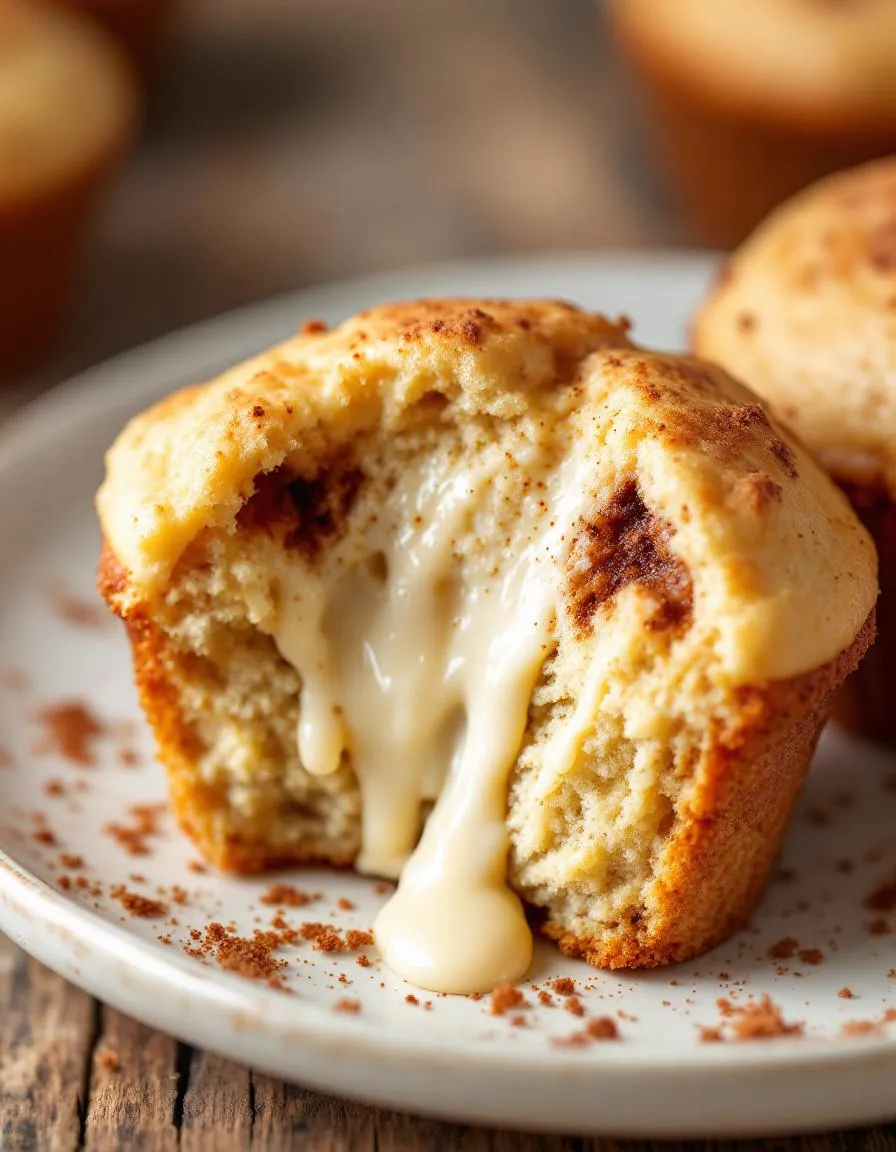
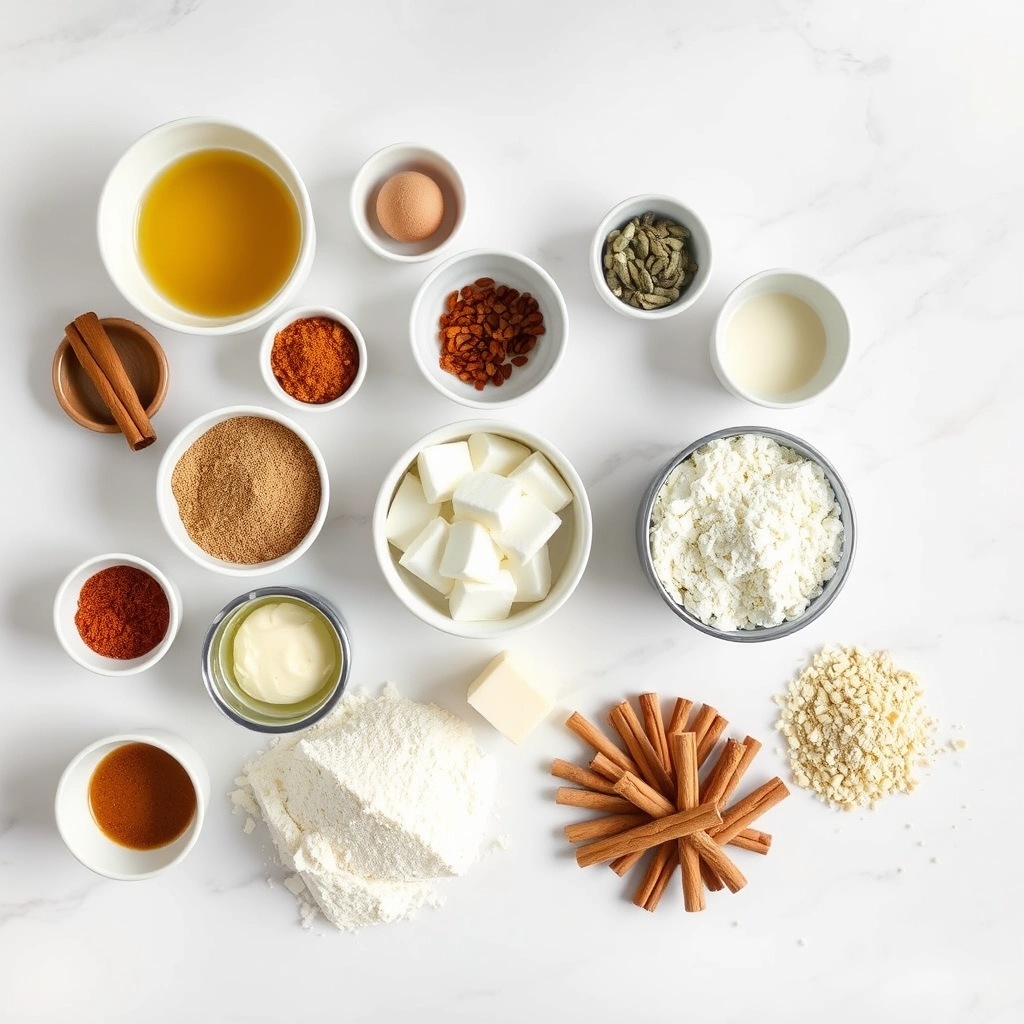
There’s something magical about waking up to the warm, comforting aroma of freshly baked muffins filling your kitchen. If you’re craving a breakfast treat that feels like a cozy hug, you’ll adore these Gooey Cinnamon Cream Cheese Muffins – Irresistible Breakfast Treat. Perfectly spiced, delightfully soft, and oozing with creamy filling, they strike the ideal balance between sweet and tangy. Whether you’re hosting brunch or treating yourself on a lazy morning, these muffins promise to make every bite unforgettable.
Gooey Cinnamon Cream Cheese Muffins – Irresistible Breakfast Treat combines the rich, velvety texture of cream cheese with the warm, inviting flavors of cinnamon and brown sugar. The result? A muffin so indulgent it blurs the line between dessert and breakfast. Unlike dry, bland muffins, these stay moist and flavorful thanks to a clever mix of ingredients like sour cream and vanilla extract. Plus, the surprise cream cheese center elevates them from ordinary to extraordinary. If you love our Decadent Cinnamon Roll Recipe, you’ll appreciate how these muffins offer similar flavors in a portable, fuss-free format. They’re also a fantastic way to impress guests or add a special touch to your weekend routine. After all, who can resist a treat that pairs perfectly with coffee or a cold glass of milk?
What makes this recipe stand out is its versatility. You can enjoy Gooey Cinnamon Cream Cheese Muffins – Irresistible Breakfast Treat warm from the oven or pack them for an on-the-go snack. They’re equally at home on a holiday brunch table or as a midday pick-me-up. For more inspiration on balancing sweet and savory breakfasts, check out our Savory Breakfast Ideas to round out your menu. No matter how you serve them, these muffins deliver a dose of comfort in every bite.
Why I Love This Recipe
These muffins hold a special place in my heart because they remind me of slow Sunday mornings with my family. My grandmother used to bake a similar version, and the scent of cinnamon instantly takes me back to her kitchen. Now, I love making Gooey Cinnamon Cream Cheese Muffins – Irresistible Breakfast Treat for my own kids, who eagerly hover near the oven waiting for the first batch. There’s nothing quite like seeing their faces light up after that first gooey bite. For me, this recipe isn’t just about the flavors—it’s about creating moments worth savoring.
Health and Nutrition
Why it’s good for your body
Gooey Cinnamon Cream Cheese Muffins – Irresistible Breakfast Treat pack more than just delicious flavor. First, cinnamon adds a warming spice that may help stabilize blood sugar levels. Additionally, studies suggest cinnamon supports healthy digestion and reduces inflammation. Meanwhile, cream cheese provides a creamy texture while delivering calcium and protein to keep you full longer.
Moreover, these muffins balance indulgence with nutrients. For example, whole wheat flour or oat blends can boost fiber content, aiding digestion and heart health. Furthermore, the natural sweetness from ingredients like honey or maple syrup reduces refined sugar intake. As a result, Gooey Cinnamon Cream Cheese Muffins – Irresistible Breakfast Treat satisfy cravings without the energy crash.
Finally, portion control makes these muffins a smart choice. Because they’re individually sized, you can enjoy one without overdoing it. Pair them with protein-rich Greek yogurt or fresh fruit for a complete breakfast. Ultimately, Gooey Cinnamon Cream Cheese Muffins – Irresistible Breakfast Treat offer a tasty way to start your day with balanced nutrition.
How it fits in a healthy lifestyle
Enjoying Gooey Cinnamon Cream Cheese Muffins – Irresistible Breakfast Treat fits perfectly into a mindful eating routine. For a balanced approach, pair them with a high-protein breakfast like scrambled eggs or a smoothie. This combo keeps energy levels steady and prevents mid-morning snacking.
If you follow specific dietary needs, simple swaps can customize these muffins. For gluten-free diets, use almond or coconut flour. For heart health, opt for low-fat cream cheese and whole grains. Craving more wholesome treats? Explore our healthy baking substitutes guide for easy ingredient swaps. With a little creativity, Gooey Cinnamon Cream Cheese Muffins – Irresistible Breakfast Treat can align with almost any wellness goal.
Deliciously moist muffins with a gooey cinnamon cream cheese center, perfect for breakfast or a sweet snack.
Ingredients
Scale
For the Crust:
1 1/2 cups all-purpose flour
1/2 cup granulated sugar
2 tsp baking powder
1/2 tsp salt
1/2 cup milk
1/3 cup vegetable oil
1 large egg
1 tsp vanilla extract
4 oz cream cheese, softened
1/4 cup brown sugar
1 tsp ground cinnamon
Instructions
1. Prepare the Crust:
Preheat oven to 375°F (190°C) and line a muffin tin with paper liners.
In a large bowl, whisk together flour, granulated sugar, baking powder, and salt.
In another bowl, mix milk, vegetable oil, egg, and vanilla extract. Pour wet ingredients into dry ingredients and stir until just combined.
In a small bowl, beat cream cheese, brown sugar, and cinnamon until smooth.
Fill each muffin cup halfway with batter. Add a spoonful of cream cheese mixture, then cover with more batter.
Bake for 18-20 minutes or until a toothpick inserted comes out clean. Let cool before serving.
Notes
You can customize the seasonings to taste.
s-dish">How to Prepare This Dish
Steps and time-saving tips
Start by preheating your oven to 375°F and lining a muffin tin with paper liners. Meanwhile, whisk together the dry ingredients—flour, sugar, baking powder, and a pinch of salt—in a large bowl. In another bowl, mix the wet ingredients: melted butter, eggs, milk, and vanilla until smooth. Gradually fold the wet mixture into the dry ingredients, but don’t overmix; a few lumps are fine. For the cream cheese filling, beat softened cream cheese with sugar and cinnamon until creamy. Spoon a tablespoon of muffin batter into each liner, then add a dollop of the cream cheese mixture before topping with more batter. Swirl gently with a toothpick for a marbled effect. Bake for 18-20 minutes until golden. While they cool, whip up a quick cinnamon glaze by mixing powdered sugar, milk, and cinnamon, then drizzle it over the warm muffins. To save time, prepare the cream cheese filling the night before and store it in the fridge. Also, use a cookie scoop for evenly portioned batter.
Mistakes I’ve made and learned from
I once overmixed the batter, resulting in dense Gooey Cinnamon Cream Cheese Muffins instead of the light, fluffy texture I wanted. Now, I stop stirring as soon as the ingredients combine. Another blunder was underfilling the liners, leaving the cream cheese layer exposed and prone to burning. A handy trick is to fill them two-thirds full, as I learned from my guide to muffin batter consistency. Lastly, I used cold cream cheese straight from the fridge, which clumped instead of blending smoothly. Letting it soften first made all the difference, just like in my cream cheese baking tips. These small adjustments turned my mishaps into foolproof success.
n-and-variations">Cultural Connection and Variations
Where this recipe comes from
Gooey Cinnamon Cream Cheese Muffins – Irresistible Breakfast Treat might feel like a modern indulgence, but its roots stretch back to cozy kitchens and family traditions. Originally inspired by European coffee cakes and American cinnamon rolls, this recipe blends the warmth of spiced baking with the creamy richness of cheesecake. In Germany, bakers often swirl quark or farmer’s cheese into sweet doughs, while in Sweden, cardamom might replace cinnamon for a floral twist. Meanwhile, Southern U.S. bakers add a splash of bourbon or pecans for extra depth.
In my family, Gooey Cinnamon Cream Cheese Muffins – Irresistible Breakfast Treat became a weekend ritual after my aunt brought home a similar recipe from a bakery in Vermont. We’d tweak it seasonally, adding pumpkin puree in fall or fresh berries in summer. Across Mexico, some versions use piloncillo sugar for caramel notes, and in Australia, vegemite-haters might swap cream cheese for a savory-sweet twist. No matter where you go, the core idea stays the same: a tender muffin with a surprise burst of spiced creaminess.
How it fits in today’s cooking
Today, Gooey Cinnamon Cream Cheese Muffins – Irresistible Breakfast Treat fits perfectly into our fast-paced lives as a make-ahead brunch star or a lunchbox treat. Busy bakers love that they freeze well, and health-conscious cooks often substitute Greek yogurt or almond flour without losing that decadent feel. During holidays, they’re a festive alternative to heavy desserts, especially when paired with holiday baking ideas like spiced cider or eggnog glaze.
Social media has also g
iven this recipe new life, with influencers adding matcha swirls or chocolate chips for viral twists. Whether you’re meal-prepping or hosting a cozy gathering, these muffins bridge nostalgia and convenience. For more inspiration, check out quick breakfast recipes that keep mornings delicious without the fuss. After all, some traditions deserve to evolve—and this one does it deliciously.
Taste and Texture
What makes it delicious
Gooey Cinnamon Cream Cheese Muffins – Irresistible Breakfast Treat delivers a symphony of warm, comforting flavors. The first bite reveals a tender, buttery crumb that melts in your mouth, while the gooey cream cheese center adds a luscious, velvety contrast. Fragrant cinnamon swirls through every layer, creating a cozy, spiced aroma that fills the kitchen. Meanwhile, the subtle tang of cream cheese balances the sweetness, making each bite irresistibly rich. Whether enjoyed warm or at room temperature, these muffins offer a perfect harmony of soft, fluffy texture and decadent, creamy pockets.
Boosting the flavor
Elevate your Gooey Cinnamon Cream Cheese Muffins – Irresistible Breakfast Treat with a few creative tweaks. For extra warmth, try adding a pinch of nutmeg or cardamom to the batter. Alternatively, drizzle them with a simple vanilla glaze for a glossy, sweet finish. If you love crunch, sprinkle chopped pecans or walnuts on top before baking. For a fruity twist, fold in diced apples or swirl in our quick berry compote alongside the cream cheese. These small changes unlock new layers of flavor while keeping the muffins just as irresistible.
Always use room-temperature cream cheese for smooth blending, as cold cream cheese can leave lumps in your Gooey Cinnamon Cream Cheese Muffins – Irresistible Breakfast Treat. Meanwhile, lightly coat your muffin tin with nonstick spray to ensure easy removal after baking. For the perfect texture, avoid overmixing the batter—just fold until combined. Additionally, check for doneness a minute early since overbaking can dry out these tender muffins.
Mistakes to avoid
One common mistake is skipping the step of softening butter, which leads to uneven mixing. Instead, leave it out for 30 minutes before starting. Another error is overfilling muffin cups, causing spills and uneven baking. Fill them only two-thirds full for ideal rise. For more baking insights, explore our guide on perfect muffin texture. Also, if your muffins sink, check your leavening agents—our baking powder vs. soda breakdown helps troubleshoot this issue.
g-suggestions">Serving and Pairing Suggestions
How to serve this dish
Serve Gooey Cinnamon Cream Cheese Muffins warm to highlight their irresistible melt-in-your-mouth texture. For a stunning presentation, dust them lightly with powdered sugar or drizzle them with a simple vanilla glaze. Meanwhile, arrange them on a rustic wooden board or a tiered stand for brunch gatherings, making them the star of your spread. These muffins also shine during holiday breakfasts, especially when paired with seasonal decor like cinnamon sticks or fresh berries. Finally, pack them in a cute box for a thoughtful homemade gift that friends and family will adore.
What goes well with it
Pair Gooey Cinnamon Cream Cheese Muffins with a steaming cup of spiced chai latte for a cozy morning treat. The warm spices in the latte beautifully complement the cinnamon swirls in the muffins. Alternatively, try them with a cold glass of vanilla almond milk for a lighter option. If you’re serving these muffins as part of a larger brunch, consider adding our fluffy Classic Buttermilk Pancakes or crispy Smoky Maple Bacon to balance the sweetness with savory flavors.
math-faq-block">
How do you keep Gooey Cinnamon Cream Cheese Muffins moist?
The key to keeping Gooey Cinnamon Cream Cheese Muffins – Irresistible Breakfast Treat moist is using ingredients like sour cream or Greek yogurt in the batter. Additionally, avoid overbaking them—pull them out as soon as a toothpick comes out clean. Storing them in an airtight container also helps retain moisture.
Can I make Gooey Cinnamon Cream Cheese Muffins ahead of time?
Yes! Gooey Cinnamon Cream Cheese Muffins – Irresistible Breakfast Treat can be baked a day in advance and stored at room temperature. For longer storage, freeze them in a sealed bag for up to 3 months. Reheat in the microwave for 15-20 seconds to restore their gooey texture.
What’s the best way to swirl cream cheese into the muffins?
For perfect swirls in Gooey Cinnamon Cream Cheese Muffins – Irresistible Breakfast Treat, spoon the cream cheese mixture in dollops over the batter. Use a toothpick or knife to gently swirl it in figure-eight motions. Avoid overmixing to maintain distinct ribbons of creamy filling.
ank-math-faq-item">
Can I substitute the cream cheese in this recipe?
While cream cheese is essential for the signature texture of Gooey Cinnamon Cream Cheese Muffins – Irresistible Breakfast Treat, you can use mascarpone or ricotta for a milder flavor. For a dairy-free version, try vegan cream cheese, though the results may be slightly less rich.
Best Garlic Butter Chicken Bites & Creamy Parmesan Pasta
Introduction
Craving a meal that feels indulgent yet comes together effortlessly? Garlic Butter Chicken Bites & Creamy Parmesan Pasta delivers exactly that—a comforting, flavor-packed dish perfect for busy weeknights or cozy weekends. Imagine tender chicken bites swimming in rich garlic butter, paired with silky pasta coated in a luscious parmesan cream sauce. Whether you need a quick family dinner or a crowd-pleasing dish for friends, this recipe promises satisfaction in every bite. Best of all, you likely have most ingredients already waiting in your pantry.
Garlic Butter Chicken Bites & Creamy Parmesan Pasta combines simplicity with restaurant-quality flavors. The dish features juicy chicken pieces seared to golden perfection, then tossed in a fragrant garlic butter sauce. Meanwhile, al dente pasta gets enveloped in a velvety parmesan cream, creating a harmony of textures and tastes. What makes this recipe stand out is its versatility. You can customize it with your favorite pasta shapes or add veggies like spinach for extra nutrition. Plus, it fits perfectly with our blog’s mission to share easy, flavorful recipes that anyone can master. If you love creamy pasta dishes, you’ll adore our Creamy Tuscan Chicken Pasta, which offers a similar luxurious experience. For more chicken inspiration, check out our Lemon Garlic Chicken Thighs, another reader favorite.
Why I Love This Recipe
Garlic Butter Chicken Bites & Creamy Parmesan Pasta holds a special place in my heart because it’s the meal I turn to when I need both comfort and convenience. The aroma of garlic sizzling in butter instantly lifts my mood, and the creamy pasta reminds me of family dinners where everyone clears their plates. What I appreciate most is how reliably delicious it turns out, even on hectic days. It’s the kind of dish that feels like a warm hug—simple, satisfying, and always worth the effort.
Health and Nutrition
Why it’s good for your body
Garlic Butter Chicken Bites & Creamy Parmesan Pasta packs a nutritious punch while satisfying your taste buds. First, the chicken bites deliver lean protein, which helps build and repair muscles. Additionally, garlic boosts immunity with its natural antibacterial properties. Meanwhile, the creamy parmesan sauce provides calcium for strong bones.
Moreover, this dish balances indulgence with wholesome ingredients. Olive oil in the garlic butter offers heart-healthy fats, while the pasta supplies energy-boosting carbohydrates. Furthermore, the parmesan cheese adds a dose of probiotics for gut health. Together, these elements make Garlic Butter Chicken Bites & Creamy Parmesan Pasta a flavorful yet nourishing choice.
Finally, the dish includes antioxidants from garlic and herbs. These compounds fight inflammation and support overall wellness. Whether you need a post-workout meal or a comforting dinner, Garlic Butter Chicken Bites & Creamy Parmesan Pasta delivers both flavor and nutrition.
How it fits in a healthy lifestyle
Garlic Butter Chicken Bites & Creamy Parmesan Pasta fits seamlessly into a balanced diet. For protein-focused eaters, the chicken provides a lean source to support muscle growth. If you prefer gluten-free options, simply swap regular pasta for a gluten-free alternative like those in our gluten-free pasta guide.
This dish also works well for meal prep. You can pair it with a fresh salad or steamed veggies for added fiber. For those watching portion sizes, divide it into smaller servings to stay on track. Check out our healthy meal prep tips to make the most of your weekly meals. With simple tweaks, Garlic Butter Chicken Bites & Creamy Parmesan Pasta becomes a versatile part of your healthy routine.
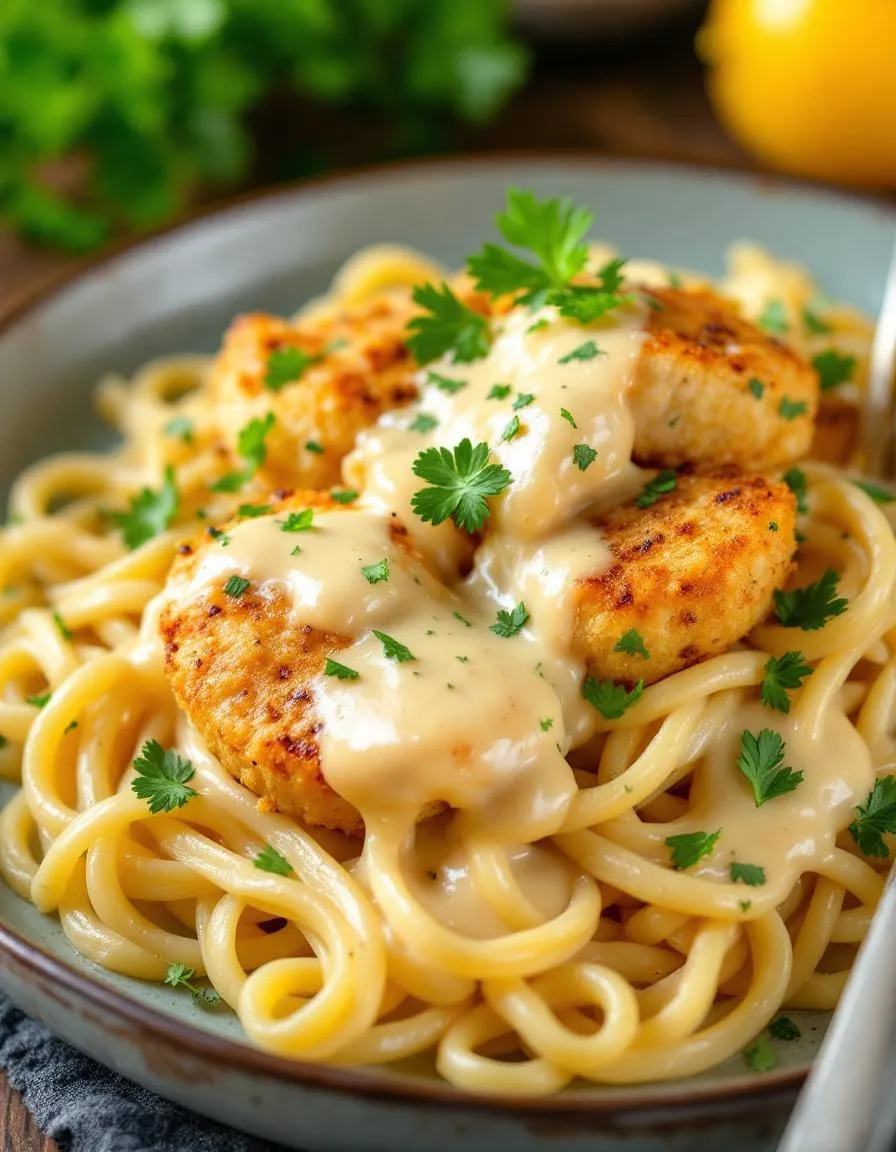
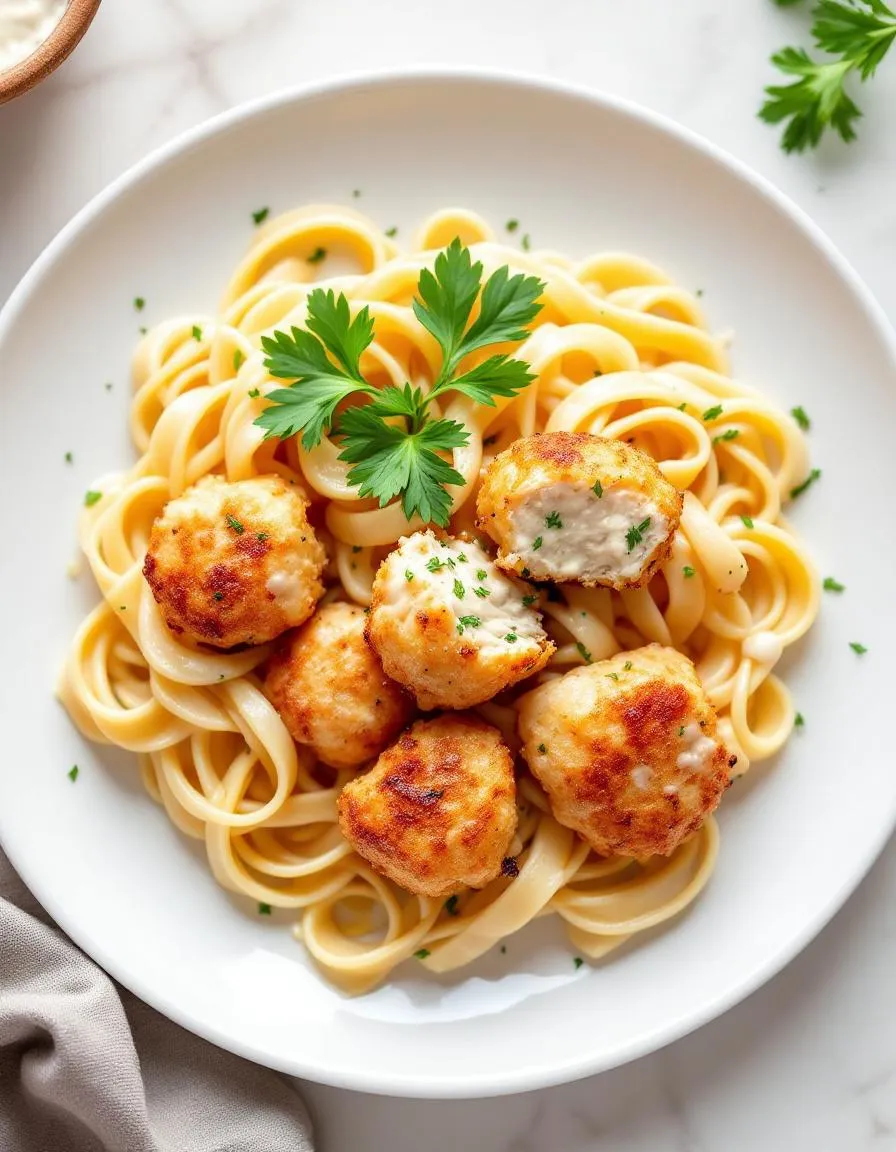
Juicy garlic butter chicken bites served over a bed of creamy parmesan pasta for a rich and satisfying meal.
Ingredients
Scale
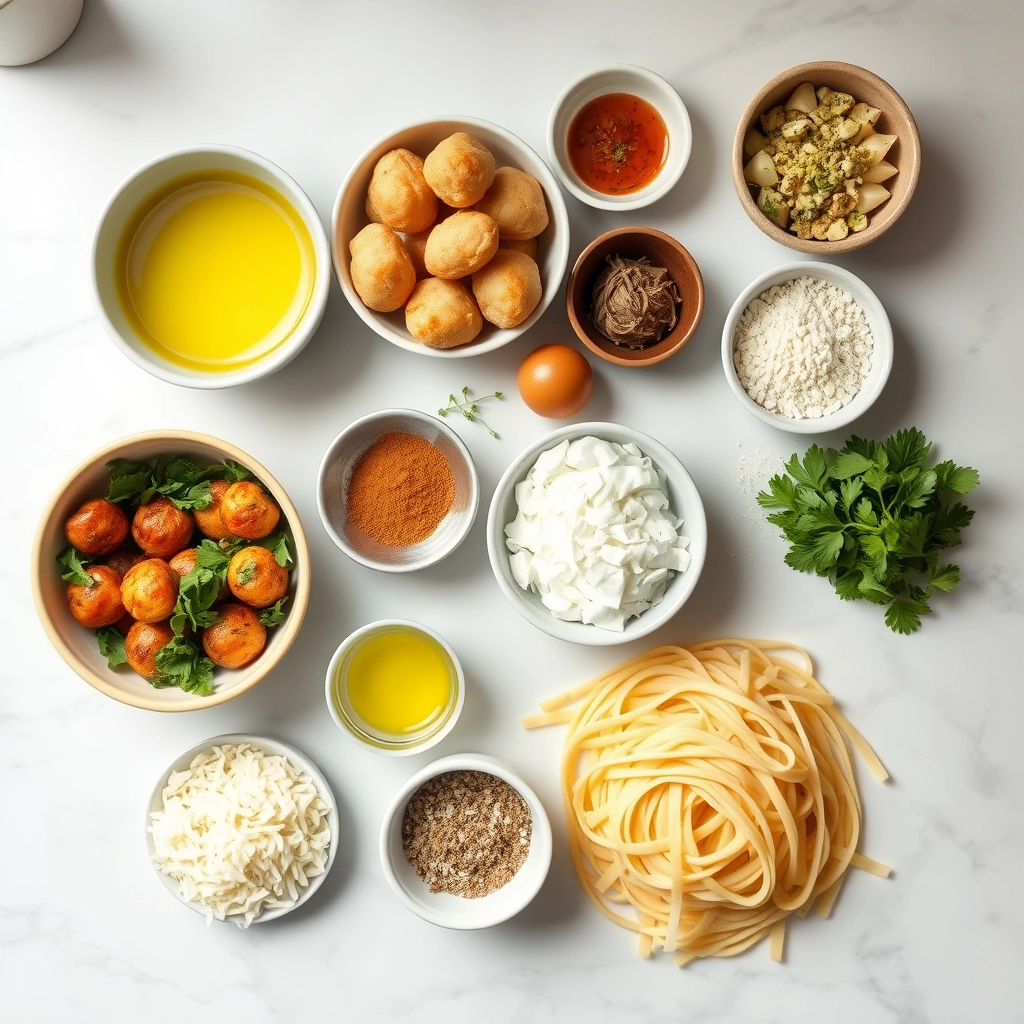
For the Crust:
1 lb chicken breast, cut into bite-sized pieces
8 oz pasta of choice
4 tbsp butter
4 cloves garlic, minced
1 cup heavy cream
1/2 cup grated parmesan cheese
1 tsp Italian seasoning
Salt and pepper to taste
Fresh parsley for garnish
Instructions
1. Prepare the Crust:
Cook pasta according to package instructions. Drain and set aside.
In a large skillet, melt 2 tbsp butter over medium heat. Add chicken pieces, season with salt, pepper, and Italian seasoning. Cook until golden and cooked through, about 6-8 minutes. Remove chicken and set aside.
In the same skillet, melt remaining butter. Add minced garlic and sauté for 1 minute until fragrant.
Pour in heavy cream and bring to a simmer. Stir in parmesan cheese until melted and sauce thickens slightly.
Return cooked chicken to the skillet and toss to coat in the sauce. Add cooked pasta and mix well.
Garnish with fresh parsley and serve immediately.
Notes
You can customize the seasonings to taste.
s-dish">How to Prepare This Dish
Steps and time-saving tips
Start by seasoning bite-sized chicken pieces generously with salt, pepper, and garlic powder. Meanwhile, heat a skillet over medium-high heat and melt butter with a drizzle of olive oil to prevent burning. Sear the chicken bites for 5-6 minutes until golden brown, then remove them and set aside. In the same skillet, sauté minced garlic until fragrant, then pour in heavy cream and chicken broth, whisking to combine. Reduce the heat and stir in grated parmesan until the sauce thickens. Toss cooked pasta into the creamy sauce, folding gently to coat every strand. Finally, return the chicken bites to the skillet, stirring to warm through. For a time-saving hack, use pre-cooked chicken or store-bought rotisserie chicken—just adjust seasoning to taste. If the sauce thickens too much, loosen it with a splash of pasta water. Garnish with fresh parsley and extra parmesan for a restaurant-worthy finish.
Mistakes I’ve made and learned from
Early on, I rushed searing the chicken, which left it rubbery instead of juicy. Now I let the skillet get properly hot before adding the meat—patience pays off! Another blunder? Overcrowding the pan, which steamed the chicken instead of browning it. I fixed this by cooking in batches, a trick I picked up from my perfect seared chicken guide. The sauce also gave me trouble; once, I added parmesan too quickly, and it clumped. Now I whisk it in gradually off the heat, just like in my creamy sauces 101 post. These small adjustments made all the difference between a good dish and a great one.
n-and-variations">Cultural Connection and Variations
Where this recipe comes from
Garlic Butter Chicken Bites & Creamy Parmesan Pasta feels like a dish that bridges continents. While it nods to Italian flavors with its rich parmesan and garlic, the tender chicken bites give it a universal appeal. In Italy, you might find a similar pasta dish with a lighter sauce, but American home cooks often amp up the creaminess for extra comfort. Meanwhile, in parts of Asia, cooks might add a hint of chili or soy sauce for a local twist.
My family’s version of Garlic Butter Chicken Bites & Creamy Parmesan Pasta always includes a splash of white wine, a trick my grandmother picked up living near Tuscany. But I’ve seen friends toss in sun-dried tomatoes or spinach for extra color. Some regions even swap the pasta for gnocchi or zucchini noodles. No matter where it’s made, this dish adapts beautifully to local tastes while keeping its soul intact.
How it fits in today’s cooking
Today, Garlic Butter Chicken Bites & Creamy Parmesan Pasta shines as a weeknight hero. Busy cooks love it because it’s fast, filling, and endlessly customizable. For a lighter take, some use Greek yogurt instead of heavy cream, or they pair it with a crisp salad like this spring salad with lemon vinaigrette. Others save it for cozy weekends, serving it alongside warm bread or a simple roasted vegetable medley.
Its versatility also ma
kes it a star during holidays. Some families dress it up with lobster or truffle oil for special occasions. Whether you’re meal-prepping or hosting a dinner party, this dish fits right in. Modern twists keep it fresh, but the heart of the recipe—garlic, butter, and parmesan—never goes out of style.
Taste and Texture
What makes it delicious
Garlic Butter Chicken Bites & Creamy Parmesan Pasta deliver a mouthwatering blend of rich, savory flavors and luxurious textures. The chicken bites sizzle in fragrant garlic butter, creating a crispy golden crust that gives way to juicy, tender meat. Meanwhile, the pasta coats your tongue in velvety creaminess, thanks to a generous mix of parmesan and butter. Each bite balances the bold umami of garlic with the subtle tang of cheese, while fresh herbs like parsley add a bright, earthy finish. Together, the dish feels indulgent yet comforting—like a hug in every forkful. Garlic Butter Chicken Bites & Creamy Parmesan Pasta is the kind of meal that makes you pause just to savor the aroma before diving in.
Boosting the flavor
For an extra flavor kick, try swapping regular parmesan for aged parmesan—its sharper, nuttier notes deepen the pasta’s richness. Alternatively, a sprinkle of red pepper flakes adds a gentle heat that cuts through the creaminess. If you love fresh herbs, stir in basil or thyme for a fragrant twist. For a crunchy contrast, top your Garlic Butter Chicken Bites & Creamy Parmesan Pasta with toasted breadcrumbs or crispy prosciutto bits. Craving more inspiration? Check out our guide to garlic butter variations or explore pasta pairings to elevate your dish even further. Small tweaks make a big difference!
First, always pat the chicken bites dry before seasoning to ensure a crispier sear. Next, use fresh garlic for the butter sauce since it adds the best flavor to your Garlic Butter Chicken Bites & Creamy Parmesan Pasta. Meanwhile, cook the pasta al dente so it holds up well when tossed with the creamy sauce. Additionally, grate your own parmesan instead of using pre-shredded cheese for a smoother, richer texture. Finally, let the chicken rest for a few minutes before serving to lock in the juices.
Mistakes to avoid
Avoid overcrowding the pan when searing the chicken, as this steams instead of browns the bites. Instead, cook in batches for even crispiness. Also, don’t skip deglazing the pan after cooking the chicken—those browned bits add depth to your Garlic Butter Chicken Bites & Creamy Parmesan Pasta. For more on perfecting pan sauces, check out our guide on deglazing techniques. Lastly, resist the urge to overmix the pasta with the sauce, which can make it gummy. For ideal pasta texture, review our tips on al dente perfection.
g-suggestions">Serving and Pairing Suggestions
How to serve this dish
Garlic Butter Chicken Bites & Creamy Parmesan Pasta deserves a spot at the center of your table, whether you’re hosting a cozy dinner or a festive gathering. For a restaurant-worthy presentation, arrange the chicken bites atop the pasta and drizzle extra garlic butter sauce over the dish. Sprinkle fresh parsley or grated parmesan on top for a pop of color and flavor. Meanwhile, if you’re serving it for a special occasion, pair it with elegant dinnerware and candlelight to elevate the experience. Alternatively, pack it for a picnic by storing the components separately and assembling them on-site for a fresh, satisfying meal.
What goes well with it
A crisp, refreshing salad like this Lemon Herb Salad balances the richness of Garlic Butter Chicken Bites & Creamy Parmesan Pasta perfectly. For a heartier option, try roasted vegetables such as asparagus or Brussels sprouts, which add a delightful crunch. Additionally, a glass of chilled white wine or sparkling water with lemon enhances the dish’s savory notes. If you’re craving something sweet afterward, this Classic Tiramisu makes a decadent finale.
math-faq-block">
What sides go well with Garlic Butter Chicken Bites & Creamy Parmesan Pasta?
Garlic Butter Chicken Bites & Creamy Parmesan Pasta pairs perfectly with a crisp green salad, roasted vegetables, or garlic bread. The light acidity of a Caesar salad or steamed broccoli balances the richness of the dish while adding texture and freshness.
Can I use chicken breast instead of chicken bites for this recipe?
Yes, you can substitute chicken breast cut into bite-sized pieces for the Garlic Butter Chicken Bites. Just ensure you cook the chicken thoroughly until golden brown before adding it to the Creamy Parmesan Pasta for the best texture and flavor.
How do I store leftovers of Garlic Butter Chicken Bites & Creamy Parmesan Pasta?
Store leftovers in an airtight container in the refrigerator for up to 3 days. Reheat gently on the stove with a splash of milk or cream to restore the Creamy Parmesan Pasta’s smooth texture without drying it out.
ank-math-faq-item">
Can I make Garlic Butter Chicken Bites & Creamy Parmesan Pasta ahead of time?
While best served fresh, you can prepare components ahead—cook the chicken bites and sauce separately, then combine when ready to serve. The Creamy Parmesan Pasta may thicken when chilled, so loosen it with a little pasta water or cream when reheating.
Easy Savory Tortilla Quiche Delight Recipe
Introduction
Imagine waking up to the irresistible aroma of a warm, golden-brown quiche fresh from the oven—crispy tortilla layers cradling a creamy, savory filling. That’s exactly what you’ll get with this Savory Tortilla Quiche Delight, a dish that effortlessly blends comfort and elegance. Whether you’re hosting brunch or craving a hearty breakfast, this recipe promises to delight your taste buds and impress your guests. Plus, it’s surprisingly simple to make, even on busy mornings. Let’s dive into why this dish deserves a spot in your recipe rotation.
The Savory Tortilla Quiche Delight reimagines the classic quiche by swapping the traditional pastry crust for layers of crispy tortillas. Not only does this save time, but it also adds a satisfying crunch that pairs perfectly with the rich, eggy filling. Packed with customizable ingredients like cheese, veggies, and protein, it’s a versatile meal that adapts to your preferences. For those who love quick, flavorful dishes, this recipe fits right into the fast-paced lifestyle without sacrificing taste. If you’re a fan of easy yet impressive meals, you’ll also love our Breakfast Quesadilla, which shares the same effortless appeal.
What makes this dish special is its ability to bridge the gap between casual and gourmet. The tortilla base keeps it approachable, while the fluffy egg filling elevates it to something worthy of a weekend brunch spread. It’s also a fantastic way to use up leftover ingredients, making it a practical choice for reducing food waste. If you’re looking for more creative ways to repurpose leftovers, check out our Leftover Veggie Frittata. Above all, the Savory Tortilla Quiche Delight embodies the kind of simple, satisfying cooking that turns ordinary moments into something memorable.
Why I Love This Recipe
This recipe holds a special place in my heart because it reminds me of lazy Sunday mornings with my family. My mom used to whip up a version of this quiche when we had guests over, and it always felt like a celebration. The combination of crispy tortillas and creamy eggs brings back those cozy moments, and now I love sharing it with my own friends. It’s more than just a meal—it’s a way to create connections and savor the little joys of life. Every bite feels like a warm hug, and that’s why I keep coming back to it.
Health and Nutrition
Why it’s good for your body
Savory Tortilla Quiche Delight packs a nutritious punch while satisfying your taste buds. First, it combines protein-rich eggs with fiber-filled vegetables, keeping you full and energized for hours. Additionally, the whole-grain tortilla base adds complex carbs, which help stabilize blood sugar levels. Moreover, the dish delivers essential vitamins like A and C from ingredients such as spinach and bell peppers.
Another benefit of Savory Tortilla Quiche Delight is its healthy fat content. Olive oil and cheese provide monounsaturated fats, which support heart health. Furthermore, the dish includes calcium from dairy, promoting strong bones. Since it’s loaded with antioxidants from fresh veggies, it also helps combat inflammation.
Finally, Savory Tortilla Quiche Delight offers versatility. You can easily customize it with lean proteins like turkey or plant-based alternatives for extra nutrition. Whether you enjoy it for breakfast or lunch, it fuels your body with balanced macros and micronutrients.
How it fits in a healthy lifestyle
Savory Tortilla Quiche Delight fits seamlessly into a balanced diet. If you’re watching your gluten intake, simply swap the tortilla for a gluten-free version. For those focusing on heart health, the dish’s lean proteins and veggies align perfectly with heart-healthy meal plans.
Meal preppers will love how easy it is to make ahead and reheat. Pair it with a side salad for extra greens, or enjoy it solo for a quick, nutrient-dense meal. If you’re exploring high-protein options, check out our high-protein recipes for more inspiration. With its adaptable ingredients and wholesome profile, Savory Tortilla Quiche Delight makes healthy eating simple and delicious.
A delicious and easy-to-make quiche using tortillas as the crust, filled with eggs, cheese, and savory vegetables.
Ingredients
Scale
For the Crust:
4 large eggs
1/2 cup milk
1 cup shredded cheddar cheese
1/2 cup diced bell peppers
1/2 cup diced onions
1/2 cup diced cooked ham
2 large flour tortillas
1 tbsp olive oil
1/2 tsp salt
1/4 tsp black pepper
1/4 tsp garlic powder
Instructions
1. Prepare the Crust:
Preheat oven to 375°F (190°C). Lightly grease a pie dish with olive oil.
Place one tortilla in the pie dish, pressing it to form the base. Layer the second tortilla on top, slightly overlapping the edges.
In a bowl, whisk together eggs, milk, salt, pepper, and garlic powder.
Sprinkle half of the cheese over the tortilla crust. Add diced bell peppers, onions, and ham evenly over the cheese.
Pour the egg mixture over the vegetables and ham. Top with the remaining cheese.
Bake for 30 minutes or until the eggs are set and the top is golden brown.
Let cool for 5 minutes before slicing and serving.
Notes
You can customize the seasonings to taste.
“`html
How to Prepare This Dish
Steps and time-saving tips
Start by preheating your oven to 375°F to ensure it’s ready when you finish prepping. While the oven heats, whisk together the eggs, milk, and a pinch of salt in a large bowl until smooth. Next, fold in shredded cheese, diced ham, and sautéed veggies for a flavorful filling. Lightly grease a pie dish and press a large tortilla into the bottom, letting the edges curl up slightly to form a crust. Pour the egg mixture over the tortilla, then drizzle with a touch of hot sauce if you like a little kick. Bake for 25-30 minutes until the center sets and the top turns golden. Let the Savory Tortilla Quiche Delight cool for 5 minutes before slicing. For a time-saving hack, chop veggies and grate cheese the night before. If you’re in a rush, swap fresh veggies for frozen—just thaw and drain them first.
and-learned-from">Mistakes I’ve made and learned from
I once overfilled my tortilla crust, causing the egg mixture to spill over in the oven—what a mess! Now I leave a half-inch border to prevent overflow. Another blunder? Skipping the preheating step, which led to uneven cooking. Trust me, patience pays off. If your quiche sticks, check out my non-stick baking tips for foolproof solutions. For perfectly balanced flavors, I also recommend reading my guide on seasoning like a pro. These tweaks transformed my Savory Tortilla Quiche Delight from soggy to stellar.
“`
n-and-variations">Cultural Connection and Variations
Where this recipe comes from
The Savory Tortilla Quiche Delight has roots in the creative fusion of Mexican and French culinary traditions. Imagine a sunny morning in Oaxaca, where cooks layer crispy tortillas with fresh local ingredients, then picture a Parisian bistro adding eggs and cream for a rich, custardy texture. This dish bridges two worlds, offering the best of both. In my family, we’ve tweaked it over generations, swapping in seasonal veggies or spicy chorizo depending on what’s fresh.
Across regions, the Savory Tortilla Quiche Delight adapts beautifully. In the American Southwest, green chiles and Monterey Jack cheese give it a bold kick. Meanwhile, Mediterranean versions might include feta, olives, and sun-dried tomatoes. Some cooks even use corn tortillas for extra crunch, while others prefer flour for a softer bite. No matter the twist, the heart of the dish remains—a comforting, versatile meal that brings people together.
How it fits in today’s cooking
Today, the Savory Tortilla Quiche Delight shines as a go-to for busy weeknights or brunch gatherings. Its flexibility fits modern lifestyles perfectly. For instance, meal preppers love assembling it ahead, while gluten-free cooks swap tortillas for almond flour crusts. It’s also a star during holidays, especially when paired with festive sides like holiday appetizers or seasonal salads.
Social media has fueled
its revival, with home chefs sharing vibrant, personalized versions. Some add avocado slices for Instagram-worthy flair, while others keep it classic for cozy family dinners. Whether you’re craving comfort or hosting a crowd, this dish delivers—proving that tradition and innovation can coexist deliciously.
Taste and Texture
What makes it delicious
The Savory Tortilla Quiche Delight delivers a mouthwatering blend of rich, comforting flavors and satisfying textures. Imagine biting into a golden, buttery tortilla crust that shatters slightly before giving way to a creamy, velvety egg filling. Smoky bacon or caramelized onions add depth, while melted cheese creates gooey pockets of indulgence. Fresh herbs like chives or parsley brighten each bite, balancing the dish with a fragrant, garden-fresh note. Every forkful of Savory Tortilla Quiche Delight feels like a cozy hug—warm, hearty, and utterly irresistible.
Boosting the flavor
Elevate your Savory Tortilla Quiche Delight with a few easy tweaks. For a spicy kick, swirl in diced jalapeños or a dash of hot sauce before baking. Crumbled chorizo or sautéed mushrooms add bold, meaty richness, while a drizzle of creamy chipotle sauce ties everything together. If you love freshness, top slices with avocado slices or a zesty tomato salsa. Experiment with cheeses too—sharp cheddar or tangy feta can transform the flavor profile. Whether you stick to the classic or get creative, this dish always shines.
Preheat your oven fully before baking the Savory Tortilla Quiche Delight to ensure even cooking. Additionally, whisk the eggs thoroughly with the cream for a silky, custard-like texture. For extra crispiness, lightly toast the tortilla base in a skillet before adding the filling. Finally, let the quiche rest for 5 minutes after baking so the layers set perfectly.
Mistakes to avoid
Avoid overfilling the tortilla shell, as this can make the Savory Tortilla Quiche Delight soggy. Instead, measure ingredients carefully and leave a small border. Also, skip the temptation to open the oven door early—this causes temperature fluctuations and uneven baking. For more troubleshooting, check our guide on fixing soggy quiche or tips for perfect egg ratios in custard dishes.
g-suggestions">Serving and Pairing Suggestions
How to serve this dish
For a stunning presentation, slice your Savory Tortilla Quiche Delight into wedges and arrange them on a rustic wooden board. Alternatively, serve individual portions on colorful plates for a vibrant touch. Top each slice with fresh herbs like cilantro or chives to add a pop of color and freshness. This dish shines at brunch gatherings, holiday buffets, or even as a hearty weeknight dinner. To make it extra inviting, pair it with a simple side salad or fresh fruit for contrast.
What goes well with it
Elevate your Savory Tortilla Quiche Delight by pairing it with a crisp, citrusy mimosa for brunch or a chilled glass of iced tea for a casual meal. The bright flavors cut through the richness perfectly. For sides, try a refreshing Summer Berry Spinach Salad to balance the quiche’s savory notes. If you crave something heartier, warm Garlic Herb Roasted Potatoes add a comforting crunch. Finally, a dollop of zesty salsa or creamy avocado crema ties everything together beautifully.
math-faq-block">
What ingredients are needed for Savory Tortilla Quiche Delight?
To make Savory Tortilla Quiche Delight, you’ll need tortillas, eggs, milk, cheese, and your choice of fillings like sautéed vegetables, cooked bacon, or ham. This versatile dish allows for customization, so feel free to add spinach, mushrooms, or bell peppers for extra flavor.
Can I make Savory Tortilla Quiche Delight ahead of time?
Yes! Savory Tortilla Quiche Delight is perfect for meal prep. Assemble it the night before, refrigerate, and bake it fresh in the morning. Leftovers also reheat well for a quick breakfast or lunch.
Is Savory Tortilla Quiche Delight gluten-free?
You can easily make Savory Tortilla Quiche Delight gluten-free by using corn tortillas instead of flour tortillas. Just ensure all other ingredients, like fillings and cheese, are gluten-free certified if needed.
ank-math-faq-item">
How do I prevent the tortilla crust from getting soggy in Savory Tortilla Quiche Delight?
To avoid a soggy crust in Savory Tortilla Quiche Delight, lightly toast the tortillas before adding the filling. You can also layer them with a thin sprinkle of cheese to create a moisture barrier.
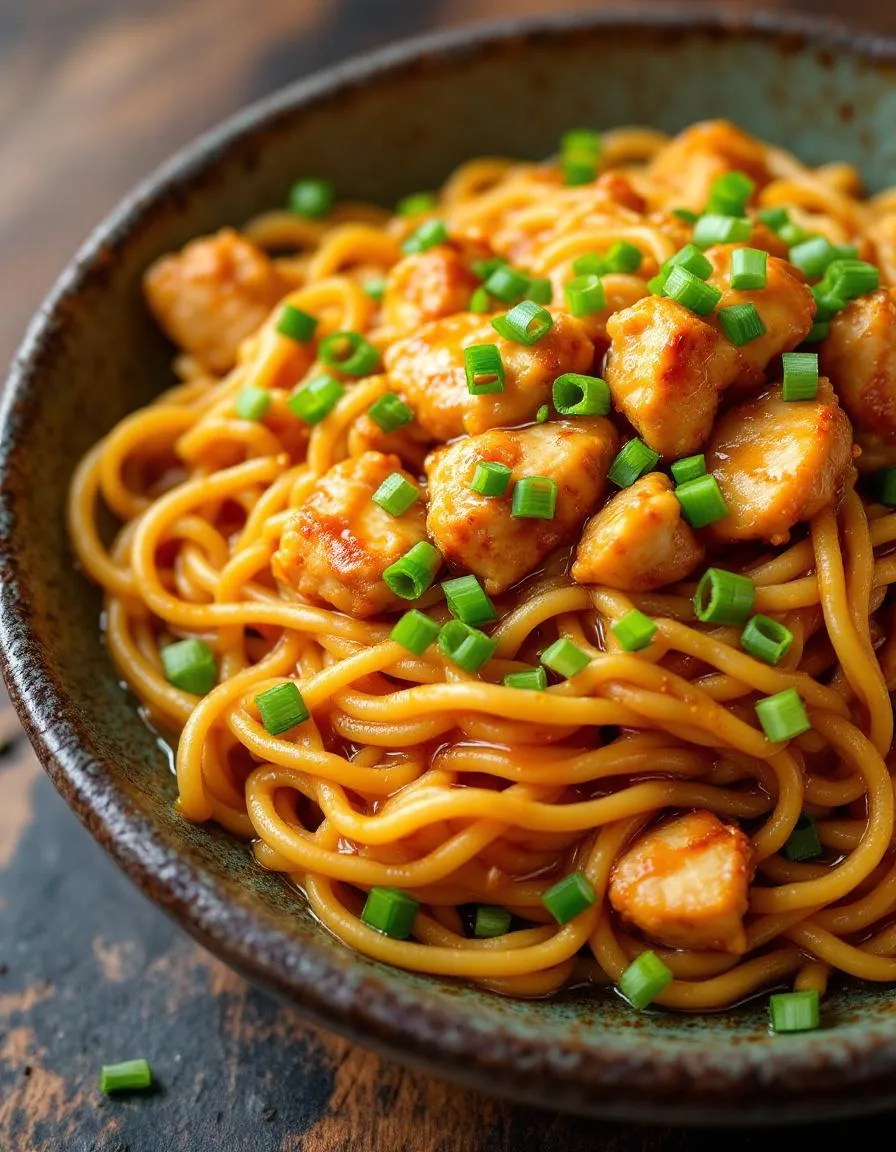
Easy One-Pot Honey Garlic Chicken Noodles Recipe
Introduction
Craving a meal that’s cozy, quick, and packed with flavor? Look no further than this Flavorful One-Pot Honey Garlic Chicken Noodles recipe. Whether you’re juggling a busy schedule or simply want a fuss-free dinner that tastes like a hug in a bowl, this dish delivers. Imagine tender chicken, glossy noodles, and a sweet-savory honey garlic sauce all coming together in one pot—minimal cleanup, maximum satisfaction. Trust me, after one bite, you’ll wonder how you ever lived without it.
Flavorful One-Pot Honey Garlic Chicken Noodles is the ultimate weeknight hero. It combines juicy chicken thighs, chewy noodles, and a sticky-sweet garlic sauce that clings to every bite. Unlike complicated recipes that leave you with a sink full of dishes, this one-pot wonder simplifies cooking without sacrificing taste. Plus, it’s versatile enough to adapt to your pantry staples—swap veggies or proteins as needed. If you love bold flavors and easy cleanup, this recipe fits right into your rotation. For more one-pot magic, try our Creamy Tuscan Chicken Pasta or explore our 30-Minute Meals collection for speedy inspiration.
Why I Love This Recipe
This Flavorful One-Pot Honey Garlic Chicken Noodles recipe holds a special place in my heart because it’s my go-to comfort food on hectic days. I first whipped it up during a chaotic week when takeout wasn’t an option, and it instantly became a family favorite. The way the honey caramelizes with the garlic reminds me of my grandma’s cooking, but with a modern, effortless twist. Even better, my kids devour it every time—proof that delicious doesn’t have to mean complicated. It’s the kind of meal that feels like a warm embrace, and I hope it does the same for you.
Health and Nutrition
Why it’s good for your body
Flavorful One-Pot Honey Garlic Chicken Noodles packs a nutritious punch while delighting your taste buds. First, the lean chicken breast provides high-quality protein to support muscle repair and keep you full longer. Additionally, the honey garlic sauce offers antioxidants and anti-inflammatory benefits, thanks to raw honey and fresh garlic. Meanwhile, the whole wheat noodles deliver fiber for better digestion and steady energy levels.
Moreover, this dish balances macronutrients perfectly. The protein from chicken, complex carbs from noodles, and healthy fats from olive oil create a satisfying meal. Furthermore, the colorful veggies like carrots and bell peppers add vitamins A and C, boosting immunity and skin health. Since Flavorful One-Pot Honey Garlic Chicken Noodles uses minimal processed ingredients, you avoid unnecessary additives.
Finally, the natural sweetness of honey reduces the need for refined sugar. As a result, you enjoy a flavorful dish without blood sugar spikes. Whether you need a post-workout meal or a cozy dinner, Flavorful One-Pot Honey Garlic Chicken Noodles nourishes your body from the inside out.
How it fits in a healthy lifestyle
Flavorful One-Pot Honey Garlic Chicken Noodles fits seamlessly into a balanced diet. If you prioritize high-protein meals, the chicken delivers 30 grams per serving, making it ideal for fitness goals. For those watching carbs, simply swap whole wheat noodles for zucchini spirals or gluten-free pasta. Either way, you keep the dish light yet satisfying.
This recipe also aligns with heart-healthy eating. Olive oil and garlic support cardiovascular health, while the absence of heavy creams keeps saturated fat low. Plus, cooking everything in one pot saves time, so you stick to wholesome meals even on busy nights. If you love meal prepping, Flavorful One-Pot Honey Garlic Chicken Noodles stores well for quick lunches. For more gluten-free ideas, check out our gluten-free dinner options. Or, if you’re balancing macros, explore our high-protein meals for extra inspiration.
A delicious and easy one-pot meal featuring tender chicken, noodles, and a sweet and savory honey garlic sauce.
Ingredients
Scale
For the Crust:
1 lb boneless, skinless chicken breasts, diced
8 oz egg noodles
3 cloves garlic, minced
1/4 cup honey
3 tbsp soy sauce
2 tbsp olive oil
1/2 tsp red pepper flakes
1/2 tsp black pepper
1/2 tsp salt
2 cups chicken broth
1 tbsp cornstarch
2 tbsp water
2 green onions, sliced
Instructions
1. Prepare the Crust:
Heat olive oil in a large pot over medium-high heat. Add diced chicken and cook until browned, about 5-6 minutes.
Add minced garlic, red pepper flakes, black pepper, and salt. Stir and cook for 1 minute until fragrant.
Pour in chicken broth, honey, and soy sauce. Stir well to combine.
Add egg noodles to the pot, ensuring they are submerged in the liquid. Bring to a boil, then reduce heat to low and simmer for 8-10 minutes, stirring occasionally, until noodles are tender.
In a small bowl, mix cornstarch and water to create a slurry. Stir into the pot and cook for 1-2 minutes until sauce thickens.
Garnish with sliced green onions before serving.
Notes
You can customize the seasonings to taste.
How to Prepare This Dish
Steps and time-saving tips
Start by heating a large pot over medium heat and drizzling in a tablespoon of oil. While the oil warms, season your chicken with salt and pepper, then add it to the pot. Sear the chicken until golden brown, about 4 minutes per side, then set it aside. Next, toss minced garlic into the same pot and sauté until fragrant, which takes just 30 seconds. Pour in chicken broth, honey, and soy sauce, then whisk everything together until smooth. Slide the chicken back into the pot, cover, and let it simmer for 15 minutes. Meanwhile, prep your noodles by rinsing them under cold water to prevent sticking. Once the chicken cooks through, stir in the noodles and let them soak up the sauce for 5 minutes. For a finishing touch, sprinkle chopped green onions and sesame seeds on top. To save time, use pre-minced garlic or a rotisserie chicken, and always keep an eye on the noodles to avoid overcooking.
Mistakes I’ve made and learned from
I once rushed the searing step and ended up with bland chicken—patience is key for that golden crust! Another time, I added the noodles too early, and they turned mushy. Now I wait until the chicken fully cooks before stirring them in. If you’re new to one-pot meals, check out my guide on perfecting one-pot meals to avoid common pitfalls. Also, balancing the honey and soy sauce can be tricky; too much honey makes it cloying, while too much soy sauce overpowers. For more tips on nailing sauces, my sauce consistency guide breaks it down. Trust me, a little trial and error leads to the best Flavorful One-Pot Honey Garlic Chicken Noodles!
Flavorful One-Pot Honey Garlic Chicken Noodles weave together the comforting simplicity of home cooking with the bold flavors of global cuisine. While the dish feels modern, its roots stretch across cultures. In China, honey garlic sauces often glaze stir-fried meats, while one-pot noodle dishes like lo mein keep weeknight dinners effortless. Meanwhile, in American kitchens, honey garlic became a staple for its sweet-savory balance, perfect for busy families.
Regional twists make this recipe even more exciting. In Thailand, cooks might add a splash of fish sauce and chili for heat. Italian versions could swap noodles for pasta and finish with Parmesan. My grandma, however, always tossed in extra veggies from her garden, turning Flavorful One-Pot Honey Garlic Chicken Noodles into a colorful, hearty meal. No matter where it’s made, the dish adapts beautifully to local tastes.
ays-cooking">How it fits in today’s cooking
Today, Flavorful One-Pot Honey Garlic Chicken Noodles shine as a go-to for fast, satisfying meals. Busy parents love it for its minimal cleanup, while meal preppers appreciate how well it reheats. Plus, it’s versatile—swap chicken for tofu or use gluten-free noodles without losing flavor. For more easy dinner ideas, check out our quick weeknight meals collection.
The dish also fits seasonal trends. In fall, add roasted squash for warmth. Summer calls for fresh herbs and a squeeze of lime. Whether you’re cooking for a crowd or just yourself, this recipe adapts. And if you’re craving more comfort food, our cozy winter recipes roundup has plenty of inspiration. One thing’s certain: Flavorful One-Pot Honey Garlic Chicken Noodles aren’t going anywhere.
Taste and Texture
What makes it delicious
Flavorful One-Pot Honey Garlic Chicken Noodles deliver a mouthwatering balance of sweet, savory, and umami notes. The honey caramelizes into a sticky glaze, coating tender chicken and chewy noodles with a rich, golden depth. Meanwhile, garlic infuses every bite with its warm, aromatic punch, while a splash of soy sauce adds a salty complexity. As you take a forkful, the textures play perfectly together—silky noodles, juicy chicken, and crisp-tender veggies create a satisfying contrast. Best of all, the dish smells irresistible as it simmers, filling your kitchen with the comforting scent of garlic and honey. Flavorful One-Pot Honey Garlic Chicken Noodles truly shine because each ingredient brings its own magic to the pot.
r">Boosting the flavor
Want to take your Flavorful One-Pot Honey Garlic Chicken Noodles to the next level? Try swapping regular noodles for udon or ramen to add extra chewiness. For a spicy kick, stir in sriracha or red pepper flakes while cooking. Toasted sesame seeds or chopped green onions make fresh, crunchy toppings that brighten each bite. If you love bold flavors, a drizzle of ginger sesame dressing adds zingy depth. Pair it with a side of garlic chili oil noodles for an extra garlicky twist. Small tweaks can transform this dish into something even more unforgettable.
Tips for Success
Best practices for results
First, always use fresh garlic and high-quality honey for the best flavor in your Flavorful One-Pot Honey Garlic Chicken Noodles. Next, brown the chicken well before adding liquids to lock in juices and deepen the taste. Meanwhile, stir the noodles frequently to prevent sticking and ensure even cooking. Additionally, let the dish rest for 5 minutes after cooking so the sauce thickens perfectly. Finally, taste and adjust seasoning just before serving for a balanced result every time.
>Mistakes to avoid
Avoid overcrowding the pot with ingredients, as this steams the chicken instead of browning it. Instead, cook in batches if needed for better texture. Also, don’t skip deglazing the pan after browning the chicken—those browned bits add incredible depth to your Flavorful One-Pot Honey Garlic Chicken Noodles. For more on perfecting one-pot meals, check out our guide to one-pot cooking tips. Lastly, resist overcooking the noodles; they’ll soften further as the dish rests. If you’re unsure about timing, our pasta doneness guide has helpful visual cues.
Serving and Pairing Suggestions
How to serve this dish
Flavorful One-Pot Honey Garlic Chicken Noodles shine when served fresh and steaming hot. For a cozy family dinner, scoop generous portions into wide, shallow bowls to showcase the glossy sauce and tender chicken. Alternatively, elevate weeknight meals by garnishing with chopped scallions, sesame seeds, or a sprinkle of red pepper flakes for a pop of color. Meanwhile, this dish also makes a fantastic centerpiece for potlucks or casual gatherings—simply transfer it to a large serving dish and let guests help themselves. If you love effortless entertaining, pair it with a simple side salad for a balanced spread.
What goes well with it
For a refreshing contrast, serve Flavorful One-Pot Honey Garlic Chicken Noodles with a crisp Asian-inspired cucumber salad. The cool crunch balances the rich, savory-sweet flavors perfectly. Additionally, a side of garlic butter roasted broccoli adds earthy depth while keeping the meal wholesome. When it comes to drinks, a citrusy white wine like Sauvignon Blanc or a light lager enhances the dish’s brightness. For dessert, consider ending the meal with a slice of decadent chocolate lava cake or a scoop of homemade vanilla bean ice cream to round out the experience.
Can I use frozen chicken for Flavorful One-Pot Honey Garlic Chicken Noodles?
Yes, you can use frozen chicken, but thaw it completely first for even cooking. Flavorful One-Pot Honey Garlic Chicken Noodles turn out best when the chicken sears properly, which requires thawed meat. Pat the chicken dry before cooking to avoid excess moisture.
What type of noodles work best for Flavorful One-Pot Honey Garlic Chicken Noodles?
Egg noodles or fettuccine work best because they hold the honey garlic sauce well. For a healthier twist, try whole wheat or rice noodles in your Flavorful One-Pot Honey Garlic Chicken Noodles. Avoid overly delicate noodles like angel hair, as they may break during stirring.
ank-math-faq-item">
How can I make this dish spicier?
Add red pepper flakes or sriracha to the honey garlic sauce for heat. You can also sauté fresh chili peppers with the garlic to infuse the Flavorful One-Pot Honey Garlic Chicken Noodles with spice. Adjust the amount gradually to avoid overpowering the sweet-savory balance.
Can I substitute honey with another sweetener?
Maple syrup or agave nectar work as honey substitutes, but the flavor will vary slightly. Brown sugar also works in a pinch for Flavorful One-Pot Honey Garlic Chicken Noodles, though you may need to adjust the liquid content. Avoid artificial sweeteners, as they won’t caramelize properly.