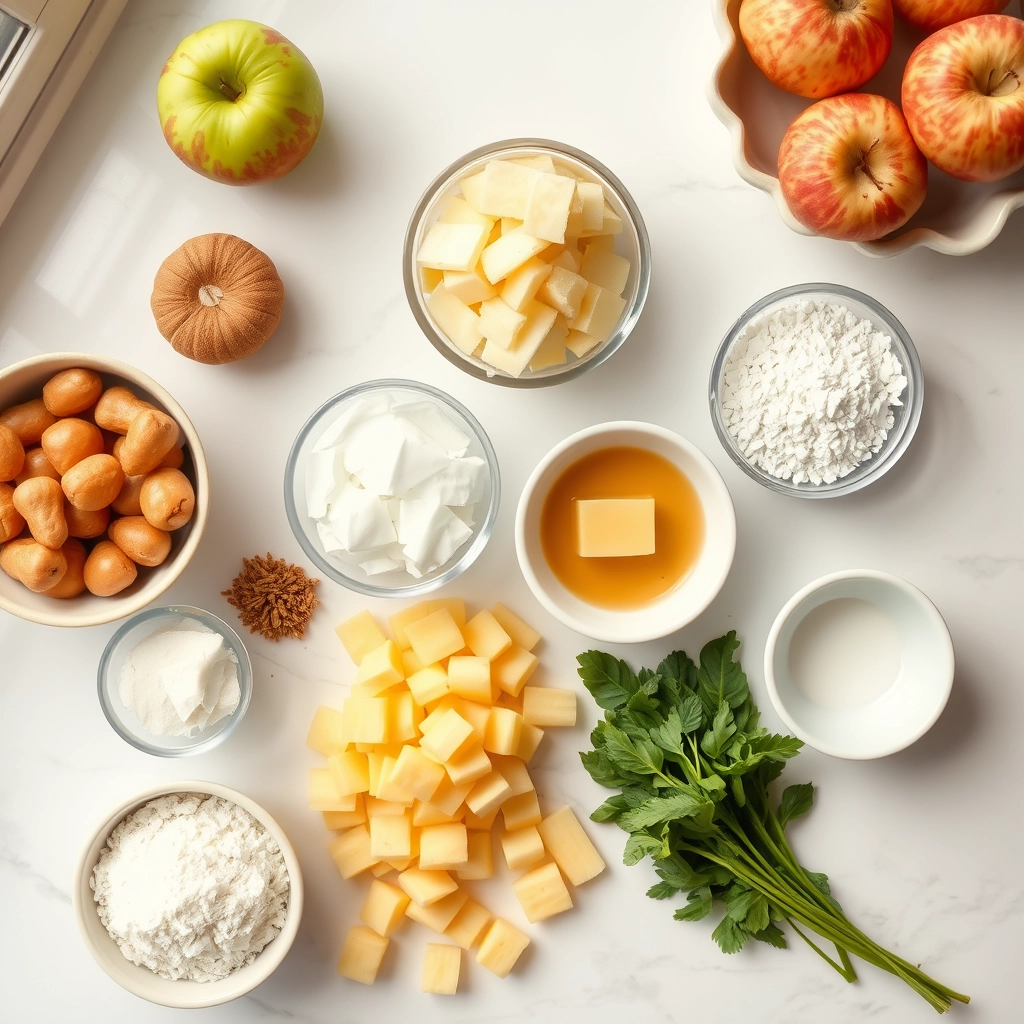
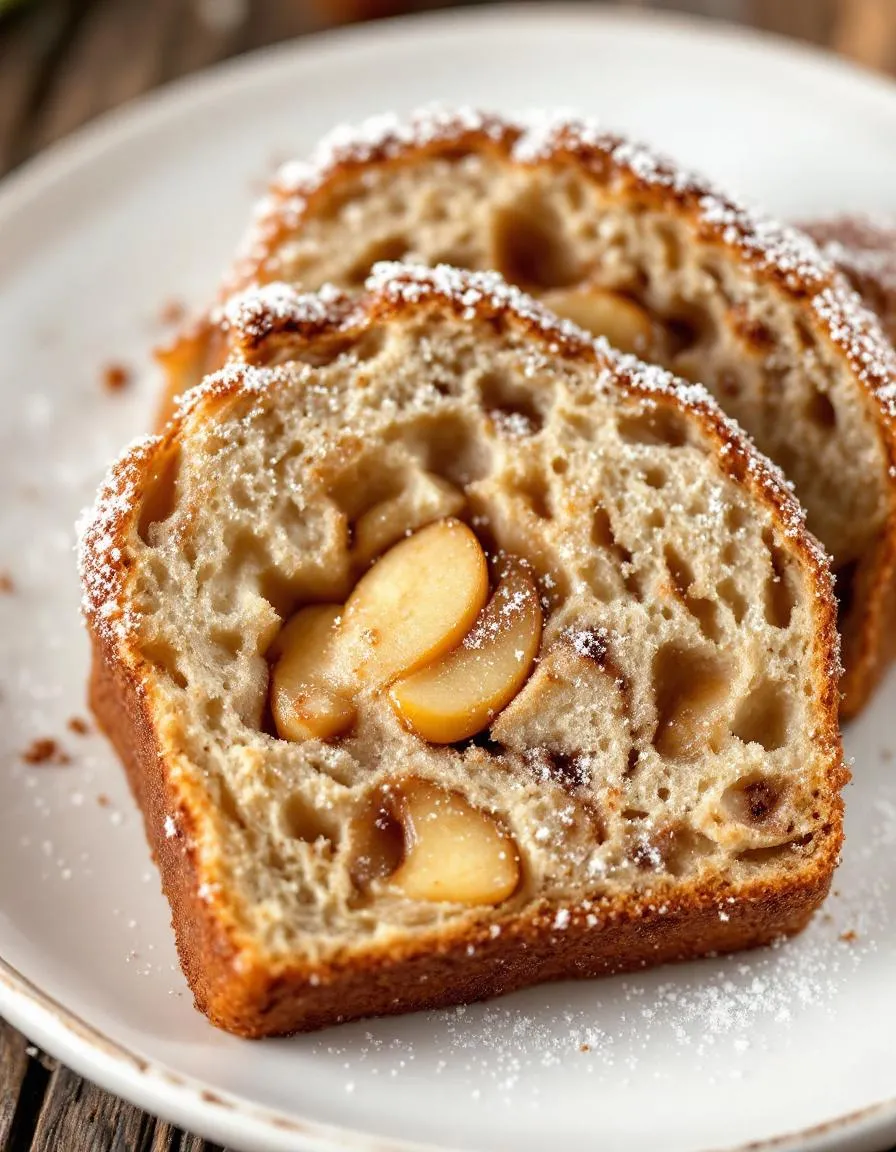
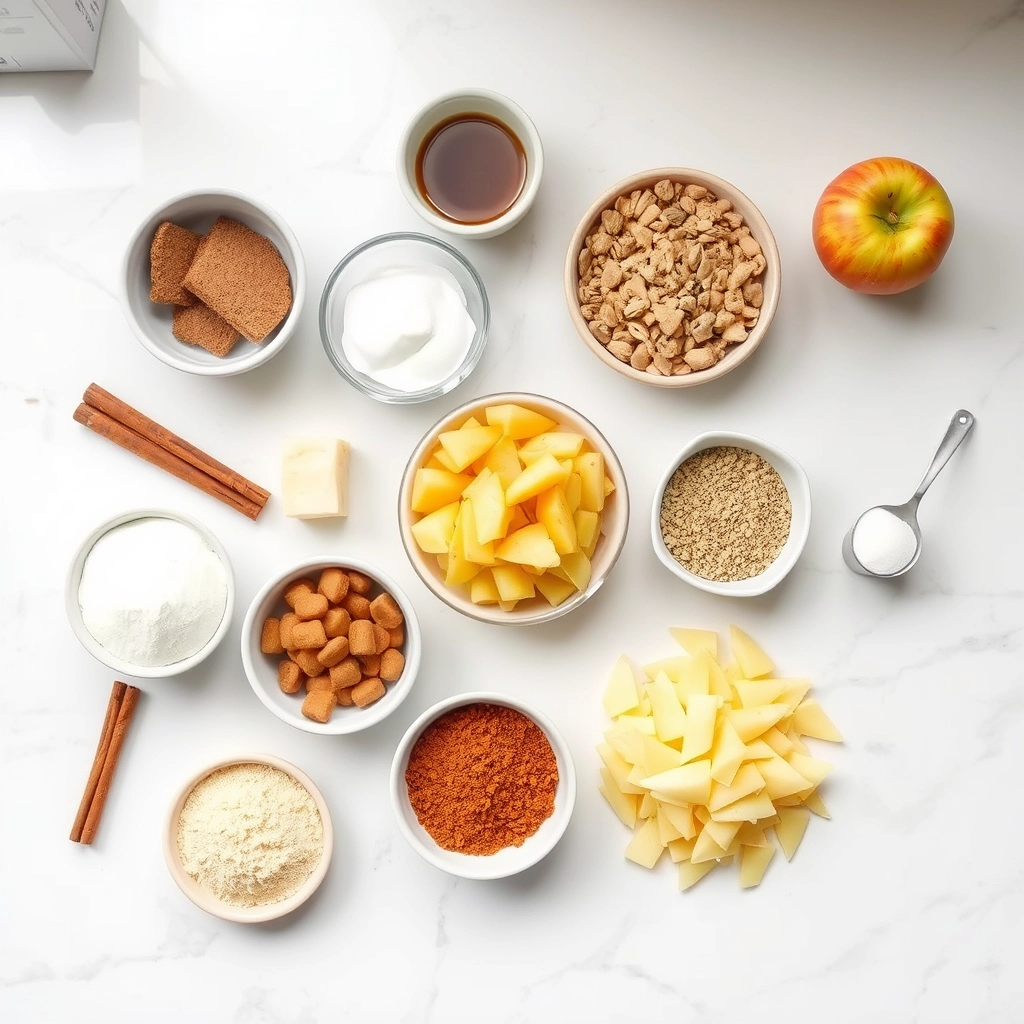
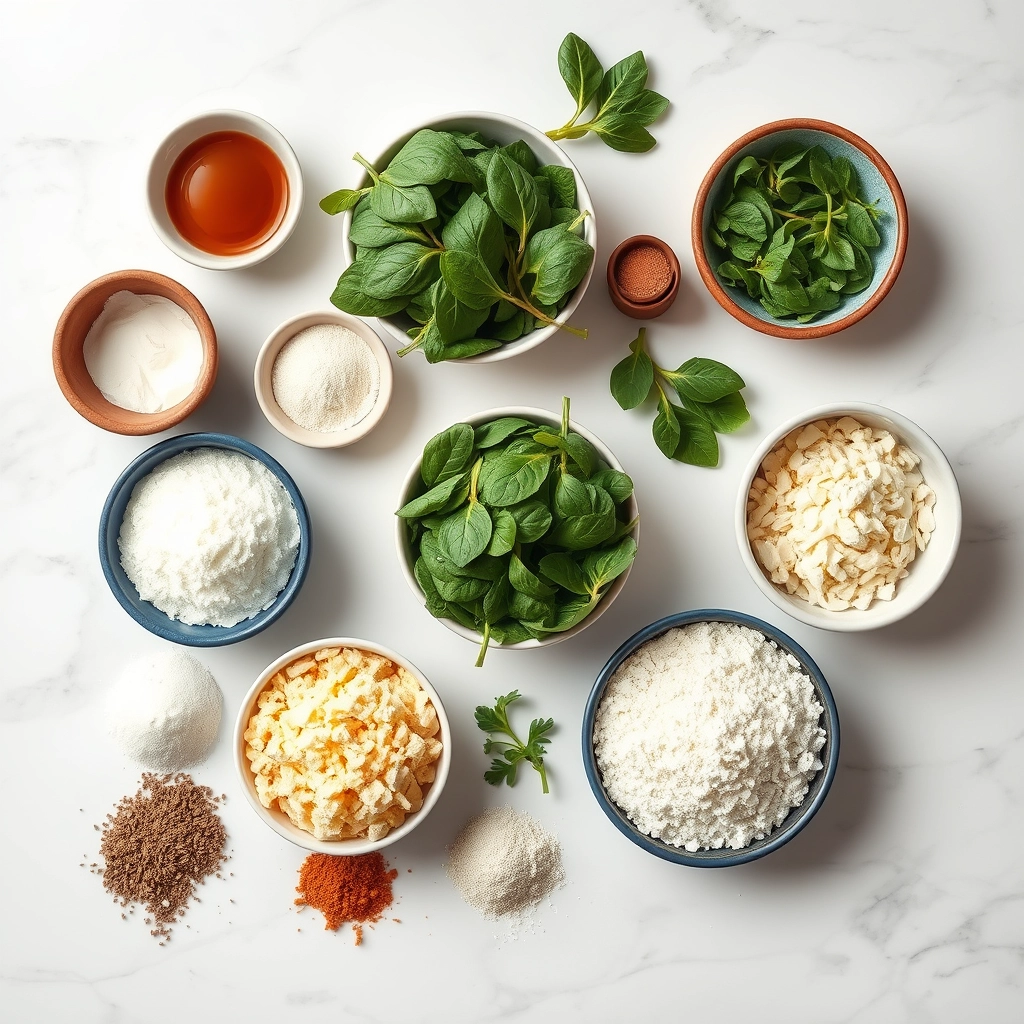
Is there anything more comforting than a warm, creamy bowl of pasta on a crisp evening? Honestly, we think not. This recipe for Creamy Butternut Squash Pasta with Sausage and Spinach delivers that exact feeling of cozy satisfaction in every single bite. Furthermore, it transforms simple, wholesome ingredients into a spectacular one-pan meal that your entire family will adore. Ultimately, it is the perfect dish to bridge the gap between busy weeknights and your desire for something truly delicious and nourishing.
This Creamy Butternut Squash Pasta with Sausage and Spinach is a quintessential fall and winter comfort food. Essentially, it combines sweet, roasted butternut squash puree with savory Italian sausage, tender pasta, and fresh spinach. The result is a luxuriously creamy sauce without needing heavy cream, making it a somewhat lighter yet incredibly indulgent-tasting dish. This recipe matters because it solves the eternal dilemma of what to cook that feels special but doesn’t require hours in the kitchen. It fits our blog’s tone perfectly as we champion approachable, flavor-packed recipes that use smart techniques. For instance, roasting the squash first deepens its flavor, a simple step that makes a monumental difference. Moreover, this one-pan wonder simplifies cleanup, which is a victory we always celebrate. If you enjoy this style of cooking, you might also love our collection of easy one-pan meals that are perfect for any night of the week. The beauty of this Creamy Butternut Squash Pasta with Sausage and Spinach lies in its balance; the hearty sausage complements the sweet squash, while the spinach adds a pop of color and nutrition. Finally, it is a complete meal that feels restaurant-quality but is absolutely achievable for any home cook looking to expand their weeknight dinner ideas repertoire.
Why I Love This Recipe
I have a deep personal connection to this Creamy Butternut Squash Pasta with Sausage and Spinach because it was the first meal I truly mastered after moving into my own apartment. Specifically, it taught me how roasting vegetables could fundamentally change a dish and how a few quality ingredients can create magic. Now, I make it every year when the air turns chilly; it signals the start of sweater weather and cozy nights in. The aroma of sage and sausage filling my kitchen instantly brings me comfort and a sense of home.
Health and Nutrition
Why it’s good for your body
This Creamy Butternut Squash Pasta with Sausage and Spinach delivers a powerful nutritional punch. First, the vibrant orange squash provides a huge dose of vitamin A, which actively supports your immune system and eye health. Moreover, the spinach wilts down into an iron-rich addition that helps your blood carry oxygen efficiently.
Additionally, the dish offers a fantastic balance of macronutrients to keep you satisfied. The sausage contributes high-quality protein for muscle repair, while the complex carbohydrates from the pasta supply steady energy. Consequently, you avoid the sharp blood sugar spikes that simpler meals can cause.
Furthermore, the creamy sauce cleverly uses the natural sweetness and fiber of the butternut squash itself. Therefore, you enjoy a luxuriously rich texture without needing heavy cream. Ultimately, this Creamy Butternut Squash Pasta with Sausage and Spinach proves that comfort food can also be incredibly wholesome and nourishing for your entire body.
How it fits in a healthy lifestyle
This Creamy Butternut Squash Pasta with Sausage and Spinach fits beautifully into a balanced eating plan. You can easily adapt it to meet specific goals, like using a whole-grain or legume-based pasta for extra fiber and a gluten-free option. The combination of protein, fat, and complex carbs makes it a complete meal that promotes lasting fullness, helping you manage portions naturally.
For those focused on heart-healthy choices, selecting a lean chicken or turkey sausage works perfectly. This one-dish wonder also simplifies your weeknight routine, proving that healthy eating doesn’t require complicated recipes. If you love this approach to mealtime, explore more ideas in our guide to easy weekly meal prep. For another dinner that balances nutrition and flavor effortlessly, try our popular One Pan Lemon Herb Salmon.
A comforting and creamy pasta dish featuring roasted butternut squash, savory sausage, and fresh spinach in a velvety sauce.
Ingredients
Scale
For the Crust:
1 lb butternut squash, peeled and cubed
12 oz pasta (such as penne or rigatoni)
1 lb Italian sausage, casings removed
4 cups fresh spinach
1 small onion, diced
3 cloves garlic, minced
1 cup heavy cream
1/2 cup grated Parmesan cheese
2 tbsp olive oil
1 tsp dried sage
Salt and pepper to taste
Instructions
1. Prepare the Crust:
Preheat oven to 400°F. Toss butternut squash with 1 tbsp olive oil, sage, salt, and pepper. Roast for 25 minutes or until tender.
Cook pasta according to package directions. Reserve 1/2 cup pasta water before draining.
In a large skillet, brown sausage over medium heat, breaking it into crumbles. Remove and set aside.
In the same skillet, sauté onion until soft. Add garlic and cook for 1 minute.
Add roasted squash and mash slightly. Stir in cream and Parmesan until smooth.
Add cooked pasta, sausage, and spinach. Toss until spinach wilts and everything is coated. Use reserved pasta water to adjust consistency if needed.
Season with salt and pepper to taste. Serve immediately.
Notes
You can customize the seasonings to taste.
s-dish">How to Prepare This Dish
Steps and time-saving tips
First, get your water boiling for the pasta. Generously salt it just like seawater. Meanwhile, brown your sausage in a large, deep skillet over medium-high heat. Break it into small crumbles with your spoon for the perfect bite. Once it’s cooked through, transfer the sausage to a plate, but leave that delicious rendered fat behind. Next, toss your diced butternut squash into the same skillet. Sauté the squash until it just begins to soften. This step builds incredible flavor. Now, add your minced garlic and stir for one minute until fragrant. Pour in the chicken broth and bring everything to a simmer. Let the squash cook until it becomes completely tender. This usually takes about ten minutes. Then, reduce the heat to low and stir in the cream and grated parmesan. Let your sauce gently thicken for a few minutes. Finally, add your fresh spinach and fold it into the warm sauce until it wilts. Return the cooked sausage and al dente pasta to the skillet. Toss everything together until each piece of pasta is luxuriously coated in the creamy butternut squash sauce. Serve immediately with an extra sprinkle of parmesan. For a huge time-saver, use pre-diced butternut squash from the produce section.
Mistakes I’ve made and learned from
I have absolutely made this Creamy Butternut Squash Pasta with Sausage and Spinach too watery before. My mistake was not letting the sauce reduce enough after adding the liquid. The result was a soupy mess that didn’t cling to the pasta. Now, I patiently let the broth simmer and cook down with the squash, which concentrates the flavor and prevents a watery sauce. Another error was overcooking the spinach, turning it a sad, mushy green. I learned to wilt it at the very end, just before serving. Getting the pasta right is also crucial; I once used the wrong kind and the dish suffered. For a perfect al dente bite every time, I follow my guide for how to cook pasta. And if you’re wondering what to serve alongside this hearty meal, my list of easy side dishes has some fantastic pairings that complete the dinner perfectly.
n-and-variations">Cultural Connection and Variations
Where this recipe comes from
This dish feels like a warm hug from an Italian nonna who decided to take a fall trip through New England. Fundamentally, we build it on the backbone of a classic Italian pasta sauce. However, instead of tomatoes, we use roasted butternut squash to create a velvety, naturally sweet base. Consequently, it captures the essence of autumnal comfort in a single bowl. My family often prepares this recipe for our Sunday supper gatherings. Meanwhile, in different regions, cooks might swap the sausage for spicy ‘nduja in Calabria or perhaps use pumpkin and a touch of cream in the north.
Ultimately, the beauty of this meal lies in its adaptability. For instance, some families might stir in crispy sage leaves for an earthy note. Alternatively, others may top it with toasted breadcrumbs for a delightful crunch. This particular version of Creamy Butternut Squash Pasta with Sausage and Spinach is my personal homage to the season. Therefore, every bite tells a story of harvest abundance and cozy family kitchens.
How it fits in today’s cooking
This pasta dish absolutely thrives in modern meal routines. It perfectly fits our desire for hearty, vegetable-forward meals that don’t sacrifice an ounce of comfort. Busy weeknights demand satisfying dishes that come together quickly. Fortunately, this one delivers immense flavor without requiring hours of simmering. Moreover, it makes fantastic use of seasonal produce, which aligns perfectly with today’s farm-to-table ethos.
Many contemporary cooks
love adapting it for various diets. For example, they might use plant-based sausage and nutritional yeast to create a vegan version. Others might serve it as the stunning centerpiece for a Friendsgiving feast. If you’re looking for another fantastic way to use seasonal squash, you must try these Butternut Squash Muffins for a sweet start to your day. Furthermore, this creamy pasta seamlessly fits into a rotation of comforting dinners, much like a classic Easy Chicken Pot Pie. Ultimately, it proves that some flavors are truly timeless.
Taste and Texture
What makes it delicious
This Creamy Butternut Squash Pasta with Sausage and Spinach delivers a truly comforting experience. First, you notice the savory, aromatic scent of sage and garlic wafting from the pan. Each forkful combines silky, smooth pasta coated in a luxuriously creamy sauce that is subtly sweet from the roasted squash. Consequently, the Italian sausage provides a robust, savory depth and a satisfyingly chewy texture that contrasts beautifully with the tender pasta. Meanwhile, fresh spinach wilts into the sauce, adding a mild, earthy note and a pop of vibrant green color. Ultimately, the overall sensation is one of rich, hearty comfort with a perfect balance of sweet, savory, and herbal flavors in every single bite.
Boosting the flavor
You can easily elevate your Creamy Butternut Squash Pasta with Sausage and Spinach with a few clever tweaks. For instance, try swapping the sausage for spicy Italian chicken sausage to add a pleasant kick of heat. Furthermore, a final sprinkle of toasted pine nuts or crispy breadcrumbs right before serving introduces a wonderful crunchy texture. Similarly, a drizzle of high-quality extra virgin olive oil or a squeeze of fresh lemon juice can brighten the entire dish. For more inspiration on building flavor, explore our guide on how to balance flavors. Additionally, consider stirring in a spoonful of homemade pesto for a fresh, herby twist that complements the squash perfectly.
Always use a high-quality, heavy-bottomed pot to cook your sauce because it will distribute heat evenly and prevent scorching. Furthermore, reserve a cup of the starchy pasta water before you drain the noodles; you can then use it to thin your sauce to the perfect, silky consistency. For the best flavor, make sure you properly brown the sausage in the pan before adding other ingredients, as this step builds a delicious foundation. Additionally, use freshly grated parmesan cheese for your Creamy Butternut Squash Pasta with Sausage and Spinach, since pre-shredded varieties often contain anti-caking agents that can make your sauce grainy.
Mistakes to avoid
A common mistake is overcooking the squash, which can make it watery and dilute the sauce. Instead, cook it until it is just fork-tender for the best texture and flavor. Moreover, avoid adding all the spinach at once, as it will steam rather than wilt; instead, add it in batches for perfect results. Many cooks also forget to season their cooking water adequately, which is a simple step that makes a huge difference in the final dish. For more guidance on getting this right, read our guide on how to salt pasta water. Finally, do not skip toasting your pine nuts, as this unlocks their essential nutty flavor that elevates the entire meal; our tips on toasting nuts and seeds will ensure you never burn them again.
g-suggestions">Serving and Pairing Suggestions
How to serve this dish
Immediately serve this Creamy Butternut Squash Pasta with Sausage and Spinach while it is still warm for the best texture. For a beautiful presentation, twirl the pasta into a nest-like mound on wide, shallow bowls. Consequently, this technique showcases the vibrant sauce and colorful ingredients. Garnish each plate with an extra sprinkle of Parmesan cheese and a few fresh sage leaves for a touch of elegance. Furthermore, this dish truly shines as a cozy weeknight dinner centerpiece, yet it also makes a stunning addition to any holiday potluck or Friendsgiving table.
What goes well with it
A crisp, acidic side salad perfectly cuts through the rich creaminess of this pasta. For instance, our classic Italian Salad Dressing tossed with mixed greens offers a refreshing, tangy contrast. Additionally, a slice of crusty artisan bread is essential for scooping up every last bit of the delicious sauce. Moreover, a chilled glass of Pinot Grigio or a light-bodied Chardonnay complements the savory sausage and earthy squash notes beautifully. Finally, for a non-alcoholic option, sparkling apple cider with a cinnamon sugar rim provides a sweet and festive pairing.
Alternatively, you can complete your meal with a simple, elegant dessert. A light, fruit-forward option like our Lemon Ricotta Cake provides a sweet and zesty finish that doesn’t feel too heavy after such a satisfying main course.
Can I make creamy butternut squash pasta with sausage and spinach ahead of time?
Yes, you can prepare this dish ahead of time. Assemble the creamy butternut squash pasta and store it in an airtight container in the refrigerator for up to 2 days. Reheat it gently on the stovetop with a splash of milk or cream to restore the sauce’s creamy consistency.
What kind of sausage is best for butternut squash pasta?
Italian sausage, either sweet or spicy, is the most popular choice for this recipe. The fennel and herbs in Italian sausage complement the sweetness of the squash beautifully. You can also use chicken or turkey sausage for a lighter version of this creamy butternut squash pasta with sausage and spinach.
ank-math-faq-item">
How do you thicken creamy butternut squash pasta sauce?
The natural starch from the butternut squash puree is the primary thickener. For an even richer and thicker sauce, simmer it uncovered to reduce, or add a tablespoon of grated Parmesan cheese. The pasta water you reserve is also key for adjusting the final consistency of your creamy butternut squash pasta with sausage and spinach.
Can I use frozen butternut squash instead of fresh?
Absolutely. Using frozen cubed butternut squash is a great time-saver. Simply roast or boil the frozen cubes until they are very tender, then puree them as you would with fresh squash. This shortcut delivers the same delicious flavor for your creamy pasta dish.
Easy Mini Apple Pie Recipe – Homemade and Delicious
Introduction
There is something truly magical about the scent of baking apples and cinnamon wafting through your kitchen. It instantly wraps you in a warm, comforting hug, evoking memories of family gatherings and joyful celebrations. This Mini Apple Pie Recipe captures that entire feeling in one perfect, handheld bite. Furthermore, it offers a delightful solution for anyone craving a personal dessert without the commitment of a whole pie. Ultimately, these charming mini pies bring a big dose of happiness to any occasion.
So what exactly is this Mini Apple Pie Recipe? Essentially, it is a classic American dessert reimagined into adorable individual portions. Each mini pie features a flaky, buttery crust that encases a warmly spiced, sweet apple filling. This recipe matters because it delivers all the nostalgic flavor of a traditional apple pie but in a fun, convenient, and shareable format. Moreover, it is incredibly versatile, making it ideal for parties, holiday dessert tables, or a simple weeknight treat. This approachable recipe fits our blog’s tone perfectly, as we always strive to deliver tested, reliable, and utterly delicious recipes for home cooks of every skill level. For instance, if you love this concept, you might also enjoy our other creative takes on classics, like our Mini Pumpkin Pies. Additionally, mastering a simple pastry crust is a fundamental skill that opens the door to countless desserts, and this recipe provides a fantastic practice opportunity. Consequently, you can feel confident serving these mini pies to guests, as they are always a crowd-pleaser.
Why I Love This Recipe
I absolutely love this Mini Apple Pie Recipe because it reminds me of baking with my grandmother. She always made a huge apple pie for Sunday dinners, and while I adored it, I often wished for my own little pie to enjoy. Now, I get to create that special feeling for my own family. I appreciate how this recipe lets everyone have their own perfectly crafted dessert, and I genuinely enjoy seeing the smiles on my kids’ faces when they get their very own pie. It turns a simple dessert into a personal celebration.
Health and Nutrition
Why it’s good for your body
This Mini Apple Pie Recipe offers a delightful way to enjoy a classic dessert while also giving your body some valuable nutrients. First and foremost, apples provide a fantastic source of dietary fiber and vitamin C. Consequently, this fiber supports healthy digestion and helps you feel satisfied. Moreover, the cinnamon in this recipe does more than just add warmth and spice; it also possesses natural anti-inflammatory properties.
Additionally, when you prepare this Mini Apple Pie Recipe yourself, you control the ingredients. You can significantly reduce refined sugars compared to store-bought versions, for instance. Furthermore, apples bring antioxidants to the table, which actively help protect your cells from damage. Ultimately, this treat combines wholesome ingredients that contribute to your overall well-being. Therefore, enjoying this Mini Apple Pie Recipe means you are indulging in a dessert that truly loves you back.
How it fits in a healthy lifestyle
This mini apple pie recipe perfectly aligns with a balanced approach to eating. Its portion-controlled nature is a key advantage, helping you manage calories and enjoy dessert without overindulging. You can easily incorporate it into your day as a mindful afternoon treat or a satisfying end to a nutritious meal.
For those with specific dietary goals, this recipe is wonderfully adaptable. You can use whole wheat flour or a 1:1 gluten-free baking blend to make it gluten-free. If you are exploring a more plant-based lifestyle, you will find that our guide to vegan baking substitutions offers excellent alternatives for the butter. Remember, healthy living is about the choices you make most of the time. Enjoying a wholesome, homemade dessert like this allows for celebration without derailment. For more inspiration on balancing your meals, check out our tips for crafting a perfectly balanced weekly meal prep plan.
Delicious individual-sized apple pies with a flaky crust and warm cinnamon-spiced filling.
Ingredients
Scale
For the Crust:
2 medium apples, peeled and diced
1/4 cup granulated sugar
1 tsp ground cinnamon
1/4 tsp nutmeg
1 tbsp lemon juice
1 package refrigerated pie crusts
2 tbsp unsalted butter, cubed
1 egg, beaten (for egg wash)
1 tbsp coarse sugar (for topping)
Instructions
1. Prepare the Crust:
Preheat oven to 375°F (190°C) and grease a muffin tin.
In a bowl, mix diced apples, granulated sugar, cinnamon, nutmeg, and lemon juice.
Roll out pie crusts and cut into circles to fit muffin tin cups.
Press crust circles into muffin tin, fill with apple mixture, and top with butter cubes.
Cut smaller crust circles or lattice strips for tops, seal edges, brush with egg wash, and sprinkle with coarse sugar.
Bake for 20-25 minutes until golden brown. Cool before serving.
Notes
You can customize the seasonings to taste.
How to Prepare This Dish
Steps and time-saving tips
First, gather all your ingredients for this Mini Apple Pie Recipe. This prep step saves you from scrambling later. Next, whisk your dry ingredients together in a large bowl. Meanwhile, use a box grater to quickly shred your cold butter directly into the flour mixture. This little trick creates perfect, pea-sized crumbs without dirtying a pastry cutter. Then, sprinkle ice water over the mixture and gently fold it with a spatula just until a shaggy dough forms. Overworking is the enemy of a flaky crust, so show it some restraint. After that, divide the dough in half, shape into discs, and chill. While the dough rests, pivot to your filling. Toss thinly sliced apples with sugar, spices, and a squeeze of lemon juice. Using a mandoline slicer ensures uniform apple pieces that cook evenly, which is a major time-saver. Finally, roll out your dough, cut circles, and press them into your muffin tin. Fill each cup generously, top with a lattice or a full crust, and brush with an egg wash. Bake until your kitchen smells incredible and the tops are a beautiful golden brown. Let them cool slightly before serving, as the filling will be molten hot.
and-learned-from">Mistakes I’ve made and learned from
I have definitely learned a few lessons the hard way with this Mini Apple Pie Recipe. My biggest mistake was using the wrong apples. I once grabbed Red Delicious, and they turned into a flavorless, mushy mess. Now, I always use a firm, tart apple like Granny Smith for the best texture and taste. Another common error I made was rolling the dough too thin in a rush. This resulted in crusts that shrank dramatically and sometimes leaked filling all over my oven pan. I learned that chilling the dough thoroughly is non-negotiable for a crust that holds its shape. For more on selecting the right base for your desserts, my guide on how to choose a cake stand actually has some great tips that apply to pie presentation too. And if you’re worried about baking times, my experience with common baking mistakes and how to fix them covers how to achieve that perfect golden finish without any burnt edges.
Cultural Connection and Variations
Where this recipe comes from
Every culture, it seems, embraces some form of handheld pastry filled with fruit. Our Mini Apple Pie Recipe finds its deep roots in the grand tradition of the American classic. However, we can trace the concept of a fruit-filled pastry back through English settlers to much older European traditions. Families often pass down their own special twist, creating a beautiful tapestry of variations. My own grandmother, for instance, always added a surprising pinch of black pepper to her filling. She swore it made the apples taste more like themselves.
Across different region
s, bakers argue passionately over the perfect crust. Some champion a flaky, all-butter pastry, while others in the American South might use lard for an impossibly tender bite. The filling itself is a world of delicious debate. You might find some versions loaded with plump raisins or toasted walnuts. Others keep it purely about the apples, perhaps mixing tart Granny Smiths with sweeter Honeycrisps. This wonderful Mini Apple Pie Recipe truly is a global citizen with a very local heart.
How it fits in today’s cooking
Today, this humble treat fits perfectly into our modern lifestyle. Firstly, its individual portion size makes it an ideal dessert for gatherings or a simple weeknight treat. Consequently, home cooks love how easily they can adapt the recipe to suit dietary needs, often using gluten-free flour or natural sweeteners. They effortlessly turn this classic into a healthier option without losing any comfort.
Moreover, these mini pies have become a star at holiday parties and seasonal celebrations. For instance, they make a fantastic addition to any dessert table alongside other favorites. Similarly, their portable nature makes them a wonderful treat for picnics or as a sweet lunchbox surprise. Ultimately, this recipe remains a timeless favorite because it delivers big, familiar flavor in a perfectly personal package.
>Taste and Texture
What makes it delicious
This Mini Apple Pie Recipe delivers a symphony of comforting flavors and textures in every single bite. Firstly, you experience the wonderfully flaky and buttery crust that shatters delicately. Then, your teeth sink into the warm, tender apple filling which strikes a perfect balance between sweet and subtly tart. Fragrant spices like cinnamon and nutmeg weave through the soft fruit, creating an incredibly cozy and aromatic experience. Ultimately, this Mini Apple Pie Recipe feels like a warm hug, offering a nostalgic taste of homemade goodness that is both satisfying and delightfully light.
Boosting the flavor
You can easily elevate your dessert with a few creative twists. For instance, a drizzle of rich salted caramel sauce adds a deep, buttery sweetness that complements the spiced apples beautifully. Alternatively, consider serving your warm mini pie alongside a scoop of cold, creamy vanilla ice cream for a fantastic contrast in temperatures. Furthermore, a dollop of freshly made homemade whipped cream introduces a light, airy texture that melts wonderfully into the filling. Finally, a sprinkle of coarse sugar on the crust before baking provides a delightful crunch that everyone will love.
Tips for Success
Best practices for results
Always chill your dough for at least 30 minutes before rolling it out, as this prevents a tough crust. Furthermore, use a mix of tart and sweet apples for a more complex flavor profile in your Mini Apple Pie Recipe. For the best texture, toss your apple slices with the sugar and spices and let them macerate for 10 minutes before filling your pies. Finally, always brush the tops with an egg wash to achieve that perfect, golden-brown finish.
Mistakes to avoid
Avoid overfilling your mini pies, as the filling will bubble over and create a mess in your oven. Instead, leave a small amount of space at the top to allow for expansion. Many bakers also forget to vent the top crust, which leads to steam building up and a soggy top. Therefore, always cut a few small slits to let the steam escape properly. Additionally, using the wrong thickener can cause a runny filling; for a guaranteed perfect set, follow our guide on how to thicken apple pie filling. Similarly, ensure your butter is cold for a flaky crust by checking our tips for how to make flaky pie crust.
Serving and Pairing Suggestions
How to serve this dish
Present your Mini Apple Pie Recipe on a beautiful rustic wooden board for a charming, homestyle feel. Alternatively, arrange each mini pie on individual dessert plates for a more formal occasion. For a truly stunning presentation, dust them with a light snowfall of powdered sugar just before serving. A small scoop of vanilla bean ice cream melting over the warm pastry creates an irresistible visual and taste appeal. This Mini Apple Pie Recipe truly shines during holiday gatherings, making it a perfect bite-sized treat for your Thanksgiving or Christmas dessert table. Furthermore, these portable delights are ideal for brunch parties or as a sweet packed lunch surprise.
h-it">What goes well with it
A classic scoop of vanilla ice cream is the ultimate partner for this warm Mini Apple Pie Recipe. The cold, creamy texture wonderfully contrasts the spicy, hot apple filling. For a decadent coffee break, pair your pie with a freshly brewed cup of our signature Cinnamon Dolce Latte, as the cinnamon notes beautifully echo the warm spices in the dessert. Moreover, a sharp, tangy cheddar cheese slice offers a surprisingly perfect savory counterpoint to the sweet fruit filling. Finally, consider serving it alongside a cool, creamy dessert like our No Bake Cheesecake to give your guests a delightful choice of treats.
What are the best apples for mini apple pies?
For the best flavor and texture in your Mini Apple Pie Recipe, use a mix of firm, tart apples like Granny Smith and sweet varieties like Honeycrisp or Fuji. This combination prevents the filling from becoming too mushy and creates a perfect balance of sweet and tart flavors. Avoid using only Red Delicious apples, as they can become too soft when baked.
ank-math-faq-item">
How do you keep the bottom crust of mini apple pies from getting soggy?
To prevent a soggy bottom crust in your Mini Apple Pie Recipe, you can blind bake the crusts for 5-7 minutes before adding the filling. Another effective method is to toss your apple slices in a little flour or cornstarch, which will absorb excess juices released during baking and help thicken the filling.
Can you make mini apple pies ahead of time?
Yes, you can easily prepare mini apple pies ahead of time for convenience. Assemble the pies and keep them unbaked in the refrigerator for up to 24 hours, or freeze them for up to 3 months before baking. You can also bake them completely, let them cool, and then store them in an airtight container at room temperature for 2 days.
What is the secret to a good pie crust for mini pies?
The secret to a flaky, tender crust for your Mini Apple Pie Recipe is keeping all your ingredients very cold and handling the dough as little as possible. Use ice-cold butter or shortening and ice water, and work quickly to prevent the fat from melting. Letting the dough rest and chill in the refrigerator before rolling it out is also crucial for preventing shrinkage during baking.
div>
Easy Pumpkin Cream Cold Foam Cold Brew Recipe
Introduction
There is something truly magical about that first sip of a perfectly crafted fall beverage. It signals cozy sweaters, crisp air, and the joyful anticipation of the holiday season ahead. If you crave that iconic autumn flavor but want to skip the long coffee shop lines and high prices, you have come to the right place. Today, we are unlocking the secrets to making an incredible Pumpkin Cream Cold Foam Cold Brew Recipe right in your own kitchen. This delightful drink combines smooth, bold cold brew with a luxuriously sweet and spiced pumpkin foam for a homemade treat that truly rivals any cafe creation.
So what exactly is this beloved drink? Essentially, a Pumpkin Cream Cold Foam Cold Brew Recipe consists of two main components. First, you have a base of robust cold brew coffee, which is coffee steeped in cold water for an extended period. This process creates a less acidic and remarkably smooth coffee concentrate. Secondly, we crown this base with a dreamy, velvety pumpkin cream cold foam. We make this foam by vigorously frothing together heavy cream, milk, pumpkin puree, and a blend of warm spices like pumpkin pie spice. The final result is a visually stunning, layered drink where the rich, sweet foam slowly cascades into the crisp cold brew. Consequently, each sip delivers a perfect harmony of bold coffee and festive pumpkin flavor. This recipe matters because it empowers you to create a coffeehouse-quality experience at home, saving both money and time. Furthermore, it allows you to control the ingredients, ensuring you use real pumpkin and adjust the sweetness to your exact preference. Ultimately, this Pumpkin Cream Cold Foam Cold Brew Recipe fits our blog’s mission perfectly by transforming a seemingly complex coffee shop order into an simple, achievable, and deeply satisfying homemade ritual. For more inspiration on mastering coffee at home, explore our guide on how to make cold brew. Moreover, if you enjoy this seasonal twist, you might also love experimenting with our homemade pumpkin spice latte for another autumnal favorite.
Why I Love This Recipe
This Pumpkin Cream Cold Foam Cold Brew Recipe holds a special place in my heart because it turned my hectic mornings into a moment of peaceful indulgence. I used to feel a pang of envy every time I saw someone else holding that distinctive cup, but now I can create an even better version myself before I have even fully woken up. The ritual of making the foam and pouring it over the dark cold brew is strangely meditative. Most importantly, the taste of homemade, with its authentic spice and real pumpkin, completely outshines any syrup-laden alternative. It is my personal sign that fall has truly arrived.
Health and Nutrition
Why it’s good for your body
This Pumpkin Cream Cold Foam Cold Brew Recipe offers a surprisingly wholesome way to enjoy a seasonal favorite. For instance, cold brew coffee itself provides a smoother, less acidic caffeine boost that energizes you gently. Additionally, the pumpkin puree delivers a powerful dose of vitamin A, which actively supports healthy vision and a strong immune system.
Moreover, the warming spices like cinnamon and nutmeg do more than just add flavor; they also bring natural antioxidants to your cup. Consequently, you get a delicious drink that fights oxidative stress in your body. Furthermore, when you prepare this Pumpkin Cream Cold Foam Cold Brew Recipe at home, you control the ingredients, allowing you to skip the excessive sugars often found in coffee shop versions. Therefore, you can savor a treat that satisfies your pumpkin craving without the typical guilt.
Ultimately, this homemade approach ensures you know exactly what fuels your body. Finally, enjoying this Pumpkin Cream Cold Foam Cold Brew Recipe means you get a delightful flavor experience that also delivers genuine nutritional perks.
How it fits in a healthy lifestyle
This Pumpkin Cream Cold Foam Cold Brew Recipe seamlessly fits into a balanced diet, especially when you enjoy it mindfully. You can easily tailor it to specific health goals, like reducing sugar, by using your favorite natural sweetener or opting for a low-fat milk alternative in the foam. It naturally fits a gluten-free lifestyle, making it a safe and enjoyable choice for many.
Think of it as a satisfying afternoon pick-me-up that won’t derail your wellness intentions. Pair it with a nutritious breakfast to start your day strong, or enjoy it as a standalone treat that feels indulgent without being overly heavy. For those focused on heart-healthy habits, simply skipping the extra syrup makes this drink a fantastic option. Remember, the key to a sustainable healthy lifestyle is finding joy in what you eat and drink. If you love experimenting with wholesome ingredients, explore our favorite meal prep recipes to keep your entire week on track.
A creamy, spiced pumpkin cold foam tops smooth cold brew coffee for a perfect fall-inspired drink.
Ingredients
Scale
For the Crust:
1 cup cold brew coffee
1/4 cup heavy cream
2 tablespoons pumpkin puree
1 tablespoon maple syrup
1/4 teaspoon pumpkin pie spice
1/4 teaspoon vanilla extract
Ice cubes
Instructions
1. Prepare the Crust:
Fill a glass with ice and pour cold brew coffee over it.
In a small bowl, combine heavy cream, pumpkin puree, maple syrup, pumpkin pie spice, and vanilla extract.
Use a milk frother or whisk vigorously until the mixture becomes thick and foamy.
Gently spoon or pour the pumpkin cream foam over the cold brew.
Sprinkle with a pinch of pumpkin pie spice if desired and serve immediately.
Notes
You can customize the seasonings to taste.
s-dish">How to Prepare This Dish
Steps and time-saving tips
First, brew your favorite cold brew coffee concentrate. Meanwhile, let’s make the pumpkin cream cold foam. Grab a large mason jar or a small pitcher. Pour in the heavy cream, then add the pumpkin puree, vanilla extract, and pumpkin pie spice. Importantly, use a handheld milk frother to whisk everything together until it becomes light and frothy. This usually takes just a minute or two. For a richer flavor, you can also add a tablespoon of maple syrup or simple syrup right into the cream mixture. Next, fill a tall glass nearly to the top with ice. Slowly pour your prepared cold brew over the ice, leaving about an inch of space at the top. Finally, gently spoon your luxurious pumpkin cream cold foam over the surface of the coffee. Alternatively, you can carefully pour it over the back of a spoon for a beautiful layered effect. Enjoy your Pumpkin Cream Cold Foam Cold Brew Recipe immediately for that perfect contrast of cold, strong coffee and sweet, spiced foam.
Mistakes I’ve made and learned from
I once tried to make the foam with half-and-half instead of heavy cream, and it was a total flop; it never thickened up. Now I know that the high fat content in heavy cream is non-negotiable for that perfect, velvety foam. Another common blunder I made was using cold brew that was too weak, which let the sweetness of the foam completely overpower the drink. Getting your cold brew concentrate ratio right is absolutely crucial for a balanced flavor. Also, don’t over-froth the cream! I’ve turned my pumpkin foam into butter more times than I’d like to admit by getting overzealous with the frother. It’s all about stopping as soon as you get soft peaks. If you love the pumpkin flavor, consider trying a homemade pumpkin spice syrup for an even more intense autumnal kick in your coffee.
n-and-variations">Cultural Connection and Variations
Where this recipe comes from
Believe it or not, the Pumpkin Cream Cold Foam Cold Brew Recipe tells a very modern American story. It perfectly captures our love for seasonal flavors and coffee shop innovation. Essentially, baristas created this drink by merging two major trends: cold brew coffee and the pumpkin spice phenomenon that sweeps the nation every autumn. Consequently, they crafted a luxurious, sippable dessert that feels both indulgent and refreshing.
Different regions put their own spin on it, of course. For instance, in the Pacific Northwest, you might find a version with a dash of local hazelnut syrup. Meanwhile, some Southern interpretations could use a sprinkle of pecans or a hint of bourbon for a grown-up twist. My family, however, always makes our Pumpkin Cream Cold Foam Cold Brew Recipe with a generous amount of cinnamon and a pinch of nutmeg. This combination reminds us of crisp fall days and holiday pies baking in the oven. Ultimately, this drink connects us through a shared anticipation of the cozy season.
How it fits in today’s cooking
This drink remains incredibly relevant because it fits our contemporary lifestyle. People constantly seek ways to recreate premium café experiences at home without the high cost. Furthermore, the Pumpkin Cream Cold Foam Cold Brew Recipe allows for endless customization to suit dietary needs, like using oat milk or sugar-free syrups. It has become a staple of autumn morning routines and a festive treat for gatherings.
Modern cooks brilliantl
y weave it into their seasonal baking. For example, many enjoy pairing this cold brew with a slice of moist pumpkin bread for the ultimate fall breakfast. Others might serve it as a novel after-dinner drink alongside a decadent chocolate cake during a Halloween party. Ultimately, its versatility and iconic flavor ensure its place in our modern culinary traditions.
Taste and Texture
What makes it delicious
This Pumpkin Cream Cold Foam Cold Brew Recipe masterfully balances deep, bold coffee with a sweet and spiced cream. Initially, the rich, aromatic cold brew hits your palate with its smooth, crisp finish. Then, the luxuriously thick foam layers on a velvety, cloud-like texture that melts seamlessly into the coffee. Fragrant notes of pumpkin pie spice, including warm cinnamon and nutmeg, dance on your tongue alongside the real pumpkin puree’s earthy sweetness. Ultimately, each sip of this Pumpkin Cream Cold Foam Cold Brew Recipe delivers a refreshing yet indulgent experience that feels both cozy and invigorating.
Boosting the flavor
For an even more decadent treat, consider a few simple twists. First, swap the regular sugar for a dash of maple syrup or brown sugar to introduce a deeper, caramel-like sweetness that complements the pumpkin spices. Alternatively, a tiny drop of vanilla extract beautifully enhances the cream’s aromatic profile. If you adore the spice, feel free to add a pinch more cinnamon or even a speck of cardamom to the foam. For a true dessert-level upgrade, drizzle the inside of your glass with our homemade caramel sauce before pouring in the cold brew. Furthermore, serving your creation with a slice of our moist pumpkin bread on the side makes for the perfect autumnal pairing.
Always chill your heavy cream and mixing bowl thoroughly before you begin, as this creates the most stable and voluminous foam. Furthermore, use full-fat canned coconut milk for a luxuriously rich and dairy-free version of this Pumpkin Cream Cold Foam Cold Brew Recipe. For the best flavor integration, make sure you fully combine the pumpkin puree and spices into the cream base. Finally, pour your cold brew slowly over ice to preserve its strength before you gently layer the foam on top.
Mistakes to avoid
A common mistake is over-whipping the cream, which can make it grainy and buttery instead of light and silky. To prevent this, stop your mixer as soon as the cream reaches soft peaks. Additionally, do not use pumpkin pie filling, as it contains added sugars and spices that will throw off your balance; instead, always opt for plain pumpkin puree. If your foam separates, you can often fix it by giving it a quick whisk by hand. For more guidance on perfecting your textures, explore our tips on how to whip coconut cream. Moreover, ensure your cold brew is sufficiently strong and concentrated to stand up to the sweet foam, otherwise your drink will taste weak; our guide on cold brew coffee ratios can help you get it right.
g-suggestions">Serving and Pairing Suggestions
How to serve this dish
Impress your guests by serving your Pumpkin Cream Cold Foam Cold Brew Recipe in a clear glass mug. This simple choice beautifully showcases the gorgeous layers of dark coffee and creamy foam. For a festive touch, always rim the glass with a sprinkle of cinnamon or pumpkin pie spice first. Furthermore, a cinnamon stick makes a wonderful aromatic stirrer. This delightful drink truly shines as the centerpiece of a cozy weekend brunch or a festive holiday gathering.
Consider making a large batch for a crowd. You can easily set up a DIY station with the cold brew, pumpkin cream foam, and various toppings. Consequently, everyone can customize their own perfect Pumpkin Cream Cold Foam Cold Brew Recipe.
What goes well with it
A buttery, flaky pastry is the ultimate partner for this creamy coffee. Specifically, a warm slice of our Pumpkin Cream Cheese Coffee Cake complements the spiced notes in your Pumpkin Cream Cold Foam Cold Brew Recipe beautifully. Alternatively, a simple, sweet muffin offers a fantastic contrast. For example, our popular Banana Chocolate Chip Muffins provide a delightful flavor combination that everyone loves. Finally, for a savory option, a crispy, salty breakfast sandwich perfectly balances the drink’s sweet and creamy profile.
Pumpkin cream cold foam is made from a few simple ingredients: heavy cream or cold milk, pumpkin puree, pumpkin pie spice, and a sweetener like vanilla syrup or simple syrup. You simply whip these ingredients together until they form a thick, velvety foam that sits perfectly on top of your cold brew. This homemade Pumpkin Cream Cold Foam Cold Brew Recipe allows you to control the sweetness and spice level to your exact preference.
How do you make cold foam for coffee at home?
You can easily make cold foam at home using a handheld milk frother, a French press, or even a jar with a lid. For the best Pumpkin Cream Cold Foam Cold Brew Recipe, combine heavy cream, pumpkin puree, and spices in your chosen container and vigorously froth or shake until the mixture thickens and holds soft peaks. Then, gently pour the foam over a glass of cold brew coffee for a barista-quality drink.
ank-math-faq-item">
Can I use canned pumpkin for pumpkin cold foam?
Yes, canned 100% pure pumpkin puree is the best and most convenient option for making pumpkin cream cold foam. Avoid using pumpkin pie filling, as it contains added sugars and spices that can throw off the flavor balance of your recipe. The smooth texture of canned pumpkin blends seamlessly into the cream for a consistently delicious foam every time.
Does pumpkin cream cold foam have caffeine?
The pumpkin cream cold foam itself is caffeine-free, as its primary ingredients are cream, pumpkin, and spices. However, the Pumpkin Cream Cold Foam Cold Brew Recipe is served over cold brew coffee, which is highly caffeinated. The total caffeine content of your drink will depend entirely on the amount and strength of the cold brew you use as the base.
Best Apple Cinnamon Bread Recipe
Introduction
Is there anything more comforting than the warm, spiced aroma of baking that fills your entire home? Honestly, that feeling of cozy anticipation is pure magic. Furthermore, it promises a slice of homemade happiness that simply makes everything better. Today, we are bringing that exact feeling to life with the ultimate treat: a loaf of incredibly moist and flavorful Apple Cinnamon Bread. This recipe truly captures the essence of fall baking in every single bite.
Apple Cinnamon Bread is a classic quick bread that masterfully combines sweet, tender chunks of apple with the warm, familiar spice of cinnamon. Essentially, it creates a beautifully moist and dense loaf that is perfect for breakfast, an afternoon snack, or even a simple dessert. This particular recipe matters because it delivers consistent, bakery-quality results without any complicated steps or unusual ingredients. Moreover, it fits perfectly with our blog’s mission to share reliable, family-friendly recipes that create lasting memories around the kitchen. For instance, if you enjoy the simple pleasure of a great quick bread, you will absolutely adore our classic Banana Bread recipe as well. Ultimately, this Apple Cinnamon Bread is more than just food; it is a warm hug on a plate. The process of making it is straightforward and incredibly rewarding. Consequently, even beginner bakers can achieve a stunning result that will impress everyone. Additionally, the versatility of this bread is fantastic. You can enjoy it plain, toasted with a pat of butter, or even with a drizzle of simple glaze. For another wonderful way to use seasonal apples, explore our delicious Apple Crisp, which offers a different but equally delightful texture and flavor experience.
Why I Love This Recipe
This Apple Cinnamon Bread recipe holds a special place in my heart because it reminds me of my grandmother’s kitchen. She always had a fresh loaf cooling on the counter whenever we visited during autumn. I vividly remember standing on a stool, watching her fold the apples into the batter, and feeling such immense excitement for that first warm slice. Now, I love recreating that same experience and aroma in my own home, sharing that legacy of comfort and love with my family. Every time I bake it, the smell instantly transports me back to those cherished childhood moments.
Health and Nutrition
Why it’s good for your body
This Apple Cinnamon Bread offers more than just a delicious taste. For instance, the apples provide a solid dose of soluble fiber, which actively supports healthy digestion and helps you feel full longer. Furthermore, cinnamon brings its own powerful antioxidants to the mix, fighting oxidative stress in your body.
Consequently, enjoying a slice means you get a wholesome snack that fuels your day. Moreover, the natural sweetness from the apples often means you can use less refined sugar in the recipe. Ultimately, this homemade Apple Cinnamon Bread turns a simple treat into a smarter choice for your well-being.
Additionally, the spices do more than add warmth and flavor. In fact, they can contribute to a healthy metabolism. Therefore, every bite of this Apple Cinnamon Bread delivers both comfort and a nutritional boost, making it a treat you can genuinely feel good about.
How it fits in a healthy lifestyle
This Apple Cinnamon Bread fits perfectly into a balanced eating plan. You can easily enjoy a slice for a satisfying breakfast or a mindful afternoon snack that curbs cravings without derailing your goals. It pairs wonderfully with a source of protein, like a handful of nuts or a scoop of Greek yogurt, to create a complete and energizing meal.
If you follow a specific dietary path, you can adapt this recipe to meet your needs. For a gluten-free version, simply use your favorite 1:1 baking flour. You can also explore our guide on healthy baking substitutions to reduce sugar or incorporate whole grains. Remember, the key to a sustainable healthy lifestyle is finding joy in what you eat. This bread offers a way to indulge your sweet tooth nutritiously. For more ideas on incorporating wholesome treats into your day, check out our tips for creating balanced meals that you will love.
A moist and fragrant quick bread loaded with fresh apples and warm cinnamon spice, perfect for breakfast or a cozy snack.
Ingredients
Scale
For the Crust:
2 cups all-purpose flour
1 tsp baking soda
1/2 tsp salt
1 tsp ground cinnamon
1/2 cup unsalted butter, softened
3/4 cup granulated sugar
2 large eggs
1 tsp vanilla extract
1/4 cup milk
2 cups peeled and diced apples
1/2 cup chopped walnuts (optional)
Instructions
1. Prepare the Crust:
Preheat oven to 350°F (175°C). Grease a 9×5 inch loaf pan.
In a medium bowl, whisk together flour, baking soda, salt, and cinnamon.
In a large bowl, cream butter and sugar until light. Beat in eggs one at a time, then stir in vanilla.
Gradually mix in dry ingredients alternating with milk. Fold in apples and walnuts if using.
Pour batter into prepared pan. Bake for 50-60 minutes or until a toothpick comes out clean. Cool in pan 10 minutes, then transfer to a wire rack.
Notes
You can customize the seasonings to taste.
How to Prepare This Dish
Steps and time-saving tips
First, preheat your oven and generously grease a standard loaf pan. Meanwhile, whisk together your dry ingredients in one bowl. In a separate, larger bowl, cream the butter and sugars until they become light and fluffy. Next, beat in the eggs one at a time, followed by the vanilla. Now, you will alternate adding the dry mixture and the buttermilk to your wet ingredients, beginning and ending with the flour. Stir only until the last streaks of flour disappear; overmixing is your enemy here. For a fantastic shortcut, use a stand mixer with a paddle attachment to handle the creaming and mixing. Gently fold in the finely diced apples, and your batter is ready. Pour half of it into your prepared pan. Sprinkle a generous layer of your cinnamon-sugar swirl over this first half. Top it with the remaining batter and add one more glorious swirl layer. Bake until a toothpick inserted into the center comes out clean. Finally, let your Apple Cinnamon Bread cool in the pan for a bit before transferring it to a wire rack. This patience prevents a crumbly mess and ensures perfect slices.
Mistakes I’ve made and learned from
I have absolutely learned the hard way that overmixing this batter guarantees a tough, dense loaf. I once thought I could just beat it into submission with my mixer, and the result was more like a brick than a tender bread. Now, I mix by hand once the flour is added and stop the second everything is combined. Another classic error of mine was impatience during cooling. Cutting into a warm loaf of Apple Cinnamon Bread is tempting, but it just falls apart. Letting it cool completely is non-negotiable for clean slices. This is a lesson I’ve had to apply to all my quick bread recipes. Also, never skip preheating your oven! A cold start ruins the rise every single time. For more on nailing those fundamentals, my guide on baking tips for beginners covers these common pitfalls so you can avoid my delicious disasters.
This particular Apple Cinnamon Bread recipe whispers of crisp autumn afternoons and generations of home bakers. While no single culture claims it, the dish weaves together a beautiful tapestry of traditions. For instance, many European cultures celebrate the harvest with spiced fruit breads. Similarly, American colonists often relied on these hearty, spiced loaves to make the most of their autumn apple orchards. My own family always heralds the first cool breeze with the scent of this bread warming in the oven. Consequently, the recipe I share carries that personal history of cozy family gatherings.
Around the world, bakers put their own spin on the concept. German Apfelkuchen often features a denser, cake-like crumb, while some Scandinavian versions might use cardamom alongside cinnamon. Alternatively, in many modern American kitchens, you might find a streusel topping or a tangy cream cheese swirl. Ultimately, every variation of Apple Cinnamon Bread shares one goal: to fill a home with the unmistakable, welcoming aroma of comfort and spice.
ays-cooking">How it fits in today’s cooking
Today, this classic bread absolutely holds its own. It seamlessly fits into our modern lives, whether as a special weekend treat or a quick breakfast. Many home cooks now adapt the recipe for their dietary needs, easily creating gluten-free or vegan versions without losing any charm. Furthermore, its timeless appeal makes it a staple for holiday mornings and seasonal brunches alike.
You can easily pair a slice with your afternoon coffee or even transform it into a decadent dessert. For example, try serving it warm with a scoop of vanilla ice cream for a simple yet impressive finish to any meal. If you enjoy this kind of adaptable baking, you will love exploring our collection of easy dessert recipes for more inspiration. Ultimately, a warm loaf of Apple Cinnamon Bread offers a moment of nostalgic comfort, proving that some traditions only get better with time. For another fantastic way to use seasonal fruit, consider our popular classic blueberry muffins next.
Taste and Texture
What makes it delicious
This Apple Cinnamon Bread greets you with a deeply warm and fragrant aroma. Each moist, tender crumb bursts with sweet, juicy apple pieces. Meanwhile, the cinnamon swirl delivers a cozy, spiced kick that perfectly complements the fruit. Ultimately, the brown sugar topping bakes into a delightful, sugary crunch. Consequently, every slice of this Apple Cinnamon Bread offers a perfect harmony of soft, chewy, and crisp textures.
r">Boosting the flavor
For an even more decadent experience, consider a simple ingredient swap. For instance, try using brown sugar instead of white sugar to add a richer, molasses-like depth. Furthermore, a drizzle of warm vanilla glaze or a dollop of whipped cream transforms it into a dessert. Alternatively, a scoop of our Homemade Vanilla Ice Cream melts beautifully over a warm slice. Finally, a pinch of nutmeg or cardamom alongside the cinnamon creates a more complex spice profile. For another creative serving idea, pair it with our Salted Caramel Sauce for a truly unforgettable treat.
Tips for Success
Best practices for results
First, always use room temperature ingredients for your Apple Cinnamon Bread because they combine more smoothly. Furthermore, do not overmix the batter once you add the dry ingredients; simply stir until no flour streaks remain. For the best flavor, generously coat your apple pieces in the cinnamon-sugar mixture before folding them in. Finally, let the loaf cool in the pan for at least 15 minutes before transferring it to a wire rack.
>Mistakes to avoid
A common error involves packing the flour into the measuring cup, which ultimately adds too much and creates a dense bread. Instead, always spoon and level your flour for the most accurate measurement. Additionally, many bakers slice their apples too thickly, leading to chunks that do not soften properly during baking. For perfectly tender fruit, check out our guide on how to prepare apples for baking. Moreover, opening the oven door too early can cause your beautiful Apple Cinnamon Bread to collapse in the center. Therefore, use the oven light to check on progress until the very end of the bake time. If you are ever unsure about doneness, our article on testing baked goods for doneness offers several reliable methods.
Serving and Pairing Suggestions
How to serve this dish
Serve your warm Apple Cinnamon Bread straight from the oven for the ultimate cozy experience. For a beautiful presentation, arrange thick slices on a rustic wooden board. Dust the top with a light snowfall of powdered sugar just before serving. This simple garnish highlights the lovely spices and makes your loaf look bakery-worthy. Furthermore, consider toasting individual slices until the edges caramelize and become crisp. This method wonderfully revives day-old bread and fills your kitchen with an incredible aroma. This versatile Apple Cinnamon Bread shines at holiday brunches, as a thoughtful homemade gift, or simply as a sweet weekend treat with your morning coffee.
What goes well with it
A hot cup of coffee perfectly cuts through the sweetness of this spiced loaf. Alternatively, a cold glass of milk provides a classic, comforting pairing that everyone loves. For a truly decadent breakfast, top a slice with a generous pat of creamy honey butter. The rich, floral notes from the honey create a fantastic flavor combination with the warm spices. If you enjoy this, you must try our recipe for Pumpkin Bread for another seasonal favorite. Finally, a simple scoop of vanilla bean ice cream transforms this bread into an elegant dessert. For another delicious pairing idea, explore our popular Cinnamon Rolls which share the same warm, comforting spice profile.
What is the best type of apple to use for apple cinnamon bread?
For the best flavor and texture in your Apple Cinnamon Bread, use firm, tart apples like Granny Smith or Honeycrisp. These varieties hold their shape during baking and provide a nice contrast to the sweet, spiced batter. Avoid very soft apples, as they can become mushy.
How do you keep apple bread from getting soggy?
To prevent a soggy loaf, toss your chopped apple pieces in a tablespoon of the flour called for in the recipe before folding them into the batter. This light coating helps to absorb excess moisture released by the apples while the bread bakes, ensuring a perfect, moist crumb without sogginess.
ank-math-faq-item">
Can you freeze apple cinnamon bread?
Yes, Apple Cinnamon Bread freezes beautifully. Let the loaf cool completely, then wrap it tightly in plastic wrap and again in aluminum foil before placing it in a freezer-safe bag. It will keep for up to 3 months; simply thaw it at room temperature when you’re ready to enjoy a slice.
Why did my apple cinnamon bread sink in the middle?
A sunken middle often indicates the bread was underbaked or the leavening (baking soda/powder) was expired. Ensure your oven is properly preheated and use a toothpick test to check that the center is fully cooked before removing your Apple Cinnamon Bread from the pan. Always check the expiration date on your leavening agents.
Easy Spinach Pies Recipe – Homemade and Flaky
Introduction
Is there anything more comforting than the warm, savory aroma of freshly baked pastries filling your kitchen? Honestly, for me, it is pure happiness. Furthermore, it instantly transports me to cherished family gatherings and cozy weekend mornings. If you crave that same feeling of wholesome, homemade joy, you are in the perfect place. Today, we are diving into a beloved classic that never fails to delight: our ultimate Spinach Pies Recipe. This guide will walk you through creating these flaky, flavorful parcels of goodness that are sure to become a new favorite in your home.
So, what exactly are we making? Essentially, this Spinach Pies Recipe creates delicious handheld pastries. They feature a wonderfully flaky crust that encases a savory, perfectly seasoned spinach and onion filling. Often known as spanakopita in Greek cuisine, these pies are a global comfort food superstar. They matter because they perfectly balance nutrition and indulgence, making them a fantastic snack, appetizer, or even a light meal. Moreover, they are surprisingly versatile. You can easily customize them with different cheeses or herbs to suit your taste. This recipe fits our blog’s tone because we focus on approachable, from-scratch cooking that delivers incredible flavor without unnecessary complexity. We believe everyone can create restaurant-quality dishes at home, and this Spinach Pies Recipe is a perfect example. For another fantastic savory pastry idea, explore our popular Easy Homemade Beef Empanadas. Additionally, if you love working with fresh greens, you will appreciate our guide on How to Wash and Store Spinach to keep your ingredients at their peak.
Why I Love This Recipe
This Spinach Pies Recipe holds a special place in my heart because it connects me directly to my best friend’s family traditions. I will always remember the first time her grandmother, Yiayia Maria, patiently taught me how to fold the dough, ensuring each pie was a perfect little package. Consequently, the process itself feels like a loving ritual. I adore how the simple combination of spinach, feta, and dill creates such a powerful and comforting flavor explosion. Most importantly, sharing a batch of these warm from the oven consistently creates instant smiles and brings people together, which is, after all, the true magic of cooking.
Health and Nutrition
Why it’s good for your body
This Spinach Pies Recipe delivers a powerful nutritional punch in every delicious bite. First and foremost, spinach serves as the star ingredient, providing a dense source of essential vitamins and minerals. Consequently, your body gets a significant boost of iron for energy and vitamin K for bone health.
Moreover, the olive oil and feta cheese contribute healthy fats. These fats actively support heart health and help your body absorb the fat-soluble vitamins from the spinach. Additionally, the fiber content from the spinach and whole-wheat pastry promotes healthy digestion and keeps you feeling satisfied for longer.
Furthermore, this Spinach Pies Recipe offers a fantastic way to incorporate more greens into your diet. Ultimately, you get a meal that not only tastes incredible but also actively nourishes your body from the inside out. Finally, remember that enjoying these savory pies means you are treating yourself to a truly wholesome and beneficial dish.
How it fits in a healthy lifestyle
These spinach pies fit seamlessly into a balanced eating plan. You can easily enjoy them as a satisfying main course for a light lunch or pair them with a fresh side salad for a complete dinner. They are perfect for meal prepping, so you always have a healthy, homemade option ready to go during a busy week.
For those following a vegetarian diet, this recipe provides a solid source of plant-based protein and iron. If you are exploring more vegetarian cooking basics, these pies are a fantastic place to start. You can also adapt the recipe to suit your needs; for instance, use a gluten-free flour blend to make the pastry. This flexibility makes it a great addition to any kitchen. Pairing these pies with other nutrient-dense sides is a great strategy, much like the principles behind crafting a perfect Buddha bowl, ensuring you get a wide variety of nutrients in a single meal.
Flaky pastry pockets filled with a savory spinach and feta cheese mixture, perfect as an appetizer or snack.
Ingredients
Scale
For the Crust:
1 package frozen puff pastry, thawed
10 oz fresh spinach, chopped
1 cup crumbled feta cheese
1 small onion, finely diced
2 cloves garlic, minced
2 tbsp olive oil
1 egg, beaten (for egg wash)
1 tsp dried dill
Salt and pepper to taste
Instructions
1. Prepare the Crust:
Preheat oven to 375°F (190°C). Line a baking sheet with parchment paper.
Heat olive oil in a pan over medium heat. Sauté onion until translucent, add garlic and cook for 1 minute. Add spinach and cook until wilted. Remove from heat and let cool.
In a bowl, combine cooled spinach mixture, feta cheese, dill, salt, and pepper. Mix well.
Roll out puff pastry and cut into squares. Place a spoonful of filling in the center of each square. Fold over to form triangles and seal edges with a fork.
Brush each pie with egg wash. Bake for 20-25 minutes until golden brown. Serve warm.
Notes
You can customize the seasonings to taste.
How to Prepare This Dish
Steps and time-saving tips
First, gather all your ingredients for this Spinach Pies Recipe. Consequently, this simple prep step saves you from scrambling later. Now, thaw your frozen spinach completely. Then, squeeze every last drop of water out of it. Seriously, wring it in a clean kitchen towel until it is bone dry. Meanwhile, sauté your finely chopped onions until they turn soft and translucent. Next, combine the dry spinach, onions, and all your cheeses in a large bowl. Season this mixture generously with salt, pepper, and a pinch of nutmeg. After that, grab your thawed phyllo dough and keep it covered with a damp cloth. Furthermore, work quickly to prevent the delicate sheets from drying out. Lightly brush one sheet with melted butter. Then, place a spoonful of your spinach filling at one end. Fold the phyllo over the filling into a triangle shape, and continue folding until you have a neat parcel. Finally, brush the top with more butter for a gorgeous golden finish. Bake your Spinach Pies Recipe until they are perfectly crisp and flaky. For a quicker version, consider using pre-made dough or even wonton wrappers.
and-learned-from">Mistakes I’ve made and learned from
I have definitely learned a few lessons the hard way with this Spinach Pies Recipe. My biggest mistake was not squeezing the spinach thoroughly enough. I ended up with a soggy filling that made the phyllo dough incredibly soggy and prone to tearing. Now, I am militant about getting it as dry as possible. Another common error I made was letting the phyllo dough sit out uncovered. It dries out in what feels like seconds, becoming brittle and impossible to work with. I keep a damp paper towel over the stack I am not using, and it makes all the difference. If you are new to working with phyllo, do not get discouraged. It is a skill that gets easier with practice. For more guidance on handling tricky doughs, my post on common baking mistakes has some great tips. Also, getting your seasoning right is crucial for the filling. I once under-salted the mixture, and the pies tasted bland. Always do a quick taste test before you start assembling. For more on balancing flavors in savory bakes, check out my guide to savory baking tips.
Cultural Connection and Variations
Where this recipe comes from
My grandmother first taught me how to make this Spinach Pies Recipe on a flour-dusted kitchen table. She called them by their Greek name, spanakopita, and each fold of the phyllo dough felt like a lesson in history. This savory pastry, however, truly belongs to the entire Eastern Mediterranean and Middle East. Consequently, you will find a beautiful tapestry of variations as you travel. In Turkey, they often add a pinch of fragrant cinnamon and call it ispanakli borek. Meanwhile, in Lebanon, they might mix in a tangy sumac and shape the pies into half-moons, dubbing them fatayer sabanekh.
Every family, of course
, guards its own secret version. Some use a mix of spinach and leeks for a milder flavor. Others swear by a generous handful of fresh dill or mint. The cheese can vary wildly too, from briny feta to a creamy ricotta or even a sharp kashkaval. Ultimately, the best Spinach Pies Recipe is the one that whispers stories of a specific kitchen and a specific cook. This dish beautifully showcases how a simple concept of greens and pastry unites so many cultures around a common, delicious table.
How it fits in today’s cooking
This classic dish fits perfectly into our modern culinary world. Firstly, it’s a fantastic make-ahead option for busy weeknights or effortless entertaining. You can easily prepare a batch and freeze them, then bake straight from the freezer for a instant, satisfying meal. Secondly, today’s cooks love adapting the filling to suit their tastes and dietary needs. For instance, many now use dairy-free alternatives to feta or create a gluten-free version with alternative wrappers.
Moreover, these pies remain a star at gatherings. They are a guaranteed crowd-pleaser at potlucks and holiday parties, often sitting right next to other global favorites. Their portable nature also makes them the ultimate healthy-ish snack for picnics or lunchboxes. Finally, their versatility means they pair wonderfully with so many other dishes. I often serve them alongside a simple fresh salad for a complete and utterly delicious lunch that feels both nostalgic and completely current.
>Taste and Texture
What makes it delicious
Each bite of this Spinach Pies Recipe delivers a truly satisfying savory experience. Flaky, buttery layers of phyllo pastry shatter delicately against your teeth, giving way to a warmly spiced and deeply flavorful filling. The spinach itself becomes wonderfully tender and almost creamy, while the feta cheese provides a sharp, salty punch that perfectly balances the earthy greens. Aromatic notes of fresh dill and sweet onion waft from the warm pastries, making your kitchen smell incredible. Ultimately, the contrast between the crisp exterior and the soft, savory interior makes this Spinach Pies Recipe utterly irresistible.
Boosting the flavor
For an even more robust flavor profile, consider a few simple tweaks. First, a squeeze of fresh lemon juice right before serving brightens all the flavors beautifully. Alternatively, stir a spoonful of creamy ricotta or tangy goat cheese into the spinach filling for extra richness. If you enjoy a bit of heat, a pinch of red pepper flakes or a dash of hot sauce adds a welcome kick. Serving these pies with a cool, complementary sauce like our classic Tzatziki Sauce creates a fantastic temperature and texture contrast. Furthermore, pairing them with a light, refreshing side dish like this Cucumber Tomato Salad completes the meal perfectly.
Tips for Success
Best practices for results
Always thoroughly squeeze your cooked spinach to remove excess water; consequently, this prevents your filling from becoming soggy. Use high-quality, full-fat feta cheese for the most authentic flavor in your Spinach Pies Recipe. Moreover, keep your phyllo dough covered with a damp towel while you work to prevent it from drying out and cracking. Brush each layer of phyllo with melted butter or olive oil for a perfectly flaky and golden crust.
Mistakes to avoid
Avoid overfilling your pies, as this makes them difficult to seal and often leads to leaks during baking. If your filling seems too wet, simply add a tablespoon of breadcrumbs or our almond flour to help absorb the moisture. Furthermore, do not skip brushing the tops with an egg wash; this crucial step gives them that beautiful, professional golden color. Finally, always allow your Spinach Pies to rest for a few minutes after baking, which makes them easier to handle, unlike many other pastries that you can learn about in our common baking mistakes guide.
Serving and Pairing Suggestions
How to serve this dish
Present your Spinach Pies Recipe on a beautiful wooden board for a rustic, family style feel. Alternatively, arrange them on a vibrant platter with lemon wedges and fresh herb sprigs for a pop of color. These handheld delights truly shine at a brunch spread or as a festive holiday appetizer. For an elegant touch, serve them alongside a small bowl of high quality olive oil for dipping. Ultimately, this versatile Spinach Pies Recipe suits any gathering, from casual picnics to sophisticated cocktail parties.
h-it">What goes well with it
A bright, creamy tzatziki sauce makes a perfect partner for this Spinach Pies Recipe. Its cool, cucumber flavor beautifully cuts through the rich, savory filling. For a complete Mediterranean feast, consider pairing them with a light and refreshing side. Our classic Greek Salad offers a crisp, tangy contrast that everyone will love. Furthermore, a simple cup of tomato soup creates a comforting and cozy meal. Finally, a crisp white wine like Sauvignon Blanc or a chilled glass of ouzo complements the herbal notes in the spinach and feta filling. You can also explore our Mediterranean Diet Recipes for more inspired pairing ideas to build your perfect menu.
What is the best dough for spinach pies?
The best dough for spinach pies is often a matter of preference, but a flaky, buttery phyllo (or filo) dough is the classic choice for recipes like spanakopita. For a quicker, heartier version, many home cooks use pre-made puff pastry. This Spinach Pies Recipe works beautifully with either option, yielding a deliciously crisp exterior.
ank-math-faq-item">
How do you keep spinach pies from getting soggy?
The key to preventing soggy spinach pies is to remove as much moisture as possible from the spinach before assembling. After cooking or thawing frozen spinach, squeeze it thoroughly in a clean kitchen towel or with your hands. Also, ensure your filling has cooled completely before wrapping it in the dough for this Spinach Pies Recipe.
Can you freeze homemade spinach pies?
Yes, you can absolutely freeze homemade spinach pies! Assemble them completely, then arrange the unbaked pies on a baking sheet to flash freeze until solid. Once frozen, transfer them to an airtight container or freezer bag. You can bake them directly from frozen, just add a few extra minutes to the baking time.
What cheese goes well with spinach pie?
Feta cheese is the traditional and most popular choice for its tangy, salty flavor that perfectly complements the spinach. For a richer, creamier texture, many recipes incorporate ricotta or cottage cheese. A combination of feta and Parmesan also adds a wonderful depth of flavor to your Spinach Pies Recipe.