There’s something undeniably special about a dish that feels both effortless and elegant. That’s exactly why I adore this Caprese Salad Recipe. Whether you’re hosting a summer gathering or simply craving a fresh, vibrant meal, this classic Italian dish delivers every time. With juicy tomatoes, creamy mozzarella, and fragrant basil, it’s a celebration of simplicity—and yet, it never fails to impress. Best of all, you can whip it up in minutes, making it perfect for busy weeknights or last-minute entertaining.
The Caprese Salad Recipe is more than just a dish—it’s a testament to how a few high-quality ingredients can create something extraordinary. Originating from the Isle of Capri, this salad embodies the essence of Italian cuisine: fresh, flavorful, and uncomplicated. What makes it truly special is its versatility. You can serve it as a light lunch, a stunning appetizer, or even a side dish alongside grilled meats. Plus, its vibrant colors make it as visually appealing as it is delicious. Here at brekcakes.com, we believe food should be both approachable and inspiring, and this recipe perfectly captures that balance. If you love fresh, seasonal dishes, you’ll also enjoy our herb-infused focaccia or our summer berry tart for a sweet finish.
Why I Love This Recipe
This Caprese Salad Recipe holds a special place in my heart because it reminds me of lazy summer afternoons spent with my grandmother. She taught me that the best meals don’t need complicated techniques—just quality ingredients and a little care. Every time I layer those ruby-red tomatoes with milky mozzarella and bright green basil, I feel connected to those cherished moments. It’s a dish that brings people together, and that’s what cooking is all about for me.
Health and Nutrition
Why it’s good for your body
Caprese Salad Recipe packs a powerful nutritional punch while keeping flavors fresh and simple. First, the juicy tomatoes deliver a hefty dose of vitamin C, which boosts immunity and supports healthy skin. Additionally, the creamy mozzarella provides high-quality protein and calcium, strengthening bones and muscles. Together, these ingredients create a dish that’s as nourishing as it is delicious.
Moreover, the fresh basil in Caprese Salad Recipe isn’t just for garnish. It contains antioxidants like flavonoids, which help combat inflammation in the body. Meanwhile, the olive oil drizzle adds heart-healthy monounsaturated fats, promoting better cholesterol levels. Because of this balanced mix, you get a meal that fuels your body without weighing you down.
Finally, Caprese Salad Recipe is naturally low in carbs, making it a great choice for those watching their sugar intake. The combination of fiber from tomatoes and healthy fats from olive oil also helps keep you full longer. Whether you enjoy it as a light lunch or a side dish, this salad supports overall wellness with every bite.
How it fits in a healthy lifestyle
Caprese Salad Recipe fits seamlessly into a balanced diet, whether you’re focusing on Mediterranean eating or simply want a quick, nutritious meal. Since it’s naturally gluten-free and vegetarian, it accommodates various dietary preferences without sacrificing flavor. For those aiming for heart-healthy choices, the olive oil and fresh ingredients align perfectly with Mediterranean diet principles.
If you’re meal prepping, Caprese Salad Recipe is a fantastic option because it comes together in minutes. Pair it with grilled chicken or a high-protein grain bowl for a more filling meal. Its simplicity and versatility make it easy to enjoy regularly, helping you stay on track with your health goals without feeling restricted.
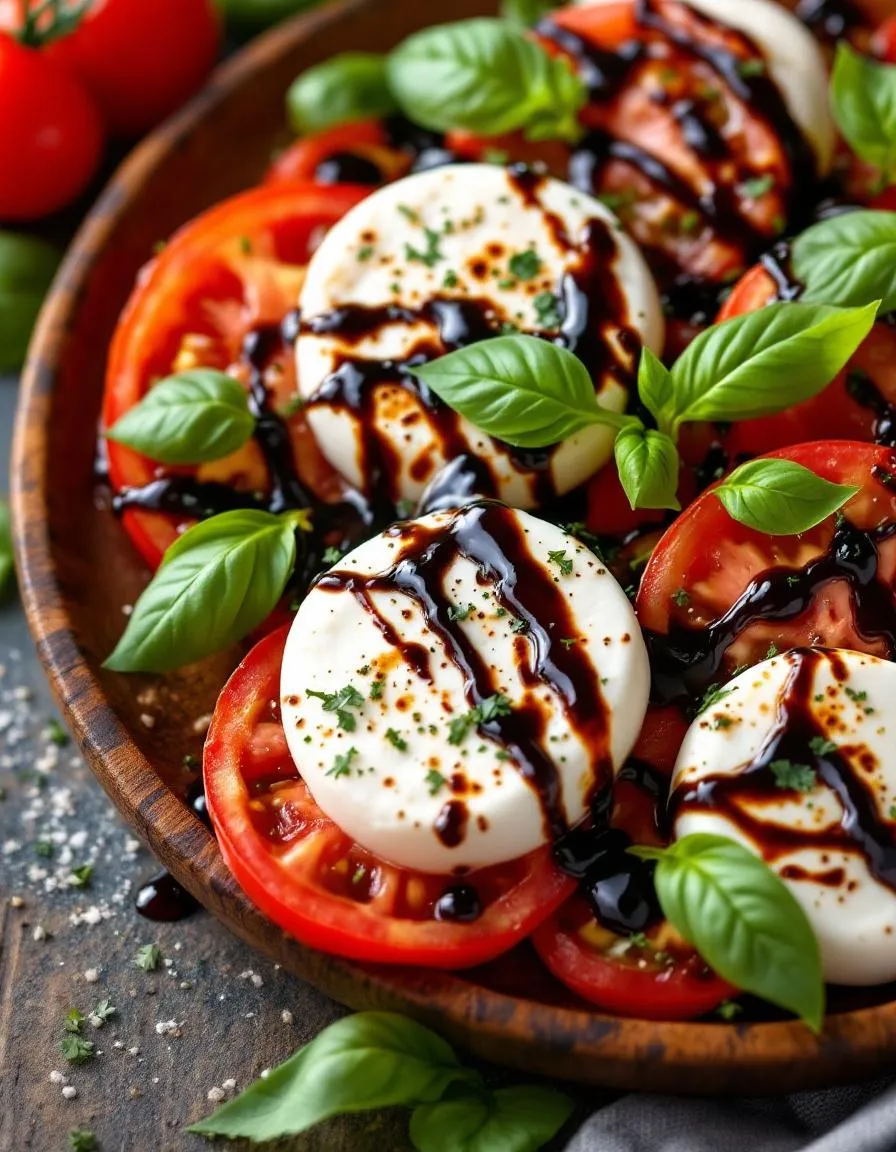
Start by gathering fresh ingredients for your Caprese Salad Recipe—ripe tomatoes, creamy mozzarella, and fragrant basil leaves. Slice the tomatoes and mozzarella into even, medium-thick rounds so they layer beautifully. Arrange them alternately on a serving platter, tucking whole basil leaves between each slice. Drizzle extra virgin olive oil generously over the layers, then sprinkle with flaky sea salt and freshly ground black pepper. For a tangy finish, add a light balsamic glaze or reduction. If you’re short on time, use pre-sliced mozzarella or a store-bought balsamic glaze to speed things up. Chill the salad for 10 minutes before serving to let the flavors meld, but avoid over-chilling as it can dull the tomatoes. Serve with crusty bread to soak up the delicious juices.
Mistakes I’ve made and learned from
Early on, I made the mistake of using underripe tomatoes in my Caprese Salad Recipe, leaving it bland and disappointing. Now, I always check for firm-but-yielding tomatoes with a sweet aroma. Another blunder? Overloading the salad with too much balsamic glaze, which overpowered the delicate mozzarella. A light drizzle is all you need, as I learned from my salad dressing mistakes post. If your basil wilts too quickly, try placing it between the tomato and mozzarella right before serving—this trick saved me after one too many soggy salads. For more tips on balancing flavors, check out my guide on storing fresh herbs to keep your basil vibrant longer.
The Caprese Salad Recipe sings of summer in Italy, where it first appeared on the sunny island of Capri. Locals crafted this dish to celebrate the colors of the Italian flag—ripe red tomatoes, creamy white mozzarella, and vibrant green basil. Over time, it became a symbol of simplicity and freshness, embodying the Mediterranean way of life. Families often serve it at gatherings, letting the ingredients shine with just a drizzle of olive oil and a pinch of salt.
Meanwhile, variations of the Caprese Salad Recipe pop up worldwide. In some regions, chefs swap traditional mozzarella for burrata or add balsamic glaze for a touch of sweetness. Others layer the ingredients into skewers for easy serving at parties. Some home cooks even mix in avocado or peaches for a modern twist. No matter the version, the heart of the dish stays the same: fresh, high-quality ingredients that honor its Italian roots.
ays-cooking">How it fits in today’s cooking
Today, the Caprese Salad Recipe remains a go-to for quick, healthy meals. Busy cooks love how it comes together in minutes, making it perfect for weeknight dinners or last-minute entertaining. Plus, it’s a star at summer BBQs and holiday spreads, pairing beautifully with grilled dishes or flavorful marinades.
Modern kitchens also adapt the recipe to fit dietary needs, like using dairy-free cheese or heirloom tomatoes for extra depth. Some even turn it into a hearty avocado toast topping for breakfast. Whether served classic or reinvented, the Caprese Salad Recipe keeps winning hearts with its timeless appeal and versatility.
Taste and Texture
What makes it delicious
Every bite of Caprese Salad Recipe bursts with fresh, vibrant flavors. Juicy tomatoes offer a sweet-tart balance, while creamy mozzarella melts softly in your mouth. Fragrant basil leaves add a peppery, herbal kick that ties everything together. The drizzle of extra virgin olive oil enhances the richness, and a pinch of sea salt brightens each layer. Together, these ingredients create a Caprese Salad Recipe that feels light yet satisfying, with a perfect contrast between crisp tomatoes and velvety cheese.
r">Boosting the flavor
For a bolder twist, try swapping regular mozzarella for burrata—its luscious center adds even more creaminess. A splash of balsamic glaze or a sprinkle of crushed red pepper flakes can elevate the sweetness and heat. If you love fresh herbs, mix in some oregano or thyme alongside the basil. For more inspiration, explore our guide to fresh herb pairings or discover how to pick the best olive oil for salads. Small tweaks make this classic Caprese Salad Recipe endlessly customizable.
Tips for Success
Best practices for results
Always use fresh, ripe tomatoes for your Caprese Salad Recipe, as they provide the best flavor and texture. Similarly, choose high-quality mozzarella, preferably fresh or buffalo, for a creamy contrast. For the best presentation, slice the tomatoes and cheese evenly, about a quarter-inch thick. Drizzle extra virgin olive oil just before serving to keep the ingredients crisp. Finally, tear the basil leaves by hand instead of chopping them to prevent bruising and maintain their vibrant color.
>Mistakes to avoid
Avoid refrigerating the tomatoes before assembling your Caprese Salad Recipe, as cold temperatures dull their taste and make them mealy. Instead, store them at room temperature until ready to use. Another common mistake is overdressing the salad, which can overpower the delicate flavors. For more tips on balancing dressings, check out our guide on salad dressing ratios. Additionally, skipping the salt or using pre-shredded mozzarella can result in a bland dish. For ideas on enhancing simple recipes, explore our post on elevating basic recipes.
Serving and Pairing Suggestions
How to serve this dish
Showcase your Caprese Salad Recipe by arranging it on a large platter for a stunning centerpiece. Layer the tomatoes, mozzarella, and basil in a circular pattern for a vibrant, eye-catching display. Alternatively, serve individual portions on small plates with a drizzle of balsamic glaze for an elegant touch. This dish shines at summer gatherings, brunches, or as a light appetizer before Italian-inspired dinners. For extra flair, garnish with fresh basil sprigs or edible flowers to enhance its natural beauty.
What goes well with it
Pair your Caprese Salad Recipe with crusty garlic bread for a satisfying crunch that balances the creamy mozzarella. If you love refreshing drinks, try a crisp white wine or sparkling lemonade to complement the salad’s bright flavors. For a heartier meal, serve it alongside our Grilled Chicken Pesto Pasta or a light Roasted Vegetable Quinoa Bowl. Each pairing highlights the freshness of the dish while adding variety to your table.
What are the traditional ingredients in a Caprese Salad Recipe?
A classic Caprese Salad Recipe requires just 5 simple ingredients: fresh mozzarella, ripe tomatoes, fresh basil leaves, extra virgin olive oil, and a sprinkle of salt. The key is using high-quality, fresh components to let the flavors shine. This timeless Italian dish celebrates simplicity.
Can I make Caprese Salad ahead of time?
While you can prep ingredients separately, assemble your Caprese Salad Recipe just before serving to prevent sogginess. The tomatoes release juice over time, and basil wilts. For best results, slice components 1-2 hours ahead but layer them right before eating.
rank-math-faq-item">
What’s the best way to layer a Caprese Salad?
For perfect presentation in your Caprese Salad Recipe, alternate tomato and mozzarella slices in overlapping circles or rows. Tuck whole basil leaves between layers or chiffonade them for even distribution. Drizzle with olive oil and salt after arranging to maintain vibrant colors.
Can I add balsamic glaze to Caprese Salad?
While purists stick to olive oil, many modern Caprese Salad Recipes include balsamic glaze for extra flavor. Use it sparingly as a drizzle to complement without overpowering. The sweet-tart contrast enhances the fresh mozzarella and tomatoes beautifully.
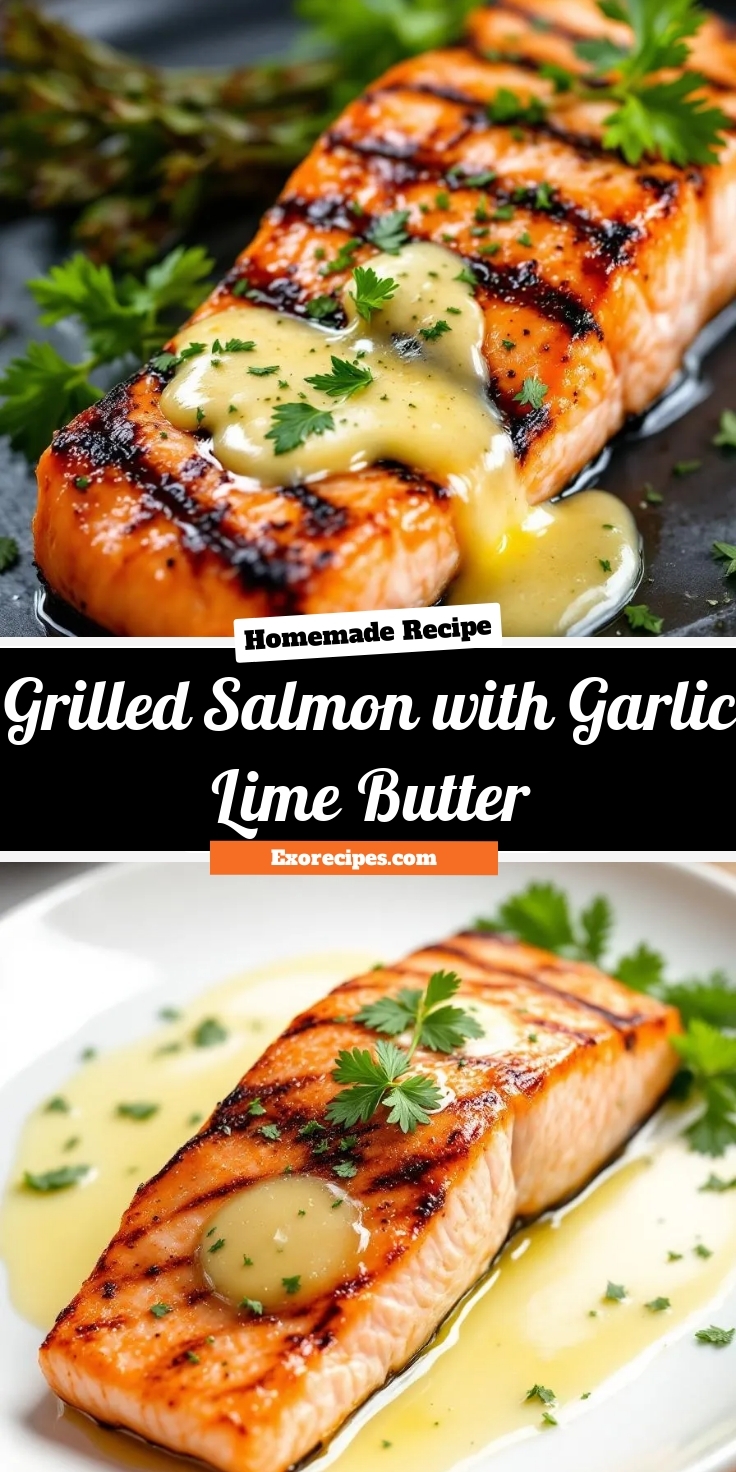
Best Grilled Salmon with Garlic Lime Butter Recipe
Introduction
There’s something undeniably special about a dish that feels both luxurious and effortless. That’s exactly what you’ll find with this Grilled Salmon with Garlic Lime Butter. Whether you’re hosting a summer barbecue or simply craving a healthy weeknight dinner, this recipe delivers bold flavors without the fuss. Plus, the zesty garlic lime butter elevates the salmon to a whole new level, making it a meal you’ll want to savor again and again.
Grilled Salmon with Garlic Lime Butter is more than just a meal—it’s a celebration of simplicity and flavor. Perfectly charred on the outside, tender on the inside, and drizzled with a rich, tangy butter sauce, this dish strikes the ideal balance between indulgence and nourishment. For busy home cooks, it’s a lifesaver because it comes together in under 30 minutes. Meanwhile, food lovers appreciate how the bright citrus and savory garlic complement the natural richness of the salmon. If you’re looking for more quick and flavorful recipes, check out my Easy Weeknight Dinners collection. And if you’re new to grilling, don’t worry—this recipe is foolproof, just like my Grilling Tips for Beginners guide promises.
Why I Love This Recipe
This Grilled Salmon with Garlic Lime Butter holds a special place in my heart because it reminds me of lazy summer evenings with my family. My dad used to grill salmon every Sunday, and the smell of garlic and lime wafting through the backyard instantly takes me back. Now, I love recreating that same joy for my own family, watching their faces light up with the first bite. It’s a dish that feels like home, and I hope it becomes a favorite in your kitchen too.
Health and Nutrition
Why it’s good for your body
Grilled Salmon with Garlic Lime Butter packs a powerful nutritional punch while tasting delicious. First, salmon delivers high-quality protein, which helps build and repair muscles. Additionally, it’s rich in omega-3 fatty acids, which support heart health and reduce inflammation. The garlic lime butter not only enhances flavor but also adds antioxidants from garlic and vitamin C from lime.
Moreover, Grilled Salmon with Garlic Lime Butter provides essential nutrients like vitamin D and selenium. These boost immunity and protect cells from damage. Since salmon is low in saturated fat, it’s a heart-smart choice. The dish also keeps you full longer, thanks to its protein and healthy fats, making it great for weight management.
Finally, this meal fits into various diets, from keto to Mediterranean. The fresh ingredients ensure you avoid processed additives. Whether you’re fueling a workout or enjoying a family dinner, Grilled Salmon with Garlic Lime Butter nourishes your body without sacrificing taste.
How it fits in a healthy lifestyle
Grilled Salmon with Garlic Lime Butter effortlessly aligns with balanced eating habits. If you’re following a high-protein diet, this dish delivers lean protein to keep you energized. It’s also naturally gluten-free, making it a safe option for those with sensitivities. For heart-healthy eaters, the omega-3s in salmon promote cardiovascular wellness.
Pair this meal with a side of roasted vegetables or a quinoa salad for a complete, nutrient-dense plate. If you’re meal prepping, it stores well and reheats beautifully. For more gluten-free meal ideas, check out our gluten-free dinner options. If you love heart-healthy recipes, explore our heart-smart meals for additional inspiration.
Whether you’re cooking for one or feeding a family, Grilled Salmon with Garlic Lime Butter fits seamlessly into a healthy routine. It’s quick to prepare, satisfying, and loaded with benefits that support long-term wellness.
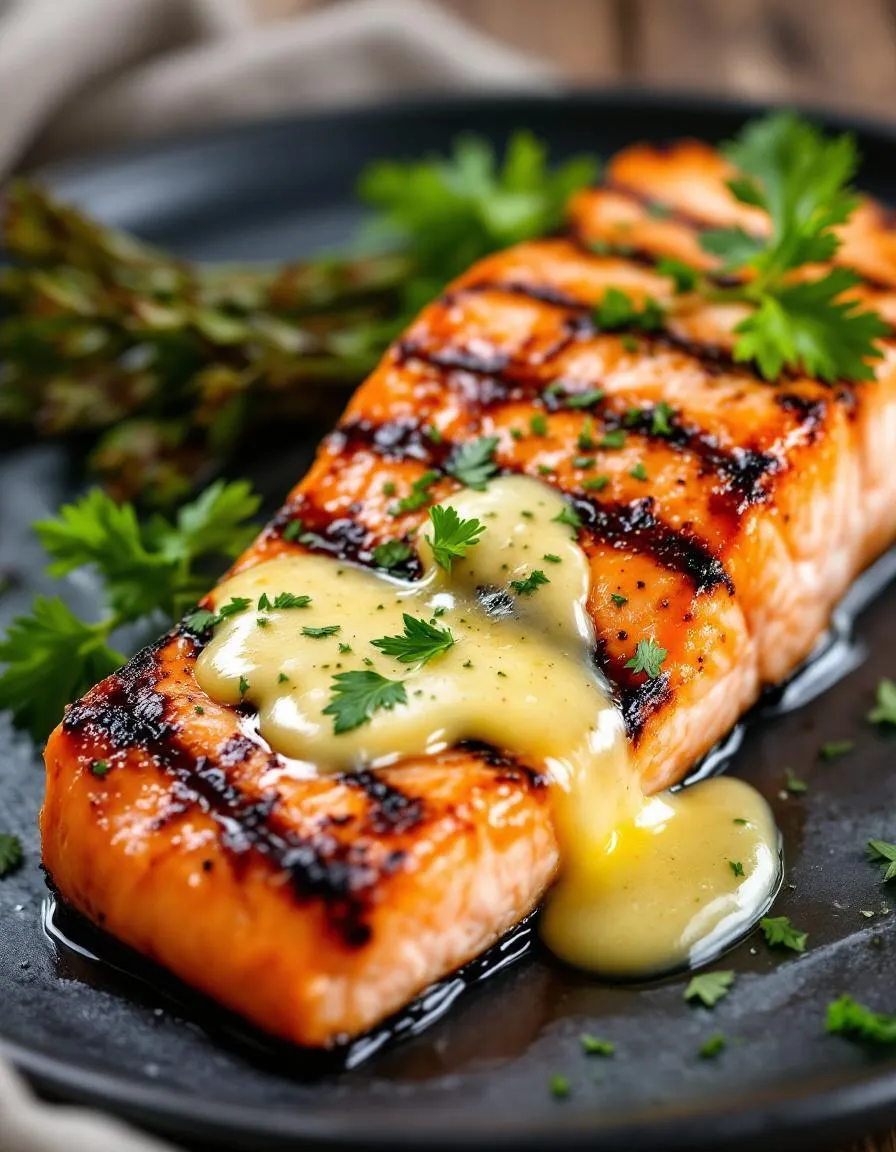
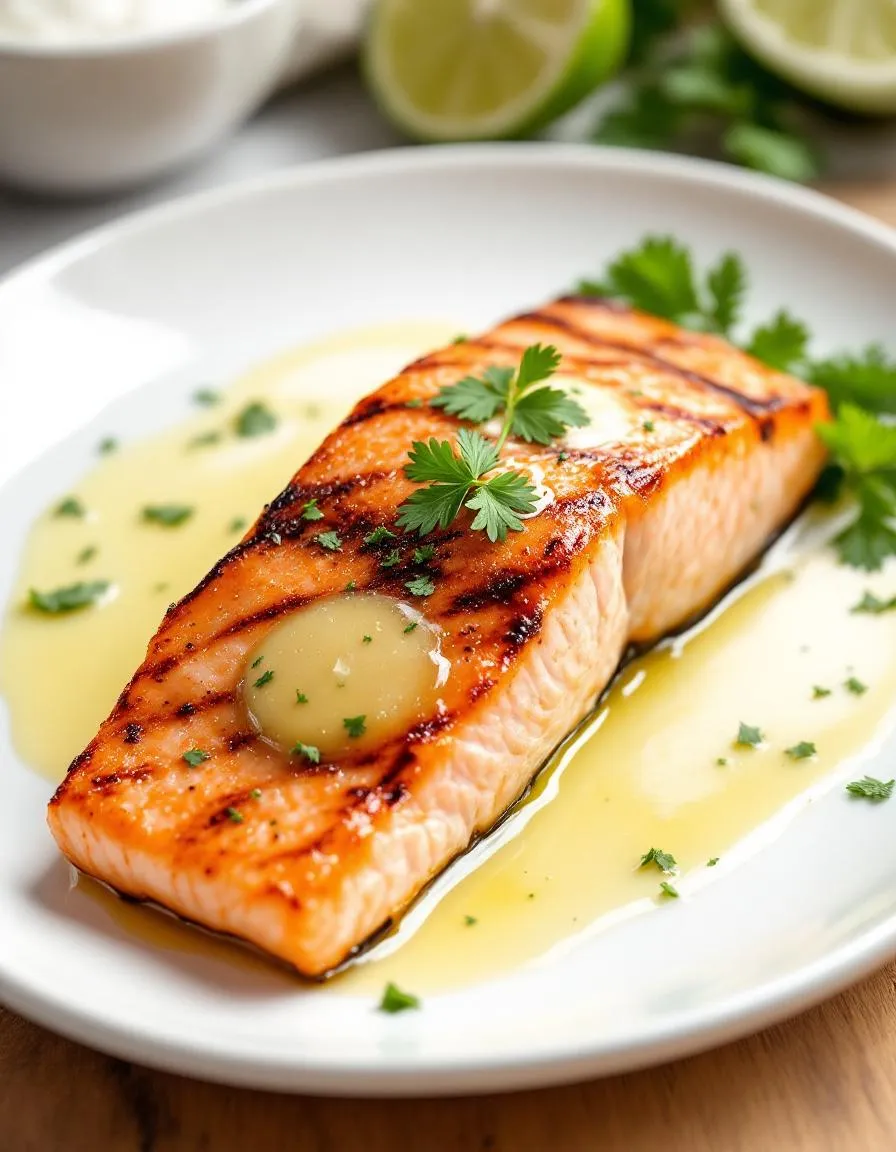
A flavorful and juicy grilled salmon topped with a zesty garlic lime butter sauce.
Ingredients
Scale
For the Crust:
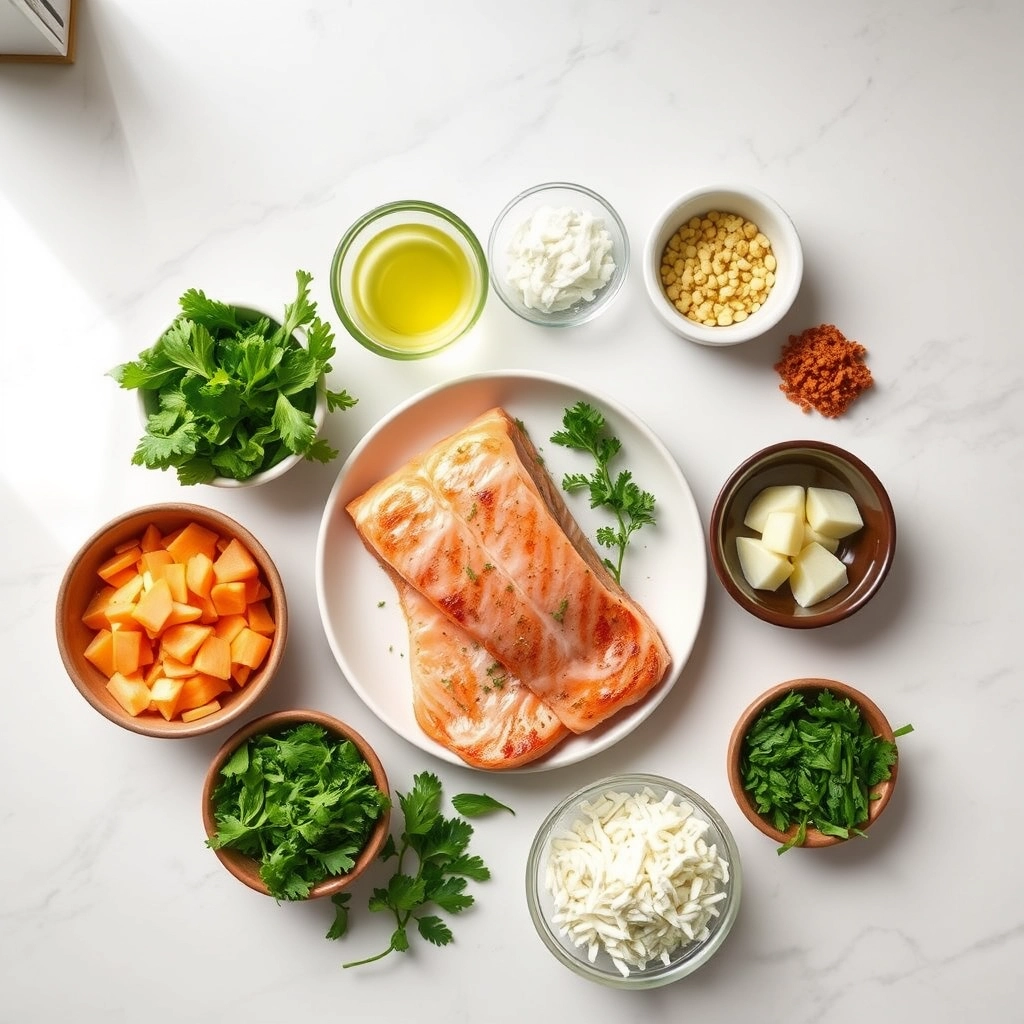
4 salmon fillets (6 oz each)
2 tablespoons olive oil
1 teaspoon salt
1/2 teaspoon black pepper
1/2 teaspoon paprika
4 tablespoons unsalted butter, melted
3 cloves garlic, minced
2 tablespoons fresh lime juice
1 tablespoon chopped fresh parsley
Instructions
1. Prepare the Crust:
Preheat grill to medium-high heat (about 375°F).
Brush salmon fillets with olive oil and season with salt, pepper, and paprika.
Grill salmon for 4-5 minutes per side, or until cooked through.
In a small bowl, mix melted butter, minced garlic, lime juice, and parsley.
Drizzle the garlic lime butter over the grilled salmon before serving.
Notes
You can customize the seasonings to taste.
How to Prepare This Dish
Steps and time-saving tips
Start by patting the salmon fillets dry with paper towels to ensure a crisp sear. Next, season both sides generously with salt and pepper, then drizzle a light coat of olive oil to help the spices stick. While the grill heats to medium-high, mix the garlic lime butter by whisking softened butter, minced garlic, lime zest, lime juice, and a pinch of salt in a small bowl. Once the grill is hot, place the salmon skin-side down and let it cook undisturbed for 4-5 minutes until the edges turn opaque. Carefully flip the fillets and grill for another 3-4 minutes, basting them with the garlic lime butter during the last minute. For a time-saving hack, prepare the butter mixture ahead and store it in the fridge—it hardens slightly, making it easier to slice and melt over the salmon. If you’re short on time, you can also use a grill pan indoors for the same smoky flavor without firing up the grill. Let the salmon rest for a few minutes before serving to lock in the juices.
and-learned-from">Mistakes I’ve made and learned from
I used to overcrowd the grill, thinking I could cook all the fillets at once, but they steamed instead of searing properly. Now I leave space between each piece for even heat distribution. Another blunder? Overcooking the salmon because I didn’t account for carryover heat. After pulling it off the grill, the internal temperature rises another 5 degrees—so I now remove it at 125°F for perfect medium-rare. If you’re new to grilling fish, my guide on grilling tips for beginners covers these pitfalls in detail. Also, I once skipped resting the salmon and lost half the juices when slicing. Letting it sit for 5 minutes makes all the difference, just like with perfectly cooked steak. Trust me, patience pays off!
Cultural Connection and Variations
Where this recipe comes from
Grilled Salmon with Garlic Lime Butter carries a rich heritage, blending coastal traditions with bold flavors. Originally inspired by Pacific Northwest cuisine, where salmon thrives in cold waters, this dish celebrates simplicity and freshness. Indigenous communities often grilled salmon over open flames, while modern adaptations like ours add zesty garlic lime butter for a tangy twist. In Scandinavia, they might swap lime for dill and lemon, while in Japan, miso glaze could take center stage. Either way, the heart of the recipe remains—a perfect balance of smoky, citrusy, and buttery notes.
My family puts its own
spin on Grilled Salmon with Garlic Lime Butter by tossing in a splash of tequila for a Mexican-inspired kick. Meanwhile, friends in the Mediterranean might top it with olives and oregano. No matter the variation, the dish always feels like a celebration of local ingredients and shared meals. Whether you’re by the beach or in a backyard, it’s a recipe that travels well—and tastes even better with stories attached.
How it fits in today’s cooking
Today, Grilled Salmon with Garlic Lime Butter fits seamlessly into healthy, fast-paced lifestyles. Busy cooks love it for weeknight dinners, while meal preppers rely on its versatility for easy meal prep ideas. The dish also shines during summer barbecues, pairing perfectly with grilled veggies or a fresh light salad. Plus, its high protein and omega-3s make it a favorite among fitness enthusiasts.
Modern twists keep it exciting—think air-fryer versions or gluten-free marinades. Yet, the classic recipe still holds its own at holiday gatherings, where it brings a touch of elegance without fuss. Whether you’re cooking for one or hosting a crowd, Grilled Salmon with Garlic Lime Butter adapts without losing its soul. It’s proof that some flavors never go out of style.
>Taste and Texture
What makes it delicious
Grilled Salmon with Garlic Lime Butter delivers a mouthwatering balance of rich, smoky, and tangy flavors. The salmon itself boasts a tender, buttery texture with crispy edges from the grill, while the garlic lime butter melts into every bite, adding a bright, zesty kick. Fresh lime juice cuts through the richness, and minced garlic infuses the dish with a warm, fragrant aroma. Each forkful combines juicy, flaky fish with a velvety, herb-infused sauce that lingers on the palate. Whether you love bold flavors or crave something light yet satisfying, Grilled Salmon with Garlic Lime Butter hits all the right notes.
Boosting the flavor
For an extra flavor boost, try swapping regular butter for homemade herb butter, which adds depth with fresh parsley or dill. A sprinkle of chili flakes or smoked paprika can introduce a subtle heat, while a drizzle of citrus honey glaze enhances the natural sweetness of the salmon. If you prefer crunch, top the dish with toasted almonds or panko breadcrumbs for contrast. Experimenting with these small tweaks keeps Grilled Salmon with Garlic Lime Butter exciting and tailored to your taste.
Tips for Success
Best practices for results
First, pat the salmon dry before grilling to ensure a crisp exterior. Next, preheat the grill to medium-high heat so the Grilled Salmon with Garlic Lime Butter cooks evenly without sticking. For the best flavor, brush the garlic lime butter generously over the salmon during the last few minutes of cooking. Additionally, let the salmon rest for 3-5 minutes after grilling to lock in juices. Finally, serve immediately for the freshest taste and texture.
Mistakes to avoid
Avoid overcooking the salmon by checking for doneness early—the fish should flake easily but remain moist. If you notice the grill is too hot, move the salmon to a cooler spot to prevent burning. Also, skip substituting dried herbs for fresh in the garlic lime butter, as they won’t deliver the same bright flavor. For more grilling tips, check out our guide on perfect grilling temperatures. And if you’re unsure about seasoning, our herb pairing guide will help you balance flavors like a pro.
Serving and Pairing Suggestions
How to serve this dish
Elevate your Grilled Salmon with Garlic Lime Butter by plating it on a bed of vibrant greens or a colorful quinoa salad. For a stunning presentation, drizzle extra garlic lime butter over the top and garnish with fresh cilantro or thinly sliced lime wheels. Meanwhile, this dish shines at summer barbecues, holiday gatherings, or even as an elegant weeknight dinner. To make it extra inviting, serve it alongside a bright, citrusy slaw or roasted vegetables for a pop of color and texture.
h-it">What goes well with it
Pair your Grilled Salmon with Garlic Lime Butter with a crisp white wine like Sauvignon Blanc, which enhances the zesty lime notes. For a non-alcoholic option, try a sparkling lemonade with a hint of mint. Additionally, a side of roasted asparagus with parmesan adds a savory crunch, while a light avocado mango salad brings a refreshing sweetness that balances the rich, buttery salmon perfectly.
How long should I grill salmon with garlic lime butter?
Grilled Salmon with Garlic Lime Butter typically takes 4-6 minutes per side on a medium-high grill, depending on thickness. The salmon is done when it flakes easily with a fork and reaches an internal temperature of 145°F. Baste with the garlic lime butter during the last 2 minutes for extra flavor.
rank-math-faq-item">
What sides go well with Grilled Salmon with Garlic Lime Butter?
Grilled Salmon with Garlic Lime Butter pairs perfectly with light, fresh sides like asparagus, roasted vegetables, or a citrusy quinoa salad. For heartier options, try garlic mashed potatoes or coconut rice. The bright flavors complement both simple and complex side dishes.
Can I use frozen salmon for Grilled Salmon with Garlic Lime Butter?
Yes, but thaw frozen salmon completely in the refrigerator first for best results. Pat it dry before grilling to ensure proper searing. Grilled Salmon with Garlic Lime Butter works well with fresh or properly thawed frozen fillets, though fresh salmon often has better texture.
How do I prevent salmon from sticking to the grill?
For perfect Grilled Salmon with Garlic Lime Butter, start with a clean, well-oiled grill grate heated to medium-high. Place the salmon skin-side down first and don’t move it for the first 4 minutes. The garlic lime butter also helps create a natural non-stick barrier as it melts.
>
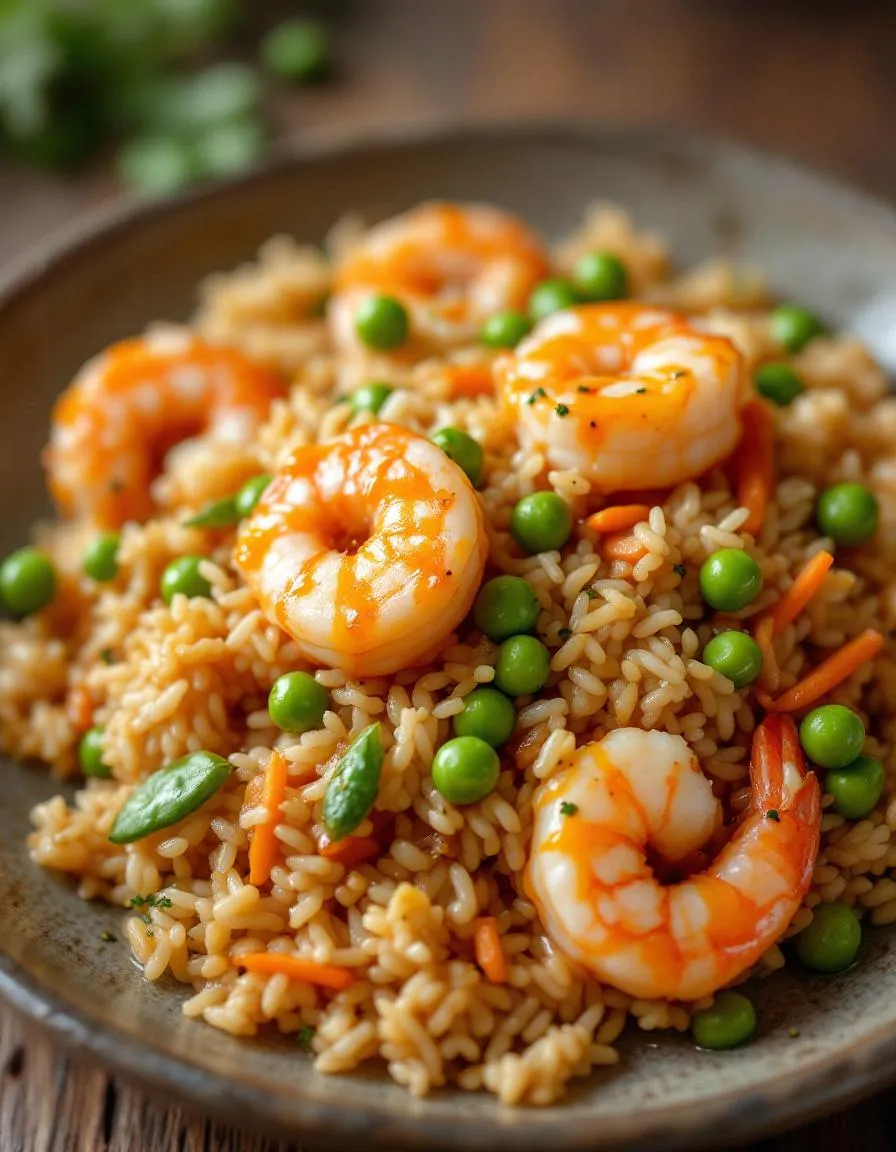
Best Shrimp Fried Rice – Easy Homemade Recipe
Introduction
There’s something deeply comforting about a dish that brings together simplicity and bold flavors, and that’s exactly what this Shrimp Fried Rice Recipe delivers. Whether you’re craving a quick weeknight dinner or a nostalgic taste of your favorite takeout, this recipe promises to hit the spot. Plus, it’s versatile enough to adapt to whatever ingredients you have on hand, making it a lifesaver for busy cooks. Trust me, once you try it, you’ll understand why it’s a staple in my kitchen.
Shrimp Fried Rice Recipe is more than just a meal—it’s a celebration of textures and flavors. The succulent shrimp, fluffy rice, and crisp vegetables come together in a symphony of taste that’s both satisfying and easy to prepare. What makes this dish special is its balance: the savory umami of soy sauce, the subtle sweetness of fresh shrimp, and the satisfying crunch of veggies. For anyone looking to recreate the magic of restaurant-style fried rice at home, this recipe is a game-changer. And if you love quick, flavorful meals, you’ll definitely want to check out my Easy Stir Fry Recipes for more inspiration. This Shrimp Fried Rice Recipe fits perfectly with brekcakes.com’s mission to deliver approachable, delicious dishes that anyone can master, whether you’re a beginner or a seasoned home chef. Speaking of mastering the basics, my Perfect Rice Cooking Guide will ensure your fried rice turns out flawless every time.
Why I Love This Recipe
This Shrimp Fried Rice Recipe holds a special place in my heart because it reminds me of family dinners where everyone gathered around the table, sharing stories over steaming plates of food. It’s the dish I turn to when I need something quick yet deeply satisfying, and it never fails to bring a smile to my face. The combination of tender shrimp, fragrant rice, and just the right amount of seasoning feels like a warm hug in every bite. More than anything, I love how it brings people together—proof that the simplest meals often create the best memories.
Health and Nutrition
Why it’s good for your body
Shrimp Fried Rice Recipe packs a nutritious punch while satisfying your taste buds. First, shrimp delivers lean protein, which helps build muscle and keeps you full longer. Additionally, the dish includes fiber-rich vegetables like carrots and peas, supporting digestion and gut health. Moreover, brown rice adds whole grains, offering sustained energy without spiking blood sugar.
Beyond protein and fiber, Shrimp Fried Rice Recipe provides essential vitamins and minerals. For instance, shrimp contains selenium, a powerful antioxidant that fights inflammation. Meanwhile, garlic and ginger in the recipe boost immunity and aid digestion. Furthermore, using minimal oil keeps the dish light yet flavorful, making it a smarter choice than greasy takeout.
Finally, this recipe balances macros beautifully. The combination of protein, healthy carbs, and veggies ensures a well-rounded meal. Whether you need post-workout fuel or a quick weeknight dinner, Shrimp Fried Rice Recipe delivers nutrition without compromise. Plus, you can easily customize it with extra veggies or a splash of low-sodium soy sauce for even more health benefits.
How it fits in a healthy lifestyle
Shrimp Fried Rice Recipe fits seamlessly into a balanced diet. If you follow a high-protein plan, the shrimp and eggs give you a solid protein boost. For gluten-free eaters, simply swap regular soy sauce for tamari or coconut aminos. The dish also works well for meal prep, saving time while keeping your nutrition on track.
Pair this recipe with a side of steamed greens or a light salad for extra fiber. If you love quick, healthy meals, check out our easy meal prep ideas for more inspiration. For those watching sodium, use low-sodium ingredients and load up on fresh herbs. Want more heart-healthy options? Explore our heart-healthy dinners to round out your weekly menu. With simple tweaks, Shrimp Fried Rice Recipe becomes a versatile staple for any wellness goal.
A quick and flavorful shrimp fried rice dish that’s perfect for a weeknight dinner.
Ingredients
Scale
For the Crust:
1 lb shrimp, peeled and deveined
3 cups cooked white rice (preferably day-old)
2 eggs, beaten
1 cup frozen peas and carrots
3 cloves garlic, minced
2 tbsp soy sauce
1 tbsp oyster sauce
1 tsp sesame oil
2 tbsp vegetable oil
2 green onions, chopped
Salt and pepper to taste
Instructions
1. Prepare the Crust:
Heat 1 tbsp vegetable oil in a large pan or wok over medium-high heat. Add the shrimp and cook until pink, about 2-3 minutes per side. Remove and set aside.
In the same pan, add the remaining oil. Add the beaten eggs and scramble until fully cooked. Remove and set aside with the shrimp.
Add the minced garlic to the pan and sauté for 30 seconds until fragrant. Add the frozen peas and carrots and stir-fry for 2 minutes.
Add the cooked rice to the pan, breaking up any clumps. Stir-fry for 3-4 minutes until heated through.
Return the shrimp and eggs to the pan. Add soy sauce, oyster sauce, and sesame oil. Mix well and cook for another 2 minutes.
Start by prepping all your ingredients for the Shrimp Fried Rice Recipe—this makes the cooking process smoother. Heat a large skillet or wok over medium-high heat and add a drizzle of oil. Toss in the shrimp and cook them for about 2 minutes per side until they turn pink, then set them aside. Next, scramble the eggs in the same pan, stirring quickly so they stay fluffy. Remove the eggs and set them with the shrimp. Now, sauté diced onions, carrots, and peas until they soften, which takes roughly 3 minutes. Push the veggies to one side and add cold, day-old rice to the pan, breaking up any clumps with a spatula. Stir-fry the rice for a couple of minutes until it heats through, then mix in the shrimp, eggs, and a splash of soy sauce. For extra flavor, sprinkle in a pinch of garlic powder or a dash of sesame oil. Finally, garnish with chopped green onions and serve hot. To save time, use pre-cooked shrimp or leftover rice from last night’s dinner. If you’re in a rush, frozen mixed veggies work just as well as fresh ones.
Mistakes I’ve made and learned from
When I first tried this Shrimp Fried Rice Recipe, I made two big mistakes. First, I used freshly cooked rice, which turned mushy instead of staying light and fluffy. Now I always use day-old rice or spread fresh rice on a tray to dry slightly before cooking. Second, I overcrowded the pan, steaming the ingredients instead of stir-frying them. A wok or large skillet is key for even heat distribution—something I learned after reading our guide on essential kitchen tools. Another lesson? Don’t skip the soy sauce adjustment. I once poured too much, overpowering the dish. Now I add it gradually, tasting as I go. For more tips on balancing flavors, check out our post on mastering umami. Trust me, a little patience goes a long way with this recipe!
Shrimp Fried Rice Recipe traces its roots to coastal regions of China, where fresh seafood and rice formed the backbone of everyday meals. Over time, it traveled with migrants, evolving into countless regional versions. In southern China, cooks often use jasmine rice and light soy sauce for a fragrant touch. Meanwhile, Thai versions might include fish sauce and a kick of chili, while Japanese iterations sometimes feature tamago (sweet omelet) for extra richness.
In my family, Shrimp Fried Rice Recipe became a weekend staple because it turned leftover rice into something magical. My grandma insisted on caramelizing the shrimp slightly for deeper flavor, a trick she learned in Hong Kong. Across the globe, you’ll find similar creativity—some cooks add pineapple for sweetness, while others toss in curry powder for warmth. No matter the variation, this dish always feels like a celebration of resourcefulness.
ays-cooking">How it fits in today’s cooking
Today, Shrimp Fried Rice Recipe thrives as a quick, satisfying meal for busy weeknights or lazy Sundays. Modern cooks love its flexibility, swapping in quinoa or cauliflower rice for a low-carb twist. It’s also a star at potlucks, especially when paired with crowd-pleasers like easy appetizers for a crowd.
Seasonally, it adapts effortlessly—think spring peas in April or hearty winter greens in December. Many home chefs even meal-prep it ahead, proving it’s as practical as it is delicious. For those hosting bigger gatherings, it pairs beautifully with 30-minute dinner ideas, making it a timeless fit for today’s kitchens.
Taste and Texture
What makes it delicious
This Shrimp Fried Rice Recipe delivers a mouthwatering balance of savory, slightly sweet, and umami flavors. Tender, juicy shrimp mingle with fluffy rice, while crisp-tender veggies add a refreshing crunch. Aromatic garlic and ginger infuse every bite with warmth, and a hint of soy sauce ties everything together with its rich, salty depth. The dish smells irresistible as it sizzles in the pan, with toasty sesame oil adding a nutty fragrance. Each forkful of this Shrimp Fried Rice Recipe offers a satisfying contrast—chewy rice, plump shrimp, and vibrant, crisp vegetables—making it a feast for both the taste buds and the senses.
r">Boosting the flavor
For an extra flavor kick, try swapping regular soy sauce with coconut aminos to add a touch of sweetness and depth. A sprinkle of crushed red pepper or a drizzle of homemade chili oil brings gentle heat that complements the shrimp beautifully. You can also toss in toasted cashews or peanuts for crunch, or finish with a squeeze of lime for bright acidity. Experimenting with these small tweaks will elevate your Shrimp Fried Rice Recipe from great to unforgettable.
Tips for Success
Best practices for results
Always use cold, day-old rice for your Shrimp Fried Rice Recipe, as fresh rice turns mushy when stir-fried. Meanwhile, pat the shrimp dry before cooking to ensure they sear properly instead of steaming. For even flavor distribution, toss the rice constantly over high heat and add a splash of sesame oil at the end. Finally, taste and adjust the seasoning just before serving to balance the dish perfectly.
>Mistakes to avoid
Avoid overcrowding the pan, as this lowers the temperature and makes the Shrimp Fried Rice Recipe soggy. Instead, cook in batches if needed. Also, skip the temptation to stir too often—let the rice crisp slightly for better texture. For more on perfecting stir-fry techniques, check out our guide on mastering wok cooking. Another common mistake? Using undersized shrimp, which overcook quickly. Opt for larger shrimp and learn how to choose the best seafood for any recipe.
Serving and Pairing Suggestions
How to serve this dish
For a restaurant-worthy presentation, serve your Shrimp Fried Rice Recipe in a shallow bowl or on a colorful plate to highlight its vibrant ingredients. Top it with extra chopped green onions, a sprinkle of sesame seeds, or a lime wedge for a fresh pop of color. Meanwhile, this dish shines at casual weeknight dinners, but it also makes a fantastic addition to potlucks or holiday gatherings. If you want to impress guests, consider pairing it with small appetizers like spring rolls or serving it family-style for a cozy, interactive meal.
What goes well with it
Pair your Shrimp Fried Rice Recipe with a crisp, chilled white wine like Sauvignon Blanc to balance its savory flavors. Alternatively, a light beer or jasmine tea also works beautifully. For sides, try a refreshing cucumber salad or our Easy Vegetable Stir Fry to add extra crunch and nutrition. If you love dipping sauces, whip up our Spicy Peanut Sauce for a creamy, tangy contrast that elevates every bite.
What’s the best rice to use for Shrimp Fried Rice?
Day-old, cold jasmine rice works best for Shrimp Fried Rice because it’s less sticky and fries up perfectly. Avoid freshly cooked rice—it can turn mushy. Using the right rice ensures your Shrimp Fried Rice Recipe has the ideal texture.
How do you keep shrimp from getting rubbery in fried rice?
Cook shrimp separately on high heat for just 1-2 minutes until pink, then set aside before adding to the fried rice at the end. Overcooking shrimp makes them tough—this technique keeps them tender in your Shrimp Fried Rice Recipe.
rank-math-faq-item">
Can I make Shrimp Fried Rice without soy sauce?
Yes! Substitute coconut aminos or tamari for gluten-free options, or use fish sauce for a different flavor profile. The key is any savory umami ingredient to elevate your Shrimp Fried Rice Recipe.
What vegetables go well in Shrimp Fried Rice?
Classic choices include peas, carrots, bell peppers, and scallions—all diced small for quick cooking. For extra crunch, try water chestnuts or bean sprouts in your Shrimp Fried Rice Recipe. Always sauté veggies first to remove excess moisture.
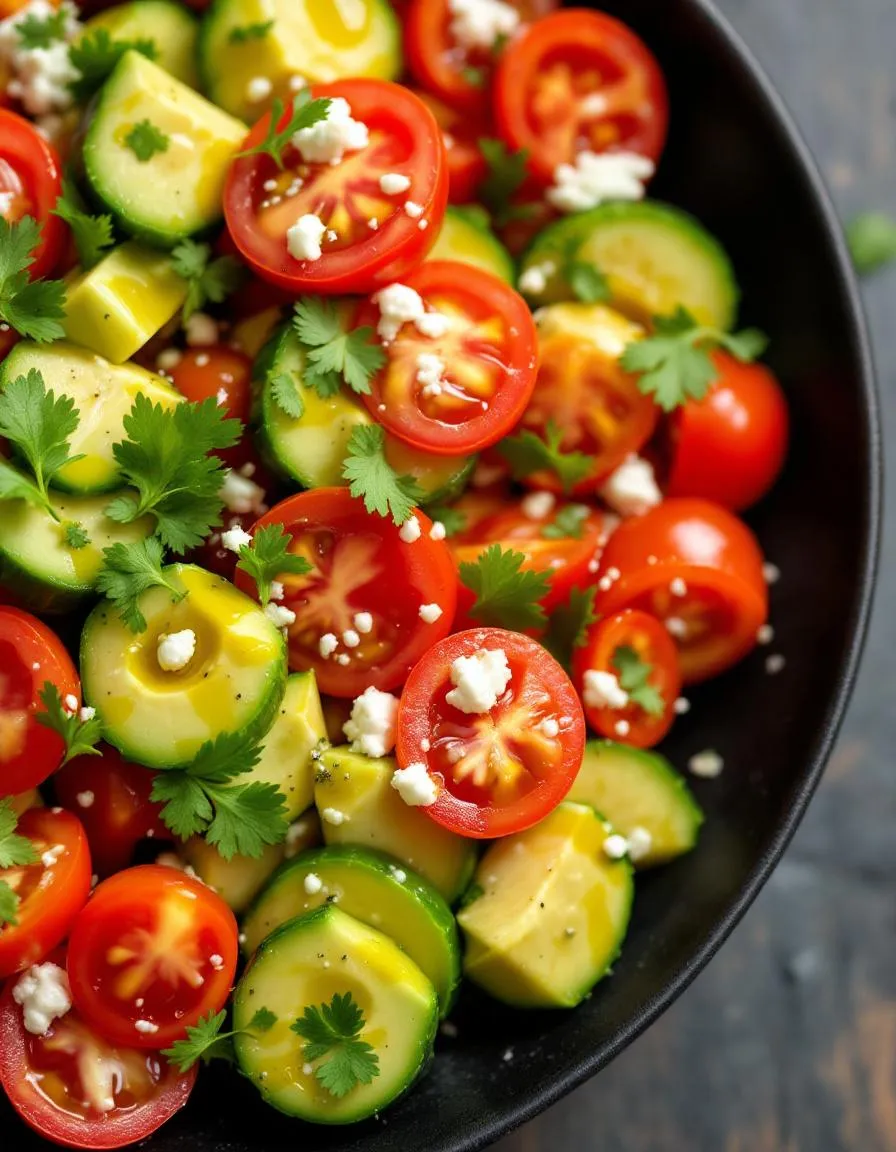
Easy Cucumber Tomato Avocado Salad Recipe
Introduction
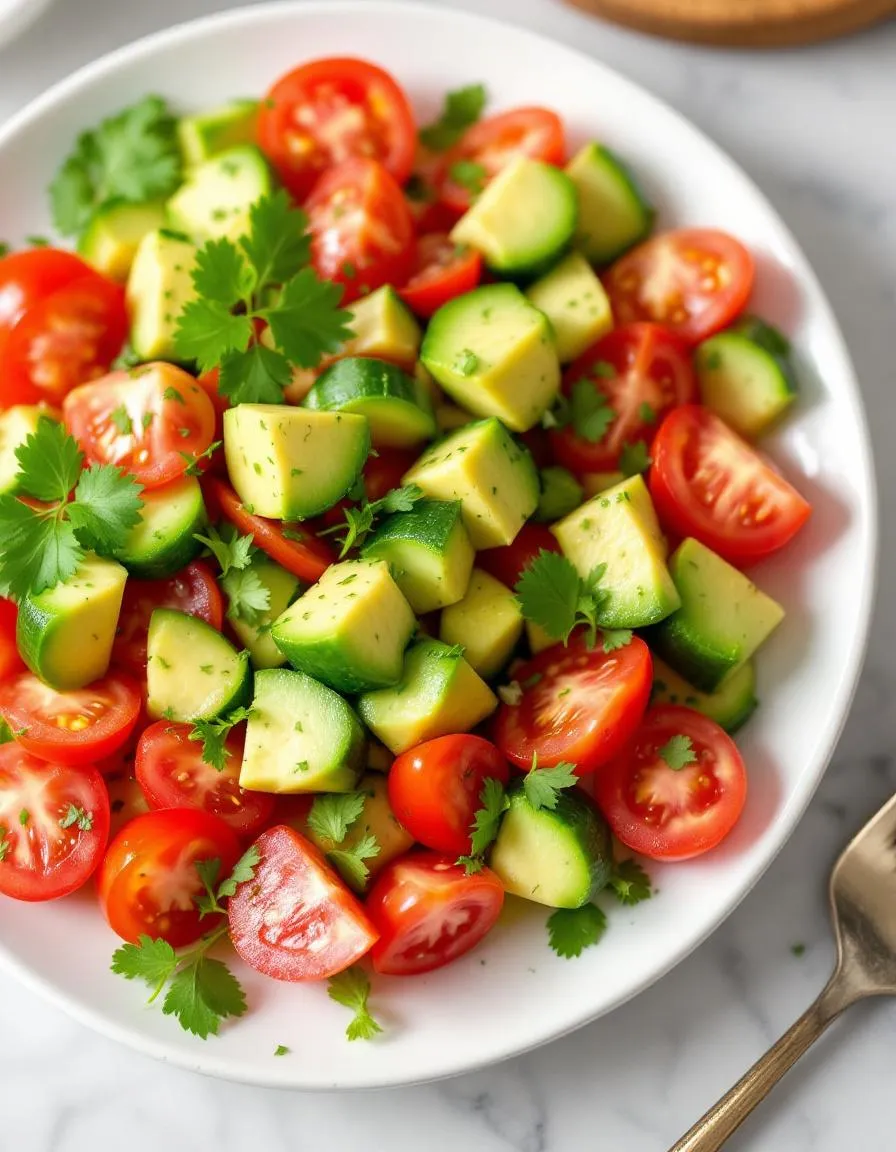
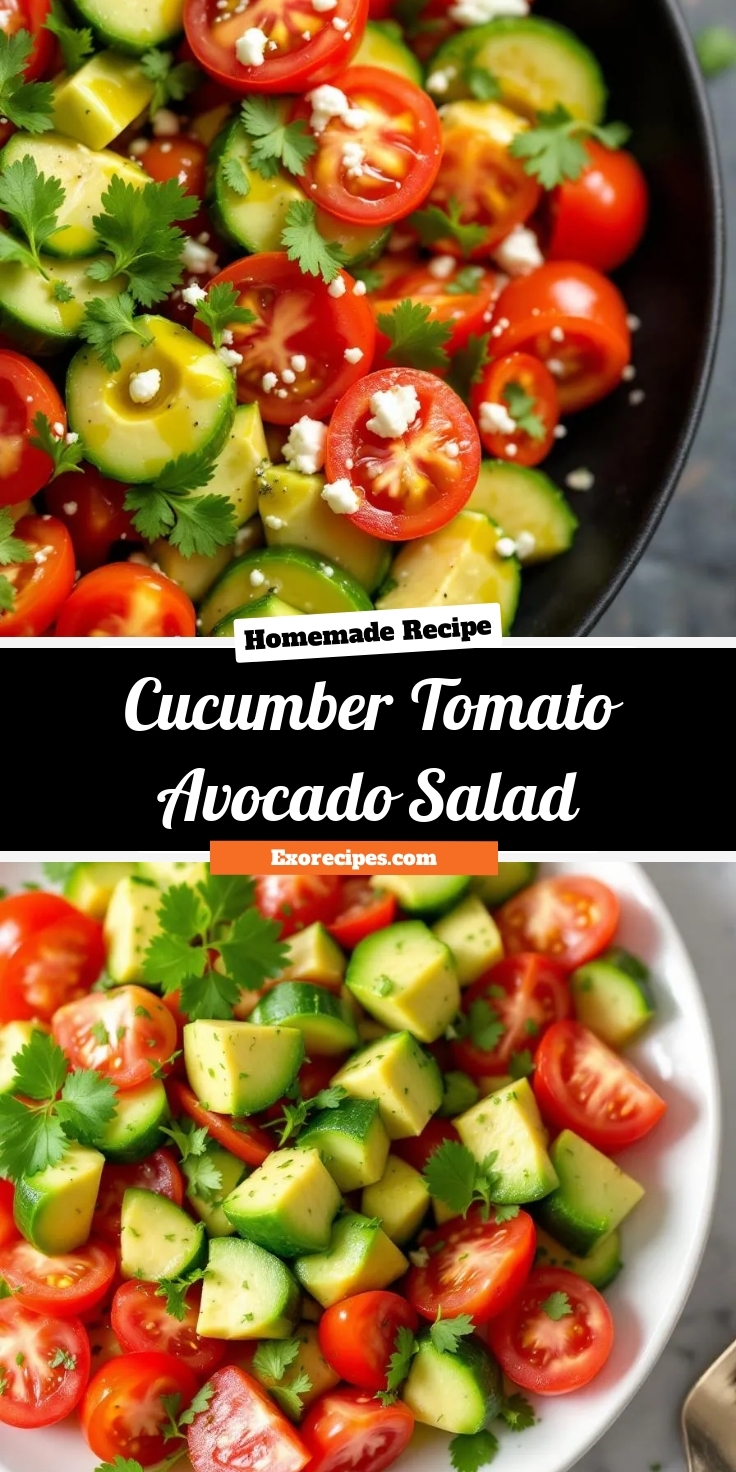
If you’re craving something fresh, vibrant, and effortlessly delicious, you’re in the right place. Today, I’m sharing my go-to Cucumber Tomato Avocado Salad—a dish that’s as refreshing as a summer breeze and just as easy to whip up. Whether you need a quick lunch, a colorful side, or a healthy snack, this salad delivers crisp textures, bright flavors, and a satisfying creaminess that keeps you coming back for more. Plus, it’s packed with nutrients, making it a win for both your taste buds and your well-being.
Cucumber Tomato Avocado Salad is a celebration of simplicity. With juicy tomatoes, cool cucumbers, and creamy avocado tossed in a zesty dressing, it’s a dish that feels indulgent yet light. What makes it special is its versatility. You can serve it alongside grilled chicken for a hearty dinner, bring it to a potluck for a crowd-pleaser, or enjoy it solo for a guilt-free meal. At brekcakes.com, we believe food should be approachable, flavorful, and joyful—just like this salad. If you love easy, wholesome recipes, you’ll also adore our Mediterranean Chickpea Salad or our Grilled Vegetable Skewers. Both pair perfectly with this vibrant dish.
Why I Love This Recipe
This Cucumber Tomato Avocado Salad holds a special place in my heart because it reminds me of lazy summer afternoons spent with family. My grandma used to make a similar version, and the first bite always transports me back to her sunlit kitchen. Beyond the nostalgia, I love how effortlessly it comes together. Even on my busiest days, I know I can rely on this salad to brighten my plate—and my mood. It’s proof that the simplest recipes often leave the biggest impression.
Health and Nutrition
Why it’s good for your body
Cucumber Tomato Avocado Salad packs a powerful nutritional punch while keeping calories light. First, cucumbers hydrate your body thanks to their high water content, which also aids digestion. Meanwhile, tomatoes deliver a burst of antioxidants like lycopene, which supports heart health and reduces inflammation. Additionally, avocados bring creamy richness along with healthy fats that keep you full and boost nutrient absorption.
Beyond individual benefits, Cucumber Tomato Avocado Salad combines these ingredients for a balanced meal. The fiber from cucumbers and tomatoes promotes gut health, while avocado’s monounsaturated fats help regulate cholesterol. Furthermore, this salad provides a spectrum of vitamins, including vitamin C for immunity and vitamin K for bone strength. Whether you enjoy it as a side or main dish, you’ll fuel your body with essential nutrients.
Finally, Cucumber Tomato Avocado Salad offers versatility for any diet. It’s naturally low-carb and vegan-friendly, making it ideal for diverse eating plans. The fresh ingredients also mean minimal processing, so you avoid added sugars or preservatives. With every bite, you’re choosing a dish that nourishes and satisfies.
How it fits in a healthy lifestyle
Cucumber Tomato Avocado Salad effortlessly fits into a balanced diet. If you’re aiming for heart-healthy meals, the avocado’s fats and tomatoes’ lycopene work together to support cardiovascular wellness. For gluten-free or plant-based eaters, this salad is a flavorful go-to that requires no substitutions.
Meal preppers will love how easily Cucumber Tomato Avocado Salad stores for quick lunches. Pair it with grilled chicken or quinoa for extra protein, or enjoy it solo for a light yet filling option. If you’re exploring more wholesome recipes, try our healthy meal prep ideas to keep your week on track. For those focusing on gut health, this salad complements probiotic-rich foods like those in our fermented foods guide. No matter your goal, this dish adapts to your needs without sacrificing taste or nutrition.
A refreshing and healthy salad with crisp cucumbers, juicy tomatoes, and creamy avocado.
Ingredients
Scale
For the Crust:
1 large cucumber, diced
2 cups cherry tomatoes, halved
1 ripe avocado, diced
1/4 cup red onion, thinly sliced
2 tablespoons olive oil
1 tablespoon lemon juice
1/2 teaspoon salt
1/4 teaspoon black pepper
2 tablespoons fresh cilantro, chopped
Instructions
1. Prepare the Crust:
In a large bowl, combine the cucumber, cherry tomatoes, avocado, and red onion.
In a small bowl, whisk together the olive oil, lemon juice, salt, and black pepper.
Pour the dressing over the salad and gently toss to combine.
Sprinkle with fresh cilantro before serving.
Notes
You can customize the seasonings to taste.
s-dish">How to Prepare This Dish
Steps and time-saving tips
Start by washing and chopping all your fresh ingredients for the Cucumber Tomato Avocado Salad. Slice the cucumbers into thin rounds, dice the tomatoes into bite-sized pieces, and cube the avocado just before mixing to prevent browning. Meanwhile, whisk together the dressing in a small bowl—combine olive oil, lemon juice, salt, and a pinch of black pepper for a bright, tangy flavor. Next, gently toss the cucumbers and tomatoes in a large bowl, then fold in the avocado to keep it from breaking apart. Drizzle the dressing over the salad and mix lightly until everything is evenly coated. For the best texture, chill the Cucumber Tomato Avocado Salad for 10 minutes before serving. If you’re short on time, prep the veggies ahead and store them separately in airtight containers. Just add the avocado and dressing right before serving to keep it crisp and fresh.
Mistakes I’ve made and learned from
I used to make my Cucumber Tomato Avocado Salad too far in advance, only to find soggy cucumbers and mushy avocados by mealtime. Now I know to assemble it just before serving for maximum freshness. Another lesson? Over-dressing the salad can drown out the natural flavors. I’ve learned to start with half the dressing, taste, and add more as needed. If you’re new to balancing dressings, my guide on salad dressing ratios breaks it down simply. Also, skipping the acid (like lemon juice) in the dressing made my avocados brown faster—something I fixed after reading tips in my avocado freshness post. Small tweaks make all the difference!
n-and-variations">Cultural Connection and Variations
Where this recipe comes from
Cucumber Tomato Avocado Salad feels like a love letter to summer, blending fresh flavors that span cultures and kitchens. While its exact origins are hard to pin down, you’ll find similar vibrant salads from the Mediterranean to Mexico. In Greece, they might skip the avocado and add feta, turning it into a cousin of horiatiki. Meanwhile, in coastal regions of Mexico, lime juice and cilantro often join the party, giving the dish a zesty twist.
My grandmother used to make her version with a splash of apple cider vinegar, claiming it “woke up the veggies.” Honestly, she wasn’t wrong. Across the American South, some cooks add a pinch of sugar for balance, while others toss in red onion for bite. No matter where you go, Cucumber Tomato Avocado Salad adapts beautifully, reflecting local tastes and what’s ripe in the garden. It’s the kind of dish that invites improvisation—and that’s exactly why it’s stuck around for generations.
How it fits in today’s cooking
Today, Cucumber Tomato Avocado Salad shines as a go-to for busy weeknights and backyard barbecues alike. Its simplicity aligns perfectly with modern cravings for quick, wholesome meals. Many cooks now swap in heirloom tomatoes or Persian cucumbers for extra flair, proving how versatile this salad stays. Plus, it pairs effortlessly with mains like grilled lemon herb chicken or stands alone as a light lunch.
Seasonal eating trends
have only boosted its popularity. When summer hits, farmers’ markets overflow with the salad’s star ingredients, making it a natural choice. And let’s not forget its role in meal prep—it keeps well (minus the avocado) for days, just like these overnight oats variations. Whether you’re craving nostalgia or a no-fuss side, this salad fits right in.
Taste and Texture
What makes it delicious
This Cucumber Tomato Avocado Salad bursts with fresh, vibrant flavors and satisfying textures. Crisp cucumbers add a refreshing crunch, while juicy tomatoes bring a sweet-tart balance. Creamy avocado melts in your mouth, creating a luxurious contrast. A bright squeeze of lemon and fragrant herbs like basil or cilantro elevate every bite. Together, these ingredients make Cucumber Tomato Avocado Salad a light yet indulgent dish that’s as satisfying as it is healthy.
Boosting the flavor
For extra depth, try drizzling the salad with a tangy balsamic glaze or a sprinkle of feta cheese. If you love heat, a pinch of red pepper flakes or a dash of smoked paprika adds warmth. For a heartier twist, toss in grilled chicken or chickpeas—perfect for turning this into a meal. Craving more inspiration? Check out our guide to healthy salad dressings or explore herb pairing tips to customize your Cucumber Tomato Avocado Salad even further.
Always chop the cucumber, tomato, and avocado into evenly sized pieces for a balanced bite in every forkful of Cucumber Tomato Avocado Salad. For the best texture, gently toss the ingredients right before serving to prevent the avocado from turning mushy. Additionally, use fresh lime juice instead of bottled to brighten the flavors without overpowering them. If you prefer a crispier salad, chill the cucumbers and tomatoes for at least 30 minutes beforehand. Finally, season the salad in layers—sprinkle salt on the cucumbers first, then adjust to taste after adding the remaining ingredients.
Mistakes to avoid
Avoid overdressing the Cucumber Tomato Avocado Salad, as too much liquid will make the avocado soggy. Instead, start with a light drizzle of olive oil and add more as needed. Many people also skip salting the cucumbers separately, which can lead to a watery salad. For more tips on handling fresh produce, check out our guide on keeping vegetables fresh. Another common mistake is using overripe avocados, which break down too easily. For perfectly ripe avocados every time, follow our avocado selection tips. With these adjustments, your salad will stay vibrant and delicious.
g-suggestions">Serving and Pairing Suggestions
How to serve this dish
For a stunning presentation, serve Cucumber Tomato Avocado Salad in a large glass bowl to showcase its vibrant colors. Alternatively, layer the ingredients on a platter for a rustic, shareable centerpiece. Top with fresh herbs like cilantro or basil for a pop of green. This salad shines at summer picnics, potlucks, or as a refreshing side for holiday barbecues. To make it extra special, add edible flowers or a drizzle of balsamic glaze just before serving.
What goes well with it
Pair Cucumber Tomato Avocado Salad with grilled proteins like lemon herb chicken or garlic shrimp for a light yet satisfying meal. For a plant-based option, try it alongside our quinoa stuffed peppers, which share similar fresh flavors. A crisp white wine, like Sauvignon Blanc, or a tangy hibiscus iced tea enhances the salad’s brightness. If you love dipping sauces, our creamy avocado dressing doubles as a perfect companion or drizzle.
math-faq-block">
How do you keep avocado from browning in a Cucumber Tomato Avocado Salad?
Toss the avocado with a bit of lemon or lime juice before adding it to your Cucumber Tomato Avocado Salad—the citric acid slows oxidation. For extra protection, store the salad in an airtight container with plastic wrap pressed directly on the surface of the avocado.
What dressing goes best with Cucumber Tomato Avocado Salad?
A light vinaigrette with olive oil, lemon juice, salt, and pepper complements the fresh flavors of Cucumber Tomato Avocado Salad perfectly. For creamier options, try a yogurt-based dressing or a drizzle of balsamic glaze.
Can you make Cucumber Tomato Avocado Salad ahead of time?
Yes, but for the best texture, add the avocado just before serving. You can prep the cucumbers, tomatoes, and dressing up to 24 hours in advance—store them separately and assemble your Cucumber Tomato Avocado Salad when ready to eat.
rank-math-faq-item">
Is Cucumber Tomato Avocado Salad healthy?
Absolutely! Cucumber Tomato Avocado Salad is packed with healthy fats from avocado, hydration from cucumbers, and lycopene from tomatoes. It’s a nutrient-dense dish that’s low-carb and rich in vitamins C, K, and potassium.
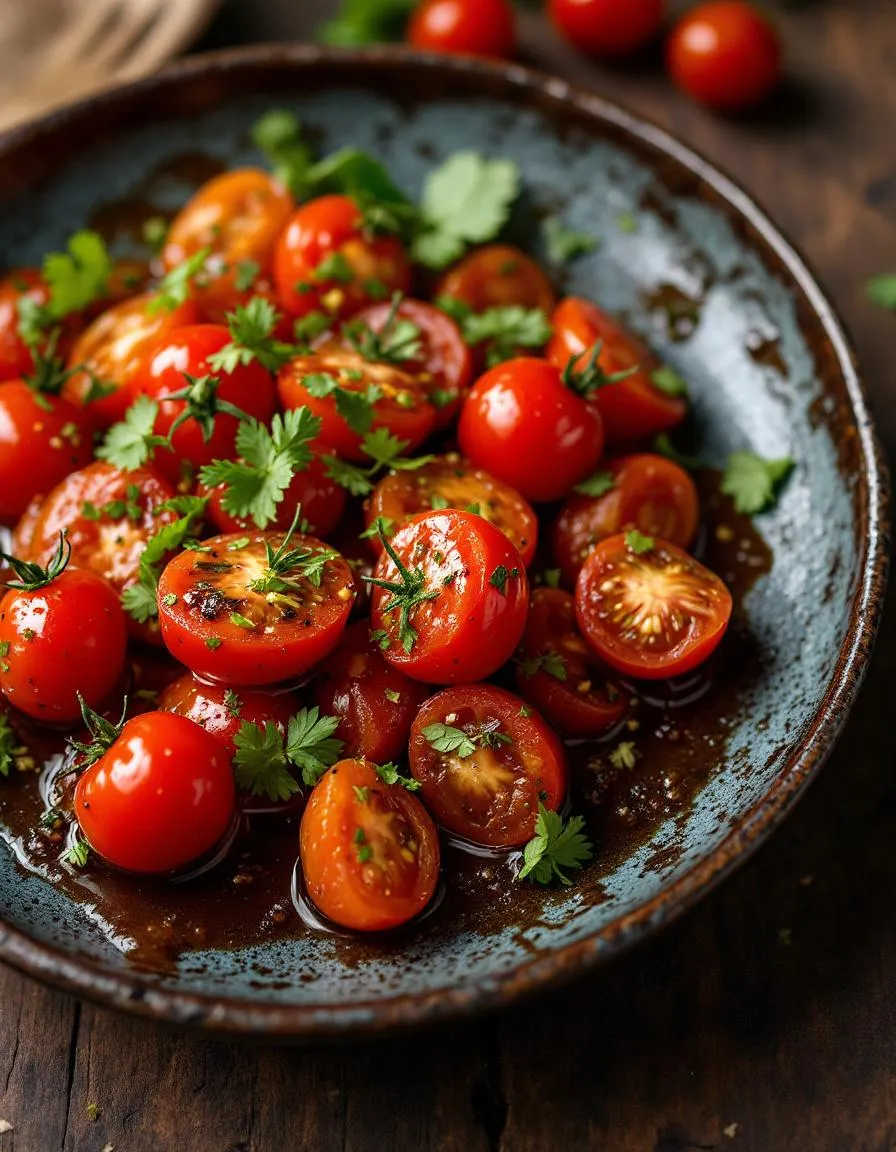
If you’ve ever craved a burst of bright, tangy flavor to elevate your meals, you’ll adore this Marinated Cherry Tomatoes Recipe. Whether you’re hosting a summer gathering or simply treating yourself to a vibrant side dish, these tomatoes deliver freshness in every bite. Plus, they’re incredibly versatile—toss them into salads, layer them on toast, or enjoy them straight from the bowl. Trust me, once you try them, you’ll wonder how you ever lived without this simple yet transformative recipe.
Marinated Cherry Tomatoes Recipe is a celebration of simplicity and flavor. By soaking juicy cherry tomatoes in a zesty blend of herbs, garlic, and olive oil, you create a dish that’s both refreshing and deeply satisfying. Unlike complicated recipes that demand hours in the kitchen, this one comes together in minutes but tastes like you’ve put in serious effort. It’s perfect for busy weeknights or last-minute entertaining, aligning perfectly with the breezy, approachable vibe of brekcakes.com. If you love easy yet impressive dishes, you’ll also appreciate my Garlic Herb Focaccia, which pairs wonderfully with these tomatoes. And if you’re looking for more ways to enjoy fresh produce, check out my Summer Berry Salad for another dose of seasonal inspiration.
Why I Love This Recipe
This Marinated Cherry Tomatoes Recipe holds a special place in my heart because it reminds me of lazy Sunday afternoons at my grandma’s house. She’d always have a bowl of marinated tomatoes sitting on the counter, ready to snack on or add to whatever she was cooking. The aroma of garlic and basil would fill the kitchen, and I’d sneak bites whenever I could. Now, every time I make this recipe, it feels like carrying on a little piece of her legacy—one that’s as delicious as it is nostalgic.
Health and Nutrition
Why it’s good for your body
Marinated Cherry Tomatoes Recipe packs a powerful punch of nutrients while delighting your taste buds. First, cherry tomatoes are rich in antioxidants like lycopene, which supports heart health and may reduce inflammation. Additionally, the olive oil in the marinade provides healthy fats that help your body absorb these fat-soluble vitamins more effectively.
Moreover, this dish delivers a boost of vitamin C, which strengthens your immune system and promotes glowing skin. The fresh herbs, such as basil or thyme, not only enhance flavor but also offer anti-inflammatory properties. Since the recipe uses minimal processed ingredients, you avoid unnecessary additives and preservatives.
Furthermore, Marinated Cherry Tomatoes Recipe is low in calories but high in flavor, making it a smart choice for weight management. The natural acidity from the vinegar aids digestion, while the fiber in the tomatoes keeps you full longer. Whether you enjoy it as a side or topping, this dish adds vibrant nutrition to any meal.
How it fits in a healthy lifestyle
Marinated Cherry Tomatoes Recipe fits seamlessly into a balanced diet, whether you follow Mediterranean, gluten-free, or plant-based eating plans. The simple, whole-food ingredients align with clean eating goals, and the dish pairs perfectly with proteins like grilled chicken or fish. For a heart-healthy twist, serve it over quinoa or alongside our Avocado Toast Variations for a nutrient-dense meal.
If you’re meal prepping, this recipe stays fresh for days, making it an easy way to add veggies to lunches or snacks. It also complements lighter dishes, like our Refreshing Summer Salads, for a hydrating, low-calorie option. With no added sugars or artificial ingredients, Marinated Cherry Tomatoes Recipe supports long-term wellness without sacrificing flavor.
A refreshing and tangy side dish featuring cherry tomatoes marinated in a flavorful herb and garlic dressing.
Ingredients
Scale
For the Crust:
2 cups cherry tomatoes, halved
2 cloves garlic, minced
1/4 cup fresh basil, chopped
2 tablespoons olive oil
1 tablespoon balsamic vinegar
1/2 teaspoon salt
1/4 teaspoon black pepper
Instructions
1. Prepare the Crust:
In a large bowl, combine the halved cherry tomatoes, minced garlic, and chopped basil.
In a small bowl, whisk together the olive oil, balsamic vinegar, salt, and black pepper.
Pour the dressing over the tomato mixture and gently toss to coat.
Cover and refrigerate for at least 30 minutes to allow the flavors to meld.
Serve chilled as a side dish or over grilled bread.
Notes
You can customize the seasonings to taste.
“`html
s-dish">How to Prepare This Dish
Steps and time-saving tips
Start by rinsing the cherry tomatoes under cool water, then pat them dry with a clean towel. Next, slice each tomato in half to let the marinade soak in better. Meanwhile, whisk together olive oil, minced garlic, fresh basil, salt, and a splash of balsamic vinegar in a large bowl. Gently fold the tomatoes into the marinade until they’re fully coated. For deeper flavor, let the mixture sit at room temperature for 30 minutes, or chill it in the fridge for up to 2 hours. If you’re short on time, skip the resting period—the tomatoes will still taste great. Just before serving, give the marinated cherry tomatoes a quick stir and drizzle any extra marinade over the top. They pair perfectly with crusty bread or as a topping for grilled chicken. To save time, prep the marinade ahead and store it in the fridge until you’re ready to toss in the tomatoes.
Mistakes I’ve made and learned from
When I first tried this marinated cherry tomatoes recipe, I made the mistake of skipping the drying step. The extra moisture diluted the marinade, leaving the flavors weak. Now, I always pat the tomatoes dry—it makes a huge difference. Another lesson? Over-marinating. Leaving them overnight turned the tomatoes mushy, so I stick to a 2-hour max chill time. If you love bold flavors like I do, try adding a pinch of red pepper flakes for heat. For more tips on balancing acidity in dressings, check out my guide on salad dressing hacks. And if you’re new to working with fresh herbs, my herb storage tips will help keep them vibrant longer.
The Marinated Cherry Tomatoes Recipe has roots in Mediterranean cuisine, where fresh, sun-ripened tomatoes soak up bold flavors like garlic, herbs, and olive oil. Farmers and home cooks alike have relied on this simple yet vibrant dish for generations, especially during summer when tomatoes burst with sweetness. In Italy, they might toss in fresh basil and balsamic vinegar, while Greek versions often feature oregano and feta. Meanwhile, in my family, we add a pinch of red pepper flakes for a subtle kick—proof that even the simplest recipes carry personal touches.
Across the globe, the Marinated Cherry Tomatoes Recipe adapts to local tastes. In Japan, chefs might drizzle it with soy sauce and sesame oil for an umami twist. Mexican cooks could brighten it with lime and cilantro, turning it into a zesty topping for tacos. No matter the variation, the dish remains a celebration of fresh produce and shared meals. Whether served at a picnic or as part of a festive spread, it’s a reminder that good food bridges cultures effortlessly.
ays-cooking">How it fits in today’s cooking
Today, the Marinated Cherry Tomatoes Recipe stays relevant because it’s versatile and fuss-free. Busy home cooks love how it elevates weeknight dinners—toss it with pasta, pile it on toast, or serve it alongside grilled meats. It’s also a star at potlucks and summer BBQs, where its bright flavors stand out. Plus, meal preppers swear by it since the tomatoes only get better as they marinate, making it a perfect make-ahead side.
Modern twists keep the dish fresh, too. Some add avocado for creaminess, while others mix in quinoa for a hearty grain bowl. Health-conscious eaters appreciate its nutrient-packed profile, and it pairs beautifully with dishes like grilled chicken for a balanced meal. Whether you stick to tradition or experiment, the Marinated Cherry Tomatoes Recipe proves that timeless flavors never go out of style.
Taste and Texture
What makes it delicious
The Marinated Cherry Tomatoes Recipe bursts with juicy, sun-ripened sweetness balanced by a tangy, garlicky marinade. Each bite delivers a refreshing pop of flavor, thanks to the tomatoes’ natural brightness and the herb-infused olive oil clinging to their glossy skins. Fresh basil adds a fragrant, slightly peppery depth, while a hint of red pepper flakes brings a subtle warmth. The texture? Perfectly tender yet firm, with just enough resistance to make every mouthful satisfying. Whether served chilled or at room temperature, the Marinated Cherry Tomatoes Recipe transforms simple ingredients into a vibrant, crave-worthy dish.
r">Boosting the flavor
For an extra layer of richness, try crumbling creamy feta or tangy goat cheese over the Marinated Cherry Tomatoes Recipe just before serving. If you love bold flavors, a drizzle of balsamic glaze or a sprinkle of toasted pine nuts adds depth and crunch. Experiment with fresh herbs like thyme or oregano for a woodsy twist, or toss in briny olives for a salty contrast. For more inspiration, explore our guide to easy summer salads or discover how to pair this dish with grilled bread recipes for a satisfying appetizer. Small tweaks make a big difference!
Tips for Success
Best practices for results
Always use ripe cherry tomatoes for the best flavor in your Marinated Cherry Tomatoes Recipe. Meanwhile, slice them evenly so they absorb the marinade uniformly. For maximum taste, let the tomatoes sit in the fridge for at least two hours before serving. Additionally, use fresh herbs like basil or thyme to enhance the aroma. Finally, stir the mixture gently to avoid crushing the tomatoes while blending the flavors.
>Mistakes to avoid
Avoid oversalting the marinade, as it can overpower the natural sweetness of the tomatoes. Instead, start with a small amount and adjust after tasting. Furthermore, don’t skip the chilling time—marinating too briefly means the flavors won’t fully develop. For more tips on balancing flavors, check out our guide on perfect salad dressings. Also, never use metal bowls for marinating, as they can react with acidic ingredients. For safe food storage options, explore our meal prep containers recommendations.
Serving and Pairing Suggestions
How to serve this dish
Brighten up any table with this vibrant Marinated Cherry Tomatoes Recipe. For a stunning presentation, serve them in a shallow bowl or mason jar to showcase their glossy marinade. Alternatively, layer them over toasted crostini with a sprinkle of fresh basil for an effortless appetizer. These tomatoes shine at summer picnics, holiday brunches, or even as a colorful side at barbecues. To elevate the visual appeal, garnish with a few whole basil leaves or a drizzle of high-quality olive oil just before serving.
What goes well with it
Pair the Marinated Cherry Tomatoes Recipe with creamy burrata or fresh mozzarella for a classic caprese-inspired combo. The tangy tomatoes balance the richness of the cheese perfectly. For a heartier meal, serve them alongside grilled chicken or our Herb-Crusted Salmon, where the bright flavors cut through the savory notes. Finally, a crisp white wine like Sauvignon Blanc or our Sparkling Lemonade refreshes the palate between bites.
How long should cherry tomatoes marinate for best flavor?
For the best results, let your Marinated Cherry Tomatoes Recipe sit for at least 1–2 hours at room temperature. Overnight refrigeration intensifies the flavors, making the tomatoes even more delicious. Avoid marinating beyond 48 hours, as the texture may become too soft.
What’s the best oil to use for marinating cherry tomatoes?
Extra virgin olive oil is ideal for a Marinated Cherry Tomatoes Recipe because it adds rich flavor and helps absorb herbs and spices. For a lighter taste, try avocado oil. Avoid heavy or strongly flavored oils like sesame, which can overpower the tomatoes.
rank-math-faq-item">
Can I use balsamic vinegar in marinated cherry tomatoes?
Yes! Balsamic vinegar adds a sweet-tangy depth to your Marinated Cherry Tomatoes Recipe. Use it sparingly (1–2 tablespoons) to avoid overpowering the dish. For a milder option, red wine or apple cider vinegar also works well.
How do I store leftover marinated cherry tomatoes?
Keep leftovers in an airtight container in the fridge for up to 3 days. The Marinated Cherry Tomatoes Recipe tastes best at room temperature, so let it sit for 15 minutes before serving again. Avoid freezing, as the texture will turn mushy.