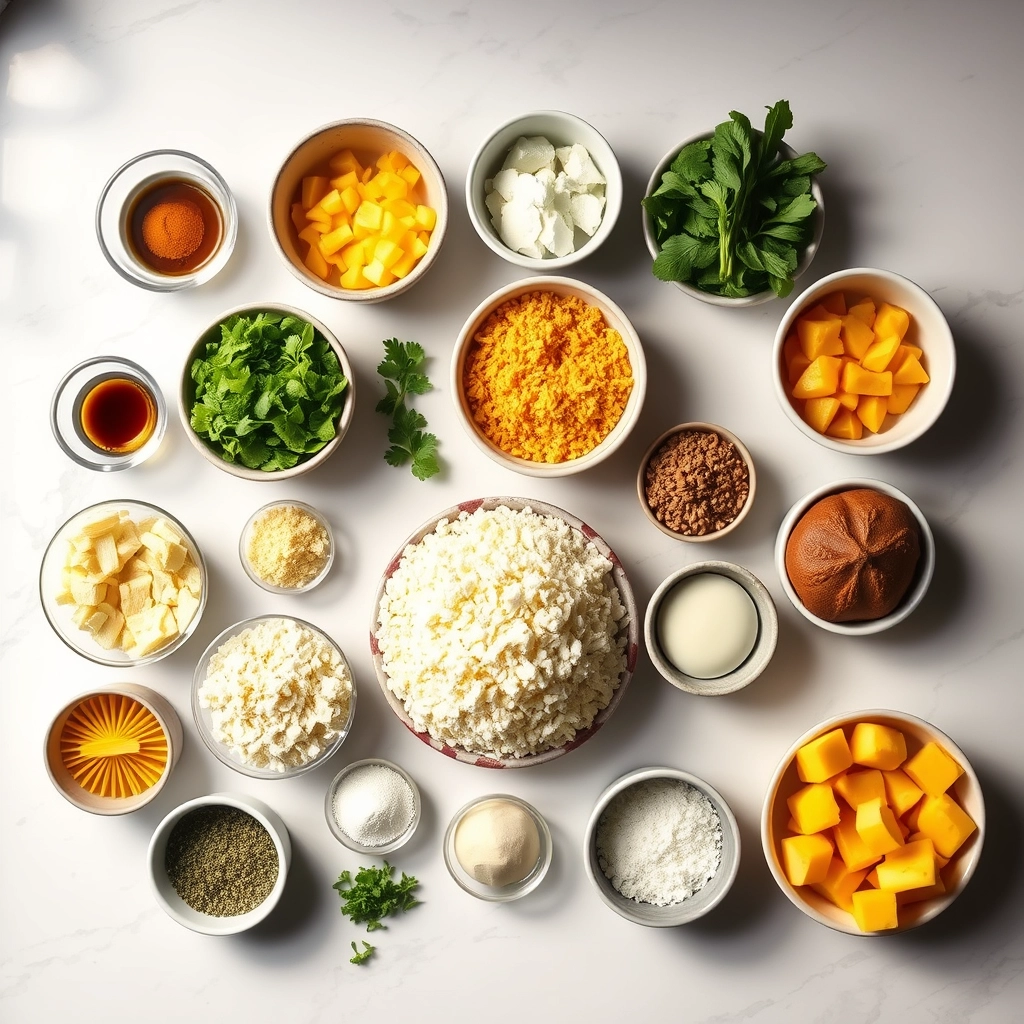
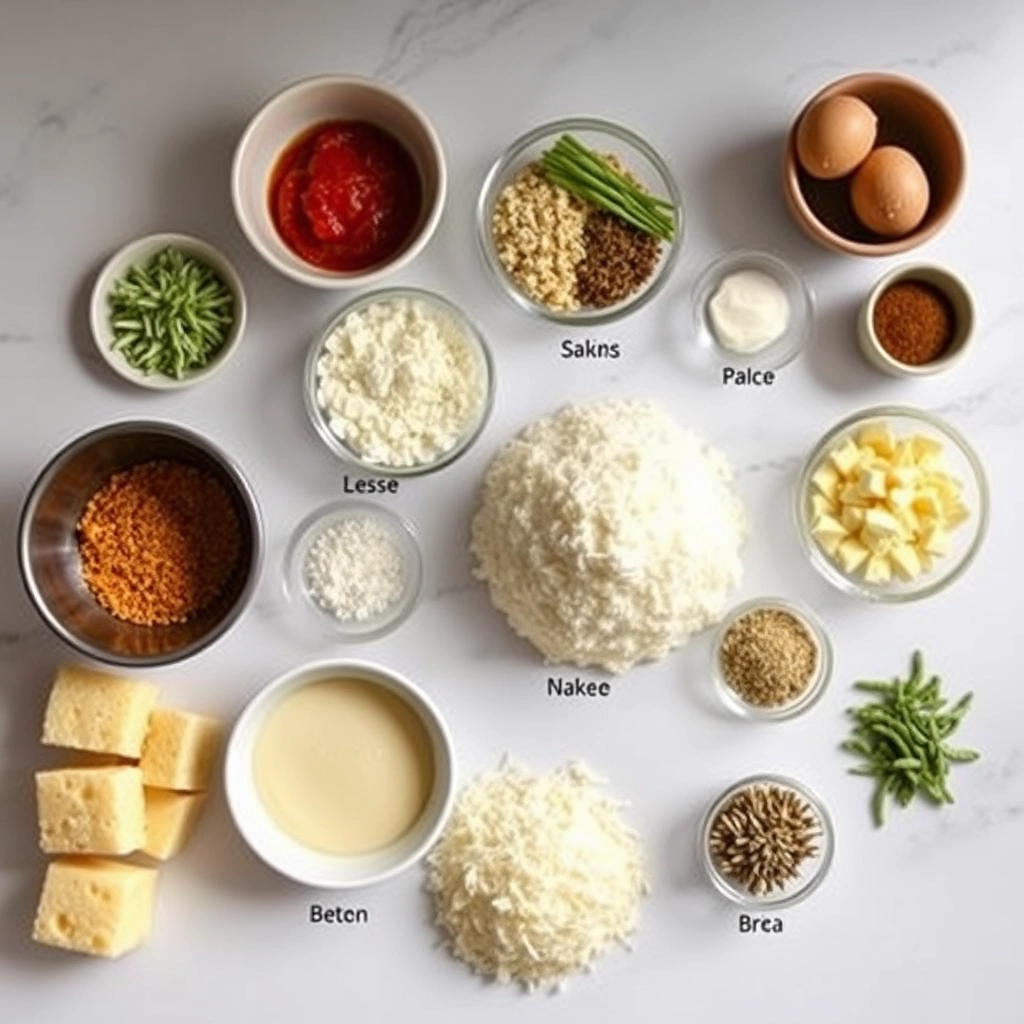
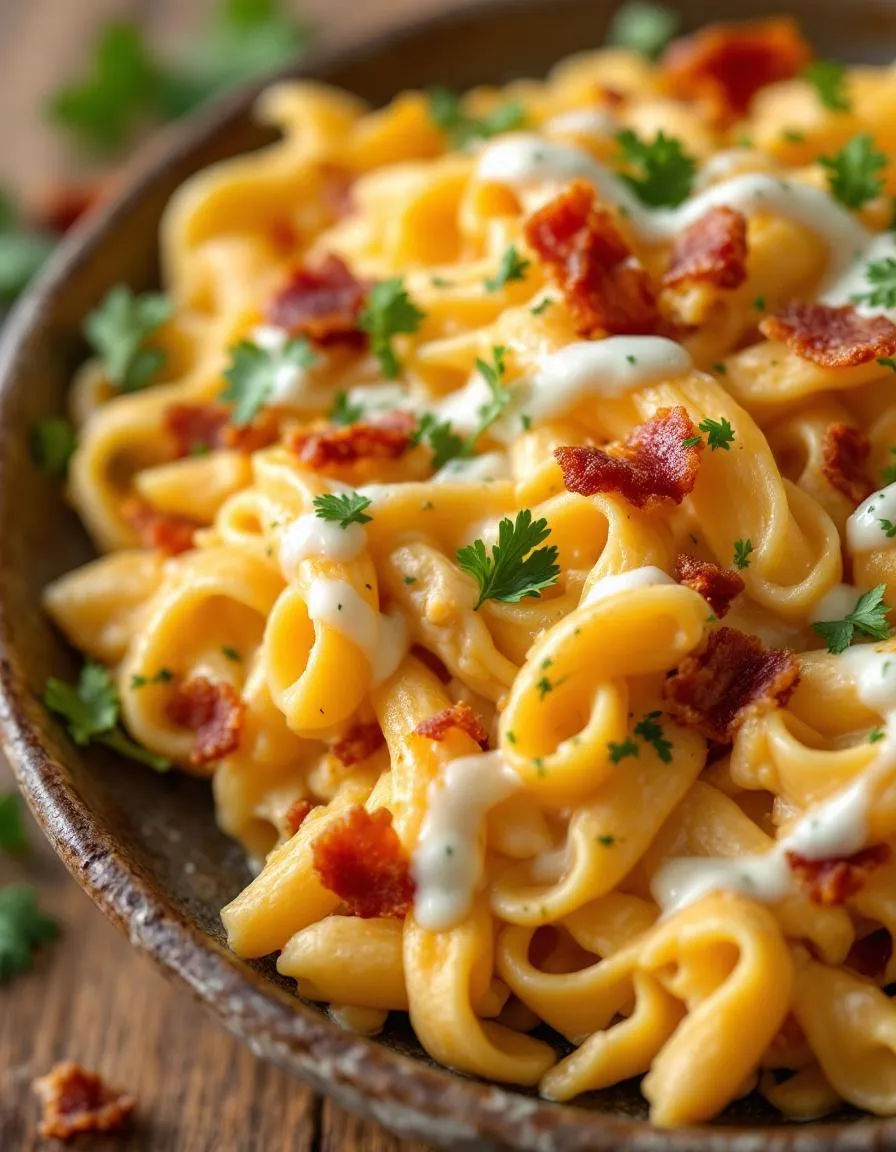
There’s something undeniably comforting about a dish that brings people together, and that’s exactly what this Cheesy Squash Casserole does. Whether you’re hosting a family gathering or simply craving a cozy weeknight meal, this recipe wraps you in warmth with every bite. Plus, it’s a fantastic way to use up summer squash when your garden overflows—or when you spot a great deal at the farmers market. Trust me, once you try this creamy, cheesy masterpiece, it’ll earn a permanent spot in your recipe rotation.
Cheesy Squash Casserole is a Southern-inspired dish that transforms humble yellow squash into a rich, flavorful bake. By layering tender squash with a creamy cheese sauce and a buttery cracker topping, you create a harmony of textures and flavors that feels both nostalgic and fresh. What makes it special is its versatility. You can serve it as a hearty side dish alongside Southern fried chicken or let it shine as the star of a vegetarian spread. It’s also incredibly forgiving, so whether you’re a seasoned cook or just starting out, you’ll find success with this recipe. Here at brekcakes.com, we celebrate food that’s approachable yet memorable, and this casserole perfectly embodies that spirit. For more crowd-pleasing ideas, check out our comfort food classics collection.
Why I Love This Recipe
This Cheesy Squash Casserole holds a special place in my heart because it reminds me of Sunday dinners at my grandma’s house. She’d pull it straight from the oven, golden and bubbling, and we’d all hover around the table, eager for the first scoop. Now, whenever I make it, the smell alone transports me back to those moments of laughter and shared stories. It’s more than just a dish—it’s a reminder that the simplest meals often carry the deepest memories.
Health and Nutrition
Why it’s good for your body
Cheesy Squash Casserole packs a nutritious punch while delivering comfort food flavors. First, yellow squash provides a hefty dose of vitamins A and C, which support immune health and glowing skin. Additionally, the fiber in squash aids digestion and helps you feel full longer. Meanwhile, the cheese adds protein and calcium, strengthening bones and muscles.
Moreover, Cheesy Squash Casserole balances indulgence with wholesome ingredients. Unlike heavy casseroles, this dish relies on fresh squash as its base, keeping calories in check. The cheese also offers healthy fats that promote brain function. Plus, when you use whole-grain breadcrumbs, you boost the fiber content even further.
Finally, this casserole delivers antioxidants like beta-carotene from the squash. These compounds fight inflammation and may lower chronic disease risk. Whether you serve it as a side or main dish, Cheesy Squash Casserole nourishes your body without sacrificing flavor.
How it fits in a healthy lifestyle
Cheesy Squash Casserole fits seamlessly into balanced eating habits. For gluten-free diets, simply swap traditional breadcrumbs for a gluten-free alternative to keep the dish celiac-friendly. If you’re watching your heart health, opt for reduced-fat cheese and olive oil instead of butter.
This recipe also pairs well with lean proteins like grilled chicken or fish, making it a versatile addition to any meal plan. For those focusing on plant-based eating, try adding vegan cheese to maintain the creamy texture without dairy. Whether you’re meal prepping or serving a family dinner, Cheesy Squash Casserole adapts to your nutritional goals without compromising taste.
A creamy and cheesy squash casserole that makes a perfect side dish for any meal.
Ingredients
Scale
For the Crust:
4 cups yellow squash, sliced
1 small onion, chopped
1 cup shredded cheddar cheese
1/2 cup sour cream
1/2 cup mayonnaise
1 large egg, beaten
1/2 cup breadcrumbs
2 tablespoons butter, melted
1 teaspoon salt
1/2 teaspoon black pepper
Instructions
1. Prepare the Crust:
Preheat oven to 350°F (175°C). Grease a 9×13-inch baking dish.
In a large skillet, cook the squash and onion over medium heat until tender, about 10 minutes. Drain any excess liquid.
In a large bowl, mix the cooked squash and onion with cheddar cheese, sour cream, mayonnaise, beaten egg, salt, and pepper.
Transfer the mixture to the prepared baking dish.
In a small bowl, combine breadcrumbs and melted butter. Sprinkle evenly over the squash mixture.
Bake for 25-30 minutes, or until the top is golden brown and the casserole is bubbly.
Notes
You can customize the seasonings to taste.
s-dish">How to Prepare This Dish
Steps and time-saving tips
Start by preheating your oven to 375°F so it’s ready when you finish prepping the Cheesy Squash Casserole. While the oven heats, slice fresh yellow squash into thin rounds—about ¼-inch thick—for even cooking. Next, sauté the squash in a large skillet with a drizzle of olive oil until it softens slightly, which takes about 5 minutes. Meanwhile, whisk together eggs, milk, and a pinch of salt in a bowl until smooth. Stir in shredded cheddar cheese, breadcrumbs, and a dash of garlic powder for extra flavor. Once the squash cools for a minute, gently fold it into the cheesy mixture. Then, transfer everything to a greased baking dish and sprinkle extra cheese on top for a golden crust. Bake for 25-30 minutes until bubbly and lightly browned. Let it rest for 5 minutes before serving so the layers set. To save time, prep the squash and cheese mixture the night before and refrigerate it. Just pop it in the oven when you’re ready!
Mistakes I’ve made and learned from
I once rushed the sautéing step and ended up with watery Cheesy Squash Casserole because the squash released too much liquid. Now I always cook it just until tender and drain any excess moisture. Another blunder? Overbaking! I left it in too long, and the cheese turned rubbery. A trusty oven thermometer saved me—check out my must-have kitchen tools for more game-changers. Also, skipping the rest time led to a messy slice. Patience pays off, just like with my casserole layering tips. Learn from my fails, and yours will turn out creamy, not soggy!
n-and-variations">Cultural Connection and Variations
Where this recipe comes from
Cheesy Squash Casserole has deep roots in Southern comfort food, where garden-fresh vegetables and creamy, indulgent cheeses come together in a dish that feels like home. Many families trace their versions back to summer harvests, when yellow squash overflowed in gardens and needed creative uses. Some cooks add a buttery cracker topping, while others swear by a breadcrumb crust. Meanwhile, in other parts of the world, similar dishes take shape. For example, in France, a gratin de courgettes layers zucchini with béchamel, and in Italy, baked squash might feature ricotta and herbs. But no matter the variation, Cheesy Squash Casserole always brings warmth to the table.
In my family, this dish became a staple at potlucks and holiday gatherings. My grandmother insisted on mixing sharp cheddar with a splash of hot sauce for extra kick. Over time, I’ve seen friends tweak it too—some add crispy bacon, while others fold in spinach for extra greens. Whether served as a side or a main, Cheesy Squash Casserole adapts to whatever the occasion calls for. It’s a reminder that simple ingredients can carry big flavors and even bigger memories.
How it fits in today’s cooking
Today, Cheesy Squash Casserole still shines as a versatile crowd-pleaser. Busy home cooks love it because they can prep it ahead, making it perfect for weeknight dinners or holiday feasts. Modern twists, like swapping in gluten-free breadcrumbs or using plant-based cheeses, keep it relevant for diverse diets. Plus, its creamy texture and veggie-packed base make it a comforting yet balanced choice, especially when paired with lighter mains like grilled chicken.
Seasonally, it transiti
ons effortlessly from summer picnics to cozy winter meals. Some families even bake it into their Thanksgiving traditions, alongside classics like green bean casserole. No matter how you serve it, Cheesy Squash Casserole proves that some dishes never go out of style—they just get better with time.
Taste and Texture
What makes it delicious
Cheesy Squash Casserole delivers a comforting blend of creamy, savory, and slightly sweet flavors. Tender squash melts into a rich, velvety cheese sauce, while buttery breadcrumbs add a satisfying crunch. Each bite bursts with the earthy sweetness of squash, balanced by sharp cheddar and a hint of garlic. The aroma alone—warm, cheesy, and herbaceous—will draw everyone to the table. Whether served as a side or main dish, Cheesy Squash Casserole wraps you in cozy, homestyle goodness.
Boosting the flavor
Elevate your Cheesy Squash Casserole with a sprinkle of smoked paprika or crispy bacon bits for a smoky depth. For extra freshness, stir in chopped parsley or chives just before serving. Pair it with a tangy creamy ranch dressing to cut through the richness, or try a dash of hot sauce for a spicy kick. If you love bold flavors, swap the cheddar for pepper jack cheese. For more cheesy inspiration, check out this three-cheese pasta bake—its blend of cheeses works beautifully here too!
Always slice your squash evenly so it cooks uniformly in the Cheesy Squash Casserole. For extra creaminess, mix the cheese sauce while it’s warm to prevent clumping. Additionally, lightly salt the squash before baking to draw out excess moisture and avoid a soggy dish. Finally, let the casserole rest for 10 minutes after baking—this helps the layers set for cleaner slices.
Mistakes to avoid
Overcrowding the baking dish is a common mistake that leads to uneven cooking in Cheesy Squash Casserole. Instead, use a deep dish to allow proper heat circulation. Another error is skipping the step of pre-cooking the squash, which can result in a watery texture. For more on avoiding soggy casseroles, check out our guide on fixing soggy casseroles. Also, resist overmixing the cheese sauce, as it can become grainy. For perfect sauce consistency, review our tips for creamy cheese sauce every time.
g-suggestions">Serving and Pairing Suggestions
How to serve this dish
Bring your Cheesy Squash Casserole to the table straight from the oven while it’s still bubbling for maximum appeal. For a rustic touch, serve it in the same cast-iron skillet or ceramic dish you baked it in. Sprinkle fresh parsley or chives on top to add a pop of color and freshness. This dish shines at holiday gatherings, especially Thanksgiving or potlucks, where its creamy texture and golden crust steal the show. Alternatively, pair it with a simple green salad for a cozy weeknight dinner that feels special.
What goes well with it
For a balanced meal, pair Cheesy Squash Casserole with grilled chicken or roasted turkey. The savory proteins contrast beautifully with the creamy, cheesy flavors. If you’re serving it as a side, try our Herb-Roasted Potatoes for a hearty combination. To refresh the palate, a crisp white wine like Sauvignon Blanc or a light sparkling water with lemon works wonders. For dessert, our Classic Apple Crisp adds a sweet finish without overpowering the meal.
math-faq-block">
What’s the best cheese for Cheesy Squash Casserole?
Sharp cheddar is the most popular choice for Cheesy Squash Casserole because it melts well and adds rich flavor. For extra creaminess, mix in Monterey Jack or a sprinkle of Parmesan. Avoid pre-shredded cheese, as it contains anti-caking agents that can make the texture grainy.
Can you make Cheesy Squash Casserole ahead of time?
Yes! Assemble the Cheesy Squash Casserole up to 24 hours in advance and refrigerate it covered. Let it sit at room temperature for 30 minutes before baking to ensure even cooking. This dish also freezes well for up to 3 months—just thaw overnight before reheating.
How do you keep squash from getting watery in a casserole?
Salt sliced squash and let it drain in a colander for 15–30 minutes to remove excess moisture before assembling your Cheesy Squash Casserole. Pat it dry with paper towels for even better results. Adding breadcrumbs or cracker crumbs also helps absorb extra liquid during baking.
rank-math-faq-item">
What protein goes well with Cheesy Squash Casserole?
Cheesy Squash Casserole pairs perfectly with grilled chicken, baked ham, or roasted turkey for a balanced meal. For a Southern-style dinner, serve it alongside fried chicken or smoked sausage. The creamy texture complements both lean and hearty proteins.
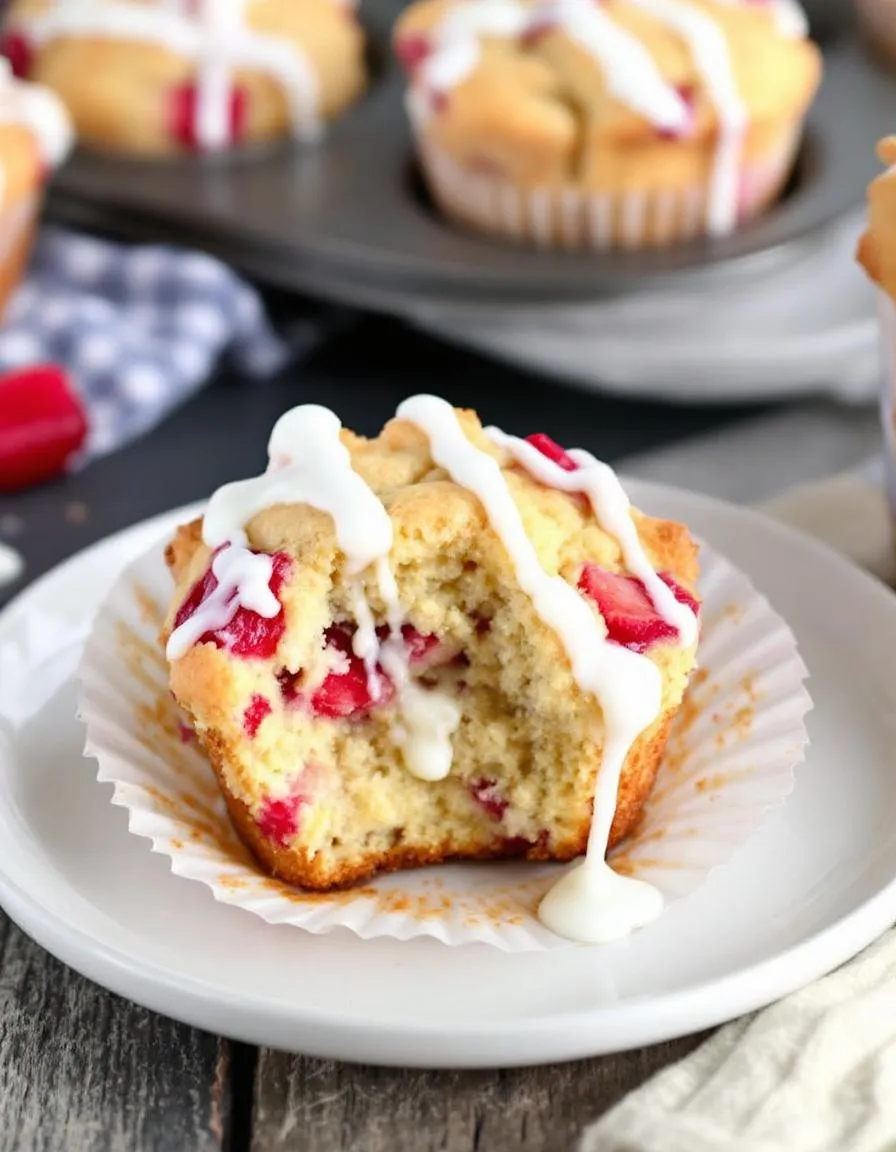
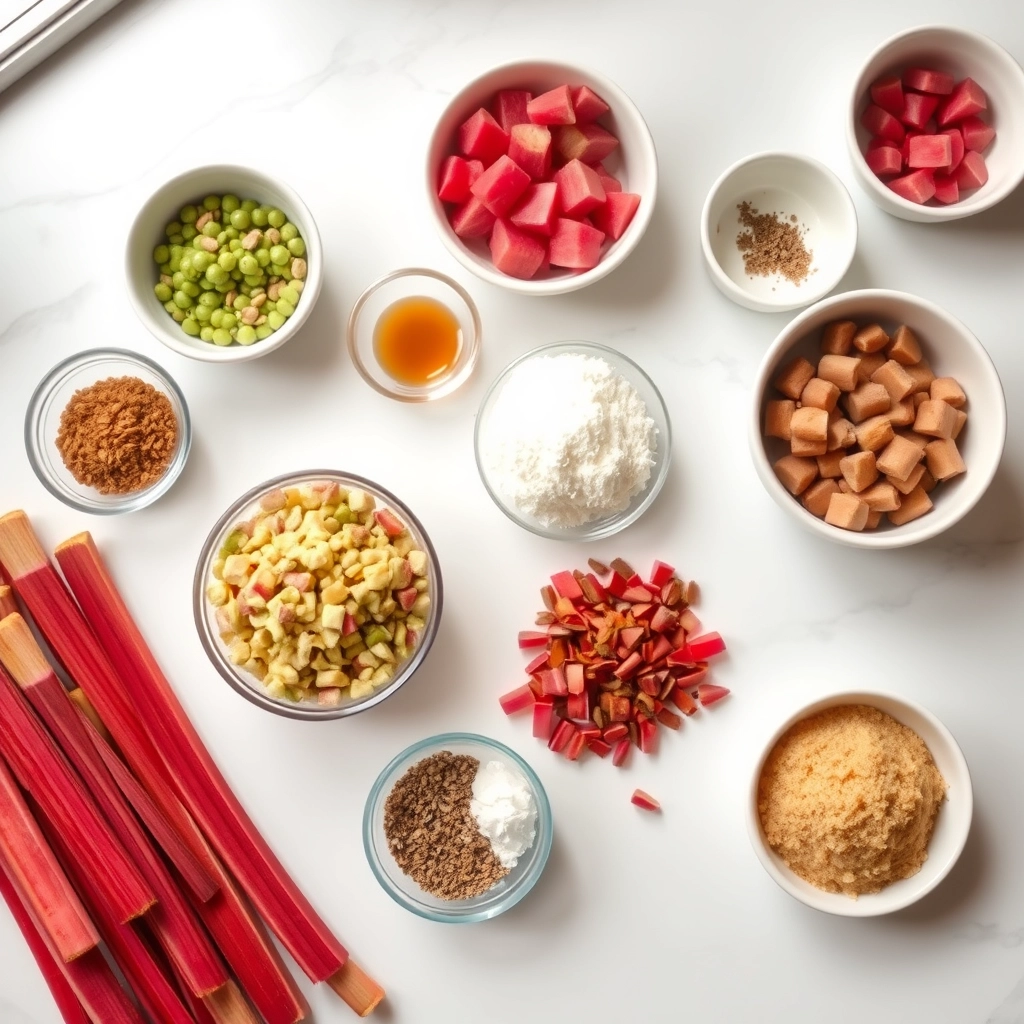
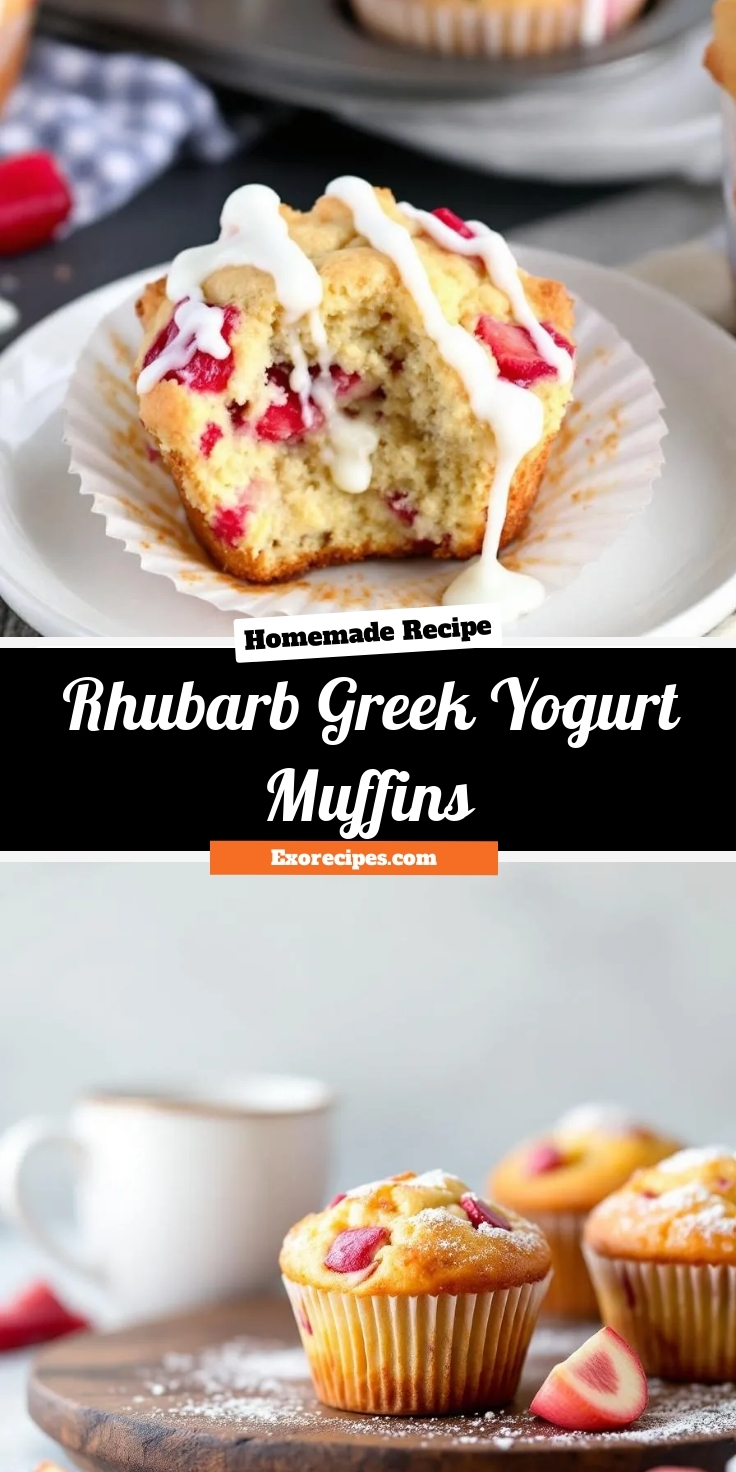
Best Rhubarb Greek Yogurt Muffins – Easy Recipe
Introduction
There’s something undeniably special about baking—especially when it brings together unexpected flavors in a way that feels both comforting and exciting. That’s exactly why I adore these Rhubarb Greek Yogurt Muffins. Whether you’re a seasoned baker or just starting out, this recipe delivers tender, tangy-sweet muffins that pair perfectly with your morning coffee or an afternoon pick-me-up. Plus, they’re a fantastic way to use seasonal rhubarb while adding a protein boost from Greek yogurt. Trust me, one bite and you’ll understand why these muffins have become a staple in my kitchen.
Rhubarb Greek Yogurt Muffins strike the ideal balance between wholesome and indulgent. The tartness of fresh rhubarb contrasts beautifully with the creamy richness of Greek yogurt, creating a moist, flavorful crumb that’s hard to resist. What makes this recipe stand out is its simplicity—no fancy techniques or hard-to-find ingredients required. Just like my Blueberry Lemon Scones, these muffins celebrate fresh produce while keeping the process approachable. They’re also incredibly versatile. Serve them warm for breakfast, pack them for a picnic, or enjoy them as a guilt-free dessert. If you’re looking for more ways to bake with yogurt, my Greek Yogurt Banana Bread is another must-try. Above all, these muffins embody the breezy, joyful spirit of brekcakes.com—recipes that feel like home but still surprise and delight.
Why I Love This Recipe
Rhubarb Greek Yogurt Muffins hold a special place in my heart because they remind me of my grandmother’s garden. She grew rhubarb every summer, and I loved watching her transform those vibrant stalks into pies, crisps, and yes—muffins. This recipe captures that nostalgia while adding my own twist with Greek yogurt for extra tenderness. Every time I bake them, the aroma fills my kitchen with memories, and sharing them with friends feels like passing down a little piece of my story. That’s the magic of baking: it’s never just about the food—it’s about the moments and connections we create along the way.
Health and Nutrition
Why it’s good for your body
Rhubarb Greek Yogurt Muffins pack a nutritious punch while satisfying your sweet cravings. First, rhubarb delivers a hefty dose of fiber, which supports digestion and keeps you feeling full longer. Additionally, it’s rich in vitamin K, promoting bone health and blood clotting. Meanwhile, Greek yogurt adds a protein boost, helping to stabilize energy levels and repair muscles.
Moreover, these muffins offer a smarter alternative to traditional baked goods. Unlike sugar-heavy treats, Rhubarb Greek Yogurt Muffins rely on natural tartness from rhubarb and the creamy tang of yogurt for flavor. This means fewer refined sugars and more wholesome ingredients. Plus, the combination of whole grains and yogurt provides a steady release of energy, preventing mid-morning crashes.
Finally, the antioxidants in rhubarb fight inflammation, while the probiotics in Greek yogurt support gut health. Whether you enjoy them for breakfast or as a snack, Rhubarb Greek Yogurt Muffins nourish your body without compromising taste. They’re proof that indulgence and nutrition can go hand in hand.
How it fits in a healthy lifestyle
Rhubarb Greek Yogurt Muffins fit seamlessly into a balanced diet, whether you’re aiming for heart health or simply mindful eating. Their high-protein content makes them a great post-workout snack, while the fiber keeps cravings in check. If you’re watching your gluten intake, try swapping regular flour for a gluten-free blend—these muffins adapt beautifully.
For those focused on heart health, the low saturated fat and cholesterol-free profile of these muffins align perfectly with heart-friendly eating. They also pair well with other nutrient-dense foods, like a handful of nuts or fresh berries. And if you’re meal prepping, bake a batch ahead of time for quick, portion-controlled snacks throughout the week.
Looking for more ways to balance treats with nutrition? Explore our guide to healthy baking swaps to keep your recipes light and satisfying. Rhubarb Greek Yogurt Muffins prove that smart choices don’t mean sacrificing flavor—just smarter ingredients.
Moist and tangy muffins with fresh rhubarb and Greek yogurt for a delightful breakfast or snack.
Ingredients
Scale
For the Crust:
1 1/2 cups all-purpose flour
1/2 cup granulated sugar
1 1/2 tsp baking powder
1/2 tsp baking soda
1/4 tsp salt
1 cup Greek yogurt
1/4 cup vegetable oil
1 large egg
1 tsp vanilla extract
1 cup diced rhubarb
Instructions
1. Prepare the Crust:
Preheat oven to 375°F (190°C) and line a muffin tin with paper liners.
In a large bowl, whisk together flour, sugar, baking powder, baking soda, and salt.
In another bowl, mix Greek yogurt, vegetable oil, egg, and vanilla extract until smooth.
Pour the wet ingredients into the dry ingredients and stir until just combined.
Gently fold in the diced rhubarb.
Divide the batter evenly among the muffin cups and bake for 20-25 minutes or until a toothpick comes out clean.
Let cool in the pan for 5 minutes, then transfer to a wire rack to cool completely.
Notes
You can customize the seasonings to taste.
How to Prepare This Dish
Steps and time-saving tips
Start by preheating your oven to 375°F and lining a muffin tin with paper liners. While the oven heats, whisk together the dry ingredients—flour, baking powder, and a pinch of salt—in a large bowl. In another bowl, mix the wet ingredients: Greek yogurt, melted butter, eggs, and vanilla extract until smooth. Fold the wet mixture into the dry ingredients gently, avoiding overmixing. Then, stir in the diced rhubarb for a tangy twist. Spoon the batter evenly into the muffin cups, filling each about two-thirds full. Bake for 18-20 minutes until golden and a toothpick comes out clean. For extra flavor, drizzle honey over the warm muffins or sprinkle with coarse sugar before serving. To save time, prep the dry and wet ingredients the night before and combine them just before baking. If you’re short on fresh rhubarb, frozen works too—just thaw and pat it dry first.
and-learned-from">Mistakes I’ve made and learned from
I once overmixed the batter, resulting in dense Rhubarb Greek Yogurt Muffins instead of light, fluffy ones. Now, I fold the ingredients just until combined, and the texture is perfect every time. Another mishap? Using watery yogurt—it made the muffins soggy. I learned to opt for thick, full-fat Greek yogurt, like the kind I use in my Greek Yogurt Pancakes, for the best consistency. If your rhubarb is too tart, toss it with a bit of sugar before adding it to the batter. For more tips on balancing flavors, check out my guide to Baking with Rhubarb. Trust me, these small tweaks make all the difference!
Cultural Connection and Variations
Where this recipe comes from
Rhubarb Greek Yogurt Muffins weave together two culinary traditions that might seem worlds apart at first glance. Rhubarb, with its tart punch, has deep roots in European and North American baking, often starring in pies and crumbles come spring. Meanwhile, Greek yogurt brings a creamy tang from the Mediterranean, where it’s been a staple for centuries. Somehow, these ingredients found each other, creating a muffin that’s both nostalgic and refreshingly modern.
In my family, Rhubarb G
reek Yogurt Muffins became a rite of spring. My grandmother would swap buttermilk for yogurt when her rhubarb patch overflowed, claiming it made the crumb extra tender. Across the Atlantic, British bakers might fold in custard powder for richness, while Scandinavians could sprinkle cardamom for warmth. Even in the U.S., regional twists pop up—some add lemon zest for brightness, while others toss in walnuts for crunch. No matter the variation, the magic lies in balancing rhubarb’s sharpness with yogurt’s mellow creaminess.
How it fits in today’s cooking
Today, Rhubarb Greek Yogurt Muffins fit perfectly into our love for breakfasts that feel indulgent yet wholesome. They’re a seasonal star at farmers’ market brunches and a smart way to use garden-fresh rhubarb. Plus, they align with modern tastes—Greek yogurt packs protein, and rhubarb’s fiber makes these muffins a guilt-free treat. For busy cooks, they’re freezer-friendly, just like these meal-prep breakfast ideas, so you can grab one on hectic mornings.
Adaptations keep them fresh, too. Some bakers go gluten-free with almond flour, while others drizzle honey instead of sugar. They’ve even become a sneaky way to introduce kids to tart flavors, especially paired with sweeter fruits like strawberries. Whether you’re baking them for a weekend treat or as part of your easy baking projects, Rhubarb Greek Yogurt Muffins prove that some recipes only get better with time.
>Taste and Texture
What makes it delicious
Rhubarb Greek Yogurt Muffins deliver a perfect balance of tangy and sweet, with a tender crumb that melts in your mouth. The tart rhubarb bursts with bright, fruity notes, while the Greek yogurt adds a subtle creaminess and slight tang. Meanwhile, a golden-brown top offers a delicate crispness, contrasting the soft, moist interior. Warm from the oven, these muffins fill the kitchen with a buttery, vanilla-kissed aroma that hints at their comforting flavor. Every bite of Rhubarb Greek Yogurt Muffins feels indulgent yet refreshing, thanks to the lively rhubarb and rich yogurt pairing.
Boosting the flavor
For an extra flavor boost, try folding in a handful of juicy strawberries or a sprinkle of cinnamon to complement the rhubarb’s sharpness. A drizzle of honey vanilla glaze adds a silky sweetness, while a dusting of powdered sugar keeps things light. If you love texture, toss in some chopped walnuts or pecans for a satisfying crunch. For more inspiration, check out these yogurt baking tips to make your muffins even fluffier. Whether you tweak the spices or experiment with toppings, Rhubarb Greek Yogurt Muffins adapt beautifully to your taste.
Tips for Success
Best practices for results
Always chop rhubarb into small, even pieces so they distribute well in your Rhubarb Greek Yogurt Muffins. Furthermore, use full-fat Greek yogurt for the best moisture and texture. Meanwhile, avoid overmixing the batter—just fold until combined to keep the muffins tender. Additionally, let the muffins cool in the pan for 5 minutes before transferring them to a rack. This prevents them from breaking apart while maintaining their perfect crumb.
Mistakes to avoid
One common mistake is using watery yogurt, which can make the batter too thin. Instead, opt for thick Greek yogurt as recommended in our Greek yogurt baking guide. Another error is skipping the step of tossing rhubarb in flour, which helps prevent sinking. For more tips on handling tricky ingredients, check out our baking with rhubarb guide. Finally, don’t overbake the muffins—test with a toothpick at the minimum bake time to avoid dryness.
Serving and Pairing Suggestions
How to serve this dish
Rhubarb Greek Yogurt Muffins shine when served warm, straight from the oven. For a cozy brunch, arrange them on a rustic wooden board with a dusting of powdered sugar and fresh rhubarb slices as garnish. Meanwhile, if you’re hosting a spring gathering, stack them on a tiered stand alongside floral teacups for an elegant touch. These muffins also make a delightful addition to holiday breakfast spreads, especially when paired with a dollop of whipped cream or a drizzle of honey. No matter the occasion, their tender crumb and tangy-sweet flavor will impress.
h-it">What goes well with it
A hot cup of Earl Grey tea enhances the bright rhubarb notes in Rhubarb Greek Yogurt Muffins, creating a balanced flavor experience. Alternatively, try serving them with a scoop of vanilla bean ice cream for a simple yet decadent dessert. If you’re planning a full brunch menu, pair them with our fluffy Lemon Ricotta Pancakes or a refreshing Mixed Berry Smoothie. The citrusy pancakes and fruity smoothie both complement the muffins’ tangy profile, making every bite even more enjoyable.
Can I use frozen rhubarb for Rhubarb Greek Yogurt Muffins?
Yes, frozen rhubarb works well in Rhubarb Greek Yogurt Muffins. Thaw and drain it thoroughly to remove excess moisture before folding it into the batter. This prevents soggy muffins while keeping the tangy flavor intact.
rank-math-faq-item">
How do Greek yogurt muffins stay moist?
Greek yogurt adds moisture and tenderness to Rhubarb Greek Yogurt Muffins due to its high protein and fat content. The acidity in yogurt also reacts with baking soda, creating a light texture. These muffins stay fresh longer than traditional recipes.
What’s the best sugar substitute for rhubarb muffins?
For Rhubarb Greek Yogurt Muffins, honey or maple syrup work well as natural substitutes, though you may need to reduce other liquids slightly. Monk fruit or erythritol blends also work for low-sugar versions, but rhubarb’s tartness benefits from some sweetness.
Can I make Rhubarb Greek Yogurt Muffins gluten-free?
Absolutely! Substitute all-purpose flour with a 1:1 gluten-free blend for Rhubarb Greek Yogurt Muffins. Adding ½ tsp xanthan gum improves texture. The yogurt helps bind the batter, ensuring your gluten-free muffins stay fluffy and delicious.
>
Best Sticky Beef Noodles – Quick & Flavorful Recipe
Introduction
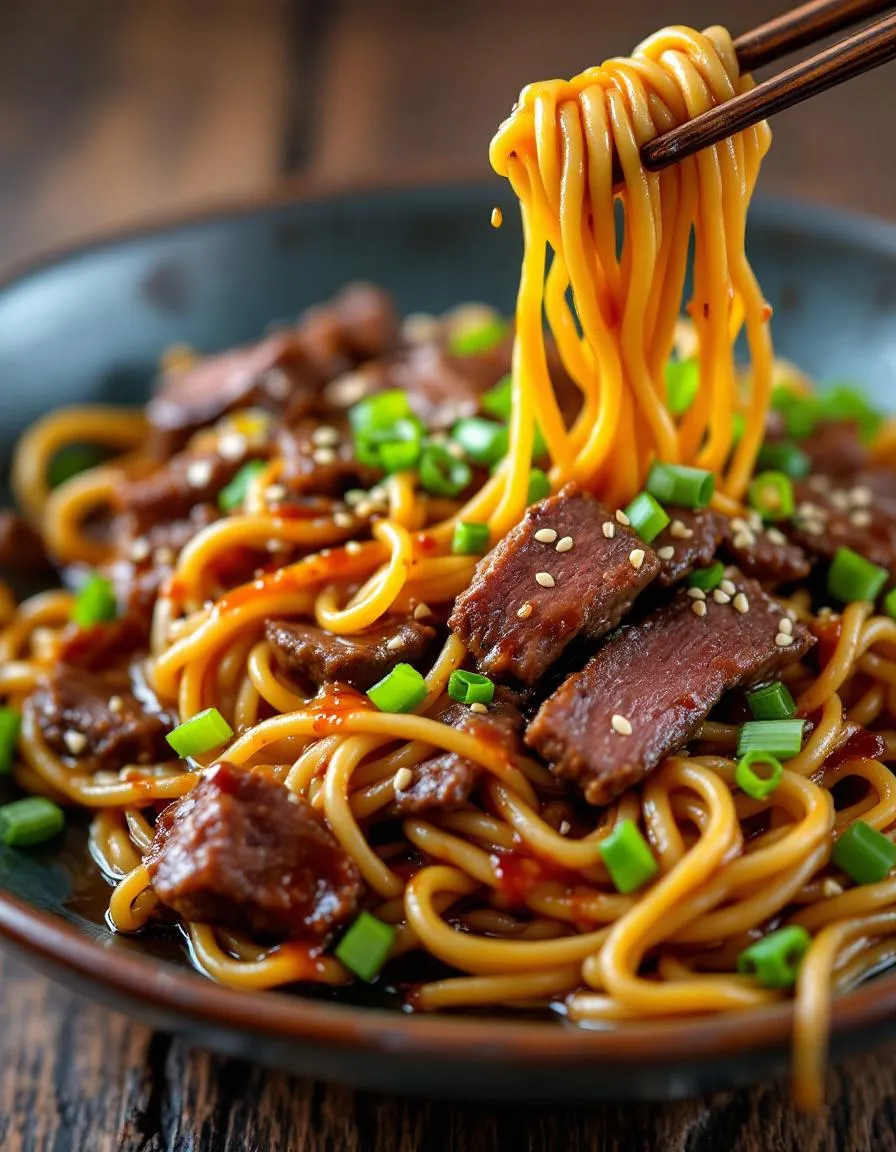
There’s something deeply comforting about a bowl of noodles that hugs your soul after a long day. That’s exactly what Sticky Beef Noodles do—they wrap you in rich, savory flavors with every bite. Whether you’re craving a quick weeknight dinner or a dish to impress guests, this recipe delivers. Plus, it’s packed with tender beef, glossy sauce, and just the right amount of chewiness to keep you coming back for more. Trust me, once you try it, you’ll understand why it’s a staple in my kitchen.
Sticky Beef Noodles combine the bold umami of soy-marinated beef with the satisfying texture of perfectly cooked noodles. The dish balances sweet and savory notes, thanks to a sticky glaze that clings to every strand. Unlike takeout versions, this homemade recipe lets you control the quality of ingredients, making it healthier without sacrificing flavor. It’s also incredibly versatile—swap in your favorite veggies or adjust the spice level to suit your taste. If you love dishes like my Garlic Butter Shrimp Pasta, you’ll adore how these noodles bring the same depth with a beefy twist. Best of all, it comes together in under 30 minutes, proving that delicious meals don’t need hours of effort. For more weeknight inspirations, check out my 15-Minute Meals collection.
Why I Love This Recipe
Sticky Beef Noodles remind me of rainy evenings when my mom would whip up something hearty to brighten the mood. The aroma of sizzling beef and garlic would fill the house, and by the time we sat down, all worries melted away. Now, I recreate that same warmth for my family, watching their faces light up with the first bite. It’s more than a recipe—it’s a little bowl of nostalgia I get to share with you.
Health and Nutrition
Why it’s good for your body
Sticky Beef Noodles pack a nutritious punch while delivering bold flavors. First, the lean beef provides high-quality protein, which helps build muscle and keeps you full longer. Additionally, the dish includes fresh vegetables like carrots and bell peppers, adding fiber and essential vitamins. Because of this balanced combination, Sticky Beef Noodles support both energy levels and digestion.
Moreover, the sauce in Sticky Beef Noodles often features ginger and garlic, both known for their anti-inflammatory properties. These ingredients not only enhance taste but also boost immunity. Meanwhile, the noodles offer carbohydrates for sustained energy, making this dish ideal for active lifestyles. As a result, you get a meal that satisfies cravings while nourishing your body.
Finally, Sticky Beef Noodles can be customized to fit dietary preferences. For instance, you can swap regular noodles for whole-grain or gluten-free options. By doing so, you increase the dish’s fiber content or accommodate food sensitivities. Whether you enjoy it as a weeknight dinner or a meal-prep staple, Sticky Beef Noodles deliver both flavor and nutrition.
How it fits in a healthy lifestyle
Sticky Beef Noodles easily adapt to various dietary goals without sacrificing taste. If you focus on high-protein meals, the lean beef and nutrient-dense veggies make it a smart choice. For those watching carbs, reducing the noodles or using spiralized vegetables keeps the dish light yet satisfying. Either way, you maintain balance without feeling restricted.
This dish also fits into heart-healthy eating patterns when prepared with minimal oil and low-sodium sauces. Pair it with a side of steamed greens, like our Garlic Sautéed Kale, for an extra nutrient boost. Plus, if you’re meal prepping, Sticky Beef Noodles store well, so you can enjoy a wholesome lunch without last-minute cooking. For more ideas on balancing flavors and nutrition, explore our guide to Healthy Meal Prep Tips. With simple tweaks, this recipe becomes a versatile part of your wellness routine.
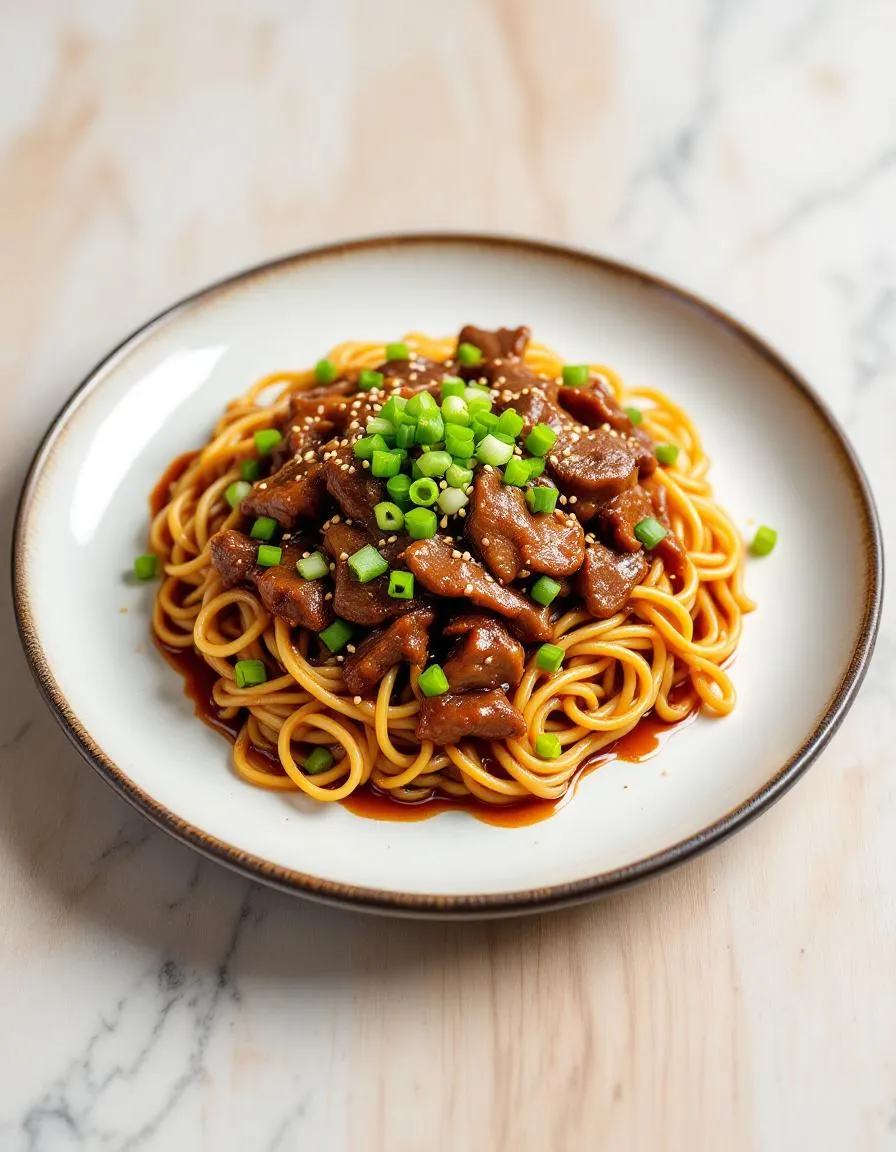
A delicious and savory dish featuring tender beef and noodles coated in a sticky, flavorful sauce.
Ingredients
Scale
For the Crust:
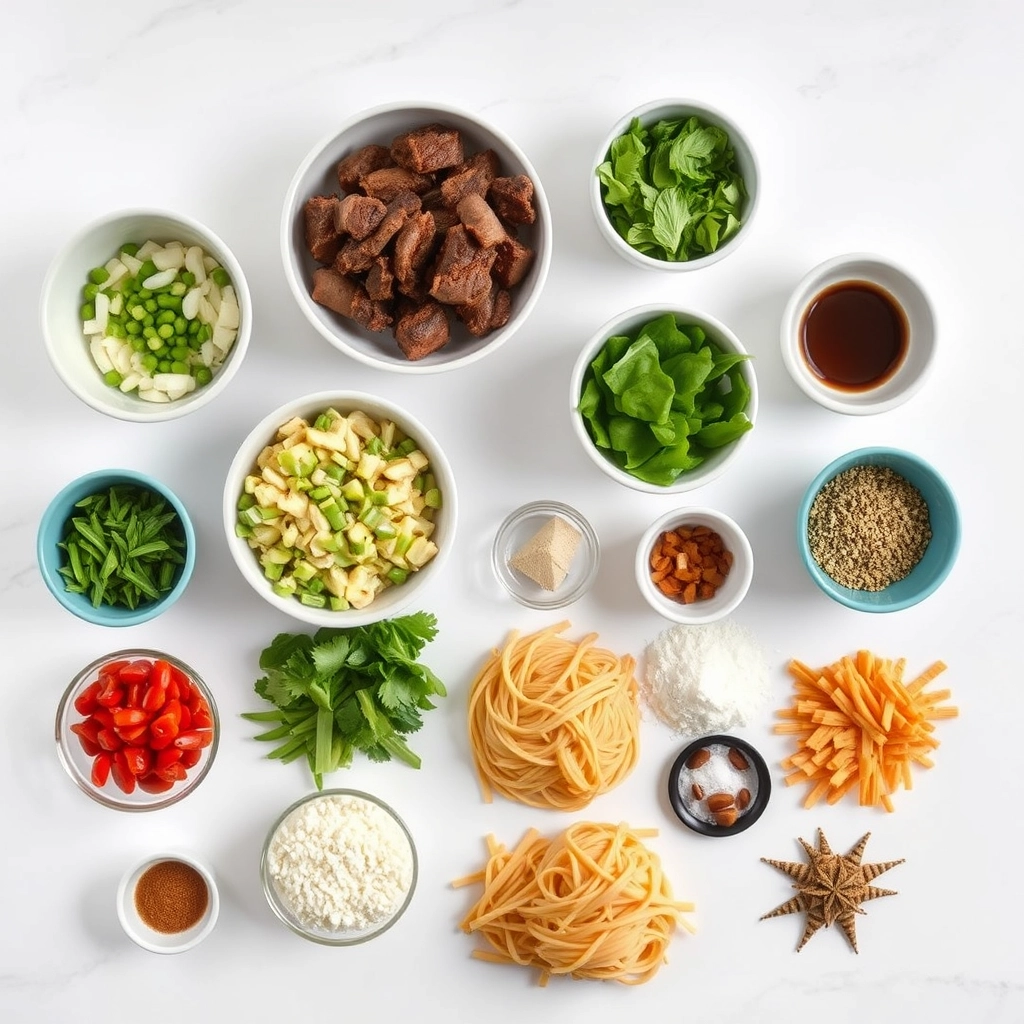
8 oz beef sirloin, thinly sliced
8 oz udon noodles
2 tbsp soy sauce
1 tbsp oyster sauce
1 tbsp honey
1 tbsp rice vinegar
2 cloves garlic, minced
1 tsp ginger, grated
1 tbsp vegetable oil
2 green onions, sliced
1 tsp sesame seeds
Instructions
1. Prepare the Crust:
Cook the udon noodles according to package instructions, then drain and set aside.
In a small bowl, mix together soy sauce, oyster sauce, honey, and rice vinegar to make the sauce.
Heat vegetable oil in a large pan over medium-high heat. Add the beef slices and cook until browned, about 2-3 minutes per side.
Add minced garlic and grated ginger to the pan and sauté for 30 seconds until fragrant.
Pour the sauce over the beef and stir to coat. Let it simmer for 2 minutes until the sauce thickens slightly.
Add the cooked noodles to the pan and toss well to combine with the beef and sauce.
Garnish with sliced green onions and sesame seeds before serving.
Notes
You can customize the seasonings to taste.
How to Prepare This Dish
Steps and time-saving tips
Start by slicing the beef thinly against the grain to ensure tenderness. Meanwhile, whisk together the soy sauce, honey, garlic, and ginger in a bowl for the marinade. Toss the beef in the mixture and let it sit for at least 15 minutes—or up to an hour for deeper flavor. While the meat marinates, cook the noodles according to the package instructions, then drain and rinse them under cold water to prevent sticking. Heat a large skillet over medium-high and drizzle in a bit of oil. Once hot, add the beef in a single layer, working in batches if needed to avoid overcrowding. Sear for 2-3 minutes per side until caramelized. Remove the beef and set it aside. In the same skillet, stir-fry the bell peppers and onions until slightly softened, then toss in the noodles and beef. Pour the remaining marinade over everything and fold gently to coat. Let it simmer for another minute until the sauce thickens into a glossy glaze. Garnish with sesame seeds and green onions for a fresh finish. To save time, prep the veggies ahead or use pre-sliced stir-fry beef from the store.
and-learned-from">Mistakes I’ve made and learned from
Early on, I rushed the marinating step, leaving my Sticky Beef Noodles lacking depth. Now I know even 15 minutes makes a difference—but for the best results, I plan ahead. Another blunder? Overcrowding the skillet, which steamed the beef instead of searing it. Cooking in batches takes a few extra minutes, but it’s worth it for that perfect caramelized crust. If you’re new to stir-frying, check out my guide on mastering the wok for even heat distribution. And if your sauce turns out too thin, a sprinkle of cornstarch (like in this sauce-thickening hack) saves the day. Trust me, I’ve been there!
Cultural Connection and Variations
Where this recipe comes from
Sticky Beef Noodles trace their roots to the bustling street markets of East Asia, where vendors perfected the art of balancing sweet, savory, and umami flavors. Originally, cooks used whatever cuts of beef they had, slow-cooking them until tender and glossy with a caramelized sauce. Over time, the dish traveled, adapting to local tastes. In Thailand, for instance, you might find it with a kick of chili and a squeeze of lime, while in Japan, mirin and soy sauce give it a deeper, richer finish.
In my family, Sticky Be
ef Noodles became a weekend staple, often served with a heap of crisp vegetables for contrast. My grandmother swore by adding a splash of pineapple juice for extra sweetness, a trick she picked up from a Filipino friend. Meanwhile, in Sichuan, chefs might toss in numbing peppercorns for that signature tingle. No matter the variation, the heart of the dish remains the same: tender beef clinging to chewy noodles, drenched in a sauce that begs to be licked off the plate.
How it fits in today’s cooking
Today, Sticky Beef Noodles fit perfectly into our fast-paced lives. Busy cooks love how a slow cooker can transform tougher cuts into melt-in-your-mouth goodness, making it a weeknight hero. Plus, it’s a crowd-pleaser for gatherings, whether you’re hosting a casual dinner or prepping meal-prep ideas for the week. The dish also shines in seasonal rotations, offering warmth in winter and a lighter, veggie-packed version in summer.
Modern twists keep it fresh, too. Some swap traditional noodles for zucchini ribbons or toss in global pantry staples like gochujang for a Korean-inspired twist. Whether you stick to tradition or experiment, Sticky Beef Noodles prove that comfort food never goes out of style.
>Taste and Texture
What makes it delicious
Sticky Beef Noodles deliver a bold, savory-sweet punch with every bite. The tender beef caramelizes into a sticky, umami-rich glaze, while the chewy noodles soak up the deeply fragrant sauce. Garlic and ginger add a warm, aromatic kick, and a hint of chili brings just enough heat to balance the sweetness. Each forkful offers a satisfying contrast—soft noodles, slightly crisp veggies, and melt-in-your-mouth beef. The dish smells irresistible, with toasted sesame oil and scallions adding a nutty, fresh finish. Sticky Beef Noodles are the kind of meal that keeps you reaching for another bite.
Boosting the flavor
For extra depth, try marinating the beef in a splash of soy sauce and brown sugar before cooking. Crushed peanuts or toasted sesame seeds add crunch, while a drizzle of spicy honey glaze amps up the sweetness and heat. If you love freshness, toss in shredded carrots or cucumber ribbons for a cool contrast. A squeeze of lime brightens the rich flavors, and a sprinkle of cilantro ties everything together. For more sauce inspiration, check out this garlic sesame dressing—it pairs perfectly with Sticky Beef Noodles.
Tips for Success
Best practices for results
Always slice the beef against the grain for tender Sticky Beef Noodles, and marinate it for at least 30 minutes to lock in flavor. Meanwhile, cook your noodles al dente since they’ll soften further when tossed with the sauce. For the stickiest texture, reduce the sauce over medium heat until it coats the back of a spoon. Finally, garnish with fresh herbs right before serving to keep them vibrant.
Mistakes to avoid
Avoid overcrowding the pan when searing the beef, as this steams instead of browns the meat. Instead, work in batches for a perfect crust. Also, don’t skip toasting your spices—this step deepens the flavor of Sticky Beef Noodles significantly. If your sauce turns too thick, simply stir in a splash of broth or water. For more sauce tips, check out our guide to balancing flavors. And if your noodles clump, rinse them briefly under cold water after cooking, as explained in our noodle texture troubleshooting post.
Serving and Pairing Suggestions
How to serve this dish
For a stunning presentation, pile the Sticky Beef Noodles high in a shallow bowl and drizzle extra sauce over the top. Meanwhile, sprinkle toasted sesame seeds and fresh scallions for a pop of color and crunch. If you’re hosting a casual dinner, serve it family-style with chopsticks and let everyone dig in. Alternatively, pack it for a picnic by layering the noodles in a bento box with crisp veggies on the side. Whether it’s a weeknight meal or a festive gathering, Sticky Beef Noodles always steal the spotlight.
h-it">What goes well with it
Pair Sticky Beef Noodles with a tangy cucumber salad to balance the rich flavors. The cool crunch contrasts perfectly with the savory beef. For drinks, try a citrusy iced green tea or a light lager to cut through the dish’s boldness. If you love bold flavors, serve it alongside our Spicy Kimchi Fried Rice for a satisfying Asian-inspired feast. Finally, end the meal with something sweet like our Matcha Mochi Cake, which complements the umami notes beautifully.
What cut of beef is best for Sticky Beef Noodles?
Flank steak or skirt steak works best for Sticky Beef Noodles because they absorb marinades well and stay tender when cooked quickly. For extra richness, you can also use thinly sliced ribeye or sirloin. These cuts ensure your Sticky Beef Noodles have the perfect texture and flavor.
rank-math-faq-item">
How do you make the sauce stick to the noodles in Sticky Beef Noodles?
The key is to toss the cooked noodles in a cornstarch slurry or reduce the sauce slightly before mixing. This helps the sauce cling to both the beef and noodles, giving Sticky Beef Noodles their signature glossy, flavorful coating. Stir-frying on high heat also helps thicken the sauce naturally.
Can I make Sticky Beef Noodles gluten-free?
Yes! Swap regular soy sauce for tamari or coconut aminos and use rice noodles or gluten-free wheat alternatives. The sticky texture of Sticky Beef Noodles stays intact, and you won’t sacrifice flavor. Just double-check that your oyster sauce (if used) is gluten-free too.
What vegetables go well with Sticky Beef Noodles?
Bok choy, bell peppers, and snap peas add crunch and color to Sticky Beef Noodles without overpowering the dish. For a quicker version, toss in pre-shredded coleslaw mix. These veggies balance the rich, sticky sauce while keeping the focus on the tender beef.
>
Best Pull Apart Garlic Bread – Easy Homemade Recipe
Introduction
There’s something undeniably comforting about the aroma of freshly baked bread, especially when it’s infused with garlic and herbs. Whether you’re hosting a cozy dinner party or simply craving a savory treat, Pull Apart Garlic Bread delivers that perfect combination of crispy edges, soft centers, and irresistible flavor. Moreover, this recipe brings people together—because who can resist tearing off a warm, buttery piece and sharing it with loved ones?
Pull Apart Garlic Bread is more than just a side dish. It’s a crowd-pleasing centerpiece that transforms any meal into a memorable experience. Unlike traditional garlic bread, this version features tear-and-share pieces baked into a loaf, ensuring every bite is loaded with garlicky goodness. The recipe fits perfectly with brekcakes.com’s philosophy of approachable yet impressive cooking. After all, great food should feel achievable, even for beginners. If you love baking, you might also enjoy my Homemade Artisan Bread, which shares the same simplicity and satisfaction. And for those who adore garlic, my Garlic Herb Focaccia is another must-try.
Why I Love This Recipe
Pull Apart Garlic Bread holds a special place in my heart because it reminds me of Sunday dinners with my family. My mom used to make a similar version, and the moment it hit the table, everyone would dive in, laughing and reaching for their favorite piece. Now, whenever I bake it, that same joy fills my kitchen. It’s a recipe that never fails to bring smiles, and I hope it does the same for you.
Health and Nutrition
Why it’s good for your body
Pull Apart Garlic Bread packs more than just flavor—it delivers real nutritional benefits too. First, garlic, the star ingredient, contains allicin, a compound known for its immune-boosting and anti-inflammatory properties. Additionally, when you use whole-grain bread for your Pull Apart Garlic Bread, you add fiber, which supports digestion and keeps you fuller longer. Plus, olive oil, another key component, provides heart-healthy monounsaturated fats.
Moreover, Pull Apart Garlic Bread can be a great source of energy. The carbohydrates in the bread fuel your body, while the garlic and herbs add antioxidants. If you top it with a sprinkle of Parmesan, you even get a dose of protein and calcium. For those watching their sodium intake, you can easily adjust the salt without sacrificing taste.
Finally, Pull Apart Garlic Bread makes healthy eating enjoyable. Because it’s so flavorful, you won’t feel like you’re missing out. Whether you serve it as a side or a snack, it’s a delicious way to incorporate wholesome ingredients into your meals. Just remember, moderation is key to keeping it balanced.
How it fits in a healthy lifestyle
Pull Apart Garlic Bread can fit seamlessly into a balanced diet with a few smart tweaks. If you’re gluten-free, swap regular bread for a gluten-free loaf—many options work just as well. For a heart-healthy version, use extra-virgin olive oil and reduce butter. You can even add herbs like rosemary or thyme for extra antioxidants without extra calories.
Pairing Pull Apart Garlic Bread with protein-rich dishes, like our Grilled Lemon Herb Chicken, creates a well-rounded meal. It also works great alongside fiber-packed salads, such as our Avocado Quinoa Salad, for a satisfying lunch or dinner. By balancing indulgence with nutrient-dense sides, you can enjoy this comfort food without guilt.
Even on busy days, Pull Apart Garlic Bread is a practical choice. It’s quick to prepare, and leftovers store well for easy reheating. Just keep portions reasonable, and it becomes a tasty part of your everyday eating habits.
A delicious and shareable pull apart garlic bread loaded with buttery garlic flavor and fresh herbs.
Ingredients
Scale
For the Crust:
1 loaf French bread
1/2 cup unsalted butter, melted
4 cloves garlic, minced
2 tbsp fresh parsley, chopped
1 tsp dried oregano
1/2 tsp salt
1/4 tsp black pepper
1/2 cup shredded mozzarella cheese
Instructions
1. Prepare the Crust:
Preheat oven to 375°F (190°C).
Cut the French bread into 1-inch slices without cutting all the way through the bottom crust.
In a bowl, mix melted butter, minced garlic, parsley, oregano, salt, and pepper.
Spread the garlic butter mixture between each slice of bread, ensuring even coverage.
Sprinkle shredded mozzarella cheese between the slices.
Wrap the loaf in foil and bake for 15 minutes. Unwrap and bake for an additional 5-10 minutes until cheese is melted and bread is crispy.
Notes
You can customize the seasonings to taste.
How to Prepare This Dish
Steps and time-saving tips
Start by preheating your oven to 375°F so it’s ready when you finish assembling the Pull Apart Garlic Bread. While it heats, melt butter in a small saucepan and whisk in minced garlic, parsley, and a pinch of salt for a fragrant, flavorful glaze. Grab a loaf of crusty French or sourdough bread and slice it into even cubes without cutting all the way through—this keeps the base intact for easy pulling later. Next, drizzle the garlic butter generously between every crevice, making sure each piece gets coated. For extra richness, sprinkle shredded mozzarella or Parmesan between the layers. Wrap the loaf in foil, bake for 15 minutes, then unwrap and broil for 2-3 minutes until golden and bubbly. To save time, prep the garlic butter a day ahead or use pre-minced garlic. If you’re doubling the recipe, bake two loaves side by side—just rotate the pans halfway for even browning.
and-learned-from">Mistakes I’ve made and learned from
I once rushed the slicing step and nearly cut my Pull Apart Garlic Bread into disconnected chunks—disaster! Now I use a wooden spoon handle as a guide to stop the knife at the base. Another fail: forgetting to tent the foil loosely, which trapped steam and turned the bread soggy. If your loaf feels damp after baking, pop it back in the oven uncovered for a few minutes. For more troubleshooting, check out my guide on fixing soggy bread textures. Also, don’t skip the broiling step like I did once; that crispy top is key. If you’re new to working with dough, my bread baking basics post covers foundational tips to avoid common pitfalls.
Cultural Connection and Variations
Where this recipe comes from
Pull Apart Garlic Bread feels like a love letter to comfort food, with roots that stretch across continents. While many associate it with Italian-American cuisine, its origins weave through multiple cultures. In Italy, they might serve a simpler version called “pane all’aglio,” often brushed with olive oil and fresh herbs. Meanwhile, in Brazil, they add cream cheese or catupiry for extra richness, turning it into a party favorite. Even in India, bakeries stuff garlic butter into fluffy dinner rolls, creating a spicy, aromatic twist.
My grandmother made her
Pull Apart Garlic Bread with a secret ingredient: a pinch of smoked paprika. She claimed it gave the bread a “hug from the oven.” Families everywhere put their spin on it—some use sourdough for tang, while others mix in grated Parmesan or fresh parsley. Whether it’s a holiday side or a weeknight treat, this dish adapts to every table. No wonder it’s a global star!
How it fits in today’s cooking
Pull Apart Garlic Bread isn’t just nostalgic—it’s a modern multitasker. Busy cooks love it because it pairs with everything, from quick pasta dinners to slow-simmered soups. During holidays, it steals the spotlight as a shareable centerpiece. Plus, today’s bakers experiment with gluten-free flour or vegan butter, proving this classic stays fresh in any era.
Social media fuels its comeback too. Food bloggers stuff it with mozzarella or swirl in pesto, making it Insta-worthy. And let’s be honest: nothing beats tearing into warm, buttery layers after a long day. For more cozy inspiration, check out these comfort food upgrades. Whether you’re feeding a crowd or just craving carbs, Pull Apart Garlic Bread always delivers.
>Taste and Texture
What makes it delicious
Pull Apart Garlic Bread delivers an irresistible combination of flavors and textures. Each fluffy, buttery piece soaks up a rich garlic-infused oil, creating a savory, slightly tangy bite. The golden crust crisps perfectly in the oven, while the interior stays soft and chewy. Fresh parsley adds a bright, herbal note, balancing the deep umami of roasted garlic. As you tear into the loaf, the warm, fragrant aroma of garlic and melted butter fills the air, making Pull Apart Garlic Bread impossible to resist.
Boosting the flavor
For an extra flavor kick, try mixing grated Parmesan into the garlic butter or sprinkling red pepper flakes for a subtle heat. A drizzle of homemade herb oil just before serving adds freshness, while a side of creamy tomato bisque turns this bread into a hearty meal. Experiment with smoked paprika or fresh rosemary for a unique twist. The possibilities are endless, so have fun and tailor it to your taste!
Tips for Success
Best practices for results
Always use fresh garlic for the best flavor in your Pull Apart Garlic Bread. Additionally, soften the butter before mixing to ensure even distribution. For a golden crust, brush the top with melted butter before baking. Meanwhile, let the dough rise in a warm spot to achieve a light, fluffy texture. Finally, serve the Pull Apart Garlic Bread warm for maximum enjoyment.
Mistakes to avoid
Avoid overmixing the dough, as this can make your Pull Apart Garlic Bread dense. Instead, gently fold the ingredients until just combined. Many bakers also skip the resting time, but patience ensures proper rising. For more dough tips, check out our guide on perfect dough consistency. Another common mistake is using too much flour when shaping, which dries out the bread. Lightly dust your hands and surface instead. If you struggle with sticky dough, our handling sticky dough tutorial can help.
Serving and Pairing Suggestions
How to serve this dish
Pull Apart Garlic Bread shines as a crowd-pleasing centerpiece, especially when you arrange it on a rustic wooden board or a warm serving platter. For a festive touch, sprinkle fresh parsley or grated Parmesan over the top just before serving. Meanwhile, this dish works perfectly for game-day gatherings, holiday feasts, or even a cozy family dinner. To make it extra inviting, serve it straight from the oven while the cheese stretches and the aroma fills the room.
h-it">What goes well with it
Pair Pull Apart Garlic Bread with a creamy tomato soup for a comforting combo—the rich flavors balance the bread’s garlicky goodness. Alternatively, try it alongside a fresh Caesar salad, as the crisp greens cut through the richness. For drinks, a chilled glass of white wine or a crisp lager enhances the experience. If you’re planning a full spread, consider serving it with our Creamy Garlic Chicken Pasta or a hearty Classic Beef Stew for a satisfying meal.
How do you make Pull Apart Garlic Bread from scratch?
To make Pull Apart Garlic Bread from scratch, start with a homemade or store-bought loaf of bread. Cut it into cubes without slicing all the way through, then brush melted butter mixed with minced garlic, parsley, and salt between the slices. Bake until golden and crispy for the perfect pull-apart texture.
rank-math-faq-item">
What’s the best bread to use for Pull Apart Garlic Bread?
The best bread for Pull Apart Garlic Bread is a soft, sturdy loaf like sourdough, French bread, or Italian bread. These types hold their shape while baking and create perfect pull-apart sections. Avoid overly dense or crumbly breads, as they won’t give the same satisfying texture.
Can you make Pull Apart Garlic Bread ahead of time?
Yes, you can prepare Pull Apart Garlic Bread ahead of time by assembling it and refrigerating for up to 24 hours before baking. For best results, add the butter and garlic mixture just before baking to prevent sogginess. Reheating leftovers in the oven will restore its crispiness.
What can I add to Pull Apart Garlic Bread for extra flavor?
For extra flavor in Pull Apart Garlic Bread, try adding grated Parmesan cheese, red pepper flakes, or fresh herbs like rosemary or thyme. You can also mix in cream cheese or mozzarella between the slices for a cheesy twist. These additions enhance the classic garlic bread experience.
>
Best Crack Chicken Penne – Creamy & Cheesy Pasta
Introduction
If you’ve ever craved a dish that’s creamy, comforting, and downright addictive, then Crack Chicken Penne is about to become your new obsession. Whether you’re cooking for a busy weeknight or a cozy family gathering, this recipe delivers rich flavors and effortless satisfaction. Plus, it’s the kind of meal that brings everyone to the table with smiles—because who can resist tender pasta smothered in cheesy, bacon-studded goodness?
Crack Chicken Penne combines the best of two worlds: the bold, savory flavors of crack chicken (think shredded chicken, crispy bacon, and ranch seasoning) with the hearty comfort of al dente penne pasta. The result is a creamy, cheesy masterpiece that’s as easy to make as it is delicious. What makes this dish special isn’t just its irresistible taste—it’s also how perfectly it fits into busy lives. With simple prep and crowd-pleasing appeal, it’s a go-to for potlucks, weeknight dinners, or even meal prep. If you love dishes like my Creamy Tuscan Chicken, you’ll adore this twist. And for more pasta inspiration, check out my Garlic Parmesan Pasta—it’s another reader favorite.
Why I Love This Recipe
Crack Chicken Penne holds a special place in my heart because it’s the dish I turn to when I need both comfort and convenience. I first made it during a hectic week when my family needed a pick-me-up, and the way their faces lit up after the first bite sealed the deal. Now, it’s my secret weapon for turning ordinary days into something memorable. Every time I make it, I’m reminded that the simplest recipes often create the happiest moments.
Health and Nutrition
Why it’s good for your body
Crack Chicken Penne packs a nutritious punch while delivering bold flavors. First, the dish combines lean chicken breast with whole-grain penne, offering a balanced mix of protein and complex carbs. These ingredients keep you full longer and stabilize energy levels. Additionally, the creamy sauce often includes Greek yogurt or light cream cheese, which adds probiotics and calcium for gut and bone health.
Moreover, Crack Chicken Penne includes garlic and herbs, which boost immunity and reduce inflammation. The dish also features bacon in moderation, providing savory depth without overloading on saturated fats. For extra nutrients, many versions toss in spinach or broccoli, upping the fiber and vitamin content. Together, these elements make Crack Chicken Penne a satisfying yet wholesome choice.
Finally, the recipe adapts easily to dietary needs. You can swap regular pasta for gluten-free or veggie noodles if preferred. Whether you crave comfort food or a nutrient-dense meal, Crack Chicken Penne delivers both taste and nourishment.
How it fits in a healthy lifestyle
Crack Chicken Penne fits seamlessly into a balanced diet. If you prioritize protein, the chicken and Greek yogurt base helps meet daily goals while keeping calories in check. For those watching carbs, substituting whole-grain or legume-based pasta maintains texture without spiking blood sugar.
This dish also aligns with meal prep strategies. You can make a big batch for easy weekday lunches or freeze portions for busy nights. Pair it with a side salad or roasted veggies to round out the meal. If you love hearty flavors but want lighter options, check out our healthy comfort food swaps for more inspiration.
Whether you’re fueling workouts or simply enjoying a family dinner, Crack Chicken Penne proves that tasty and nutritious can go hand in hand.
A creamy, cheesy pasta dish with tender chicken and bacon, flavored with ranch seasoning for an irresistible taste.
Ingredients
Scale
For the Crust:
8 oz penne pasta
2 boneless, skinless chicken breasts, cooked and shredded
6 slices bacon, cooked and crumbled
1 cup shredded cheddar cheese
1/2 cup cream cheese, softened
1/2 cup ranch dressing
1/2 cup chicken broth
1 tsp garlic powder
1 tsp onion powder
1/2 tsp black pepper
2 tbsp chopped fresh parsley (optional)
Instructions
1. Prepare the Crust:
Cook the penne pasta according to package instructions until al dente. Drain and set aside.
In a large skillet over medium heat, combine the shredded chicken, crumbled bacon, cream cheese, ranch dressing, chicken broth, garlic powder, onion powder, and black pepper. Stir until the cream cheese is melted and the mixture is smooth.
Add the cooked penne pasta to the skillet and toss to coat evenly with the sauce.
Sprinkle the shredded cheddar cheese over the top and cover the skillet for 1-2 minutes to allow the cheese to melt.
Garnish with chopped fresh parsley if desired and serve warm.
Start by cooking the penne pasta al dente according to the package instructions, then drain and set it aside. Meanwhile, heat a large skillet over medium heat and cook the bacon until crispy. Remove the bacon, but leave the drippings in the pan. Next, sauté the chicken in the same skillet until golden brown, seasoning it with salt, pepper, and a pinch of garlic powder for extra flavor. Once the chicken cooks through, transfer it to a plate and use the same skillet to soften the cream cheese, ranch seasoning, and shredded cheddar over low heat. Stir constantly to create a smooth, creamy sauce. Combine the cooked pasta, chicken, and sauce in the skillet, tossing everything together until well coated. Crumble the reserved bacon on top for a crunchy finish. If you’re short on time, use pre-cooked bacon or rotisserie chicken to speed up the process. For a creamier texture, add a splash of milk while mixing the sauce. Serve the Crack Chicken Penne hot, garnished with fresh parsley or green onions for a pop of color.
Mistakes I’ve made and learned from
One of my biggest mistakes was overcooking the pasta, which turned it mushy when mixed with the sauce. Now, I always set a timer and check for doneness a minute early. Another lesson came from skimping on the ranch seasoning—the dish lacked depth until I measured it precisely. If you’re unsure about seasoning balance, my guide on perfecting pasta sauces has saved me more than once. I also learned the hard way that high heat can cause the cheese to separate, so keep the flame low when melting it. For more tips on avoiding common kitchen blunders, check out my kitchen fails and fixes post. Trust me, a little patience makes all the difference with this recipe.
Crack Chicken Penne feels like a dish that was born out of pure comfort food cravings. While its exact origins are a bit mysterious, many trace its roots to American home cooks who loved combining creamy, cheesy pasta with the irresistible flavors of ranch and bacon. Over time, it became a staple at potlucks and family gatherings, especially in the Midwest, where hearty, crowd-pleasing dishes always shine.
Interestingly, you’ll find variations of Crack Chicken Penne across different regions. Some Southern cooks add a dash of hot sauce or swap in smoked gouda for extra depth. In Italy, a lighter version might skip the heavy cream in favor of a tangy tomato base. Even my grandma puts her own spin on it by tossing in roasted red peppers for a sweet, smoky twist. No matter where you go, though, the soul of the dish stays the same—creamy, savory, and downright addictive.
ays-cooking">How it fits in today’s cooking
Today, Crack Chicken Penne holds its own as a go-to weeknight dinner or a star at casual get-togethers. Busy cooks love it because it’s easy to customize—swap in grilled chicken for a leaner option or load it up with extra veggies for a one-pan meal. Plus, it’s a hit with kids and adults alike, making it a reliable choice for family dinners.
Modern twists keep it fresh, too. Some food bloggers pair it with a crisp side salad for balance, while others turn it into a cozy casserole for chilly nights. If you’re looking for more ways to adapt it, check out our guide to easy weeknight dinners or explore how to make it ahead for meal prep in our meal prep ideas. Whether you stick to the classic or put your own spin on it, Crack Chicken Penne proves that comfort food never goes out of style.
Taste and Texture
What makes it delicious
Crack Chicken Penne delivers a mouthwatering combination of rich, savory flavors and irresistible textures. The tender penne pasta soaks up the creamy, cheesy sauce, while the shredded chicken adds a satisfying bite. Each forkful bursts with smoky bacon, tangy ranch seasoning, and a hint of garlic—creating a bold, comforting taste. Meanwhile, the melted cheddar cheese pulls apart in gooey strands, making every bite indulgent. The aroma alone, fragrant with herbs and crispy bacon, will have everyone gathering around the table. Simply put, Crack Chicken Penne is a crave-worthy dish that balances creamy, salty, and savory in the best way.
r">Boosting the flavor
Want to take your Crack Chicken Penne to the next level? Try stirring in a spoonful of cream cheese for extra richness or topping it with fresh green onions for a bright crunch. If you love heat, a dash of cayenne pepper or diced jalapeños will add a spicy kick. For more inspiration, explore our guide on perfect pasta pairings or discover how to elevate your ranch seasoning for even deeper flavor. A squeeze of lemon juice or a sprinkle of parmesan can also brighten the dish. The possibilities are endless, so have fun experimenting!
Tips for Success
Best practices for results
For the best Crack Chicken Penne, always cook the pasta al dente so it holds up against the creamy sauce. Meanwhile, shred the chicken while it’s warm for easier handling. Additionally, stir the cream cheese and ranch dressing over low heat to prevent clumping. Finally, top with crispy bacon right before serving to maintain its crunch. These small steps guarantee a rich, flavorful dish every time.
>Mistakes to avoid
Avoid overcooking the pasta, as it turns mushy when mixed with the sauce. Instead, check it a minute early since it will continue cooking slightly off the heat. Also, don’t skip draining excess grease from the bacon—too much fat can make the Crack Chicken Penne overly heavy. For more creamy pasta tips, see our guide on perfecting pasta sauces. If your sauce seems too thick, gradually add reserved pasta water instead of milk, which can dilute the flavor. Learn more about balancing textures in our sauce consistency fixes post.
Serving and Pairing Suggestions
How to serve this dish
For a cozy family dinner, serve Crack Chicken Penne in a large, shallow bowl to showcase its creamy texture. Top it with extra shredded cheese, crispy bacon bits, and a sprinkle of fresh chives for a pop of color. Alternatively, layer it in individual ramekins for a stylish twist at potlucks. Since this dish is rich and comforting, it works perfectly for game-day gatherings or holiday feasts. To make it even more inviting, pair it with warm garlic bread right out of the oven.
What goes well with it
A crisp, tangy side salad balances the richness of Crack Chicken Penne beautifully. Try our Spinach Strawberry Salad for a refreshing contrast. For drinks, a chilled glass of iced tea or a light lager cuts through the creaminess. If you want something heartier, serve it with our Garlic Parmesan Roasted Broccoli for a satisfying veggie boost. Finally, a drizzle of hot sauce or ranch dressing adds extra flavor for those who love a kick.
Crack Chicken Penne typically includes penne pasta, shredded chicken, cream cheese, ranch seasoning, bacon, and cheddar cheese. The creamy, savory combination gives Crack Chicken Penne its addictive flavor. You can also customize it with ingredients like garlic or green onions.
Why is it called Crack Chicken Penne?
The name “Crack Chicken Penne” comes from its irresistibly creamy and cheesy flavor, making it so addictive you can’t stop eating it. The dish gets its signature taste from the ranch-seasoned cream cheese sauce. Like the original Crack Chicken, this pasta version is equally hard to resist.
rank-math-faq-item">
Can I make Crack Chicken Penne in a slow cooker?
Yes! You can prepare Crack Chicken Penne in a slow cooker by combining chicken, cream cheese, ranch seasoning, and broth, then shredding the chicken and mixing in cooked pasta later. This method makes the dish even easier for busy weeknights. Just be sure to cook the penne separately to avoid mushiness.
How do I store leftover Crack Chicken Penne?
Store leftover Crack Chicken Penne in an airtight container in the refrigerator for up to 3 days. Reheat it gently on the stove or in the microwave with a splash of milk to restore the creamy texture. For longer storage, freeze it for up to 2 months.