If you’ve ever craved a dessert that feels like biting into a cloud, you’re in the right place. Today, I’m sharing my take on the Japanese Cotton Candy Swiss Roll, a dreamy treat that melts in your mouth and brings a little joy to every bite. Whether you’re a seasoned baker or just starting out, this recipe promises to deliver lightness, sweetness, and a touch of whimsy—perfect for brightening any day. Plus, it’s a fantastic way to impress guests or treat yourself after a long week.
The Japanese Cotton Candy Swiss Roll stands out for its impossibly soft sponge and delicate, airy texture. Unlike traditional Swiss rolls, this version leans into the Japanese baking philosophy of precision and elegance, resulting in a dessert that’s as beautiful as it is delicious. The fluffy cake wraps around a silky whipped cream filling, creating a balance of flavors that’s subtle yet unforgettable. For anyone who adores desserts like my Honey Miso Caramel Cake or Matcha Tiramisu, this recipe fits right into the lineup of treats that celebrate both technique and creativity. It’s a testament to how simple ingredients—eggs, sugar, flour, and love—can transform into something extraordinary.
Why I Love This Recipe
The Japanese Cotton Candy Swiss Roll holds a special place in my heart because it reminds me of my first trip to Tokyo, where I stumbled upon a tiny bakery selling the most ethereal cakes I’d ever tasted. Recreating that magic at home became a mission, and after countless trials, I finally nailed the perfect balance of lightness and flavor. Every time I make it, I’m transported back to that moment of wonder—and now, I get to share that feeling with you. Trust me, one bite of this roll, and you’ll understand why it’s become a staple in my kitchen.
Health and Nutrition
Why it’s good for your body
Japanese Cotton Candy Swiss Roll offers a delightful way to enjoy dessert without compromising on nutrition. First, its light and airy texture means you get a satisfying treat with fewer calories than dense cakes. Plus, the whipped cream filling provides a source of calcium, which supports strong bones and teeth. Meanwhile, the delicate sponge cake base often includes eggs, adding a boost of protein to help keep you full longer.
Another benefit of Japanese Cotton Candy Swiss Roll is its lower sugar content compared to traditional desserts. Many recipes use just enough sweetness to enhance the flavor without overwhelming your taste buds. Additionally, the fluffy structure makes it easier to enjoy smaller portions, so you can indulge mindfully. Since it’s so light, you won’t feel sluggish after eating it, making it a great midday pick-me-up.
Finally, Japanese Cotton Candy Swiss Roll often incorporates natural flavors like vanilla or fruit extracts. These ingredients add subtle complexity without artificial additives. Whether you’re craving something sweet or need a gentle energy boost, this dessert delivers both taste and nourishment in every bite.
How it fits in a healthy lifestyle
Japanese Cotton Candy Swiss Roll fits perfectly into a balanced diet when enjoyed in moderation. Its lighter texture and portion-friendly design make it an ideal choice for those watching their calorie intake. If you’re following a gluten-free lifestyle, you can easily adapt the recipe with alternative flours, like almond or rice flour, for a celiac-friendly version.
For anyone focused on heart health, the dessert’s lower fat content compared to butter-heavy cakes is a smart swap. Pair it with a cup of green tea or fresh berries for added antioxidants. If you’re exploring more ways to enjoy light desserts, check out our guide to healthy dessert swaps or discover how to bake with natural sweeteners for even better results. With a little creativity, Japanese Cotton Candy Swiss Roll can be part of your everyday wellness routine.
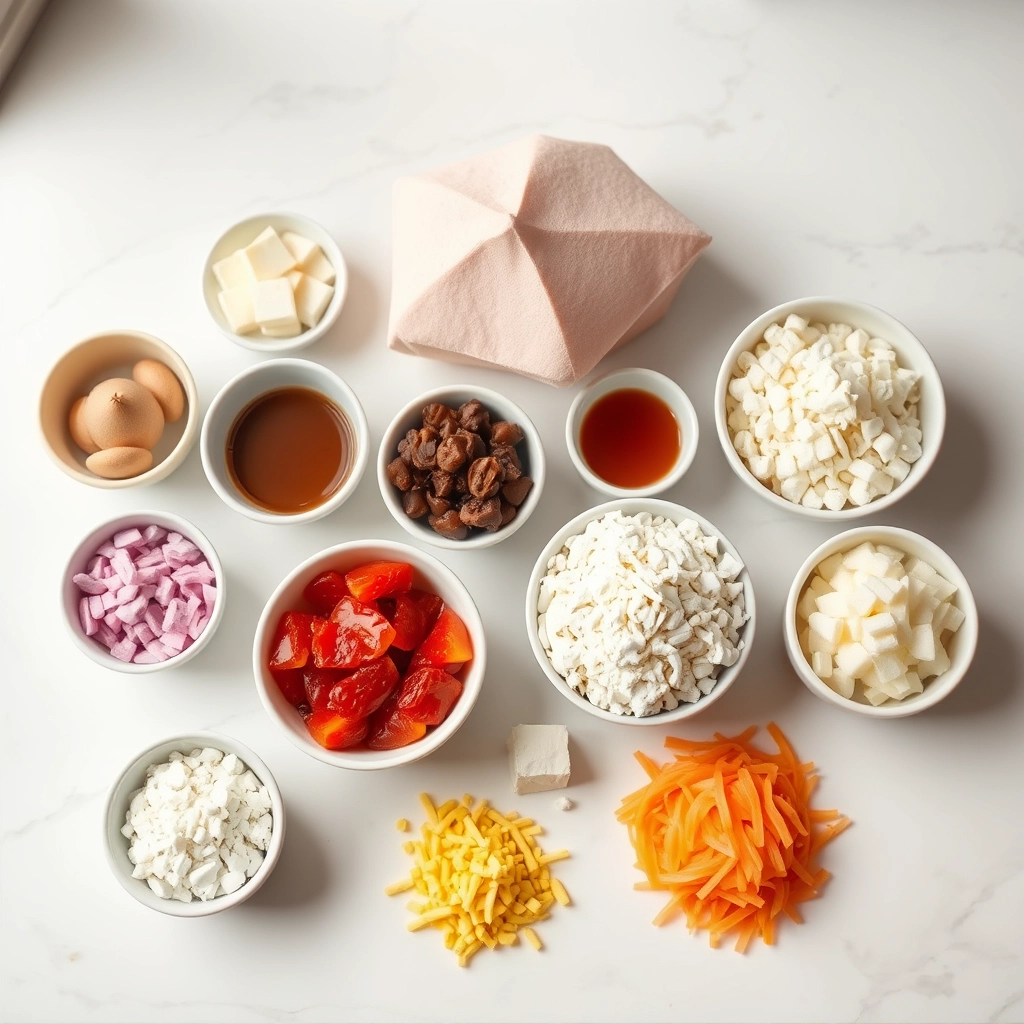
A light and fluffy Japanese-style sponge cake rolled with whipped cream and cotton candy for a whimsical dessert.
Ingredients
Scale
For the Crust:
4 large eggs
100g granulated sugar
100g cake flour
1 tsp vanilla extract
200ml heavy cream
2 tbsp powdered sugar
1/2 cup cotton candy (flavor of choice)
Powdered sugar for dusting
Instructions
1. Prepare the Crust:
Preheat oven to 350°F (175°C). Line a 10×15-inch baking sheet with parchment paper.
In a bowl, beat eggs and granulated sugar until pale and thick. Add vanilla extract and mix well.
Sift cake flour into the egg mixture and fold gently until just combined.
Pour batter onto the prepared baking sheet and spread evenly. Bake for 10-12 minutes until golden and springy.
Let the cake cool slightly, then invert onto a clean kitchen towel dusted with powdered sugar. Roll the cake gently in the towel and let cool completely.
Whip heavy cream with powdered sugar until stiff peaks form. Unroll the cake, spread whipped cream evenly, and sprinkle cotton candy over the cream.
Roll the cake back up tightly, wrap in plastic wrap, and refrigerate for at least 1 hour before serving. Dust with powdered sugar before serving.
Notes
You can customize the seasonings to taste.
How to Prepare This Dish
Steps and time-saving tips
Start by preheating your oven to 350°F and lining a baking sheet with parchment paper. Next, whisk the egg whites until stiff peaks form, then gradually add sugar to create a glossy meringue. Gently fold in the sifted flour and cornstarch to keep the batter airy. Meanwhile, warm the milk and butter slightly to help them blend smoothly into the mixture. Spread the batter evenly on the baking sheet, then bake for 12-15 minutes until the top springs back when touched. While the cake cools, whip the heavy cream with a touch of vanilla until it holds soft peaks. Carefully roll the cake with a clean towel to prevent cracking, then unroll it to layer the whipped cream evenly. Finally, roll it back up tightly and chill for at least an hour to set. For a time-saving tip, prepare the meringue in advance and store it covered in the fridge for up to a day.
and-learned-from">Mistakes I’ve made and learned from
I once rushed the meringue and didn’t whisk it long enough, which made the Japanese Cotton Candy Swiss Roll dense instead of fluffy. Now, I always test for stiff peaks by lifting the whisk straight up. Another time, I overbaked the cake, leaving it dry and hard to roll. A kitchen timer and checking a minute early saved me from repeating that. If your cake cracks, don’t panic—just dust it with powdered sugar or cover it with extra whipped cream. For more troubleshooting, check out my guide on common baking mistakes. And if you love light desserts, try my fluffy matcha sponge for another airy treat.
Cultural Connection and Variations
Where this recipe comes from
The Japanese Cotton Candy Swiss Roll carries a whimsical charm that blends traditional Japanese baking techniques with playful modern twists. Originally inspired by Western-style sponge cakes, Japanese bakers perfected the light, airy texture by incorporating delicate folding methods and premium ingredients like cotton candy for a melt-in-your-mouth experience. Unlike heavier European rolls, this version feels almost weightless, making it a favorite at festivals and tea ceremonies alike.
Across Japan, youȁ
9;ll find regional twists—some bakers infuse matcha or cherry blossom flavors, while others layer in fresh fruit or whipped cream. In my family, we add a sprinkle of edible glitter for celebrations, turning the Japanese Cotton Candy Swiss Roll into a showstopper. Overseas, bakers adapt it too, like folding in tropical fruits in Hawaii or swapping cotton candy for flavored marshmallows in the U.S. No matter the variation, the magic lies in its cloud-like softness.
How it fits in today’s cooking
Today, the Japanese Cotton Candy Swiss Roll thrives as both a nostalgic treat and a trendy dessert. Social media loves its photogenic swirls, and home bakers appreciate its forgiving nature—unlike finicky pastries, this roll stays moist even if you overmix slightly. Many modern cooks pair it with matcha-infused desserts for a balanced bittersweet contrast or serve it alongside Japanese strawberry shortcake at birthdays.
Seasonally, it shines in spring with floral notes or winter with spiced fillings. Meal preppers even slice it into bite-sized portions for lunchboxes, proving its versatility. Whether you’re reviving family traditions or experimenting with new flavors, the Japanese Cotton Candy Swiss Roll fits seamlessly into today’s kitchens—one fluffy bite at a time.
>Taste and Texture
What makes it delicious
The Japanese Cotton Candy Swiss Roll is a dreamy, cloud-like treat that melts on your tongue with every bite. Its light, airy sponge cake hugs a fluffy filling that tastes like sweet vanilla and caramelized sugar, while the cotton candy adds a playful, nostalgic sweetness. When you slice into it, the texture feels impossibly soft, almost like biting into a sweetened pillow. Meanwhile, the delicate aroma of toasted sugar and vanilla wafts up, making it irresistible. Whether you serve it chilled or at room temperature, the Japanese Cotton Candy Swiss Roll delivers a melt-in-your-mouth experience that’s both elegant and fun.
Boosting the flavor
For an extra burst of flavor, try brushing the sponge with a light syrup infused with citrus zest or rosewater before rolling. Alternatively, fold crushed freeze-dried berries into the whipped cream filling for a tangy contrast to the cotton candy’s sweetness. If you love layered textures, sprinkle toasted almond slivers or drizzle salted caramel sauce over each slice. For a floral twist, pair it with lavender honey whipped cream to elevate the dessert’s delicate profile. With these tweaks, your Japanese Cotton Candy Swiss Roll will shine even brighter.
Tips for Success
Best practices for results
First, always sift your dry ingredients twice for the lightest Japanese Cotton Candy Swiss Roll texture. Additionally, use room-temperature eggs since they whip better and create a stable foam. Meanwhile, gently fold the batter to keep the air intact, and spread it evenly in the pan for consistent baking. Finally, roll the cake while it’s still warm to prevent cracks, and let it cool completely before adding filling. These steps ensure your Japanese Cotton Candy Swiss Roll stays fluffy and picture-perfect every time.
Mistakes to avoid
Avoid overmixing the batter, as this deflates the air and leads to a dense Swiss roll. Instead, fold just until combined for that signature cottony softness. Also, don’t skip preheating the oven—uneven heat causes uneven rising. For more troubleshooting, check our guide on common baking mistakes. Another pitfall is using cold filling, which makes rolling harder. Soften your cream slightly, or try our whipped cream tutorial for the right consistency. With these fixes, your Japanese Cotton Candy Swiss Roll will turn out smooth and delicious.
Serving and Pairing Suggestions
How to serve this dish
Slice the Japanese Cotton Candy Swiss Roll into thick, even pieces to showcase its fluffy texture and vibrant swirls. For a stunning presentation, arrange the slices on a pastel-colored plate and dust them lightly with powdered sugar. Alternatively, add fresh berries or edible flowers as garnishes for a pop of color. This dessert shines at afternoon tea parties, birthday celebrations, or even as a sweet finale to a festive dinner. If you want to make it extra special, serve it with a side of whipped cream or a drizzle of honey.
h-it">What goes well with it
Pair the Japanese Cotton Candy Swiss Roll with a cup of creamy matcha latte to balance its sweetness with earthy, aromatic notes. For a refreshing contrast, try serving it alongside a citrusy yuzu lemonade, which brightens every bite. If you prefer something richer, a scoop of vanilla bean ice cream enhances the roll’s delicate flavor while adding a cool, creamy texture.
What makes Japanese Cotton Candy Swiss Roll different from regular Swiss rolls?
Japanese Cotton Candy Swiss Roll stands out for its ultra-light, fluffy texture, resembling cotton candy, achieved by whipping egg whites to a delicate meringue. Unlike traditional Swiss rolls, it often incorporates subtle flavors like matcha or strawberry, making it a unique dessert experience.
rank-math-faq-item">
How do you prevent a Japanese Cotton Candy Swiss Roll from cracking when rolling?
To avoid cracks, roll the Japanese Cotton Candy Swiss Roll while it’s still warm with a damp towel or parchment paper to help it hold its shape. Letting it cool too long before rolling can make the sponge brittle, so timing is key for that perfect swirl.
Can I make a Japanese Cotton Candy Swiss Roll without special ingredients?
Yes! While some recipes use specialty flours or flavorings, a basic Japanese Cotton Candy Swiss Roll requires just eggs, sugar, flour, and a touch of cream of tartar for stability. The magic lies in the technique—whipping the batter to airy perfection.
What fillings pair best with a Japanese Cotton Candy Swiss Roll?
Light fillings like whipped cream, fresh fruit, or red bean paste complement the delicate texture of a Japanese Cotton Candy Swiss Roll. Avoid heavy frostings, as they can overwhelm the airy sponge—keep it simple and elegant.
>
Best Hot Honey Blackened Shrimp Caesar Salad Recipe
Introduction
If you’re craving a salad that’s anything but boring, you’ve come to the right place. Today, I’m sharing my Hot Honey Blackened Shrimp Caesar Salad—a dish that balances smoky, spicy, and sweet flavors in every bite. Whether you’re looking for a quick weeknight dinner or a show-stopping meal for guests, this recipe delivers. Plus, it’s packed with protein and fresh ingredients, so you can feel good about indulging.
The Hot Honey Blackened Shrimp Caesar Salad reinvents a classic by adding bold, modern twists. Succulent shrimp, coated in a fiery blackened spice blend, pair perfectly with crisp romaine, creamy Caesar dressing, and a drizzle of hot honey for that irresistible sweet-heat combo. This dish matters because it proves that salads can be exciting, satisfying, and far from mundane. It fits the brekcakes.com tone by blending approachable techniques with gourmet flair—just like my homemade pasta recipes or decadent chocolate desserts. Whether you’re a seasoned cook or a beginner, you’ll find joy in making (and eating) this vibrant meal.
Why I Love This Recipe
This Hot Honey Blackened Shrimp Caesar Salad holds a special place in my heart because it reminds me of summer nights by the coast. The first time I made it, the aroma of sizzling spices filled my kitchen, and the first bite transported me to a seaside grill. It’s become a staple in my home because it’s versatile—equally perfect for a casual lunch or a fancy dinner party. Most importantly, it captures the essence of what I love about cooking: creativity, flavor, and the ability to turn simple ingredients into something unforgettable.
Health and Nutrition
Why it’s good for your body
Hot Honey Blackened Shrimp Caesar Salad packs a powerful nutritional punch while delighting your taste buds. First, the shrimp delivers lean protein, which helps build muscle and keeps you full longer. Additionally, the blackening spice blend adds antioxidants like paprika and garlic, which support immune health. Meanwhile, the hot honey drizzle offers a touch of natural sweetness without refined sugars.
Furthermore, the romaine lettuce in Hot Honey Blackened Shrimp Caesar Salad provides fiber and vitamins A and K, promoting healthy digestion and bone strength. The Caesar dressing, when made with Greek yogurt or light mayo, cuts calories while still offering creamy satisfaction. Plus, the dish balances bold flavors with wholesome ingredients, making it a smarter choice than heavy comfort foods.
Finally, the combination of protein, veggies, and healthy fats in Hot Honey Blackened Shrimp Caesar Salad stabilizes blood sugar levels. This means you avoid energy crashes and stay satisfied for hours. Whether you need a post-workout meal or a light yet flavorful lunch, this salad delivers both nutrition and excitement.
How it fits in a healthy lifestyle
Hot Honey Blackened Shrimp Caesar Salad fits seamlessly into balanced eating plans. For gluten-free diets, simply swap croutons for roasted chickpeas or nuts. If you focus on heart health, the shrimp’s omega-3s support cardiovascular wellness. High-protein seekers will love how the shrimp and optional Parmesan cheese keep macros in check.
This salad also works for meal prep, saving time without sacrificing nutrition. Pair it with a quick weeknight dinner rotation for variety. For those watching calories, the dish adapts easily—just lighten the dressing or reduce the honey. Craving more protein-packed ideas? Explore our high-protein recipes for similar balanced meals. With its flexibility and nutrient density, Hot Honey Blackened Shrimp Caesar Salad makes healthy eating effortless and delicious.
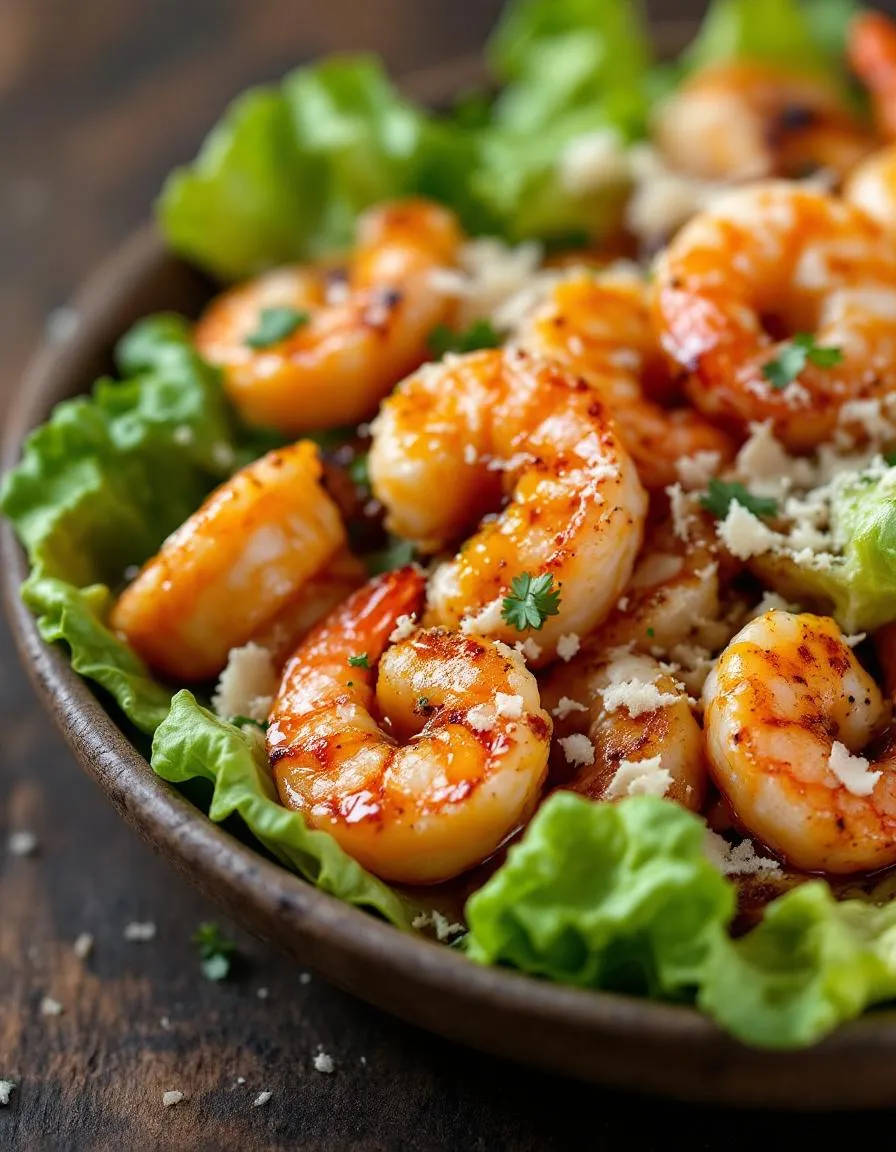
A spicy and sweet twist on the classic Caesar salad with blackened shrimp drizzled in hot honey.
Ingredients
Scale
For the Crust:
1 lb large shrimp, peeled and deveined
2 tbsp blackening seasoning
2 tbsp olive oil
1/4 cup hot honey
1 large romaine lettuce, chopped
1/2 cup Caesar dressing
1/2 cup grated Parmesan cheese
1 cup croutons
1 lemon, cut into wedges
Instructions
1. Prepare the Crust:
In a bowl, toss the shrimp with blackening seasoning until evenly coated.
Heat olive oil in a skillet over medium-high heat. Add shrimp and cook for 2-3 minutes per side until blackened and cooked through.
Drizzle hot honey over the cooked shrimp and toss to coat.
In a large salad bowl, combine chopped romaine, Caesar dressing, and half of the Parmesan cheese. Toss well.
Top the salad with blackened shrimp, croutons, and remaining Parmesan cheese.
Serve with lemon wedges on the side for squeezing over the salad.
Notes
You can customize the seasonings to taste.
“`html
s-dish">How to Prepare This Dish
Steps and time-saving tips
Start by prepping your shrimp for the Hot Honey Blackened Shrimp Caesar Salad. Pat them dry with paper towels to ensure the seasoning sticks well. Next, toss the shrimp in a mix of blackening spices, making sure each piece gets an even coat. Heat a skillet over medium-high and cook the shrimp for just 2-3 minutes per side—they’ll turn pink and slightly charred. Meanwhile, whisk together the Caesar dressing ingredients like garlic, anchovy paste, lemon juice, and mayo until smooth. If you’re short on time, use a high-quality store-bought dressing instead. For the salad, chop fresh romaine into bite-sized pieces and layer it in a large bowl. Add croutons and a generous sprinkle of Parmesan cheese. Once the shrimp are done, drizzle them with hot honey for that sweet-spicy kick. Finally, toss everything together or plate the greens first and top with the shrimp. Serve immediately for the best texture. To save time, prep the dressing and chop the lettuce ahead of time, then assemble right before eating.
Mistakes I’ve made and learned from
I’ve definitely overcooked shrimp more times than I’d like to admit, leaving them rubbery instead of juicy. Now I set a timer for 2 minutes per side and pull them off the heat the second they curl. Another mistake? Skipping the dry step—wet shrimp won’t blacken properly, so always pat them dry first. I also learned the hard way that overdressing the greens makes the salad soggy fast. Toss lightly and add extra dressing on the side if needed. For more tips on perfecting seafood dishes, check out my guide on avoiding common seafood mistakes. And if you’re new to homemade dressings, my easy dressing hacks will save you time without sacrificing flavor.
The Hot Honey Blackened Shrimp Caesar Salad is a vibrant twist on a classic, blending Southern spice with Italian tradition. Originally, the Caesar salad hails from Tijuana, Mexico, created by Italian immigrant Caesar Cardini. Over time, chefs worldwide have reimagined it, adding local flavors like the fiery kick of blackened shrimp and the sweet heat of hot honey. In the American South, for example, cooks often swap croutons for cornbread crumbs or toss in collard greens for extra texture.
Meanwhile, in coastal regions like Louisiana, the Hot Honey Blackened Shrimp Caesar Salad might feature Cajun seasoning or a splash of citrus from nearby groves. Families there sometimes serve it as a festive starter during crawfish boils or Mardi Gras gatherings. Across the globe, in places like Japan, you’ll find lighter versions with miso dressing or tempura shrimp. Even at home, my aunt adds a pinch of smoked paprika to the hot honey glaze, making it a star at summer potlucks.
ays-cooking">How it fits in today’s cooking
Today, the Hot Honey Blackened Shrimp Caesar Salad bridges comfort food and modern flair. Busy cooks love it for quick weeknight dinners, while meal preppers layer it in jars for grab-and-go lunches. Its bold flavors also make it a hit at gatherings, especially when paired with crowd-pleasers like air fryer appetizers or refreshing summer cocktails.
Seasonally, it shines in summer with grilled shrimp or in winter with roasted veggies for warmth. Fitness enthusiasts even tweak it by swapping mayo for Greek yogurt in the dressing. Whether you’re craving a hearty meal or a light bite, this salad adapts effortlessly—proof that some classics only get better with time.
Taste and Texture
What makes it delicious
Hot Honey Blackened Shrimp Caesar Salad delivers a bold, irresistible combination of flavors and textures. The shrimp, coated in a smoky, spicy blackening seasoning, caramelizes into a slightly crispy exterior while staying juicy inside. Meanwhile, the hot honey drizzle adds a sweet, fiery kick that balances the savory depth of the dish. Crisp romaine lettuce and crunchy croutons contrast beautifully with the creamy, garlicky Caesar dressing, creating a satisfying bite every time. Fragrant Parmesan cheese ties everything together, adding a salty, umami-rich finish. With each forkful, Hot Honey Blackened Shrimp Caesar Salad surprises your taste buds with layers of heat, sweetness, and richness.
r">Boosting the flavor
For an extra flavor boost, try tossing the shrimp with a pinch of smoked paprika or cayenne before blackening. If you love texture, sprinkle toasted pine nuts or crispy prosciutto over the salad for added crunch. A squeeze of fresh lemon brightens the dish, while a drizzle of garlic aioli enhances the creamy richness. For a lighter twist, swap the traditional Caesar dressing with a zesty avocado lime dressing. These small tweaks keep Hot Honey Blackened Shrimp Caesar Salad exciting and customizable for any palate.
Tips for Success
Best practices for results
Always pat the shrimp dry before seasoning to help the blackening spice stick evenly. Meanwhile, preheat your skillet until it’s very hot—this ensures a crisp crust on your Hot Honey Blackened Shrimp Caesar Salad. For the dressing, whisk the ingredients vigorously to emulsify them fully, creating a smooth texture. Finally, toss the salad greens just before serving to keep them fresh and crisp.
>Mistakes to avoid
Overcrowding the skillet will steam the shrimp instead of blackening them, so cook in batches if needed. Additionally, avoid overdressing the salad, as too much dressing can make the greens soggy. For more on balancing flavors, check out our guide to perfect salad dressing ratios. Also, don’t skip resting the shrimp for a minute after cooking—this helps redistribute juices. Learn how to master protein rests with our resting meat guide for best results.
Serving and Pairing Suggestions
How to serve this dish
For a stunning presentation, arrange the Hot Honey Blackened Shrimp Caesar Salad on a large platter with crisp romaine leaves as the base. Alternatively, serve individual portions in wide, shallow bowls to showcase the vibrant colors. Top with extra shaved Parmesan and a drizzle of hot honey for a glossy finish. Since this dish balances bold flavors with fresh greens, it works beautifully for summer lunches, dinner parties, or even as a showstopper at holiday gatherings. To elevate the visual appeal, add a sprinkle of crushed black pepper or microgreens for a pop of contrast.
What goes well with it
Pair the Hot Honey Blackened Shrimp Caesar Salad with a chilled glass of citrus-forward Sauvignon Blanc to balance the spicy sweetness. If you prefer non-alcoholic options, try a sparkling lemonade with a hint of ginger for a refreshing twist. For sides, warm garlic knots or a light roasted vegetable medley complement the dish without overpowering it. If you love bold flavors, consider adding our Spicy Avocado Dip for extra creaminess. Alternatively, serve it alongside our Herb Focaccia to soak up every last bit of the Caesar dressing.
What makes Hot Honey Blackened Shrimp Caesar Salad different from a regular Caesar salad?
Hot Honey Blackened Shrimp Caesar Salad adds bold flavors with spicy blackened shrimp and sweet-hot honey drizzle, elevating the classic Caesar. The combination of crispy romaine, creamy dressing, and smoky shrimp creates a perfect balance of textures and tastes.
How do you blacken shrimp for Hot Honey Blackened Shrimp Caesar Salad?
Coat shrimp in a spice blend (paprika, cayenne, garlic powder, etc.), then sear in a hot skillet until charred but juicy. This technique gives Hot Honey Blackened Shrimp Caesar Salad its signature smoky flavor that pairs perfectly with the honey glaze.
rank-math-faq-item">
Can I make Hot Honey Blackened Shrimp Caesar Salad ahead of time?
Prep components separately—store dressed greens, cooked shrimp, and hot honey sauce in airtight containers. Assemble just before serving to keep the shrimp crispy and greens fresh. The flavors in Hot Honey Blackened Shrimp Caesar Salad taste best when freshly combined.
What sides pair well with Hot Honey Blackened Shrimp Caesar Salad?
Garlic bread or crusty baguettes soak up the dressing, while roasted corn or avocado slices complement the heat. For a lighter meal, serve Hot Honey Blackened Shrimp Caesar Salad with a chilled white wine or citrusy sparkling water.
Best Baked Beans Recipe – Classic Homemade Flavor
Introduction
There’s something deeply comforting about a pot of Baked Beans simmering away in the oven, filling the house with a rich, smoky aroma. Whether you’re hosting a backyard barbecue or just craving a hearty side dish, this classic recipe never fails to bring people together. Plus, it’s incredibly versatile—pair it with fluffy cornbread or serve it alongside your favorite grilled meats. After years of tweaking my recipe, I’m thrilled to share my ultimate version with you today.
Baked Beans hold a special place in American cuisine, blending sweet, savory, and smoky flavors into one irresistible dish. Originating from Native American traditions and later adapted by early settlers, this humble staple has evolved into a beloved comfort food. What makes it so special? For starters, it’s budget-friendly, packed with protein, and easy to customize with ingredients like molasses, bacon, or even a splash of bourbon. At brekcakes.com, we celebrate recipes that balance nostalgia with practicality, and Baked Beans perfectly embody that spirit. If you’re new to cooking with dried beans, don’t worry—our guide to cooking beans breaks it down step by step. And if you’re looking for the perfect pairing, try our homemade cornbread for a match made in heaven.
Why I Love This Recipe
Baked Beans remind me of summer evenings spent with family, gathered around picnic tables with laughter and stories flowing as freely as the food. My grandma always insisted on making hers from scratch, and though I took shortcuts as a busy college student, I eventually circled back to her slow-simmered method. There’s no replacing the depth of flavor that comes from patience—and a little extra brown sugar. Every time I make this dish, it feels like a tribute to those cherished moments and the people who taught me that good food is about more than just taste.
Health and Nutrition
Why it’s good for your body
Baked beans pack a powerful nutritional punch while delivering rich, savory flavor. First, they offer an excellent plant-based protein source, which helps maintain muscle health and keeps you full longer. Additionally, their high fiber content supports digestion and stabilizes blood sugar levels. Because of this, baked beans make a smart choice for sustained energy throughout the day.
Moreover, baked beans contain essential vitamins and minerals like iron, magnesium, and folate. These nutrients contribute to better immune function, heart health, and even mood regulation. For instance, the iron in baked beans helps transport oxygen efficiently, while magnesium supports nerve and muscle function. As a result, incorporating baked beans into meals can boost overall wellness.
Finally, the tomato-based sauce often found in baked beans provides lycopene, an antioxidant linked to reduced inflammation. Pair this with the beans’ low-fat profile, and you have a dish that supports heart health without sacrificing taste. Whether you enjoy them as a side or main dish, baked beans deliver both nutrition and comfort in every bite.
How it fits in a healthy lifestyle
Baked beans fit seamlessly into a balanced diet, whether you’re aiming for high-protein meals or heart-healthy eating. Their versatility lets you pair them with whole grains like brown rice or serve them alongside a fresh salad for extra fiber. If you’re following a gluten-free lifestyle, baked beans naturally meet the criteria, making them a safe and satisfying option.
For those focused on plant-based nutrition, baked beans provide a protein boost without relying on meat. Try adding them to your weekly meal prep for quick, nourishing lunches. They also work well in hearty vegetarian dinners, proving that healthy eating doesn’t mean skipping flavor. With their balanced macros and minimal processing, baked beans help you stay on track without feeling restricted.
Start by preheating your oven to 350°F so it’s ready when you are. While it warms up, grab a large skillet and sauté diced onions in olive oil until they turn translucent. Next, stir in minced garlic for just 30 seconds to release its aroma without burning it. Drain and rinse your canned Baked Beans, then mix them into the skillet along with brown sugar, mustard, and a splash of apple cider vinegar. Let everything simmer for 5 minutes to blend the flavors. Meanwhile, whisk together a quick glaze of ketchup, molasses, and Worcestershire sauce in a small bowl. Pour the Baked Beans mixture into a baking dish, then drizzle the glaze evenly over the top. Cover with foil and bake for 30 minutes. Remove the foil and bake another 15 minutes until bubbly and caramelized. For a time-saving twist, prep the beans stovetop the night before and refrigerate—just pop them in the oven before serving.
Mistakes I’ve made and learned from
I once rushed the sauté step and ended up with crunchy onions in my Baked Beans—now I take an extra minute to soften them fully. Another time, I skipped draining the canned beans, and the dish turned out way too watery. Lesson learned: always drain and rinse for the perfect texture. If you’re new to balancing sweet and savory flavors, check out my guide on balancing flavors to avoid overdoing the sugar. And if you’re short on time, my meal prep hacks can help you streamline the process without sacrificing taste.
Baked Beans carry a rich history that stretches across continents and cultures. Originally rooted in Native American cuisine, early versions of this dish featured beans slow-cooked with bear fat and maple syrup. Colonists later adapted the recipe, swapping in molasses and pork, creating the sweet and savory flavor we love today. Meanwhile, in the UK, Baked Beans took a tangy turn with tomato sauce, becoming a breakfast staple. Every region adds its own twist, proving this humble dish can wear many hats.
In my family, Baked Beans always meant summer cookouts. My grandma simmered them for hours with bacon and brown sugar, filling the air with a smoky sweetness. Some New Englanders prefer a touch of mustard, while Southern cooks might add a splash of bourbon. Across the pond, the British serve them on toast, and in Australia, they often pair them with sausages. No matter where you go, Baked Beans adapt to local tastes while keeping their comforting soul.
ays-cooking">How it fits in today’s cooking
Today, Baked Beans still hold a special place in modern kitchens. They’re a go-to for backyard barbecues, potlucks, and even quick weeknight dinners. Busy cooks love shortcuts like canned beans, but many still swear by slow-cooked versions for that deep, homemade flavor. Some even toss them into vegetarian meal prep bowls for a protein-packed twist. Whether you’re firing up the grill or craving cozy comfort food, this dish fits right in.
Baked Beans also shine in seasonal traditions. Think Fourth of July picnics or fall tailgates, where they pair perfectly with easy cornbread. Health-conscious cooks lighten them up with turkey bacon or maple syrup, while others load them with extra spices for a kick. No matter how you tweak them, Baked Beans remain a timeless crowd-pleaser, bridging generations and cuisines with every bite.
Taste and Texture
What makes it delicious
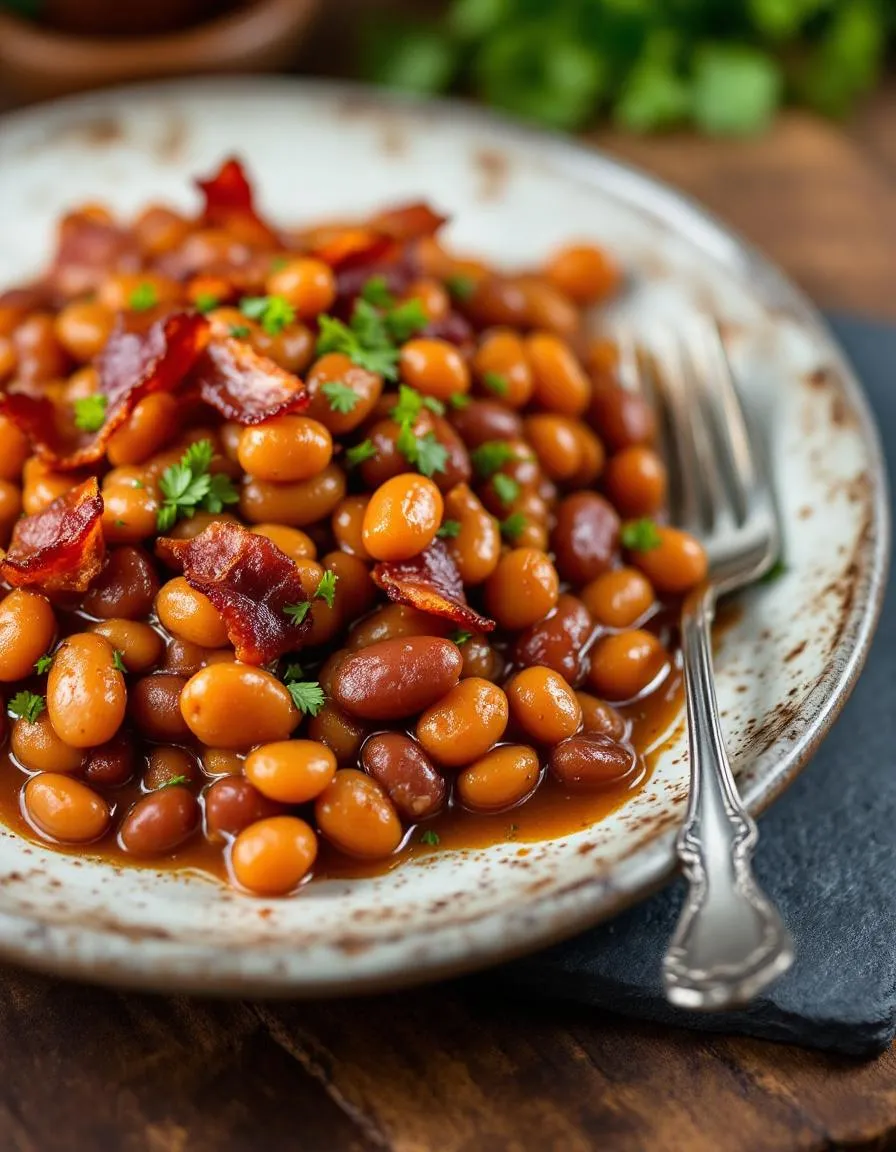
Baked Beans deliver a rich, smoky-sweet flavor that comforts with every bite. The tender beans soak up a thick, tangy sauce, while hints of molasses and brown sugar add a caramelized depth. Meanwhile, crispy bacon or smoked paprika lends a savory punch, balancing the sweetness perfectly. As you scoop a spoonful, the creamy texture melts in your mouth, contrasted by the occasional bite of softened onion or bell pepper. The aroma alone—warm, hearty, and slightly spicy—will make your kitchen smell irresistible. Whether served as a side or a main, Baked Beans bring a satisfying harmony of flavors and textures to the table.
r">Boosting the flavor
Elevate your Baked Beans with a few creative tweaks. For a bolder kick, stir in a dash of chipotle powder or a splash of apple cider vinegar to brighten the sauce. Crumbled sausage or caramelized onions add extra layers of savory richness. If you love a touch of sweetness, drizzle in maple syrup or top with toasted pecans for crunch. Pair them with fluffy cornbread or a zesty coleslaw to round out the meal. For more inspiration, explore our guide to smoky spices or discover how to perfect homemade barbecue sauce to take your dish to the next level.
Tips for Success
Best practices for results
Always soak your beans overnight to ensure even cooking and a creamy texture in your Baked Beans. Additionally, use a heavy-bottomed pot to prevent scorching, and stir the mixture occasionally for consistent flavor. For deeper taste, caramelize the onions slowly before adding other ingredients. Finally, balance the sweetness with a touch of acidity, like apple cider vinegar, to elevate your Baked Beans.
>Mistakes to avoid
One common mistake is skipping the soaking step, which leads to unevenly cooked beans. Instead, plan ahead and soak them for at least 8 hours. Another error is overcooking the sauce, resulting in dry Baked Beans. To avoid this, check the consistency early and add broth if needed. For more troubleshooting tips, explore our guide on fixing dry beans. Also, resist the urge to oversweeten—stick to measured amounts of sugar or molasses, as detailed in our balancing flavors article.
Serving and Pairing Suggestions
How to serve this dish
Baked beans shine when served warm in a rustic ceramic bowl or a cast-iron skillet for a cozy, homey feel. For a casual gathering, layer them over toasted sourdough or crispy cornbread to soak up the rich sauce. Alternatively, elevate your presentation by topping them with fresh chopped parsley, crispy bacon bits, or a dollop of tangy sour cream. Whether you’re hosting a summer barbecue, a holiday brunch, or a weeknight dinner, baked beans add hearty comfort to any table. To make them extra inviting, serve alongside colorful slaws or pickled veggies for a vibrant contrast.
What goes well with it
Pair baked beans with smoky grilled meats like pulled pork or ribs for a classic barbecue combo. The sweetness of the beans balances the savory depth of the meat perfectly. For a lighter option, try them with a fresh summer vegetable salad, which adds a crisp, refreshing bite. If you’re serving brunch, fluffy buttermilk biscuits or our homemade cornbread make irresistible companions. Finally, a chilled glass of iced tea or a hoppy pale ale cuts through the richness and ties the meal together.
Baked beans can be a nutritious choice as they’re packed with protein, fiber, and essential vitamins. However, some canned varieties contain added sugar or sodium, so opt for low-sodium or homemade baked beans for a healthier option. Including baked beans in moderation adds flavor and nutrients to meals.
How to make baked beans from scratch?
To make baked beans from scratch, soak dried navy beans overnight, then simmer with onions, molasses, brown sugar, mustard, and tomato sauce. Slow-cook the mixture in the oven or a crockpot for several hours until tender. Homemade baked beans offer richer flavor and customizable sweetness compared to canned versions.
rank-math-faq-item">
Why are baked beans called “baked” if they’re cooked in a pot?
Baked beans get their name from traditional preparation methods where beans were slow-cooked in a ceramic pot inside a brick oven. Modern recipes often use stovetops or slow cookers for convenience, but the dish retains its original “baked” title. The long cooking time helps develop the signature sweet and smoky flavor of baked beans.
What to serve with baked beans?
Baked beans pair perfectly with grilled meats like hot dogs, burgers, or barbecue ribs for classic American cookouts. For vegetarian meals, try serving baked beans with cornbread, coleslaw, or roasted vegetables. The sweet-savory flavor of baked beans complements both casual and hearty dishes.
Best Spinach Lasagna with Ricotta Recipe
Introduction
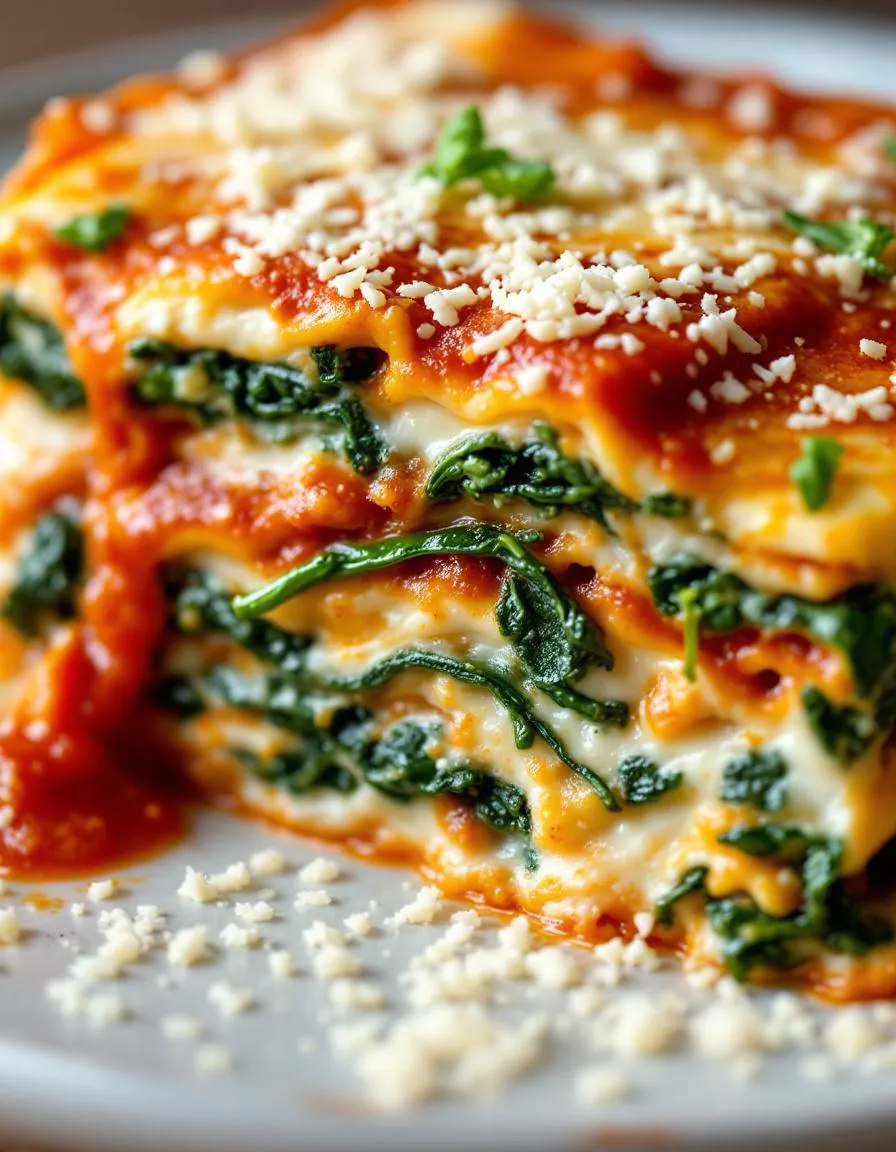
There’s something undeniably comforting about a homemade lasagna, especially when it’s packed with fresh spinach and creamy ricotta. Whether you’re cooking for a cozy family dinner or prepping a dish to impress guests, this Spinach Lasagna with Ricotta Recipe delivers layers of flavor and nostalgia. Plus, it’s a fantastic way to sneak in some greens without sacrificing richness. If you’ve ever craved a meal that feels like a warm hug, this recipe is your answer.
Spinach Lasagna with Ricotta Recipe is a classic Italian-inspired dish that balances hearty pasta, vibrant spinach, and velvety ricotta cheese. Unlike traditional meat-heavy versions, this vegetarian-friendly twist lets the freshness of the ingredients shine. The layers of tender lasagna noodles, garlicky spinach, and creamy ricotta create a harmony of textures and tastes. What makes it special? It’s versatile enough for weeknight dinners yet elegant enough for special occasions. If you love dishes that are both comforting and nourishing, like my Vegetarian Stuffed Peppers, you’ll appreciate how this lasagna brings everyone to the table. And if you’re new to lasagna-making, don’t worry—this recipe breaks it down into simple, foolproof steps. For more kitchen inspiration, check out my guide to Essential Kitchen Tools to make the process even smoother.
Why I Love This Recipe
This Spinach Lasagna with Ricotta Recipe holds a special place in my heart because it reminds me of Sunday dinners with my grandma. She taught me that great food doesn’t need to be complicated—just made with care. Every time I layer the noodles and sprinkle the cheese, I feel that same joy of creating something delicious from scratch. It’s a recipe that never fails to bring people together, and that’s what cooking is all about for me.
Health and Nutrition
Why it’s good for your body
Spinach Lasagna with Ricotta Recipe packs a powerful nutritional punch while delivering rich, comforting flavors. First, spinach provides a hefty dose of iron, which supports healthy blood flow and energy levels. Additionally, ricotta cheese offers high-quality protein and calcium to strengthen bones and muscles. Together, these ingredients make Spinach Lasagna with Ricotta Recipe a meal that fuels your body efficiently.
Moreover, this dish includes layers of whole-food ingredients like tomatoes, which are rich in antioxidants such as lycopene. These compounds help combat inflammation and promote heart health. Furthermore, the fiber from spinach and whole wheat pasta (if used) aids digestion and keeps you feeling full longer. Spinach Lasagna with Ricotta Recipe balances indulgence with nourishment, making it a smart choice for health-conscious eaters.
Finally, the recipe’s versatility allows for adjustments to boost its benefits. For instance, you can opt for low-fat ricotta or add extra veggies for more vitamins. Whether you enjoy it as a family dinner or meal-prep option, Spinach Lasagna with Ricotta Recipe delivers both taste and wellness in every bite.
How it fits in a healthy lifestyle
Spinach Lasagna with Ricotta Recipe fits seamlessly into a balanced diet, whether you’re focusing on protein intake, heart health, or simply eating more whole foods. The combination of spinach and ricotta provides a satisfying mix of plant-based nutrients and dairy-based protein, perfect for post-workout recovery or a hearty family meal. If you’re watching your gluten intake, swapping traditional pasta for gluten-free noodles keeps the dish just as delicious.
For those prioritizing heart-healthy meals, the recipe’s emphasis on vegetables and lean dairy aligns with dietary guidelines. Pair it with a light salad or roasted vegetables for a well-rounded plate. If you’re exploring more ways to incorporate nutritious meals into your routine, check out our guide on meal prep ideas or discover how to build a balanced diet without sacrificing flavor. Spinach Lasagna with Ricotta Recipe proves that comfort food can also be good for you.
Start by preheating your oven to 375°F so it’s ready when you finish assembling the Spinach Lasagna with Ricotta Recipe. While it heats, grab a large bowl and mix the ricotta, egg, grated Parmesan, and a pinch of salt until smooth. Fold in the thawed and drained spinach gently to keep the texture light. Next, spread a thin layer of marinara sauce on the bottom of a 9×13-inch baking dish to prevent sticking. Layer three lasagna noodles over the sauce, then spoon half the ricotta mixture evenly on top. Drizzle more marinara, sprinkle shredded mozzarella, and repeat the layers. Finish with a final noodle layer, extra sauce, and a generous handful of mozzarella. Cover the dish with foil and bake for 25 minutes, then uncover and bake another 15 minutes until bubbly and golden. Let it rest 10 minutes before slicing—this helps the layers set. For a time-saving hack, use no-boil lasagna noodles or prep the ricotta filling a day ahead.
Mistakes I’ve made and learned from
My first attempt at Spinach Lasagna with Ricotta Recipe was a soggy mess because I didn’t drain the spinach well enough. Now, I press it between paper towels or use a cheesecloth to remove every drop of moisture. Another blunder? Overloading the layers, which made slicing impossible. I learned to spread fillings thinly, like in my Perfect Lasagna Layering guide, and to let the lasagna rest—just like I do with my Resting Meat: Why It Matters tips. Trust me, patience pays off with neat, Instagram-worthy slices every time.
Spinach Lasagna with Ricotta Recipe has deep roots in Italian cuisine, where lasagna itself dates back to ancient Rome. However, the addition of spinach and ricotta gives it a distinctly Northern Italian flair, especially in regions like Emilia-Romagna. Families there often layer fresh pasta with locally grown spinach and creamy ricotta, creating a dish that feels both hearty and vibrant. Over time, immigrants brought their own twists to the recipe, blending traditions with new ingredients.
In my own kitchen, Spinach Lasagna with Ricotta Recipe became a Sunday staple after my grandmother shared her version. She insisted on hand-chopped spinach and a touch of nutmeg, a trick she learned from her mother. Meanwhile, in Greece, cooks might swap ricotta for feta, adding a tangy kick. Some American versions even mix in cottage cheese for extra lightness. No matter the variation, this dish always carries a sense of comfort and connection.
ays-cooking">How it fits in today’s cooking
Today, Spinach Lasagna with Ricotta Recipe remains a go-to for busy weeknights and festive gatherings alike. Its versatility shines when modern cooks tweak it—like using no-boil noodles or adding roasted garlic for depth. Many also pair it with a crisp salad, turning it into a balanced meal. For those meal prepping, it freezes beautifully, making it a practical choice.
During holidays, this lasagna often stars as a vegetarian centerpiece, especially alongside dishes like garlic butter dinner rolls. Others enjoy it as a cozy winter dish, layered with seasonal greens. And if you’re craving something sweet after, try serving it with chocolate avocado mousse for a delightful contrast. Whether classic or reinvented, this recipe keeps finding its way onto our tables.
Taste and Texture
What makes it delicious
This Spinach Lasagna with Ricotta Recipe delivers a rich, comforting experience with every bite. The creamy ricotta blends seamlessly with tender spinach, creating a luscious, velvety layer that melts in your mouth. Meanwhile, the tangy tomato sauce adds a bright, savory contrast, while gooey mozzarella stretches with each forkful. Fragrant garlic and herbs like basil and oregano infuse the dish with warmth, making the aroma irresistible. Whether you savor the soft pasta sheets or the slight crunch of golden cheese on top, this Spinach Lasagna with Ricotta Recipe balances textures and flavors perfectly.
r">Boosting the flavor
For an extra flavor kick, try mixing roasted garlic into the ricotta for a deeper, caramelized note. Alternatively, sprinkle red pepper flakes before baking to add a subtle heat. A drizzle of homemade pesto sauce right before serving introduces a fresh, herby brightness. If you love bold cheeses, swap mozzarella for smoked provolone or layer in creamy mushroom sauce between the pasta sheets. These small tweaks elevate the dish while keeping its cozy, familiar appeal.
Tips for Success
Best practices for results
Always squeeze excess moisture from the spinach before mixing it with the ricotta to prevent a soggy Spinach Lasagna with Ricotta Recipe. Additionally, layer the noodles evenly and avoid overcrowding the pan for consistent baking. For extra flavor, lightly toast the lasagna noodles before assembling, and don’t skip seasoning each layer with salt and pepper. Finally, let the lasagna rest for 10 minutes after baking so the slices hold their shape when served.
>Mistakes to avoid
One common mistake is using watery ricotta, which can make the lasagna layers loose. Instead, drain the ricotta in a fine-mesh strainer for 30 minutes beforehand. Another error is overcooking the noodles before assembling—they should be al dente since they’ll soften further in the oven. For more pasta tips, check out our guide on how to cook pasta perfectly. Also, avoid skimping on the cheese topping; a golden-brown crust adds texture, as explained in our cheese melting techniques post.
Serving and Pairing Suggestions
How to serve this dish
Spinach Lasagna with Ricotta Recipe shines as a centerpiece for cozy family dinners or festive gatherings. For a stunning presentation, slice it into neat squares and garnish with fresh basil leaves or a sprinkle of grated Parmesan. Meanwhile, serve it alongside a crisp green salad for a light contrast. If you’re hosting a brunch, pair it with a mimosa bar for a touch of elegance. Alternatively, bake it in individual ramekins for a charming twist at dinner parties.
What goes well with it
A crisp, chilled white wine like Pinot Grigio balances the creamy richness of Spinach Lasagna with Ricotta Recipe perfectly. For a non-alcoholic option, try sparkling water with a squeeze of lemon to refresh the palate. Additionally, garlic bread makes a classic side, offering a crunchy contrast to the lasagna’s layers. If you’re craving more greens, our Roasted Asparagus adds a vibrant, earthy flavor. Finally, cap off the meal with a light dessert like our Lemon Berry Tart for a sweet finish.
Can I use frozen spinach in spinach lasagna with ricotta?
Yes, frozen spinach works well in spinach lasagna with ricotta. Just thaw and squeeze out excess water to prevent a soggy dish. Fresh spinach can also be used, but frozen is often more convenient.
What’s the best way to layer spinach lasagna with ricotta?
Start with a thin layer of sauce, then alternate pasta sheets, ricotta-spinach mixture, and sauce. Repeat, finishing with sauce and cheese on top. This creates perfect layers in your spinach lasagna with ricotta.
rank-math-faq-item">
How long should I bake spinach lasagna with ricotta?
Bake spinach lasagna with ricotta covered at 375°F for 30 minutes, then uncover and bake 15-20 more minutes until bubbly. Let it rest 10 minutes before serving for cleaner slices.
Can I make spinach lasagna with ricotta ahead of time?
Absolutely! Assemble spinach lasagna with ricotta up to 24 hours ahead and refrigerate. Add 10-15 minutes to baking time if starting cold. You can also freeze it for up to 3 months.
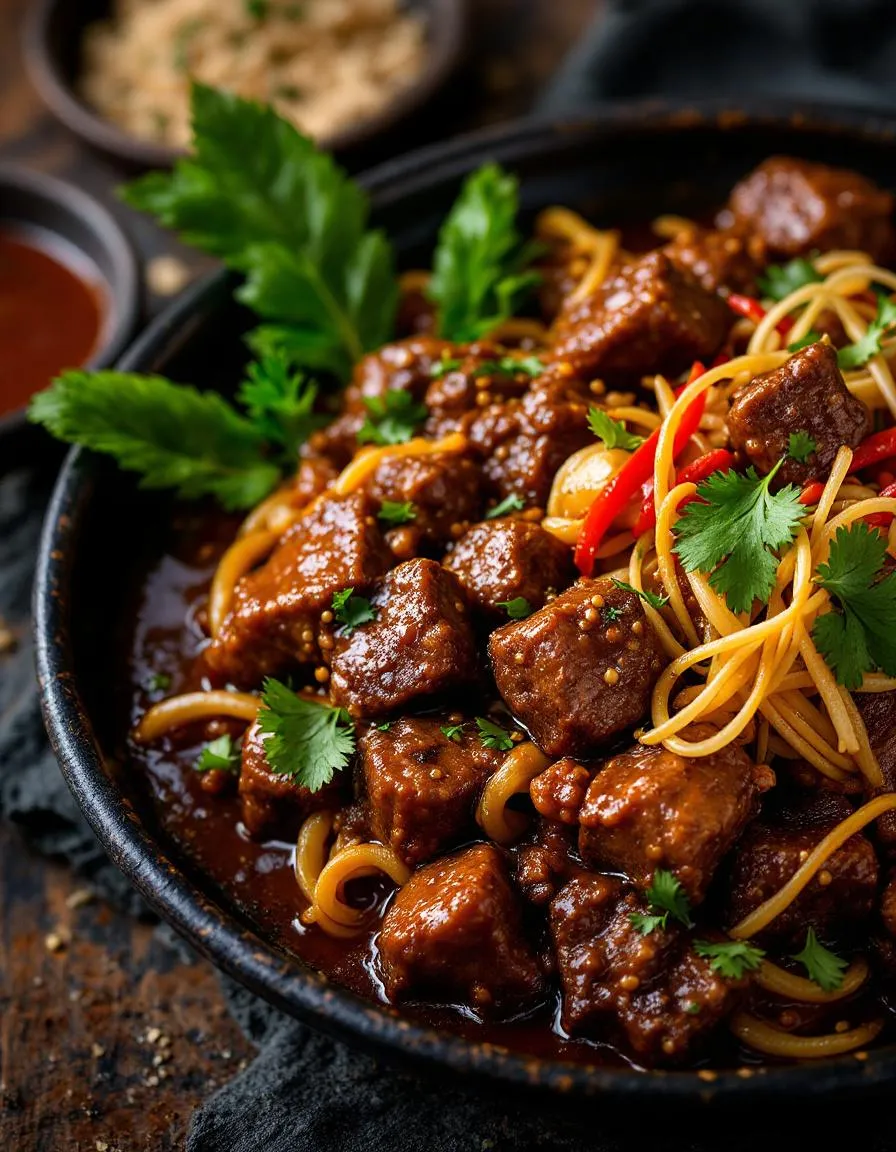
If you’ve ever craved a dish that wraps you in layers of bold flavor and comforting spice, then you’re in the right place. Today, I’m sharing my Spicy Beef Rendang Recipe—a dish that’s close to my heart and guaranteed to transport your taste buds to new heights. Whether you’re a seasoned home cook or just starting your culinary journey, this recipe delivers rich, slow-cooked goodness with a kick that lingers in the best way possible.
The Spicy Beef Rendang Recipe is a celebration of Indonesian cuisine, where tender beef simmers in a fragrant blend of coconut milk, lemongrass, and fiery chilies until it melts in your mouth. What makes this dish special isn’t just its depth of flavor, but the way it brings people together around the table. Here at brekcakes.com, we believe food should tell a story, and this rendang does exactly that—with every bite, you’ll taste tradition, passion, and a little bit of adventure. If you love exploring global flavors, you’ll also enjoy our Thai Green Curry, another dish that balances heat and harmony. And for those who appreciate slow-cooked perfection, our Braised Short Ribs offer a similar comfort with a different twist.
Why I Love This Recipe
This Spicy Beef Rendang Recipe holds a special place in my kitchen because it reminds me of my first trip to Bali, where I fell in love with the vibrant street food scene. The aroma of simmering spices wafting through the air hooked me instantly, and I knew I had to recreate that magic at home. Over the years, I’ve tweaked this recipe to strike the perfect balance between heat and heartiness, making it a staple for cozy dinners and festive gatherings alike. Every time I make it, I’m reminded that great food isn’t just about taste—it’s about the memories we weave into every dish.
Health and Nutrition
Why it’s good for your body
Spicy Beef Rendang Recipe packs a powerful nutritional punch while delivering bold flavors. First, the dish features lean beef, which provides high-quality protein to support muscle growth and repair. Additionally, the coconut milk in Spicy Beef Rendang Recipe offers healthy fats that boost brain function and keep you satisfied longer.
Moreover, the blend of spices like turmeric, ginger, and chili peppers adds more than just heat. These ingredients contain anti-inflammatory properties that may help reduce oxidative stress. For instance, turmeric includes curcumin, a compound linked to improved heart health. Meanwhile, the chilies in Spicy Beef Rendang Recipe can kickstart your metabolism, aiding digestion.
Furthermore, this dish balances macronutrients effectively. The protein and fats work together to stabilize blood sugar levels, preventing energy crashes. Pair Spicy Beef Rendang Recipe with steamed vegetables or brown rice for a fiber-rich meal that supports gut health. Ultimately, this recipe nourishes your body while satisfying your taste buds.
How it fits in a healthy lifestyle
Spicy Beef Rendang Recipe fits seamlessly into a balanced diet, especially if you prioritize protein-rich meals. The lean beef makes it ideal for fitness enthusiasts or anyone focusing on muscle maintenance. For a gluten-free option, simply serve it with cauliflower rice instead of traditional grains.
If you follow a heart-healthy eating plan, the moderate use of coconut milk provides beneficial fats without overloading on saturated options. Pairing this dish with fiber-packed sides, like our Roasted Brussels Sprouts, enhances its nutritional profile. You can also explore our Meal Prep Guide to incorporate Spicy Beef Rendang Recipe into weekly planning for effortless healthy eating.
Finally, the bold flavors mean you won’t feel deprived while eating nutritiously. Whether you’re fueling workouts or simply enjoying a hearty dinner, this dish keeps your goals on track without sacrificing taste.
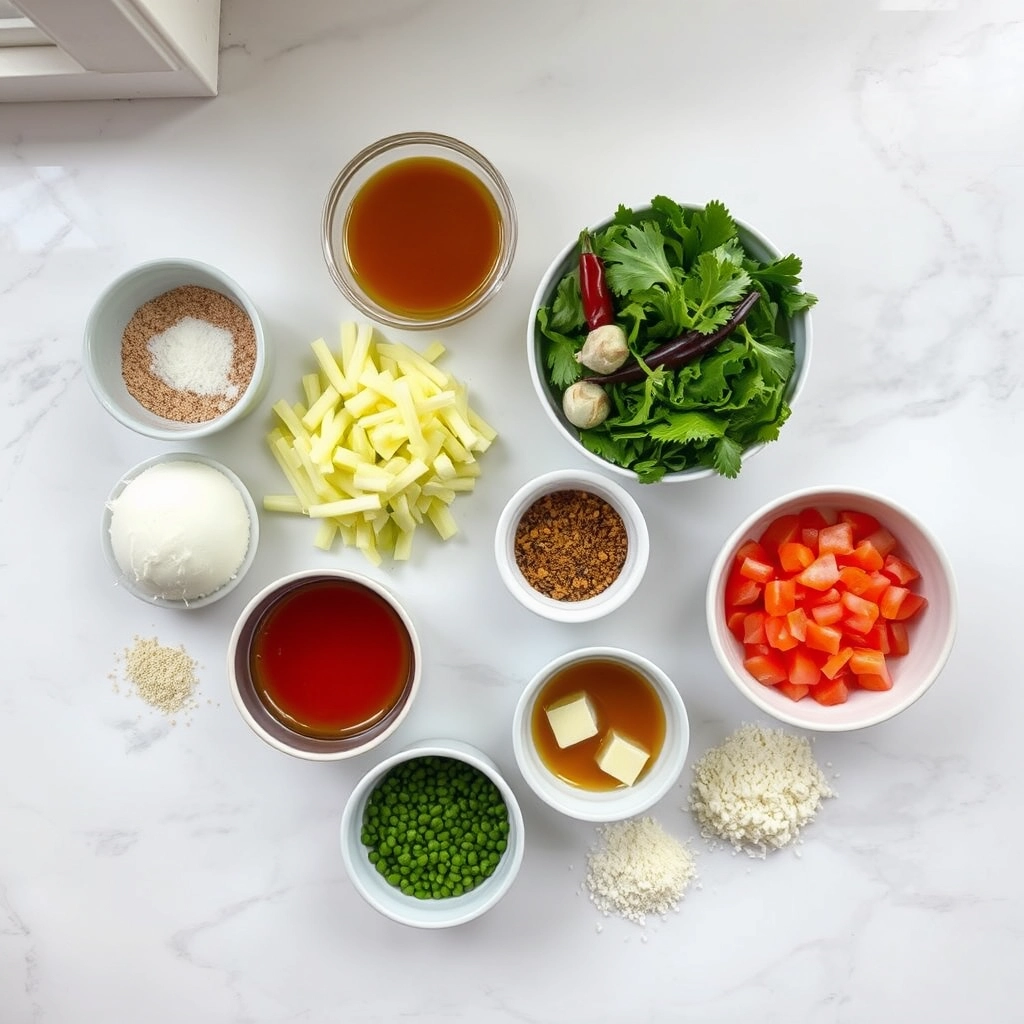
A rich and flavorful Indonesian beef stew with a spicy kick, slow-cooked until tender.
Ingredients
Scale
For the Crust:
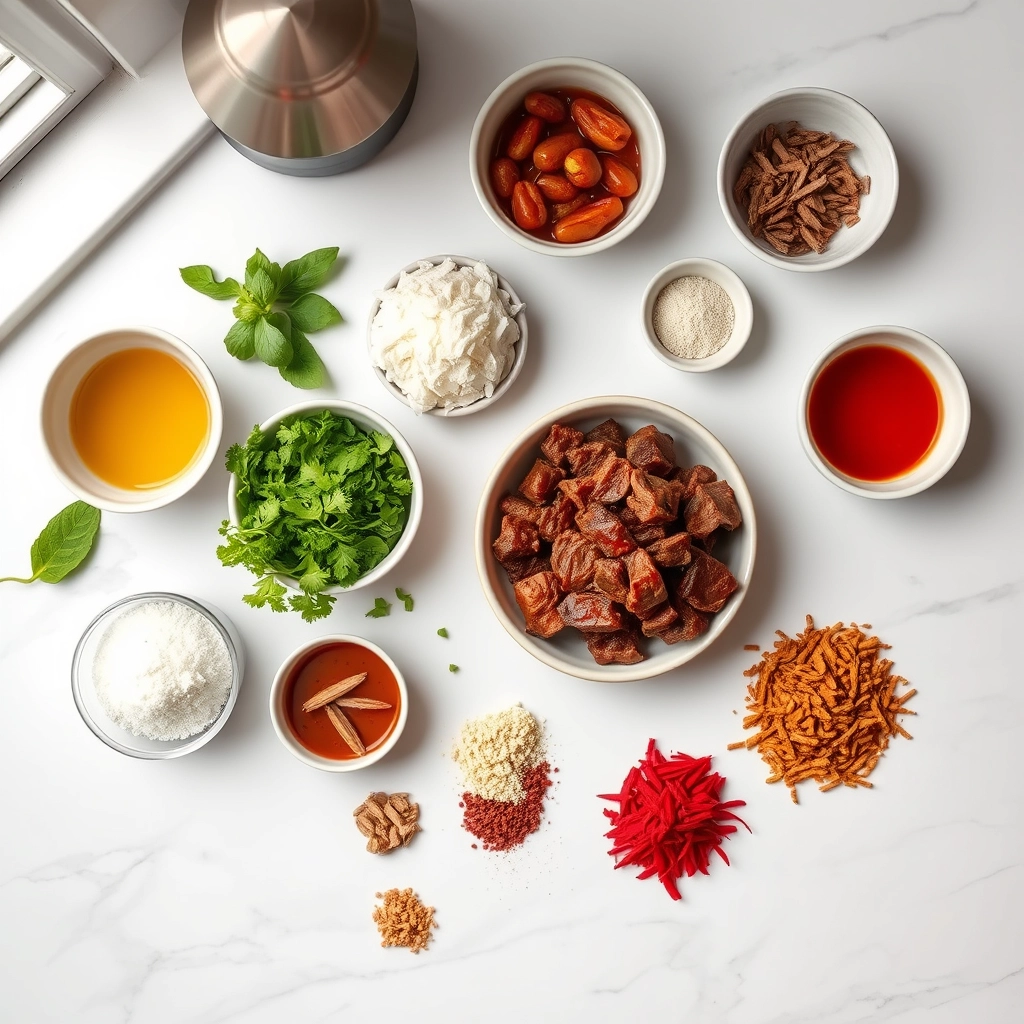
1.5 lbs beef chuck, cut into cubes
1 can (14 oz) coconut milk
3 tbsp rendang paste
1 lemongrass stalk, bruised
4 kaffir lime leaves
1 tsp tamarind paste
1 tbsp palm sugar
1 tsp salt
2 tbsp vegetable oil
1 cup water
Instructions
1. Prepare the Crust:
Heat oil in a large pot over medium heat. Add rendang paste and sauté until fragrant.
Add beef cubes and cook until browned on all sides.
Pour in coconut milk, water, lemongrass, kaffir lime leaves, tamarind paste, palm sugar, and salt. Stir well.
Bring to a boil, then reduce heat to low. Simmer uncovered for 2-3 hours, stirring occasionally, until the beef is tender and the sauce thickens.
Remove lemongrass and kaffir lime leaves before serving.
Notes
You can customize the seasonings to taste.
s-dish">How to Prepare This Dish
Steps and time-saving tips
Start by marinating the beef for your Spicy Beef Rendang Recipe to lock in flavor. Mix the cubed beef with ground turmeric, coriander, and a pinch of salt in a large bowl. Let it sit for at least 30 minutes, or overnight if you have time. Meanwhile, blend the shallots, garlic, ginger, and chilies into a smooth paste for the base. Heat oil in a heavy pot over medium heat, then sauté the paste until fragrant, stirring constantly to avoid burning. Add the marinated beef and sear until browned, which builds depth in your Spicy Beef Rendang Recipe.
Pour in coconut milk and stir well, scraping the bottom to incorporate any caramelized bits. Toss in lemongrass, galangal, and kaffir lime leaves for aroma. Simmer on low heat, stirring occasionally, until the beef becomes tender and the sauce thickens. This can take up to 3 hours, but you can save time by using a pressure cooker for 45 minutes. Finally, toast grated coconut in a dry pan until golden and fold it into the rendang for texture. Adjust salt and spice to taste, then let it rest so the flavors meld.
Mistakes I’ve made and learned from
I once rushed the cooking process for my Spicy Beef Rendang Recipe, and the beef turned out tough. Patience is key—low and slow wins the race. Now, I always check for tenderness before removing it from heat. Another mistake? Skipping the toasting step for the grated coconut. It seemed optional, but it adds a nutty richness that elevates the dish. If you’re new to balancing spices, check out my guide on mastering spices to avoid overpowering the rendang. And if you’re short on time, my quick marinades post shows how to maximize flavor in minutes. Trust me, these small tweaks make all the difference.
The Spicy Beef Rendang Recipe carries deep roots in Indonesian culture, particularly from the Minangkabau people of West Sumatra. Originally, families prepared this dish for special occasions like weddings or religious festivals, simmering it for hours to let the rich coconut milk and spices meld into tender beef. Over time, the Spicy Beef Rendang Recipe traveled across borders, adapting to local tastes in Malaysia, Singapore, and even Thailand.
In some regions, cooks swap beef for chicken or even jackfruit for a vegetarian twist. Others adjust the heat level, balancing fiery chilies with sweeter spices like cinnamon or star anise. My own family adds a splash of tamarind for extra tang, a trick passed down from my grandmother. Whether served with steamed rice or flaky rotis, this dish always feels like a celebration.
ays-cooking">How it fits in today’s cooking
Today, the Spicy Beef Rendang Recipe thrives as both a comfort food and a showstopper for gatherings. Busy home cooks often use slow cookers to replicate the traditional low-and-slow method, while others simplify the spice paste with pre-ground blends. It’s also a star during Ramadan, where its bold flavors break the fast with satisfaction.
Modern twists include serving it over grain bowls or even stuffing it into sandwiches for a fusion kick. Yet, no matter how you adapt it, the soul of the dish remains—a hearty, spice-infused embrace that bridges generations and kitchens worldwide.
Taste and Texture
What makes it delicious
The Spicy Beef Rendang Recipe delivers a bold, unforgettable experience with every bite. First, the rich aroma of toasted coconut and lemongrass fills the air, hinting at the deep, savory flavors to come. Tender beef melts in your mouth, while the thick, caramelized sauce coats it with a luscious, slightly sticky texture. Meanwhile, fiery chilies and warming spices like ginger and galangal create a complex heat that lingers pleasantly. Every spoonful of this Spicy Beef Rendang Recipe balances sweet, spicy, and umami notes, thanks to ingredients like kaffir lime leaves and tamarind. Whether you savor it slowly or devour it eagerly, the dish feels hearty, fragrant, and utterly satisfying.
r">Boosting the flavor
Elevate your Spicy Beef Rendang Recipe with a few easy tweaks. For extra depth, swap regular coconut milk for homemade coconut milk, which adds a fresher, creamier finish. Alternatively, garnish with crispy fried shallots or a squeeze of lime for a bright contrast. If you love heat, stir in a spoonful of chili garlic paste while simmering the sauce. Pair the dish with steamed jasmine rice or a cooling cucumber salad to balance the spices. With these small touches, you’ll make an already incredible dish even more irresistible.
Tips for Success
Best practices for results
Always use fresh, high-quality beef for your Spicy Beef Rendang Recipe to ensure tender results. Simmer the coconut milk slowly until it thickens, stirring frequently to prevent burning. Additionally, toast the spices before blending them to deepen their flavor. For the best texture, cook the Spicy Beef Rendang Recipe on low heat until the meat easily shreds. Finally, let it rest for 10 minutes before serving to allow the flavors to meld.
>Mistakes to avoid
Avoid rushing the cooking process, as high heat can toughen the beef instead of tenderizing it. Many cooks also forget to skim excess oil during simmering, which can make the dish overly greasy. If your sauce splits, simply stir in a splash of warm coconut milk to bring it back together. For more troubleshooting tips, check out our guide on fixing broken sauces. Another common mistake is skipping the spice-toasting step, which weakens the dish’s depth—learn how to toast spices properly for maximum flavor.
Serving and Pairing Suggestions
How to serve this dish
For a stunning presentation, serve your Spicy Beef Rendang Recipe in a shallow bowl with steamed jasmine rice mounded at the center. Alternatively, spoon the rich, fragrant curry over a banana leaf for an authentic touch. Garnish with fresh cilantro or crispy fried shallots to add color and texture. This dish shines at gatherings, whether it’s a cozy family dinner or a festive holiday spread. To make it extra special, pair with a side of pickled vegetables for a bright contrast to the deep, spicy flavors.
What goes well with it
Balance the heat of your Spicy Beef Rendang Recipe with a cooling cucumber salad or a refreshing coconut-based drink like our Tropical Smoothie. For a heartier meal, serve it alongside fluffy coconut rice or buttery Garlic Naan, which soaks up the rich sauce perfectly. If you love bold flavors, try pairing it with a tangy tamarind chutney to enhance the dish’s complexity.
Authentic Spicy Beef Rendang requires slow cooking for 3–4 hours to tenderize the meat and develop rich flavors. The dish is ready when the sauce thickens and the beef easily shreds. Patience is key for this iconic Indonesian curry.
What cut of beef is best for Spicy Beef Rendang?
Chuck roast or brisket works best for Spicy Beef Rendang because these tougher cuts become melt-in-your-mouth tender during slow cooking. Avoid lean cuts as they may dry out. The marbling in these cuts helps absorb the rich coconut and spice flavors.
rank-math-faq-item">
Can I make Spicy Beef Rendang less spicy?
Yes! Reduce the number of chilies or remove the seeds to lower the heat in your Spicy Beef Rendang. You can balance the spice with extra coconut milk. Remember that traditional rendang is meant to be fiery, but adaptations are common.
What sides go well with Spicy Beef Rendang?
Spicy Beef Rendang pairs perfectly with steamed jasmine rice to soak up the flavorful sauce. Traditional accompaniments include cucumber slices, fried shallots, and krupuk (Indonesian crackers). The cool sides help balance the dish’s intense heat.