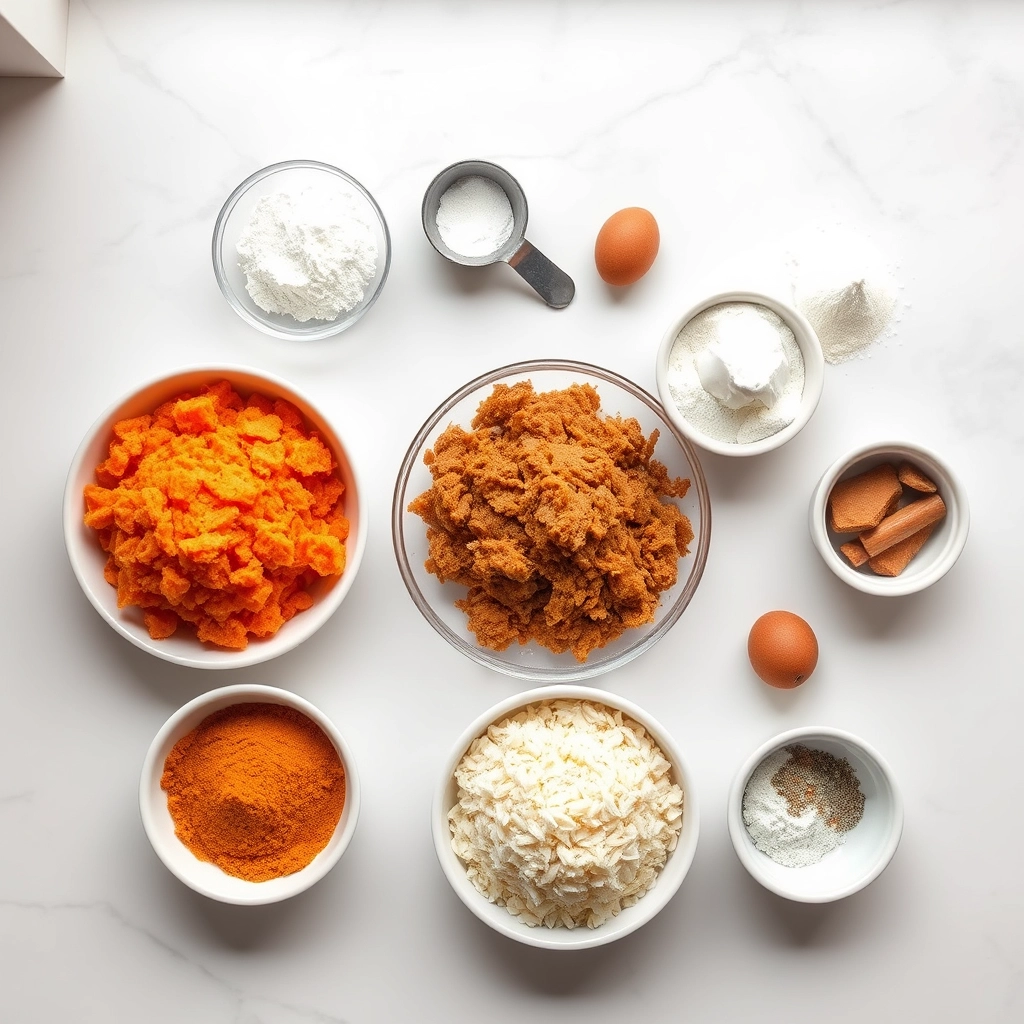
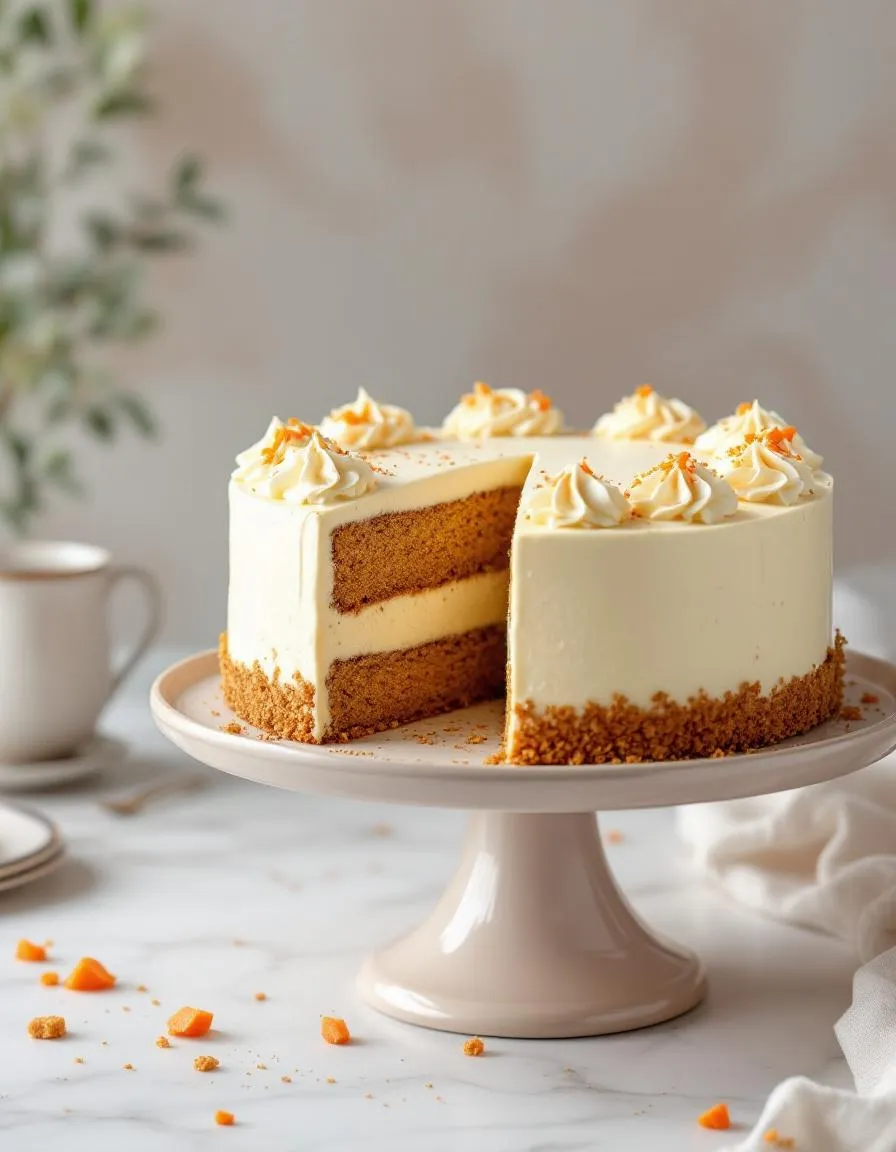
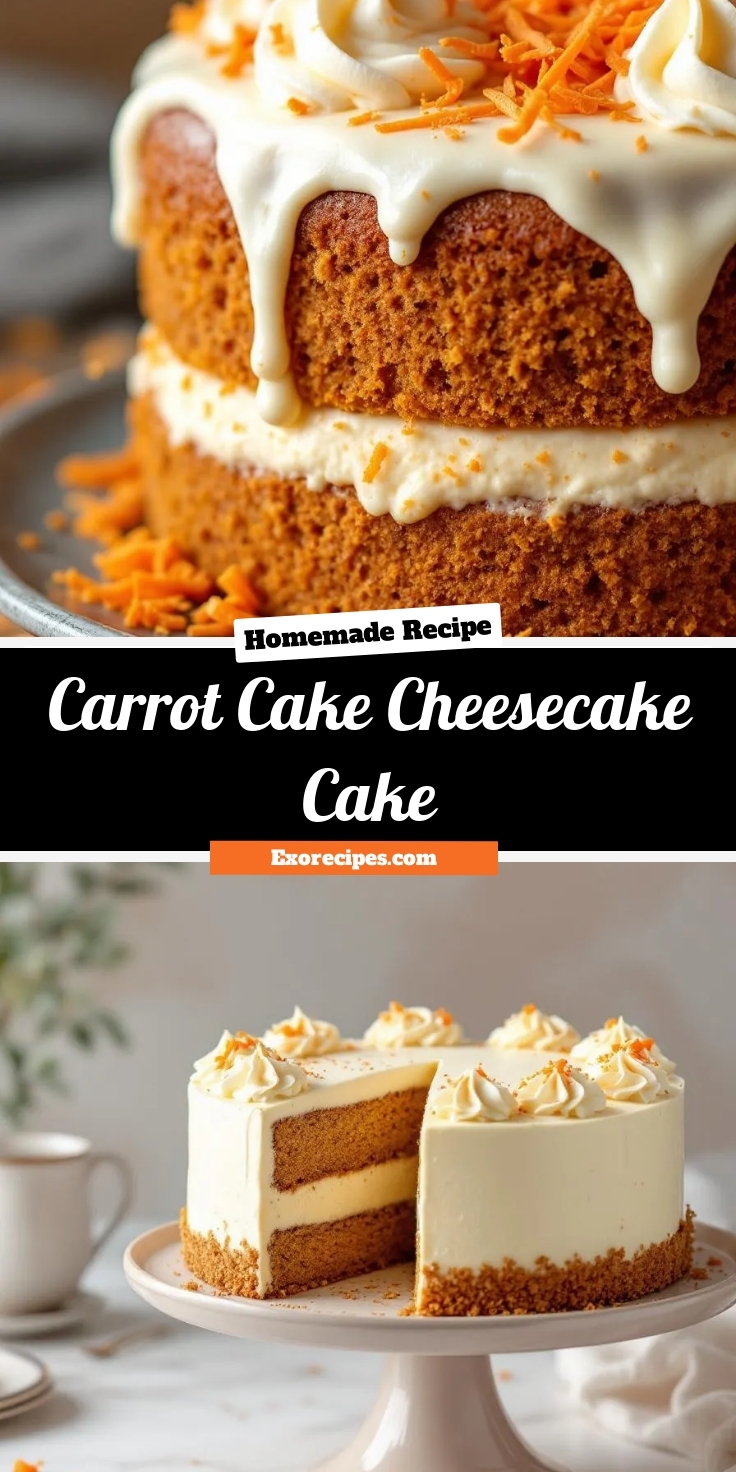
Imagine biting into a dessert that combines the warm, spiced comfort of carrot cake with the creamy indulgence of cheesecake. That’s exactly what you get with this Carrot Cake Cheesecake Cake—a showstopping treat that’s perfect for celebrations, holidays, or just because. Whether you’re a seasoned baker or a beginner, this recipe delivers layers of flavor and texture that will leave everyone asking for seconds. Best of all, it’s easier to make than you might think, and the results are nothing short of spectacular.
Carrot Cake Cheesecake Cake is the ultimate fusion dessert, blending two beloved classics into one unforgettable creation. The bottom layer features a moist, spiced carrot cake packed with grated carrots, cinnamon, and nutmeg. Next comes a rich, velvety cheesecake layer, perfectly tangy and smooth. Finally, the top layer repeats the carrot cake, creating a harmonious balance of flavors. This dessert isn’t just delicious—it’s a conversation starter, ideal for birthdays, Easter, or any occasion where you want to impress. If you love decadent desserts, you’ll also adore our Classic Red Velvet Cake or our Decadent Chocolate Cheesecake. Both share the same crowd-pleasing appeal as this Carrot Cake Cheesecake Cake.
What makes this recipe stand out is its versatility. You can customize it with toasted pecans, raisins, or even a drizzle of caramel. Plus, the make-ahead nature of the cheesecake layer ensures stress-free preparation. Whether you’re serving it at a family gathering or gifting it to a friend, this dessert embodies the cozy, homemade goodness that defines our blog’s philosophy—approachable recipes with restaurant-quality results.
Why I Love This Recipe
Carrot Cake Cheesecake Cake holds a special place in my heart because it reminds me of my grandmother’s kitchen. She always made a towering carrot cake for family reunions, and the first time I tried adding a cheesecake layer, it felt like a revelation. The way the spices mingle with the creamy cheesecake takes me right back to those cherished moments. Now, I love sharing this recipe with others, knowing it might become part of their own traditions too.
Health and Nutrition
Why it’s good for your body
Carrot Cake Cheesecake Cake packs a surprising nutritional punch while satisfying your sweet tooth. First, carrots provide beta-carotene, which your body converts to vitamin A for healthy vision and immune function. Additionally, the cream cheese layer delivers calcium and protein, supporting strong bones and muscle repair. Even better, the spices like cinnamon and nutmeg offer antioxidants that help reduce inflammation.
Moreover, Carrot Cake Cheesecake Cake often includes nuts or raisins, adding fiber and healthy fats for sustained energy. While it’s a dessert, the natural sweetness from carrots and spices means you can enjoy it with less added sugar than many treats. Furthermore, the combination of whole eggs and dairy in the cheesecake layer provides essential amino acids for overall wellness.
Finally, indulging in Carrot Cake Cheesecake Cake can boost your mood, thanks to its rich, comforting flavors. After all, a balanced diet includes room for joy, and this dessert delivers both taste and nutrients. Just remember, moderation is key to reaping its benefits without overdoing calories.
How it fits in a healthy lifestyle
Carrot Cake Cheesecake Cake fits perfectly into a balanced diet when enjoyed mindfully. For example, pair a small slice with a protein-rich snack like Greek yogurt to balance blood sugar. If you’re gluten-free, simply swap the flour for almond or oat flour, as shown in our Gluten-Free Baking Guide.
For heart-healthy choices, use reduced-fat cream cheese and opt for walnuts, which contain omega-3s. Planning a special occasion? This dessert works well alongside lighter meals, like the Healthy Dinner Ideas we recommend. By savoring Carrot Cake Cheesecake Cake as an occasional treat rather than an everyday indulgence, you maintain both health and happiness.
A decadent layered dessert combining the flavors of carrot cake and creamy cheesecake.
Ingredients
Scale
For the Crust:
2 cups all-purpose flour
2 cups granulated sugar
2 tsp baking soda
2 tsp ground cinnamon
1 tsp salt
4 large eggs
1 1/2 cups vegetable oil
3 cups grated carrots
16 oz cream cheese, softened
1/2 cup sour cream
1/2 cup granulated sugar
2 large eggs
1 tsp vanilla extract
8 oz whipped cream cheese frosting
Instructions
1. Prepare the Crust:
Preheat oven to 350°F. Grease and line two 9-inch round cake pans.
In a large bowl, whisk together flour, sugar, baking soda, cinnamon, and salt for the carrot cake layers.
Add eggs and oil to the dry ingredients, mixing until combined. Fold in grated carrots.
Divide batter evenly between the prepared pans. Bake for 25-30 minutes until a toothpick comes out clean. Cool completely.
For the cheesecake layer: Beat cream cheese, sour cream, and sugar until smooth. Add eggs one at a time, then vanilla.
Pour cheesecake batter into a greased 9-inch springform pan. Bake at 325°F for 35-40 minutes until set. Cool completely.
Assemble the cake by placing one carrot cake layer, then the cheesecake layer, then the second carrot cake layer.
Frost the entire cake with whipped cream cheese frosting. Chill for at least 2 hours before serving.
Notes
You can customize the seasonings to taste.
How to Prepare This Dish
Steps and time-saving tips
Start by preheating your oven to 350°F and greasing three 9-inch cake pans. For the carrot cake, whisk together flour, baking soda, cinnamon, and salt in a large bowl. In another bowl, beat eggs, sugar, and oil until smooth, then fold in shredded carrots and crushed pineapple. Gradually mix the dry ingredients into the wet until just combined. Meanwhile, prepare the cheesecake layer by beating cream cheese, sugar, and vanilla until creamy. Add eggs one at a time, then pour the batter into a lined springform pan. Bake the cheesecake for 35 minutes, then let it cool completely. While it chills, bake the carrot cake layers for 25 minutes or until a toothpick comes out clean. Once everything cools, level the cakes with a serrated knife for even stacking. Spread frosting between each layer, placing the cheesecake in the center. For a time-saving hack, bake the cheesecake a day ahead and refrigerate it overnight. This way, assembly becomes a breeze the next day.
and-learned-from">Mistakes I’ve made and learned from
My first attempt at Carrot Cake Cheesecake Cake ended with a cracked cheesecake layer because I rushed the cooling process. Now, I let it cool gradually in the oven with the door slightly ajar, which prevents sudden temperature changes. Another blunder? Overmixing the carrot cake batter, which made it dense. I’ve since learned to gently fold ingredients just until combined for a lighter texture. If you’re new to layered cakes, check out my guide to layering cakes like a pro for foolproof stacking tips. Also, if your frosting feels too soft, refrigerate it for 15 minutes before spreading—a trick I picked up from my frosting fixes post. Trust me, patience pays off with this showstopper!
Cultural Connection and Variations
Where this recipe comes from
Carrot Cake Cheesecake Cake feels like a love letter to two classic desserts. The carrot cake side traces its roots back to medieval Europe, where people sweetened carrots as a sugar substitute. Meanwhile, cheesecake has ancient Greek origins, but the creamy New York-style version we know today took shape in America. Combining them? That’s pure modern genius.
In the South, bakers mi
ght add pecans or a bourbon glaze to their Carrot Cake Cheesecake Cake for extra richness. Over in Europe, some versions skip the spices altogether, focusing on the carrot’s natural sweetness. My grandma’s twist? She layered hers with a tangy citrus cream cheese frosting, making it a springtime staple at family gatherings.
Interestingly, in Australia, they often top this dessert with toasted coconut, while in the Middle East, bakers might infuse the batter with cardamom or rosewater. No matter where you go, Carrot Cake Cheesecake Cake adapts beautifully, blending local flavors with its comforting core.
How it fits in today’s cooking
Today, Carrot Cake Cheesecake Cake shines as a showstopper for Easter brunches or cozy fall celebrations. Its versatility keeps it relevant—whether you’re serving it at a holiday feast or just craving a slice with afternoon coffee. Modern cooks love tweaking it, too, like swapping traditional walnuts for gluten-free alternatives or adding a drizzle of salted caramel for a trendy twist.
Busy bakers also apprec
iate make-ahead tricks, like prepping the cheesecake layer days in advance. For those who want a lighter version, sugar substitutes or Greek yogurt folds work wonders. Whether you stick to tradition or experiment, Carrot Cake Cheesecake Cake remains a crowd-pleaser, bridging nostalgia and today’s tastes effortlessly.
Taste and Texture
What makes it delicious
Carrot Cake Cheesecake Cake delivers a symphony of flavors and textures that make every bite unforgettable. The spiced carrot cake layers offer a moist, tender crumb with warm notes of cinnamon and nutmeg, while the rich cheesecake filling adds a velvety, creamy contrast. Toasted walnuts or pecans bring a satisfying crunch, and the tangy cream cheese frosting ties everything together with a smooth, luscious finish. As you slice into it, the aroma of caramelized carrots and vanilla fills the air, making Carrot Cake Cheesecake Cake as irresistible as it is indulgent.
Boosting the flavor
Elevate your Carrot Cake Cheesecake Cake with a few easy tweaks. For a deeper spice profile, add a pinch of cardamom or ginger to the batter. Drizzle warm salted caramel sauce over each slice for a buttery-sweet contrast, or top with a handful of candied pecans for extra crunch. If you prefer a tropical twist, fold shredded coconut into the cake layers. These small changes amplify the flavors without overshadowing the dessert’s classic charm.
For the best Carrot Cake Cheesecake Cake, always bring cream cheese and eggs to room temperature before mixing. This ensures a smooth, lump-free batter. Additionally, grate carrots finely so they blend seamlessly into the cake layers. To prevent overbaking, check for doneness 5 minutes early since ovens vary. Finally, chill the assembled cake for at least 4 hours so the flavors meld and slices hold their shape.
Mistakes to avoid
Avoid overmixing the carrot cake batter, as this can make layers dense instead of tender. Instead, gently fold ingredients just until combined. Many bakers also skip lining pans with parchment, but this guarantees easy release—especially important for delicate cheesecake layers. For more pan prep tips, see our baking tools guide. Lastly, don’t rush the cooling process; slicing too soon causes messy layers. Learn proper cooling techniques in our cake storage guide to keep your Carrot Cake Cheesecake Cake picture-perfect.
g-suggestions">Serving and Pairing Suggestions
How to serve this dish
For a stunning presentation, slice your Carrot Cake Cheesecake Cake into even layers and plate each piece with a dollop of whipped cream on the side. Alternatively, drizzle warm caramel or cream cheese frosting over the top for extra decadence. Since this dessert shines at gatherings, consider serving it at Easter brunch or Thanksgiving dinner. To make it even more festive, garnish with chopped walnuts or edible flowers. Whether you’re hosting a party or treating yourself, Carrot Cake Cheesecake Cake always steals the show.
What goes well with it
Pair your Carrot Cake Cheesecake Cake with a hot cup of spiced chai tea for a cozy contrast to its rich flavors. If you prefer something cold, a scoop of vanilla bean ice cream adds a creamy texture that balances the cake’s spice. For a lighter option, try our Homemade Whipped Cream to enhance each bite without overpowering it. If you’re serving a crowd, our Classic Coffee Cake makes a delightful companion for a dessert spread. No matter what you choose, these pairings elevate the Carrot Cake Cheesecake Cake experience.
math-faq-block">
What is a Carrot Cake Cheesecake Cake?
A Carrot Cake Cheesecake Cake is a decadent dessert that combines layers of moist carrot cake with creamy cheesecake. This hybrid treat offers the best of both worlds—spiced carrot cake flavors and rich cheesecake texture. It’s often topped with cream cheese frosting or chopped nuts for extra flavor.
How do you keep Carrot Cake Cheesecake Cake from drying out?
To prevent your Carrot Cake Cheesecake Cake from drying out, wrap it tightly in plastic wrap or store it in an airtight container. The cheesecake layer helps retain moisture, but refrigerating the cake also preserves its freshness. For best results, serve within 3-4 days of baking.
Can you freeze Carrot Cake Cheesecake Cake?
Yes, you can freeze Carrot Cake Cheesecake Cake for up to 2 months. Wrap individual slices or the whole cake in plastic wrap and aluminum foil to prevent freezer burn. Thaw overnight in the refrigerator before serving to maintain the perfect texture.
ank-math-faq-item">
What’s the difference between carrot cake and Carrot Cake Cheesecake Cake?
While traditional carrot cake is a single-layer spiced cake with cream cheese frosting, Carrot Cake Cheesecake Cake adds a layer of cheesecake between the carrot cake layers. This creates a richer, more complex dessert with contrasting textures and flavors. The cheesecake layer makes it denser and creamier than regular carrot cake.
Easy Patriotic Red, White and Blue Pastries Recipe
Introduction
Nothing brings people together like a delicious, visually stunning dessert, especially when it celebrates something as meaningful as patriotism. If you’re looking for a showstopping treat that honors red, white, and blue pride, these Patriotic Red, White and Blue Pastries will steal the show at your next gathering. Whether it’s for the Fourth of July, Memorial Day, or just because, these pastries combine flaky layers, creamy fillings, and vibrant colors to create a dessert that’s as delightful to eat as it is to admire. Plus, they’re easier to make than you might think, so you can impress your guests without spending hours in the kitchen.
Patriotic Red, White and Blue Pastries are more than just a dessert—they’re a celebration on a plate. These pastries feature buttery, golden layers filled with luscious cream and topped with fresh berries, creating a perfect balance of textures and flavors. What makes them special is how effortlessly they capture the spirit of patriotism while still being versatile enough for any occasion. Whether you’re hosting a backyard barbecue or a cozy family dinner, these pastries add a festive touch that everyone will love. They also fit perfectly with our blog’s mission to share approachable yet impressive recipes, like our Easy Berry Tart, which highlights seasonal ingredients in simple ways. Moreover, if you enjoy baking with fresh fruit, you’ll appreciate how these pastries complement other summer favorites, such as our Homemade Lemonade, for a complete patriotic spread.
Why I Love This Recipe
Patriotic Red, White and Blue Pastries hold a special place in my heart because they remind me of summer gatherings with my family. Every year, my grandmother would bake something red, white, and blue for our Fourth of July picnics, and these pastries bring back those warm memories. I love how they look as stunning as a store-bought dessert but taste even better because they’re made with love. Plus, watching kids and adults alike light up when they see these colorful treats never gets old. For me, baking isn’t just about the food—it’s about creating moments, and these pastries do exactly that.
Health and Nutrition
Why it’s good for your body
Patriotic Red, White and Blue Pastries bring more than just festive flair to your table. First, they often feature antioxidant-rich berries like strawberries and blueberries, which support immune health and reduce inflammation. Additionally, these colorful treats can include Greek yogurt or whipped cream for a protein boost, helping you stay fuller longer. Moreover, the natural sweetness of fruit means you can enjoy Patriotic Red, White and Blue Pastries with less added sugar than typical desserts.
Another benefit comes from the whole-grain or almond flour bases some recipes use, offering fiber for better digestion. Meanwhile, the vibrant colors signal nutrient-dense ingredients, making these pastries a smarter indulgence. For instance, blueberries provide brain-boosting flavonoids, while strawberries deliver vitamin C for glowing skin. Finally, when you bake Patriotic Red, White and Blue Pastries at home, you control the ingredients, avoiding unnecessary preservatives. Whether for a holiday or everyday treat, these pastries balance flavor and nourishment.
How it fits in a healthy lifestyle
Patriotic Red, White and Blue Pastries fit seamlessly into a balanced diet when enjoyed mindfully. Pair them with protein-rich foods like Greek yogurt or nuts to stabilize blood sugar, making them a satisfying snack. For gluten-free diets, simply swap traditional flour with almond or oat flour—check out our gluten-free baking guide for easy substitutions. If you’re watching sugar intake, reduce added sweeteners and let the natural fruit flavors shine.
These pastries also work well for meal prep, so you can enjoy a portion-controlled treat without overindulging. For heart-healthy options, use unsaturated fats like avocado oil in the recipe. Craving more wholesome dessert ideas? Explore our healthy dessert swaps to keep your sweet tooth happy. With simple tweaks, Patriotic Red, White and Blue Pastries become a guilt-free part of your routine.
Festive and colorful pastries perfect for patriotic celebrations with layers of red, white, and blue flavors.
Ingredients
Scale
For the Crust:
1 sheet puff pastry, thawed
1/2 cup strawberry jam
1/2 cup blueberry jam
1 cup whipped cream
1 egg, beaten (for egg wash)
1 tbsp powdered sugar (for dusting)
Instructions
1. Prepare the Crust:
Preheat oven to 400°F (200°C). Roll out the puff pastry sheet and cut into 12 equal squares.
Spread strawberry jam on half of the squares and blueberry jam on the other half. Leave a small border around the edges.
Top each jam-covered square with a plain square, pressing the edges to seal. Brush the tops with egg wash.
Bake for 15-20 minutes until golden brown. Let cool completely.
Once cooled, top each pastry with a dollop of whipped cream and dust lightly with powdered sugar before serving.
Notes
You can customize the seasonings to taste.
How to Prepare This Dish
Steps and time-saving tips
Start by preheating your oven to 350°F and lining a baking sheet with parchment paper. Meanwhile, whisk together the dry ingredients—flour, sugar, and baking powder—in a large bowl. In a separate bowl, beat the butter and eggs until creamy, then gradually fold in the dry mixture. For a shortcut, use store-bought puff pastry dough instead of making it from scratch. Divide the dough into three equal portions and tint one red and one blue with gel food coloring, leaving the third white. Roll each portion into thin layers, then stack them with white in the middle for that patriotic effect. Chill the dough for 15 minutes to make slicing easier. Cut into star shapes or simple rectangles, then bake for 12-15 minutes until golden. While the pastries cool, whip up a quick glaze by mixing powdered sugar with milk and a splash of vanilla. Drizzle it over the tops for a sweet finish. If you’re short on time, skip the glaze and dust with powdered sugar instead.
Mistakes I’ve made and learned from
I once rushed the chilling step and ended up with sticky, misshapen pastries—patience is key for clean cuts! Another time, I overmixed the dough, which made the texture tough. Now, I stop stirring as soon as the ingredients combine. If your colors bleed, try chilling the layers separately before stacking. For more troubleshooting tips, check out my guide on common baking mistakes. And if you love festive treats, don’t miss my holiday dessert hacks for keeping desserts vibrant and flavorful. Learning these lessons the hard way taught me that small adjustments make all the difference.
Patriotic Red, White and Blue Pastries bring a burst of national pride to any table, especially during summer celebrations like the Fourth of July. These vibrant treats trace their roots to American holiday traditions, where bakers layer fresh berries and creamy fillings to mirror the colors of the flag. Families often pass down their own twists—some swap strawberries for raspberries, while others fold in whipped cream or custard for extra richness.
Around the world, similar pastries take on local flavors. In France, bakers might use crème pâtissière and fresh currants for a refined touch. Meanwhile, in Australia, you’ll find pavlovas topped with kiwi and blueberries for a tropical spin. Even within the U.S., regional differences shine. Southern bakers might add a splash of bourbon to the filling, while coastal towns opt for lighter, citrus-infused versions. No matter the variation, Patriotic Red, White and Blue Pastries always celebrate community and creativity.
ays-cooking">How it fits in today’s cooking
Today, these pastries remain a staple for holidays, but they’ve also found a place in everyday baking. Modern cooks love how versatile they are—whether as a showstopping dessert for a backyard BBQ or a fun weekend project with kids. Some even adapt them into healthier dessert alternatives, using Greek yogurt or coconut cream.
Social media has fueled new trends, too. Bakers now experiment with mini tartlets or no-bake versions for quick summer treats. Despite the updates, the heart of Patriotic Red, White and Blue Pastries stays the same. They’re a delicious way to honor tradition while making new memories.
Taste and Texture
What makes it delicious
Patriotic Red, White and Blue Pastries burst with vibrant flavors and irresistible textures. The buttery, flaky crust crumbles delicately with each bite, while the creamy filling melts smoothly on your tongue. Fresh strawberries and blueberries add juicy sweetness, balanced by a hint of tartness that keeps every mouthful exciting. Meanwhile, the vanilla-infused whipped cream layer brings a light, airy richness that ties everything together. As you take a bite, the fragrant aroma of baked pastry and ripe berries fills the air, making these treats as delightful to smell as they are to eat. Whether served warm or chilled, Patriotic Red, White and Blue Pastries deliver a satisfying contrast of crisp edges and soft centers.
r">Boosting the flavor
Elevate your Patriotic Red, White and Blue Pastries with a few easy tweaks. For extra depth, drizzle a tangy lemon glaze over the top—its citrusy zing enhances the berries beautifully. Alternatively, sprinkle toasted coconut flakes for a nutty crunch that complements the creamy layers. If you love bold flavors, try folding a spoonful of homemade vanilla extract into the whipped cream for an aromatic upgrade. A dusting of powdered sugar or a dollop of lemon curd also adds a refreshing twist. With these simple touches, you can customize the pastries to match any taste preference while keeping their festive charm intact.
Tips for Success
Best practices for results
Always chill the dough before rolling it out to prevent sticking and ensure clean layers in your Patriotic Red, White and Blue Pastries. For vibrant colors, use gel food coloring instead of liquid, as it won’t thin the dough. Additionally, roll the dough evenly to avoid uneven baking—aim for a consistent ¼-inch thickness. Finally, bake on parchment paper to maintain the delicate texture and prevent browning on the bottoms.
>Mistakes to avoid
Overmixing the dough can make your Patriotic Red, White and Blue Pastries tough instead of flaky. Instead, gently combine ingredients just until they come together. Another common error is skipping the cooling step for the filling, which can cause soggy layers. For more troubleshooting tips, check out our guide on fixing dough issues. Also, avoid overcrowding the baking sheet, as proper airflow ensures even baking—learn more about perfect baking temperatures for best results.
Serving and Pairing Suggestions
How to serve this dish
Showcase your Patriotic Red, White and Blue Pastries as the star of any celebration. For a stunning display, arrange them on a tiered dessert stand with fresh berries and mint leaves for a pop of color. Alternatively, serve them individually on small plates with a dusting of powdered sugar for an elegant touch. These pastries shine at Fourth of July gatherings, Memorial Day brunches, or even as a sweet surprise at summer picnics. To make them extra festive, drizzle them with a light vanilla glaze or add a dollop of whipped cream on top.
What goes well with it
Pair your Patriotic Red, White and Blue Pastries with a refreshing glass of homemade lemonade or iced tea for a classic summer combo. The citrusy tang balances the sweetness perfectly. For a richer option, try serving them with a scoop of vanilla bean ice cream from our homemade ice cream collection. If you want to keep things light, these pastries also pair wonderfully with a fresh fruit salad featuring seasonal berries. For more brunch inspiration, check out our easy brunch ideas to complete your spread.
What are the best red, white, and blue desserts for the 4th of July?
Patriotic Red, White and Blue Pastries like flag cakes, berry tarts, and layered parfaits are perfect for 4th of July celebrations. These desserts use strawberries, blueberries, and whipped cream or white chocolate to create a festive look. They’re easy to make and always a hit at patriotic gatherings.
How do you make red, white, and blue cupcakes?
To make Patriotic Red, White and Blue Pastries like cupcakes, start with vanilla batter and divide it into three portions. Dye one red and one blue, leaving the third white, then layer or swirl them in the liners. Top with white frosting and fresh berries for a festive finish.
ank-math-faq-item">
Can I use natural food coloring for red, white, and blue treats?
Yes! For Patriotic Red, White and Blue Pastries, use beet juice or raspberry puree for red, and blueberry puree or butterfly pea flower for blue. Skip artificial dyes while keeping the vibrant colors perfect for patriotic themes. Natural options work great in cakes, cookies, and frostings.
What fruits work best for red, white, and blue desserts?
Strawberries and raspberries provide the perfect red, while blueberries and blackberries give a deep blue hue for Patriotic Red, White and Blue Pastries. Pair them with white elements like whipped cream, vanilla frosting, or coconut flakes for a balanced, delicious dessert.
Best Homemade Chicken Stock – Easy & Flavorful
Introduction
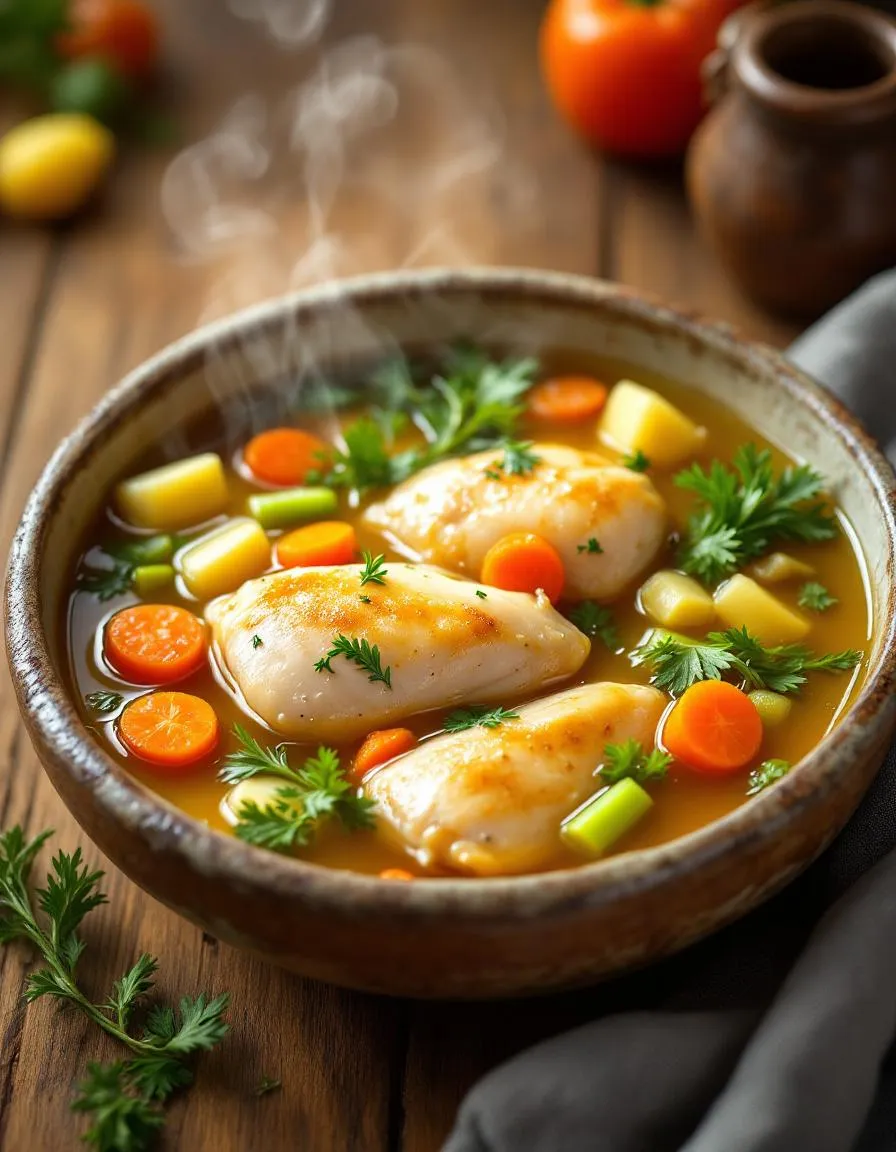
There’s something deeply comforting about a pot of Homemade Chicken Stock simmering on the stove. The aroma fills your kitchen, wrapping you in warmth and nostalgia. Whether you’re crafting a hearty soup, a creamy risotto, or simply sipping it straight from a mug, this golden elixir transforms ordinary dishes into something extraordinary. Unlike store-bought versions, Homemade Chicken Stock lets you control the flavors, avoid additives, and make the most of every ingredient. Plus, it’s a delicious way to reduce food waste—something we’re passionate about here at Exorecipes.
Homemade Chicken Stock is the foundation of countless recipes, from classic chicken noodle soup to rich gravies and stews. Essentially, it’s a flavorful liquid made by simmering chicken bones, vegetables, and aromatics for hours, extracting their essence into every spoonful. Unlike bouillon cubes or canned broth, which often contain excessive salt and preservatives, this version tastes cleaner and more nuanced. Moreover, it’s packed with collagen, which supports gut health and adds a luxurious mouthfeel to dishes. If you’ve ever wondered why restaurant meals taste so rich, the secret often lies in their stock.
At Exorecipes, we believe cooking should feel approachable and rewarding. That’s why we emphasize techniques like making Homemade Chicken Stock—simple processes with big payoffs. Once you try it, you’ll notice the difference in everything from our creamy chicken pot pie to a basic pan sauce. And if you’re new to scratch cooking, don’t worry. Our beginner’s soup guide breaks down each step without overwhelm.
Why I Love This Recipe
Homemade Chicken Stock reminds me of my grandmother’s kitchen, where nothing went to waste and every scrap had purpose. She’d save vegetable peels and chicken carcasses in the freezer, then simmer them into magic. Now, whenever I make a batch, I think of her—how something so humble could be so nourishing. It’s not just about the flavor, though that’s undeniable. It’s about the ritual, the patience, and the love that goes into each pot. Every time I ladle it into a recipe, I know I’m honoring those traditions while creating new ones.
Health and Nutrition
Why it’s good for your body
Homemade Chicken Stock packs a powerful nutritional punch while keeping ingredients simple and wholesome. First, it delivers collagen from simmered bones, which supports joint health and promotes glowing skin. Additionally, the slow cooking process extracts minerals like calcium, magnesium, and phosphorus, helping to strengthen bones and teeth. Unlike store-bought versions, Homemade Chicken Stock contains no artificial additives, so you control the sodium and avoid unnecessary preservatives.
Moreover, the amino acids in Homemade Chicken Stock, such as glycine and proline, aid digestion and support gut health. These compounds help repair the intestinal lining, making it easier to absorb nutrients from other foods. Furthermore, the warm liquid soothes the throat and provides hydration, especially during cold seasons. Since you make it from scratch, Homemade Chicken Stock also retains more vitamins like B12 and iron, which boost energy levels and immune function.
Finally, the natural gelatin in Homemade Chicken Stock promotes satiety, helping you feel full longer. This makes it a smart choice for anyone managing weight or seeking balanced nutrition. Whether you sip it alone or use it as a base for soups and stews, Homemade Chicken Stock offers a delicious way to nourish your body.
How it fits in a healthy lifestyle
Homemade Chicken Stock fits seamlessly into a balanced diet, whether you follow specific eating plans or just aim for cleaner meals. For gluten-free or paleo lifestyles, it serves as a flavorful foundation for dishes without grains or processed ingredients. If you prioritize heart health, you can easily adjust the sodium levels while still enjoying its rich taste and mineral benefits.
Protein-focused eaters will appreciate how Homemade Chicken Stock enhances meals like hearty chicken soup, adding depth without extra calories. It also works well in meal prep, since you can freeze batches for quick weeknight cooking. For gut-friendly eating, try incorporating it into vegetable-based broths to maximize nutrient absorption.
Beyond recipes, sipping Homemade Chicken Stock as a warm drink can curb cravings and replace less nutritious snacks. Its versatility makes it a kitchen staple for anyone committed to mindful, wholesome eating.
A rich and flavorful homemade chicken stock perfect for soups, stews, and sauces.
Ingredients
Scale
For the Crust:
1 whole chicken carcass (or 2 lbs chicken bones)
1 large onion, quartered
2 carrots, roughly chopped
2 celery stalks, roughly chopped
3 garlic cloves, smashed
1 bay leaf
1 tsp black peppercorns
2 sprigs fresh thyme
8 cups cold water
1 tsp salt (optional)
Instructions
1. Prepare the Crust:
Place chicken carcass or bones in a large stockpot.
Add all vegetables, garlic, bay leaf, peppercorns, and thyme to the pot.
Pour in cold water until ingredients are fully submerged.
Bring to a boil over high heat, then reduce to a low simmer.
Skim off any foam or impurities that rise to the surface.
Simmer uncovered for 3-4 hours, occasionally skimming fat.
Strain the stock through a fine-mesh sieve into a large bowl.
Discard solids and let stock cool before storing or using.
Notes
You can customize the seasonings to taste.
How to Prepare This Dish
Steps and time-saving tips
Start by gathering all your ingredients for Homemade Chicken Stock—this ensures a smooth process without interruptions. First, place the chicken carcass or bones in a large pot, then cover them with cold water. Turn the heat to medium-high and bring the water to a gentle boil. Meanwhile, roughly chop onions, carrots, and celery—no need for precision here, as they’ll soften anyway. Once the water boils, reduce the heat to low and skim off any foam that rises to the top with a slotted spoon. Next, add the chopped vegetables, a handful of peppercorns, and a bay leaf or two. Let everything simmer uncovered for at least 4 hours, though longer cooking deepens the flavor. Stir occasionally to prevent sticking, and top off the water if it reduces too much. For a time-saving hack, use a slow cooker on low for 8-10 hours—just set it and forget it. Finally, strain the stock through a fine-mesh sieve into a large bowl, discarding the solids. Let it cool before storing, and skim off any fat once chilled. Homemade Chicken Stock freezes beautifully, so make extra for future soups or sauces.
and-learned-from">Mistakes I’ve made and learned from
Early on, I rushed the simmering process for Homemade Chicken Stock, thinking an hour would suffice—big mistake. The result was weak and lacked depth. Now, I always let it simmer for at least 4 hours, or even overnight in the slow cooker for maximum richness. Another blunder? Skipping the skimming step. Foam and impurities clouded the stock, so I learned to skim diligently in the first 30 minutes. For more on avoiding cloudy stock, check out my guide on achieving crystal-clear broth. Oh, and once I forgot to cool the stock before refrigerating—condensation diluted the flavor. Now, I let it cool completely, a tip I picked up from my storage essentials post. Trust me, patience pays off with Homemade Chicken Stock.
Cultural Connection and Variations
Where this recipe comes from
Homemade Chicken Stock carries a rich history, simmering in kitchens across cultures for centuries. In France, chefs elevate it to a golden elixir called fond blanc de volaille, while in China, ginger and scallions infuse it with warmth for healing soups. Meanwhile, Jewish grandmothers swear by their slow-cooked versions, often adding parsnips or dill for extra depth. My own family’s recipe? A rustic blend of roasted bones and thyme, passed down with the rule: “Never waste a carcass.”
Travel further, and you
’ll find variations like Mexico’s caldo de pollo, brightened with lime and cilantro, or Greece’s avgolemono, where lemon and eggs transform the broth into something silky. Even within the U.S., Southern cooks might toss in a ham hock, while New Englanders keep it simple with bay leaves and peppercorns. No matter the twist, Homemade Chicken Stock remains a universal kitchen staple—flexible, forgiving, and full of flavor.
How it fits in today’s cooking
Today, Homemade Chicken Stock still holds its place as a culinary workhorse. Meal preppers swear by it for boosting weeknight risottos, while health-conscious cooks rely on its gut-friendly collagen. During holidays, it’s the secret behind gravy that earns compliments, and in winter, it turns humble ingredients into cozy soups. Modern twists? Instant Pots slash cooking time, and freezer-friendly jars make homemade broth more convenient than ever.
For those juggling busy schedules, batch-cooking stock aligns perfectly with meal-prep strategies. Others fold it into global dishes, like ramen or paella, proving its versatility. And let’s not forget its role in comfort food classics—because nothing beats chicken noodle soup on a sick day. Whether you’re a tradition-keeper or a time-saver, Homemade Chicken Stock adapts to your kitchen without losing its soul.
>Taste and Texture
What makes it delicious
Homemade Chicken Stock delivers a deeply savory, umami-rich flavor that coats your tongue with warmth. The aroma alone fills the kitchen with earthy notes from simmered herbs, while the golden liquid carries a silky, almost velvety texture. Each sip bursts with the natural sweetness of caramelized onions, the brightness of fresh celery, and the subtle peppery kick from black peppercorns. Unlike store-bought versions, Homemade Chicken Stock has a clean, pure taste—no artificial aftertaste, just layers of comfort in every spoonful.
Boosting the flavor
For a richer depth, try roasting the chicken bones before simmering—this adds a smoky, almost nutty undertone to your Homemade Chicken Stock. Alternatively, toss in a splash of apple cider vinegar to brighten the flavors or a handful of dried mushrooms for an earthy boost. If you love aromatic herbs, fresh thyme or a bay leaf elevates the broth beautifully. Pair it with crusty bread for dipping or use it as a base for soups like our Creamy Tomato Soup. For more inspiration, check out our guide to perfect herb pairings to customize your stock.
Tips for Success
Best practices for results
Always start with high-quality bones and vegetables for the best Homemade Chicken Stock. Simmer the mixture gently for at least 4 hours to extract maximum flavor, but avoid boiling it too vigorously, as this can make the stock cloudy. Additionally, skim off any foam or impurities that rise to the surface during the first 30 minutes for a cleaner taste. Finally, strain the stock through a fine-mesh sieve and let it cool completely before storing to preserve freshness.
Mistakes to avoid
One common mistake is adding too much salt early on. Since the liquid reduces as it simmers, the flavors concentrate, so wait until the end to season your Homemade Chicken Stock. Another error is using only chicken breasts—opt for a mix of bones, wings, and feet for richer gelatin content. For more tips on balancing flavors, check out our guide on perfect soup bases. Also, avoid overcrowding the pot with vegetables, as this can dilute the stock. If you need help choosing the right ingredients, our stock ingredient guide has you covered.
Serving and Pairing Suggestions
How to serve this dish
Homemade Chicken Stock shines as a versatile base, so serve it warm in cozy mugs for a comforting sip or as the foundation for heartier dishes. For a polished touch, garnish bowls with fresh herbs like parsley or thyme and a drizzle of olive oil. Meanwhile, consider serving it alongside crusty bread for dipping, especially during chilly evenings or holiday gatherings. If you’re hosting a dinner party, elevate the presentation by pouring the stock into elegant teacups as a starter. Whether you’re prepping for a weeknight meal or a special occasion, Homemade Chicken Stock adds warmth and depth to any table.
h-it">What goes well with it
Pair Homemade Chicken Stock with a crisp white wine like Sauvignon Blanc to balance its rich flavors, or try a light herbal tea for a soothing combo. For sides, serve it with a fresh garden salad or roasted vegetables to keep the meal balanced. If you’re craving something heartier, pair it with our Garlic Herb Focaccia for dipping, or use it as a base for our Creamy Wild Mushroom Soup to double down on comfort. Each pairing enhances the stock’s savory notes while keeping the meal satisfying and flavorful.
How long does homemade chicken stock last in the fridge?
Homemade chicken stock stays fresh in the refrigerator for 4–5 days when stored in an airtight container. For longer storage, freeze it for up to 3 months. Always check for off smells or mold before using your homemade chicken stock.
ank-math-faq-item">
What’s the difference between chicken stock and chicken broth?
Homemade chicken stock is made by simmering bones, which gives it a richer flavor and more gelatin than broth. Chicken broth uses meat instead of bones and is typically seasoned, while homemade chicken stock is a neutral base for recipes.
Can I make homemade chicken stock without vegetables?
Yes, you can make homemade chicken stock with just bones, water, and salt, but vegetables like onions, carrots, and celery add depth of flavor. For a minimalist version, skip the veggies and focus on high-quality bones for a pure, rich homemade chicken stock.
How do I make homemade chicken stock less greasy?
Skim the fat off the top of your homemade chicken stock while it simmers or chill it overnight—the fat will solidify for easy removal. Straining through a fine-mesh sieve or cheesecloth also helps reduce greasiness in homemade chicken stock.
div>
Best Lamb Shanks Massaman Curry Recipe
Introduction
There’s something deeply comforting about a dish that wraps you in warmth and nostalgia, and Lamb Shanks Massaman Curry does exactly that. Whether you’re craving a rich, aromatic meal to share with loved ones or simply want to treat yourself to something extraordinary, this recipe delivers. Tender lamb shanks simmered in a creamy, spiced coconut curry create a harmony of flavors that feels like a hug in a bowl. Plus, it’s easier to make than you might think. Let’s dive into why this dish deserves a spot in your culinary repertoire.
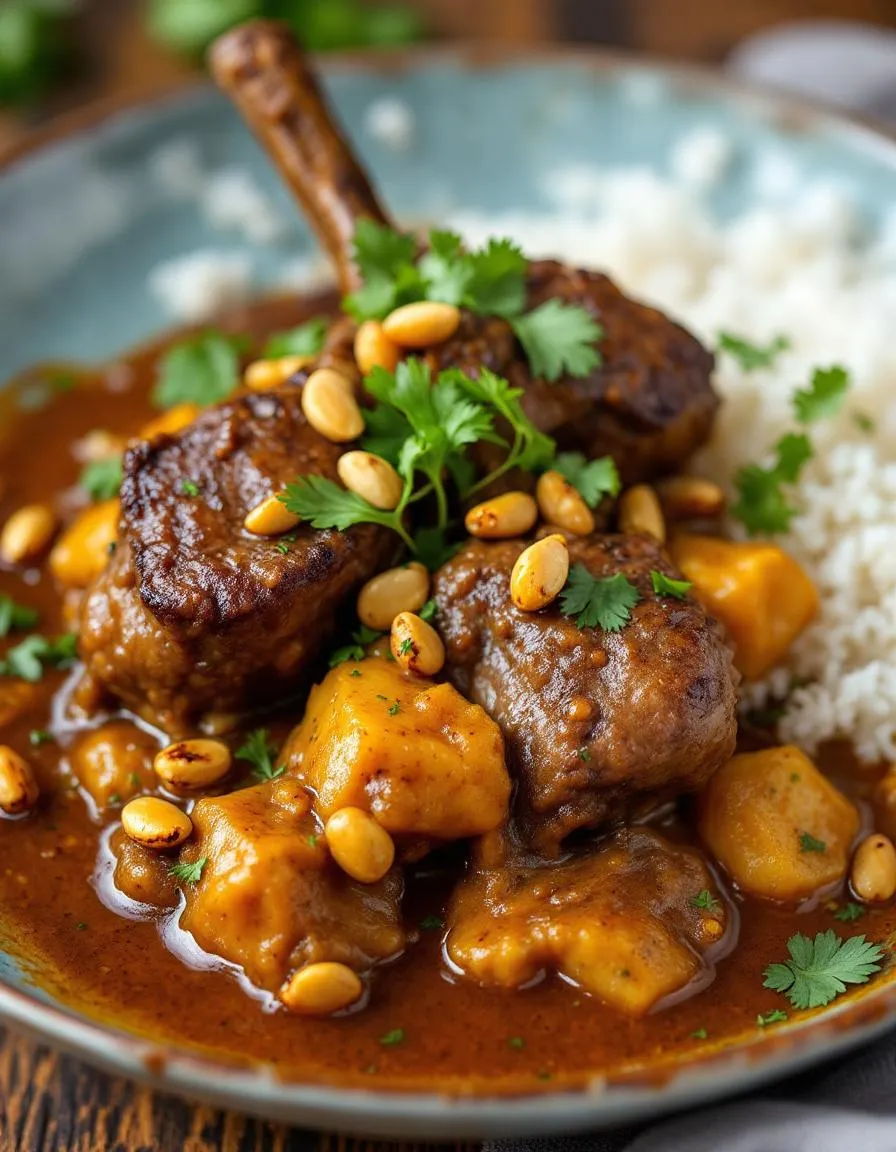
Lamb Shanks Massaman Curry is a Thai-inspired slow-cooked masterpiece that balances sweet, savory, and spicy notes in every bite. Originating from Southern Thailand, Massaman curry stands out for its Persian and Indian influences, featuring warming spices like cinnamon, cardamom, and star anise. The lamb shanks, braised until fall-off-the-bone tender, soak up the luxurious coconut milk base, making each mouthful unforgettable. This dish isn’t just a meal—it’s an experience, perfect for cozy dinners or impressing guests. If you love bold flavors and hearty comfort food, you’ll adore this recipe as much as we do.
Here at Exorecipes, we celebrate dishes that tell a story, and Lamb Shanks Massaman Curry fits perfectly. It’s a dish that invites you to slow down, savor the process, and enjoy the results. For more Thai-inspired favorites, check out our Thai Green Curry or explore the versatility of lamb in our Slow-Cooked Lamb Shoulder. Now, let’s talk about why this recipe holds a special place in my heart.
Why I Love This Recipe
I first fell in love with Lamb Shanks Massaman Curry during a trip to Bangkok, where a tiny street vendor served it with so much passion that I couldn’t resist asking for the recipe. Since then, I’ve made it countless times, tweaking the spices to perfection and sharing it with friends who now request it regularly. There’s something magical about how the lamb melts into the curry, creating a dish that feels both luxurious and deeply satisfying. Every time I make it, the aroma fills my kitchen with memories of that first unforgettable bite. Trust me, once you try it, you’ll understand why it’s a forever favorite.
Health and Nutrition
Why it’s good for your body
Lamb Shanks Massaman Curry packs a powerful nutritional punch while delivering rich, satisfying flavors. First, the tender lamb shanks provide high-quality protein, which helps build and repair muscles. Additionally, lamb offers essential nutrients like iron and zinc, supporting energy levels and immune function. Meanwhile, the curry’s coconut milk adds healthy fats that keep you full and promote nutrient absorption.
Beyond protein and fats, Lamb Shanks Massaman Curry includes an array of spices like turmeric, cinnamon, and cardamom. These spices not only enhance taste but also boast anti-inflammatory properties. For example, turmeric contains curcumin, a compound linked to reduced inflammation and improved digestion. Furthermore, the dish often features potatoes and peanuts, adding fiber and plant-based protein for a balanced meal.
Finally, Lamb Shanks Massaman Curry balances indulgence with nourishment. While it feels like a comforting treat, the ingredients work together to support overall wellness. Whether you need a post-workout recovery meal or a hearty dinner, this curry delivers both flavor and nutrition in every bite.
How it fits in a healthy lifestyle
Lamb Shanks Massaman Curry fits seamlessly into a balanced diet, especially if you prioritize protein-rich meals. The lamb shanks supply ample protein, making it ideal for muscle maintenance or weight management. Plus, the dish naturally suits gluten-free diets, as long as you pair it with rice or gluten-free sides.
For those focusing on heart health, the curry’s spices and coconut milk offer benefits. Moderate portions keep saturated fats in check while still providing satisfying flavors. If you’re exploring global cuisines for wellness, try pairing this curry with our healthy Thai recipes for a diverse meal plan. And if you love meal prepping, Lamb Shanks Massaman Curry stores well, so you can enjoy it throughout the week. For more tips on balancing hearty meals, check out our guide to nutritious comfort foods.
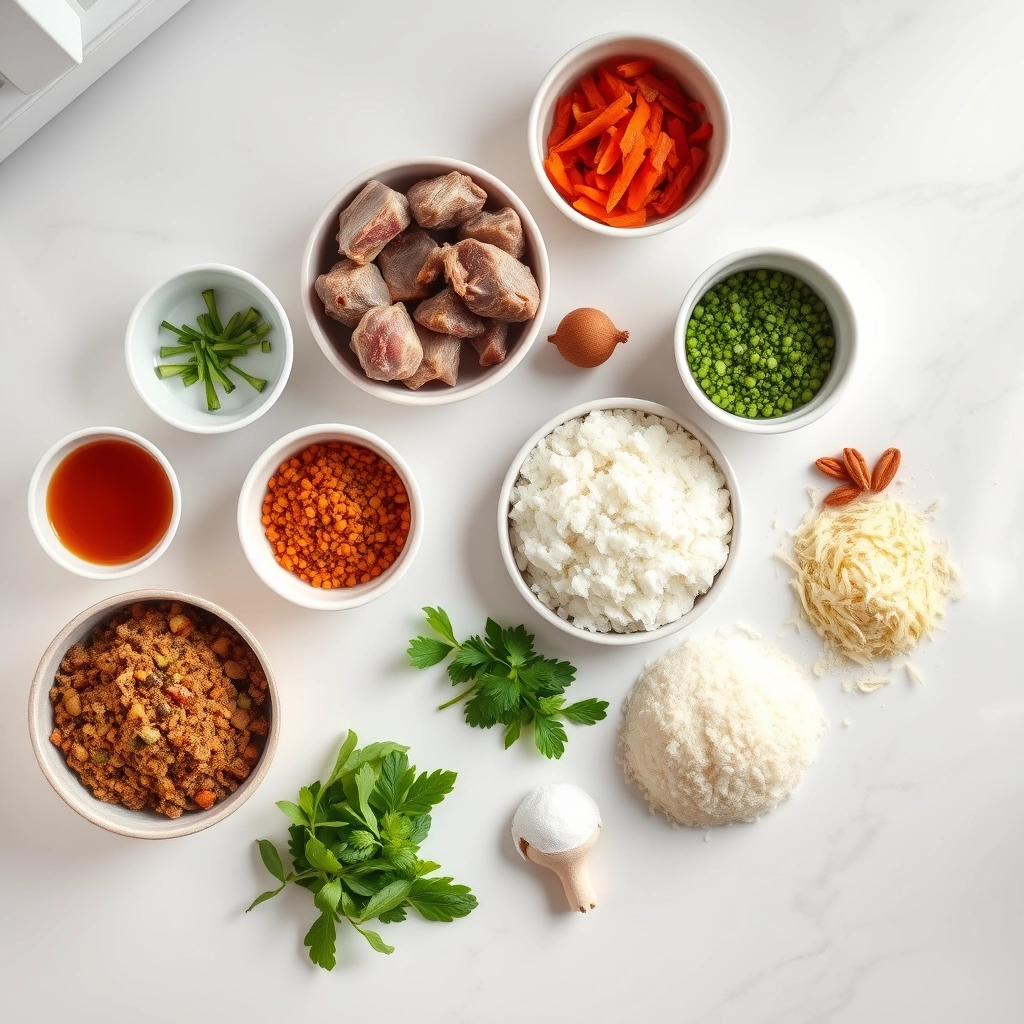
A rich and aromatic Thai-inspired curry with tender lamb shanks, potatoes, and peanuts in a creamy coconut sauce.
Ingredients
Scale
For the Crust:
2 lamb shanks
1 can (400ml) coconut milk
2 tbsp Massaman curry paste
2 medium potatoes, cubed
1 onion, sliced
1/4 cup roasted peanuts
1 tbsp fish sauce
1 tbsp palm sugar
1 cinnamon stick
2 star anise
1 bay leaf
2 cups water
Instructions
1. Prepare the Crust:
Heat oil in a large pot and sear lamb shanks on all sides until browned. Remove and set aside.
In the same pot, sauté Massaman curry paste until fragrant. Add coconut milk and stir well.
Return lamb shanks to the pot. Add potatoes, onion, peanuts, fish sauce, palm sugar, cinnamon, star anise, bay leaf, and water.
Simmer covered for 2 hours or until lamb is tender. Adjust seasoning if needed.
Serve hot with steamed rice.
Notes
You can customize the seasonings to taste.
“`html
="how-to-prepare-this-dish">How to Prepare This Dish
Steps and time-saving tips
Start by seasoning the lamb shanks generously with salt and pepper. Heat a large Dutch oven over medium-high heat and sear the shanks until they develop a deep brown crust on all sides. Remove them and set aside. In the same pot, sauté diced onions until translucent, then stir in minced garlic and ginger for a fragrant base. Add the Massaman curry paste and toast it briefly to release its aromas. Pour in coconut milk, stirring to blend the flavors, and return the lamb shanks to the pot. Simmer them gently, covered, for about two hours until the meat becomes fork-tender. Meanwhile, toss in peeled potatoes and chopped carrots during the last 30 minutes to cook through. For a time-saving tip, prep your vegetables while the lamb simmers. Finish with a squeeze of lime juice and a sprinkle of fresh cilantro for brightness. Serve the Lamb Shanks Massaman Curry over steamed jasmine rice to soak up the rich sauce.
Mistakes I’ve made and learned from
One mistake I made early on was rushing the sear on the lamb shanks, which left them lacking depth of flavor. Now, I patiently brown them in batches to avoid overcrowding the pot. Another lesson? Overcooking the vegetables until they turned mushy. Adding them later in the process keeps them perfectly tender. If you’re new to slow-cooked dishes like this, check out my guide on mastering slow cooking for more pro tips. Also, don’t skip toasting the curry paste—it makes all the difference, just like when making a proper curry paste base. Trust me, these small tweaks elevate the entire dish.
Lamb Shanks Massaman Curry carries a rich history, blending Persian, Indian, and Thai influences into one unforgettable dish. Traders and travelers brought spices like cardamom and cinnamon to Thailand centuries ago, where local cooks paired them with tender lamb shanks and creamy coconut milk. Today, you’ll find this curry warming homes across Thailand, especially during festivals and family gatherings.
In the south of Thailan
d, cooks often add extra chilies for heat, while northern versions might lean sweeter with tamarind or palm sugar. Some families braise the lamb shanks for hours until the meat falls off the bone, while others prefer a quicker simmer. No matter the method, Lamb Shanks Massaman Curry always feels like a celebration. My grandmother used to make it for special occasions, filling the house with the scent of toasted spices and slow-cooked lamb.
Globally, chefs put their own spin on it too. In Australia, you might find it served with crusty bread, while in the U.S., some cooks swap lamb for beef or even chickpeas for a vegetarian twist. Still, nothing beats the original—meltingly tender lamb shanks in a velvety, aromatic curry.
How it fits in today’s cooking
Lamb Shanks Massaman Curry hasn’t lost its charm. Modern cooks love it for its depth of flavor and versatility. Whether you’re hosting a dinner party or craving cozy weeknight comfort food, this dish delivers. Many home chefs now use slow cookers or Instant Pots to simplify the process, proving that tradition can adapt to busy lives.
It’s also a star
during cooler months, pairing perfectly with hearty sides like jasmine rice or roasted vegetables. Some even repurpose leftovers into creative next-day meals, like stuffing the curry into flatbreads or topping a baked potato. For more inspiration on balancing bold flavors, check out our guide to spice blends.
From its royal Thai roots to today’s kitchens, Lamb Shanks Massaman Curry bridges cultures and generations. It’s a dish that invites experimentation but always feels like coming home.
Taste and Texture
What makes it delicious
Lamb Shanks Massaman Curry wraps you in layers of rich, comforting flavor. The tender lamb shanks melt in your mouth, while the velvety sauce balances sweet, savory, and spicy notes. Fragrant spices like cinnamon and cardamom mingle with creamy coconut milk, creating a warm, aromatic depth. Each bite delivers a hint of nutty peanuts and a touch of tangy tamarind, making the dish irresistibly complex. The slow-cooked lamb soaks up the curry’s bold flavors, resulting in meat that’s both juicy and fall-off-the-bone tender. Meanwhile, chunks of potato add a soft, hearty contrast, rounding out every spoonful of Lamb Shanks Massaman Curry.
r">Boosting the flavor
For an extra flavor kick, toast whole spices like cumin and coriander before grinding them—this unlocks their earthy, citrusy undertones. A squeeze of lime just before serving brightens the dish, while a handful of fresh Thai basil adds a peppery freshness. If you love heat, stir in a spoonful of Thai chili paste for a smoky, fiery twist. Pair your Lamb Shanks Massaman Curry with coconut rice to soak up every drop of the luscious sauce. Experiment with toppings like crispy shallots or crushed roasted peanuts for added crunch and richness.
Tips for Success
Best practices for results
Always sear the lamb shanks first to lock in flavor before simmering them in the Massaman curry. Meanwhile, toast the spices lightly to deepen their aroma, but avoid burning them. For the creamiest texture, stir in coconut milk gradually and simmer the Lamb Shanks Massaman Curry on low heat. Finally, taste and adjust the seasoning just before serving to balance the sweet, spicy, and savory notes.
>Mistakes to avoid
One common error is rushing the cooking process, which results in tough lamb shanks. Instead, braise them low and slow until the meat falls off the bone. Another mistake is skipping the fish sauce or tamarind paste, which are key for authentic depth in Lamb Shanks Massaman Curry. For more on balancing flavors, check out our guide to Thai ingredient substitutions. Also, avoid overcrowding the pan when searing the lamb, as this steams the meat instead of browning it. Learn proper searing techniques in our guide to searing meat.
Serving and Pairing Suggestions
How to serve this dish
For a stunning presentation, serve Lamb Shanks Massaman Curry in shallow bowls to showcase the tender meat and rich sauce. Top with fresh cilantro, sliced red chilies, and a squeeze of lime for vibrant color and brightness. Alternatively, family-style plating in a deep serving dish with steamed jasmine rice on the side makes it perfect for gatherings. Whether you’re hosting a cozy dinner party or celebrating a special occasion, this dish brings warmth and elegance to the table. The aromatic spices and fall-off-the-bone lamb shanks will impress every guest.
What goes well with it
A crisp, slightly sweet Riesling balances the rich flavors of Lamb Shanks Massaman Curry beautifully. For a non-alcoholic option, try a cooling cucumber mint cooler to contrast the dish’s warmth. Pair it with fluffy coconut rice or a simple cucumber salad for refreshing texture. If you love bold flavors, our Spicy Thai Papaya Salad adds a tangy crunch. For dessert, finish with something light like our Mango Sticky Rice to round out the meal.
What makes Lamb Shanks Massaman Curry different from other Thai curries?
Lamb Shanks Massaman Curry stands out for its rich, mild flavor profile blending Thai and Indian influences. Unlike spicier curries, it features warm spices like cinnamon and cardamom, slow-cooked with tender lamb shanks for a melt-in-your-mouth texture. The dish often includes potatoes and peanuts for added depth.
How long should you cook Lamb Shanks Massaman Curry for optimal tenderness?
For perfect Lamb Shanks Massaman Curry, simmer the meat for 2-3 hours until it falls off the bone. The slow cooking allows the lamb shanks to absorb all the aromatic spices while becoming incredibly tender. This method ensures the signature rich consistency that makes Massaman so special.
ank-math-faq-item">
Can you make Lamb Shanks Massaman Curry in a slow cooker?
Absolutely! A slow cooker works wonderfully for Lamb Shanks Massaman Curry—just brown the shanks first for extra flavor. Cook on low for 6-8 hours, allowing the spices to fully develop and the lamb to become fork-tender. This hands-off method delivers authentic results with minimal effort.
What side dishes pair well with Lamb Shanks Massaman Curry?
Lamb Shanks Massaman Curry pairs beautifully with jasmine rice to soak up the luxurious sauce. For contrast, serve with crisp cucumber salad or steamed greens. The dish also complements traditional Thai accompaniments like roti bread for scooping up every last bit of the flavorful curry.
There’s something undeniably comforting about a dish that feels both elegant and familiar. Chicken Cordon Bleu delivers exactly that—a crispy, golden exterior hiding a juicy chicken breast stuffed with melted cheese and savory ham. Whether you’re cooking for a special occasion or just craving a hearty meal, this classic recipe never disappoints. Plus, with a few simple tricks, you can make it feel restaurant-worthy right in your own kitchen.
Chicken Cordon Bleu is a timeless dish that combines tender chicken, smoky ham, and gooey cheese, all breaded and baked or fried to perfection. Originating from Switzerland (despite its French name), it’s a staple in many households because it balances simplicity with impressive flavors. For busy home cooks, it’s a versatile recipe that works for weeknight dinners or dinner parties alike. If you love dishes that feel indulgent yet approachable, like our Creamy Garlic Chicken, you’ll appreciate how Chicken Cordon Bleu brings that same satisfying richness. The dish also pairs wonderfully with lighter sides, such as our Lemon Herb Roasted Vegetables, making it easy to customize for any meal.
Why I Love This Recipe
Chicken Cordon Bleu holds a special place in my heart because it was the first “fancy” dish I ever mastered. I remember serving it to my family years ago, nervously watching as they took their first bites—only to see their faces light up with every forkful. Since then, it’s become my go-to for celebrations and even lazy Sundays when I want to treat myself. The combination of textures and flavors never gets old, and I love how it feels both nostalgic and exciting every time I make it.
Health and Nutrition
Why it’s good for your body
Chicken Cordon Bleu packs a powerful nutritional punch while delighting your taste buds. First, the lean chicken breast provides high-quality protein, which helps build muscle and keeps you full longer. Additionally, the ham adds a savory flavor while contributing essential minerals like iron and zinc. Meanwhile, the melted cheese offers a dose of calcium for strong bones.
Moreover, Chicken Cordon Bleu balances indulgence with nourishment. The dish includes healthy fats from cheese and ham, which support brain function and energy levels. When you bake instead of fry it, you reduce unnecessary oils while keeping the crispy texture. Pair it with a side of steamed veggies or a fresh salad, and you elevate the meal’s vitamin and fiber content.
Furthermore, Chicken Cordon Bleu delivers key nutrients in every bite. The chicken provides B vitamins for metabolism, while the cheese offers vitamin D for immune support. If you use whole-grain breadcrumbs, you even add fiber for better digestion. With smart ingredient choices, this classic dish becomes a wholesome part of any diet.
How it fits in a healthy lifestyle
Chicken Cordon Bleu fits seamlessly into balanced eating habits when prepared thoughtfully. For a high-protein meal, focus on generous portions of chicken and pair it with fiber-rich sides like roasted Brussels sprouts. If you’re watching sodium, opt for low-sodium ham and cheese to keep the dish heart-healthy.
For gluten-free diets, swap traditional breadcrumbs with almond flour or gluten-free panko. This simple tweak makes Chicken Cordon Bleu just as crispy without the gluten. If you’re meal prepping, bake a batch ahead and store it with these easy meal prep strategies for quick, nutritious lunches.
Even on busy nights, Chicken Cordon Bleu can be a smart choice. Serve it with a light salad or quinoa for a well-rounded plate. For more ideas on balancing comfort food with nutrition, explore these healthy comfort food swaps. With a few adjustments, this dish becomes a delicious ally in your wellness journey.
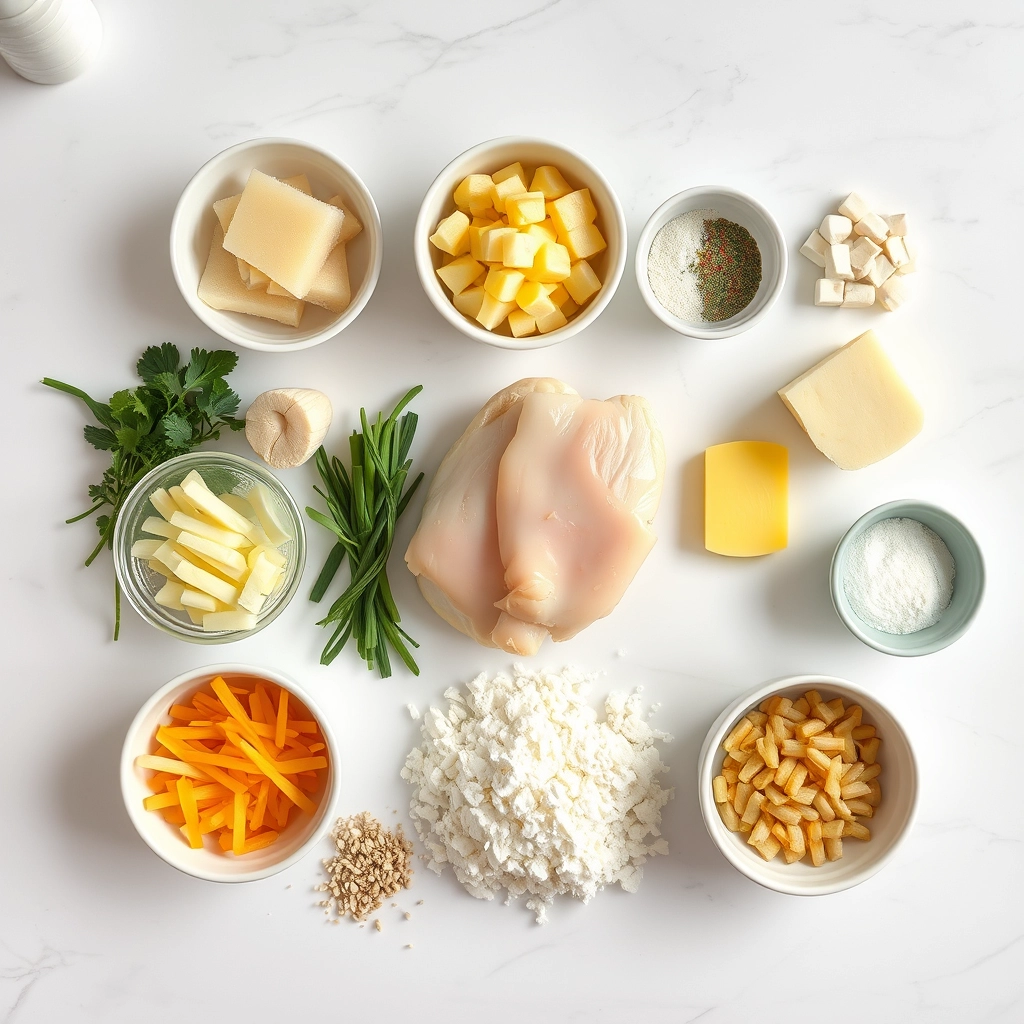
A classic dish featuring tender chicken breasts stuffed with ham and Swiss cheese, then breaded and baked to golden perfection.
Ingredients
Scale
For the Crust:
4 boneless, skinless chicken breasts
4 slices Swiss cheese
4 slices ham
1 cup breadcrumbs
1/2 cup all-purpose flour
2 eggs, beaten
1 tsp salt
1 tsp black pepper
1 tsp paprika
2 tbsp butter, melted
Instructions
1. Prepare the Crust:
Preheat oven to 350°F (175°C). Lightly grease a baking dish.
Pound chicken breasts to an even thickness. Season with salt, pepper, and paprika.
Layer a slice of ham and a slice of Swiss cheese on each chicken breast. Roll up tightly and secure with toothpicks.
Dredge each chicken roll in flour, dip in beaten eggs, then coat with breadcrumbs.
Place in the prepared baking dish and drizzle with melted butter.
Bake for 30-35 minutes or until chicken is cooked through and golden brown.
Notes
You can customize the seasonings to taste.
How to Prepare This Dish
Steps and time-saving tips
Start by preheating your oven to 375°F so it’s ready when you finish assembling the Chicken Cordon Bleu. Lay out four boneless, skinless chicken breasts and slice each one horizontally, but not all the way through, to create a pocket. Next, layer a slice of Swiss cheese and a slice of ham inside each pocket, then gently press the edges to seal. For extra security, you can secure the seams with toothpicks. In one shallow bowl, whisk two eggs with a splash of milk, and in another, mix breadcrumbs with a pinch of garlic powder and paprika for extra flavor. Dip each stuffed chicken breast into the egg mixture first, then coat it evenly with the breadcrumb blend. Place the breaded chicken on a greased baking sheet and drizzle with melted butter for a golden finish. Bake for 25-30 minutes until the internal temperature reaches 165°F. While the Chicken Cordon Bleu bakes, whip up a quick Dijon cream sauce by simmering heavy cream, mustard, and a dash of lemon juice. Serve the dish hot with a drizzle of sauce and a side of roasted veggies for a complete meal. To save time, prep the stuffing and breading stations ahead, or use pre-sliced ham and cheese.
and-learned-from">Mistakes I’ve made and learned from
My first attempt at Chicken Cordon Bleu ended in a cheesy disaster—literally. I overstuffed the chicken pockets, and the filling oozed out during baking, leaving me with a dry exterior and a messy pan. Now, I stick to thin slices of ham and cheese and press the edges firmly. Another lesson? Skipping the toothpicks. Without them, my filling escaped mid-bake, but a quick fix from my kitchen hacks guide saved the day. I also learned the hard way that overcrowding the baking sheet leads to uneven cooking. Spacing the chicken properly ensures crispiness all around. If you’re new to breading, check out my breading tips to avoid clumpy coatings. Trust me, a little patience goes a long way with this dish!
Cultural Connection and Variations
Where this recipe comes from
Chicken Cordon Bleu might sound French, but its origins are a bit murky. Many believe it evolved from the Swiss dish emince de veau, where chefs stuffed veal with ham and cheese. However, American cooks in the 1960s popularized the chicken version we know today. They swapped veal for chicken, creating a richer, more accessible dish. Now, Chicken Cordon Bleu graces dinner tables worldwide, each culture adding its own twist.
In Germany, cooks often
use schnitzel-style breading for extra crunch. Meanwhile, some Italian versions replace ham with prosciutto or add a sprinkle of herbs. My grandma, for instance, always added a dash of paprika to the breadcrumbs. Whether you bake or fry it, Chicken Cordon Bleu adapts beautifully. Some families even serve it during holidays, turning it into a celebratory centerpiece.
How it fits in today’s cooking
Today, Chicken Cordon Bleu remains a crowd-pleaser because it balances elegance and comfort. Busy home cooks love shortcuts like pre-sliced cheese or air-frying for a lighter version. Others pair it with seasonal sides—think roasted asparagus in spring or a cozy creamy mashed potato dish in winter. It’s also a star at dinner parties, proving classic flavors never fade.
Modern twists keep it fresh, too. Some recipes swap Swiss cheese for gruyère or add a drizzle of honey mustard sauce. Whether you stick to tradition or experiment, Chicken Cordon Bleu fits any occasion. From weeknight dinners to festive gatherings, it’s a dish that always delivers.
>Taste and Texture
What makes it delicious
Chicken Cordon Bleu delivers a symphony of textures and flavors in every bite. The golden, crispy breadcrumb coating shatters to reveal tender, juicy chicken wrapped around salty ham and melty Swiss cheese. Each layer adds depth—the smoky ham balances the rich, creamy cheese, while the chicken keeps everything hearty and satisfying. When baked to perfection, the aroma of buttery breadcrumbs and savory filling fills the kitchen, making it impossible to resist. Whether you slice into it or take a forkful, Chicken Cordon Bleu promises a luxurious yet comforting experience.
Boosting the flavor
Elevate your Chicken Cordon Bleu with a few clever tweaks. For extra tang, swap Swiss cheese for Gruyère or add a dollop of Dijon mustard to the filling. A drizzle of homemade honey mustard sauce adds sweet and spicy notes, while a sprinkle of smoked paprika amps up the smokiness. If you love herbs, try mixing fresh thyme or rosemary into the breadcrumbs. Serve it with a side of garlic herb roasted potatoes to round out the meal. With these small changes, you can turn an already delicious dish into something unforgettable.
Tips for Success
Best practices for results
Always pound the chicken breasts evenly to ensure uniform cooking and easy rolling. For the best Chicken Cordon Bleu, chill the stuffed rolls for 15 minutes before breading to help them hold their shape. Use toothpicks to secure the edges, and remove them just before serving. Additionally, bake the dish on a wire rack to keep the bottom crispy while allowing heat to circulate evenly.
Mistakes to avoid
Avoid overstuffing the chicken with ham and cheese, as this can cause leaks during cooking. Instead, layer the fillings thinly and roll them tightly. Many cooks also forget to season the chicken properly—always add salt and pepper to each layer for maximum flavor. For more tips on handling poultry, check out our guide on how to prepare chicken breasts. Finally, don’t skip the resting time after baking; letting Chicken Cordon Bleu sit for 5 minutes ensures juicier slices. For extra help with timing, read our article on perfect baking times.
Serving and Pairing Suggestions
How to serve this dish
Elevate your Chicken Cordon Bleu by serving it on a warm white platter for a classic look or a rustic wooden board for a cozy feel. For a pop of color, garnish with fresh parsley or thyme sprigs alongside lemon wedges. Meanwhile, slice the chicken diagonally to showcase the cheesy ham filling, making it irresistible for guests. Perfect for dinner parties or holiday gatherings, this dish pairs beautifully with candlelight and soft music for an elegant touch. Alternatively, serve it family-style with shared sides for a comforting weeknight meal.
h-it">What goes well with it
Complement your Chicken Cordon Bleu with creamy garlic mashed potatoes for a rich, satisfying bite. The buttery texture balances the crispy chicken perfectly. For a lighter option, try a crisp arugula salad with lemon vinaigrette, which cuts through the dish’s richness. Additionally, a chilled glass of Chardonnay or sparkling apple cider enhances the flavors. If you love dipping sauces, our tangy honey mustard sauce or creamy dill yogurt dip adds extra zest. Each pairing brings out the best in this timeless recipe.
What is Chicken Cordon Bleu made of?
Chicken Cordon Bleu is a classic dish made with chicken breast, ham, and Swiss cheese. The chicken is pounded thin, stuffed with ham and cheese, then breaded and baked or fried until golden. This creates a crispy exterior with a delicious melted cheese center.
ank-math-faq-item">
Why is it called Chicken Cordon Bleu?
The name “Cordon Bleu” comes from French, meaning “blue ribbon,” which historically symbolized excellence. While the dish isn’t traditionally French, Chicken Cordon Bleu borrows the name to represent its gourmet quality. It’s a nod to the dish’s elegant presentation and rich flavors.
Can you make Chicken Cordon Bleu ahead of time?
Yes, you can prepare Chicken Cordon Bleu up to 24 hours in advance. Assemble the stuffed chicken breasts, wrap them tightly in plastic, and refrigerate until ready to cook. For best results, bread them just before baking or frying to maintain crispiness.
What sides go well with Chicken Cordon Bleu?
Chicken Cordon Bleu pairs beautifully with light sides like roasted asparagus, garlic mashed potatoes, or a fresh green salad. For heartier meals, try it with buttered noodles or wild rice. The rich flavors of the dish complement both starchy and vegetable sides.