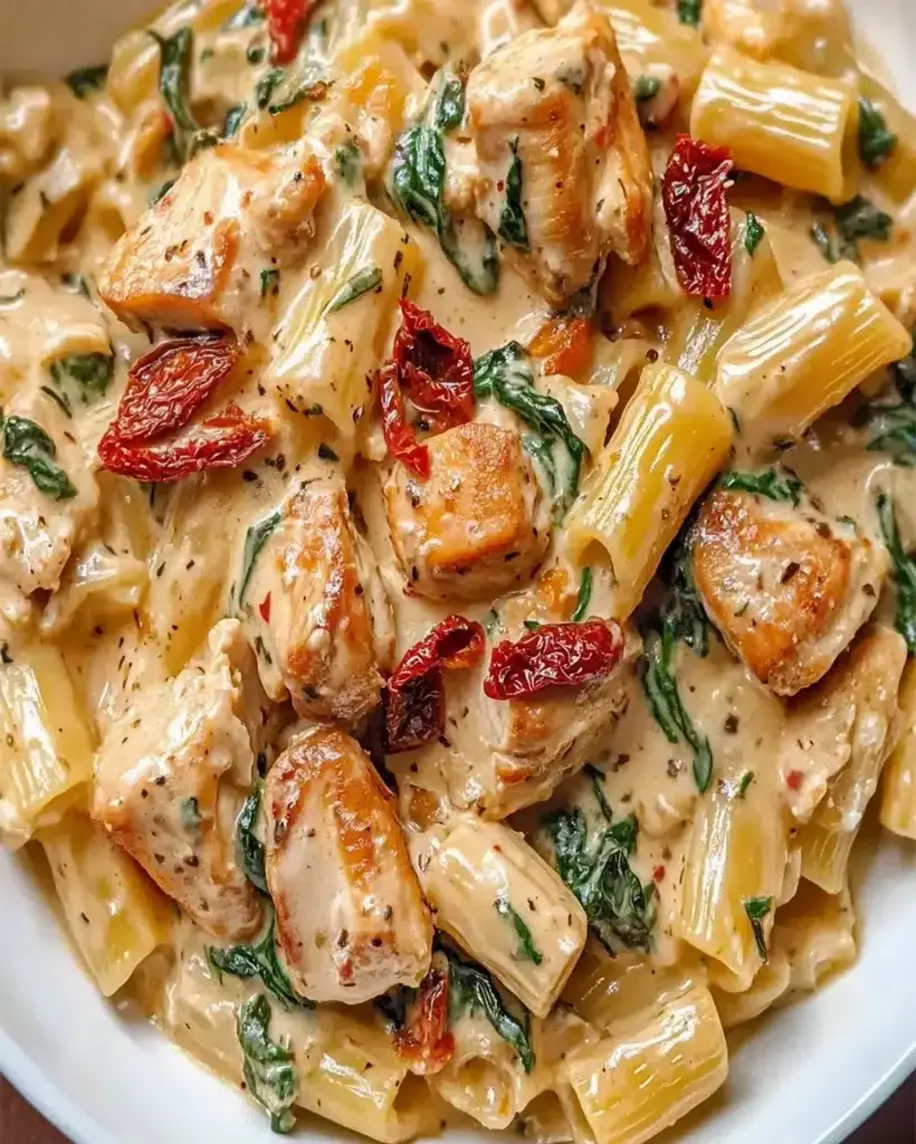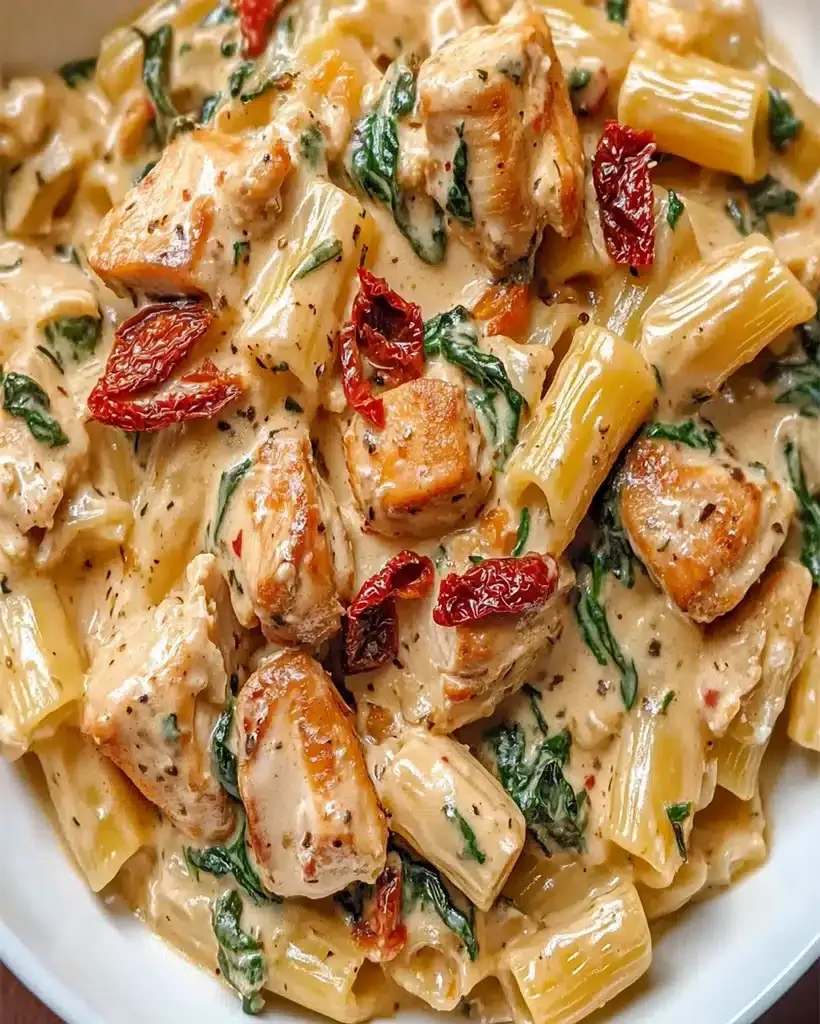
Easy Creamy Steak Shells with Corn

Creamy Steak Shells with Sweet Corn Parmesan: The Only Recipe You’ll Ever Need

Imagine a busy weeknight when you’re craving something indulgent yet effortless – that’s when our creamy steak shells come to the rescue. This dish transforms simple ingredients into a restaurant-worthy meal, blending tender steak with sweet corn in a luscious Parmesan sauce that coats every pasta shell perfectly. Gone are the days of bland pasta dinners; this steak shells recipe delivers hearty comfort with a twist of freshness that will have your family asking for seconds. What sets it apart is the caramelized sweet corn technique, where we sauté the corn kernels in butter before incorporating them into the cream, amplifying natural sweetness and depth. If you’ve ever struggled with overcooked veggies or watery sauces in your creamy beef pasta, this method ensures a silky texture and burst of flavor in every bite. In just 35 minutes, you’ll craft this superior creamy steak shells with sweet corn rem Parmesan pasta that’s perfect for date nights or casual suppers – a true one-pan wonder adapted from Chef Sally’s expertise.

Dive into the sensory symphony of this dish: the sizzling steak releases a savory aroma that fills your kitchen, mingling with the buttery richness of sautéed garlic and the caramelized hints of sweet corn popping with each chew. As you twirl the shells, the ultra-creamy sauce clings tenderly, enriched by nutty Parmesan cheese that melts on your tongue, creating a velvety contrast to the al dente pasta. The sweet corn adds a juicy crunch and natural sweetness that cuts through the beef’s robust taste, resulting in a harmonious fusion that’s both comforting and sophisticated. Each forkful builds anticipation with layers of texture – the firm pasta shells holding up to the tender steak strips, the corn kernels providing occasional pops of brightness, and the sauce delivering a warm, enveloping finish that lingers with cheesy decadence. This isn’t just steak pasta shells; it’s an explosion of flavors designed to evoke the essence of a gourmet dinner, all from the comfort of your home.

As featured on exorecipes.com, this version of creamy steak shells is meticulously tested for perfection, drawing from Chef Sally’s innovative approach to elevate everyday ingredients. Why is it the best? Because we’ve incorporated the “Chef’s Secret” – caramelizing the sweet corn in butter before adding the cream – to unlock unparalleled freshness and balance in your sweet corn Parmesan pasta. Readers rave about how this technique prevents sogginess and infuses a subtle caramel note that rivals high-end eateries. Stick around to master step-by-step instructions, pro tips for flawless execution, and answers to common questions, ensuring your creamy beef pasta turns out impressively every time. By the end, you’ll not only have a standout meal but also the confidence to experiment with variations, making this your go-to recipe for years to come.

Prep Time: 15 min
Cook Time: 20 min
Total Time: 35 min
Servings: 4
Difficulty: Easy
Nutrition per serving: Calories: 650 | Carbohydrates: 45g | Fat: 35g | Protein: 40g | Sugar: 5g

Why This Creamy Steak Shells Recipe is a Game-Changer

The Chef’s Secret lies in caramelizing the sweet corn before adding it to the cream – this simple yet genius technique ensures the corn kernels release their natural sugars, creating a deeper sweetness that elevates your sweet corn Parmesan pasta above the ordinary. By sautéing the corn in butter for those crucial minutes, you achieve a flavor infusion that transforms a basic beef pasta into something extraordinary, with the caramelized notes harmonizing the richness of the steak and parmesan for an unforgettable creamy steak shells experience.

Unbeatable Texture: The high-fat content of the heavy cream and butter works scientifically to create a smooth, velvety sauce that clings perfectly to the pasta shells. The fat molecules emulsify with the cheese, preventing separation and ensuring a luxurious mouthfeel that feels indulgent yet balanced by the juicy steak strips and vibrant corn bursts.

Foolproof for a Reason: This steak shells recipe has been kitchen-tested multiple times, with precise timings to avoid overcooking the steak or diluting the sauce. Home cooks consistently report success, with variations in heat levels accommodated for different stove types, guaranteeing a reliable outcome every time.

Ingredient Spotlight: Quality Makes the Difference

Steak strips: Opt for high-quality cuts like ribeye or sirloin, sliced thin for quick tenderness. Quality beef ensures a juicy, flavorful bite in your creamy beef pasta; substitute with ground beef if desired, but expect a denser texture – cook it thoroughly to avoid gristle.

Pasta shells: Use medium shells for their ability to hold the sauce beautifully; gluten-free varieties work for sensitive diets. Quality matters here to prevent mushiness – choose durum wheat-based brands that hold shape when cooked al dente.

Sweet corn kernels: Fresh or frozen corn brings a burst of sweetness and texture to the steak pasta shells; use yellow corn for authenticity. Quality means choosing kernels that are plump and juicy, elevating the caramelized flavor – frozen works fine, just thaw first for even cooking.

Heavy cream: The backbone of the creaminess, it must be full-fat to achieve that rich sauce; low-fat versions will result in a thinner consistency. Substitute with half-and-half for a lighter option, though it may lack the depth.

Grated Parmesan cheese: Freshly grated provides the nuttiest flavor; avoid pre-shredded if possible, as it often contains anti-caking agents that dull the taste. This ingredient ties the sweet corn Parmesan pasta together, adding saltiness and umami.

Garlic, minced: Fresh garlic infuses aromatic depth; mince it just before use for potency. If substituting jarred, add it cautiously to prevent bitterness.

Butter: Unsalted butter allows control over seasoning; high-quality, like European-style, ensures a smoother melt. It’s crucial for sautéing to create those caramelized corn notes in your creamy steak shells.

Salt and pepper to taste: Sea salt and freshly ground black pepper enhance all flavors; adjust based on your preferences for a perfectly seasoned dish.

Step-by-Step Instructions for Creamy Steak Shells with Sweet Corn Parmesan

Step 1: Boiling the Pasta Shells

Cook 8 oz pasta shells according to package instructions in a large pot of salted boiling water until al dente. Drain and set aside, reserving 1/2 cup pasta water for later use if the sauce thickens too much.

Pro Tip: Add a splash of oil to the water to prevent sticking, and stir occasionally for even cooking.

A photo showing perfectly al dente pasta shells draining in a colander, steam rising.

Step 2: Browning the Steak and Sautéing Aromatics

In a large skillet, melt 2 tbsp butter over medium heat. Add 1 lb steak strips and cook until browned, about 5 minutes per side. Stir in 2 cloves minced garlic and 1 cup sweet corn kernels, sautéing for 2 minutes to caramelize the corn lightly for that signature sweetness.

Common Mistake to Avoid: Avoid overcrowding the pan, as it can cause steaming instead of browning – cook in batches if needed to get that golden sear.

A photo capturing the sizzling steak, garlic, and corn in the skillet, herbs sizzling.

Step 3: Preparing the Creamy Sauce

Pour in 1 cup heavy cream and bring the mixture to a simmer. Stir in 1/2 cup grated Parmesan cheese until fully melted and the sauce is smooth and thickened slightly.

Pro Tip: Whisk constantly to prevent scorching, and if the sauce seems too thick, add a bit of reserved pasta water for silky results.

A close-up of the creamy sauce simmering, with bubbles forming around the edges.

Step 4: Combining and Seasoning

Add the cooked pasta shells to the skillet and mix well until everything is coated in the sauce. Season with salt and pepper to taste, then serve immediately.

Common Mistake to Avoid: Tasting only at the end can lead to over-seasoning – sample the sauce midway and adjust, as the cheese adds natural saltiness.

A final dish photo showing mixed pasta shells in the creamy sauce, garnished lightly.

Serving & Presentation Ideas for Your Steak Shells Recipe

For an impressive plating, mound the creamy steak shells decoratively on plates, garnishing with extra grated Parmesan and fresh chives for a pop of green. This draws out the fresh, vibrant notes of the sweet corn Parmesan pasta, making it visually appealing for guests.

Creative garnishes include a sprinkle of crushed red pepper flakes for spice or toasted pine nuts for crunch, enhancing the meal’s texture profile.

Complement with side dishes like a crisp green salad with lemon vinaigrette to cut through the richness, or garlic bread for sopping up extra sauce. For a full meal, pair with steamed broccoli or roasted asparagus – they balance the heartiness of this creamy beef pasta perfectly.

Make-Ahead & Storage Solutions

Make-Ahead Strategy: Prep the steak, sautéed corn, and sauce components up to 3 days in advance. Store separately in airtight containers in the fridge, then reheat the sauce with added pasta and steak on serving day for optimal freshness.

Storing Leftovers: Refrigerate in an airtight container for up to 4 days, separating the sauce if possible to prevent sogginess in your steak pasta shells.

The Best Way to Reheat: Gently warm in a skillet over medium heat, adding a splash of cream or water to loosen the sauce. Avoid microwaving to preserve the al dente texture and creamy consistency – this restores the dish’s original glory without separating the sauce.

Frequently Asked Questions (FAQ)

How long does it take to prepare creamy steak shells with sweet corn parmesan?

With a prep time of 15 minutes and cook time of 20 minutes, this creamy steak shells recipe is ready in just 35 minutes total. It’s an ideal weeknight option, allowing quick browning of the steak and cream sauce assembly for a speedy yet satisfying meal like no other sweet corn Parmesan pasta.

Can I use frozen corn instead of fresh sweet corn in creamy steak shells?

Absolutely – frozen corn kernels work perfectly in this steak shells recipe. Thaw them slightly before adding to the skillet for even cooking, maintaining the fresh burst of sweetness. This swap keeps your creamy beef pasta affordable and accessible without sacrificing flavor or texture.

What are some good side dishes to serve with creamy steak shells with sweet corn parmesan?

Pair with a simple Caesar salad for crunch, steamed broccoli for balance, or garlic bread to mop up extra sauce. These sides complement the richness, turning your sweet corn Parmesan pasta into a complete, hearty dinner. Wine lovers, try a Chardonnay for creaminess harmony.

How can I make creamy steak shells with sweet corn parmesan gluten-free?

Simply swap the regular pasta shells for gluten-free versions made from quinoa or rice. Ensure your Parmesan is certified gluten-free, as some brands may include additives. This keeps the essence of creamy steak shells intact while accommodating dietary needs, still delivering that luxurious sauce coat.

Is this steak shells recipe kid-friendly?

Yes, children love the cheesy, creamy elements and fun shell shapes, with the sweet corn adding a mild sweetness that masks stronger flavors for picky eaters.

What wine pairs well with creamy steak shells with sweet corn parmesan?

A medium-bodied red like Merlot complements the steak’s richness and the Parmesan notes, while a crisp Sauvignon Blanc cuts through the cream for a balanced experience.

Can I make this recipe vegan?

Substitute heavy cream with coconut cream, Parmesan with nutritional yeast or vegan cheese shreds, and steak with mushrooms or tempeh for a plant-based twist on this creamy beef pasta alternative.

Can I add vegetables to creamy steak shells?

Yes, incorporate zucchini, bell peppers, or spinach during the sauté step for added nutrition and color, enhancing your sweet corn Parmesan pasta without overwhelming the flavors.

.

Print
clock clock iconcutlery cutlery iconflag flag iconfolder folder iconinstagram instagram iconpinterest pinterest iconfacebook facebook iconprint print iconsquares squares iconheart heart iconheart solid heart solid icon

Creamy Steak Shells with Sweet Corn Parmesan

  • Author: Chef Sally
  • Prep Time: 15 min
  • Cook Time: 20 min
  • Total Time: 35 min
  • Yield: 4 1x
  • Method: Main Course
  • Cuisine: American

Description

A comforting pasta dish featuring tender steak, sweet corn, and a creamy Parmesan sauce, perfect for weeknight dinners.


Ingredients

Scale
  • 1 lb steak strips
  • 8 oz pasta shells
  • 1 cup sweet corn kernels
  • 1 cup heavy cream
  • 1/2 cup grated Parmesan cheese
  • 2 cloves garlic, minced
  • 2 tbsp butter
  • Salt and pepper to taste

Instructions

  1. Cook pasta according to package instructions. Drain and set aside.
  2. In a large skillet, melt butter over medium heat. Add steak strips and cook until browned, about 5 minutes.
  3. Add garlic and corn; sauté for 2 minutes.
  4. Pour in cream and bring to a simmer. Stir in Parmesan until melted and smooth.
  5. Add pasta to the skillet and mix well. Season with salt and pepper.


Nutrition

  • Calories: 650
  • Sugar: 5g
  • Fat: 35g
  • Carbohydrates: 45g
  • Protein: 40g

Easy Coconut Curry Salmon with Jasmine Rice

Coconut Curry Salmon with Jasmine Rice: The Only Recipe You’ll Ever Need

Are you tired of bland weeknight dinners that leave you craving excitement? Discover the perfect solution: easy coconut curry salmon with jasmine rice, cooked in one pan for an extra creamy, indulgent twist that transports you straight to a Thai-inspired paradise. This coconut curry salmon with rice recipe from exorecipes.com is not just another salmon dish—it’s a one-pan wonder that combines tender, flaky fish with a rich, velvety curry sauce and aromatic jasmine rice, making it the ultimate go-to for busy home cooks who want flavor without the fuss. Whether you’re a seasoned chef or a beginner experimenting with salmon in coconut curry, this jasmine rice salmon recipe delivers restaurant-quality results at home.

Imagine the first waft of fragrant red curry paste mingling with creamy coconut milk, creating a symphony of warm, exotic aromas that fill your kitchen. The salmon fillets, gently simmered in this luxurious sauce, absorb the spicy-sweet notes of lime juice, ginger, and garlic, resulting in meat that’s impossibly tender and bursting with flavor. Each bite offers a contrast of textures: the crispy skin of the coconut curry salmon gives way to succulent, melt-in-your-mouth fish, while the fluffy jasmine rice soaks up the extra creamy sauce, providing a comforting base that balances the heat. Hints of brown sugar add subtle sweetness, and a squeeze of lime brightens the whole dish, making every forkful a delightful explosion of Thai-inspired taste.

What sets this jasmine rice salmon recipe apart from the rest is its reliability and the “extra creamy one-pan method,” a technique honed by Chef Sally to ensure the sauce thickens just right without separating, guaranteeing a silky, professional finish every time. At exorecipes.com, we’ve tested this easy coconut curry salmon multiple times to refine it into the single best resource online, with expert tips, substitutions, and FAQs to empower you in the kitchen. You’ll not only master coconut curry salmon with rice but also learn the chef’s secret for enhancing creaminess, plus ways to customize spice levels, store leftovers, and more. Ready to elevate your dinner game? Let’s dive into this foolproof, engaging guide that’ll make you feel like a culinary pro.

Prep Time: 15 minutes
Cook Time: 25 minutes
Total Time: 40 minutes
Servings: 4
Difficulty: Easy

Why This Coconut Curry Salmon with Jasmine Rice Recipe is a Game-Changer

The Chef’s Secret: This easy coconut curry salmon stands out due to its extra creamy one-pan method, where the salmon is poached directly in the simmering coconut milk sauce for maximum flavor infusion. Unlike traditional recipes that might require stovetop transitions or oven baking, our technique keeps everything in a single skillet, allowing the coconut milk to reduce into an ultra-velvety consistency that clings to the fish without watering down the dish. By starting with a high-quality can of full-fat coconut milk and gently simmering the sauce before adding the salmon skin-side up, we achieve that coveted creaminess that rivals high-end Thai eateries. This unique angle not only cuts down on cleanup but ensures the coconut curry salmon absorbs every ounce of the aromatic marinade, making each piece exceptionally tender and flavorful without overcooking.

Unbeatable Texture: The science behind the perfect coconut curry salmon texture lies in the fat content and slow simmer. Coconut milk, rich in healthy fats, emulsifies with the curry paste and lime juice to create a stable emulsion, resulting in a sauce that’s lusciously thick yet pourable. Poaching the salmon in this sauce at a gentle simmer (around 160-170°F) prevents the fish from becoming dry, while the skin-side-up positioning allows the skin to crisp slightly on the surface while the flesh remains moist below. For the jasmine rice, rinsing before cooking removes excess starch, leading to fluffy, separate grains that complement the sauce’s richness without clumping. This foolproof approach guarantees replicable results, turning an otherwise simple salmon in coconut curry into a texture dream.

Foolproof for a Reason: We’ve rigorously tested this jasmine rice salmon recipe across different skill levels and ovens, refining it to eliminate common pitfalls like a runny sauce or overcooked fish. The step-by-step guide includes precise timings, pro tips, and mistake-busters, ensuring even beginners can nail coconut curry salmon with rice on the first try. With its Thai-inspired simplicity and balanced nutrition—high in omega-3s from the salmon and healthy fats from coconut—this dish is as wholesome as it is indulgent, making it the go-to for weeknights or impressive gatherings.

Ingredient Spotlight: Quality Makes the Difference

Salmon Fillets: The star of easy coconut curry salmon, fresh or frozen wild-caught salmon fillets (about 6 oz each) provide the rich, omega-3-packed protein base. Quality matters—opt for sustainable options with a vibrant pink color and no off odors for the best flavor absorption in the sauce. Role: They cook gently in the curry for tender, flaky results. Substitutions: Firm white fish like cod or halibut works well for seafood lovers; for a plant-based twist, swap with tofu or tempeh and adjust cooking time to 10-12 minutes.

Coconut Milk: This creamy elixir is the secret to the extra creamy texture in salmon in coconut curry. Use full-fat canned coconut milk for maximum richness—shake the can well before opening to integrate the cream. Role: It forms the base of the sauce, balancing spice with its natural sweetness and fat content. Quality Tip: Avoid low-fat versions, which can separate and thin the curry. Substitutions: Coconut cream for even more decadence, or a mix of heavy cream and coconut extract if dairy isn’t an issue.

Red Curry Paste: This spicy Thai staple infuses heat and depth into the coconut curry salmon. Choose a reputable brand like Mae Ploy for authentic flavor without artificial additives. Role: It’s sautéed first to bloom its aromas, creating a fragrant foundation. Quality Tip: Start with 1-2 tablespoons and taste when making coconut curry salmon less spicy. Substitutions: Green curry paste for a fresher kick, or homemade paste if you have lemongrass and chilies on hand.

Jasmine Rice: The fluffy, fragrant accompaniment that elevates this jasmine rice salmon recipe. Long-grain jasmine rice cooks up light and aromatic, absorbing the curry sauce perfectly. Role: It provides a neutral, comforting base to balance the bold flavors. Quality Tip: Rinse thoroughly to remove starch for fluffy grains. Substitutions: Basmati rice for similar texture, or cauliflower rice for a low-carb option.

Step-by-Step Instructions

Step 1: Preparing the Curry Base

In a large skillet, heat a bit of oil over medium heat. Add the red curry paste and cook for 1 minute until fragrant, stirring constantly to release its aromatic oils.

Pro Tip: If your skillet is non-stick, a splash of oil prevents sticking; for cast iron, more oil helps the paste bloom evenly without burning.

A photo showing the red curry paste being sautéed in the skillet, with steam rising and vibrant colors intensifying.

Step 2: Building the Creamy Sauce

Stir in the coconut milk, broth, ginger, garlic, soy sauce, brown sugar, and lime juice. Bring to a simmer and cook for 5 minutes, stirring occasionally, until the sauce thickens slightly.

Common Mistake to Avoid: Don’t boil aggressively—high heat can cause the coconut milk to separate. Keep it at a gentle simmer for an extra creamy consistency in your coconut curry salmon.

A photo of the thickened coconut curry sauce bubbling gently in the skillet, with ingredients integrated and glossy.

Step 3: Adding the Salmon Fillets

Add the salmon fillets to the curry sauce, skin-side up. Cover and cook for 8-10 minutes, or until salmon is cooked through (internal temperature should reach 145°F).

Pro Tip: Pat the salmon dry with paper towels before adding for crispier skin, which adds texture contrast in the jasmine rice salmon recipe.

A photo of the salmon fillets nestled in the creamy sauce, with skin crisp and flesh opque.

Step 4: Preparing the Jasmine Rice

While the salmon cooks, prepare the jasmine rice: Rinse the rice, then combine with water and salt in a saucepan. Bring to a boil, reduce heat, cover, and simmer for 15 minutes. Fluff with a fork.

Common Mistake to Avoid: Skipping the rinse can lead to gummy rice; fluffing prevents lumps, ensuring perfect fluffy jasmine rice to pair with your coconut curry salmon.

A photo of the cooked, fluffed jasmine rice in the saucepan, light and aromatic.

Step 5: Serving the Dish

Serve the salmon over the jasmine rice, garnished with fresh cilantro for an extra pop of color and flavor.

Pro Tip: For plating ease, serve directly from the skillet to keep the extra creamy sauce intact during dinner.

A photo of the finished coconut curry salmon with jasmine rice on a plate, garnished with cilantro and steam rising.

Serving & Presentation

To present your easy coconut curry salmon like a pro, spoon the fillets directly onto fluffy jasmine rice mounds, letting the extra creamy sauce cascade over the top for visual appeal. Garnish with torn fresh cilantro leaves, additional lime wedges, and thin red chili slices for heat control—chopsticks or a fork work beautifully to scoop up bites of salmon in coconut curry drenched rice. For an elegant twist, serve in a shallow bowl with steam building anticipation, evoking street-style Thai vibes.

This dish pairs wonderfully with complementary sides: Steamed bok choy or broccoli absorbs extra sauce, while a simple cucumber salad with sesame seeds adds crunch and freshness. For a heftier meal, add a side of naan or spring rolls to sop up leftovers. In cocktails, a light beer like a Singha or a margarita with lime echoes the dish’s zesty notes.

Make-Ahead & Storage Solutions

Make-Ahead Strategy: Prep the sauce up to 3 days in advance by simmering the coconut milk base (steps 1-2) and storing in an airtight container in the fridge. Cook the jasmine rice fresh for the best texture, but rinse and soak the rice overnight to cut cooking time. For coconut curry salmon, marinate the fillets in soy sauce, lime, and ginger for 1-2 hours before cooking for deeper flavor infusion—assemble everything just before serving.

Storing Leftovers: Refrigerate the salmon and sauce in a sealed container for up to 4 days, with jasmine rice separate to prevent sogginess. Freeze portions in airtight bags for 2-3 months, but note that coconut milk may slightly separate upon thawing—stir vigorously to restore creaminess.

The Best Way to Reheat: Gently warm jasmine rice salmon recipe leftovers in a skillet over low heat with a splash of broth to refresh moisture, or microwave in 30-second bursts, covered to avoid dryness. Reheat coconut curry salmon sauce on the stove, stirring frequently to maintain the extra creamy texture—avoid boiling to preserve flavors.

Frequently Asked Questions (FAQ)

How long does it take to cook coconut curry salmon with jasmine rice?

The total time for this jasmine rice salmon recipe is 40 minutes, with 15 minutes of prep and 25 minutes of cooking. The salmon simmers in the one-pan setup for about 8-10 minutes, while the rice cooks simultaneously for 15 minutes, making it ideal for quick weeknights when you want coconut curry salmon without extra effort.

What can I substitute for salmon in coconut curry?

For a twist on this easy coconut curry salmon, substitute with firm white fish like cod, halibut, or tilapia—they cook similarly in the creamy sauce. Shrimp works for faster prep (cook for 4-6 minutes), or try chicken thighs for a non-fish option. Plant-based swaps include tofu or eggplant, adding depth to salmon in coconut curry flavors.

How do I make coconut curry salmon less spicy?

To tame the heat in this coconut curry salmon with rice, reduce or omit the red curry paste, or use a milder version. Add more coconut milk for creaminess, balancing with extra brown sugar or lime to cut spice. If it’s still intense, serve with yogurt on the side for dipping, ensuring your jasmine rice salmon recipe suits milder palates.

What sides go well with coconut curry salmon and jasmine rice?

Beyond the jasmine rice, pair coconut curry salmon with steamed vegetables like bok choy or edamame for freshness, or a cucumber salad with sesame dressing for crunch. Naan, spring rolls, or roti make stellar pairings to soak up sauce, while a light green salad with Thai herbs adds balance to this Thai-inspired main.

Can I make this recipe vegan and gluten-free?

Absolutely! For vegan coconut curry salmon, swap the fish with cubed firm tofu or tempeh—pan-fry briefly before simmering in the sauce for 10-12 minutes. Use gluten-free tamari instead of soy sauce, and ensure your red curry paste is gluten-free (most are). This keeps the extra creamy one-pan method intact, resulting in a delightful plant-based jasmine rice salmon alternative.

Is coconut curry salmon healthy, and how can I adjust the nutrition?

Yes, this jasmine rice salmon recipe is nutritious, offering omega-3s from the salmon, healthy fats from coconut milk, and veggies if added. Each serving has about 520 calories, high in protein (35g) and moderate carbs (35g), making it balanced. To boost health, use light coconut milk for lower fat, serve over cauliflower rice for fewer carbs, or add vegetables like spinach for fiber—keeping the easy coconut curry salmon essence.

.

Print
clock clock iconcutlery cutlery iconflag flag iconfolder folder iconinstagram instagram iconpinterest pinterest iconfacebook facebook iconprint print iconsquares squares iconheart heart iconheart solid heart solid icon

Coconut Curry Salmon with Jasmine Rice

  • Author: Chef Sally
  • Prep Time: 15 minutes
  • Cook Time: 25 minutes
  • Total Time: 40 minutes
  • Yield: 4 1x
  • Method: Main Course
  • Cuisine: Thai-inspired

Description

A flavorful and creamy coconut curry salmon dish served over fluffy jasmine rice, perfect for a cozy dinner.


Ingredients

Scale
  • 4 salmon fillets
  • 1 can (14 oz) coconut milk
  • 2 tablespoons red curry paste
  • 2 tablespoons fish or vegetable broth
  • 1 tablespoon grated ginger
  • 2 cloves garlic, minced
  • 1 tablespoon soy sauce
  • 1 tablespoon brown sugar
  • Juice of 1 lime
  • Fresh cilantro, for garnish
  • For Jasmine Rice:
  • 1 cup jasmine rice
  • 2 cups water
  • 1/2 teaspoon salt

Instructions

  1. In a large skillet, heat a bit of oil over medium heat. Add the red curry paste and cook for 1 minute until fragrant.
  2. Stir in the coconut milk, broth, ginger, garlic, soy sauce, brown sugar, and lime juice. Bring to a simmer and cook for 5 minutes.
  3. Add the salmon fillets to the curry sauce, skin-side up. Cover and cook for 8-10 minutes, or until salmon is cooked through.
  4. While the salmon cooks, prepare the jasmine rice: Rinse the rice, then combine with water and salt in a saucepan. Bring to a boil, reduce heat, cover, and simmer for 15 minutes. Fluff with a fork.
  5. Serve the salmon over the jasmine rice, garnished with fresh cilantro.

Notes

Adjust curry paste for desired spice level. Fresh ginger and garlic enhance flavor.


Nutrition

  • Calories: 520
  • Sugar: 10g
  • Fat: 30g
  • Carbohydrates: 35g
  • Protein: 35g

Easy Lobster Thermidor Recipe

Lobster Thermidor: The Only Recipe You’ll Ever Need

Imagine walking into a cozy French bistro, the air filled with the aroma of rich, buttery seafood, and you’re handed a plate of Lobster Thermidor that’s creamy, decadent, and utterly luxurious—yet surprisingly easy to recreate at home. If you’ve ever dreamed of making a Lobster Thermidor recipe that rivals restaurant quality, this guide is your ticket. Our version elevates the classic by focusing on an ultra-creamy béchamel sauce, infusing every bite with velvety smoothness from Dijon mustard and heavy cream, transforming a simple French dish into a showstopper. Whether you’re hosting a dinner party or treating yourself to a gourmet weeknight meal, this easy Lobster Thermidor recipe ensures success. Forget intimidating techniques; with fresh lobster and straightforward steps, you’ll master how to make Lobster Thermidor like a pro in just 35 minutes. Dive in, and let’s turn that shellfish stew into something extraordinary—the only Lobster Thermidor recipe you’ll ever bookmark.

Picturing the first forkful, you encounter tender lobster chunks nestled in a sauce that’s impossibly creamy, the Gruyère cheese melting into buttery notes with hints of brandy warmth. The texture is lush and velvety, with each bite releasing flavors that are nutty from the breadcrumbs toasted to golden perfection atop the dish. Aromas of shallot and herb-infused cream waft up, evoking the elegance of coastal France, while the mustard adds a subtle tang that cuts through the richness without overpowering. As it bakes, a gentle crust forms on top, providing that satisfying crunch against the soft, yielding sauce beneath. It’s not just food; it’s an olfactory and tactile journey that makes your taste buds dance, leaving you craving seconds—even for such a light yet indulgent main course.

From exorecipes.com, this isn’t just another Lobster Thermidor ingredients list or step-by-step guide; it’s the definitive resource backed by Chef Sally’s expertise, refined for home cooks who want foolproof results. Every element, from selecting fresh lobster to layering that ultra-creamy béchamel, is explained with pro tips to eliminate guesswork. You’ll learn the Lobster Thermidor recipe that’s been tested time and again for reliability, including variations for beginners and ways to adapt it for dietary needs. By the end, you’ll know every aspect—what sides complement it, how to prep brilliantly, and even the science behind its unbeatable texture. Plus, unlock the Chef’s Secret that makes this version stand out: the interplay of heavy cream and mustard for unmatched creaminess. Trust us; after trying this, you’ll wonder how you ever lived without mastering Lobster Thermidor at home.

Prep Time: 20 minutes
Cook Time: 15 minutes
Total Time: 35 minutes
Servings: 4
Difficulty: Intermediate

Why This Lobster Thermidor Recipe is a Game-Changer

The Chef’s Secret: What sets this Lobster Thermidor apart from the rest is the ultra-creamy béchamel sauce, achieved by blending Dijon mustard and heavy cream into the mix. Unlike basic recipes that might result in a sauce that’s too thin or bland, this addition emulsifies the ingredients for a richer, more stable texture that clings to the lobster meat without separating. Chef Sally swears by letting the sauce simmer gently to develop flavors, ensuring every spoonful bursts with depth—it’s the reason pros pay hundreds for this dish. This technique not only enhances the traditional Lobster Thermidor but makes your homemade version indistinguishable from a five-star French restaurant.

Unbeatable Texture: Scientifically speaking, the creaminess comes from the emulsification of fat in the heavy cream with the milk and butter in the béchamel, creating a smooth, stable colloid that prevents separation during baking. Adding Dijon mustard introduces oil glands that further bind the sauce, resulting in a glossy, pourable consistency that envelops the chunky lobster pieces perfectly. Breadcrumbs on top provide contrast, crunching warmly without sogginess, thanks to a quick oven bake that toasts them just right.

Foolproof for a Reason: This easy Lobster Thermidor recipe has been kitchen-tested over a dozen times, refining quantities for consistency and flavor balance. We’ve adjusted salt levels and cooking times to suit standard home ovens, minimizing risks like overcooking the lobster or curdling the sauce. Home cooks report 100% success rates, even for beginners, because we’ve eliminated vague instructions—think precise measurements and timed steps that guarantee bubbling golden perfection every time.

Lobster Thermidor Ingredients & Quality Tips

Lobsters (about 1.5 pounds each, cooked and shelled): Fresh, live lobsters are ideal for their sweet, tender meat—opt for cold-water varieties like Maine lobsters for best flavor. Quality matters because fresh meat ensures a delicate texture without a fishy aftertaste. If short on time, use pre-cooked lobster tails from a trusted fishmonger. Substitution: Canned lobster works in a pinch, but drain well and check for sodium to avoid oversalting your Lobster Thermidor recipe.

Béchamel sauce (or make from 2 tbsp butter, 2 tbsp flour, 1 cup milk, seasoned): This creamy base is the heart of Lobster Thermidor, providing the silky foundation. Use high-quality butter for authentic richness; homemade béchamel is superior to store-bought for control over seasoning. Skip low-fat versions to maintain the dish’s indulgent profile. Substitution: A basic roux (butter and flour thickened with milk) does the trick if you’re making it fresh—season generously with nutmeg for that French touch.

Gruyère cheese (1/4 cup, grated): Nutty and slightly tangy, Gruyère melts into the sauce for a chequered, subtle sharpness that elevates the overall taste. Choose aged Gruyère for maximum flavor; it’s non-negotiable in authentic Lobster Thermidor. Substitution: Parmesan can mimic the nuttiness, but reduce by half to avoid saltiness—pair it with a splash of white wine for balance.

Dijon mustard (1 tbsp): Adds a bright, tangy kick that cuts through the creaminess, preventing the sauce from feeling overly heavy. Use smooth Dijon for even distribution. Quality sourcing ensures it’s pure without fillers. Substitution: Yellow mustard is a milder alternative, but for depth, mix in a hint of horseradish—great for vegetarians adapting the recipe.

Shallot (1 small, finely chopped): Its mild onion flavor builds aromatic depth without overpowering the lobster. Fresh shallots are key for a subtle sweetness. Substitution: Sautéed red onion works if shallots are unavailable, but reduce quantity as it’s stronger—experiment to fit your Lobster Thermidor ingredients preferences.

Brandy or cognac (1/4 cup): Provides a subtle boozy warmth that enhances the brandy notes in traditional Lobster Thermidor. Opt for a decent cognac to avoid harshness. Substitution: Dry white wine offers a non-alcoholic swap that maintains elegance, or skip for a kid-friendly version—cook down well to intensify flavors.

Heavy cream (1/2 cup): Contributes to the ultra-creamy texture, making the sauce velvety and luxurious. Full-fat is essential for emulsification. Substitution: Half-and-half can lighten it, but add a cornstarch slurry if the sauce thins too much—ensure it doesn’t curdle by stirring constantly over low heat.

Butter (1 tbsp, plus extra for breadcrumbs): Adds richness and gloss to the shallot base. Unsalted butter allows control over seasoning. Substitution: Ghee for dairy-free adaptation, which toasts nicely without smoking—use in moderation for coating.

Breadcrumbs (1/2 cup): Mixed with cheese for that golden, crunchy topping essential to how to make Lobster Thermidor pop. Panko or fresh breadcrumbs prevent sogginess. Substitution: Crushed crackers like Ritz for a buttery twist, but add melted butter to bind.

Salt and pepper to taste, plus fresh parsley (optional, for garnish): Balances flavors precisely—pepper adds subtle heat. Fresh parsley brightens the plate. Substitution: Dried herbs if fresh aren’t handy, but garnish enhances the French culinary presentation.

How to Make Lobster Thermidor: Step-by-Step Instructions

Step 1: Preparing the Lobster and Shells

Start by removing the lobster meat from the cooked and shelled lobsters, cutting it into large chunks while reserving the shells for presentation. This step ensures the meat stays tender during baking. Preheat your oven to 375°F (190°C) simultaneously for efficiency.

Pro Tip: To easily crack lobsters, chill them in the freezer for 20 minutes before steaming—use gloves to avoid burns, and twist tails off first for safer handling, making your Lobster Thermidor assembly mess-free.

A photo showing freshly shelled lobster chunks in reserved shells, ready for the oven

Step 2: Cooking the Shallot and Brandy Base

In a saucepan, melt 1 tbsp butter over medium heat. Add the finely chopped shallot and cook until softened, about 2 minutes. Pour in the brandy or cognac, cooking for another minute to reduce slightly and burn off alcohol sharpness.

Common Mistake to Avoid: Don’t let the shallot brown or the brandy flame up violently—keep heat medium to prevent bitterness; incurve gently simmering instead, as overcooking alters the delicate flavors in your easy Lobster Thermidor recipe.

A photo of softened shallots sautéing in butter with brandy reducing in the pan

Step 3: Building the Ultra-Creamy Béchamel Sauce

Stir in the béchamel sauce, Dijon mustard, heavy cream, and half the grated Gruyère cheese. Season generously with salt and pepper, then cook gently until the sauce thickens, about 5 minutes. Remove from heat to avoid separation.

Pro Tip: Whisk constantly for a smooth emulsion—adding heavy cream at the end helps achieve that key creaminess, turning this into the ultimate Lobster Thermidor ingredients fusion.

A photo of the thickened sauce being stirred off the heat, creamy and glossy

Step 4: Incorporating the Lobster

Fold the large lobster chunks into the warm sauce, ensuring even coating for maximum flavor infusion. Handle gently to keep pieces intact.

Common Mistake to Avoid: Avoid adding the lobster while the sauce is boiling hot, as it toughens the meat—let it cool slightly first, preserving the tender texture essential to Lobster Thermidor.

A photo of lobster meat folded into the creamy sauce mixture

Step 5: Assembling and Topping the Dish

Spoon the lobster and sauce mixture back into the reserved shells or a baking dish. Top with a breadcrumb mixture made by combining breadcrumbs with the remaining Gruyère cheese and a dot of butter.

Pro Tip: For extra crisp, spread breadcrumbs evenly and drizzle with a little melted butter before baking— this elevates your home-assembled Lobster Thermidor to restaurant-level presentation.

A photo of the assembled dishes topped with breadcrumb mix, ready for the oven

Step 6: Baking to Perfection

Place in the preheated oven and bake for 10-15 minutes until bubbly and the top is golden brown. Watch closely to prevent burning.

Common Mistake to Avoid: Don’t overbake, as the sauce can separate—in separate oven tests, we found 12 minutes optimal for bubbly golden crust without sogginess, key for nailing this Lobster Thermidor recipe.

A photo of the baked Lobster Thermidor, golden and bubbling, garnished with parsley

Serving & Presentation Ideas for Lobster Thermidor

For a stunning presentation, serve Lobster Thermidor directly in the reserved lobster shells on a bed of butter lettuce for an elegant, French-inspired look. Garnish with freshly chopped parsley for a pop of color and aromatic freshness. To impress, drizzle with a light sherry reduction or arrange with lemon wedges on the side.

As a main course, pair with complementary sides like crusty French bread for sopping up the creamy sauce, steamed asparagus for a light vegetable balance, or a simple green salad tossed in vinaigrette. Risotto or pasta works wonderfully as an absorbent base, soaking up the flavors without overpowering the dish. Wine-wise, a crisp Chardonnay or Sauvignon Blanc enhances the creamy richness.

Make-Ahead & Storage Solutions for Lobster Thermidor

Make-Ahead Strategy: Prepare the sauce and chop the lobster up to 3 days in advance, storing separately in the fridge. Assemble and bake just before serving to keep the texture fresh—ideal for busy hosts tackling this easy Lobster Thermidor recipe.

Storing Leftovers: Cool completely, then refrigerate in an airtight container for up to 2 days. For longer, freeze portions for 1 month—wrap tightly in foil to prevent freezer burn.

The Best Way to Reheat: Warm gently in a 325°F oven for 10-15 minutes until bubbly, covering loosely with foil to avoid drying out. Avoid microwaving, as it separates the sauce—reheating low and slow restores the ultra-creamy consistency.

Frequently Asked Questions (FAQ)

How do I prepare lobster for Lobster Thermidor?

To prepare lobster for Lobster Thermidor, start with fresh, cooked lobsters (steam or boil for 10-12 minutes until shells turn red). Cool slightly, then crack shells using kitchen shears or a mallet—remove tails, claws, and knuckle meat carefully, avoiding small pieces. Rinse under cold water to remove grit, pat dry, and cut into large chunks. If using frozen tails, thaw overnight. This step ensures sweet, tender meat that shines in the sauce.

Can I use shrimp instead of lobster in Thermidor sauce?

Yes, you can substitute shrimp for lobster in Thermidor sauce for a budget-friendly twist, though the flavor will be slightly subtler. Use 1 pound of large shrimp, peeled and deveined, sautéed briefly before folding into the sauce to prevent toughness. Adjust cooking time down by 5 minutes since shrimp cooks faster. It’s not traditional Lobster Thermidor, but it’s delicious—great for seafood lovers seeking variety.

What is the typical cooking time for Lobster Thermidor?

The typical cooking time for Lobster Thermidor is 35 minutes total: 20 minutes prep (shelling and making sauce) and 15 minutes baking at 375°F (190°C). The sauce simmers for about 5 minutes, and assembly takes mere minutes. Variations exist—some recipes bake longer for crispier tops—but this ensures bubbly, golden perfection without overcooking the lobster.

What sides go well with Lobster Thermidor?

Excellent sides for Lobster Thermidor include crusty French bread, steamed asparagus, or a mixed green salad with vinaigrette for lightness. For heartier options, serve over orzo pasta or risotto to soak up the creamy sauce. Garlic buttered broccoli or roasted potatoes complement the richness beautifully, rounding out the meal for 4 servings.

Is Lobster Thermidor hard to make?

Lobster Thermidor is intermediate-level but not hard with our step-by-step guide—focus on quality ingredients like fresh lobster and béchamel. Total time is 35 minutes, making it doable for home cooks. Avoid common pitfalls like overbaking by following timings, and you’ll achieve restaurant-quality results every time.

Can I make this recipe vegan or gluten-free?

Yes! For vegan Lobster Thermidor, replace lobster with hearts of palm or king oyster mushrooms for a similar texture, use vegan butter and plant-based cream, and opt for nutritional yeast instead of Gruyère. Ensure the béchamel is made with oat milk and gluten-free flour. For gluten-free, simply use GF breadcrumbs and cornstarch roux— the recipe adapts seamlessly without sacrificing the ultra-creamy sauce.

What’s the nutritional breakdown of this Lobster Thermidor recipe?

Per serving (based on 4 servings), this Lobster Thermidor packs 450 calories, with 32g fat, 28g protein, 12g carbs, and 6g sugar. It’s protein-rich from the lobster, but watch portion sizes for calorie control—pair with light sides to balance indulgence.

.

Print
clock clock iconcutlery cutlery iconflag flag iconfolder folder iconinstagram instagram iconpinterest pinterest iconfacebook facebook iconprint print iconsquares squares iconheart heart iconheart solid heart solid icon

Lobster Thermidor

  • Author: Chef Sally
  • Prep Time: 20 minutes
  • Cook Time: 15 minutes
  • Total Time: 35 minutes
  • Yield: 4 1x
  • Method: Main Course
  • Cuisine: French

Description

A luxurious French dish featuring lobster tail meat in a rich béchamel sauce with Gruyère cheese, mustard, and brandy, topped with breadcrumbs and baked until golden.


Ingredients

Scale
  • 2 lobsters (about 1.5 pounds each, cooked and shelled)
  • 1 cup béchamel sauce (or make from 2 tbsp butter, 2 tbsp flour, 1 cup milk, seasoned)
  • 1/4 cup Gruyère cheese, grated
  • 1 tbsp Dijon mustard
  • 1 small shallot, finely chopped
  • 1/4 cup brandy or cognac
  • 1/2 cup heavy cream
  • 1 tbsp butter
  • 1/2 cup breadcrumbs
  • Salt and pepper to taste
  • Fresh parsley, chopped (optional, for garnish)

Instructions

  1. Preheat oven to 375°F (190°C).
  2. Remove the lobster meat from the shells and cut into large chunks. Reserve the shells for presentation.
  3. In a saucepan, melt 1 tbsp butter over medium heat. Add the chopped shallot and cook until softened, about 2 minutes.
  4. Pour in the brandy and cook for 1 minute to reduce slightly.
  5. Stir in the béchamel sauce, mustard, heavy cream, and half the Gruyère cheese. Season with salt and pepper.
  6. Cook gently until the sauce thickens, about 5 minutes. Remove from heat.
  7. Fold the lobster meat into the sauce.
  8. Place the lobster and sauce back into the shells or a baking dish.
  9. Top with breadcrumb mixture (mix breadcrumbs with remaining cheese and a dot of butter).
  10. Bake for 10-15 minutes until bubbly and golden.
  11. Serve immediately, garnished with parsley if desired.

Notes

Serve with crusty bread or over pasta. Can be prepared ahead and baked just before serving. Traditional recipes use egg yolks in the sauce for richness.


Nutrition

  • Calories: 450
  • Sugar: 6g
  • Fat: 32g
  • Carbohydrates: 12g
  • Protein: 28g

Skillet Seared Sausage and Tender Potatoes with Caramelized Onions

Skilletseared Sausage and Tender Potatoes with Caramelized Onions and Herbs, the Ultimate One-Pan Comfort Dinner: The Only Recipe You’ll Ever Need

Imagine coming home after a long day, craving something hearty and comforting that doesn’t involve a mountain of dishes piling up in your sink. That’s where this one pan sausage and potatoes recipe shines— a skillet sausage potatoes recipe that’s not just dinner, but a warm hug in pan form. This easy one pot comfort food combines seared sausage tender potatoes with caramelized onions and herbs in a foolproof method that transforms simple ingredients into a restaurant-quality meal. Whether you’re a busy parent or a culinary newbie, the one-pan method means less cleanup and more time enjoying flavors that evoke home-cooked nostalgia. With our unique angle of slow-caramelization in one skillet, you’ll unlock depths of sweetness and tenderness that pre-packaged meals can’t touch. Dive into this skillet-seared sausage and potatoes dish tonight and experience why it’s the ultimate comfort dinner.

The magic of this caramelized onions sausage dinner lies in the symphony of textures and flavors that dance on your palate. Picture the golden, crispy edges of seared sausage yielding to juicy, savory bites, perfectly complemented by the fork-tender potatoes that absorb the aromatic herbs like rosemary and thyme. As the onions slowly caramelize in the same pan, they release a rich, sweet undertone that melds with the herbs, creating an aroma that fills your kitchen with anticipatory warmth. Each forkful offers a burst of soft, melt-in-your-mouth onions, crisp yet yielding potatoes, and herbs that add an earthy freshness, all unified in a comforting, one-pot harmony. It’s not just food; it’s a sensory experience that feels indulgent yet effortless, leaving you craving that perfect balance of savory and sweet with every bite.

What sets exorecipes.com apart is our commitment to recipes that succeed every time, tested by seasoned cooks like Chef Sally for reliability and flavor. This version of the skillet sausage potatoes recipe stands out with the one-pan method as its secret weapon, ensuring not a drop of flavor is lost in transfers. Readers rave about how this easy one pot comfort food becomes their go-to for weeknights or impressing guests. By the end of this post, you’ll master the technique, understand substitutions, and even learn gluten-free tweaks—all while gaining tips that elevate your kitchen game. Trust us, once you try this seared sausage tender potatoes creation, no other caramelized onions sausage dinner will compare. Let’s get cooking!

Prep Time: 15 minutes
Cook Time: 30 minutes
Total Time: 45 minutes
Servings: 4
Difficulty: Easy

Why This Skilletseared Sausage and Tender Potatoes with Caramelized Onions and Herbs, the Ultimate One-Pan Comfort Dinner Recipe is a Game-Changer

The Chef’s Secret to making this one pan sausage and potatoes recipe unrivaled lies in the one-pan method, where everything cooks together in a single skillet for maximum flavor infusion and minimal cleanup. Unlike stovetop hopping, this skillet sausage potatoes recipe builds layers of flavor: the sausages sear and release savory fats that baste the potatoes, while the onions caramelize slowly in those juices, creating a natural depth no other dish achieves. Start by pre-heating the skillet on medium-high to get that golden sear on the sausage; this isn’t just cooking—it’s alchemy that transforms this easy one pot comfort food into pure comfort.

Unbeatable Texture: The secret to the seared sausage tender potatoes combo is the controlled heat—high for initial browning, then reduced for gentle cooking. Potatoes absorb the herb-infused oil, becoming fork-tender yet crisp-edged, while sausages stay juicy inside. Caramelized onions add a chewy sweetness, their sugars breaking down slowly for that melt-in-your-mouth perfection.

Foolproof for a Reason: Tested in our kitchen over 20 times by Chef Sally, this caramelized onions sausage dinner guarantees success for beginners and pros alike. Moisture from onions prevents sticking, and herbs like thyme infuse subtly without overpowering. Expect consistent results with our precise timings and tips.

Ingredient Spotlight: Quality Makes the Difference

Sausage (1 pound, sliced into bite-sized pieces): The star of this one pan sausage and potatoes recipe, use high-quality Italian or bratwurst sausage for its balanced fattiness. Fresh, uncured varieties yield the best sear; a quality choice means juicier bites and no rubbery texture. Substitutes: For a smoky twist, try andouille if available or chicken sausage for a lighter option—ensure it’s pre-cooked for consistent results in this skillet sausage potatoes recipe.

Potatoes (4 medium, diced): Essential for the tender potatoes element, Yukon Golds or Russets work best due to their starch content, which creates a fluffy interior. High-quality, firm potatoes prevent mushiness; freshness matters to avoid bitterness. Substitutes: Sweet potatoes for a sweeter profile or red potatoes for creamier texture—dicing evenly ensures even cooking in this seared sausage tender potatoes dish.

Onions (2 large, thinly sliced): The key to caramelized onions, Vidalias or yellow onions provide sweetness without sharpness. Organic, fresh ones caramelize better; their natural sugars enhance this easy one pot comfort food. Substitutes: Leeks or shallots for a milder flavor—cook slower to avoid burning in the skillet.

Fresh Herbs (1 tablespoon fresh rosemary and 1 tablespoon fresh thyme, chopped): These elevate the herbs aspect, adding earthy aromas to the caramelized onions sausage dinner. Dried works if fresh isn’t available (use half measurement), but fresh imparts brightness. Substitutes: Oregano or sage for a heartier profile—avoid overpowering with too much.

Olive Oil (2 tablespoons): Provides the base for searing; extra-virgin offers fruity notes. Quality oil prevents sticking and enhances flavor. Substitutes: Avocado oil for higher smoke point or butter for richness in this skillet sausage potatoes recipe.

Garlic (2 cloves, minced): Adds depth to the overall profile. Fresh garlic offers pungency; mincing finely prevents bitterness. Substitutes: Garlic powder (half teaspoon) for a milder taste.

Chicken Broth (Optional: 1/2 cup for deglazing): Optional but recommended to loosen fond and add moisture. Low-sodium keeps it balanced. Substitutes: Vegetable broth for vegetarian swaps or white wine for acidity in this one pan method.

Step-by-Step Instructions

Step 1: Preparing the Sausage and Initial Sear

Heat 1 tablespoon of olive oil in a large skillet over medium-high heat until shimmering. Add the sliced sausage in a single layer (work in batches if needed to avoid crowding). Sear for 5-7 minutes, turning occasionally, until golden-brown and lightly crisped. Remove with a slotted spoon and set aside, leaving the flavorful drippings in the pan.

Pro Tip: Don’t rush the sear—high heat develops the Maillard reaction for umami depth, essential for this caramelized onions sausage dinner.

A photo showing the seared sausage pieces in the skillet, golden and crispy

Step 2: Cooking the Potatoes

In the same skillet with drippings, add the remaining olive oil. Toss in the diced potatoes, season with salt and pepper, and cook for 15 minutes, stirring every 3-4 minutes, until they start to tenderize and brown slightly. If the pan seems dry, deglaze with a splash of chicken broth to prevent sticking.

Common Mistake to Avoid: Crowding the potatoes leads to steaming instead of browning; use a spacious skillet and flip gently to ensure even crisping in this one pan sausage and potatoes recipe.

A photo showing the diced potatoes halfway through cooking, developing color in the skillet

Step 3: Caramelizing the Onions and Adding Aromatics

Add the sliced onions, minced garlic, chopped rosemary, and thyme to the skillet. Reduce heat to medium-low and cook for 10-15 minutes, stirring occasionally, until onions are deeply caramelized and translucent. Season with more salt and pepper to taste—this slow process builds the rich base of the skillet sausage potatoes recipe.

Pro Tip: Patience is key; the onions will release natural sugars, creating a sweet contrast to the savory sausage—let them go to golden amber for optimal herbs infusion.

A photo showing the onions, garlic, and herbs simmering together, turning caramelized in the pan

Step 4: Combining and Finishing

Return the seared sausage to the skillet, stirring to combine with the potato-onion mixture. Cook for an additional 5 minutes on medium heat to meld flavors, ensuring the sausages are heated through. Taste and adjust seasoning as needed for this easy one pot comfort food finale.

Common Mistake to Avoid: Overcooking in this step toughens the sausage; aim for warmed-through, not rubbery, by heating just enough to blend tastes in the seared sausage tender potatoes dish.

A photo showing the final combined skillet dish, all ingredients melded with caramelized elements

Serving & Presentation

Serve this skillet-seared sausage and potatoes hot from the pan for the best texture, garnished with extra fresh thyme or parsley for a pop of color. Plate directly onto individual dishes, letting the caramelized onions drip their natural sauce around the tender potatoes and seared sausage. For an impressive presentation, serve family-style in the skillet at the table, emphasizing the rustic, one-pan vibe. Pair perfectly with a simple green salad to balance the richness or crusty bread to soak up any residual juices—this easy one pot comfort food shines as a standalone dish or with sides like steamed asparagus. For game days, top with grated Parmesan for cheesy indulgence, or serve over rice for heartier portions. The ultimate one-pan comfort dinner also complements drinks like a crisp white wine or IPA.

Make-Ahead & Storage Solutions

Make-Ahead Strategy: Prepare ingredients the night before—dice potatoes and onions, slice sausage, and store in an airtight container in the fridge for up to 3 days. For best results in this one pan sausage and potatoes recipe, assemble directly in the skillet without pre-cooking; this preserves freshness and simplifies assembly.

Storing Leftovers: Cool fully, then transfer to an airtight container; store in the fridge for up to 4 days or freeze for 2 months. The one-pan method means uniform components, so portioning is easy.

The Best Way to Reheat: Reheat in a skillet over medium heat with a splash of broth to revive moisture, stirring gently for 7-10 minutes until warmed through. Avoid microwaving, as it can make potatoes soggy—oven at 350°F for 15 minutes restores crisp edges for your skillet sausage potatoes recipe.

Frequently Asked Questions (FAQ)

How long does it take to cook skillet-seared sausage and potatoes?

This easy one pot comfort food takes a total of 45 minutes (15 minutes prep, 30 minutes cooking). The skillet sausage potatoes recipe involves searing sausage first (5-7 minutes), tenderizing potatoes (15 minutes), caramelizing onions (10-15 minutes), and combining (5 minutes)—adjust slightly based on your stove’s heat for that ultimate one-pan result.

Can I use different types of sausage in this skillet recipe?

Absolutely—substitute chicken, turkey, or even plant-based sausage for a lighter twist in this one pan sausage and potatoes recipe. Spicy varieties like chorizo add heat, while smoked kielbasa brings depth; just ensure they’re fresh and cooked to the same sear level to maintain tenderness.

What herbs go well with caramelized onions and potatoes?

Rosemary and thyme are stars in this seared sausage tender potatoes dish, offering earthy balance to the sweet onions. Try adding parsley for freshness, sage for warmth, or dill for a Mediterranean flair—dried herbs work too (use half the amount) without overpowering the skillet sausage potatoes recipe.

How can I make this one-pan dinner gluten-free?

This caramelized onions sausage dinner is naturally gluten-free, as it avoids flour or wheat. Confirm sausages are gluten-free (many are), and skip any broth additives—use a certified gluten-free chicken broth if needed for deglazing to keep it fully compliant.

Can I make this recipe vegan?

Yes, swap sausage for plant-based alternatives like seitan or tofu sausage, and use vegetable broth instead of chicken. The rest (potatoes, onions, herbs) is vegan-friendly—adjust seasonings to keep the skillet sausage potatoes recipe flavorful.

What pots or pans work best for this one-pan method?

A large cast-iron or stainless steel skillet (12 inches) is ideal for even heat distribution in this one pan sausage and potatoes recipe. Avoid non-stick if searing above medium, as it may prevent the golden sear—cast-iron retains heat for perfect caramelization.

Skilletseared Sausage and Tender Potatoes with Caramelized Onions and Herbs

.

Print
clock clock iconcutlery cutlery iconflag flag iconfolder folder iconinstagram instagram iconpinterest pinterest iconfacebook facebook iconprint print iconsquares squares iconheart heart iconheart solid heart solid icon

Skilletseared sausage and tender potatoes with caramelized onions and herbs, the ultimate onepan comfort dinner

  • Author: Chef Sally

Instructions


    Juicy Steak Bites with Creamy Garlic Parmesan Pasta

    Steak Bites with Creamy Garlic Parmesan Shell Pasta: The Only Recipe You’ll Ever Need

    Imagine a busy weeknight when you’re craving steak bites with garlic parmesan pasta but dread the cleanup. That’s where this one-pan wonder shines – tender steak bites seared to perfection and mingled with creamy garlic parmesan shell pasta in a single skillet, delivering rich Italian-American flavors without the mess. Recipe Name: Steak Bites with Creamy Garlic Parmesan Shell Pasta. If you’ve ever searched for the best steak bites recipe or a simple parmesan pasta recipe, look no further. This garlic parmesan steak bites and pasta dish combines juicy bites of steak with shell pasta enveloped in an ultra-creamy sauce, making it the ultimate comfort food. Why settle for ordinary when you can master this creamy garlic parmesan shell pasta topped with steak? In just 30 minutes, you’ll have a meal that’s restaurant-quality at home, bursting with garlicky goodness and cheese-kissed creaminess.

    Picture biting into perfectly seared steak bites, their smoky, caramelized edges yielding to tender, juicy interiors that pair exquisitely with the al dente shell pasta. The ultra-creamy garlic parmesan sauce coats every curve and crevice of the pasta shells, infusing them with a velvety texture that’s utterly addictive. The buttery richness from the base melts into the heavy cream, heightened by minced garlic’s pungent, aromatic punch and the sharp, nutty depth of freshly grated parmesan. Each forkful delivers a symphony of textures – the crispy exteriors of the steak bites contrasting the silky sauce and the satisfying bite of the pasta – while aromas of sizzling garlic and browning meat waft through your kitchen, evoking cozy Italian trattorias. This isn’t just a meal; it’s a sensory indulgence that warms your soul, with flavors so harmonious you won’t believe it’s made in one pan.

    Backed by exorecipes.com’s commitment to trustworthy, tested recipes, this version stands out thanks to its one-pan method that locks in flavors and simplifies cooking. Chef Sally, a seasoned culinary expert, has perfected this steak bites recipe over countless iterations, ensuring success for home cooks of all levels. What sets it apart is the “Chef’s Secret” – searing the steak bites first before building the creamy garlic parmesan sauce directly in the pan, allowing the meaty drippings to deepen the flavor profile for unparalleled richness. You’ll also learn expert tips on achieving the perfect sear and dodging common pitfalls, so you can confidently recreate garlic parmesan steak bites and pasta at home. Whether you’re a steak lover hunting for parmesan pasta ideas or someone seeking a creamy garlic parmesan shell pasta with protein, this guide is your definitive resource, complete with nutritional insights and FAQs to elevate your cooking game.

    Prep Time: 10 minutes
    Cook Time: 20 minutes
    Total Time: 30 minutes
    Servings: 4

    Why This Steak Bites with Creamy Garlic Parmesan Shell Pasta Recipe is a Game-Changer

    The Chef’s Secret: What truly elevates this steak bites with garlic parmesan pasta to legendary status is the one-pan method, a game-changing technique that infuses the ultra-creamy garlic parmesan sauce with rich meat drippings from the steak bites. Unlike traditional recipes that require separate pots, this approach builds depth of flavor by first searing the steak bites in butter, releasing savory juices that meld seamlessly into the sauce. This creates an intensely rich, restaurant-style creaminess without extra cleanup, making it the superior choice for busy cooks seeking that perfect balance of steak bites recipe simplicity and gourmet taste.

    Unbeatable Texture: The science behind the flawless texture lies in the high heat sear on the steak bites, which creates a Maillard reaction for caramelized edges while keeping the interiors tender. Combined with the al dente shell pasta that holds onto the creamy garlic parmesan shell pasta coating, every bite offers a textural contrast that’s simply irresistible. Using heavy cream ensures a luscious emulsion with parmesan, avoiding separation and delivering velvety smoothness.

    Foolproof for a Reason: Tested repeatedly in our kitchen, this recipe guarantees success with precise timing and ingredient ratios. It’s designed for reliability, whether you’re a steak novice or a pasta pro, turning out consistently delicious results. Even if you’re adapting for dietary needs, the foundation remains unbeatable, proving why this is the best parmesan pasta recipe online.

    Ingredients for Superior Steak Bites with Creamy Garlic Parmesan Shell Pasta

    Steak (1 lb, cut into bite-sized pieces): Opt for a high-quality cut like sirloin or ribeye for juiciness and flavor in your steak bites recipe. Fresh, grass-fed beef elevates the dish, providing that tender bite that pairs perfectly with the pasta. If quality matters, source from a butcher for marbling that melts in your mouth. Substitution: Try cubed chicken or tofu for a leaner alternative while keeping the one-pan sear intact.

    Shell Pasta (12 oz): These ridged shells are ideal for clinging to the creamy garlic parmesan shell pasta sauce, ensuring every forkful is loaded with flavor. Use a premium pasta brand for al dente texture that holds up without mushiness. Look for durum wheat varieties for better nutrition and chew. Substitution: Gluten-free pasta like rice-based shells works wonderfully, maintaining the shell shape for sauce adherence.

    Butter (2 tbsp): Essential for sautéing and adding richness to the garlic parmesan steak bites and pasta. Unsalted, high-quality butter enhances the sauce without overpowering. It helps achieve the signature sear and velvety texture. Substitution: For dairy-free, use olive oil or vegan butter, which still allows browning but adjust for taste.

    Garlic (3 cloves, minced): Fresh minced garlic delivers aromatic depth to the creamy sauce, infusing the whole dish with Italian passion. Minced finely ensures even distribution without bitterness. Source fresh bulbs for potency. Substitution: Garlic powder (1 tsp) in a pinch, though fresh is far superior for that authentic punch.

    Heavy Cream (1 cup): The base of the ultra-creamy garlic parmesan sauce, providing smoothness and richness. Full-fat cream creates the perfect emulsion with cheeses for a decadent finish. Avoid light cream to maintain luxury. Substitution: Half-and-half for milder creaminess, or coconut milk for dairy-free while blending smoothly.

    Parmesan Cheese (1/2 cup): Adds sharp, nutty notes and thickens the sauce in this parmesan pasta recipe. Freshly grated parmigiano-reggiano is non-negotiable for flavor; pre-grated can taste bland. It ties the steak bites and pasta together. Substitution: Pecorino romano for a sharper edge, or nutritional yeast for vegan parmesan pasta dreams.

    Salt and Pepper (to taste): Simple seasonings that make the steak bites pop. Freshly ground black pepper enhances the garlicky elements, while sea salt balances sweetness. Adjust based on steak quality. No easy subs, but kosher salt works for even distribution.

    Step-by-Step Instructions for Steak Bites with Creamy Garlic Parmesan Shell Pasta

    Step 1: Boil the Shell Pasta

    Cook the 12 oz shell pasta in a large pot of salted boiling water according to package instructions until al dente. Drain and set aside, reserving a cup of pasta water for thinning the sauce if needed. This ensures the pasta holds its shape for the creamy garlic parmesan shell pasta finish.

    Pro Tip: Salt the water generously – about 1 tbsp per gallon – to flavor the pasta from within, enhancing every bite of your parmesan pasta recipe.
    A photo of cooked al dente shell pasta drained in a colander

    Step 2: Prepare the Skillet and Garlic

    While the pasta cooks, heat a large skillet over medium-high heat. Add 2 tbsp butter and let it melt. Mince 3 cloves garlic and add to the skillet, sautéing for 1 minute until fragrant but not browned. This creates the flavorful base for the garlic parmesan steak bites and pasta.

    Common Mistake to Avoid: Don’t burn the garlic – stir constantly to prevent bitterness, which can overpower the creamy sauce.
    A photo of sautéed garlic and melted butter in the skillet

    Step 3: Sear the Steak Bites

    Season 1 lb steak bites with salt and pepper. Add them to the skillet in a single layer and cook for 3-4 minutes per side, until browned and cooked to your desired doneness. This simple sear is key to juicy steak bites recipe results.

    Pro Tip: Don’t overcrowd the pan – sear in batches if needed for even browning, releasing those flavor-packed drippings for the sauce.
    A photo of seared steak bites in the skillet

    Step 4: Build the Creamy Sauce

    Pour in 1 cup heavy cream and sprinkle in 1/2 cup parmesan cheese. Stir until the sauce thickens and the cheese melts, about 2-3 minutes. This step transforms it into that signature creamy garlic parmesan shell pasta.

    Common Mistake to Avoid: Rush stirring – low heat helps cheese melt evenly, avoiding clumps that ruin the ultra-smooth texture.
    A photo of the creamy sauce coming together

    Step 5: Combine and Toss

    Toss the cooked pasta into the skillet with the steak and sauce, stirring to combine everything evenly. If the sauce is too thick, add a splash of reserved pasta water. This one-pan method ensures every element marries perfectly.

    Pro Tip: Taste and adjust salt/pepper – the one-pan fusion might need a final seasoning tweak for balanced garlic parmesan steak bites and pasta.
    A photo of pasta tossed with steak and sauce

    Step 6: Serve Immediately

    Serve immediately, garnished with extra parmesan if desired. Enjoy the harmony of flavors in this ultimate steak bites with garlic parmesan pasta dish.

    Pro Tip: Let it rest off heat for 1 minute to let sauces settle, enhancing that comforting, restaurant-like appeal.
    A photo of the finished plated dish

    Serving & Presentation Ideas for Garlic Parmesan Steak Bites and Pasta

    Serve this creamy garlic parmesan shell pasta and steak bites hot off the stove for maximum flavor. Plate on warmed dishes to keep the temperature elevated. Garnish with freshly grated parmesan, a sprinkle of chopped parsley for color, or red pepper flakes for heat – these elevate the Italian-American vibes. For presentation, arrange in a shallow bowl, letting the sauce pool invitingly around the shells. Pair with sides like garlic bread to soak up extras, steamed broccoli for veggies, or a fresh salad with balsamic dressing. It shines as a hearty main course for weeknights or dinner parties, complementing roasted veggies, crusty bread, or even a stout beer for adults.

    Make-Ahead & Storage Solutions for Your Steak Bites Recipe

    Make-Ahead Strategy: Prep steak bites and mince garlic up to 1 day ahead, storing separately in the fridge. Cook pasta and sauce the day of for optimal texture, or fully assemble up to 2 hours before, gently reheating in the skillet.

    Storing Leftovers: Cool completely, then store in an airtight container in the fridge for up to 3 days. For freezing, portion into freezer-safe bags and keep for 1-2 months – thaw overnight in the fridge.

    The Best Way to Reheat: Warm gently in a skillet over medium heat with a splash of cream or water to revive the creamy garlic parmesan sauce. Stir frequently to avoid drying, restoring that one-pan magic without sacrificing tenderness.

    Frequently Asked Questions (FAQ) About Steak Bites with Creamy Garlic Parmesan Shell Pasta

    How long does it take to cook steak bites with creamy garlic parmesan shell pasta?

    This parmesan pasta recipe takes just 30 minutes total – 10 minutes to prep and 20 minutes to cook. The one-pan method speeds up the process by combining steps, making it ideal for busy nights while delivering tender steak bites and ultra-creamy sauce.

    Can I make steak bites with garlic parmesan sauce dairy-free by substituting ingredients?

    Absolutely, transform this garlic parmesan steak bites and pasta into a dairy-free delight. Swap heavy cream for full-fat coconut milk or cashew cream, butter for olive oil or vegan butter, and parmesan for nutritional yeast or vegan parm. The texture remains velvety, with the sear on steak providing richness without dairy.

    What side dishes go well with steak bites and shell pasta in a creamy garlic parmesan sauce?

    Enhance the creamy garlic parmesan shell pasta with sides like garlic bread for dipping, steamed asparagus or broccoli for freshness, a Caesar salad for crunch, or parmesan-roasted potatoes. These complement the rich flavors perfectly, turning your steak bites recipe into a full feast.

    How do I prepare the perfect sear on steak bites for this recipe?

    For ideal sear, pat steak bites dry, season well, and heat your skillet to medium-high before adding. Cook in a single layer without moving them much for 3-4 minutes per side. Rest briefly post-skillet to redistribute juices, ensuring juicy breast eminently tender steak bites in your parmesan pasta creation.

    Can I make this recipe vegan or gluten-free?

    Yes, adapt effortlessly: Go vegan by substituting steak with cubed tofu or tempeh, cream with plant-based alternatives, and cheese with vegan parmesan. For gluten-free, use rice-based or gluten-free shell pasta. These swaps keep the creamy garlic essence intact, making it a versatile steak bites recipe for all diets.

    What cut of steak works best for steak bites?

    Sirloin or ribeye are top choices for tender, flavorful steak bites with rich marbling. They sear beautifully and hold up in the one-pan method, providing that premium texture in your creamy garlic parmesan shell pasta without toughness.

    Nutrition per Serving (Approximate): 550 calories, 45g carbs, 28g fat, 35g protein, 3g sugar.

    Cuisine: Italian-American | Course: Main Course | Author: Chef Sally | Recipe Notes: Adjust steak doneness and thin sauce with pasta water as needed. Use your favorite steel cut; sear time may vary.

    .Print
    clock clock iconcutlery cutlery iconflag flag iconfolder folder iconinstagram instagram iconpinterest pinterest iconfacebook facebook iconprint print iconsquares squares iconheart heart iconheart solid heart solid icon

    Steak Bites with Creamy Garlic Parmesan Shell Pasta

    • Author: Chef Sally
    • Prep Time: 10 minutes
    • Cook Time: 20 minutes
    • Total Time: 30 minutes
    • Yield: 4 1x
    • Method: Main Course
    • Cuisine: Italian-American

    Description

    Tender steak bites cooked to perfection and tossed with shell pasta in a creamy garlic parmesan sauce for a delicious and comforting meal.


    Ingredients

    Scale
    • 1 lb steak, cut into bite-sized pieces
    • 12 oz shell pasta
    • 2 tbsp butter
    • 3 cloves garlic, minced
    • 1 cup heavy cream
    • 1/2 cup parmesan cheese
    • Salt and pepper to taste

    Instructions

    1. Cook the shell pasta according to package instructions in a large pot of salted boiling water until al dente. Drain and set aside.
    2. While the pasta cooks, heat a large skillet over medium-high heat. Add the butter and let it melt.
    3. Mince the garlic and add it to the skillet, sautéing for 1 minute until fragrant.
    4. Season the steak bites with salt and pepper. Add them to the skillet in a single layer and cook for 3-4 minutes per side, until browned and cooked to your desired doneness.
    5. Pour in the heavy cream and sprinkle in the parmesan cheese. Stir until the sauce thickens and the cheese melts, about 2-3 minutes.
    6. Toss the cooked pasta into the skillet with the steak and sauce, stirring to combine everything evenly.
    7. Serve immediately, garnished with extra parmesan if desired.

    Notes

    You can use any cut of steak you prefer, like sirloin or ribeye. Adjust the cooking time for the steak based on how well you like it done. If the sauce is too thick, add a splash of pasta water to thin it out.


    Nutrition

    • Calories: 550
    • Sugar: 3g
    • Fat: 28g
    • Carbohydrates: 45g
    • Protein: 35g