Twix Cookies

Twix Cookies

Introduction

Did you know that the classic Twix bar, with its perfect trio of cookie, caramel, and chocolate, is one of the top three best-selling candy bars globally? Now, what if you could capture that iconic, crave-worthy flavor in a homemade, shareable cookie bar that’s even more satisfying? Welcome to the ultimate guide for making irresistible Twix Cookies. This recipe transforms the beloved candy bar into a decadent dessert that’s perfect for parties, gifts, or a special treat. We’re talking about a buttery, crumbly shortbread base, a layer of rich, gooey homemade caramel, all enrobed in a smooth blanket of chocolate. It’s a textural symphony in every bite, and I promise, once you try these, the store-bought version will never compare. Let’s dive into how you can create this iconic treat in your own kitchen.

Ingredients List

Gathering high-quality ingredients is the first secret to perfect Twix Cookies. Here’s what you’ll need, broken down by layer with notes on substitutions and sensory details.

For the Shortbread Base:

  • 1 cup (2 sticks / 226g) Unsalted Butter, softened: The foundation of flavor. Use high-fat, European-style butter for an extra rich, tender crumb with a subtle tang. It should be cool to the touch but yield to gentle pressure.
  • 1/2 cup (100g) Granulated Sugar: Provides sweetness and helps create that signature sandy texture.
  • 2 cups (250g) All-Purpose Flour: Spoon and level it for accuracy. For a nuttier flavor, you can substitute 1/4 cup with almond flour.
  • 1/4 teaspoon Salt: A must to balance the sweetness and enhance all the other flavors.
  • 1 teaspoon Pure Vanilla Extract: Use the real stuff! It adds a warm, floral aroma that elevates the simple shortbread.

For the Caramel Layer:

  • 1 (11-oz) bag of Soft Caramel Candies, unwrapped: The classic choice for ease and authentic flavor. Look for that familiar golden color and soft, pliable texture.
  • 3 tablespoons Heavy Cream: This is non-negotiable for a silky, pourable caramel. Milk can be used in a pinch, but the caramel will be firmer and less luscious.
  • Pinch of Sea Salt: A flaky sea salt sprinkled on top of the caramel layer creates a sublime sweet-and-salty contrast.

For the Chocolate Topping:

  • 2 cups (12 oz) Semi-Sweet Chocolate Chips or Chopped Chocolate Bars: Quality matters! A good semi-sweet chocolate (around 55-60% cacao) will have a balanced flavor that isn’t too bitter. For a true Twix taste, milk chocolate is a perfect substitute.
  • 1 tablespoon Coconut Oil or Vegetable Shortening: This small addition ensures the chocolate sets with a beautiful, glossy snap and makes it easier to slice.

Timing

Prep Time
25 minutes
Cook Time
20 minutes
Chill Time
2 hours
Total Time
2 hours 45 minutes

While the total time includes essential chilling, the active kitchen time is under an hour. Compared to many layered bar cookies that require multiple rounds of baking and cooling, this recipe is streamlined. The shortbread bakes just once, and the caramel and chocolate layers are no-bake, making the process efficient. The 2-hour chill is crucial for clean slicing, but if you’re in a pinch, the freezer can reduce this to about 45 minutes.

Twix Cookies

Golden shortbread topped with luscious caramel and glossy chocolate—the ultimate homemade Twix Cookies.

Step-by-Step Instructions

Step 1: Prepare the Shortbread Base

Preheat your oven to 350°F (175°C). Line a 9×13 inch baking pan with parchment paper, leaving an overhang on two sides. This “sling” will be your best friend for lifting the whole slab out later. In a large bowl, use an electric mixer on medium speed to cream the softened butter and granulated sugar together for 2-3 minutes. You want it to be light and fluffy, almost like pale yellow clouds. This step incorporates air, which contributes to the shortbread’s tender texture. Beat in the vanilla extract. Now, reduce the mixer speed to low and gradually add the flour and salt. Mix just until the dough comes together and no dry streaks of flour remain. It will be slightly crumbly but should hold together when pinched. Resist the urge to overmix, which can lead to a tough base.

Step 2: Bake the Shortbread

Transfer the dough to your prepared pan. Using your fingers, a flat-bottomed glass, or a small piece of parchment paper, press the dough firmly and evenly into the bottom of the pan. I like to use a measuring cup to really compact it and smooth the surface. Prick the dough all over with a fork—this prevents it from puffing up too much during baking. Bake for 18-22 minutes, or until the edges are just beginning to turn a very light golden brown. The center may still look pale, and that’s perfect. It will continue to firm up as it cools. Place the pan on a wire rack and let the shortbread cool completely. This is critical; if the base is warm, the caramel will melt and become a mess.

Step 3: Make the Gooey Caramel Layer

While the shortbread cools, make the caramel. In a medium saucepan, combine the unwrapped caramels and heavy cream. Cook over low heat, stirring constantly with a silicone spatula or wooden spoon. Low and slow is the key here—too much heat can cause the caramel to seize or burn. After 5-7 minutes, the caramels will melt into a smooth, velvety, golden-brown sauce. Once completely smooth, remove the pan from the heat. Let it cool for about 5 minutes; it should still be pourable but not scalding hot.

Step 4: Assemble the Caramel Layer

Pour the warm caramel sauce evenly over the completely cooled shortbread base. Tilt the pan gently to help it spread to the corners. Immediately sprinkle the top with a pinch of flaky sea salt. This not only looks beautiful but amplifies the caramel flavor. Allow the caramel layer to set at room temperature for about 15-20 minutes. It should be slightly firm to the touch but still have a bit of give.

Step 5: Add the Chocolate Topping

Now for the final coat! Combine the chocolate chips and coconut oil in a microwave-safe bowl. Microwave in 30-second bursts, stirring thoroughly after each interval, until the chocolate is completely melted and glossy. Alternatively, you can use a double boiler. Pour the melted chocolate over the set caramel layer. Use an offset spatula or the back of a spoon to spread it into a smooth, even layer, making sure to cover the caramel completely.

Step 6: Chill and Slice

This is the hardest part: waiting. Carefully transfer the pan to the refrigerator. Chill for at least 2 hours, or until the chocolate is completely firm and set. Once set, use the parchment paper overhang to lift the entire slab of Twix Cookies out of the pan and onto a cutting board. Using a large, sharp knife (wiping it clean with a hot towel between cuts makes for perfect slices), cut into bars or squares. For that authentic Twix look, I like to cut them into long, narrow fingers, about 1 inch by 3 inches.

Nutritional Information

The following is an approximate nutritional breakdown per serving (assuming 24 bars). For precise dietary tracking, use a dedicated calculator with your exact brands.

  • Calories: ~280 kcal
  • Total Fat: 16g
  • Saturated Fat: 10g
  • Cholesterol: 25mg
  • Sodium: 85mg
  • Total Carbohydrates: 33g
  • Dietary Fiber: 1g
  • Sugars: 22g
  • Protein: 3g

Healthier Alternatives

You can enjoy the spirit of these Twix Cookies with some mindful swaps that don’t sacrifice flavor:

  • Shortbread Base: Substitute half the all-purpose flour with whole wheat pastry flour for added fiber. You can also reduce the sugar by 2 tablespoons; the shortbread will be less sweet but still deliciously buttery.
  • Caramel Layer: Opt for a homemade date caramel. Blend 1.5 cups of soaked pitted dates with 2-3 tablespoons of almond milk and a pinch of salt until completely smooth. It’s naturally sweet and packed with nutrients.
  • Chocolate Topping: Use a high-quality dark chocolate (70% cacao or higher). It contains less sugar and more antioxidants. You can also use a sugar-free chocolate chip alternative.
  • General: Reduce the overall richness by cutting the bars into 36 smaller, bite-sized pieces for portion control.

Serving Suggestions

These bars are stars on their own, but a little presentation goes a long way. Serve them on a platter dusted with a light sprinkle of cocoa powder or flaky salt. For a dessert board, pair them with fresh berries, a dollop of lightly sweetened whipped cream, or a scoop of vanilla bean ice cream. They make fantastic gifts—stack them in a clear cellophane bag tied with a ribbon, or package them in a decorative tin. They’re the perfect treat for bake sales, holiday cookie exchanges, or as a sweet ending to a dinner party.

Common Mistakes

  • Not Cooling the Shortbread Completely: Pouring caramel onto a warm base is the #1 reason for a runny, unset middle layer. Patience is key.
  • Overheating the Caramel: Cooking on too high a heat can cause the caramel to become grainy, burn, or turn into a hard, chewy block instead of a soft, gooey layer.
  • Skipping the Parchment Paper Sling: Trying to pry these bars out of the pan with a spatula will result in broken, messy pieces. The parchment sling ensures clean, professional-looking bars.

Cheesy Spaghetti Carbonara with Pancetta and Eggs

Cheesy Spaghetti Carbonara with Pancetta and Eggs

Introduction

Did you know that a recent survey of home cooks revealed that over 70% feel intimidated by the prospect of making a perfect, creamy spaghetti carbonara from scratch? This classic Italian dish, with its rich history rooted in Roman cuisine, is often misunderstood. Today, we’re demystifying the process and showing you how to create an authentic, Cheesy Spaghetti Carbonara with Pancetta and Eggs that rivals any trattoria. Forget the heavy cream—the real magic lies in the silky emulsion of eggs, starchy pasta water, and sharp Pecorino Romano. This recipe delivers a luxurious, comforting dinner that comes together in under 30 minutes, making it the perfect solution for a busy weeknight or a special weekend meal. Let’s dive into the art of creating that iconic, creamy sauce without scrambling a single egg.

Ingredients List

Gathering high-quality ingredients is the first secret to an unforgettable carbonara. Here’s what you’ll need for 4 generous servings:

  • 1 lb (450g) Spaghetti: The classic long pasta with a rough surface that holds the sauce beautifully. Substitution: Bucatini or fettuccine work wonderfully.
  • 8 oz (225g) Pancetta, diced: This Italian cured pork belly provides a deep, salty, and crispy backbone. Substitution: Guanciale (traditional) or thick-cut bacon for a smokier flavor.
  • 4 large Egg Yolks + 1 whole Egg: The heart of the sauce. The yolks offer a rich, velvety texture, while the whole egg helps bind it. Use room-temperature eggs for a smoother emulsion.
  • 1 ½ cups (150g) freshly grated Pecorino Romano: This sharp, salty sheep’s milk cheese is non-negotiable for authentic flavor. Substitution: A 50/50 mix of Pecorino and Parmigiano-Reggiano for a slightly milder, nuttier profile.
  • 1 cup (100g) freshly grated Parmigiano-Reggiano: Adds a nutty, complex depth to the cheese blend.
  • 3-4 cloves Garlic, lightly smashed (optional but recommended): Infuses the pancetta fat with a subtle aromatic note. Remove before serving.
  • 1 tsp freshly cracked Black Pepper: Carbonara is famously “peppery.” The heat from the pasta will bloom its flavor.
  • 1 tsp Kosher Salt for the pasta water.
  • Reserved Pasta Water: Your liquid gold. The starchy, salty water is crucial for creating a glossy, cohesive sauce.

Timing

One of carbonara’s greatest virtues is its speed. While many complex pasta dishes can take over an hour, this recipe is a study in efficient, parallel cooking.

Prep Time
15 minutes
Cook Time
15 minutes
Total Time
30 minutes

Compared to the average “30-minute meal,” this carbonara is genuinely clockwork. The 15-minute prep is mostly hands-off grating and dicing, while the cook time is an active, fast-paced dance between the pancetta, pasta, and sauce. You’ll spend less time cooking than you would waiting for a delivery, with infinitely more delicious results.

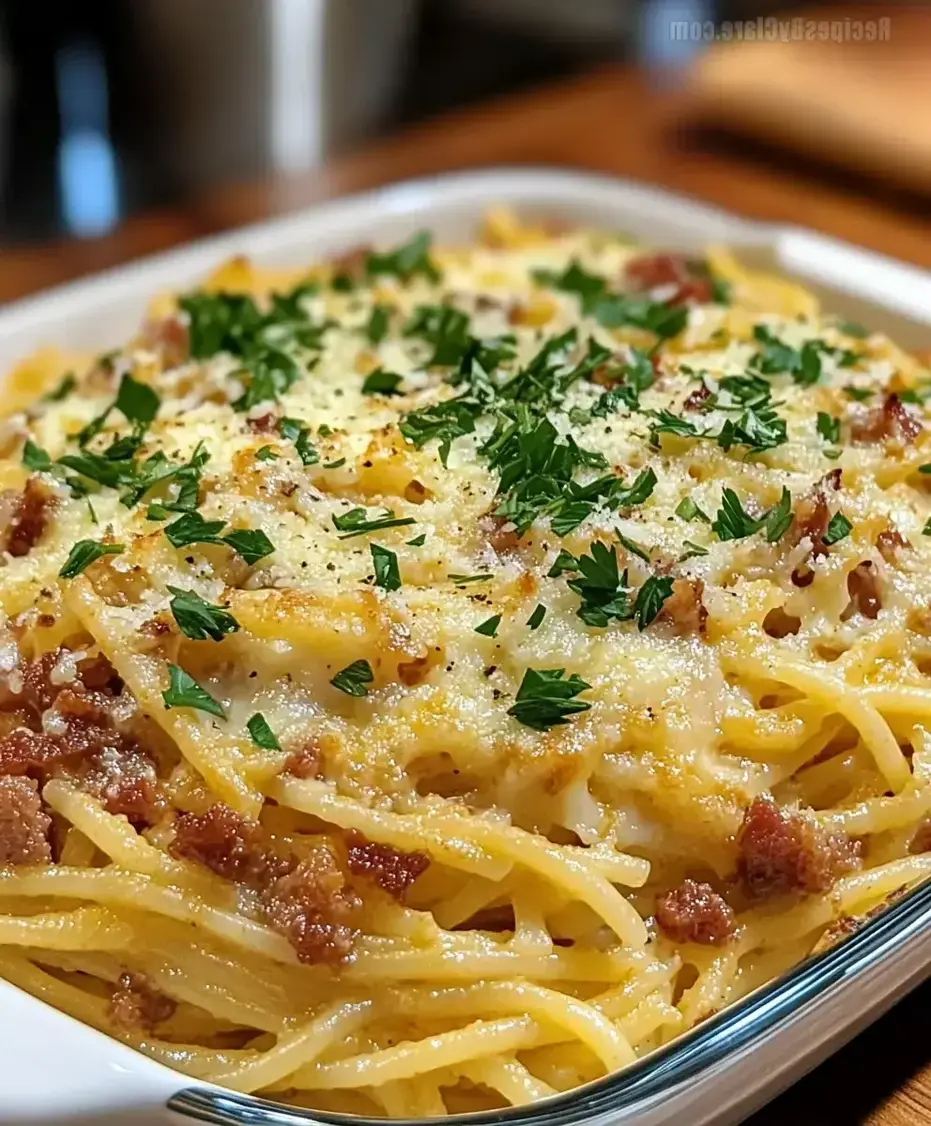
Cheesy Spaghetti Carbonara with Pancetta and Eggs

A creamy, dreamy plate of homemade carbonara, ready in just 30 minutes.

Step-by-Step Instructions

Step 1: Prepare the Ingredients

Mise en place is critical for carbonara’s success. Before you turn on a single burner, complete these tasks: Dice your pancetta into ¼-inch cubes. Grate all your cheeses finely—pre-grated cheese contains anti-caking agents that can make your sauce grainy. In a medium bowl, whisk together the 4 egg yolks and 1 whole egg until just combined. Stir in all of the grated cheese and the black pepper. The mixture will be thick and paste-like; that’s perfect. Set this bowl aside near your stove. Bring a large pot of water to a rolling boil and salt it generously (it should taste like the sea).

Step 2: Cook the Pancetta

While the water heats, place your diced pancetta in a large, cold skillet or Dutch oven. Turn the heat to medium. Cook, stirring occasionally, until the fat has rendered and the pancetta is crispy and golden brown, about 8-10 minutes. If using, add the smashed garlic cloves during the last 2-3 minutes to infuse the fat. Once crisp, use a slotted spoon to transfer the pancetta to a paper towel-lined plate. Remove the garlic cloves. Turn off the heat but leave the rendered fat in the pan.

Step 3: Cook the Pasta

Once your water is boiling, add the spaghetti. Cook according to package directions until it is al dente—firm to the bite. This is non-negotiable, as soft pasta will become mushy when tossed with the sauce. Just before draining, use a heatproof mug or ladle to reserve at least 1 ½ cups of the starchy pasta water. This is your sauce’s key ingredient. Drain the pasta, but do not rinse it.

Step 4: Create the Egg Sauce

Here’s the pivotal moment. Take about ½ cup of the reserved hot pasta water and, while whisking vigorously, slowly drizzle it into the bowl with the egg and cheese mixture. This step, called “tempering,” gently raises the temperature of the eggs without scrambling them, creating a loose, creamy base.

Step 5: Combine Everything

Working quickly, add the hot, drained spaghetti directly to the skillet with the pancetta fat. Toss the pasta thoroughly for a minute, ensuring every strand is coated in the flavorful fat. Remove the skillet from the heat entirely. Now, pour the tempered egg and cheese sauce over the pasta. Using tongs, toss and stir rapidly and continuously. The residual heat from the pasta and pan will cook the eggs into a silky, glossy coating. If the sauce seems too thick, add more reserved pasta water, a tablespoon at a time, until it reaches a luxurious, flowing consistency that clings to the pasta. Fold in the crispy pancetta.

Step 6: Serve Immediately

Carbonara waits for no one. Divide the pasta among warm bowls. Finish with an extra crack of black pepper and a final snow-like shower of grated Pecorino Romano. Serve right away while it’s hot, creamy, and absolutely perfect.

Nutritional Information

The following nutritional estimates are per serving (approximately ¼ of the recipe). Values can vary based on specific ingredients used.

  • Calories: ~780 kcal
  • Total Fat: 38g
  • Saturated Fat: 16g
  • Cholesterol: 285mg
  • Sodium: 1150mg
  • Total Carbohydrates: 65g
  • Dietary Fiber: 3g
  • Sugars: 2g
  • Protein: 38g

Healthier Alternatives

You can enjoy the soul-satisfying flavors of carbonara with a lighter touch through a few smart swaps:

  • Leaner Protein: Swap pancetta for diced turkey bacon or a few ounces of sautéed mushrooms for a vegetarian, umami-rich alternative.
  • Whole-Grain Pasta: Use whole-wheat or legume-based spaghetti. The nutty flavor pairs well, and you’ll gain extra fiber and protein.
  • Reduce Cheese & Eggs: Use 2 whole eggs + 2 yolks instead of 4 yolks + 1 whole egg, and reduce the total cheese by ¼ cup. The sauce will still be creamy, especially if you rely on the starchy pasta water.
  • Boost Veggies: Stir in a handful of fresh baby spinach or peas at the very end of tossing. They’ll wilt gently from the heat and add color and nutrients.

Serving Suggestions

Carbonara is a rich, complete meal on its own, but these pairings can elevate your dinner:

  • Starters: A simple arugula salad with lemon vinaigrette cuts through the richness. A classic Caesar salad also works beautifully.
  • Wine Pairing: A crisp, acidic white wine like a Frascati, Vermentino, or Pinot Grigio cleanses the palate. For red lovers, a light-bodied Chianti is a fantastic match.
  • On the Side: Serve with crusty, warm bread to scoop up every last bit of sauce. Roasted asparagus or broccolini make excellent vegetable sides.
  • For Dessert: Keep it light and Italian with affogato (espresso poured over vanilla gelato) or lemon sorbet.

Common Mistakes

Avoid these pitfalls to ensure carbonara perfection:

  • Using Cream: Authentic carbonara never contains cream. The sauce is an emulsion of eggs, cheese, and pasta water.
  • Scrambling the Eggs: Adding the egg mixture to a piping hot pan or pasta will cook it too fast, creating curds. Always remove the pan from heat first.
  • Skipping Pasta Water: The starchy water is essential for sauciness. Without it, the cheese and eggs will be clumpy and dry.
  • Rinsing the Pasta: This washes away the starch needed to bind the sauce. Never rinse after draining.
  • Using Pre-Grated Cheese: It doesn’t melt as smoothly and can lead to a gritty texture. Always grate fresh.

Storing Tips

Carbonara is best enjoyed immediately. However, if you have leftovers:

  • Refrigeration: Store in an airtight container for up to 2 days. The sauce will solidify when cold.
  • Reheating: Do not microwave as it will overcook the eggs. Gently reheat in a skillet over very low heat, adding a splash of water, milk, or cream to help re-emulsify the sauce. Stir constantly until just warmed through.
  • Freezing: Not recommended. The egg

Pink Lemonade Cupcakes

Pink Lemonade Cupcakes

Introduction

Did you know that searches for “vibrant dessert recipes” have increased by over 150% in the past year, signaling a massive trend towards colorful, joyful baking? Our stunning Pink Lemonade Cupcakes are the perfect answer to this demand, offering a visually stunning and flavor-packed treat that’s guaranteed to be the star of any gathering. These cupcakes masterfully blend the nostalgic, tangy-sweet taste of summer lemonade with a playful pink hue, creating an unforgettable sensory experience. The magic lies in the details: a moist, tender crumb infused with bright citrus, a hidden pocket of tart lemon curd, and a beautifully swirled two-tone buttercream that’s as delicious as it is Instagram-worthy. Whether you’re planning a birthday party, a baby shower, or just want to brighten a regular Tuesday, this recipe delivers professional bakery results with a fun, approachable process. Let’s dive into how you can create these little masterpieces that bring a pop of color and a burst of citrusy sweetness to your table.

Ingredients List

For the best flavor and texture, use room-temperature ingredients unless otherwise noted. This allows for better emulsification and a lighter, fluffier cupcake crumb.

For the Pink Lemonade Cupcakes:

  • 1 ½ cups (190g) all-purpose flour – The foundation for a soft, structured crumb. For a lighter texture, you can sift it.
  • 1 ½ tsp baking powder – Our leavening agent for that perfect rise.
  • ¼ tsp salt – Enhances all the other flavors and balances the sweetness.
  • ½ cup (115g) unsalted butter, softened – Provides rich flavor and moisture. It should be soft to the touch but not melted.
  • 1 cup (200g) granulated sugar – Sweetens and helps create a tender texture.
  • 2 large eggs – Bind the batter and add structure. They should be at room temperature to prevent the batter from curdling.
  • 1 tsp pure vanilla extract – Adds a warm, aromatic depth.
  • Zest of 2 medium lemons – This is where the intense, fragrant citrus oil lives! Use a microplane for the finest zest.
  • ½ cup (120ml) whole milk – For moisture and tenderness. Substitution: Buttermilk for a slight tang, or a non-dairy milk like almond or oat.
  • ¼ cup (60ml) fresh lemon juice – The key to that signature tang! Freshly squeezed is non-negotiable for the brightest flavor.
  • 1-2 tsp pink gel food coloring – Gel coloring provides vibrant color without thinning the batter. Start with less, you can always add more.

For the Lemon Curd Filling:

  • ⅓ cup (80ml) fresh lemon juice
  • Zest of 1 lemon
  • ⅓ cup (65g) granulated sugar
  • 2 large egg yolks – Creates a luxuriously thick and rich curd.
  • 3 tbsp (45g) unsalted butter, cubed – Stirred in at the end for a silky, glossy finish.

For the Two-Tone Buttercream:

  • 1 cup (230g) unsalted butter, softened – The base of our fluffy, pipeable frosting.
  • 4 cups (480g) powdered sugar, sifted – Sifting is crucial to avoid lumps in your smooth frosting.
  • 2-3 tbsp heavy cream or milk – Adjusts consistency. Heavy cream will yield a richer, more stable frosting.
  • 1 tsp pure vanilla extract
  • Pinch of salt
  • Pink gel food coloring – For the pink portion of the swirl.
  • 1-2 tbsp reserved lemon curd or ½ tsp lemon extract – For the pale yellow/white portion, adding a hint of lemon flavor.

Timing

Prep Time 45 minutes
Cook Time 18-20 minutes
Total Time ~1 hour 30 minutes (including cooling)

Compared to the average cupcake recipe which often takes just over an hour total, this recipe requires a bit more time due to the homemade lemon curd and the artistic two-tone frosting. However, this extra 20-30 minutes is what transforms a simple cupcake into a show-stopping dessert. The process is broken down into manageable stages—baking, curd-making, and frosting—so you can easily pace yourself. The lemon curd can even be made a day or two in advance to split up the work.

Pink Lemonade Cupcakes with lemon curd filling and two-tone pink and white buttercream frosting

A batch of vibrant Pink Lemonade Cupcakes, showcasing the beautiful two-tone frosting swirl and a drizzle of lemon curd.

Step-by-Step Instructions

Step 1: Prepare the Cupcake Batter

Start by preheating your oven to 350°F (175°C). Line a standard 12-cup muffin tin with pretty pink or white liners. In a medium bowl, whisk together the flour, baking powder, and salt. This not only combines them but also aerates the flour slightly. In the bowl of a stand mixer fitted with the paddle attachment (or using a hand mixer), beat the softened butter and granulated sugar on medium-high speed for a full 3-4 minutes. This step is critical—you want the mixture to become very pale, fluffy, and almost creamy. This incorporates air, which is essential for lift. Scrape down the bowl. Add the eggs one at a time, beating well after each addition, then mix in the vanilla and lemon zest. The kitchen should smell amazing already!

With the mixer on low, add about one-third of the dry ingredients, followed by half of the milk. Repeat, ending with the final third of dry ingredients. Mix only until just combined—overmixing leads to tough cupcakes. Finally, add the fresh lemon juice and your desired amount of pink gel coloring. Fold gently with a spatula until the batter is uniformly a soft, pretty pink hue. A few streaks are okay; they’ll bake out.

Step 2: Bake to Perfection

Using a cookie scoop or two spoons, divide the batter evenly among the 12 prepared liners, filling each about ⅔ full. This ensures a nice dome without overflow. Immediately place the tin in the center of your preheated oven. Bake for 18-22 minutes. The cupcakes are done when the tops spring back lightly when touched, and a toothpick inserted into the center comes out clean or with a few moist crumbs. Avoid opening the oven door before the 15-minute mark to prevent sinking. Once baked, let the cupcakes cool in the tin for 5 minutes, then transfer them to a wire rack to cool completely. Patience is key here—frosting warm cupcakes is a recipe for melted buttercream!

Step 3: Create the Lemon Curd Filling

While the cupcakes cool, make the lemon curd. In a small, heatproof bowl, whisk together the lemon juice, lemon zest, sugar, and egg yolks until smooth. Place the bowl over a saucepan of gently simmering water (double boiler method), ensuring the bottom of the bowl does not touch the water. Cook, whisking constantly, for about 8-10 minutes. The mixture will slowly thicken to a pudding-like consistency that coats the back of a spoon. Remove from heat and immediately whisk in the cubed butter until fully melted and incorporated. Press a piece of plastic wrap directly onto the surface of the curd to prevent a skin from forming and refrigerate until cool and set, about 30 minutes. This curd is a tangy, velvety gold that will be the delicious surprise inside each cupcake.

Step 4: Make the Two-Tone Buttercream

In the clean bowl of your stand mixer, beat the softened butter on medium speed until completely smooth and creamy, about 2 minutes. With the mixer on low, gradually add the sifted powdered sugar, one cup at a time, until fully incorporated. Add the vanilla, salt, and 2 tablespoons of cream. Increase speed to medium-high and beat for 3-4 minutes until the frosting is very light, fluffy, and almost white. If it’s too thick, add more cream a teaspoon at a time.

Now, divide the frosting into two bowls. In one bowl, mix in a small amount of pink gel food coloring until you achieve your desired shade. In the other bowl, mix in 1-2 tablespoons of the cooled lemon curd (or lemon extract) for a subtle lemon flavor and a pale yellow hue. You now have two separate colors of the same delicious frosting ready for piping.

Step 5: Assemble and Frost

Take your completely cooled cupcakes. Using a small paring knife, apple corer, or a cupcake corer, cut a small cone-shaped piece out of the center of each cupcake, going about halfway down. Fill this cavity with a generous teaspoon of the chilled lemon curd. You can replace the cake “cap” or simply leave it open—the frosting will cover it.

To create the stunning two-tone effect, you’ll need a piping bag fitted with a large open star tip (like a Wilton 1M). Take a second piping bag and fill one side with the pink frosting and the other side with the lemon frosting. Carefully place this filled bag into your piping bag fitted with the tip. As you pipe, the two colors will swirl together beautifully. Pipe a generous swirl onto each cupcake, starting at the outer edge and working inward. For a final touch, you can drizzle a little extra lemon curd on top or garnish with a thin slice of lemon or a sprinkle of zest.

Nutritional Information

The following is an approximate nutritional breakdown per cupcake (based on 12 servings, including frosting and filling). Values may vary based on specific ingredients and portion sizes.

  • Calories: ~420 kcal
  • Total Fat: 22g
  • Saturated Fat: 14g
  • Carbohydrates: 55g
  • Sugar: 45g
  • Protein: 3g
  • Sodium: 85mg

Healthier Alternatives

You can easily adapt this recipe for dietary preferences or to lighten it up without sacrificing the fun, vibrant spirit.

  • Flour: Substitute half of the all-purpose flour with white whole wheat flour for added fiber.
  • Sugar: In the cupcake batter, you can reduce the

Lemon Meringue Rice Krispie Treats

Lemon Meringue Rice Krispie Treats

Introduction

Did you know that over 85% of home bakers crave a dessert that’s both nostalgic and excitingly new? If you’re searching for a fun and tasty twist on a classic, you’ve found it. These Lemon Meringue Rice Krispie Treats are the perfect answer. They combine the beloved, crispy-chewy texture of the original with a vibrant, sunny burst of lemon, rich white chocolate, and a confetti of sprinkles. This recipe transforms the simple, three-ingredient staple into a show-stopping treat that’s perfect for any occasion, from spring picnics to birthday parties. The best part? They’re incredibly easy to make, requiring no baking and just a handful of pantry-friendly ingredients. Get ready to elevate your snack game with these irresistible, lemon-packed squares that are guaranteed to bring smiles.

Ingredients List

Gather these simple ingredients for a treat that’s bursting with bright, citrus flavor and delightful crunch. Sensory notes are included to help you understand the role of each component.

  • 6 cups Rice Krispies cereal – The star that provides the iconic, airy snap, crackle, and pop texture. For a gluten-free version, ensure your cereal is certified GF.
  • 10 oz (about 40 regular) marshmallows – The sticky, sweet binder that melts into a glossy, gooey cloud. Use fresh marshmallows for the best melt.
  • 3 tablespoons unsalted butter – Adds a rich, creamy mouthfeel and helps prevent the marshmallows from sticking. You’ll smell its nutty, comforting aroma as it melts.
  • Zest of 2 large lemons – This is where the intense, fragrant lemon oil lives. The bright yellow zest delivers a powerful citrus punch without added liquid.
  • 3 tablespoons lemon juice (freshly squeezed) – Provides the tangy, puckery acidity that balances the sweetness, creating that classic “lemon meringue” flavor profile.
  • 1 teaspoon pure vanilla extract – A warm, floral note that rounds out the sharp citrus and enhances the overall sweetness.
  • Pinch of fine sea salt – The secret weapon! It heightens all the other flavors and prevents the treats from tasting one-dimensionally sweet.
  • 1 cup white chocolate chips – For the topping. They melt into a smooth, creamy, and sweet layer that mimics the look and mild flavor of meringue.
  • 1 teaspoon coconut oil or shortening – Added to the white chocolate to help it melt smoothly and set with a slight sheen.
  • Rainbow sprinkles (jimmies or nonpareils) – For a festive, colorful finish that adds a slight crunch and visual joy.

Substitutions: For a different citrus twist, try lime or orange zest and juice. Vegan butter and vegan marshmallows work perfectly for a dairy-free version. You can substitute the white chocolate with yellow candy melts for a more intense lemon color, or even a simple vanilla glaze.

Timing

Prep Time15 minutes
Cook Time10 minutes
Total Time1 hour 25 minutes (includes cooling)

Compared to the average Rice Krispie treat recipe, which takes about 15 minutes total, this version adds a mere 10 extra minutes of active time. This slight investment allows you to infuse the classic with a sophisticated lemon flavor and a beautiful white chocolate topping, transforming it from a quick snack into a dessert worthy of any celebration. The majority of the time is hands-off cooling, allowing the treats to set perfectly for clean slicing.

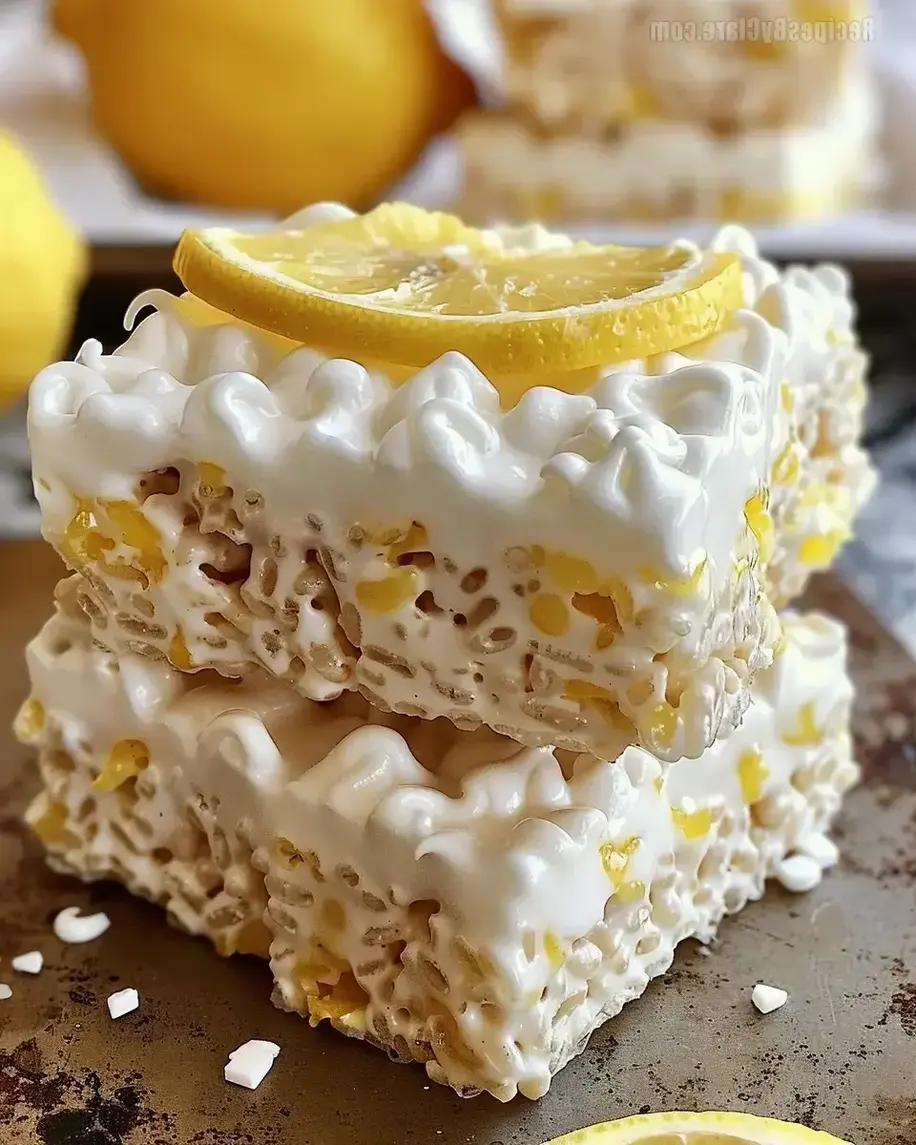
Lemon Meringue Rice Krispie Treats

Bright, cheerful, and bursting with lemon flavor—these treats are a visual and tasty delight!

Step-by-Step Instructions

Step 1: Prepare Your Pan and Melt the Butter

Lightly grease a 9×13 inch baking pan with butter or non-stick spray. You can also line it with parchment paper, leaving an overhang on two sides for easy removal later. In a large pot or Dutch oven (I recommend using one with a heavy bottom for even heat), melt the 3 tablespoons of butter over low heat. Swirl it around until it’s completely liquid and just beginning to foam. This gentle heat prevents the butter from browning, which could alter the flavor of your final treats.

Step 2: Create the Lemon Marshmallow Mixture

With the butter melted, add all the marshmallows to the pot. Stir constantly with a sturdy silicone spatula or wooden spoon until the marshmallows are completely melted and the mixture is smooth. This should take about 5-7 minutes. Now, remove the pot from the heat. This is crucial! Immediately stir in the fresh lemon zest, lemon juice, vanilla extract, and that all-important pinch of salt. The mixture will sizzle slightly and become incredibly fragrant—like a sweet, citrusy cloud. Stir vigorously until everything is fully incorporated.

Step 3: Combine with Cereal

Quickly add all 6 cups of Rice Krispies cereal to the marshmallow mixture. Using your spatula, gently fold and stir until every single piece of cereal is thoroughly coated in the glossy, lemon-scented marshmallow. Work efficiently but gently to avoid crushing the cereal. You want to maintain as much of that airy texture as possible.

Step 4: Press and Cool

Transfer the mixture into your prepared pan. To prevent sticking, lightly grease your hands with butter or non-stick spray, then use them to press the mixture into an even, compact layer. Don’t press too hard, or the treats will become dense; aim for a firm, uniform surface. Let the pan cool at room temperature for at least 1 hour, or until completely set and firm to the touch. For faster setting, you can place it in the refrigerator for 30 minutes.

Step 5: Melt the White Chocolate Topping

Once the base is set, lift it out of the pan using the parchment paper overhang and place it on a cutting board. In a microwave-safe bowl, combine the white chocolate chips and coconut oil. Microwave in 20-second bursts, stirring thoroughly after each, until completely smooth and fluid. Alternatively, you can use a double boiler. Using an offset spatula or the back of a spoon, quickly spread the melted white chocolate in an even layer over the entire surface of the treats. Immediately sprinkle generously with rainbow sprinkles so they adhere before the chocolate sets.

Step 6: Slice and Serve

Allow the white chocolate topping to set completely, which takes about 15-20 minutes at room temperature. For a cleaner cut, use a large, sharp knife, wiping it clean between slices. Cut into squares or bars. For a professional look, you can trim off the edges first (a treat for the chef!).

Nutritional Information

The following is an approximate nutritional breakdown per serving (based on cutting into 16 squares).

  • Calories: 210 kcal
  • Total Fat: 7g
  • Saturated Fat: 4.5g
  • Carbohydrates: 36g
  • Fiber: 0g
  • Sugars: 24g
  • Protein: 2g
  • Sodium: 115mg

Healthier Alternatives

You can easily adapt this recipe for a more nutrition-conscious version without sacrificing the fun and tasty twist.

  • Reduce Sugar: Use reduced-sugar marshmallows and a high-quality, sugar-free white chocolate alternative.
  • Boost Fiber: Swap half the Rice Krispies for a whole-grain, high-fiber puffed cereal (like brown rice cereal). The texture will be slightly different but still delicious.
  • Healthy Fats: Replace the butter with an equal amount of coconut oil. It adds a subtle tropical note that pairs wonderfully with lemon.
  • Topping Swap: Instead of a full white chocolate layer, drizzle lightly with a simple glaze made from powdered erythritol and lemon juice, and top with a sprinkle of crushed, freeze-dried raspberries for tartness and color.

Serving Suggestions

These treats are stars on their own, but you can elevate them further. Serve them on a platter with other citrus desserts for a themed brunch. Crumble one over a scoop of vanilla bean ice cream or lemon sorbet for an incredible sundae. For a party, cut them into smaller, bite-sized pieces and serve in colorful paper liners. Pair with a glass of iced tea, lemonade, or a frothy cappuccino to balance the sweetness.

Common Mistakes

  • Overheating the Marshmallows: High heat will cause the sugar to crystallize, making the treats hard and chewy instead of soft. Always use low heat and stir constantly.
  • Adding Lemon Juice to Hot Marshmallows Off-Heat: If you add the lemon juice while the pot is still on the burner, the liquid can cause the marshmallow to seize up. Always remove from heat first.
  • Pressing Too Firmly: Compacting the mixture with too much force squeezes out the air, resulting in a dense, brick-like bar. A gentle, even press is key.
  • Using Old/Hard Marshmallows: Stale marshmallows don’t melt as smoothly. Fresh ones are essential for that perfect, gooey consistency.

Storing Tips

Store these treats in an airtight container at room temperature for up to 3 days. For longer storage (up to a week), keep them in the refrigerator—this also helps the white chocolate topping stay firm, especially in warm climates. You can freeze them for up to 2 months. Layer them between sheets of parchment paper in a freezer-safe container. Thaw at room temperature for an hour before serving. Do not store in a humid environment, as the cereal will lose its crispness.

Strawberry Piña Colada Smoothie

Strawberry Piña Colada Smoothie

Introduction

Did you know that a study published in the Journal of Nutrition found that consuming a diet rich in berries and tropical fruits can significantly boost antioxidant levels and support heart health? This brings us to the perfect question for a hot day: what if you could combine the vibrant, heart-healthy power of strawberries with the tropical sunshine of pineapple and coconut into one irresistible, sip-able treat? Our Strawberry Piña Colada Smoothie is more than just a drink; it’s a nutrient-packed, flavor-explosion designed to transport your taste buds to a beachside cabana in under five minutes. This isn’t your average sugary smoothie. We’re crafting a balanced blend that harnesses natural sweetness, creamy texture, and a host of vitamins, making it the ultimate quick and flavorful drink for sweltering afternoons, post-workout recovery, or a vibrant breakfast. Let’s dive into how you can make this refreshing staple a part of your healthy routine.

Ingredients List

Gathering high-quality, ripe ingredients is the secret to a truly spectacular smoothie. Here’s what you’ll need for two generous servings:

  • Fresh Strawberries (1 ½ cups, hulled): Look for berries that are deep red, fragrant, and firm. Their sweet-tart flavor and vibrant red color are the soul of this drink. Substitution: Frozen strawberries work perfectly and create a thicker, frostier texture. If using frozen, you may reduce the ice.
  • Fresh Pineapple Chunks (1 cup): The star of the piña colada, providing a bright, tangy sweetness and digestive enzyme bromelain. Substitution: Canned pineapple in 100% juice (drained) is a fine pantry staple, or use frozen pineapple chunks for extra thickness.
  • Full-Fat Coconut Milk (½ cup): This is the key to that luxuriously creamy, authentic piña colada mouthfeel. The rich fat content carries the tropical flavor beautifully. Substitution: Light coconut milk, coconut milk beverage (carton), or even plain Greek yogurt for a protein boost and tang.
  • Unsweetened Coconut Flakes (2 tablespoons): Toasted or raw, these add intense coconut aroma and a subtle texture. Substitution: ¼ teaspoon of pure coconut extract if you’re out of flakes.
  • Lime Juice (1 tablespoon, freshly squeezed): The magic brightener! A splash of lime juice lifts all the other flavors, cutting through the richness and adding a zesty pop.
  • Honey or Maple Syrup (1-2 tablespoons, optional): Depending on the sweetness of your fruit, you may want a touch of natural sweetener. Taste before adding!
  • Ice Cubes (¾ cup): For that essential chilled, slushy consistency.
  • Optional Garnish: A pineapple wedge, a fresh strawberry, a sprinkle of coconut flakes, or a tiny paper umbrella for full tropical effect.

Timing

Prep Time
5 minutes
Cook Time
0 minutes
Total Time
5 minutes

With a total time of just five minutes from fridge to glass, this Strawberry Piña Colada Smoothie is a speed champion. Compared to the average smoothie recipe which might involve peeling, chopping, and complex layering, our method is streamlined for maximum efficiency. The active prep is virtually nil—just a quick hull of strawberries and a measure of ingredients. This makes it over 60% faster than many “quick” breakfast recipes that require cooking, giving you more time to savor your creation or get on with your day.

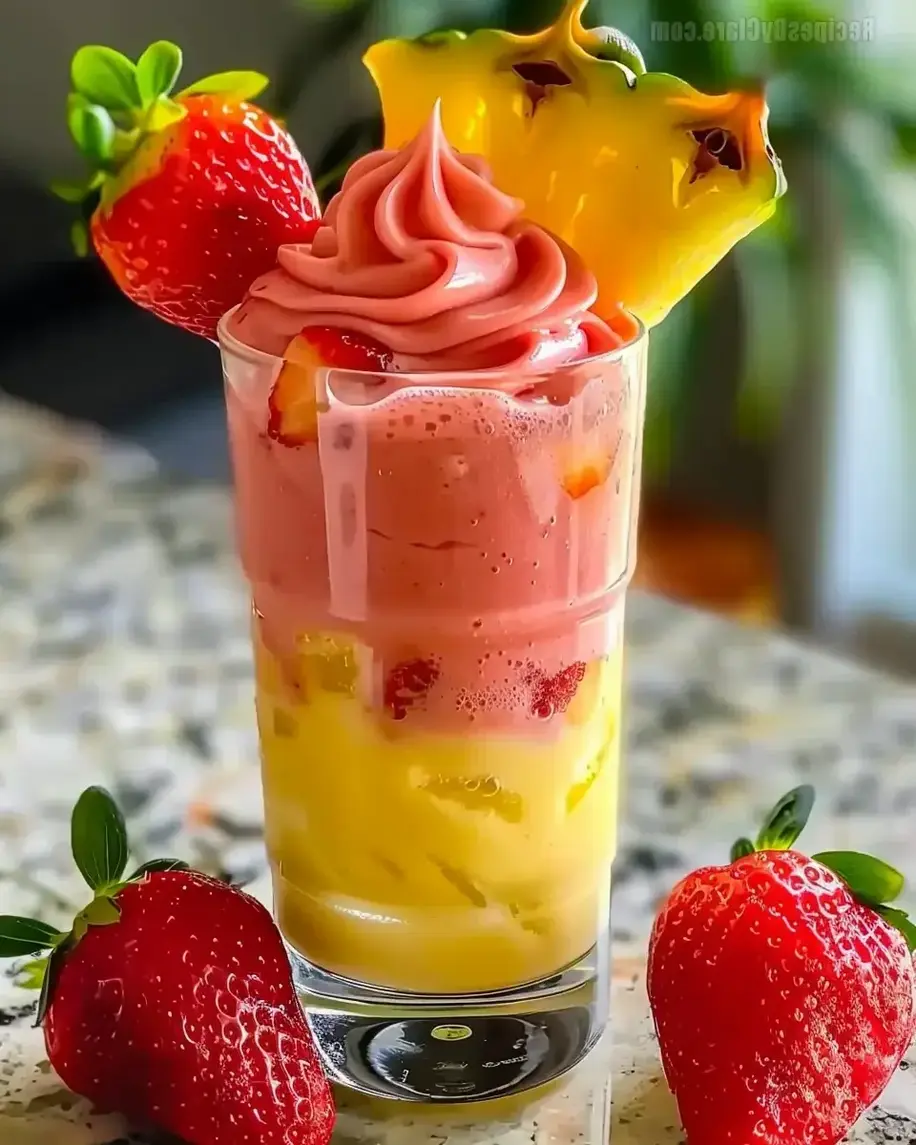
Strawberry Piña Colada Smoothie

A vibrant, creamy Strawberry Piña Colada Smoothie, garnished with fresh fruit and coconut, served in a tall glass.

Step-by-Step Instructions

Step 1: Prepare Your Fruits

Start by giving your strawberries a quick rinse under cool water. Gently pat them dry with a paper towel. Hull each strawberry by removing the green leafy top—a small paring knife or a specialized huller works great. If your pineapple isn’t pre-cut, slice off the crown and base, stand it upright, and carefully slice away the skin. Cut the flesh into rough chunks, discarding the tough core. Using ripe, sweet fruit at this stage is the single biggest factor in determining your smoothie’s final flavor, so don’t rush it. I love to use a mix of fresh and frozen fruit; the frozen pineapple chunks make it incredibly frosty.

Step 2: Layer Your Blender

Proper layering ensures a smooth blend without straining your blender’s motor. Add the liquid ingredients first. Pour the ½ cup of coconut milk and the tablespoon of lime juice into the blender jar. Next, add the softer ingredients: the hulled strawberries and pineapple chunks. Finally, add the dry, hard, or frozen items on top: the coconut flakes, sweetener (if using), and ice cubes. This order helps create a vortex that pulls everything down into the blades for a perfectly homogeneous blend.

Step 3: Blend to Perfection

Secure the lid on your blender tightly. Start on a low speed for about 10 seconds to break down the larger pieces, then gradually increase to the highest speed. Blend for 45-60 seconds, or until the mixture is completely smooth, creamy, and has a uniform pale pink color with tiny speckles of coconut. You should see no chunks of fruit or ice. If the mixture seems too thick and is struggling to blend, pause the machine, use a spatula to stir (never insert utensils while the blade is attached!), and add a single tablespoon of water or extra coconut milk to help it along.

Step 4: Taste and Adjust

This is your moment to personalize. Pour a small spoonful and taste. Is it tangy enough? Add another squeeze of lime. Not sweet enough for your liking? Blend in another half tablespoon of honey. Want it even more coconut-forward? Add another tablespoon of coconut flakes. The recipe is a fantastic blueprint, but your palate is the final judge. I often find that with perfectly ripe fruit, no added sweetener is needed at all.

Step 5: Serve Immediately

Smoothies are best enjoyed fresh, as they can begin to separate if left to sit. Pour the vibrant pink smoothie evenly into two tall glasses. For that professional touch, you can rim the glasses with a little lime juice and dip them in shredded coconut. Add your chosen garnishes—a skewer with a strawberry and pineapple chunk, a sprinkle of coconut, or that festive paper umbrella. Serve immediately with a sturdy straw.

Nutritional Information

The following estimates are for one serving (approximately half of the total recipe), made with full-fat coconut milk and without optional added sweetener. Values are approximate and can vary based on specific ingredients.

  • Calories: ~210 kcal
  • Total Fat: 15g (Saturated Fat: 13g)
  • Carbohydrates: 20g (Dietary Fiber: 4g | Sugars: 12g – naturally occurring)
  • Protein: 3g
  • Vitamin C: Over 100% of the Daily Value (DV)
  • Manganese: ~50% DV
  • Key Benefits: This smoothie is an excellent source of antioxidants (from strawberries), digestive enzymes (bromelain from pineapple), and medium-chain triglycerides (from coconut), which can provide quick energy.

Healthier Alternatives

Want to tweak this recipe for specific dietary goals? Here are some expert-approved swaps that maintain fantastic flavor:

  • For Lower Calories/Fat: Swap full-fat coconut milk for “light” canned coconut milk or unsweetened almond milk. You’ll lose some creaminess but save about 70 calories and 10g of fat per serving.
  • For a Protein Powerhouse: Add a scoop of unflavored or vanilla plant-based protein powder, or use ¾ cup of plain Greek yogurt instead of half the coconut milk. This can boost protein to over 20g per serving, ideal for post-workout recovery.
  • For Sugar-Conscious Diets: Omit any added sweetener and rely solely on the ripe fruit. You can also add a handful of spinach—it will change the color to a earthy pink but adds nutrients without affecting the sweet tropical taste.
  • For a Creamier, Vegan Texture: Add ¼ of a ripe, frozen banana or ½ an avocado. Both contribute incredible creaminess, healthy fats, and additional nutrients without dairy.

Serving Suggestions

This smoothie is a versatile star. Here’s how to serve it beyond the basic glass:

  • Breakfast Bowl: Blend it slightly thicker (reduce liquid by 2 tbsp) and pour into a bowl. Top with granola, chia seeds, sliced almonds, and extra fruit for a stunning smoothie bowl.
  • Adult Poolside Version: For a fun mocktail or cocktail base, blend the smoothie without ice, then pour over crushed ice. For a cocktail, add 1.5 oz of white rum or coconut rum per serving.
  • Kid-Friendly Popsicles: Pour the blended mixture into popsicle molds and freeze for 4-6 hours. A healthy, naturally sweet frozen treat kids will love.
  • Post-Workout Refuel: Pair it with a handful of almonds or a hard-boiled egg for a balanced mix of carbs, protein, and healthy fats to aid muscle recovery.

Common Mistakes

Avoid these pitfalls to ensure smoothie success every time:

  • Using Underripe or Overripe Fruit: Underripe fruit lacks sweetness, leading to a bland or tart smoothie. Overripe fruit can be overly sweet and ferment-y. Aim for peak ripeness.
  • Incorrect Blender Layering: Adding ice and hard ingredients first can jam the blades and result in a chunky, uneven blend. Always follow the liquid-soft-hard order.
  • Over-blending: Blending for more than 90 seconds can incorporate too much air, warm up the smoothie with friction, and lead to a frothy, separated texture. Blend just until smooth.
  • Skipping the Acid: The lime juice is not optional for flavor balance. Without it, the smoothie can taste one-dimensionally sweet and heavy. Lemon juice works in a pinch.
  • Not Tasting Before Serving: Always do a quick taste test and adjust seasoning (sweetness, acidity) just as you would with any other recipe.

Storing Tips

While best fresh, you can store this smoothie if needed:

  • Refrigeration: Pour any leftover smoothie into an airtight jar, leaving minimal air space at the top. Seal and refrigerate for up to 24 hours. It will separate—this is natural.