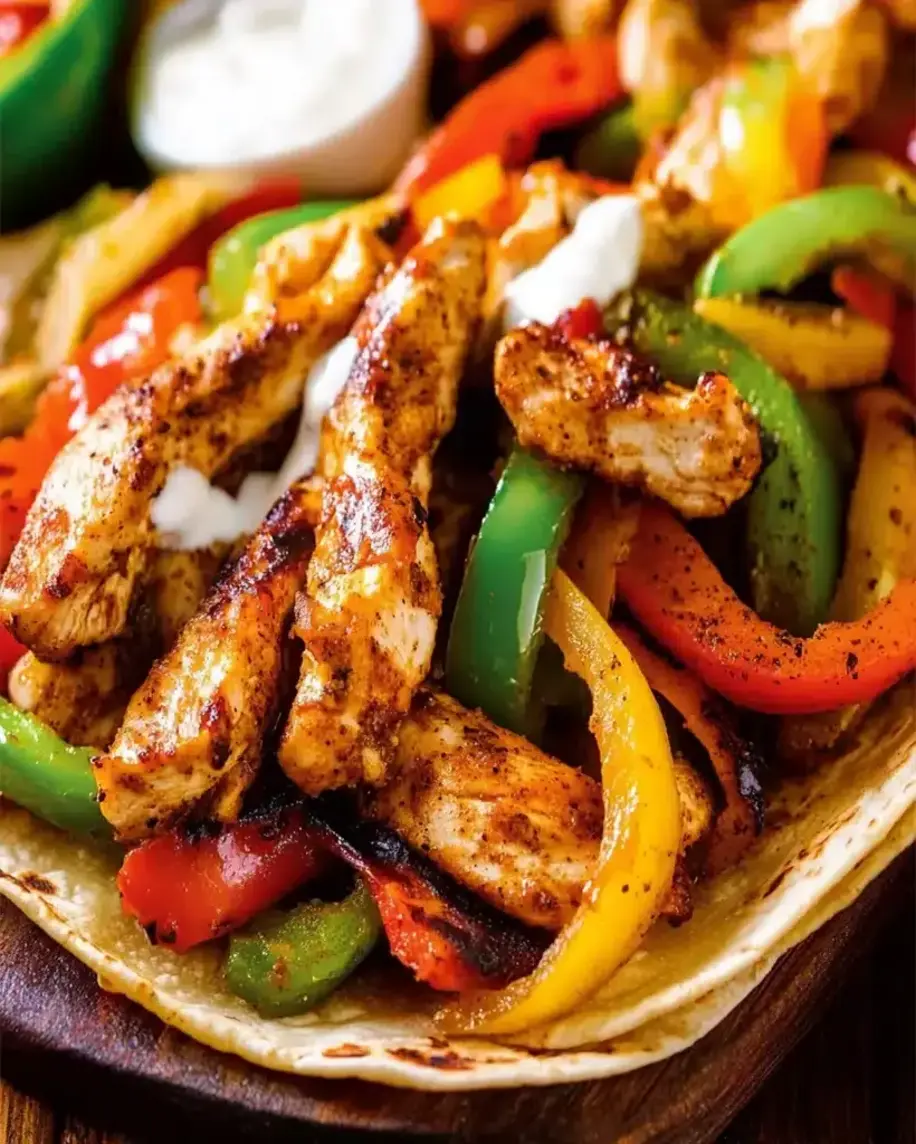
Chicken Fajitas Recipe – Juicy, Flavorful & Super Easy!

“`html

Chicken Fajitas Recipe – Juicy, Flavorful & Super Easy!

Hey there, fellow foodies! Are you ready to embark on a flavor-packed journey with a recipe that might just change your fajita game forever? Chicken fajitas often steal the show in Mexican restaurants, but what if I told you that this Chicken Fajitas Recipe made at home is even better? It’s time to fire up the skillet and create some magic in your kitchen!

Forget bland, dry chicken and unevenly cooked vegetables. This recipe focuses on creating impossibly juicy, tender chicken and perfectly crisp-tender vegetables, all infused with a smoky, zesty marinade that will transport your taste buds straight to Mexico. Whether you’re a seasoned home cook or just starting your culinary adventures, this fajita recipe is designed for success. Get ready to impress yourself and anyone lucky enough to share your table!

Ingredients for Juicy Chicken Fajitas

The secret to phenomenal fajitas lies in both the marinade and the quality of your ingredients. We’ve included some ideas for substitutions to make this recipe work with what you have on hand.

For the Chicken & Marinade:

  • 1.5 lbs boneless, skinless chicken breasts or thighs: Thighs tend to stay juicier, but breasts are a classic choice. For a leaner option, use breasts. Cut into thin strips (about 1/2 inch thick) for quick cooking and maximum marinade absorption.
  • 2 tbsp olive oil: Or avocado oil for a higher smoke point.
  • 2 tbsp lime juice: Freshly squeezed is best for that bright, tangy kick.
  • 1 tbsp chili powder: Use a good quality, flavorful blend.
  • 1 tsp cumin: For that essential smoky, earthy depth.
  • 1 tsp smoked paprika: Enhances the smoky notes without adding heat.
  • 1/2 tsp garlic powder: Or 2 cloves minced fresh garlic.
  • 1/4 tsp onion powder: For a subtle savory base.
  • 1/4 tsp dried oregano: Preferably Mexican oregano if you can find it.
  • Salt and freshly ground black pepper to taste: Season generously!
  • Optional: Pinch of cayenne pepper: For a touch of heat.

For the Sautéed Veggies:

  • 1 large onion: Yellow or red onions work beautifully. Slice into thin wedges.
  • 2 bell peppers: A mix of colors like red, yellow, and green adds visual appeal and varying sweetness. Slice into thin strips.
  • 1 tbsp olive oil or avocado oil: For sautéing.
  • Salt and pepper to taste: To enhance vegetable flavors.

For Serving (Optional but Recommended!):

  • Warm tortillas: Flour or corn, your preference!
  • Toppings: Guacamole, salsa, sour cream (or Greek yogurt), shredded cheese, fresh cilantro, pico de gallo, sliced jalapeños.

Timing Your Fajita Fiesta

Prep time: 15 minutes (+ 30 minutes marinating time)
Cook time: 15-20 minutes
Total time: 30 minutes (active) + 30 minutes marinating

Compared to the average fajita recipe which might require longer marinating or slower cooking, this recipe is designed for weeknight efficiency. The quick marination and high-heat cooking ensure tender chicken and perfectly sautéed vegetables in under 40 minutes of active preparation and cooking!
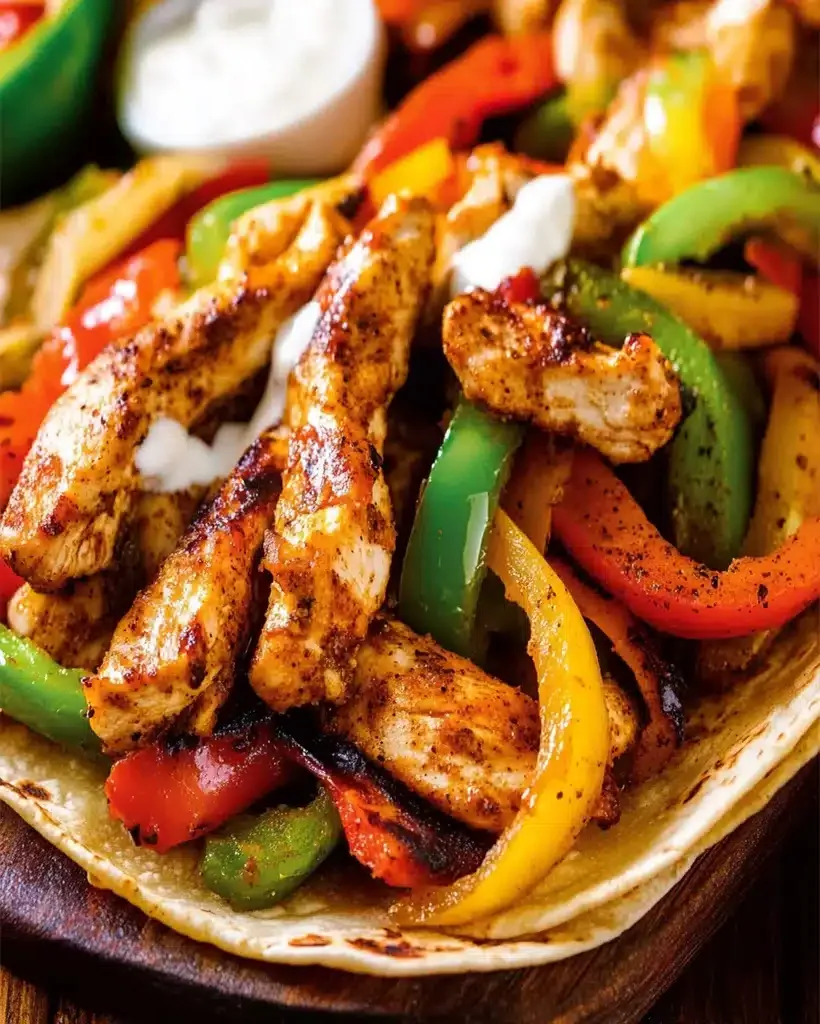
Close-up of sizzling chicken fajitas with peppers and onions in a cast-iron skillet.

Step-by-Step: Crafting Perfect Chicken Fajitas

Let’s get cooking! Follow these easy steps for fajitas that will become a staple in your home.

Step 1: Marinate the Chicken for Maximum Flavor

In a medium bowl, combine the chicken strips with olive oil, lime juice, chili powder, cumin, smoked paprika, garlic powder, onion powder, oregano, salt, pepper, and cayenne (if using). Toss everything together until the chicken is evenly coated. Cover the bowl and let it marinate at room temperature for at least 30 minutes, or in the refrigerator for up to 2 hours. If refrigerating, bring it back to room temperature for about 15-20 minutes before cooking.

Step 2: Prep Your Veggies

While the chicken is marinating, slice your onion and bell peppers into thin, uniform strips. This ensures they cook evenly and quickly. Set them aside.

Step 3: Cook the Chicken to Perfection

Heat a large skillet or cast-iron pan over medium-high heat. Add a tablespoon of oil if your pan isn’t well-seasoned, but often the oil from the marinade is enough. Add the marinated chicken in a single layer, working in batches if necessary to avoid overcrowding the pan. Overcrowding will steam the chicken instead of searing it, leading to less flavor and a less appealing texture. Cook for 3-5 minutes per side, until browned and cooked through. The chicken should reach an internal temperature of 165°F (74°C). Remove the cooked chicken from the skillet and set aside on a plate. Tent loosely with foil to keep warm.

Step 4: Sauté the Vibrant Veggies

In the same skillet (no need to clean it – those browned bits are flavor!), add another tablespoon of oil if needed. Add the sliced onions and bell peppers. Sprinkle with salt and pepper. Cook, stirring occasionally, for 5-7 minutes, or until the vegetables are tender-crisp. You want them to have a slight bite, not be mushy. If they start to stick, you can add a tablespoon or two of water or broth.

Step 5: Combine and Serve Your Masterpiece

Return the cooked chicken to the skillet with the vegetables. Toss everything together for about a minute to heat the chicken through and allow the flavors to meld. Taste and adjust seasoning if needed. Serve immediately with warm tortillas and your favorite toppings!

Nutritional Snapshot

(Note: Nutritional values are estimates and can vary based on exact ingredients and portion sizes used.)

  • Calories: Approximately 350-450 per serving (without tortillas and toppings)
  • Protein: 30-40g
  • Fat: 15-25g (depending on chicken cut and oil used)
  • Carbohydrates: 10-15g (from vegetables)
  • Fiber: 3-5g

Healthier Fajita Alternatives

Looking to lighten things up even further without sacrificing flavor? Try these swaps:

  • Leaner Protein: Swap chicken for lean turkey breast strips or even firm tofu for a vegetarian option.
  • Reduce Oil: Use cooking spray or a very minimal amount of oil when sautéing vegetables. Add a splash of water or broth to prevent sticking.
  • Whole Wheat Tortillas: Opt for small, whole wheat tortillas over traditional white flour ones.
  • Lighter Toppings: Use plain Greek yogurt instead of sour cream, load up on fresh salsa and avocado, and go easy on cheese.
  • Fajita Bowls: Serve the chicken and vegetable mixture over a bed of cauliflower rice or quinoa for a hearty, grain-free meal.

Serving Suggestions to Elevate Your Fajitas

The magic of fajitas is in the customization! Assemble your perfect bite:

  • Warm tortillas are key! Lightly warm corn or flour tortillas on a dry skillet or in the microwave for pliability.
  • Salsa Spectrum: Offer a variety from mild pico de gallo to a spicier salsa verde.
  • Creamy Companions: A dollop of guacamole or plain Greek yogurt adds cooling richness.
  • Fresh Finish: Sprinkle with chopped fresh cilantro and thinly sliced radishes for a peppery crunch.
  • Spice it Up: Offer sliced jalapeños or a drizzle of hot sauce for those who crave extra heat.

Common Fajita Mistakes to Avoid

  • Overcrowding the Pan: This leads to steaming, not searing. Cook in batches!
  • Dry, Overcooked Chicken: Cut chicken into strips for quick cooking and don’t cook it for too long.
  • Mushy Vegetables: Sauté vegetables quickly over medium-high heat until tender-crisp.
  • Under-Marinating: While 30 minutes is okay, longer is better for deeper flavor.
  • Bland Seasoning: Don’t be shy with the spices and salt!

Storing Your Fajita Leftovers

Leftover cooked chicken and vegetable mixture can be stored in an airtight container in the refrigerator for up to 3-4 days. Reheat gently on the stovetop or in the microwave. Tortillas are best stored separately at room temperature.

Conclusion: Your New Favorite Fajita Recipe

There you have it – a Chicken Fajitas Recipe that’s incredibly flavorful, surprisingly easy, and endlessly customizable. You’ve learned how to achieve that perfect balance of juicy chicken and crisp-tender veggies, all thanks to a simple yet effective marinade and smart cooking techniques. Say goodbye to boring weeknight dinners and hello to a fiesta of flavor!

So, what are you waiting for? Gather your ingredients, fire up that skillet, and create some fajita magic in your own kitchen. We promise you won’t be disappointed! Let us know in the comments below how your fajitas turned out and what toppings you loved the most!

Frequently Asked Questions About Chicken Fajitas

***What is the best cut of chicken for fajitas?***

Chicken thighs are often preferred because they have more fat, which keeps them incredibly moist and tender during high-heat cooking. However, boneless, skinless chicken breasts are also a popular choice and can be just as juicy if not overcooked. Cutting them into thin strips helps ensure even cooking.

***How long should I marinate the chicken?***

For best flavor, marinate for at least 30 minutes at room temperature. You can also marinate it in the refrigerator for up to 2 hours. If marinating longer than 30 minutes in the fridge, let it sit out for about 15-20 minutes before cooking to bring it closer to room temperature.

***Can I make the fajitas ahead of time?***

You can prepare the marinade and cut the chicken and vegetables ahead of time. Marinate the chicken, and store the vegetables separately in the refrigerator. Cook everything just before serving for the best texture and flavor. The cooked fajita mixture can be stored for a few days and reheated.

***What can I use instead of bell peppers?***

While bell peppers are classic, you can experiment with other firm vegetables like zucchini, yellow squash, mushrooms, or even asparagus. Ensure they are cut into similar-sized strips for even cooking.

***Why are my fajitas not sizzling?***

This is likely due to overcrowding the pan. When too many ingredients are in the pan at once, they release moisture and steam, preventing proper searing and browning. Cook in batches to ensure a good sizzle and caramelization of both the chicken and vegetables.

Print

clock clock iconcutlery cutlery iconflag flag iconfolder folder iconinstagram instagram iconpinterest pinterest iconfacebook facebook iconprint print iconsquares squares iconheart heart iconheart solid heart solid icon

Chicken Fajitas Recipe: Juicy, Flavorful & Easy to Make

  • Author: Chef Mia

Description

Hey there, fellow foodies! Are you ready to embark on a flavor-packed journey with a recipe that might just change your fajita game forever? Chicken fajitas often steal the show in Mexican restaurants, but what if I told you that thisChicken Fajitas Recipemade at home is even better? It’s time to fire up the skillet and create some magic in your kitchen!


Ingredients

  • To Garnish:

Instructions

  1. Start by slicing 1 1/2 pounds of chicken thighs into 1-inch wide strips. Mix the marinade ingredients: lime juice, soy sauce, liquid smoke, cumin, salt, chili powder, smoked paprika, onion powder, cayenne pepper, cilantro, and garlic. Let the chicken soak in this flavorful mixture for at least 15 minutes or up to 24 hours in the fridge.
  2. Slice the bell peppers into 1/4-inch strips. Cut the onion into thin slices, about the same thickness. This will ensure even cooking and a perfect texture when sautéed.
  3. Heat a 12-inch cast-iron skillet on medium-high. Add vegetable oil and once hot, place the marinated chicken strips in batches, making sure not to overcrowd the pan. Sear until blackened on both sides, then remove the chicken from the pan.
  4. In the same skillet, add more oil and sauté the onions and bell peppers. Sprinkle with salt and pour the remaining marinade from the chicken over the veggies. Cook until they are crisp-tender.
  5. Warm the tortillas in a skillet. Add the cooked chicken and sautéed veggies, top with shredded cheese, and garnish with sour cream, guacamole, or chipotle mayo. Add a squeeze of lime for an extra burst of freshness.

Notes

Use chicken thighsfor a juicier bite, but you can swap for chicken breasts if you prefer leaner meat.
Marinate the chicken for at least 15 minutes, but for the best flavor, leave it in the fridge overnight.
Don’t overcrowd the skilletwhen searing the chicken. Cooking in batches ensures a perfect sear and locks in the juices.


“`

Parmesan Zucchini Potato Muffins

“`html

Parmesan Zucchini Potato Muffins

A Savory Surprise for Your Taste Buds

Did you know that the average homecook wastes over 100 pounds of food annually? One of the most common culprits? Fresh produce that goes un-used! Zucchini and potatoes are staples that can often end up forgotten in the crisper drawer. But what if you could transform those humble ingredients into something truly special? Enter our Parmesan Zucchini Potato Muffins. These aren’t your average sweet muffins. They’re a delightful savory creation, packed with fluffy potato, tender zucchini, and the irresistible salty kick of Parmesan cheese. They’re incredibly versatile, making them a fantastic addition to your recipe repertoire. Get ready to discover your new favorite way to bake!

Gather Your Savory Stars: Ingredients

The beauty of these muffins lies in their simplicity and the wonderful combination of textures and flavors. Here’s what you’ll need:

  • 1 cup grated zucchini: Look for firm, medium-sized zucchini. Grate it coarsely for the best texture, like tiny green jewels scattered throughout. Squeeze out excess moisture to prevent soggy muffins!
  • 1 cup mashed cooked potato: This is your secret to a moist, tender crumb. Leftover mashed potatoes (plain or with minimal butter/milk) work beautifully. Alternatively, boil and mash a medium potato until fluffy. The potato acts as a binder and adds a subtle, earthy sweetness.
  • 1/2 cup grated Parmesan cheese: The star of the savory show! Use good quality Parmigiano-Reggiano for the most authentic, nutty, salty flavor. If you’re not a fan of Parmesan, a sharp cheddar or Gruyere would also be delicious.
  • 1 1/2 cups all-purpose flour: The sturdy base for our muffin structure. You can experiment with whole wheat flour, though the texture might be slightly denser.
  • 2 teaspoons baking powder: Our leavening agent, ensuring light and airy muffins.
  • 1/2 teaspoon salt: Balances the flavors and enhances the cheesiness. Adjust to taste, especially if your Parmesan is very salty.
  • 1/4 teaspoon black pepper: Freshly ground pepper adds a lovely subtle warmth.
  • 2 large eggs: These bind everything together, adding richness and structure.
  • 1/2 cup milk: To create a smooth, pourable batter. Whole milk provides the creamiest result, but 2% or even a plant-based milk like unsweetened almond milk can work.
  • 1/4 cup olive oil (or melted unsalted butter): For moisture and richness. Olive oil contributes a subtle fruity note that complements the savory ingredients. Melted butter offers a classic richness.
  • Optional: 1/4 cup chopped fresh chives or parsley: For a fresh, herbaceous burst of flavor and a pop of green.

Timing is Everything

Prep time: 20 minutes
Cook time: 25-30 minutes
Total time: 45-50 minutes

Compared to many muffin recipes, this one is quite efficient, especially if you have leftover mashed potatoes! The veggie prep and mixing are quick, making these achievable on a busy morning or for a last-minute snack.

Parmesan zucchini potato muffins on a cooling rack

Step-by-Step Savory Success

Step 1: Prep Your Veggies

Start by prepping your zucchini and potatoes. If you haven’t already, grate your zucchini using the large holes of a box grater. Place the grated zucchini in a fine-mesh sieve or on a clean kitchen towel and gently squeeze out as much excess liquid as possible. This is crucial to prevent watery muffins. For the potato, ensure it’s cooked and mashed. You want about 1 cup of smooth, fluffy mashed potato. If using leftover mashed potatoes, make sure they aren’t overly seasoned with herbs or spices that might clash with the muffin’s flavor profile.

Step 2: Combine Dry Ingredients

In a large mixing bowl, whisk together the all-purpose flour, baking powder, salt, and black pepper. Make sure these dry ingredients are thoroughly combined to ensure even leavening and seasoning throughout your muffins.

Step 3: Combine Wet Ingredients

In a separate medium bowl, whisk together the eggs until lightly beaten. Then, stir in the milk, olive oil (or melted butter), and the mashed potatoes until you have a relatively smooth, cohesive mixture. Don’t worry if there are a few small lumps from the potato; they’ll be nicely incorporated during baking.

Step 4: Mix the Batter

Pour the wet ingredients into the bowl with the dry ingredients. Add the grated Parmesan cheese and the squeezed zucchini. If you’re using chopped chives or parsley, fold them in now. Using a spatula or wooden spoon, mix everything together *just* until combined. Be careful not to overmix! Overmixing can develop the gluten in the flour, leading to tough, dense muffins. A few streaks of flour are okay; they’ll disappear during baking.

Step 5: Bake to Golden Perfection

Preheat your oven to 375°F (190°C). Grease a 12-cup muffin tin or line it with paper liners. Divide the batter evenly among the muffin cups, filling each about two-thirds to three-quarters full. Place the muffin tin in the preheated oven and bake for 25-30 minutes, or until a toothpick inserted into the center of a muffin comes out clean and the tops are golden brown and slightly firm to the touch. Let the muffins cool in the tin for a few minutes before transferring them to a wire rack to cool completely.

Nutritional Snapshot

While exact nutritional values can vary based on ingredients used (especially types of potatoes and cheese), here’s a general estimate per muffin:

  • Calories: Approximately 180-220 kcal
  • Protein: 5-7 g
  • Fat: 9-12 g (mostly healthy fats from olive oil and cheese)
  • Carbohydrates: 20-25 g (complex carbs from potato and flour)
  • Fiber: 2-3 g

(Note: This is an approximate estimate. Individual results may vary.)

Healthier Alternatives & Smart Swaps

Looking to lighten things up without sacrificing flavor? Try these adjustments:

  • Flour Power: Swap half of the all-purpose flour for whole wheat flour or a whole grain blend for added fiber.
  • Fat Reduction: Use a neutral-flavored oil like canola or light olive oil instead of extra virgin, or reduce the oil slightly. You could also replace some of the oil with unsweetened applesauce for moisture.
  • Cheese Cheats: Use reduced-fat Parmesan or a blend of reduced-fat cheeses. While taste might be slightly altered, it still offers a good savory note.
  • Vegetable Boost: Finely diced bell peppers, onions, or a handful of spinach can be added along with the zucchini for an extra nutrient punch.

Serving Suggestions

These savory muffins are incredibly versatile:

  • Breakfast Boost: Enjoy them warm with a dollop of sour cream or a sprinkle of extra chives.
  • Lunchbox Star: Pack them alongside a salad or soup for a satisfying lunch.
  • Appetizer/Snack: Serve them as a light appetizer with a side of marinara sauce for dipping, or enjoy them as a mid-afternoon snack.
  • Side Dish Delight: They make a great alternative to bread with stews or pasta dishes.

Common Mistakes to Avoid

Prevent muffin mishaps with these tips:

  • Overmixing: As mentioned, this is the number one culprit for tough muffins. Mix until just combined.
  • Not Squeezing Zucchini: Excess moisture will lead to a soggy, dense muffin. Be thorough!
  • Opening Oven Door Too Soon: Resist the urge to peek! Opening the oven door too early can cause muffins to sink. Wait until the last 5-10 minutes of baking.
  • Not Preheating Oven: An oven that isn’t at the correct temperature won’t bake evenly, leading to poor rising and unevenly cooked muffins.

Storing Your Muffins

Once completely cooled, store these muffins in an airtight container at room temperature for up to 2 days, or in the refrigerator for up to 4 days. For longer storage, wrap them individually in plastic wrap and then place them in a freezer-safe bag or container for up to 3 months. Thaw overnight in the refrigerator or at room temperature, or warm gently in the oven or microwave.

Savory Baking Bliss Awaits!

These Parmesan Zucchini Potato Muffins are a testament to how simple, wholesome ingredients can create something truly delicious. They’re a fantastic way to reduce food waste, add extra vegetables to your diet, and enjoy a satisfying, flavorful treat or side dish. Whether you’re a seasoned baker or just starting, these muffins are a rewarding and easy win. Give them a try and let us know what you think in the comments below!

Frequently Asked Questions

***Can I use raw potatoes instead of cooked?***

No, it’s best to use cooked and mashed potatoes. Raw potatoes won’t cook through properly in the muffin batter and would result in a gritty texture.

***What kind of potato works best?***

Russet or Yukon Gold potatoes are excellent choices because they mash well and have a good texture. Avoid waxy potatoes if possible, as they can be harder to mash smoothly.

***Can I make these muffins vegan?***

Yes, you can! Use a plant-based milk, a flax egg (1 tbsp ground flaxseed mixed with 3 tbsp water, let sit for 5 minutes) or commercial egg replacer, and ensure your “Parmesan” is vegan. You might want to add a bit more nutritional yeast for a cheesy flavor.

***How do I prevent my muffins from sticking?***

Ensure your muffin tin is well-greased, or use paper liners. Sometimes, a quick spray of cooking oil on the muffin tin before adding batter helps immensely.

***Can I add other vegetables?***

Absolutely! Finely diced bell peppers, shredded carrots, or even a handful of chopped spinach (squeezed dry like zucchini) can be a delicious addition. Just ensure they are cut small enough to cook through.

Print

clock clock iconcutlery cutlery iconflag flag iconfolder folder iconinstagram instagram iconpinterest pinterest iconfacebook facebook iconprint print iconsquares squares iconheart heart iconheart solid heart solid icon

Parmesan Zucchini Potato Muffins

  • Author: Chef Mia

Description

Parmesan Zucchini Potato Muffins Recipe and steps


Ingredients

Scale
  • 2medium zucchinis, grated and moisture removed
  • 2medium potatoes, grated and squeezed dry
  • 1small onion, finely diced (adds subtle sweetness)
  • 2garlic cloves, minced (for enhanced flavor)
  • ½ cupof all-purpose flour (for structure)
  • ½ cupof freshly grated Parmesan cheese (a savory boost)
  • 2large eggs, lightly whisked (binds the mixture)
  • 1 teaspoonof baking powder (for a slight rise)
  • A pinch of salt and freshly ground black pepper (adjust to taste)
  • ¼ cupof neutral vegetable oil (for moisture)
  • Sour cream and finely chopped chives (for garnish)

Instructions

  1. Set your oven to 375°F (190°C).
  2. Lightly grease a 12-cup muffin tin or line it with paper liners to prevent sticking.
  3. Grate the zucchinis and potatoes using a box grater or food processor.
  4. Place the grated vegetables in a clean kitchen towel or cheesecloth. Squeeze firmly to remove as much moisture as possible. Removing moisture is crucial to prevent soggy muffins.
  5. In a large mixing bowl, add the grated zucchini, potatoes, diced onion, and minced garlic.
  6. Stir in the flour, freshly grated Parmesan cheese, and baking powder.
  7. Lightly whisk the eggs in a separate bowl and pour them into the mixture.
  8. Season the batter with salt and freshly ground black pepper to taste.
  9. Add ¼ cup of vegetable oil, then gently fold the ingredients until well-combined.
  10. Divide the batter evenly among the 12 muffin cups, filling each approximately ¾ full.
  11. Gently press down the mixture in each cup to compact it, which helps create a uniform texture.
  12. Place the muffin tin in the preheated oven.
  13. Bake for 20–25 minutes, or until the muffins turn golden brown and a toothpick inserted into the center comes out clean.
  14. Monitor closely during the last few minutes to prevent overbaking.
  15. Remove the muffin tin from the oven and let the muffins cool in the tin for about 5 minutes.
  16. Carefully transfer the muffins to a wire rack to cool further.
  17. Serve warm with a dollop of sour cream and a sprinkle of finely chopped chives for a flavorful finishing touch.

Notes

Removing Moisture: Squeezing out excess water from zucchini and potatoes is crucial to avoid dense or soggy muffins.
Seasoning Tip: Parmesan is naturally salty, so adjust the additional salt accordingly. Taste test the batter if needed.
Texture: Compacting the mixture in the muffin cups ensures that the muffins hold their shape during baking.
Customizations: Feel free to add your favorite herbs, such as dill, parsley, or basil, for an extra layer of flavor.


Nutrition

  • Calories: 120
  • Protein: 4.5g

“`

Baked Fish with Lemon Cream Sauce – Easy & Flavorful!

“`html

Baked Fish with Lemon Cream Sauce – Easy & Flavorful!

Welcome, seafood lovers! If you’re looking for a quick, delicious, and healthy dinner option, this Baked Fish with Lemon Cream Sauce recipe is your perfect solution. Did you know that consumers often struggle to find weeknight-friendly fish recipes that are both impressive and easy to clean up? This recipe is designed to combat that very problem. Made in just one pan, it’s both easy and full of flavor, perfect for busy weeknights or when you want to impress guests without the fuss. Let the rich flavors of lemon, cream, and fresh fish delight your taste buds while keeping the cleanup minimal! Get ready to elevate your dinner game with this simple yet elegant dish.

Ingredients

Prep time: 15 Minutes
Cook time: 20 Minutes
Total time: 35 Minutes
Baked Fish with Lemon Cream Sauce

To create this delightful dish, you’ll need the following:

  • 1.5 lbs White Fish Fillets: Such as cod, tilapia, halibut, or snapper. Choose fillets that are firm and have a mild, flaky texture that will absorb the sauce beautifully. About 2-4 fillets depending on size.
  • 1 tbsp Olive Oil: A good quality extra virgin olive oil will add a subtle fruity note.
  • 2 cloves Garlic, minced: Freshly minced garlic provides a pungent aroma and sharp flavor that is essential for the sauce base.
  • 1/2 cup Heavy Cream: This is the key to our luscious sauce. It provides richness and a velvety texture. (See Healthier Alternatives for options).
  • 1/4 cup Chicken or Vegetable Broth: Adds depth of flavor and helps to create the perfect sauce consistency.
  • Juice of 1 Lemon: Freshly squeezed lemon juice is non-negotiable for that bright, zesty flavor that cuts through the richness of the cream. You’ll also want a few thin slices for garnish.
  • 2 tbsp Fresh Parsley, chopped: For a pop of fresh, herbaceous flavor and vibrant color.
  • Salt and Black Pepper to taste: Essential seasonings to enhance all the individual flavors.
  • Optional: Pinch of Red Pepper Flakes: For a subtle hint of warmth.

Timing

This recipe is designed for efficiency. The average fish recipe can take upwards of 45 minutes to an hour, often involving multiple pans and complex steps. Our Baked Fish with Lemon Cream Sauce comes in at a total of just 35 minutes, with only 15 minutes of active prep time. This makes it an ideal choice for a quick weeknight dinner without sacrificing any flavor or elegance.

Step-by-Step Instructions

Step 1: Preheat and Prepare

Begin by preheating your oven to 400°F (200°C). If you’re using an oven-safe skillet, you can do most of the cooking in one pan – making cleanup a breeze! Otherwise, have a baking dish ready. Pat your fish fillets thoroughly dry with paper towels. This is a crucial step for achieving a beautiful sear and preventing the fish from steaming rather than browning.

Step 2: Season the Fish

Season the dried fish fillets generously on all sides with salt and freshly ground black pepper. Don’t be shy with the seasoning; it’s the foundation of flavor for the entire dish. If you like a little heat, add a pinch of red pepper flakes now.

Step 3: Sear the Fish

Heat the olive oil in your oven-safe skillet over medium-high heat until shimmering. Carefully place the seasoned fish fillets into the hot skillet, presentation-side down. Sear for about 2-3 minutes, until a beautiful golden-brown crust forms. Flip the fish and sear the other side for another 1-2 minutes. This initial sear adds incredible flavor and texture.

Step 4: Make the Lemon Cream Sauce

Once the fish is seared, remove it from the skillet and set aside on a plate. If there’s excess oil, you can carefully pour some out, leaving about a tablespoon. Reduce the heat to medium. Add the minced garlic to the skillet and sauté for about 30-60 seconds until fragrant, being careful not to burn it. Pour in the chicken or vegetable broth and scrape up any browned bits from the bottom of the pan – this is where much of the flavor lies. Let it simmer for a minute. Then, stir in the heavy cream and lemon juice. Bring the sauce to a gentle simmer, stirring continuously, until it thickens slightly. Season the sauce with salt and pepper to your taste.

Step 5: Finish and Serve

Return the seared fish fillets to the skillet, nestling them into the simmering lemon cream sauce. Spoon some of the sauce over the top of the fish. If you’re not using an oven-safe skillet, transfer the fish and sauce to a baking dish at this point. Place the skillet or baking dish in the preheated oven and bake for 8-12 minutes, or until the fish is cooked through and flakes easily with a fork. The exact baking time will depend on the thickness of your fillets. Garnish with fresh chopped parsley and a few thin lemon slices before serving immediately. Enjoy the incredible aroma and taste!

Nutritional Information

This recipe is a good source of lean protein and healthy fats. A typical serving (per fillet, without sides) is estimated to be:

  • Calories: ~350-450 (depending on fish type and cream ratio)
  • Protein: ~30-40g
  • Fat: ~18-25g (Saturated fat will vary based on cream used)
  • Carbohydrates: ~3-5g

Please note: These are approximate values and can vary depending on the specific ingredients and quantities used.

Healthier Alternatives

Looking to lighten things up without sacrificing flavor? Try these swaps:

  • For Heavy Cream: Substitute with half-and-half for a lighter sauce, or use evaporated milk for a similar richness with fewer calories. For a dairy-free option, unsweetened full-fat coconut milk can work, though it will impart a subtle coconut flavor. A cashew cream is another excellent dairy-free alternative.
  • For Olive Oil: A light-tasting oil like avocado oil or grapeseed oil can be used, or simply use a non-stick skillet with minimal added fat.
  • Add Veggies: Sauté some spinach, asparagus, or cherry tomatoes in the pan before adding the garlic and broth for added nutrients and fiber.

Serving Suggestions

This versatile fish dish pairs beautifully with a variety of sides:

  • Steamed or Roasted Vegetables: Asparagus, broccoli, green beans, or a simple side salad.
  • Grains: Fluffy quinoa, couscous, or brown rice to soak up the delicious sauce.
  • Potatoes: Roasted new potatoes or creamy mashed potatoes.
  • Crusty Bread: Perfect for mopping up every last drop of that glorious sauce!

Common Mistakes to Avoid

  • Overcooking the Fish: Fish cooks quickly. Overcooked fish becomes dry and tough. Keep a close eye on it and cook just until it flakes easily.
  • Not Drying the Fish: As mentioned, patting the fish dry is crucial for a good sear. Moisture prevents browning.
  • Burning the Garlic: Garlic can burn very fast. Sauté it briefly until fragrant, not brown.
  • Not Deglazing the Pan: Those browned bits left in the pan after searing the fish are packed with flavor. Make sure to scrape them up when adding the broth.

Storing Tips

Leftovers can be stored in an airtight container in the refrigerator for up to 2-3 days. Reheat gently on the stovetop over low heat or in the oven to maintain the texture of the fish and sauce. Avoid microwaving if possible, as it can make the fish rubbery.

Conclusion

Baked Fish with Lemon Cream Sauce is more than just a meal; it’s an experience. It’s proof that you don’t need hours in the kitchen to create something truly spectacular. With its bright, comforting flavors and minimal cleanup, this recipe is destined to become a favorite in your rotation. So, gather your ingredients, follow these simple steps, and prepare to enjoy a restaurant-quality dish in the comfort of your own home. Don’t forget to share your culinary triumphs with us!

Frequently Asked Questions

***What kind of fish is best for this recipe?***

Mild white fish with a flaky texture works best. Cod, tilapia, halibut, snapper, and even haddock are excellent choices. Avoid very oily fish like salmon, as their flavors can overpower the delicate sauce.

***Can I make the sauce ahead of time?***

While the sauce is best made fresh, you can prepare the garlic and broth base ahead. Add the cream and lemon juice just before combining with the fish.

***How do I know when the fish is cooked through?***

Fish is cooked when it is opaque throughout and flakes easily when tested with a fork. Use a thermometer for precision; the internal temperature should reach 145°F (63°C).

***Can I add vegetables to the baking dish?***

Absolutely! You can add quick-cooking vegetables like asparagus spears, cherry tomatoes, or broccoli florets to the dish during the last 10-15 minutes of baking, or sauté them in the pan before beginning the fish.

***Is it okay to use dried herbs instead of fresh parsley?***

Yes, you can use dried parsley, but use it sparingly. About 1 teaspoon of dried parsley is equivalent to 1 tablespoon of fresh. Add it when you add the garlic.

Print
clock clock iconcutlery cutlery iconflag flag iconfolder folder iconinstagram instagram iconpinterest pinterest iconfacebook facebook iconprint print iconsquares squares iconheart heart iconheart solid heart solid icon

Baked Fish with Lemon Cream Sauce – Quick & Easy Recipe

  • Author: Chef Mia

Description

Welcome, seafood lovers! If you’re looking for a quick, delicious, and healthy dinner option, thisBaked Fish with Lemon Cream Saucerecipe is your perfect solution. Made in just one pan, it’s both easy and full of flavor, perfect for weeknights or special occasions. Let the rich flavors of lemon, cream, and fresh fish delight your taste buds while keeping the cleanup minimal!


Ingredients

  • Optional substitutions: For a healthier version, replace cream with evaporated milk and add extra mustard for flavor.

Instructions

  1. Step 1: Prepare the FishPreheat the oven to 200°C (390°F). Place your fish fillets in a baking dish, ensuring they’re not too close together. Season both sides with salt and pepper.
  2. Step 2: Create the SauceIn a microwave-safe bowl, combine butter, cream, minced garlic, Dijon mustard, lemon juice, salt, and pepper. Microwave in two 30-second bursts, stirring between each burst until the mixture is smooth and fully melted.
  3. Step 3: Pour the Sauce Over the FishSprinkle the chopped eschallots over the fish fillets, and then pour the creamy lemon sauce over the top.
  4. Step 4: Bake the FishBake the fish in the preheated oven for 10-12 minutes, or until the fish is just cooked through. Once done, remove from the oven and transfer the fillets to serving plates.
  5. Step 5: Serve and EnjoySpoon the remaining sauce over the fish, garnish with fresh parsley and lemon slices, and serve immediately.

Notes

Frozen fish: If using frozen fish fillets, be sure to thaw them completely and pat them dry to remove excess moisture. This prevents the sauce from becoming too thin.
Thicker fillets: For thicker fillets, you may need to bake a bit longer. Add a splash of water to thin the sauce if needed.
Choosing the right fish: This recipe works well with white fish fillets like John Dory, Tilapia, or Snapper. Avoid overly fatty fish like salmon, as the sauce may split.

“`

No-Bake Lemon Tart

“`html

No-Bake Lemon Tart

Craving a Refreshing Dessert Without the Oven?

Are you searching for that perfect, zesty dessert that screams summer but doesn’t involve turning on your oven? If the thought of a bright, tangy, and creamy lemon filling encased in a crisp, buttery crust makes your mouth water, then you’re in the right place! This No-Bake Lemon Tart is a revelation for lemon lovers everywhere, offering an incredibly satisfying sweet and sour balance with minimal effort. With just a few simple ingredients and no baking required, you can whip up this delightful treat for any occasion. It’s the ideal solution for those warm days when you want a refreshing dessert that’s both elegant and easy to make.

Ingredients You’ll Need

The beauty of this no-bake tart lies in its simplicity. Gather these components, and you’re well on your way to citrusy perfection:

  • For the Crust:
    • 2 cups (about 200g) Graham Cracker Crumbs (or digestive biscuits, shortbread crumbs for a sweeter crust) – these form the sturdy, crumbly base, packing a satisfying crunch.
    • 1/2 cup (113g) Unsalted Butter, melted – this is the binder that holds the crust together, adding richness and a golden hue.
    • 1/4 cup (50g) Granulated Sugar – a touch of sweetness to complement the tangy filling and enhance the crispness.
    • Pinch of Salt – to balance the sweetness and bring out the flavors.
  • For the Lemon Filling:
    • 1 can (14 oz / 396g) Sweetened Condensed Milk – the creamy, luscious heart of the filling, providing sweetness and body.
    • 1/2 cup (120ml) Fresh Lemon Juice (from about 2-3 large lemons) – the star of the show, delivering that essential bright, tangy, and refreshing citrus punch.
    • Zest of 2 large Lemons – for an intensified lemon aroma and flavor burst without extra liquid.
    • 1/4 cup (60ml) Heavy Cream (optional, for extra richness) – can make the filling even more luxurious.
  • For Garnish (Optional):
    • Whipped Cream
    • Fresh Berries (strawberries, raspberries)
    • Lemon Slices or Candied Lemon Peel

Time to Make Magic

Prep time: 15 minutes
Chill time: 4 hours
Total time: 4 hours 15 minutes

This recipe is wonderfully quick to assemble, with most of the time dedicated to chilling. Compared to traditional baked tarts which can take over an hour in the oven plus cooling, this no-bake version is a lifesaver. The active preparation is a mere 15 minutes, making it incredibly efficient.

A slice of no-bake lemon tart on a white plate, garnished with whipped cream and berries.

Step-by-Step Instructions

Step 1: Crust Preparation

Let’s start with that irresistible crust! In a medium bowl, combine your graham cracker crumbs (or your chosen cookie crumbs), granulated sugar, and a pinch of salt. Give it a good whisk to ensure everything is evenly distributed. This dry mixture is the foundation of our delicious tart.

Step 2: Butter Mixing

Now, pour in the melted unsalted butter. Stir everything together thoroughly. You want to achieve a consistency where the crumbs are evenly moistened, resembling wet sand. This is crucial for the crust to hold its shape once pressed.

Step 3: Pressing the Crust

Take your 9-inch pie plate or tart pan. Pour the crumb mixture into the pan. Using the bottom of a glass or your hands, firmly press the crumbs evenly across the bottom and up the sides of the pan to form a cohesive crust. Make sure it’s packed tightly for a sturdy base that won’t crumble when you slice into it.

Step 4: Filling Creation

In a separate large bowl, pour in the can of sweetened condensed milk. Add the fresh lemon juice, lemon zest, and the optional heavy cream. Whisk vigorously until the mixture is smooth, creamy, and well combined. The acid from the lemon juice will react with the condensed milk, thickening the mixture slightly.

Step 5: Filling the Tart

Gently pour the luscious lemon filling into the prepared graham cracker crust. Spread it evenly with a spatula to create a smooth top surface.

Step 6: Chilling

This is where the patience comes in! Cover the tart loosely with plastic wrap and refrigerate for at least 4 hours, or until the filling is firm and set. For best results, chill overnight. This chilling period allows the flavors to meld and the tart to achieve the perfect no-bake texture.

Step 7: Garnishing

Once the tart is fully chilled and set, it’s time to make it beautiful! You can serve it as is, or get creative with your toppings. A generous swirl of whipped cream, a scattering of fresh berries, or a few thin lemon slices or candied lemon peel can elevate this simple tart into a showstopper.

Nutritional Snapshot (Approximate per serving, 8 servings)

  • Calories: ~350-450 kcal
  • Fat: ~15-25g
  • Carbohydrates: ~50-60g
  • Sugar: ~40-50g
  • Protein: ~5-7g

Disclaimer: Nutritional values are estimates and can vary based on specific ingredients and portion sizes used.

Healthier Almonds & Swaps

While this tart is a treat, we can make some smart substitutions for a lighter version without sacrificing too much flavor:

  • Crust: Use low-sugar digestive biscuits or even a blend of almond flour and coconut flour for the crust. Reduce the sugar in the crust or omit it entirely if your biscuits are sweet enough.
  • Sweetener: For the filling, you could experiment with a sugar-free condensed milk alternative if available, or a natural sweetener like erythritol or stevia, though this will alter the texture and taste significantly.
  • Lemon Juice: Stick to fresh lemon juice for the best flavor.
  • Fat: If using heavy cream, a smaller amount or a lighter dairy-free cream can be used.

Serving Suggestions

This tart is stunning served chilled. For an extra special touch, pair it with:

  • A dollop of freshly whipped cream or coconut cream.
  • A medley of fresh berries – strawberries, blueberries, or raspberries are perfect complements to the tart lemon.
  • A dusting of powdered sugar for a touch of elegance.
  • A few delicate lemon slices or segments.

Common Mistakes to Avoid

To ensure your no-bake lemon tart turns out perfectly, keep these common pitfalls in mind:

  • Under-pressing the Crust: A loosely pressed crust will fall apart when sliced. Pack it firmly!
  • Not Enough Chilling Time: Rushing the chilling process means a soft, unset filling. Give it ample time to firm up.
  • Using Bottled Lemon Juice: Freshly squeezed lemon juice offers a superior, brighter flavor. Bottled juice can taste metallic or artificial.
  • Over-mixing the Filling: While you want it combined, over-whisking sweetened condensed milk can sometimes affect its texture. Gentle but thorough mixing is key.

Storing Your Tart

This no-bake tart is best enjoyed chilled. Store any leftovers in an airtight container in the refrigerator for up to 3-4 days. The crust may soften slightly over time, but it will remain delicious. Avoid freezing, as it can alter the creamy texture of the filling.

Your New Favorite No-Bake Dessert

This No-Bake Lemon Tart is a testament to how simple ingredients and minimal effort can yield an extraordinary dessert. Its bright, zesty flavor profile and creamy texture make it irresistible, while being incredibly forgiving and easy to prepare. Whether you’re a seasoned baker or a complete beginner, this recipe is sure to impress. Give it a try and let this tangy, refreshing tart become your go-to for any occasion!

Frequently Asked Questions

***Can I use lime juice instead of lemon?***

Yes, you can substitute fresh lime juice for lemon juice to make a delicious No-Bake Lime Tart! The flavor will be slightly different but equally refreshing.

***What kind of pan is best for this tart?***

A 9-inch pie plate or a tart pan with a removable bottom works best. The removable bottom makes it much easier to serve the tart cleanly.

***How can I get a really smooth filling?***

Ensure your sweetened condensed milk, lemon juice, and zest are thoroughly combined and whisked until smooth. Using a spatula to gently incorporate the ingredients into the thickened mixture once it starts to set can also help achieve a smoother top surface.

***Is it possible to make this tart vegan?***

Yes, with some substitutions. For the crust, use vegan butter and vegan cookies. For the filling, you’ll need to find a vegan sweetened condensed milk alternative (often made from coconut or soy) and ensure your heavy cream substitute is dairy-free.

***My crust is crumbling when I try to slice it. What did I do wrong?***

This usually happens if the crust wasn’t pressed firmly enough into the pan, or if there wasn’t enough melted butter to bind the crumbs. Make sure to pack it down tightly and evenly.

Print

clock clock iconcutlery cutlery iconflag flag iconfolder folder iconinstagram instagram iconpinterest pinterest iconfacebook facebook iconprint print iconsquares squares iconheart heart iconheart solid heart solid icon

No-Bake Lemon Tart

  • Author: Chef Mia

Description

This bright and tangyNo-Bake Lemon Tartis the ultimate dessert for lemon lovers. Featuring a creamy citrus filling and a crisp cookie crust, it’s a delightful treat that requires no oven and minimal ingredients. Perfect for summer gatherings or a quick, refreshing dessert!


Ingredients

Scale
  • 5medium lemons (juice and zest)
  • Lemon slices and fresh blueberries (for garnish)
  • 1(15-ounce) can coconut cream
  • 1/3 cupcoconut milk
  • 2 tablespoonscornstarch
  • 3/4 cupsugar
  • 1 teaspoonground turmeric (for color)
  • 1 teaspoonvanilla extract
  • 2 tablespoonsmelted coconut oil
  • 1package of Biscoff cookies

Instructions

  1. Place the Biscoff cookies into a food processor and blend until they become fine crumbs.
  2. Add the melted coconut oil and pulse until the mixture resembles wet sand.
  3. Transfer the crumb mixture to a lined 9-inch tart pan. Use the back of a spoon or a flat-bottomed glass to press the crumbs firmly into the bottom and up the sides of the pan.
  4. Place the crust in the freezer to set while you prepare the lemon filling.
  5. Pour the coconut cream into a medium saucepan and heat over medium heat, stirring frequently until it begins to boil.
  6. Add the sugar, freshly squeezed lemon juice, lemon zest, turmeric, and vanilla extract to the saucepan. Reduce the heat to low and stir until all ingredients are well combined.
  7. In a small bowl, whisk together the cornstarch and coconut milk until the mixture is smooth and lump-free.
  8. Gradually pour the cornstarch mixture into the saucepan, stirring continuously to prevent lumps from forming.
  9. Cook the mixture for about 1 minute or until it thickens to a custard-like consistency. Remove from heat.
  10. Retrieve the crust from the freezer and pour the lemon filling evenly into the prepared crust. Use a spatula to smooth the top.
  11. Place the tart in the refrigerator on a flat surface. Let it chill for at least 3 hours or until fully set.
  12. Once the tart has set, remove it from the refrigerator.
  13. Garnish with lemon slices, fresh blueberries, and a sprinkle of lemon zest for an elegant touch.
  14. Slice and serve chilled. Enjoy this refreshing and tangy dessert!

Notes

Zesting Lemons: Be careful to only zest the yellow outer layer of the lemons. Avoid the white pith, as it can make the tart taste bitter.
Adjusting Sweetness: If you prefer a sweeter tart, add an extra tablespoon of sugar to the filling.
Setting Time: For the best results, allow the tart to set in the fridge for at least 3 hours, though overnight chilling ensures a firmer texture.
Substitute Crust Options: If you can’t find Biscoff cookies, graham crackers, digestive biscuits, or gluten-free cookies work as excellent alternatives.
Serving Tip: Serve chilled straight from the refrigerator to keep the filling firm and refreshing.


Nutrition

  • Calories: 320
  • Protein: 3g

“`

Lemon Basil Salmon Rolls

“`html

Lemon Basil Salmon Rolls

Craving a Fresh and Flavorful Dinner? Discover Lemon Basil Salmon Rolls!

Are you looking for a weeknight meal that’s both incredibly delicious and surprisingly simple? Many home cooks struggle to find recipes that balance vibrant flavors with minimal effort, especially when dealing with seafood. If you’re nodding along, then the Lemon Basil Salmon Rolls are about to become your new go-to! This recipe is a delightful fusion of tender, flaky salmon enhanced by the bright zest of lemon and the aromatic punch of fresh basil, all wrapped up in a convenient and elegant roll. It’s a dish that feels gourmet but is achievable for cooks of all levels, offering a burst of Mediterranean-inspired freshness that’s perfect any night of the week.

Ingredients for Your Zesty Salmon Rolls

The beauty of these Lemon Basil Salmon Rolls lies in their fresh, vibrant ingredients. We’ve kept it straightforward, but feel free to adapt based on what you have on hand! Each component plays a crucial role in delivering that perfect balance of savory, tangy, and herbaceous notes.

  • 1 pound skinless salmon fillet: Look for a bright, firm fillet. It should smell fresh, like the sea, not fishy. You can substitute other fatty fish like trout or even firm white fish like cod if salmon isn’t available, though the texture will vary.
  • Zest and juice of 1 large lemon: Use a fresh lemon for the brightest, most invigorating flavor. The zest contains the fragrant oils, and the juice adds that essential tang. Meyer lemons can be used for a slightly sweeter, more floral note.
  • 1/2 cup fresh basil leaves, finely chopped: Seek out vibrant green, unblemished basil leaves. The aroma is key! If you’re a basil lover, a touch more can be added. If basil is out of season or unavailable, a mix of parsley and a tiny bit of mint can offer a herbaceous note, though it won’t be exactly the same.
  • 2 tablespoons olive oil: Extra virgin olive oil will add a lovely fruity note. Any good quality olive oil will work.
  • 1 clove garlic, minced: Freshly minced garlic offers the most potent flavor. You can substitute with 1/2 teaspoon of garlic powder if fresh is not an option, but the fresh aroma is unparalleled.
  • Salt and freshly ground black pepper to taste: Season generously. Coarse sea salt and freshly cracked black pepper will provide the best texture and flavor.
  • Optional: 1/4 teaspoon red pepper flakes: For a subtle hint of heat that complements the richness of the salmon.

Timing Your Culinary Adventure

Prep time: 15 minutes
Cook time: 10-12 minutes
Total time: 25-27 minutes

Compared to many seafood recipes that can take upwards of 45 minutes to an hour from start to finish, these Lemon Basil Salmon Rolls are remarkably quick. The prep is minimal, involving simple chopping and mixing, and the cook time is super speedy thanks to pan-searing. This makes it an ideal candidate for a healthy, fast weeknight dinner.

Lemon Basil Salmon Rolls on a plate, garnished with basil and lemon slices

Step-by-Step Guide to Perfect Salmon Rolls

Let’s get cooking! Follow these simple steps to create restaurant-quality Lemon Basil Salmon Rolls right in your own kitchen.

Step 1: Prepare the Salmon

Begin by patting your salmon fillet completely dry with paper towels. This is a crucial step for achieving a beautiful sear. Then, using a sharp knife, carefully cut the salmon into bite-sized pieces. Aim for roughly 1-inch cubes. If your fillet has any small bones, now is the time to remove them with tweezers or a small knife.

Step 2: Create the Basil Lemon Mixture

In a medium bowl, whisk together the olive oil, lemon zest, fresh lemon juice, minced garlic, chopped basil, salt, pepper, and optional red pepper flakes. This aromatic blend will infuse the salmon with incredible flavor.

Step 3: Assemble the Rolls

Add the prepared salmon cubes to the bowl with the basil lemon mixture. Gently toss to ensure each piece of salmon is evenly coated. Let it marinate for at least 5-10 minutes while you heat your pan. This brief marination allows the flavors to meld beautifully.

Step 4: Cook the Rolls

Heat a large, non-stick skillet or cast-iron pan over medium-high heat. Add a touch more olive oil if your pan is not well-seasoned. Once the pan is hot, carefully add the marinated salmon pieces in a single layer, ensuring not to overcrowd the pan. You may need to cook in batches. Sear the salmon for about 2-3 minutes per side, or until it’s beautifully golden brown and cooked through. The interior should be opaque and flake easily with a fork.

Step 5: Serve

Once cooked, remove the salmon rolls from the skillet immediately. Serve them hot, perhaps garnished with a few extra fresh basil leaves and a wedge of lemon for squeezing. They are wonderful as a main course or as part of a larger meal.

Nutritional Insights

These Lemon Basil Salmon Rolls are a fantastic source of lean protein and healthy omega-3 fatty acids. A typical serving (based on 4 servings from a 1lb fillet, with estimated portion size) would contain approximate values:

  • Calories: ~250-300 kcal
  • Protein: ~25-30g
  • Fat: ~15-20g (with healthy fats from salmon and olive oil)
  • Carbohydrates: ~2-3g
  • Sodium: Varies based on added salt

Note: These are approximate values and can vary based on the exact size of the salmon fillet and the amount of oil used.

Healthier Alternatives and Flavor-Preserving Swaps

Looking to make these rolls even healthier without sacrificing taste? Here are a few ideas:

  • Reduced Oil: Use a good quality non-stick pan and minimize added oil, relying more on the natural oils of the salmon.
  • Herb Alternatives: If basil isn’t your favorite, try fresh dill or parsley for a different, yet still bright, herby flavor.
  • Vinegar for Zing: For a lower-calorie citrus alternative, a tablespoon of white wine vinegar or apple cider vinegar can add sharpness, though lemon is truly superior here.
  • Spice it Up: Instead of red pepper flakes, try adding a pinch of smoked paprika for depth of flavor without heat.

Serving Suggestions

These versatile Lemon Basil Salmon Rolls are fantastic on their own, but they truly shine when paired with complementary sides. Consider serving them with:

  • A crisp green salad tossed with a light vinaigrette.
  • Steamed or roasted asparagus, broccoli, or green beans.
  • Quinoa or couscous for a more substantial meal.
  • A dollop of plain Greek yogurt or a light dill sauce.

Common Mistakes to Avoid

To ensure your Lemon Basil Salmon Rolls turn out perfectly every time, be mindful of these common pitfalls:

  • Overcooking: Salmon cooks very quickly. Overcooking will result in dry, tough fish. Keep a close eye on it and remove from heat as soon as it’s opaque and flakes easily.
  • Not Drying the Salmon: Moisture is the enemy of a good sear. Always pat your salmon dry before cutting and marinating.
  • Crowding the Pan: Cook the salmon in batches if necessary. Overcrowding will steam the fish instead of searing it, preventing a nice crust from forming.
  • Using Stale Ingredients: Fresh basil and lemon are key to the bright flavor profile. Using dried herbs or old herbs will result in a duller taste.

Storing Your Lemon Basil Salmon Rolls

Leftover Lemon Basil Salmon Rolls can be stored in an airtight container in the refrigerator for up to 2-3 days. While they are best enjoyed fresh, leftovers can be gently reheated. Avoid microwaving, as it can make the salmon rubbery. Instead, consider a low oven heat or gently warming them in a skillet with a little extra olive oil.

Pro-tip: For longer storage, consider freezing the cooked salmon rolls. Ensure they are completely cooled, then wrap them tightly. They can be kept frozen for up to 2 months. Thaw overnight in the refrigerator before reheating.

Enjoy a Taste of Freshness!

There you have it – a simple, elegant, and incredibly flavorful way to enjoy salmon! These Lemon Basil Salmon Rolls are a testament to how a few high-quality ingredients can create a truly memorable meal. Whether you’re a seasoned chef or just starting out, this recipe is designed to bring a burst of sunny flavor to your table with minimal fuss. Give them a try and let us know what you think in the comments below!

Frequently Asked Questions

***Can I use pre-minced garlic from a jar?***

While pre-minced garlic can be used in a pinch, fresh garlic provides a much more vibrant and aromatic flavor that truly elevates the dish. Jarred garlic can sometimes have a slightly different, more mellow taste.

***What if I don’t have fresh basil?***

Fresh basil is ideal for its bright, distinct aroma. If you absolutely cannot find fresh basil, you can try using a small amount of dried basil (about 1 teaspoon, as dried herbs are more potent), or a combination of fresh parsley and a tiny pinch of mint for a different herbaceous note.

***Can I bake these instead of pan-searing?***

Yes, you can bake them! After marinating the salmon, spread the pieces in a single layer on a baking sheet lined with parchment paper. Bake at 400°F (200°C) for about 10-12 minutes, or until cooked through. The sear might not be as pronounced as pan-searing, but the flavor will still be fantastic.

***What’s the best way to ensure the salmon doesn’t stick to the pan?***

Using a good quality non-stick skillet or a well-seasoned cast-iron pan is key. Ensure the pan is sufficiently heated before adding the salmon, and don’t be afraid to add a little extra olive oil if needed. Also, resist the urge to move the salmon around too much while it’s searing; letting it develop a crust first will help prevent sticking.

***Can I make the lemon basil mixture ahead of time?***

Yes, you can prepare the lemon basil mixture up to a day in advance and store it in an airtight container in the refrigerator. Whisk it again before tossing with the salmon.

Print

clock clock iconcutlery cutlery iconflag flag iconfolder folder iconinstagram instagram iconpinterest pinterest iconfacebook facebook iconprint print iconsquares squares iconheart heart iconheart solid heart solid icon

Lemon Basil Salmon Rolls

  • Author: Chef Mia

Description

Lemon Basil Salmon Rolls Recipe and steps


Ingredients

Scale
  • 4salmon fillets (about5 ozeach), skin removed
  • A pinch of salt and freshly cracked black pepper
  • cupsricotta cheese, smooth and creamy
  • ½ cupfinely grated Parmesan cheese
  • 2 tablespoonsfresh basil, finely chopped
  • 2 teaspoonsfinely grated lemon zest
  • ½pound fresh asparagus spears, ends trimmed
  • 1 tablespoonunsalted butter
  • ½ cupchicken broth (or vegetable broth for a lighter option)
  • 2 tablespoonsfresh lemon juice
  • 2 teaspoonscornstarch mixed with 2 teaspoons water (slurry)

Instructions

  1. Preheat your oven to425°F (220°C). Lightly grease a baking sheet with oil or cooking spray to prevent sticking.
  2. Lay thesalmon filletson a clean surface. Season both sides with a pinch of salt and freshly cracked black pepper.
  3. In a small bowl, combine thericotta cheese,Parmesan cheese,chopped basil,lemon zest, and a pinch of salt and pepper. Mix until smooth and creamy.
  4. Spread a generous layer of the ricotta mixture evenly over each salmon fillet.
  5. Place2–3 trimmed asparagus spearsacross the center of each fillet. Roll the salmon tightly around the asparagus, making sure the seam side is facing down on the baking sheet to prevent unrolling during cooking.
  6. Transfer the baking sheet with the prepared salmon rolls to the oven.
  7. Bake for15–20 minutes, or until the salmon is cooked through and flakes easily with a fork. The internal temperature of the salmon should reach145°F (63°C).
  8. While the salmon bakes, melt thebutterin a small saucepan over medium heat.
  9. Add thechicken broth(or vegetable broth) and freshlemon juice, stirring gently to combine. Let the mixture heat through.
  10. Gradually stir in thecornstarch slurry(a mixture of cornstarch and water) while continuously whisking to prevent lumps.
  11. Cook the sauce for3–5 minutes, or until it thickens to a smooth, glossy consistency. Adjust seasoning with a pinch of salt or an extra squeeze of lemon juice if needed.
  12. Remove the salmon rolls from the oven and arrange them on a serving platter.
  13. Generously drizzle the warmlemon sauceover the salmon rolls, ensuring each piece is coated for maximum flavor.
  14. Garnish withfresh basil leavesor an extra sprinkle oflemon zestfor a vibrant and aromatic finish.

Notes

Avoid Overcooking:Keep an eye on the salmon while baking. Overcooked salmon can become dry, so remove it as soon as it starts to flake easily.
Prepping Ahead:You can assemble the salmon rolls a few hours in advance and refrigerate them. Bake fresh when ready to serve.
Adjust the Filling:If you prefer a tangier filling, add a teaspoon of lemon juice to the ricotta mixture. For a bolder herb flavor, experiment with dill or parsley.
Lighter Sauce Option:Skip the butter and use olive oil for a healthier twist on the lemon sauce.


Nutrition

  • Calories: 320
  • Sugar: #
  • Fat: #
  • Carbohydrates: #
  • Protein: 28g

“`