Table of Contents
Raspberry Cheesecake (No Bake) with White Chocolate Ganache – A Berry Dream!
Growing up in Morocco, desserts were often simple, fruit-forward, and made with love – much like the way my mother would layer phyllo dough for a sweet pastry. But when I moved to Paris for culinary school, I discovered the rich, creamy world of European patisserie. This no bake raspberry cheesecake is my ode to both worlds: the fresh, vibrant fruit of my heritage and the luxurious, refined techniques I learned abroad. The beauty of this recipe isn’t just its stunning flavor, but how incredibly easy it is. You get all the decadent indulgence of a classic cheesecake without ever turning on your oven, making it one of my go-to easy cheesecake recipes for any occasion, especially when the New York summer heat makes baking unbearable.
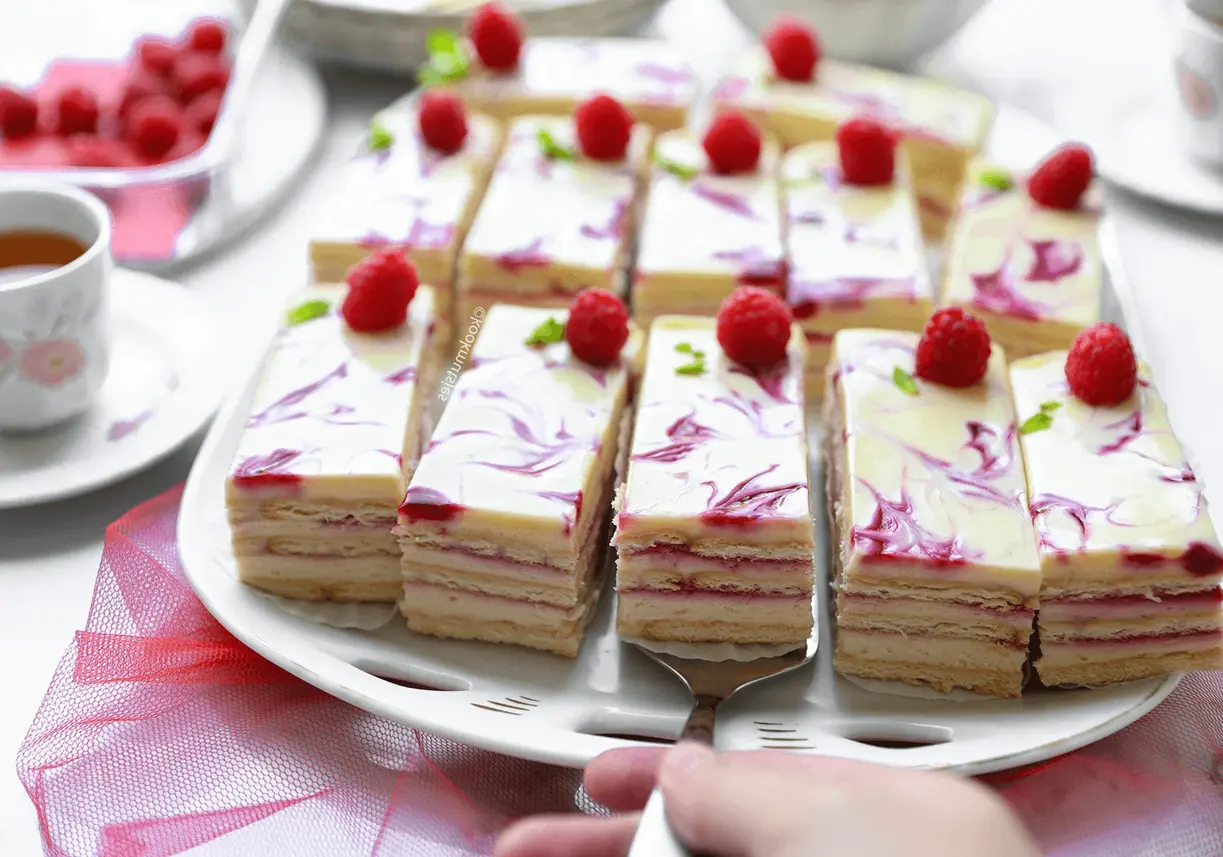
Imagine biting into a cloud of creamy cheesecake, perfectly balanced with the bright, tangy burst of fresh raspberries, all crowned with a delicate white chocolate ganache that melts in your mouth. The combination of mascarpone and cream cheese creates a filling that’s impossibly smooth and light, while the raspberry coulis, strained to perfection, infuses layers of pure berry essence. This dessert isn’t just a treat; it’s an experience. The vibrant red from the raspberries contrasting with the pristine white of the cheesecake and ganache makes for a presentation that’s as beautiful as it is delicious, and trust me, it smells divine too – like a summer garden filled with ripe berries and sweet blossoms.
What sets my raspberry cheesecake apart is the clever use of both fresh berry coulis swirled within the layers and a luscious white chocolate ganache on top. It means every slice offers a multi-dimensional raspberry experience! Plus, I’ve simplified the technique, making it accessible for even novice bakers. I’ll share my secret for ensuring your no bake cheesecake sets perfectly every time, preventing that dreaded soupy filling. And keep an eye out for my pro tip on creating that beautiful marbled raspberry swirl on top – it’s a game-changer! You’ll also learn the one common mistake people make that can ruin the texture of a no-bake cheesecake, so you can avoid it entirely.
Why This Raspberry Cheesecake (No Bake) Recipe Is the Best
The secret to this raspberry cheesecake lies in its layered approach and the balance of creams. My French training taught me the importance of texture, and I’ve combined rich cream cheese with delicate mascarpone to create an unparalleled silkiness. The tartness of the fresh raspberry coulis cuts through the richness beautifully, a trick I learned from balancing flavors in Moroccan tagines, where sweet and savory often dance together. This isn’t just a basic no bake cheesecake; it’s a carefully crafted dessert designed for maximum flavor and enjoyment.
Achieving the perfect set without gelatin or excessive chilling can be challenging, but I’ve perfected a method using ‘klopfix’ (a common European whipping cream stabilizer) and specific mixing techniques that give this cheesecake its dreamy, firm yet melt-in-your-mouth texture. It’s a trick I picked up during my pastry years in Paris, adapting it for the everyday home kitchen. The layering of cream and raspberry ensures each bite is an even blend of flavors and textures, with no single element overpowering the other.
This recipe is truly foolproof and fast, especially for those busy New York days when I crave something spectacular without the fuss. There’s no baking involved, which means less time hovering over the oven and more time enjoying the city (or just relaxing!). With clear, step-by-step instructions, even a beginner can achieve a stunning, professional-looking dessert. It’s the kind of recipe I’d recommend to anyone wanting to impress without the stress, offering a decadent raspberry dessert in record time.
No Bake Raspberry Cheesecake Ingredients
When I head to the farmers market here in NYC, I’m always looking for the freshest berries, but for this recipe, quality cream cheese and mascarpone are just as crucial. It reminds me of selecting the best ingredients from the local souk back home in Morocco. The foundation of a great dessert truly begins with exceptional components.
Ingredients List
- 8 oz (approx. 225 g) fresh raspberries, plus more for garnish
- ½ cup (approx. 90 g) granulated sugar (for raspberry coulis)
- 7 oz (approx. 200 g) full-fat cream cheese, softened
- 8.8 oz (approx. 250 g) mascarpone cheese, chilled
- 0.5 oz (approx. 16 g) whipping cream stabilizer (such as Klopfix or Dr. Oetker Sahnesteif)
- ⅓ cup (approx. 65 g) granulated sugar (for cheesecake filling)
- 1 tsp (approx. 8 g) vanilla sugar (or ½ tsp vanilla extract)
- 1¾ cups (approx. 400 ml) heavy whipping cream, chilled
- 10.5 oz (approx. 300 g) plain tea biscuits (like Biscoff or digestive biscuits)
- ⅔ cup (approx. 150 ml) milk
- ⅓ cup (approx. 75 ml) heavy whipping cream (for ganache)
- 4.5 oz (approx. 125 g) white chocolate, finely chopped
- Fresh mint leaves for garnish (optional)
Ingredient Spotlight
Raspberries: These are the star of our show, bringing vibrant color and essential tartness. I always opt for fresh, firm, and brightly colored raspberries from the market. For the best flavor, make sure they are ripe but not overly soft. If fresh aren’t available, you can use frozen raspberries; just be sure to thaw them completely and perhaps drain any excess liquid before making the coulis to ensure the flavor isn’t diluted.
Cream Cheese & Mascarpone: This duo creates the perfect creamy base for our cheesecake. Full-fat cream cheese provides the signature tangy cheesecake flavor and structure, while mascarpone adds an incredible richness and an extra silky texture, reminiscent of the luxurious creams used in Parisian patisseries. Always use full-fat for the best results. A good substitution for mascarpone, if you can’t find it, would be additional cream cheese, but the texture will be slightly denser. For cream cheese, ricotta cheese could be an alternative (drained very well), but it will result in a grainier texture and a less intense tang.
Whipping Cream Stabilizer (Klopfix/Sahnesteif): This is my secret weapon for a perfectly set no-bake cheesecake without gelatin! It ensures your whipped cream remains stiff and the cheesecake holds its shape beautifully once chilled. You can typically find it in the baking aisle of European grocery stores or online. If you can’t find it, you can sometimes substitute with a teaspoon of gelatin bloomed in a tablespoon of cold water, then gently melted, but the stabilizer is much easier and gives a superior texture.
Tea Biscuits: These form the sturdy base of our cheesecake without any baking required. Classic plain tea biscuits, like Biscoff, digestive biscuits, or even plain shortbread cookies, work wonderfully. They absorb the milk and become tender, almost cake-like. You could substitute with graham crackers for a slightly different flavor profile and texture, which will also work well, or even crushed Oreos for a chocolate twist, though the milk dip might need to be adjusted slightly.
White Chocolate: The white chocolate ganache adds a touch of gourmet elegance and an extra layer of sweetness and creaminess to the top of our raspberry cheesecake. High-quality white chocolate with at least 20% cocoa butter melts smoothly and tastes best. Avoid “white confectionery coating” or chips that aren’t true white chocolate, as they won’t melt the same way and the flavor won’t be as rich. Good quality white chocolate chips or a chopped bar will give the best results; in a pinch, milk chocolate could be used for a different flavor profile.
| Original Ingredient | Best Substitution | Flavor / Texture Impact |
|---|---|---|
| Fresh Raspberries | Frozen Raspberries (thawed & drained) | Slightly softer texture; ensure draining to avoid excess water. |
| Mascarpone Cheese | Additional Cream Cheese | Denser texture, slightly more tangy flavor. |
| Whipping Cream Stabilizer | 1 tsp gelatin (bloomed & melted) | Requires careful handling of gelatin; can give a slightly firmer set. |
| Plain Tea Biscuits | Graham Crackers | Different, slightly honeyed flavor; provides a good, crumbly base. |
| White Chocolate | Milk Chocolate | Changes the flavor profile significantly; will be sweeter and have a cocoa taste. |

How to Make Raspberry Cheesecake (No Bake) — Step-by-Step
Making this no bake raspberry cheesecake is simpler than you think; just follow these steps, and you’ll have a stunning dessert in no time!
Step 1: Prepare the Raspberry Coulis
Combine the 8 oz (225 g) raspberries and ½ cup (90 g) granulated sugar in a saucepan over medium heat. Bring to a gentle boil, stirring frequently, and let it simmer for 5-7 minutes. The raspberries will break down and release their juices. Once cooked, place a fine-mesh sieve over a bowl and pour the raspberry mixture into it. Press the pulp firmly with a spatula or spoon to extract all the juice, leaving the seeds behind. Transfer the smooth raspberry coulis (juice) into a piping bag or a small squeeze bottle and let it cool completely.
💡 mia’s Pro Tip: Making sure your coulis is completely smooth and seedless is key for that refined, elegant texture in your raspberry cheesecake. The piping bag will give you precise control for swirling. Think of it like a delicate sauce from a Parisian kitchen.
Step 2: Whip the Cheesecake Filling
In a large, deep bowl, combine the 7 oz (200 g) softened cream cheese, 8.8 oz (250 g) cold mascarpone, 0.5 oz (16 g) whipping cream stabilizer (Klopfix), ⅓ cup (65 g) granulated sugar, and 1 tsp (8 g) vanilla sugar (or ½ tsp vanilla extract). Mix on medium speed for about 1 minute until well combined and smooth. Gradually add the 1¾ cups (400 ml) cold heavy whipping cream, continuing to mix until the mixture is thick, stiff, and holds soft peaks. Be careful not to overmix, or it can become grainy.
⚠️ Common Mistake to Avoid: Overmixing the cream cheese and mascarpone can result in a grainy texture. Mix just until combined and then gradually add the heavy cream, mixing until stiff peaks form. Cold mascarpone and cream are essential for successful whipping!
Step 3: Assemble the Biscuit Base
Take your 9 or 10-inch springform pan. Briefly dip each plain tea biscuit into the ⅔ cup (150 ml) milk, just enough to moisten, but not make them soggy. Arrange a single layer of these moistened biscuits at the bottom of your springform pan, breaking some if necessary to fit snugly and cover the entire base. This creates a tender, cake-like foundation without the need for a traditional crumb crust.
Step 4: Layer the Cheesecake
Spoon about half of the prepared cheesecake filling over the biscuit base in the springform pan. Gently spread it out evenly. Take your cooled raspberry coulis in the piping bag and drizzle some over the cream cheese layer. Using a skewer or a butter knife, gently swirl the raspberry into the cream cheese for a marbled effect. Repeat this process: add another layer of milk-dipped biscuits, then the remaining cheesecake filling, smoothing it out. Drizzle more raspberry coulis and swirl again.
Step 5: Make the White Chocolate Ganache
Heat ⅓ cup (75 ml) heavy whipping cream in a small saucepan over medium heat until it just begins to simmer around the edges – do not boil. Remove from heat and immediately add the 4.5 oz (125 g) finely chopped white chocolate. Let it sit undisturbed for 1 minute to allow the chocolate to melt. Then, gently stir with a whisk until you have a smooth, glossy ganache.
Step 6: Finish and Chill
Pour the still-liquid white chocolate ganache evenly over the top of the cheesecake. If you have any remaining raspberry coulis, you can pipe dots or lines onto the ganache and drag a toothpick through them to create a beautiful marbled pattern, much like the intricate designs you’d see in Moroccan tilework. Cover the springform pan loosely with plastic wrap and transfer it to the refrigerator. The most crucial part now is patience: allow the raspberry cheesecake to chill and set for at least 6-8 hours, preferably overnight, for the best results.
💡 mia’s Pro Tip: For super clean slices and to prevent smudges, briefly dip your knife in hot water and wipe it clean between each cut. This creates those elegant, sharp lines that elevate your presentation, just like we’d do with delicate French pastries.
Step 7: Serve and Garnish
Once the cheesecake is fully set, carefully remove the sides of the springform pan. Slice the raspberry cheesecake into rectangular pieces or wedges. Garnish each serving with fresh raspberries and a few vibrant mint leaves for a pop of color and freshness. Enjoy!
| Step | Action | Duration | Key Visual Cue |
|---|---|---|---|
| 1 | Prepare Raspberry Coulis | 5-7 mins cook, plus cool time | Raspberries broken down, smooth, seedless juice. |
| 2 | Whip Cheesecake Filling | 5-7 mins | Thick, stiff cream cheese mixture holding soft peaks. |
| 3 | Assemble Biscuit Base | 5 mins | Layer of moistened biscuits covering base. |
| 4 | Layer Cheesecake | 10 mins | Cheesecake filling and coulis swirled in layers. |
| 5 | Make White Chocolate Ganache | 5 mins | Smooth, glossy white ganache. |
| 6 | Finish and Chill | 6-8 hours (preferably overnight) | Ganache set, cheesecake firm. |
| 7 | Serve and Garnish | 2 mins | Cheesecake sliced, garnished with raspberries and mint. |
Serving & Presentation
Serving this no bake raspberry cheesecake is almost as enjoyable as making it! For a truly elegant presentation, I love to slice generous rectangular pieces, reminiscent of the refined desserts from my Parisian culinary school days. Place each slice delicately on a simple white plate to let the vibrant colors truly pop. A few fresh raspberries nestled beside the slice and a sprig of fresh mint always add that perfect touch of freshness and a beautiful aroma that reminds me of Moroccan tea ceremonies.
Beyond the visual appeal, consider what pairs well with such a delicate dessert. In my NYC kitchen, I’d suggest a light, unsweetened whipped cream on the side, or even a small scoop of good quality vanilla bean ice cream to complement the tang of the raspberries. For something extra special, a drizzle of high-quality raspberry liqueur can enhance the berry notes beautifully, adding a subtle complexity that only a chef would truly appreciate.
When I serve this at gatherings, I often offer a little bowl of extra fresh berries – blueberries, sliced strawberries, or more raspberries – for guests to add themselves. A dusting of powdered sugar just before serving adds a professional finish. The contrast of the creamy, cool cheesecake, the bright berries, and the rich ganache creates a symphony of textures and flavors. Pair it with a delicate cup of mint tea, a tradition from my Moroccan upbringing, or a crisp, dry sparkling wine for a celebration.
| Pairing Type | Suggestions | Why It Works |
|---|---|---|
| Side Dish | Unsweetened Whipped Cream, Vanilla Bean Ice Cream | Adds lightness and creamy contrast, balances the tartness. |
| Sauce / Dip | Raspberry Liqueur Drizzle, Light Berry Coulis | Enhances berry flavor, adds a touch of sophisticated alcohol. |
| Beverage | Mint Tea, Dry Sparkling Wine, Iced Coffee | Cleanses the palate, complements sweetness without overpowering. |
| Garnish | Fresh Mixed Berries (blueberries, strawberries), Candied Orange Peel, Edible Flowers | Adds varying textures, colors, and a fresh aromatic element. |
Make-Ahead, Storage & Reheating
In my busy life running a food blog and cooking professionally in NYC, make-ahead recipes are golden. This no bake raspberry cheesecake is absolutely perfect for preparing in advance, which means less stress when entertaining or just craving a delicious treat. It’s actually best made the day before, allowing all the flavors to meld beautifully and the cheesecake to set to its ideal creamy consistency.
| Method | Container | Duration | Reheating Tip |
|---|---|---|---|
| Refrigerator | Airtight container, covered springform | Up to 3-4 days | Serve directly from fridge, no reheating needed. |
| Freezer | Wrap individual slices tightly, then in airtight container | Up to 1 month | Thaw overnight in the refrigerator before serving. |
| Make-Ahead | Assembled (before garnishing) in springform | Up to 2 days in advance | Add fresh garnishes just before serving. |
When storing, always ensure your cheesecake is covered well to prevent it from absorbing any fridge odors, which can easily happen with dairy-based desserts. I often use a cake dome or wrap the springform pan tightly with plastic wrap and then foil for maximum protection. Freezing works wonderfully if you want to extend its life; just make sure to wrap slices individually to prevent freezer burn and allow for easier portioning. Then, an overnight thaw in the fridge ensures it returns to its creamy best. Remember, this is a dessert best enjoyed chilled, so no reheating required!
Variations & Easy Swaps
| Variation | Key Change | Best For | Difficulty Impact |
|---|---|---|---|
| Lemon Raspberry Cheesecake | Add lemon zest and juice to the filling. | Those who love bright, citrusy flavors. | Minimal (easy). |
| Gluten-Free / Dairy-Free | Use GF biscuits, vegan cream cheese & cream. | Dietary restrictions (gluten, dairy). | Moderate (ingredient sourcing). |
| Seasonal Berry Cheesecake | Swap raspberries for other seasonal berries. | Enjoying local produce and varying flavors. | Minimal (easy). |
Lemon Raspberry Cheesecake
For a brighter, zippier flavor, try adding the zest of one lemon and 1-2 tablespoons of fresh lemon juice to your cheesecake filling. This introduces a lovely citrusy perfume, reminiscent of classic French lemon tarts, which beautifully complements the tartness of the raspberries. It’s a delightful twist that makes the dessert even more refreshing on a warm day.
Gluten-Free / Dairy-Free Raspberry Cheesecake
To make this wonderful no bake raspberry cheesecake accessible for everyone, you can easily adapt it! Swap the standard tea biscuits for gluten-free digestive biscuits for the base. For a dairy-free version, use plant-based cream cheese and mascarpone alternatives, along with full-fat coconut cream (chilled overnight, use the thick cream from the top of the can) instead of traditional heavy cream. This version, which I’ve perfected for some clients with dietary needs in NYC, still yields a creamy, satisfying texture.
Seasonal Berry Cheesecake
While raspberries are fantastic, don’t limit yourself! This recipe is incredibly versatile. In late spring, I love using fresh strawberries from a local NYC farmer’s market, perhaps with a touch of balsamic reduction in the coulis for an unexpected depth. In summer, mixed berries like blueberries and blackberries can create a colorful and equally delicious dessert. Simply swap out the raspberries for an equal amount of your chosen seasonal fruit for the coulis and garnish.
How do you make a no bake raspberry cheesecake set properly without gelatin?
Ah, this is one of my favorite tricks! The key to a perfectly set no-bake cheesecake without gelatin lies in a combination of high-fat dairy and a good whipping cream stabilizer. I use mascarpone cheese alongside full-fat cream cheese for its natural richness and firming properties. But the real game-changer is ‘klopfix’ or ‘Sahnesteif’ – a common European whipping cream stabilizer. When whipped into the heavy cream and cheese mixture, it acts like a silent architect, providing the essential structure to keep your cheesecake beautifully firm and sliceable once chilled. Ensure all your dairy, especially the heavy cream and mascarpone, are very cold before whipping for the best results.
Can I use frozen raspberries instead of fresh for a no bake cheesecake?
Absolutely, you can! Frozen raspberries are a perfectly acceptable substitute for fresh, especially when fresh are out of season or too pricey. What’s most important is how you prepare them. I recommend thawing them completely first, then draining off any excess liquid to avoid diluting the intensity of your raspberry coulis. Sometimes frozen berries can be a bit more watery, so straining the coulis very well to remove seeds and extra moisture is even more crucial here. The flavor will still be wonderfully tart and sweet, giving you that delightful raspberry essence in your cheesecake.
What is the best crust for a no bake raspberry cheesecake?
For this specific no bake raspberry cheesecake, I’ve opted for a simple yet incredibly effective base made from plain tea biscuits dipped in milk. This creates a tender, cake-like layer that’s a lovely contrast to the creamy filling and requires no baking at all. However, if you prefer a traditional crumb crust, finely crushed graham crackers or digestive biscuits mixed with melted butter are classic choices that work beautifully. For a different flavor profile, you could also use crushed Biscoff cookies or even shortbread. The key is to press it firmly into your springform pan and chill it for at least 30 minutes before adding the filling so it sets up nicely.
How long does a no bake raspberry cheesecake need to chill before serving?
Patience, my dear! This is perhaps the most important “cooking” step for any no bake cheesecake. For this raspberry cheesecake, I strongly recommend chilling it for a minimum of 6 to 8 hours. However, for the absolute best results—a perfectly firm set, clean slices, and fully developed flavors—an overnight chill (around 12 hours) in the refrigerator is ideal. This extended chilling time allows the cream stabilizer to work its magic, and all the creamy, fruity notes to meld harmoniously, just like a fine Moroccan tagine needs time to simmer for its flavors to deepen.
Can I use other berries for this no bake cheesecake recipe?
Absolutely! This no bake cheesecake recipe is wonderfully versatile when it comes to fruit. While raspberries give it a classic, elegant touch, you can easily substitute them with other berries like strawberries, blueberries, or blackberries. Simply follow the same steps for making the coulis, adjusting the sugar slightly if your chosen fruit is very sweet or tart. Enjoying seasonal fruits is a joy of cooking, truly channeling the fresh produce I find at local markets in NYC. Each berry will lend its unique flavor and color, making for a delightful variation!
Share Your Version!
I poured my heart into perfecting this no bake raspberry cheesecake, drawing on flavors from Morocco, techniques from Paris, and the vibrant energy of my NYC kitchen. Now, I can’t wait to see your creations!
Please leave a star rating and comment below with your thoughts – did you try a variation? What was your favorite part? Share a photo of your beautiful raspberry dessert on Instagram or Pinterest and don’t forget to tag @exorecipes. I absolutely adore seeing my recipes come to life in your kitchens! What’s your go-to no-bake dessert when you want something sweet and easy?
From my NYC kitchen to yours — I hope this recipe brings as much warmth to your table as it does to mine. — mia 🧡
Love This Recipe? Save It to Pinterest!
If you enjoyed this Raspberry Cheesecake (No Bake) recipe, don’t let it get lost in your browser tabs! 😄 Pin it now so you can find it again anytime — and explore hundreds more tried-and-tested recipes waiting for you on my Pinterest boards.
👉 Follow mia on Pinterest @chefrecipes2
📌 Pin this recipe · 🔁 Re-pin your favorites · 💬 Tag me when you make it — I love seeing your creations!
Raspberry cheesecake (no bake)
Description
Geniet van het gemak van no-bake frambozen cheesecakes – een heerlijk dessert dat zowel eenvoudig te bereiden als ongelooflijk smaakvol is! De combinatie van cheesecake en frambozen maakt deze gebakjes perfect voor elke gelegenheid!
Ingredients
- frambozen: 225 g
- kristalsuiker: 90 g
- roomkaas: 200 g
- mascarpone: 250 g
- klopfix: 16 g
- kristalsuiker: 65 g
- vanillesuiker: 8 g
- ongeklopte slagroom: 400 ml
- theebiscuits: 300 g
- melk: 150 ml
- ongeklopte slagroom: 75 ml
- witte chocolade: 125 g
Instructions
- Doe de frambozen samen met de suiker in een koekenpan op middelhoog vuur. Breng ze 5-7 minuten aan de kook. Roer regelmatig. Neem een kom en leg er een zeef op. Voeg het frambozenmengsel toe en druk dit goed aan met een spatel of lepel zodat de pitjes achterblijven. Doe het frambozensap in een spuitzak.
- Doe de roomkaas samen met de mascarpone, klopfix, suiker en vanillesuiker in een diepe kom. Mix 1 minuut tot een geheel. Voeg de slagroom beetje bij beetje toe en mix tot het stijf is.
- Neem een theebiscuit. Haal deze door de melk en verdeel ze over een springvorm. Herhaal de werkwijze.
- Schep het roomkaasmengsel erover en smeer dit gelijkmatig uit. Verdeel wat van het frambozensap erover. Herhaal met nog een laag theebiscuit, room en frambozensap. Verdeel weer een laag met theebiscuit en schep hier de overige room erover. Smeer het egaal uit.
- Breng de ongeklopte slagroom tegen de kook aan. Voeg de stukgemaakte witte chocolade toe. Laat het 1 minuut staan. Meng tot een gladde massa.
- Verdeel de witte chocolade ganache gelijkmatig over de cheesecake. Spuit er wat van het frambozensap op en ga er met een tandenstoker langs. Leg de frambozen cheesecake, afgedekt, in de koelkast om op te stijven, het liefst een nachtje.
- Snijd de frambozen cheesecake in rechthoekige stukken en garneer met frambozen en verse muntbladeren.

Tried This Recipe? Leave a Comment!
Did you make this recipe? I’d love to hear how it turned out! Please leave a comment and a rating below. Your feedback helps other home cooks and supports cheerychop.com!
For more delicious inspiration, follow me on Pinterest!