Table of Contents
Authentic Chinese Pepper Steak Recipe – A 30-Minute Stir-Fry Masterpiece
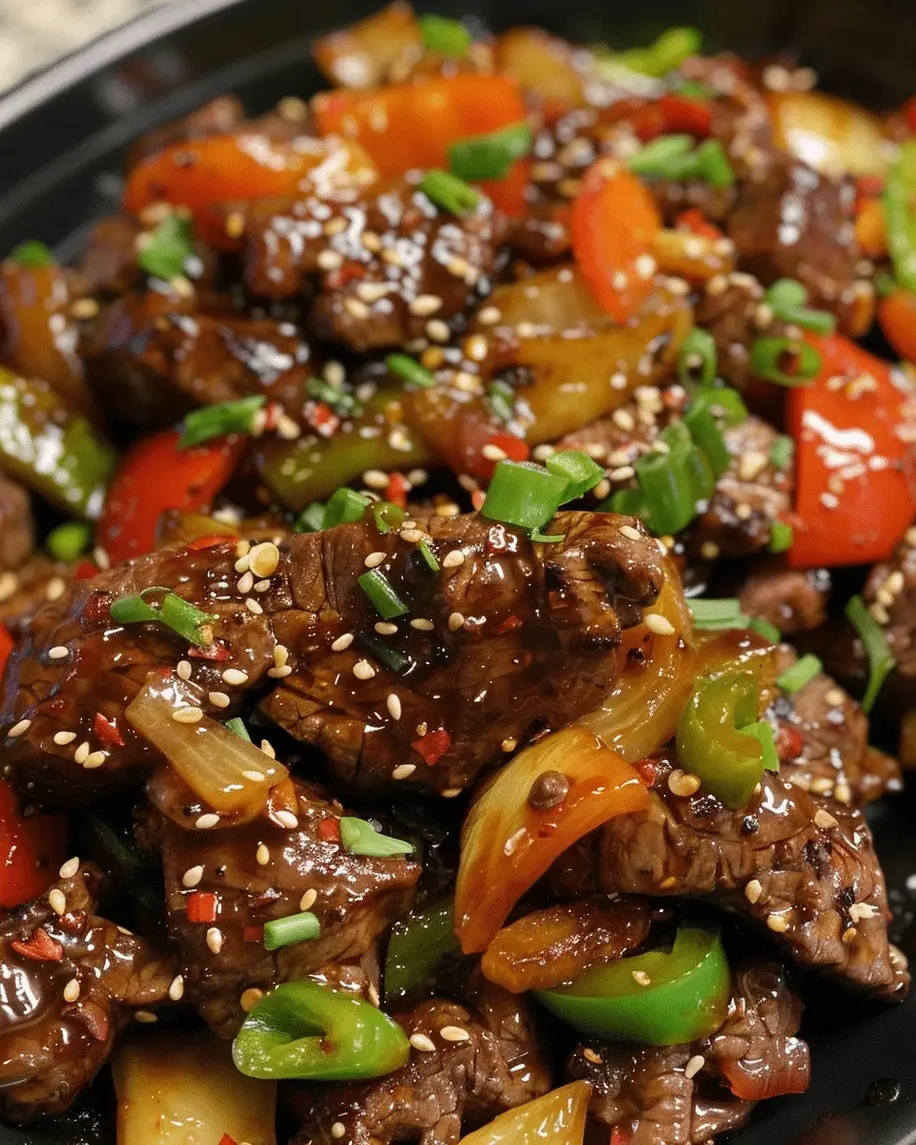
I still remember the first time I tasted a truly authentic Chinese pepper steak recipe — it was in a tiny, bustling kitchen in Chinatown not long after I moved to New York City. The aroma of black pepper and soy sauce hitting a screaming-hot wok stopped me mid-step. As someone who grew up in Morocco learning to layer spices in my mother’s tagines and later trained in Paris to perfect the art of the sear, I knew I had found something special. That balance of tender beef, crisp bell peppers, and a glossy, peppery sauce is what this homemade pepper steak recipe captures — and it comes together in just 30 minutes.
What I love most about this pepper steak stir fry is how every bite delivers a contrast: the beef is buttery and caramelized on the edges, the peppers retain a snappy crunch, and the sauce clings to everything like a savory velvet robe. The black pepper doesn’t just sit on the surface — it infuses the meat through the marinade and blooms in the hot oil, giving the dish a warm, fragrant heat that never overwhelms. It’s the kind of Chinese beef recipe that tastes like you spent an hour at the stove, yet the active cooking time is barely ten minutes.
This homemade pepper steak is my take on the classic — and I’ve tested it more times than I can count to make sure it works for home cooks everywhere. The secret is in the order of operations and the heat management, two things I hammered home during my Paris days. In this post, I’ll show you exactly how to slice the flank steak, how hot your pan needs to be, and one very common mistake that turns stir-fry into a soggy mess. Let’s get that wok screaming.
Why This Chinese Pepper Steak Recipe Is the Best
The Flavor Secret – Most recipes treat black pepper as a finishing sprinkle. I take a different approach: I marinate the beef with freshly ground black pepper alongside soy sauce and oyster sauce, then bloom more pepper in the hot oil. This two-step method, inspired by the way I learned to build depth in French sauce work, gives the dish a layered, aromatic heat that tastes deeply integrated — not just dusted on top. The sauce reduces to a silky glaze that coats each slice of beef and every pepper strip.
Perfected Texture – The hallmark of a great pepper steak stir fry is beef that’s tender and vegetables that still have life. I achieve this by velveting the flank steak — a classic Chinese technique where cornstarch in the marinade creates a protective barrier, locking in moisture and preventing toughness. Searing the beef in batches at high heat ensures browning without steaming. Then the peppers hit the pan just long enough to take on heat while keeping their crunch. No sad, limp vegetables here.
Foolproof & Fast – I’ve designed this Chinese beef recipe so that even a weeknight cook who’s never used a wok can nail it on the first try. The ingredient list is short and built around items you can find at any US grocery store — flank steak, bell peppers, onion, soy sauce, oyster sauce. There’s no specialty equipment required, no hard-to-source ingredients. With a 30-minute total time and step-by-step visual cues, this homemade pepper steak recipe is my go-to answer when someone asks me for one stir-fry they can master.
Chinese Pepper Steak Recipe Ingredients
I source my flank steak from the Union Square farmers market when I can, or from a good butcher counter at any grocery store. The bell peppers I grab by color — red for sweetness, green for that classic sharpness. The oyster sauce? I always reach for the same brand my mother-in-law in Chinatown swears by. Each ingredient in this homemade pepper steak recipe plays a specific role, and knowing a little about them will make your cooking better.
Ingredients List
- 1 1/2 pounds flank steak, sliced thinly against the grain
- 1/4 cup soy sauce
- 2 tablespoons oyster sauce
- 1 tablespoon cornstarch
- 1 teaspoon sugar
- 1/2 teaspoon freshly ground black pepper
- 3 tablespoons vegetable oil, divided
- 1 large onion, thinly sliced
- 2 green bell peppers, sliced into strips
- 2 red bell peppers, sliced into strips
- 4 cloves garlic, minced
- 1 tablespoon fresh ginger, minced
- 1/2 cup beef broth
- 2 teaspoons sesame oil
- Steamed rice, for serving
Ingredient Spotlight
Flank Steak – This lean, flavorful cut is perfect for stir-fry because it takes well to marinating and cooks quickly. When you slice it thinly against the grain, you break up the long muscle fibers, making each bite tender. Look for flank steak with even thickness and a deep red color. If flank steak is unavailable, skirt steak or sirloin are your best substitutes — just slice them the same way.
Oyster Sauce – This is the backbone of the sauce’s savory depth. A good oyster sauce should have a consistency like thin molasses and a rich, slightly sweet brininess. I always buy the brand with the highest oyster extract content — it makes a noticeable difference in this Chinese pepper steak recipe. Vegetarian oyster sauces made from mushrooms work well too, though the flavor will be milder.
Fresh Ginger and Garlic – These aromatics are non-negotiable in a homemade pepper steak. Ginger adds a bright, peppery warmth that cuts through the richness of the beef, while garlic provides a savory backbone. Always use fresh — pre-minced jars lack the essential oils that bloom in hot oil. I like to grate my ginger on a Microplane so it melts into the sauce.
Bell Peppers – The pairing of green and red bell peppers is as much about color as it is about flavor. Green peppers are slightly bitter and grassy, while red peppers are sweet and fruity. Together they create a beautiful visual contrast and a more complex flavor profile. Look for firm, glossy peppers with no wrinkles.
| Original Ingredient | Best Substitution | Flavor / Texture Impact |
|---|---|---|
| Flank Steak | Skirt Steak | Slightly more intense beef flavor, similar tenderness when sliced thin |
| Oyster Sauce | Hoisin Sauce + 1 tsp fish sauce | Sweeter, less briny — still delicious but different depth |
| Soy Sauce | Tamari (gluten-free) or Coconut Aminos | Tamari is closest; coconut aminos are sweeter and less salty |
| Beef Broth | Chicken Broth or Vegetable Broth | Slightly lighter flavor — still works perfectly |
| Sesame Oil | Toasted sesame oil (different brand) | Varies in intensity — use a little less if very dark |
How to Make Chinese Pepper Steak Recipe — Step-by-Step
Trust me when I say this: the actual cooking moves fast, so having everything prepped and within arm’s reach — what the French call mise en place — is the difference between a glorious stir-fry and a stressful scramble. Here’s exactly how to do it.
Step 1: Marinate the Beef
In a medium bowl, combine the sliced flank steak with soy sauce, oyster sauce, cornstarch, sugar, and 1/2 teaspoon freshly ground black pepper. Use your hands or a spatula to mix until every strip is evenly coated. Let it sit at room temperature for 15 minutes. This marinade does double duty: it seasons the beef and the cornstarch creates a thin protective coating that keeps the meat tender during the high-heat sear.
💡 mia’s Pro Tip: Slice the flank steak when it’s partially frozen — about 30 minutes in the freezer firms it up just enough that you can cut paper-thin slices against the grain without the meat squishing under your knife.
Step 2: Sear the Beef
Heat 2 tablespoons of vegetable oil in a wok or large skillet over high heat until the oil is shimmering and just beginning to smoke. Add the marinated beef in a single layer — work in batches if needed to avoid overcrowding. Sear without moving for 1-2 minutes until a deep brown crust forms, then flip and cook for another minute. The beef should be browned on the outside but still slightly pink in the center. Remove the beef to a clean plate and set aside.
⚠️ Common Mistake to Avoid: Adding all the beef at once. If your pan is crowded, the meat will steam instead of sear, and you’ll lose that beautiful browned crust. Cook in two batches if your wok isn’t huge.
Step 3: Stir-Fry the Vegetables
Reduce the heat to medium-high and add the remaining 1 tablespoon of vegetable oil. Add the sliced onion and both bell peppers. Stir-fry for 2-3 minutes, keeping the vegetables moving constantly, until they are crisp-tender — the onion should be translucent and the peppers should still have a bright, snappy bite. Add the minced garlic and ginger and cook for 30 seconds more, stirring constantly so they don’t burn.
💡 mia’s Pro Tip: Keep your vegetables in even, uniform strips so they cook at the same rate. I aim for about 1/4-inch thick slices — thin enough to cook quickly, thick enough to hold their texture.
Step 4: Combine and Sauce
Return the seared beef to the wok along with any accumulated juices. Pour in the 1/2 cup of beef broth. Stir-fry everything together for 1-2 minutes. As the broth bubbles and reduces, the cornstarch from the marinade will thicken it into a glossy sauce that clings to the beef and peppers. The sauce should coat the back of a spoon — if it looks too thin, let it cook another 30 seconds.
⚠️ Common Mistake to Avoid: Adding too much liquid at once. Start with 1/2 cup of broth and add more only if the sauce reduces too quickly and looks dry. You can always add, but you can’t take away.
Step 5: Finish and Serve
Remove the wok from the heat. Drizzle the sesame oil over the top and toss everything one final time to combine. The sesame oil should be added off the heat so its delicate, nutty aroma stays front and center. Serve immediately over steamed rice. Garnish with a few extra cracks of black pepper and sliced green onions if you like.
💡 mia’s Pro Tip: For an extra flavor boost, toast a teaspoon of whole black peppercorns in the dry wok for 30 seconds before adding oil. Crush them lightly with a mortar and pestle first — it releases an incredible floral aroma that takes this Chinese pepper steak recipe to another level.
| Step | Action | Duration | Key Visual Cue |
|---|---|---|---|
| 1 | Marinate Beef | 15 minutes | Meat is evenly coated, no dry spots |
| 2 | Sear Beef | 2–4 minutes | Deep brown crust, interior still pink |
| 3 | Stir-Fry Vegetables | 2–3 minutes | Onions translucent, peppers bright and crisp |
| 4 | Combine and Sauce | 1–2 minutes | Sauce thickens and clings to beef |
| 5 | Finish and Serve | 1 minute | Glossy finish, sesame oil aroma |
Serving & Presentation
I like to serve this homemade pepper steak in a wide, shallow bowl — a big scoop of steamed jasmine rice on the bottom, the stir-fry piled on top, and a final drizzle of any sauce left in the wok. A sprinkle of sliced green onions and a few extra cracks of black pepper finish the dish. The contrast of the dark, glossy sauce against the white rice and bright red and green peppers is gorgeous. It’s the kind of meal that makes you feel like you’re eating at a good Chinese restaurant, except you’re in your own kitchen with your comfiest pants on.
When I serve this to friends in my NYC apartment, I often pair it with a simple cucumber salad on the side — cool, crisp, and lightly vinegary to balance the richness of the beef. A cold beer or a glass of off-dry Riesling works beautifully with the peppery sauce. For a more traditional spread, add a bowl of egg drop soup or some pan-fried dumplings to start.
Growing up, my mother always taught me that the way you present food is part of the gift of cooking it. I still carry that with me. A pinch of sesame seeds or a few cilantro leaves on top takes 10 seconds and makes the dish feel thoughtful. This Chinese beef recipe deserves that little extra love.
| Pairing Type | Suggestions | Why It Works |
|---|---|---|
| Side Dish | Steamed jasmine rice, cucumber salad, egg drop soup | Rice soaks up the sauce; salad adds freshness; soup rounds out the meal |
| Sauce / Dip | Chili crisp, extra soy sauce, hoisin | Chili crisp adds heat; hoisin brings sweetness |
| Beverage | Cold beer (lager), off-dry Riesling, iced green tea | Crisp, cold drinks cut through the rich, peppery sauce |
| Garnish | Sliced green onions, sesame seeds, cilantro leaves | Adds color, freshness, and a subtle aromatic pop |
Make-Ahead, Storage & Reheating
Between recipe testing for the blog and my weekly meal prep for busy NYC days, I’ve learned exactly how to store this Chinese pepper steak recipe so it stays delicious. The good news: it reheats beautifully if you follow a few simple rules. The vegetables will soften slightly upon reheating, but the flavor actually deepens overnight as the sauce continues to meld.
| Method | Container | Duration | Reheating Tip |
|---|---|---|---|
| Refrigerator | Airtight container | Up to 4 days | Reheat in a hot wok with a splash of water or broth to revive the sauce |
| Freezer | Freezer-safe zip-top bag or container | Up to 2 months | Thaw overnight in fridge, then reheat in a skillet over medium-high heat |
| Make-Ahead | Separate containers for beef + sauce and vegetables | Up to 2 days in advance | Store components separately to keep vegetables crisp; combine when reheating |
My preferred reheating method is to bring a non-stick skillet or wok to high heat, add a tiny splash of oil, and toss the leftovers for about 2 minutes until everything is hot and sizzling. If the sauce looks too thick, add a tablespoon of water or broth to loosen it up. Avoid the microwave if you can — it tends to make the beef rubbery and the vegetables limp. But if you’re in a rush, microwave in 30-second bursts at medium power, stirring between each, and it’ll still be tasty.
Variations & Easy Swaps
| Variation | Key Change | Best For | Difficulty Impact |
|---|---|---|---|
| Spicy Szechuan Pepper Steak | Add Szechuan peppercorns + dried chilies | Those who want numbing heat and a bold twist | Easy — same method, add spices early |
| Gluten-Free Pepper Steak | Use tamari instead of soy sauce; verify oyster sauce is GF | Gluten-sensitive diners | Easy — simple swap, no technique change |
| Chicken Pepper Stir-Fry | Replace flank steak with boneless chicken thighs | Poultry lovers or when beef isn’t available | Easy — slice chicken thin, cook to 165°F |
Spicy Szechuan Pepper Steak
For those who love heat, this variation is a nod to the Szechuan province’s famous málà flavor. Add 1 teaspoon of Szechuan peppercorns and 2-3 dried red chilies to the hot oil before cooking the vegetables. The Szechuan peppercorns bring a citrusy, numbing tingle that pairs brilliantly with the black pepper. I started making this version after a trip to a Szechuan restaurant in Flushing, Queens — it’s become my go-to when I want a bigger flavor punch. Finish with a drizzle of chili oil for extra heat.
Gluten-Free Pepper Steak
This swap is incredibly straightforward and I’ve tested it multiple times for gluten-sensitive friends. Replace the soy sauce with tamari (which is naturally gluten-free and tastes nearly identical) and check that your oyster sauce bottle explicitly says “gluten-free” — some brands use wheat in the brewing process. Everything else in the recipe is naturally gluten-free. The flavor profile is virtually unchanged, which is exactly what you want from a substitution. Serve with rice, of course.
Chicken Pepper Stir-Fry
If flank steak isn’t in your fridge or you’re in the mood for poultry, boneless, skinless chicken thighs are your best bet. They have enough fat to stay juicy during high-heat cooking. Slice the thighs into thin strips, just like the flank steak, and follow the same marinade and cooking process. The cook time is nearly identical — about 2-3 minutes per batch for the sear. Chicken breasts work too but are more prone to drying out, so watch them carefully. This is a great option when I find a good deal on chicken at the farmers market.
What is the best cut of beef to use for authentic Chinese pepper steak?
Flank steak is the gold standard for an authentic Chinese pepper steak recipe. Its loose grain and moderate fat content make it ideal for thin slicing and quick searing. When you cut flank steak against the grain into thin strips, you break up the long muscle fibers, which makes every bite tender rather than chewy. Skirt steak is an excellent second choice — it has a more pronounced beef flavor and a similar texture. Sirloin steak also works in a pinch, though it can be slightly leaner. Avoid tougher cuts like chuck or round, which require longer cooking to break down. For the best homemade pepper steak, always slice the meat when it’s partially frozen for the thinnest, most even pieces.
Can I substitute flank steak with another type of beef in this pepper steak recipe?
Absolutely. While flank steak is my top recommendation for this Chinese beef recipe, you have several good alternatives. Skirt steak is the closest substitute — it has a similar texture and even more intense beef flavor. Sirloin steak, especially top sirloin, is another solid option; just be careful not to overcook it since it’s leaner. For a budget-friendly choice, look for “stir-fry beef” pre-sliced at the grocery store, which is usually cut from sirloin or flank. If you use a leaner cut, add an extra teaspoon of oil to the marinade to help keep the meat moist. The key with any substitute is to slice it thinly against the grain and avoid overcooking. This pepper steak stir fry is forgiving enough to work with several cuts.
How do I get the perfect tender texture for the beef in Chinese pepper steak?
The perfect tender texture comes from three things working together. First, slice the flank steak as thinly as possible against the grain — aim for 1/8-inch thick slices. Second, use a cornstarch-based marinade. The cornstarch creates a thin barrier on the surface of the meat that locks in moisture and prevents the high heat from toughening the proteins. This is often called “velveting” in Chinese cooking. Third, cook the beef in a screaming-hot wok in a single layer. If the pan is hot enough — you should see a wisp of smoke — the beef will sear in under two minutes, developing a brown crust while the interior stays tender. Overcrowding the pan is the number one mistake that ruins texture, so always cook in batches. Follow these steps, and your homemade pepper steak will have that signature tender, restaurant-quality bite.
What vegetables pair best with an authentic Chinese pepper steak dish?
Classic Chinese pepper steak relies on bell peppers and onions as the core vegetables. I use a combination of green and red bell peppers — green for their slightly sharp, grassy bite and red for their natural sweetness and vibrant color. Yellow or orange bells can also be added for variety. Onion, usually yellow or white, provides a savory base that softens into the sauce. Beyond the classics, you can add snap peas, mushrooms, or even broccoli florets for extra texture and nutrition. Snow peas are another great addition because they cook in seconds and add a delicate crunch. If you’re making this Chinese beef recipe in the summer, try adding thin slices of zucchini. Whatever you choose, keep the vegetable pieces uniform in size so they cook evenly, and don’t overcook them — they should remain crisp-tender.
Can I make Chinese pepper steak ahead of time?
Yes, this pepper steak stir fry can be made ahead, though I recommend a few strategies for the best results. For make-ahead meal prep, cook the beef and vegetables separately and store them in the refrigerator for up to 2 days. When you’re ready to eat, combine them in a hot wok with a splash of beef broth and reheat quickly — this keeps the vegetables from getting too soft. The full assembled dish also stores well in an airtight container in the fridge for up to 4 days. The flavor actually deepens overnight as the sauce continues to meld with the beef and peppers. For the best texture, reheat in a hot skillet or wok rather than a microwave. I often double the recipe and keep half in the fridge for busy weeknights when I need a quick, satisfying dinner.
What is the secret to a good Chinese pepper steak sauce?
The secret to a great sauce in any Chinese pepper steak recipe is layering and the right consistency. This recipe builds flavor in stages: the marinade seasons the beef with soy sauce, oyster sauce, and black pepper; then when you add the beef broth at the end, the cornstarch from the marinade thickens it into a glossy sauce that clings to every piece. The key is to let the sauce bubble and reduce for 1-2 minutes until it reaches a syrupy consistency — it should coat the back of a spoon. A final drizzle of sesame oil off the heat adds a nutty aroma that ties everything together. For extra depth, I sometimes add a splash of rice vinegar or a teaspoon of hoisin sauce. The balance of salty, sweet, savory, and peppery is what makes this homemade pepper steak sauce so addictive.
Is Chinese pepper steak gluten-free?
This Chinese pepper steak recipe can easily be made gluten-free with two simple swaps. Replace the soy sauce with tamari (a gluten-free soy sauce alternative that tastes nearly identical) and use a gluten-free oyster sauce — many brands now offer one, or you can substitute with gluten-free hoisin sauce mixed with a splash of fish sauce. All other ingredients in this recipe, including the flank steak, cornstarch, fresh vegetables, garlic, ginger, and sesame oil, are naturally gluten-free. When shopping, always double-check the labels on your oyster sauce and beef broth to ensure no hidden gluten. With these swaps, this pepper steak stir fry becomes a safe and delicious option for anyone avoiding gluten, with no sacrifice in flavor or texture.
How do I store and reheat leftover Chinese pepper steak?
Store any leftover homemade pepper steak in an airtight container in the refrigerator for up to 4 days. For the best reheating results, use a hot wok or non-stick skillet over medium-high heat with a splash of water or beef broth to revive the sauce. Toss for about 2 minutes until everything is steaming hot. The microwave works in a pinch — use medium power in 30-second bursts, stirring between each, to avoid making the beef rubbery. If you’ve frozen the dish, thaw it overnight in the refrigerator before reheating. The vegetables will soften slightly upon reheating, which is natural, but the flavor remains excellent. I often find that leftovers taste even better the next day as the sauce continues to infuse the beef and peppers.
What rice goes best with Chinese pepper steak?
Steamed jasmine rice is my top recommendation for serving this Chinese pepper steak recipe. Its fragrant, slightly floral aroma and fluffy, separate grains are the perfect bed for the rich, peppery sauce. Long-grain white rice also works wonderfully — it’s neutral and lets the stir-fry shine. For a more nutritious option, brown jasmine rice adds a nutty flavor and chewy texture, though you’ll need to cook it longer. If you want to keep things low-carb, cauliflower rice is a fine alternative; just sauté it briefly in a separate pan to remove excess moisture before serving. In my NYC kitchen, I almost always reach for jasmine rice. It’s what I grew up eating with stir-fries, and it still feels like the most comforting pairing for this Chinese beef recipe.
Can I add extra vegetables to this pepper steak stir fry?
Absolutely. This homemade pepper steak recipe is very adaptable when it comes to vegetables. Broccoli florets are a popular addition — blanch them in boiling water for 1 minute first to soften slightly, then add them to the wok with the other vegetables. Snap peas and snow peas add a lovely crunch and cook in just 30-60 seconds. Mushrooms, especially cremini or shiitake, add an earthy depth that pairs beautifully with the black pepper sauce. Zucchini or yellow squash, sliced into half-moons, work well in the summer. Just keep the total vegetable volume manageable — you don’t want to crowd the wok. Aim for about 4-5 cups of vegetables total. And remember to cut everything into uniform sizes so they cook evenly. Feel free to customize based on what’s in your fridge or at the farmers market.
Share Your Version!
I genuinely love hearing how this Chinese pepper steak recipe turns out in your kitchen. Did you try the Szechuan variation? Did you use skirt steak instead of flank? What did your family say when they took that first bite? Leave a star rating and a comment below — your feedback helps other home cooks decide if this recipe is right for them, and it always makes my day to read about your successes.
Snap a photo of your homemade pepper steak and tag me on Instagram or Pinterest @exorecipes — I love seeing your beautiful plates and creative twists. And if you have a question that I didn’t cover in the FAQ above, drop it in the comments and I’ll answer personally. From my NYC kitchen to yours — I hope this recipe brings as much warmth to your table as it does to mine. — mia 🧡
💬 Share your experience!
Rate this recipe, leave a comment, or tag @exorecipes on social media — I love seeing your pepper steak creations!
Love This Recipe? Save It to Pinterest!
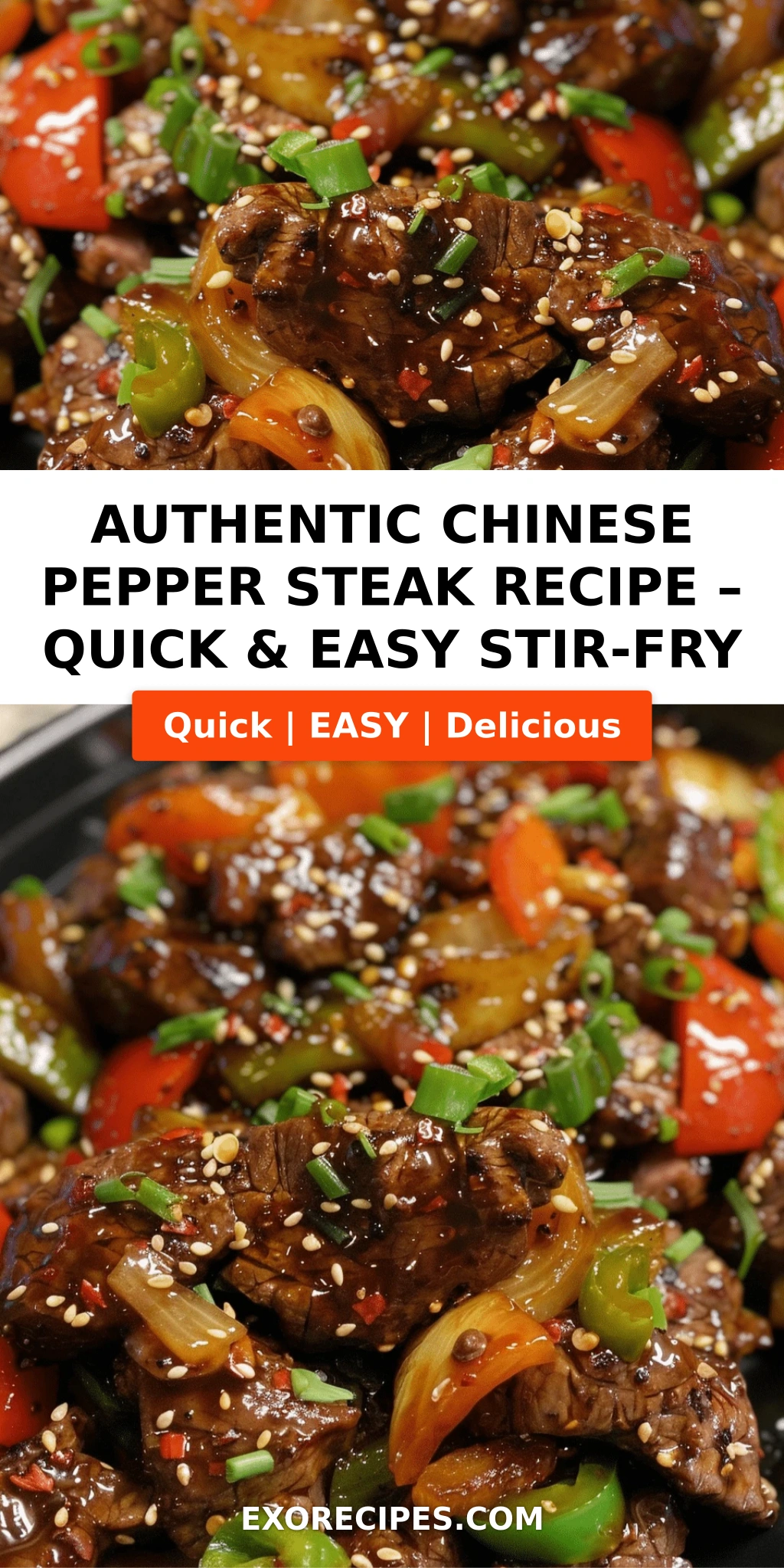
If you enjoyed this Authentic Chinese Pepper Steak Recipe, don’t let it get lost in your browser tabs! 😄 Pin it now so you can find it again anytime — and explore hundreds more tried-and-tested recipes waiting for you on my Pinterest boards.
👉 Follow mia on Pinterest @exorecipe
📌 Pin this recipe · 🔁 Re-pin your favorites · 💬 Tag me when you make it — I love seeing your creations!
Authentic Chinese Pepper Steak Recipe You Can Make at Home
- Prep Time: 20 minutes
- Cook Time: 10 minutes
- Total Time: 30 minutes
- Yield: 4 servings 1x
- Method: Main Course
- Cuisine: Chinese
Description
This authentic Chinese pepper steak recipe is a classic stir-fry dish that combines tender flank steak with bell peppers and a savory black pepper sauce. It’s quick, easy, and perfect for a weeknight dinner.
Ingredients
- 1 1/2 pounds flank steak, sliced thinly against the grain
- 1/4 cup soy sauce
- 2 tablespoons oyster sauce
- 1 tablespoon cornstarch
- 1 teaspoon sugar
- 1/2 teaspoon freshly ground black pepper
- 3 tablespoons vegetable oil, divided
- 1 large onion, thinly sliced
- 2 green bell peppers, sliced into strips
- 2 red bell peppers, sliced into strips
- 4 cloves garlic, minced
- 1 tablespoon fresh ginger, minced
- 1/2 cup beef broth
- 2 teaspoons sesame oil
- Steamed rice, for serving
Instructions
- In a medium bowl, combine sliced flank steak, soy sauce, oyster sauce, cornstarch, sugar, and black pepper. Mix well and let marinate for 15 minutes.
- Heat 2 tablespoons of vegetable oil in a wok or large skillet over high heat until smoking. Add the marinated beef in a single layer and sear for 1-2 minutes per side until browned but not fully cooked. Remove beef and set aside.
- Reduce heat to medium-high and add remaining 1 tablespoon vegetable oil. Add onion and bell peppers, stir-fry for 2-3 minutes until crisp-tender. Add garlic and ginger, cook for 30 seconds.
- Return the beef to the wok, add beef broth, and stir-fry for 1-2 minutes until the sauce thickens and coats the beef and vegetables.
- Drizzle with sesame oil, toss to combine, and serve immediately over steamed rice.
Notes
For best results, slice the flank steak as thinly as possible and ensure your wok or skillet is very hot before adding the meat. You can substitute beef broth with chicken broth if needed.
Nutrition
- Calories: 350
- Sugar: 6 g
- Fat: 18 g
- Carbohydrates: 18 g
- Protein: 28 g
Tried This Recipe? Leave a Comment!
Did you make this recipe? I’d love to hear how it turned out! Please leave a comment and a rating below. Your feedback helps other home cooks and supports cheerychop.com!
For more delicious inspiration, follow me on Pinterest!
