“`html
Table of Contents
Artichoke Lemon Pesto That Delivers Fresh Mediterranean Flavor – Bright, Tangy & Ready in 10 Minutes
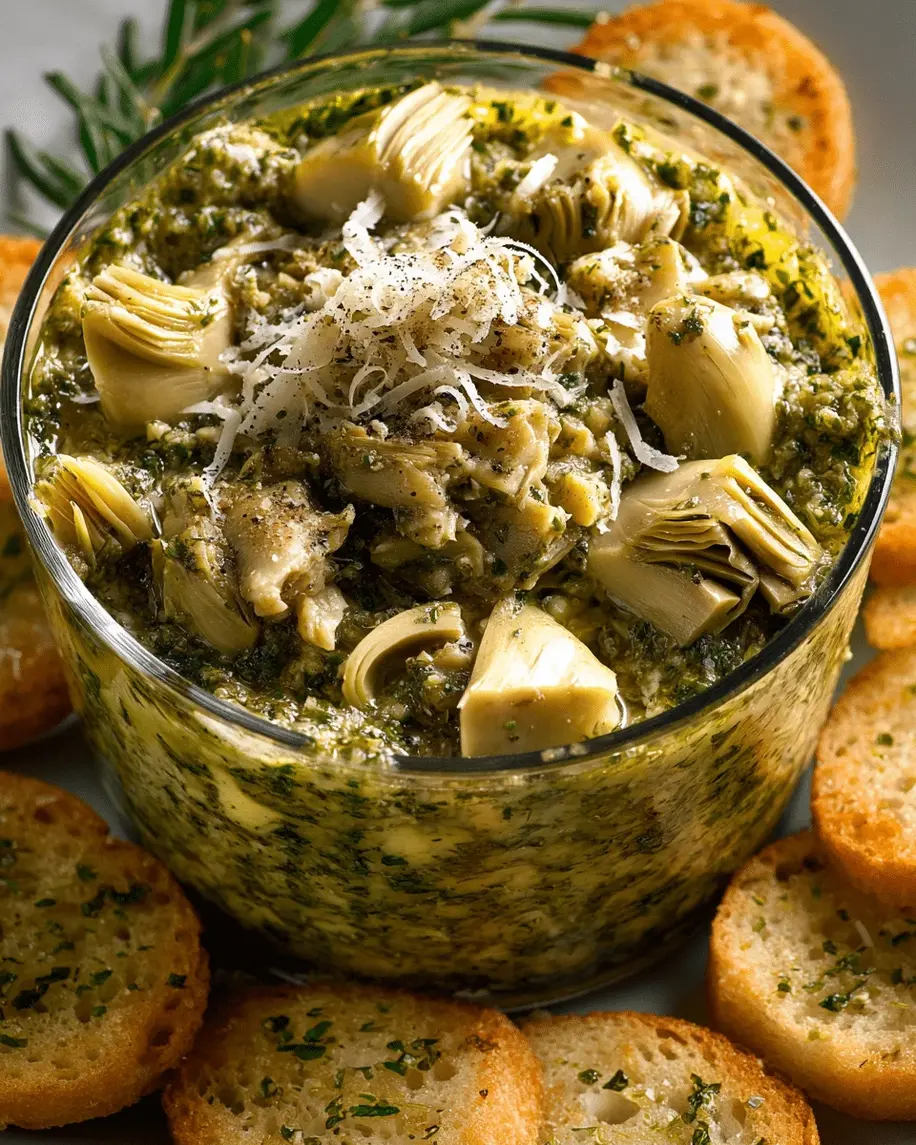
I still remember the first time I made a pesto that wasn’t just basil and pine nuts. I was standing in my tiny Parisian kitchen — barely larger than a closet — with a bag of artichokes I’d grabbed at the Marché d’Aligre. The moment I added lemon zest and a handful of parsley alongside the artichokes, something clicked. This artichoke lemon pesto recipe was born from that spontaneous French-market inspiration, and it has since become one of my most-requested Mediterranean pesto recipe creations. It’s bright, tangy, and utterly irresistible.
The beauty of this fresh lemon pesto lies in its balance. The artichokes bring a subtle, earthy sweetness that softens the sharpness of the lemon, while the basil and parsley weave in herbaceous notes that feel like a sun-drenched Greek island. The pine nuts add a buttery richness, and the Parmesan ties everything together with a salty, nutty depth. When you drizzle in that extra virgin olive oil, the whole mixture transforms into a silky, vibrant sauce that coats pasta, spreads on sandwiches, or becomes the star of your crudité platter.
What sets my version apart is a little trick I picked up during my pastry training in Paris: I pulse the artichokes and herbs first, then stream in the oil slowly. This gives the artichoke pesto sauce a wonderfully creamy texture without any dairy heaviness. Plus, I add a touch of lemon zest right at the end to keep that citrus aroma bright and fresh. Whether you’re a seasoned cook or a beginner looking for an easy homemade pesto, this recipe will make you look like a pro. 💡 mia’s Pro Tip: Use cold-pressed extra virgin olive oil — it makes a real difference.
Why This Artichoke Lemon Pesto Recipe Is the Best
The flavor secret here is the artichoke-lemon combination. Growing up in Morocco, my mother would preserve lemons and use them with everything — including artichokes. That North African citrus记忆 stayed with me, and when I trained in French sauce work in Paris, I learned how to balance acidity with fat to create emulsions that sing. This pesto is the marriage of those two worlds: the bright, tangy punch of lemon and the tender, subtle sweetness of artichokes, all bound together with premium olive oil.
Texture-wise, this pesto is a dream. The key is not to over-process. I pulse the ingredients in stages — first the solids, then the oil — so you get a sauce that’s creamy but still has a little rustic texture. That slight chunkiness is what makes it cling beautifully to pasta and spread evenly on bread. It’s a technique I honed in Paris while making classic pistou, and it works perfectly here.
And it’s foolproof. Even if you’ve never made pesto from scratch, this recipe works. Canned artichokes mean no trimming or boiling — just drain, dump, and blend. Ten minutes from start to finish, and you have a homemade pesto that tastes like you spent hours in the kitchen. That’s the kind of cooking I love: maximum flavor, minimum fuss.
Artichoke Lemon Pesto Recipe Ingredients
When I shop for these ingredients at my local Union Square farmers market in NYC, I look for the freshest herbs and the brightest lemons. The artichokes — I usually grab a good-quality canned or jarred brand — save me the prep time while still delivering that beautiful Mediterranean flavor. Here’s what you’ll need.
Ingredients List
- 1 can (14 oz) artichoke hearts, drained
- 1/2 cup fresh basil leaves
- 1/4 cup fresh parsley
- 1/4 cup grated Parmesan cheese
- 1/4 cup pine nuts
- 2 cloves garlic
- 1 lemon, zested and juiced
- 1/2 cup extra virgin olive oil
- Salt and black pepper to taste
Ingredient Spotlight
Artichoke hearts are the foundation of this pesto. I prefer the ones packed in water or brine — they’re tender and mild. If you find jarred artichokes in oil, drain them well and reduce the olive oil slightly. Basil brings that classic pesto aroma, while parsley adds a fresh, clean finish. Together, they create a more complex herb profile than basil alone. For the lemon, always use a fresh, unwaxed lemon — the zest is where the essential oils live, and it makes the pesto incredibly fragrant.
| Original Ingredient | Best Substitution | Flavor / Texture Impact |
|---|---|---|
| Artichoke hearts (canned) | Frozen artichoke hearts, thawed | Slightly firmer texture, same flavor |
| Pine nuts | Walnuts or almonds | More earthy, slightly less buttery |
| Parmesan cheese | Nutritional yeast (for vegan) | Cheesy flavor without dairy; less salty |
| Fresh basil | Fresh spinach + extra parsley | Milder herb flavor, greener color |
How to Make Artichoke Lemon Pesto — Step-by-Step
Making this pesto is almost too easy — but the results are anything but basic. Follow these steps and you’ll have a vibrant, restaurant-quality sauce in under ten minutes.
Step 1: Combine the Solids
Add the drained artichoke hearts, basil, parsley, Parmesan, pine nuts, garlic, lemon zest, and lemon juice to a food processor. Don’t overfill — if your processor is small, do it in two batches. Pulse a few times to break everything down.
💡 mia’s Pro Tip: Make sure your artichokes are well-drained. Excess liquid will make the pesto watery instead of creamy.
Step 2: Pulse Until Roughly Chopped
Pulse in short bursts — about 8 to 10 pulses — until the mixture is coarsely chopped. You want some texture left, not a puree. Scrape down the sides of the bowl once to ensure even chopping.
⚠️ Common Mistake to Avoid: Don’t let the processor run continuously at this stage. You’ll end up with a paste, and you’ll lose the lovely rustic texture.
Step 3: Stream In the Olive Oil
With the processor running, slowly drizzle in the olive oil through the feed tube. Go slow — this takes about 30 seconds. The mixture will transform from a chunky chop into a smooth, emulsified sauce. Stop once it looks creamy and well-combined.
💡 mia’s Pro Tip: Use a good-quality extra virgin olive oil. It’s the backbone of any pesto, and a fruity, peppery oil elevates the whole dish.
Step 4: Season to Taste
Add salt and black pepper. Remember that Parmesan is already salty, so start with a pinch and go from there. Give it one final pulse to incorporate the seasoning.
⚠️ Common Mistake to Avoid: Tasting too early — the flavors need a moment to meld. Let the pesto sit for a minute after blending, then taste and adjust.
Step 5: Serve or Store
Transfer the pesto to a bowl, or spoon it into a jar for storage. Use immediately, or refrigerate for up to one week. The flavor actually deepens after a day in the fridge — if you can wait that long.
💡 mia’s Pro Tip: To keep the pesto bright green, press a piece of plastic wrap directly onto the surface before sealing the container. This prevents oxidation.
| Step | Action | Duration | Key Visual Cue |
|---|---|---|---|
| 1 | Combine solids in processor | 1 minute | Ingredients evenly distributed |
| 2 | Pulse until chopped | 30 seconds | Rough, chunky texture |
| 3 | Stream in olive oil | 30 seconds | Smooth, emulsified sauce |
| 4 | Season to taste | 30 seconds | Balanced flavor |
| 5 | Serve or store | 1 minute | Bright green, glossy finish |
Serving & Presentation
This artichoke lemon pesto is incredibly versatile. I love tossing it with al dente pasta — trofie or fusilli are my favorites because the pesto clings to every curve. For a lighter meal, spread it on grilled sourdough and top with burrata and cherry tomatoes. It also works beautifully as a dip for fresh crudités or as a sauce for grilled fish or chicken.
When I serve this at dinner parties in my NYC apartment, I like to garnish with a few extra pine nuts, a drizzle of olive oil, and a tiny pinch of flaky sea salt. A few fresh basil leaves on top make it look restaurant-ready. The bright green color against white pasta or bread is always a showstopper.
| Pairing Type | Suggestions | Why It Works |
|---|---|---|
| Side Dish | Grilled vegetables, roasted potatoes, quinoa salad | The pesto adds brightness and richness to simple sides |
| Sauce / Dip | Pasta, pizza, sandwiches, wraps, crudité platter | Creamy texture and tangy flavor complement carbs and veggies |
| Beverage | Crisp white wine (Sauvignon Blanc), sparkling water with lemon | The citrus notes in the pesto echo the wine’s acidity |
| Garnish | Extra pine nuts, fresh basil, lemon zest, flaky sea salt | Adds texture, color, and a burst of fresh flavor |
Make-Ahead, Storage & Reheating
One of the things I love most about this pesto is how meal-prep-friendly it is. I often make a double batch on Sunday and use it throughout the week for quick lunches and dinners. My NYC schedule doesn’t always allow for long cooking sessions, so having a jar of this in the fridge is like having a secret weapon.
| Method | Container | Duration | Reheating Tip |
|---|---|---|---|
| Refrigerator | Airtight glass jar or container | Up to 7 days | Bring to room temperature, stir well |
| Freezer | Freezer-safe jar or ice cube tray | Up to 3 months | Thaw overnight in the fridge, stir before using |
| Make-Ahead | Prepare up to 3 days in advance | 3 days ahead | Layer plastic wrap on surface to prevent browning |
If you’re freezing pesto, I recommend using an ice cube tray — pop out a cube or two whenever you need a quick flavor boost. The texture will be slightly softer after thawing, but the flavor remains vibrant. Just give it a good stir and it’s ready to go.
Variations & Easy Swaps
One of the joys of this recipe is how adaptable it is. Whether you’re cooking for dietary needs or just want to switch things up, these variations have been tested in my kitchen and work beautifully.
| Variation | Key Change | Best For | Difficulty Impact |
|---|---|---|---|
| Vegan Artichoke Pesto | Nutritional yeast for Parmesan | Plant-based meals | Easy |
| Spicy Harissa Pesto | Add 1 tsp harissa paste | Bold, North African flavor | Easy |
| Nut-Free Pesto | Sunflower seeds instead of pine nuts | Nut-free diets | Easy |
Vegan Artichoke Pesto
For a completely plant-based version, swap the Parmesan for nutritional yeast. Use 3 tablespoons of nutritional yeast flakes — they add that savory, cheesy umami without any dairy. I also like to add an extra tablespoon of pine nuts to compensate for the richness. The texture stays creamy, and the flavor is remarkably close to the original.
Spicy Harissa Pesto
This variation is a nod to my Moroccan roots. Add 1 to 2 teaspoons of harissa paste (depending on your heat tolerance) along with the lemon juice. The harissa’s smoky, spicy warmth pairs beautifully with the artichokes and lemon. It’s incredible on roasted vegetables or stirred into couscous. I love serving this version at my NYC dinner parties — it always sparks conversation.
Nut-Free Pesto
If you’re avoiding nuts, replace the pine nuts with raw sunflower seeds. They have a mild, slightly nutty flavor that won’t overpower the artichokes. Toast them lightly in a dry pan for 2-3 minutes to deepen their flavor. The texture will be slightly earthier, but still creamy and delicious. This works beautifully as a spread on sandwiches.
What is the best way to prepare fresh artichokes for making artichoke lemon pesto?
If you’re using fresh artichokes, start by trimming the stems and removing the tough outer leaves until you reach the tender, pale green layers. Cut off the top third of the artichoke and scoop out the fuzzy choke with a spoon. Rub the cut surfaces with lemon to prevent browning. Then steam or boil the artichoke hearts until tender — about 20 to 25 minutes. Let them cool completely before using in the pesto. That said, I often use canned or jarred artichokes for convenience, and the flavor is still wonderful.
Can I use canned or jarred artichokes instead of fresh ones in this pesto recipe?
Absolutely. In fact, this recipe was designed with canned artichoke hearts in mind for maximum convenience. Just make sure to drain them well before adding to the food processor. Jarred artichokes packed in oil will also work — simply reduce the amount of olive oil you add by about 1 to 2 tablespoons to account for the oil already on the artichokes. The flavor will be slightly richer, but still delicious. I’ve tested both versions and they’re equally good.
How long will homemade artichoke lemon pesto last in the refrigerator?
When stored properly in an airtight container, this pesto will stay fresh for up to one week in the refrigerator. To keep it at its best, press a layer of plastic wrap directly onto the surface of the pesto before sealing the container — this prevents oxidation and keeps the color bright green. If you notice any discoloration on the surface, simply stir it in; the flavor underneath is still fine. For longer storage, freeze the pesto in an ice cube tray for up to 3 months.
What are some traditional Mediterranean dishes that pair well with this artichoke lemon pesto?
This pesto is wonderfully versatile in Mediterranean cooking. Toss it with al dente pasta — trofie, fusilli, or orecchiette are ideal. Spread it on grilled flatbread or crostini and top with cherry tomatoes and feta. Use it as a sauce for grilled fish like sea bass or salmon, or drizzle it over roasted vegetables like zucchini and bell peppers. It also makes a fantastic dip for fresh crudités alongside olives and hummus. The bright lemon and artichoke flavors complement so many dishes.
Can I make this artichoke lemon pesto without a food processor?
Yes, you can make this pesto with a high-speed blender or even by hand using a mortar and pestle. If using a blender, work in small batches and use the tamper to push ingredients down. For the hand-chopped version, finely mince the artichokes, herbs, garlic, and pine nuts on a cutting board, then transfer to a bowl and stir in the lemon zest, juice, and olive oil. The texture will be more rustic, but the flavor is just as bright and delicious. I actually love the hand-chopped version for its chunky, artisan feel.
Is this artichoke lemon pesto recipe gluten-free?
Yes, this pesto is naturally gluten-free. All the ingredients — artichokes, herbs, Parmesan, pine nuts, garlic, lemon, and olive oil — are free from gluten. Just be sure to check that your Parmesan cheese is labeled gluten-free, as some aged cheeses can be processed with gluten-containing agents. This makes the pesto a wonderful choice for anyone on a gluten-free diet. Serve it with gluten-free pasta or rice crackers for a complete meal.
What can I use instead of pine nuts in artichoke pesto?
If you don’t have pine nuts, there are several excellent substitutes. Walnuts are my top choice — they add an earthy, slightly bitter note that pairs well with artichokes. Almonds (blanched or slivered) give a milder, sweeter flavor. Sunflower seeds are a great nut-free option that keeps the texture creamy. For a more traditional Mediterranean twist, try using pistachios — they add a beautiful green color and a subtle sweetness. Each substitution will change the flavor slightly, but all are delicious.
How do I keep the pesto from turning brown?
Browning happens when the basil and parsley oxidize. The best way to prevent this is to press a layer of plastic wrap directly onto the surface of the pesto before sealing the container — this blocks air exposure. You can also add a small squeeze of extra lemon juice, as the acidity helps preserve the green color. Storing the pesto in the coldest part of your refrigerator also slows oxidation. If the top layer does turn slightly brown, just stir it in; the flavor underneath is still perfectly good.
Can I add other herbs to this artichoke lemon pesto?
Absolutely. This pesto is a great base for experimenting with herbs. Fresh mint adds a cooling, bright note that works beautifully with the lemon. A few sprigs of fresh dill bring a slightly anise-like flavor that pairs well with seafood. You can also swap some of the parsley for fresh cilantro for a more vibrant, citrusy profile. Just keep the total herb volume roughly the same — about 3/4 cup packed herbs total — so the texture stays balanced. I love adding a few mint leaves in the summer.
What is the best pasta shape for artichoke lemon pesto?
Short, textured pasta shapes are ideal for this pesto because they catch and hold the sauce. Trofie, fusilli, rotini, orecchiette, and farfalle are all excellent choices. The nooks and crannies in these shapes grab every bit of the creamy pesto. If you prefer long pasta, try linguine or fettuccine — just toss well and add a tablespoon of pasta water to help the sauce coat the strands evenly. I personally love trofie with this pesto; it’s a classic Ligurian pairing that never disappoints.
Share Your Version!
I’d love to hear how this artichoke lemon pesto turns out in your kitchen. Did you try one of the variations? Did you invent your own twist? Drop a comment below and let me know — your feedback helps other readers discover new ways to enjoy this recipe. And if you’re on social media, snap a photo of your pesto creation and tag me @exorecipes. I love seeing your beautiful dishes!
Here’s a question for you: What’s your favorite way to use pesto — on pasta, as a dip, or something unexpected? I’m always looking for new ideas, and I read every single comment. So don’t be shy — share your thoughts, your swaps, and your successes. From my NYC kitchen to yours — I hope this recipe brings as much warmth to your table as it does to mine. — mia 🧡
Love This Recipe? Save It to Pinterest!
If you enjoyed this Artichoke Lemon Pesto recipe, don’t let it get lost in your browser tabs! 😄 Pin it now so you can find it again anytime — and explore hundreds more tried-and-tested recipes waiting for you on my Pinterest boards.
👉 Follow mia on Pinterest @exorecipe
📌 Pin this recipe · 🔁 Re-pin your favorites · 💬 Tag me when you make it — I love seeing your creations!
⭐️ Loved this recipe? Share the love!
Tap the stars to rate it, pin it for later, or tag a friend who needs this bright Mediterranean flavor in their life. Every share helps this home cook keep bringing you more recipes from my NYC kitchen to yours. 💛
👇 Drop a comment below — I read every one and I’d love to hear how yours turned out!
“`
Print
Artichoke Lemon Pesto That Delivers Fresh Mediterranean Flavor
- Prep Time: 10 minutes
- Cook Time: 0 minutes
- Total Time: 10 minutes
- Yield: 4 1x
- Method: Side Dish
- Cuisine: Mediterranean
Description
This vibrant artichoke lemon pesto brings the bright, tangy flavors of the Mediterranean to your table in minutes. Perfect for pasta, sandwiches, or as a dip.
Ingredients
- 1 can (14 oz) artichoke hearts, drained
- 1/2 cup fresh basil leaves
- 1/4 cup fresh parsley
- 1/4 cup grated Parmesan cheese
- 1/4 cup pine nuts
- 2 cloves garlic
- 1 lemon, zested and juiced
- 1/2 cup extra virgin olive oil
- Salt and black pepper to taste
Instructions
- Combine artichoke hearts, basil, parsley, Parmesan, pine nuts, garlic, lemon zest, and lemon juice in a food processor.
- Pulse until roughly chopped.
- With the processor running, slowly drizzle in the olive oil until smooth and creamy.
- Season with salt and pepper to taste.
- Serve immediately or store in the refrigerator for up to one week.
Notes
For a vegan version, substitute nutritional yeast for Parmesan and use a vegan-friendly pesto base.
Nutrition
- Calories: 220
- Sugar: 1g
- Fat: 20g
- Carbohydrates: 6g
- Protein: 5g
Tried This Recipe? Leave a Comment!
Did you make this recipe? I’d love to hear how it turned out! Please leave a comment and a rating below. Your feedback helps other home cooks and supports cheerychop.com!
For more delicious inspiration, follow me on Pinterest!
