Table of Contents
Anti-Inflammatory Vegetable and Pasta Soup – A Healing Bowl of Comfort
I still remember the first time I made this anti-inflammatory soup recipe in my tiny NYC apartment kitchen. It was a gray, drizzly afternoon and I was missing my mother’s kitchen in Morocco — the way she would slowly coax flavor out of onions and turmeric, filling our home with a warmth that had nothing to do with the stove. I trained at Le Cordon Bleu in Paris, learning classical French technique and the art of building layers of flavor, but this soup comes straight from my roots. It’s an anti-inflammatory vegetable and pasta soup that combines the healing spices of North Africa with the comfort of a classic American vegetable soup. The unique twist? I add a generous pinch of black pepper alongside the turmeric — a trick I learned from an herbalist at the Union Square Greenmarket — because it boosts curcumin absorption by up to 2,000%.
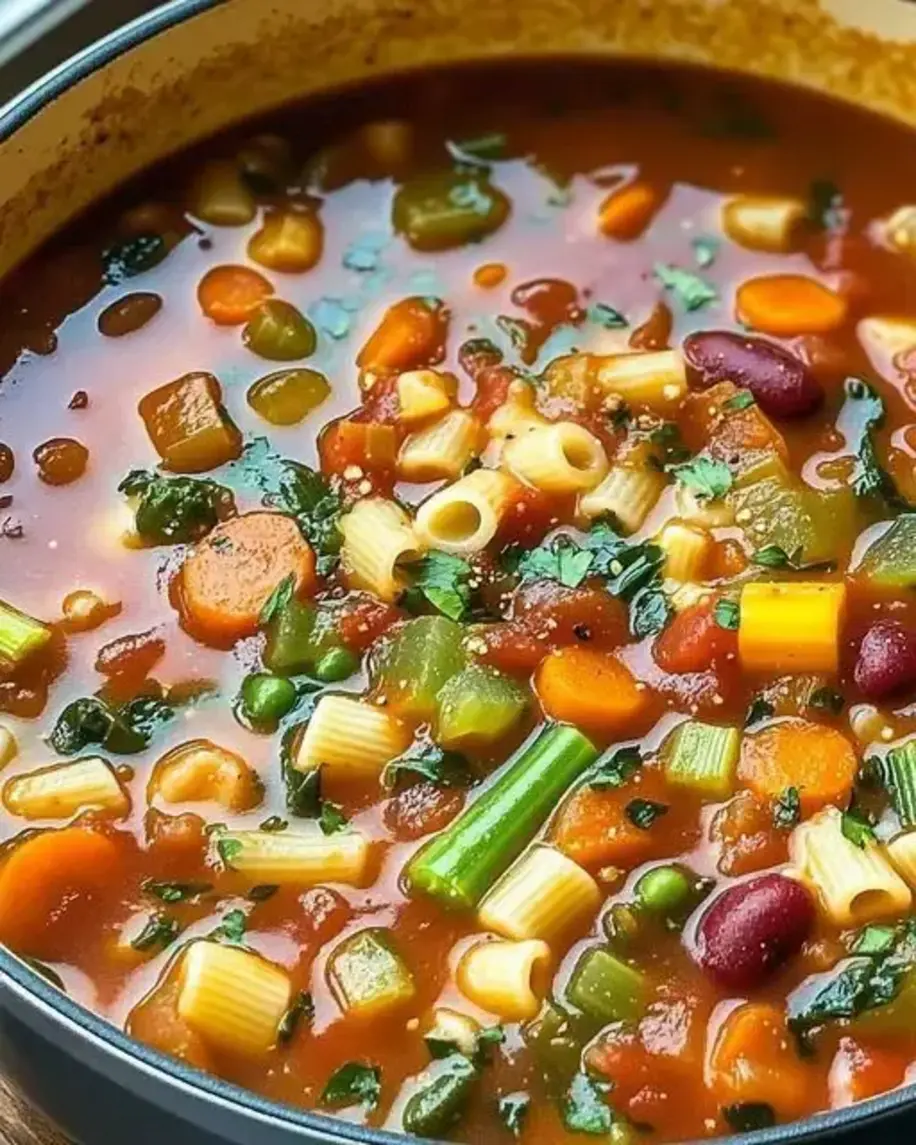
Imagine a pot simmering on your stove: the golden-orange broth, flecked with deep green kale and tender orange carrots, tiny pasta swimming alongside creamy cannellini beans. The aroma hits you in waves — first the pungent warmth of ginger and turmeric, then the bright lift of fresh lemon and parsley. Every spoonful is both soothing and invigorating, with a gentle heat that settles deep in your chest. The vegetables soften just enough to meld into the broth while still holding their shape, and the whole-wheat pasta adds a nutty, chewy counterpoint. It’s the kind of soup that makes you close your eyes on the first bite and breathe a little deeper.
What sets my version apart is the method: I sweat the aromatics low and slow before adding any liquid, a classic French technique called suer that draws out maximum sweetness and depth. Then I add the spices right after the vegetables, blooming them in the hot oil to unlock their full potential. It’s a small step that makes a world of difference. I’ve tested this recipe a dozen times with my NYC neighbors — busy professionals, fellow food bloggers, skeptical friends — and every single person has asked for the recipe. Whether you’re new to cooking or a seasoned home chef, this immune boosting soup is forgiving, flexible, and deeply rewarding.
Why This Anti-Inflammatory Vegetable and Pasta Soup Recipe Is the Best
The Flavor Secret: Most vegetable soups rely on stock alone for flavor. I take a different approach, inspired by the tagines of my Moroccan childhood. I bloom turmeric, ginger, and black pepper in olive oil at the start of cooking — this fat-soluble step releases their essential oils and makes the spices taste deeper, warmer, and more aromatic. It’s the same principle behind toasting spices before grinding them, and it transforms this healthy vegetable soup from everyday into extraordinary.
Perfected Texture: The biggest complaint I hear about homemade vegetable pasta soup is mushy vegetables or overcooked pasta. I solved this by staggering the additions: hearty vegetables like carrots and celery go in early, while delicate greens and pasta are timed to finish together. The cannellini beans add creaminess without dairy, and the lemon juice stirred in at the very end brightens every flavor. The result is a soup where each element retains its own character while contributing to a harmonious whole.
Foolproof & Fast: From start to finish, this anti-inflammatory soup recipe takes just 40 minutes — and most of that is hands-off simmering. The ingredient list uses pantry staples you can find at any US grocery store, and the method is forgiving enough for a beginner but nuanced enough to impress. Plus, it stores beautifully for meal prep, which is essential for my busy NYC lifestyle.
Anti-Inflammatory Soup Ingredients
When I shop for this homemade vegetable pasta soup, I head straight to the farmers market at Union Square, where I can find the freshest turmeric root and the most vibrant kale. But I’ve made this with standard grocery store produce countless times, and it always delivers. Here’s everything you’ll need.
Ingredients List
- 2 tablespoons olive oil
- 1 large onion, diced
- 3 cloves garlic, minced
- 2 carrots, diced
- 2 celery stalks, diced
- 1 zucchini, diced
- 1 cup chopped kale or spinach
- 1 can (14.5 oz) diced tomatoes, undrained
- 6 cups vegetable broth (low sodium)
- 1 teaspoon dried turmeric
- 1 teaspoon dried ginger
- 1/2 teaspoon black pepper (to enhance turmeric absorption)
- 1/2 teaspoon salt (or to taste)
- 1 cup whole-wheat small pasta (e.g., ditalini or orzo)
- 1 can (15 oz) cannellini beans, drained and rinsed
- 2 tablespoons fresh lemon juice
- 1/4 cup chopped fresh parsley or cilantro
Ingredient Spotlight
Turmeric: This is the star anti-inflammatory agent in the soup. When shopping, look for dried turmeric that is bright orange-yellow and fragrant — if it smells musty or looks pale, it’s old. For the best immune boosting soup, always pair turmeric with black pepper; piperine in pepper dramatically increases curcumin absorption. Fresh turmeric root can be substituted (use a 1-inch piece, grated), but dried is more convenient and still highly effective.
Whole-Wheat Pasta: I use ditalini or orzo for this vegetable pasta soup because their small size distributes evenly through every spoonful. Whole-wheat pasta adds fiber, a nutty flavor, and a firmer texture that holds up better in soup than white pasta. If you can’t find whole-wheat, regular semolina pasta works perfectly — just be mindful that it may cook slightly faster.
Cannellini Beans: These creamy white beans add protein and body without overpowering the delicate vegetables. I always use canned beans for speed, but if you have time, cook dried beans from scratch — the broth will be even richer. Rinse them well to remove excess sodium. Navy beans or great northern beans make excellent substitutes with a similar creamy texture.
Kale: Lacinato kale (also called dinosaur kale) is my top choice for this homemade vegetable pasta soup because it holds its shape and has a milder, slightly sweet flavor. Curly kale works too but needs a bit longer to tenderize. If you prefer spinach, add it in the last two minutes of cooking so it just wilts without turning mushy.
| Original Ingredient | Best Substitution | Flavor / Texture Impact |
|---|---|---|
| Dried turmeric | 1-inch fresh turmeric, grated | More vibrant, slightly earthier; color is even deeper |
| Whole-wheat pasta | Gluten-free pasta (rice or chickpea) | Slightly softer texture; chickpea pasta adds protein and a nutty note |
| Cannellini beans | Navy beans or great northern beans | Nearly identical creaminess; navy beans are slightly smaller |
| Kale | Spinach or Swiss chard | Spinach is milder and softer; chard adds earthiness and color |
| Vegetable broth | Chicken broth or bone broth | Richer umami; bone broth adds collagen and deeper body |
How to Make Anti-Inflammatory Vegetable and Pasta Soup — Step-by-Step
This immune boosting soup comes together in one pot with minimal fuss. Follow these steps and you’ll have a deeply flavorful, healing bowl of comfort in under an hour.
Step 1: Sweat the Aromatics
Heat the olive oil in a large pot over medium heat. Add the diced onion and cook, stirring occasionally, until softened and translucent — about 5 minutes. You’re not looking for color here; just gentle softening. This is the French suer technique I mentioned, and it builds a sweet, mellow foundation for the whole soup.
💡 mia’s Pro Tip: If your onion starts to brown, your heat is too high. Lower it and add a splash of water or broth to cool the pan. Patience at this stage pays off with a sweeter, more complex broth.
Step 2: Add the Vegetables and Spices
Add the minced garlic, diced carrots, diced celery, and diced zucchini. Cook for another 5 minutes, stirring occasionally, until the vegetables begin to soften and the garlic is fragrant. Then stir in the chopped kale (or spinach) and cook until wilted — about 2 minutes. Now add the turmeric, ginger, black pepper, and salt, and stir for 30 seconds to bloom the spices in the hot oil. Your kitchen will smell incredible at this point.
⚠️ Common Mistake to Avoid: Adding the spices dry to the broth without blooming them first. Blooming in oil unlocks their essential oils and deepens their flavor. If you skip this step, the spices will taste flat and dusty rather than warm and aromatic.
Step 3: Build the Broth
Pour in the diced tomatoes (with their juices) and the vegetable broth. Bring the mixture to a boil over high heat. Once boiling, reduce the heat to maintain a steady simmer. The tomatoes add acidity and body, while the broth forms the savory backbone. This is where the soup starts to come together as a cohesive whole.
💡 mia’s Pro Tip: Use low-sodium broth so you can control the salt level yourself. Full-sodium broths vary wildly between brands, and you can always add more salt at the end — but you can’t take it out.
Step 4: Cook the Pasta and Beans
Stir in the whole-wheat pasta and the drained, rinsed cannellini beans. Reduce the heat to a gentle simmer and cook until the pasta is tender — about 8 to 10 minutes, or according to the package directions. Stir occasionally to prevent the pasta from sticking to the bottom. The beans will soften slightly and release a little starch, which naturally thickens the broth.
⚠️ Common Mistake to Avoid: Overcooking the pasta. Since the soup will continue to sit and the pasta will absorb more liquid, cook it just until al dente. If you plan to have leftovers, consider cooking the pasta separately and adding it to individual bowls — that way it won’t turn mushy when reheated.
Step 5: Finish and Serve
Remove the pot from the heat. Stir in the fresh lemon juice — this brightens every flavor and balances the earthy spices. Taste and adjust the seasoning with additional salt or pepper if needed. Ladle the soup into warm bowls and garnish generously with fresh parsley or cilantro. The lemon and herbs add a fresh, vibrant finish that lifts the whole bowl.
💡 mia’s Pro Tip: Don’t skip the lemon juice — it’s not just a garnish. Acidity at the end of cooking brightens all the flavors and makes the spices taste more vibrant. In Morocco, we call this tarteel — the final adjustment that brings a dish to life.
| Step | Action | Duration | Key Visual Cue |
|---|---|---|---|
| 1 | Sweat onion in olive oil | 5 minutes | Onion is translucent, not brown |
| 2 | Add vegetables, garlic, kale; bloom spices | 7–8 minutes | Kale is wilted, spices are fragrant |
| 3 | Add tomatoes and broth; bring to boil | 5 minutes to boil | Broth is steaming and bubbling |
| 4 | Add pasta and beans; simmer | 8–10 minutes | Pasta is al dente, beans are tender |
| 5 | Finish with lemon and herbs | 1 minute | Broth brightens, herbs float on top |
Serving & Presentation
This homemade vegetable pasta soup is a meal in itself, but the way you serve it can elevate it from a simple weeknight dinner to something truly special. I love to ladle it into wide, shallow bowls so you can see all the colorful vegetables suspended in the golden broth. A generous sprinkle of fresh parsley or cilantro on top adds a pop of green, and a drizzle of extra-virgin olive oil just before serving brings a silky richness that ties everything together.
In my NYC kitchen, I often serve this soup with a hunk of crusty sourdough from my local bakery for dipping — the chewy bread soaks up every last drop of the spiced broth. Sometimes I’ll add a dollop of pesto or a swirl of Greek yogurt for creaminess. If I’m feeling nostalgic for Morocco, I’ll serve it alongside a simple salad of sliced oranges, olives, and red onion with a drizzle of argan oil — a combination that my mother taught me and that perfectly complements the warm spices in the soup.
For a cozy dinner party, I set up a small topping bar with extra fresh herbs, lemon wedges, red pepper flakes, and grated Parmesan (or nutritional yeast for a dairy-free option). Guests can customize their bowls, which makes the meal feel interactive and fun. This anti-inflammatory soup recipe also pairs beautifully with a simple green salad dressed with lemon vinaigrette or a side of roasted vegetables.
| Pairing Type | Suggestions | Why It Works |
|---|---|---|
| Side Dish | Crusty sourdough, garlic bread, or herbed croutons | Soaks up the flavorful broth; adds crunch and texture contrast |
| Sauce / Dip | Pesto, harissa, or Greek yogurt with lemon | Adds creaminess or heat; harissa echoes North African roots |
| Beverage | Mint tea, dry white wine (Sauvignon Blanc), or sparkling water with lemon | Mint tea complements the spices; white wine cuts through richness |
| Garnish | Fresh parsley, cilantro, lemon zest, red pepper flakes, olive oil drizzle | Brightens and freshens each bowl; adds color and aroma |
Make-Ahead, Storage & Reheating
This vegetable pasta soup is one of my favorite meal-prep recipes for a busy NYC week. I often make a double batch on Sunday and portion it out for lunches. The flavors actually deepen and meld overnight, so day two and three are even better than day one. Here’s my tested system for storing and reheating so the pasta stays just right and the vegetables retain their texture.
| Method | Container | Duration | Reheating Tip |
|---|---|---|---|
| Refrigerator | Airtight container (glass or BPA-free plastic) | Up to 5 days | Reheat gently on stovetop over medium-low, adding a splash of broth or water to loosen. Microwave in 30-second bursts, stirring between each. |
| Freezer | Freezer-safe zip-top bag or rigid container (leave 1 inch headspace) | Up to 3 months | Thaw overnight in the refrigerator. Reheat on stovetop; the pasta will be softer but still delicious. Stir in a squeeze of fresh lemon before serving. |
| Make-Ahead | Prepare soup without pasta; store separately | Up to 3 days (pasta-free base) | Cook pasta fresh when serving and add to individual bowls. This prevents the pasta from absorbing too much broth and becoming mushy. |
One thing I’ve learned from years of testing: this immune boosting soup thickens as it sits because the pasta continues to absorb liquid. When reheating, I always add a splash of vegetable broth or water to restore the consistency. Then I taste and adjust the seasoning — sometimes a little extra salt or lemon juice is needed to bring it back to life. If I’m packing it for work, I’ll undercook the pasta slightly so it finishes cooking during reheating and stays perfectly al dente.
For longer freezer storage, I recommend making the base without the pasta and beans. Freeze the vegetable-and-broth base in portions, then add freshly cooked pasta and beans when you’re ready to serve. This method gives you the freshest texture and keeps the beans from breaking down during freezing and thawing.
Variations & Easy Swaps
One of the things I love most about this homemade vegetable pasta soup is how adaptable it is. Over the years, I’ve developed several variations that cater to different dietary needs, seasonal produce, and flavor preferences. Each version has been tested in my own kitchen, so you can swap with confidence.
| Variation | Key Change | Best For | Difficulty Impact |
|---|---|---|---|
| Harissa & Chickpea | Add 1–2 tbsp harissa paste; swap cannellini for chickpeas | Spice lovers; North African flavor boost | No added difficulty |
| Gluten-Free | Use gluten-free pasta (brown rice, chickpea, or lentil) | Gluten-free diets; celiac-friendly meal | No added difficulty; check pasta cook time |
| Low-Carb / Keto | Replace pasta with cauliflower florets or zucchini noodles | Low-carb or ketogenic diets | Easy; add cauliflower early, zucchini noodles at the end |
Harissa & Chickpea Variation
For a spicy North African twist, stir in 1 to 2 tablespoons of harissa paste along with the tomatoes. Harissa — a smoky, spicy chili paste from Tunisia and Morocco — adds complexity and a gentle heat that pairs beautifully with turmeric and ginger. Swap the cannellini beans for chickpeas, which have a firmer texture that holds up to the bold flavors. This version reminds me of the soups my grandmother would make in Marrakech, served with a wedge of lemon and a handful of fresh mint. Start with 1 tablespoon of harissa and taste before adding more; the heat level varies by brand.
Gluten-Free Variation
Making this vegetable pasta soup gluten-free is straightforward. Use any gluten-free pasta you like — brown rice pasta is my top pick for its neutral flavor and firm texture, while chickpea or lentil pasta adds extra protein and a subtle nuttiness. Be aware that gluten-free pasta can become mushy more quickly than wheat pasta, so cook it just until al dente and avoid boiling it vigorously. I recommend cooking the pasta separately and adding it to each bowl, especially if you plan to have leftovers. The rest of the recipe is naturally gluten-free, including the broth, spices, and beans.
Low-Carb Variation
If you’re watching your carbs, you can easily transform this into a low-carb meal without losing any of the comforting flavor. Replace the pasta with 2 cups of small cauliflower florets — add them along with the zucchini in step 2 so they have time to soften. For an even lighter option, stir in spiralized zucchini noodles (zoodles) in the last 2 minutes of cooking. The cauliflower absorbs the spiced broth beautifully and provides a similar bite to pasta. You can also add an extra can of beans for more protein and fiber to keep the soup satisfying.
What vegetables are best for an anti-inflammatory vegetable and pasta soup?
The best vegetables for an anti-inflammatory vegetable and pasta soup are those rich in antioxidants, fiber, and phytonutrients. I recommend carrots for beta-carotene, celery for its anti-inflammatory flavonoids, zucchini for vitamin C and easy digestibility, and dark leafy greens like kale or spinach for their high levels of vitamins A, C, and K. Onions and garlic are essential too — they contain sulfur compounds that support immune function. You can also add sweet potatoes, bell peppers, or broccoli for extra nutrients and color. The key is to use a variety of colorful vegetables to maximize the range of anti-inflammatory compounds in every bowl.
Can I use gluten-free pasta in an anti-inflammatory vegetable soup?
Absolutely, you can use gluten-free pasta in this anti-inflammatory vegetable soup with excellent results. Brown rice pasta is my top recommendation because it has a neutral flavor that doesn’t compete with the spices and a firm texture that holds up reasonably well in broth. Chickpea and lentil pastas also work wonderfully — they add extra protein and fiber, which makes the soup even more satisfying and nutritious. The key is to cook gluten-free pasta just until al dente, as it tends to soften faster than wheat pasta. For the best texture, especially if you’re planning leftovers, I suggest cooking the pasta separately and adding it to individual bowls when serving. This prevents it from absorbing too much liquid and becoming mushy.
How long should I simmer anti-inflammatory vegetable and pasta soup for the best flavor?
For the best flavor development, I recommend simmering this anti-inflammatory vegetable and pasta soup for a total of 25 to 30 minutes after adding the broth. The first 15 minutes allow the vegetables to soften and release their natural sweetness into the liquid, while the remaining 10 to 15 minutes cook the pasta and allow the spices — turmeric, ginger, and black pepper — to fully infuse the broth. You’ll know the flavor has peaked when the broth turns a deep golden-orange and tastes rich, aromatic, and well-rounded. If you have time, let the soup rest off the heat for 10 minutes before serving; the flavors continue to meld as it cools slightly.
What can I substitute for pasta to make this soup lower in carbs?
There are several excellent low-carb substitutes for pasta in this anti-inflammatory soup. My top recommendation is cauliflower florets — simply cut them into small, pasta-like pieces and add them along with the other vegetables. They absorb the spiced broth beautifully and provide a similar tender bite. Another great option is spiralized zucchini noodles (zoodles), which you add in the last 2 to 3 minutes of cooking so they warm through without becoming mushy. For a heartier low-carb alternative, try cubes of celery root (celeriac) or turnip, which have a pleasant texture and mild flavor that pairs well with the anti-inflammatory spices. You can also simply double the beans and skip the pasta entirely for a protein-rich, low-carb bowl.
How do I make this anti-inflammatory soup more filling for a main meal?
To make this anti-inflammatory vegetable and pasta soup more substantial as a main meal, I recommend adding extra protein and healthy fats. Shredded cooked chicken breast or thigh meat stirs in beautifully and adds lean protein without overpowering the flavors. For a plant-based option, add a second can of cannellini beans or a cup of cooked chickpeas — both are rich in fiber and protein. A dollop of Greek yogurt or a swirl of coconut milk on top adds creaminess and healthy fats that make the soup more satiating. You can also serve it with a generous slice of crusty sourdough for dipping, or top each bowl with a poached or soft-boiled egg for an extra protein boost that turns this immune boosting soup into a complete meal.
Can I freeze anti-inflammatory vegetable and pasta soup?
Yes, you can freeze this anti-inflammatory vegetable and pasta soup, but I recommend a specific approach for the best results. Freeze the soup base — the vegetables, broth, and spices — without the pasta and beans, as these ingredients change texture during freezing and thawing. Store the base in freezer-safe containers or zip-top bags for up to 3 months. When you’re ready to serve, thaw the base overnight in the refrigerator, then bring it to a simmer and add fresh pasta and beans. Cook until the pasta is tender, then finish with lemon juice and herbs. If you’ve already added the pasta, the soup will still be delicious after freezing, but the pasta will be noticeably softer. I always freeze individual portions so I can defrost just what I need.
What can I use instead of turmeric in this soup?
If you don’t have turmeric or prefer not to use it, there are several suitable substitutes that will still give your soup anti-inflammatory properties and vibrant color. Fresh ginger can step in — use the same amount (1 teaspoon dried or 1-inch fresh, grated) for a warm, slightly spicy note, though it won’t provide the same golden hue. Saffron threads (a generous pinch soaked in 2 tablespoons of warm broth) will impart a beautiful yellow-orange color and a delicate floral flavor, though it’s more expensive. Curry powder contains turmeric as one of its ingredients and can be used as a 1:1 substitute, but it will also add other spices like cumin and coriander that change the flavor profile. For the most authentic anti-inflammatory benefit, I recommend sourcing turmeric — it’s widely available and truly irreplaceable in this recipe.
How do I store and reheat this soup so the pasta doesn’t get mushy?
The best way to keep the pasta from getting mushy when storing this anti-inflammatory vegetable pasta soup is to cook the pasta separately and add it to individual servings. If you’ve already combined everything, don’t worry — you can still salvage the texture. Store the soup in an airtight container in the refrigerator for up to 5 days. When reheating, use a stovetop over medium-low heat and add a splash of vegetable broth or water to loosen the soup, as the pasta will have absorbed some liquid. Reheat gently, stirring occasionally, just until hot — avoid boiling, which will further soften the pasta. For microwave reheating, use 30-second bursts at 70% power, stirring between each. The pasta will be softer than day one, but the deep, developed flavors more than make up for it.
Is this anti-inflammatory vegetable and pasta soup good for meal prep?
This anti-inflammatory vegetable and pasta soup is excellent for meal prep, and I rely on it every week in my own NYC kitchen. The flavors deepen and improve over the first 2 to 3 days, making it one of those rare soups that tastes even better as leftovers. For the best meal-prep results, I recommend cooking the pasta separately and storing it in a different container from the soup base. This way, you can combine them when you’re ready to eat and the pasta stays perfectly al dente. The soup base alone keeps well in the refrigerator for up to 5 days, and it also freezes beautifully for up to 3 months. Portion it into individual containers for grab-and-go lunches, and don’t forget to pack a lemon wedge to squeeze fresh before eating — it brightens everything back up.
How can I add more protein to this vegetable and pasta soup?
There are many easy ways to add more protein to this anti-inflammatory vegetable and pasta soup. Shredded cooked chicken (rotisserie chicken works great) can be stirred in during the last 5 minutes of simmering — use about 1.5 cups for 6 servings. For a plant-based protein boost, add an extra can of beans — chickpeas, navy beans, or lentils all work beautifully. Firm tofu, crumbled and sautéed until golden, adds texture and absorbs the spiced broth. A poached egg on top of each serving is another favorite — the runny yolk enriches the broth and adds protein. For a vegan option, stir in 2 tablespoons of nutritional yeast at the end for a cheesy, protein-rich flavor without dairy. Each of these additions keeps the soup balanced while making it more substantial for a main meal.
Share Your Version!
I absolutely love hearing how this anti-inflammatory vegetable and pasta soup turns out in your kitchen. Every time someone tags me in their photo or leaves a comment, it reminds me why I do this — to share the warmth and healing that a simple pot of soup can bring. Have you tried a variation I haven’t thought of? Did you add a spice from your own heritage or swap in a vegetable from your farmers market? Tell me all about it in the comments below!
If you found this recipe helpful, I’d be so grateful if you left a star rating ⭐⭐⭐⭐⭐ and a quick review. It helps other home cooks find this immune boosting soup and gives me the fuel to keep creating recipes from my NYC kitchen. And don’t forget to snap a photo and tag @exorecipes on Instagram or Pinterest — I love seeing your beautiful bowls and sharing them with our community. Leave a comment and let me know: what’s your favorite way to make this soup your own?
From my NYC kitchen to yours — I hope this recipe brings as much warmth to your table as it does to mine. — mia 🧡
Love This Recipe? Save It to Pinterest!
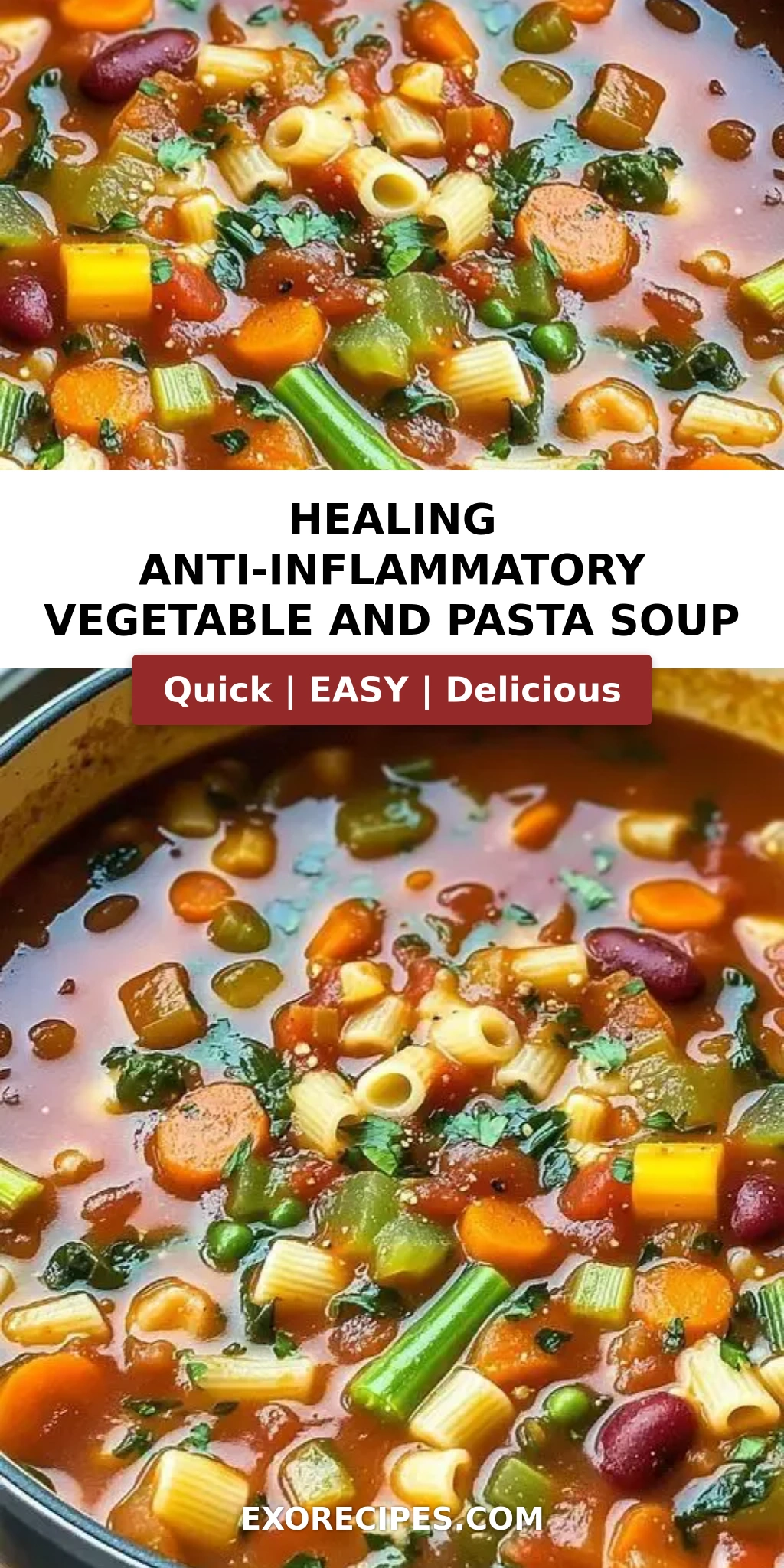
If you enjoyed this Anti-Inflammatory Vegetable and Pasta Soup recipe, don’t let it get lost in your browser tabs! 😄 Pin it now so you can find it again anytime — and explore hundreds more tried-and-tested recipes waiting for you on my Pinterest boards.
👉 Follow mia on Pinterest @exorecipe
📌 Pin this recipe · 🔁 Re-pin your favorites · 💬 Tag me when you make it — I love seeing your creations!
Anti-Inflammatory Vegetable and Pasta Soup
- Prep Time: 15 minutes
- Cook Time: 25 minutes
- Total Time: 40 minutes
- Yield: 6 1x
- Method: Soup
- Cuisine: American
Description
A comforting and healing soup packed with anti-inflammatory vegetables, herbs, and whole-wheat pasta, perfect for soothing inflammation and boosting immunity.
Ingredients
- 2 tablespoons olive oil
- 1 large onion, diced
- 3 cloves garlic, minced
- 2 carrots, diced
- 2 celery stalks, diced
- 1 zucchini, diced
- 1 cup chopped kale or spinach
- 1 can (14.5 oz) diced tomatoes, undrained
- 6 cups vegetable broth (low sodium)
- 1 teaspoon dried turmeric
- 1 teaspoon dried ginger
- 1/2 teaspoon black pepper (to enhance turmeric absorption)
- 1/2 teaspoon salt (or to taste)
- 1 cup whole-wheat small pasta (e.g., ditalini or orzo)
- 1 can (15 oz) cannellini beans, drained and rinsed
- 2 tablespoons fresh lemon juice
- 1/4 cup chopped fresh parsley or cilantro
Instructions
- 1. In a large pot, heat olive oil over medium heat. Add onion and cook until softened, about 5 minutes.
- 2. Add garlic, carrots, celery, and zucchini. Cook for another 5 minutes, stirring occasionally.
- 3. Stir in the kale or spinach and cook until wilted, about 2 minutes.
- 4. Add the diced tomatoes (with their juices), vegetable broth, turmeric, ginger, black pepper, and salt. Bring to a boil.
- 5. Stir in the pasta and cannellini beans. Reduce heat to a simmer and cook until pasta is tender, about 8-10 minutes (or according to pasta package directions).
- 6. Remove from heat. Stir in fresh lemon juice and adjust seasoning if needed.
- 7. Ladle into bowls and garnish with fresh parsley or cilantro before serving.
Notes
For extra protein, add shredded cooked chicken or tofu. This soup keeps well in the refrigerator for up to 5 days. The flavors deepen as it sits.
Nutrition
- Calories: 320
- Sugar: 8g
- Fat: 9g
- Carbohydrates: 45g
- Protein: 12g
Tried This Recipe? Leave a Comment!
Did you make this recipe? I’d love to hear how it turned out! Please leave a comment and a rating below. Your feedback helps other home cooks and supports cheerychop.com!
For more delicious inspiration, follow me on Pinterest!
