Table of Contents
Thai-Style Coconut Lime Fish Soup
Introduction
Did you know that a single bowl of a well-crafted Thai-style soup can deliver over 70% of your daily vitamin C needs while providing a powerful anti-inflammatory boost? This Thai-Style Coconut Lime Fish Soup is more than just a meal; it’s a vibrant, fragrant journey to the heart of Southeast Asian cuisine, designed to nourish your body and delight your senses. Combining flaky white fish in a creamy coconut milk broth that’s brightened with a generous splash of lime and a handful of fresh herbs, this recipe is a perfect symphony of comfort and zest. Whether you’re seeking a quick weeknight dinner that feels gourmet or a stunning dish to impress guests, this soup delivers. Let’s dive into how you can bring this aromatic masterpiece to your table.
Ingredients List
Gathering fresh, high-quality ingredients is the secret to unlocking the authentic, layered flavors of this soup. Here’s what you’ll need:
- For the Broth:
- 1 tbsp coconut oil or neutral oil – For a subtle tropical fragrance.
- 1 small onion or 2 shallots, finely chopped – The sweet, aromatic base.
- 3 cloves garlic, minced – For that essential pungent depth.
- 1-inch piece of ginger, grated – Adds a warm, spicy zing.
- 1-2 Thai bird’s eye chilies, thinly sliced (or 1 tsp chili paste) – Adjust for your heat preference. Substitution: 1/2 tsp red pepper flakes.
- 1 stalk lemongrass, bruised and cut into 3-inch pieces – The citrusy, floral heart of the soup. Substitution: 1 tbsp lemongrass paste.
- 4 cups fish stock or vegetable broth – Use homemade for the best flavor. Substitution: Low-sodium chicken broth.
- 1 (13.5 oz) can full-fat coconut milk – Shake the can well! This provides the luxurious, creamy body.
- 2 tbsp fish sauce – The umami backbone. Substitution: Soy sauce or tamari (for a vegetarian version, but flavor will differ).
- 1 tbsp coconut sugar or palm sugar – Balances the acidity and saltiness. Substitution: Light brown sugar.
- For the Fish & Finish:
- 1.5 lbs firm white fish fillets (like cod, halibut, or snapper), cut into 1-inch chunks – Look for fillets that are pearly white and smell clean, like the ocean.
- Juice of 2-3 limes (about 1/4 cup) – Freshly squeezed is non-negotiable for that bright, tangy finish.
- 1 cup cherry tomatoes, halved – They burst with sweetness in the hot broth.
- 1 cup mushrooms, sliced (shiitake or oyster work great) – Adds an earthy, meaty texture.
- Fresh herbs: A large handful of cilantro and Thai basil, roughly chopped – The final aromatic flourish.
- Lime wedges, extra chilies, and herbs for serving
Timing
15 minutes
20 minutes
35 minutes
This Thai-Style Coconut Lime Fish Soup comes together in about 35 minutes from start to finish. Compared to many traditional soups that require hours of simmering, this recipe is remarkably swift. The secret is in the quick-cooking nature of the fish and the fact that we’re building a broth infused with potent aromatics, not a long-simmered stock. The 15-minute prep is mostly chopping—a perfect time to put on some music and get into the rhythm of cooking.
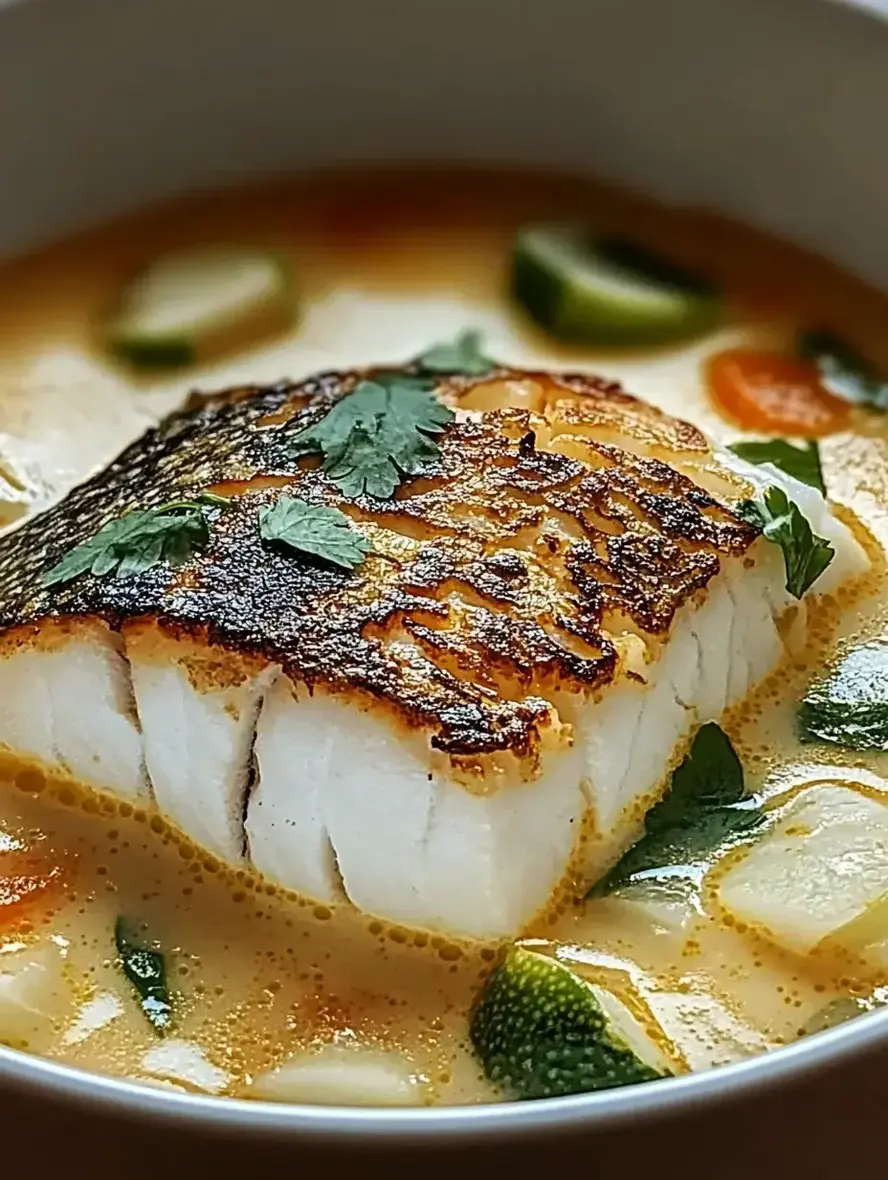
A vibrant bowl of Thai-Style Coconut Lime Fish Soup, featuring flaky white fish in a creamy coconut broth with tomatoes, mushrooms, and fresh herbs.
Step-by-Step Instructions
Step 1: Prepare Your Aromatics
This step is about building your flavor foundation. Heat the coconut oil in a large pot or Dutch oven over medium heat. Add the chopped onion and sauté for 3-4 minutes until it becomes soft and translucent. Now, add the minced garlic, grated ginger, and sliced chilies. Stir constantly for about 60 seconds—just until incredibly fragrant. You’re toasting the spices, not burning them. This quick bloom unlocks their essential oils. Add the bruised lemongrass pieces and give everything a quick stir.
Step 2: Build the Broth
Pour in the fish stock, followed by the entire can of coconut milk. Stir gently to combine. Add the fish sauce and coconut sugar. Bring the mixture to a gentle simmer—not a rolling boil—over medium-high heat. Let it simmer uncovered for 10 minutes. This allows the flavors to meld beautifully and the broth to reduce slightly, concentrating the taste. You should see a lovely, creamy, lightly golden broth.
Step 3: Cook the Fish
Reduce the heat to medium-low. Gently add the chunks of white fish, the halved cherry tomatoes, and the sliced mushrooms to the simmering broth. Submerge them gently. The key here is not to stir vigorously. Let the fish cook undisturbed for 4-6 minutes. You’ll know it’s done when the fish turns opaque and flakes easily with a fork. Overcooking will make it tough, so keep a watchful eye.
Step 4: The Final Brightening
This is the magic step that makes the soup sing. Turn off the heat completely. Stir in the freshly squeezed lime juice and about three-quarters of your chopped fresh herbs. Taste the broth—it should be a perfect balance of creamy, salty, sour, sweet, and spicy. Adjust with more lime juice, fish sauce, or a pinch of sugar if needed. The residual heat will wilt the herbs perfectly without losing their vibrant color and flavor.
Nutritional Information
(Per serving, assuming recipe serves 4)
- Calories: ~320 kcal
- Protein: 28g
- Carbohydrates: 12g
- Dietary Fiber: 2g
- Sugars: 5g
- Fat: 18g (Saturated Fat: 14g)
- Cholesterol: 60mg
- Sodium: ~900mg (primarily from fish sauce; use low-sodium broth to reduce)
- Vitamin C: ~45% DV
- Iron: ~20% DV
Healthier Alternatives
Want to lighten up this already nutritious dish? Here are some easy, flavor-packed swaps:
- Lower-Fat Coconut Milk: Swap full-fat coconut milk for “light” coconut milk. The broth will be slightly less creamy but still delicious and rich.
- Boost the Veggies: Add a handful of baby spinach or chopped bok choy in the last minute of cooking for extra fiber and vitamins without altering the core flavor.
- Reduce Sodium: Use low-sodium broth and reduce the fish sauce by half, then compensate with an extra squeeze of lime and a pinch of zest for brightness.
- Sugar Swap: Omit the coconut sugar entirely or use a tiny drop of pure stevia liquid. The natural sweetness from the onions and tomatoes often suffices.
- Protein Power: For a higher-protein version, add cooked shrimp or scallops along with the fish, or use extra-firm tofu for a plant-based alternative.
Serving Suggestions
This soup is a complete meal in a bowl, but pairing it thoughtfully elevates the experience.
- The Classic: Ladle the soup into deep bowls and garnish generously with the remaining fresh herbs, extra lime wedges, and thinly sliced red chili for a pop of color and heat.
- With Grains: Serve over a small mound of steamed jasmine rice or brown rice to soak up the incredible broth. Rice noodles are another fantastic, gluten-free option.
- As a Starter: Serve smaller portions in beautiful Asian-inspired soup spoons as an elegant appetizer for a dinner party.
- Crunchy Side: A simple side salad of shredded green papaya or cucumber with a lime-chili dressing provides a refreshing, crunchy contrast.
Common Mistakes
- Boiling the Coconut Milk: A vigorous boil can cause the coconut milk to separate and become oily. Keep it at a gentle simmer.
- Adding Lime Juice Too Early: Adding acid during cooking can cause the fish to become tough and the broth to taste bitter. Always add lime juice off the heat.
- Overcooking the Fish: Fish cooks quickly. Add it last and let it poach gently until just opaque. It will continue to cook slightly in the hot broth.
- Using Bottled Lime Juice: The flavor is flat and often contains preservatives. Fresh lime juice is non-negotiable for the signature bright, clean finish.
- Skipping the Taste Test: Thai cuisine is about balance. Before serving, always taste and adjust the seasoning—you might need an extra pinch of salt, a dash more fish sauce, or another squeeze of lime.
Storing Tips
- Refrigeration: Cool the soup completely and store in an airtight container for up to 2 days. The fish is best eaten fresh, but it will keep.
- Reheating: Gently reheat on the stovetop over low heat. Do not microwave on high, as this can toughen the fish. If the soup has thickened, add a splash of broth or water.
- Freezing: Freezing is not recommended. Coconut milk can separate upon thawing, and the texture of the fish and vegetables will become mushy.
- Meal Prep: You can prep the aromatics (chop onions, garlic, ginger, chilies) and make the base broth (through Step
