“`html
Table of Contents
- Dive into Deliciousness: Your Ultimate Thai Red Curry
- Gather Your Flavor Arsenal
- The Clock’s Ticking: Prep, Cook, and Enjoy!
- Crafting Your Culinary Masterpiece
- Nutritional Insights
- Healthier Alternatives
- Serving Suggestions
- Common Mistakes to Avoid
- Storing Your Delicious Creation
- Enjoy Your Homemade Thai Red Curry!
- Frequently Asked Questions
Thai Red Curry Recipe: Quick, Easy & Bursting with Flavor!
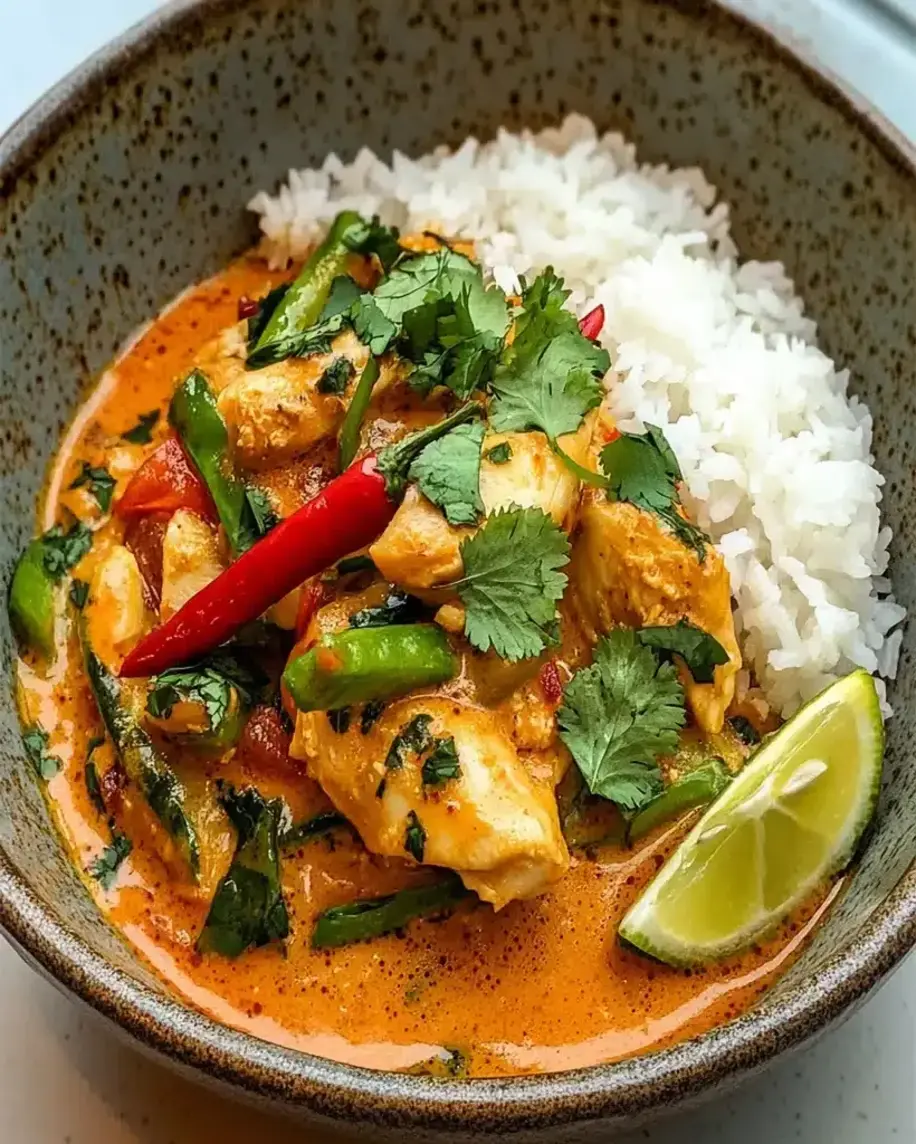
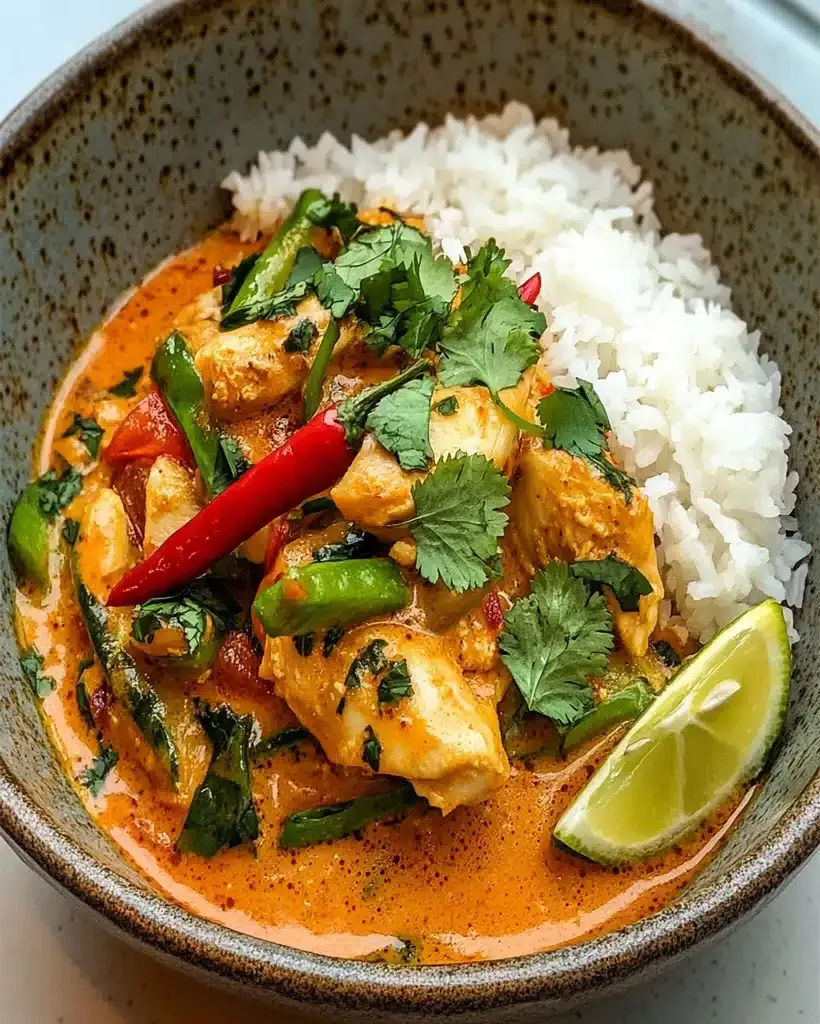
Welcome, fellow food enthusiasts! If you’re a fan of flavorful and aromatic dishes, you’re in for a treat today. This article dives into the world of Thai Red Curry with Chicken, a perfect combination of tender chicken, fresh veggies, and a creamy coconut-based sauce that packs just the right amount of spice. In this guide, we will explore how to make this Thai Red Curry Recipe at home, step-by-step, while also providing tips, serving suggestions, and more to ensure that your Thai cooking experience is as smooth and enjoyable as possible. Whether you’re new to Thai cuisine or looking to elevate your home-cooked meals, this recipe is sure to become a favorite!
Dive into Deliciousness: Your Ultimate Thai Red Curry
Are you craving a meal that’s both comforting and exciting, packed with vibrant flavors that transport you straight to the bustling streets of Bangkok? If you’re nodding along, then you’re likely searching for a truly exceptional Thai Red Curry recipe. Many home cooks struggle to capture that authentic, restaurant-quality taste, often finding their homemade versions either too bland, too spicy, or lacking that signature creamy depth. But what if I told you that creating a show-stopping Thai Red Curry with Chicken at home is not only achievable but also surprisingly quick and easy? This recipe is designed to demystify Thai cooking, ensuring you achieve that perfect balance of tender chicken, crisp-tender vegetables, and a rich, aromatic coconut sauce that’s simply irresistible. Get ready to elevate your weeknight dinners and impress your taste buds!
Gather Your Flavor Arsenal
The magic of a great Thai Red Curry lies in the quality and harmony of its ingredients. Don’t be intimidated by the list; many of these are pantry staples for adventurous cooks, and substitutions are readily available!
Protein Powerhouse
- 1 lb (450g) boneless, skinless chicken thighs or breast: Cut into bite-sized pieces. Chicken thighs offer more moisture and flavor, while breasts are leaner.
- Vegetarian/Vegan Option: Use firm or extra-firm tofu (pressed and cubed), chickpeas, or a mix of hearty vegetables like cauliflower florets or extra broccoli.
Vegetable Vibrancy
- 1 cup broccoli florets: For a satisfying crunch and vibrant green color.
- 1 red bell pepper: Sliced. Adds a touch of sweetness and beautiful color.
- 1/2 cup snap peas or snow peas: For a fresh, crisp texture.
- Optional additions: Baby corn, bamboo shoots, sliced carrots, or shiitake mushrooms.
Aromatic Base
- 1 tablespoon cooking oil: Such as coconut oil, vegetable oil, or peanut oil.
- 2 cloves garlic: Minced. The pungent foundation of flavor.
- 1 inch ginger: Grated or finely minced. Adds a warming zing.
- 1 shallot: Finely chopped. Offers a milder, sweeter onion flavor than regular onions.
Curry Paste & Liquids
- 2-4 tablespoons Thai red curry paste: The heart of the dish! Adjust the amount based on your spice preference and the paste’s heat level. Brands vary significantly. Start with less and add more if needed. *Look for brands with authentic ingredients like chilies, lemongrass, galangal, and shrimp paste.*
- 1 can (13.5 oz / 400ml) full-fat coconut milk: Essential for that luscious, creamy texture. Shake well before opening.
- 1/2 cup chicken or vegetable broth: To adjust consistency and add depth.
Flavor Enhancers & Garnish
- 1 tablespoon fish sauce: *Umami bomb alert!* Provides essential salty, savory depth. (Use soy sauce or tamari for vegan option).
- 1-2 teaspoons brown sugar or palm sugar: To balance the spice and tanginess.
- 1 tablespoon lime juice: Freshly squeezed. For brightness and acidity.
- Fresh Thai basil leaves: A handful, for that characteristic aromatic perfume. (Regular basil or cilantro can substitute).
- Optional garnish: Sliced red chilies for extra heat, a drizzle of sesame oil.
The Clock’s Ticking: Prep, Cook, and Enjoy!
Compared to many authentic Thai curry recipes that can take upwards of an hour, this version is remarkably efficient, making it perfect for busy weeknights without compromising on authentic taste.
Crafting Your Culinary Masterpiece
Follow these simple steps to create a Thai Red Curry that sings with flavor!
Step 1: Prep Your Ingredients
This is crucial for a smooth cooking process. Dice your chicken, chop your vegetables, mince your garlic and ginger, and finely chop the shallot. Have everything ready to go near your stovetop. If using tofu, ensure it’s pressed and cubed.
Step 2: Sauté Aromatics
Heat the cooking oil in a large skillet or wok over medium heat. Add the minced garlic, grated ginger, and chopped shallot. Sauté for 1-2 minutes until fragrant, being careful not to burn the garlic.
Step 3: Cook Paste & Protein
Add the Thai red curry paste to the skillet. Stir and cook for 1-2 minutes, allowing the paste to “bloom” and release its complex aromas. This step is key to developing a deep flavor. If using chicken, add it now and stir-fry until it’s lightly browned on all sides (it doesn’t need to be cooked through). If using tofu, add it and sauté until lightly golden.
Step 4: Add Veggies & Liquids
Pour in the full-fat coconut milk and the chicken or vegetable broth. Stir well to combine with the curry paste and aromatics. Add the firmer vegetables like broccoli and bell pepper first, then add the snap peas. Bring the mixture to a gentle simmer.
Step 5: Simmer and Thicken
Reduce the heat to low and let the curry simmer gently for about 8-10 minutes, or until the chicken is cooked through and the vegetables are tender-crisp. The sauce will thicken slightly during this process. Stir in the fish sauce and sugar. Taste and adjust seasoning – you might want more fish sauce for saltiness, more sugar for sweetness, or even a bit more curry paste for heat.
Step 6: Final Touches & Serve
Stir in the fresh lime juice just before serving. This adds a crucial pop of brightness. Ladle the Thai Red Curry into bowls. Generously garnish with fresh Thai basil leaves and any optional toppings. Serve immediately!
Nutritional Insights
A typical serving of this Thai Red Curry (made with chicken and without rice) is approximately:
- Calories: ~350-450 kcal (this can vary significantly based on the curry paste used and fat content of coconut milk)
- Protein: ~25-30g
- Fat: ~20-30g (mostly from coconut milk)
- Carbohydrates: ~10-15g
Note: Nutritional values are estimates and can vary based on specific ingredients and portion sizes.
Healthier Alternatives
Want to lighten this up? Here are some smart swaps:
- Leaner Protein: Opt for chicken breast or shrimp instead of thighs. For plant-based, choose well-pressed pressed tofu or edamame.
- Light Coconut Milk: Use light coconut milk or a mix of light coconut milk and vegetable broth to reduce fat and calories. The creaminess will be less intense but still delicious.
- Abundant Veggies: Load up on non-starchy vegetables like zucchini, spinach, mushrooms, and cauliflower. They add volume and nutrients with minimal calories.
- Control Sodium: Be mindful of fish sauce. You can use a reduced-sodium version or limit its amount, adding a pinch of salt if needed.
- Serving Size: Serve with cauliflower rice or a smaller portion of jasmine rice to manage carbs.
Serving Suggestions
Thai Red Curry is wonderfully versatile! It’s traditionally served with fragrant steamed jasmine rice to soak up the glorious sauce. For a complete meal, consider pairing it with:
- Steamed Jasmine Rice (classic!)
- Brown Rice or Coconut Rice for a twist
- Cauliflower Rice for a low-carb option
- A side of refreshing cucumber salad
- Fresh spring rolls
Common Mistakes to Avoid
To ensure your curry is a triumph:
- Not Blooming the Curry Paste: Sautéing the paste brings out its full flavor profile. Skipping this step results in a flatter taste.
- Using Water Instead of Broth/Coconut Milk: Water dilutes the flavor and won’t create the rich, creamy base.
- Overcooking Vegetables: Aim for tender-crisp, not mushy! Add delicate vegetables towards the end.
- Not Tasting and Adjusting: Every curry paste is different. Always taste and adjust fish sauce, sugar, and lime juice for the perfect balance.
- Burning Garlic: Sauté garlic briefly until fragrant; burnt garlic turns bitter.
Storing Your Delicious Creation
Allow the curry to cool completely before storing. Refrigerate in an airtight container for up to 3 days. The flavors often meld and deepen overnight, making leftovers fantastic! Reheat gently on the stovetop or in the microwave. You may need to add a splash of broth or water if it becomes too thick upon reheating. It also freezes well for up to 3 months.
Enjoy Your Homemade Thai Red Curry!
There you have it – a foolproof guide to creating an incredibly flavorful and satisfying Thai Red Curry from scratch! This recipe proves that you don’t need to be a professional chef to whip up exotic and delicious meals. With tender chicken, crisp vegetables, and that irresistible creamy, spicy sauce, this Thai Red Curry is destined to become a go-to in your kitchen. We encourage you to try it, experiment with your favorite vegetables, and share your culinary adventures with us!
Frequently Asked Questions
***What kind of curry paste should I use?***
For the most authentic flavor, look for Thai red curry pastes from reputable brands that list ingredients like dried red chilies, lemongrass, galangal, garlic, shallots, and shrimp paste. Brands like Mae Ploy or Maesri are popular choices. The heat level can vary significantly, so start with less and add more to taste.
***Can I make this curry vegan?***
Absolutely! Simply substitute the chicken with pressed extra-firm tofu, tempeh, or a generous amount of vegetables like cauliflower and sweet potatoes. Replace the fish sauce with soy sauce, tamari, or a vegan fish sauce alternative. Ensure your curry paste doesn’t contain shrimp paste (most red curry pastes are vegan or can be found in vegan versions).
***How can I adjust the spice level?***
The primary way to control spice is by adjusting the amount of Thai red curry paste you use. Start with 2 tablespoons for a milder curry and increase to 3-4 tablespoons (or even more) for a spicier kick. If you find it too spicy after cooking, you can try adding a bit more coconut milk or a touch more sugar and lime juice to balance the heat.
***Why is my curry sauce not creamy enough?***
Ensure you are using full-fat coconut milk, as “light” versions contain more water and less fat, which translates to less creaminess. Also, make sure you’ve simmered the curry long enough for the sauce to reduce and thicken slightly. Stirring vigorously when adding the coconut milk can also help emulsify the sauce.
***Can I use dried chilies instead of paste?***
While you *can* make a red curry base from scratch with dried chilies, it’s a much more involved process requiring soaking, blending, and sautéing the fresh paste. For this quick recipe, using a good quality store-bought red curry paste is highly recommended for convenience and authentic flavor.

Thai Red Curry Recipe: Quick & Flavorful 30-Minute Meal
Description
Welcome, fellow food enthusiasts! If you’re a fan of flavorful and aromatic dishes, you’re in for a treat today. This article dives into the world ofThai Red Curry with Chicken, a perfect combination of tender chicken, fresh veggies, and a creamy coconut-based sauce that packs just the right amount of spice. In this guide, we will explore how to make thisThai Red Curry Recipeat home, step-by-step, while also providing tips, serving suggestions, and more to ensure that your Thai cooking experience is as smooth and enjoyable as possible. Whether you’re new to Thai cuisine or looking to elevate your home-cooked meals, this recipe is sure to become a favorite!
Ingredients
- Optional Substitutions:
Instructions
- Step 1:Sauté the AromaticsIn a large pan over medium heat, add the oil, followed by the ginger paste, minced garlic, and red curry paste. Stir the mixture for 2 to 3 minutes until fragrant and the paste starts to caramelize. This will release the essential oils and flavors, creating the base of your curry.
- Step 2:Add Liquids and SeasoningsPour in the coconut milk, fish sauce, lime juice, and brown sugar. Stir to combine, then bring the mixture to a gentle boil. At this stage, you can adjust the flavor by adding salt or extra red pepper flakes.
- Step 3:Cook the ChickenAdd the thinly sliced chicken thighs to the boiling mixture. Cook for about 8 minutes or until the chicken is fully cooked and tender. Be sure to stir occasionally to ensure even cooking.
- Step 4:Add VegetablesNext, add the sliced red bell pepper and chopped green beans. Cook for an additional 4 to 5 minutes until the vegetables are slightly tender but still vibrant in color.
- Step 5:Finish with Herbs and ThickeningStir in the Thai basil, chopped cilantro, and cornstarch slurry. Mix until the curry begins to thicken. If you prefer a thicker sauce, let it simmer for an extra 1 to 2 minutes.
- Step 6:Serve and Enjoy!Remove from heat and serve yourThai Red Curry with Chickenhot, over a bed of jasmine rice or noodles. Garnish with extra Thai basil or cilantro if desired.
Notes
Usefull-fat coconut milkfor a creamier texture. Light coconut milk will result in a thinner sauce.
If you prefer more spice, increase the amount ofred curry pasteor add a few slices of fresh red chili.
Make sure to add the vegetables toward the end of the cooking process to maintain their vibrant color and crunch.
“`
