Table of Contents
Sour Cream Cake
Introduction
Did you know that adding a cultured dairy product like sour cream can increase the moisture retention of a cake by up to 30% compared to using milk alone? This simple fact is the secret behind the legendary texture of a classic sour cream cake. More than just a vanilla cake, this recipe transforms into something extraordinarily tender, rich, and velvety with the magic of sour cream. The tangy depth it provides perfectly balances the sweetness, creating a sophisticated flavor profile that’s far from one-dimensional. And when you crown it with a luscious, tangy sour cream frosting, you achieve a level of indulgence that’s hard to beat. This isn’t just a dessert; it’s a masterclass in using simple ingredients to create extraordinary results. Whether you’re a seasoned baker or a nervous novice, this guide will walk you through every step to ensure your sour cream cake is nothing short of spectacular.
Ingredients List
Gather these simple, high-quality ingredients. Using full-fat sour cream is non-negotiable for the best texture and flavor.
For the Sour Cream Cake:
- 2 ½ cups (315g) all-purpose flour – Spooned and leveled for accuracy. The foundation of our cake, providing structure.
- 2 teaspoons baking powder – The leavening agent that gives the cake its lift and airy crumb.
- ½ teaspoon baking soda – Reacts with the sour cream to ensure an even, tender rise.
- ½ teaspoon fine sea salt – Enhances all the flavors and balances the sweetness.
- 1 cup (226g) unsalted butter, room temperature – Should be soft to the touch for perfect creaming. This creates the cake’s rich, buttery flavor and tender mouthfeel.
- 1 ½ cups (300g) granulated sugar – Sweetens and, when creamed with butter, helps incorporate air.
- 3 large eggs, room temperature – Bind the batter and add richness and structure.
- 1 tablespoon pure vanilla extract – The star flavor. Use real vanilla for the best aromatic, warm notes.
- 1 cup (240g) full-fat sour cream, room temperature – The Secret Ingredient. Its fat content guarantees moisture, while its tang and acidity tenderize the gluten, resulting in an incredibly soft, velvety crumb that stays moist for days.
For the Sour Cream Frosting:
- ½ cup (113g) unsalted butter, room temperature – The base for a creamy, spreadable frosting.
- 3 ½ cups (420g) confectioners’ sugar, sifted – Sifting is crucial to avoid lumps and create a silky-smooth texture.
- ⅓ cup (80g) full-fat sour cream, cold – Using it cold helps stabilize the frosting. It provides a delightful tang that cuts through the sweetness.
- 1 teaspoon pure vanilla extract – Ties the frosting flavor to the cake.
- Pinch of salt – Balances the intense sweetness of the frosting.
Substitutions: For a slightly different tang, you can use full-fat Greek yogurt in both the cake and frosting, though the frosting will be less stable. For a dairy-free version, use a high-fat, thick vegan sour cream alternative and plant-based butter. The results will be good, though the classic richness may vary.
Timing
20 minutes
30-35 minutes
1 hour (plus cooling)
Compared to many elaborate layer cakes that can take over two hours from start to finish, this sour cream cake is remarkably efficient. The “one-bowl” mixing method (creaming butter and sugar, then alternating dry and wet ingredients) streamlines the process. The 20-minute active prep time is a fraction of what you’d spend on a fussy buttercream, making this an ideal recipe for a weeknight treat or a last-minute gathering. The majority of the “total time” is hands-off cooling, which is essential for a stable cake that won’t melt its frosting.
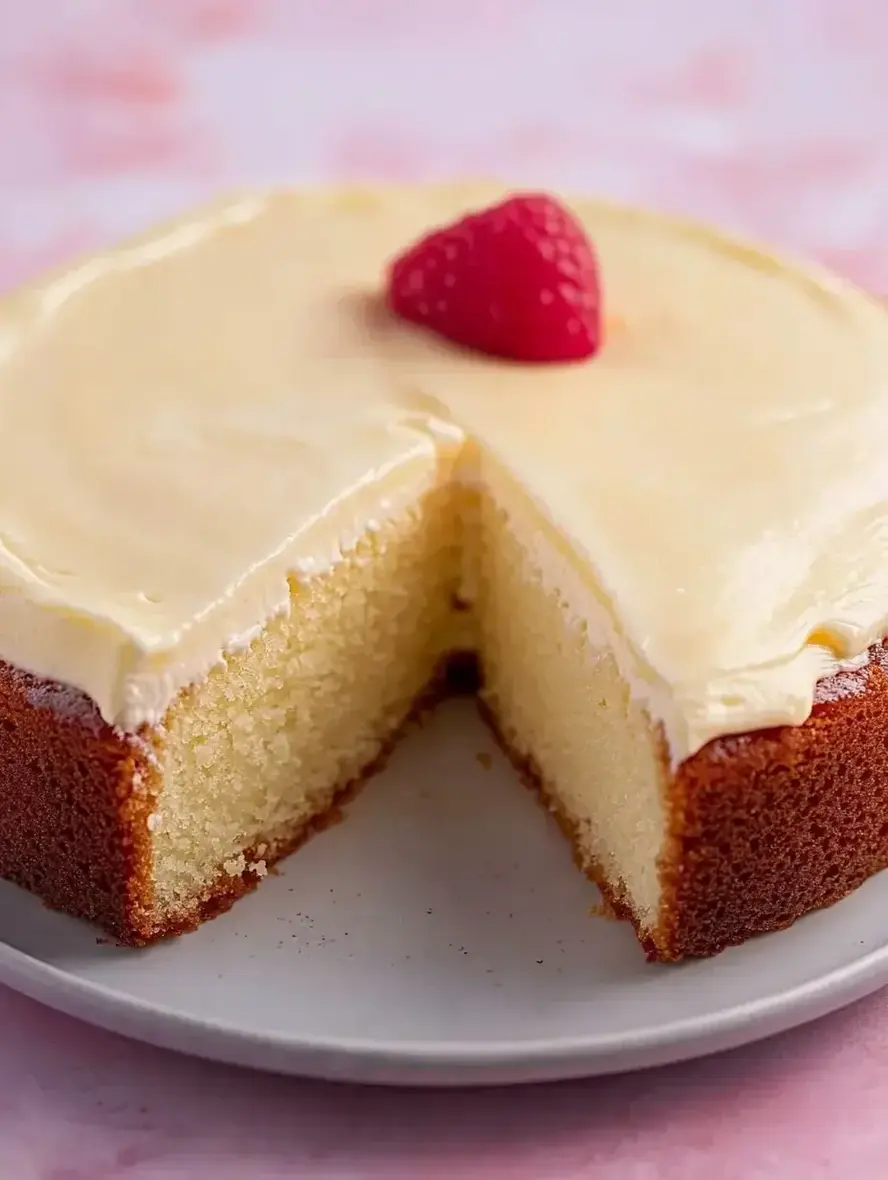
A slice of moist, tender sour cream cake with a generous swirl of tangy sour cream frosting.
Step-by-Step Instructions
Step 1: Prepare Your Pans and Oven
Preheat your oven to 350°F (175°C). This ensures a consistent temperature from the moment the batter goes in. Grease and flour two 8-inch round cake pans, or line them with parchment paper rounds. I like to do both for absolute guarantee of a clean release. Taking this extra minute now saves the heartache of a broken cake later.
Step 2: Cream the Butter and Sugar
In the bowl of a stand mixer fitted with the paddle attachment (or using a large bowl and a hand mixer), beat the softened butter and granulated sugar together on medium-high speed for 3-4 minutes. Don’t rush this! You want the mixture to become very pale, fluffy, and almost whipped. This step incorporates tiny air bubbles that are essential for the cake’s light texture.
Step 3: Incorporate Eggs and Vanilla
With the mixer on medium, add the eggs one at a time, beating well after each addition until fully incorporated. Scrape down the sides and bottom of the bowl. Add the vanilla extract and mix to combine. Adding eggs slowly prevents the batter from curdling and ensures a smooth, emulsified base.
Step 4: Combine Dry Ingredients
In a separate medium bowl, whisk together the flour, baking powder, baking soda, and salt. Whisking (or sifting) aerates the dry ingredients and evenly distributes the leavening agents, which prevents pockets of bitter baking soda in your finished cake.
Step 5: Add Sour Cream and Dry Mix
Reduce the mixer speed to low. Add about one-third of the dry ingredient mixture to the butter mixture, mixing until just combined. Follow with half of the sour cream. Repeat, ending with the final third of the dry ingredients. Mix only until the last streaks of flour disappear. Overmixing at this stage develops gluten, leading to a tough cake. The batter will be thick, creamy, and luxurious.
Step 6: Bake to Perfection
Divide the batter evenly between your prepared pans. Smooth the tops with a spatula. Bake for 30-35 minutes, or until a toothpick inserted into the center comes out clean or with a few moist crumbs (not wet batter). The cakes will be golden and will have just started to pull away from the sides of the pans. Avoid opening the oven door before the 25-minute mark to prevent collapse.
Step 7: Make the Sour Cream Frosting
While the cakes cool, make the frosting. In a clean mixer bowl, beat the softened butter on medium speed until smooth and creamy. Gradually add the sifted confectioners’ sugar, about a cup at a time, beating on low initially to avoid a sugar cloud, then increasing to medium. Once all sugar is incorporated, add the cold sour cream, vanilla, and salt. Beat on medium-high for 2-3 minutes until the frosting is very light, fluffy, and spreadable. If it seems too soft, you can chill it for 15 minutes.
Step 8: Cool and Frost
Let the cakes cool in their pans for 10 minutes, then run a knife around the edges and invert them onto a wire rack to cool completely. This is critical. Frosting a warm cake is a recipe for disaster—it will melt and slide right off. Once completely cool, place one layer on a serving plate. Spread a generous amount of frosting over the top. Place the second layer on top and frost the top and sides of the entire cake as desired.
Nutritional Information
The following is an approximate nutritional breakdown per serving (based on 12 slices).
- Calories: 520 kcal
- Total Fat: 25g
- Saturated Fat: 15g
- Cholesterol: 105mg
- Sodium: 220mg
- Total Carbohydrates: 72g
- Dietary Fiber: 0.5g
- Sugars: 55g
- Protein: 5g
Healthier Alternatives
You can make thoughtful swaps to lighten this cake without sacrificing its iconic moist texture.
- Reduce Sugar: Cut the granulated sugar in the cake to 1 cup (200g). The sour cream’s tang will shine through more, creating a more sophisticated, less cloying dessert.
- Flour Swap: Substitute up to half of the all-purpose flour with white whole wheat flour for added fiber and a nuttier flavor that pairs well with the tang.
- Frosting Adjustment: For the frosting, use Neufchâtel cheese (⅓ less fat than cream cheese) mixed with a smaller amount of sour cream and just enough confectioners’ sugar to sweeten. It will be tangier and less sweet, but still delicious.
- Portion Control: Bake the batter in a 9×13 inch pan and serve as bars, eliminating the need for a thick layer of frosting between layers. A simple dusting of powdered sugar or a thin glaze works beautifully.
Serving Suggestions
This cake is sublime on its own, but a few accompaniments can elevate it to a show-stopping dessert.
- Fresh Berries: A side of macerated strawberries, raspberries, or a mixed berry compote adds a fresh, juicy contrast to the rich cake.
- Whipped Cream: A dollop of lightly sweetened whipped cream on the side adds an extra cloud-like texture.
1 thought on “Sour Cream Cake”
Leave a Reply

555