“`html
Table of Contents
- Sicilian Pesto Recipe – Authentic Pesto alla Trapanese in 20 Min!
- A Taste of Sicily: What is Pesto alla Trapanese?
- Ingredients for Pesto alla Trapanese
- Timing Your Culinary Journey
- Step-by-Step Instructions
- Nutritional Highlights
- Healthier Alternatives and Swaps
- Serving Suggestions
- Common Mistakes to Avoid
- Storing Your Sicilian Pesto
- Buon Appetito!
- Frequently Asked Questions
Sicilian Pesto Recipe – Authentic Pesto alla Trapanese in 20 Min!
A Taste of Sicily: What is Pesto alla Trapanese?
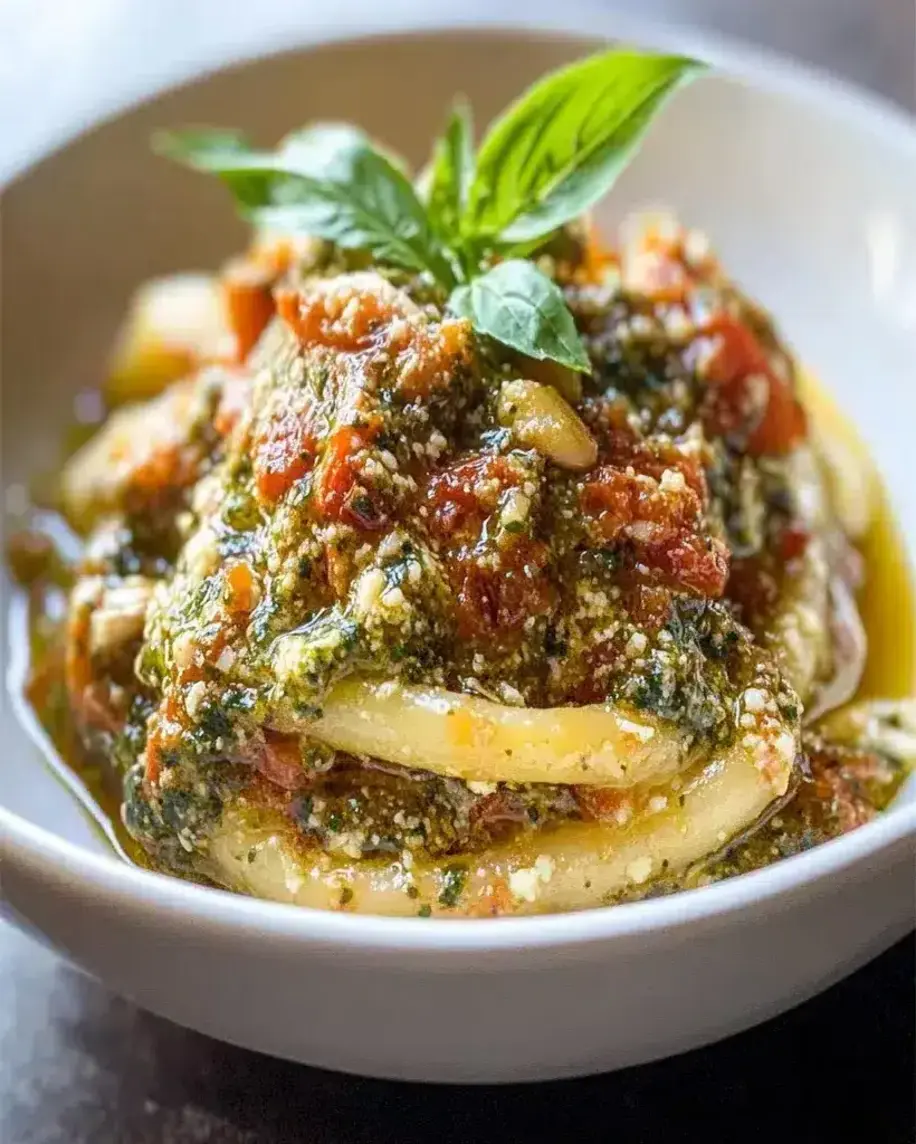
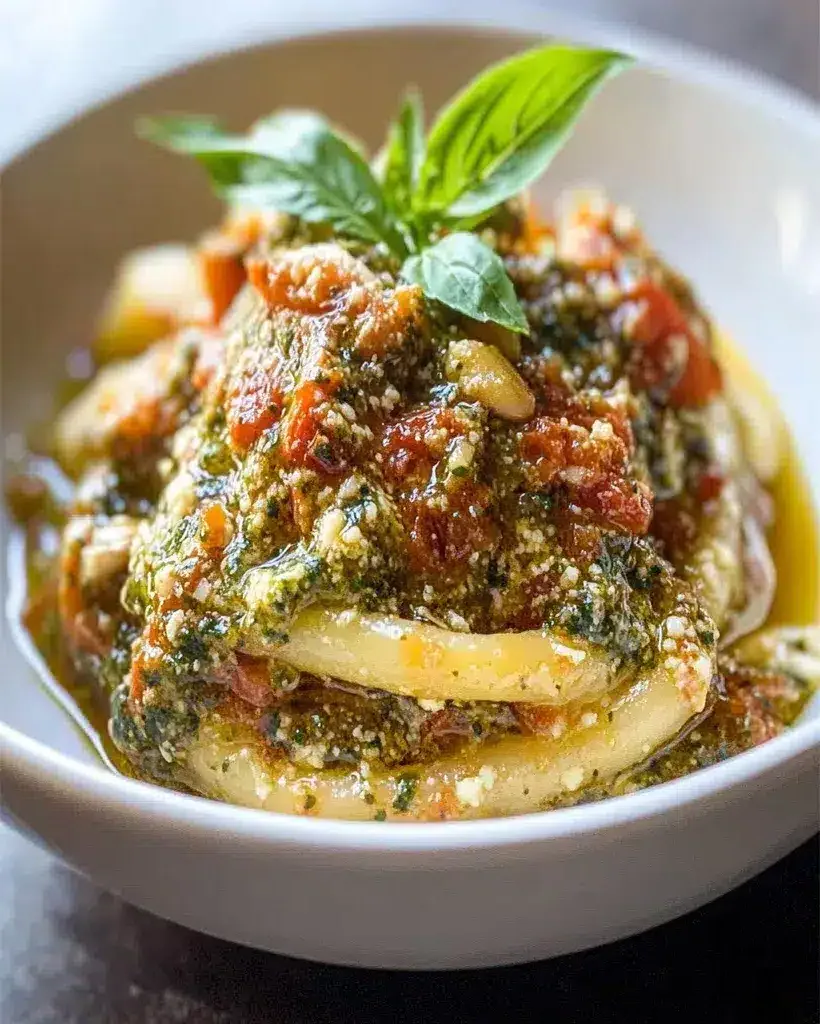
Are you curious about how to capture the vibrant, sun-drenched flavors of Sicily in under 30 minutes? If you’re a fan of rich, aromatic, and vibrant Italian dishes, then this Sicilian Pesto recipe, also known as Pesto alla Trapanese, is an absolute must-try. This delightful variation of the classic Italian pesto from Genoa swaps pine nuts for almonds and adds the bright, fresh acidity of ripe tomatoes, creating a sauce that is both incredibly flavorful and uniquely Sicilian. Unlike its Ligurian cousin, Pesto alla Genovese, Pesto alla Trapanese offers a more robust and slightly tangy profile, making it a perfect companion for pasta, bread, or even as a spread. Whether you’re looking for a quick and easy weeknight meal or something to impress guests at your next dinner party, this recipe brings the authentic tastes of Italy right to your kitchen, proving that gourmet can be remarkably simple and fast.
Ingredients for Pesto alla Trapanese
The beauty of Pesto alla Trapanese lies in its fresh, simple ingredients, each contributing to its distinctive flavor. For the most authentic taste, using high-quality produce is key. Here’s what you’ll need:
Fresh Tomatoes
Quantity: 1 lb (about 450g) ripe plum tomatoes or Roma tomatoes.
Sensory Description: Look for tomatoes that are firm yet yield slightly to pressure, with a deep red color and a sweet, slightly acidic aroma. These will provide the juicy base and characteristic tang of the pesto.
Substitution: If fresh tomatoes are out of season, you can use 1 (15-ounce) can of high-quality whole peeled tomatoes, well-drained. However, the flavor will be less bright and fresh.
Almonds
Quantity: 1/2 cup (about 75g) blanched slivered or whole almonds.
Sensory Description: Blanched almonds have a smoother texture and a milder, sweeter flavor than with skins. They should smell faintly nutty and be dry and crisp.
Substitution: While almonds are traditional, you could experiment with pine nuts (though this would lean towards Genovese pesto) or even walnuts for a different nutty depth.
Garlic
Quantity: 2-3 large cloves, depending on your preference.
Sensory Description: Fresh garlic should be firm, with dry, papery skin and a pungent, spicy aroma.
Substitution: For a milder garlic flavor, you can use roasted garlic cloves instead.
Basil
Quantity: 2 cups fresh basil leaves, packed (about 2 ounces or 60g).
Sensory Description: Choose bright green, fragrant leaves free from wilting or dark spots. The aroma should be sweet, peppery, and slightly minty.
Substitution: While basil is essential, a small amount of fresh parsley can add a fresh green note if you’re short on basil.
Pecorino Romano or Parmesan
Quantity: 1/2 cup (about 50g) finely grated cheese.
Sensory Description: Aged Pecorino Romano offers a sharp, salty, and slightly tangy flavor, while Parmesan (Parmigiano-Reggiano) is nutty and savory. Both should have a firm, granular texture when grated.
Substitution: Use a mix of both for complexity, or stick to one if preferred. For a dairy-free option, nutritional yeast can offer a cheesy substitute.
Extra Virgin Olive Oil
Quantity: 1/4 to 1/2 cup (60-120ml), plus more for drizzling.
Sensory Description: Opt for a good quality extra virgin olive oil with a fruity, peppery flavor that complements the other ingredients, rather than overpowering them.
Salt and Pepper
Quantity: To taste.
Sensory Description: Freshly ground black pepper and good quality sea salt will enhance all the flavors.
Timing Your Culinary Journey
One of the biggest draws of Pesto alla Trapanese is its speed. Get ready for efficiency!
Compared to many homemade sauces that can take hours, this Sicilian Pesto is a true weeknight warrior, ready in the time it takes to boil water for pasta!
Step-by-Step Instructions
Crafting this authentic Sicilian Pesto is deceptively simple. The traditional method involves a mortar and pestle, but a food processor makes it incredibly quick and easy. We’ll guide you through both!
Step 1: Prepare the Tomatoes
Wash the tomatoes thoroughly. If using whole almonds, lightly toast them in a dry skillet over medium heat for 2-3 minutes until fragrant, then let them cool slightly. This step amplifies their nutty flavor and makes them easier to grind.
Step 2: Blanch and Peel Tomatoes
Score an ‘X’ on the bottom of each tomato. Bring a small pot of water to a boil. Carefully lower the tomatoes into the boiling water for about 30-60 seconds, until the skins start to loosen around the ‘X’. Immediately transfer them to an ice bath to stop the cooking. Once cool enough to handle, the skins should peel off easily. Halve the peeled tomatoes and gently squeeze out most of the seeds and excess watery pulp. Roughly chop the tomato flesh.
Step 3: Prepare the Almonds
If using a mortar and pestle, begin by pounding the blanched almonds into a coarse meal. If using a food processor, add the blanched almonds and pulse until they form a coarse meal.
Step 4: Combine and Pound
Mortar & Pestle Method: Add the chopped tomatoes and garlic cloves to the mortar with the almond meal. Pound and grind everything together until you achieve a chunky, rustic paste. This will take patience and a good arm!
Food Processor Method: Add the blanched almonds, garlic cloves, and chopped tomatoes to the food processor. Pulse until the mixture is finely chopped and forms a cohesive, slightly chunky paste. Scrape down the sides as needed.
Step 5: Add Basil and Cheese
Add the fresh basil leaves and the grated Pecorino Romano or Parmesan cheese to the mixture. Continue to pound (mortar & pestle) or process (food processor) until the basil is finely chopped and incorporated, and the cheese is well mixed throughout. Don’t over-process the basil, as it can turn bitter and dull in color.
Step 6: Emulsify with Olive Oil
With the mortar and pestle, gradually drizzle in the extra virgin olive oil while continuously stirring and grinding to emulsify the sauce into a creamy consistency. If using a food processor, drizzle the olive oil through the feed tube while the processor is running on a low setting, until the pesto reaches your desired texture – it should be smooth but still retain some character.
Step 7: Season and Serve
Season generously with salt and freshly ground black pepper to taste. Stir well. Taste and adjust seasoning if necessary. If the pesto seems too thick, you can thin it with a little more olive oil or a tablespoon or two of the pasta cooking water.
Nutritional Highlights
While exact figures vary based on ingredient brands and quantities, a typical serving (about 1/4 cup) of homemade Pesto alla Trapanese is roughly:
- Calories: 200-300 kcal
- Fat: 20-30g (mostly healthy monounsaturated fats from olive oil and almonds)
- Carbohydrates: 5-10g (primarily from tomatoes and almonds)
- Protein: 3-5g (from cheese and almonds)
- Fiber: 1-2g
Note: These are estimates. The cheese and olive oil contribute significantly to the calorie and fat content.
Healthier Alternatives and Swaps
Looking to lighten up this already vibrant sauce? Here are a few ideas:
- Reduce Olive Oil: Carefully measure your olive oil, or use a lighter olive oil. You can also add a splash of water (or pasta water) to help emulsify and reduce the need for excessive oil.
- Less Cheese: Use a smaller amount of Pecorino or Parmesan, or opt for a lighter hard cheese. A sprinkle of nutritional yeast can add a cheesy flavor without the fat and calories.
- Boost Veggies: While tomatoes are already in, you could try adding a handful of baby spinach or a small amount of roasted red pepper (from a jar, drained) for added nutrients and flavor complexity.
- Almond Choice: Using raw, unsalted almonds is generally preferable to roasted and salted varieties for better control over sodium and fat.
Serving Suggestions
Pesto alla Trapanese is incredibly versatile! Here are some favorite ways to enjoy it:
- Pasta: Toss it with your favorite pasta shapes like bucatini, spaghetti, or fusilli. Reserve some pasta water to help emulsify the sauce and coat the pasta beautifully.
- Bruschetta: Spread generously on toasted baguette slices for a quick and flavorful appetizer.
- Sandwiches & Wraps: Use it as a flavorful spread instead of mayonnaise.
- Dipping Sauce: Perfect for grissini, vegetable sticks, or even grilled meats and fish.
- Pizza Base: A thin layer can be a delightful alternative to tomato sauce on a pizza.
Common Mistakes to Avoid
Keep these tips in mind for the best Pesto alla Trapanese:
- Over-processing Basil: This can lead to a dull green color and a slightly bitter flavor. Pulse basil in short bursts.
- Using Watery Tomatoes: Remove seeds and excess pulp from tomatoes to avoid a watery pesto.
- Not Toasting Almonds: Toasting enhances the almond flavor significantly.
- Under-seasoning: Pesto needs adequate salt and pepper to make all the flavors pop. Always taste and adjust.
- Using Old/Wilted Basil: Fresh, vibrant basil is crucial for bright flavor and color.
Storing Your Sicilian Pesto
Homemade pesto is best enjoyed fresh, but it can be stored for a few days:
- Refrigerator: Transfer the pesto to an airtight container. To prevent browning, pour a thin layer of olive oil over the surface. It will keep for 3-4 days.
- Freezer: For longer storage, freeze the pesto in ice cube trays. Once frozen, transfer the pesto cubes to a freezer bag. This allows you to easily thaw only what you need. Frozen pesto is best used within 2-3 months.
Loved this recipe? Share your Pesto alla Trapanese creations with us on social media using #SicilianPesto #PestoAllaTrapanese! We can’t wait to see your culinary masterpieces!
Buon Appetito!
Pesto alla Trapanese is more than just a sauce; it’s a taste of Sicilian sunshine, tradition, and the simple joy of fresh ingredients. In just 20 minutes, you can bring the authentic flavors of the Mediterranean to your table. Its bright, robust taste is a testament to the power of simple, quality ingredients. Don’t be intimidated by the “authentic” label – this recipe is incredibly approachable and rewarding for cooks of all levels. So, gather your ingredients, embrace the process, and prepare to fall in love with this vibrant Sicilian classic. What will you be serving your Pesto alla Trapanese with first?
Frequently Asked Questions
***Can I make Pesto alla Trapanese without a food processor or mortar and pestle?***
While those methods are traditional and yield the best texture, you could potentially use an immersion blender, but be very careful not to over-process. A high-powered blender might also work, but it could result in a very smooth, almost puréed consistency.
***Why are my tomatoes watery?***
The best way to avoid a watery pesto is to use ripe, but not overly ripe, tomatoes and to remove most of the seeds and watery pulp before chopping. Plum or Roma tomatoes are often less watery than beefsteak varieties.
***Can I use dried basil?***
No, dried basil has a very different flavor profile and texture that won’t work for this recipe. Fresh basil is essential for the bright, aromatic quality of Pesto alla Trapanese.
***My pesto is a bit bitter, what did I do wrong?***
Bitterness in pesto often comes from over-processing the basil, especially in a food processor, or from using the tough stems or older, bruised leaves. Processing basil in short bursts and using only fresh, vibrant leaves can help prevent this.
Sicilian Pesto Recipe – Authentic Pesto alla Trapanese in 20 Min
Description
Welcome to the world ofSicilian Pesto(also known asPesto alla Trapanese), a delightful variation of the classic Italian pesto that highlights the sun-kissed flavors of Sicily. If you’re a fan of rich, aromatic, and vibrant Italian dishes, then thisSicilian Pestorecipe is a must-try for you. Whether you’re looking for an easy weeknight meal or something to impress guests at your next dinner party, this recipe brings the authentic tastes of Italy right to your kitchen.
Ingredients
- Substitutions:
Instructions
- Peel the tomatoes: Boil a pot of salted water and briefly blanch the tomatoes, making them easy to peel. After peeling, remove the seeds and roughly chop.
- Crush the garlic: Using a mortar and pestle or food processor, grind the garlic, salt, and pepper into a smooth paste.
- Add the almondsto the garlic mixture and grind until smooth.
- Add the basil leaves, tearing them slightly if large, and grind or pulse in the food processor.
- Mix in the tomatoesand grind everything into a smooth yet slightly chunky texture.
- Finally,blend in the olive oiluntil the pesto reaches your desired consistency.
- Toss the pastawith the pesto sauce in a large serving bowl. If the sauce seems too thick, add a bit of the reserved pasta water to achieve a creamy texture.
- Serve immediately with a sprinkle of freshly grated Pecorino cheese or basil leaves for garnish.
Notes
Use fresh, high-quality ingredientsfor the best flavor, especially the tomatoes and basil.
For a more authentic experience, use a mortar and pestle instead of a food processor to achieve the traditional rustic texture.
You can store leftover pesto in the fridge for up to three days in an airtight container. Add a layer of olive oil on top to prevent browning.
“`
