“`html
Table of Contents
- The Ultimate Crispy Bacon: A Game Changer
- Gather Your Bacon-Baking Essentials
- Bacon Timing: Prep, Cook, and Enjoy
- Crispy Bacon Perfection: Your Step-by-Step Guide
- Nutritional Snapshot: Bacon by the Numbers
- Healthier Bacon Alternatives & Swaps
- 10 Delicious Ways to Serve Your Crispy Bacon
- Common Bacon-Baking Mistakes (and How to Avoid Them)
- Storing Your Delicious Bacon
- The Final Sizzle: Enjoy Your Crispy Bacon!
- Frequently Asked Questions
Perfectly Crispy Bacon Every Time
The Ultimate Crispy Bacon: A Game Changer
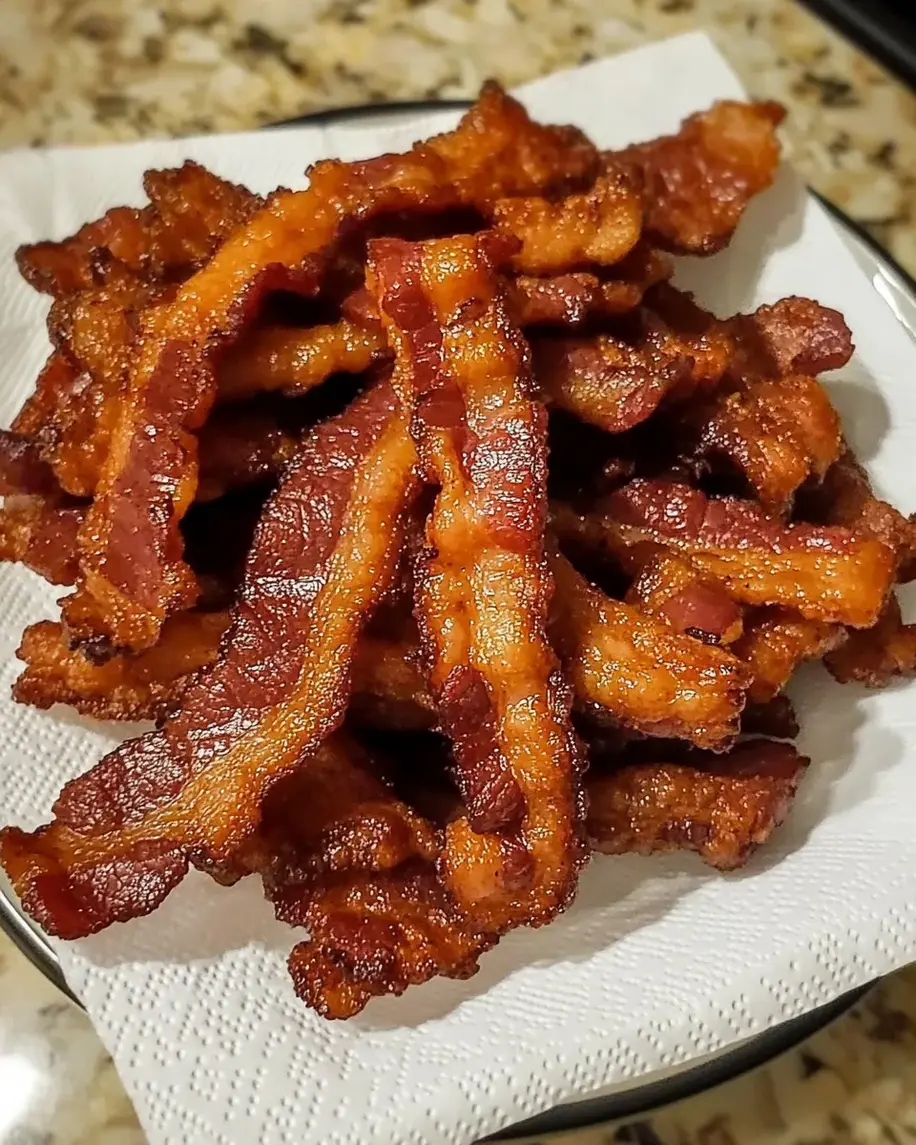
There’s nothing quite like waking up to the smell of perfectly crispy bacon wafting through the house, is there? Whether you’re pairing it with eggs, layering it in a BLT, or just enjoying it as a salty, savory snack, bacon has a way of making every meal feel a little more indulgent. But let’s be honest, achieving that ideal crispy texture on the stovetop can be a messy, greasy endeavor. Are you tired of unevenly cooked bacon, burnt edges, or dangerous stovetop splatters? Today, I’m sharing my go-to method for baking bacon that turns out consistently crispy (or wonderfully chewy, if that’s your preference) without the hassle. Trust me, this simple oven method is a game-changer that will revolutionize your weekend brunches and weeknight dinners alike!
Gather Your Bacon-Baking Essentials
The beauty of this recipe lies in its simplicity and minimal ingredients. You likely have most of these on hand already!
The Star of the Show: Bacon
- 1 pound (approx. 450g) Bacon: This is your main event! The type of bacon you choose will significantly impact the final texture and flavor.
- For Classic Crispy: Thick-cut bacon is often preferred for its ability to render fat well and achieve a satisfying crunch without becoming overly brittle. Look for even marbling of fat and meat.
- For Chewier Bites: Regular or thinner-cut bacon tends to be more forgiving if you prefer a slightly less rigid texture.
- Flavor Profiles: Explore options like applewood smoked, hickory smoked, or even maple-cured bacon for an extra layer of deliciousness.
Elevate Your Bacon Experience (Optional)
- Black Pepper: A generous grinding of fresh black pepper right before baking adds a lovely warmth and visual appeal.
- Brown Sugar or Maple Syrup (for a sweet & salty glaze): A light dusting of brown sugar or a thin brush of maple syrup just before baking can create a delightful caramelized crust. Use sparingly to avoid burning.
- Cayenne Pepper or Smoked Paprika: For a touch of heat or smokiness, a tiny pinch can be surprisingly effective.
Bacon Timing: Prep, Cook, and Enjoy
5 minutes
15-25 minutes
20-30 minutes
Often similar, but many stovetop methods can take longer with cleanup.
This recipe is designed for efficiency. The 5 minutes of prep is minimal, and the cook time is largely hands-off, allowing you to focus on other parts of your meal.
Crispy Bacon Perfection: Your Step-by-Step Guide
Step 1: Preheat Your Oven
Begin by preheating your oven to 400°F (200°C). For consistent results, it’s crucial to have your oven at the correct temperature before the bacon goes in.
Step 2: Prepare Your Baking Sheet
Line a large rimmed baking sheet with parchment paper or aluminum foil. This is the secret weapon against messy cleanup! The foil or parchment will catch the grease, making disposal and washing a breeze. For extra crispy bacon and even easier cleanup, consider using a wire rack placed inside the baking sheet. This allows the hot air to circulate around the bacon, ensuring crispiness on all sides and letting the fat drip away.
Step 3: Arrange the Bacon
Lay the bacon strips in a single layer on the prepared baking sheet or wire rack. Make sure the strips are not overlapping. If they are too crowded, they will steam rather than crisp up. You might need to use two baking sheets if you’re cooking a larger quantity.
Personal touch: If you’re using any optional seasonings like pepper, brown sugar, or paprika, sprinkle them evenly over the bacon strips now. A little sprinkle of brown sugar can create a lovely, slightly sweet, and caramelized crust.
Step 4: Bake to Perfection
Place the baking sheet in the preheated oven. Bake for 15-25 minutes. The exact time will depend on the thickness of your bacon and your desired level of crispiness.
Pro-tip: Start checking around the 15-minute mark. You want the bacon to be golden brown and wonderfully crisp. For thicker cuts, it might take closer to 20-25 minutes. Keep an eye on it in the last few minutes, as bacon can go from perfectly crispy to burnt very quickly!
Step 5: Drain and Serve
Once the bacon reaches your desired crispness, carefully remove the baking sheet from the oven. Using tongs, transfer the crispy bacon strips to a plate lined with paper towels. This extra step helps to absorb any residual grease, ensuring maximum crispiness.
Let the bacon cool slightly before serving – it will continue to crisp up as it cools. Serve immediately and bask in the glory of perfectly cooked bacon!
Nutritional Snapshot: Bacon by the Numbers
Nutritional information can vary significantly based on the type and cut of bacon used, as well as portion size. Here’s a general estimate for one 3-slice serving (approximately 3 ounces or 85g) of cooked regular bacon:
- Calories: ~300-400 kcal
- Protein: ~20-25g
- Fat: ~25-35g (with saturated fat being a significant portion)
- Carbohydrates: ~1-2g
- Sodium: ~800-1200mg (can vary widely by brand)
Disclaimer: This is an approximation. For precise nutritional information, please refer to the packaging of your specific bacon product.
Healthier Bacon Alternatives & Swaps
While bacon is a treat, if you’re looking for lighter options or to reduce sodium/fat intake, consider these:
- Turkey Bacon: Offers a similar flavor profile with less fat and calories, though it can sometimes be drier. Bake it the same way, but keep a closer eye as it cooks faster.
- Lower Sodium Bacon: Many brands now offer reduced-sodium versions. The fat and calorie content remains similar, but it’s a good option for sodium-conscious individuals.
- Plant-Based Bacon: A growing market offers plant-based alternatives made from ingredients like tempeh, mushrooms, or textured vegetable protein. These are typically lower in fat and calories and cholesterol-free.
- “No-Salt” Cure Bacon: Some artisanal producers offer bacon cured without added salt, relying solely on the smoking process for flavor.
10 Delicious Ways to Serve Your Crispy Bacon
Crispy bacon is incredibly versatile. Here are some of our favorite ways to enjoy it:
- Classic Breakfast Plate: Alongside scrambled or fried eggs, toast, and perhaps some hash browns.
- BLT Sandwich: The ultimate sandwich showcasing perfectly crisp bacon, fresh lettuce, and ripe tomatoes on toasted bread.
- Salad Topper: Crumble over salads for a salty, savory crunch. Pairs wonderfully with a creamy dressing or a vinaigrette.
- Burger Booster: Layer a few strips onto your favorite burger for an extra indulgence.
- Baked Potato Upgrade: Sprinkle chopped bacon over a loaded baked potato.
- Carbonara Pasta: The essential ingredient for an authentic and rich Roman carbonara.
- Soups and Stews: A savory garnish for creamy soups or hearty stews.
- Deviled Eggs: A sprinkle of finely crumbled bacon on top adds a delightful savory note.
- Macaroni and Cheese: Stir in crispy bacon bits for an irresistible twist.
- Standalone Snack: Sometimes, a plate of perfectly crispy bacon is all you need!
Common Bacon-Baking Mistakes (and How to Avoid Them)
- Stovetop Splatter: This method largely eliminates that issue by baking in the oven.
- Overcrowding the Pan: Bacon needs space to render its fat and crisp up. If piled on top of itself, it will steam and become chewy or unevenly cooked. Always ensure a single layer.
- Incorrect Oven Temperature: Too low, and the bacon will render fat slowly and may not crisp. Too high, and it will burn before cooking through. Sticking to 400°F (200°C) is key.
- Not Draining Adequately: While paper towels absorb excess grease, letting bacon sit in its rendered fat will make it soggy. Transferring it promptly to the paper towels is important.
- Under or Overcooking: Keep a close eye on the bacon, especially towards the end of the cooking time. Remove it when it reaches your desired crispness, as it will continue to cook slightly after removal.
Storing Your Delicious Bacon
If you happen to have any leftover bacon (unlikely!), here’s how to store it:
- Refrigeration: Once cooled completely, store leftover bacon in an airtight container or a resealable plastic bag in the refrigerator. It should stay fresh for 3-4 days.
- Reheating: To reheat, you can gently warm it in a skillet over low heat, in a toaster oven, or even briefly in the microwave (though this can sometimes affect crispness). For best results, a quick stint in a warm oven or toaster oven works well.
- Freezing: For longer storage, you can freeze cooked bacon. Wrap it tightly in plastic wrap, then place it in a freezer-safe bag or container for up to 2-3 months. Thaw in the refrigerator before reheating.
The Final Sizzle: Enjoy Your Crispy Bacon!
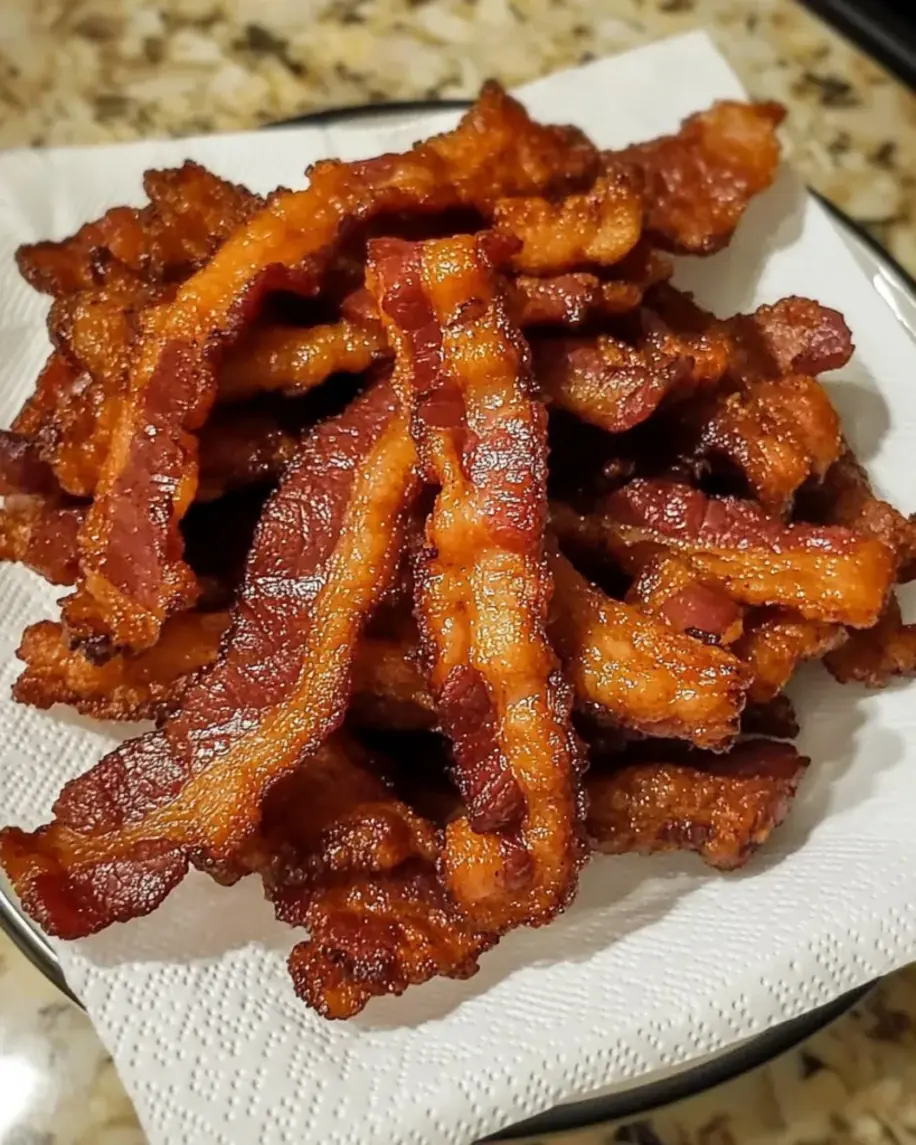
Mastering the art of crispy bacon doesn’t require complex techniques or constant vigilance. By simply baking it in the oven, you unlock a world of perfectly rendered, delightfully crisp bacon with minimal fuss and maximum flavor. Whether it’s gracing your breakfast plate, elevating a sandwich, or adding that irresistible crunch to your favorite dishes, this method ensures you get it right every single time. So ditch the greasy stovetop splatters and embrace the ease of oven-baked perfection. Give this method a try and let me know how it turns out in the comments below! Happy cooking!
Frequently Asked Questions
What is the best type of bacon for crispiness?
Thick-cut bacon is generally the best for achieving crispy results, as it has a good balance of fat and meat that renders well. However, regular or thin-cut bacon can also become crispy, it just may cook faster.
Can I cook bacon on a wire rack in the oven?
Absolutely! Placing bacon on a wire rack set inside a rimmed baking sheet is an excellent way to ensure even crispiness. The hot air circulates all around the bacon, and the fat drips away into the pan below, resulting in an even crispier product.
How do I store bacon grease?
Once cooled slightly (but still liquid), strain the bacon grease through a fine-mesh sieve into a heat-safe container like a mason jar or a specialized grease keeper. Store it in the refrigerator for savory cooking uses like frying eggs or sautéing vegetables.
My bacon isn’t crispy. What went wrong?
Several factors could contribute: You might have overcrowded the pan (preventing crisping), your oven temperature might have been too low, or you may have undercooked it. Ensure bacon is in a single layer, the oven is preheated to 400°F (200°C), and monitor it closely, removing it when it reaches your desired crispness.
Can I cook bacon in a cast-iron skillet in the oven?
Yes, you can! Arrange bacon in a cold cast-iron skillet and place it in a preheated oven (400°F/200°C). Cook until desired crispness, usually around 20-25 minutes. Be aware that without a rack, the bacon will sit in its rendered fat, potentially making it less evenly crispy but still delicious.

Perfectly Crispy Bacon Every Time
Description
There’s nothing quite like waking up to the smell of perfectly crispy bacon wafting through the house, is there? Whether you’re pairing it with eggs, layering it in a BLT, or just enjoying it as a salty, savory snack, bacon has a way of making every meal feel a little more indulgent. Today, I’m sharing my go-to method for baking bacon that turns out consistently crispy (or chewy, if you’re into that) without the hassle of stovetop splatters. Trust me, this simple method is a game-changer!
Ingredients
- To keep it simple, all you need is:
Instructions
- Set your oven to 400°F (200°C). While it’s heating, line a baking sheet with parchment paper or foil for a mess-free cleanup later.
- Lay your bacon strips in a single layer on the prepared sheet. Make sure the pieces don’t overlap—this ensures even cooking.
- Place the baking sheet in the oven and bake for15-20 minutes, depending on how crispy you like your bacon. I recommend checking it at the 15-minute mark—bacon can go from perfect to overdone quickly!
- Using tongs, transfer the bacon to a plate lined with paper towels. This step helps remove extra grease, leaving you with perfectly crispy (but not oily) slices.
- Whether you’re serving it as a side, crumbling it over a salad, or folding it into an omelet, bacon this good is sure to make your day brighter.
“`
