“`html
Table of Contents
Japanese Katsu Bowls with Tonkatsu Sauce
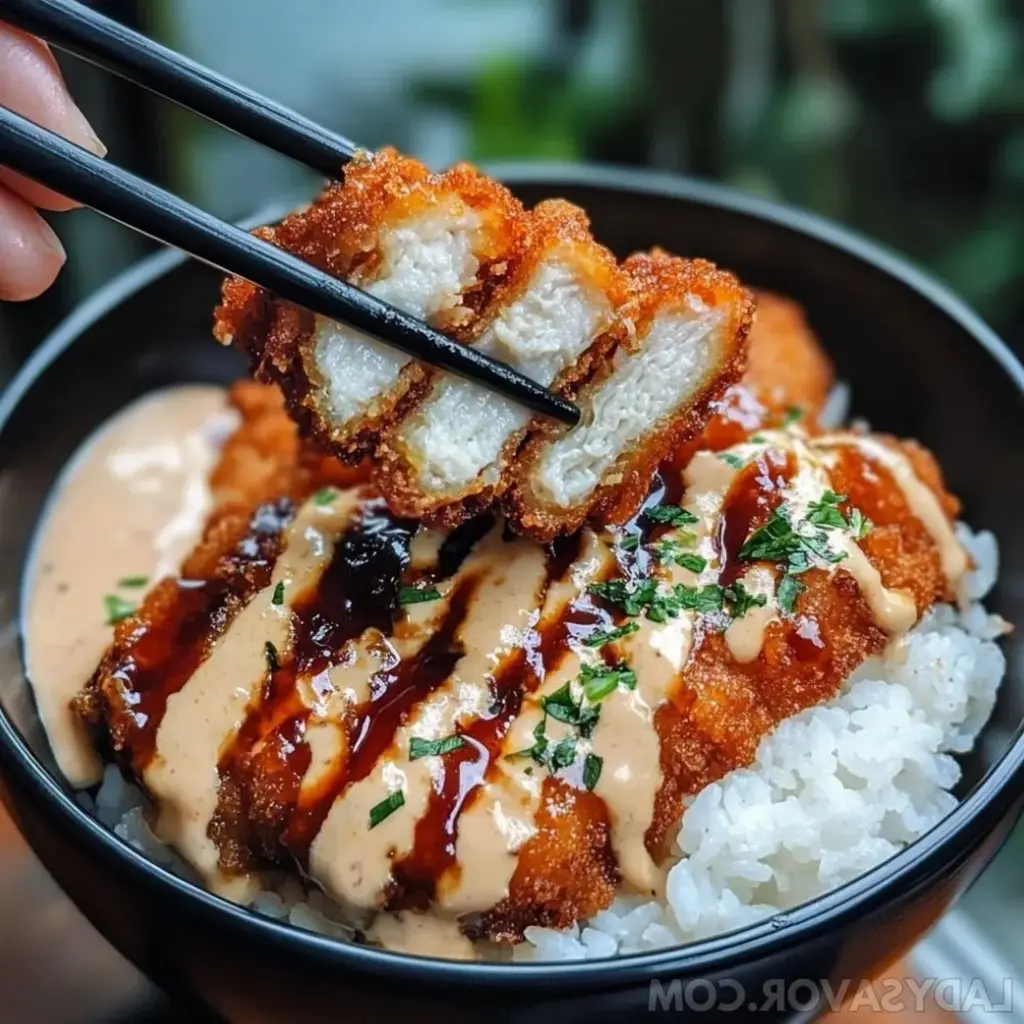
Craving restaurant-quality comfort food at home? Discover how to make Japanese Katsu Bowls with Tonkatsu Sauce that are crispy, savory, and incredibly satisfying!
The Ultimate Comfort Food: Japanese Katsu Bowls
Are you searching for a weeknight dinner that feels like a special occasion? Japanese Katsu Bowls with Tonkatsu Sauce are the answer. This beloved dish, featuring crispy, golden-fried pork cutlets (katsu) served over a bed of fluffy steamed rice and generously drizzled with a rich, tangy Tonkatsu sauce, is the epitome of Japanese comfort food. Its perfect balance of textures and flavors – the crunch of the katsu, the soft rice, and the umami-packed sauce – makes it an irresistible choice for both adventurous eaters and those seeking familiar, hearty flavors. Forget expensive restaurant tabs; this recipe brings the authentic taste of Japan right into your kitchen, proving that delicious, satisfying meals don’t need to be complicated.
Gather Your Culinary Arsenal: Ingredients
The magic of Katsu Bowls lies in the quality of its components and the harmony they create. Here’s what you’ll need:
For the Katsu:
- Pork Cutlets: 4 boneless pork chops (about 1/2 inch thick). Loin or tenderloin works beautifully. For an even more tender experience, consider pork shoulder.
- Salt and Black Pepper: To season the pork generously.
- All-Purpose Flour: About 1 cup, for dredging.
- Eggs: 2 large, lightly beaten, for the egg wash.
- Panko Breadcrumbs: 2 cups (Japanese breadcrumbs). If you can’t find panko, regular breadcrumbs will work but won’t achieve the same airy crispness.
- Vegetable Oil or Canola Oil: For shallow frying, about 2-3 inches in the pan.
For the Tonkatsu Sauce:
- Ketchup: 1/2 cup. The base for sweetness and tang.
- Worcestershire Sauce: 1/4 cup. Adds a deep umami and savory complexity.
- Soy Sauce: 2 tablespoons. For saltiness and depth of flavor.
- Oyster Sauce: 1 tablespoon (optional, but highly recommended for extra richness).
- Sugar: 1 tablespoon (adjust to your sweetness preference).
- Mustard Powder: 1 teaspoon (or 1 tbsp Dijon mustard). Adds a subtle kick.
For the Bowls:
- Steamed Rice: 4 cups cooked Japanese short-grain rice. The sticky texture is perfect for soaking up sauce.
- Garnishes (Optional): Thinly sliced scallions, toasted sesame seeds, a wedge of lemon.
Substitutions: If pork isn’t your preference, chicken or firm tofu can be used. For a gluten-free option, use gluten-free flour and breadcrumbs.
Timing is Everything: Prep, Cook, and Enjoy
20 minutes
20 minutes
40 minutes
This recipe is quicker than many similar comfort food dishes, offering a fantastic flavor payoff for your time investment.
Crafting Your Katsu Bowl: A Step-by-Step Guide
Let’s get cooking! Follow these simple steps to create your perfect Katsu Bowl.
Step 1: Prep the Pork
Start by preparing your pork cutlets. If your pork chops are thick, you can pound them gently between two pieces of plastic wrap to an even 1/2-inch thickness. Season both sides generously with salt and freshly ground black pepper. This simple seasoning is crucial for building flavor from the start.
Step 2: Bread the Pork
Set up your dredging station. Place the flour in one shallow dish, the beaten eggs in another, and the panko breadcrumbs in a third. Dip each seasoned pork cutlet first into the flour, ensuring it’s evenly coated, then shake off any excess. Next, dip it into the beaten eggs, letting any excess drip off. Finally, press the cutlet firmly into the panko breadcrumbs, making sure to coat both sides thoroughly. The panko should adhere well, creating a beautiful, textured crust.
Step 3: Fry the Katsu
Heat about 2-3 inches of vegetable oil in a deep skillet or Dutch oven over medium-high heat until it reaches about 350°F (175°C). Carefully place 1-2 breaded cutlets into the hot oil (don’t overcrowd the pan, as this will lower the oil temperature and lead to greasy katsu). Fry for about 3-5 minutes per side, or until golden brown and cooked through. Use tongs to carefully flip them. Once cooked, remove the katsu from the oil and place them on a wire rack set over a baking sheet to drain any excess oil and stay crispy. Repeat with the remaining cutlets.
Step 4: Make the Tonkatsu Sauce
While the katsu is draining or cooling slightly, whip up the Tonkatsu sauce. In a small saucepan, combine the ketchup, Worcestershire sauce, soy sauce, oyster sauce (if using), sugar, and mustard powder. Whisk everything together and heat over medium-low heat, stirring constantly, until the sauce is slightly thickened and well combined. This should only take a few minutes. Taste and adjust seasonings – you might want a little more sugar for sweetness or a dash more Worcestershire for savoriness. Once ready, remove from heat.
Step 5: Assemble the Bowls
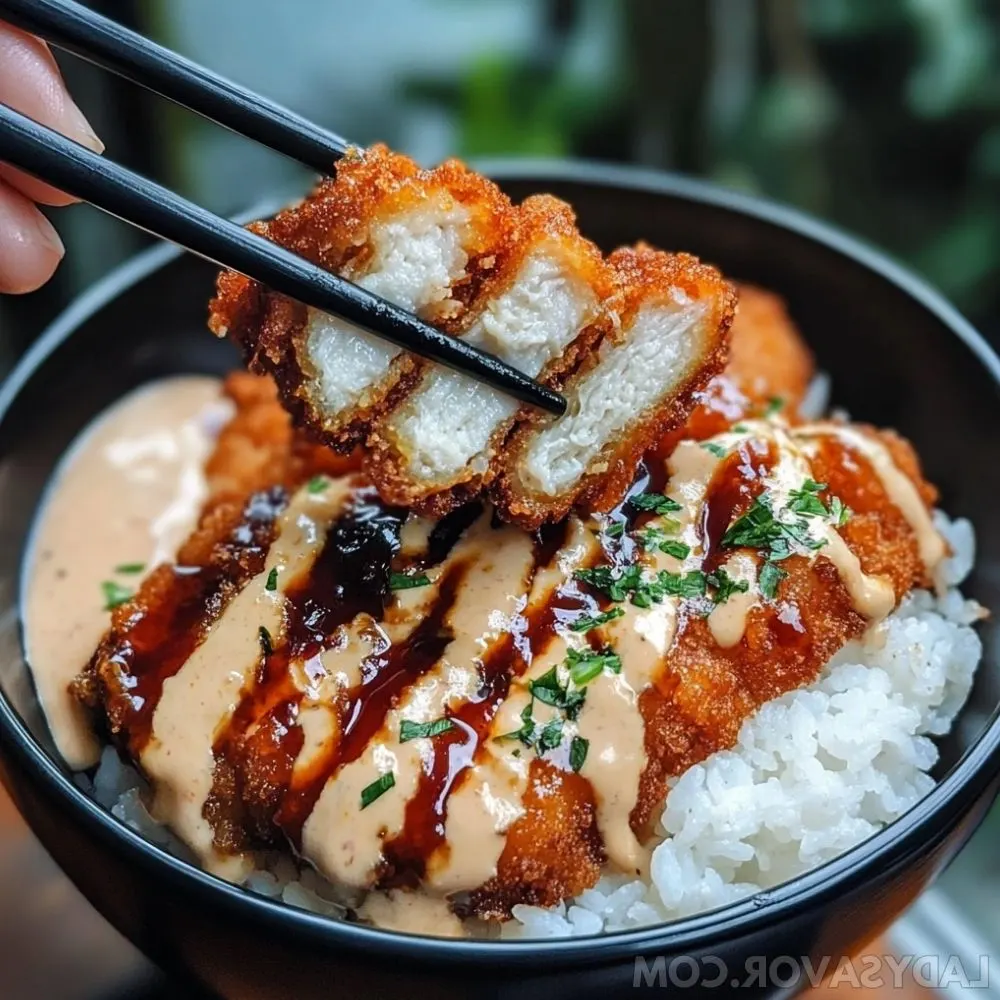
Now for the grand finale! Slice the golden-brown katsu cutlets into strips, about 1/2-inch wide. This makes them easier to eat and showcases the crispy exterior and juicy interior. Spoon a generous portion of steamed rice into each bowl. Arrange the sliced katsu strips over the rice. Drizzle liberally with the warm Tonkatsu sauce. Garnish with thinly sliced scallions, toasted sesame seeds, or a lemon wedge if desired. Serve immediately and enjoy the symphony of flavors and textures!
Nutritional Snapshot
A typical serving of Japanese Katsu Bowl with Tonkatsu Sauce (per bowl, assuming 4 servings):
- Calories: Approximately 600-800 kcal (varies based on pork thickness and amount of oil used).
- Protein: 30-40g
- Fat: 30-45g (largely from frying)
- Carbohydrates: 60-80g (mostly from rice and sauce)
Please note: This is an estimation. Actual values will depend on specific ingredients and portion sizes.
Lighter Bites: Healthier Alternatives
Looking to lighten up this hearty dish without sacrificing too much flavor? Try these swaps:
- Baking or Air Frying the Katsu: Instead of deep-frying, coat the panko-crusted cutlets with a light spray of oil and bake at 400°F (200°C) for 20-25 minutes, flipping halfway, or air fry according to your appliance’s instructions. This significantly reduces fat content.
- Leaner Protein: Opt for chicken breast or thin cuts of pork tenderloin.
- Whole Grains: Serve over brown rice or quinoa for added fiber and nutrients.
- Reduced-Sugar Sauce: Minimize the sugar in the Tonkatsu sauce or use a natural sweetener like stevia in moderation. Consider a lighter version of Worcestershire sauce.
Elevate Your Bowl: Serving Suggestions
These Katsu Bowls are fantastic on their own, but can be complemented with a few additions:
- Side Salads: A crisp green salad with a light vinaigrette, or a simple cabbage slaw, adds freshness.
- Pickled Ginger (Gari): The sharp, refreshing taste cuts through the richness.
- Daikon Radish: Thinly sliced or shredded daikon adds a peppery crunch.
- Soft-Boiled Egg: A perfectly cooked ramen egg (Ajitsuke Tamago) makes for an even more decadent bowl.
Steer Clear of These Pitfalls: Common Mistakes
Avoid these common errors for the best Katsu Bowl experience:
- Overcrowding the Pan: This is the quickest way to get soggy, unevenly cooked katsu. Fry in batches.
- Using Stale Panko: Fresh panko is key for crispiness.
- Not Seasoning Enough: Pork can be bland. Don’t be shy with salt and pepper.
- Sauce Too Sweet or Too Salty: Taste and adjust your Tonkatsu sauce before serving.
- Serving Cold Katsu: Katsu is best enjoyed immediately after frying for maximum crispiness.
Leftovers? No Problem: Storing Tips
While best enjoyed fresh, leftovers can happen. Store each component separately in airtight containers in the refrigerator:
- Katsu: Store breaded cutlets in an airtight container. Reheat in a toaster oven or a hot skillet for best results to regain crispiness. Microwaving will make it soggy.
- Rice: Store cooked rice and reheat gently.
- Tonkatsu Sauce: This sauce keeps well in the refrigerator for up to a week.
Your Delicious Journey Ends Here
Japanese Katsu Bowls with Tonkatsu Sauce are more than just a meal; they’re an experience. The satisfying crunch of perfectly fried katsu, the comforting warmth of steamed rice, and the complex, savory-sweet dance of Tonkatsu sauce create a dish that’s both incredibly satisfying and surprisingly easy to make at home. Whether you’re a seasoned home cook or just starting out, this recipe offers a delicious escape to the flavors of Japan. So, gather your ingredients, embrace the process, and prepare to wow yourself (and anyone lucky enough to share!) with this ultimate comfort food. Give this recipe a try and let us know how it turns out in the comments below!
Frequently Asked Questions
***What kind of pork cutlet is best for Katsu?***
Boneless pork loin or tenderloin are excellent choices. For extra tenderness, pork shoulder can also be used. Aim for a thickness of about 1/2 inch.
***Can I make the Tonkatsu sauce ahead of time?***
Yes, absolutely! The sauce can be made a day or two in advance and stored in an airtight container in the refrigerator. It might thicken up, so you can gently warm it on the stovetop before serving.
***What’s the difference between Panko and regular breadcrumbs?***
Panko breadcrumbs are much lighter, airier, and coarser than traditional breadcrumbs. They are made from white bread without crusts and provide a superior crispy texture when fried, which is ideal for katsu.
***How do I get my Katsu extra crispy?***
Ensure your oil is at the correct temperature (around 350°F/175°C), don’t overcrowd the pan, and drain the fried katsu on a wire rack instead of paper towels to allow air circulation.
***Can I use something other than pork?***
Certainly! Chicken breast or thighs, firm tofu, or even shrimp breaded and fried in the same way make delicious alternatives for katsu bowls.
Japanese Katsu Bowls with Tonkatsu Sauce
Description
Japanese Katsu Bowls with Tonkatsu Sauce are the ultimate comfort food, combining crispy, golden cutlets with fluffy rice and a savory-sweet sauce. This simple yet flavorful recipe is perfect for a quick weeknight dinner or an indulgent treat that feels like dining out.
Ingredients
- Tonkatsu Sauce Ingredients (for homemade):
Instructions
- Pound chicken to ½-inch thickness and season with salt and pepper.
- Set up a breading station with three bowls: one for flour, one for beaten eggs, and one for panko breadcrumbs.
- Coat each cutlet in flour, then dip in egg, and finally coat with panko breadcrumbs, pressing gently to adhere.
- Heat oil in a large frying pan over medium-high heat to about 350°F (175°C).
- Fry the cutlets for 3-4 minutes per side (for chicken) or 2-3 minutes per side (for pork) until golden and cooked through. Transfer to a paper towel-lined plate.
- If making homemade tonkatsu sauce, mix ketchup, Worcestershire sauce, soy sauce, and sugar in a small bowl. Adjust sweetness to taste.
- Assemble bowls by adding cooked rice, sliced cutlets, and a generous drizzle of tonkatsu sauce. Garnish with parsley or green onions, if desired. Serve immediately.
“`
