“`html
Table of Contents
- What is Italian Penicillin?
- Ingredients for Italian Penicillin
- Timing is Everything
- Crafting Your Italian Penicillin
- Nutritional Snapshot
- Healthier Swaps for an Even Lighter Soup
- Serving Your Comforting Bowl
- Common Mistakes to Avoid
- Storing Your Italian Penicillin
- The Healing Power of a Simple Bowl
- Frequently Asked Questions
Italian Penicillin: A Comforting Pastina Soup Recipe
Feeling Under the Weather? This Italian Penicillin Recipe is Your Comforting Cure!
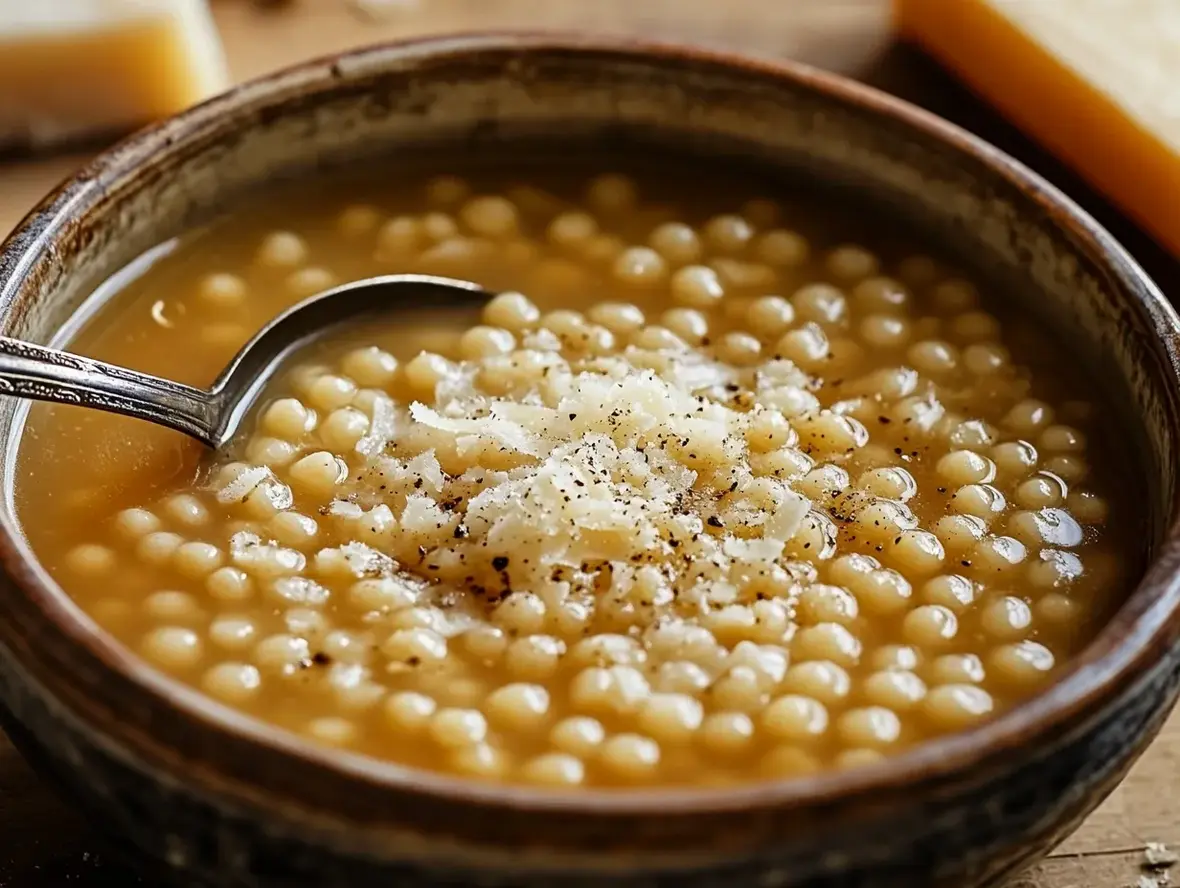
When the sniffles strike or a chilly evening calls for something truly soul-warming, what’s your go-to comfort food? If you’re like many who seek solace in a steaming bowl of goodness, you might be wondering: “What is Italian Penicillin?” This beloved pastina soup, also known as ‘pastina in brodo,’ is Italy’s answer to a gentle, restorative meal. It’s not just food; it’s a hug in a bowl, a simple yet profound dish that has been soothing bodies and spirits for generations. For many, the mere aroma of simmering broth and tiny pasta evokes sweet memories of childhood care. If you’re looking for a recipe that’s both deeply comforting and surprisingly easy to make, you’ve landed in the right place. We’re about to unlock the secrets to this timeless Italian tradition, perfect for your own kitchen, especially when you need a little extra tenderness.
Ingredients for Italian Penicillin
The beauty of Italian Penicillin lies in its simplicity. High-quality, fresh ingredients are key to unlocking its delicate, comforting flavor. Here’s what you’ll need:
Choosing Your Pastina
- 2 cups Pastina: Tiny pasta shapes like stelline (little stars), orzo, ditalini, or acini di pepe are traditional. Stelline is particularly charming for this soup!
Sensory Note: These miniature pasta shapes cook quickly, absorbing the broth’s flavor while retaining a delightful slight chew.
Broth: The Soul of the Soup
- 6-8 cups Chicken or Vegetable Broth: Use a good quality, low-sodium broth. Homemade is always best if you have it!
Sensory Note: A rich, clear broth forms the savory foundation, providing warmth and depth without heaviness.
Aromatics and Flavor Boosters
- 1-2 tablespoons Unsalted Butter or Olive Oil: For sautéing aromatics.
Sensory Note: Butter adds a subtle richness and creamy mouthfeel, while olive oil offers a lighter, fruity note. - 1/2 cup Finely Diced Onion (about 1 small): Or shallots for a milder flavor.
Sensory Note: Softened onions provide a foundational sweetness that mellows beautifully in the broth. - 2 cloves Garlic, minced: Fresh garlic is essential!
Sensory Note: Aromatic garlic adds a pungent depth that awakens the palate. - Salt and Freshly Ground Black Pepper: To taste.
Sensory Note: These basic seasonings are crucial for balancing and enhancing all the other flavors.
Optional Additions
- 1-2 tablespoons Fresh Parsley, chopped: For a burst of freshness and color.
- 1-2 tablespoons Fresh Dill, chopped: Adds a distinct, bright herby note.
- 1 Egg Yolk (optional, for richness): Whisked with a little broth to temper, then stirred into the soup off the heat.
- Parmesan Cheese, grated: For serving, adds a salty, umami kick.
Compared to many complex recipes, Italian Penicillin is remarkably quick to prepare, making it ideal for weeknights or when you’re not feeling up to extensive cooking.

Crafting Your Italian Penicillin: Step-by-Step
Making this comforting soup is a straightforward process that rewards you with warmth and deliciousness. Follow these simple steps:
Step 1: Sauté the Aromatics
In a medium saucepan or pot, melt the butter (or heat the olive oil) over medium heat. Add the finely diced onion and sauté until softened and translucent, about 3-5 minutes. Be careful not to brown it. Add the minced garlic and cook for another minute until fragrant, stirring constantly to prevent burning.
Step 2: Add the Broth
Pour in the chicken or vegetable broth. Bring the mixture to a gentle simmer. Season with salt and freshly ground black pepper. Taste and adjust seasoning as needed – remember, the broth will concentrate slightly as it simmers.
Step 3: Cook the Pastina
Once the broth is simmering, add the pastina. Stir occasionally to prevent the tiny pasta from sticking together or to the bottom of the pot. Cook according to the pasta package directions, usually 5-8 minutes, until the pastina is al dente – tender but with a slight bite. Be careful not to overcook, as it can become mushy.
Step 4: Finish and Season
If you’re using the optional egg yolk for extra richness: In a small bowl, whisk the egg yolk with about 1/4 cup of the hot broth until well combined. Then, slowly drizzle this tempered mixture back into the soup, stirring continuously. Do this off the heat, as the residual heat will gently cook the yolk without scrambling it. Stir in the chopped fresh parsley and/or dill, if using. Taste one last time and adjust salt and pepper if necessary. The soup should be savory and comforting.
Nutritional Snapshot
A typical serving of Italian Penicillin (without optional additions like egg yolk or heavy cheese) is relatively light and focuses on easily digestible carbohydrates and hydration.
- Calories: Approximately 150-250 per serving (depending on broth and amount of pasta/fat used).
- Carbohydrates: Primarily from the pastina.
- Protein: From broth (especially if chicken-based).
- Fat: Minimal, based on butter/oil used for sautéing.
(Note: Nutritional values are approximate and can vary based on specific ingredients and portion sizes used.)
Healthier Swaps for an Even Lighter Soup
While this recipe is already quite healthy, here are some ways to make it even lighter without sacrificing flavor:
- Use low-sodium vegetable broth: For a vegetarian/vegan option or to reduce sodium.
- Skip the butter: Sauté the onions and garlic in a tablespoon of olive oil or a splash of broth instead.
- Omit the egg yolk: The soup is still delicious without it, and it significantly reduces fat and calories.
- Load up on herbs: Generous amounts of fresh parsley, dill, or even a hint of chives can add vibrant flavor without calories.
- Add extra vegetables: Finely diced carrots, celery, or spinach can be added with the onions for extra nutrients and texture.
Serving Your Comforting Bowl
Italian Penicillin is best served piping hot. A simple garnish of fresh parsley, dill, or a sprinkle of grated Parmesan cheese elevates the dish. For a more substantial meal, you can serve it alongside a crusty piece of bread for dipping, a light salad, or even as a starter before a main course. If you’ve added the optional egg yolk, serve immediately to enjoy its creamy texture.
Common Mistakes to Avoid
To ensure the perfect bowl of Italian Penicillin every time:
- Overcooking the Pasta: Pastina can turn mushy very quickly. Always cook it until just al dente.
- Using Bland Broth: The quality of your broth is paramount. A water-y or flavorless broth will result in a dull soup.
- Burning the Garlic: Garlic burns easily. Cook it only until fragrant, or it will impart a bitter taste.
- Not Tasting and Adjusting Seasoning: Salt and pepper are your best friends. Taste the broth before serving and add more if needed.
Storing Your Italian Penicillin
Leftovers can be stored in an airtight container in the refrigerator for up to 2-3 days. However, be aware that the pasta will continue to absorb liquid and may become softer. To reheat, add a splash of extra broth or water and gently warm on the stovetop. For best results, it’s ideal to make it fresh.
The Healing Power of a Simple Bowl
Italian Penicillin is more than just a recipe; it’s a tradition of care, comfort, and simple, honest flavors. It demonstrates how a few well-chosen ingredients, prepared with a little love, can create something deeply satisfying and restorative. Whether you’re feeling under the weather, craving a taste of nostalgia, or simply want a light and comforting meal, this pastina soup is a wonderful choice. Give this beloved Italian classic a try, and experience its heartwarming magic for yourself. What are your favorite comfort food soup memories? Share them in the comments below!
Frequently Asked Questions
***What kind of pasta should I use?***
Tiny pasta shapes designed for soups are best. Traditional choices include stelline (stars), orzo, ditalini, or acini di pepe. Avoid larger pasta shapes as they won’t cook evenly or absorb the broth as well.
***Can I make this soup with all vegetables?***
Absolutely! Simply use a good quality vegetable broth instead of chicken broth. Ensure your vegetable broth is flavorful as it forms the base of your soup.
***How do I prevent the pasta from getting mushy?***
The key is to cook the pastina until it is just al dente. It will continue to cook slightly in the hot broth even after you remove it from the heat. Only add the pasta when the broth is simmering and cook it for the minimum time recommended on the package. It’s also best to eat the soup fresh; leftovers can make pasta softer.
***Can I add other ingredients to this soup?***
While the classic version is simple, you can certainly enhance it. Some popular additions include finely diced carrots, celery, or peas cooked with the onions, or a handful of spinach added at the end. Some also enjoy a squeeze of lemon juice for brightness.
Enjoying this soup? Please share your thoughts or any variations you’ve tried in the comments below! Your feedback helps our community discover even more delicious ways to enjoy classic recipes.
Italian Penicillin: Pastina Soup
Description
A comforting and simple Italian classic,Pastina Soup(often called “Italian Penicillin”) is the ultimate remedy for cold days or when you’re feeling under the weather. With tiny star-shaped pasta, a velvety egg finish, and a touch of Parmesan, this quick and satisfying soup warms the soul.
Ingredients
- 4 cupschicken broth (homemade or store-bought)1 cuppastina pasta (tiny star-shaped or pearl-shaped pasta)1egg, beaten¼ cupfreshly grated Parmesan cheese1 tablespoonbutterSalt and pepper, to taste
- 1 cuppastina pasta (tiny star-shaped or pearl-shaped pasta)1egg, beaten¼ cupfreshly grated Parmesan cheese1 tablespoonbutterSalt and pepper, to taste
- 1egg, beaten¼ cupfreshly grated Parmesan cheese1 tablespoonbutterSalt and pepper, to taste
- ¼ cupfreshly grated Parmesan cheese1 tablespoonbutterSalt and pepper, to taste
- 1 tablespoonbutterSalt and pepper, to taste
- Salt and pepper, to taste
Instructions
- 1️⃣Heat the Broth:In a medium pot, bring the chicken broth to a gentle boil over medium heat.2️⃣Cook the Pastina:Add the pastina to the boiling broth. Cook for 6–8 minutes, stirring occasionally, until the pasta is tender.3️⃣Create Creamy Richness:Reduce the heat to low. Slowly drizzle the beaten egg into the simmering soup while whisking continuously to form silky strands.4️⃣Finish with Butter & Cheese:Stir in the butter and Parmesan cheese until fully melted and combined. Taste and season with salt and pepper as needed.5️⃣Serve:Ladle the soup into bowls, top with extra Parmesan and a sprinkle of black pepper, and serve immediately.
- 2️⃣Cook the Pastina:Add the pastina to the boiling broth. Cook for 6–8 minutes, stirring occasionally, until the pasta is tender.3️⃣Create Creamy Richness:Reduce the heat to low. Slowly drizzle the beaten egg into the simmering soup while whisking continuously to form silky strands.4️⃣Finish with Butter & Cheese:Stir in the butter and Parmesan cheese until fully melted and combined. Taste and season with salt and pepper as needed.5️⃣Serve:Ladle the soup into bowls, top with extra Parmesan and a sprinkle of black pepper, and serve immediately.
- 3️⃣Create Creamy Richness:Reduce the heat to low. Slowly drizzle the beaten egg into the simmering soup while whisking continuously to form silky strands.
- 4️⃣Finish with Butter & Cheese:Stir in the butter and Parmesan cheese until fully melted and combined. Taste and season with salt and pepper as needed.5️⃣Serve:Ladle the soup into bowls, top with extra Parmesan and a sprinkle of black pepper, and serve immediately.
- 5️⃣Serve:Ladle the soup into bowls, top with extra Parmesan and a sprinkle of black pepper, and serve immediately.
Notes
For added flavor, toss in fresh herbs like parsley or a pinch of nutmeg.Customize by adding shredded chicken or diced vegetables for a heartier meal.
Customize by adding shredded chicken or diced vegetables for a heartier meal.
“`
