“`html
Table of Contents
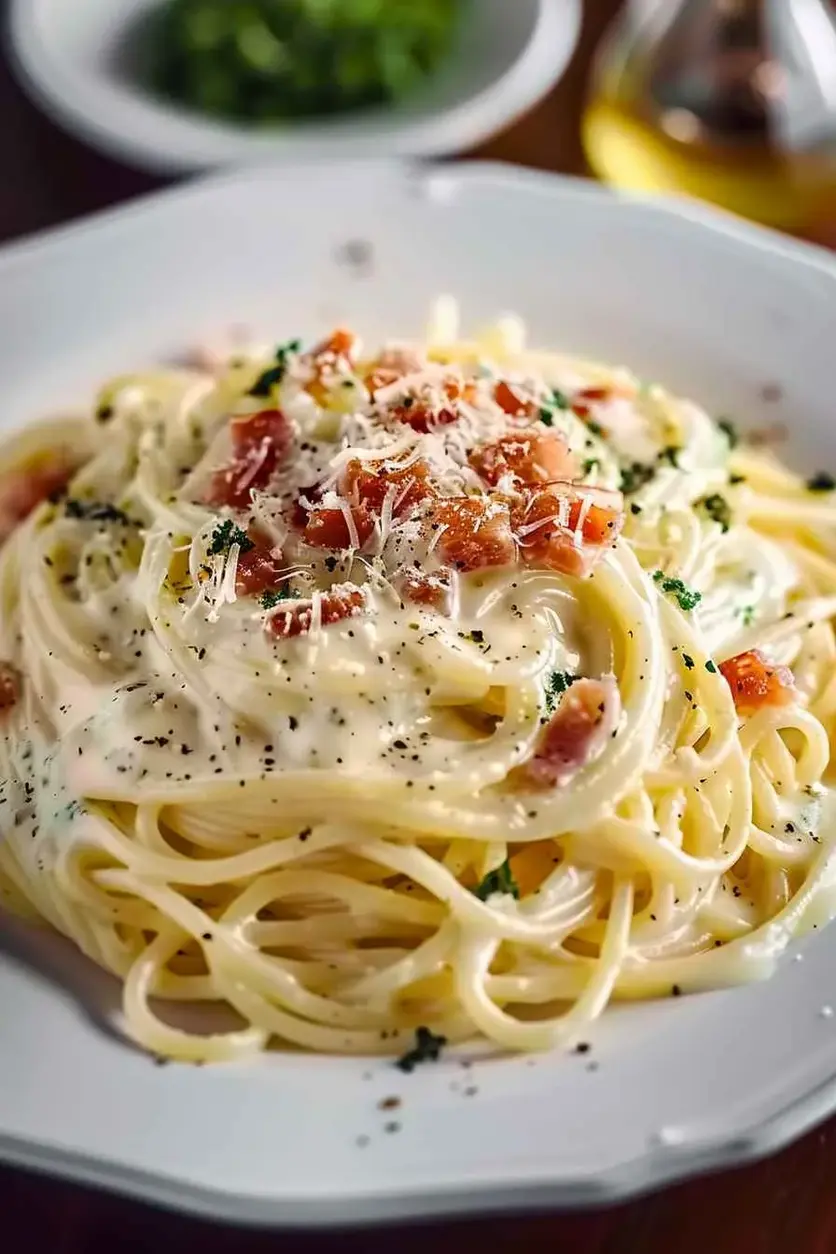
Indulge in Classic Spaghetti Carbonara Delight!
Ever wondered what makes a truly authentic Spaghetti Carbonara so irresistible?
If you’re searching for that perfect balance of creamy, savory, and utterly satisfying,
you’ve landed in the right place. This classic Italian dish, often misunderstood,
is surprisingly simple to master and promises a culinary experience that transports you
straight to Rome. Get ready to unlock the secrets to a restaurant-quality Carbonara right in your own kitchen!
The Allure of Authentic Carbonara
Spaghetti Carbonara is more than just a pasta dish; it’s a culinary icon. Its rich history and simple,
yet profound, ingredients have captivated taste buds for generations. Unlike many Westernized versions
that rely on heavy cream, authentic Carbonara achieves its luxurious texture and deep flavor through
the magical emulsification of eggs, hard cheese, cured pork, and pasta water. This delicate dance of
ingredients creates a sauce that is both rich and light, coating each strand of spaghetti in a velvety embrace.
Are you ready to move beyond the imposters and dive into the true essence of Spaghetti Carbonara?
Let’s embark on this delicious journey together.
Ingredients: The Heart of Your Carbonara
The beauty of Spaghetti Carbonara lies in its minimal, high-quality ingredients. Each component plays a crucial role in building the dish’s signature flavor profile. We’re focusing on tradition here, but don’t worry, we’ll discuss some smart substitutions below!
- 400g (about 14 oz) Spaghetti: The foundation of our dish. Opt for good quality durum wheat spaghetti that holds its shape and texture beautifully.
-
150g (about 5.3 oz) Guanciale: This is cured pork jowl and the absolute traditional choice. Its rich, intensely savory flavor and melt-in-your-mouth texture are unparalleled.
- Substitution: If guanciale is unavailable, good quality pancetta (Italian cured pork belly) is the next best thing. For a slightly different, but still delicious, flavor, you can use thick-cut, high-quality unsmoked bacon, but the flavor will be less traditional.
-
4 large Egg Yolks: These are the emulsifiers of our sauce, creating that luscious, creamy texture.
- Substitution: You can use 2 whole eggs plus 2 yolks for a slightly lighter, but still rich, sauce. However, using only yolks provides the richest, silkiest result.
-
50g (about 1.7 oz) Pecorino Romano Cheese: This hard, salty sheep’s milk cheese is essential for authentic Carbonara. Its sharp, tangy flavor is key. Grate it finely.
- Substitution: A good quality Parmigiano-Reggiano can be used, or a mix of Parmigiano-Reggiano and Pecorino Romano. Using only Parmigiano-Reggiano will result in a slightly less sharp and salty sauce.
- Freshly Ground Black Pepper: Generous amounts are crucial for that characteristic peppery kick. Coarsely ground is best for texture and aroma.
- Salt: For cooking the pasta. Be mindful of the saltiness from the guanciale and Pecorino.
Timing is Everything
Carbonara is a quick dish, and timing is crucial for success. Aim for everything to come together simultaneously.
Compared to the average Carbonara recipe, which often clocks in around 30-40 minutes, this streamlined approach gets you to deliciousness faster, without compromising on quality.
Step-by-Step Instructions
Step 1: Cook the Pancetta (or Guanciale)
Start by cubing your guanciale or pancetta into small, bite-sized pieces (about 1/2 inch). Place them in a large, cold skillet or frying pan. Turn the heat to medium-low and let the fat render out slowly. You want beautifully crisp pieces of pork and plenty of flavorful rendered fat. This slow rendering is key to extracting maximum flavor and achieving that perfect crispy texture without burning. Stir occasionally. This usually takes about 8-10 minutes. Once crispy, remove the pork pieces with a slotted spoon and set them aside on a plate lined with paper towel, but leave the rendered fat in the pan. Don’t discard that precious liquid gold!
Step 2: Cook the Pasta
While the pork is rendering, bring a large pot of generously salted water to a rolling boil. Add the spaghetti and cook according to package directions until al dente – meaning it has a slight bite to it. Crucially, before draining, reserve about 1.5 to 2 cups of the starchy pasta water. This water is your secret weapon for creating the creamy sauce! Drain the pasta well, but do not rinse it.
Step 3: Prepare the Egg Mixture
In a medium bowl, whisk together the egg yolks, grated Pecorino Romano cheese, and a very generous amount of freshly ground black pepper. Whisk until you have a thick, pale yellow paste. This mixture will form the base of your luscious sauce. Make sure your cheese is finely grated so it incorporates smoothly.
Step 4: Combine and Emulsify
This is where the magic happens, and speed is key! Once the pasta is drained, immediately add it to the skillet with the rendered pork fat (off the heat). Toss the spaghetti in the fat to coat each strand. Let it cool for just about 30 seconds to a minute so it doesn’t scramble the eggs. Now, pour the egg and cheese mixture over the hot pasta. Quickly add about 1/4 cup of the reserved hot pasta water. Using tongs, toss vigorously and continuously. The heat from the pasta and the fat will cook the egg yolks gently, while the starch from the pasta water and the cheese will emulsify, creating a smooth, creamy, and glossy sauce. If the sauce seems too thick, add a little more reserved pasta water, a tablespoon at a time, until you reach your desired consistency. You want a sauce that *clings* to the pasta, not one that pools at the bottom. Keep tossing!
Step 5: Serve Immediately
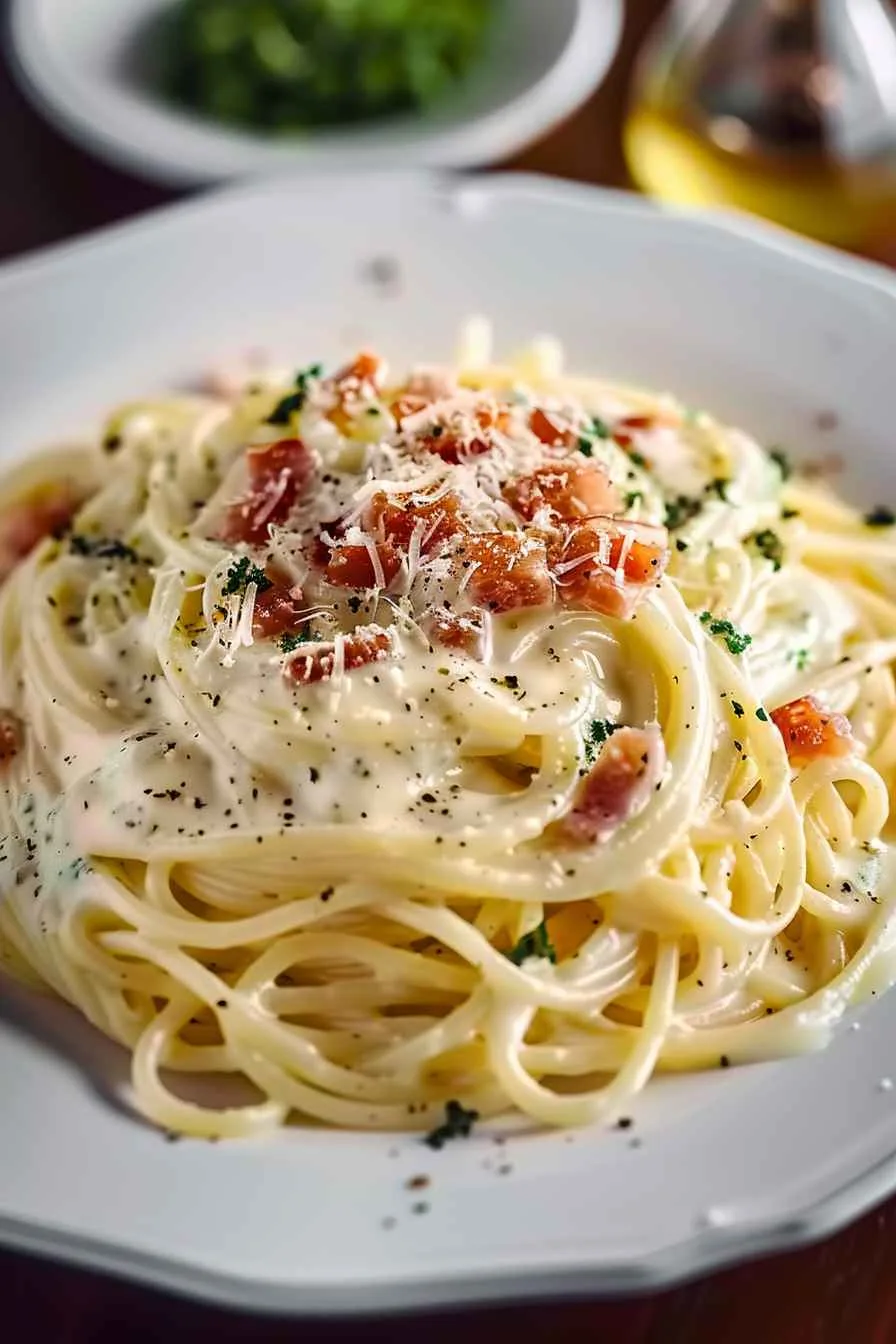
Once the sauce is perfectly creamy and coating the pasta, add about half of the crispy guanciale back into the pan and toss gently. Immediately divide the Carbonara among warm serving bowls. Garnish generously with the remaining crispy guanciale and an extra sprinkle of Pecorino Romano cheese and freshly ground black pepper. Carbonara is best enjoyed the moment it’s made – its texture and flavor are at their peak when hot and freshly tossed.
Nutritional Information (Approximate per serving, based on 4 servings)
- Calories: ~750-850 kcal
- Protein: ~30-35g
- Fat: ~45-55g
- Saturated Fat: ~20-25g
- Carbohydrates: ~55-65g
- Sodium: ~800-1000mg (can vary significantly based on salt used and cured pork)
Please note that these are estimates and can vary based on specific ingredients and portion sizes.
Healthier Alternatives
While the traditional recipe is a celebration of rich flavors, you can make mindful modifications to lighten it up without sacrificing too much of its soul.
- Leaner Pork: Opt for good quality pancetta that has less fat, or even explore using lean turkey bacon (though this significantly changes the flavor profile).
- Reduced Egg Yolks: Use a combination of whole eggs and yolks. For instance, 2 large whole eggs and 1 yolk can still create a creamy sauce with fewer calories and fat.
- Whole Wheat Pasta: Swap traditional spaghetti for whole wheat spaghetti for added fiber.
- Lighter Cheese: While Pecorino Romano is essential for flavor, you can slightly reduce the amount and supplement with a lower-fat hard cheese, or focus on adding more black pepper for pungency.
- “Vegetable” Fat: A small amount of olive oil can be used to crisp up pancetta or in place of some rendered fat if you’re significantly reducing the pork portion.
- Focus on Veggies: While not traditional, adding a handful of steamed or sautéed spinach, peas, or asparagus can boost nutrients and volume.
Serving Suggestions
Spaghetti Carbonara is a complete meal in itself, but if you’re looking to round out your feast, consider these pairings:
- A Simple Green Salad: A crisp salad with a light vinaigrette is the perfect contrast to the richness of the pasta. Think mixed greens, arugula, or romaine.
- Garlic Bread: For an ultimate indulgence, a side of crusty garlic bread is always a crowd-pleaser.
- Wine Pairing: A crisp, dry white wine like a Pinot Grigio or a Vermentino cuts through the richness beautifully.
Common Mistakes to Avoid
Carbonara’s simplicity can sometimes lead to common pitfalls. Here’s how to dodge them:
- Using Cream: Authentic Carbonara does NOT use cream. The creaminess comes from the emulsification of egg yolks, cheese, and pasta water.
- Scrambled Eggs: Adding the egg mixture to overly hot pasta or pan without tempering can lead to scrambled eggs instead of a creamy sauce. Ensure the pan is off the heat and the pasta has cooled slightly.
- Not Using Pasta Water: The starchy pasta water is essential for achieving the correct sauce consistency and emulsification. Reserve more than you think you’ll need!
- Over-Salting: Guanciale and Pecorino Romano are already salty. Be very judicious with adding salt to the pasta water and avoid adding extra salt to the sauce unless absolutely necessary after tasting.
- Overcooking the Pasta: Al dente is key. The pasta will continue to cook slightly in the sauce.
Storing Tips
Spaghetti Carbonara is best enjoyed immediately. The sauce is an emulsion that can break down and become oily or clumpy upon reheating.
- Refrigeration: If you have leftovers, store them in an airtight container in the refrigerator for no more than 1-2 days.
- Reheating: Reheat gently over low heat, adding a splash of water or milk, and stirring constantly. Be prepared that the texture may not be exactly the same as freshly made. You might also want to add a fresh egg yolk and cheese mixture when reheating to revive the creaminess.
Conclusion
Mastering classic Spaghetti Carbonara is a rewarding culinary achievement. By focusing on quality ingredients, proper technique, and swift execution, you can create a dish that is both elegantly simple and incredibly delicious. This recipe offers a gateway to authentic Italian flavors, proving that comfort food doesn’t need to be complicated. So gather your ingredients, embrace the process, and prepare to be delighted!
Did you try this recipe? We’d love to hear about your Carbonara creations in the comments below! Share your tips, variations, and photos! 🍝
FAQs
What is the difference between guanciale and pancetta?
Guanciale is cured pork jowl, much richer and fattier than pancetta (cured pork belly). Guanciale renders a more intense, unique flavor and a melt-in-your-mouth texture that is traditional for Carbonara.
Why doesn’t authentic Carbonara have cream?
Authentic Carbonara derives its creamy texture from the emulsification of egg yolks, Pecorino Romano cheese, and starchy pasta water, combined with the rendered fat from the cured pork. Adding cream would alter the delicate flavor and texture.
Can I use whole eggs instead of just yolks?
Yes, you can use a mix of whole eggs and yolks (e.g., 2 whole eggs + 2 yolks for 400g pasta) for a slightly lighter sauce. However, using only yolks will yield the richest, silkiest, and most traditional result.
My sauce is clumpy! What went wrong?
This usually happens if the eggs were cooked too quickly. Ensure the pan is off the heat when you add the egg mixture and toss vigorously with some reserved pasta water. The pasta should be hot but not scorching, and the residual heat, combined with the starchy water, will gently cook the eggs into a creamy sauce.
Can I prepare parts of Carbonara ahead of time?
While the dish is best made fresh, you can grate your cheese, chop your guanciale/pancetta, and whisk your egg mixture ahead of time. However, the crucial emulsification step must be done right before serving.
Classic Spaghetti Carbonara
Description
Embark on a delightful culinary journey with my Classic Spaghetti Carbonara, a dish that encapsulates the charm of traditional Italian cooking. This recipe, cherished for its creamy, comforting essence and simple elegance, offers a foolproof path to mastering one of Italy’s favorite comfort foods. Perfect for any occasion, whether a quiet dinner at home or a gathering with friends, this Carbonara is sure to impress.
Ingredients
- 400gspaghetti
- 150gpancetta or guanciale, chopped
- 2large eggs
- 1large egg yolk
- 1 cupfreshly grated Pecorino Romano cheese
- Freshly ground black pepper
- Salt, to taste
- Fresh parsley, chopped (for garnish)
Instructions
- Bring alarge potof salted water to boil. Add spaghetti and cook until al dente, approximately 8 minutes. Reserve 1 cup of the pasta cooking water, then drain.
- In a bowl,whisktogether eggs, egg yolk, and half of the cheese. Season generously with black pepper.
- In a skillet, cook pancetta over medium heat until crispy, about 5 minutes. Remove from heat.
- Add hot spaghetti to the skillet with pancetta. Pour in the egg mixture and stir quickly until the pasta is evenly coated and creamy. Add reserved pasta water a little at a time if needed.
- Serve immediately, garnished with remaining cheese and chopped parsley.
Notes
Ensure the pasta is hot when combining with the egg mixture to create a smooth sauce without scrambling the eggs.
Adjust the seasoning with salt and pepper, bearing in mind the saltiness of the pancetta and cheese.
Nutrition
- Calories: 650
- Sugar: 1g
- Fat: 22g
- Carbohydrates: 75g
- Protein: 25g
“`
