“`html
Table of Contents
- Craving Crispy Chicken Without the Hassle?
- The Secret Ingredients for Perfect Buttermilk-Free Fried Chicken
- Timing is Everything: Your Fried Chicken Timeline
- The Art of the Perfect Fry: Step-by-Step
- Nutritional Highlights
- Healthier Alternatives for a Lighter Bite
- Serving Suggestions: Beyond the Basics
- Common Pitfalls to Avoid
- Storing Your Delicious Creation
- The Final Bite: A Triumph of Flavor
- Frequently Asked Questions
How to Make the Perfect Fried Chicken Without the Buttermilk
Craving Crispy Chicken Without the Hassle?
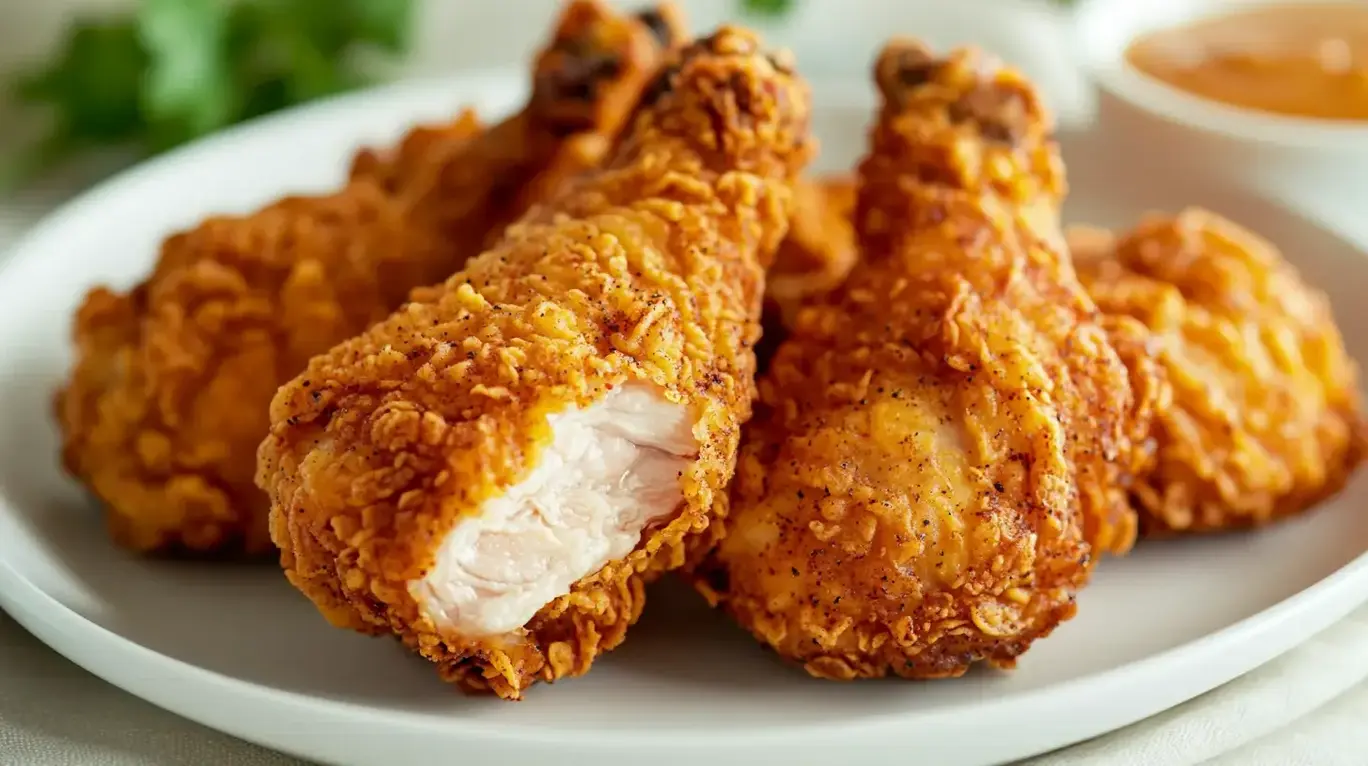
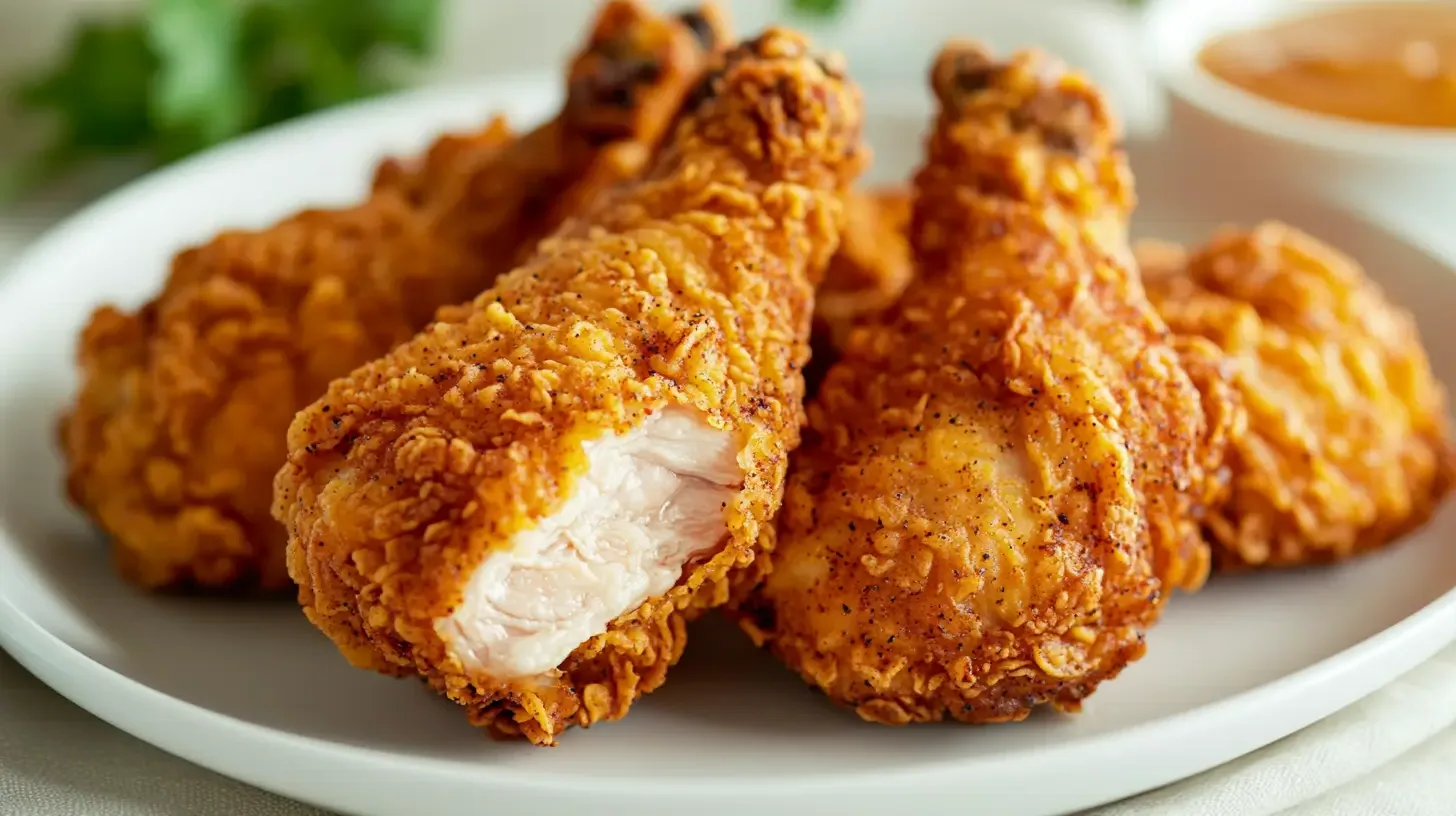
Did you know that a staggering 80% of home cooks consider fried chicken a comfort food classic, yet a significant portion struggle to achieve that perfect crispy exterior and juicy interior without buttermilk? If you’ve ever found yourself reaching for buttermilk only to realize your fridge is bare, or if you’re looking for a dairy-free alternative that doesn’t compromise on flavor or texture, you’re in the right place. We’re about to unlock the secrets to achieving incredibly delicious, golden-brown fried chicken with a satisfying crunch – no sour milk required!
The Secret Ingredients for Perfect Buttermilk-Free Fried Chicken
The magic of buttermilk in fried chicken lies in its acidity, which tenderizes the meat, and its thickness, which helps the coating adhere. We can replicate these crucial elements using common pantry staples. Here’s what you’ll need to achieve that restaurant-quality crunch:
Chicken Cuts
- Bone-in, skin-on chicken pieces (e.g., thighs, drumsticks, breasts, wings) – about 2-3 lbs. The skin ensures maximum crispiness, and bone-in cuts are generally more forgiving and juicy. (Substitution: Boneless, skinless thighs work, but may cook faster and require careful monitoring to prevent drying.)
The Marinade Base
- Plain Yogurt or Kefir – 1 cup. This is our secret weapon! The lactic acid in yogurt tenderizes the chicken beautifully, much like buttermilk. Its creamy texture also helps the coating stick. (Substitution: Sour cream, or a mix of milk and lemon juice/vinegar – let it sit for 5 minutes until slightly curdled.)
- Hot Sauce – 1-2 tablespoons (or to taste). Adds a subtle tang and a hint of heat that complements the savory chicken. No, it won’t make the chicken overwhelmingly spicy! (Substitution: A small splash of Worcestershire sauce or a pinch of cayenne pepper.)
The Flavorful Seasoning Blend
- All-Purpose Flour – 2 cups. The foundation of our crispy coating.
- Cornstarch – 1/4 cup. This is key for extra crispiness and a lighter, airier crust.
- Salt – 2 teaspoons. Essential for bringing out all the flavors. Use kosher or sea salt for best results.
- Black Pepper – 1 teaspoon. Freshly ground adds a more robust peppery bite.
- Paprika – 1 tablespoon. For beautiful color and a mild, smoky sweetness.
- Garlic Powder – 1 teaspoon. Sweet, savory, and universally loved.
- Onion Powder – 1 teaspoon. Adds depth and an umami note.
- Cayenne Pepper (optional) – 1/4 teaspoon. For a gentle kick.
The Crisping Frying Medium
- High Smoke Point Oil – about 3-4 cups (e.g., vegetable oil, canola oil, peanut oil, or shortening). Enough to come about 1.5-2 inches up the side of your pot or Dutch oven. (Note: Olive oil is not recommended for deep frying due to its lower smoke point and flavor.)
Timing is Everything: Your Fried Chicken Timeline
The Art of the Perfect Fry: Step-by-Step
Step 1: Prep the Chicken
Start by patting your chicken pieces thoroughly dry with paper towels. This is a crucial step for achieving a super crispy coating. Remove any excess fat or stray feather quills. If using larger chicken breasts, you can cut them in half to ensure even cooking.
Step 2: Create the Marinade
In a medium bowl, whisk together the plain yogurt (or your chosen substitute), hot sauce, and a pinch of salt and pepper. This creates a tangy, tenderizing liquid with a bit of zing.
Step 3: Marinate for Flavor
Add the dried chicken pieces to the marinade, ensuring each piece is well-coated. Cover the bowl and refrigerate for at least 30 minutes, or ideally, for 2-4 hours. The longer it marinates, the more tender and flavorful your chicken will become.
Step 4: Prepare the Coating
In a shallow dish or a large zip-top bag, combine the flour, cornstarch, salt, black pepper, paprika, garlic powder, onion powder, and cayenne pepper (if using). Whisk or shake well to ensure all the spices are evenly distributed. This is where all the savory flavor is concentrated!
Step 5: Coat the Chicken
Remove the chicken from the marinade, letting any excess drip off. *Do not rinse the chicken.* Dredge each piece generously in the seasoned flour mixture, pressing the flour onto the chicken to create a thick, even coating. For an extra craggy crust, you can dip the floured chicken back into the marinade briefly, then dredge it again in the flour. This creates layers for maximum crisp.
Step 6: Heat the Oil
Pour your chosen frying oil into a heavy-bottomed pot or Dutch oven, ensuring it’s about 1.5-2 inches deep. Heat the oil over medium-high heat to 350°F (175°C). Use a thermometer to ensure accuracy. If you don’t have one, test by dropping a tiny bit of flour into the oil; it should sizzle vigorously.
Step 7: Fry to Perfection
Carefully add the coated chicken pieces to the hot oil, being careful not to overcrowd the pot. Fry in batches. The oil temperature should ideally stay between 325°F and 350°F (160°C-175°C). Cook bone-in pieces for about 15-20 minutes, flipping occasionally, until golden brown and cooked through (internal temperature of 165°F or 74°C). Dark meat may take slightly longer than white meat.
Step 8: Drain and Rest
Once cooked, remove the chicken from the oil using tongs or a spider strainer and place it on a wire rack set over a baking sheet. This allows air to circulate, keeping the underside crisp. Let the chicken rest for at least 5-10 minutes before serving. This allows the juices to redistribute, ensuring a moist interior.
Nutritional Highlights
- Calories: Varies significantly based on chicken parts and portion size.
- Protein: High in protein, especially from chicken breast and thighs.
- Fat: Primarily from the oil used for frying and the chicken skin.
- Carbohydrates: From the flour coating.
(Note: For precise nutritional information, it’s recommended to use an online recipe calculator with your specific ingredients and quantities.)
Healthier Alternatives for a Lighter Bite
While this recipe delivers classic fried chicken flavor, you can make it a bit lighter without sacrificing too much! Try these swaps:
- Air Fryer Method: After coating, place chicken in a single layer in your air fryer basket and cook at 380°F (190°C) for about 20-25 minutes, flipping halfway, until golden and cooked through. Spraying lightly with cooking spray can help with browning.
- Oven Baking: Place coated chicken on a wire rack over a baking sheet. Bake at 400°F (200°C) for 35-45 minutes, flipping halfway, until golden brown and cooked through.
- Whole Wheat Flour: Substitute half of the all-purpose flour with whole wheat flour for added fiber.
- Leaner Cuts: While skinless boneless thighs are an option, consider chicken breast (ensure it’s not overcooked) as a slightly leaner protein source.
Serving Suggestions: Beyond the Basics
This buttermilk-free fried chicken is incredibly versatile. Serve it up with classic Southern sides like:
- Creamy mashed potatoes and gravy
- Coleslaw (creamy or vinegar-based)
- Cornbread or biscuits
- Macaroni and cheese
- A crisp green salad for a lighter meal
- It’s also fantastic in sandwiches or served cold atop a salad the next day!
Common Pitfalls to Avoid
Even with a great recipe, a few common mistakes can derail your fried chicken dreams:
- Not drying the chicken: Excess moisture prevents a crispy coating.
- Overcrowding the pot: Lowers the oil temperature, leading to greasy, soggy chicken. Fry in batches!
- Incorrect oil temperature: Oil too cool results in greasiness; too hot burns the outside before the inside cooks. Use a thermometer!
- Skipping the rest: Letting the chicken rest is crucial for juicy meat.
- Not seasoning enough: Both the marinade and the flour coating need to be well-seasoned.
Storing Your Delicious Creation
Cool the fried chicken completely before storing. Place it in an airtight container or secure with plastic wrap. It will keep in the refrigerator for 3-4 days. For the crispiest reheating, place it on a wire rack in a single layer in a 350°F (175°C) oven for about 10-15 minutes, or until heated through.
The Final Bite: A Triumph of Flavor
Making perfect fried chicken without buttermilk is not only possible but also incredibly rewarding. By understanding the science behind tenderization and crisping, and utilizing simple pantry staples like yogurt, you can achieve that sought-after crispy, juicy, flavorful chicken every time. So, next time buttermilk is MIA, don’t despair! Embrace this method and treat yourself to an unforgettable meal.
Tried this recipe? We’d love to hear how it turned out! Share your experience or any tips you discovered in the comments below!
Frequently Asked Questions
***Can I use chicken breasts?***
Yes, you can! Boneless, skinless chicken breasts cook faster, so watch them carefully to avoid overcooking and drying them out. They may require a slightly shorter frying time than bone-in pieces.
***How do I ensure the chicken is cooked through?***
The most reliable way is to use an instant-read meat thermometer. Insert it into the thickest part of the chicken without touching the bone. It should register 165°F (74°C). If you don’t have a thermometer, poke a piece with a knife; the juices should run clear, not pink.
***My coating fell off during frying. What went wrong?***
This often happens if the chicken wasn’t dried properly before coating, or if the flour mixture wasn’t pressed on firmly enough. Ensure the chicken is dry, and press the flour onto it well. For an even better hold, try the double-dip method (marinade -> flour -> marinade -> flour).
***Can I make the seasoned flour ahead of time?***
Yes, you can mix your dry ingredients for the coating a day or two in advance and store them in an airtight container. However, it’s best to coat the chicken just before frying.
***Is it safe to reuse frying oil?***
Yes, you can reuse frying oil if it hasn’t been overheated or isn’t too dirty. Let the oil cool completely, strain it through cheesecloth or a fine-mesh sieve to remove debris, and store it in an airtight container in a cool, dark place. Avoid reusing oil if it has a burnt smell or taste.
Print
Fried Chicken Without Buttermilk
Description
Maintain oil temperature at 350°F for best resultsFor extra crispiness, let dredged chicken rest longer before fryingChicken should reach internal temperature of 165°FStore leftovers in refrigerator up to 3 days
Ingredients
- 4 pounds chicken pieces (thighs, drumsticks, wings, or breasts)
- 2 cups cold water
- 2 tablespoons kosher salt
- 1 tablespoon white vinegar
- 1 teaspoon sugar
- 3 cloves garlic, smashed
- 1 bay leaf
- For the Seasoned Flour Coating:
- 2 cups all-purpose flour
- 1 tablespoon paprika
- 2 teaspoons garlic powder
- 2 teaspoons onion powder
- 1½ teaspoons black pepper
- 1 teaspoon dried thyme
- 1 teaspoon dried oregano
- 1 teaspoon cayenne pepper
- 2 teaspoons salt
- For the Egg Wash:
- 2 large eggs
- ¼ cup water
- 1 tablespoon hot sauce (optional)
- For Frying:
- Vegetable oil, peanut oil, or canola oil
Instructions
- Combine brine ingredients and submerge the chicken. Refrigerate 4+ hours.
- Pat chicken dry. Prepare dredging station: seasoned flour, egg wash, more seasoned flour.
- Double-dredge each piece and rest for 15 minutes on a wire rack.
- Heat oil to 350°F in a Dutch oven or heavy pan.
- Fry in batches for 12-14 minutes (large pieces) or 10-12 minutes (small pieces), turning once.
- Drain on a wirea rack and rest 5-10 minutes before serving.
Notes
Maintain oil temperature at 350°F for best resultsFor extra crispiness, let dredged chicken rest longer before fryingChicken should reach internal temperature of 165°FStore leftovers in refrigerator up to 3 days
Nutrition
- Calories: 400
“`
