“`html
Table of Contents
- Craving a Flavor Explosion?
- Unlock the Magic: Your Laksa Ingredients
- Laksa in a Flash: Timing is Everything
- Your 30-Minute Laksa Masterpiece: Step-by-Step
- Nutritional Spotlight
- Lighter, Brighter Laksa: Healthier Swaps
- Elevate Your Experience: Serving Suggestions
- Avoiding Laksa Pitfalls: Common Mistakes
- Savoring the Spice: Storing Your Laksa
- Your Delicious Laksa Adventure Awaits!
- Your Burning Laksa Questions Answered
Easy Laksa Recipe: Spicy Coconut Curry Soup in 30 Mins!
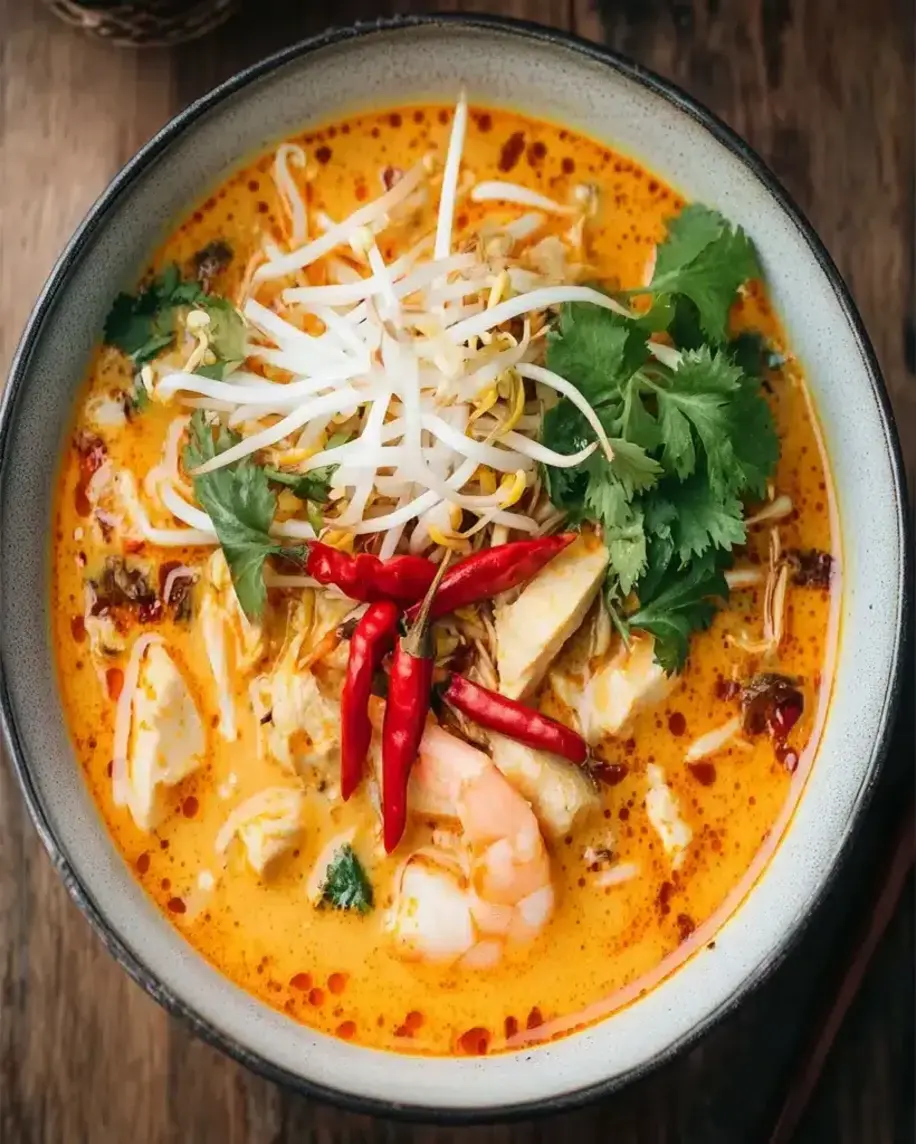
Welcome to your ultimate guide to crafting a sensational Laksa! Are you ready to transport your taste buds to Southeast Asia with a bowl of rich, spicy, and soul-warming coconut curry noodle soup that you can whip up in just 30 minutes? This Easy Laksa Recipe is your passport. We’ll delve into the vibrant world of Laksa, a dish celebrated for its complex flavors and comforting consistency. From understanding the essential aromatics to achieving that perfect creamy broth, this guide will equip you with all the knowledge to create a truly authentic and delicious Laksa at home. Get ready for a culinary adventure!
Unlock the Magic: Your Laksa Ingredients
The heart of any great Laksa lies in its carefully selected ingredients, each contributing to the symphony of flavors. Don’t be intimidated by the list; many are pantry staples or readily available in Asian markets.
The Soul of the Soup: Aromatics
- Ginger: About a 2-inch piece, minced. It brings a zesty, warming kick.
- Garlic: 4-5 cloves, minced. Essential for depth and pungency.
- Shallots: 2-3 large, minced. Sweeter and milder than onions, they add a nuanced sweetness. (Substitution: 1 small red onion)
- Lemongrass: 2 stalks, tough outer layers removed, bruised and finely chopped or pounded. Its citrusy, floral notes are indispensable.
- Red Chilies: 2-4, depending on your heat preference, deseeded (for less heat) and finely chopped. Provides the signature spicy zing. (Substitution: Dried chili flakes or a dash of Sriracha)
- Turmeric: 1 teaspoon, fresh grated or ground. Adds earthy flavor and vibrant color.
- Galangal: 1-inch piece, minced (optional, adds a sharper, more peppery zest than ginger). (Substitution: More ginger)
The Rich Foundation: Curry Paste & Coconut Milk
- Laksa Paste: 2-3 tablespoons. This is the flavor powerhouse! You can buy high-quality store-bought paste for convenience, or make your own if you have more time. Look for brands with a good balance of spices. (Substitution: A blend of red curry paste and a touch of shrimp paste for umami, though it won’t be authentic Laksa paste)
- Coconut Milk: 1 can (13.5 oz / 400ml), full-fat. The creamy, luscious base that balances the spice beautifully.
- Vegetable or Chicken Broth: 2 cups. Adds liquid and depth to the broth. (Substitution: Water for a lighter broth)
- Vegetable Oil: 1-2 tablespoons, for sautéing. (Substitution: Coconut oil for extra flavor)
Hearty Additions: Protein & Veggies
- Protein: 8 oz of your choice. Think shrimp, shredded cooked chicken, firm tofu cubes, or fish balls.
- Bok Choy or Spinach: 1-2 cups, roughly chopped. Adds a fresh, green crunch and nutrients. (Substitution: Other leafy greens like Swiss chard or even snow peas)
- Bean Sprouts: A handful, for a refreshing crispness. (Substitution: Shredded cabbage)
The Comforting Finish: Noodles & Toppings
- Laksa Noodles: 8 oz. These are typically thick rice vermicelli or even dried egg noodles. Cooked according to package directions. (Substitution: Regular rice noodles, spaghetti, or udon)
- Lime Wedges: For a burst of fresh acidity.
- Cilantro: Fresh sprigs, for garnish.
- Fried Shallots: A sprinkle for crunch and caramelized flavor.
- Chili Oil: For those who like it extra spicy.
Laksa in a Flash: Timing is Everything
Traditional Laksa can sometimes take hours to develop its rich flavors. However, this recipe is designed for speed and convenience, clocking in at a remarkable 30 minutes total. This is significantly faster than the average homemade Laksa, which often requires hours of simmering or complex spice paste preparation. Our focus on pre-made paste and quick-cooking ingredients makes this an ideal weeknight meal.
Your 30-Minute Laksa Masterpiece: Step-by-Step
Step 1: Building the Aromatic Foundation
In a large pot or Dutch oven, heat the vegetable oil over medium heat. Add the minced ginger, garlic, shallots, lemongrass, and chilies. Sauté for about 2-3 minutes until fragrant, stirring constantly. This step is crucial for unlocking the essential oils and aromas of your aromatics. If using galangal, add it with the ginger.
Step 2: Blooming the Curry Paste for Maximum Flavor
Add the Laksa paste to the pot with the aromatics. Cook for another 1-2 minutes, stirring continuously. This process, known as “blooming” the paste, toasts the spices and releases their full flavor potential, creating a deeper, more complex base for your soup.
Step 3: Simmering the Coconut Broth
Pour in the full-fat coconut milk and the vegetable or chicken broth. Stir well to combine everything, scraping up any bits from the bottom of the pot. Bring the mixture to a gentle simmer. Let it simmer for about 5-7 minutes, allowing the flavors to meld beautifully. Avoid a rolling boil, as this can sometimes cause coconut milk to separate.
Step 4: Cooking the Protein and Vegetables
Add your chosen protein (shrimp, chicken, tofu) to the simmering broth. If using quick-cooking items like shrimp, they will only need a few minutes. For more robust vegetables like bok choy stems, add them now too. Cook for 2-3 minutes until the protein is almost cooked through. Then, add the leafy greens (bok choy leaves or spinach) and bean sprouts. Cook for another 1-2 minutes, just until the greens are wilted and the bean sprouts are tender-crisp.
Step 5: Assembling Your Laksa Bowls
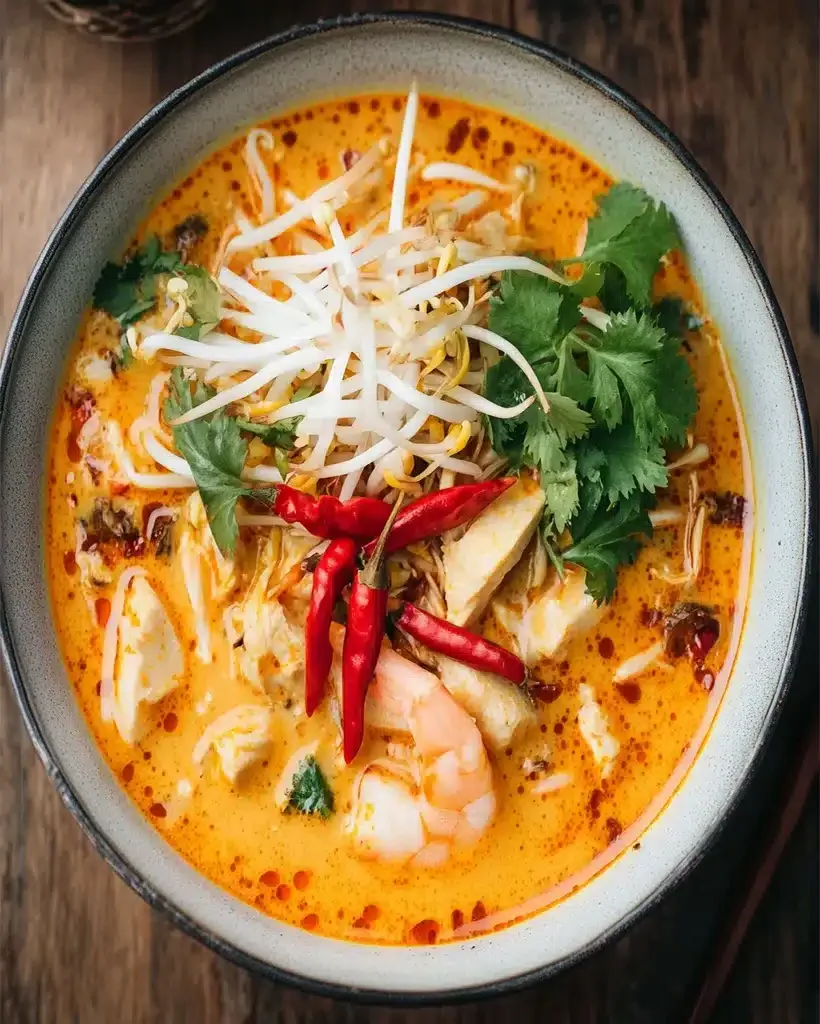
While your soup simmers, prepare your noodles according to package directions. Divide the cooked noodles among serving bowls. Ladle the hot Laksa soup, with all its delicious ingredients, over the noodles. Garnish generously with fresh cilantro, a sprinkle of fried shallots, and serve immediately with lime wedges on the side for squeezing. Add a drizzle of chili oil if you desire extra heat.
Nutritional Spotlight
While exact nutritional values can vary based on ingredients and portion sizes, a typical serving of this Easy Laksa recipe is estimated to be:
- Calories: Approximately 450-600 kcal
- Protein: 20-30g
- Fat: 30-45g (depending on coconut milk richness and amount of oil)
- Carbohydrates: 25-40g
- Fiber: 5-10g
Note: This is a general estimate. Using lighter coconut milk, leaner proteins, and fewer noodles will reduce calorie and fat content.
Lighter, Brighter Laksa: Healthier Swaps
Want a lighter version without sacrificing flavor? Try these smart substitutions:
- Reduced-Fat Coconut Milk: Use the light version of coconut milk, or dilute full-fat with water or unsweetened plant-based milk.
- Leaner Protein: Opt for lean chicken breast, shrimp, or firm tofu over fattier meats.
- Whole Wheat Noodles: If using dry noodles, choose whole wheat or brown rice vermicelli for added fiber.
- Load Up on Veggies: Add extra non-starchy vegetables like bell peppers, broccoli florets, or snap peas for more nutrients and fiber.
- Less Oil: Use non-stick spray or reduce the amount of oil used for sautéing aromatics.
Elevate Your Experience: Serving Suggestions
Serve your delicious Laksa piping hot! The accompaniments are key to the full Laksa experience:
- Lime Wedges: Essential for adding a bright, acidic counterpoint to the rich broth.
- Fresh Herbs: Generous handfuls of cilantro and optionally some Thai basil add freshness.
- Chili Sambal or Oil: For those who crave extra heat, a small side of chili paste or chili oil is a must.
- Fried Shallots: A sprinkle offers a delightful crunch and savory-sweet note.
- G Dobson Noodles: Some prefer a smaller portion of noodles, while others like it noodle-heavy. Adjust to your preference.
Avoiding Laksa Pitfalls: Common Mistakes
To ensure your Laksa is perfect, avoid these common errors:
- Not Blooming the Curry Paste: This is key to developing deep flavor. Sautéing the paste awakens its spices.
- Overcooking the Noodles: Mushy noodles can ruin the texture. Cook them just until al dente.
- Boiling the Coconut Milk: A vigorous boil can cause coconut milk to split and curdle. Simmer gently.
- Skipping the Aromatics: Even with good Laksa paste, building a fresh aromatic base significantly elevates the soup.
- Not Balancing Flavors: Remember to add a squeeze of lime at the end to cut through the richness and add brightness.
Savoring the Spice: Storing Your Laksa
Laksa is best enjoyed fresh, but leftovers can be stored:
- Refrigeration: Store cooled Laksa soup in an airtight container in the refrigerator for up to 2-3 days. It’s best to store noodles separately if possible, as they can absorb too much liquid and become soggy.
- Reheating: Gently reheat the soup on the stovetop over low heat, stirring occasionally. Add a little extra broth or water if it’s too thick. Add cooked noodles and any delicate vegetables just before serving to avoid overcooking.
- Freezing: While not ideal due to the coconut milk and noodles, you can freeze the broth base for up to a month. Reheat and add fresh ingredients and noodles upon thawing.
Your Delicious Laksa Adventure Awaits!
There you have it – your guide to creating an incredibly flavorful, spicy, and creamy Laksa soup in under 30 minutes! This recipe is a testament to how quickly you can achieve complex, restaurant-quality flavors at home. Whether you’re a busy weeknight warrior or a culinary explorer, this Easy Laksa Recipe is sure to become a favorite. So, gather your ingredients, ignite your senses, and dive into this delightful bowl of comfort. Don’t forget to share your Laksa creations with us!
Your Burning Laksa Questions Answered
***What makes Laksa different from other noodle soups?***
Laksa is distinguished by its rich, spicy broth, typically based on coconut milk and a complex blend of spices. It often features a unique balance of sweet, sour, salty, and spicy flavors, with a creamy texture that sets it apart from clearer broths.
***Can I make this recipe vegetarian or vegan?***
Absolutely! For a vegetarian version, use vegetable broth and firm tofu or mixed vegetables as your protein. For a vegan version, ensure your Laksa paste is vegan (some contain shrimp paste) and use vegetable broth and firm tofu.
***How spicy is this Laksa? Can I control the heat?***
The spice level depends heavily on the Laksa paste used and the number of chilies you add. To control the heat, start with less chili and adjust to your preference. You can also remove the seeds and membranes from the chilies, as this is where most of the capsaicin resides. Serve with chili oil on the side for those who want extra heat.
***What kind of Laksa paste is best?***
The “best” paste can depend on regional variations and personal preference, but look for brands that are widely available in Asian markets or international aisles of supermarkets. Common types include curry laksa paste, asam laksa paste (which is sour and tangy), and Penang laksa paste. For this recipe, a curry laksa paste is ideal.
Laksa Recipe – Spicy Coconut Curry Soup for Easy Cooking
Description
Welcome to our detailed guide on preparing adelicious Laksa, a spicy coconut noodle soup that combines rich, bold flavors and smooth coconut milk for a comforting, warm meal. In this article, we’ll walk you through every step of creating the perfectLaksa, providing tips, substitutions, and pairing suggestions along the way. Whether you’re a seasoned chef or a home cook looking to try something new, this recipe is sure to please.
Ingredients
- For those with dietary restrictions, tofu can replace chicken for a vegetarian version. Use gluten-free noodles if necessary, and substitute soy sauce for fish sauce to make this recipe vegan-friendly.
Instructions
- Soak therice noodlesin cold water for 30 minutes or until soft. Drain and set aside until ready to serve.
- Combine3 tsp sambal oelek,2 tsp sriracha, and1 tsp laksa pastein a bowl. Set aside for garnishing later.
- Place4 chicken thighsin a saucepan with3 cups of chicken stockand2 tsp of fish sauce.
- Simmer the chicken until it reaches an internal temperature of165°F(about 20 minutes for boneless or slightly longer for bone-in).
- Remove the chicken from the stock, shred or cut into bite-sized pieces, and set aside. Reserve the chicken stock for later.
- In a large pot, bring water to a rolling boil for the noodles.
- In a separate saucepan, heat2 tbsp of vegetable oilover medium heat.
- Add1/2 cup of laksa pasteand cook for 1 minute, stirring frequently.
- Add1 tsp turmeric powderand1/2-1 tsp kashmiri chili powder, cooking for another minute.
- Scoop out the thick coconut cream (the top 1/4 of the can) and add it to the paste mixture. Cook for about 1 minute.
- Pour in the rest of thecoconut milkandreserved chicken stock. Stir and bring to a simmer.
- Add thetofu puffs(optional) and cook for 5 minutes.
- Return theshredded chickento the pot and cook until warmed through (about 2-3 minutes).
- Drop the pre-soaked noodles into the boiling water and cook for 1 minute. Drain.
- Divide the noodles into two bowls and ladle the soup overtop.
- Garnish withbean sprouts, cilantro, red chilies, and a spoonful of the quick chili sauce. Serve hot!
Notes
Use Fresh Ingredients: Fresh herbs like cilantro and bean sprouts add a refreshing contrast to the rich broth.
Adjust Spice Levels: If you prefer a milder soup, reduce the amount of sambal oelek or chili powder.
Noodle Texture: Don’t overcook the noodles when flash boiling, as they can become mushy.
“`
