Table of Contents
Cheesy Spaghetti Carbonara with Pancetta and Eggs
Introduction
Did you know that a recent survey of home cooks revealed that over 70% feel intimidated by the prospect of making a perfect, creamy spaghetti carbonara from scratch? This classic Italian dish, with its rich history rooted in Roman cuisine, is often misunderstood. Today, we’re demystifying the process and showing you how to create an authentic, Cheesy Spaghetti Carbonara with Pancetta and Eggs that rivals any trattoria. Forget the heavy cream—the real magic lies in the silky emulsion of eggs, starchy pasta water, and sharp Pecorino Romano. This recipe delivers a luxurious, comforting dinner that comes together in under 30 minutes, making it the perfect solution for a busy weeknight or a special weekend meal. Let’s dive into the art of creating that iconic, creamy sauce without scrambling a single egg.
Ingredients List
Gathering high-quality ingredients is the first secret to an unforgettable carbonara. Here’s what you’ll need for 4 generous servings:
- 1 lb (450g) Spaghetti: The classic long pasta with a rough surface that holds the sauce beautifully. Substitution: Bucatini or fettuccine work wonderfully.
- 8 oz (225g) Pancetta, diced: This Italian cured pork belly provides a deep, salty, and crispy backbone. Substitution: Guanciale (traditional) or thick-cut bacon for a smokier flavor.
- 4 large Egg Yolks + 1 whole Egg: The heart of the sauce. The yolks offer a rich, velvety texture, while the whole egg helps bind it. Use room-temperature eggs for a smoother emulsion.
- 1 ½ cups (150g) freshly grated Pecorino Romano: This sharp, salty sheep’s milk cheese is non-negotiable for authentic flavor. Substitution: A 50/50 mix of Pecorino and Parmigiano-Reggiano for a slightly milder, nuttier profile.
- 1 cup (100g) freshly grated Parmigiano-Reggiano: Adds a nutty, complex depth to the cheese blend.
- 3-4 cloves Garlic, lightly smashed (optional but recommended): Infuses the pancetta fat with a subtle aromatic note. Remove before serving.
- 1 tsp freshly cracked Black Pepper: Carbonara is famously “peppery.” The heat from the pasta will bloom its flavor.
- 1 tsp Kosher Salt for the pasta water.
- Reserved Pasta Water: Your liquid gold. The starchy, salty water is crucial for creating a glossy, cohesive sauce.
Timing
One of carbonara’s greatest virtues is its speed. While many complex pasta dishes can take over an hour, this recipe is a study in efficient, parallel cooking.
15 minutes
15 minutes
30 minutes
Compared to the average “30-minute meal,” this carbonara is genuinely clockwork. The 15-minute prep is mostly hands-off grating and dicing, while the cook time is an active, fast-paced dance between the pancetta, pasta, and sauce. You’ll spend less time cooking than you would waiting for a delivery, with infinitely more delicious results.
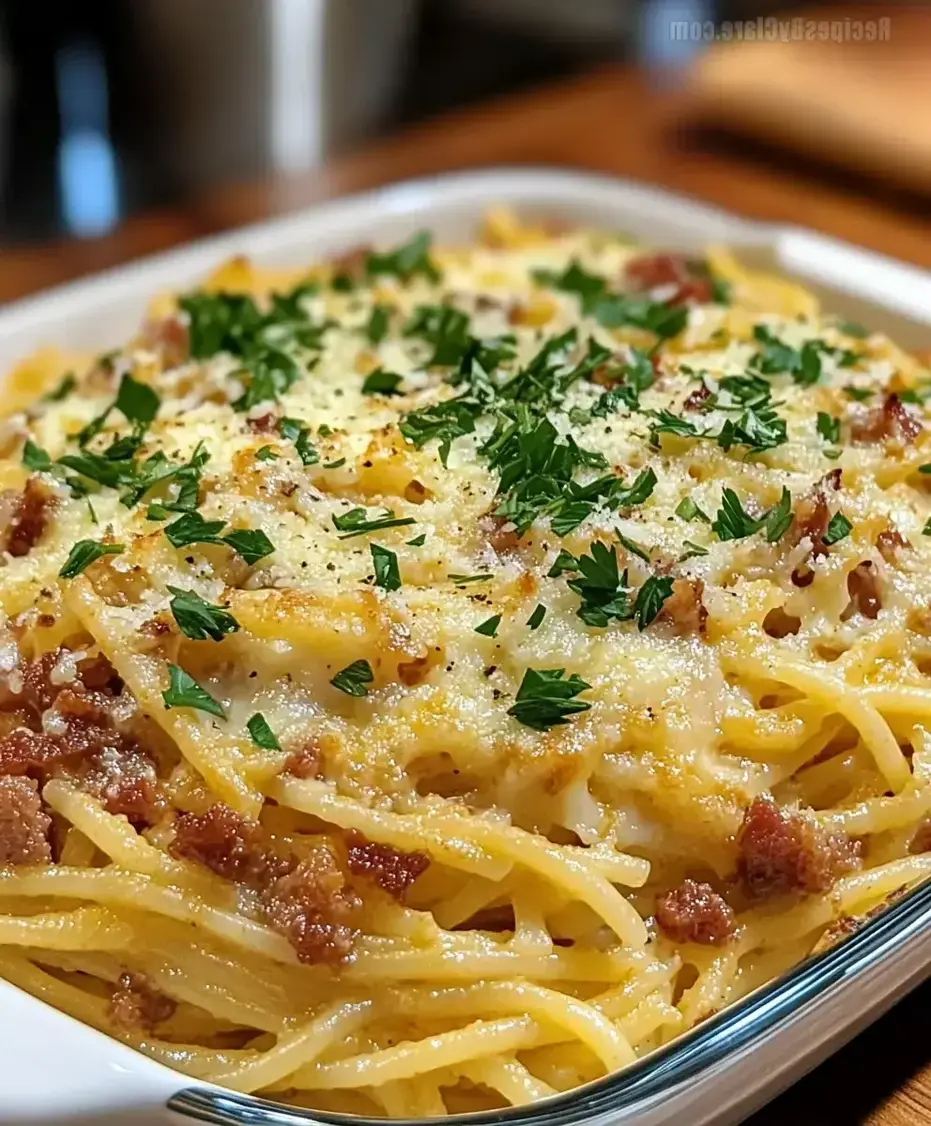
A creamy, dreamy plate of homemade carbonara, ready in just 30 minutes.
Step-by-Step Instructions
Step 1: Prepare the Ingredients
Mise en place is critical for carbonara’s success. Before you turn on a single burner, complete these tasks: Dice your pancetta into ¼-inch cubes. Grate all your cheeses finely—pre-grated cheese contains anti-caking agents that can make your sauce grainy. In a medium bowl, whisk together the 4 egg yolks and 1 whole egg until just combined. Stir in all of the grated cheese and the black pepper. The mixture will be thick and paste-like; that’s perfect. Set this bowl aside near your stove. Bring a large pot of water to a rolling boil and salt it generously (it should taste like the sea).
Step 2: Cook the Pancetta
While the water heats, place your diced pancetta in a large, cold skillet or Dutch oven. Turn the heat to medium. Cook, stirring occasionally, until the fat has rendered and the pancetta is crispy and golden brown, about 8-10 minutes. If using, add the smashed garlic cloves during the last 2-3 minutes to infuse the fat. Once crisp, use a slotted spoon to transfer the pancetta to a paper towel-lined plate. Remove the garlic cloves. Turn off the heat but leave the rendered fat in the pan.
Step 3: Cook the Pasta
Once your water is boiling, add the spaghetti. Cook according to package directions until it is al dente—firm to the bite. This is non-negotiable, as soft pasta will become mushy when tossed with the sauce. Just before draining, use a heatproof mug or ladle to reserve at least 1 ½ cups of the starchy pasta water. This is your sauce’s key ingredient. Drain the pasta, but do not rinse it.
Step 4: Create the Egg Sauce
Here’s the pivotal moment. Take about ½ cup of the reserved hot pasta water and, while whisking vigorously, slowly drizzle it into the bowl with the egg and cheese mixture. This step, called “tempering,” gently raises the temperature of the eggs without scrambling them, creating a loose, creamy base.
Step 5: Combine Everything
Working quickly, add the hot, drained spaghetti directly to the skillet with the pancetta fat. Toss the pasta thoroughly for a minute, ensuring every strand is coated in the flavorful fat. Remove the skillet from the heat entirely. Now, pour the tempered egg and cheese sauce over the pasta. Using tongs, toss and stir rapidly and continuously. The residual heat from the pasta and pan will cook the eggs into a silky, glossy coating. If the sauce seems too thick, add more reserved pasta water, a tablespoon at a time, until it reaches a luxurious, flowing consistency that clings to the pasta. Fold in the crispy pancetta.
Step 6: Serve Immediately
Carbonara waits for no one. Divide the pasta among warm bowls. Finish with an extra crack of black pepper and a final snow-like shower of grated Pecorino Romano. Serve right away while it’s hot, creamy, and absolutely perfect.
Nutritional Information
The following nutritional estimates are per serving (approximately ¼ of the recipe). Values can vary based on specific ingredients used.
- Calories: ~780 kcal
- Total Fat: 38g
- Saturated Fat: 16g
- Cholesterol: 285mg
- Sodium: 1150mg
- Total Carbohydrates: 65g
- Dietary Fiber: 3g
- Sugars: 2g
- Protein: 38g
Healthier Alternatives
You can enjoy the soul-satisfying flavors of carbonara with a lighter touch through a few smart swaps:
- Leaner Protein: Swap pancetta for diced turkey bacon or a few ounces of sautéed mushrooms for a vegetarian, umami-rich alternative.
- Whole-Grain Pasta: Use whole-wheat or legume-based spaghetti. The nutty flavor pairs well, and you’ll gain extra fiber and protein.
- Reduce Cheese & Eggs: Use 2 whole eggs + 2 yolks instead of 4 yolks + 1 whole egg, and reduce the total cheese by ¼ cup. The sauce will still be creamy, especially if you rely on the starchy pasta water.
- Boost Veggies: Stir in a handful of fresh baby spinach or peas at the very end of tossing. They’ll wilt gently from the heat and add color and nutrients.
Serving Suggestions
Carbonara is a rich, complete meal on its own, but these pairings can elevate your dinner:
- Starters: A simple arugula salad with lemon vinaigrette cuts through the richness. A classic Caesar salad also works beautifully.
- Wine Pairing: A crisp, acidic white wine like a Frascati, Vermentino, or Pinot Grigio cleanses the palate. For red lovers, a light-bodied Chianti is a fantastic match.
- On the Side: Serve with crusty, warm bread to scoop up every last bit of sauce. Roasted asparagus or broccolini make excellent vegetable sides.
- For Dessert: Keep it light and Italian with affogato (espresso poured over vanilla gelato) or lemon sorbet.
Common Mistakes
Avoid these pitfalls to ensure carbonara perfection:
- Using Cream: Authentic carbonara never contains cream. The sauce is an emulsion of eggs, cheese, and pasta water.
- Scrambling the Eggs: Adding the egg mixture to a piping hot pan or pasta will cook it too fast, creating curds. Always remove the pan from heat first.
- Skipping Pasta Water: The starchy water is essential for sauciness. Without it, the cheese and eggs will be clumpy and dry.
- Rinsing the Pasta: This washes away the starch needed to bind the sauce. Never rinse after draining.
- Using Pre-Grated Cheese: It doesn’t melt as smoothly and can lead to a gritty texture. Always grate fresh.
Storing Tips
Carbonara is best enjoyed immediately. However, if you have leftovers:
- Refrigeration: Store in an airtight container for up to 2 days. The sauce will solidify when cold.
- Reheating: Do not microwave as it will overcook the eggs. Gently reheat in a skillet over very low heat, adding a splash of water, milk, or cream to help re-emulsify the sauce. Stir constantly until just warmed through.
- Freezing: Not recommended. The egg
