“`html
Table of Contents
- Craving Fried Rice?
- Unlock the Perfect Fried Rice
- Master Your Fried Rice Timing
- Crafting Your Better-Than-Takeout Fried Rice
- Nutritional Highlights
- Healthier Swaps for Lighter Indulgence
- Elevate Your Fried Rice Experience
- Avoid These Common Fried Rice Pitfalls
- Savor Every Bite: Storing Your Fried Rice
- Your Go-To Fried Rice is Here!
- Frequently Asked Questions
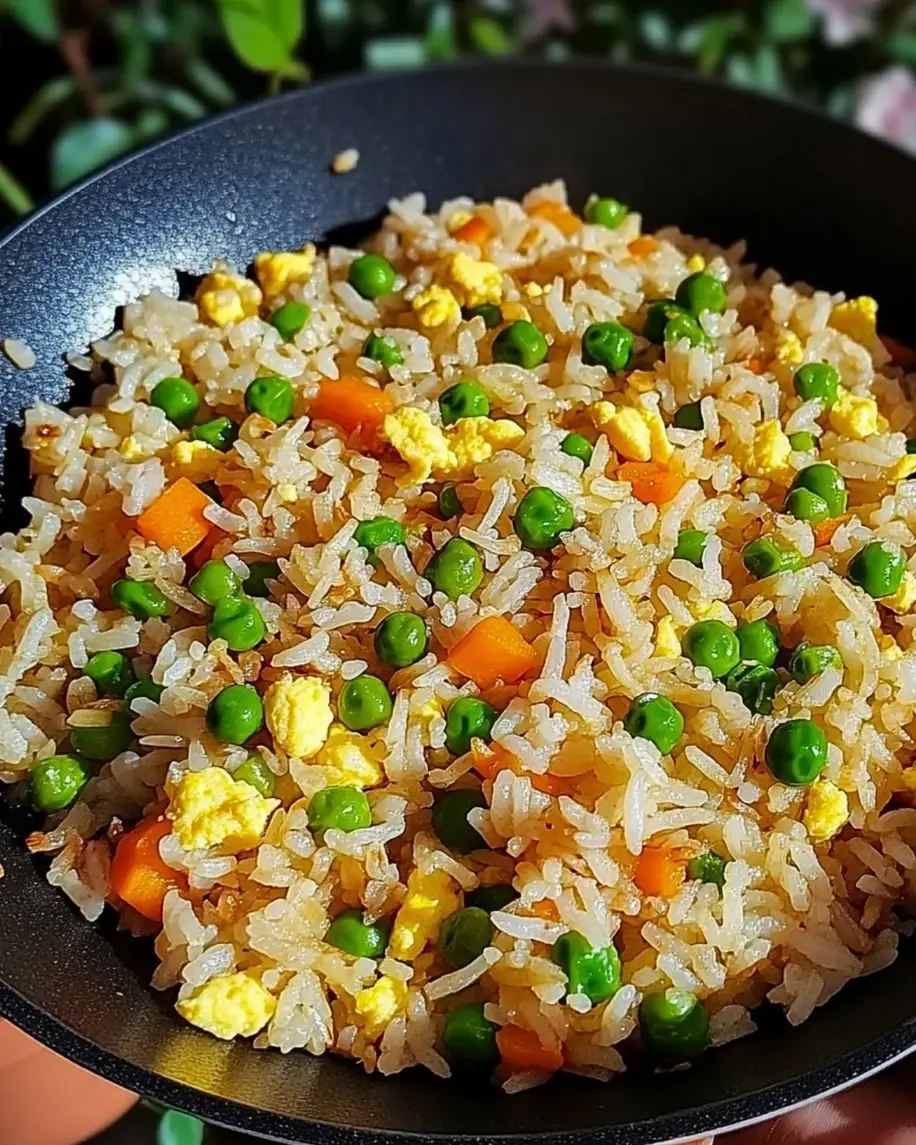
Better Than Takeout Fried Rice
Craving Fried Rice?
Did you know that the average American orders takeout fried rice at least twice a month, spending upwards of $20 each time? That’s a significant chunk of change and often leaves you wondering if there’s a way to replicate that satisfying, savory flavor at home without the premium price tag or the mystery ingredients? You’re in luck! This recipe is about to become your new weeknight hero, offering a healthier, more customizable, and undeniably delicious alternative to your favorite Chinese restaurant staple. Get ready to ditch the delivery app and embrace the ultimate comfort food, made right in your own kitchen.
Unlock the Perfect Fried Rice
The secret to restaurant-quality fried rice lies in quality ingredients and how you prepare them. Here’s what you’ll need, with little tips to elevate each component:
- Cold, Day-Old Cooked Rice: (About 3-4 cups) This is non-negotiable! Freshly cooked rice is too moist and will result in a clumpy, mushy fried rice. Jasmine or basmati are excellent choices, offering a fragrant base. If you don’t have leftover rice, cook some the day before, spread it on a baking sheet, and refrigerate it until chilled and slightly dried out.
- Proteins (Optional): (1 cup, diced or shredded)
- Chicken, Pork, or Shrimp: Marinate briefly in soy sauce and a touch of sesame oil for extra flavor.
- Tofu or Tempeh: Press extra-firm tofu to remove moisture, then cube and pan-fry until golden for a satisfying chew.
- Eggs: (2 large) Lightly beaten, these add richness and classic fried rice texture.
- Aromatics:
- Garlic: (3-4 cloves, minced) Freshly minced garlic provides an pungent, irresistible aroma.
- Ginger: (1 tablespoon, grated or minced) A warm, zesty kick that complements the other flavors beautifully. Fresh is best for that vibrant bite!
- Scallions (Green Onions): (3-4 stalks, whites and greens separated, thinly sliced) The whites add a mild oniony flavor during cooking, while the greens offer a fresh, crisp finish.
- Vegetables (About 1.5 – 2 cups, chopped): Feel free to customize!
- Frozen Peas and Carrots: The classic duo. No need to thaw.
- Broccoli Florets: Small, bite-sized pieces cook quickly.
- Bell Peppers (any color): Adds sweetness and vibrant color.
- Onion: Diced yellow or red onion for a foundational sweetness.
- Mushrooms: Sliced cremini or shiitake for an earthy, umami depth.
- The Sauce:
- Soy Sauce: (2-3 tablespoons, low-sodium is recommended) The salty, umami backbone.
- Oyster Sauce: (1 tablespoon, optional but highly recommended) Adds a rich, savory, slightly sweet depth that’s hard to beat. Use vegetarian oyster sauce for a plant-based option.
- Sesame Oil: (1 teaspoon) Toasted sesame oil for that unmistakable nutty aroma. Add at the end for maximum flavor.
- Rice Vinegar: (1 teaspoon, optional) A touch of acidity to balance the richness.
- Sugar: (1/2 teaspoon, optional) A pinch to enhance sweetness and balance saltiness.
- Cooking Oil: (2-3 tablespoons, high smoke point) Avocado oil, grapeseed oil, or peanut oil are ideal. Avoid olive oil as it can burn.
Master Your Fried Rice Timing
Most takeout fried rice recipes have a quick cook time, but prep is key! This recipe focuses on efficiency.
Compared to the average 45-60 minute cook time for complex homemade meals, this fried rice is a speed demon. The key is having everything prepped and ready to go before you even turn on the stove.

Crafting Your Better-Than-Takeout Fried Rice
Step 1: Mise en Place is Key!
This is the most crucial step for success. Ensure all your ingredients are prepped before you begin cooking. Mince the garlic and ginger, chop your vegetables into uniform, bite-sized pieces, separate the scallion whites from the greens and slice them, dice/shred your protein, and whisk your eggs. Whisk together the soy sauce, oyster sauce, rice vinegar, and sugar in a small bowl to create your sauce. Have your cold rice ready to go.
Step 2: Sear Your Protein to Perfection
Heat 1 tablespoon of your high-smoke-point oil in a large wok or skillet over medium-high heat until shimmering. If using protein (chicken, pork, shrimp, tofu), add it in a single layer and cook until browned and cooked through. Remove the protein from the wok and set aside. If using eggs, push the other ingredients to one side of the wok (or remove them momentarily), add a little more oil if needed, and scramble the eggs until just set. Remove and set aside with the protein, or break them up and leave them in the wok.
Step 3: Awaken the Aromatics
Add another tablespoon of oil to the hot wok. Add the minced garlic, grated ginger, and the white parts of the scallions. Stir-fry for about 30-60 seconds until incredibly fragrant. Be careful not to burn the garlic!
Step 4: Bring on the Veggies
Add your chopped vegetables (except for the green parts of the scallions) to the wok. Stir-fry for 3-5 minutes, or until the vegetables are tender-crisp. If using frozen peas and carrots, you can add them directly from frozen; they’ll cook quickly. You want them tender but still with a slight bite, not mushy.
Step 5: The Rice Takes Center Stage
Push the vegetables to the side of the wok, or remove them temporarily to make space. Add a little more oil if the wok looks dry. Add the cold, day-old rice to the wok. Use your spatula to break up any clumps. Stir-fry the rice for about 3-5 minutes, allowing it to heat through and get slightly toasted. This is where you start to build that wonderful texture.
Step 6: The Sauce Magic Happens!
Pour the prepared sauce mixture evenly over the rice and vegetables. Toss everything together vigorously, ensuring the sauce coats every grain of rice and all the ingredients. Cook for another 1-2 minutes, allowing the sauce to thicken slightly and caramelize a bit.
Step 7: Scramble and Combine
Add the cooked protein and scrambled eggs back into the wok. Toss everything together once more to combine and heat through. The goal is to distribute all the delicious components evenly throughout the rice.
Step 8: Final Toss and Serve
Stir in the toasted sesame oil and most of the sliced green scallion greens. Give it a final toss. Taste and adjust seasoning if necessary – you might want a dash more soy sauce or a pinch of salt. Serve immediately, garnished with the remaining scallion greens.
Nutritional Highlights
While exact nutritional values will vary based on ingredients and portion sizes, a typical serving of homemade fried rice (made with lean protein and moderate oil) tends to be lower in sodium and fat compared to takeout versions. It’s a good source of carbohydrates for energy, with protein and fiber depending on your chosen additions.
- Calories: Varies widely, typically 300-500 kcal per serving.
- Protein: High, especially with added meat, eggs, or tofu.
- Carbohydrates: Primary energy source from rice.
- Fat: Can be controlled by the amount of oil used and type of protein.
- Fiber: Boosted with generous amounts of vegetables.
Healthier Swaps for Lighter Indulgence
Want to make it even healthier? Here are some easy swaps:
- Load up on Veggies: Double or triple the amount of vegetables. Think spinach, edamame, bell peppers, broccoli, and mushrooms. They add volume, nutrients, and fiber without many calories.
- Lean Protein: Opt for chicken breast, turkey, shrimp, or plant-based proteins like edamame or firm tofu.
- Brown Rice: While not traditional, using cooked brown rice boosts fiber content significantly.
- Reduced Sodium Soy Sauce: A simple switch to lower your sodium intake.
- Less Oil: Use a good non-stick wok or a spray oil to minimize added fats.
Elevate Your Fried Rice Experience
Fried rice is a complete meal on its own, but here are some ideas to make it even more special:
- Garnishes: Toasted sesame seeds, a drizzle of sriracha, a sprinkle of chili flakes, or a wedge of lime add extra flavor and visual appeal.
- Side Dishes: Serve with a light, crisp cucumber salad or some steamed edamame for a balanced meal.
- Add a Fried Egg: Top your finished fried rice with a perfectly fried sunny-side-up or over-easy egg for an extra decadent touch. The runny yolk acts as a delicious sauce!
Avoid These Common Fried Rice Pitfalls
Even with the best intentions, a few missteps can lead to less-than-ideal fried rice. Here’s how to avoid them:
- Using Fresh, Hot Rice: As mentioned, this is a game-changer. Cold, day-old rice is essential for texture.
- Overcrowding the Pan: Cook in batches if necessary. Overcrowding steams ingredients instead of stir-frying them, leading to a soggy mess.
- Not Hot Enough Pan: A screaming hot wok or skillet is key to achieving that desirable char and preventing sticking.
- Too Much Sauce: Start with less sauce and add more if needed. You want the flavors to coat, not drown, the ingredients.
- Burning Aromatics: Garlic and ginger cook very quickly. Add them towards the end of the sautéing process or keep the heat moderate when adding them to prevent bitterness.
Savor Every Bite: Storing Your Fried Rice
Leftovers are a delicious bonus!
- Cooling: Let the fried rice cool down to room temperature before storing.
- Storage: Transfer to an airtight container and refrigerate for up to 3-4 days.
- Reheating: For best results, reheat in a skillet over medium heat with a splash of water or oil, stirring frequently until heated through. Microwaving is also an option, but the texture might be slightly softer.
Your Go-To Fried Rice is Here!
Making fried rice at home is incredibly rewarding. It’s a versatile dish that’s perfect for using up leftover rice and vegetables, and it’s infinitely customizable. You’ve learned the secrets to achieving that perfect texture and flavor, so get ready to impress yourself and your loved ones with this fantastic homemade version. Say goodbye to greasy takeout and hello to your new favorite weeknight meal. What protein or veggies will you add to your first batch?
Frequently Asked Questions
Can I use fresh rice?
While it’s not ideal, you can if absolutely necessary. Spread the cooked fresh rice thinly on a baking sheet and bake in a preheated oven at 300°F (150°C) for about 10-15 minutes, stirring once, until it’s dried out. Ensure it cools before using.
What kind of oil is best?
A high smoke point oil like avocado oil, grapeseed oil, peanut oil, or canola oil is best because fried rice is cooked at high heat. Avoid extra virgin olive oil as it can burn and impart an undesirable flavor.
How can I make it spicier?
You can add a pinch of red pepper flakes with the aromatics, a swirl of sriracha or chili garlic sauce at the end, or serve with your favorite hot sauce.
Can I make this vegetarian or vegan?
Absolutely! Omit any meat and use tofu or tempeh as your protein. For the oyster sauce, use a vegetarian oyster sauce (often mushroom-based) or simply increase the soy sauce slightly and add a touch more of something umami, like a bit of mushroom powder or a splash of dark soy sauce for color.
Better Than Takeout Fried Rice
Description
This Better Than Takeout Fried Rice is a quick and flavorful dish that’s perfect for any occasion. Made with fluffy rice, colorful vegetables, scrambled eggs, and a savory blend of soy sauce and sesame oil, it’s a simple yet satisfying recipe. Whether enjoyed as a main course or a side dish, this fried rice will become a household favorite!
Ingredients
- 3 cupscooked, day-old rice (Jasmine or long-grain preferred)
- 1 cupdiced carrots and peas (fresh or frozen)
- 2large eggs, whisked
- 2 tablespoonssoy sauce (adjust to taste)
- 1 tablespoonsesame oil
- 2garlic cloves, minced
- 2 tablespoonscooking oil (vegetable or canola)
- 2green onions, chopped (for garnish)
- Salt and pepper, to taste
Instructions
- Prepare all ingredients before starting to cook. Chop vegetables, whisk the eggs, and ensure the rice is clump-free.
- Heat 1 tablespoon of oil in a large skillet or wok over medium-high heat. Add the whisked eggs and scramble until just set. Remove and set aside.
- In the same skillet, add another tablespoon of oil and sauté the minced garlic for 30 seconds until fragrant.
- Add the diced carrots and peas. Stir-fry for 2-3 minutes until slightly softened.
- Add the cooked rice to the skillet, breaking up clumps with a spatula. Stir-fry for 2-3 minutes to heat through.
- Drizzle soy sauce and sesame oil over the rice, stirring to coat evenly. Season with salt and pepper to taste.
- Return the scrambled eggs to the skillet and mix gently with the rice. Sprinkle with chopped green onions.
- Serve warm and enjoy your delicious homemade fried rice!
Notes
Use day-old rice for the best texture. Fresh rice can be used, but let it cool and dry out slightly before frying.
Customize by adding cooked chicken, shrimp, tofu, or other favorite proteins.
For an extra crunch, toss in chopped cashews or sesame seeds.
Store leftovers in the refrigerator for up to 3 days or freeze for up to 1 month.
“`
