“`html
Table of Contents
- The Ultimate Crème Brûlée French Toast Experience
- Deconstruct the Decadence: Ingredients Explained
- The Art of Timing: Prep, Cook, and Rest
- Crafting Your Crème Brûlée French Toast: Step-by-Step
- Nutritional Snapshot
- A Lighter Indulgence: Healthier Swaps
- Elevate Your Brunch: Serving Ideas
- Avoiding Pitfalls: Common Mistakes to Sidestep
- Savoring the Sweetness: Storing and Reheating
- Embrace the Exquisite
- Frequently Asked Questions
Best Crème Brûlée French Toast Recipe You’ll Love
The Ultimate Crème Brûlée French Toast Experience
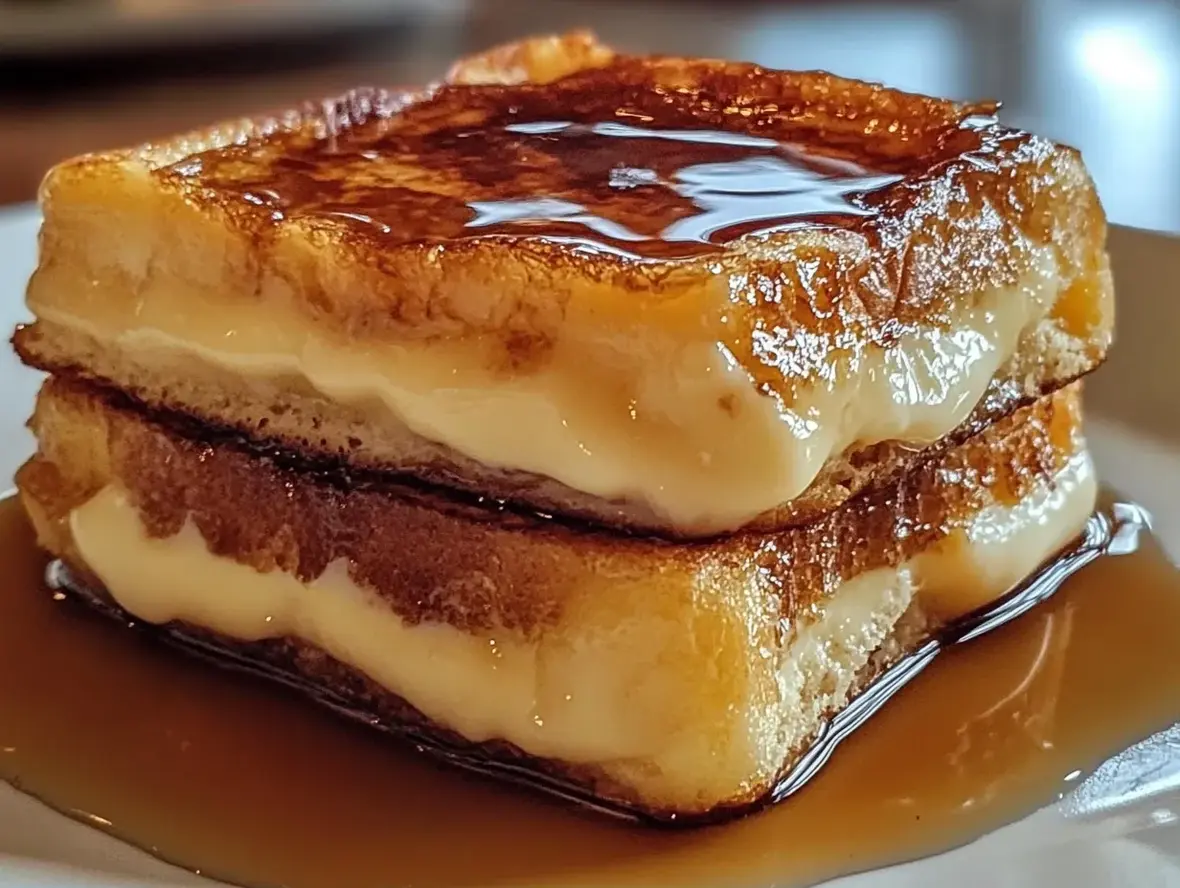
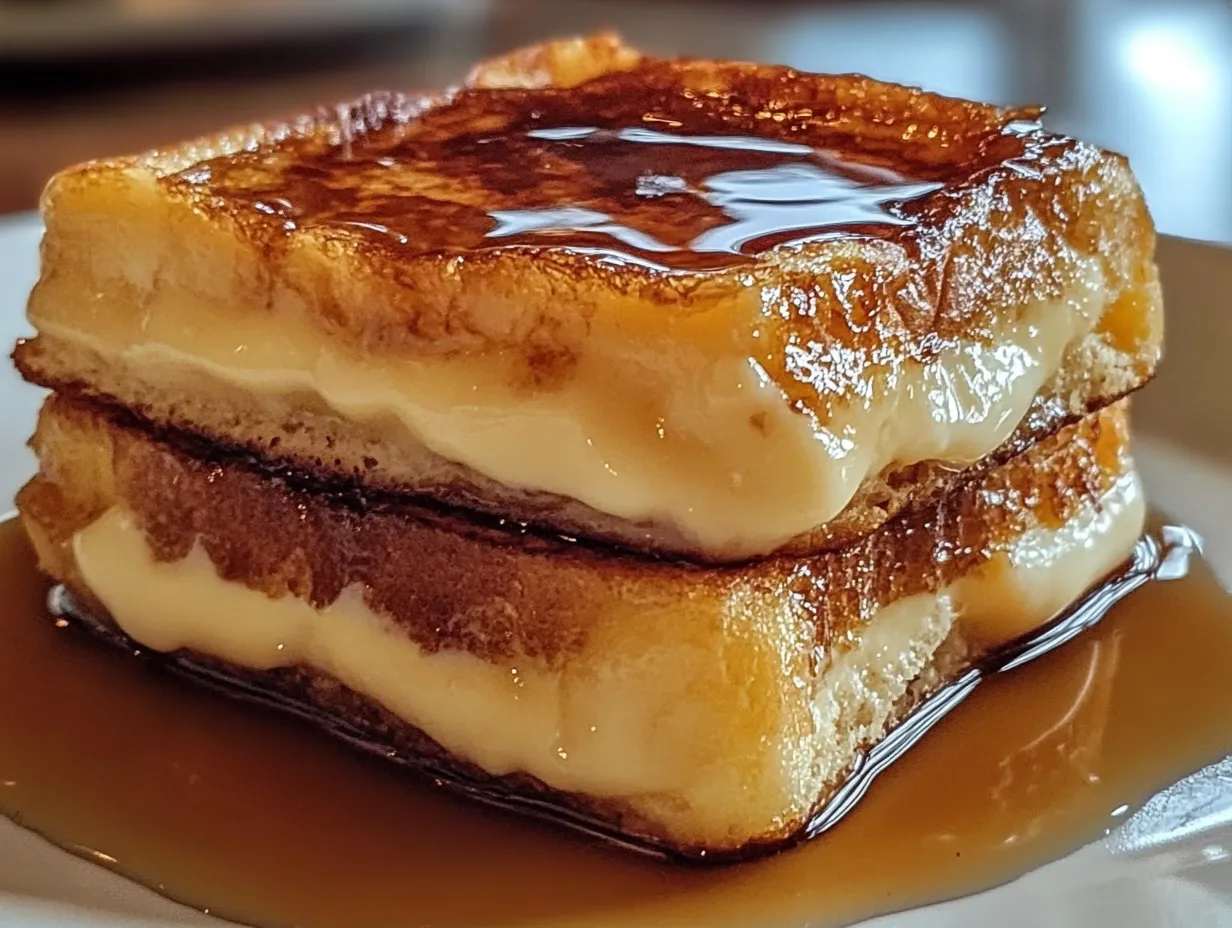
Are you searching for a breakfast that transcends the ordinary, a dish that whispers promises of weekend luxury and pure indulgence? Look no further than the Crème Brûlée French Toast. This isn’t your average soggy slice of bread; it’s a transformation, a culinary alchemy that brings together the beloved crackle of caramelized sugar with the tender, custardy embrace of French toast. With an estimated 5.7 million searches for “French toast recipes” per month, it’s clear that this breakfast staple is a perennial favorite. Yet, by infusing it with the elegant sophistication of crème brûlée, we elevate it to an entirely new level of deliciousness. Imagine a golden-brown crust giving way to an unbelievably soft interior, all crowned with a shatteringly crisp sugar topping. It’s a symphony of textures and flavors that will make any morning feel like a special occasion. Let us guide you through the secrets of creating this exquisite dish that your taste buds will thank you for.
Deconstruct the Decadence: Ingredients Explained
The magic of Crème Brûlée French Toast lies in its key components, each playing a vital role in creating that iconic flavor and texture profile. We’ve broken them down for you, along with suggestions for substitutions to suit your pantry and preferences.
The Foundation: Bread Choices
The bread is the canvas for this masterpiece. You need something sturdy that can soak up the rich custard without falling apart, yet also be airy enough to become wonderfully fluffy.
- Thick-cut Brioche or Challah (1-inch slices): These enriched breads are ideal. They are slightly sweet, incredibly tender, and have a beautiful eggy richness that pairs perfectly with the custard. Their open crumb structure allows for optimal soaking. For a slightly less sweet option, a good quality challah is excellent.
- Sourdough (thick slices): If you prefer a tangier note, good quality sourdough can work beautifully. Its robust structure holds up well, and the slight acidity cuts through the richness of the custard. Ensure it’s a day or two old for better texture.
- French Baguette (day-old, sliced thickly): A slightly drier baguette can also be a great choice, offering a chewier texture and a very satisfying bite. Slice it lengthwise or into thick rounds.
The Heart: Custard Components
This is where the “crème” in crème brûlée truly shines. A rich, creamy, and perfectly seasoned custard is essential.
- Large Eggs (3): The binder and emulsifier of our custard. Use good quality, fresh eggs for the best flavor and color.
- Heavy Cream (1.5 cups): Provides the luxurious, velvety texture. The higher fat content ensures a rich and creamy custard that coats the bread beautifully. Half-and-half can be used as a lighter alternative, though the texture will be less rich.
- Milk (1/2 cup): Lightens the cream slightly, preventing the custard from being too dense. Whole milk is recommended for richness. 2% milk can be used if whole is unavailable; avoid skim.
- Granulated Sugar (1/4 cup): Sweetens the custard, but not overly so, as the topping will provide the main sweetness.
- Vanilla Extract (1.5 tsp): The quintessential flavor of crème brûlée. Use pure vanilla extract for the most authentic and aromatic result. Vanilla bean paste or the seeds from half a vanilla bean can be used for an even more intense vanilla flavor.
- Pinch of Salt: Essential for balancing sweetness and enhancing all the other flavors.
The Crown: Caramelizing Sugar
This is what makes it “brûlée” – the burnt sugar topping!
- Granulated Sugar (4-6 tbsp, or more as needed): This is what you’ll sprinkle on top to create that signature crackly layer. Fine granulated sugar is best for even melting and caramelization.
Optional Embellishments
Feel free to add a little extra flair:
- Fresh Berries: Raspberries, blueberries, or strawberries add a burst of freshness and color.
- Powdered Sugar: A light dusting can add a touch of elegance before serving.
- Maple Syrup or Honey: For a little extra liquid sweetness.
- Whipped Cream: For ultimate decadence.
The Art of Timing: Prep, Cook, and Rest
A typical French toast recipe might take around 20-30 minutes total. However, the soaking time for excellent Crème Brûlée French Toast is crucial to achieve that custardy interior. This added soaking time is well worth the wait for the superior texture and flavor.
Crafting Your Crème Brûlée French Toast: Step-by-Step
Step 1: Prepare the Bread
If your bread isn’t already sliced, cut it into thick, 1-inch slices. If you are using a baguette, slice it lengthwise or into thick rounds. Stale or day-old bread is actually preferable as it will absorb the custard better without becoming mushy.
Step 2: Whisk the Custard Base
In a wide, shallow bowl or dish (large enough to fit your bread slices comfortably), whisk together the eggs, heavy cream, milk, granulated sugar, vanilla extract, and pinch of salt. Whisk until everything is thoroughly combined and the mixture is smooth and uniform in color. This liquid gold is the soul of your French toast.
Step 3: Soak the Bread
Gently place the bread slices into the custard mixture. Let each slice soak for about 15-30 seconds per side. The exact time will depend on the bread’s dryness and thickness. You want the bread to absorb a good amount of custard, becoming saturated but not completely sodden and falling apart. It should feel weighty.
Step 4: Cook the French Toast
Melt a tablespoon of butter (or a mix of butter and oil) in a large non-stick skillet or on a griddle over medium heat. Once the butter is shimmering, carefully lift a soaked bread slice from the custard, letting any excess drip off briefly. Place it in the hot skillet. Cook for about 3-5 minutes per side, until golden brown and cooked through. Cook in batches, adding more butter as needed, and avoid overcrowding the pan, which can steam the French toast instead of browning it.
Step 5: Achieve the Caramelized Crust
This is the pièce de résistance! Once your French toast slices are cooked and golden, arrange them on a baking sheet lined with parchment paper. Generously sprinkle the top of each slice with granulated sugar, creating an even layer. Using a kitchen torch, carefully move the flame back and forth over the sugar until it melts, bubbles, and caramelizes into a beautiful, amber-colored, crackly crust. If you don’t have a torch, you can very carefully use your oven’s broiler on high heat. Place the baking sheet under the broiler for 1-2 minutes, watching *very closely* as sugar can burn quickly. The goal is a melted, caramelized surface, not burnt bitterness.
Nutritional Snapshot
While this is a decadent treat, understanding its nutritional profile can be helpful. Actual values will vary based on specific ingredients and portion sizes. (Please note: This is an estimate and should not be considered medical advice.)
- Calories: Approximately 450-600 per serving (1-2 slices, depending on size and toppings)
- Protein: 10-15g
- Fat: 25-40g (Saturated fat will be higher due to butter and cream)
- Carbohydrates: 40-55g (Includes sugar from bread, custard, and topping)
- Fiber: 1-3g
A Lighter Indulgence: Healthier Swaps
You can enjoy the essence of crème brûlée French toast with a few mindful adjustments:
- Bread: Opt for whole-grain challah or a sturdy whole-wheat bread for added fiber.
- Dairy: Use a mix of milk and half-and-half, or even unsweetened almond milk with a touch of heavy cream, to reduce fat content.
- Sweetener: Reduce the sugar in the custard slightly, and use a sugar substitute if desired for the topping (though this may affect caramelization). Or, skip the sugar topping and opt for fruit.
- Portion Control: Serve with plenty of fresh fruit to balance the richness.
Elevate Your Brunch: Serving Ideas
Presentation is key for this elegant dish!
- Classic Combo: Serve with a side of fresh berries and a dollop of lightly sweetened whipped cream.
- Fruity Fiesta: A medley of seasonal fruits like strawberries, blueberries, raspberries, and perhaps some sliced peaches or figs.
- Savory Contrast: For those who love a sweet and savory balance, pair with crispy bacon or breakfast sausage.
- Syrup Embrace: A light drizzle of good quality maple syrup or a swirl of honey can enhance the flavors.
Avoiding Pitfalls: Common Mistakes to Sidestep
Preventing common errors will ensure your Crème Brûlée French Toast is perfect every time:
- Over-Soaking the Bread: Using bread that is too fresh or soaking for too long will result in a mushy, broken-down French toast.
- Not Enough Fat in the Pan: Insufficient butter or oil will lead to sticking and uneven browning.
- Crowding the Pan: Cooking too many slices at once lowers the pan temperature, leading to pale, steamed French toast instead of golden perfection.
- Burning the Sugar: Sugar caramelizes very quickly. Watch it intensely when torching or broiling to avoid a bitter taste.
- Using Low-Fat Dairy: While healthier alternatives exist, for the classic lusciousness, fat in cream and milk is essential for a rich custard.
Savoring the Sweetness: Storing and Reheating
While best enjoyed fresh, leftovers can be managed:
- Storage: Allow cooked French toast (before caramelizing the sugar, if possible) to cool completely. Store in an airtight container in the refrigerator for up to 2 days. The caramelized topping may become soft upon refrigeration.
- Reheating: For the best texture, gently reheat in a skillet over medium-low heat until warmed through. This can help re-crisp the bread slightly. You can also reheat in a toaster oven or a moderate oven (350°F/175°C) for a few minutes. For the topping, you may need to re-torch or broil briefly after reheating if you want that crackle back.
Embrace the Exquisite
The Best Crème Brûlée French Toast is more than just a recipe; it’s an experience. It’s an invitation to slow down, to savor a moment of pure, unadulterated deliciousness. From the comforting, custardy interior to the satisfying crackle of caramelized sugar, every bite is a testament to culinary elegance. Whether you’re impressing guests for a special brunch or simply treating yourself to a luxurious start to the day, this dish promises delight. Give it a try, and prepare to fall in love!
Frequently Asked Questions
***What kind of bread is best for French toast?***
Thick-cut, slightly stale bread like brioche, challah, or sourdough is ideal. It absorbs the custard well without becoming mushy.
***Can I make the custard ahead of time?***
Yes, you can whisk the custard base up to 24 hours in advance and store it in the refrigerator. Whisk it again before using.
***How do I get the caramelized sugar topping without a torch?***
You can use your oven’s broiler set to high. Place the sugared French toast on a baking sheet under the broiler for 1-2 minutes, watching *very carefully* to prevent burning.
***Is it necessary to use heavy cream?***
Heavy cream contributes to the rich, luxurious texture characteristic of crème brûlée. While you can use half-and-half for a lighter version, the result will be less decadent.
***Can I bake this instead of pan-frying?***
Yes, after soaking, you can arrange the bread on a baking sheet and bake at around 375°F (190°C) for about 15-20 minutes, flipping halfway, until golden brown. Then, proceed with caramelizing the sugar.

Overnight Crème Brûlée French Toast
Description
Indulge in this rich and custardy overnight French toast, finished with a caramelized sugar topping that gives it a crème brûlée flair. Perfect for a decadent breakfast or brunch!
Ingredients
- 1loaf French bread, sliced 1-inch thick5large eggs1 cuphalf-and-half1 cupwhole milk1 teaspoonvanilla extract2/3 cupgranulated sugar (plus extra for topping)1/4 teaspoonground cinnamon1/4 teaspoonground nutmeg1/4 cupunsalted butter, cut into small piecesMaple syrup, for serving
- 5large eggs1 cuphalf-and-half1 cupwhole milk1 teaspoonvanilla extract2/3 cupgranulated sugar (plus extra for topping)1/4 teaspoonground cinnamon1/4 teaspoonground nutmeg1/4 cupunsalted butter, cut into small piecesMaple syrup, for serving
- 1 cuphalf-and-half1 cupwhole milk1 teaspoonvanilla extract2/3 cupgranulated sugar (plus extra for topping)1/4 teaspoonground cinnamon1/4 teaspoonground nutmeg1/4 cupunsalted butter, cut into small piecesMaple syrup, for serving
- 1 cupwhole milk1 teaspoonvanilla extract2/3 cupgranulated sugar (plus extra for topping)1/4 teaspoonground cinnamon1/4 teaspoonground nutmeg1/4 cupunsalted butter, cut into small piecesMaple syrup, for serving
- 1 teaspoonvanilla extract2/3 cupgranulated sugar (plus extra for topping)1/4 teaspoonground cinnamon1/4 teaspoonground nutmeg1/4 cupunsalted butter, cut into small piecesMaple syrup, for serving
- 2/3 cupgranulated sugar (plus extra for topping)1/4 teaspoonground cinnamon1/4 teaspoonground nutmeg1/4 cupunsalted butter, cut into small piecesMaple syrup, for serving
- 1/4 teaspoonground cinnamon1/4 teaspoonground nutmeg1/4 cupunsalted butter, cut into small piecesMaple syrup, for serving
- 1/4 teaspoonground nutmeg1/4 cupunsalted butter, cut into small piecesMaple syrup, for serving
- 1/4 cupunsalted butter, cut into small piecesMaple syrup, for serving
- Maple syrup, for serving
Instructions
- 1️⃣Prepare the baking dish:Generously butter a 9×13-inch baking dish. Arrange the French bread slices in a single layer, slightly overlapping if necessary.
- 2️⃣Make the custard:In a large mixing bowl, whisk together the eggs, half-and-half, milk, vanilla extract, sugar, cinnamon, and nutmeg until smooth and well-combined.3️⃣Soak the bread:Pour the custard mixture evenly over the bread slices, ensuring every slice is thoroughly coated. Use a spatula or your hands to gently press the bread into the custard.4️⃣Refrigerate overnight:Cover the dish tightly with plastic wrap and refrigerate overnight to allow the bread to absorb the custard.5️⃣Bake the French toast:Preheat your oven to 350°F (175°C). Remove the baking dish from the refrigerator and discard the plastic wrap. Dot the bread with small pieces of butter and sprinkle a light layer of sugar over the top. Bake for 35-40 minutes, or until the French toast is puffed and golden.6️⃣Caramelize the sugar topping:Remove the dish from the oven and let it cool slightly. Sprinkle an even layer of granulated sugar on top of the bread. Use a kitchen torch or the broiler setting on your oven to caramelize the sugar until it is golden and crisp.7️⃣Serve:Allow the French toast to cool for a few minutes before serving. Drizzle with maple syrup and enjoy!
- 3️⃣Soak the bread:Pour the custard mixture evenly over the bread slices, ensuring every slice is thoroughly coated. Use a spatula or your hands to gently press the bread into the custard.4️⃣Refrigerate overnight:Cover the dish tightly with plastic wrap and refrigerate overnight to allow the bread to absorb the custard.5️⃣Bake the French toast:Preheat your oven to 350°F (175°C). Remove the baking dish from the refrigerator and discard the plastic wrap. Dot the bread with small pieces of butter and sprinkle a light layer of sugar over the top. Bake for 35-40 minutes, or until the French toast is puffed and golden.6️⃣Caramelize the sugar topping:Remove the dish from the oven and let it cool slightly. Sprinkle an even layer of granulated sugar on top of the bread. Use a kitchen torch or the broiler setting on your oven to caramelize the sugar until it is golden and crisp.7️⃣Serve:Allow the French toast to cool for a few minutes before serving. Drizzle with maple syrup and enjoy!
- 4️⃣Refrigerate overnight:Cover the dish tightly with plastic wrap and refrigerate overnight to allow the bread to absorb the custard.
- 5️⃣Bake the French toast:Preheat your oven to 350°F (175°C). Remove the baking dish from the refrigerator and discard the plastic wrap. Dot the bread with small pieces of butter and sprinkle a light layer of sugar over the top. Bake for 35-40 minutes, or until the French toast is puffed and golden.6️⃣Caramelize the sugar topping:Remove the dish from the oven and let it cool slightly. Sprinkle an even layer of granulated sugar on top of the bread. Use a kitchen torch or the broiler setting on your oven to caramelize the sugar until it is golden and crisp.7️⃣Serve:Allow the French toast to cool for a few minutes before serving. Drizzle with maple syrup and enjoy!
- 6️⃣Caramelize the sugar topping:Remove the dish from the oven and let it cool slightly. Sprinkle an even layer of granulated sugar on top of the bread. Use a kitchen torch or the broiler setting on your oven to caramelize the sugar until it is golden and crisp.7️⃣Serve:Allow the French toast to cool for a few minutes before serving. Drizzle with maple syrup and enjoy!
- 7️⃣Serve:Allow the French toast to cool for a few minutes before serving. Drizzle with maple syrup and enjoy!
Notes
For a deeper flavor, substitute brown sugar for some or all of the granulated sugar in the custard.Leftovers can be stored in the refrigerator for up to 2 days and reheated in the oven.Customize the dish with fresh fruit or a dollop of whipped cream when serving.
Leftovers can be stored in the refrigerator for up to 2 days and reheated in the oven.Customize the dish with fresh fruit or a dollop of whipped cream when serving.
Customize the dish with fresh fruit or a dollop of whipped cream when serving.
“`
